Texas de Brazil

My latest trip to Cozumel is coming to an end (in pictures and stories), so now it is back to normal, everyday life, as normal as our life actually gets.

We do not really go out to eat that much at home, but this was a special occasion. It was our 18th wedding anniversary. We went to Texas de Brazil (pronounced Tehas), a Brazilian steakhouse. We have a few Brazilian steakhouses here, and their concept is the same, A Little Bit of Brazil in Downtown Denver though we found Texas de Brazil to be the best one. The quality of foods and selection is amazing and never ending.
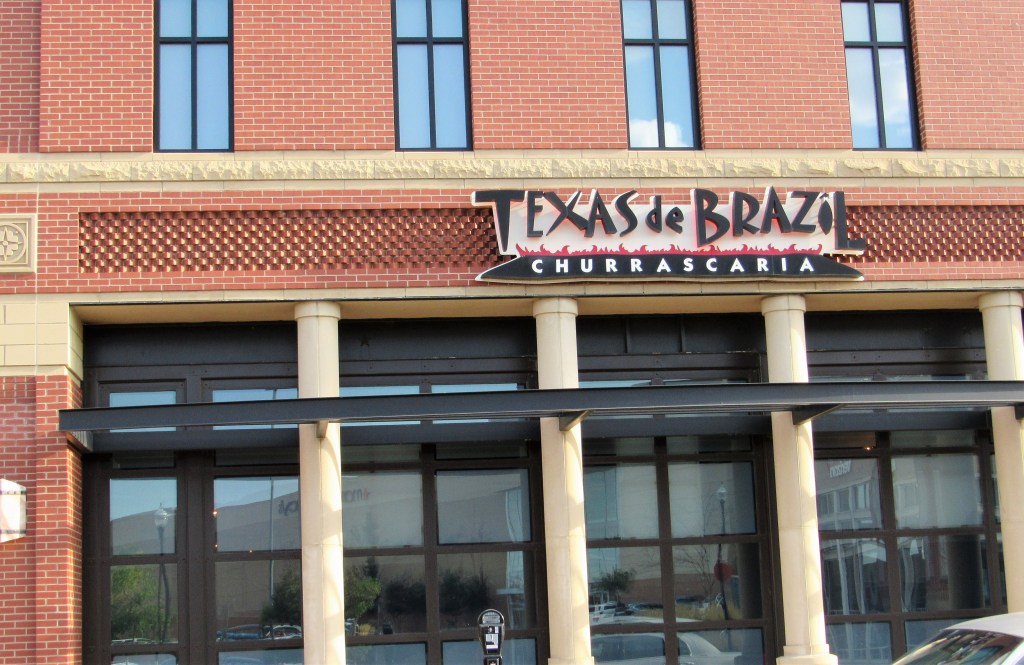
We arrived just as the steakhouse was opening, which turned out to be perfect timing. Everything was fresh and fully stocked.
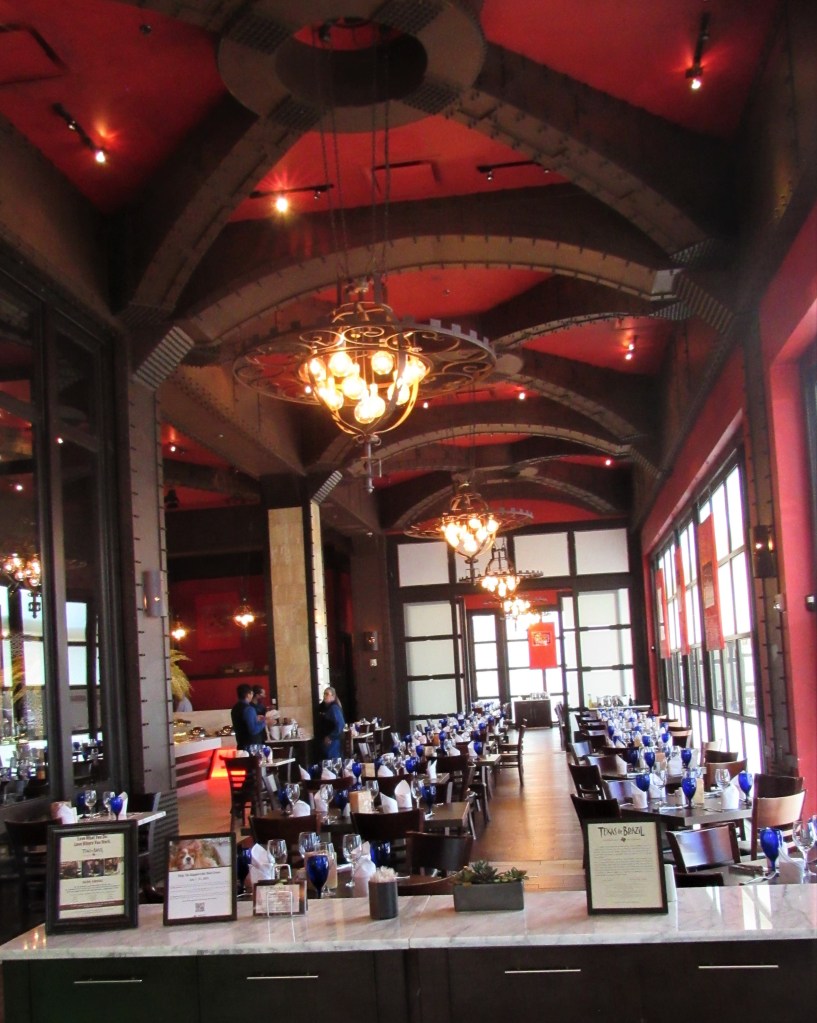
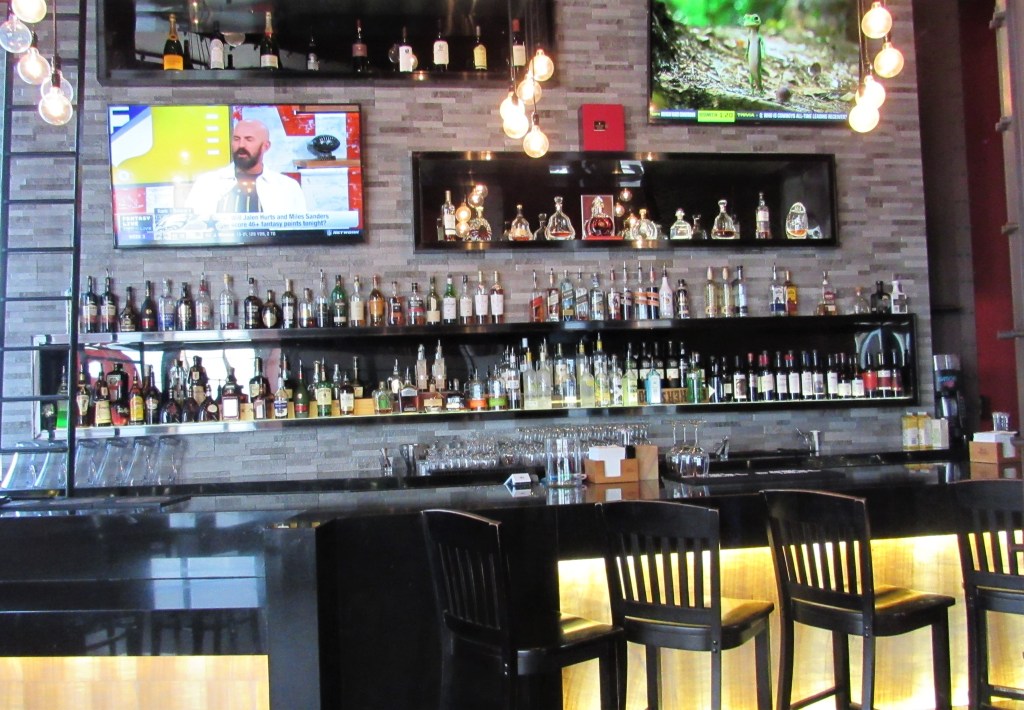
Although meats of all kinds are the main attraction, there is also a spectacular salad bar that offers all kinds of fresh salads and vegetables. So even if you are a vegetarian, there is still plenty of food you can enjoy.
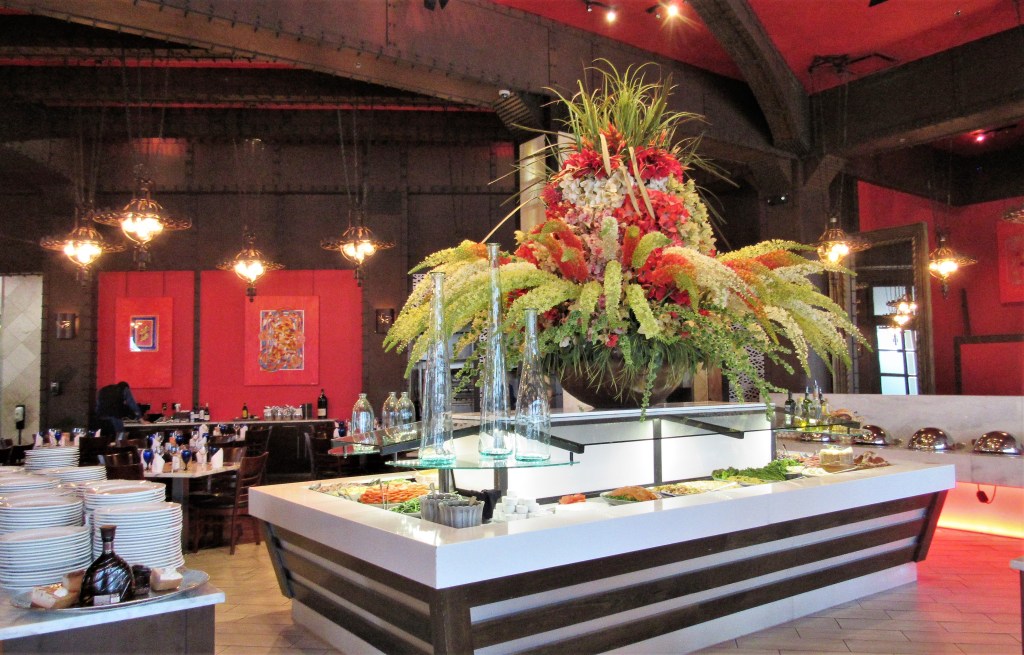
My curiosity got the better of me and I just had to ask about the flowers. They are not real, but they definitely look very real. Just imagine how expensive and tedious they would be if they were real.

We started our meal off with a great salad, each of us having something totally different. We could have easily feasted on this and we would have been very happy and very satisfied, but we were there for the meats after all.
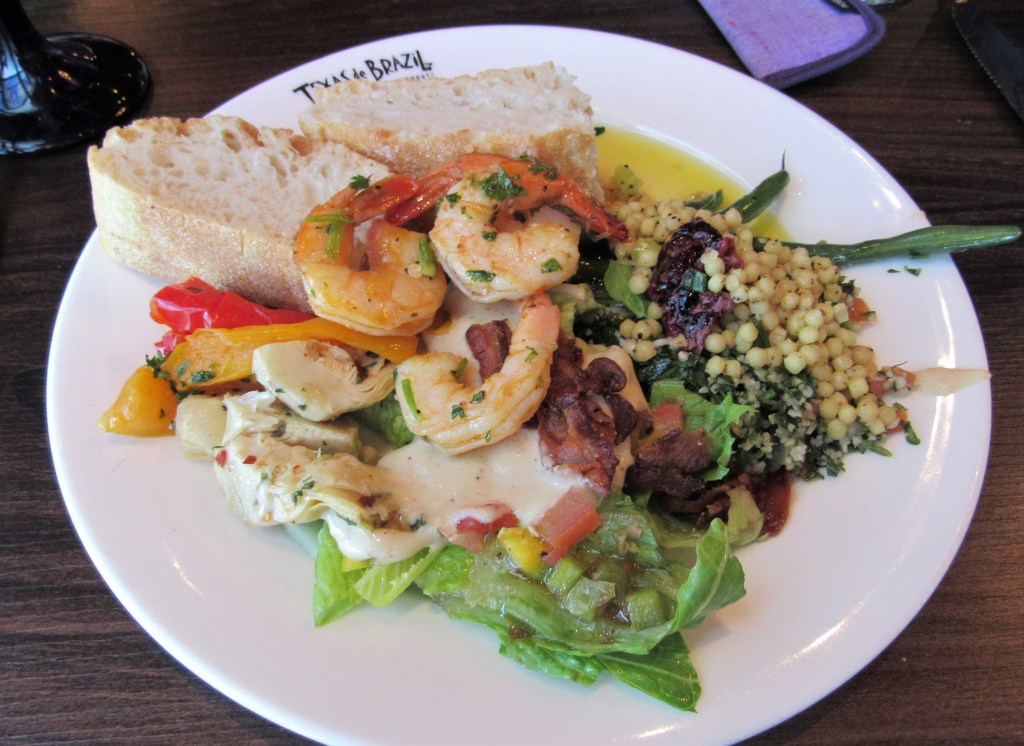
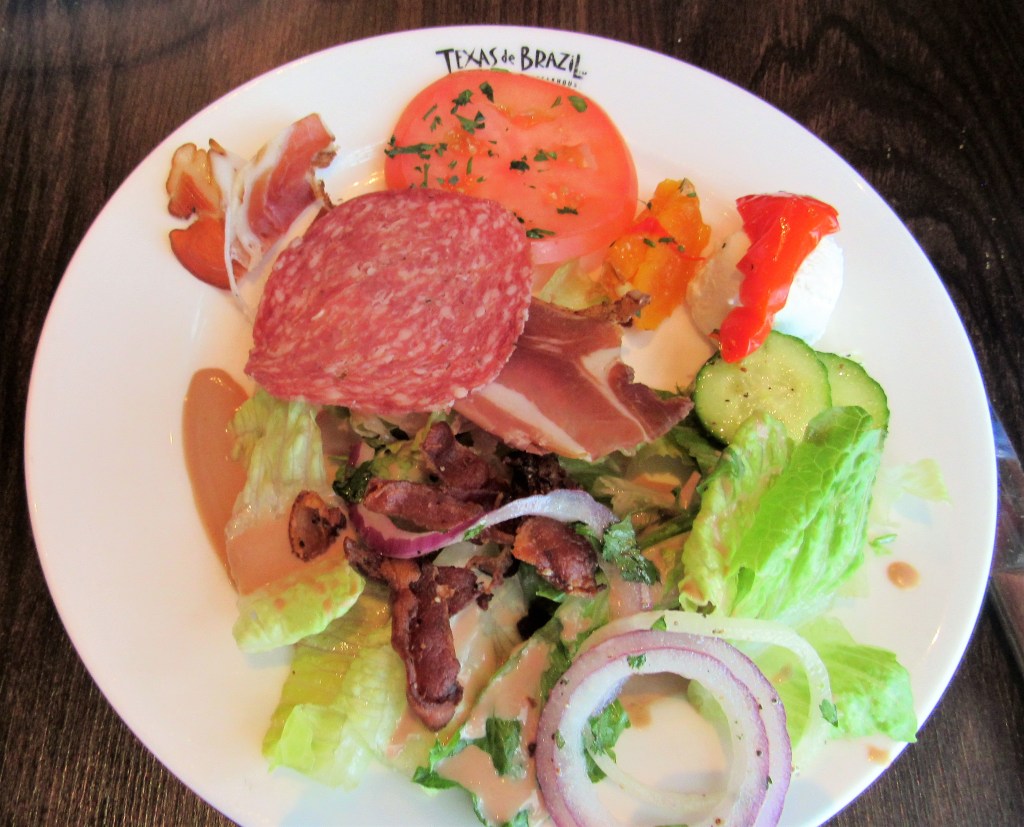
As soon as we sat down, a plate of fried bananas and some very creamy garlic mashed potatoes were brought to the table. The bananas are supposed to be a palette cleanser in between cuts of meat.

If you are not familiar with a Brazilian steakhouse, all the meats are served table side by waiters dressed in gaucho style clothes. A wide variety of meats is skewered and sliced off individually at your table. You can eat as much as your tummy can hold, and you can try everything that is available. The selections ranged from lamb to a variety of steaks to pork and chicken and sausages. We tried bits of everything, and it was ALL absolutely fantastic! It was all so tender and cooked to perfection. All of the meats are cooked the gaucho way – over an open flame with natural wood charcoal.
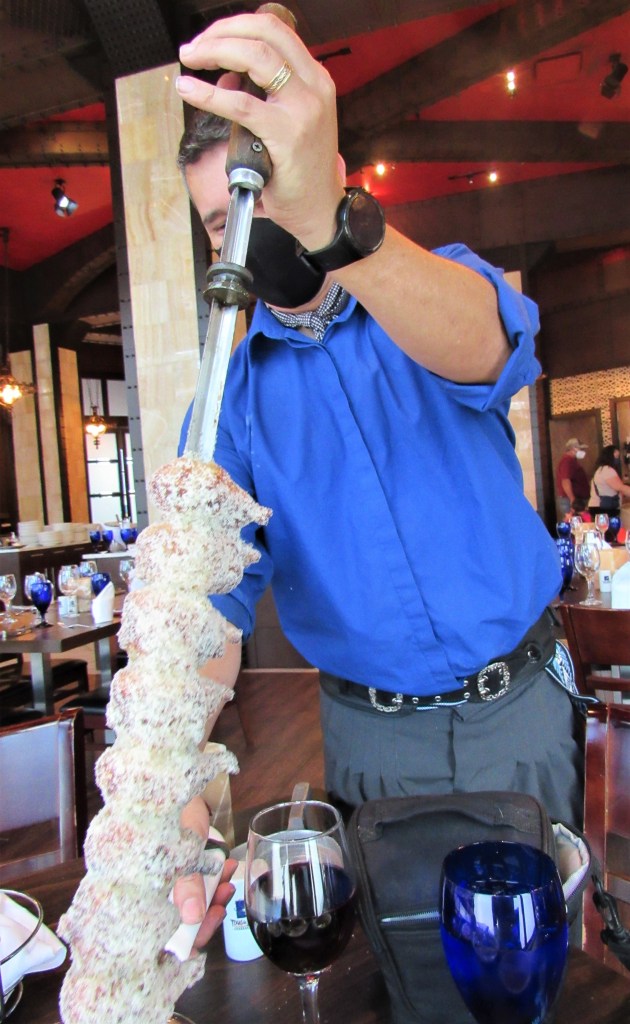
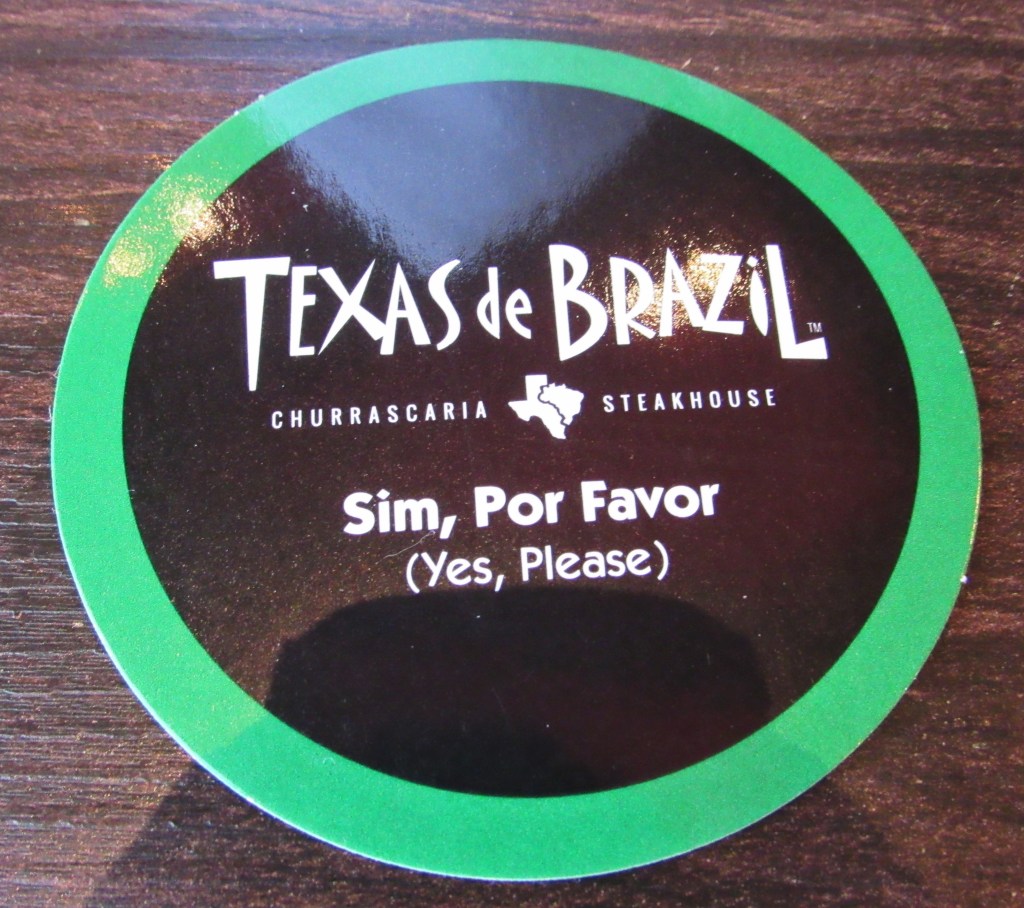
Every person at the table was given a little card. Green means the waiters keep on coming, serving everything they have. Red means you are stopping, or at least stopping for a bit. You can easily change your mind, and flip your card if you decide you want more too.
Because we have dined at these types of restaurants on numerous occasions, we learned a long time ago that 1) DON’T forget to bring a healthy appetite and 2) take very small portions of everything so you can try it all. I stopped long before Larry did, and I gave him about half of what I did try too, though everything was EXCELLENT. It was a great way to celebrate our 18th wedding anniversary.
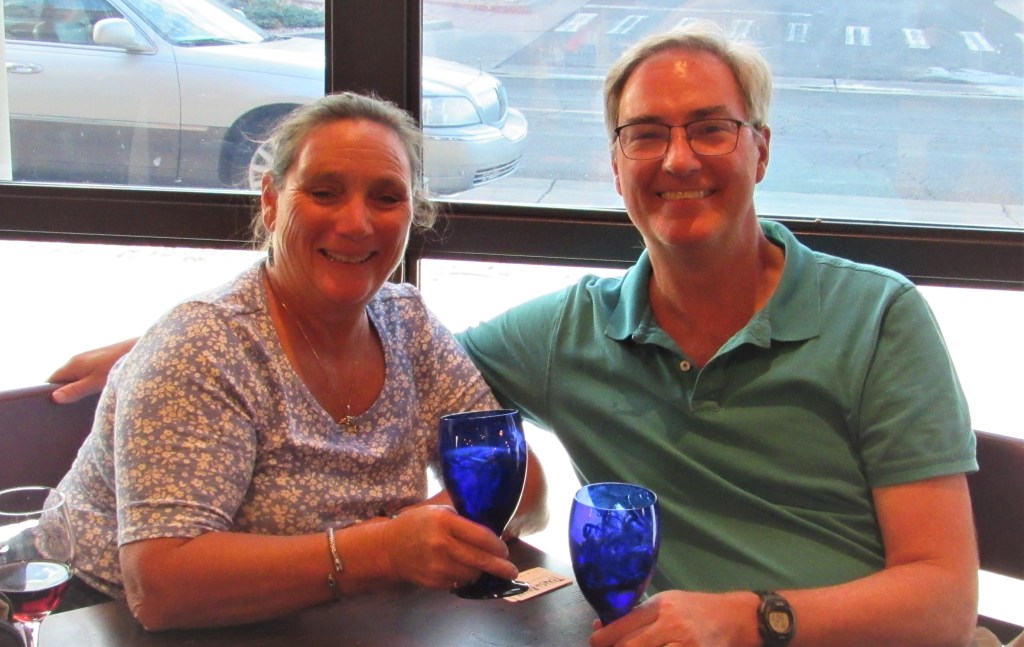
I normally do not feature chain restaurants, but I do make exceptions every now and then. The Texas de Brazil family is growing all over the country, and even internationally as well.

The story of how Texas de Brazil started. “Texas de Brazil began with a dream in Porto Alegre, Brazil. Enjoying the rancher’s life and feasting in the rodizio style native to the region, one of our partners had visions of bringing churrasco culture north to the United States. He wanted to share this unique way of dining where guests indulge in a parade of meats and extravagant seasonal salad area.

The destination for this restaurant was none other than cattle country…Texas. After all, the traditional steakhouse of Brazil blends perfectly with the service and class of the Lone Star State. We are proud to bring our family-owned restaurant to the rest of the world as we expand domestically and internationally. Come and enjoy the culinary experience found only at Texas de Brazil. In southern Brazil, local cowboys called gauchos, prepare legendary feasts in a tradition known as churrasco. They slow-roast meats over open flames and present an impressive display of seasonal greens, vegetable dishes and regional delicacies. The succulent meats are brought to each group’s table and carved in a show of skill and festive offering”.

The Texas de Brazil location we dined at was in Denver, located at 8390 Northfield Blvd., Suite 1800, Denver, CO 80238. You can call ahead to make reservations at (720) 374-2100 or you can find them online at TexasdeBrazil.com. If you have never experienced the Brazilian steakhouse, it is a must. If you have experienced it before, then it is definitely time to experience it once again. You will be very happy you did.
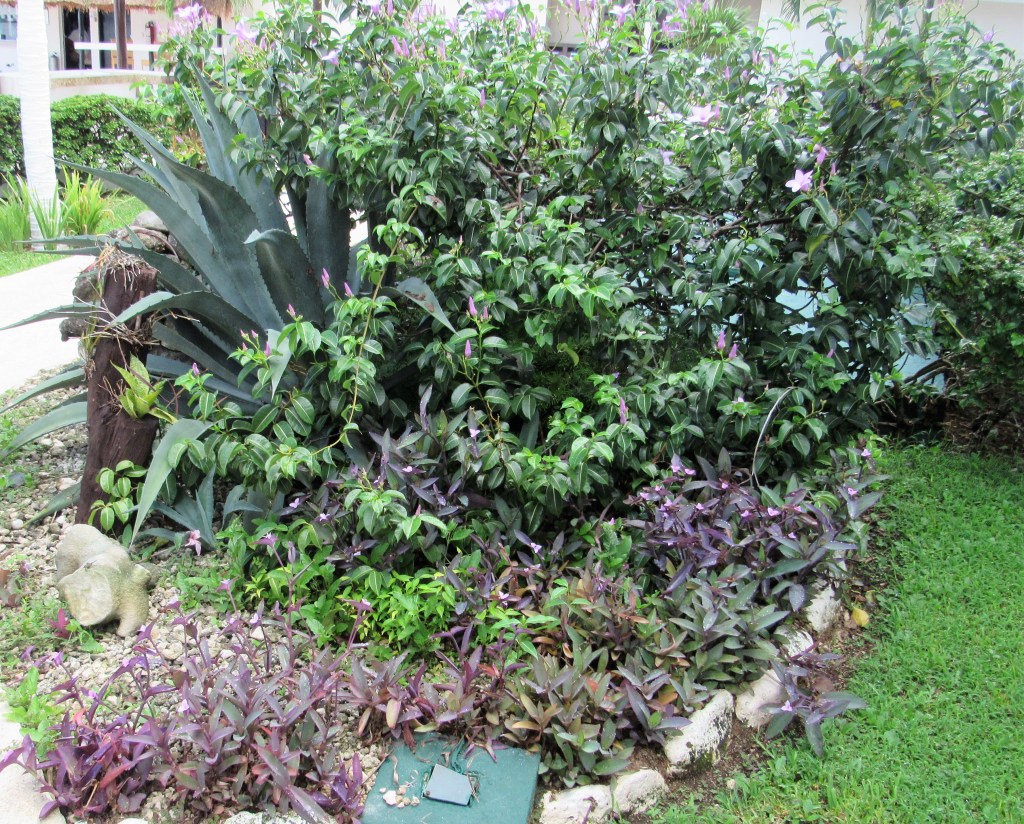
Las Floras de Cozumel – 10

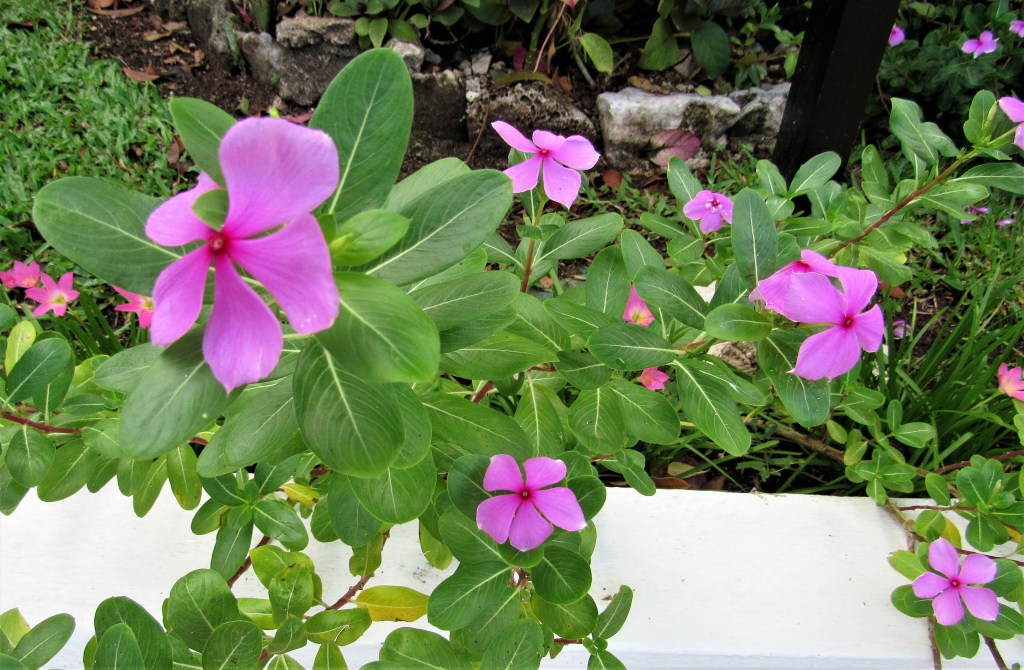
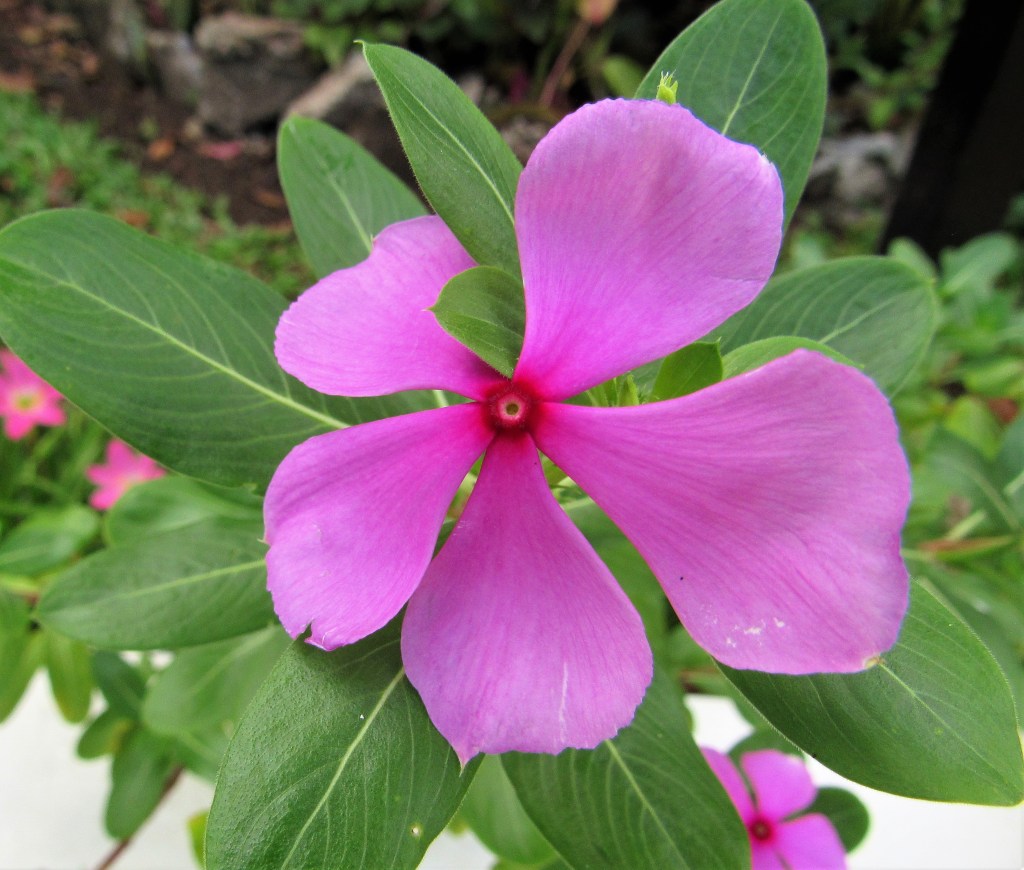
My trip to Cozumel is coming to an end, however, I took lots of pictures of all the beautiful flowers, meaning i still have quite a few more flowers to share with you. I hope they brighten your day like they did mine.

This little pinkish purple flowers with the purple leaves were all over the place. The purple leaves is what really made them stand out.

Mas Comidas de Cozumel – 5

My Cozumel trip of 2021 is coming to an end, though in reality, we returned home 2 weeks ago (and we have been non-stop busy ever since too). I hope you have enjoyed my Cozumel series. I do have a couple more Cozumel posts for you, then that will be it for this year’s trip. I do have one more great meal to share with you too though.

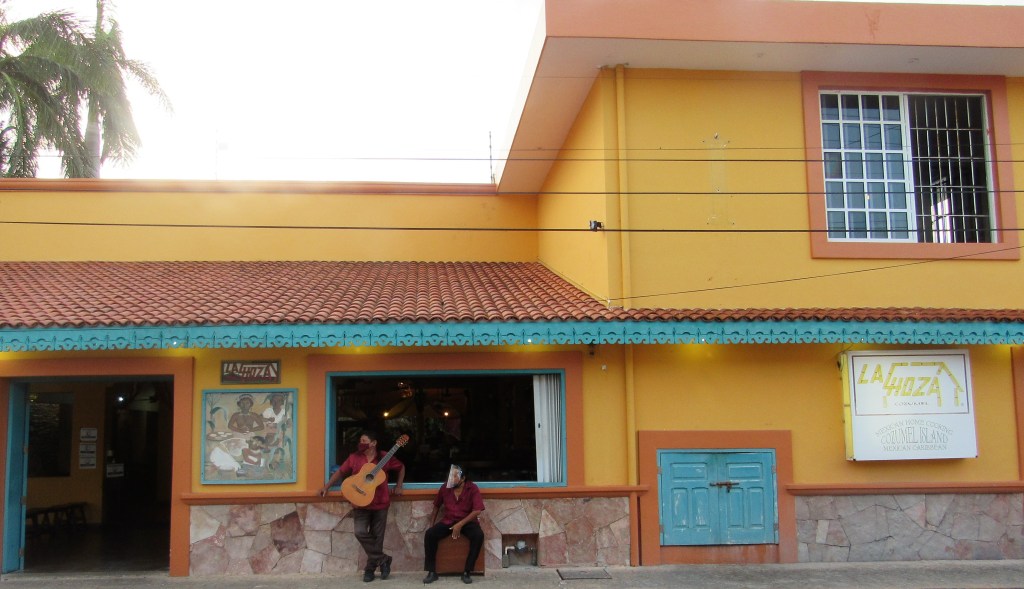
After our last dives for this trip, we invited Julio and Ishi, our dive masters, out to dinner. We have been diving with them for 12 years now. They are not only our friends, but they have become familia as well. We told them to choose a place and we would pay. They chose a place called La Choza, in the heart of San Miguel. The food was delicious but the company was even better.

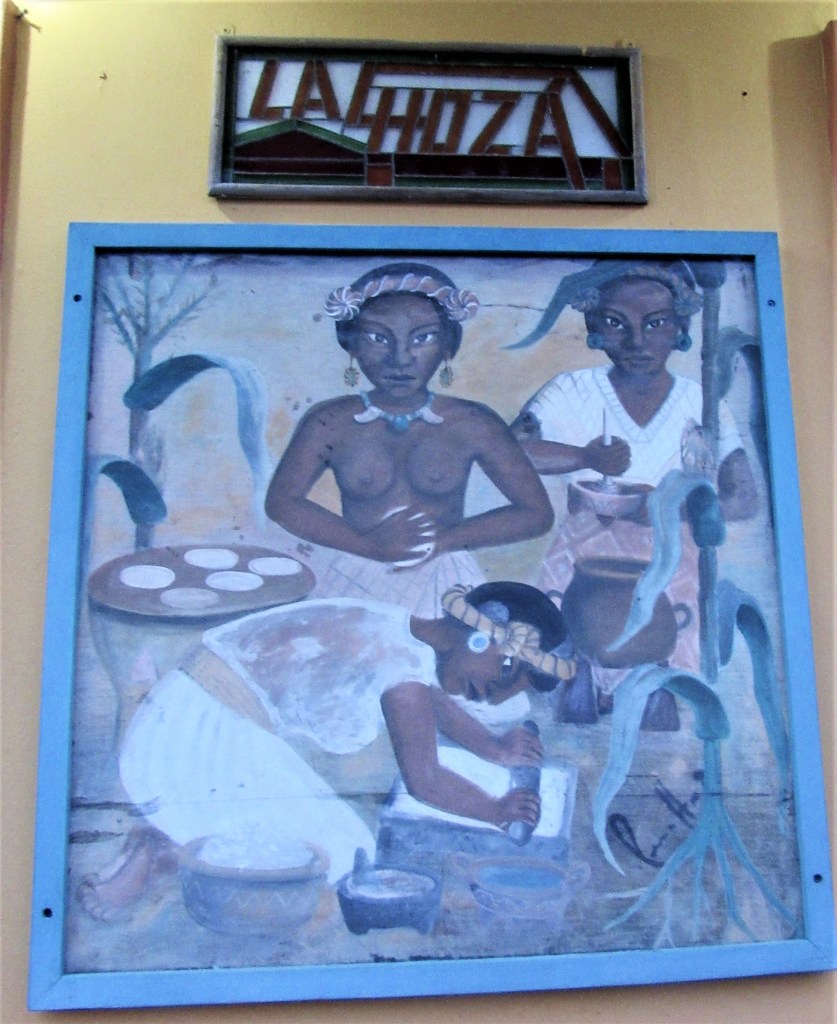
Inside, the walls were covered with local art that told the stories of the Mexican way of life. There was even an open air jungle area.

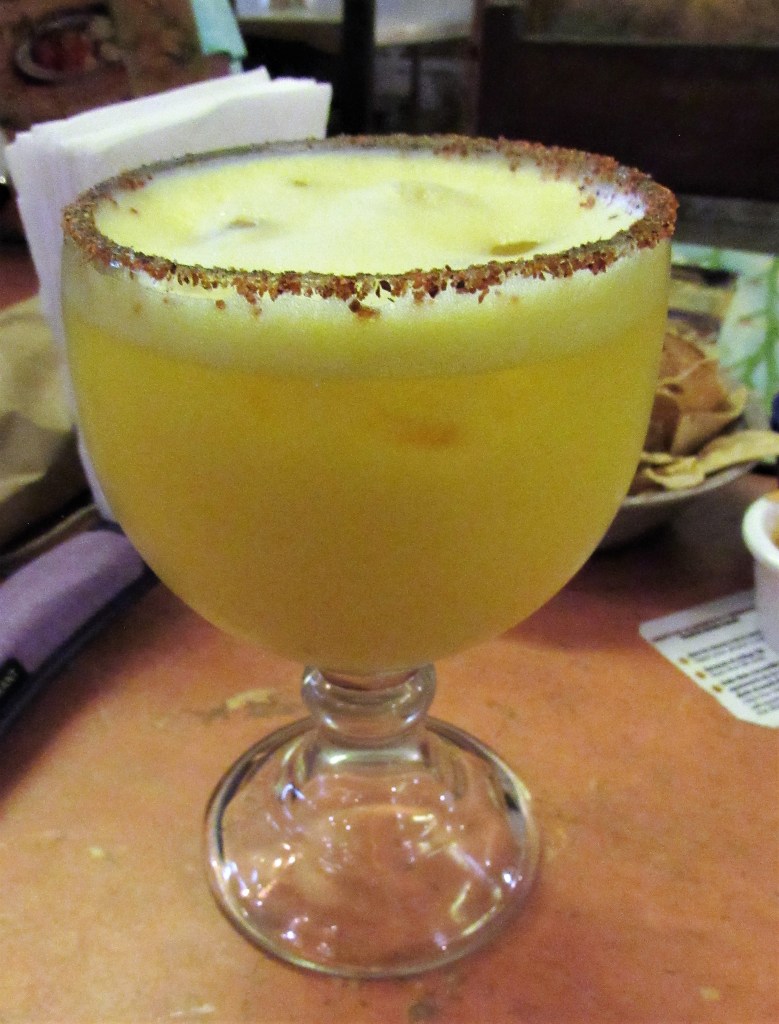
Of course, a nice cool and refreshing margarita was in order, especially since it was out last night on the island. This time I ordered a mango margarita with a spicy tamarind salt rimmed around the glass.

Once again, I must have been distracted, because I didn’t take any pictures of the food. But we were to busy laughing and telling good dive stories, so the food was secondary, although very good. It was a very fun evening. We need to do this more often.

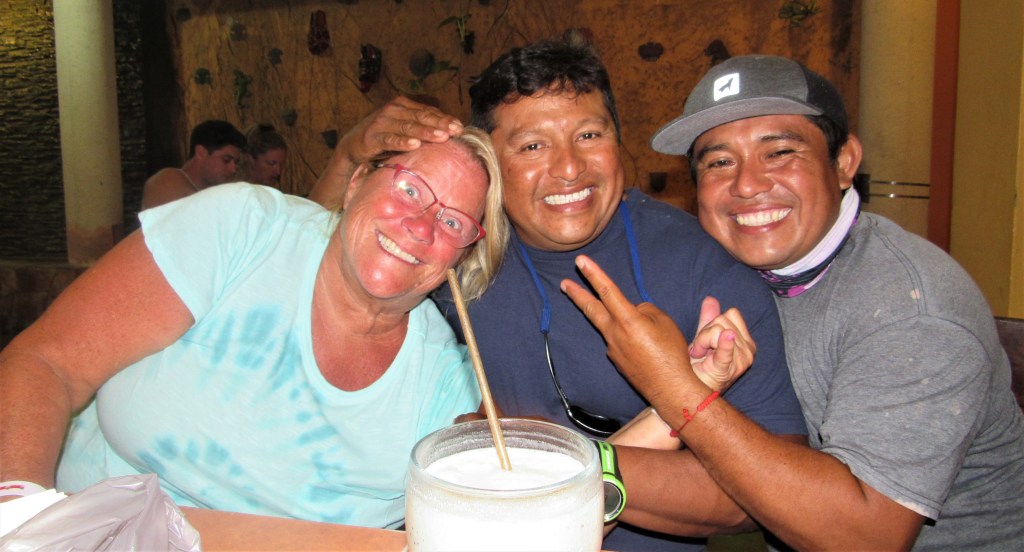
La familia de buceo or the dive family. Julio also brought his wife Natalie along too.

From here, we were all homeward bound, going in our separate directions. We were home to Denver, Nancy was back to St. Louis, and Rich was back to Pennsylvania. We will all be diving together again soon, but for now, home sweet home.

Stay safe and stay well Everyone. ‘Til next time.

Mas Comidas de Cozumel – 4

We try our best to make it a policy to NOT eat in hotels when on vacation, for a lot of reasons. However, there are times, when if you want to eat, it is a necessity. When we did some of our night dives, we had to dine at the hotel’s restaurant because everything else had already closed for the evening. Remember, Cozumel is really a sleepy little island that closes up relatively early, especially once the cruise ships have gone for the day. Life In Cozumel.

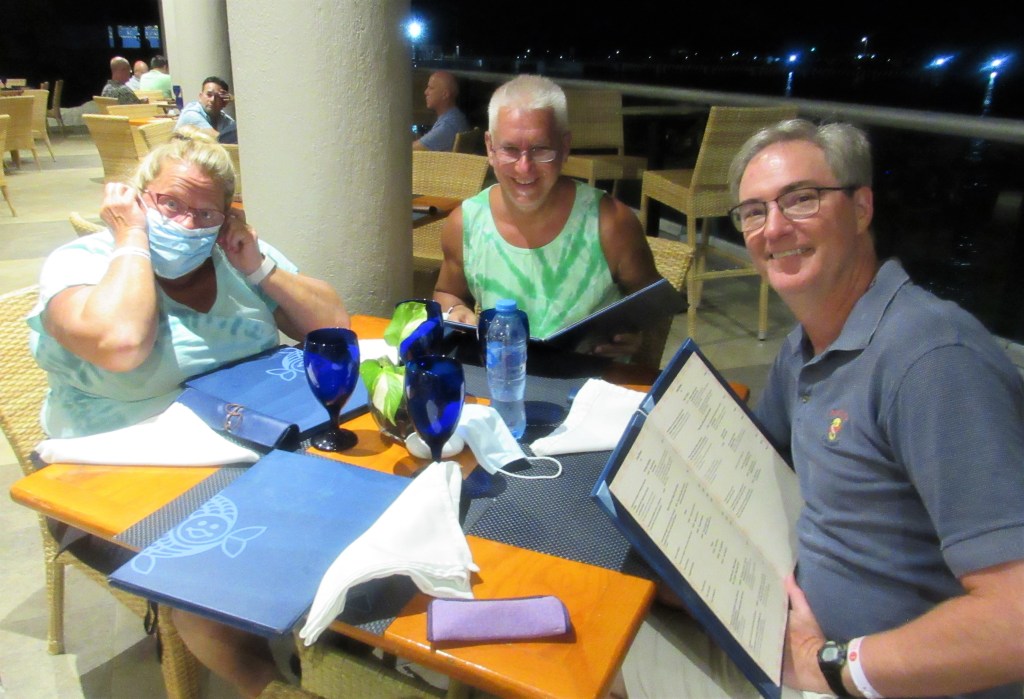
The food in the hotel was good, but we all agreed it was NOT our favorite. We were staying at the El Cid, which is a beautiful resort. But again, hotel food is not our first choice. But, when you don’t come in from diving until around 8:00 PM, and then need to shower just to be presentable, you go where you can when you can. We did dine with an ocean front view, which helped make amends.

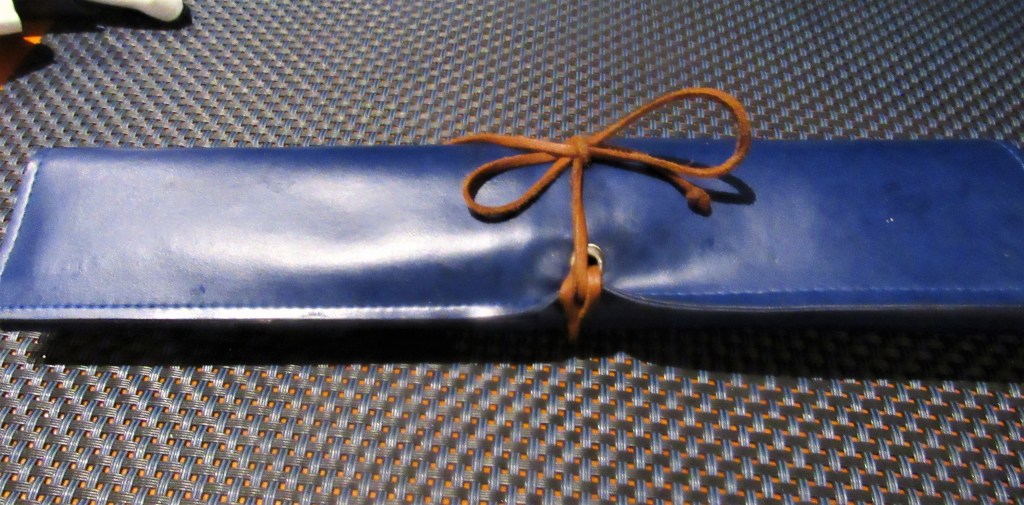
All the silverware was wrapped in a blue leather packet, which was a nice, unexpected touch.

The presentation was nice, but the food was expensive and kind of bland and blah.

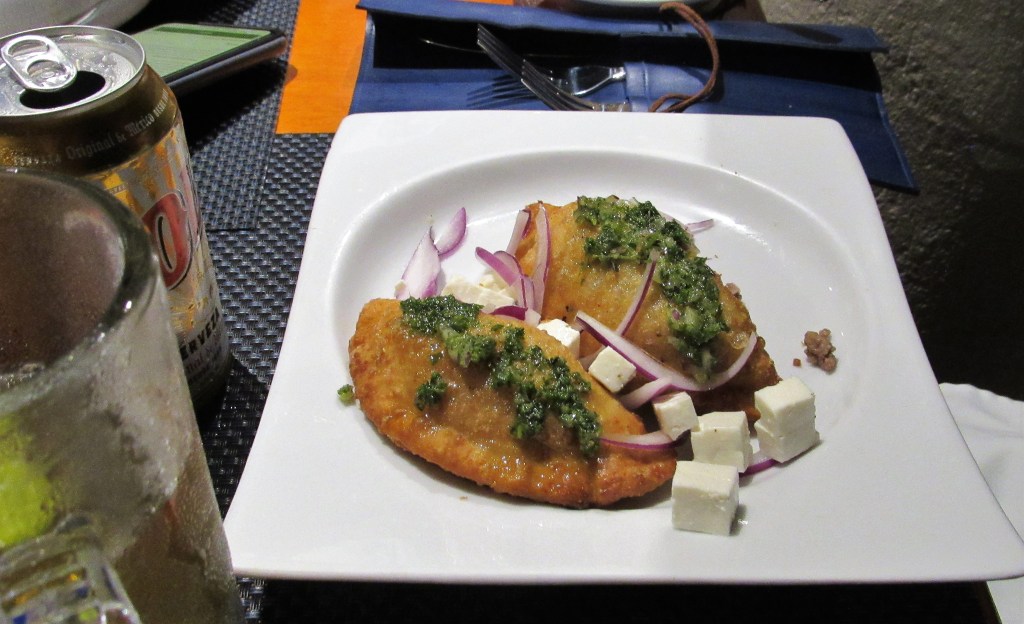
Instead of his normal ceviche, Rich started out with some empanadas which looked great.

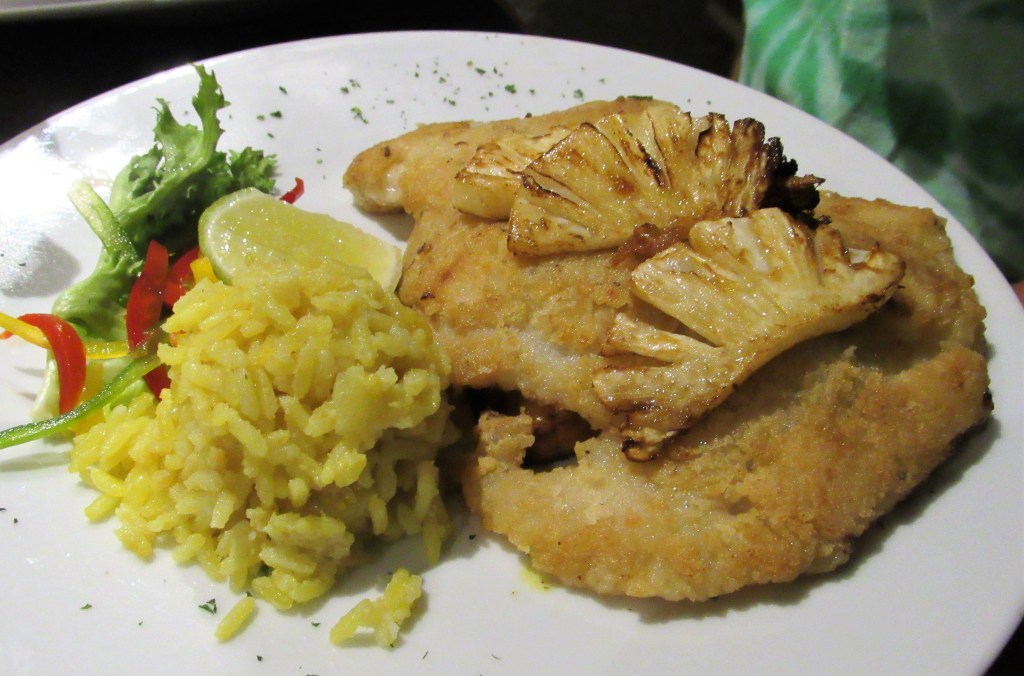
From the empanadas, he moved on to a fish dish.

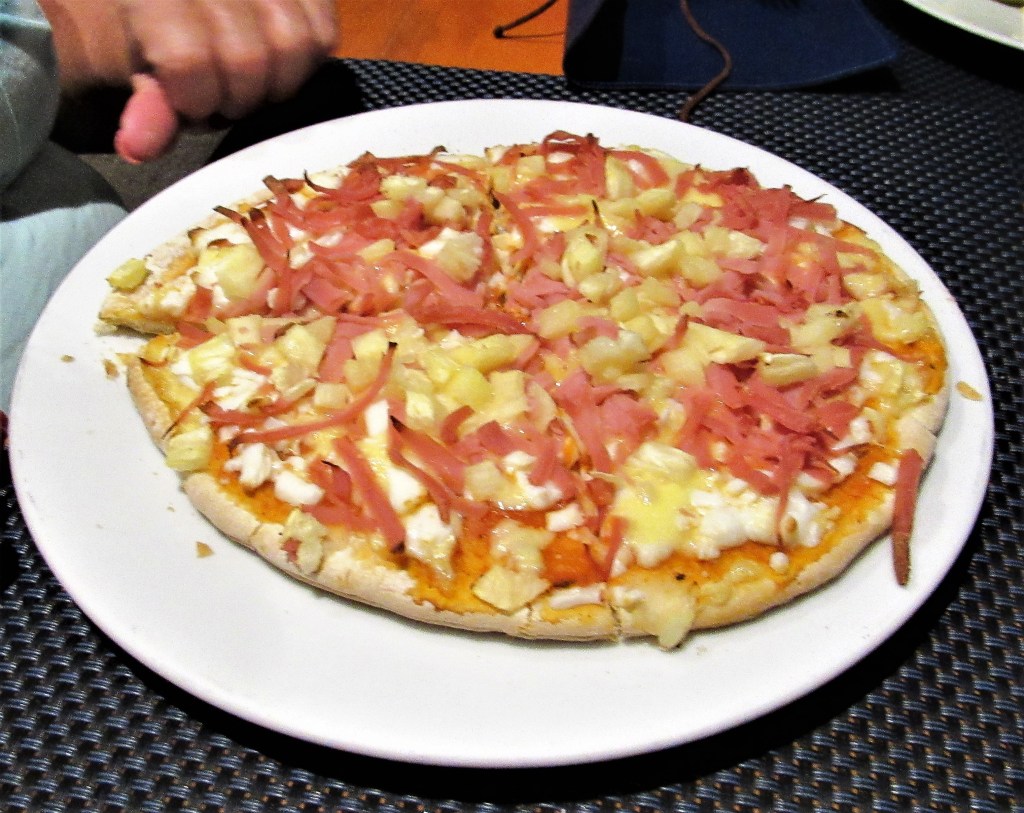
Nancy ordered pizza. She instantly regretted it, and granted, it looked as though it was a frozen pizza that had just been popped into the oven.

Larry and I both ordered the seafood pasta plate, which was full of mussels, calamari and shrimp. It was good, but as I said, very bland. It need a lot more flavor and a lot more sauce.

None of the food was bad per se, but we had much higher expectations. Beggars can’t be choosers though, and sometimes, you don’t have options. This was one of those times. Live and learn. That’s all you can do. The food may not have been the best, but the diving was well worth it. 🙂

When life throws you a bag of sour lemons, make lemonade. Stay safe and stay well Everyone. ‘Til next time.

Life In Cozumel

Life in Cozumel is what you might expect, once you get past all the hustle and bustle of the tourism. It is a pretty quiet, sleepy place, where people do what they do in their own way. They are on island time, in the Caribbean, so they do what needs to get done in their own time. Nothing is rushed or hurried. For the most part, life on Isla de Cozumel is carried out pretty much the same way it has been for eons and eons.

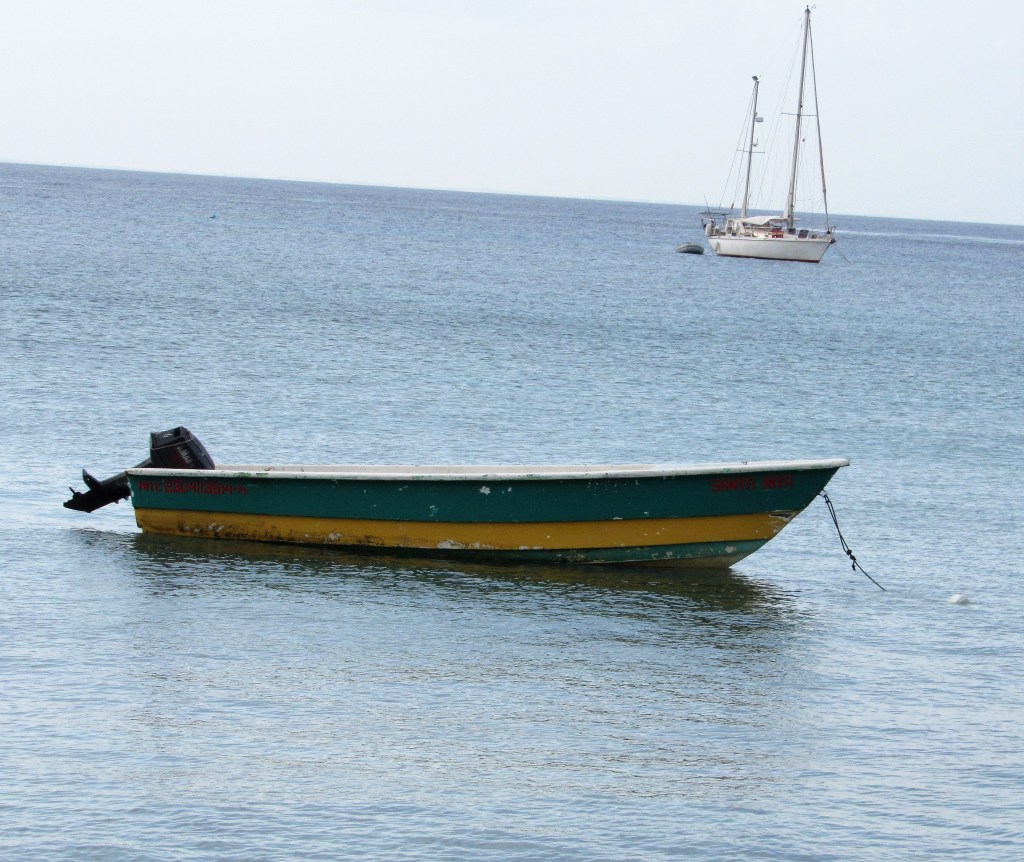
The sea is a way of life for most of the people, since after all, it is an island. Boats are are big part of people’s lives too, particularly diving or fishing boats.

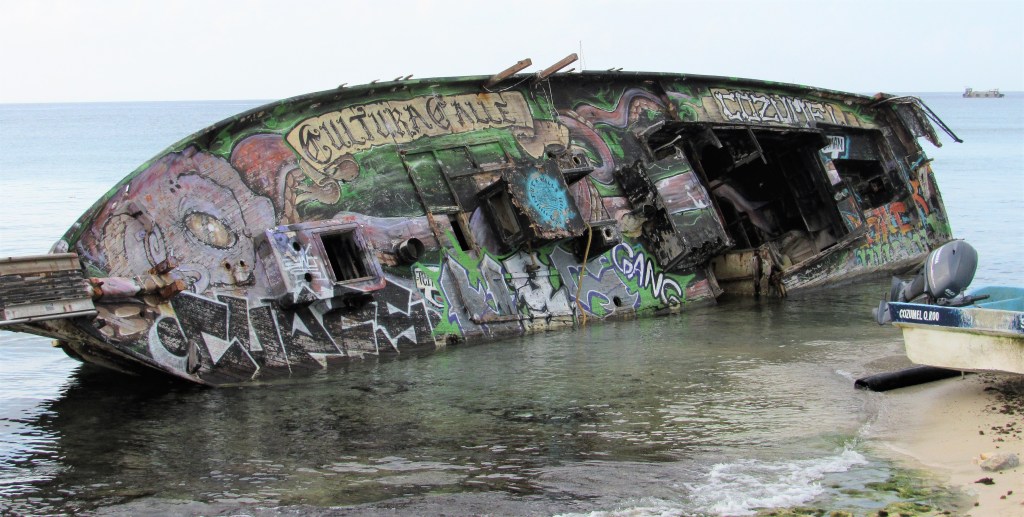
There is even a boat dedicated to the art and voices of the locals.

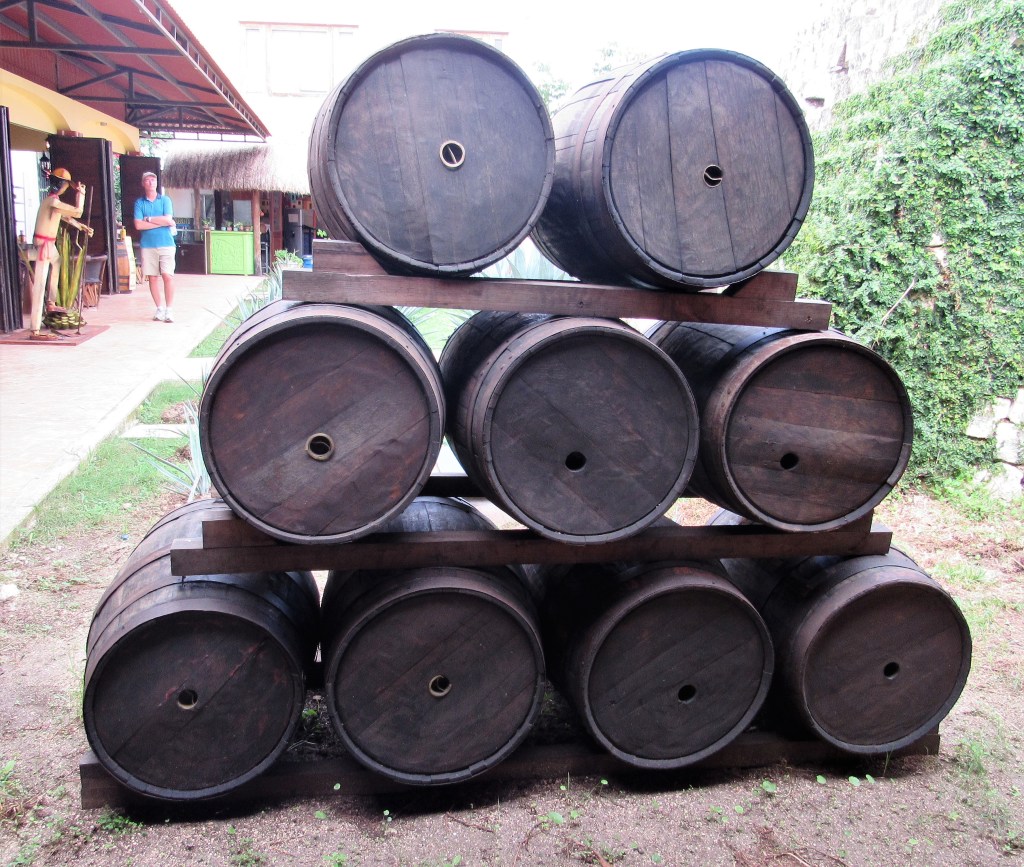
Making and drinking tequila is also a way of life that has been around for centuries. As you can imagine, tequila is very popular and comes in many different varieties. Tequila is known as America’s Native Spirit. The Aztecs prized a fermented drink known as pulque, which used the sap of the agave plant (this technique was also likely used by the Olmecs, an even older civilization dating back to 1000 B.C. that was based in the lowlands of Mexico). During the 1400’s and 1500’s, the Spanish couldn’t be without their brandy for too long, so when supplies began to run low, they improvised with mud and agave, essentially creating what we know today as mezcal. (Remember: All tequilas are technically mezcals, but not all mezcals are tequilas.) In the mid-1500s, the Spanish government opened a trade route between Manila and Mexico, and in the early 1600s, the Marquis of Altamira built the first large-scale distillery in what is now Tequila, Jalisco.

Mexico is very proud of its tequila industry, and like France with its wine, has protected it as intellectual property. In a move to take ownership of the term “tequila,” the Mexican government declared the term as its intellectual property in 1974. This made it necessary for tequila to be made and aged in certain areas of Mexico, and it also made it illegal for other countries to produce or sell their own “tequila.” The Tequila Regulatory Council was additionally created to ensure quality and promote the culture surrounding the spirit. This was done in 1974.

Horses have been a part of the Mexican culture for centuries as well. Since their arrival aboard Spanish ships in the 1500s, horses have been part of the story of the New World. In Mexico, there is perhaps no better representative of the country’s combined cultures and history than the horse trained for “charreria,” the Mexican version of a rodeo.

Mexico Charro Horses Photo Gallery

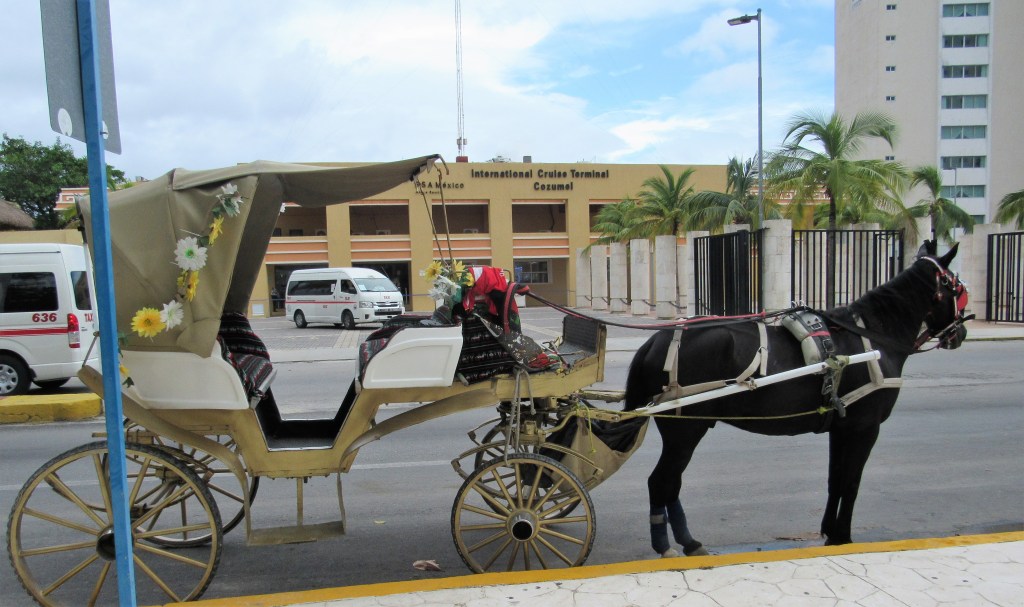
Horses have also been a means of transportation for centuries as well, though now, it is more part of the tourist industry, at least in the heavy tourist destinations.

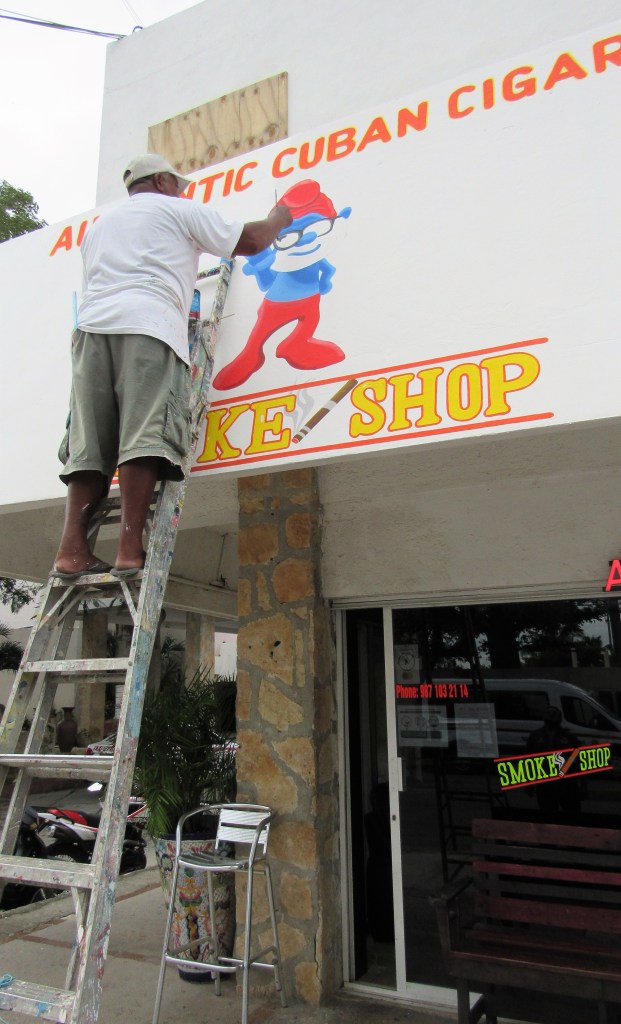
Most of the work is still done by hand, and most people, regardless of the tasks being done, are considered to be artisans at their trade. It was fun to capture this man painting the logo on this building, doing it all by hand.

The finished result.

Music too is and always has been a large part of the culture. The guitar is synonymous to Mexico, it’s culture and its music. Everyone knows how to play.

Sometimes, the best things in life really are the simple things. Often, we forget that. Simple often equates to happiness, much more so than we realize.

Stay safe, stay well, and keep it simple. ‘Til next time.

Las Floras de Cozumel – 7

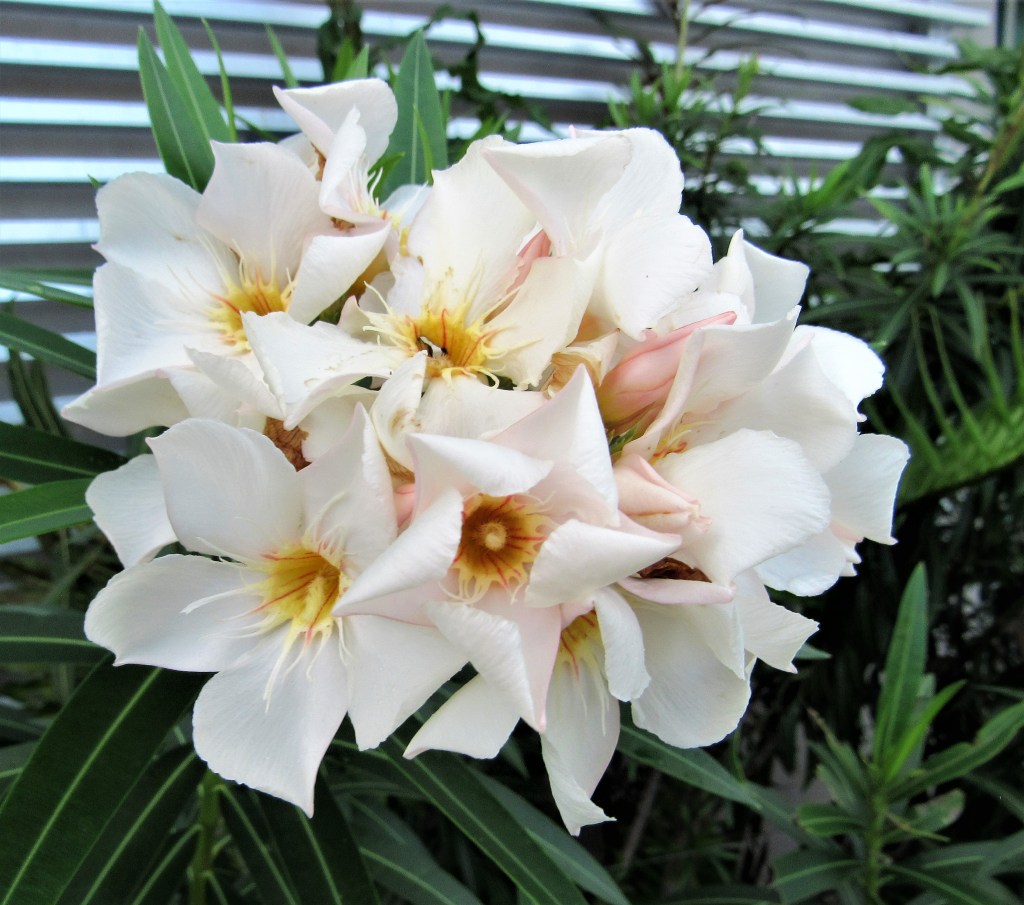
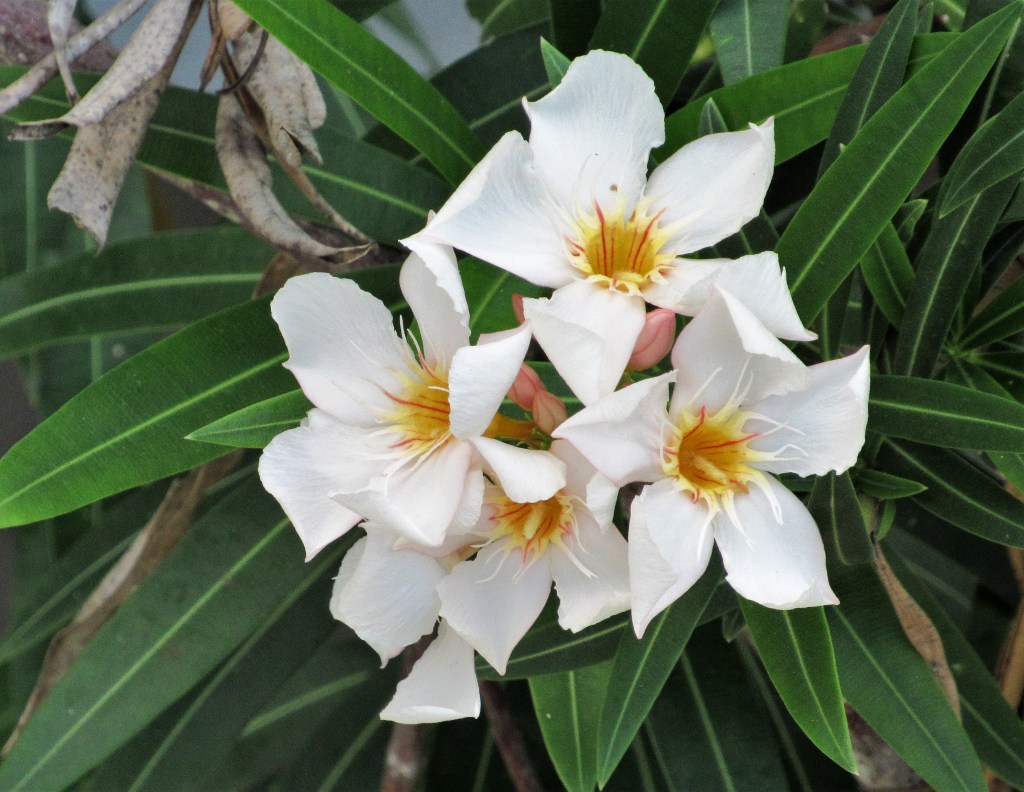
More beautiful and colorful flowers from Isla de Cozumel. Many are flowers we see in a lot of places, and many are flowers I have only found in Cozumel, such as these delicate little flowers.

Mas Comidas de Cozumel – 3

There are so many good restaurants all over Cozumel. Some offer foods that appeal to the tourists’ palettes, while others offer foods that are more representative of the indigenous cultures, and others offer a little something for everyone.

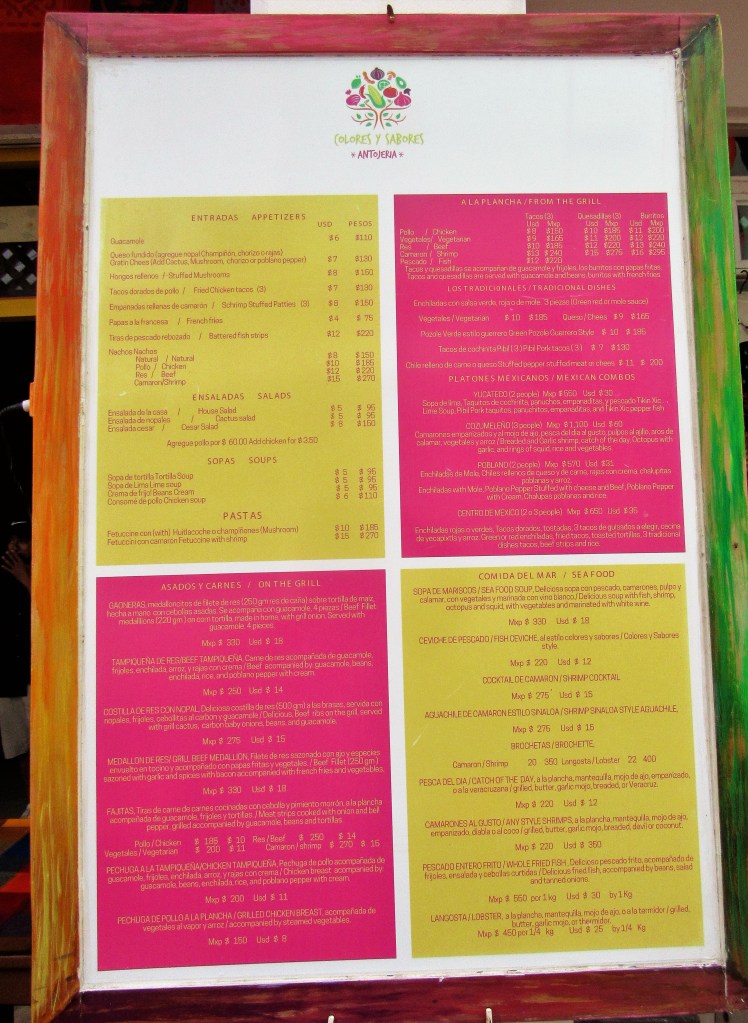
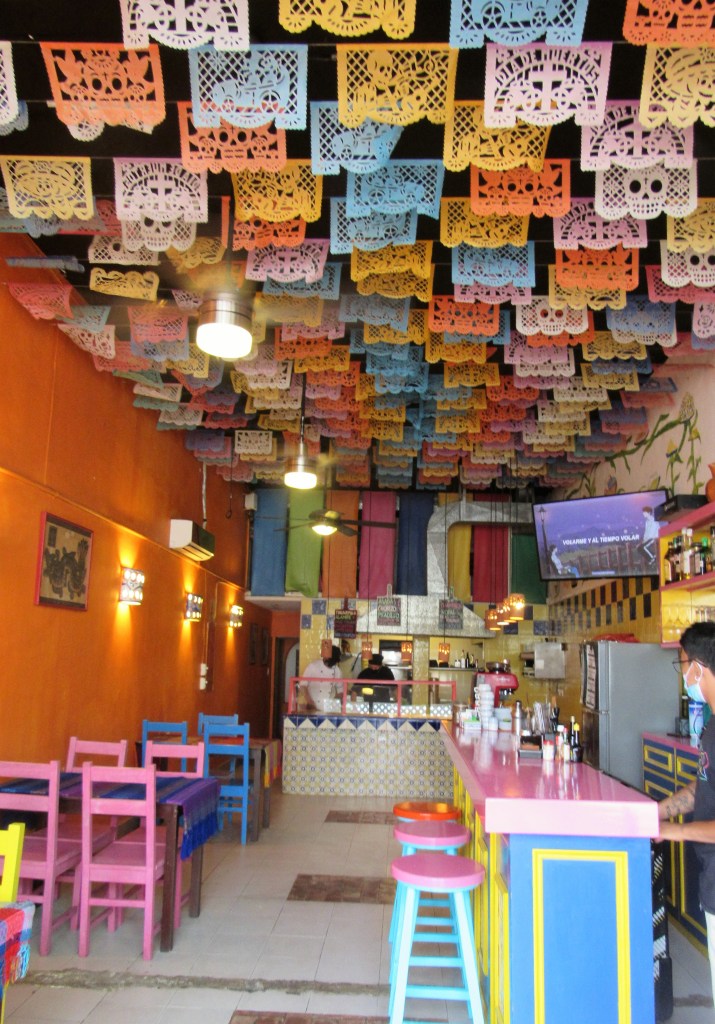
One of our favorite restaurants for this trip was in the heart of San Miguel. It is family owned restaurant that specializes in a lot of foods from the Yucatan area. It is called Colores y Sabores or Colors and Flavors. As with many of our discoveries, we stumbled upon it by accident, but what a delicious accident it was.

As we were looking at the menu, deciding on where to go, there were two lovely ladies dining outside who helped us make our decision. They both gave glowing reviews of the food which was all the convincing we needed.

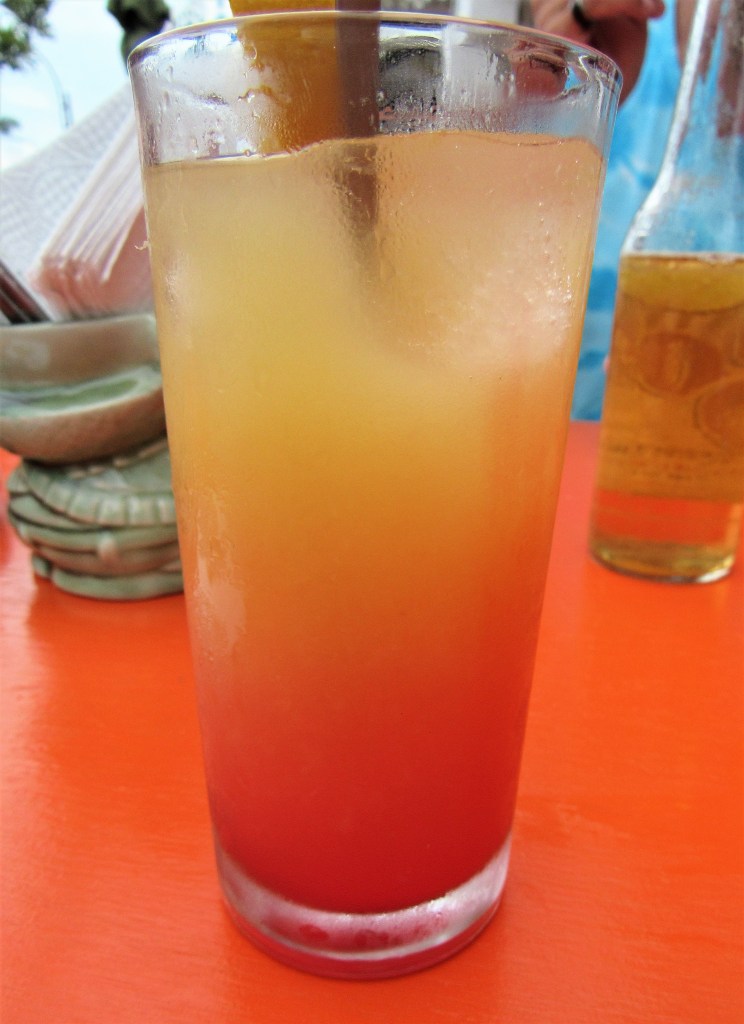
A tequila sunrise, or a variation thereof, was the first thing to try, as well as chips and salsa of the Yucatan nature.

Once again, we all ordered a variety of delicious foods to feast upon.

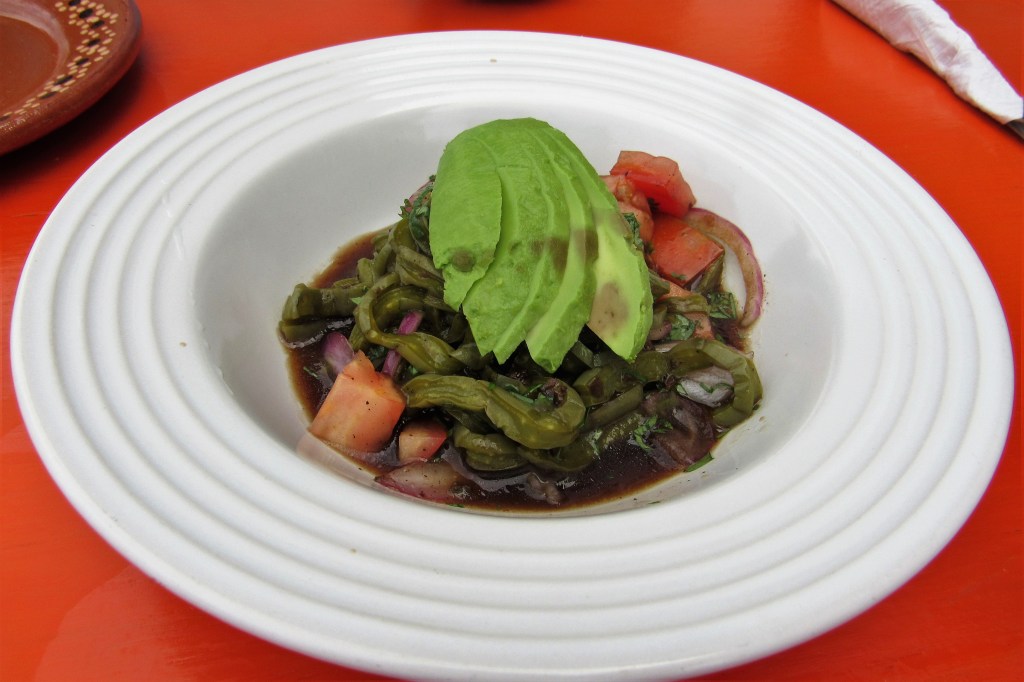
For starters there was a nopales salad. Nopales are cactus leaves that have been grilled and peeled to reveal the tender “fruit” of the pedals. I have been eating nopales most of my life, having been introduced to them at an early age from friends who were of Mayan descent.

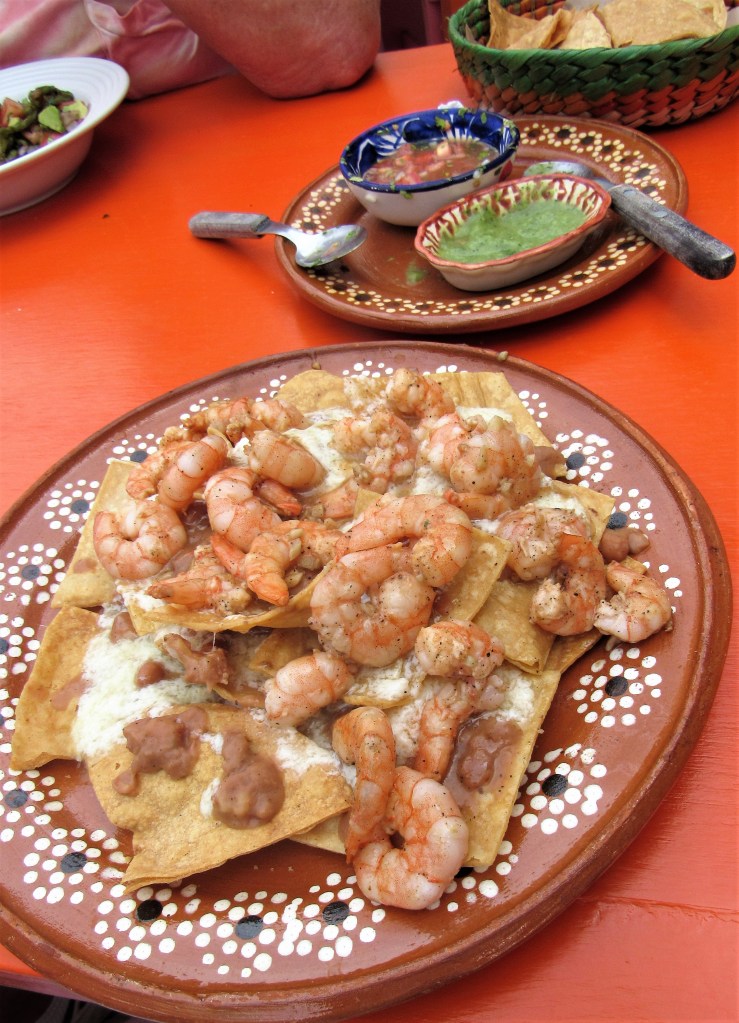
We also shared a plate of shrimp nachos, that again were loaded with shrimp.

We could have easily stopped there, but did we? Of course not. We are adventurous eaters and love to try all kinds of foods.

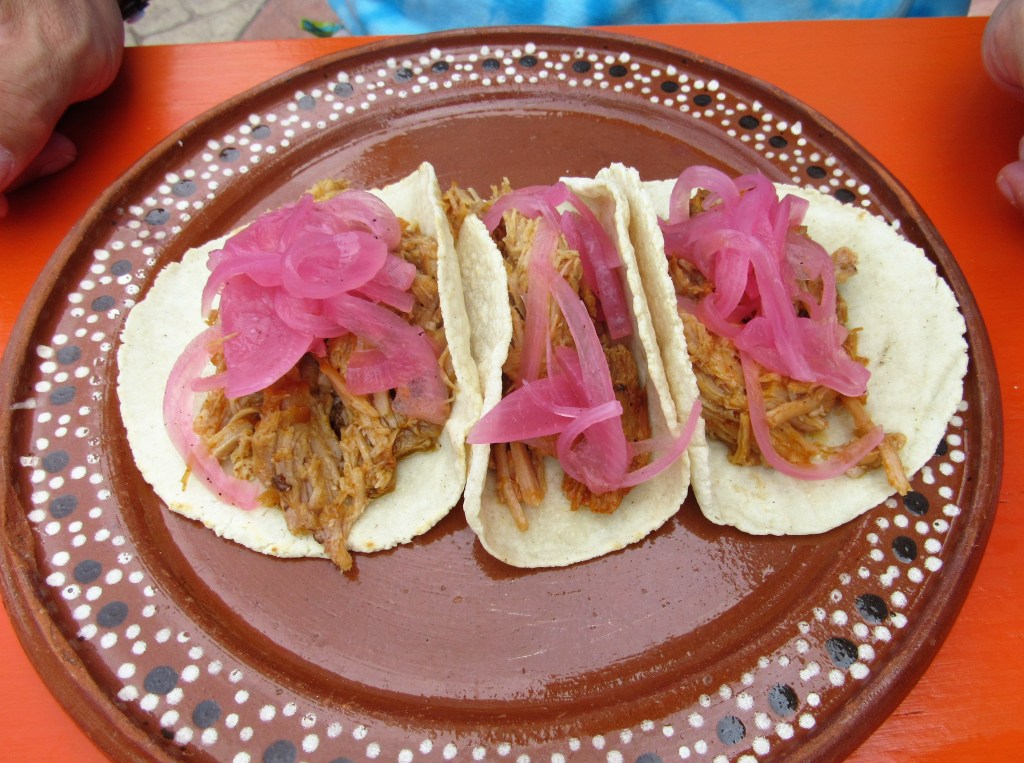
There were barbacoa pork tacos with pickled onions,

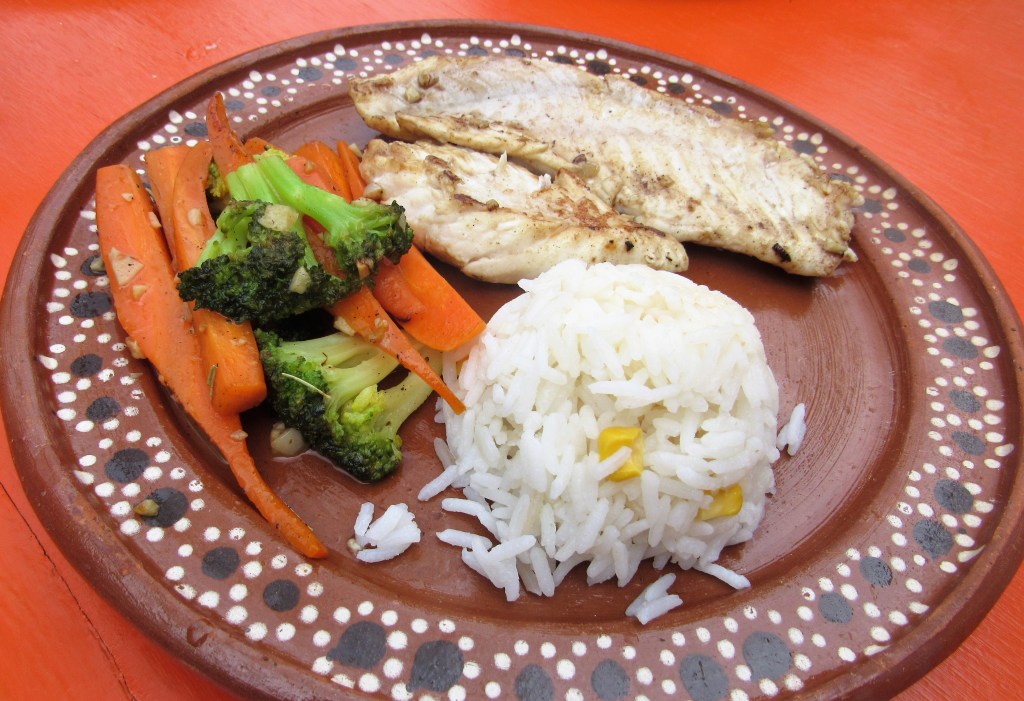
the fresh catch of the day,

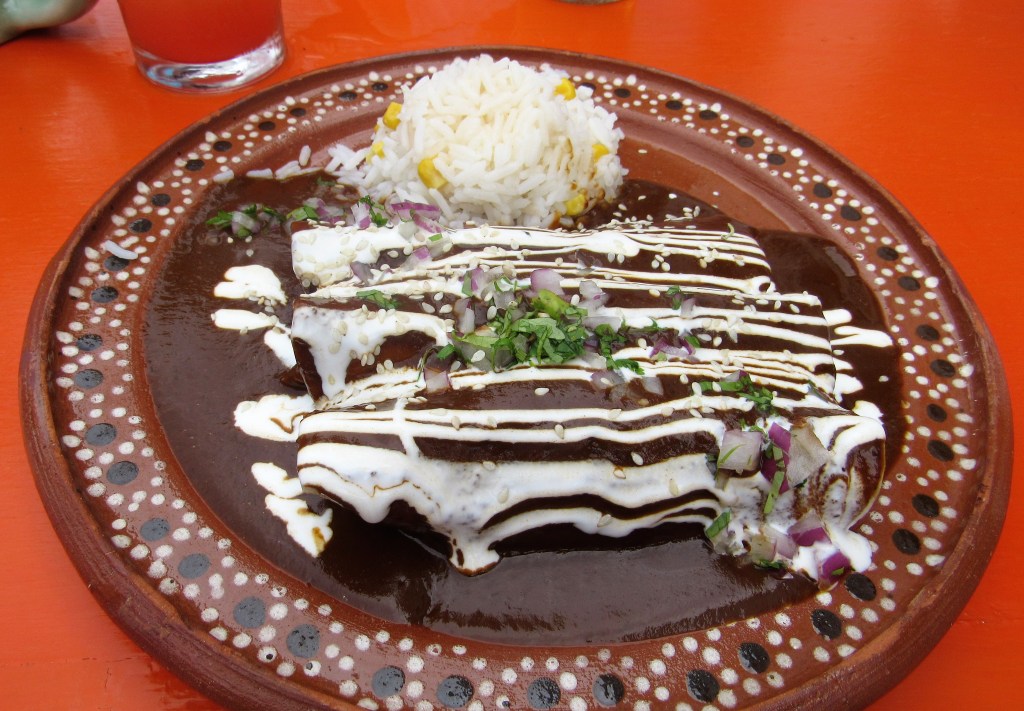
and mole enchiladas. I love mole, but I do not fix it that often because Larry is not a big fan of mole. Mole is delicious blend of chocolate and spices and peppers. The term “mole” stems from the Nahuatl world “molli,” which means “sauce” or “concoction.” Mole comes from a family of sauces prepared throughout the Oaxaca and Puebla regions of Mexico and is characterized by a complex, layered flavor derived from intricate blends of dried chiles, spices, fruits, and seasonings. 

Once more, las comidas esta muy delicioso! !Muchas gracias!

We definitely wanted to go back to Colores y Sabores, but we ran out of time. Next time for sure though. I was once told always leave something for next time to ensure going back. Wise words indeed.

A Culture Blend

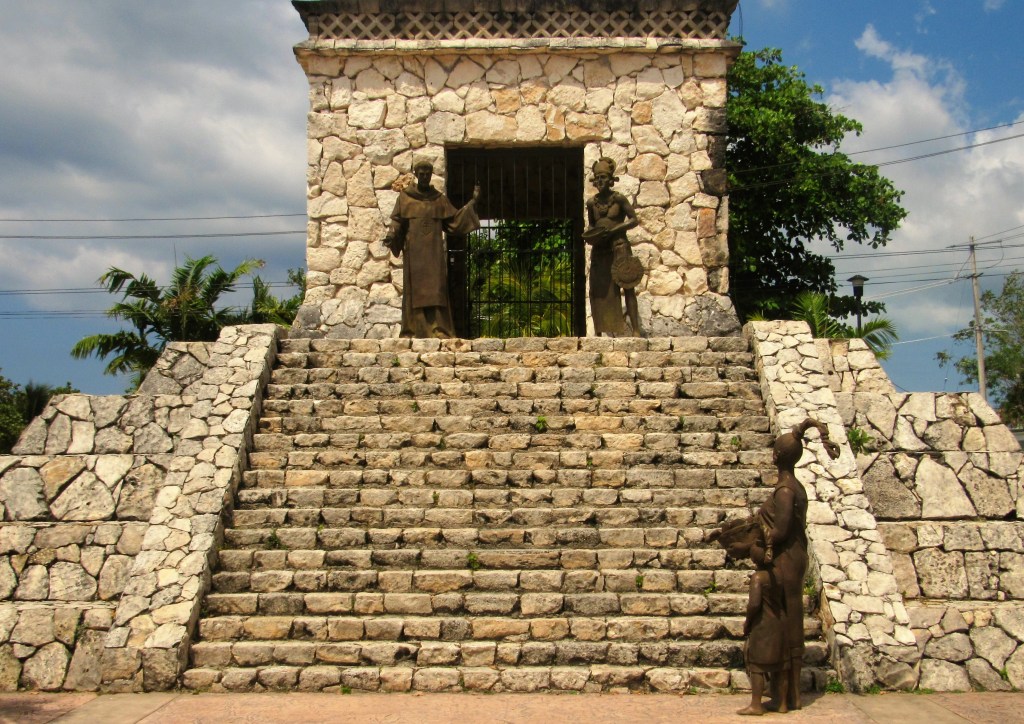
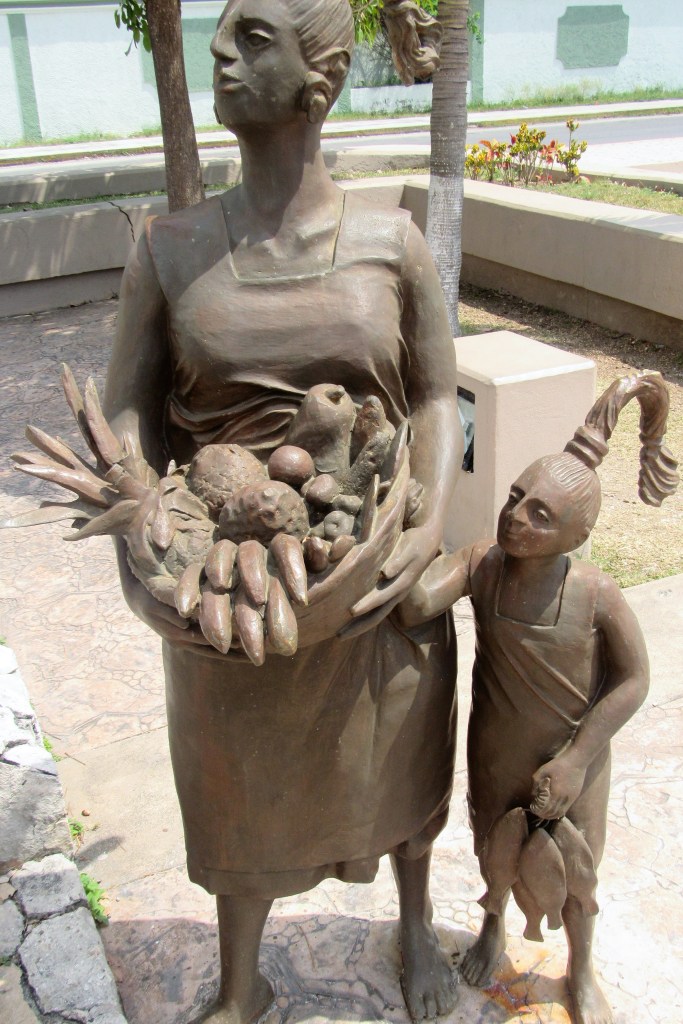
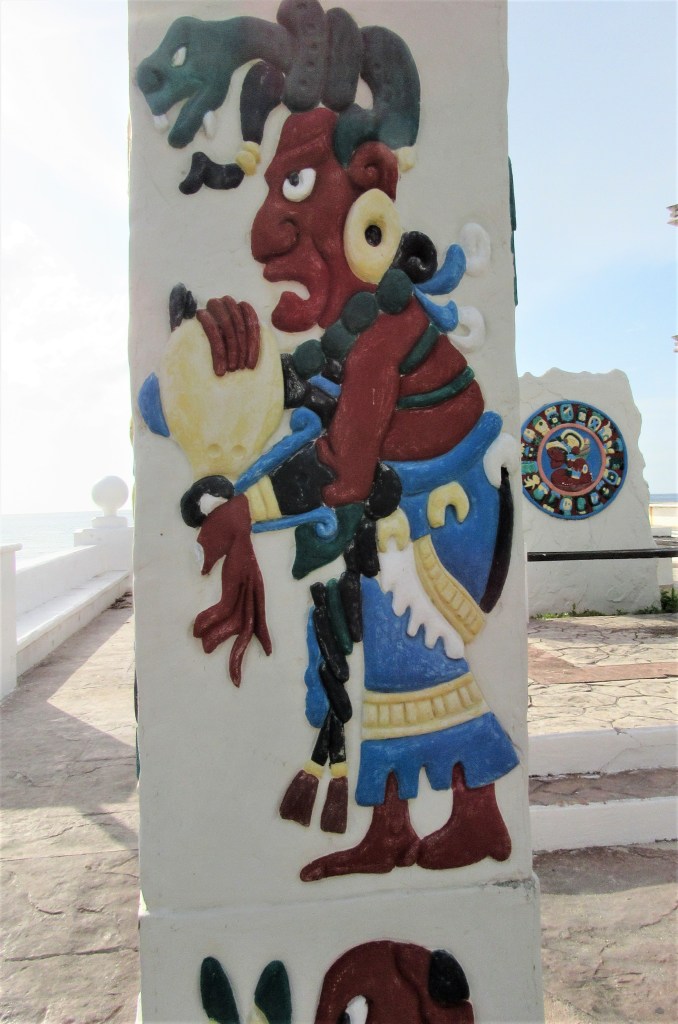
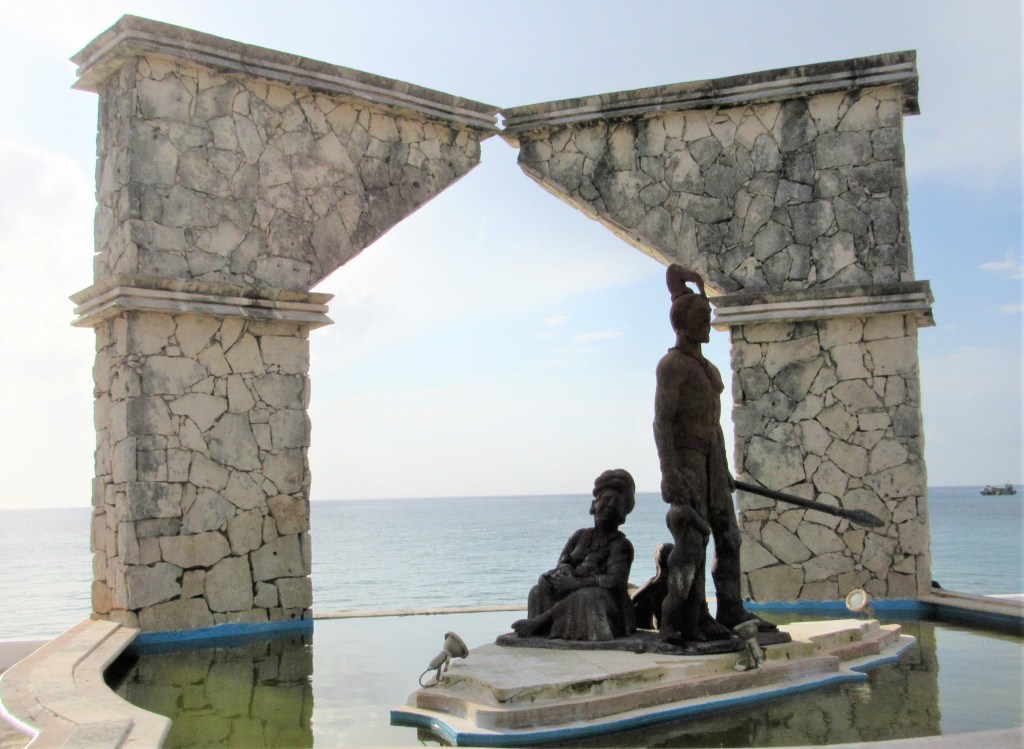
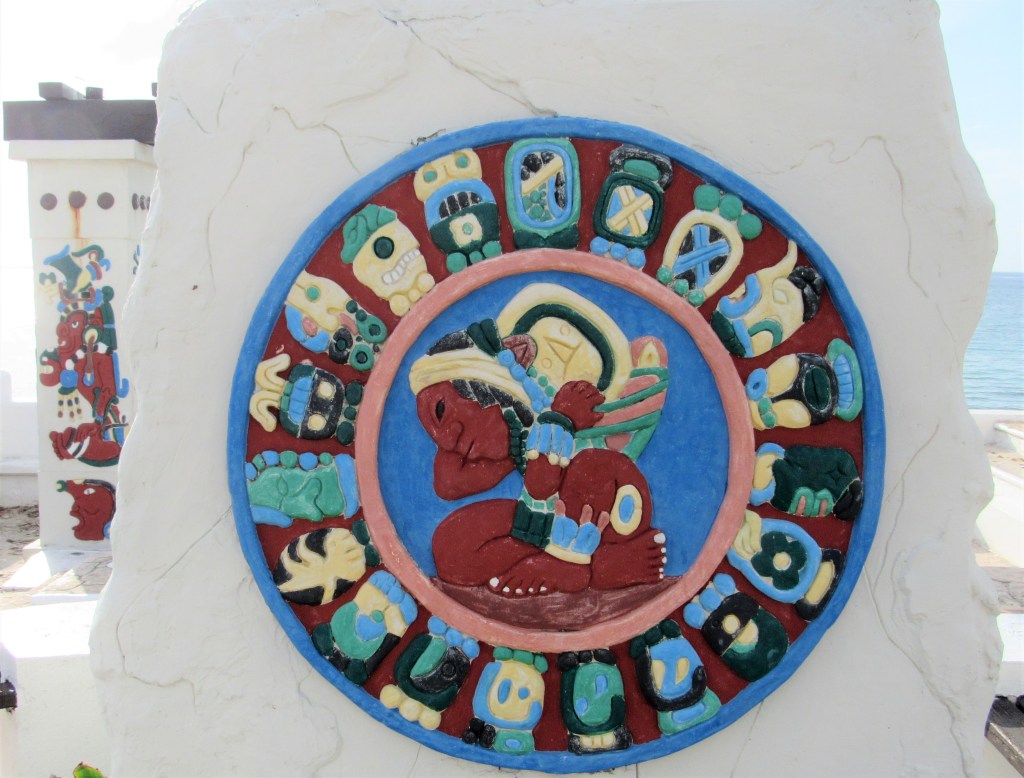
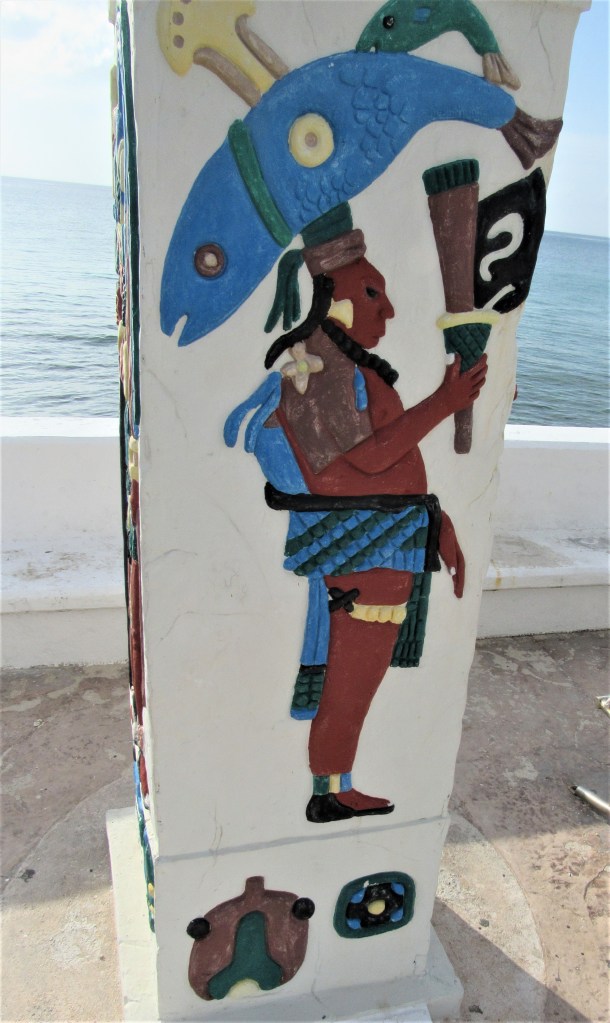
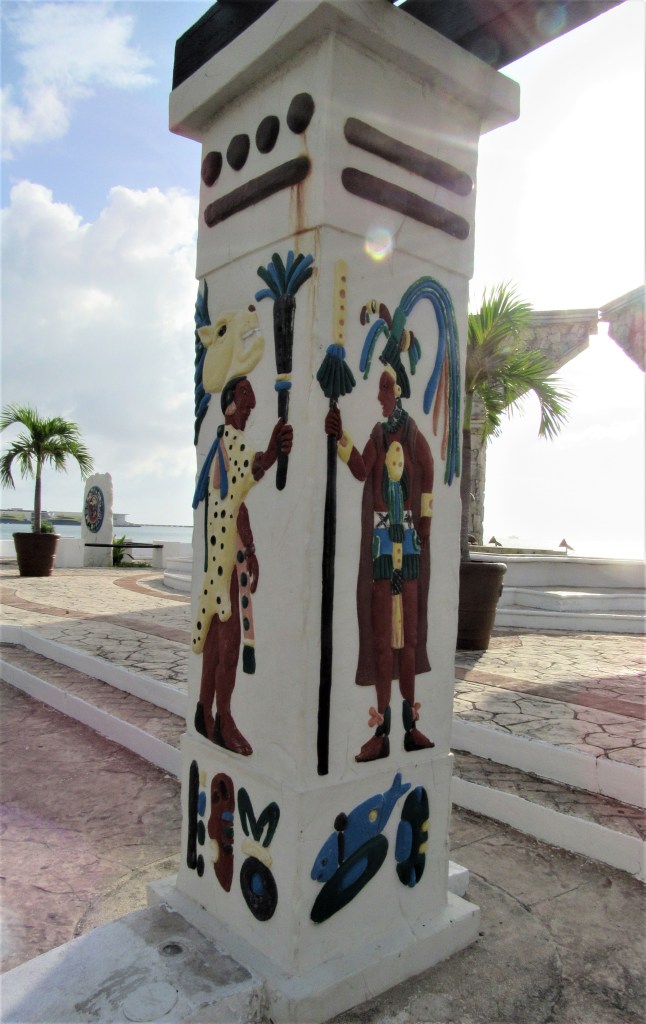
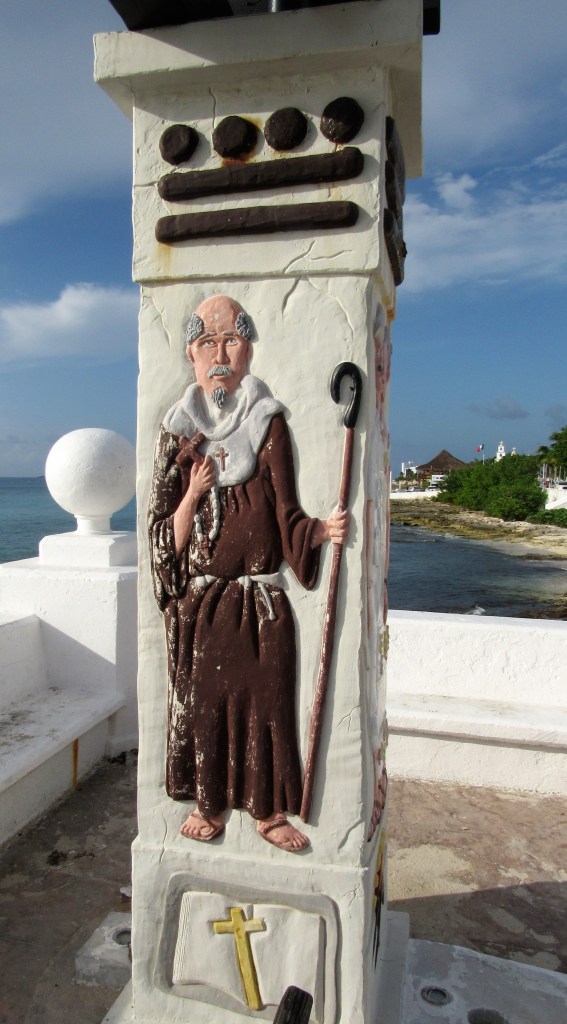
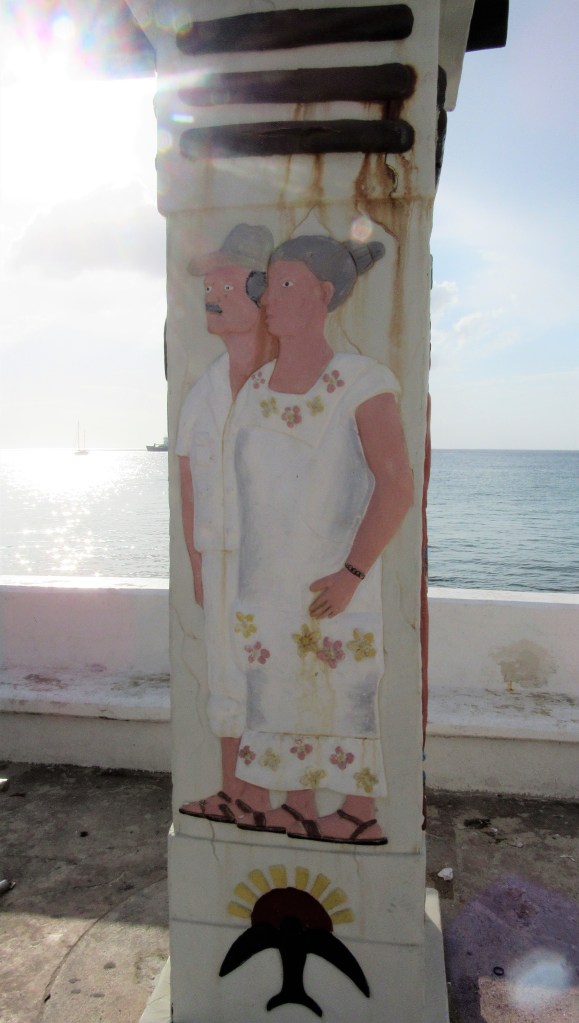
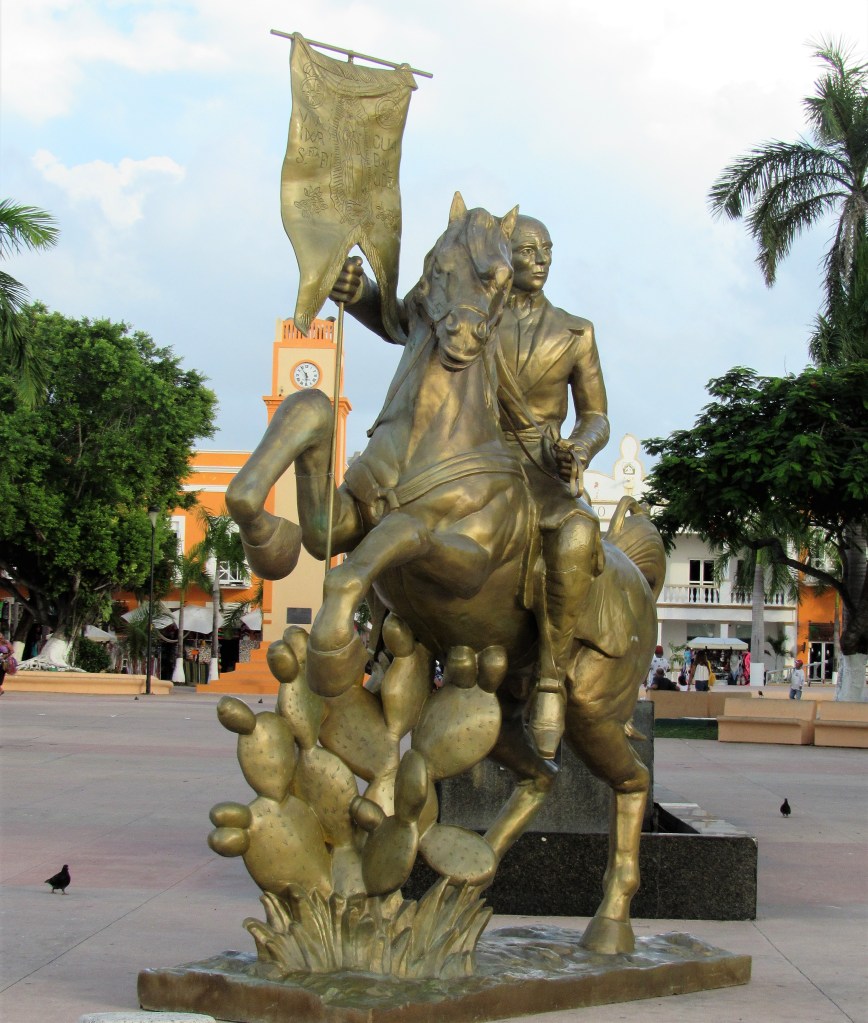
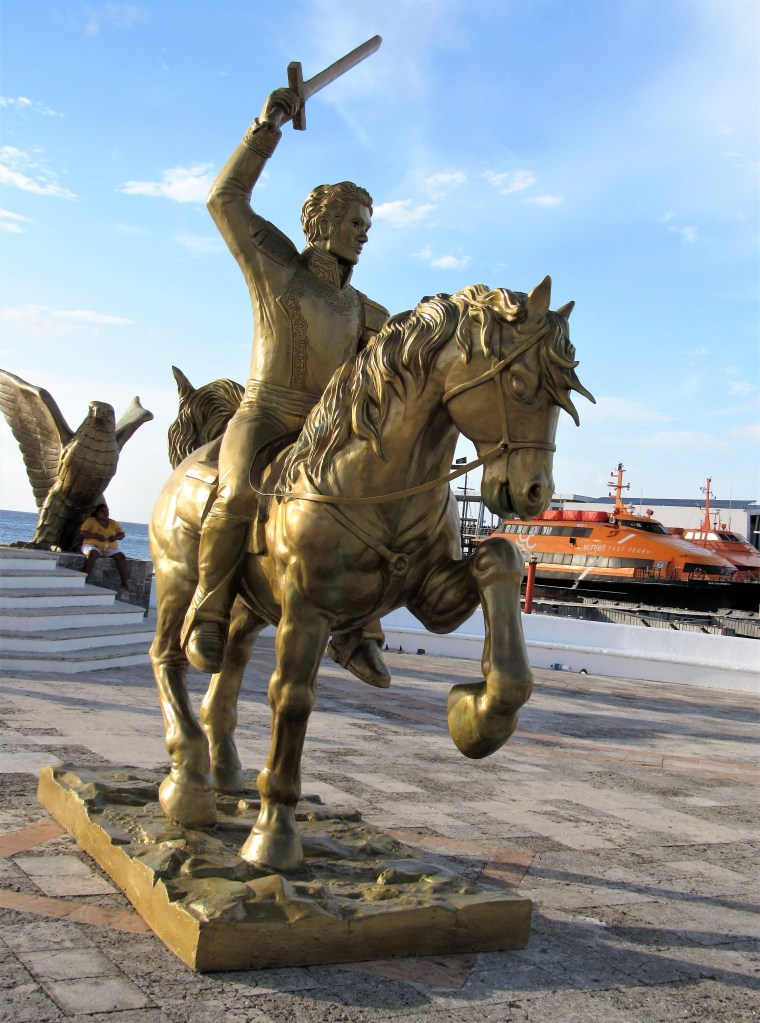
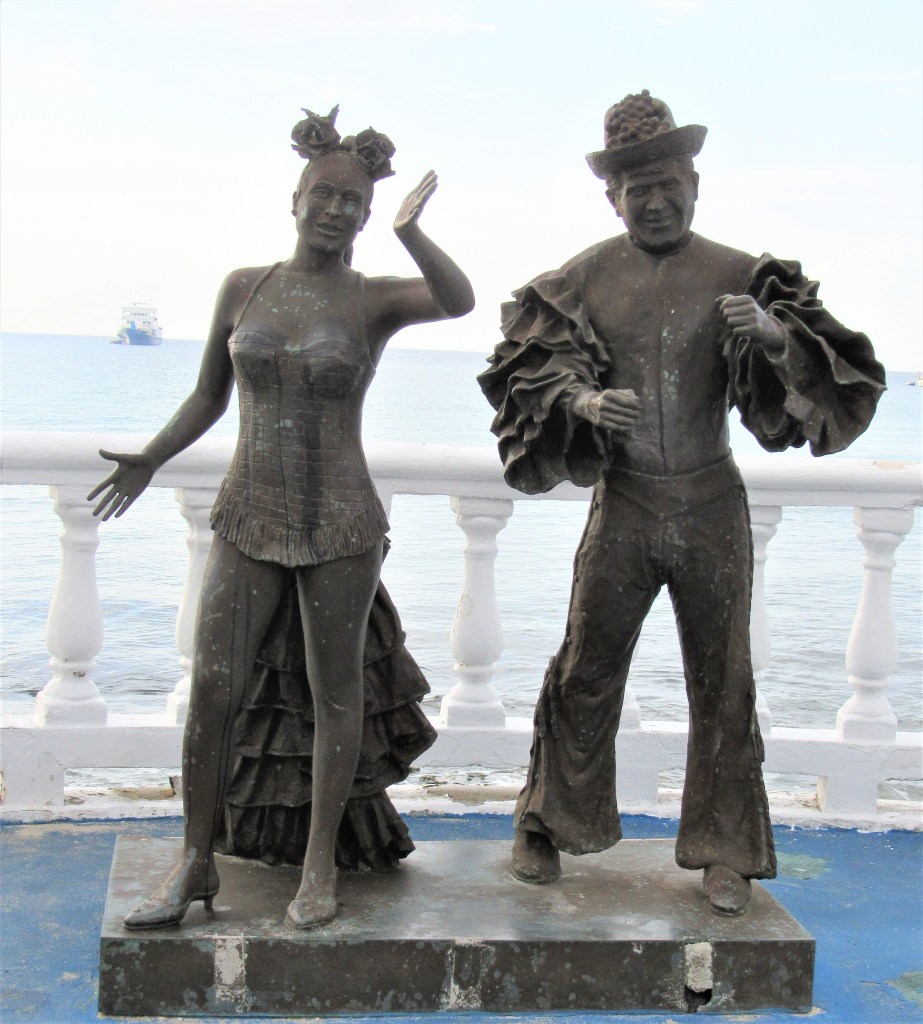
Mexico is an interesting blend of many cultures. It is influenced by the Native American cultures of both the Mayans and the Aztecs, along with many other native peoples who inhabited the lands. It is also heavily influenced by the Spanish who originally colonized Mexico, as well as many other European nations who have come since the Spanish. All of these influences are represented in the art, the statues, the culture and life in general of the Mexican people. They are found on Isla de Cozumel too.

I have been sharing our adventures of Cozumel with you since our return home. And I am not done yet. Today, I am sharing some of the art that tells the stories of how Mexico transformed into what it is today. These tributes are all found in the city area of San Miguel.

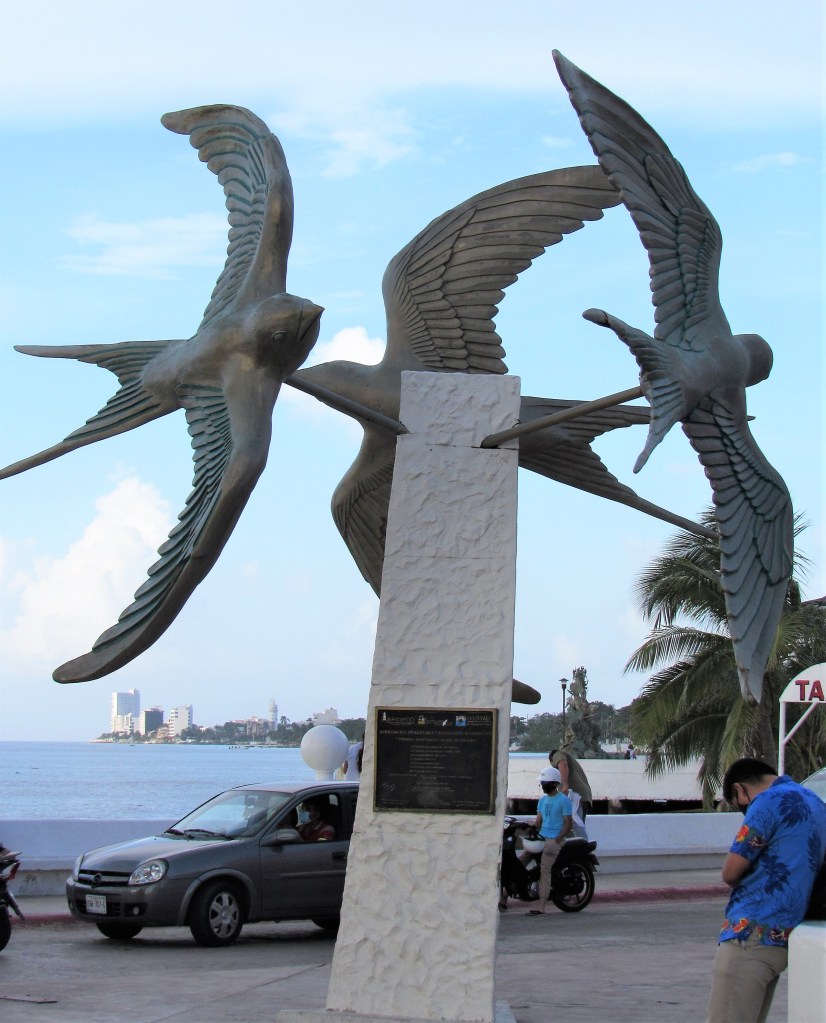
Cozumel is the land of the swallows, though ironically, I did not see as many swallows as I did other birds.

The Mayans. The Maya developed their first civilization in the Preclassic period. … The northern lowlands of Yucatán were widely settled by the Middle Preclassic. The Maya Empire, centered in the tropical lowlands of what is now Guatemala, reached the peak of its power and influence around the sixth century A.D. The Maya excelled at agriculture, pottery, hieroglyph writing, calendar-making and mathematics, and left behind an astonishing amount of impressive architecture and symbolic artwork. Most of the great stone cities of the Maya were abandoned by A.D. 900. The Maya civilization was one of the most dominant Indigenous societies of Mesoamerica (a term used to describe Mexico and Central America before the 16th century Spanish conquest).

Just like any culture though, the Mayans had their dark side too. There are many scenes of wars, massacres, and human sacrifices carved into stone and left behind on public buildings. The Ancient Mayans were fierce warriors. The warfare between city-states got so bad that many believe that it had much to do with the eventual ​decline and fall of the Maya civilization.

In the 16th century, the Spanish came to Mexico and brought many cultural changes to the land, including the Spanish language, the religion of Catholicism and many Spanish and European customs. The simple life in Mexico and Cozumel had been forever changed from this time on.

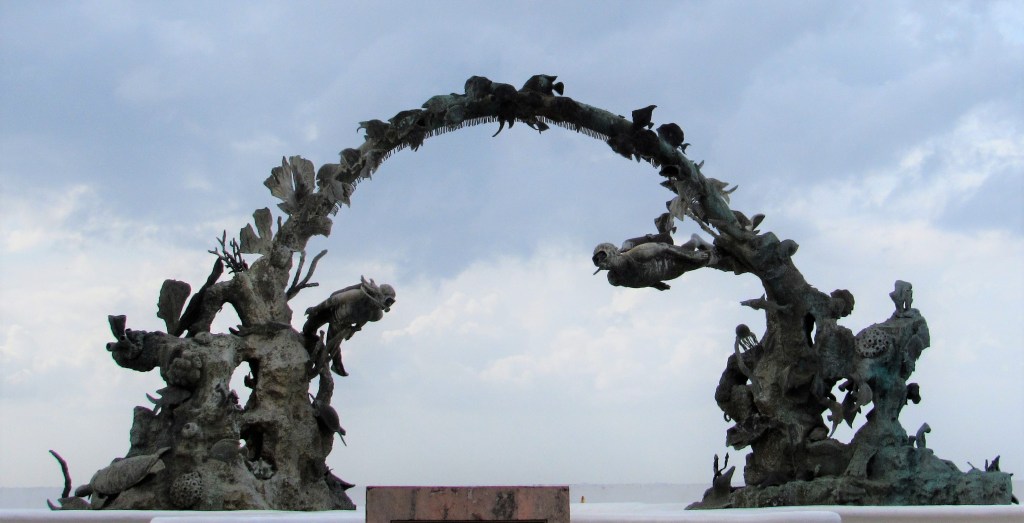
These reminders of bygone days are found all over Cozumel. But there are also signs of what Cozumel is today. Today, it is a major tourist destination and a Mecca to divers from around the world. This too is represented in their art.

Life happens and so does change. Changes can be good and they can be bad, but they are going to happen no matter what course we take. The only constant is change. We adapt and move on. That’s all we can do.