The Pillars of Hercules – Part 1 – Gibraltar

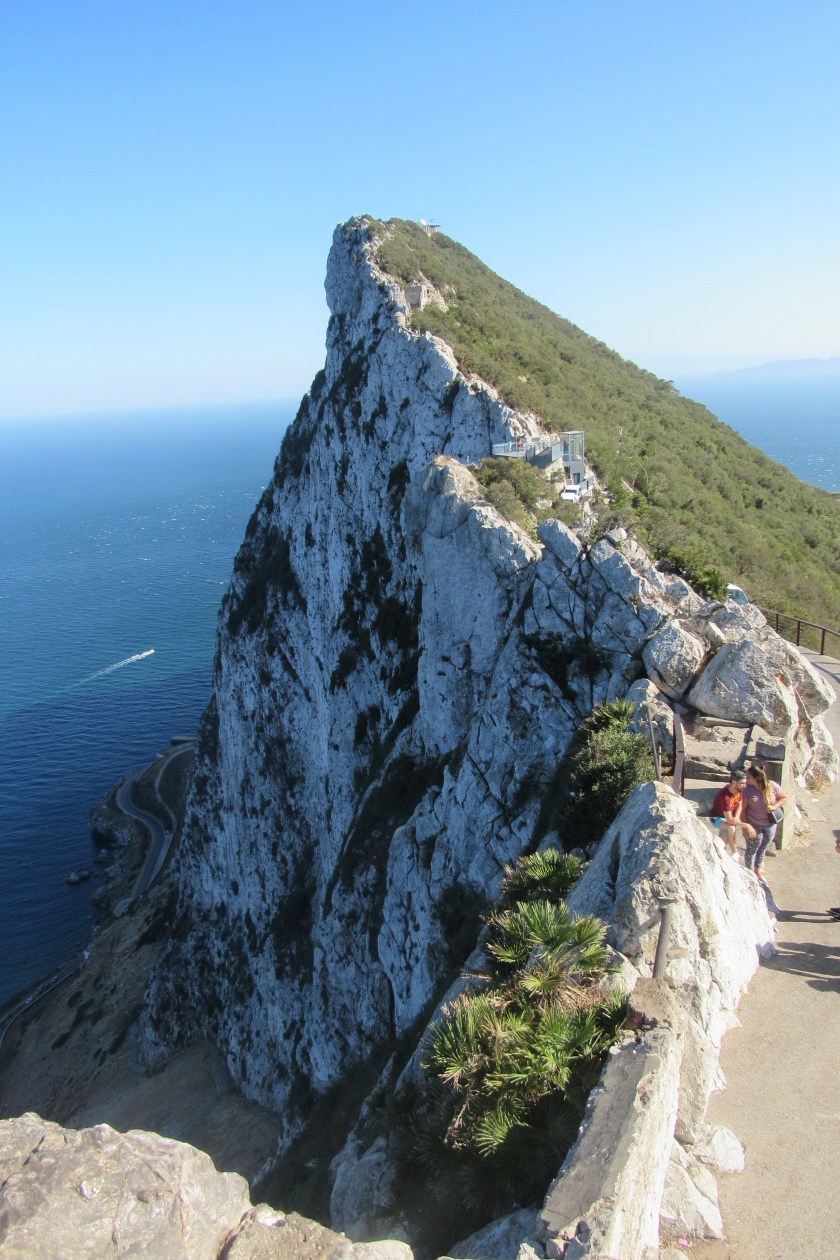
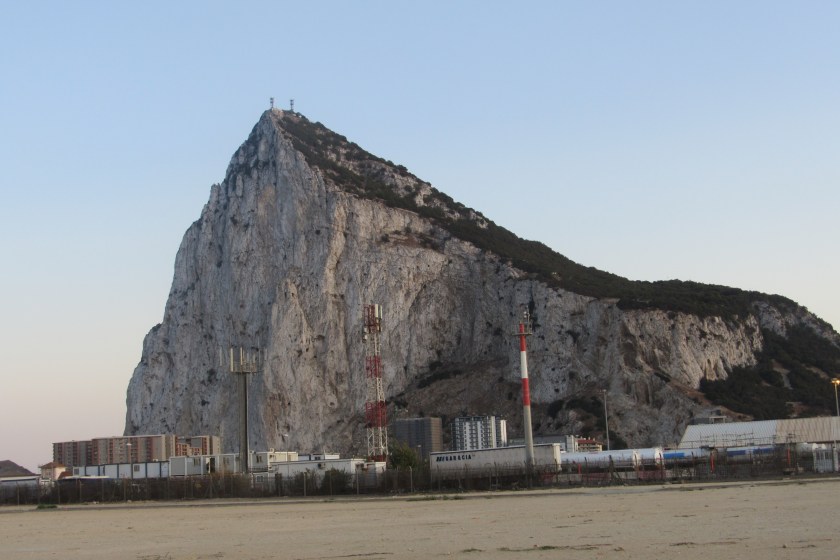
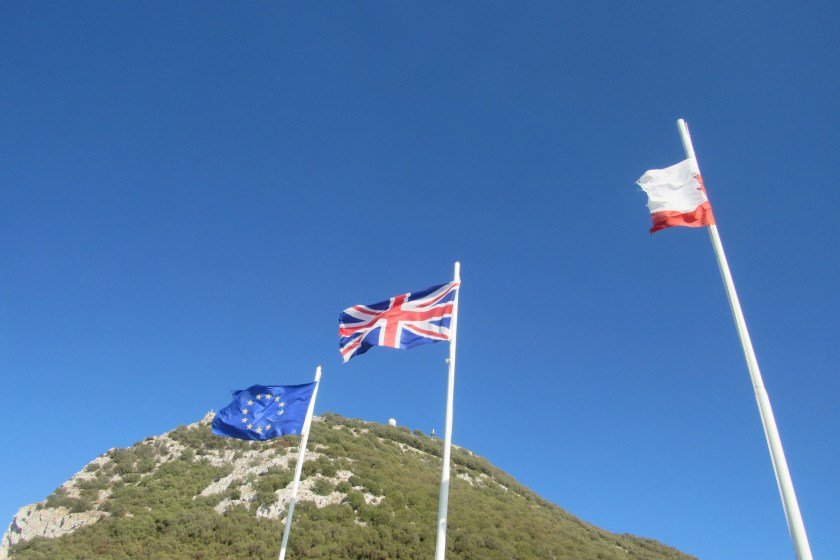
Who hasn’t heard of the Rock of Gibraltar?  It is a long-standing symbol of impenetrable strength and security.  The rock is a sold piece of limestone rock that rises 426 meters above the sea.  Gibraltar is a British overseas territory that is on the southern most tip of the Iberian Peninsula.  It has been a British territory since 1713.  The residents were given an option of either returning to Spain or being co-governed by both Spain and Britain, but the residents overwhelming voted to remain completely under British rule.  You need to bring your passport to enter and leave “The Rock” and it is border controlled.
IMG_8180

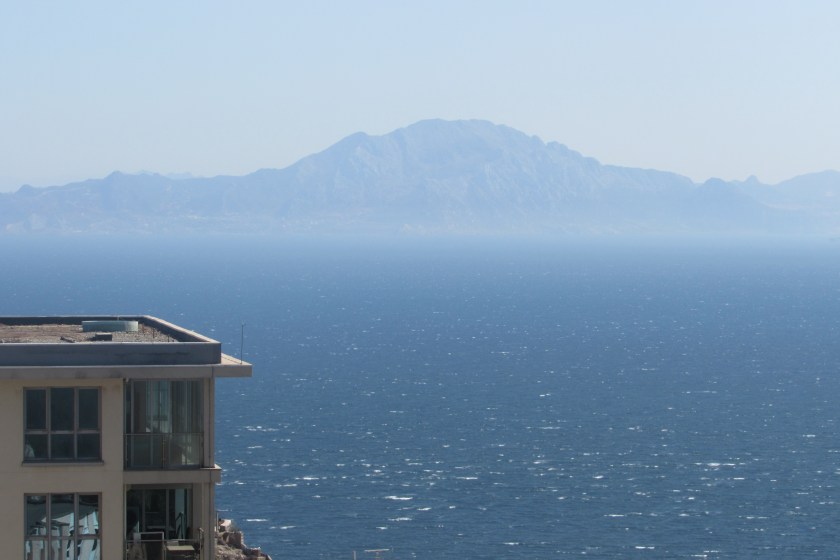
Gibraltar, as well as its neighbor across the sea Ceuta, are known as the Pillars of Hercules.  Both are the gates to the Mediterranean, separating Europe and Africa.  They became known as the Pillars of Hercules back in the days of the ancient Mediterranean.  Legend has it Hercules broke the mountain that connected Africa and Europe, and the mountain is now on both sides of the sea.  This was also thought to be the western limits of navigation for the ancient Mediterranean world.  The narrow passage way between the two continents is known to sailors around the world as the Straits of Gibraltar.

IMG_8106

Looking out to Africa.

IMG_8107

IMG_8108

Today, there are about 27,000 residents who call Gibraltar home.  The main industries there are shipping and trade, housing the military and tourism.  Everything is imported in since there is no land for agriculture.  The native people who live in Gibraltar are a mixture of British, Genoese, Spanish, Maltese and Portuguese.  The official language is English, though it is often spoken in a dialect known as Yanito, which has influences from Spanish, Genoese and Hebrew mixed in with the English.  Most people are bilingual though, and speak both English and Spanish.

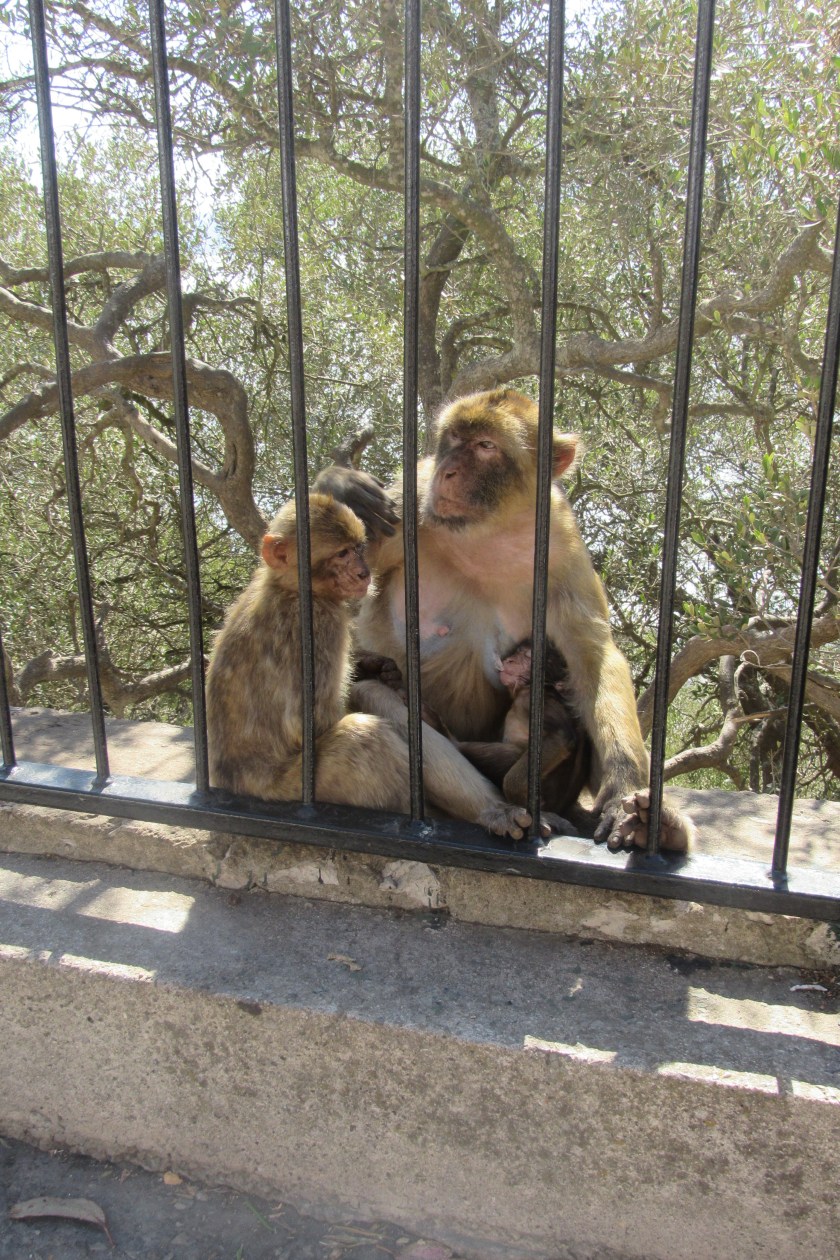
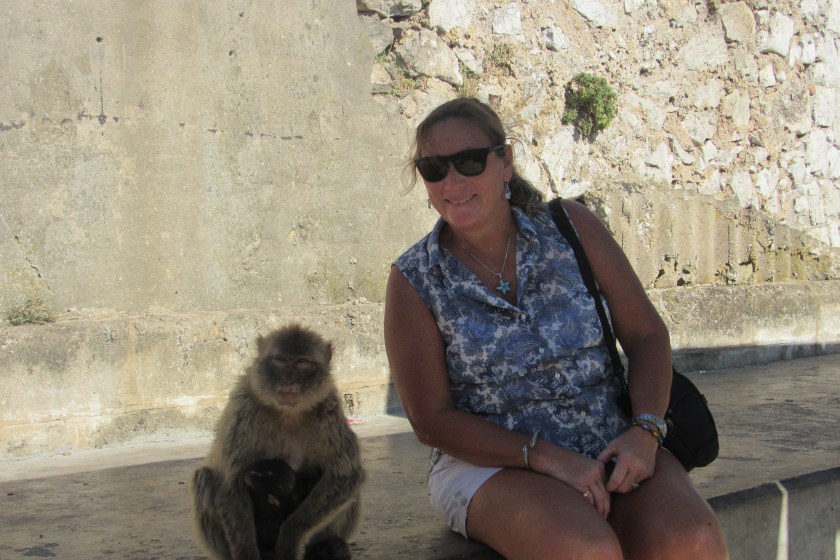
The other residents of “The Rock” are the Barbary Apes, which are the only wild monkeys in all of Europe.  They are free to roam anywhere they want, though they tend to stay on the upper portion of the rock.  They are protected and anyone who harms them will be severely punished.

IMG_8113

IMG_8117

IMG_8147

IMG_8148

There is a cable car that takes people up the mountain, and that is a very popular tourist attraction.

IMG_8103

We were going to take it up, and were standing in line to do so, but then a better offer came our way.  We would have had to wait in line for about 1 1/2 hours for a six minute ride that only would have only taken us up the mountain partially.  As we were standing in line, we were approached by a couple who offered tours that gave the history of Gibraltar, stopped at the caves and stopped at the very top of the mountain instead.  We jumped at it, and I am so glad we did.  We had a much better experience than those who took the cable car.  They all had to walk UP that very steep hill in the blistering heat while we were driven up in air conditioned comfort and got a history lesson of the rock.

The caves were very impressive with a beautiful light show.  They actually hold concerts and a wide variety of events in the caves.  I would love to see a concert in these caves.  The acoustics would be phenomenal.

IMG_8120

IMG_8126

There is also a series of tunnels that were used in WWII.  We would have loved to see those, but time was limited and that would have been another tour.  Next time.  I think that would be fascinating as well.  I was raised as a WWII buff.  I love learning about everything that happened and took place during those times, and how through sheer strength and determination, people pulled through some of the darkest days the world has ever seen.

Because Gibraltar is British, we had to take in some of the local British customs and sites as well.

Yes, the phone in this old relic still actually works too.

IMG_8097

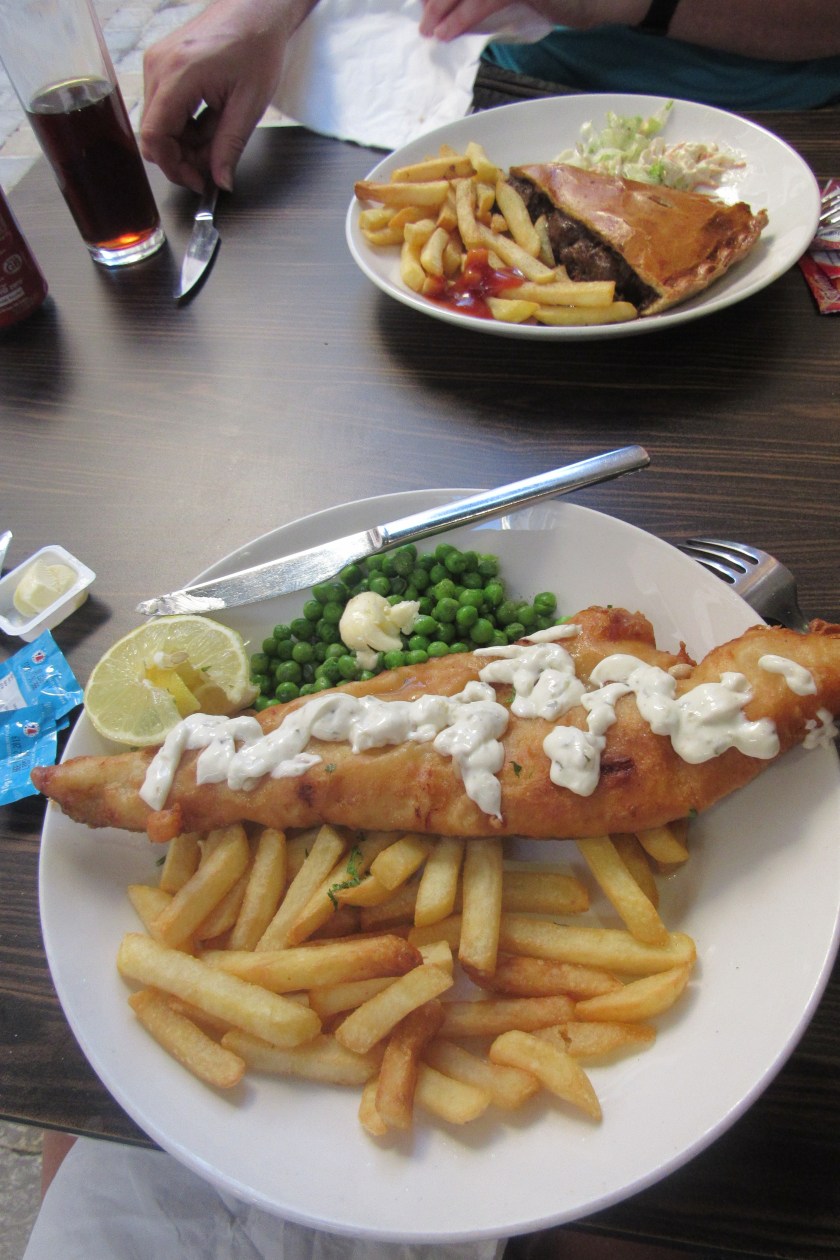
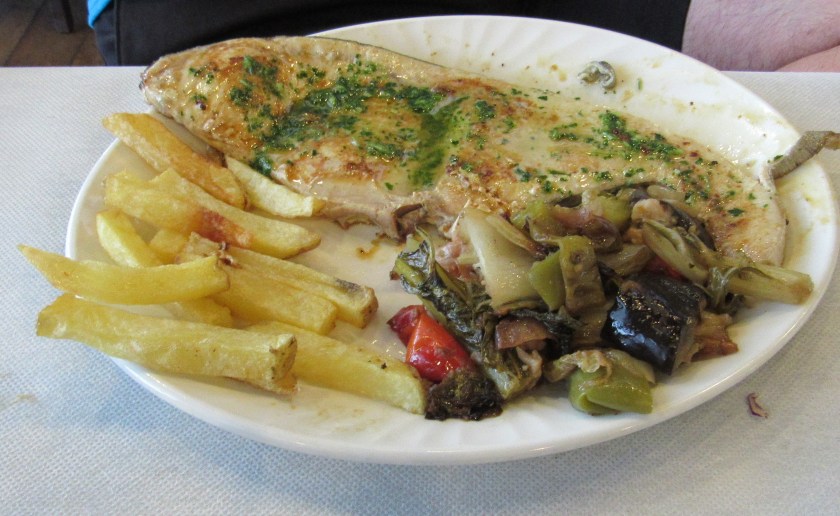
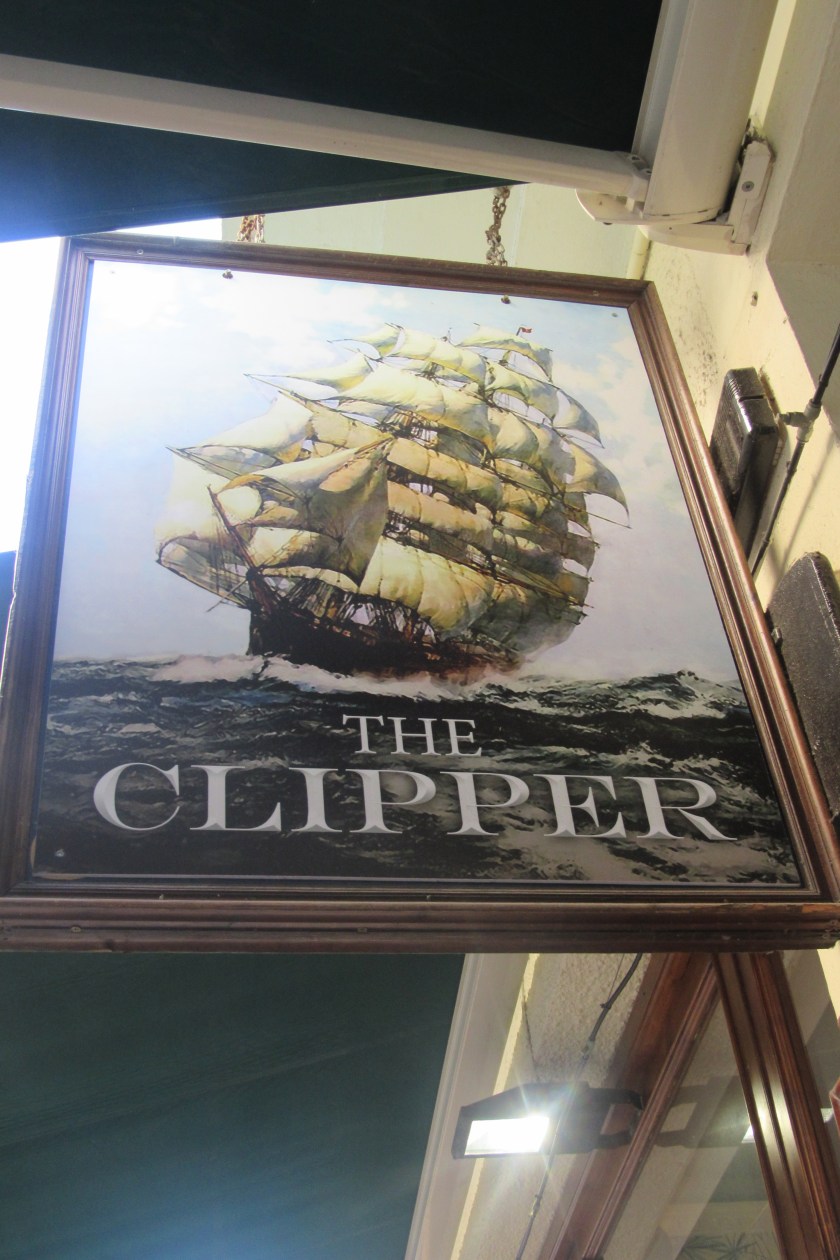
We even dined on fish & chips.  I guess it’s the Aussie in me, but I love good fish & chips.  Larry had a beef and ale pie.  Both were very typical British fare.  Both were delicious.
IMG_8170

IMG_8175

Gibraltar, just like all the rest of Spain, has very narrow roads, with very narrow houses on the streets.  Again, everyone finds a parking spot and takes it, no matter where it is, and walks the rest of the way.  Parking spots are like gold.  Once again, yet another very informative, fun and interesting day.  We loved our day in Gibraltar.
IMG_8157

IMG_8153

IMG_8152

Ciao for now.  Until next time.


A Spanish Night

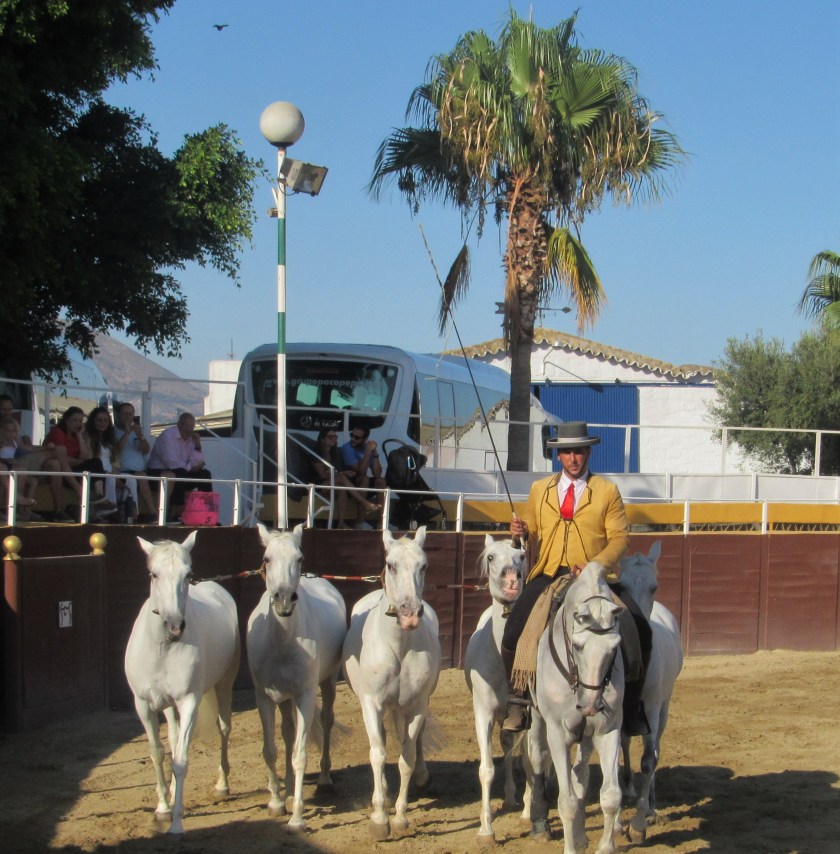
!!!!Passion!!!!  This is the one word that best describes the Spanish culture.  It is filled with passion.  Everything they do, they put their heart and soul into, and they fill it with passion.  One of the many passions enjoyed by the Spanish is their love of horses, and the Andalusians in particular.

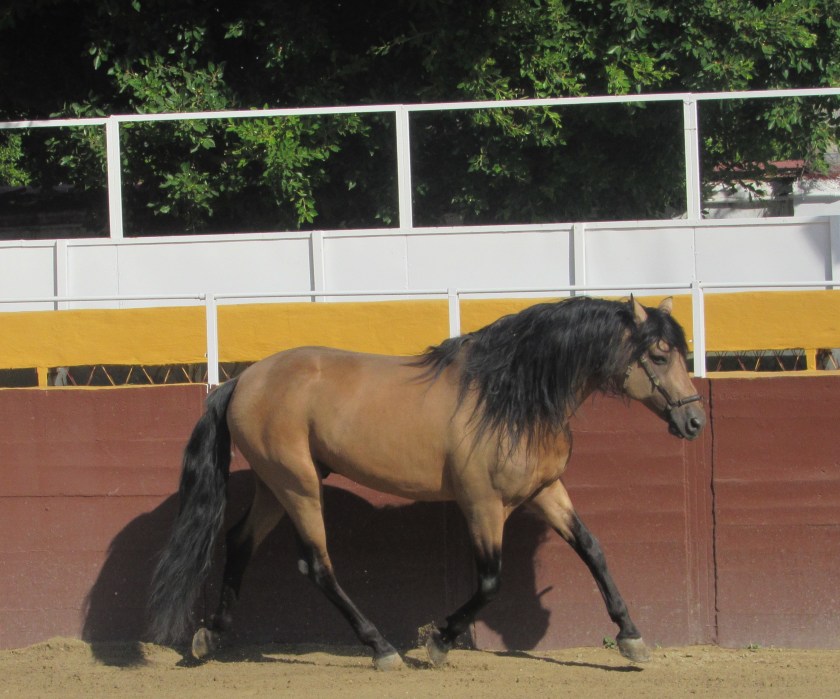
Andalusian horses are also called Priza Espanola, or of “pure Spanish race”.  They originated in the Andalusia region of Spain.  It is estimated that the first horses came to Spain about 30,000 years ago, and were domesticated and first ridden by the Spanish about 6000 years ago.  It is a love affair that continues and flourishes stronger than ever still today.  This love affair with Andalusian horses started with King Phillip II, back in the late 16th century.  They then became the emblem of the Spanish Empire.  By 1567, they were owned and ridden by at least 1/3 of Europe’s royalty.  The creation of the National Association of Spanish Horse Breeders was also created in 1567.   Andalusians quickly became the status symbol of honor and wealth.  In the 17th and 18th centuries, they were even used as a form or currency and gifts between royalty and noblemen.  Andalusians are known throughout the equestrian world for their athleticism and endurance.  Descendants of the Andalusian are the Arabian and Lustiano breeds.  Andalusians are very smart and like the Spanish, they too love their music and love to dance and perform to music.

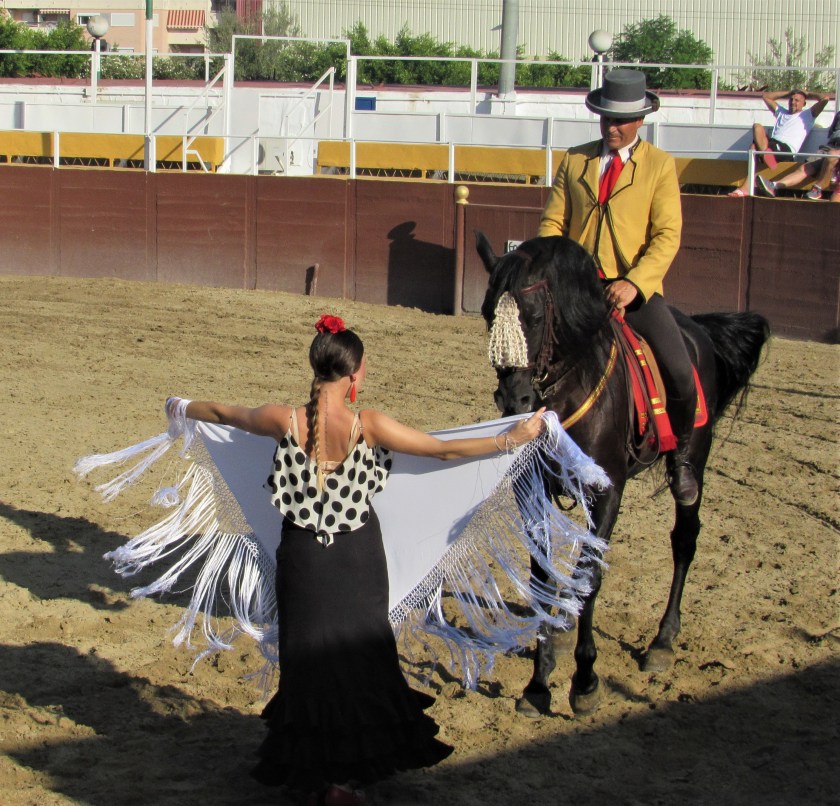
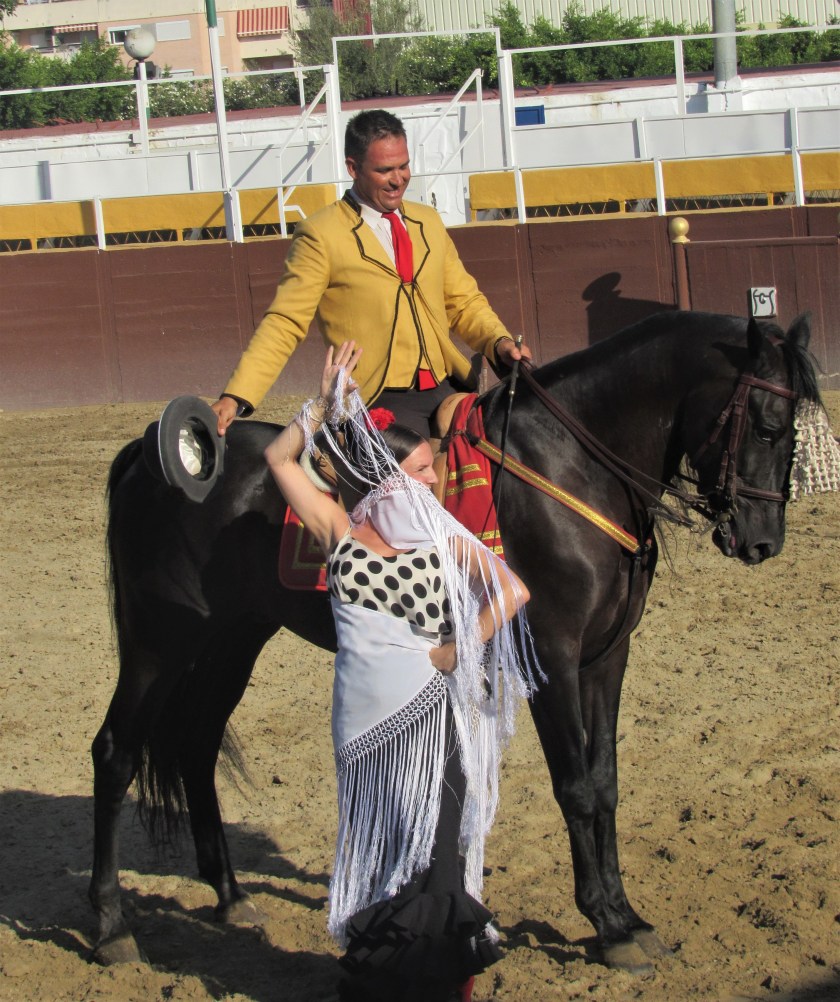
One of our Spanish adventures was to attend a show that showcased many of these Spanish passions.  It started with the performance of the Andalusians, followed by a Spanish grilled dinner, or comida a la plancha, and ended with Flameco music and dancing.  I absolutely loved it.  Larry enjoyed it, but was not into nearly as much as I was.  He is not as empassioned with the arts like I am.

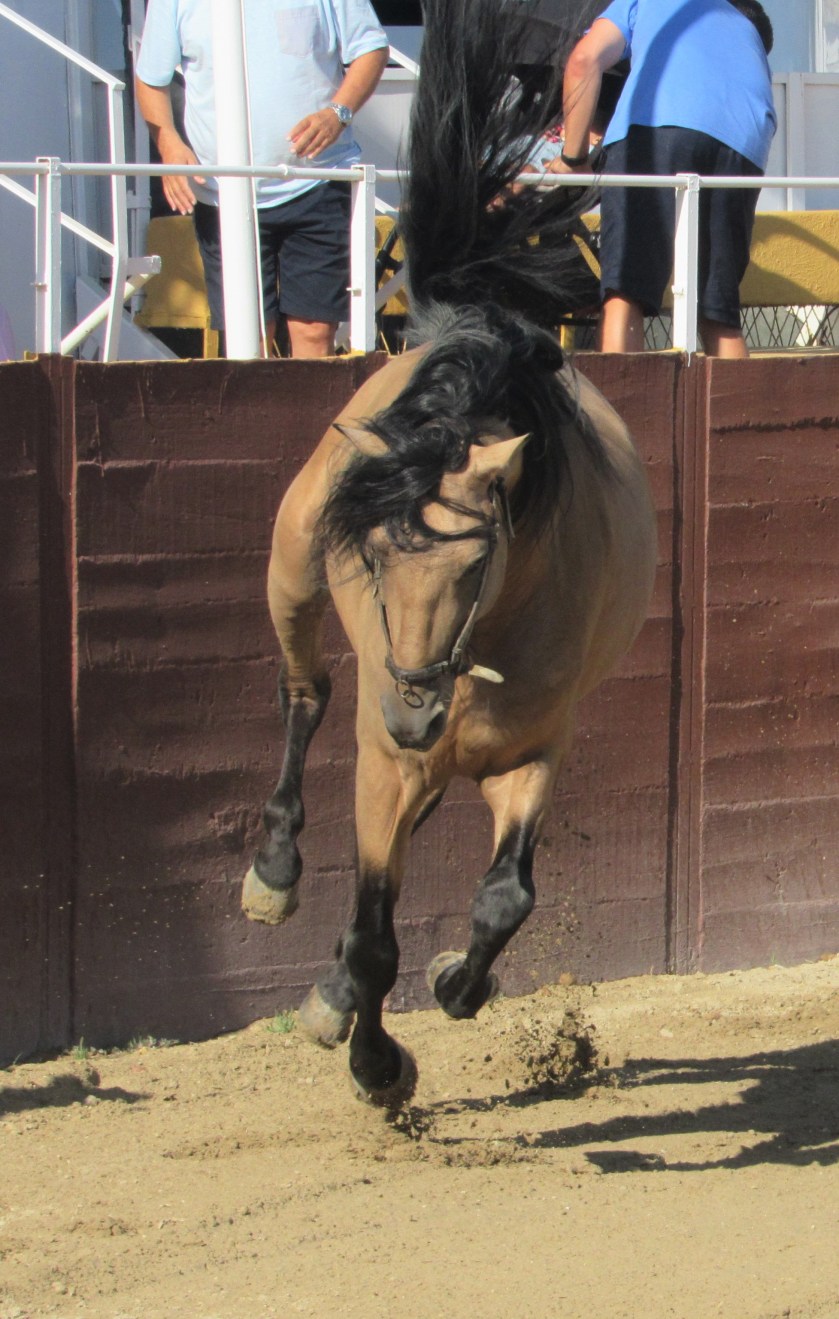
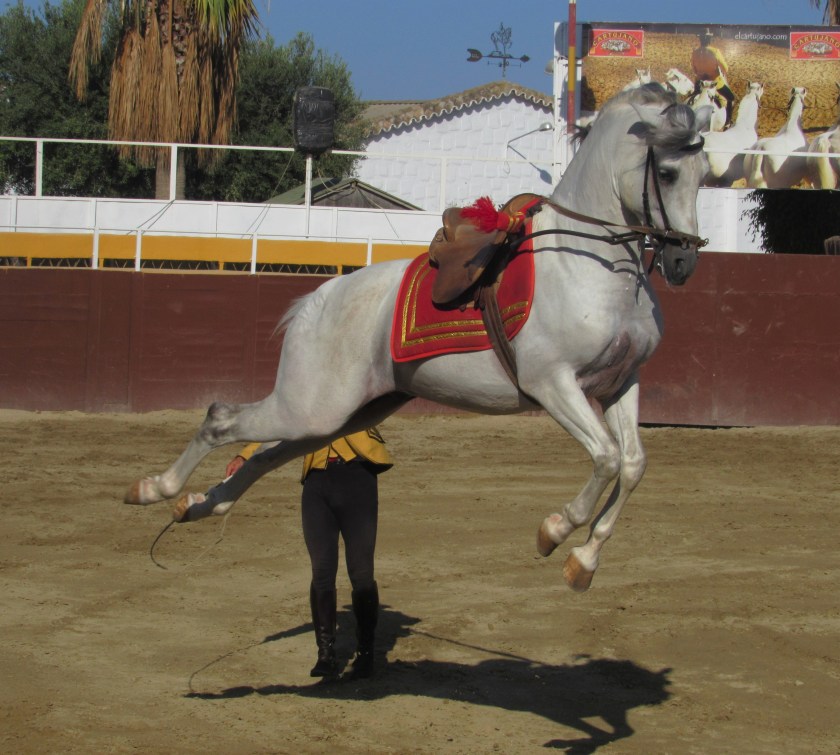
These horses were spectacular and were so well trained.  They were most definitely well trained athletes and dancers and they were out to perform.

IMG_8236

IMG_8235

IMG_8242

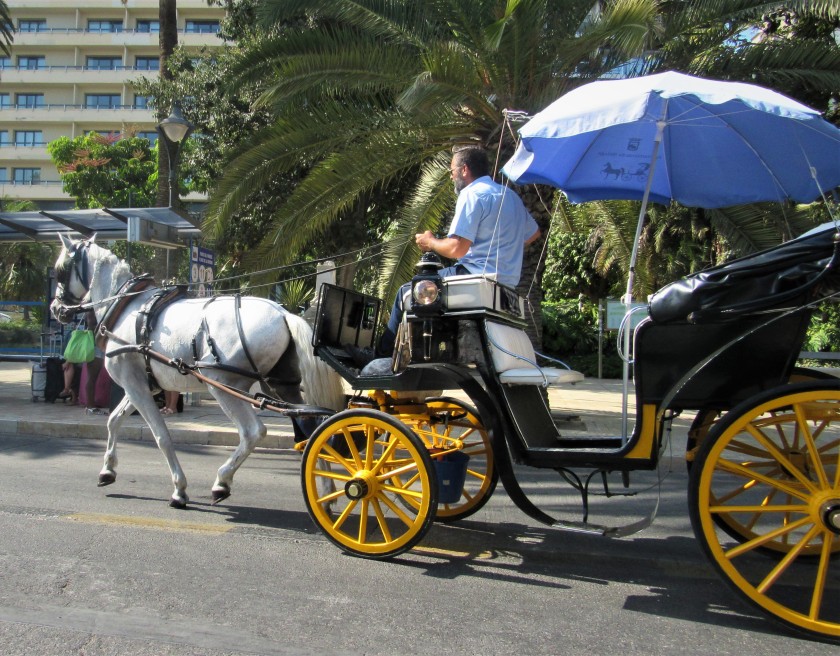
This jump is one of the most difficult jumps a horse can do because they are jumping up and kicking out at the same time.  This shot was just pure luck.
IMG_8243

These horses were all in perfect unison the whole time.  Each one of the horse in the back was wearing a bell, so they made music of their own as they performed.
IMG_8257

IMG_8258

Coming out to dance.  The horse was dancing flamenco just like the Senora was.

IMG_8270

IMG_8269

IMG_8271

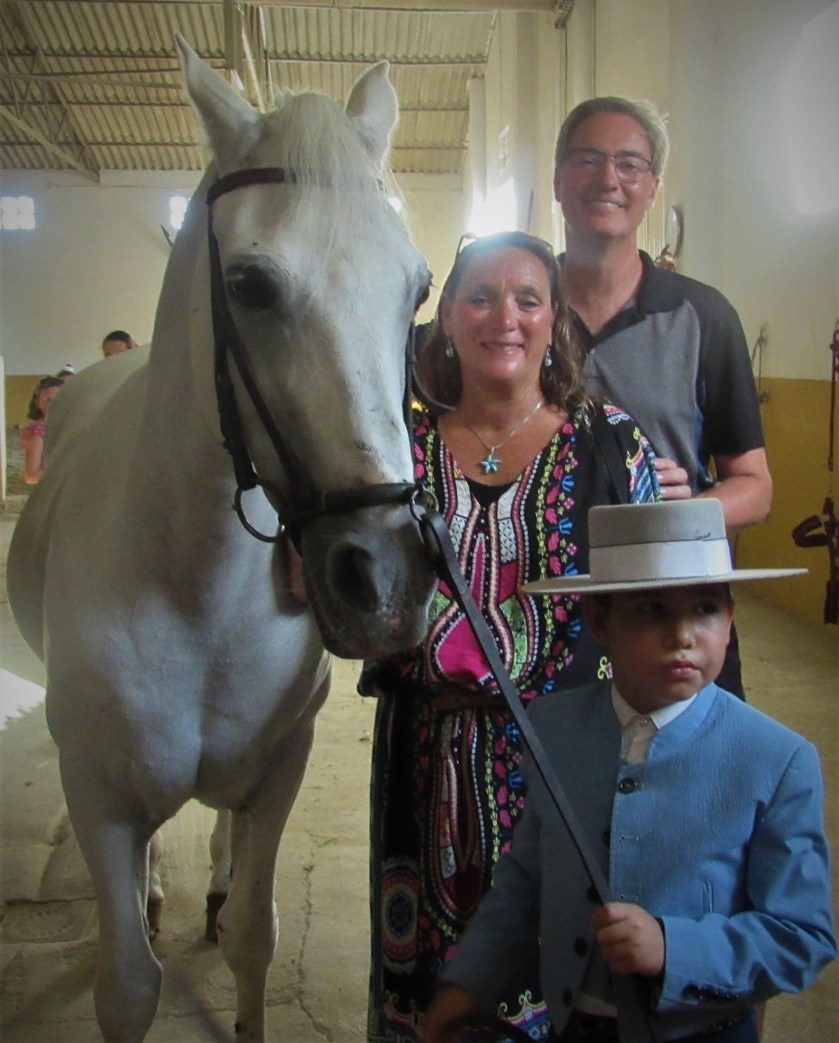
After the equestrian performances, we got to go back to the stables and meet “the stars”.  They are so beautiful.

IMG_8280

They are also very feisty too.  I was petting one horse and another one, a couple of stalls down, threw a bit of temper tantrum because I was not giving him love too.  So I went over to him and started giving him some love ( I know, I was rewarding bad behavior, a big no-no, but ….).  He was good for a bit, then he started acting up again.  I told him no more love if he continued.  He stopped for a bit, as if he was listening to me, then started acting up again, just like a child that acts up when it doesn’t get its way.  That was it.  He blew it.  By then, we were off to the dinner portion, so off we went from the stables to the dinner table.

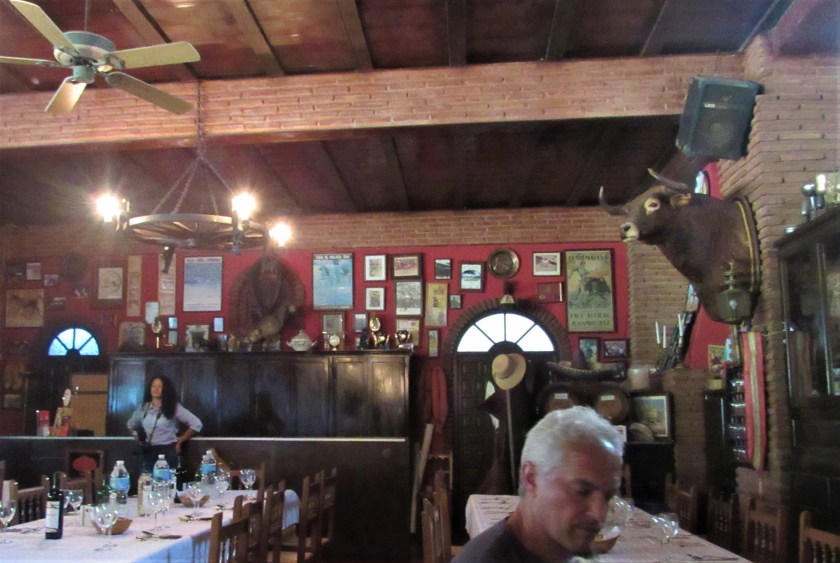
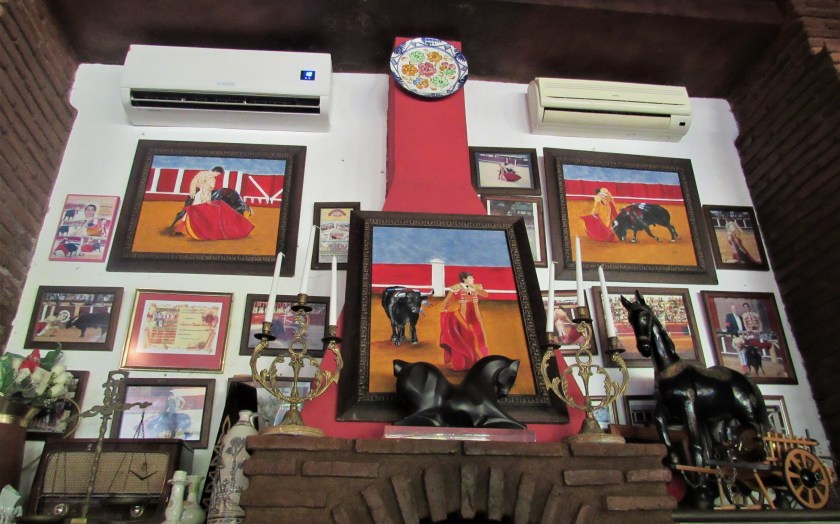
The walls of the dining hall were lined with equestrian and bull fighting trophies.  I know bull fighting is very much a part of the Spanish culture as well as the horses are, but I WILL NEVER EVER attend a bull fight.  I am always rooting for the bull.

IMG_8284

IMG_8287

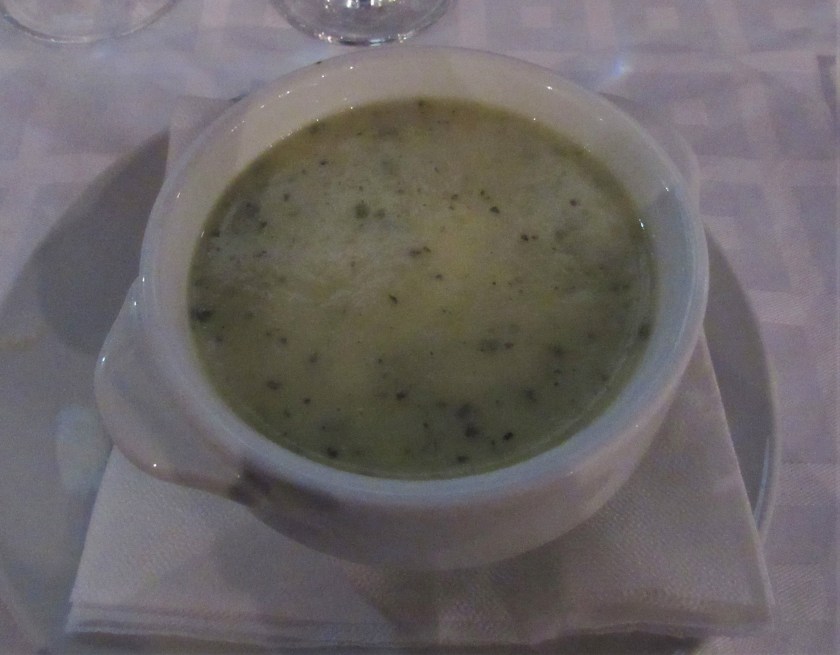
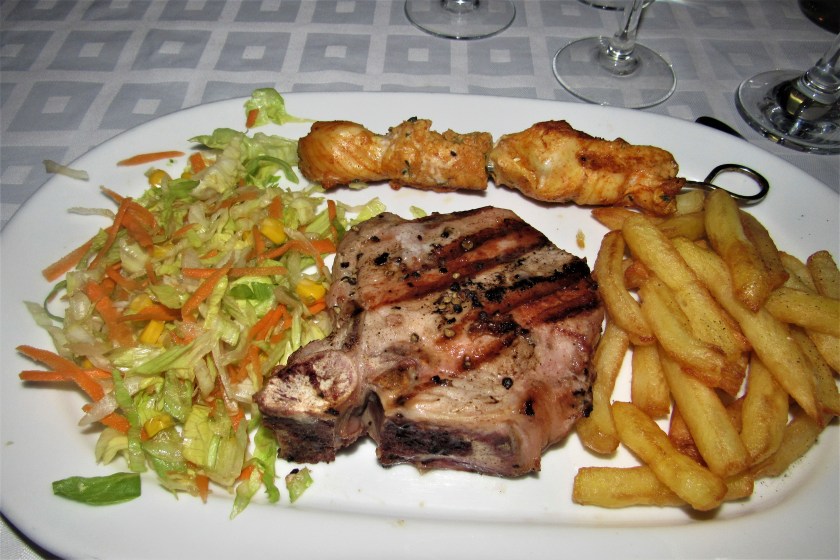
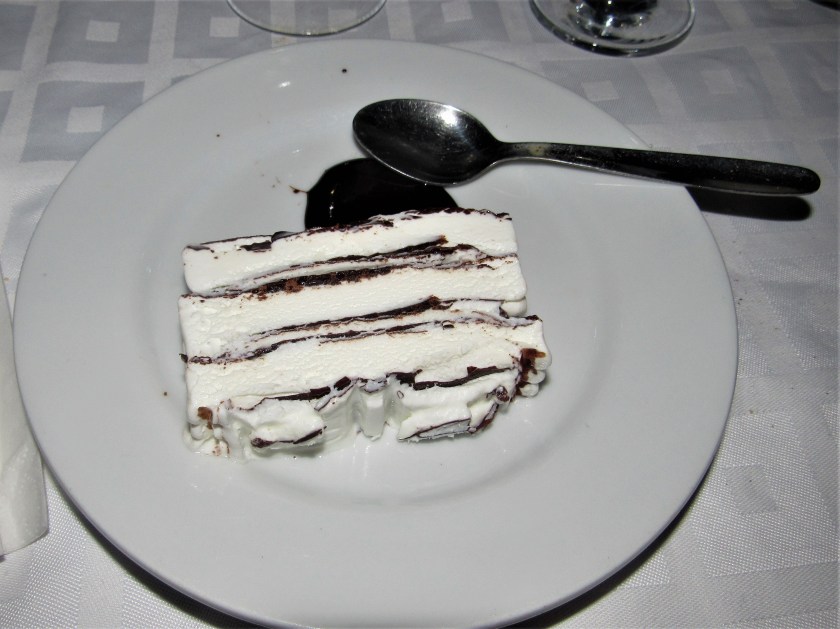
The food was all served family style.  It was good, simple, hearty food.  We all started off with an asparagus and cheese soup.  Then the main meal came.  It was a mixed grill of a chicken kebab and grilled pork chop with vegetables.  The pork was delicious.  There was also a vegetarian option available, but one of the ladies at our table was a vegetarian, and she was very disappointed with it.  For dessert, it was some kind of a gelato/ice cream treat.

IMG_8289

IMG_8290

IMG_8291

After dinner …. Let the dancing begin.

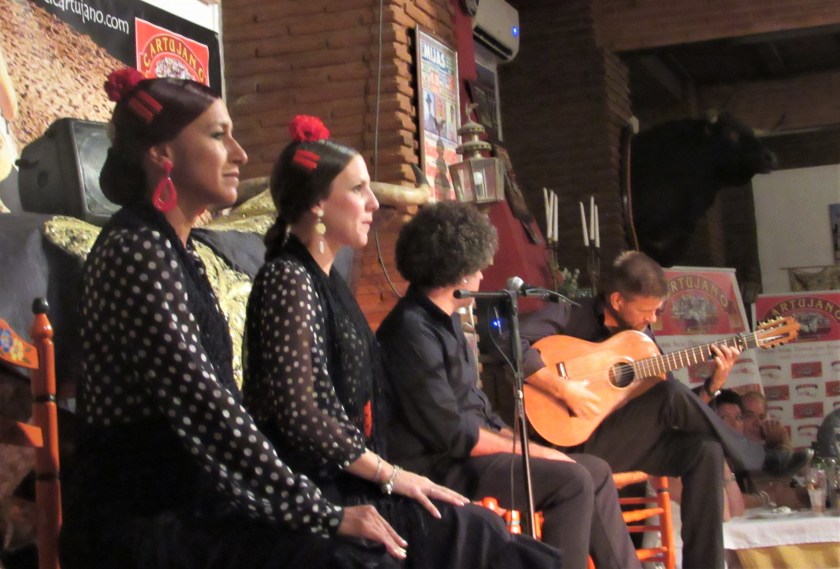
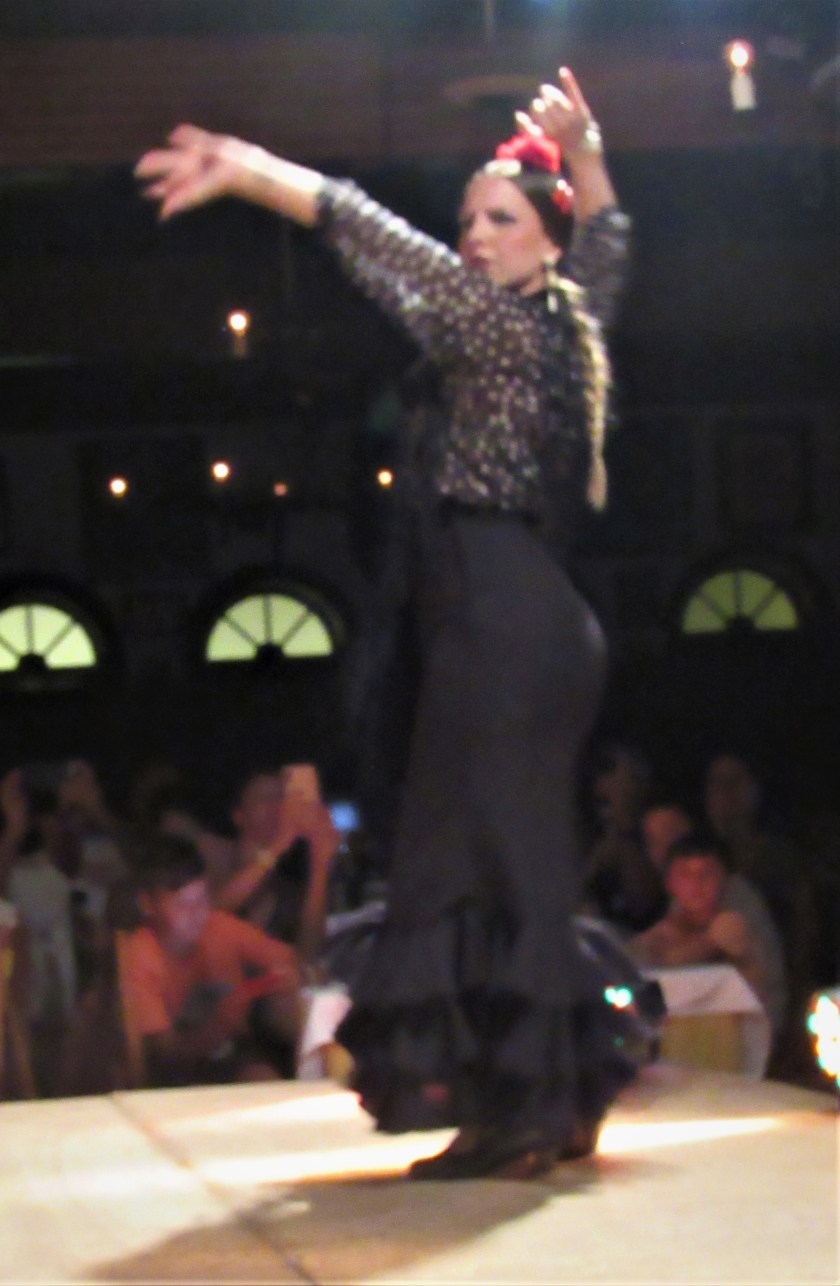
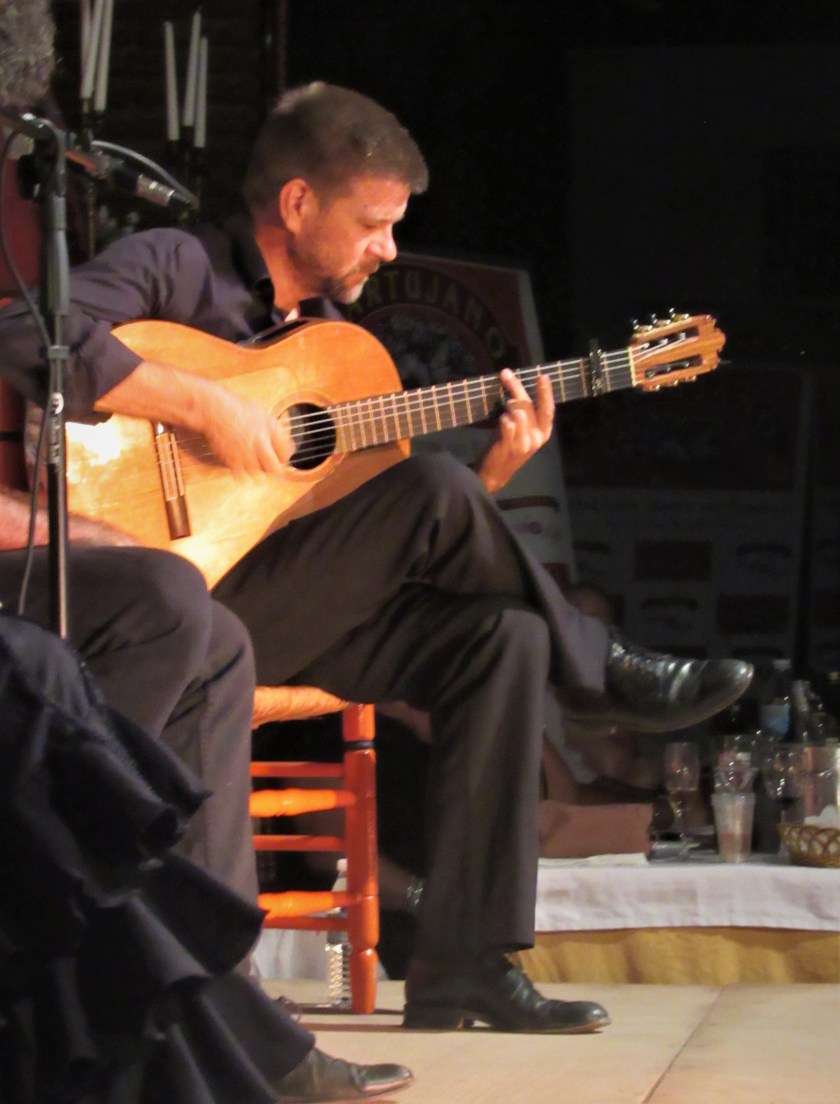
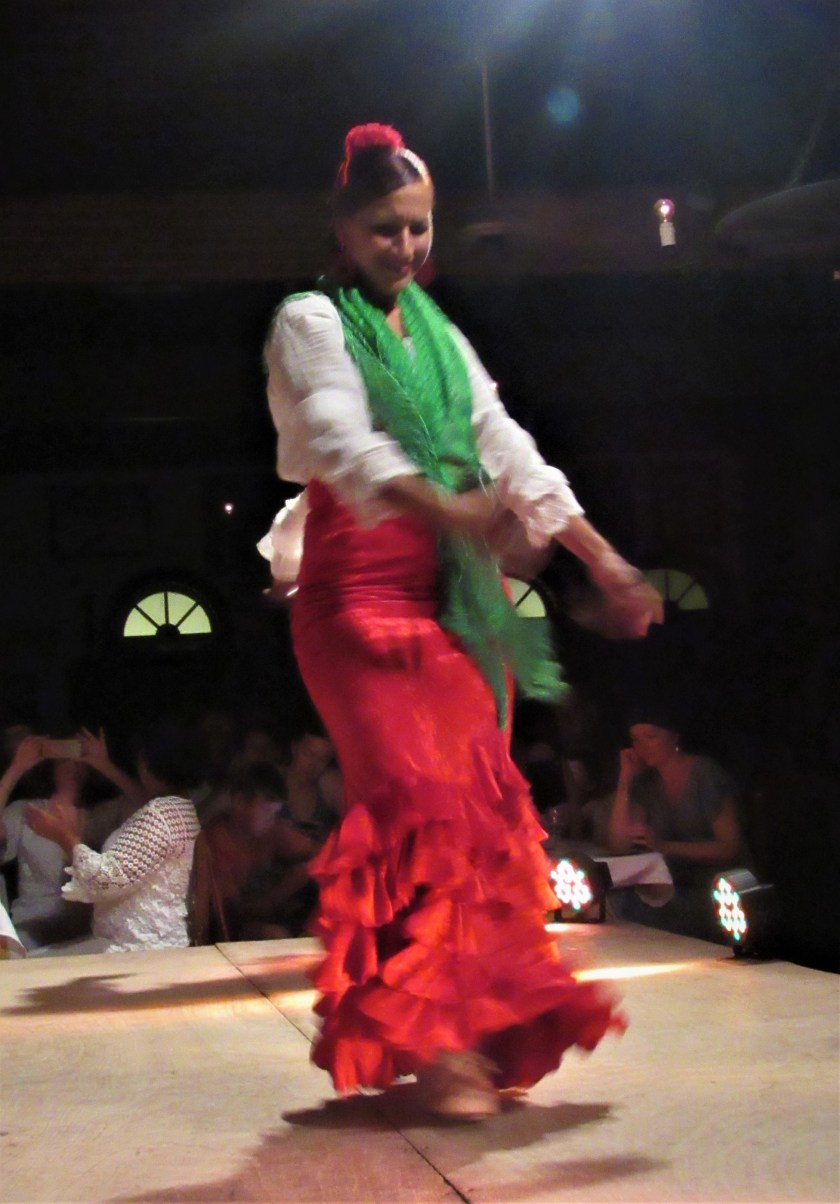
Flamenco music is a traditional form of music that is usually comprised of a guitar, a singer and dancers.  It has a very rich and diverse history, and no one knows for sure when it was first introduced to Spain.  It has influences mostly from the Andalusian Roma gypsies, known as Gitanos.  It also has influences from the Rajasthan people from Northwest India, as well as from the Sephardic Jews and the Moors.  It is believed to have its roots in Spain for as far back as anywhere between the 9th and the 14th centuries.  It  morphed and grew into its own form of music and dance, that has been a tradition in Spain and the Latin world ever since.  The music is centered around a complex 12-beat rhythm that is an expression of extreme emotions and passions.  Both men and women dance flamenco.  The men are known for their elaborate foot work, whereas the women are more known for their beautiful ruffled dresses and more upper body and hand work than what is seen with the male dances.  But the women dancers have some pretty elaborate footwork as well.

IMG_8292IMG_8296

I LOVE, LOVE, LOVE flamenco music.  I was studying flamenco and Spanish classical guitar for awhile.  I most definitely need to get back into it.

IMG_8297

IMG_8299

IMG_8298

I hope you enjoyed the show as much as I did.  Next stop …. Two countries, two continents.  Ciao for now.

Costa del Sol- Part 2

Most of our time spent in Costa del Sol was eating or driving around.  It was our starting point to other places and destinations.  As I mentioned in my post Costa del Sol this was home base for the next week.  It was called Forrest Hills.  Though we did not stay around town to much, we really enjoyed it.  Our place was comfortable and cozy, but we did not get to fully appreciate it the way it was designed.  We were to busy, and always on the go, which is a typical vacation for us.

IMG_8072

IMG_8065

IMG_8066

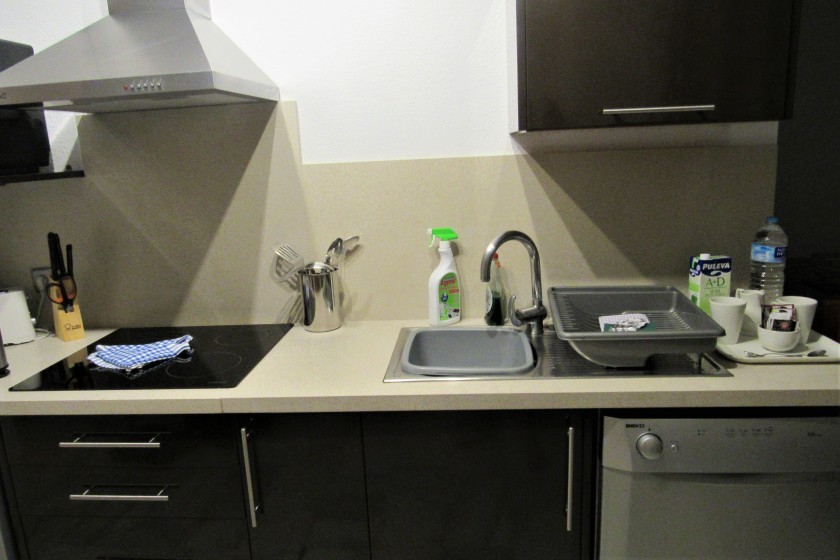
This is more like a kitchenette than a kitchen.  The only “cooking” I did here was to prepare sandwiches to take on the go with us.

IMG_8067

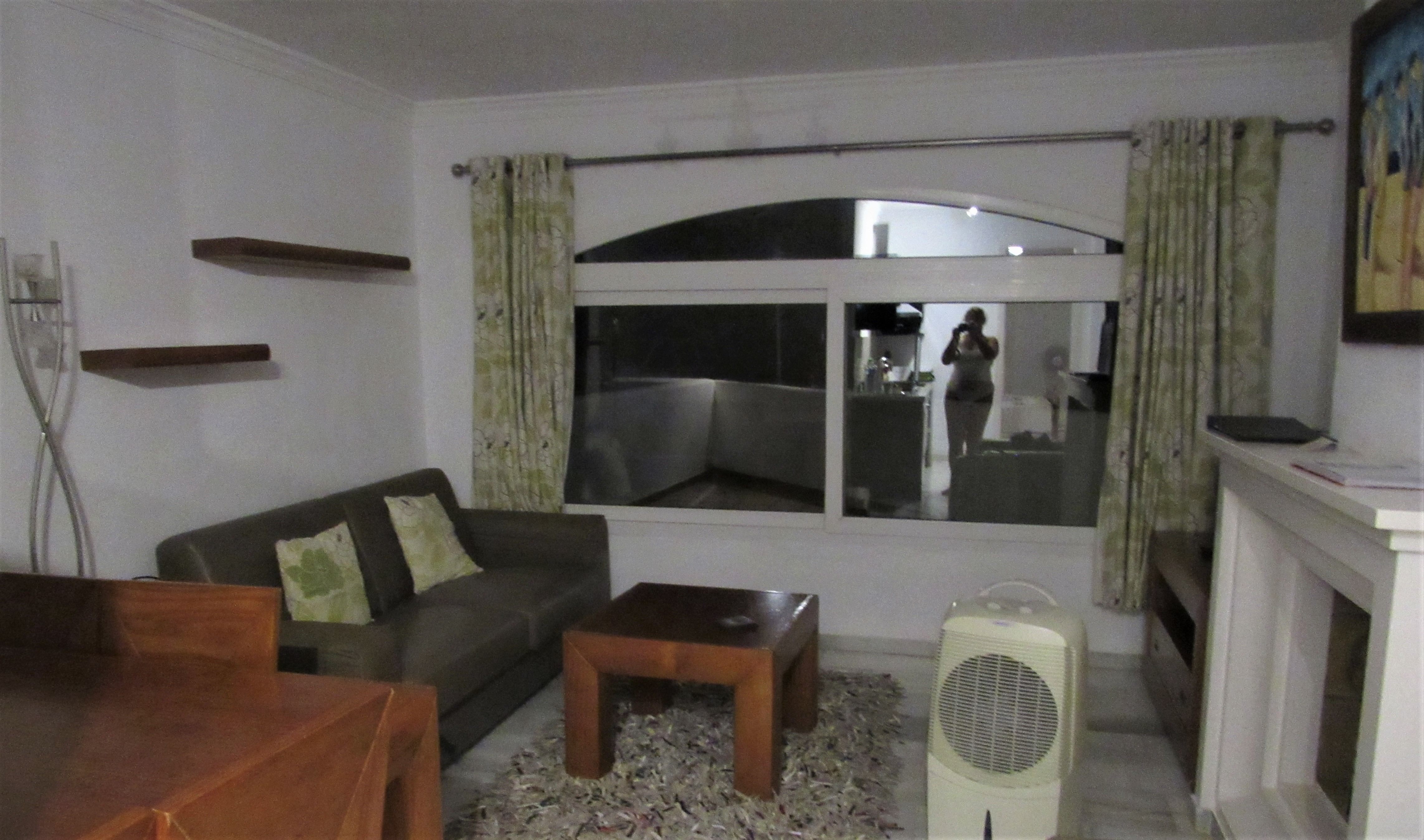
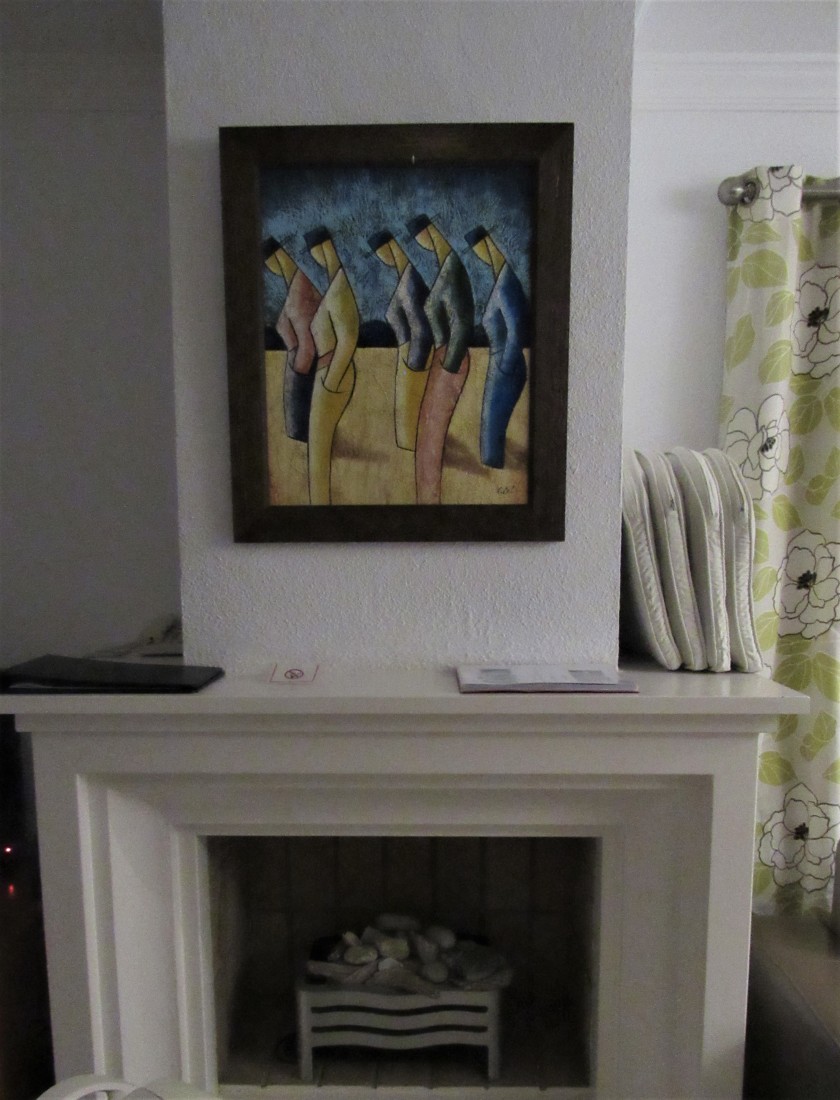
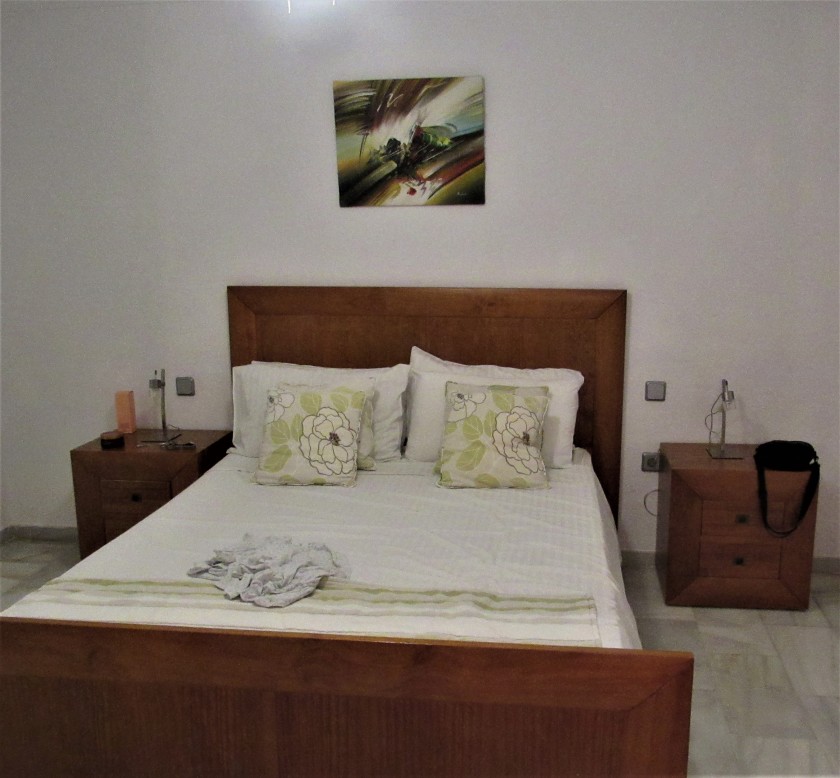
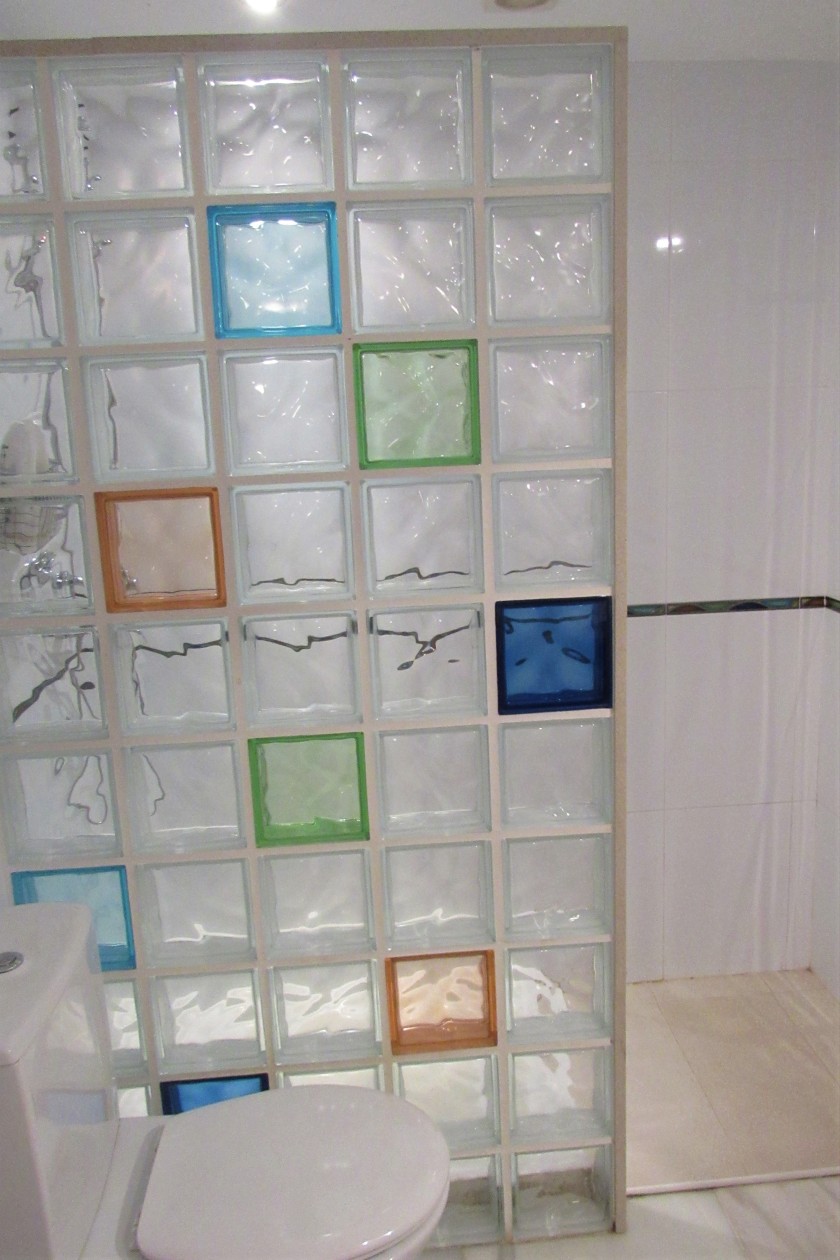
Obviously, the only rooms we got to really see and use the most during our stay.

IMG_8068

IMG_8070

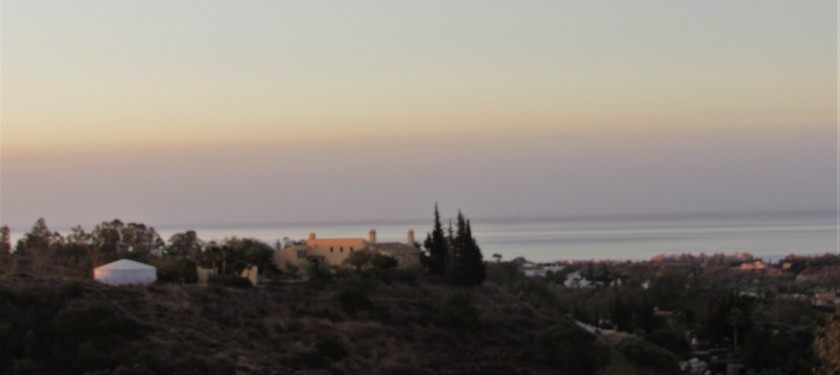
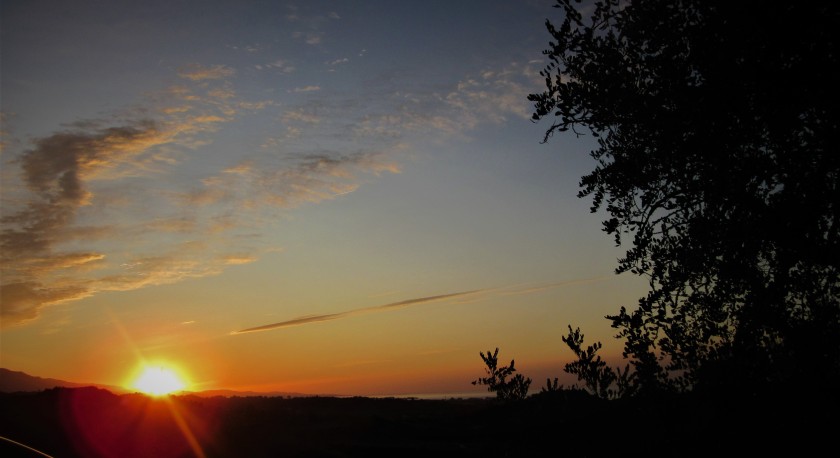
This is an early morning view from our place.

IMG_8073

IMG_8074

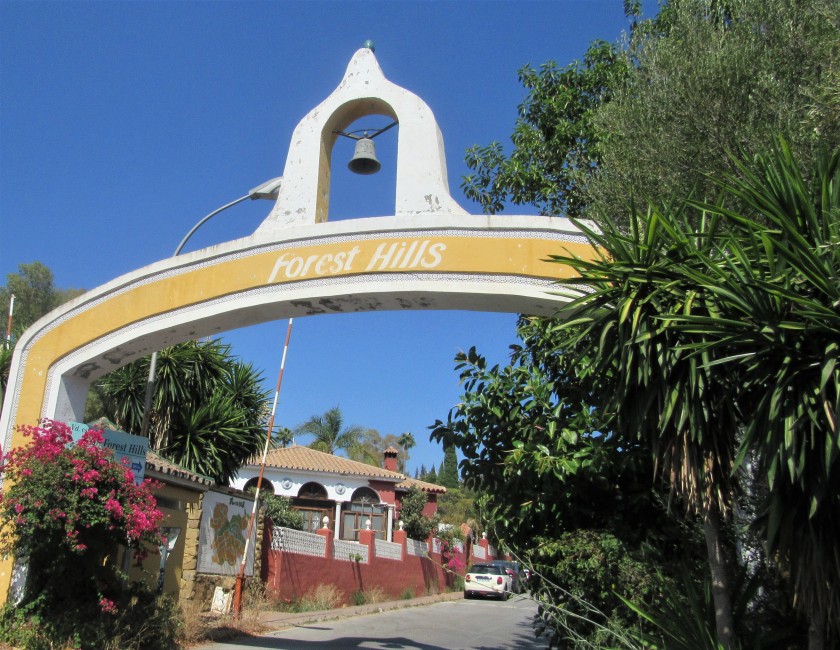
The drive up to our place.

IMG_8219

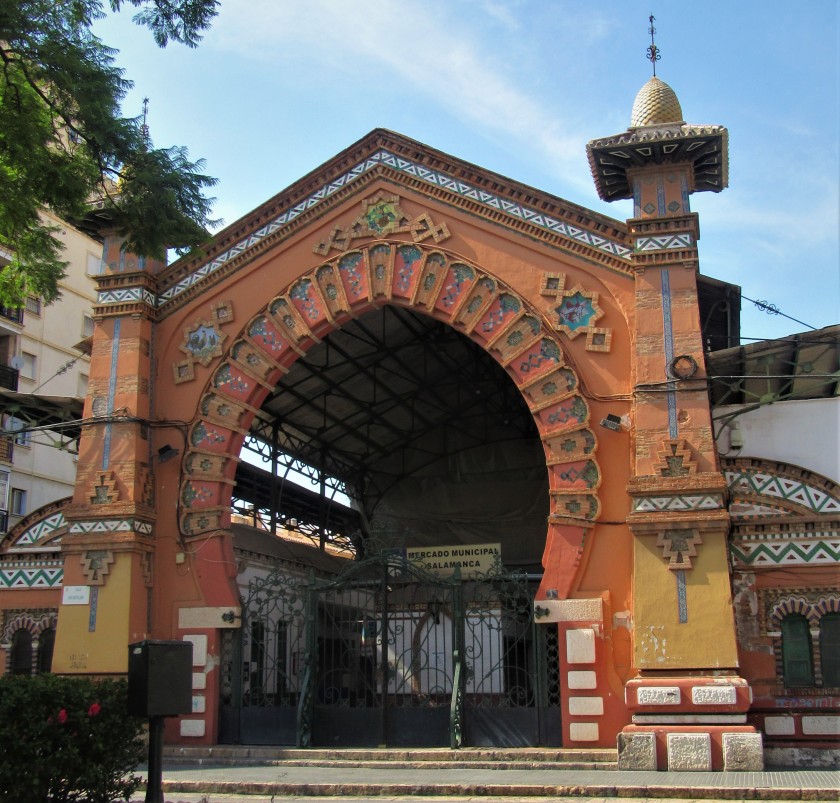
Just some random shots while touring around. I love old buildings.  Their attention to detail and the architecture are just amazing and very fascinating to me.  This is some old  Muslim/Moorish building.  I have no idea what it is, but I thought it was gorgeous.  I think it was some kind of a market place.

IMG_8188

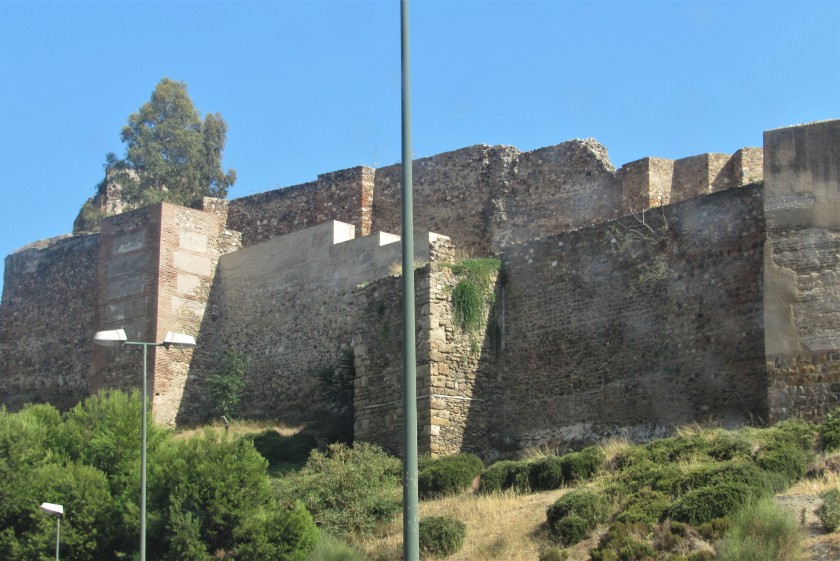
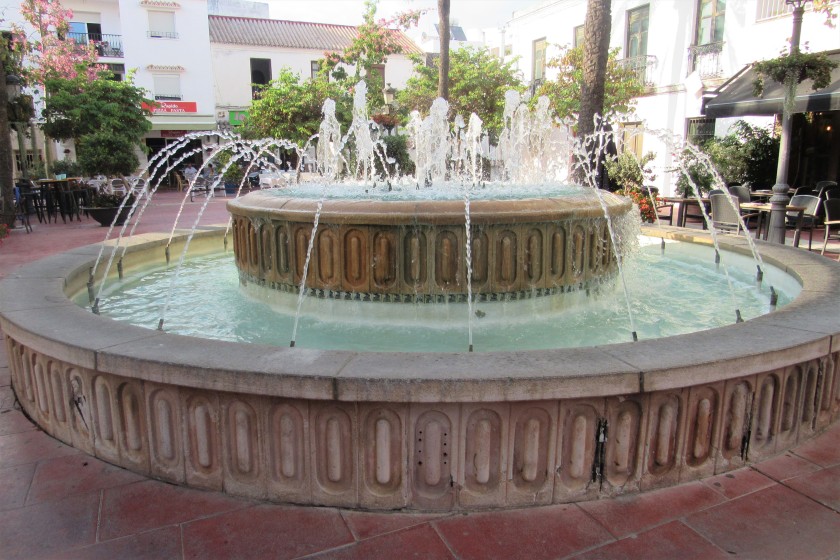
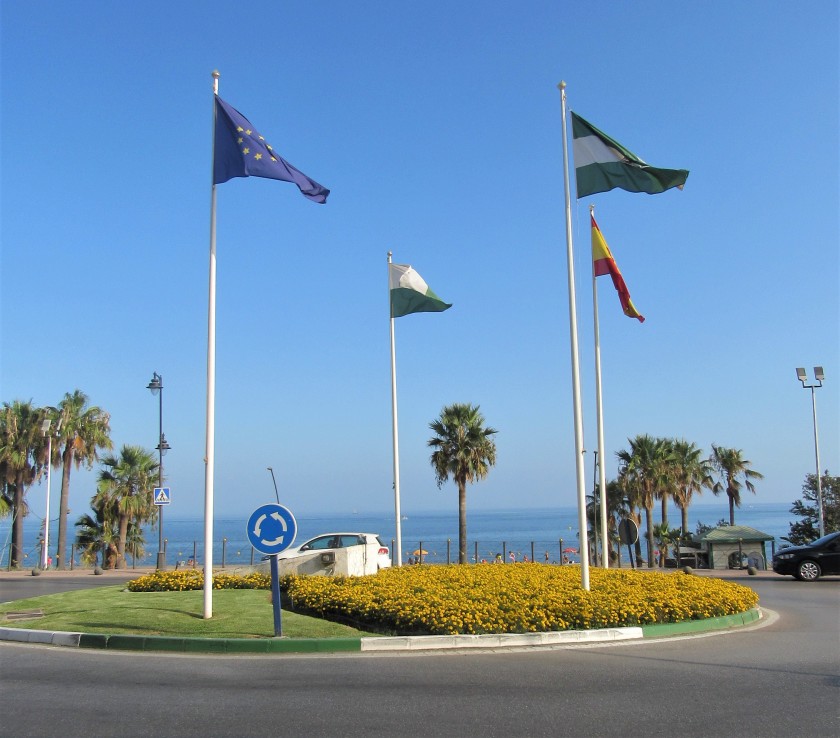
There are castillos and very old structures everywhere you go.  On every corner, there is some beautiful, old historical site.  Churches, Basilicas, Cathedrals and Mosques are also everywhere you go.  There is also a very good blending of the very old and historic mixed with the very new and modern everywhere you go, all throughout Spain, not just the Costa del Sol area.  Water fountains and gorgeous city center displays were abundant around all the roundabouts, which are all over Spain.

IMG_8189

IMG_8194

IMG_8195

IMG_8192

IMG_8193

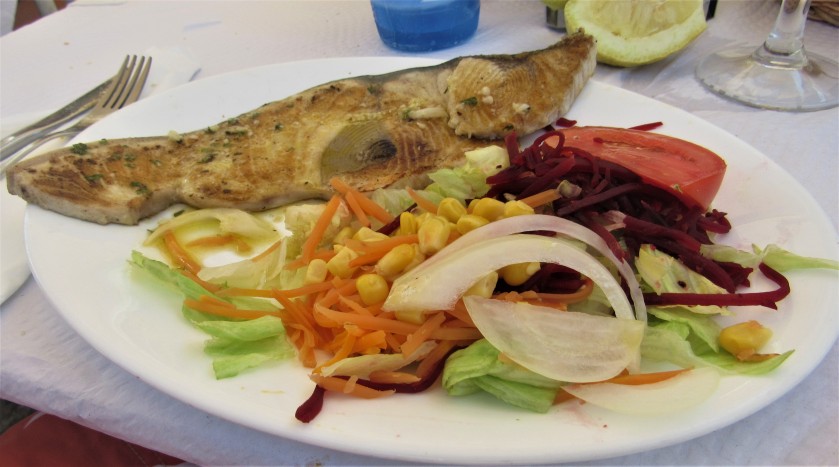
And of course, there was delicious food everywhere we went.  I don’t think we had a bad meal at all anywhere in Spain.  This was another delicious post-diving early meal with Nicole.

IMG_8208

IMG_8211

IMG_8212

IMG_8216

IMG_8217

I hope you enjoy these pictures of the Sunshine Coast, known around the world as Costa del Sol.  There is still so much more of our trip to come.  Ciao for now.


Diving the Med

I am always up for an adventure, especially if it includes scuba diving.  When I told everyone we were going to Spain, I was constantly asked if this was a dive trip.  My answer was yes, and no.  To me, a “dive trip” is when I am diving exclusively, or at least for the majority of the time during our vacation.  For this trip, we were only diving for 3 days with 2 tank dives each day out of the total 2 weeks we were in Spain, so only 6 dives.  For me, it was NOT a dive trip, but rather a trip that includes diving.  All my fellow dive-aholics will completely understand the difference.

I was really looking forward to trying out a new dive destination and to be diving the Med.  It was quite a shock to the system though, and was VERY different from diving in our beloved Caribbean.  We are very spoiled and dive primarily in the WARM, clear waters of the Caribbean, or Hawai’i or Fiji or Australia, where there is an abundance of marine life and vegetation.  Diving in Malaga was a completely different experience.  The water was freezing cold.  It was between 60-65* F or about 16-18* C.  That is a big shock when you are used to waters that are about 80-85* F.  We wore a full wet 5mm wetsuit, and I had my 1mm underneath, and I NEVER wear wetsuits.  Whereas Larry actually had a shortie wetsuit over his full wetsuit. He never got used to the conditions and was cold for most of the time.  I was in a little shock when I first got in for my first dive, but then quickly acclimated to the temperature.  We are also used to great visibility that allows us to see for about 100-150 feet.  We were lucky if the viz here allowed us to see 50 feet, and for the most part, we could only see about 10-20 feet, if even.  And there wasn’t much to see even when we could see.  There is not the abundance of fish or corals in the Mediterranean, or at least not where we dived, like there are in other parts of the world.  On our last day of diving, the conditions were so bad that the divemasters actually called the dive shortly after we got down to the bottom.  The current was super strong and the visibility was horrible, plus everyone was really cold.  We did a deep dive, down to about 87-90 feet or 26-27 meters, and all of us chewed through our air very quickly while doing a whole lot of nothing in the process.  Usually Larry and I are very good with our air consumption and can stay down for a long, long time and still come up with about 1000 lbs remaining.  You will get different answers on how to rate the diving here in Spain depending on if you ask me or if you ask Larry.  Larry says “he will never dive in the Med again”.  I now know what to expect, and I would have no problem diving in the Med again, but then I will dive anywhere, anytime.  I am a certified, dive-aholic.
Despite all the surprises and shocks, there were still some good things too.  We did see some new fish, and we got to dive some place new, and we met a new dive buddy and friend, Nicole.  Larry says I am a frustrated marine biologist wanna-be because I get so excited about seeing new fish.  I know most of the names of the fish (at least in the Caribbean waters), so seeing new types of fish was a perk for me.
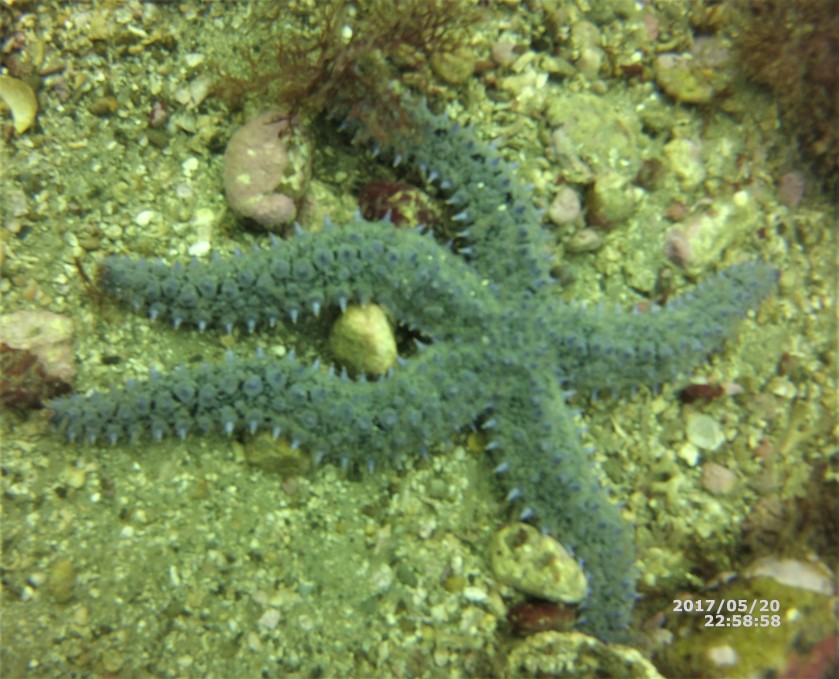
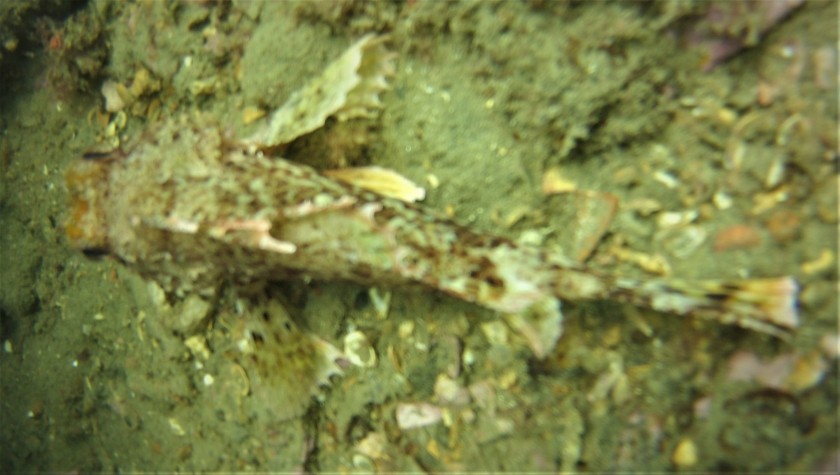
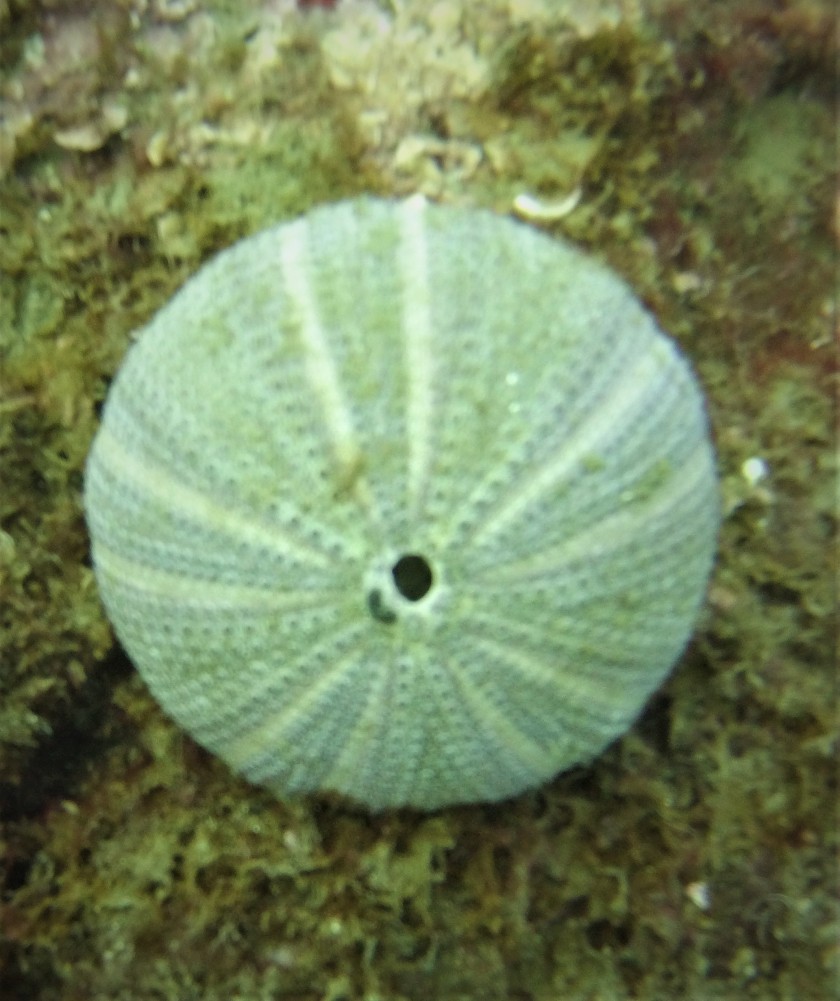
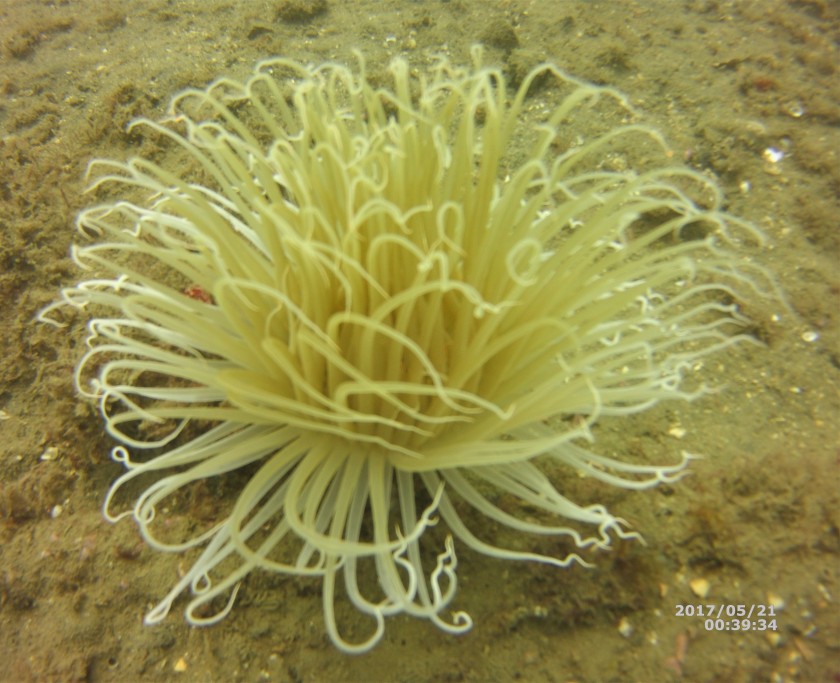
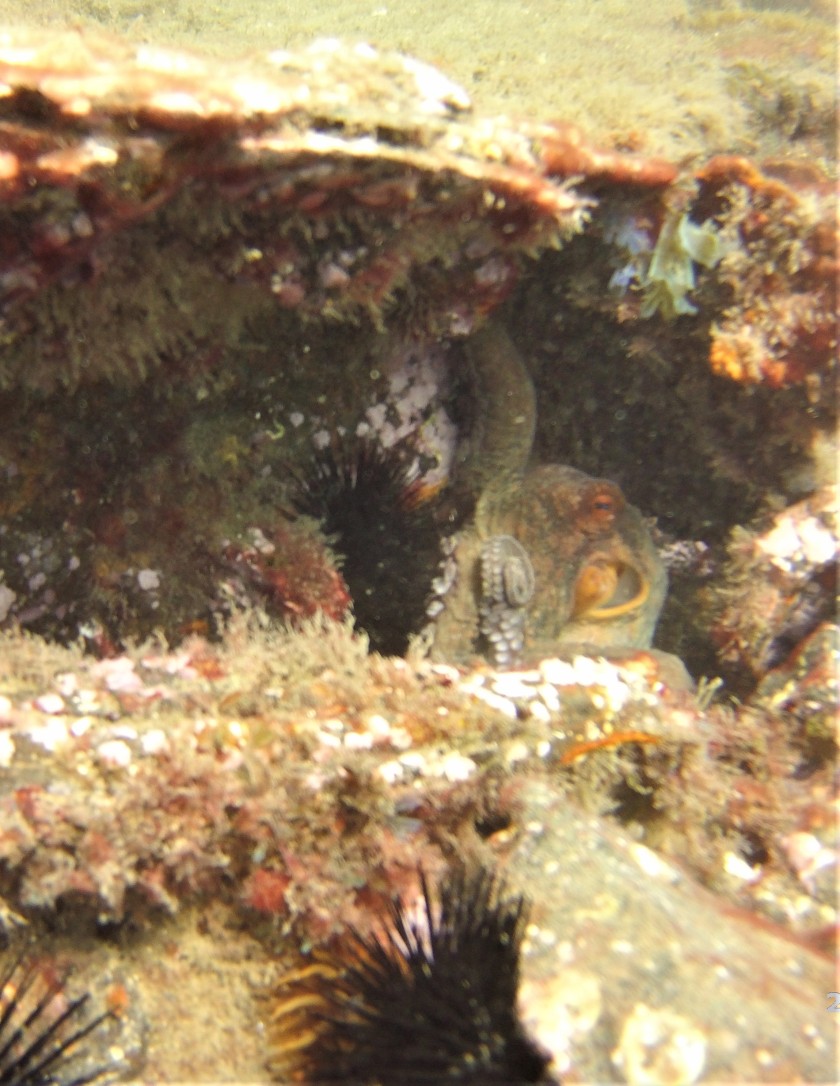
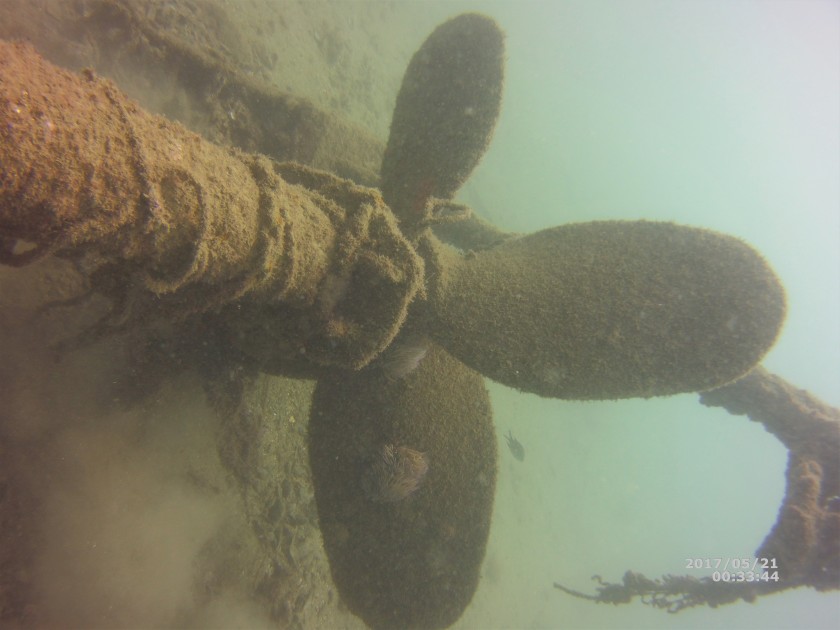
The familiar “faces” I saw were a bunch of sea stars and scorpion fish, a few mollusks, quite a few octopi or octopusses (both are correct) and some beautiful soft corals. (Don’t pay attention to the date in the corner)

DCIM100MEDIA

DCIM100MEDIA

DCIM100MEDIA

DCIM100MEDIA

DCIM100MEDIA

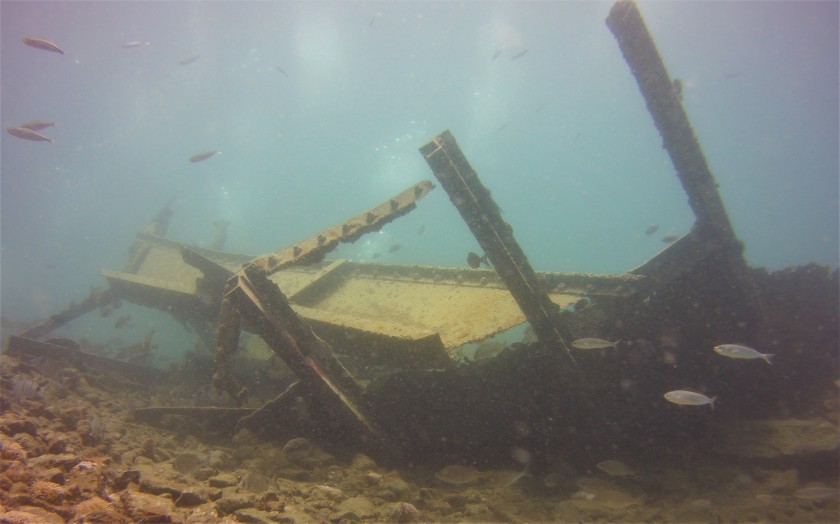
We even saw a few wrecks, one of which was the remnants of an old French galleon that was over 300 years old (not pictured).

DCIM100MEDIA

DCIM100MEDIA

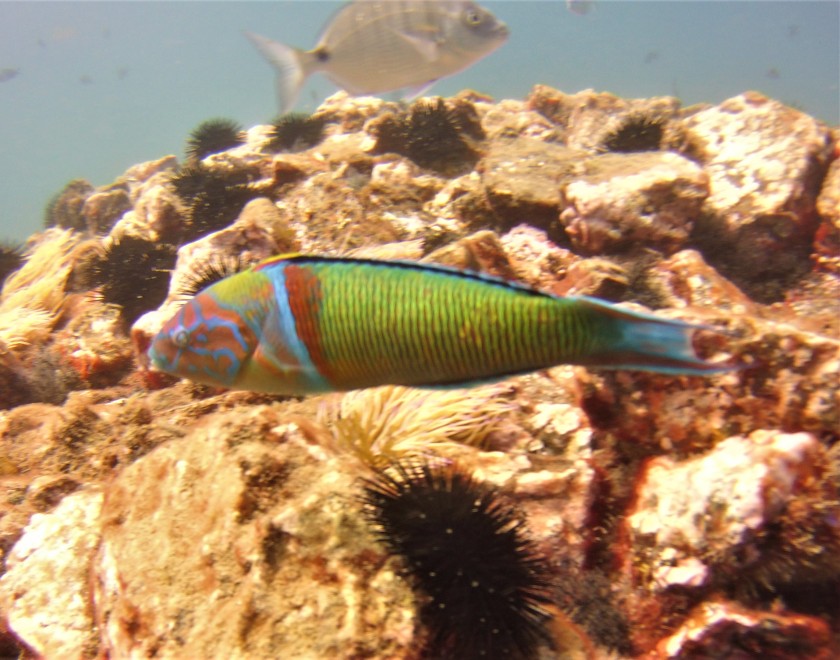
This beautiful peacock wrasse was a new friend, but is a cousin to the Creole wrasse we see all the time down in the warmer Caribbean waters.

DCIM100MEDIA

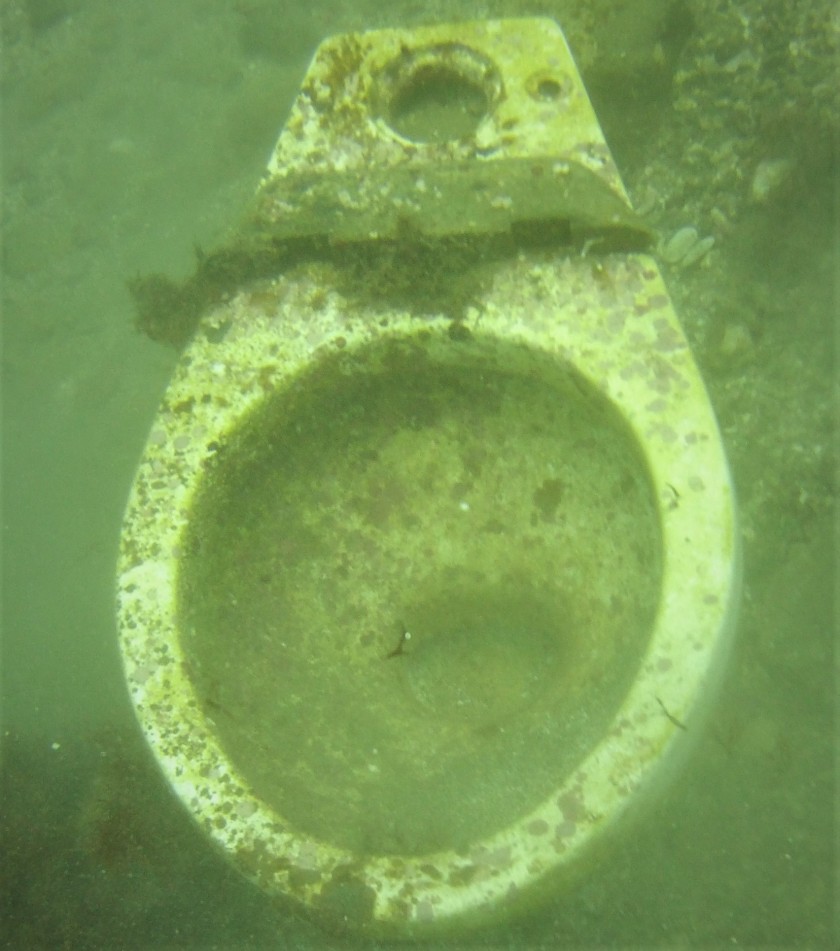
And then we saw some things we don’t encounter all that often too.  These were both a first.  Potty break anyone?

DCIM100MEDIA

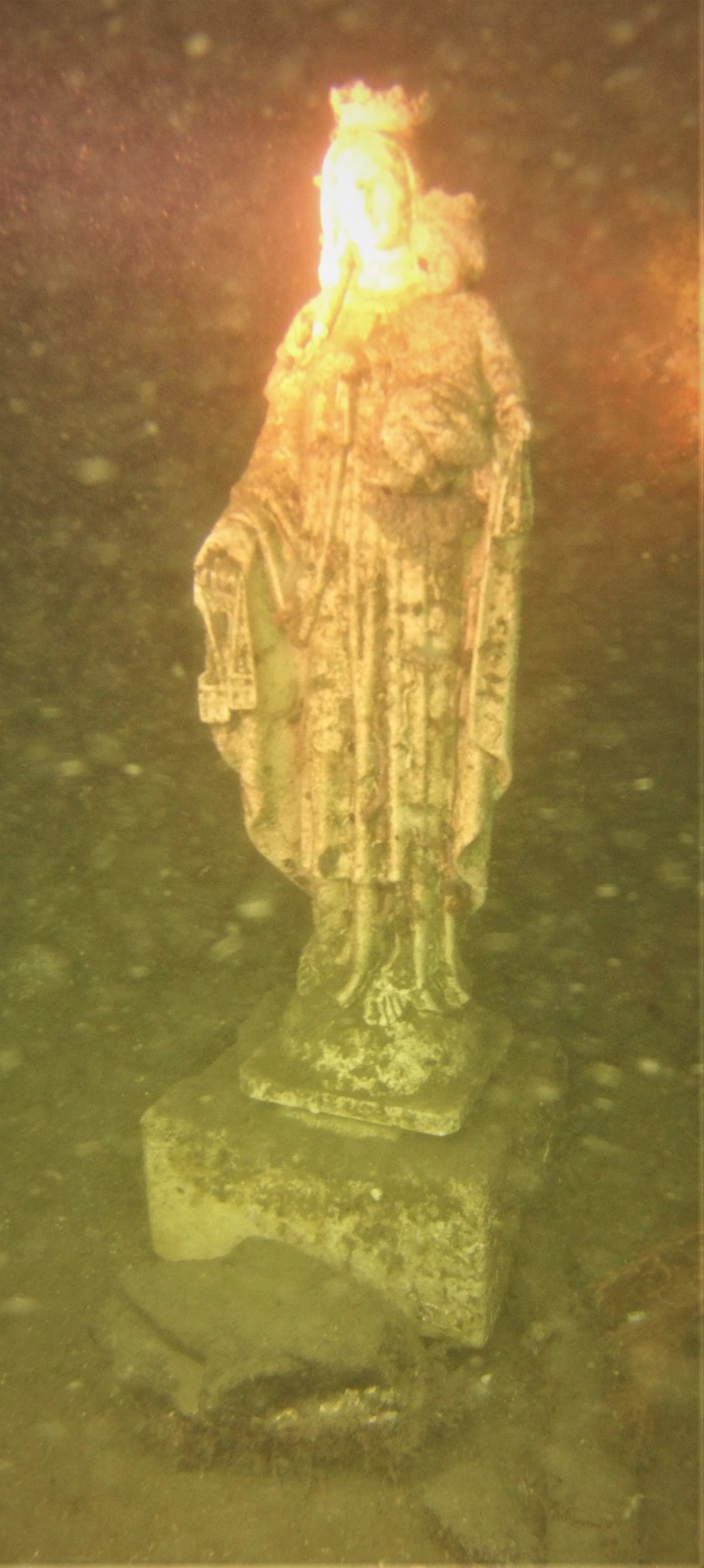
St. Carmen, the patron Saint of Fishermen.

DCIM100MEDIA

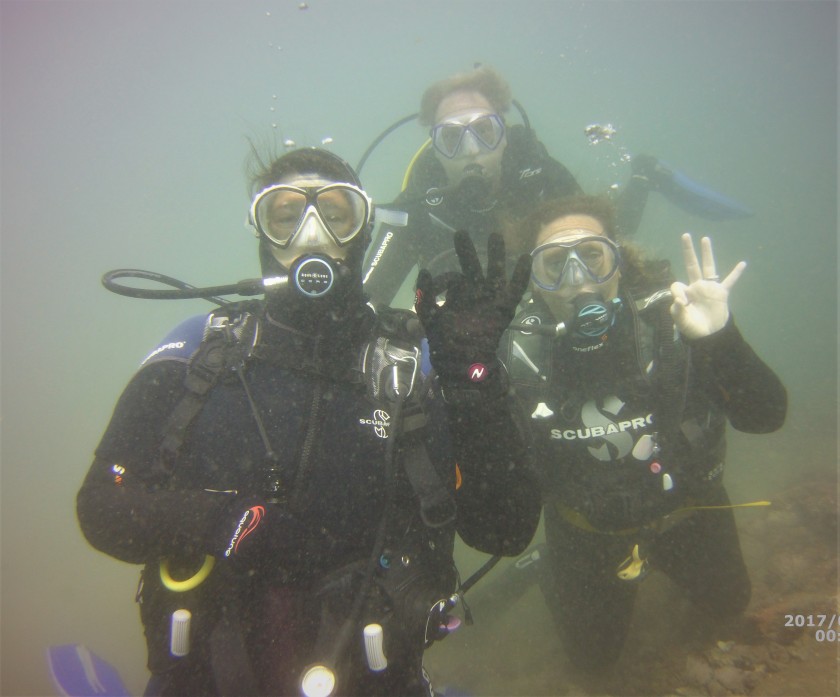
Diving with our new dive buddy, Nicole.
DCIM100MEDIA

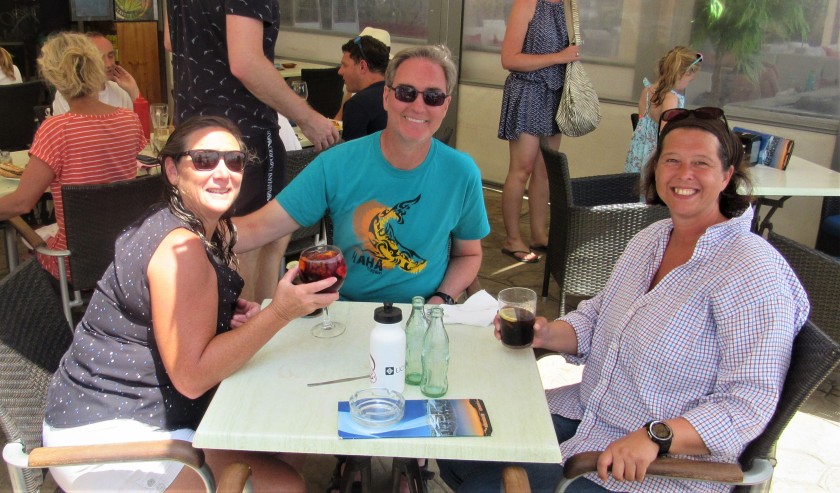
After we dried off and thawed a bit in the sun, the three of us went out for yet another delicious lunch in Marbella.  The sangria was delicious, as was the food, but we only had burgers and sandwiches.
IMG_8184


Costa del Sol

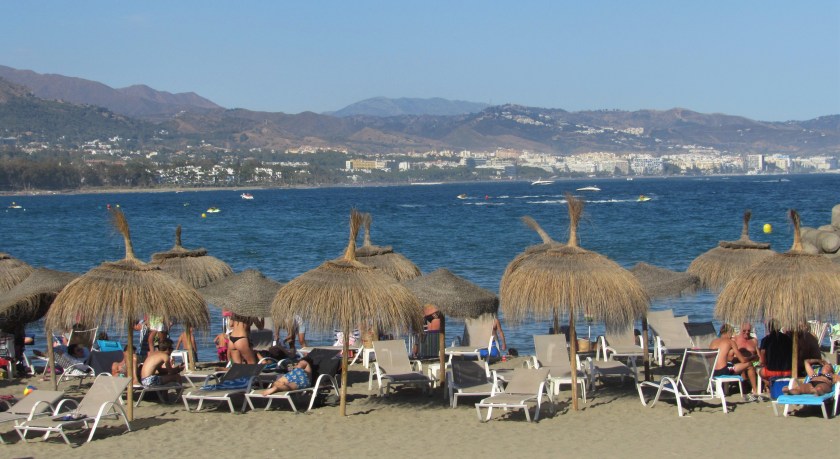
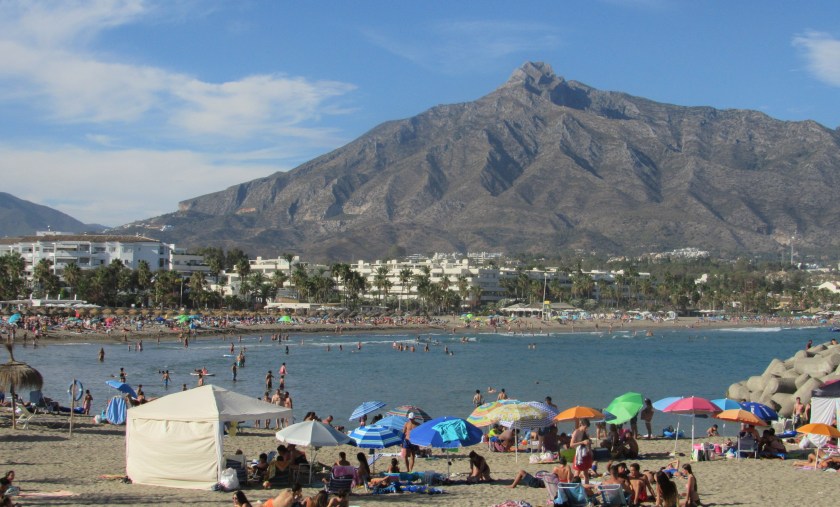
Costa del Sol, or the Sun Coast, is the coastline and beach areas all along The Andulucia region of Southern Spain, in the Provincia de Malaga.  It is nestled between two other lesser know coastal regions, the Costa del Luz or the Coast of Light  and the Costa Tropical or the tropical coast.  Like with many other beach towns and communities, the region started off as a local fishing and farming community, and was known for its raisins back when Malaga was a major trade destination.  In the late 19th century Malaga suffered a severe economic downturn that affected all the trade in the area.  But the idea of turning this area in to tourist destination was born even in these tough economic times, and thus the Costa del Sol region as we know it today, was born. Costa del Sol is very reminiscent of California in looks, and temperature.  On average, the Costa del Sol region gets about 3000 hours of sunshine per year.  The warm sunshine and the beautiful coastal areas had all the necessary ingredients to make the region the major tourist destination that it has become today.  People from all over the world flock to the Costa del Sol to bask in the sunshine of Spain.   It is lined with beautiful homes, trendy shops and restaurants galore.

After leaving Almeria, we headed straight for Costa del Sol, which was about another 350-400 K or 300 mile drive. We stayed in Estepona, we dived out of Marbella and went in all different directions for the various activities we did for the week.

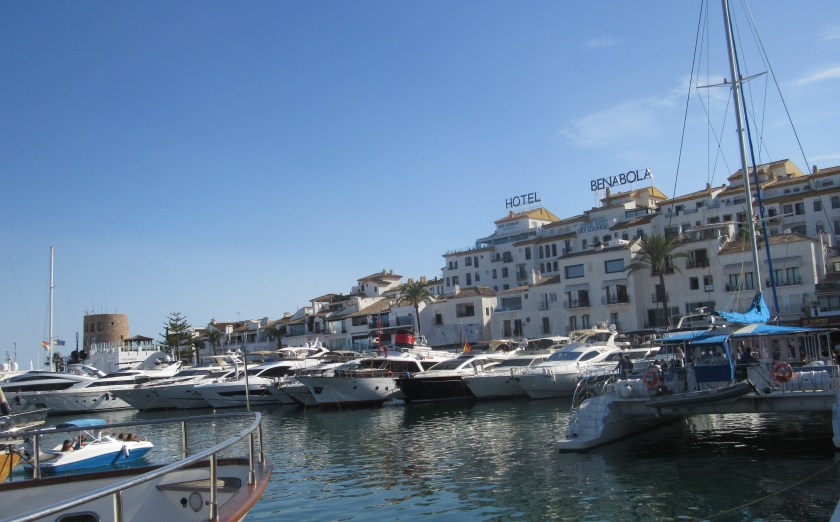
Our first stop on the coast was Puerto Banus. We were looking for our dive operator, took in the sights and dined in front of the marina. It was most definitely a place to see and be seen. The whole region, but particularly Puerto Banus, is most definitely the playground for the rich and famous, as well as those who want to be rich and famous. We saw so many beautiful and expensive luxury cars and yachts, as well as plenty of people who thought they were all that. We learned later that a lot of people rent out those specialty cars for the day or for the week.  We were definitely in the observer roles.  This is so NOT us at all, but every now and then it is fun to see how the other half lives.

IMG_8048

IMG_8049

IMG_8051

IMG_8044

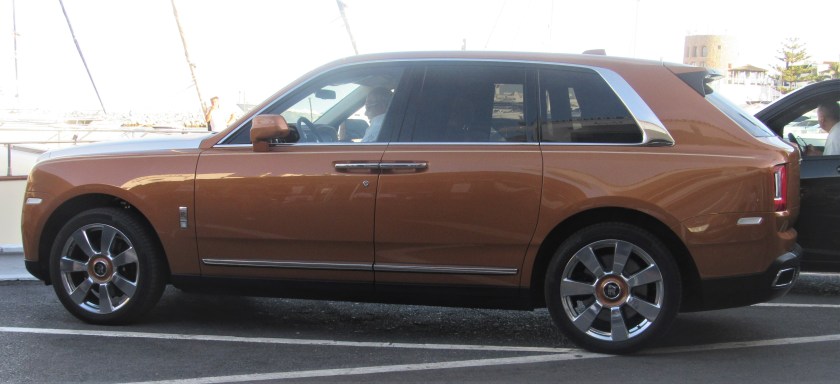
The most unusual and impressive thing we saw was the Rolls Royce SUV or sport utility vehicle.  Yes, you read that right, a Rolls Royce SUV.  It got a ton of attention and was very popular indeed.  We were eating dinner right across from where the driver parked his car and saw everything.  The funniest thing though was when someone was taking a picture of the car and the owner snuck up on him and asked if he would like a picture with him as well.  We googled it and the starting price for the bare-bone basic model STARTS at $250 K, and goes up to about $400 K.  I think I’ll just run right out and order us a couple so we can drive around in style. NOT!

IMG_8058

The people watching proved great entertainment.  It was fun to watch everyone ogle over this new, expensive, exotic toy while we were enjoying dinner.  We ate quite a few very good, very tasty meals in Costa del Sol.  Other times we just made sandwiches and took the on the run with us for a picnic lunch.

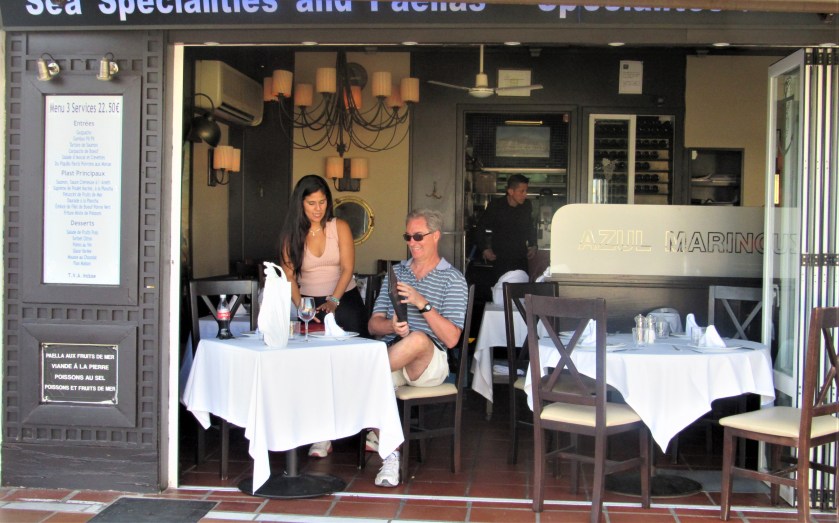
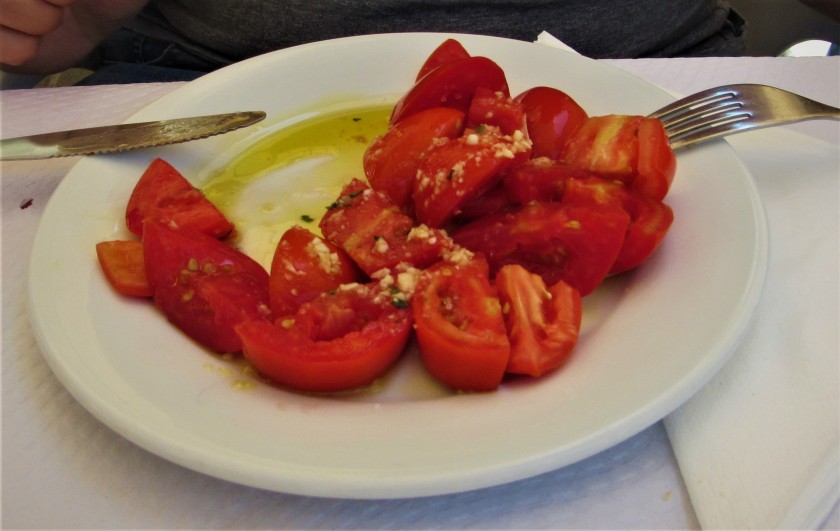
This is our first meal, at the Azul Mar.  There was a great meal deal that included one first, one entrée, and one dessert for about 16 E each.  How could we pass that up?!

IMG_8054

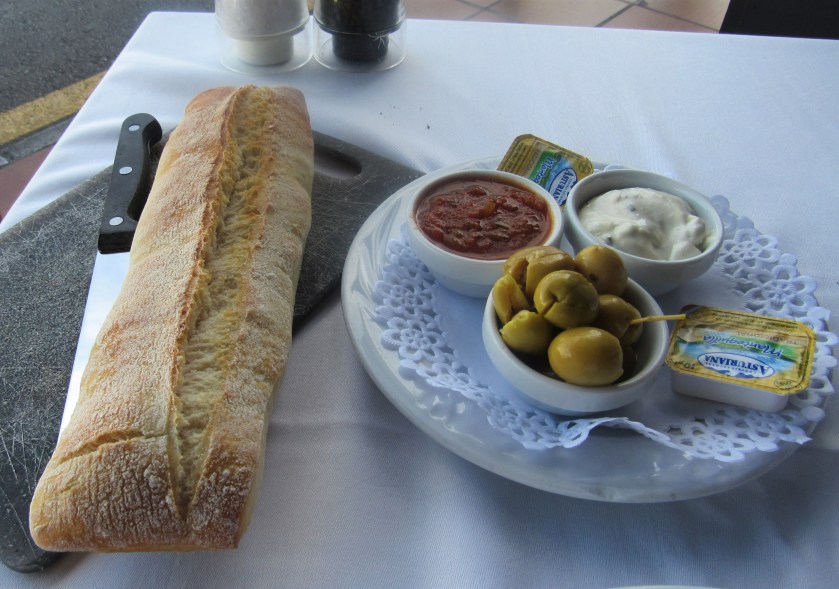
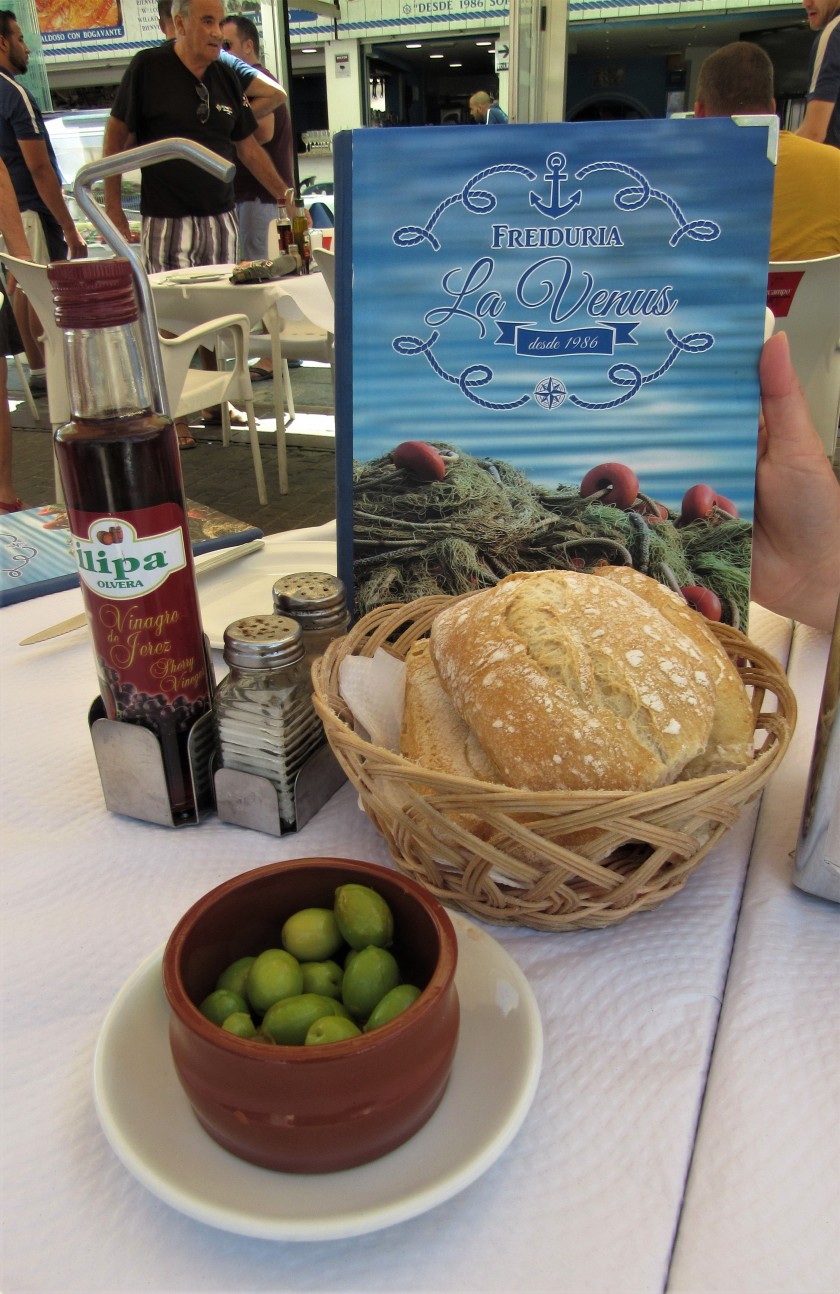
As soon as we sat down, they brought a loaf of bread with some olives and sauces.

IMG_8056

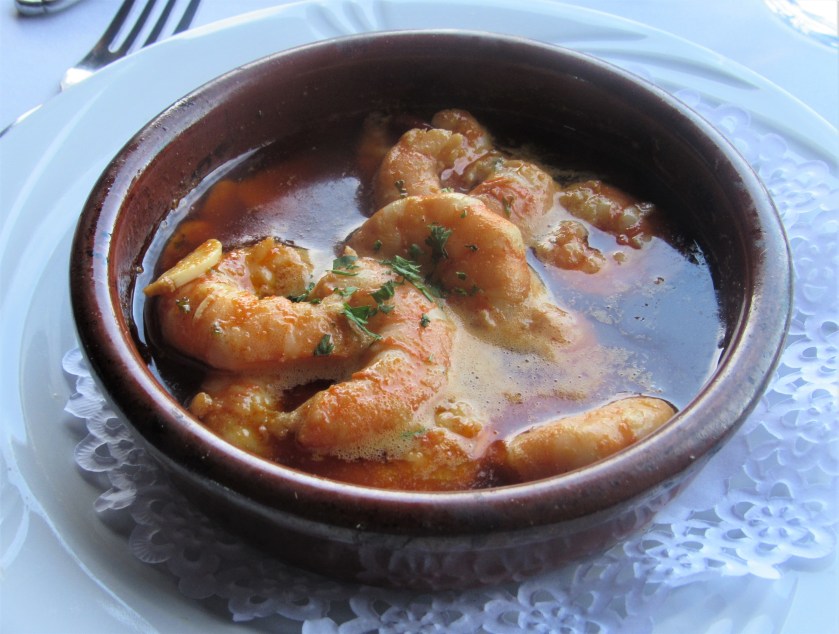
Our “firsts” as they are called, were garlic shrimp and a shrimp and avocado salad.

IMG_8059

IMG_8060

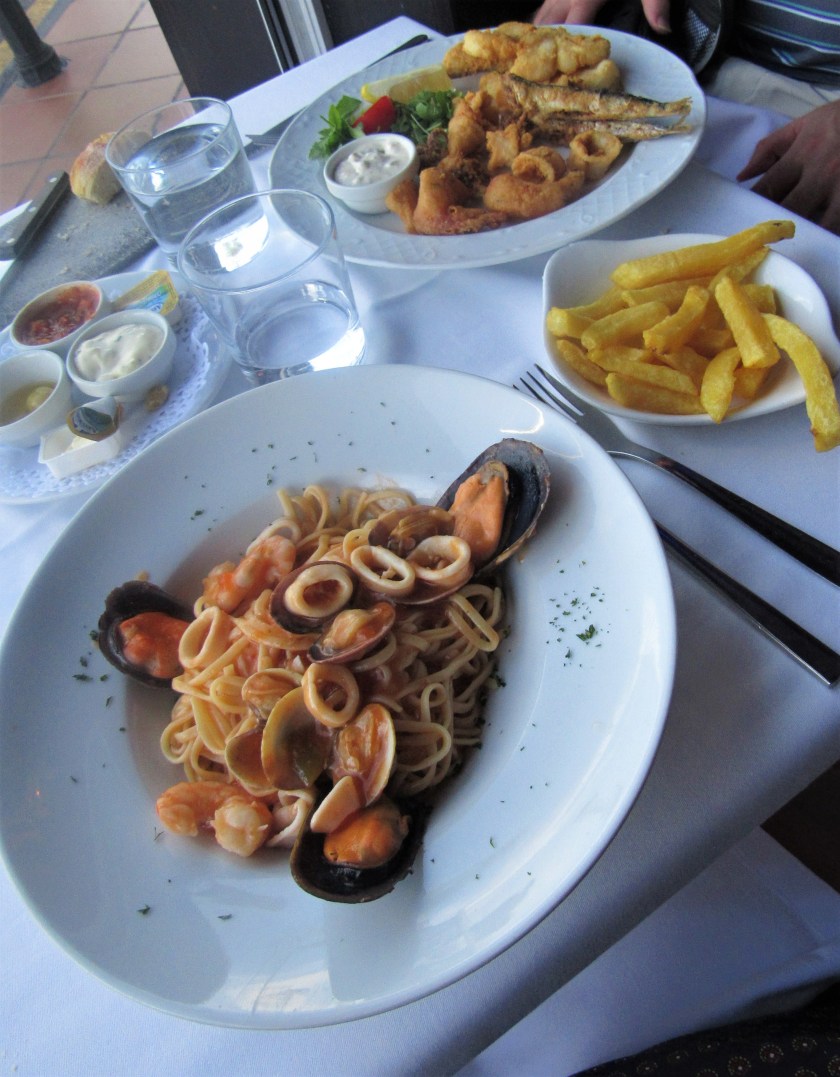
Then came the mains.  Larry ordered the fried fish platter and I had seafood marinara.

IMG_8061

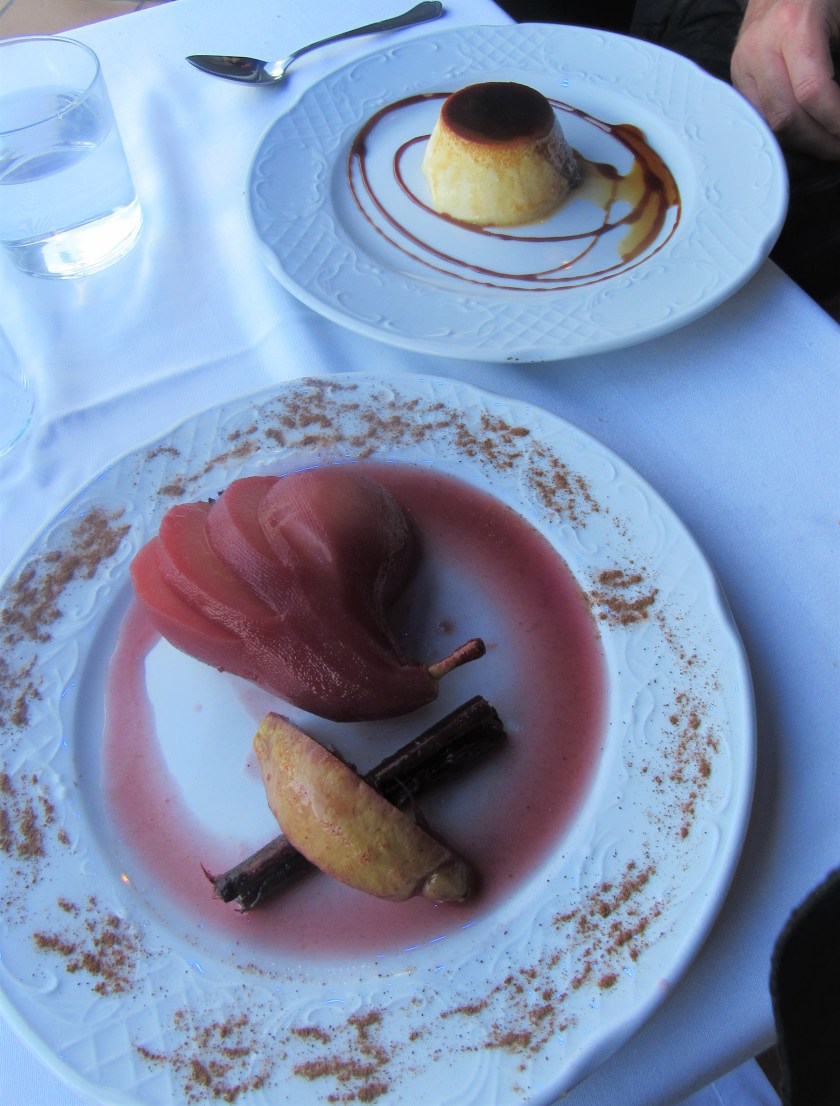
And for dessert, I had a pear poached in a red wine sauce and Larry had the flan.  Everything was fabulous!

IMG_8064

By the time we finished dinner, it was already about 9:30 PM and we had had a long day of driving and sightseeing.  All we could think of us was getting checked into our timeshare and calling it a night.  Things did NOT work out as planned though.  We got so lost looking for our timeshare.  We drove around through the hills of Estepona for about 2 hours, in the dark since there were no street lights, on very narrow, winding roads, before we finally found our place.  Needless to say, we had more than reach our limits, at this point.  When we finally got checked it, we were told there was no air conditioning.  ARRRGGHHH!!!!  It was an adorable little apartment, but it was very hot with no air conditioning.  We weren’t there to much though, but when we were there, it made it very difficult to sleep.

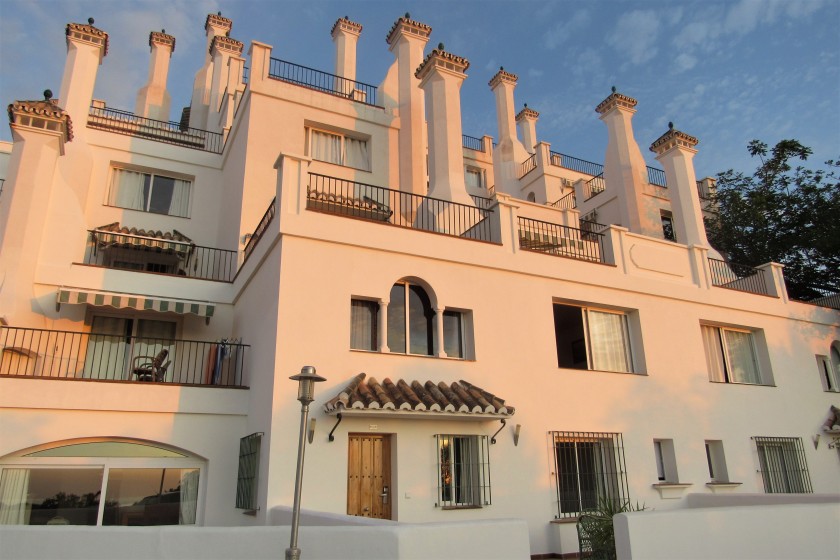
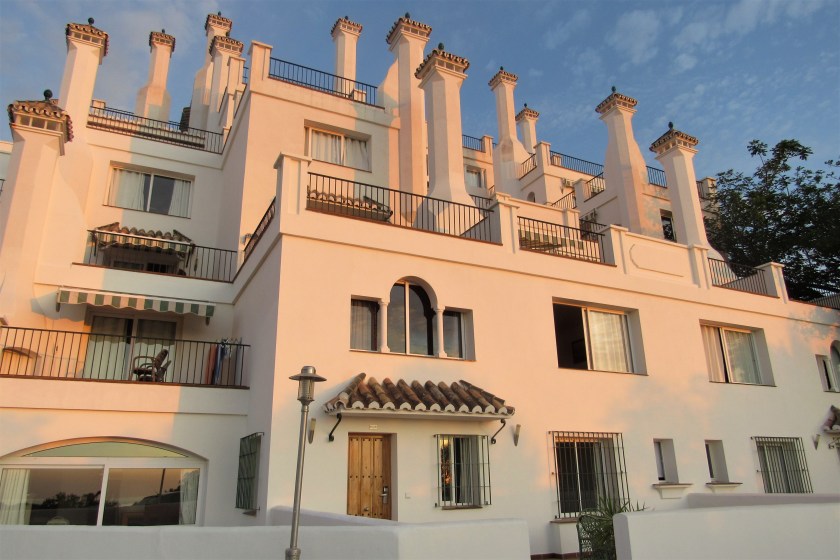
This is where we called home for the next week.  Our unit was the bottom unot on the left, at the end.  My next few posts will be about our adventures in Costa del Sol.  Ciao for now.

IMG_8072


Almeria

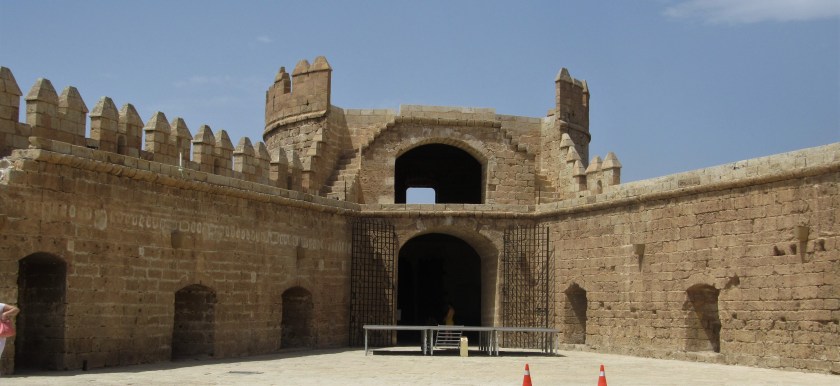
After leaving Cartagena, we just kept gong south until we hit our next stop in Almeria.  Almeria is another very old city, located in the Andalusia region of Spain.  Almeria was first founded by Abd-ar-Rahman III, in the 10th century.  Almeria means “the watch tower” and it was named because of the Moorish citadel Alcazaba, that sits atop the hill, defending the city and her surroundings.  Alcazaba was part of the Moorish Caliphate of Cordoba.  The city of Almeria grew very wealthy due to the rich trade and textile markets of the area, with silk being a very large part of that trade market.  Almeria and Alcazaba were very successful for many hundreds of years until their luck changed and they fell under siege to the Christians in 1489.  In 1522, both were rocked and shaken again by a devastating earthquake.  Restorations did not take place until the 19th century.  Then once again, they fell victim to the attacks of the German Navy in 1939.  Today, Alcazaba has been restored once more, and is now home to 100,000 acres of greenhouses producing vegetables that feed much of Europe.

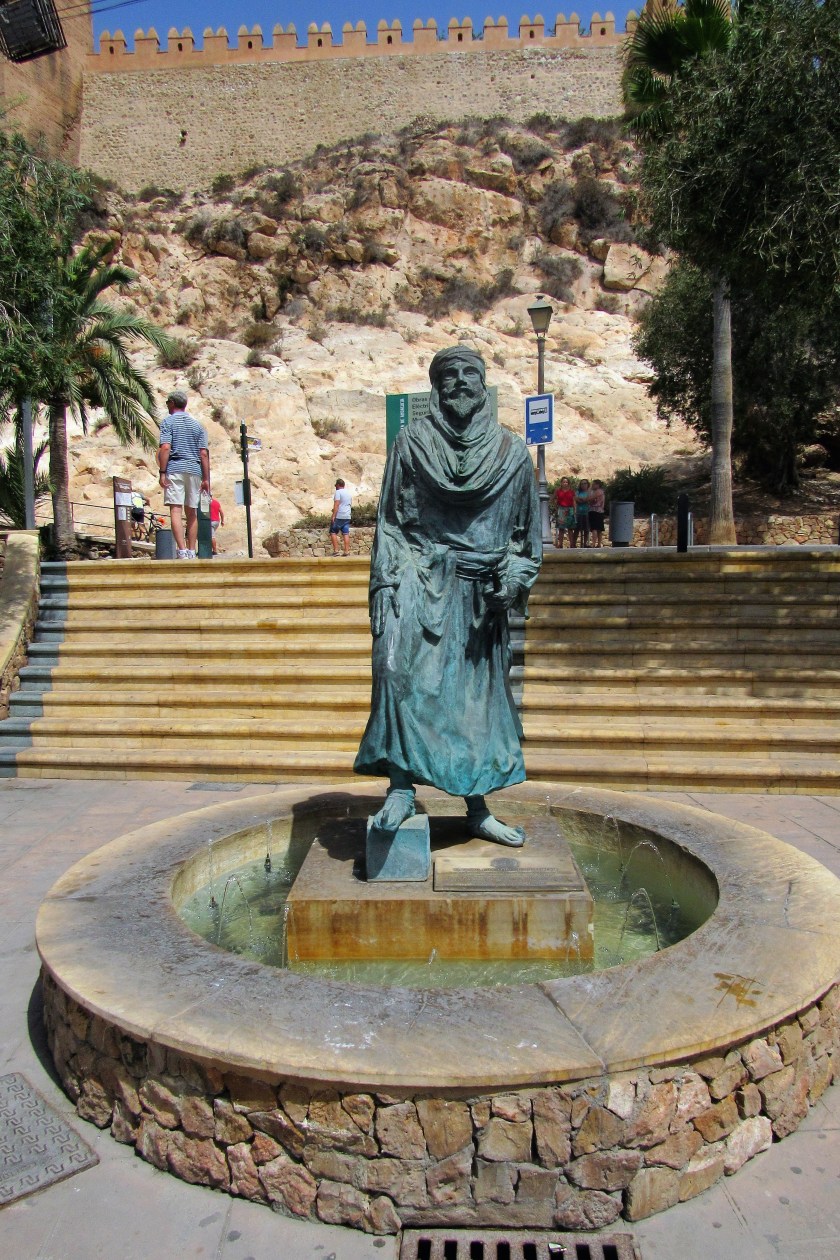
Abd-ar-Rahman III

IMG_7951

Alcazaba

IMG_7954

IMG_7967


IMG_7959

The aquaducts and water systems are amazing.  They all feed into each other.  This impressive water system started from the top of the hill and flowed down to the bottom, where it fed into another system as well.

IMG_7962

IMG_7978

The commanding view of the sea and the city below.


IMG_7966

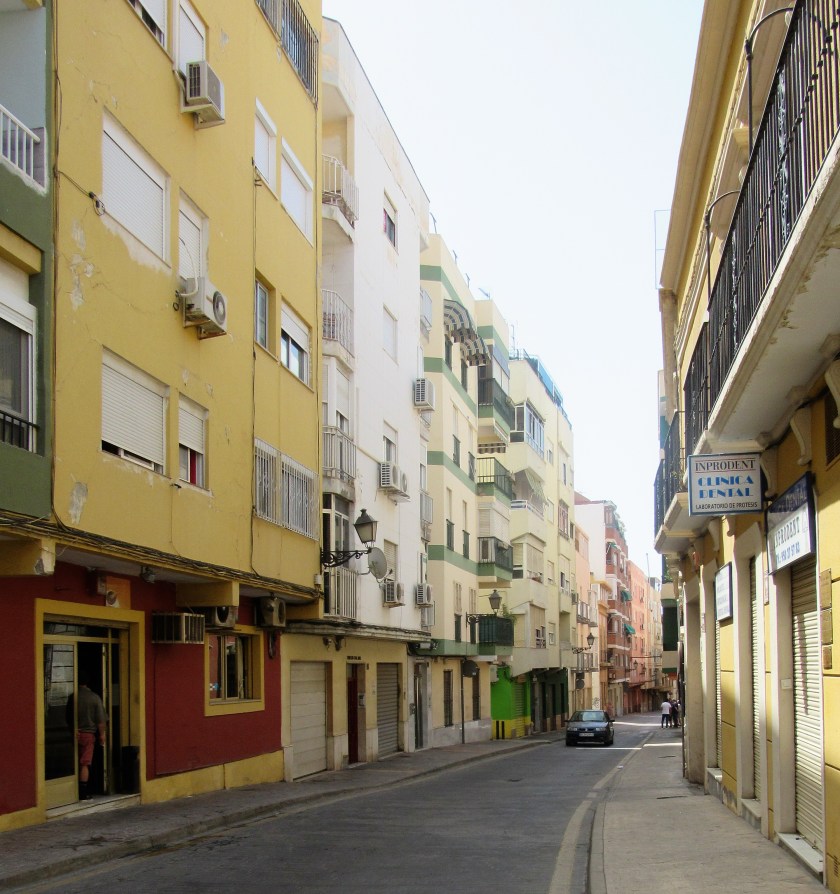
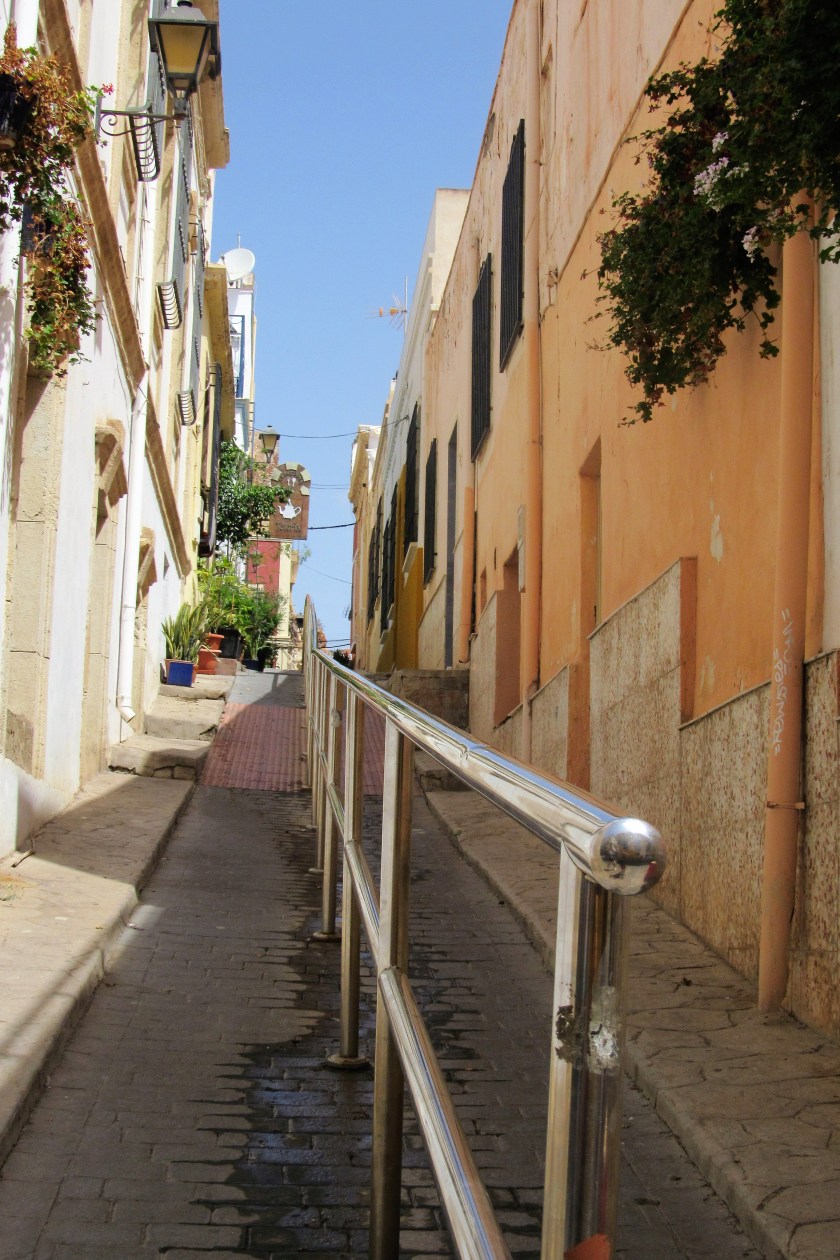
After leaving Alcazaba, we went back into the city and explored the city of Almeria.  The streets are very, very narrow and hard to drive around in and parking is even worse.  I doubt if there is even 6 meters between the houses and the streets.  Fortunately we found a spot that was safe, however, as we were walking down, we heard a big crash.  Someone turning from one street to the next had crashed into a parked car.  Our little “Petey” was safe and unharmed, thankfully.

This street was one of the wider streets of Almeria.  We have found this is typical all over Spain.

IMG_7946

NO driving down this street, that’s for sure.  Since driving and parking are such a giant pain, most people park once, and then walk everywhere.  We did the same.  We have been walking an average of 5-7 miles per day.  The walking itself isn’t so bad, but it is walking in the extreme heat that really gets us.  So far all throughout Spain, the average temperatures have been around 95-100 * F or about 38-40* C.

IMG_7949

As I have mentioned before, Spain is a land of many contrasts.  Madrid – Part 2 – Seeing the Sights  Spain is also a very religious country, with Catholic being the most dominant relgion, and Muslim or Islam coming in second.  Almeria, as well as most of Southern Spain, has a very large Muslim population.  There are big Mosques and Basillicas in every city.  Alcazaba was created as a Muslim Caliphate, and is created in the Moorish style.  After visiting Alcazaba, we toured through the big Basillica of Almeria as well.  There is quite a contrast between these two big and powerful religions, which is evident everywhere you go.  Both are very old and both yield a lot of influence over the people and the community.

IMG_7941

IMG_7999

IMG_8008

IMG_8005

One of 2 sets of organ pipes.

IMG_8019

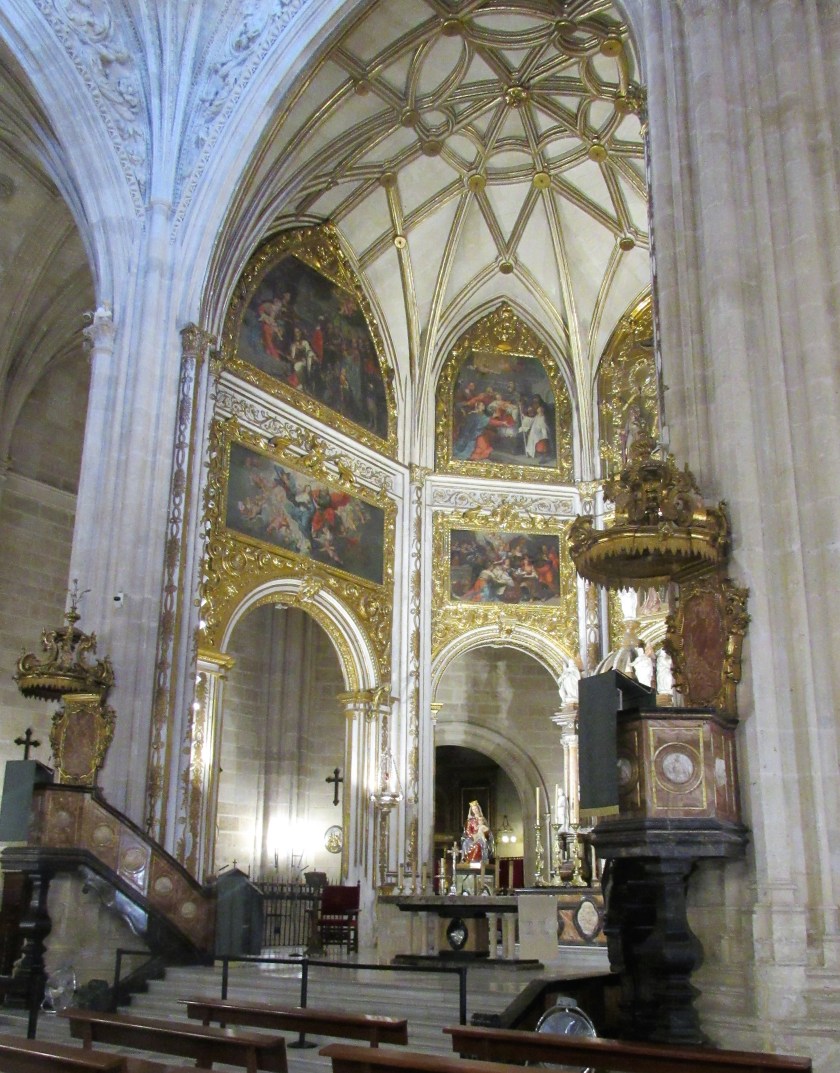
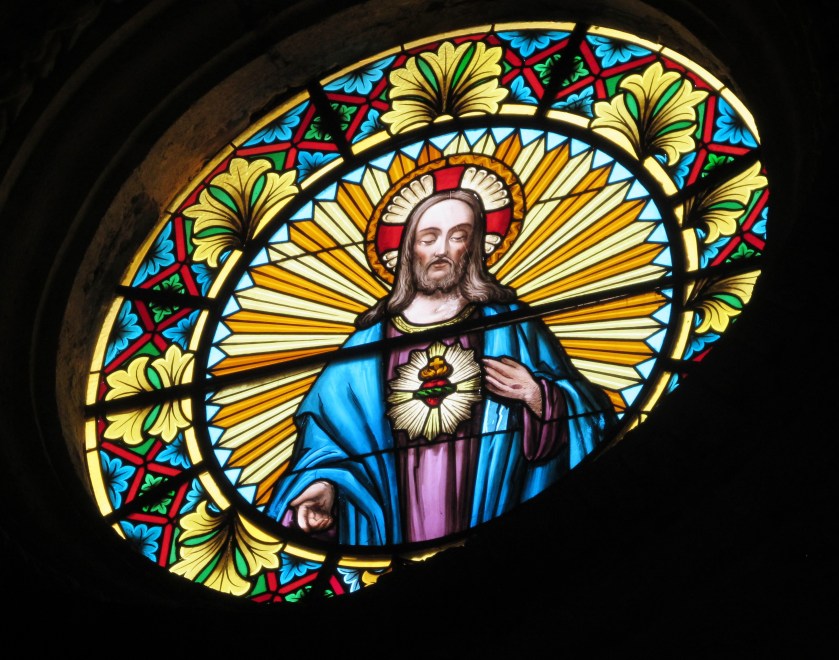
There were so many beautiful stained glass windows.

IMG_8017

We were blown away by all the beauty AND opulence of the church.  We were also very fascinated by all the Moorish buildings and structures as well.  Just to look at all these buildings from an architectural point of view is amazing.  These very old and very beautiful builings are built so well, and they are just astonishing.  They were most definitely built to last, unlike so many of the modern buildings of today.  It is also mindboggling to see so many beautiful old buildings and structures that have been standing for centuries longer than my country has even been in existence.  We have so many pictures.  I try to post the ones that are most telling of the areas we are visiting.  I hope you all enjoy the ones I am sharing, and that they allow you to get a little taste of Spain and all the adventures we are having.

Our next stop is the Costa del Sol, or the sunshine coast of Southern Spain.  Ciao for now.


Dining Cartagena Style

Believe it or not, we are doing A LOT of walking and hiking all around on our sight seeing tours through Spain.  We always do our best to get a lot of exercise on our trips, and this trip is no different, although to you it may seem like all we do is eat.  We are probably walking/hiking about 5-7 miles per day, on average.  And because the temperatures are so hot, we are also sweating a lot as well.  All of this works up an appetite, and hopefully at least will keep us ‘”neutrally “buoyant” to use a diving term, so we do not gain to much weight on this trip.  We actually tend to lose a little weight on our vacations because we are always so active, which is definitely a good thing.  I have A LOT of weight to lose.

We were only in Cartagena for 1 night.  After touring around the city, it was time to find a place for dinner.  Because we were right at the sea, of course we were looking for a good seafood dinner.  We decided on the Yacht Club’s Restaurant, right at the water’s edge.  We got to the restaurant around 7:30 PM, but of course they were not open yet for dinner because the Spanish eat later in the evening.  Or darn, we just had to wait in the bar area with some good Albirino wine until they opened up.

IMG_7923

IMG_7925


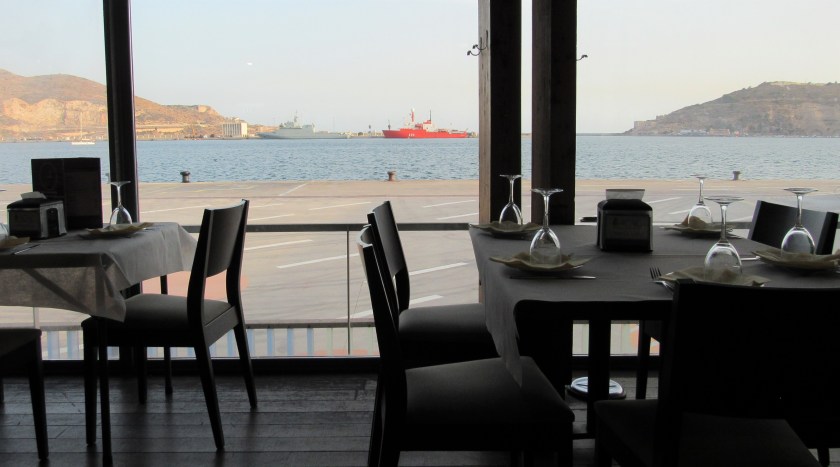
Once the restaurant opened, we were ready and waiting.  This is the view we had with dinner.  In the later part of his career, my dad was mostly sailing on tanker ships, and primarily oil tankers.  Every time I see a tanker ship, I always wave and say hi to my daddy, because I know he is right there with me.  To me it is good luck, because my daddy is still there watching over me.  As you see in the background, he was having dinner with us too.

IMG_7924

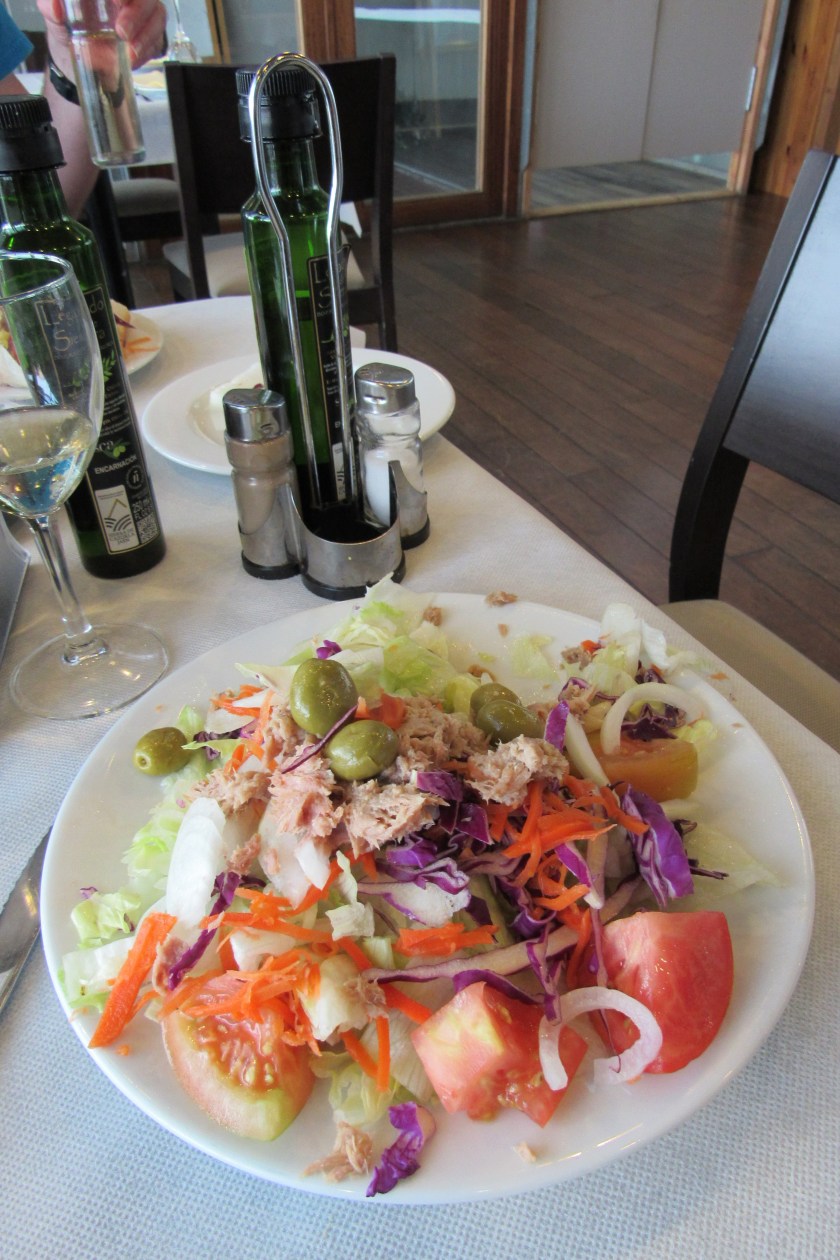
We were craving vegetables and a salad, so we ordered a house salad to share. It was loaded with tuna and vegetables.  I’m glad we decided to share though.  This was one huge salad.  I found out why the Spanish love their meats so much.  During WWII, when food was very, very scarce, Argentina was sending food to Spain, and the Argentines are very big meat eaters.  So now, the Spanish eat a lot of meat with every meal.

IMG_7927

Larry feasted on grilled fish, which was fabulous.

IMG_7929

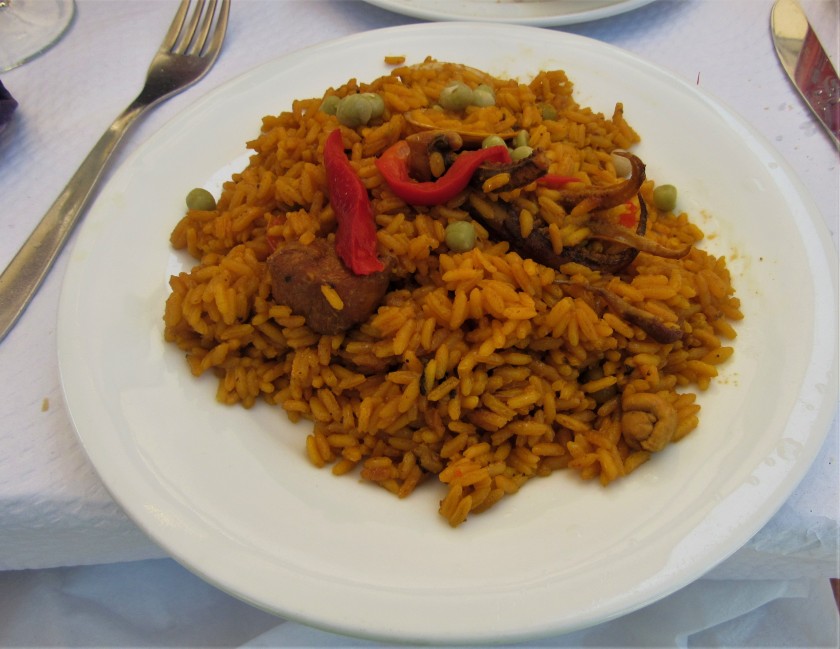
I enjoyed lobster paella.

IMG_7930

IMG_7931

We are having extreme technical difficulties today, so I am not able to send you any more pictures today.  You will just have to trust me when I say how impressive our breakfast display was.  After leaving Cartagena, we went to Almeria and more ruins.  Those adventures will be my next post, internet allowing.  So ciao for now!


Cartagena by the Sea

My dad was a career sailor and spent his life sailing the seas with the Merchant Marines.  I remember hearing about Cartagena by the Sea from listening to all of my dad’s sea stories and tales.  Now, I finally got a chance to see it for myself.  It is rich with a very impressive history.  I have always loved history.  Anyone who says they don’t like history has never really experienced it.

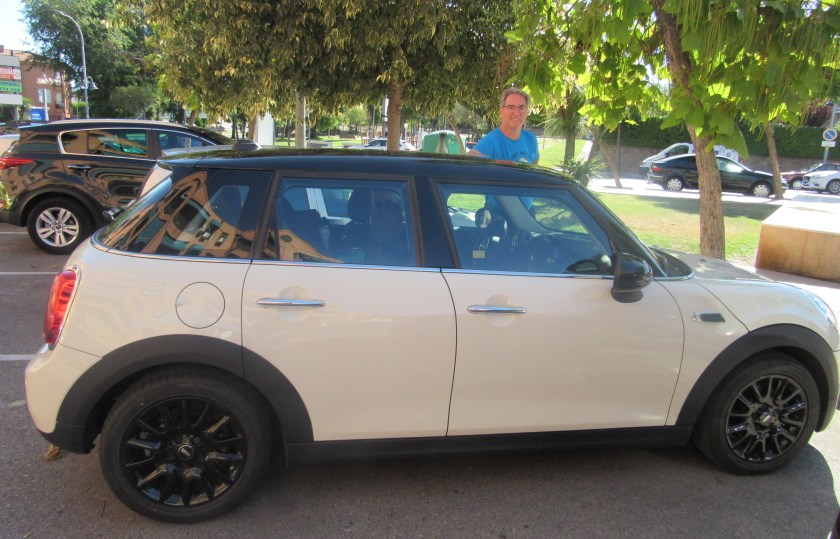
Before leaving for Cartagena, we picked up our rental car.  We are driving around in style in a Mini Cooper, that we affectionately named “Petey”, named after Larry’s favorite hockey player, Peter Forsberg.  We are definitely putting poor Petey through the ringer, but he is handling everything like a charm.

IMG_7837

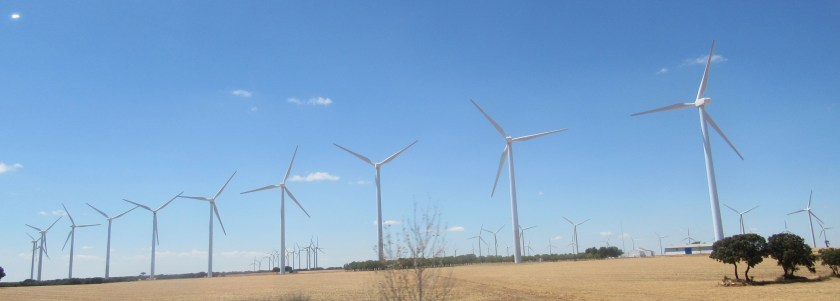
And so the adventures begin. Cartagena is about 300-350 miles or about 500 K from Madrid. Most of the drive was through wide open spaces that was predominately agriculture.

IMG_7845

IMG_7847

IMG_7848

Once we started our journey, we did not make many stops, because we were anxious to see the ruins of Cartagena.  When we first pulled in, I really had some second thoughts, since we pulled into a very shady, dodgy spot, also I might add, where we were staying. Those first impressions, however, were quickly removed once we toured around the city and saw her for what she really is and for all her true beauty.

Cartagena is a very old city and is very rich with history.  The city was founded in the 3rd century bc on the site of an ancient Iberian settlement by the Carthaginian general Hasdrubal. Its name, like that of its mother city, Carthage, was derived from the Phoenician Kart-hadasht (“New Town”).   The Carthaginians believed the city to be largely secure, because it was surrounded on three sides by water, but the northern side was subject to tidal fluctuations and proved indefensible.  After the Phoenicians, came the Romans, and then the Moors.  It was finally added to Spain by Phillip the II, in the early 17th century, and has been Spain’s most important coastal and Naval city every since.  Because Cartagena is a major seaport, and has been for centuries, it was also a very affluent city because of all the trade markets that took place within the city.  Today, the bigger cities of Madrid and Barcelona have taken over as major affluent and influential cities, although Cartagena is still the 6th largest city in Spain.  Today, the main industry of Cartagena is tourism, and it is a major stop for all the Mediterranean cruise lines.

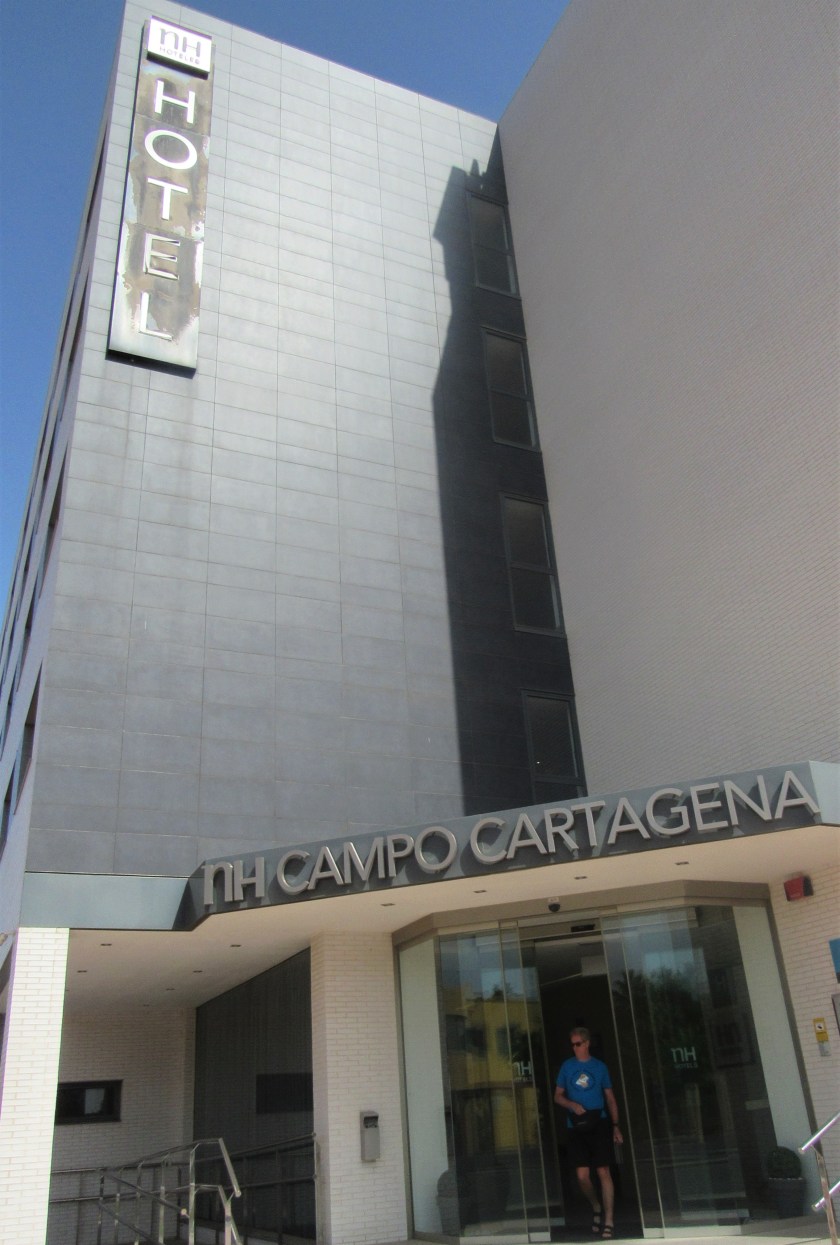
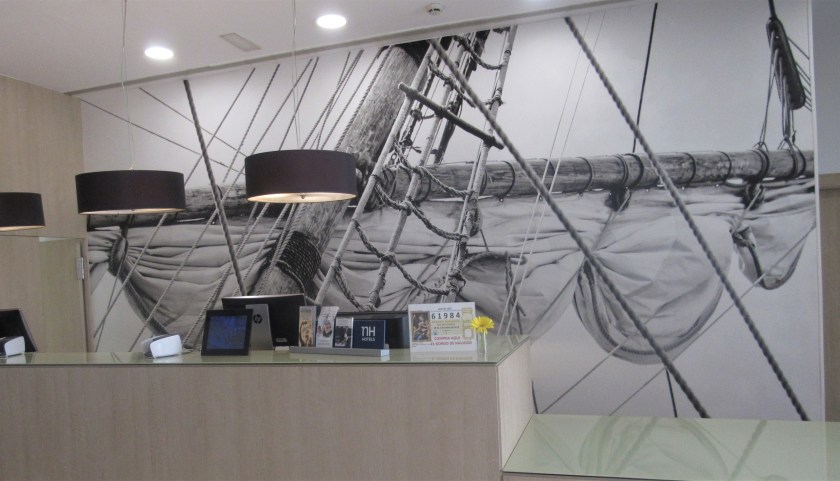
We stayed at another nh hotel.  It was very nice and clean and was decorated with many nautical designs and themes, displaying Cartagena’s deep history with the sea.

IMG_7860

IMG_7858

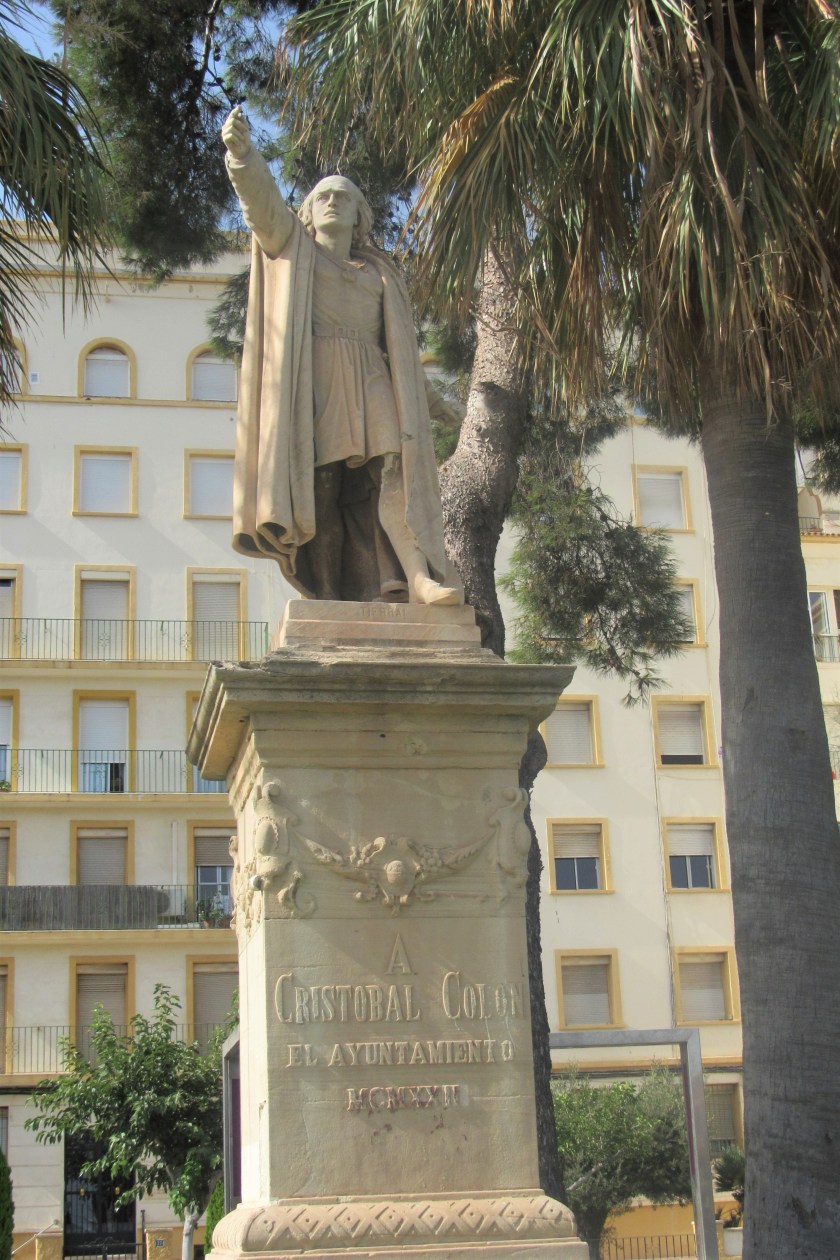
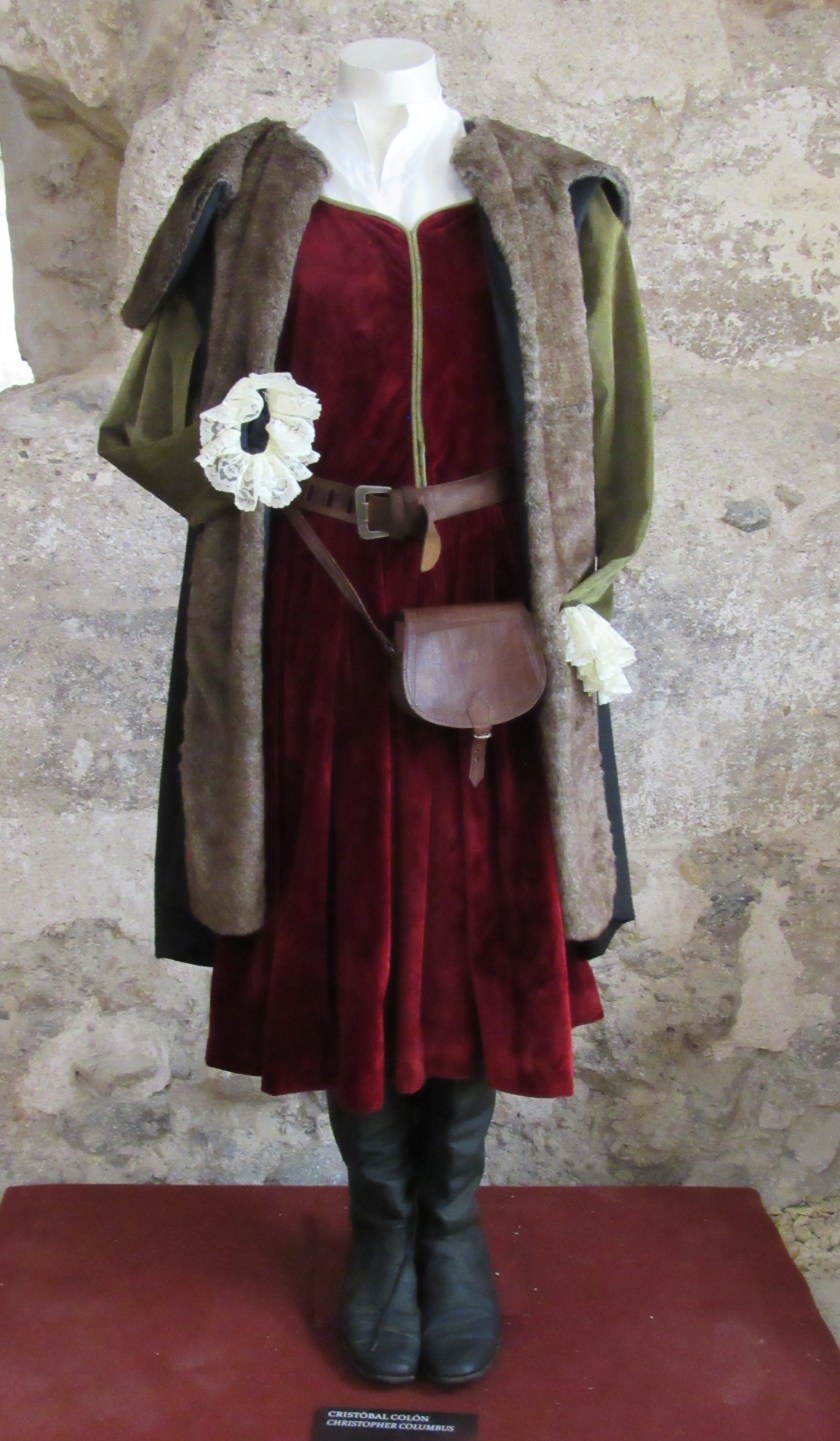
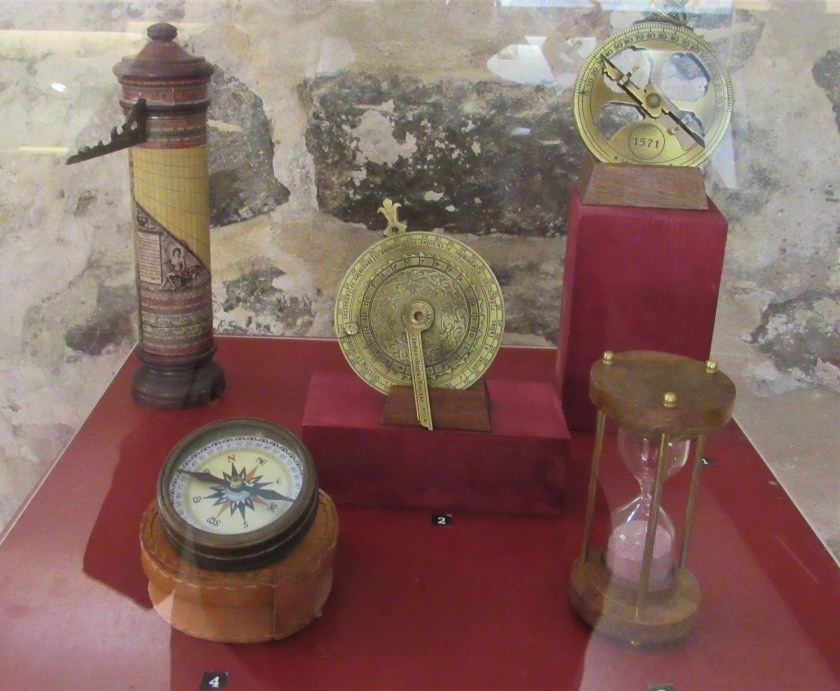
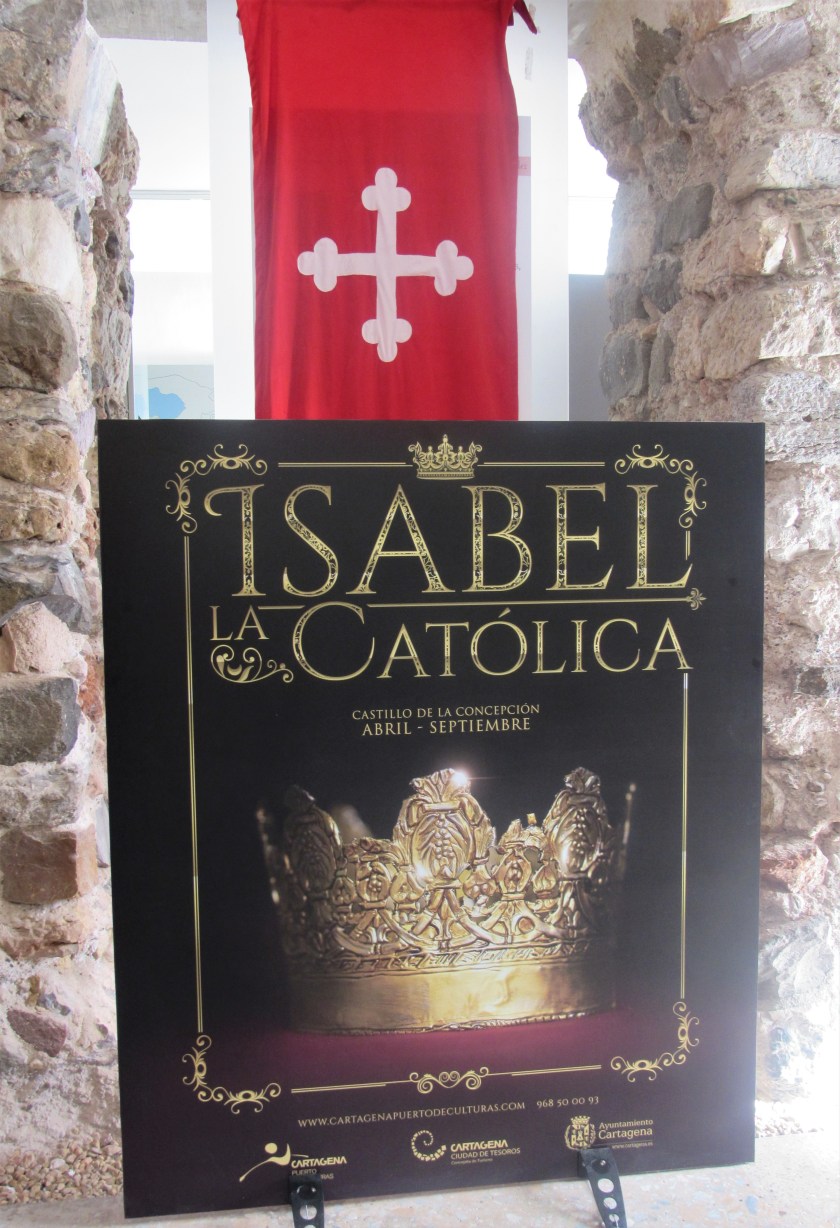
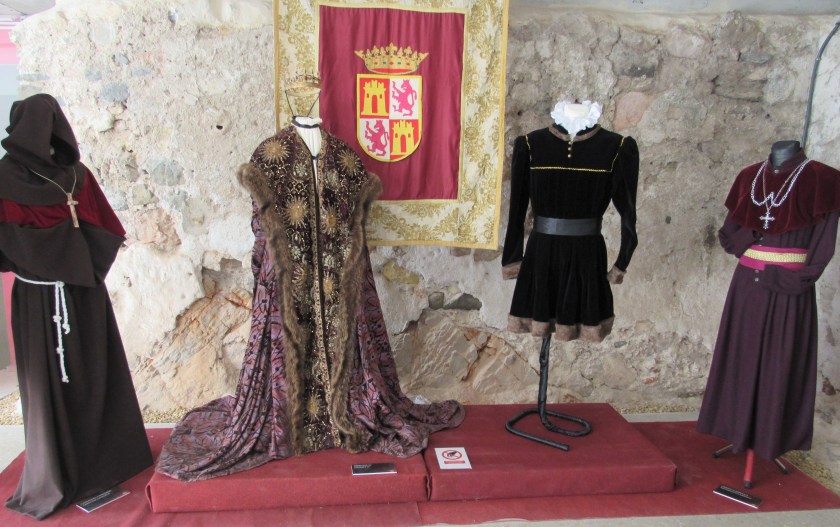
Once we got checked in, it was time to go explore.  We saw a lot of the ruins from the Ancient Roman times, as well as the Castle de Coronacion for Queen Isabela.  Isabel was a devout Catholic, and there are a lot of religious artifacts in the castle as well as many of the Queen’s beautiful dresses and jewels.  Queen Isabel was Christopher Columbus’ strongest supporter, so that castle also has some of the nautical artifacts used by Christopher Columbus when he made his great voyages to the New World.  Cartagena is  the birth place of those famous voyages that forever changed the world.

IMG_7863

IMG_7910

IMG_7911

IMG_7890

IMG_7907

IMG_7912

The road built by the Ancient Romans.

IMG_7865

The old bull fighting teatro.

IMG_7867

IMG_7885

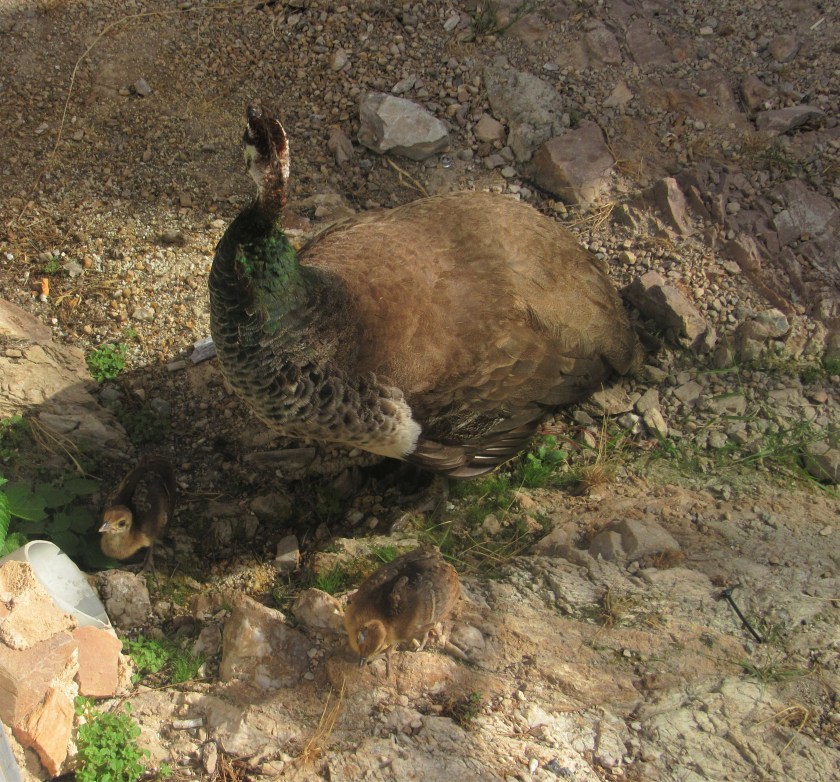
A family of peacocks.  Today, the peacocks are the only full time residents of the castle.

IMG_7904

IMG_7892

Cartagena was also the birthplace for the Red Cross of Spain.

IMG_7881

The commanding view of the sea from the top of the castle.

IMG_7895

These are some of the highlights of Cartagena that we saw.  Of course, we had to eat, and as you might expect, the food was incredible, but I will save that for later.  Ciao for now.


Madrid – Part 3- Los Comidas de Madrid

The food in Spain is muy delicioso!!!!  We are most definitely having a good time eating our way through Spain.  So far we have tried and enjoyed all the dishes Spain is known for, and then some.

Before starting our tour of the city, we started our day with some fabulous pan dulce from Granier Paneria.  The owner was a lovely lady named Antonita, who was originally from Venezuela.  All the breads and pan dulces were freshly made and were just begging to be eaten.  Of course, we had to oblige.

IMG_7707

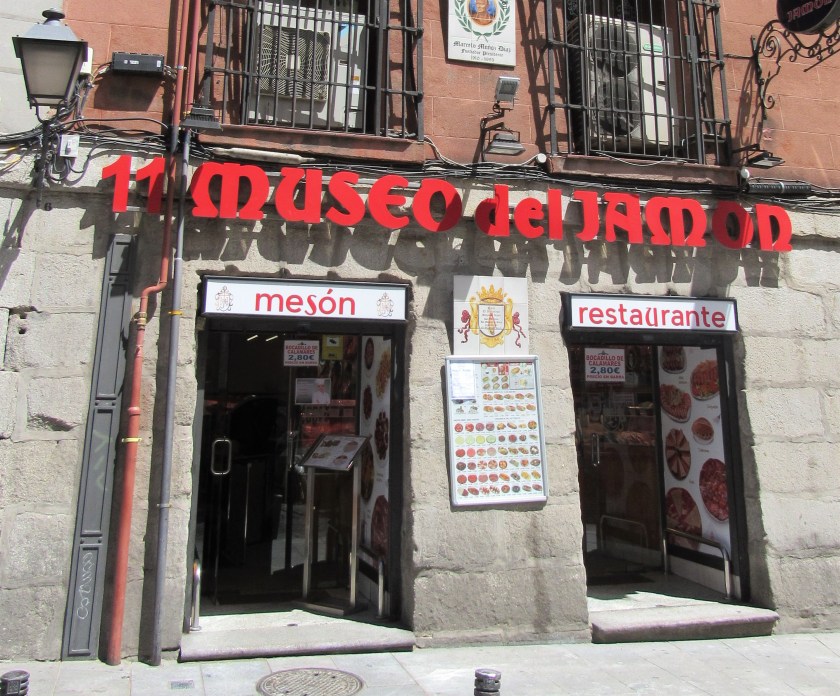
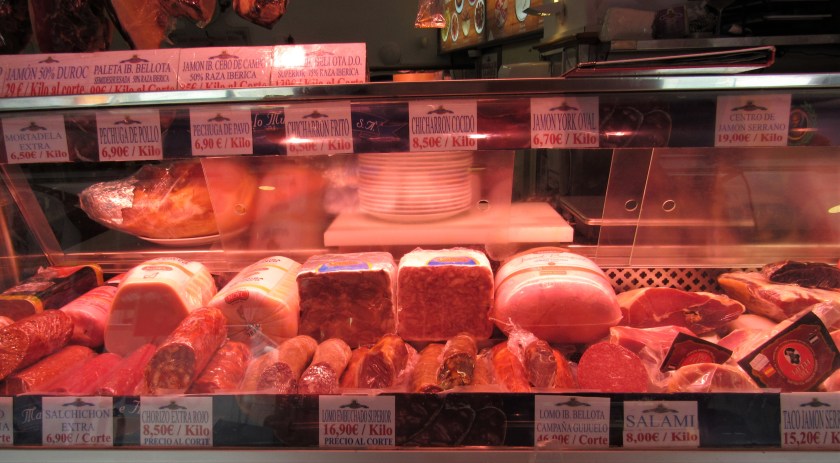
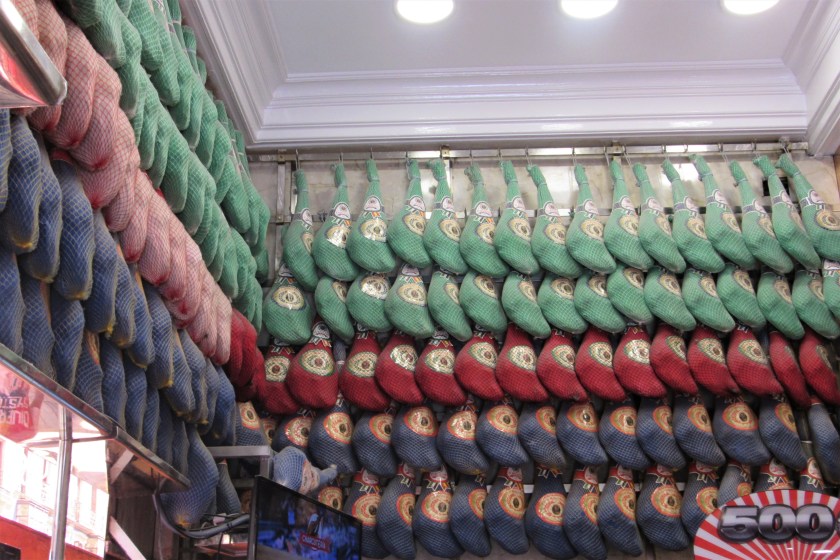
We had a light lunch of bocadillos or sandwiches at the famous Museo de Jamon.   Pork and ham are favorites of the Spanish, and the Museo de Jamon is a landmark.  It is a must on any tourist list for Madrid.

IMG_7792

IMG_7798

IMG_7805

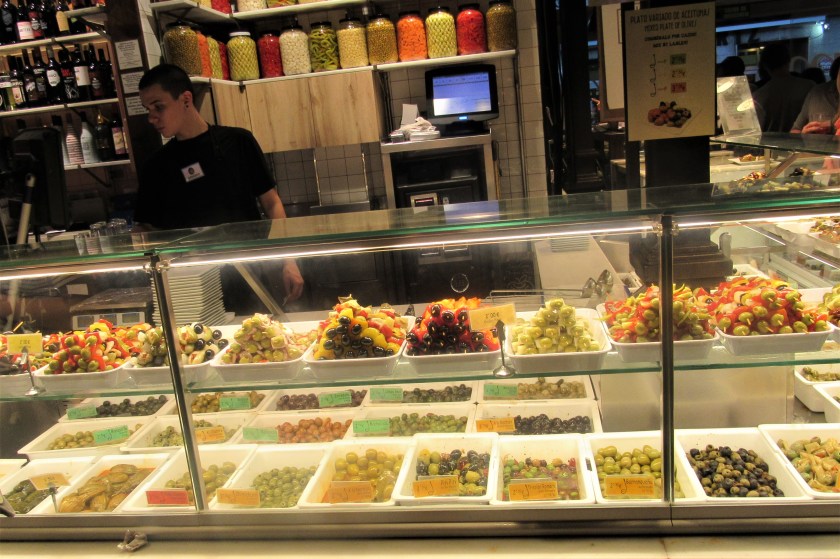
We worked up an appetite while taking in the sights, but we knew tapas were on the menu for later, so we ate very light until it was time for tapas.  After all, you can’t go to Madrid and not have tapas, right?!  The Mercado de San Miguel is a huge tapas metropolis.  It is all tapas in there; any kind you can imagine.  We’ve been told that best way to enjoy the tapas of Madrid is to go tapas hopping, from place to place.  So, we started at The Mercado.

IMG_7791

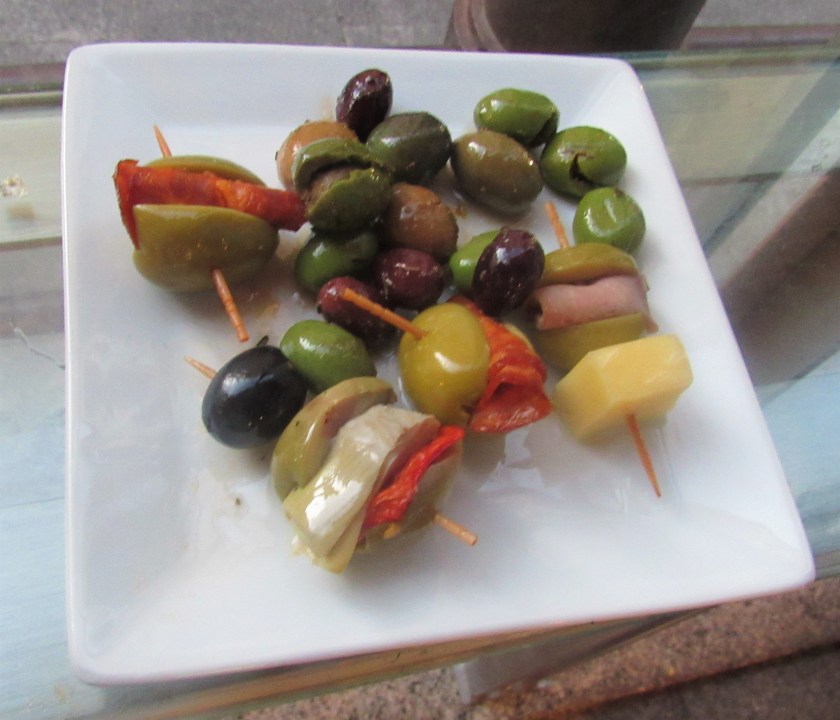
We settled on a plate of olives to split between us,  to tide us over until our next stop.

IMG_7807

IMG_7812

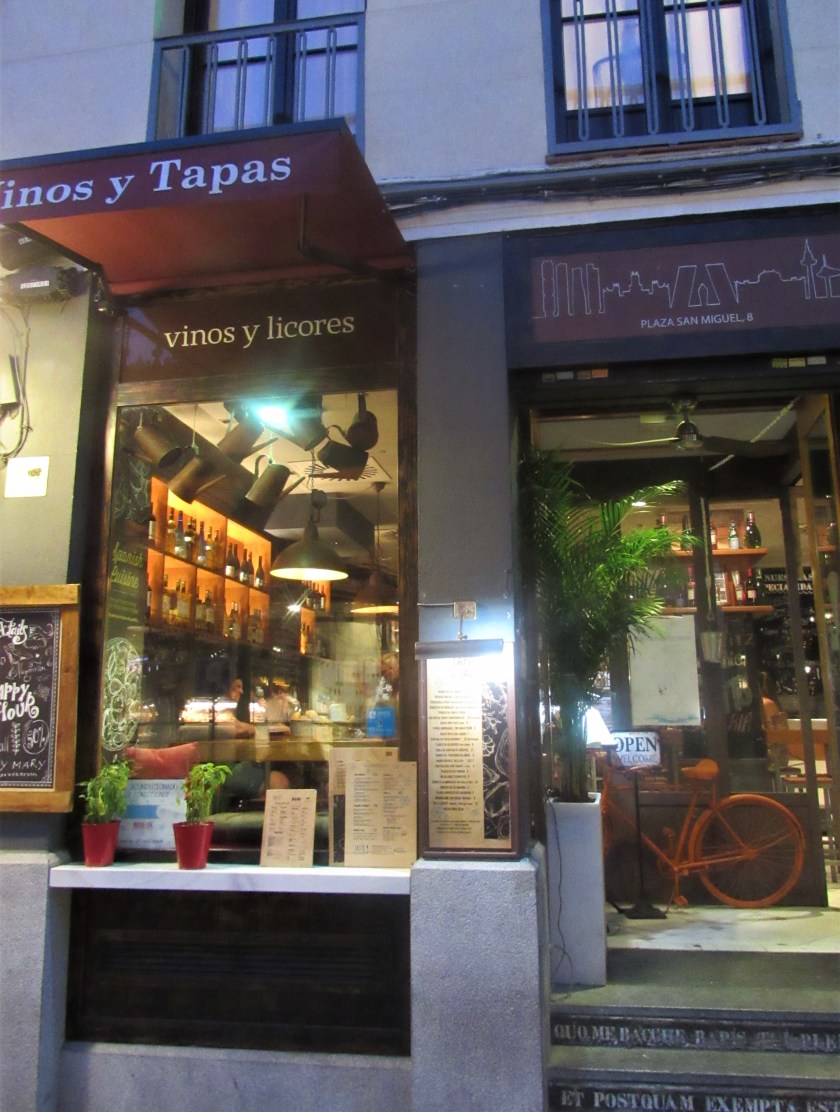
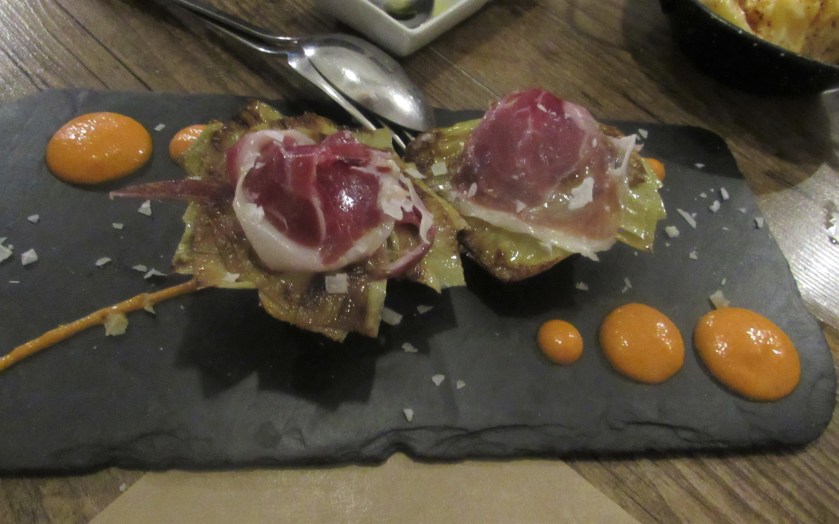
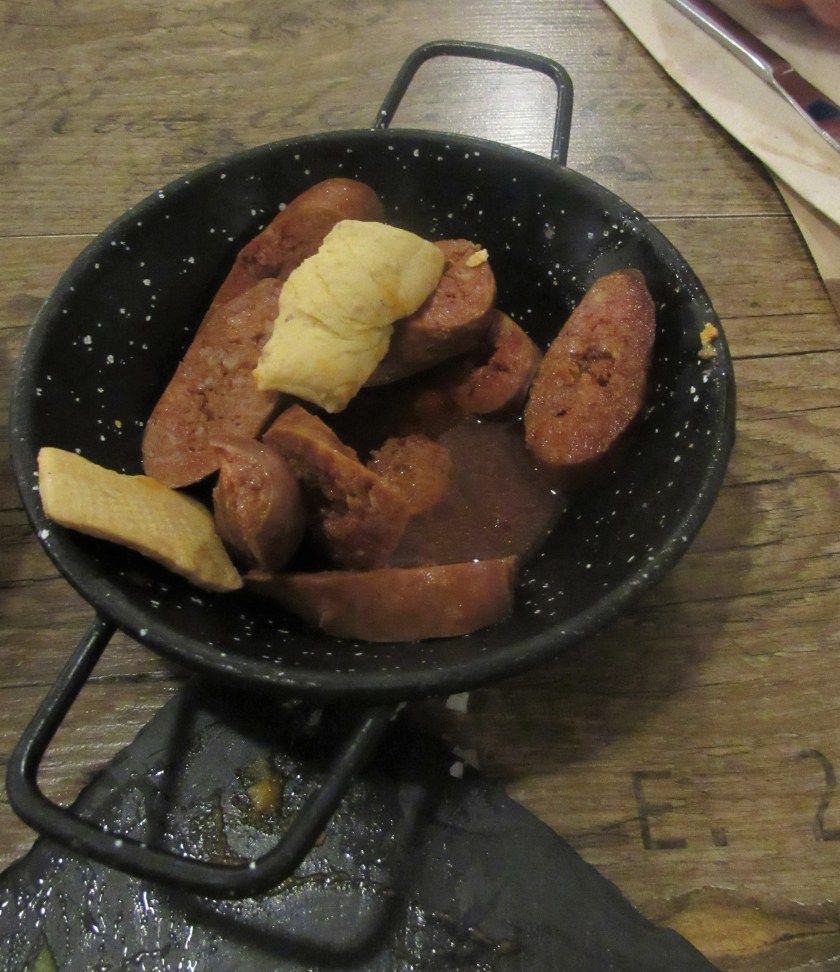
After we enjoyed our olives, it was time to move on.  The next place was a true gem.   It was called the Taste Gallery,  The food was fantastic.  I ordered  a variety of different tapas and Larry decided he wanted more of a meal, so he ordered the grilled lambchops instead of tapas.  Everything was superb.

IMG_7826

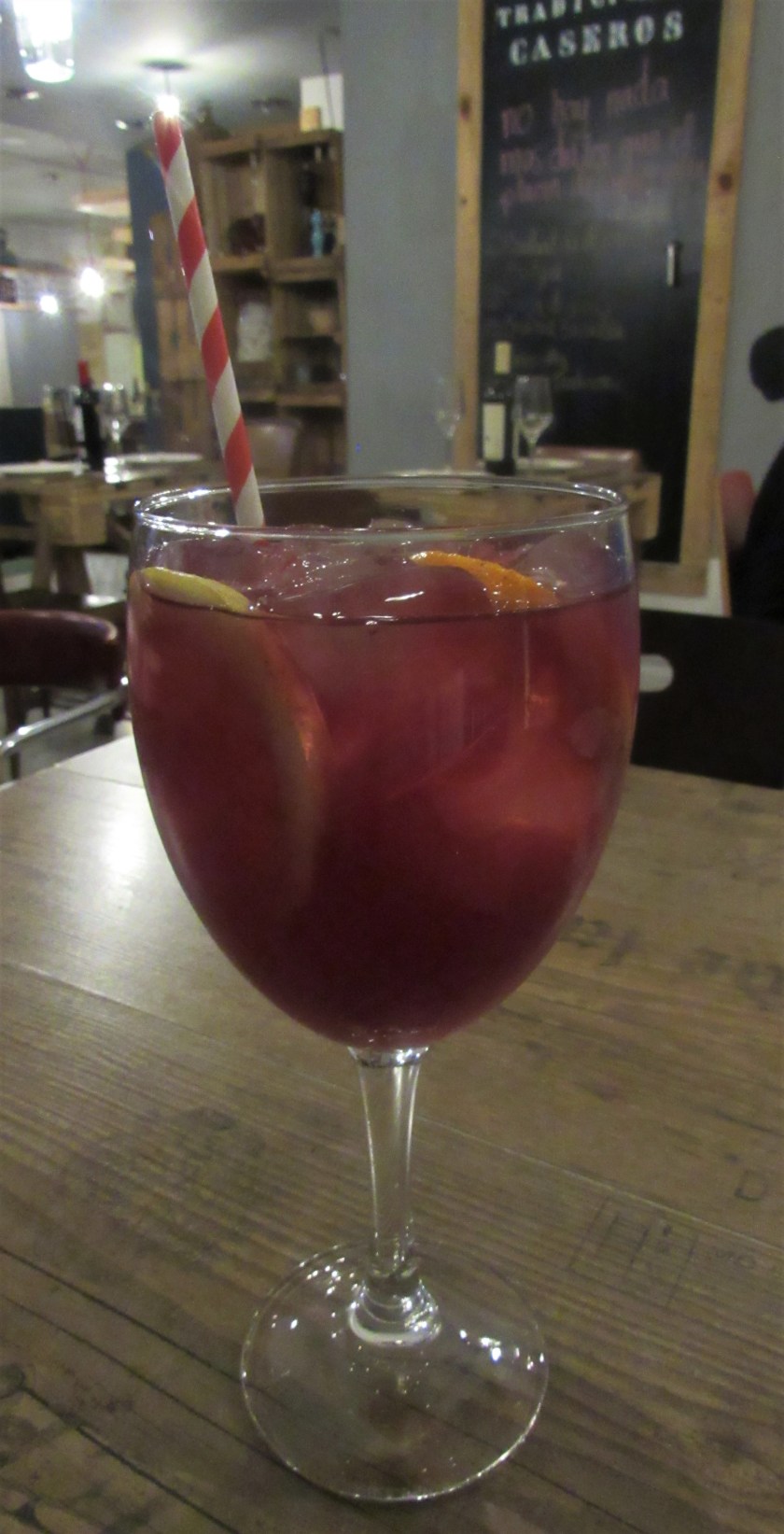
Of course, I had to have some sangria to start everything off just right.

IMG_7829

IMG_7830

IMG_7831

IMG_7832

IMG_7833

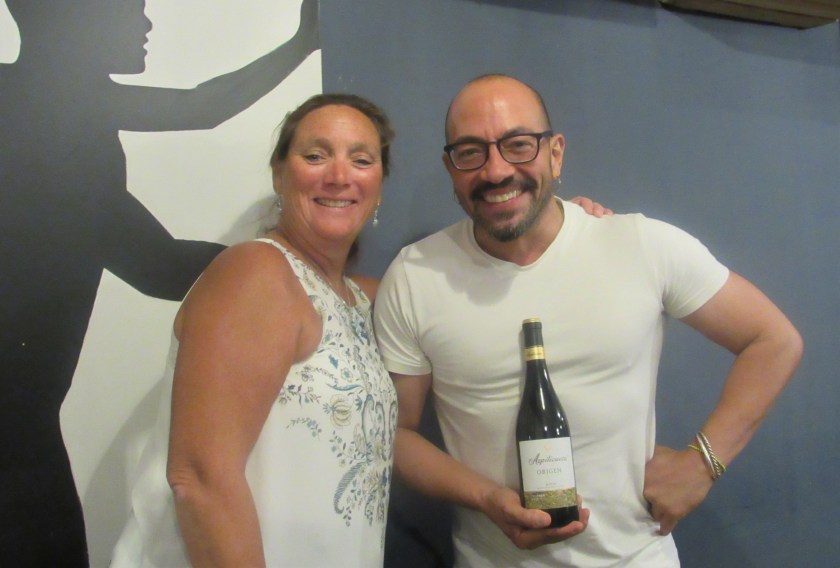
The Owner, Alesandro was fantastic.  He treated us like we were family.  He was so kind and generous.  I felt like he and I had been old friends for years.  Not only did he take such good care of us in The Taste Gallery, but he also made sure we tried some dessert at one of his other restaurants, La Botijeria, which was also fantastic.

IMG_7827

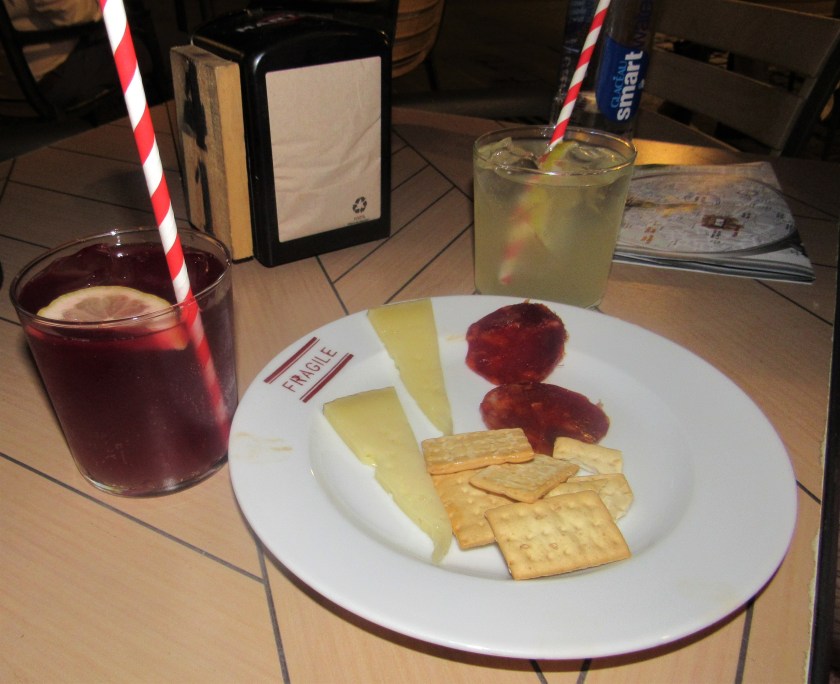
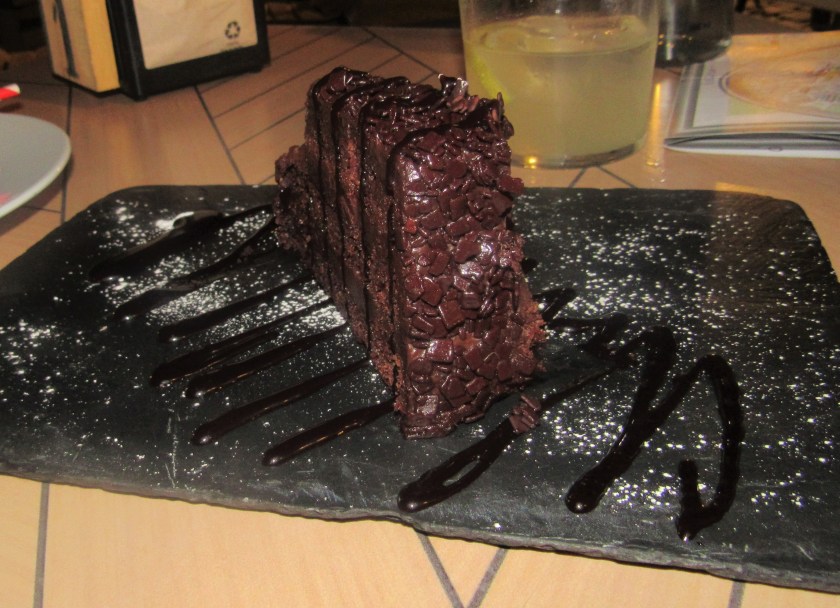
At La Botijeria, we were given some wine and cheese and then a decadently chocolate cake, because apparently we looked like we were staving, and just hadn’t eaten enough already.  It’s a good thing we burned so many calories walking all over the place, because we gained them all back and ten some by the end of the evening.  🙂

IMG_7834

IMG_7836.JPG

Muchas gracias Madrid.  We had a fabulous time in your beautiful city.  The food and the people were all fantastica!  We will see you once more before going home.  Ciao for now!


Madrid – Part 2 – Seeing the Sights

I apologize for the delays in posts.  Our internet service has been very sketchy to say the least.  I am a couple of days behind on my blogs, but I figure if you like what you see and what you are reading, a little anticipation is a good thing.  Hopefully, it keeps you all coming back for more.

We have been traveling all around since we’ve been here  We were in Madrid for 2 nights, then went to Cartagena for a night.  Cartagena is about 300 miles Southwest from Madrid.  Yesterday, we were on the move again, traveling about another 300-350 miles, further south, to Almeria, Malaga and Marbella.  Our final destination for now is Estepona.  We were supposed to go scuba diving today, but because we got SOOOOOOO lost trying to find our timeshare, that is located way up in the hills of Estepona, we decided to postpose it until tomorrow.  So what we were going to do tomorrow, we are now going to do today.  We will be in this area for the next week.  So far, we have seen many amazing sights.  Spain is full of contrasts.  It is very arid and dry, yet there is a lot of agriculture.  There are very large cities, and then as soon as you get our of the cities, vast open spaces for hundreds of miles.  There are very poor sections and then the wealthiest of the wealthy.  Spain is a very religious country, being predominantly Catholic, yet also has a very large Muslim population as well.  Spain has a little bit of everything and something for ebveryone.  I will give you all more details on all of the sights and the places we’ve seen and visited in later posts.  I am still focusing on all the wonderful things from Madrid at the moment.

We were in Madrid only for a couple of days, but as per usual when we travel, we jam packed as much as possible into our time in Madrid.  Our only actual full day in Madrid was spend taking in as many sights as possible.  We bought a day pass for the metro and hopped on and off at will.  We saw the Opera House, the Palace and the Basilica, Riturno Park, Independence Square, Plaza Mayor and more.

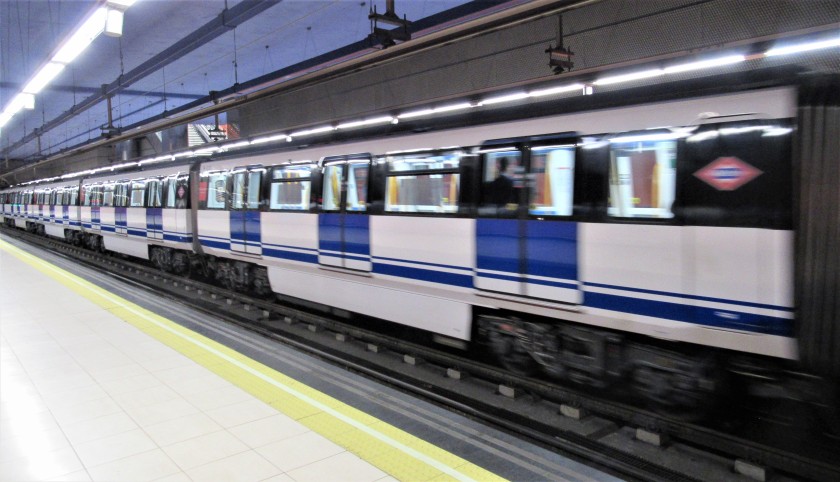
The Metro is a great way to get all over town.  This is how most of the people of Madrid get around.

IMG_7700

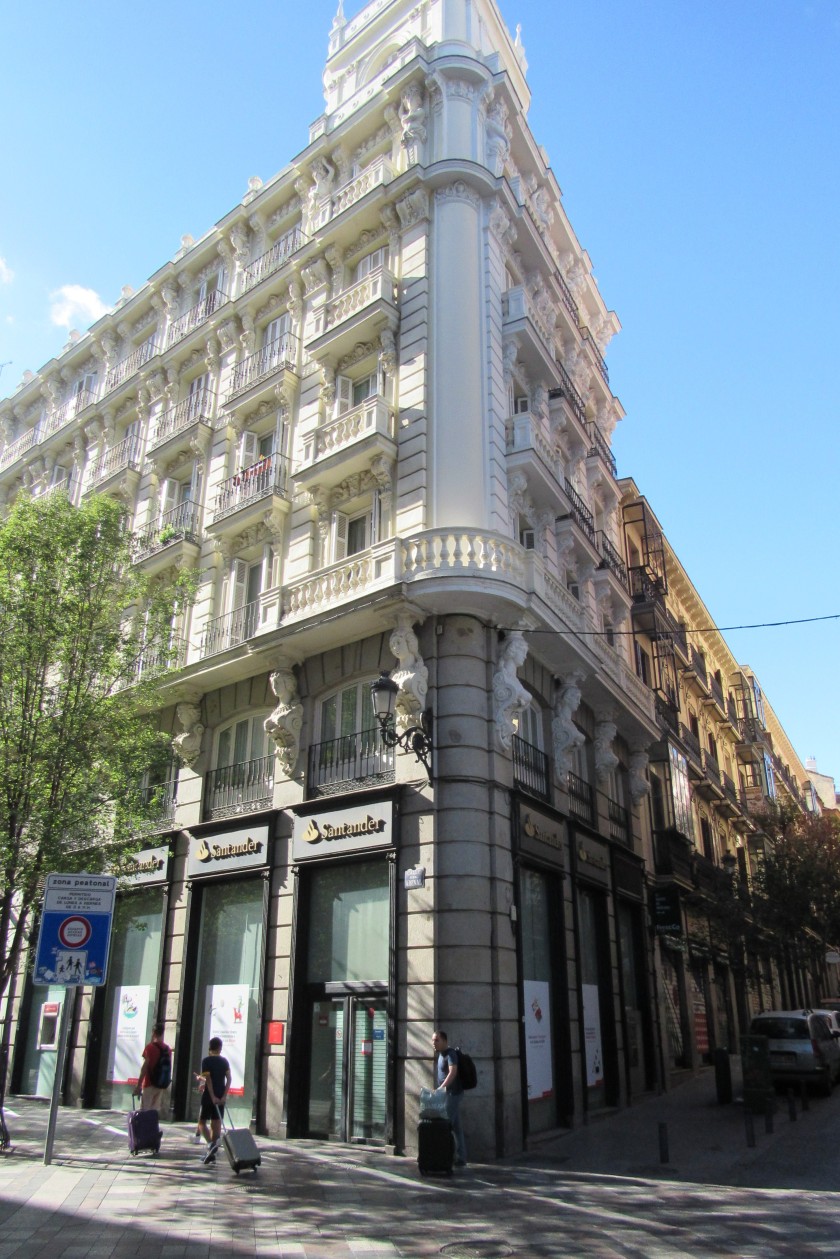
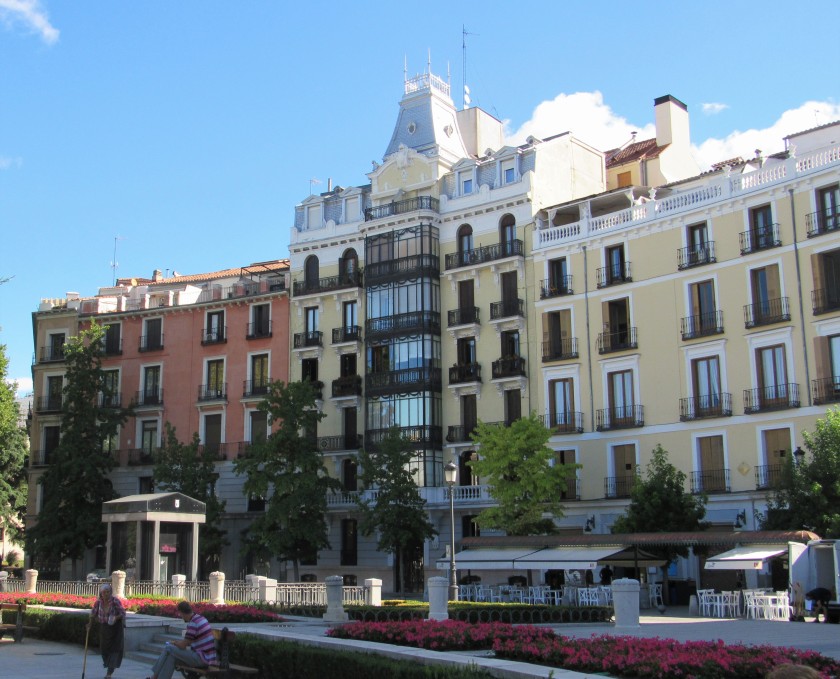
I love all the architectural styles of Madrid.  There are so many old buildings, with so much attention to detail.  Just gorgeous!  Here are just a couple samples.  I could easily spend hours just on the architecture alone, but I won’t.

IMG_7702

IMG_7711

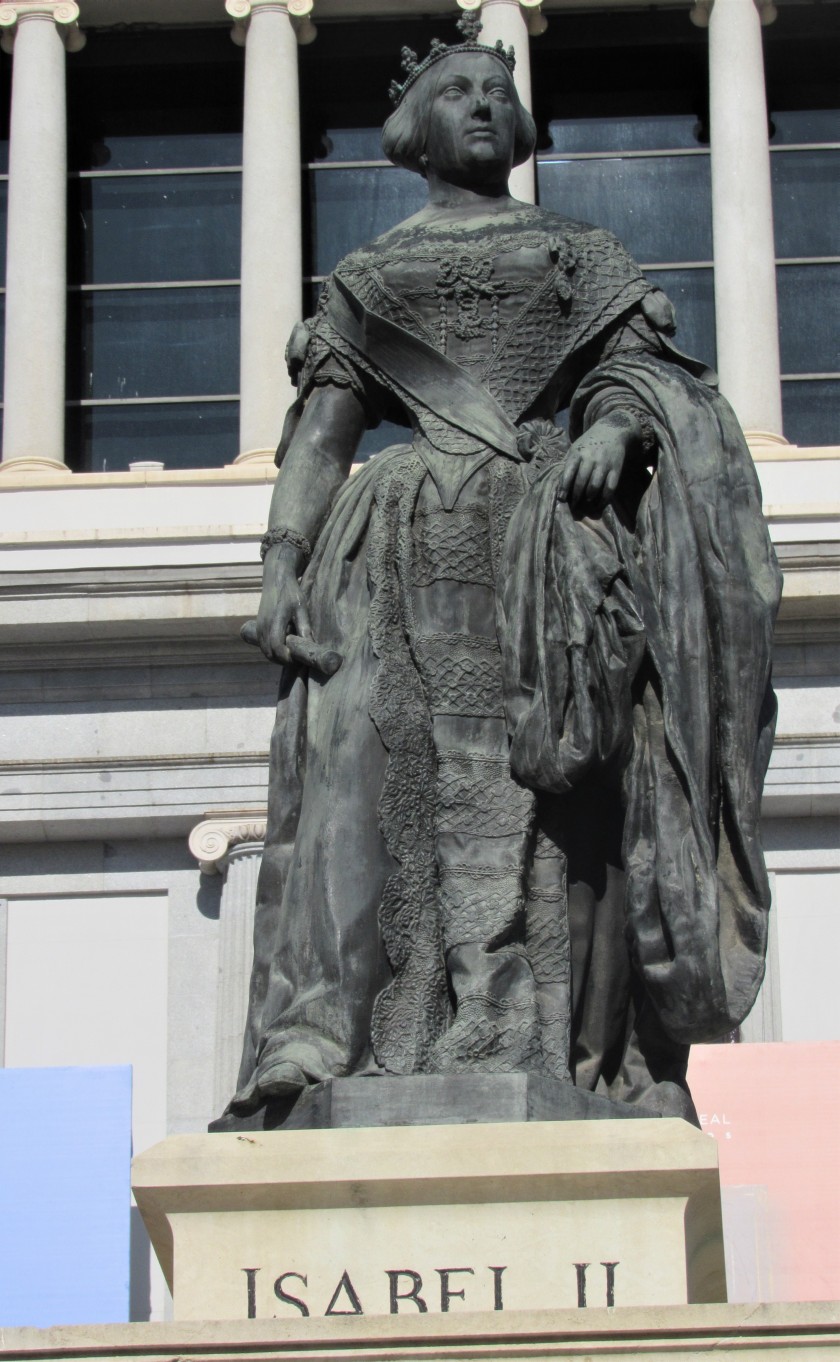
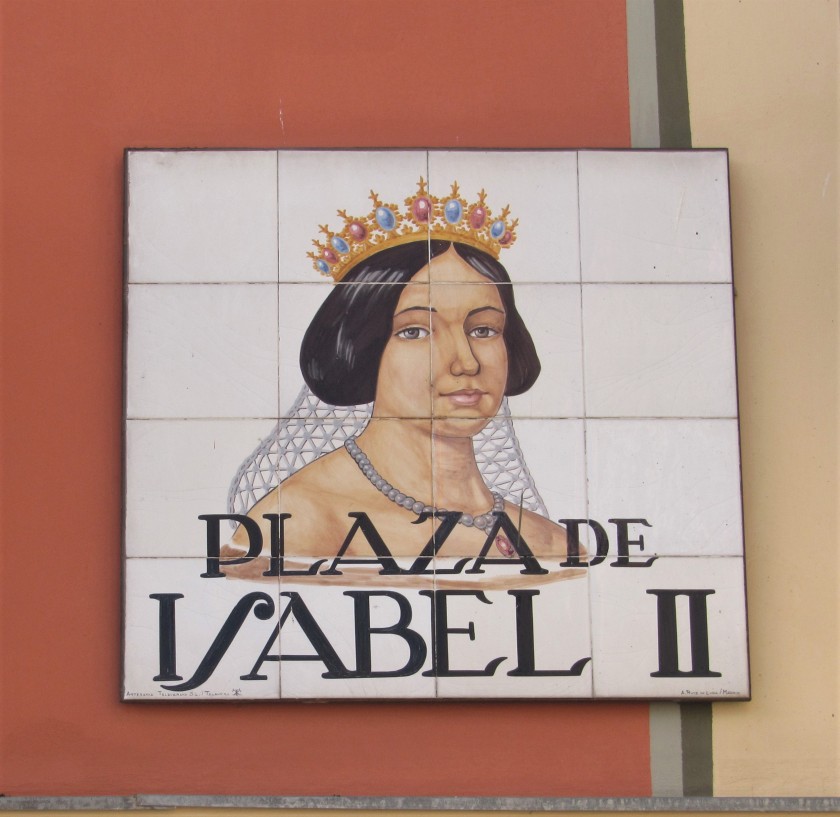
Some tributes to Queen Isabela.

IMG_7705

IMG_7706

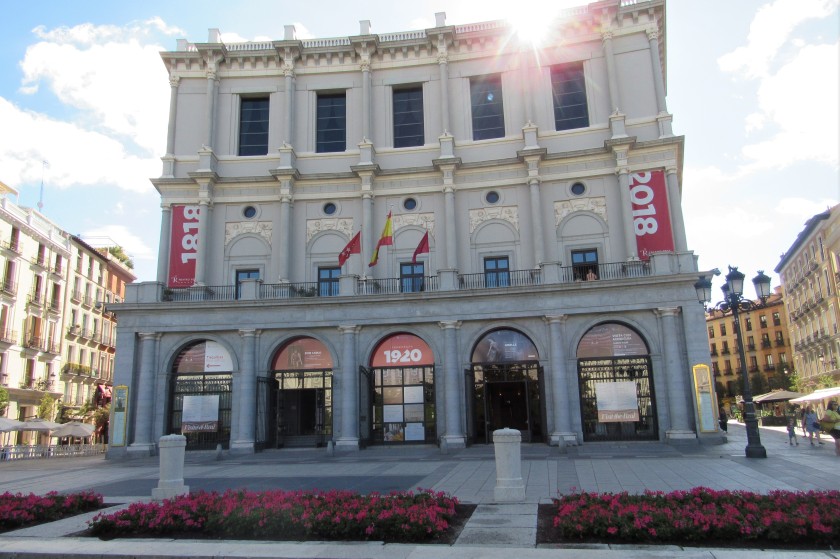
The Opera House.

IMG_7710

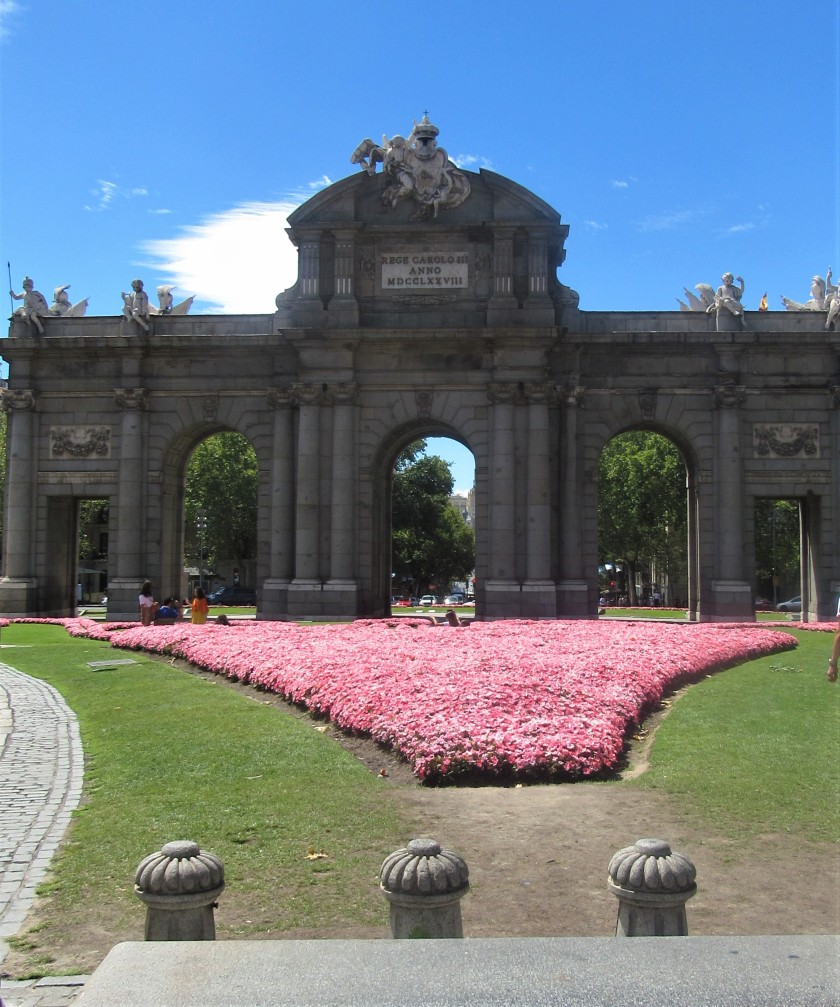
Riturno Park and Independence Plaza

IMG_7806

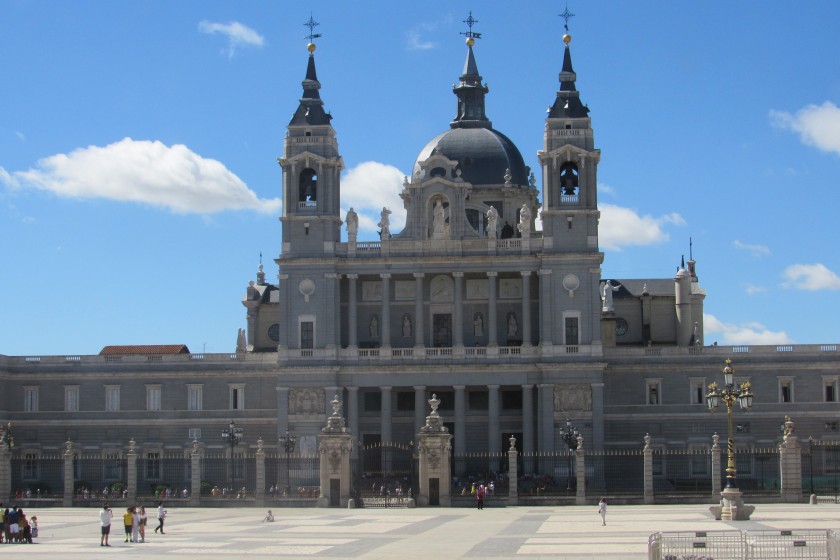
The Basilica, located directly across from the Palace.

IMG_7745

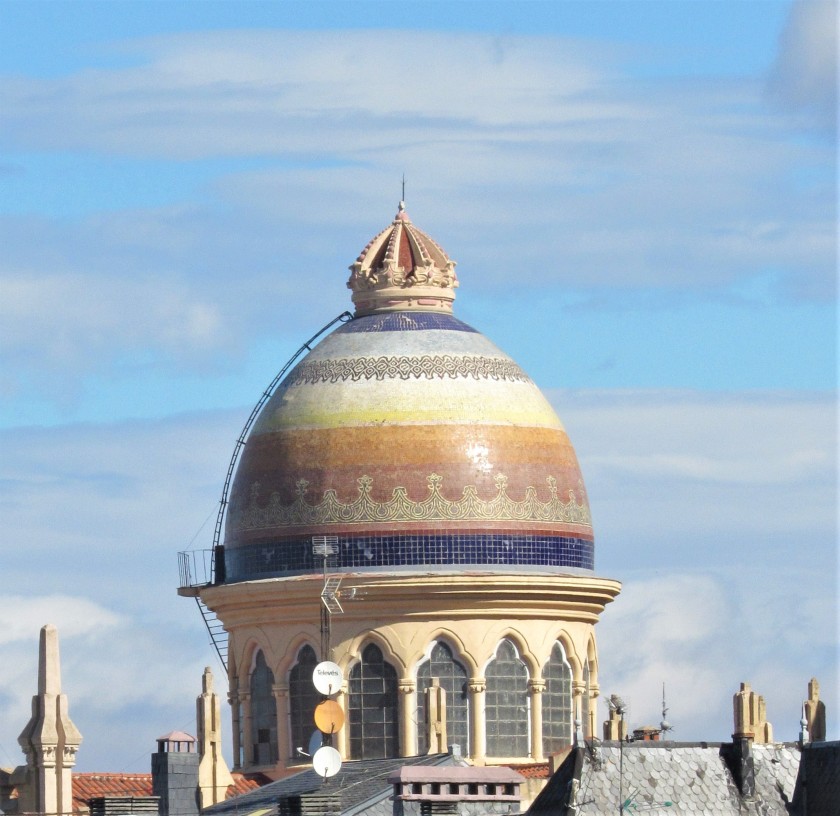
A very large Mosque in Madrid.

IMG_7717


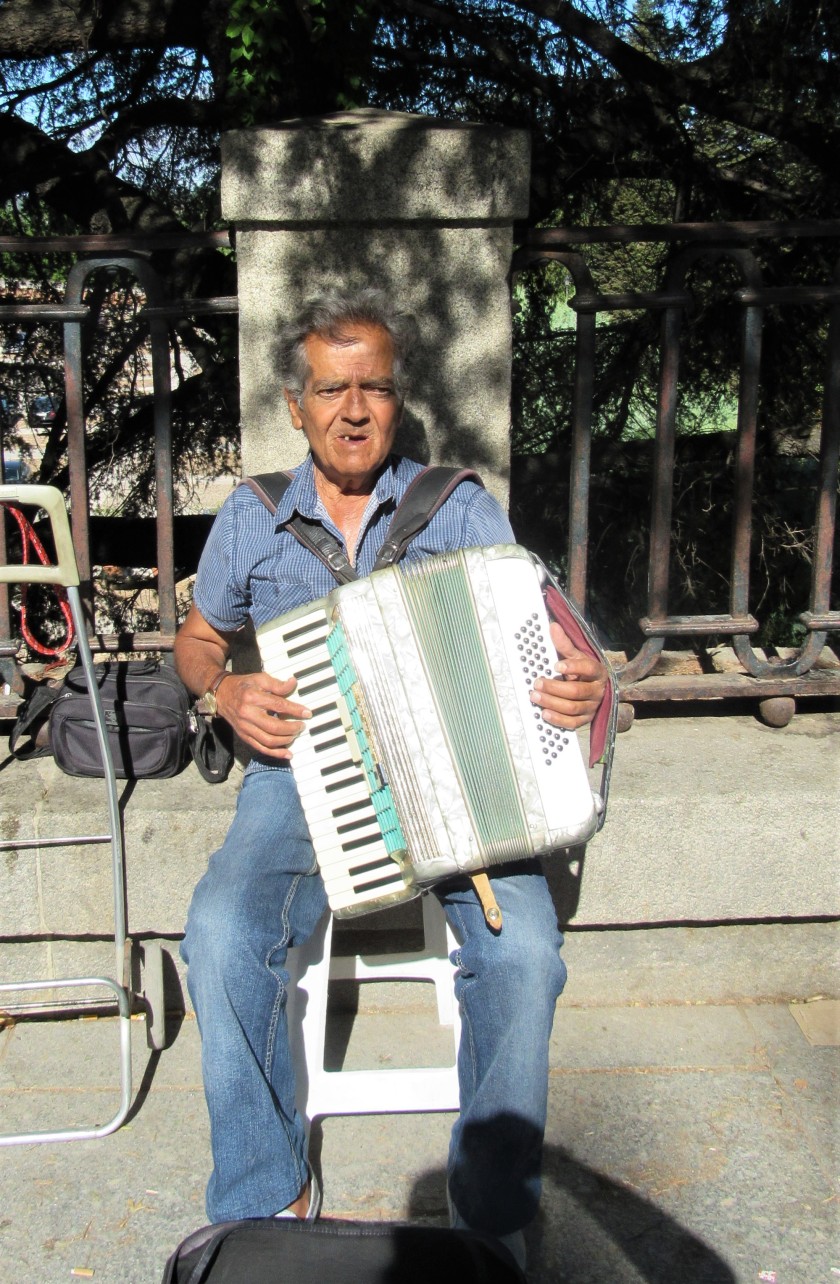
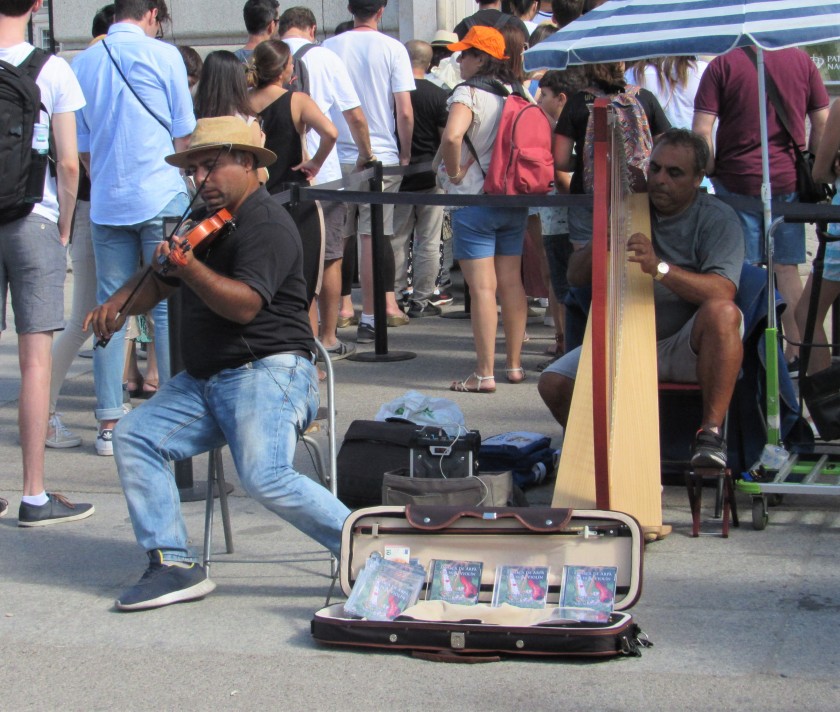
Some local entertainment while waiting to get into see the Palacio.

IMG_7721

IMG_7741

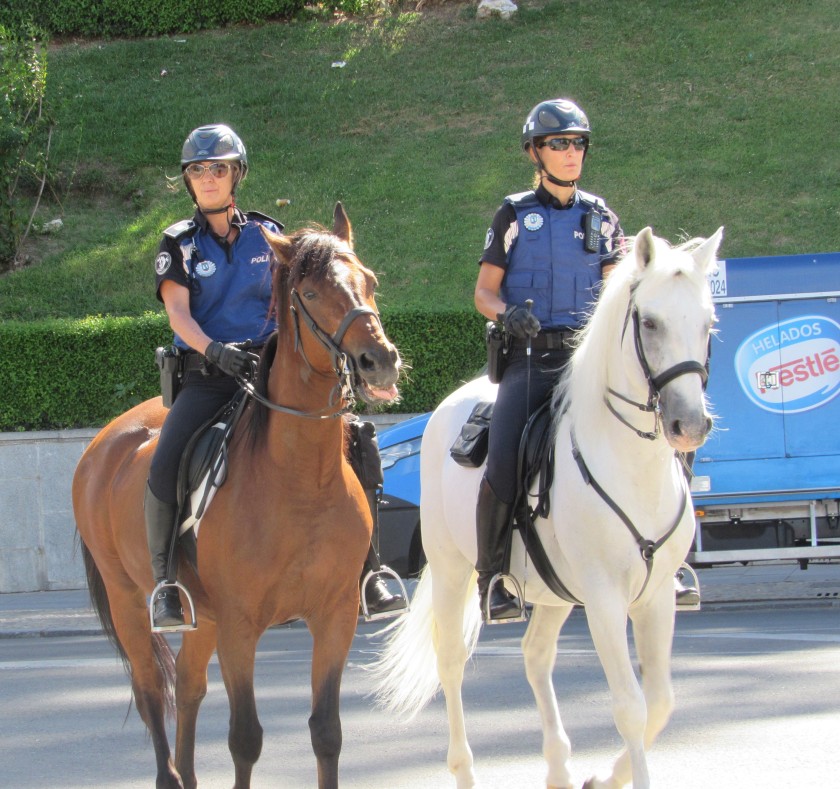
The Equstrain police officers are there to protect.

IMG_7739

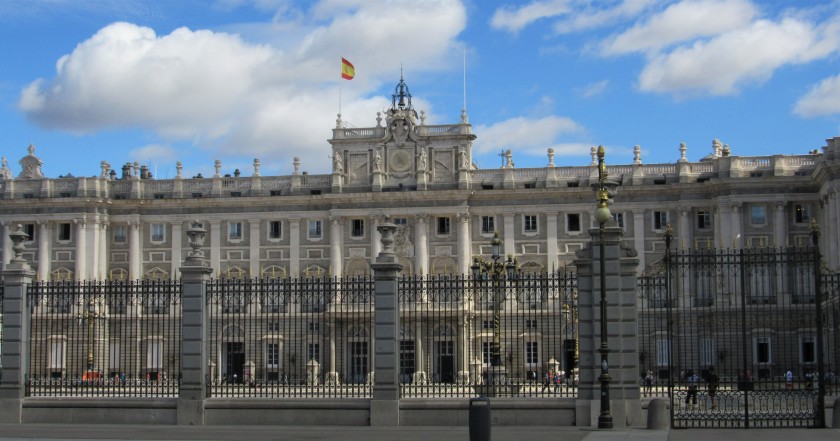
La Palacio Real, Madrd. The King and Queen do not live here anymore. Today, the Palace is used for State and Government functions and tourism only. A lot of the Palace would not allow pictures. It was breathtaking and exquisite though.  You’ll just have to trust me on this.

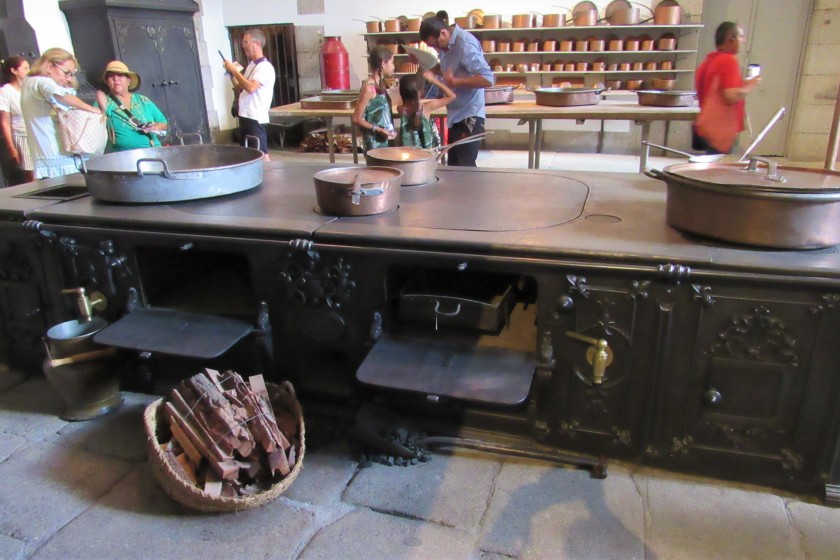
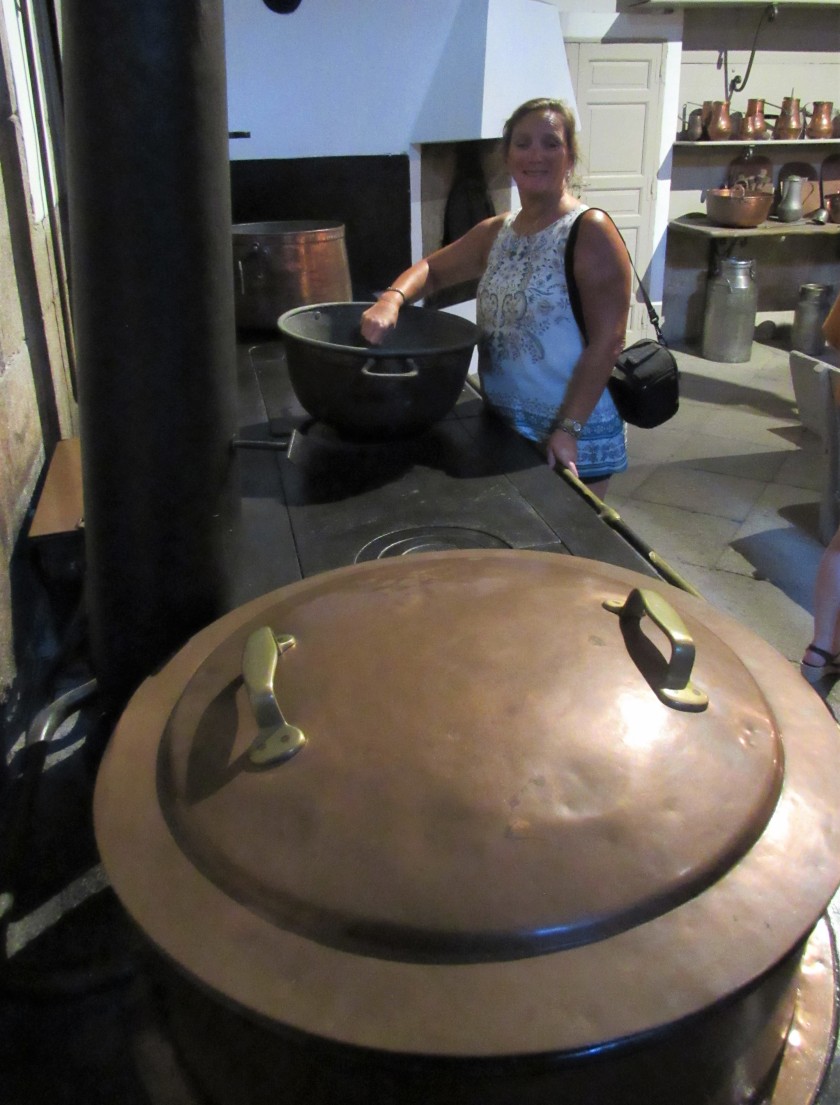
The Placio Real was absolutely breathtaking, but very, very ostentatious as well. I could never live that lifestyle in a million years. But it was very fascinating to see none the less. We saw the armory and war collection dating back to the 16th century. We saw the temporary exhibit called “Cartas del Rey” or letters to the King, that were written during WWI. We saw the Royal apartments. But the most impressive part of that tour for me was the Royal kitchen. OMG!!!! It was massive. I’ve never seen such big ovens or baking pans. I was most definitely impressed.

IMG_7730

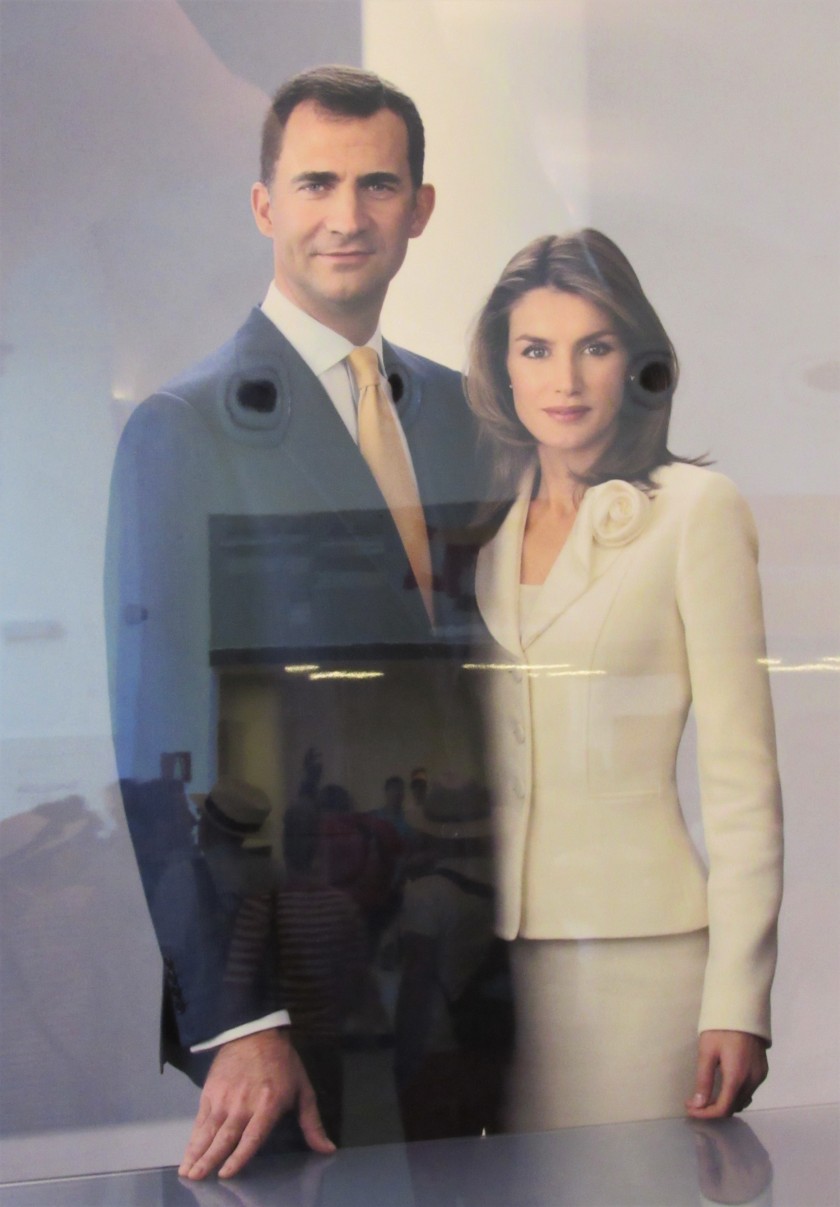
King Ferdinand II and Queen Letizia

IMG_7742

To me the best part of all though was the Royal kitchen.

IMG_7762

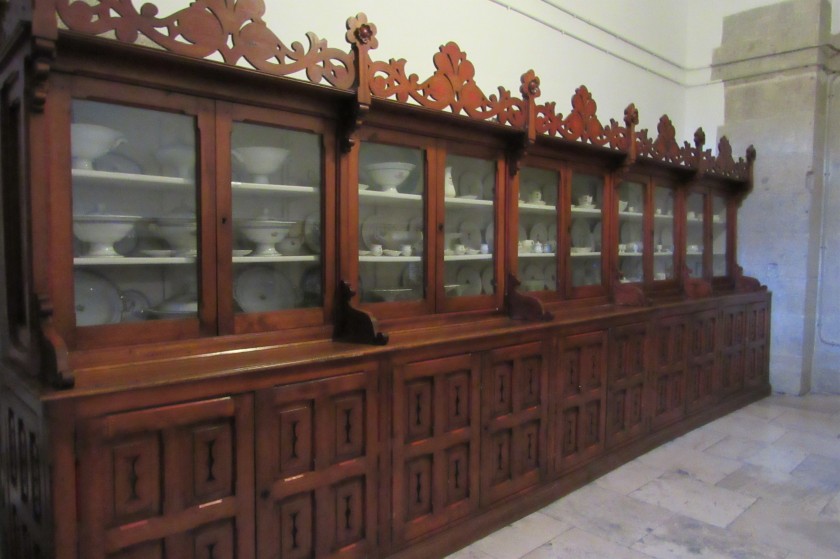
The Royal china.

IMG_7754

IMG_7752

Ciao for now.  There is still so much more to come.  Have patience and don’t go away.