I have created this site to help people have fun in the kitchen. I write about enjoying life both in and out of my kitchen. Life is short! Make the most of it and enjoy!
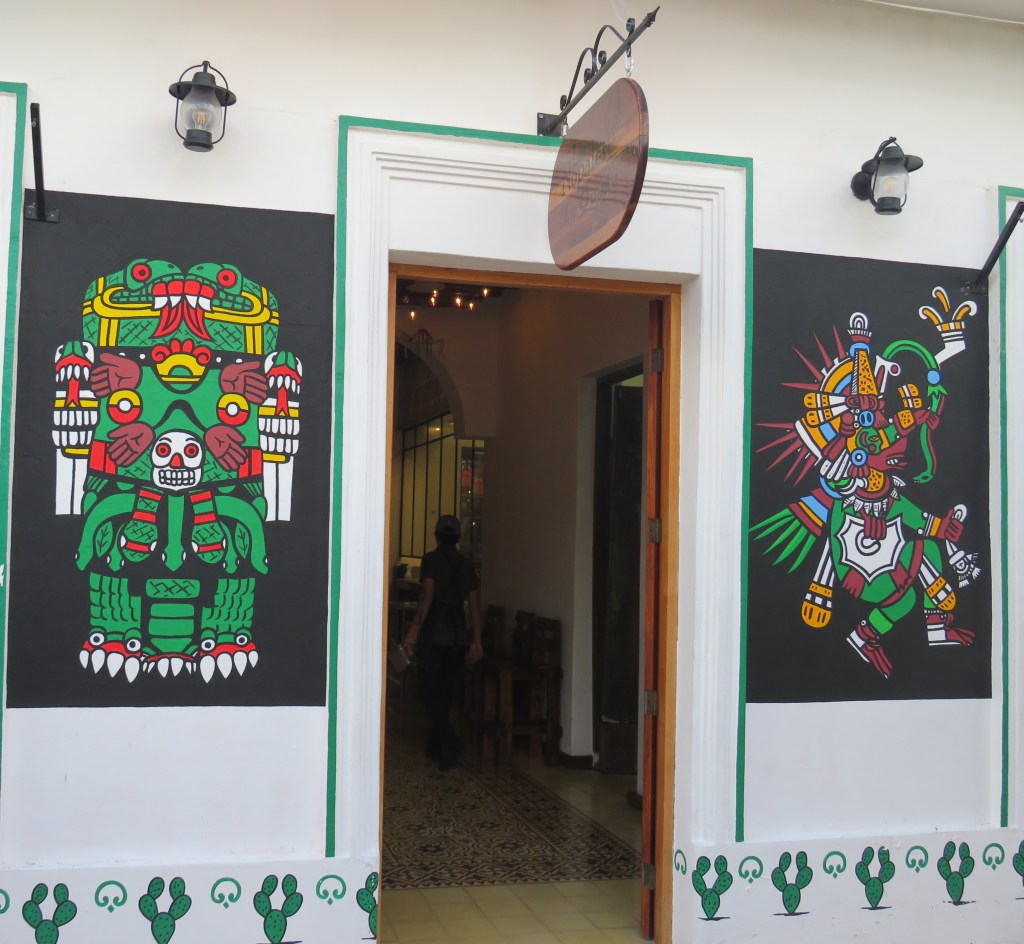
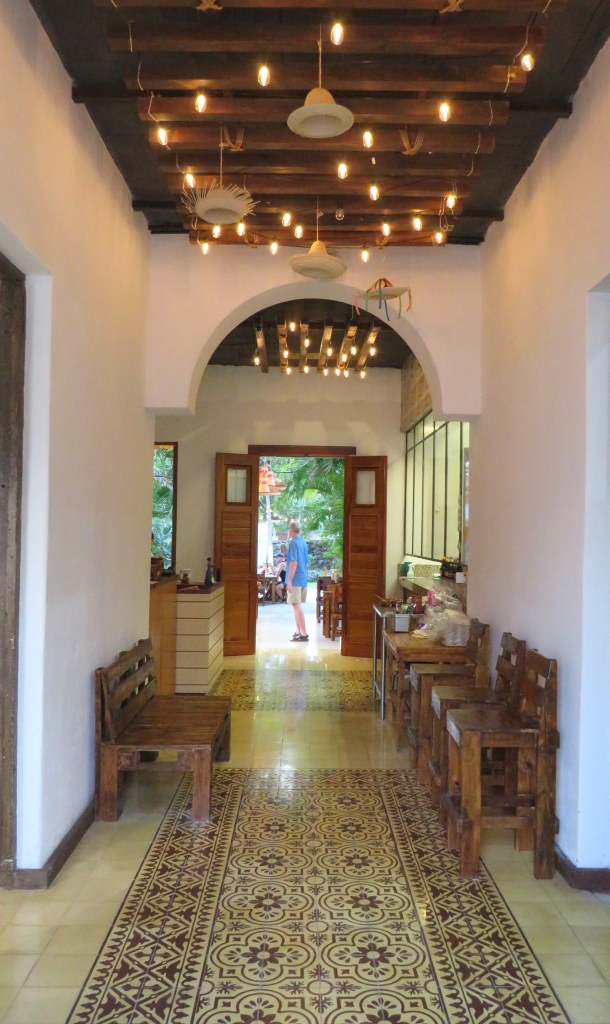
We were hungry, but not famished. We strolled around and looked at a lot of menus, before we decided upon Los Nopales La Quinta. It was a new restaurant to us. We went after diving and a beach day.
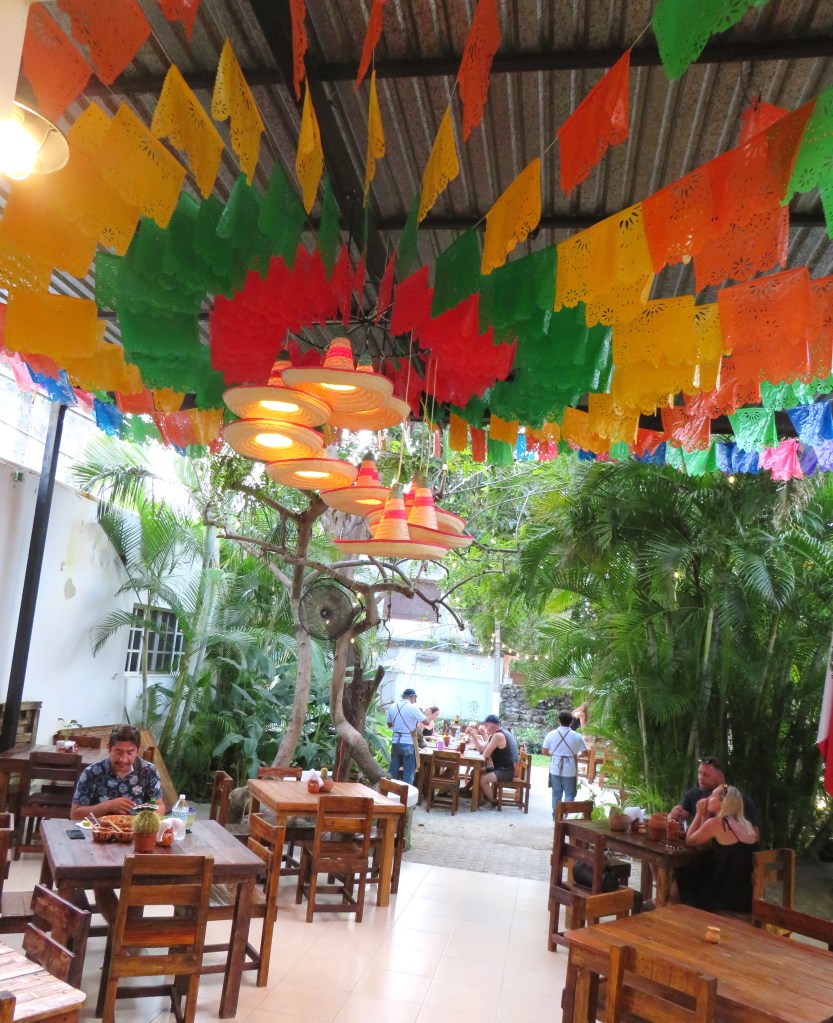
We ate outside in their beautiful garden patio area. The place was hoppin’.
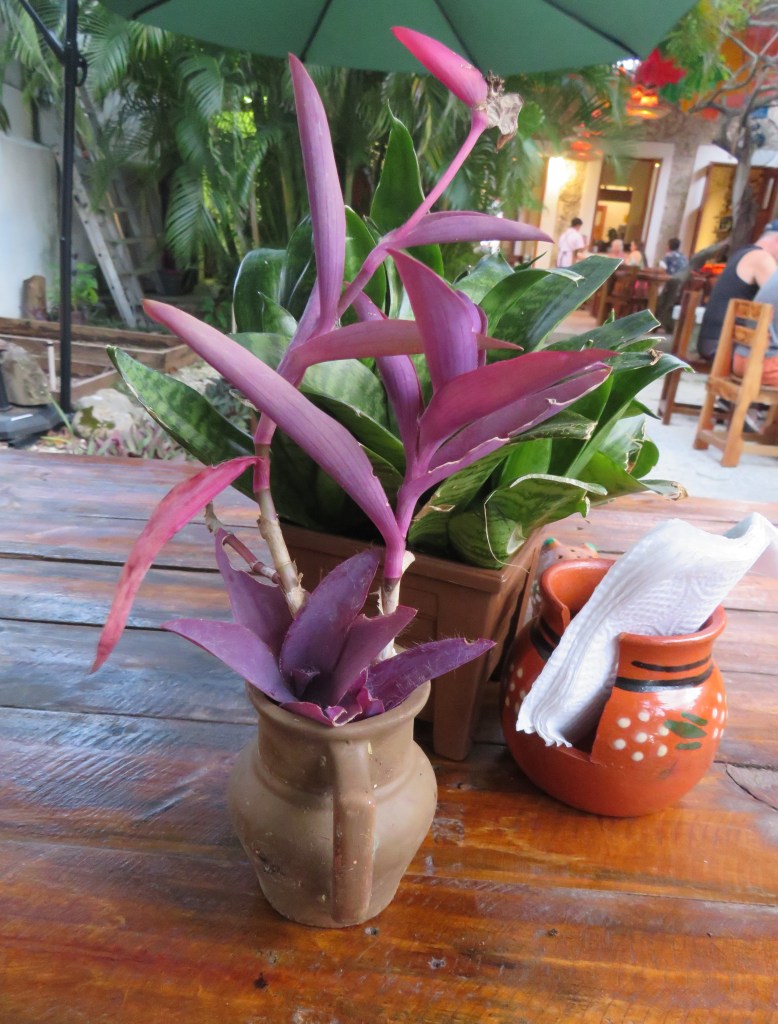
There were beautiful succulents all over, and the owner took such good care of them. He had a lot of pride in his plants, and when one table had a dying plant, he looked through his garden until we helped him find a suitable replacement, that he placed on our table.
Our hotel offered a deal to get free beach chairs, and snacks, so we weren’t hungry enough for a big meal. We decided it was a pizza day. We decided on a Mexican pizza. Once again though, our eyes were bigger than our stomachs, and we took it home to enjoy at a later time.
Before our pizza arrived, we had our first introduction to the delicious cosolitos drinks or bebidas. Cozumel – More Than Just Trompitos
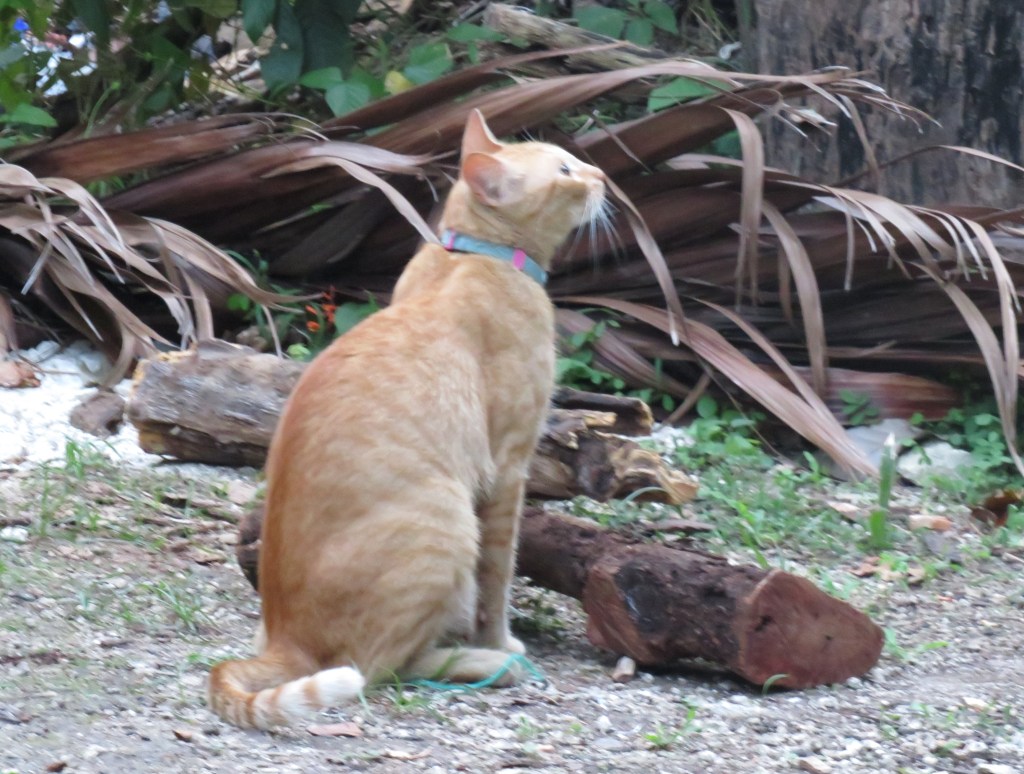
We were entertained by the resident gatos while we were waiting for our pizza to arrive.
When we were ready to leave, we gave little bits of the pizza crust, or pizza bones as we call them, to the kitties. They liked it so much, one came right up to the table asking for more.
Los Nopales La Quinta was a pleasant and enjoyable little find. We had never been there before, but the food was delicious and the servers were very friendly and helpful, even though they were running all around because they were so busy. That is a very good problem to have. We would definitely go back again. 🙂
Have a great day and make everyday great. Stay safe and stay well. ‘Til next time.
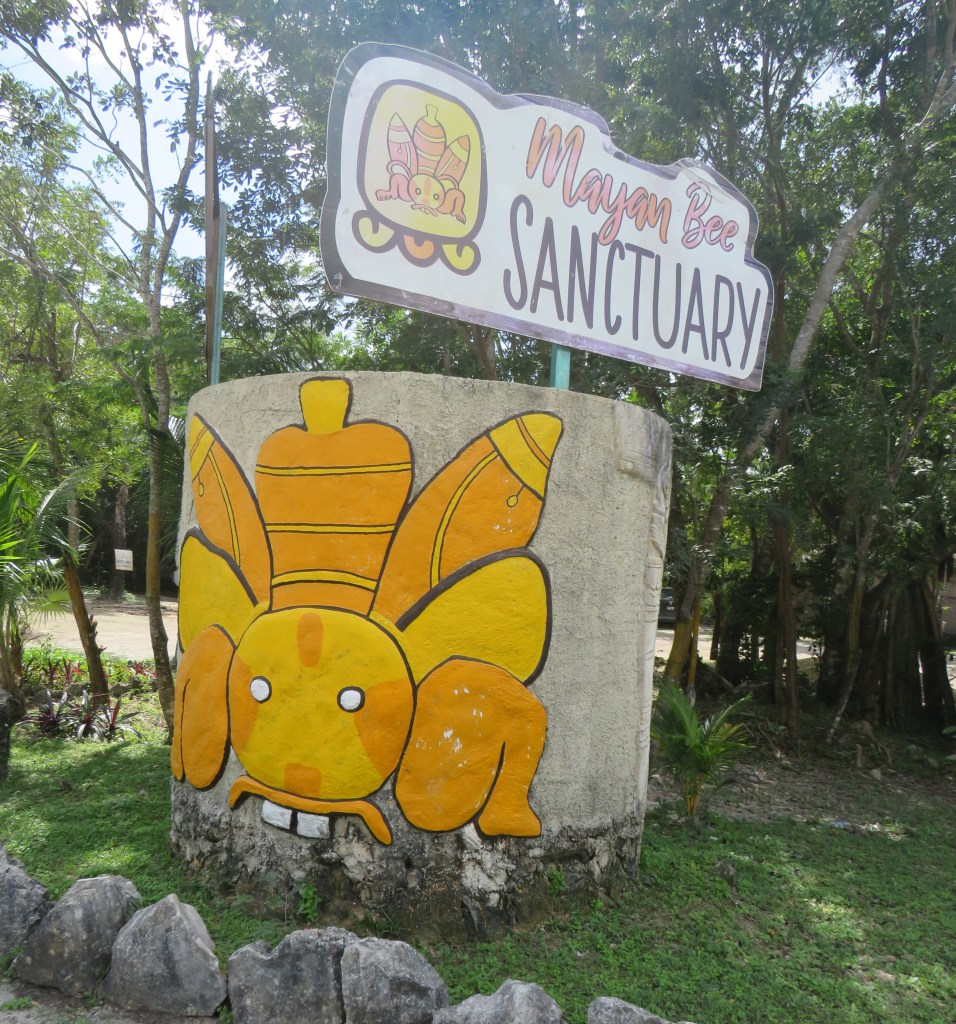
While visiting the Museo de la Isla de Cozumel, we learned about the importance of the Mayan bees and the Mayan Melipona Bee Sanctuary. We decided to pay it a visit as one of our post diving activities. It was really informative and very interesting.
The Mayan Bee Sanctuary is place where you will learn about the importance of stingless bees as well as learn about all the benefits of Melipona honey. You will also learn about the importance of honey in the Mayan world.
Beekeeping with stingless bees (meliponiculture) in Mexico is an ancient tradition. Ah-Mucen-kab, the honey god of Mayan mythology. As far back as 3,000 years ago, the ancient Maya practiced beekeeping. Their cultivation of sacred stingless bees—still emulated in the Yucatán Peninsula today—provided both pollination for their crops and honey to use in food, rituals and medicine.
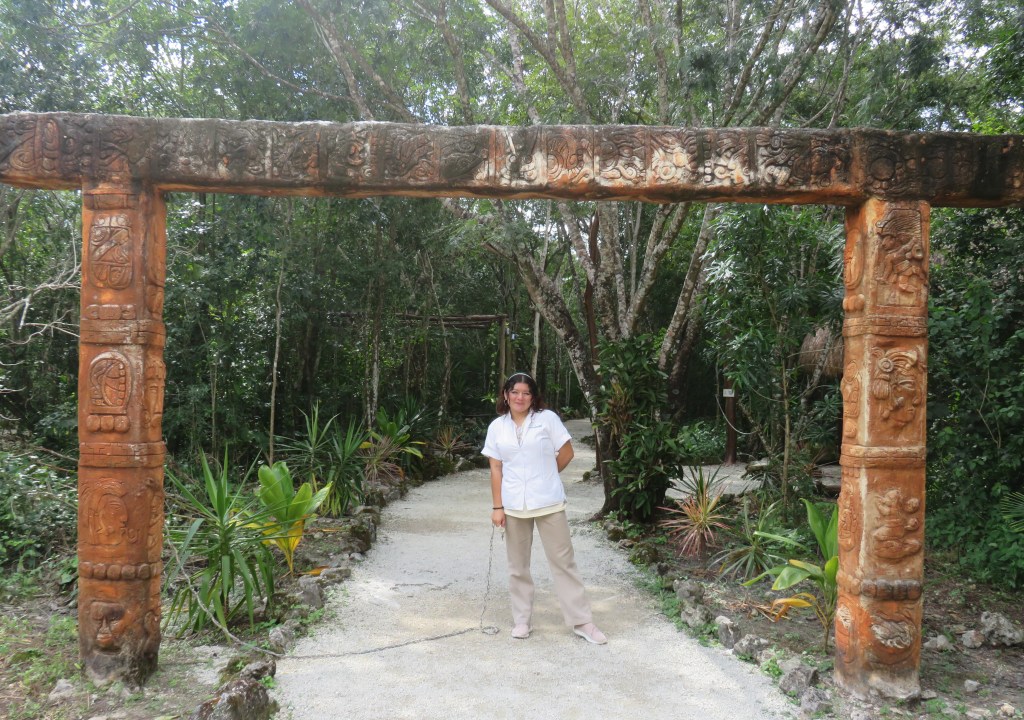
Larry and I got very lucky and had a private tour. Our tour guide and bee expert Jocelyn, was very knowledgeable and knew all about her beloved bees.
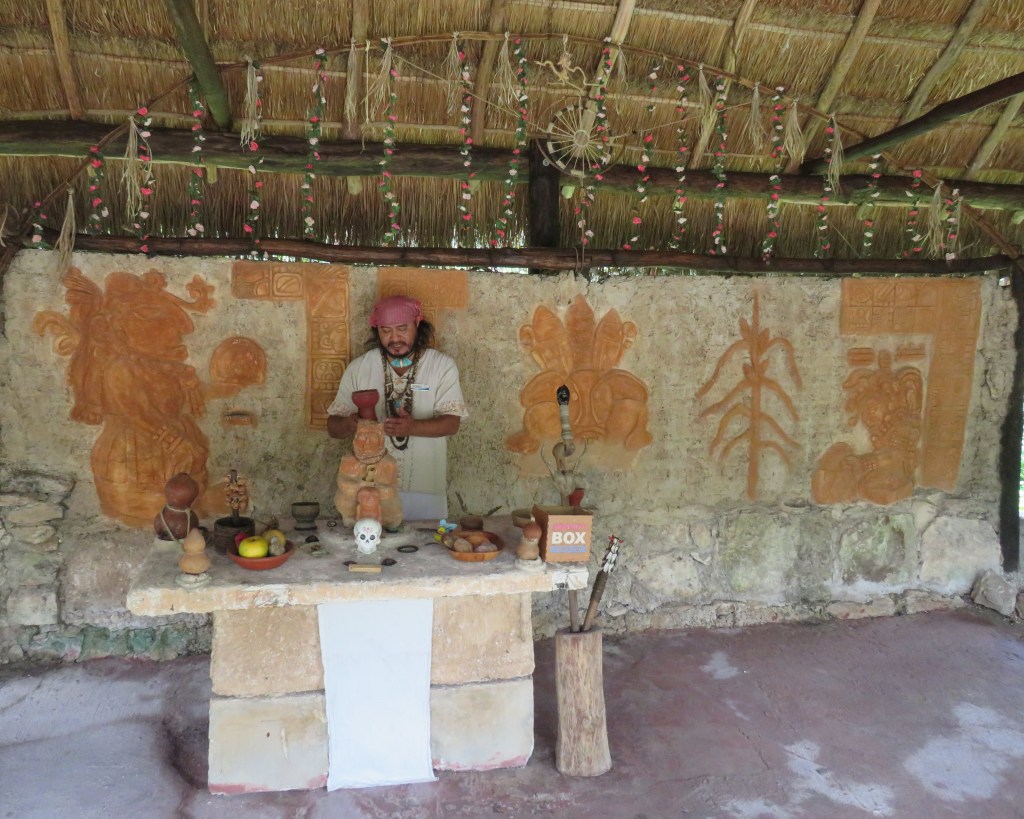
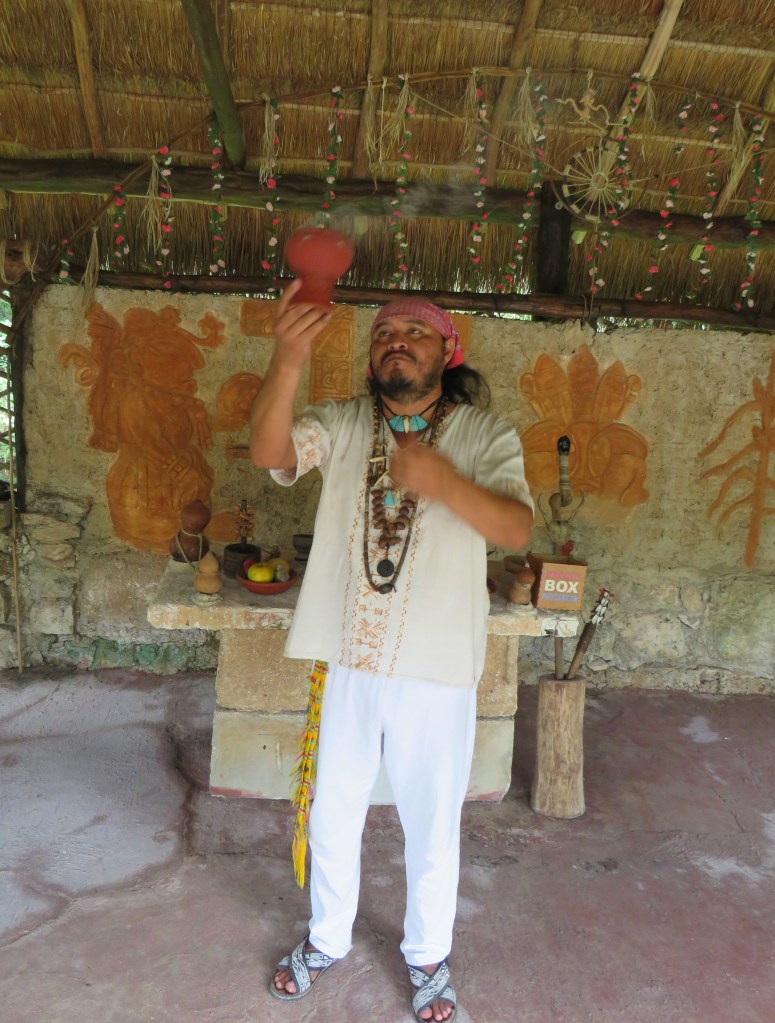
Before we started the actual tour, however, there was a Mayan prayer ceremony that took place, with a Mayan Shaman blessing the bees.
After the prayer ceremony, our tour started.
There are over 600 types of stingless bees in the world, with 46 different types found all throughout Mexico, and 16 different species found specifically in the Yucatan region of Mexico. The Yucatan bees are known as Melipona bees, and are significantly smaller than the European bees. Small and unassuming, this stingless apidae is a native to Central America and has been cultivated by the Mayan people for centuries. They can be found in the Yucatan regions of Mexico, Belize, Guatamala, El Salvador and Columbia.
The Melipona Bee Sanctuary focused on three types of bees that are specific to Cozumel – The Beechi, the Nannotrigona and the Scaptotrigona. They all have very distinct personalities and differences.
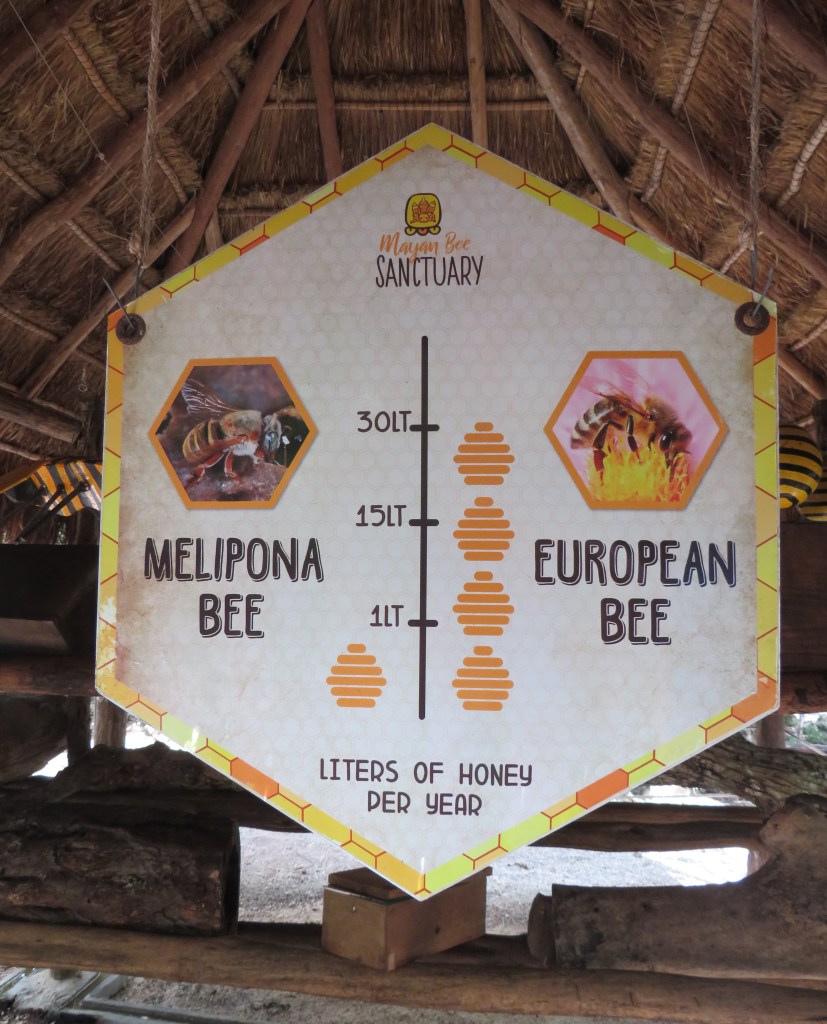
The Beechi are the largest of the three bees, and their main job is to act as the guardian of the hives. The Nannotrigona are very shy and are not often seen. Their close cousins, the Scaptotrigona are very gregarious and can be more aggressive, though they cannot hurt us, because none of them have stingers. All three of these bees are tiny, and are only a fraction of the size of the European bees. Because the Melipona bees are so much smaller than the European bees, their honey production is considerably less as well. Europeans bees can produce up to about 30 liters of honey per hive per year, whereas the Melipona bees only produce about 1 liter of honey per hive per year.
They make their hives inside of trees, in their honey pots.
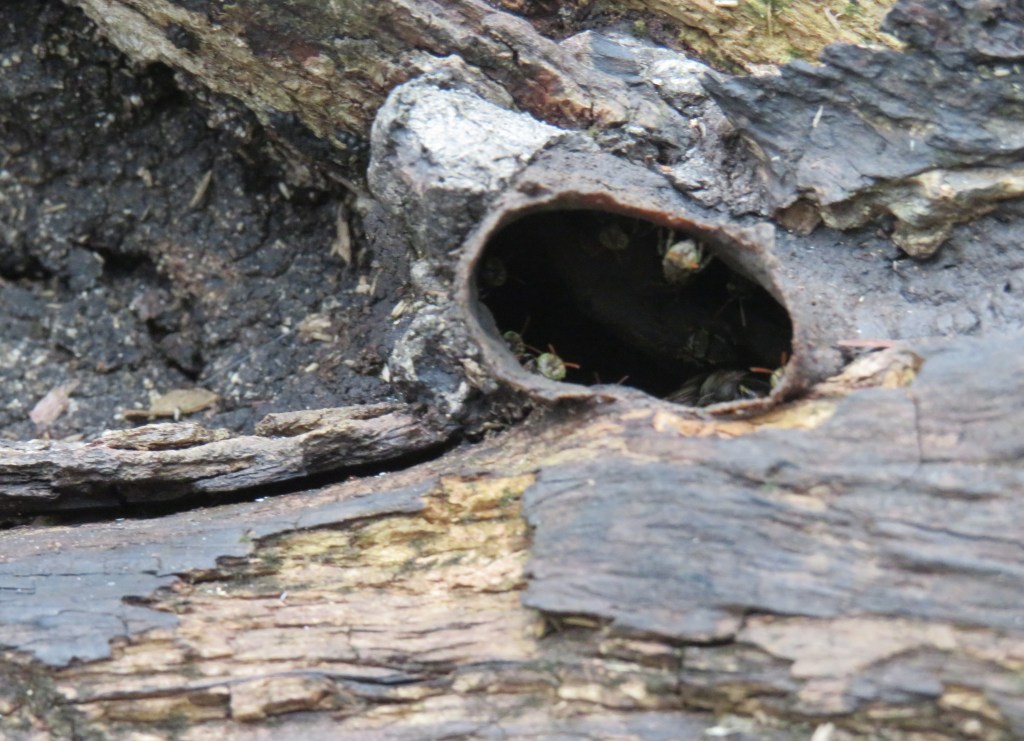
There are Scaptotrigona bees on the outside of this log.
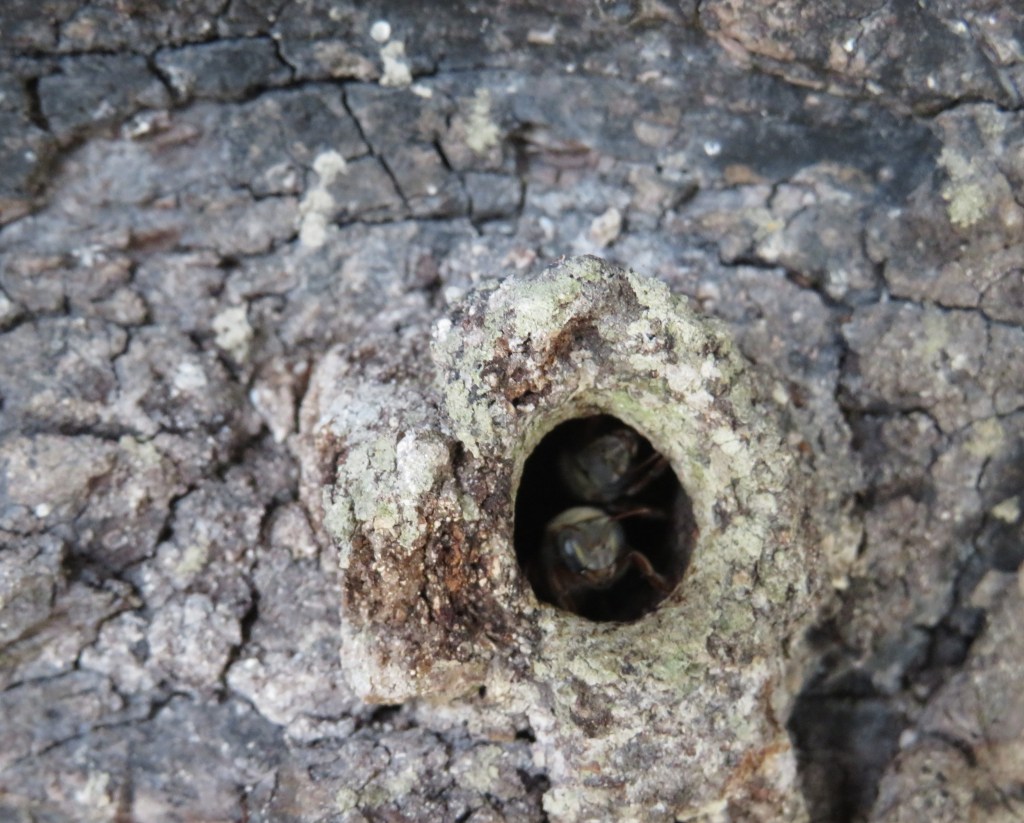
I got lucky and got to see some of the shy Nannotrigona bees before they retreated back into the safety of the tree.
At the Bee Sanctuary, the hives are all protected by “moats”, though this isn’t always the case in the wild. One of the worst predators for the Melipona bees is the termite.
These are actual honey pots after the honey had been removed. The honey is usually removed from the honey pots with a syringe.
The inside of the hive is called a Jobon, and just like all bees, all the bees have their specific jobs and duties to perform, and yes, they too have a bee hierarchy, with a queen bee who is the ruler.
The Melipona Bee Sanctuary is located in jungle territory, with many other jungle inhabitants. The only other critter we saw, besides the bees, was a hooded lizard. We actually got to see him run , with his hood up, running on his hind legs. He looked so funny running like that. I tried to get a picture of him running, but surprisingly, he ran pretty fast and I was unable to get him running. I was able to capture him at rest though.
At the conclusion of the tour, we got to sample and compare the honey from European bees and the Melipona bees. They are completely different. Because the Melipona bees produce much less honey, the honey collected from them is very expensive and tends to be used more for medicinal uses rather than eating, though you can definitely eat it too. It is very good.
Jocelyn was a wealth of information. We learned so much from her. She asked if I was going to make her famous. I am doing my best. 🙂 We had a great time and learned a lot about The Melipona bees and the honey making process. If you are in Cozumel, looking for something a little different, I recommend this very interesting tour. Not only will you learn something new, but you will also be helping the local bee farmers and the preservation of the bees.
Have a great day and make everyday great. Stay safe and stay well. ‘Til next time.
The name Cozumel means swallows nest, but ironically we didn’t see many, if any swallows, at all. We did see a lot of other beautiful birds though. You all know how I love my birds. 🙂
The Great-Tailed Grackles are very common, and we see them all the time. They are cousins to our Common Grackles I see here at home all the time too.
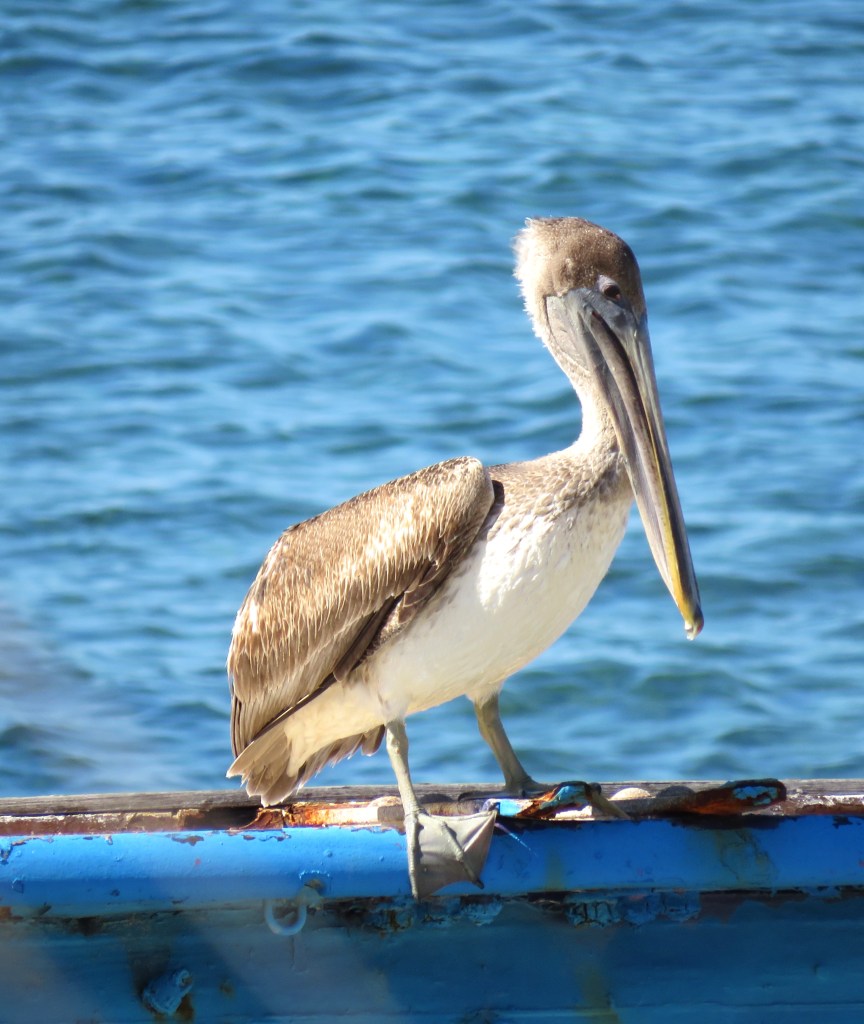
There were lots of Brown Pelicans flying all about. They are slightly smaller than our American White Pelicans who frequent our lakes in the spring.
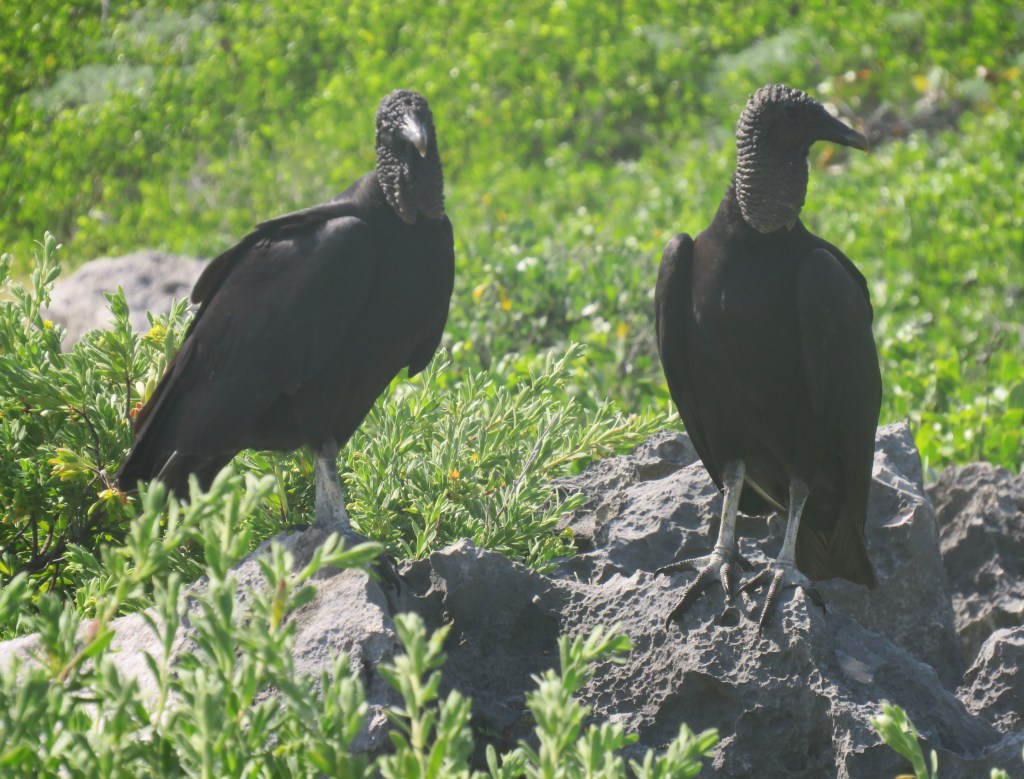
There were Mexican Vultures.
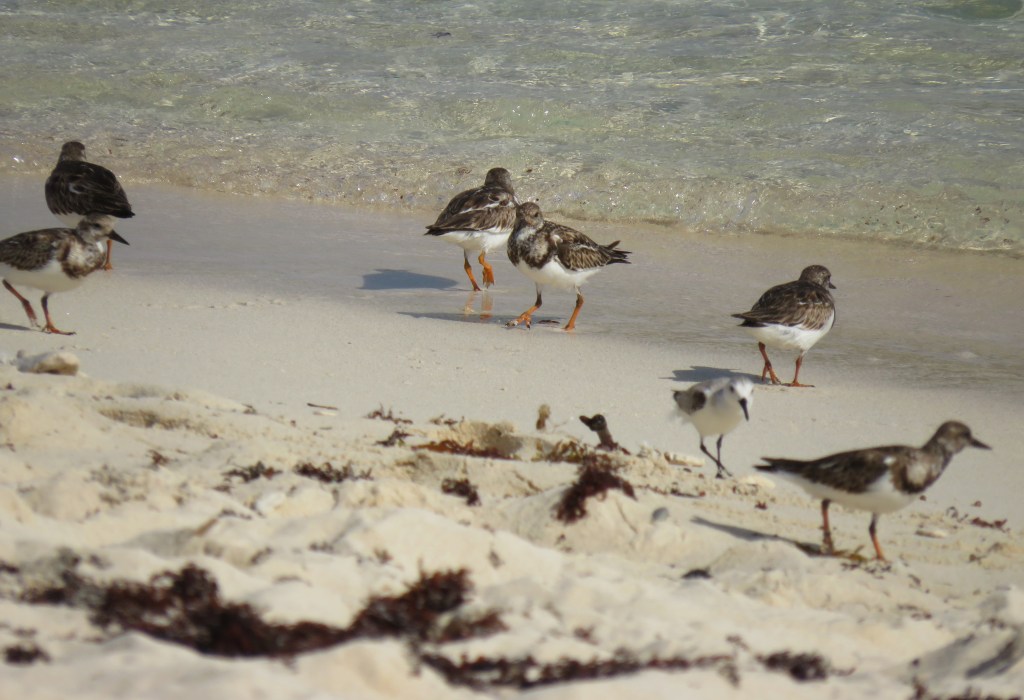
Sand Pipers or Sanderlings
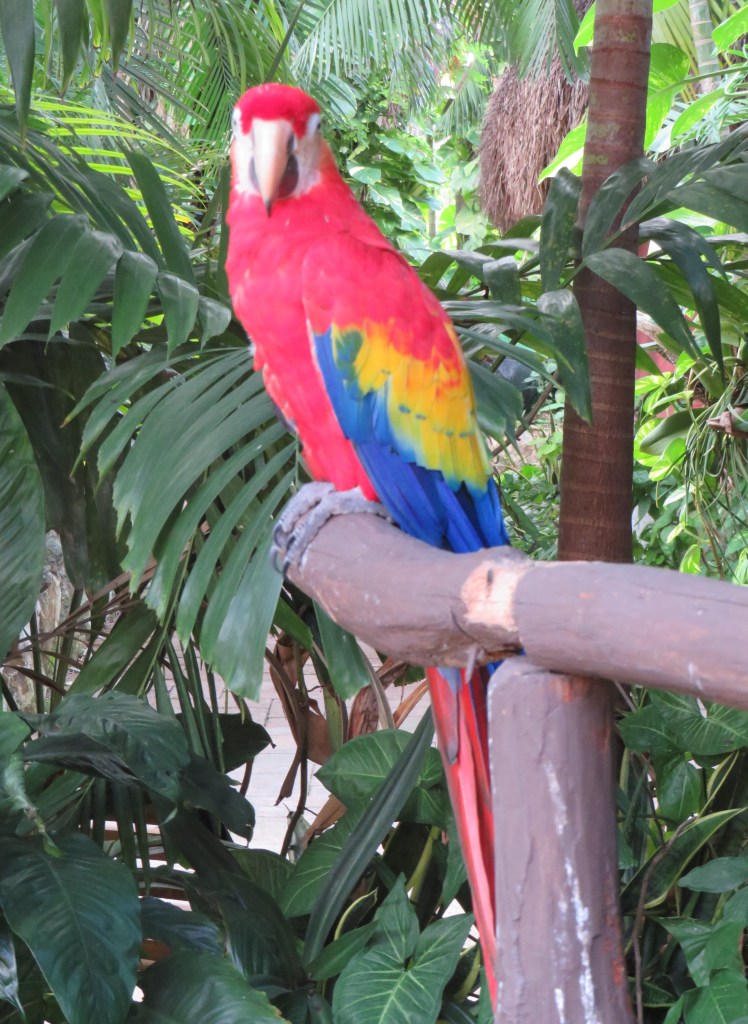
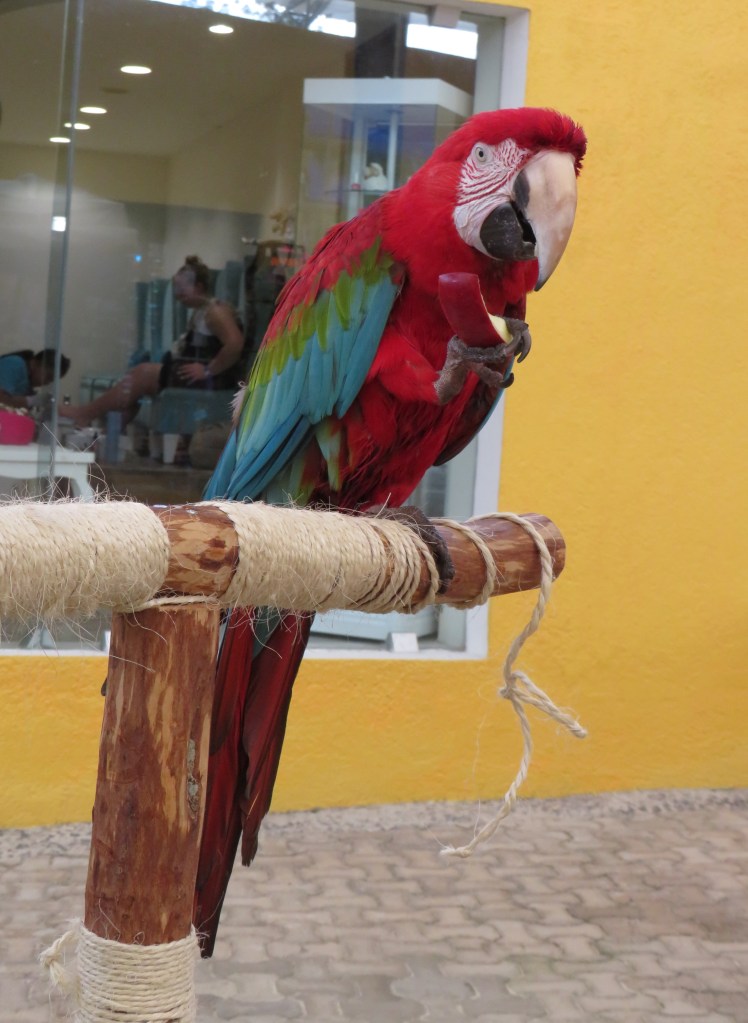
Parrots
He’s eating his apple, but he doesn’t like the skins. He spits the skins out.
Yellow birds.
Gray and yellow birds.
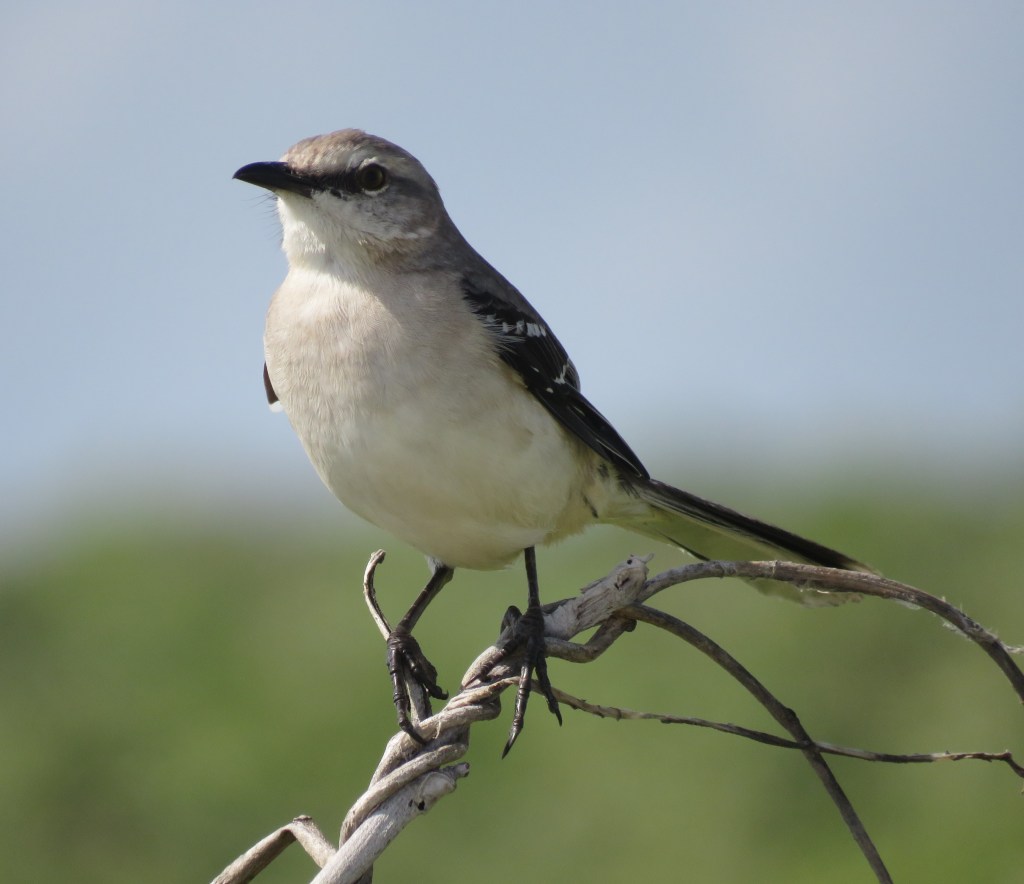
Tropical Meadowlarks.
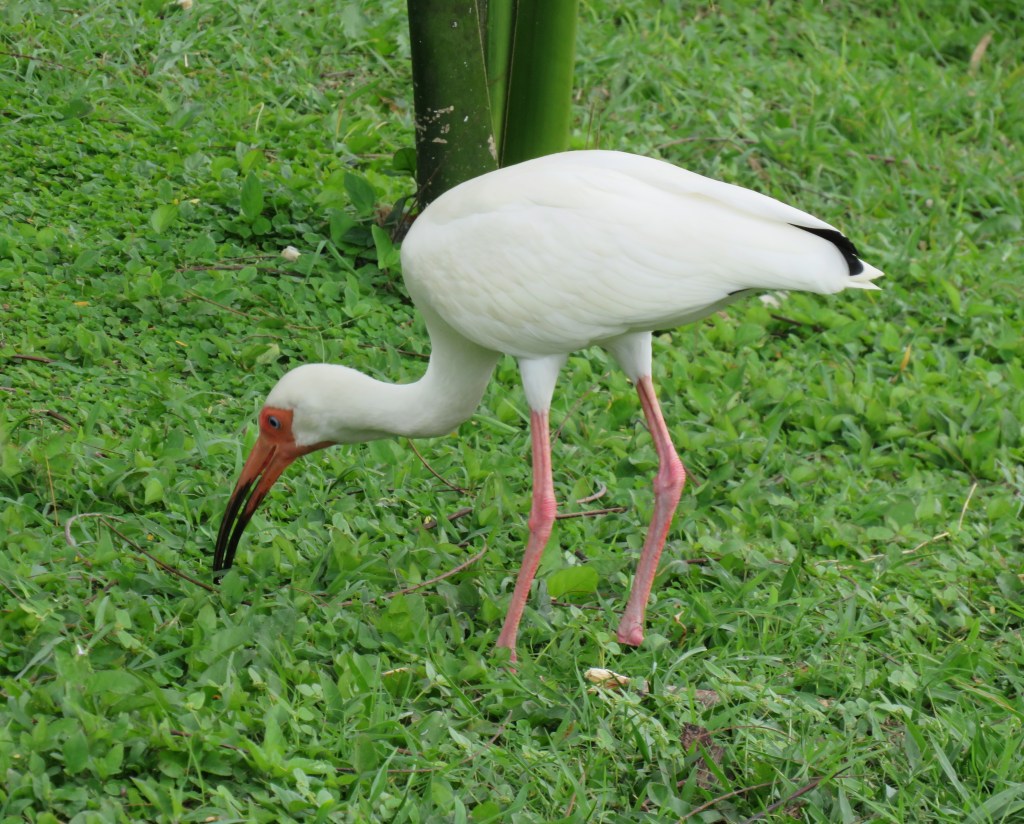
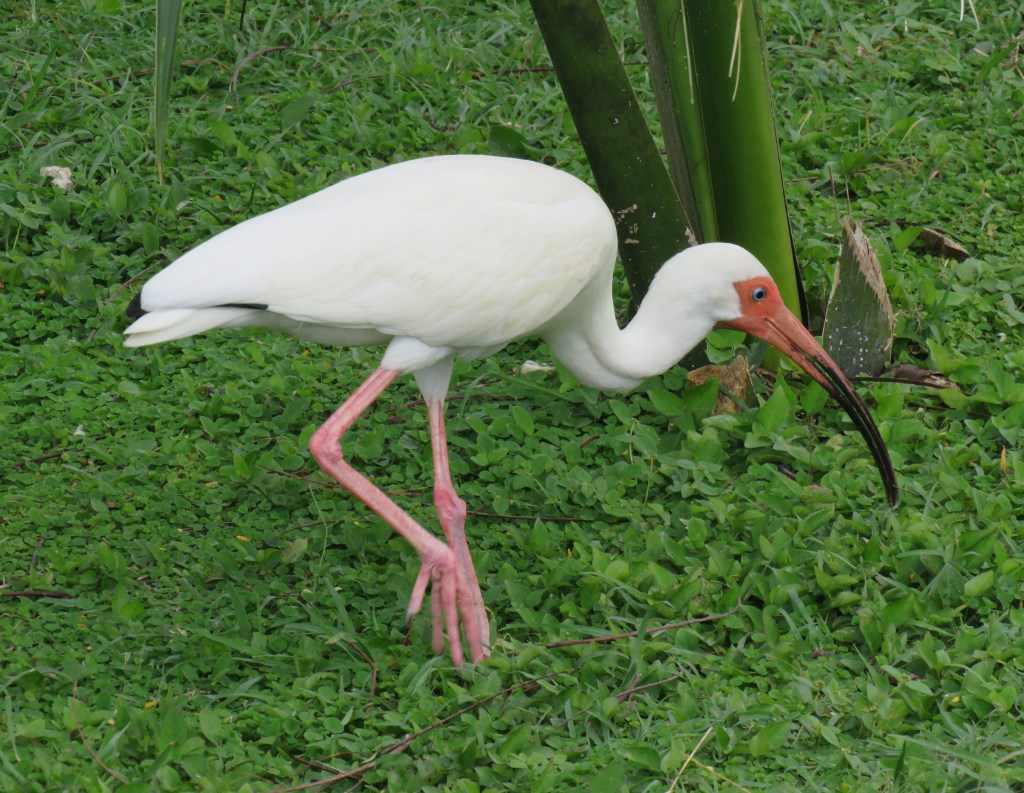
Ibis.
And the biggest birds – the planes flying in, with some frigates guiding them to the airport.
Have a great day and make everyday great. I still have plenty more fun things from Cozumel, so stay tuned. Stay safe and stay well. ‘Til next time.
Yesterday I presented you with our discovery of trompitos. Cozumel – Part 3 – Time For Trompitos But we made oh so much more than trompitos. We had a full menu, including trompitos, frijoles charros, pico de gallo guacamole, sikil p’aak, Mexican squash, and grilled plantanos con crema para los postres, or dessert, as well as the cosolitos para los bebitas. As you can see, we made way more than just trompitos. We made a Mexican feast. Everything was mui delicioso!
The silik p’aak, we had made before at Ix-Kool. Ix-Kool It is a sauce made with roasted, or in this case, boiled tomatoes, ground pepita seeds, garlic, salt, pepper and either jalapenos or habeneros. As with anything, there are always many different variations. All of the recipes and dishes we made were handed down to Tanya from her abuela or her grandmother. So they have been in her family for generations.
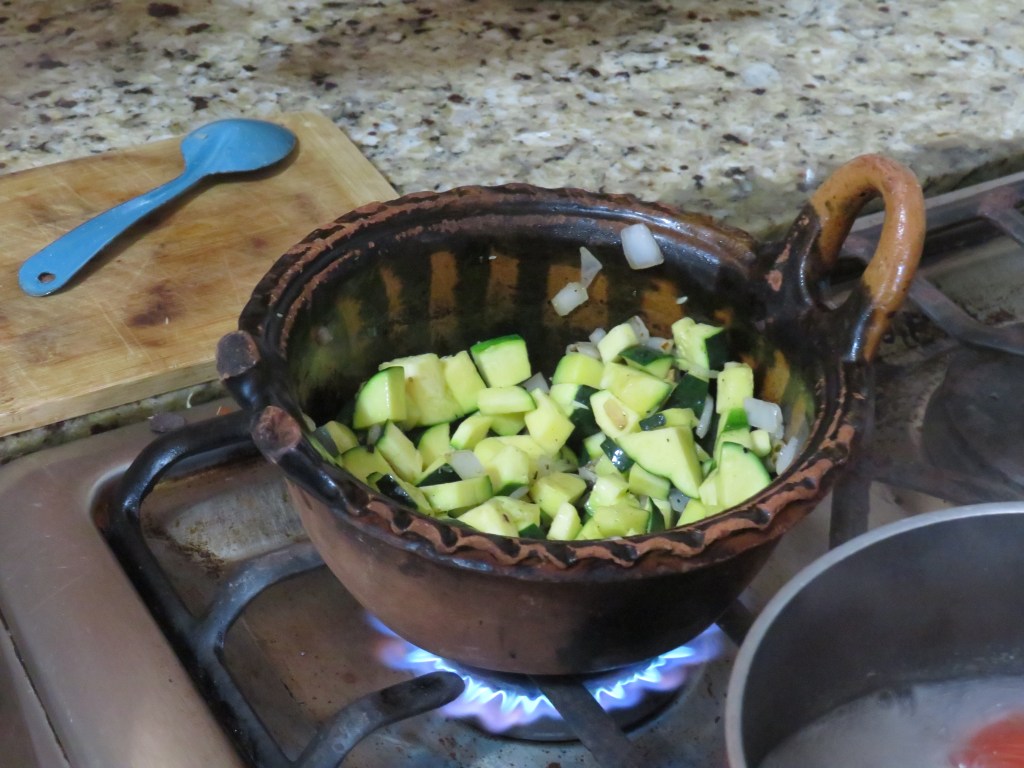
For the Mexican squash, we cooked it with oil, garlic, onions, salt, pepper, and then topped it off some Mexican cheese that was similar to Parmigiano cheese once it was cooked to perfection.
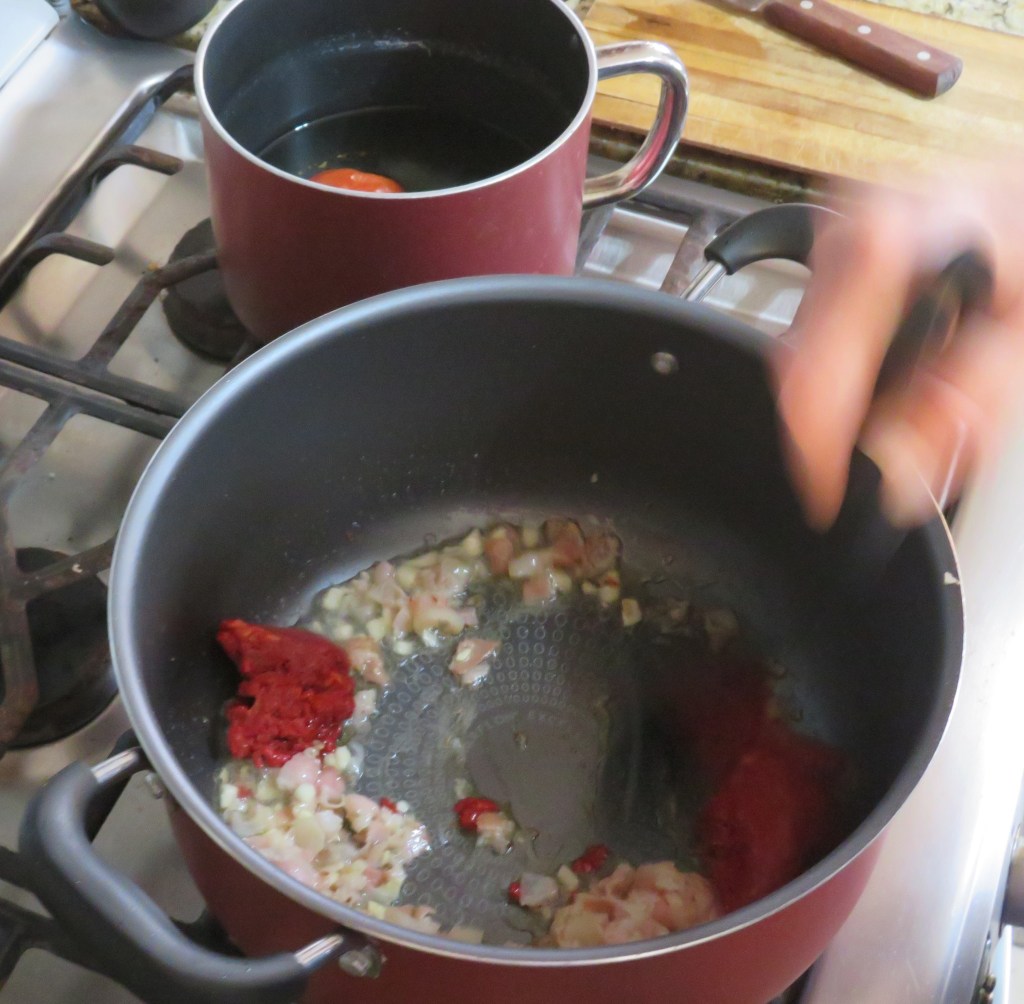
The frijoles charros or charred beans are very similar to cowboy beans. We made them with bacon, peppers, tomatoes, garlic, achiote paste and beer. We used pinto beans with their juice.
First we sauteed the bacon, garlic and onions together, then added the peppers and achiote sauce. Once those were softened, we added the beans, brought everything to a boil and let it boil for about 10 minutes, then added the beer and brought it back to a boil again. After it was done, Tanya grated some of the cheese and put it on top.
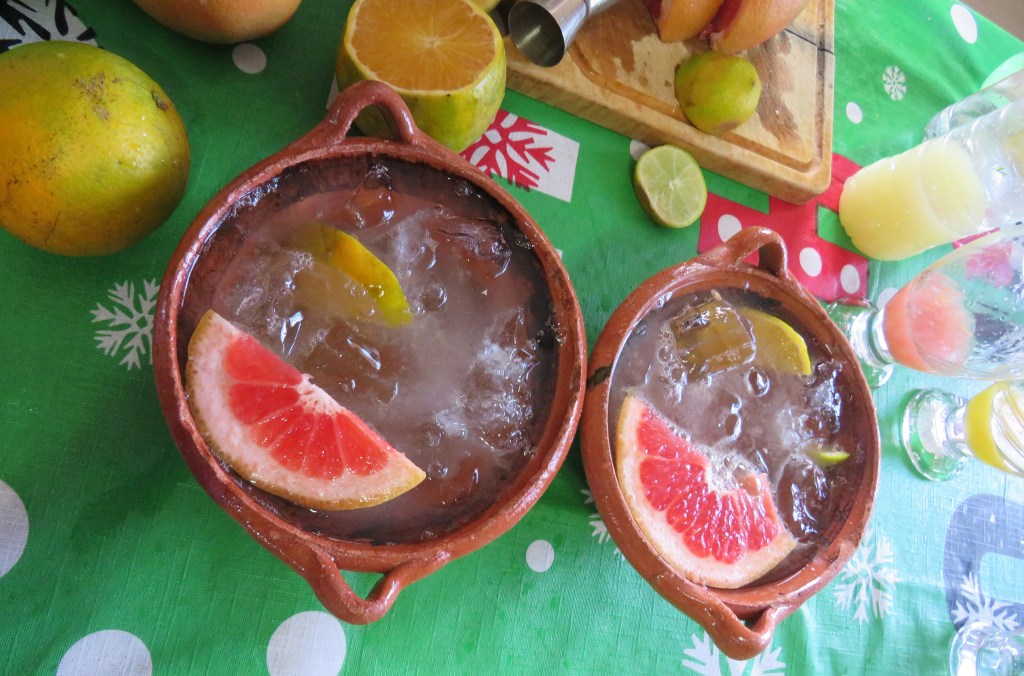
For the cosilitos, Tanya added 1 shot each of fresh grapefruit juice, orange juice and lime juice, then 2 shots of tequila, a dash of fresca and soda water, and something else, that was her secret ingredient.
These were so cool and refreshing and just perfect for a hot day. And they were very tasty too.
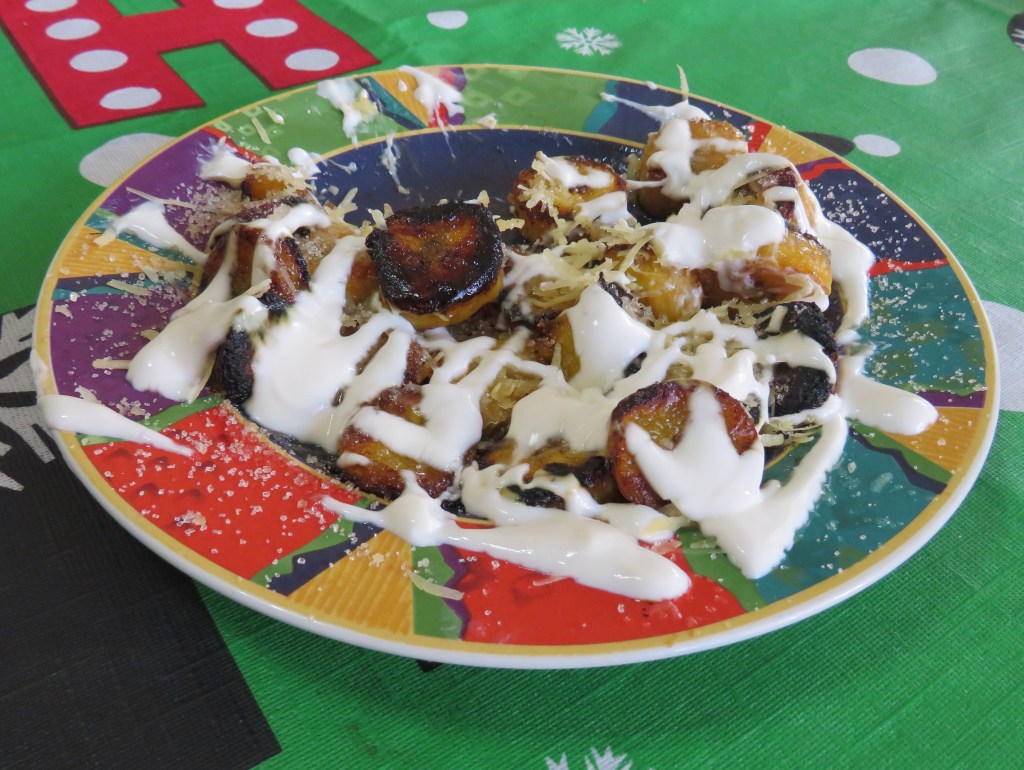
And for dessert, we had grilled plantanos con crema.
From starting at the grocery store until the time we finished eating as much as our tummies would hold, it was about 2-2 1/2 hours. It was a very fun experience with delicious food. And Tanya is a true gem. She was fantastico! I highly recommend cooking with Tanya. It is a great way to immerse yourself into the world of Mexican cooking. I will have to get the information from Larry if you are interested. It was listed as a private Mexican cooking class on Trip Advisor, or something like that.
Que tengas un gran dia y haz que cada dia sea grandioso. ‘Til next time.
Our post dive activities were both our fun and entertainment and our meal for the day. We took yet another cooking class, but unlike the one we took at Ix-Kool a few years ago, Ix-Kool, this one took place in someone’s home. Both were great, and totally different experiences. I would highly recommend both.
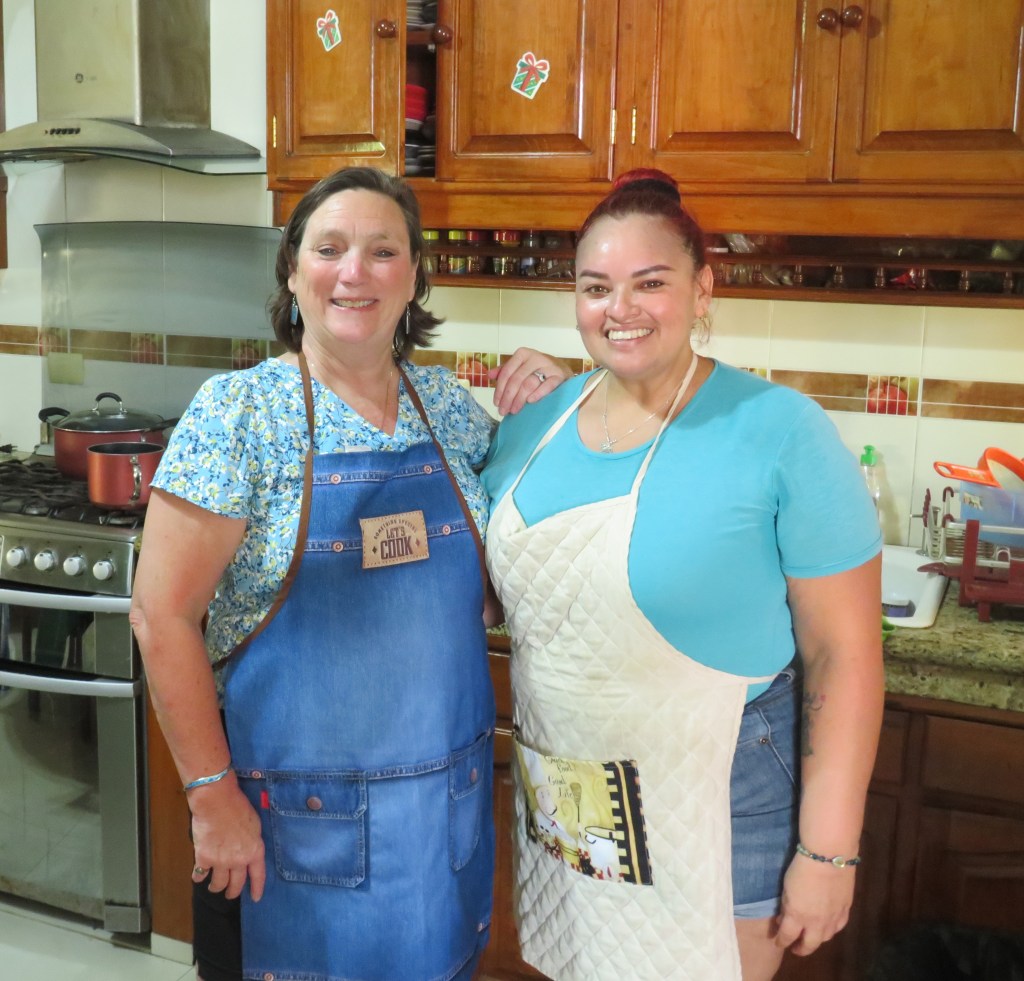
We met Tanya, our trompito chef, at the Super Aki, supermercado or supermarket. She and I were buying the ingredients needed for the day and she was explaining everything to me as we bought them.
Once we got everything we needed from the supermercado, we went to a tortillaria for some fresh, hot tortillas. Then we were off to the kitchen Tanya uses for her classes. The house belongs to her boss. It was a very nice house with a big kitchen.
I had never heard of trompitos before, but now I definitely know what they are and I know how to make them. They are delicious too. Trompitos, also known as trompos, have a long history, dating back as far as 4000 BCE. It is believed they first originated at the banks of the Euphrates River. There is also evidence that both the Ancient Greeks and Romans ate trompos as well. Trompitos are a variation of al pastor. Lebanese immigrants first created tacos al pastor in Mexico in the early 1900s. These immigrants brought their shawarma-style cooking techniques, which included rotating meat over an open flame—the method still used today to make tacos al pastor.
One of the main differences between al pastor and trompitos is the way the meat is cooked. For al pastor, the meat is roasted over an open flame. Trompitos are slow cooked and then shaved off into very thin slices. The name trompito is derived from their “trompo” or semi-tubular shape. These are very popular street tacos in Mexico, and in the Northeast. Creating al pastor tacos involves a gigantic spit—the trompo—piled high with succulent pork and pineapple, slowly spinning next to an open flame until the meat’s ready to be sliced off and tucked into a tortilla.
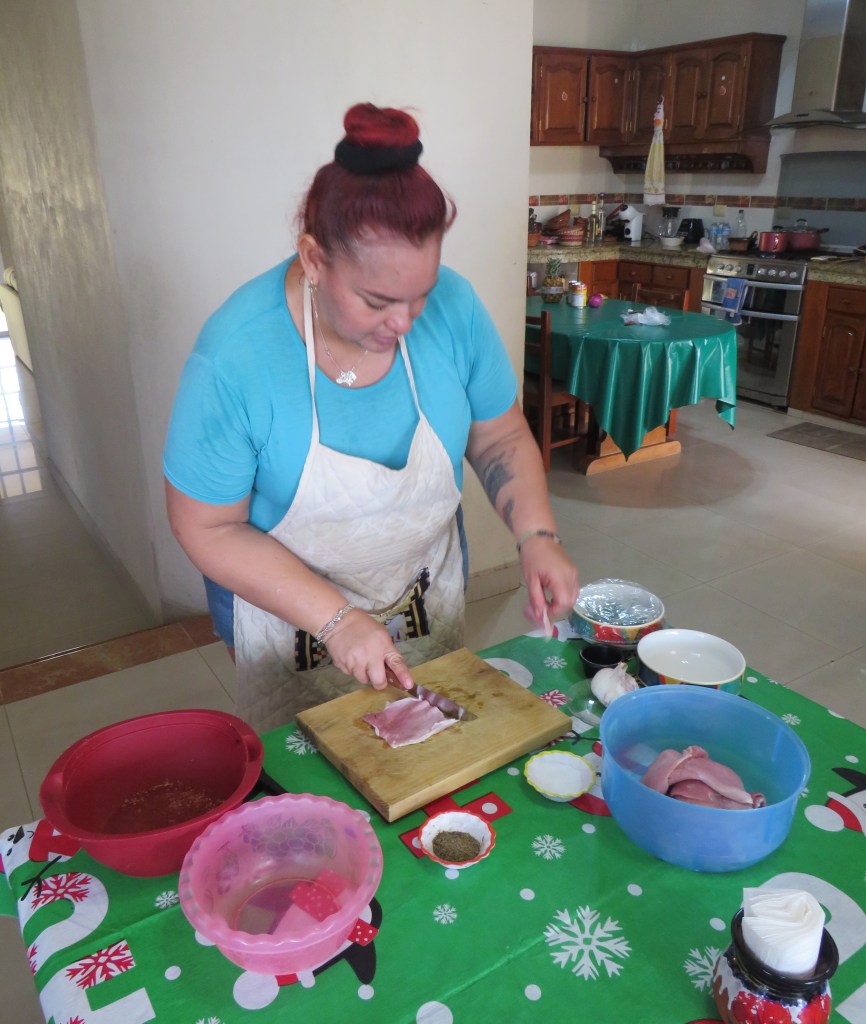
Before making the actual trompitos though, we had to make the red sauce or salsa roja. Tanya hasn’t sent me the actual recipes yet, though I mostly remember how to make it from memory.
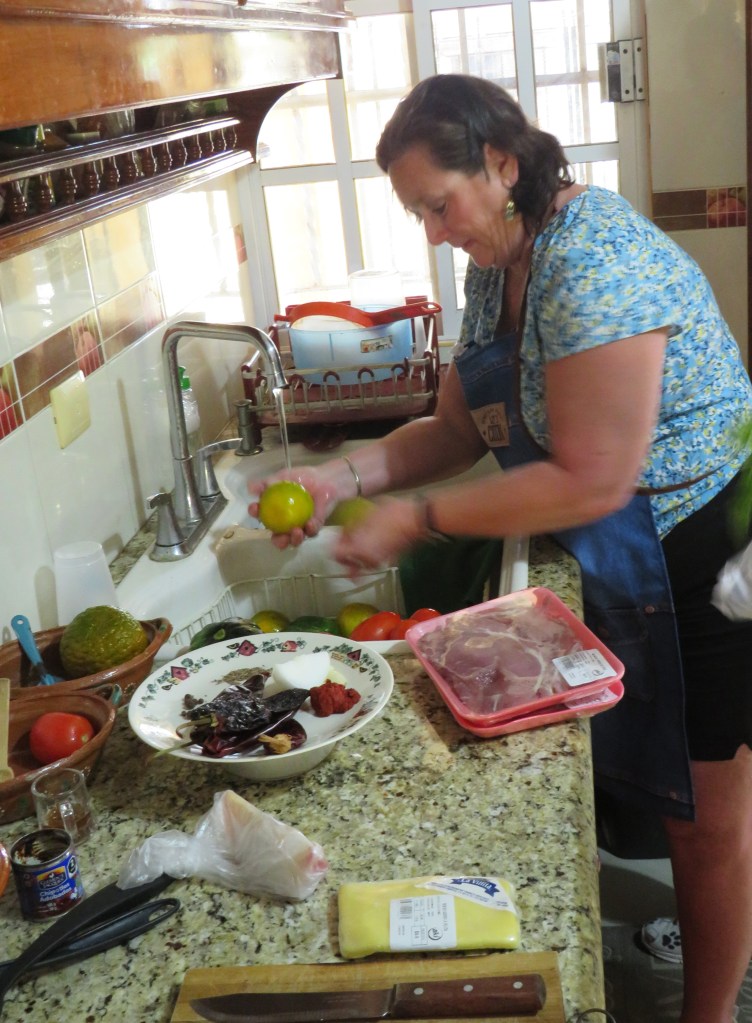
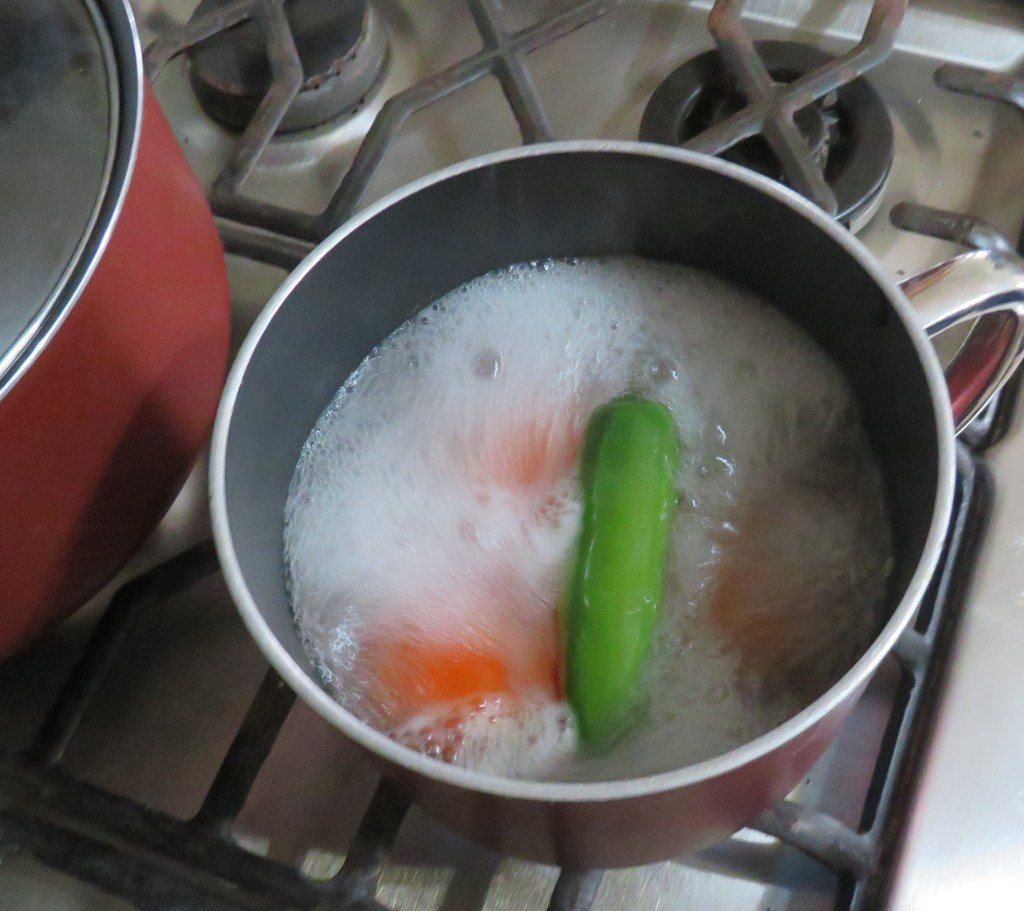
Tanya and I rinsed and cleaned all the vegetables, then put a few tomatoes and a jalapeno in water to boil until softened.
As the tomatoes and jalapeno were boiling, we got everything else prepared for the sauce, such as fresh garlic, peppers, and the seasonings. Once the vegetables were ready, we blended them together and strained the sauce. The sauce was then the marinade for our thin pork slices.
We let the pork marinate for about 30 or so minutes, and while it was marinating we got busy making all the accompanying dishes. I will give you the recipes for those later. We made pico de gallo Pico de Gallo, guacamole Holy Guacamole, Mexican style sauteed squash and frijoles charros for the main meal. Then some grilled plantanos or bananas with crema for dessert and some cosolitos, or tequila with fresh grapefruit, orange and lime juice as our bebidas to go with our meal. But today, I just focusing on the trompitos.
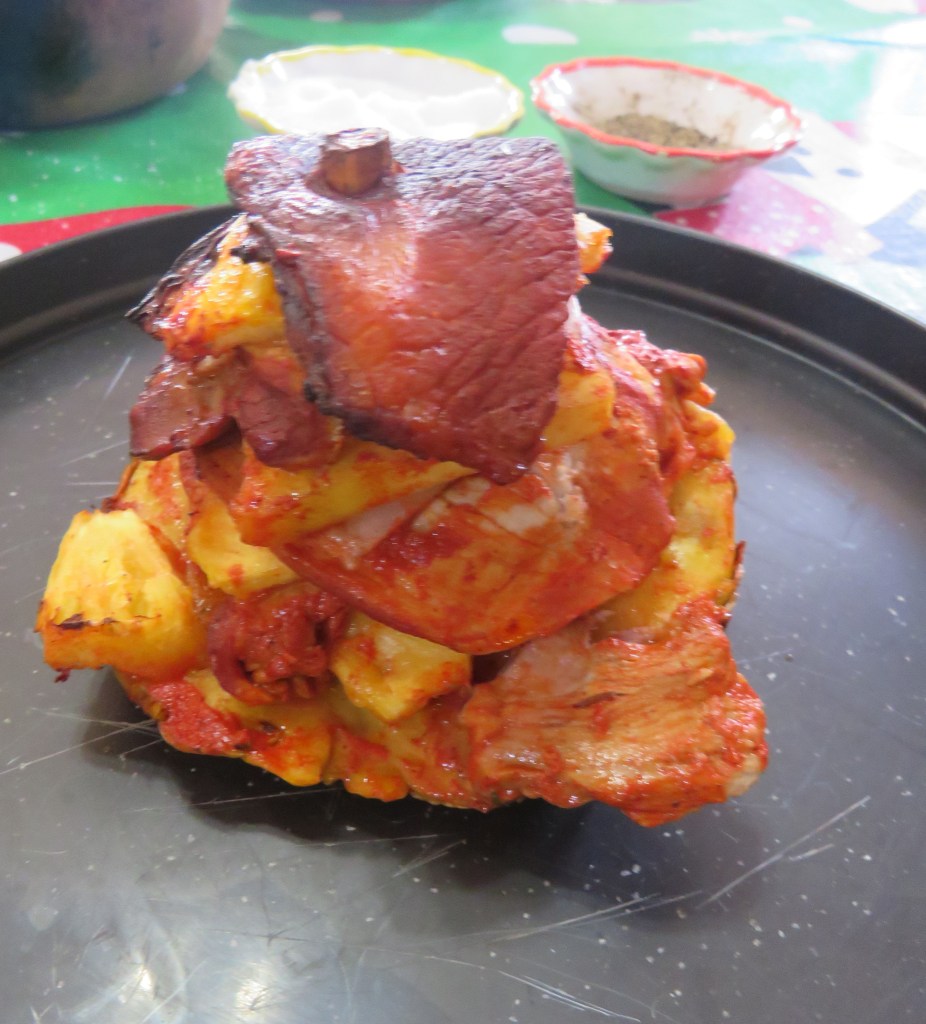
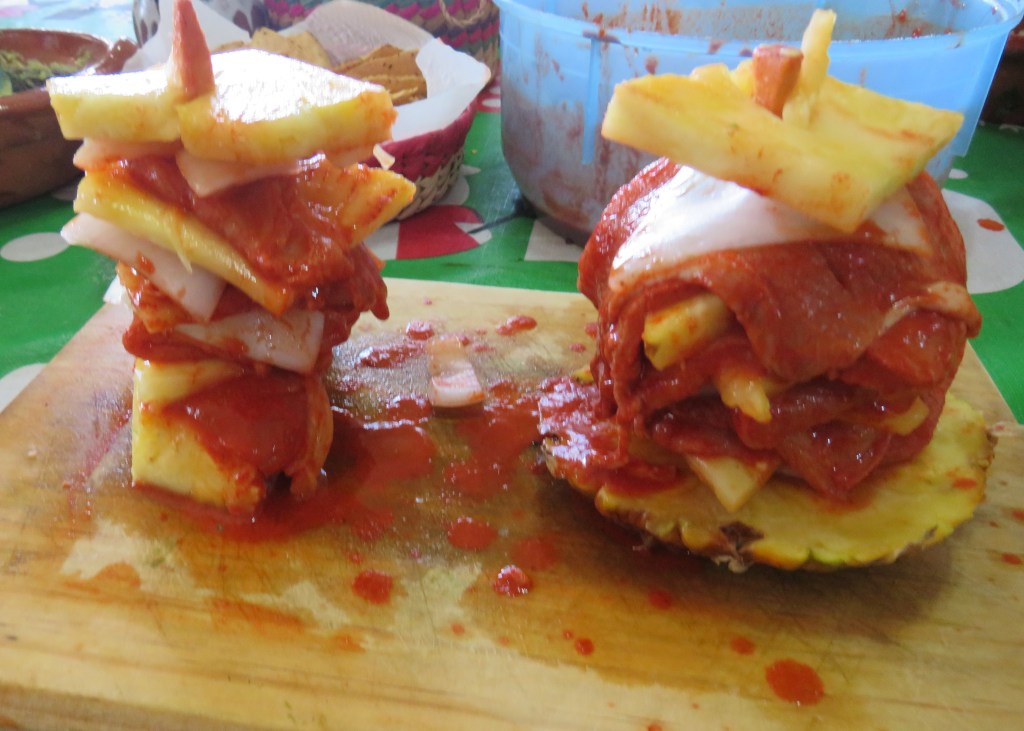
When the meat was ready, we sliced some pineapple and onions, which were used to stack the trompitos. Nothing goes to waste. The pineapple peels were our base. We stuck skewers in the pineapple peels then added a layer of pork, onion and pineapple, and repeated until the skewers were full. Once ready, we put them in the base of the air fryer, added the sauce, more onions and more pineapple and let it all cook for about 30 minutes. If you don’t have an air fryer, no problema. I do not, just roast it in the oven, and that will work too.
Larry was busy cooking too. We put him to work as well.
Tanya was great. She and I clicked right away, and it was like we had been cooking together for years and were old friends or viejas amigas. Everything was excellent o todo fue excellente. Tomorrow, I will give you more of the recipes we made. We had a great time. Even Larry enjoyed himself, though admittedly, he lost interest after awhile and was more interested in the dog and cats. 🙂
This was so much fun, and I highly recommend it to everyone who likes to cook. Que tengas un gran dia y haz que cada dia sea grandioso. ‘Til next time.
We ventured back to another delicious favorite restaurant of ours, La Choza for dinner. Mariachis At La Choza, Mas Comidas de Cozumel – 5 Once again, the food was just as delicious as we remembered it to be. We split dinner and ceviche, and still had leftovers. The good thing though, is that we are eating less. We have gotten into the habit of getting fresh ceviche wherever we can, when in the neighborhood. There are so many different and delicious varieties too.
This time we had a combination seafood ceviche and
fajitas with both pork and beef.
!Delicioso!
Have a great day and make everyday great. Stay safe and stay well. ‘Til next time.
There are not a lot of cruise ships in port on Sundays in Cozumel, so a lot of the businesses are closed, allowing families to spend time together. The rest of the week there can be up to 10 cruise ships in port all at the same time. Of course we were diving in the morning, but after diving, we spent some time at the beach before touring around to take in the sights.
Relaxing at Palancar Beach.
Cozumel is a small island, so it doesn’t take long to take in the sights for the whole island in one day. We started up north and worked our way south and around.
The north and south parts of the island are completely different.
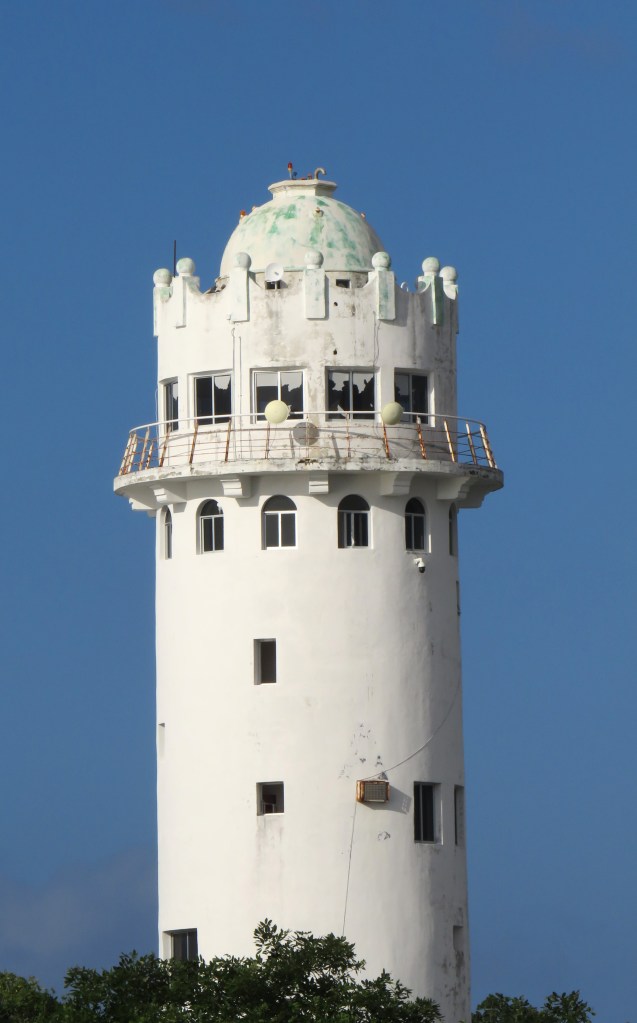
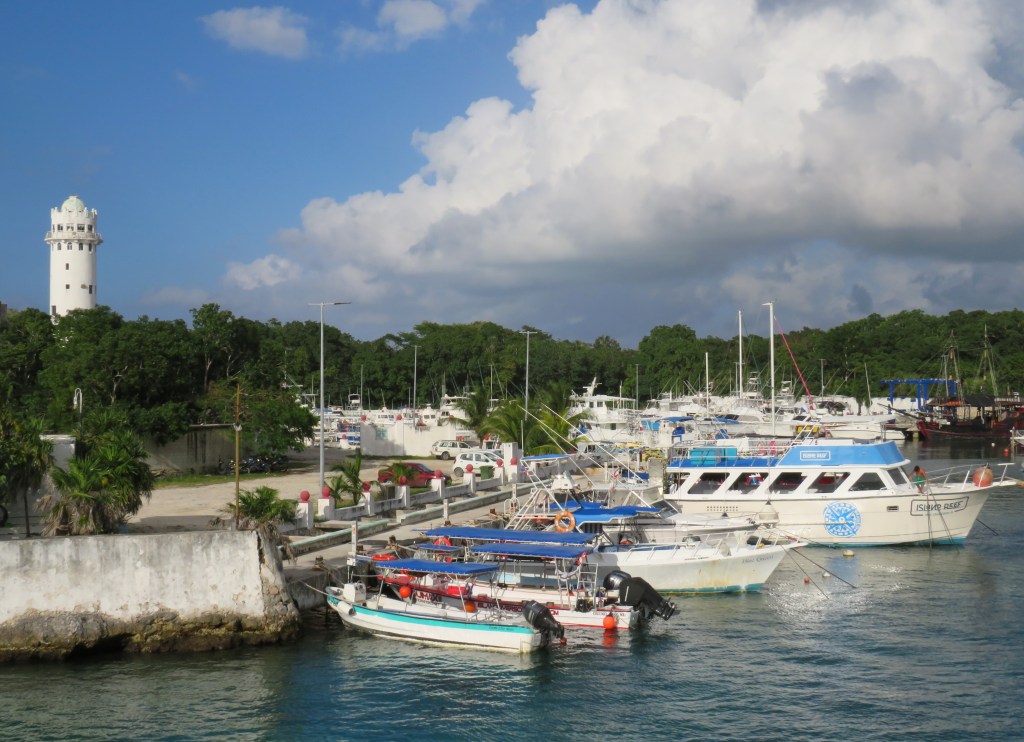
The lighthouse and marina up north for larger boats.
A little church up north.
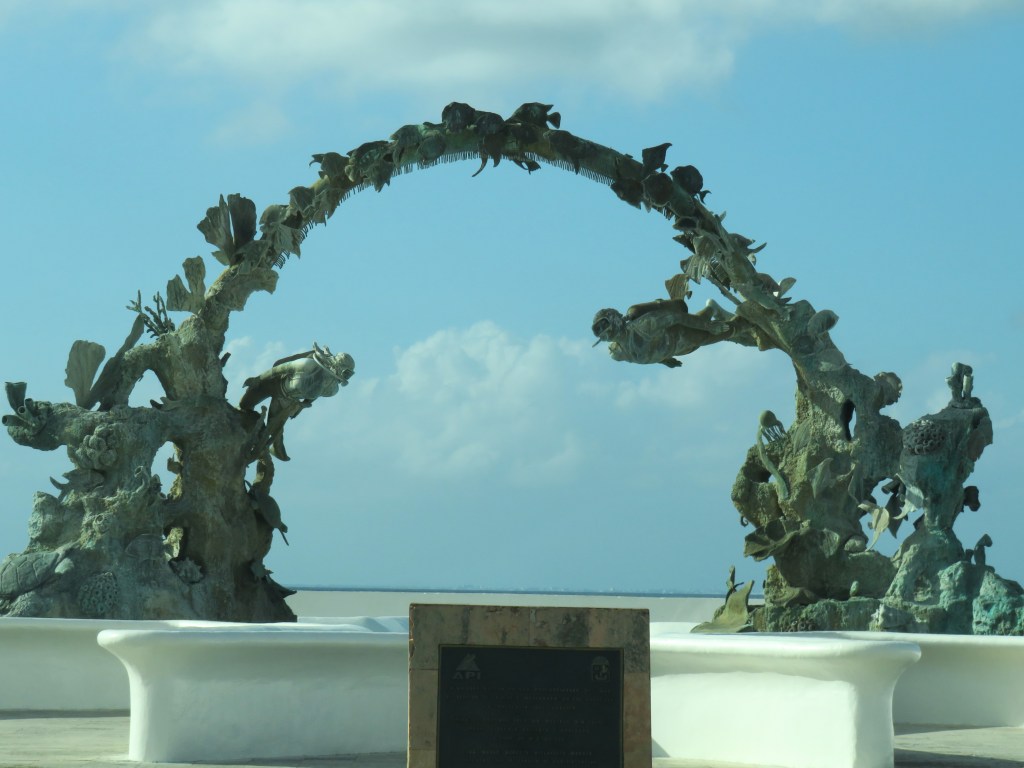
One of my absolute favorite statues. It’s a dedication to scuba divers and the abundant marine life in Cozumel. There are all kinds of fun, colorful statues all over the island.
The ferry terminal, with ferries coming in from Playa del Carmen.
The main part of town, in San Miguel.
This is supposed to represent the corals.
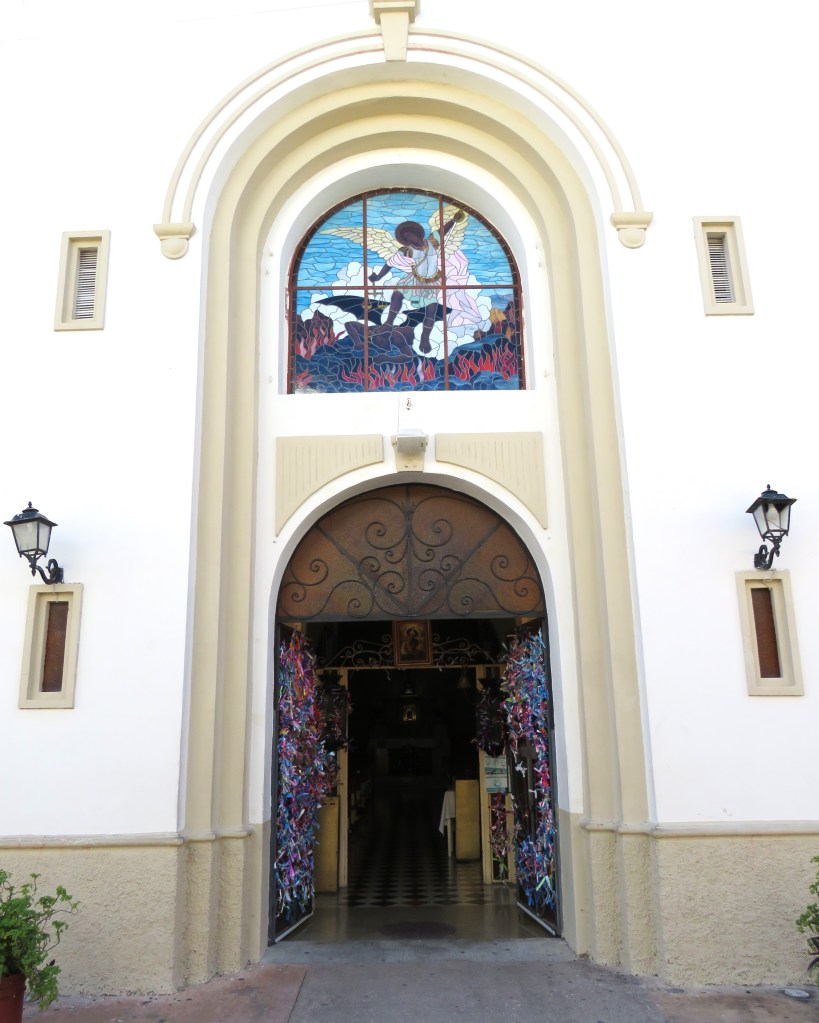
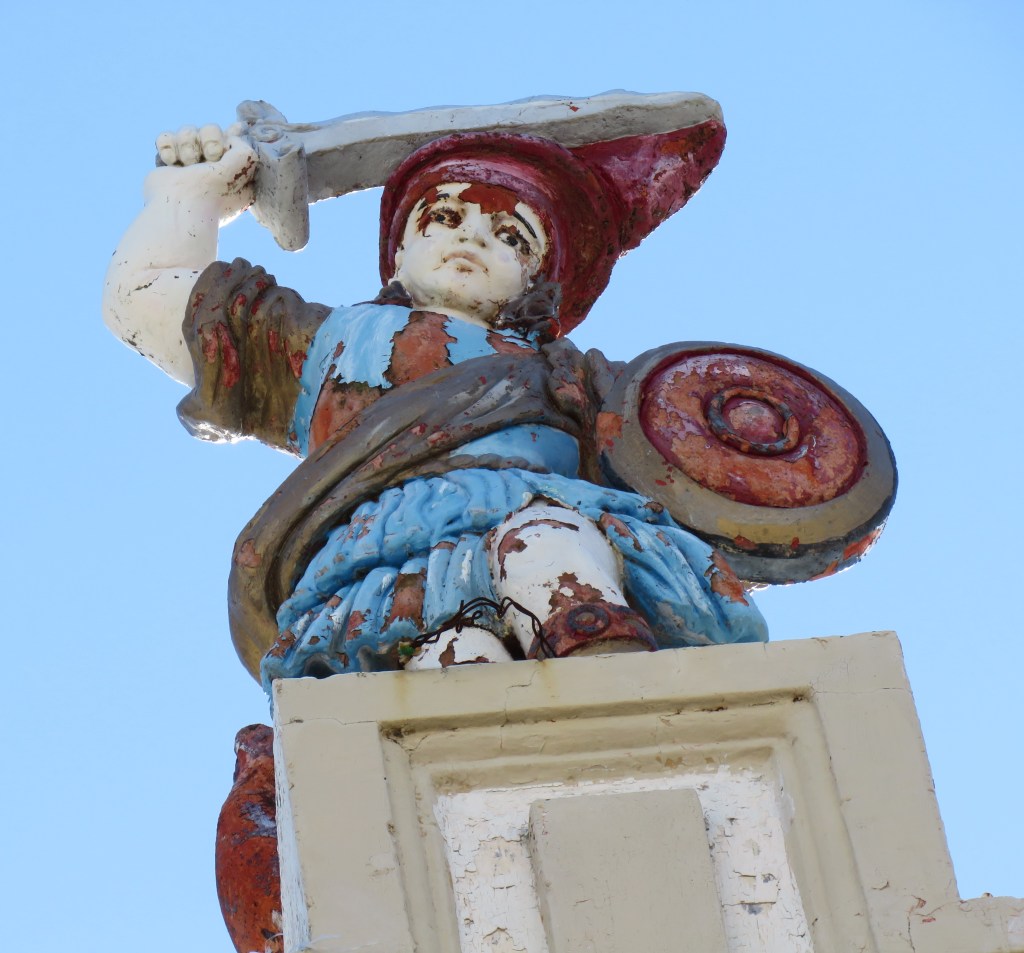
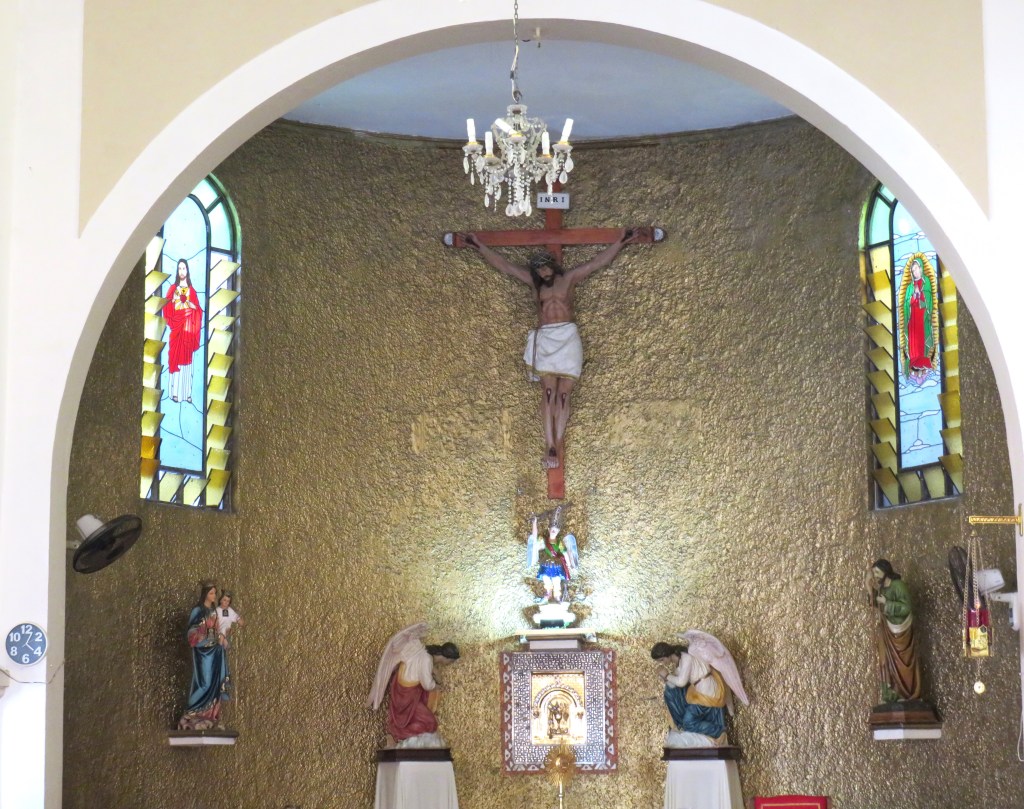
A cute little church in town. Church and religion are very important to everyone in Cozumel. There are many religious options, but the predominant religion is by large the Catholic religion.
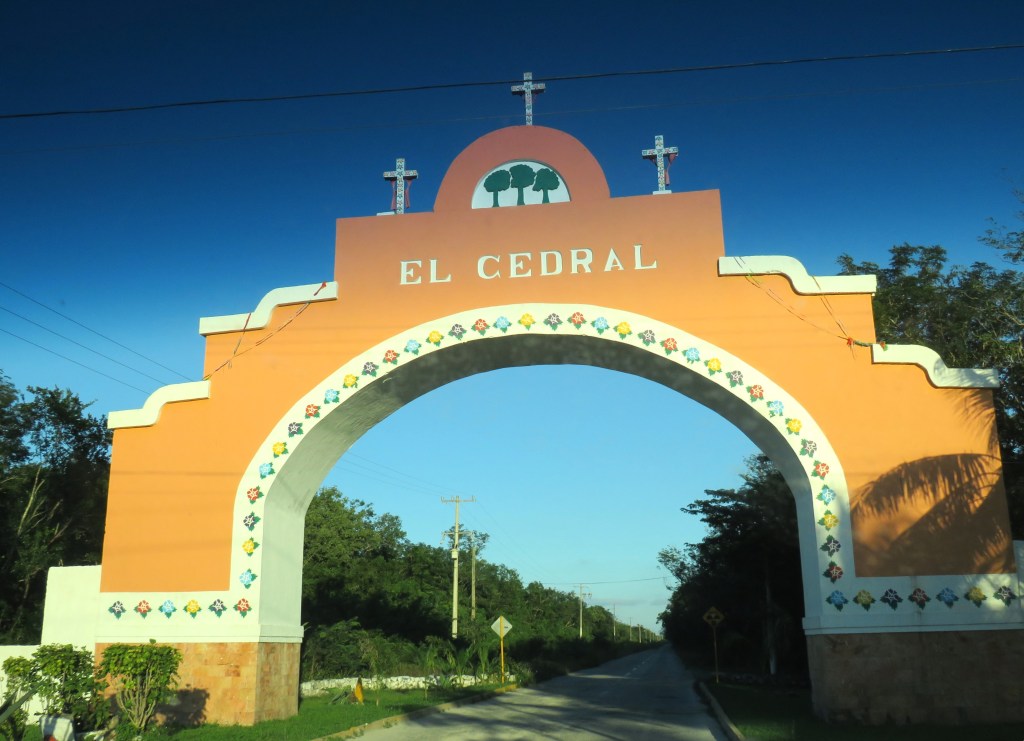
El Cedral is kind of in the central part of the island. It is mostly agricultural there.
We had a friendly family of pigs run out to the car to greet us.
The little piglets were so darn cute.
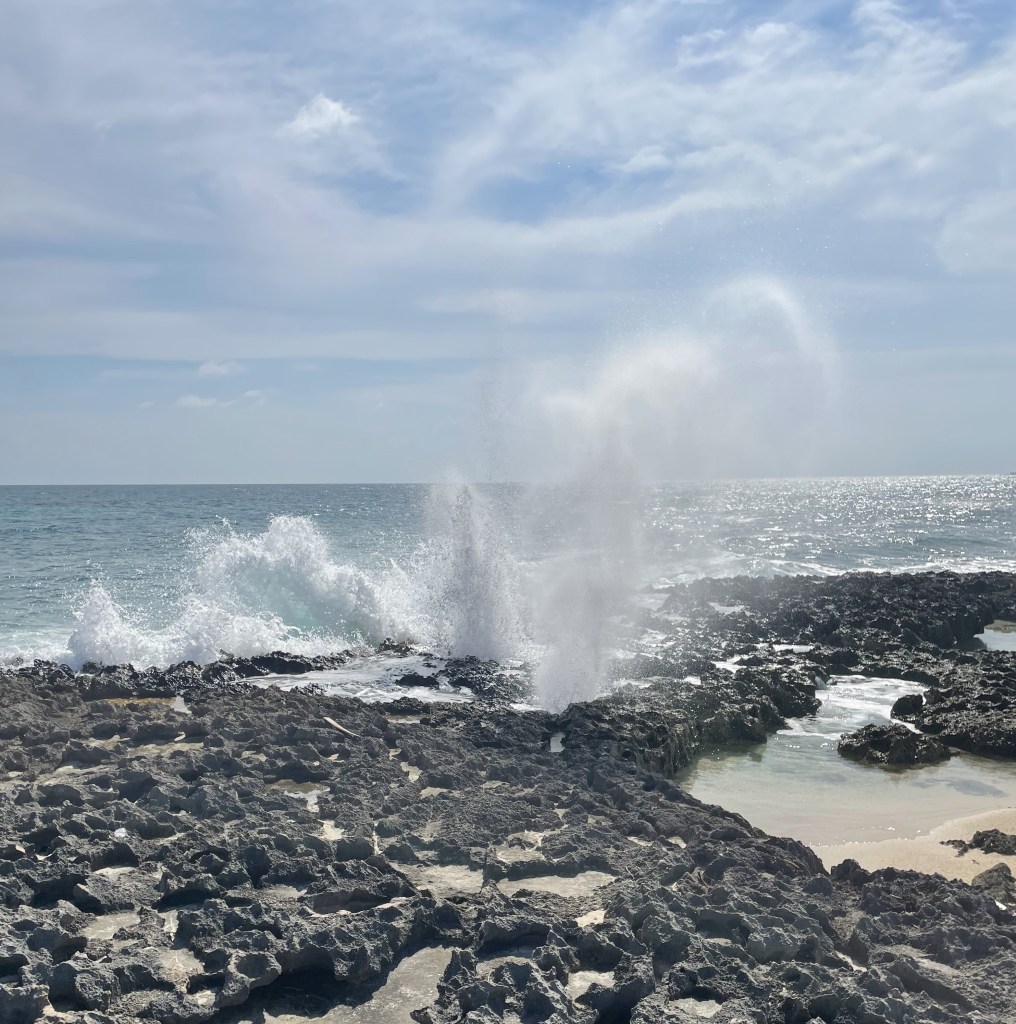
We drove down south to Punta Sur. We’ve been many, many times, but it is always so beautiful to see. It’s wild and untamed territory for the most part. The waters are rough but beautiful. If you can get to the beaches, they are the same.
After making the loop around the island, we came back up to where we were staying and it was time for dinner. We were actually staying in the heart of town this time. Usually we stay away from the action, down south. I will NEVER stay in town again though. It was so loud and noisy, particularly at night. I like my peace and quiet.
Before dinner though, we stopped to enjoy the gorgeous sunset.
I refuse to cook on vacation, for many reasons, but one of the main reasons is I want to try the local foods of where we are. Some of the restaurants we went to were old, familiar places to us, where we have dined before, and others we new to us. Our fist meal on Cozumel was back to one of our favorite places, Colores y Sabores, a restaurant the specializes in Mayan and Yucatan dishes. Mas Comidas de Cozumel – 3
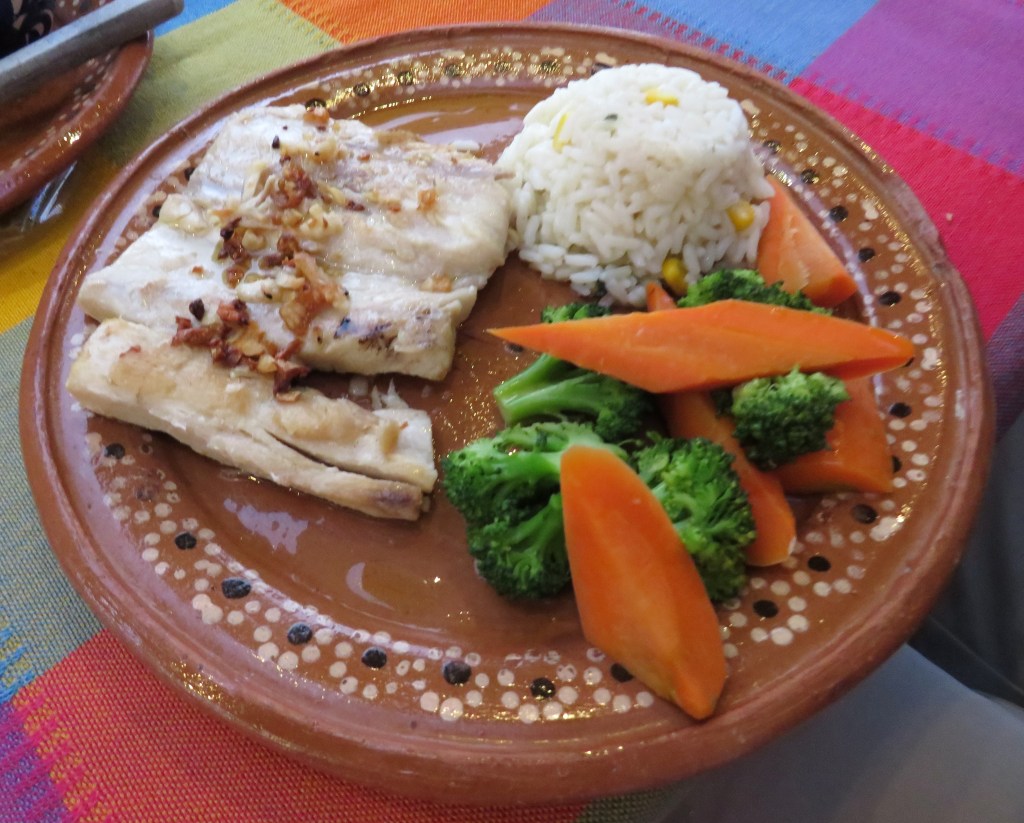
When surrounded by the sea, we tend to eat as much fresh seafood as we can. Larry ordered the grouper cooked in a delicious garlic sauce, con arroz y verduras, or rice and vegetables.
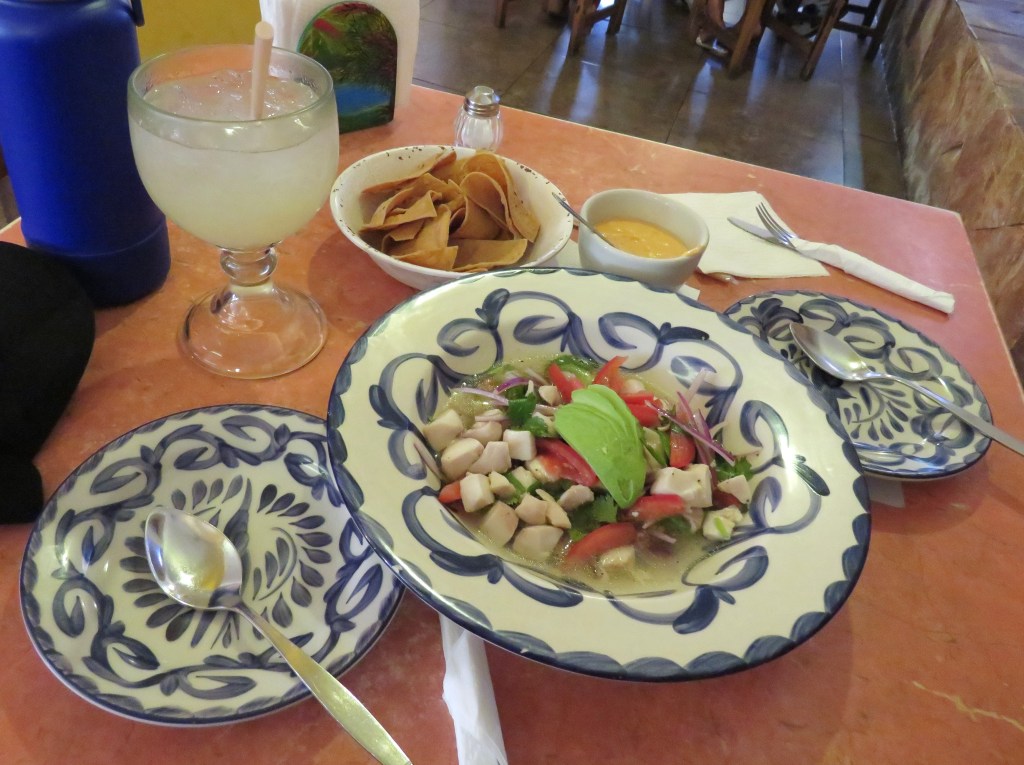
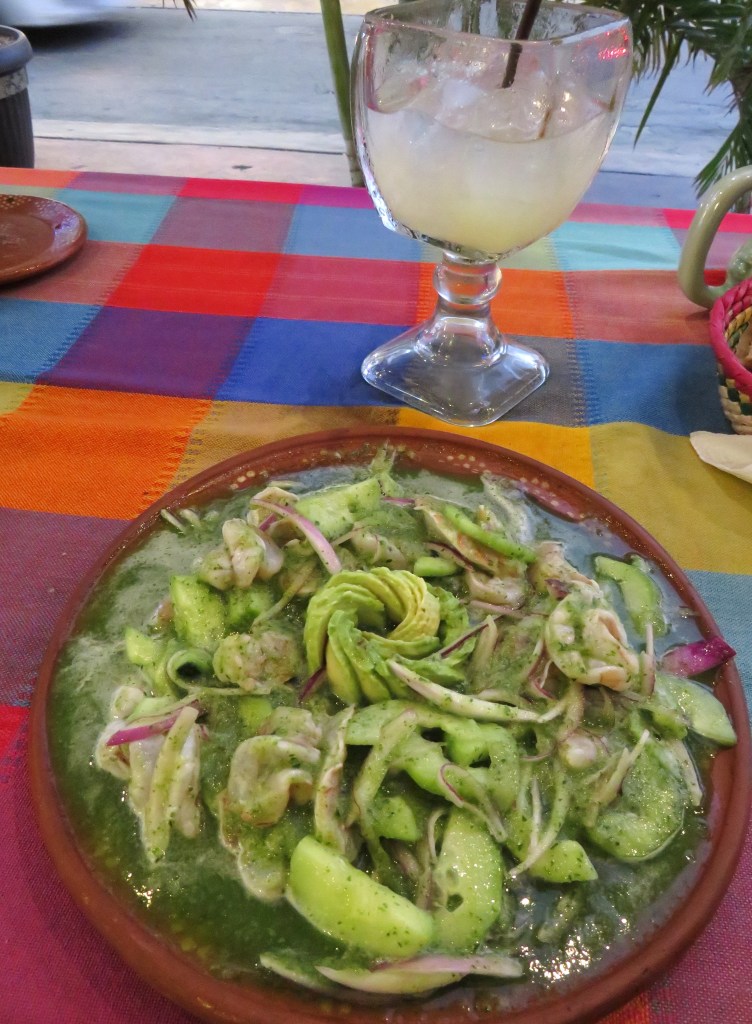
I ordered a lime and shrimp dish, that was very similar to ceviche. And of course we had to have margaritas as well. There was NO way we ate everything, and this was one of the first of many dishes we took back to our hotel to eat again later.
Everything lived up to our expectations and to our memories of before. Los todos estan mui rico. Everything was delicious.
We have been diving in Cozumel for at least 15 years. We dive all over the world, and hands down, in our humble opinions, Cozumel has the best diving in the world (that we’ve done). Why? Well, most of the island is a protected marine park, so there is lots and lots of large marine life to see and the underwater topography is amazing. And the reefs are very healthy and full of life. Where else can you do so many swim throughs in under water canyons and see so much marine life?
Cozumel is famous for its crystal-clear, warm turquoise waters, white sand beaches, and world-class snorkeling and diving at the Mesoamerican Barrier Reef, the second-largest coral reef system in the world, second to the Great Barrier Reef in Northern Australia (we’ve dived there too). Diving is one of the main attractions for visitors and diving was the main reason we were headed back to Cozumel yet again too. And diving for my birthday, well that’s just the icing on the cake. And dive we did. We we sure had some amazing dives too. 🙂
The Caleta is the marina where all the smaller fishing and dive boats are. It is on the southern part of the island. It is always our home away from home when in Cozumel. There is another marina up on the northern part of the island for larger boats.
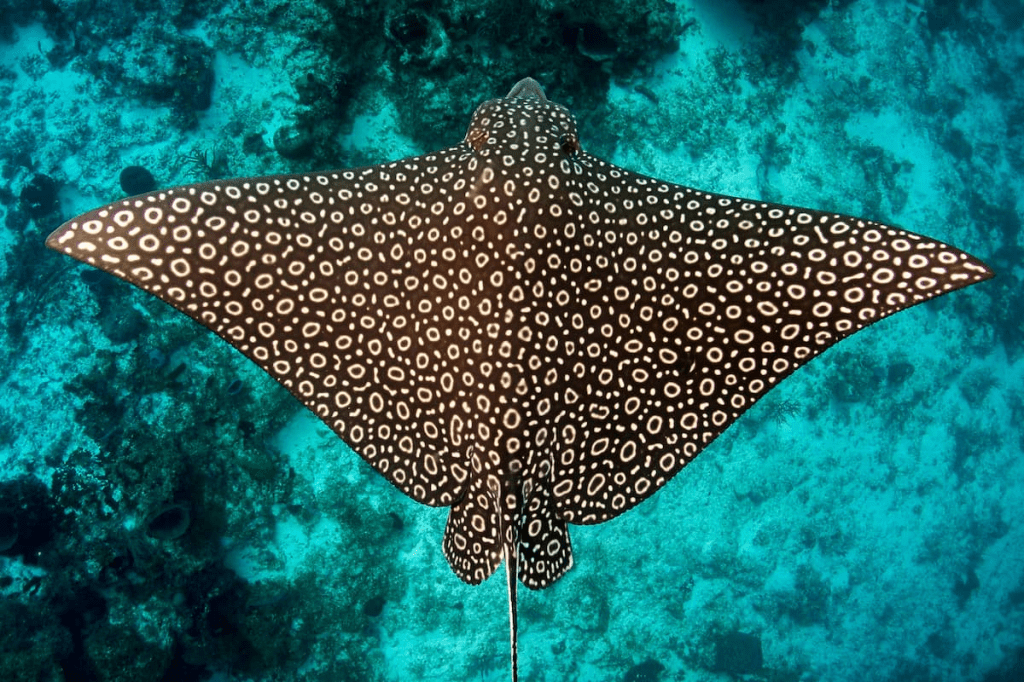
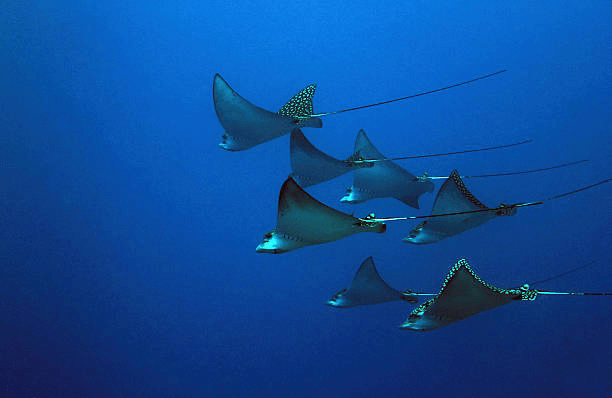
We had one dive up on the northern part of the island, up at Cantrell, where we had an amazing eagle ray show, with 19 eagle rays showing up and just hanging out with us for about 5 minutes. We were elated to say the least. The current was very strong, and we didn’t want to miss a thing, so we found some big, strong rocks to cling to and just watched the show. I am trying to figure out how to show you the videos, but for now, you will just have to live with photos I take off the internet.
This is EXACTLY what we saw, only there were even more of the rays. It was definitely a sight to behold. I have 428 dives, and this was by far one of, if not THE BEST, dive ever.
Mexico, as a whole, has a rich and diverse culture, with many influences, though predominantly Spanish, Mayan and Aztec, depending on where you go. But Cozumel is most definitely influenced by the Mayan culture.
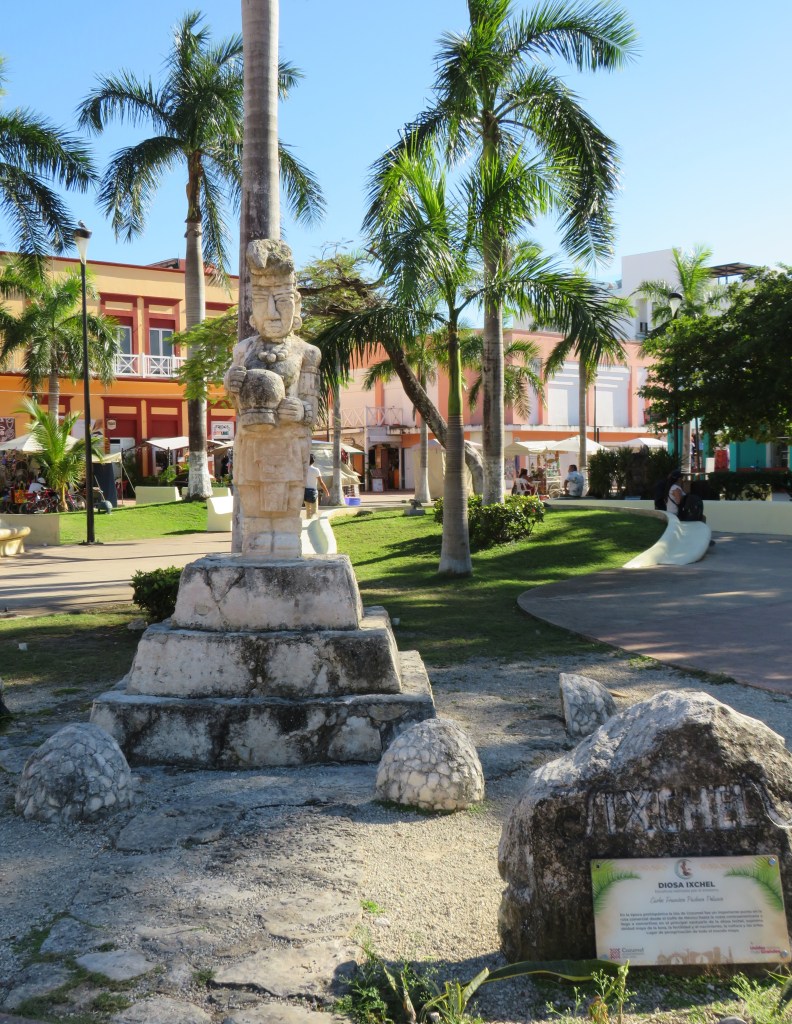
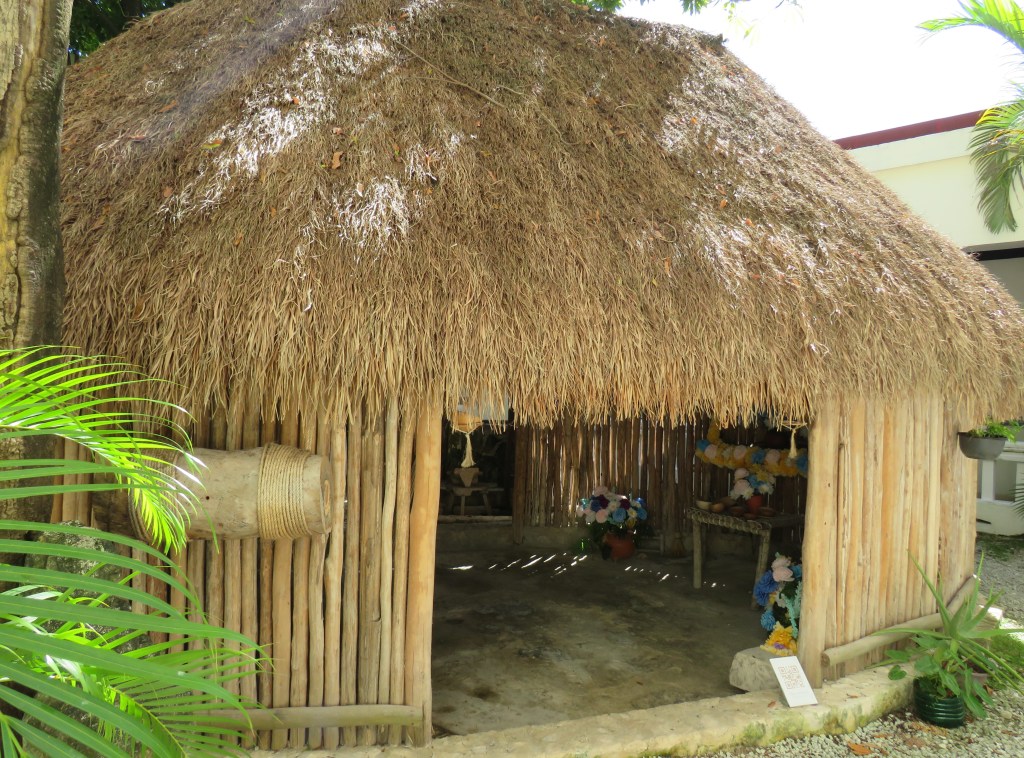
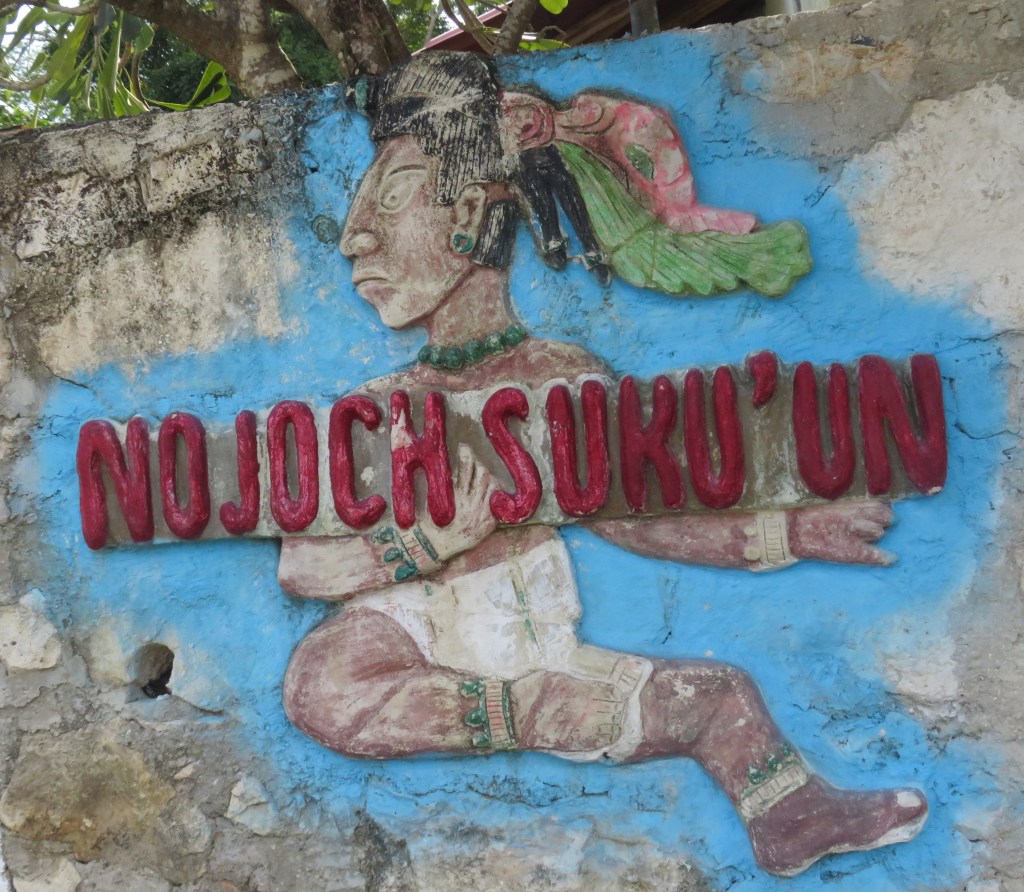
Cozumel, like so much of the Mexican Riviera and the Yucatan Peninsula, is very proud of their Mayan culture. It is evident in everything from their art, to their architecture, to their food. There is even a Mayan ruin site on the island, San Gervasio. We have been a few times in the past, but we did not go this time. San Gervasio is one of the only Mayan sites dedicated to the goddess, and all things feminine. There are Mayan replicas all over the island.
In the mornings, we would dive, and after diving, and showering and changing, we would do a wide variety of different activities. One of the places we visited was the Museo de la Isla de Cozumel. By going to the museum, we discovered new things to do as well on other days.
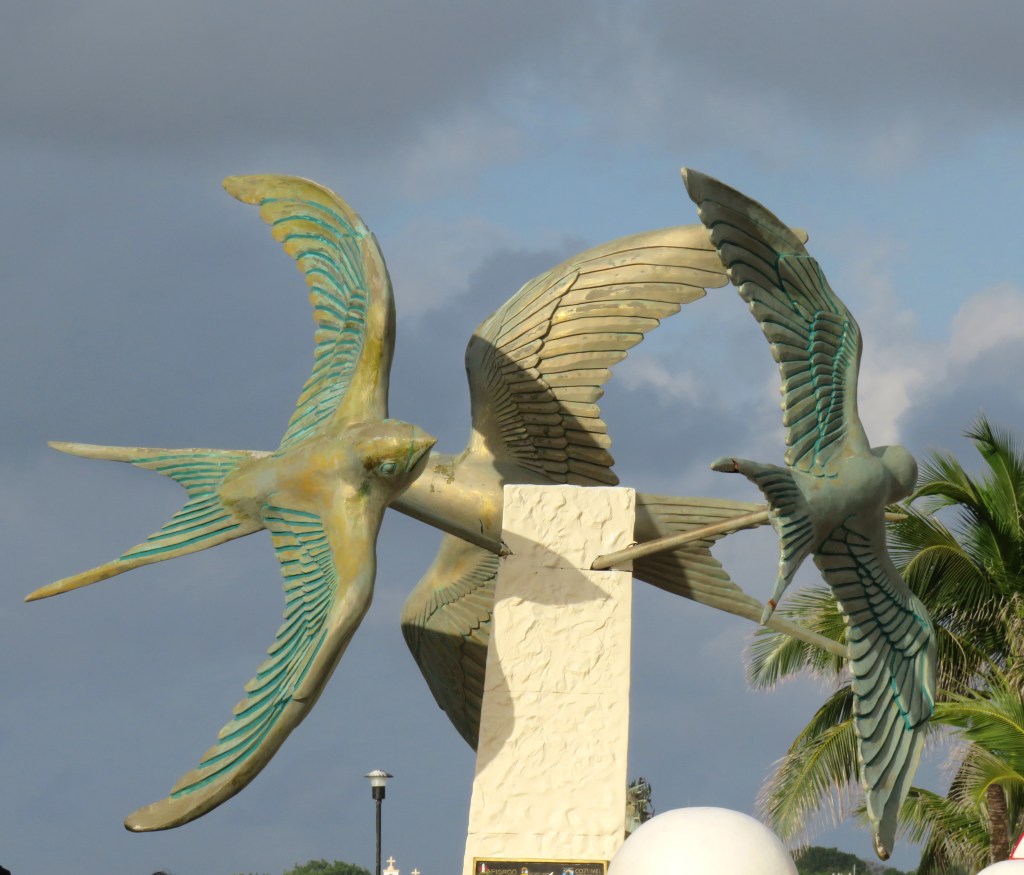
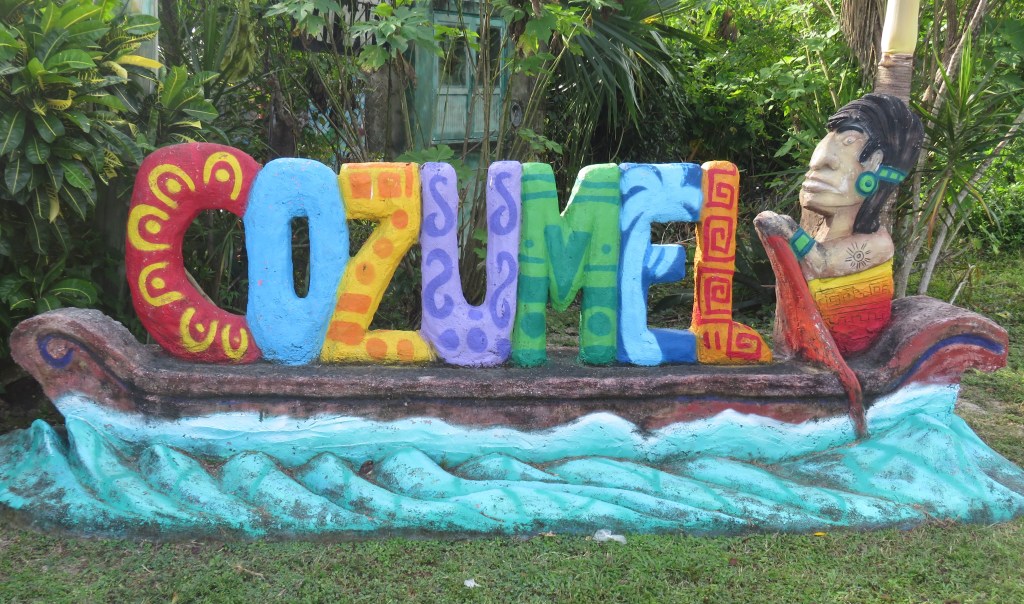
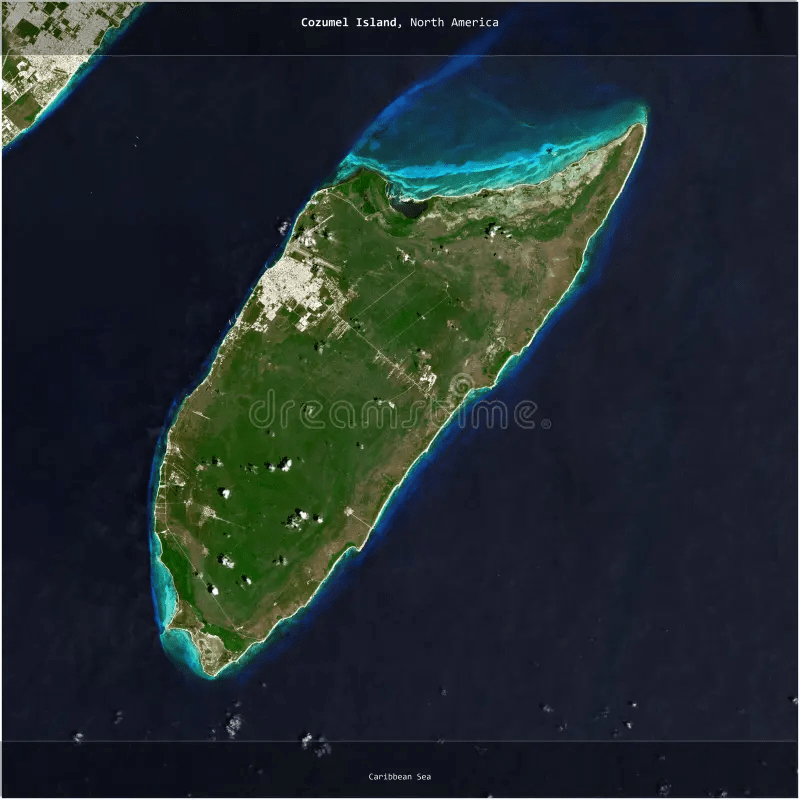
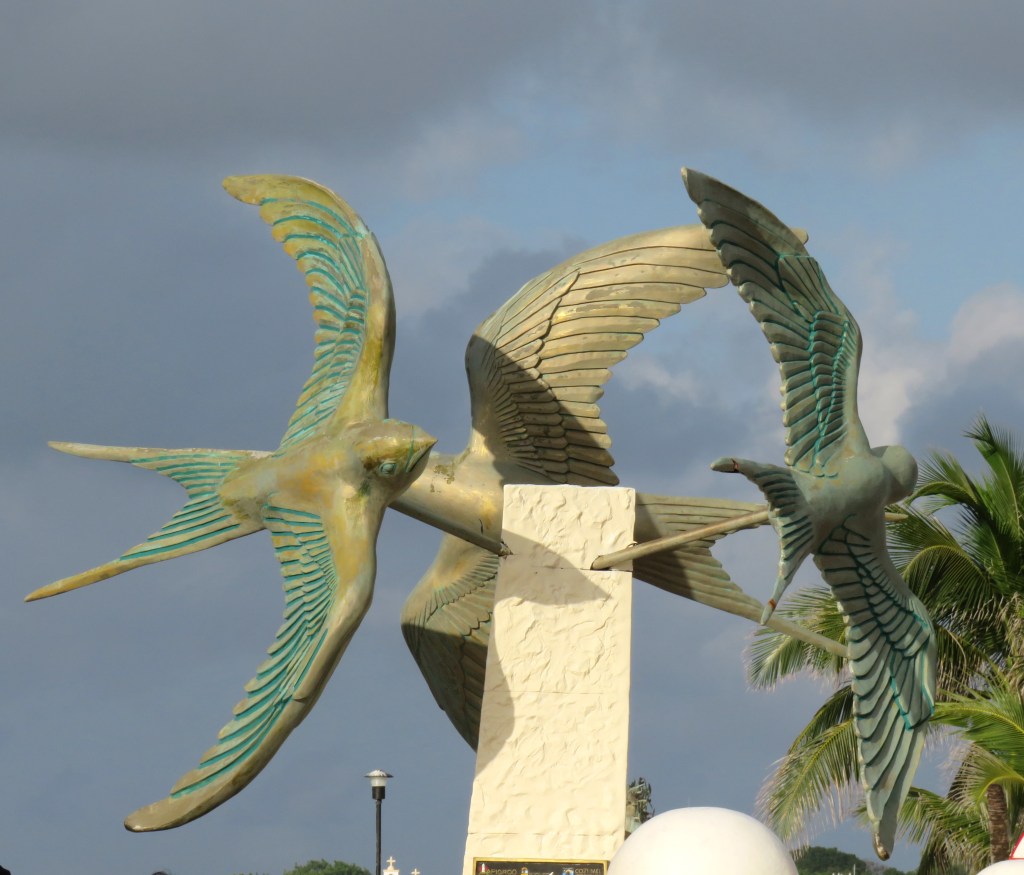
Cozumel is an island and municipality in the Caribbean Sea off the eastern coast of Mexico’s Yucatán Peninsula, opposite Playa del Carmen. Cozumel, a mostly undeveloped Mexican island in the Caribbean Sea. Most of the island is still covered in thick jungle territory, and is therefore still wild and untamed. The name Cozumel, roughly translates to the swallow’s nest. There are swallow references all over the island too.
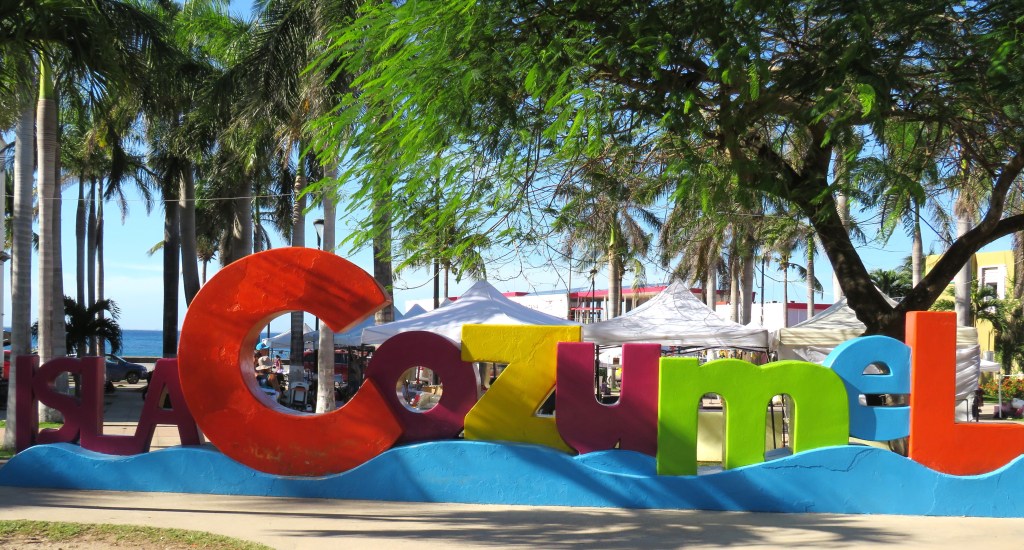
This is the iconic statue right by the ferry terminal.
Swallows are even imprinted into the cement on the sidewalks and walkways.
This is just a brief overview of our home away from home. Get ready. I have so much more to share with you. 🙂
Have a great day and make everyday great. Stay safe and stay well. ‘Til next time.
We’re back home again. We returned home around midnight on Saturday night. As usual when we go on vacation, I always have at least a couple of days worth of catching up to do to get back into my normal routine. I just finished editing all our pictures, (and of course I took a ton of pictures) and have already done all the laundry. Soon, I will once again be back in the kitchen, cooking up a storm. I have lots and lots of fun adventures from Cozumel to share with you too.
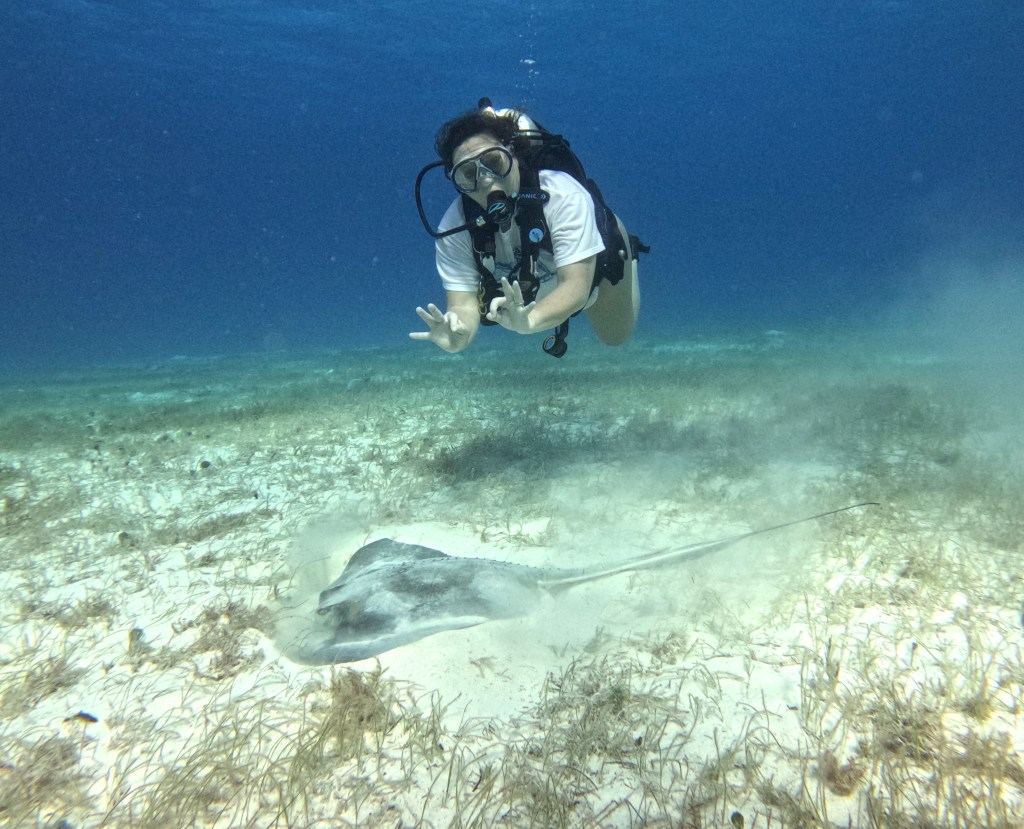
Of course we were there to DIVE, DIVE, DIVE and that we did. We had some amazing dives too. The only pictures I get from our diving adventures are those shared by others since we do not have an underwater camera at the moment (again). But I do have this fun one of me making friends with a Southern stingray.
DCIM\100GOPRO\GP010480.JPG
Have a great day and make everyday great. Stay safe and stay well. ‘Til next time.


























































 A Jeanne in the Kitchen