I have created this site to help people have fun in the kitchen. I write about enjoying life both in and out of my kitchen. Life is short! Make the most of it and enjoy!
Mallards by far are the most prevalent ducks we have on our lakes. Don’t get me wrong, I love my Mallards, and I think they are beautiful, and I love seeing them. But they are “ordinary” to me, because I see them so often.
The ones who stand out the most to me are the “extraordinary”. We all need to stand out and shine for who we are. We need to be unique and true to ourselves. So, in a lake filled with Mallards, be a Ringneck,
or a Common Goldeneye,
or a Hooded Merganser,
or better yet, be bold and really let everyone know who you are, and be a Wood Duck.
But whoever you are, just always be yourself. Let your own natural beauty shine through everything you do.
Eggs are one of the most universal and nutritious foods on the planet. Everyone eats eggs. Every culture around the world has been eating eggs since the beginning of time. If there are birds, there will be eggs. At first people were eating eggs from wild birds, in the Neolithic times, and then they started cultivating the birds and collecting their eggs.
Basically we eat eggs from all kinds of birds, from wild birds, to ducks, geese, quail, ostrich and domesticated chickens and everything in between. Eggs are very versatile and nutritious. They are loaded with protein and many other nutrients. Eggs provide protein, fat, and important vitamins while being relatively low in calories. Eating eggs as part of an overall nutrient-rich eating plan can support your overall health, including your cardiovascular system and eyes. Eggs are pretty much the perfect food. They contain a little bit of almost every nutrient you need. They are only 78 calories, and contain 6 grams of protein and only 5 grams of fat per egg. They are full of vitamins and minerals to, such as: Vitamin A – providing 8% of daily needs; Folate, with 6%; B5 or Pantothenic Acid, with 14%; B12, with 20% Phosphorus with 7%; Selenium with 28% of our daily needs, as well as Vitamins D, E, B6, Calcium and Zinc. Bottom line, you can’t go wrong when eating eggs.
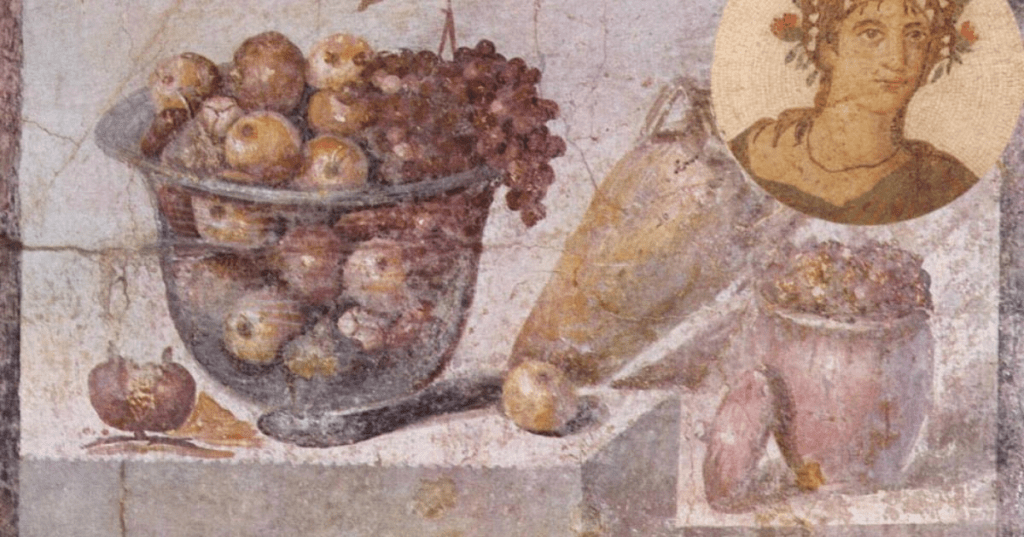
Many of the ways we eat eggs today were introduced to us by the Ancient Romans, such as making tarts, baking, and eating eggs poached or in omelettes. The first recorded recipe for baked custard was from Marcus Gavius Apicus, who was a 1st century gourmet.
Aside from being some of the oldest and most nutritious foods around, eggs also have had many different cultural and religious significances as well. In many different Christian cultures, eggs have been a symbol of Christ’s resurrection and eternal life. Early Christians in the Middle East dyed eggs red to commemorate Christ’s crucifixion. Jewish people have always eaten eggs at Passover. A hard-boiled egg is a symbolic food during Passover, representing the cycle of life. A roasted egg on the Seder plate symbolizes sacrifice and mourning. Eating eggs was later adopted by the Christians as a symbol for Easter. It is believed that the tradition of selling eggs by the dozen came from the British during the Elizabethan times, again drawing from Christian beliefs, that they were representative of the 12 disciples of Christ. The Chinese believe the “century egg” is a preserved delicacy that symbolizes fertility, birth, and new beginnings. They have been painted bright colors from the Pagans and many other cultures, as a sign of the upcoming spring and fertility. They were hung in ancient Egyptian temples in the belief they would encourage fertility.
Most countries around the world do not refrigerate their eggs. They are left at room temperature. Various countries in Europe vaccinate chickens against salmonella beforehand. In addition, eggs are not washed like they are in the United States, so the cuticle is left on the shell. As a result, eggs can be stored at room temperature instead of needing to be refrigerated.
Eggs are still considered to “fresh” for about 60 days. But if you are poaching them or frying them, they are best when “super fresh” at about 1-7 days. After their 60-day period of freshness, the white part of the albumen starts to break down. But how do we know if they are still fresh, other than relying on the dates printed on the cartons? Place the eggs in a bowl of cool water and you will soon have your answer. If they stay on the bottom, they are still fresh. If they float to the top, they most likely are older and past their “expiration date”.
And to close us off, here are some fun old wives’ tales about eggs.
An egg laid on Good Friday, thrown on the fire, would extinguish the fire.
Don’t eat bluebirds’ eggs: they will make you love to wander.
Don’t eat mockingbirds’ eggs: they will make you tell everything you know.
If you eat a dove’s egg, you will get bad luck.
So now you know. I hoped you enjoyed your egg lesson for the day. I learned some new things. I hope you did too. 🙂
Have a great day and make everyday great. Stay safe and stay well.
We leave tomorrow, early, early in the morning. I will be back in Cozumel, diving, diving, and diving. So I will be off the grid and underwater for the next week. But have no fear, I will be back before you know it, and before you really even get a chance to miss me. 🙂 ‘Til next time.
Before seeing my beautiful big Blue Heron, Nature Walks – A Winter Heron, I saw a few Northern Flickers working the trees. Some were pecking away at the tree trunks, while others were just posing for the camera, and others were playing hide and seek in the leaves. I never tire of seeing them, no matter what they are up to.
Life is always an adventure. That’s what makes it so interesting. You just never know what you are going to find. Have a great day and make everyday great. Stay safe and stay well. ‘Til next time.
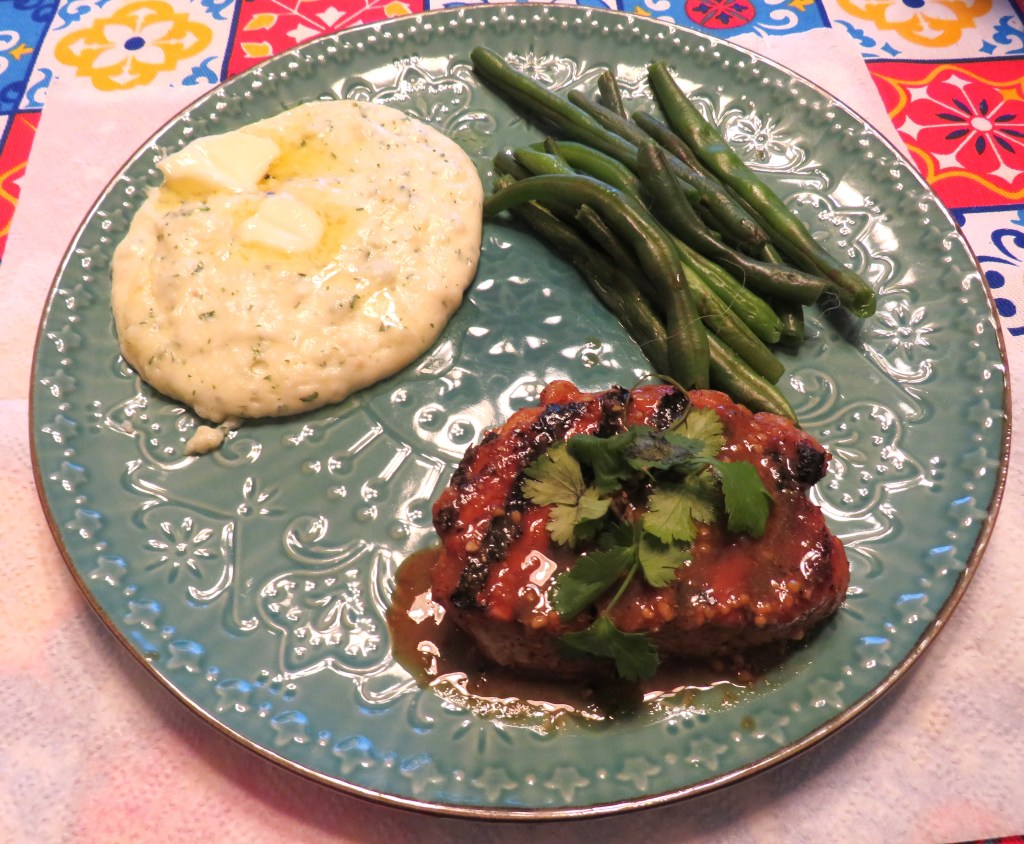
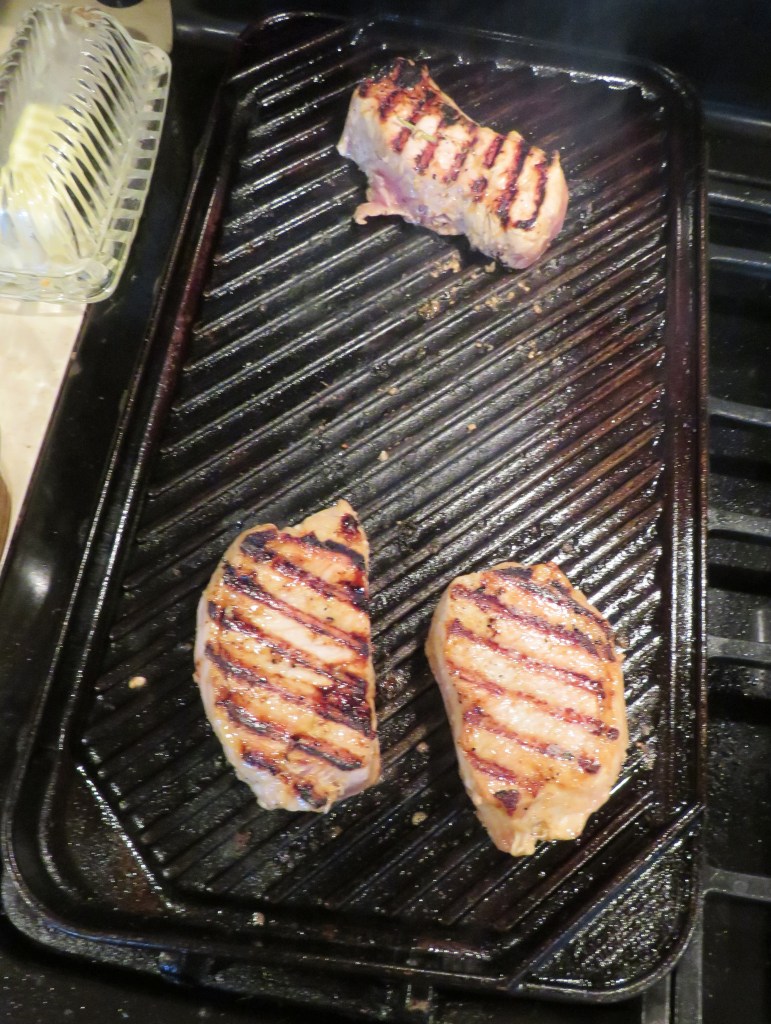
We are headed back to the warm, tropical climate of Cozumel in just a couple of days. I guess in some ways, I have already checked out from our cold, snow blanketed area and am already basking in the warm sunshine, at least on some levels. I certainly have been in a tropical state of mind in the kitchen, if nothing else. To help get me ready for the tropics, I made some tropical pork chops. I served them with mashed potatoes and green beans.
Tropical Pork Chops
They were super easy and super tasty. The secret is in the sauce. 🙂
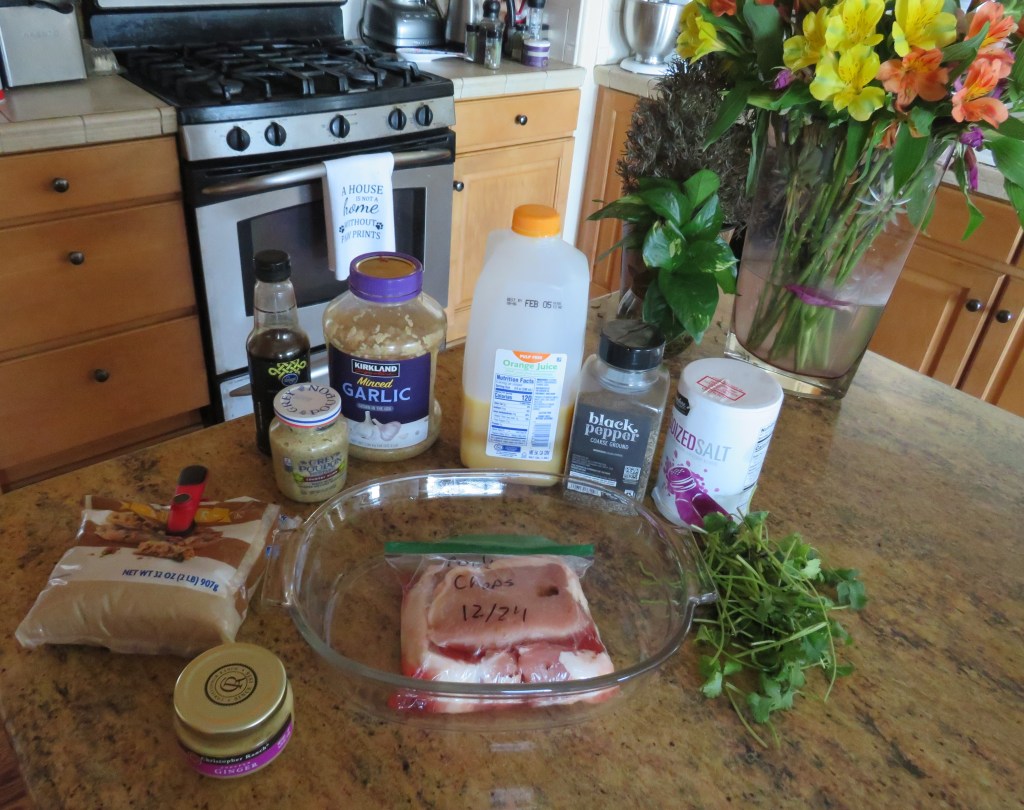
1 1/2-2 lbs pork chops
1-1 1/2 cups orange juice
1 TBSP garlic
1 TBSP ginger
1 TBSP Dijon mustard
3 TBSP soy sauce
3 TBSP brown sugar
salt & pepper to taste
cilantro
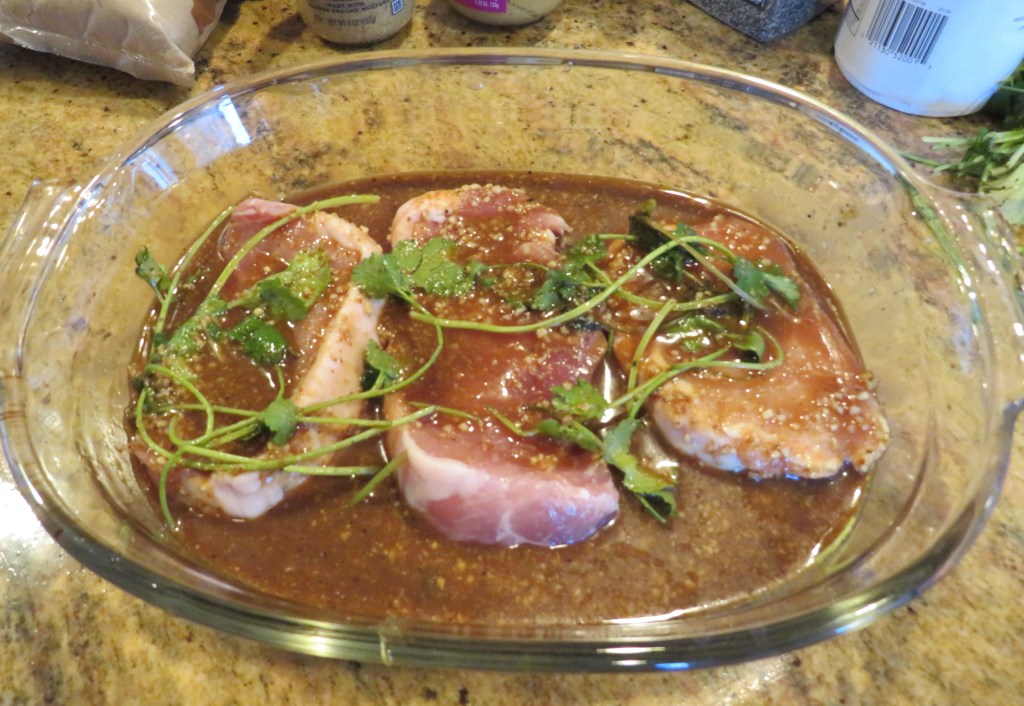
Mix everything together and marinate the pork chops for at least 1-2 hours in the refrigerator before grilling.
When ready to cook, get your grill, or inside grill like I used, nice and hot and cook the pork until it reaches an internal temperature of about 160* F or 74*C.
Let it set and rest for about 5 minutes before serving. While the pork chops are resting, heat the sauce and add about 1 TBSP of cornstarch. Bring to a boil, then reduce the heat to a simmer and cook for about 2 minutes. When it’s ready, spoon it over the pork chops. Serve it with your favorite side dishes and enjoy. If nothing else, you will be in the tropics in your mind and in your heart, without ever leaving the comfort of your own kitchen.
We leave for Cozumel early, early Friday morning. So it’s leftovers for tonight and tomorrow. We need to clean out the fridge as much as we can before we leave. But have no fear, I always have fun things to share. 🙂
Have a great day and make everyday great. Stay safe, stay well and stay warm. ‘Til next time.
I don’t usually see Herons in the winter, but I did today. I saw him land in the tree, and he let me take quite a few great shots of him. Seeing him made my day. He just looked so regal perched up high in he tree.
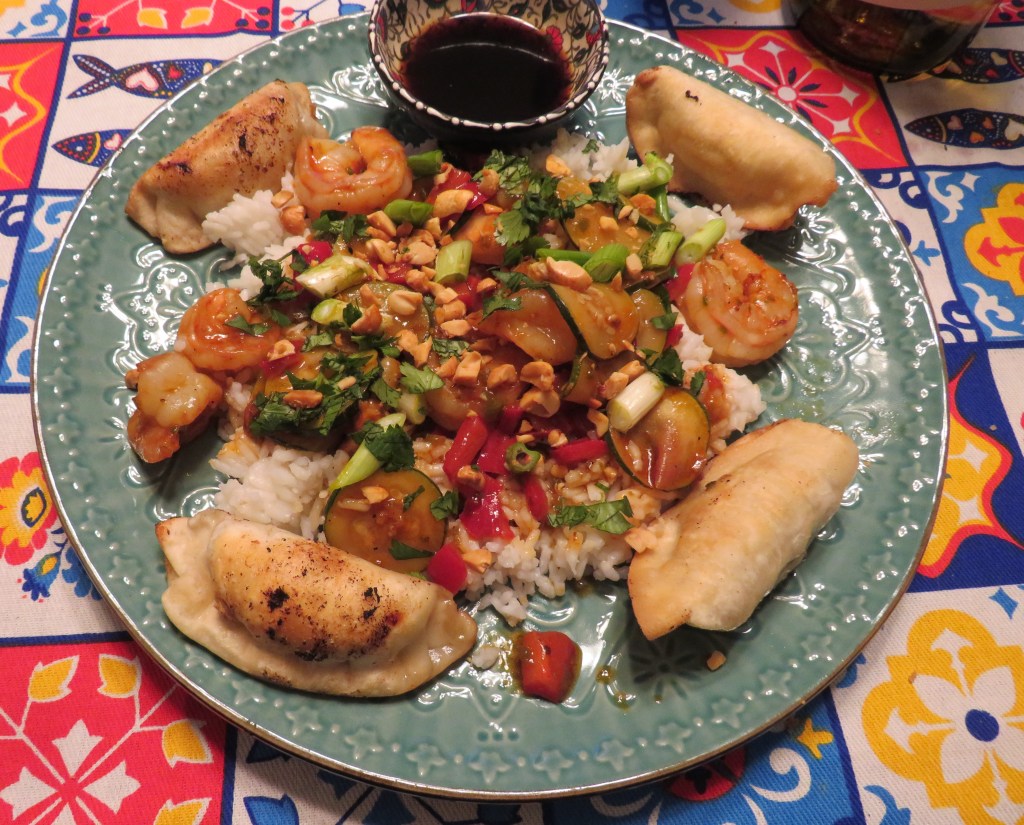
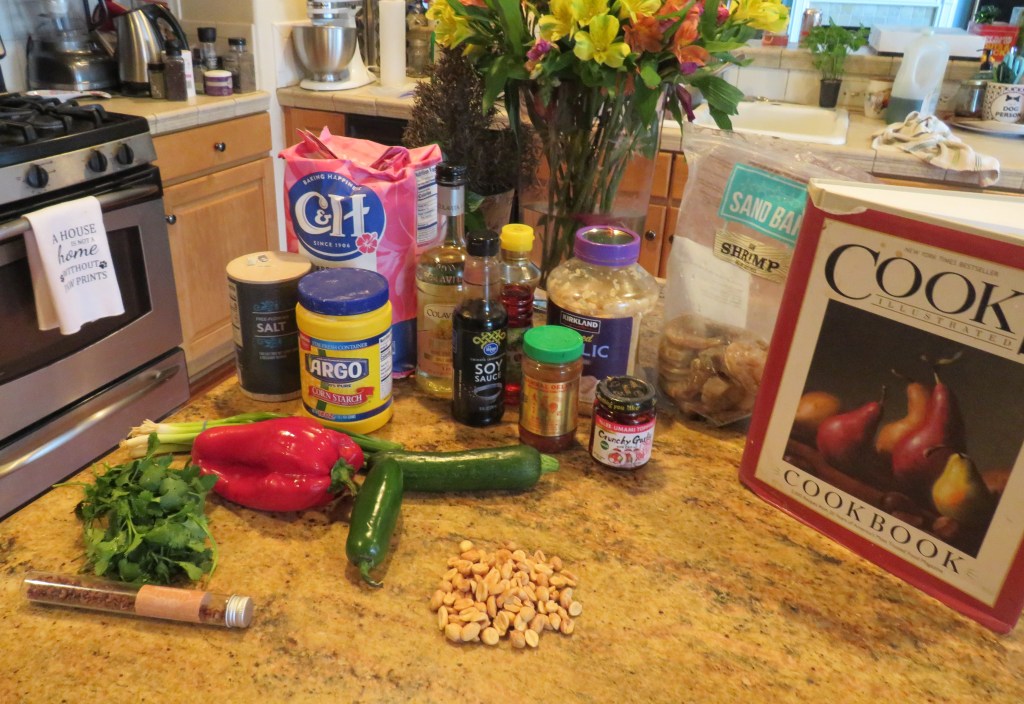
Shrimp was in this week’s rotation for dinner. I had just made shrimp with pasta Everything Is Better With Bacon so I wanted something different. No problem. That just means a little trip to my own culinary library for some fun research. I came up with the idea of making Schezwan shrimp.
Schezwan or Sichuan sauce originated in the Sichuan province of China and is a spicy condiment known for its bold flavor and vibrant red color. Schezwan or Sichuan sauce is not so much about the ingredients used, but more about the locality of where the sauce originated, Sichuan, China. Sichuan is a province in South West (south central actually) China. The sauce is made with a blend of chilies, garlic, ginger, and Sichuan peppercorns, native to the region. These spices and style of sauce have been used for over 1000 years in the Sichuan region of China. The sauce is inspired by Sichuan Pixian Douban, a spicy bean paste made from Sichuan peppercorns. Schezwan or Sichuan sauce is also popular in a lot of Indian foods too. The sauce is kind of a bridge between the two cultures and their love of spicy foods. So you will see Schezwan or Sichuan sauces used in both Chinese and Indian dishes.
.
Schezwan Shrimp
The Sauce
2-3 TBSP white wine vinegar or dry sherry – I used Prosecco vinegar
1 TBSP Sambal sauce of Asian garlic chili sauce
2 tsp soy sauce
1 tsp sugar
1 tsp cornstarch
1 tsp crushed Sichaun peppers
Mix everything together and set aside.
The Stir-Fry
1-1 1/2 lbs large shrimp, peeled, deveined and rinsed
oil for cooking
1 TBSP garlic
salt to taste
1/2 cup dry roasted peanuts, chopped
1 jalapeno, diced fine
1 small zucchini, sliced
1 red bell pepper, diced
green onions, sliced Asian style or at an angle
chopped cilantro
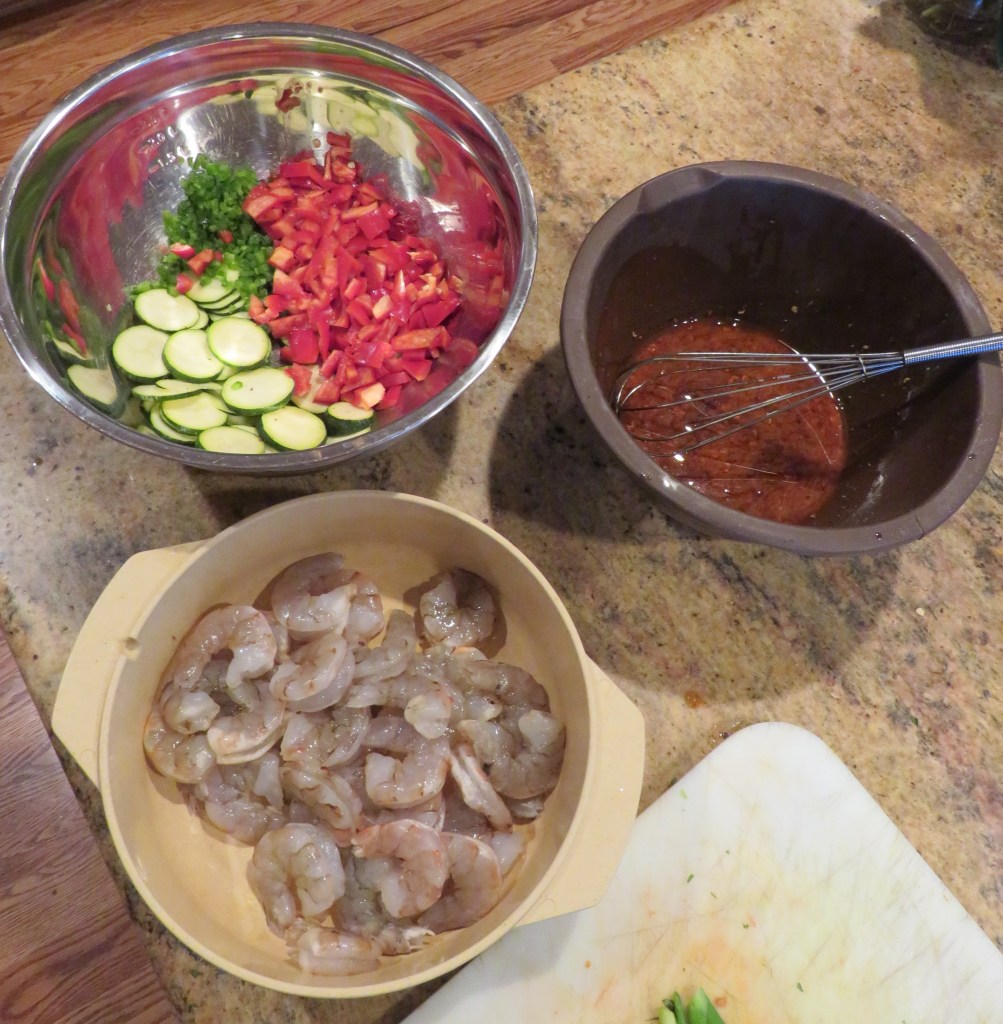
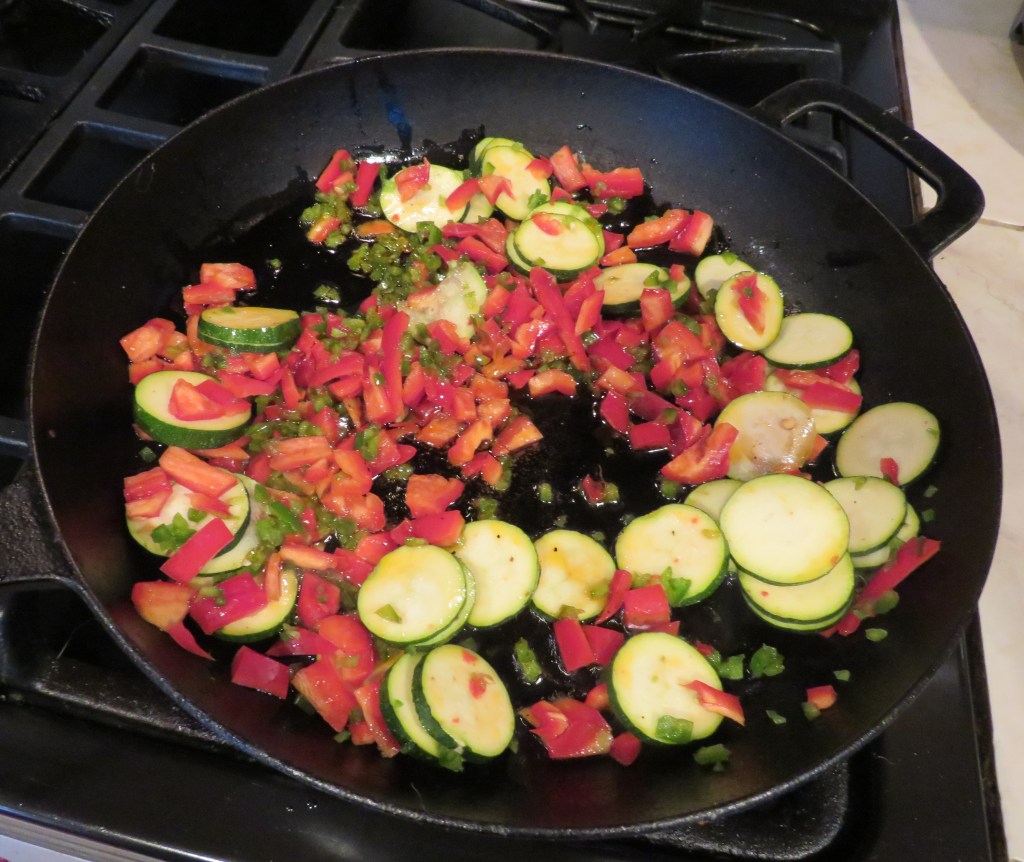
Get a large wok or skillet very hot, then add the oil and the vegetables. Cook for about 5 minutes, stirring frequently.
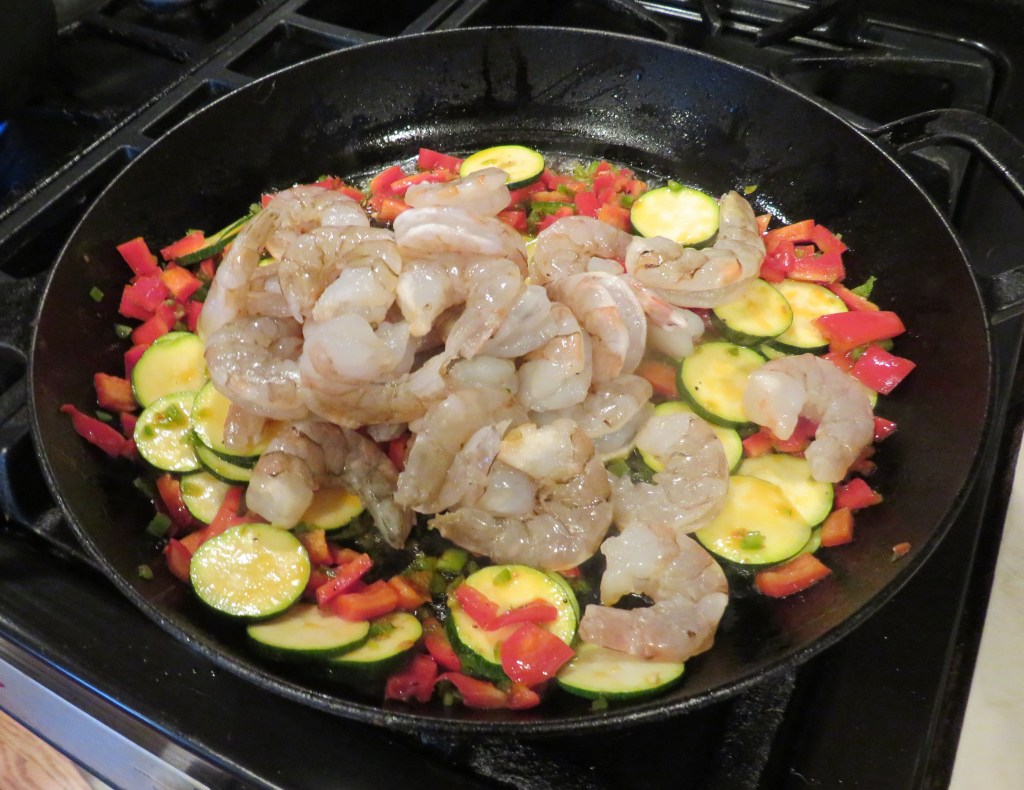
Add the shrimp and continue to cook for an additional 5-7 minutes, or until the shrimp is completely cooked.
Add the sauce and mix in thoroughly. Cook for another 3-5 minutes, or until the sauce is heated, stirring frequently. Add the mix over cooked rice. Top with the chopped peanuts, green onions and cilantro and dinner is served. I served mine with some potstickers on the side, and because this is a spicy sauce, a cool crisp chardonnay, Pinot Grigio or even a Riesling is a perfect pairing. The slightly sweeter wines will cut down on the spiciness of the sauce.
Life is short. Spice it up and enjoy. Have a great day and make everyday great. Stay safe, stay well and if you are in the cold belt, stay warm. ‘Til next time.
I love anything that is custard. I must get that from my dad. Custard pie and custard were his favorites. He was always asking “Jeanne dear, can you make me some custard?” So whenever I make anything custard today, it always makes me think of my dad.
Creme brulee is a type of baked custard that is topped with caramelized sugar. It was also known as burnt cream. There is debate on whether it is French or Spanish or English in origin, since it was seen in both France and Spain around the same time, back in the mid 17th century. But then it was also served in England in the 15th century, so once again, who really knows where it originated. Everyone is claiming they created this delicious “burnt cream” dessert. All we know for sure is that it is a favorite dessert the world over.
The other day when I made my Mexican meal, I made a lime creme brulee for dessert. It was a delicious twist to an old classic. I love the hints of lime in it, but then I love anything with lime.
Lime Creme Brulee
This is yet another recipe from my Elote Cafe Cookbook. It is a simple recipe using only a few basic ingredients. As I always say, simple is often the best.
3 whole eggs + 6 egg yolks
1/2 cup lime juice
3/4 cup sugar
1 cup heavy whipping cream
1 tsp vanilla
a pinch of salt
turbinado sugar on top
Preheat the oven to 325*F or 163*C.
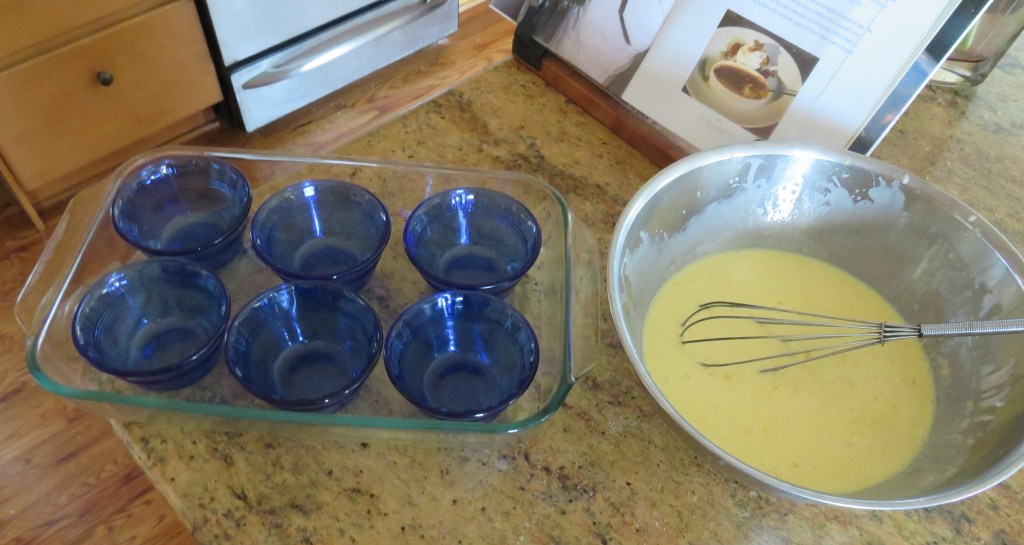
Combine everything together and whisk together well. Pour the custard into ramekins and fill to about 3/4 full.
Place the ramekins in a 9×13 baking dish and add enough water to fill the baking dish about 1/2 way with water, to make your bain marie or water bath. This ensures the eggs won’t scramble in the baking process. Cover with foil and bake for about 30 minutes or until the custard is set. The custard should no longer be liquid.
Once the custard is done, let it cool, then refrigerate until ready to serve. Add the turbinado sugar on top and caramelize it either by broiling it just long enough for the sugar to turn golden brown and to harden or by using a small kitchen blow torch. Add whipped cream and fresh berries if you like, and it’s time for a delicious burnt cream. !Disfruita!
Have a great day and make everyday great. Stay safe, stay well and stay warm. ‘Til next time.
Though potatoes are native to South America, they were not found in Mexico until after the Spanish explorers brought them to Mexico in the 16th and 17th centuries. They were quickly adopted as a Mexican staple and favorite of the Mexican people, and today potatoes are found in many different Mexican dishes, cooked in many different ways.
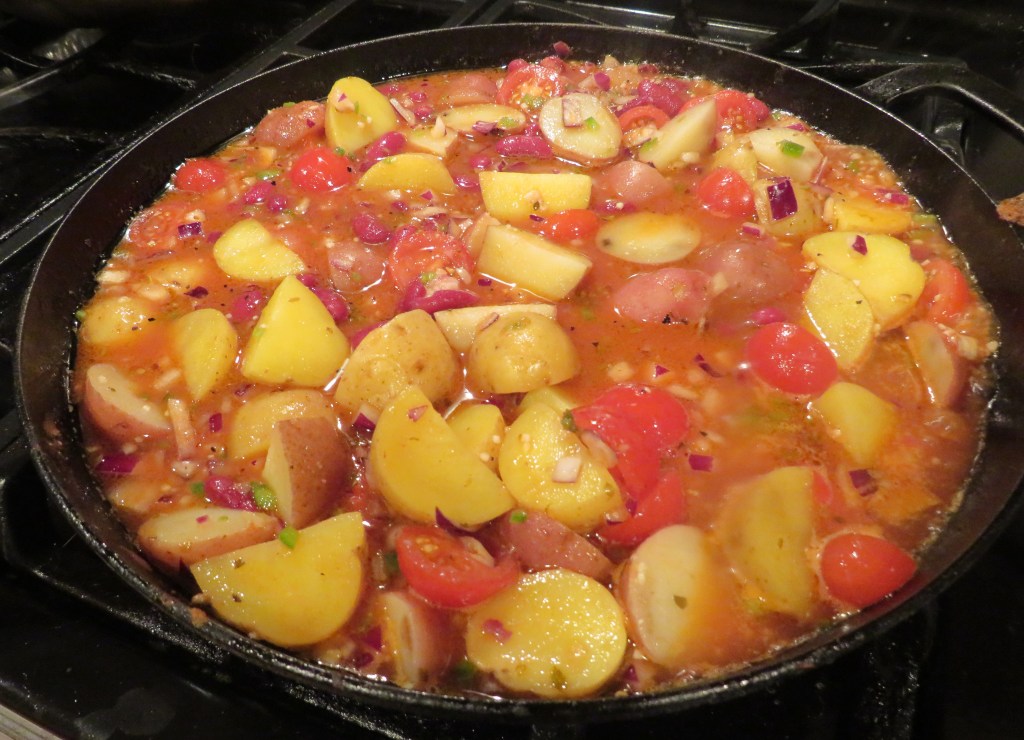
When I made my lamb adobo Lamb Adobo I served it with some Mexican potatoes. I am assuming they are called Mexican potatoes because of the ingredients and spices used to make them. The potatoes themselves were not brought in from Mexico. 🙂
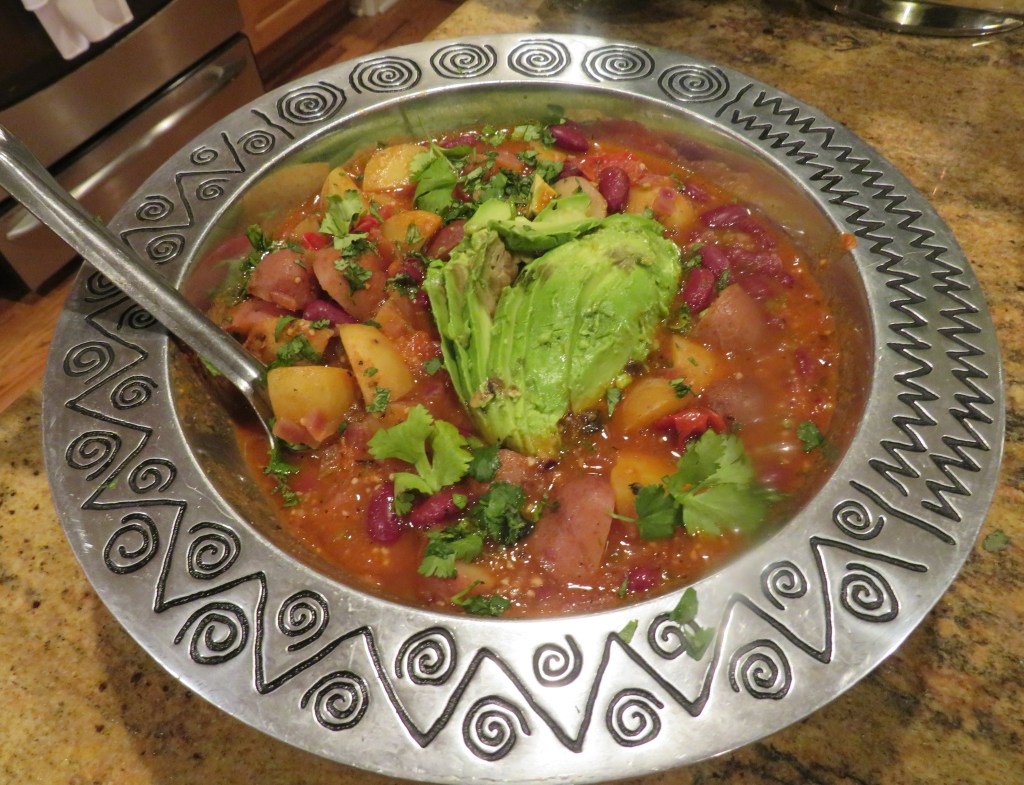
This recipe for cooking potatoes esta mui delicioso. Because they are brothy, I served them over rice, so I wouldn’t lose any of the flavors from the broth. It is kind of the same concept of dipping bread in sauces ensuring not to lose any of the good flavors from the sauce.
Mexican Potatoes
1 1/2-2 lbs new or red potatoes, quartered
1 red onion, diced fine
1 TBSP garlic
6-7 large tomatoes, diced or quartered – I used Campari tomatoes, cut in 1/2
2-3 TBSP tomato paste
1-1 1/2 cups chicken broth
1 can red kidney beans, drained and rinsed
1 TBSP Tabasco sauce, or to taste
salt & pepper to taste
1-2 tsp cumin
1-2 jalapenos, diced fine
1-2 tsp oregano
chopped cilantro
1/2 avocado, sliced
Boil the potatoes until softened, then drain.
Combine the tomato puree, Tabasco, seasonings and chicken broth.
Combine the jalapenos, tomatoes, beans, onions and garlic and cook in a large skillet with some olive oil. Cook for about 2-3 minutes, or until the onions are softened and translucent.
Mix in the cooked potatoes, then add the tomato sauce and combine thoroughly. Bring to a boil, then reduce the heat to a simmer and continue to cook for about 10 minutes, or until everything is thoroughly heated, stirring frequently.
Add the cilantro and avocado slices on top before serving. They are delicious as is, but I liked them over rice better. Everyone raved about them. They were so full of flavor and different textures.
!Disfruita! Have a great day and make everyday great. Stay safe, stay well and stay warm. ‘Til next time.
I guess I am already getting into my Mexico state of mind once again. We are leaving for Cozumel, and more diving, next week. WE LOVE Mexican food and eat it all the time, but even more so when preparing for yet another visit to Mexico, especially to our beloved Cozumel.
For Christmas, our friends Angie and Brian gave us a delicious cookbook, The Elote Cafe Cookbook, by Jeff Smedstad. I was waiting for the right occasion to make something from it, and that I did. I made delicious lamb adobo, using his recipe as my guide.
Of course, I changed my recipe slightly. That’s just what I do. In fact, every chef does that. We always want to personalize our dishes. No matter how good something is, we always think, and most often do, make them better, or least make them our own, by tweaking things. Sometimes we tweak a lot, and other times, we only make minor adjustments. Even Chef Jeff Smedstad, the author of The Elote Cafe Cookbook, made adjustments after talking to the locals, for this particular dish. “[He} was over complicating the sauce and the way to make it better would be to make it simple” (p. 116). He needed to make it “simple yet elegant using the best ingredients and giving them a chance to shine” (p. 116). I made some medium adjustments with this recipe, but just enough to make it my own.
Lamb Adobo
Mr. Smedstad’s recipe called for lamb shanks, but I had a lamb roast. I also used the chilies I could find, and then added a little Black Onyx cocoa powder. The results …. !DELICIOSO! It got rave reviews from all.
4-5 lbs lamb roast
1 1/2 TBSP garlic
4 cups orange juice
2 pasilla peppers, diced
1-2 jalapeno chilies, diced
1 cinnamon stick
salt & pepper to taste
2-3 tsp cumin
2 TBSP oregano
2-3 bay leaves
1/4 tsp cloves
2 TBSP boiled vinegar
2-3 TBSP brown sugar
1 cup Black Onyx or black cocoa powder
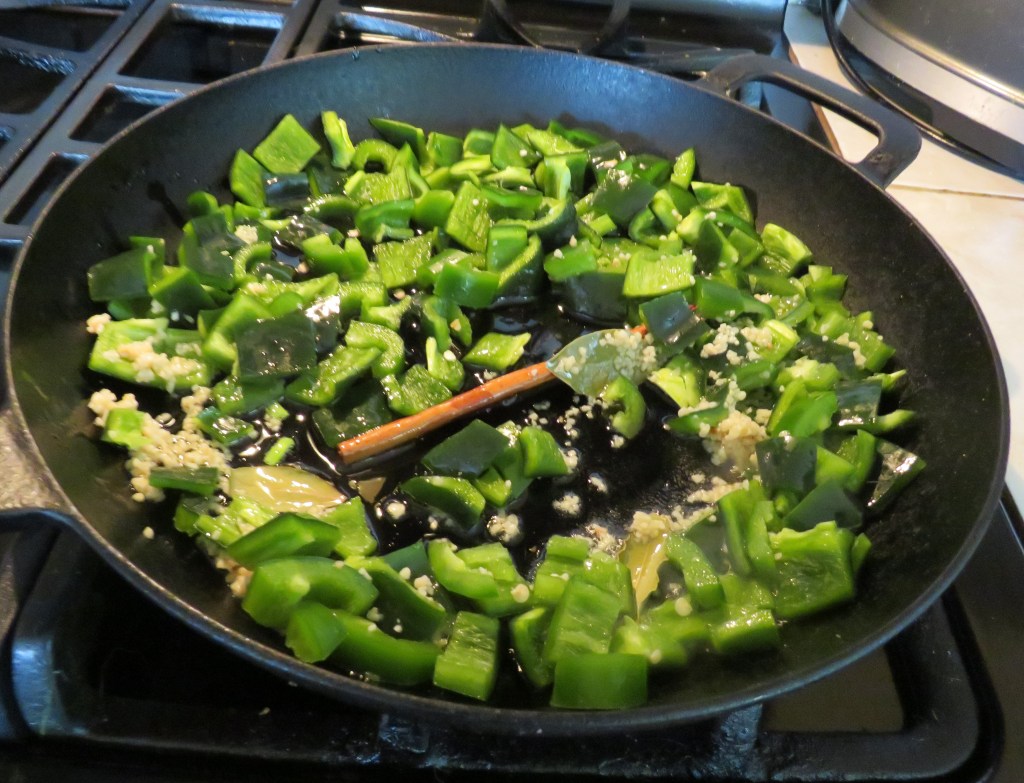
Mix all the spices together and peppers together and place in a hot skillet with a little olive oil. Cook for about 5-7 minutes, or until they become aromatic and the peppers are tender.
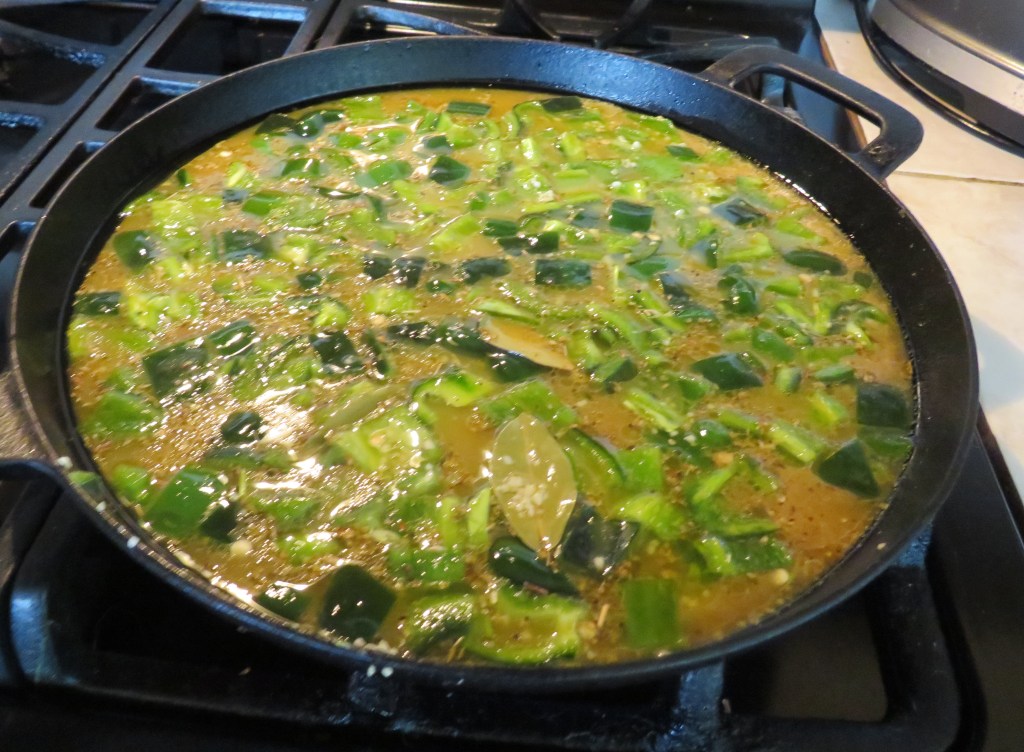
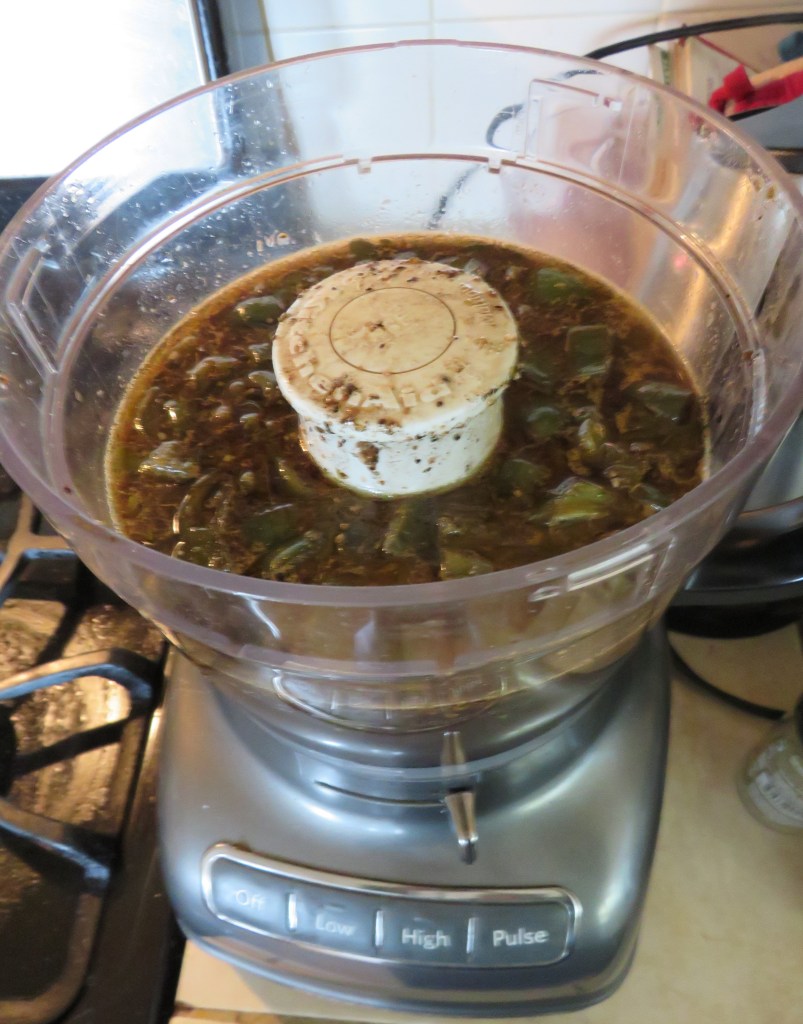
Add the orange juice and the remaining ingredients and continue to cook for an additional 7-10 minutes, stirring frequently. Once the sauce has thickened a bit and is reduced by at least 1/3, place everything in the food processor and pulse until you have a smooth sauce. Make sure to remove the cinnamon stick and the bay leaves first though.
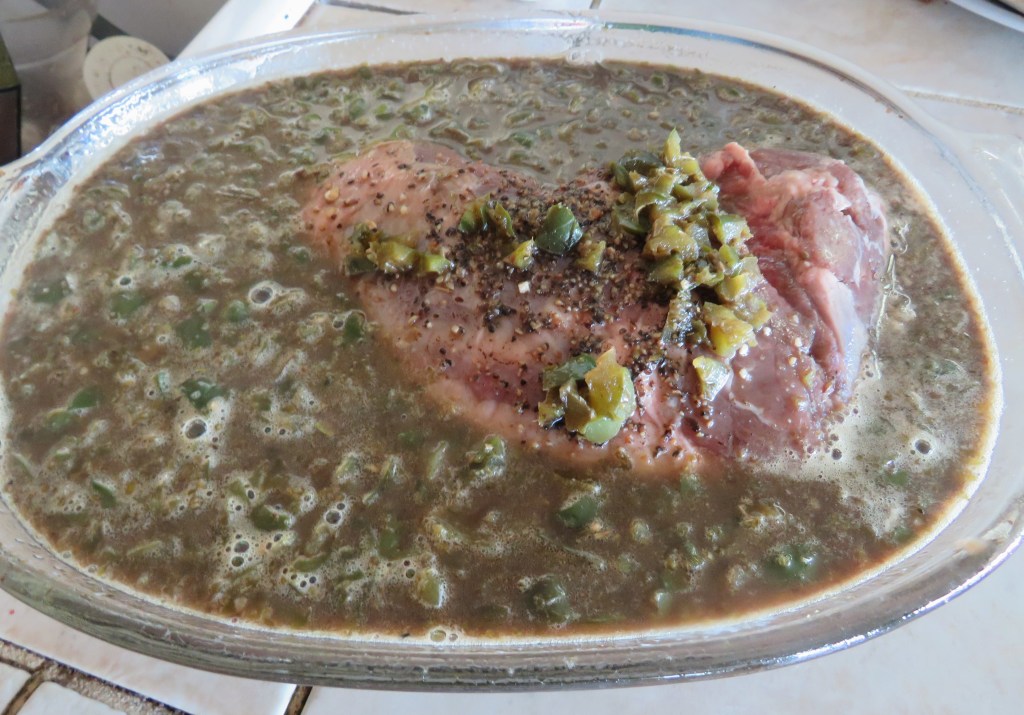
Pour the sauce into a large, deep dish, then place the lamb into the sauce, cover and refrigerate for at least 1-2 hours before cooking. This will both flavor the lamb and tenderize the meat.
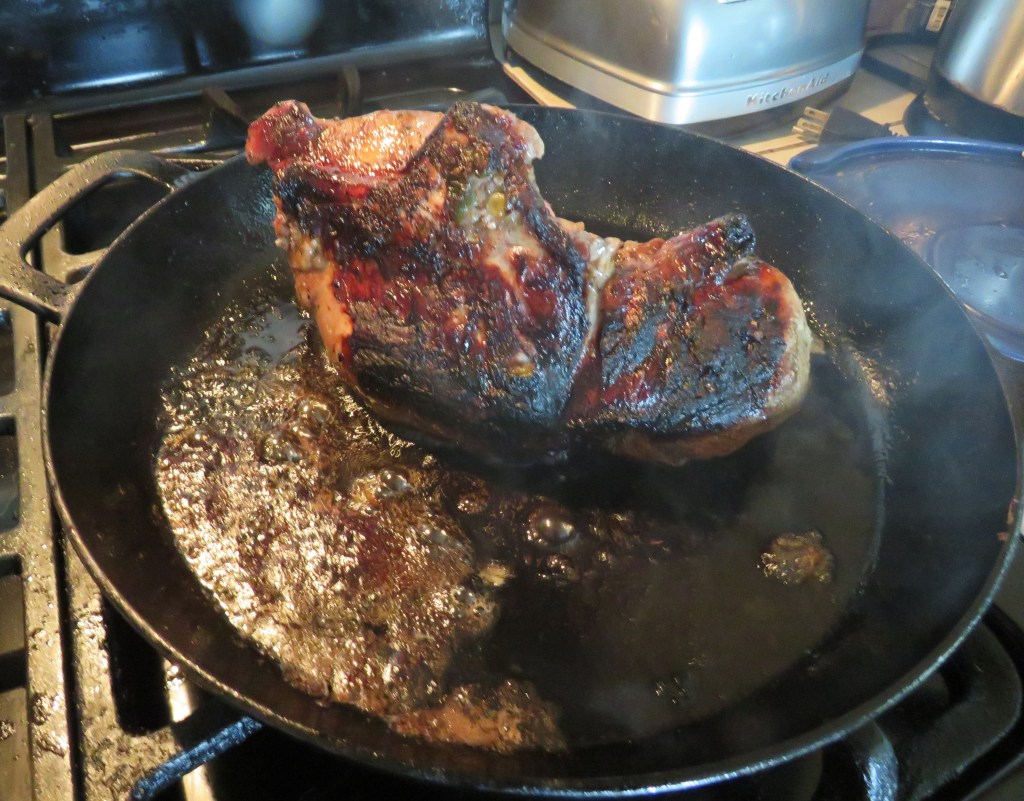
When ready to cook the dish, remove the lamb from the sauce and place in a VERY hot skillet with both olive oil and butter to sear on all sides, about 3-4 minutes per side. Preheat the oven to 400*F or 205*C.
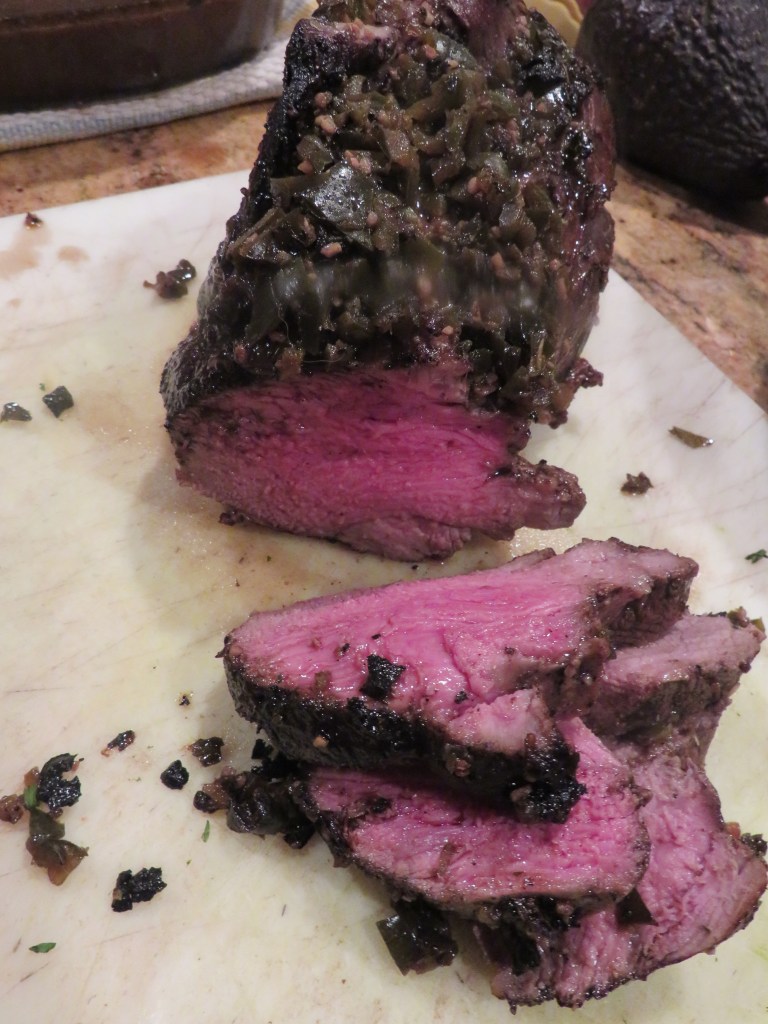
Deglaze the pan with red wine and add to the lamb and sauce. Roast for about 2- 2 1/2 hours, or until the internal temperature reaches about 145* F or 63*C for a delicious medium rare, or longer if you like it cooked a little more. For the best results, lamb is typically cooked to an internal temperature of 145°F (63°C) for medium rare, 160°F (71°C) for medium, and 170°F (77°C) for well done. It’s important to use a meat thermometer to ensure the lamb reaches the desired level of doneness, as overcooking can result in dry and tough meat.
When the meat is cooked to your satisfaction, remove it from the heat and let it set for about 7-10 minutes before slicing it. I like ALL my red meats rare-medium rare, but especially lamb. For me, that is just perfect.
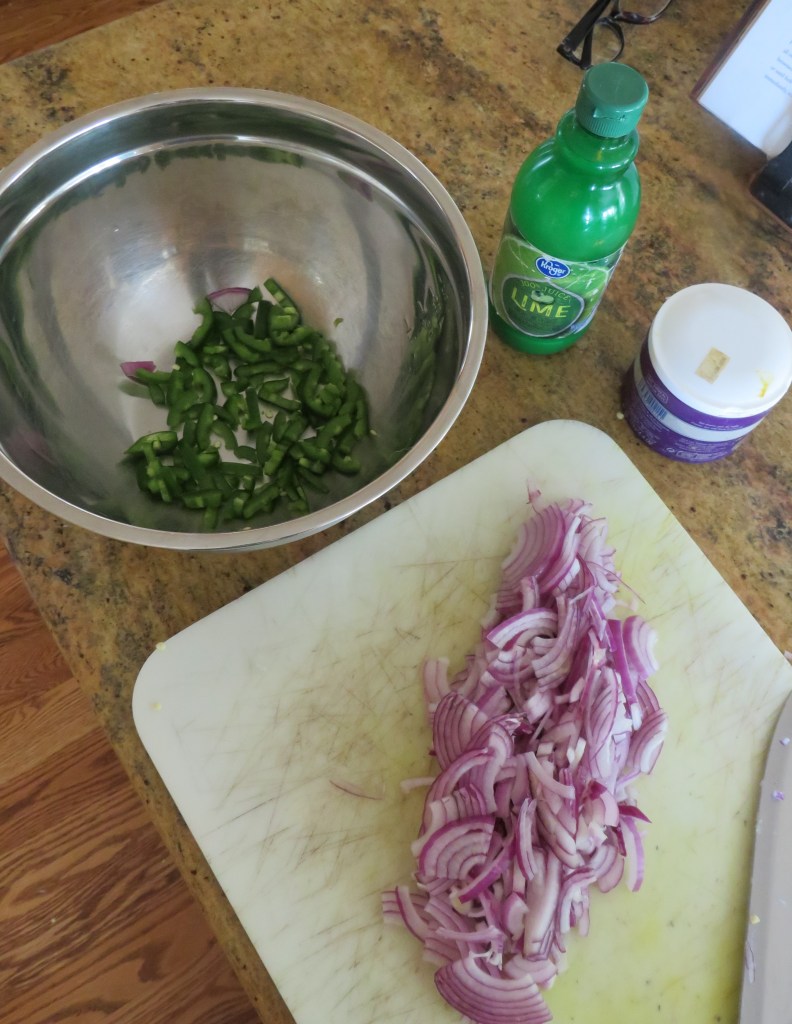
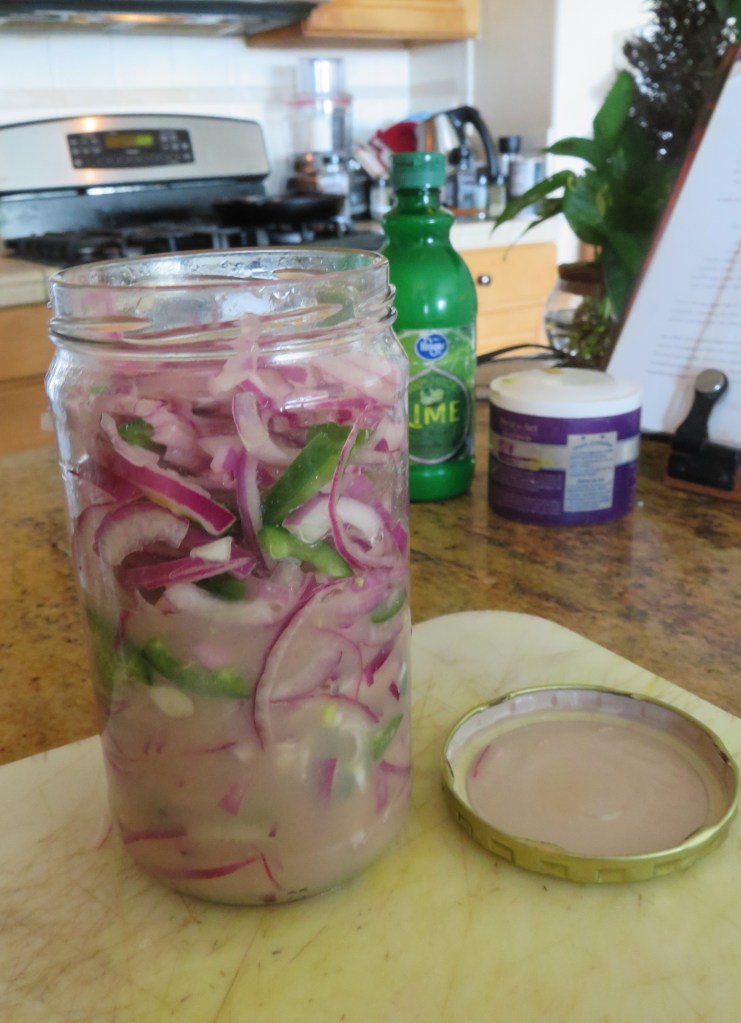
Slice the meat thin, then top with the sauce, toasted sesame seeds, which of course I forgot to do, 🙂 pickled onions Pickled Onions and cilantro.
!Esta mui delicioso! I served it with some Mexican vegetables, rice, Mexican potatoes, a dry Malbec on the side and lime creme brulee for dessert.
Have delicious day and have a great day. Make everyday delicious and great. Stay safe, stay well and stay warm. ‘Til next time.
Pulao, also known as pilaf, is a dish that originated in ancient Persia and spread throughout the world. The word “pulao” comes from the Iranian or Arabic word pilaf or pallaao. It goes by many names such as polow, polov, polo, pilau, pulao, pilaf and other similar names as well, depending on the region. It dates back as far as the first millenium BCE. Pilaf follows the migration patterns of ancient Persians through the Middle East, Asia and Europe. The multitude of names for this dish speaks to the geographical and cultural diversity of this winsome rice dish.
Pilaf is a staple rice dish all over Asia and the Middle East. There isn’t an exclusive recipe for pilaf as different regions adopted their own styles for cooking this culinary masterpiece as it gradually circulated around the world. However, any rice dish in which the rice grains are cooked in a seasoned broth accompanying vegetables and/or meat, and yielding firm, fluffy, and most importantly, separated grains that don’t stick together, is more or less called a pilaf. Pilaf is a rich buttery rice dish, often prepared with basmati rice in most Asian cuisines that deeply absorbs the flavors of meat stock, meat pieces, aromatic spices, herbs, butter, or desi ghee into which it’s cooked. The texture of pilaf is light, soft, and fluffy such that each rice grain is firm yet elegantly separated from the other ones.
In Latin America and the majority of European regions, a rice pilaf refers more to the method of cooking rice such that the grains do not adhere together. To prepare a Brazilian rice pilaf, first rice or orzo and/or vermicelliare sauteed in a mixture of butter, onions, and spices until light brown. Later, rice is slow-cooked in stock and additional seasonings until tender which is followed by the addition of peas, parsley, and lime juice.
Asian and Middle Eastern pilaf is considered a meal in itself, owing to the addition of meat, chicken, or fish coupled with vegetables, fried nuts, raisins, and sometimes saffron. However, pilaf is more of a side dish in other parts of the world where it can be made from grains ranging from wild rice to brown rice, and bulgur to quinoa. Rice pilaf is best enjoyed alongside roasted or grilled meat pieces, veggies of your choice, and sometimes sauces.
The word “pilaf” is likely to have a Persian origin as the ancient Persian word “pilav” refers to “a dish of grains that have been cooked in stock”. Similarly, in the Indo-Aryan language, the word “pula” means “a dish with meat and rice”, indicating the geographical roots of pilaf as having a diverse nature encompassing several regions of the world. To confuse things further, some historians attribute the origin of “pilaf” to “pulaka” a Sanskrit word meaning “cake of boiled rice”.
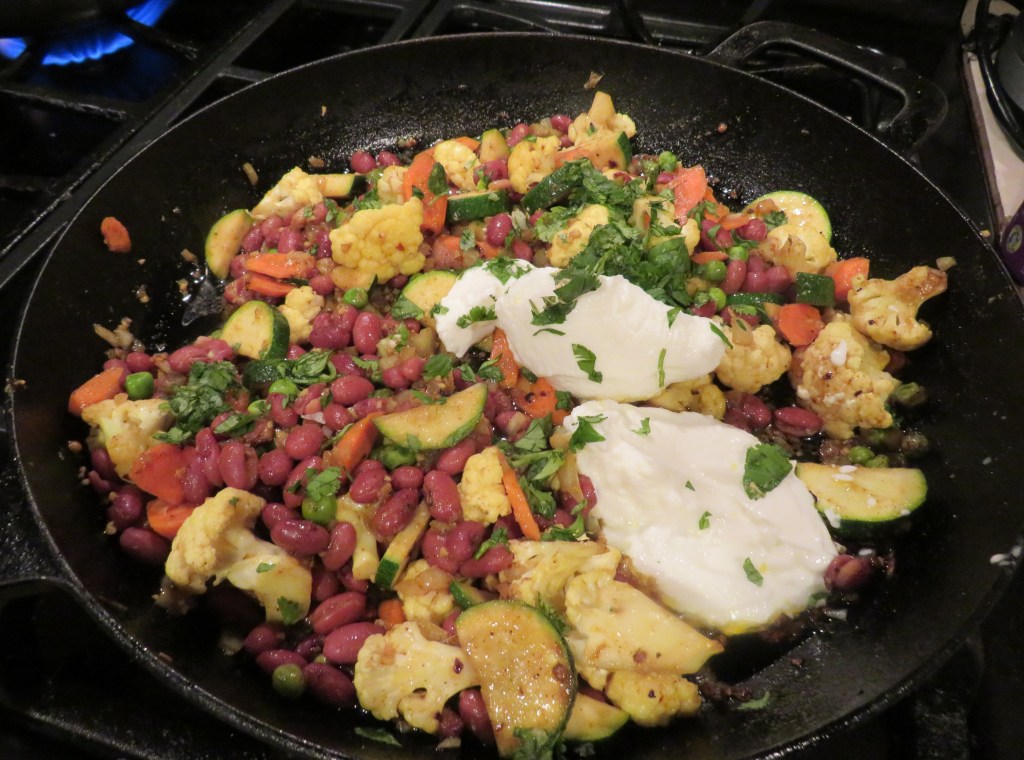
Being of European descent and definitely being a carnivore, I served my pulao as a side dish to my butter chicken. Butter Chicken. However, there are enough vegetables, and protein from the kidney beans, that a vegetarian could easily make this their main meal and still be completely satiated and satisfied.
Vegetable and Kidney Bean Pulao
This pulao is loaded with vegetables and kidney beans, and is definitely full of flavor too. This is one of an endless array of pulao or pilaf recipes. There is never just one way to make it.
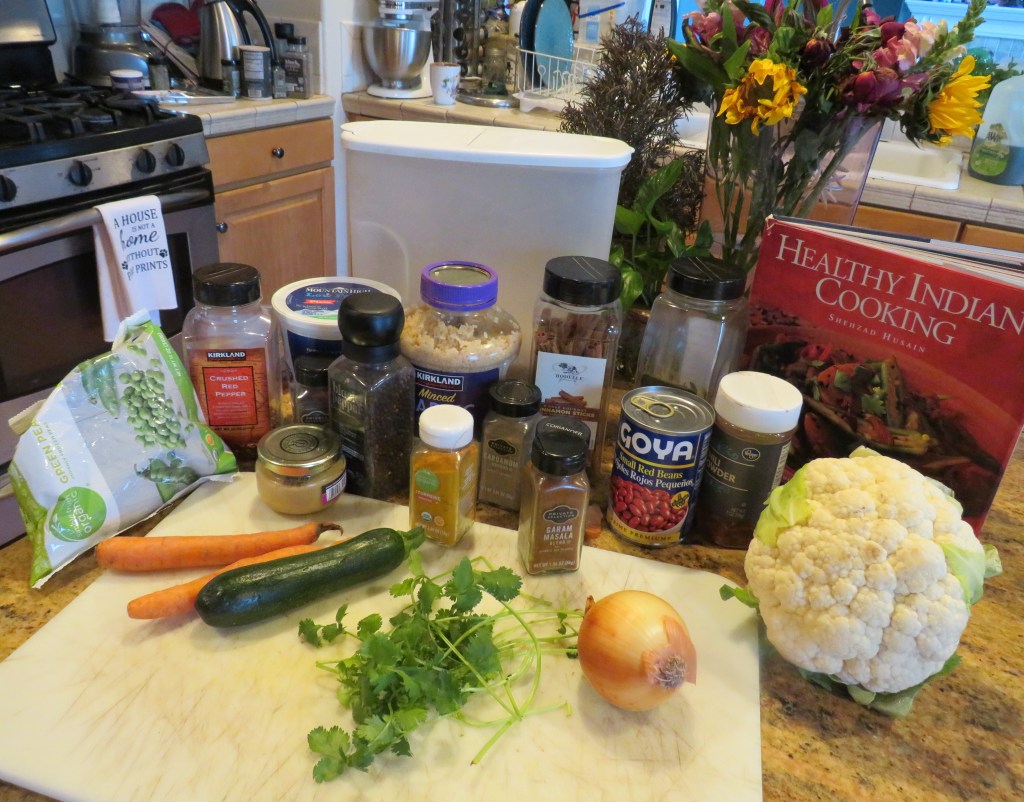
2 cups cooked basmati or white rice
1 can kidney beans, drained and rinsed
oil for cooking
1 cinnamon stick
1 bay leaf
1 tsp cloves
1/2 tsp cardamom
fresh ground black pepper to taste
1 TBSP garlic
1 TBSP ginger
red pepper flakes to taste
1 tsp chili powder
1 tsp turmeric
1 tsp garam masala
1 tsp coriander
1 cup peas
1-2 carrots, diced
1 cup cauliflower florets
1 zucchini, sliced
2-3 TBSP yogurt
salt to taste
chopped cilantro
1 TBSP lemon juice
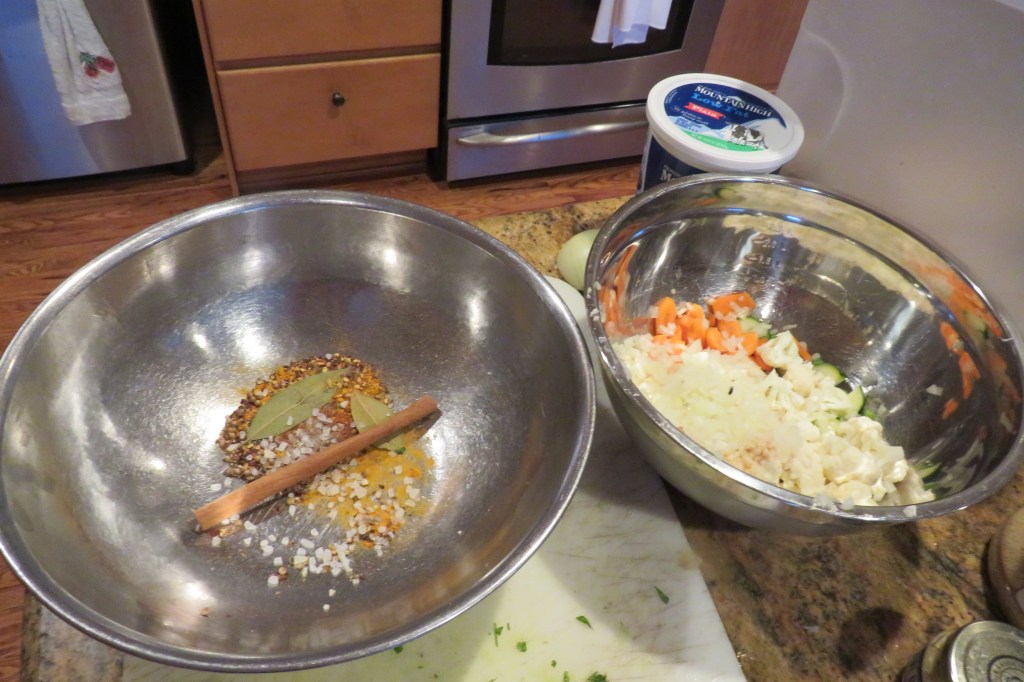
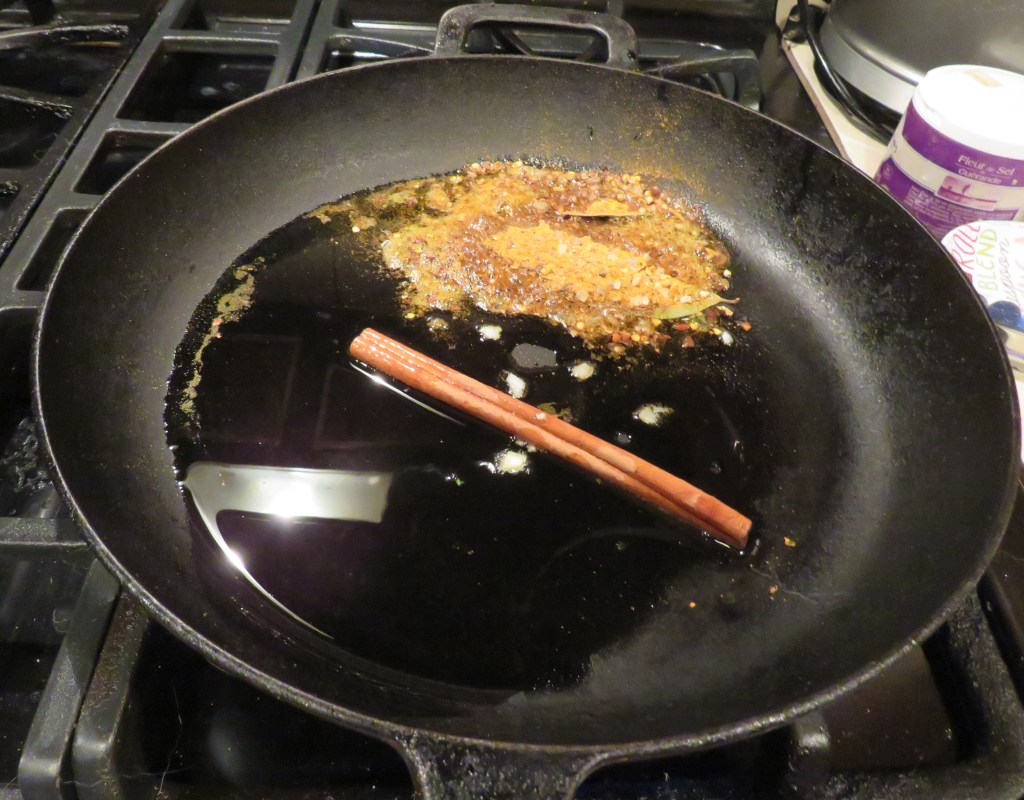
Get a large skillet very hot, then add the oil and spices and cook for about 1-2 minutes, or until they become nice and aromatic.
Add the vegetable, garlic and onions and continue to cook until they are al dente, but tender.
When the vegetables are cooked, mix in the yogurt and the kidney beans.
Once everything is well mixed, add the cooked rice and mix everything together thoroughly. Drizzle the lemon juice on top and mix in well. Top with the chopped cilantro and serve. You can enjoy it on its own, as is, or as a side dish with your favorite entree. Either way, I guarantee you are going to love it.
Have a great day and make everyday great. Stay safe and stay well. ‘Til next time.









































 A Jeanne in the Kitchen