The Progressive Dinner

Yesterday I mentioned we were doing something fun, called a progressive dinner. We went to 4 different house, with mine being the last stop for desserts. Progressive Desserts – Part #1 – Pine Nut And Honey Tart We spent roughly an hour to an hour and a half at each stop. It was fun seeing other people’s homes and kitchens and getting to know everyone better. 

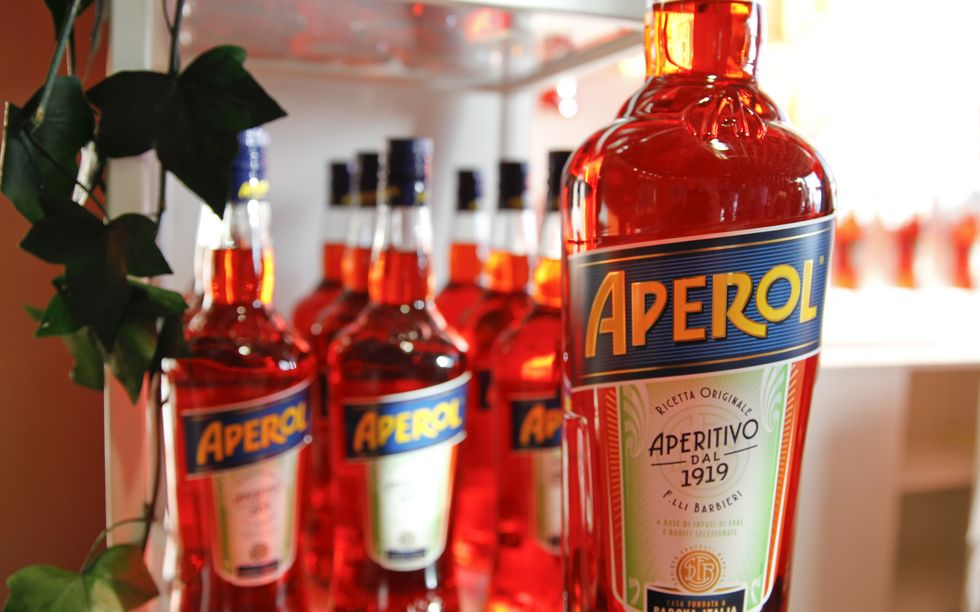
At the first stop, we started off with an apertif or drinks before dinner. An aperitif is a dry or fizzy alcoholic drink, originating from Italy, usually consumed before food. Aperitif comes from the Italian word “Aperitivo,” which literally translates as “appetiser”. An apéritif is meant to stimulate the appetite, and therefore it’s usually dry and low in alcohol. We had Aperol spritzes. Aperol is a citrusy, herbal, and bittersweet, that was mixed with tonic water and an orange slice. Aperol is a botanical liqueur that’s been made in Italy for over a hundred years. The bright orange beverage was invented by brothers Luigi and Silvio Barbieri in 1919 in Padua, Italy. It’s technically considered a type of amaro, which is categorized by its bitterness (the word amaro itself translates to bitter).
Our second stop was for appetizers. It was simple fare comprised of crackers, hummus, olives, beef rolls, and some shrimp dip. 

The Dinner Crowd, with a few exceptions who joined us at my house. I was the one taking all the pictures, so I am NOT in most of them.
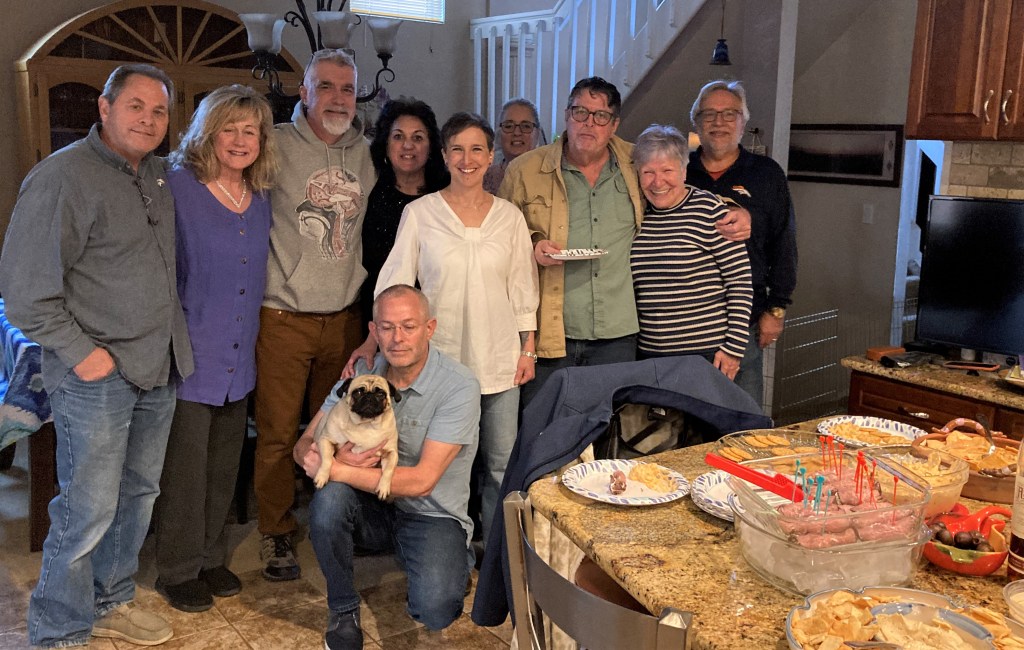
However, I was told I had to be in some, whether I wanted to or not.

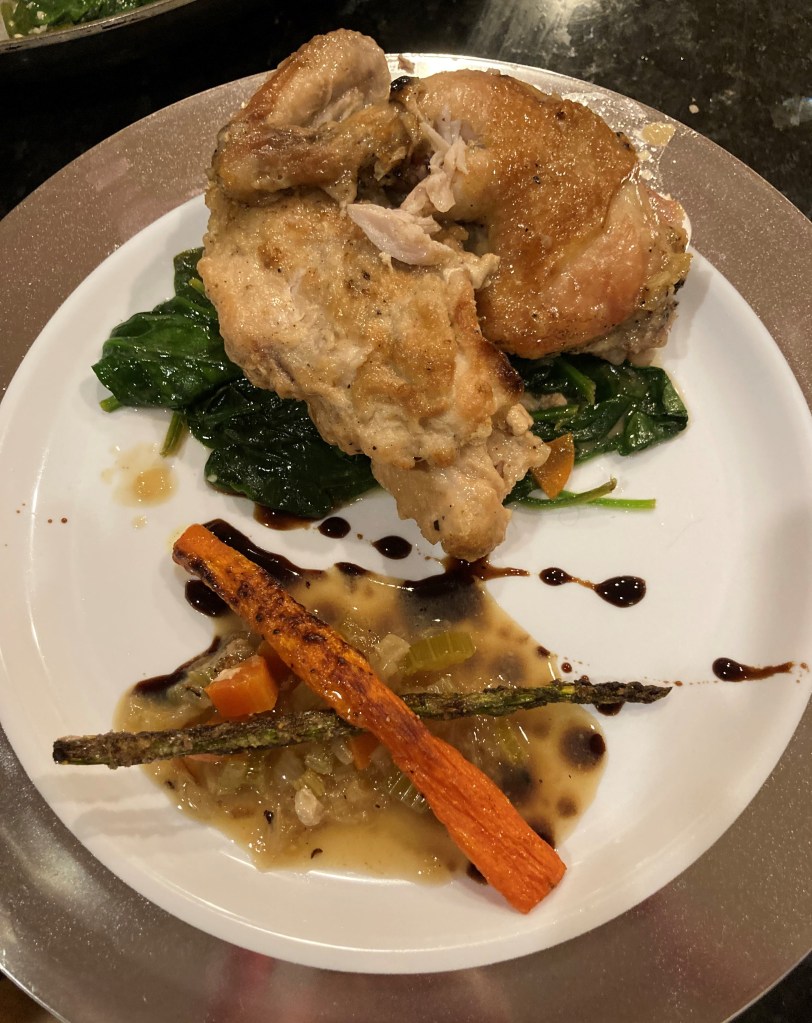
Stop #3 was for the main course, dinner. Our host prepared a fabulous, and historic dinner that was on the menus for both the Atchison-Topeka Rail Lines and the Titanic. He made Cornish Game Hens roasted with a vegetable mire poix (carrots, celery and onions) and vegetable ragout served over a bed of sauteed spinach with a balsamic reduction sauce. He thoroughly enjoyed showing off his culinary skills, and he did an amazing job too.

There was a little impromptu after dinner jam session for our entertainment.

The final stop – my house for dessert and coffee. We had three desserts offered to everyone. I made my pine nut and honey tart, which I told you about yesterday, Progressive Desserts – Part #1 – Pine Nut And Honey Tart, as well as some some chocolate cake brought to us by Lauren, and some Greek rice pudding complete with a caramel sauce and some Greek shortbread cookies, topped with pistachios. But more on that later. We added a few more guests at my house, including Larry who joined us after his hockey game.

It was a fun night, spent with new friends and old friends, who are really more like family. Most of the guests were friends of Mike and Lauren. I had only met most of them a couple of times prior to this dinner, but we all got along very well and had a lot of fun. At our house, our friend Gabe, two of his girls, Tehvia and Cora (you see me refer to them as our ‘nieces’ all the time), one of our neighbors, and of course, Larry, all joined in for the festivities as well. 

Yes someone, actually brought their dog to all the houses as well. This was awkward because our babies, Dorrie and Juneau, had to be downstairs in the basement until Beans had left and gone home. It’s their home, and they are used to being apart of all the festivities and socializing that take place in our home. But they definitely made up for it and got to socialize with everyone else after. 

It was a very fun evening and all of us are ready to do it all again.

No matter what you do, make the most of it. Have fun as much as you can. Life is short. Enjoy the ride.

Happy New Year everyone. May 2024 bring happiness, good health and prosperity to all. ’Til next time.
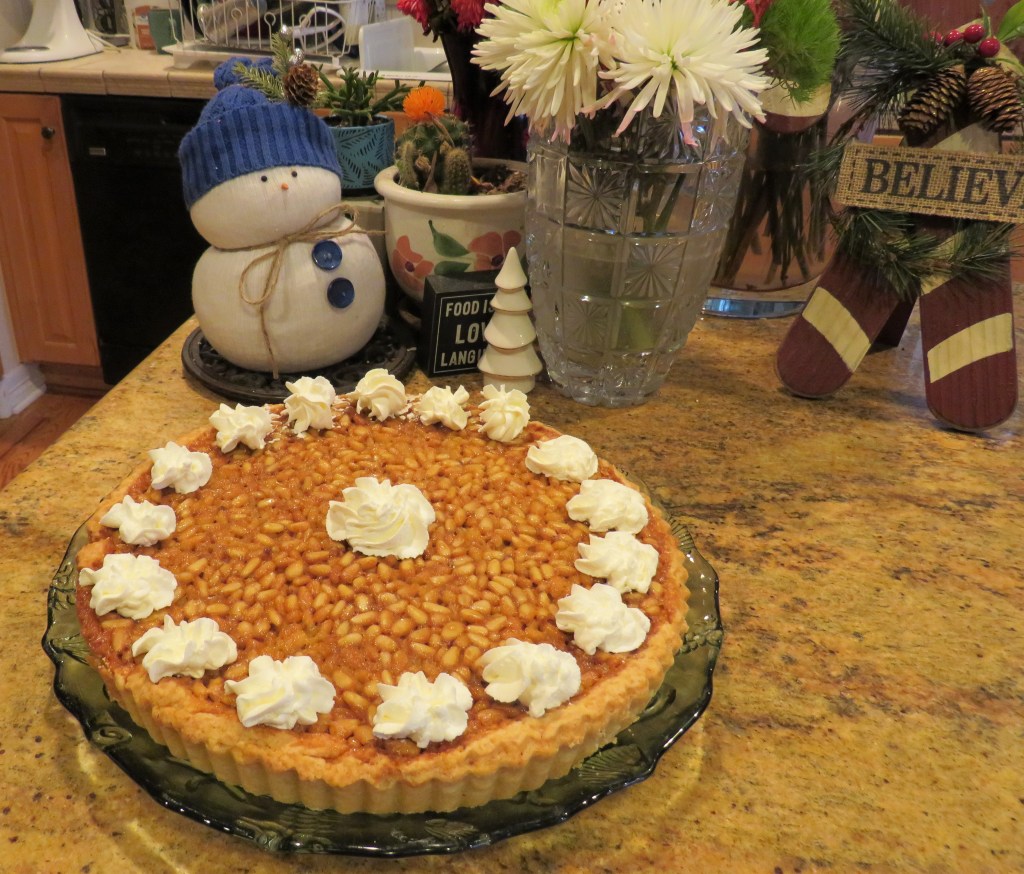
Progressive Desserts – Part #1 – Pine Nut And Honey Tart

We are doing a progressive dinner tonight, going from house to house to house. I think there will be 5 stops total, ending at my house for dessert. There will be about 15 of us. Each house will offer something different from drinks to appetizers to dinner to dessert. I made a couple of desserts for tonight’s fun event. My first dessert is an Italian pine nut and honey tart. It is also known as a torta della nonna in Italy, or grandmother’s torte.

This is a favorite of mine, but I don’t make it so much anymore because the price of pine nuts has gone completely out of control. 

Pasta Frolla (Sweet Crust)

I started off by making my pate sucre, or sweet crust for my tart. In Italian it is called pasta frolla. This is the crust used for many Italian desserts and pastries.

2 1/3 cups flour

1/3 cup sugar

1/2 tsp salt

1/2 tsp baking powder

1-2 tsp orange zest

1 1/2 sticks cold butter, cubed

2 eggs

1/2 tsp vanilla

1/4 cup heavy whipping cream

Mix the flour, butter, sugar, salt and baking powder in a food processor until it is all mixed together and resembles coarse sand. Then add the eggs, cream and vanilla and mix again until it all forms into a ball. Wrap the ball in plastic wrap and let set in the refrigerator for at least 30 minutes before rolling it into a 10 inch tart pan. Press the dough firmly into the pan.

Chill the tart in the refrigerator while making the filling.

The Filling

A mild honey will be best for this delicate tart, so not to overpower the delicate flavors of the pine nuts.

Preheat the oven to 325*F or about 163*C.

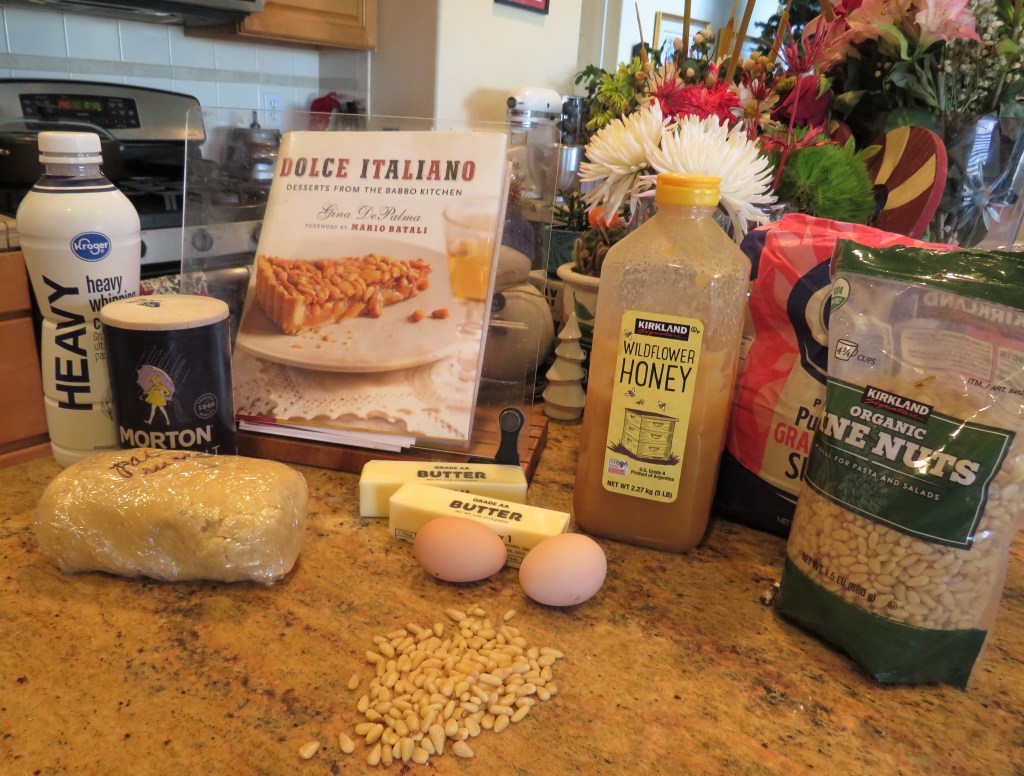
2/3 cup honey

1/2 cup sugar

1 tsp salt

2 sticks butter

1/2 cup heavy whipping cream

2 eggs

1 1/4 cups pine nuts

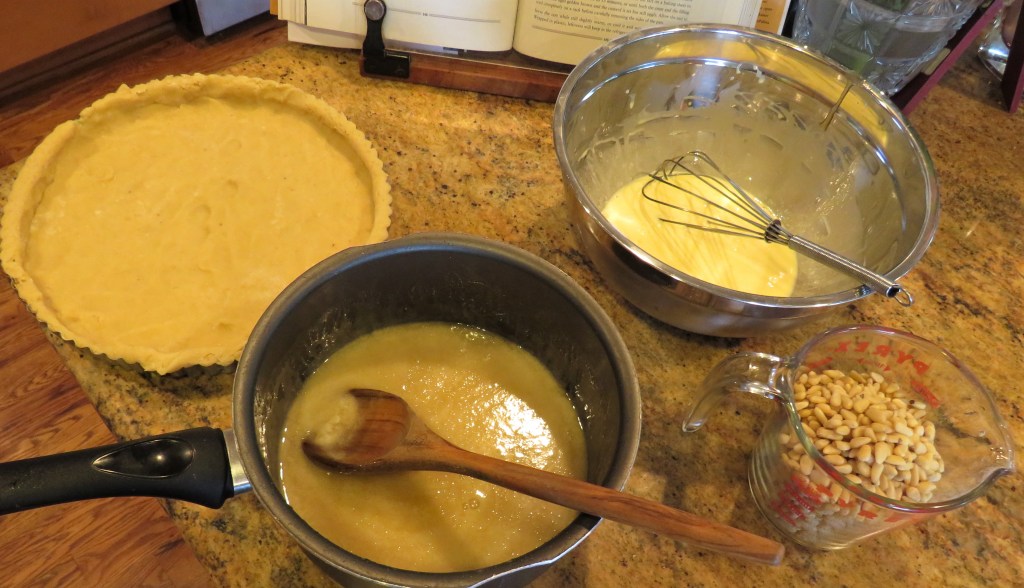
Combine the honey, sugar, salt and butter in a heavy saucepan and cook over a medium heat. bring to a boil while stirring constantly. Allow to cool slightly.

While the sugar mixture is cooling, mix the eggs, vanilla and cream together, then add to the sugar mixture mix thoroughly.

Add the pine nuts to the mixture, then carefully pour as much as will fit into the prepared tart dough, making sure to spread it out evenly.

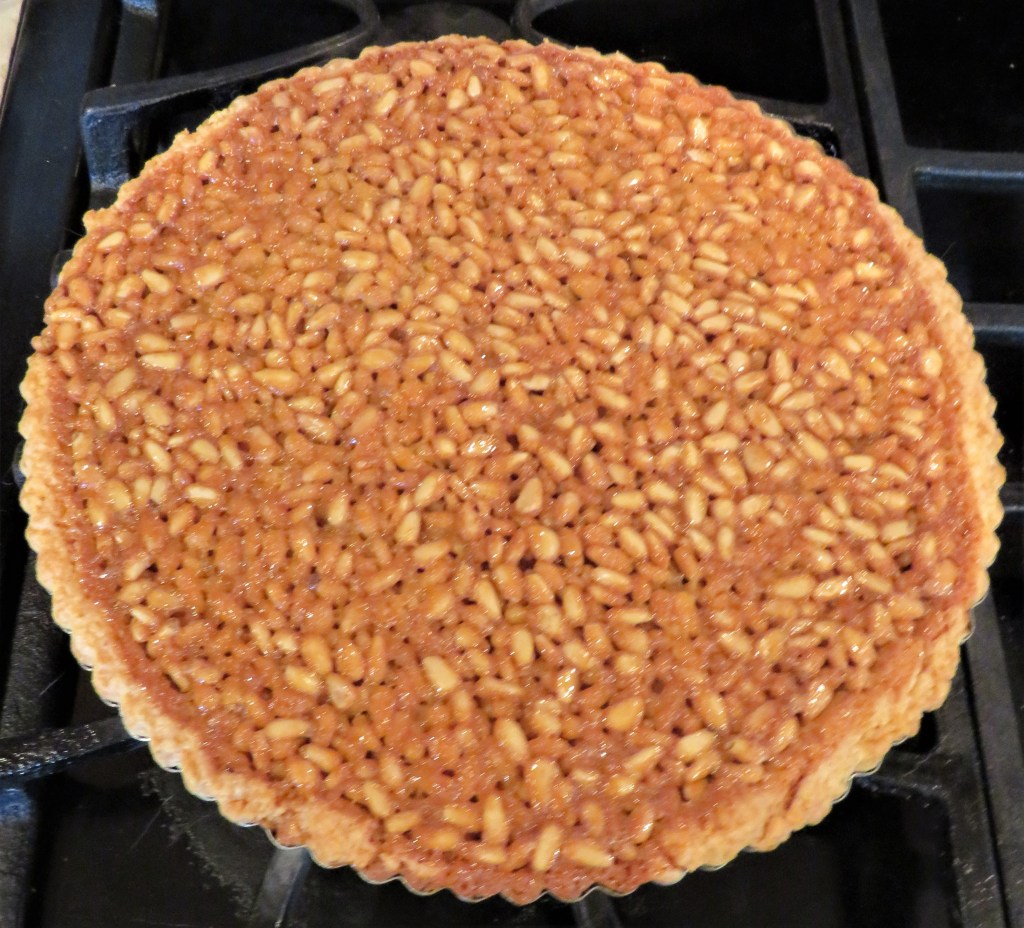
Bake between 40-55 minutes, or until golden brown and the custard filling is set. 

Allow the tart to cool completely before removing it from the pan and topping with either whipped cream or ice cream or gelato before serving. I know you are really going to love this delicious Italian treat. It’s sweet, but not to sweet and it will go down very smoothly. Each bite will be a little bit of Heaven. :)

This is just dessert #1 for our progressive dinner part. I have another delicious dessert to share with you as well, made just for this event, but you will just have to wait a little longer for that one. :)

Happy New Year everyone. I hope 2024 is full of happiness, good health and prosperity for all. ’Til next time.

Another Winter Salad

When it comes to food, I break the rules all the time (of course, it can be argued I break a lot of rules all the time, and not just food rules). :) I have said many times that I normally am not a fan of salads in the winter. In the cold wintery months, I prefer foods that are heartier and will “stick to my ribs”, keeping slalds for the warmer summer months. That being said, there are plenty of salads I really do enjoy eating in the winter. I know, I am just a rebel, and I love every minute of it. :)

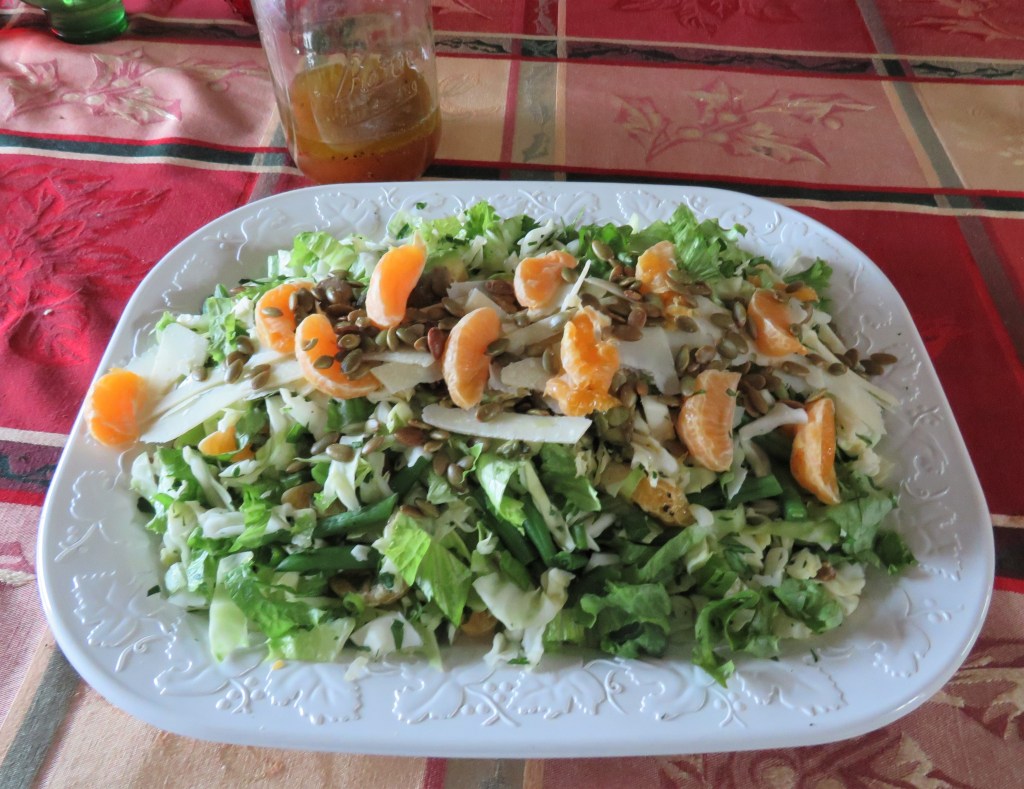
My latest delicious winter salad is full of good things that will warm anyone up at anytime. It is a cabbage salad with oranges and an apricot-lime vinaigrette. I made this as a side salad, but you can easily make it into a main meal by adding chicken, ham, shrimp or crab to it too. 

Cabbage and Green Bean Salad with Apricot-Lime Vinaigrette

12 oz Napa cabbage, shredded

1 lb green beans or haricots vert, blanched and cut into pieces about 1 inch in size

4-5 small oranges, like Clementines or Mandarin oranges

3 cups of lettuce of your choice, chopped

3-4 green onions, sliced

1/4 cup chopped parsley

1/4 cup shaved Parmigiano or Romano cheese

1/2 avocado sliced thin, optional

roasted pepita seeds

1/4 cup apricot jam or spicy apricot jam – spicy is better

3 TBSP hot honey

2-3 TBSP lime balsamic vinegar, optional

1/3 cup olive oil

3 TBSP white balsamic vinegar

1/4 cup lime juice

fresh ground black pepper to taste

Blanch the green beans in boiling water and cook for about 5-7 minutes. Then place them in ice cold water to stop the cooking process. Cut them into small pieces about 1 inch in size.

Shred the cabbage and chop the lettuce. Separate the oranges into segments. Toss everything together, including the green beans and green onions. Reserve some of the orange segments for the topping.

Combine the oil, lime juice, vinegars, apricot jam, and honey together and whisk together well. 

Spread the salad out onto your serving platter. I added some avocado slices on top of mine as well. Add the shaved Roman or Parmigiano cheese on top. Sprinkle the pepita seeds on top, then add the remaining orange segments. 

You can keep it in the refrigerator until ready to serve. Add the dressing right before serving so the cabbage and lettuce don’t wilt. Add just as much of the dressing as needed.

This quick and easy salad was a big hit for our weekly dinner and game night with mike and Lauren. It goes with just about everything and is full of citrusy flavors and goodness. Enjoy.

Happy New Year everyone. I hope 2024 is full of good health, happiness and prosperity for all. ’Til next time.

Quinoa Salad

Quinoa is another very old food hailing from South America, specifically from Peru, Chile and Bolivia. It likes the cooler temperatures and higher altitudes. It is estimated to have been around between 3000-5000 years, for human consumption, but it has been around a lot longer and was fed to animals much earlier. Together with corn (maize) and potatoes, quinoa was a staple to pre-Columbian Inca, Aymara, and Quechua peoples, among others, until the Spaniards came. Quinoa was almost eliminated completely when the Spaniards came to South America, but it has definitely made a come back and is still a staple in South American foods.

Quinoa is a very healthy “grain”. It is a good source of protein and is loaded with fiber. Quinoa is kind of tricky though. Because it has many similarities to grains, people think of it as a grain. I thought it was too, to be honest. However it’s really a member of the same family as spinach and sugar beets, the goosefoot family. It’s not really a grain at all, but is instead a seed. Related to some weeds, the quinoa plant is broad-leafed and grows to be 3 to 9 feet tall. It is an aesthetically unique and pretty plant. The seed heads can be just about any color like red, purple, orange, green, black or yellow and the stalks are a deep magenta.

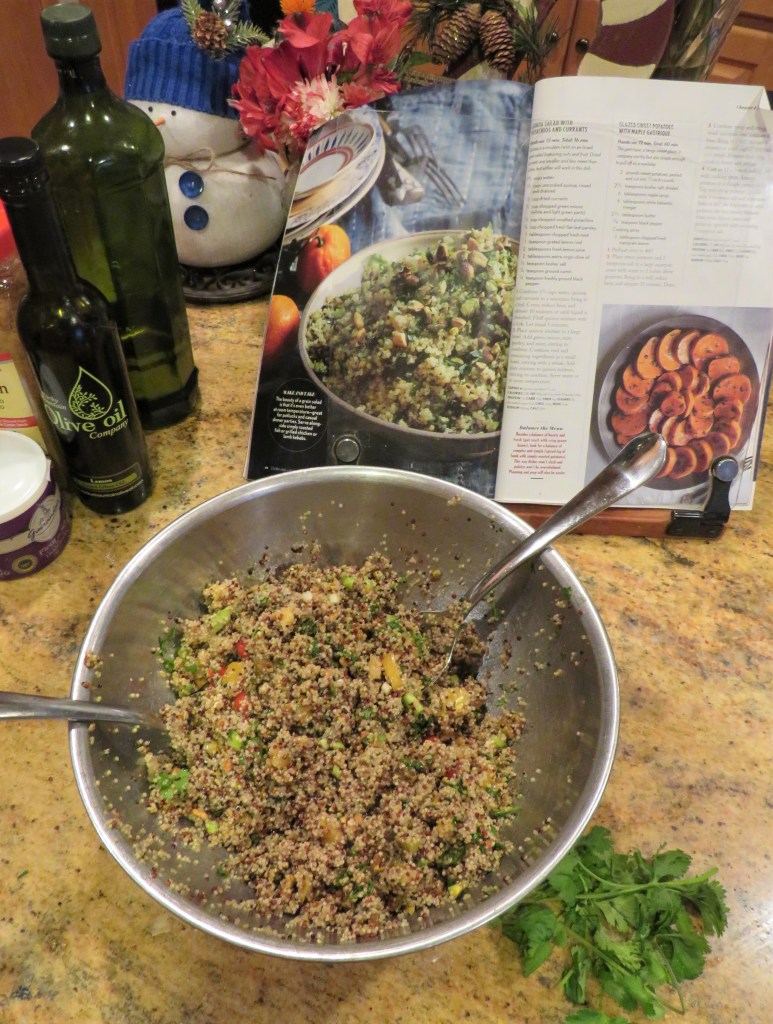
I like to give us a wide variety of different kinds of foods in our diet. We basically eat just about everything, which I believe is a very good, healthy thing. We don’t eat a lot of quinoa, but every now and I add it to our menu. This time I made it as a salad, similar to tabbouleh.

Quinoa Salad

1 1/4 cups quinoa

1 2/3 cups water

1/2 cup green onions

1/3 cup chopped pistachios

1/4 cup Peruvian peppers, optional

1/4 cup cilantro

salt & pepper to taste

2 TBSP lemon juice

1 tsp cumin

1-2 tsp citrus seasoning or lemon zest or orange zest

2 TBSP olive oil

1 TBSP lemon olive oil, optional

1 TBSP lemon balsamic vinegar, optional

Add the water and the quinoa together, with a little salt and olive oil. Bring to a boil, then reduce the heat, cover and simmer for about 10 minutes, or until the liquid is absorbed. Then fluff the quinoa and let rest for about 5 or so minutes.

Make the dressing by combining the oils, seasonings and balsamic vinegar. Set aside.

Toss all the other ingredients together well, then add the dressing and toss together again. 

This delicious and healthy salad is best when eaten either warm or at room temperature. It goes very well with chicken or pork or lamb. We had it a couple of times, once I believe with chicken and once again with lamb. It worked very well with both.

Happy New Year everyone. I hope 2024 is filled with happiness, good health and prosperity for all. ’Til next time.

Southwestern Turkey Pozole Casserole

Pozole is traditional food was likely created by the Aztecs who used it to celebrate special occasions and religious festivals. Pozole is a pre-colonial dish and it’s one of the oldest dishes in Mexico since experts have found that it became part of the Mexicas’ diet between 1325 and 1524. Pozole gets its name from the Nahuatl word for hominy, pozilli, meaning foam, the delicious kernels of Maize that are central to the dish. Pozole comes in three main varieties: Rojo, Verde and Blanco. Pozole is a thick soup chiefly of Mexico and the U.S. Southwest traditionally made with pork or chicken, hominy, garlic, and chili.  Nahuatl was the language of the Aztecs, an indigenous people of modern-day Mexico. Pozole is made with hominy, which is processed corn with the germ removed.

Hominy is a type of corn from yellow or white maize, also known as field corn. Dried hominy kernels are soaked in an alkali solution of lye or slaked lime. This process, called nixtamalization, removes the hull and germ, making the corn easier to grind and cook with. Nixtamalization also helps the kernels release more of their nutrients, including niacin (also known as vitamin B3), and makes them easier to digest, too.

Cooked hominy kernels are about three times the size of raw sweet corn kernels. They can be eaten like corn or mixed into corn-based dishes, such as succotash. Additionally, they can be used to fortify a variety of soups, stews and casseroles or to prepare starchy side dishes, such as hash. They can also be used in baking recipes such as cornbread, quick breads and muffins, or formed into flapjack-like hominy cakes.

In Hispanic countries, hominy is ground to make masa, which is then used to make corn tortillas, arepas, pupusas and other dishes found in Latin and Central American cuisine. At the grocery store, you’ll see it labelled as masa harina corn flour; this can be used to make masa cakestamales and corn dumplings.

I made a version of verde (green) pozole with turkey, topped with cheddar drop biscuits or dumplings. The version I made was a cross between a Southwestern tamale pie, pozole and turkey and dumplings. I served it alongside rice and beans to complete the meal. You can make this with either turkey or chicken.

Preheat the oven to 400*F or 205*C.

Spray a 9×13 baking pan with cooking spray.

The Filling

1 lb tomatillos, husks removed, diced

1 cup chicken or turkey broth

1 TBSP olive oil

2 cups onion, diced

1 TBSP garlic

1 large poblano chili seeded and diced

1 tsp cumin

salt & pepper to taste

2 15-oz cans of hominy, white, yellow or a combination of both, drained and rinsed

2 TBSP cornmeal

3-4 cups shredded turkey

1-2 tomatoes, diced

1/4 cup green onions, sliced thin

cilantro

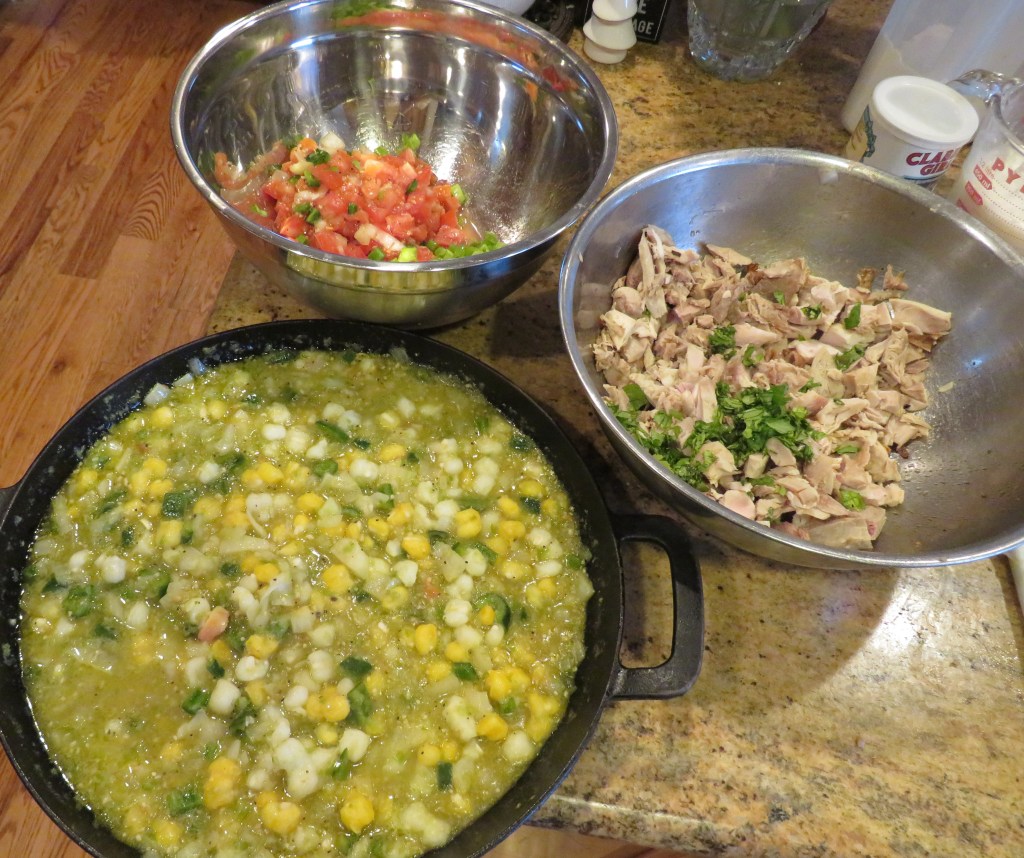
Place the tomatillos and broth into a food processor and blend until smooth.

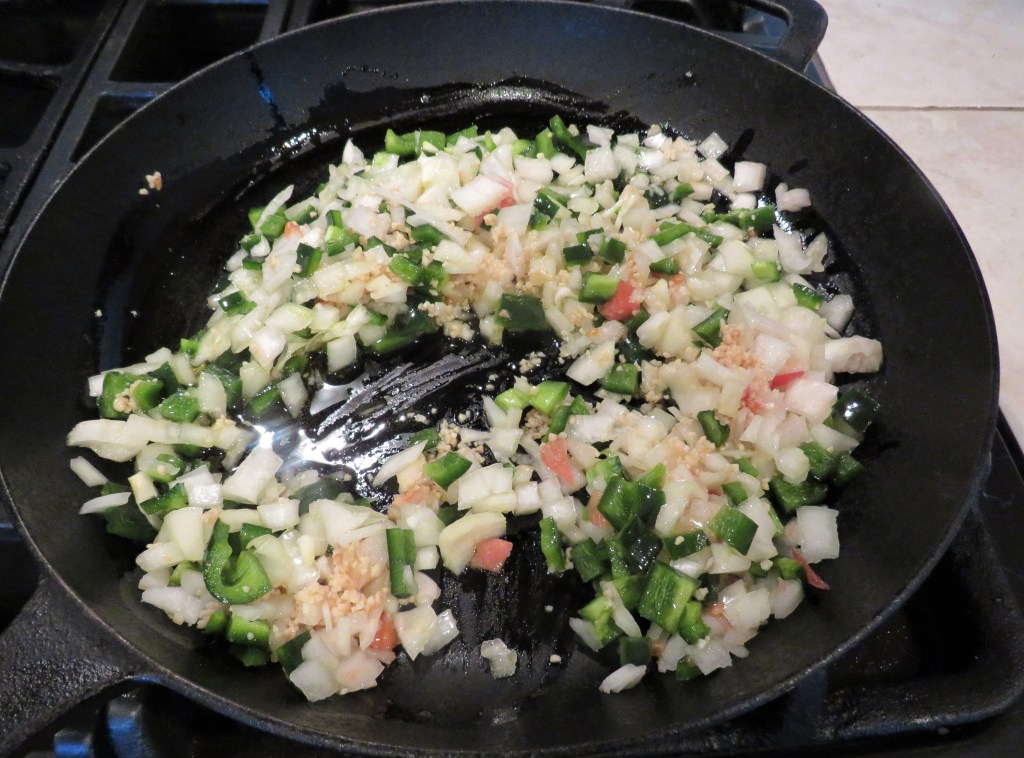
Get a skillet very hot, add the olive oil and saute the onions, garlic and poblano peppers for about 5 minutes, or until the vegetables are tender and the onions are translucent. 

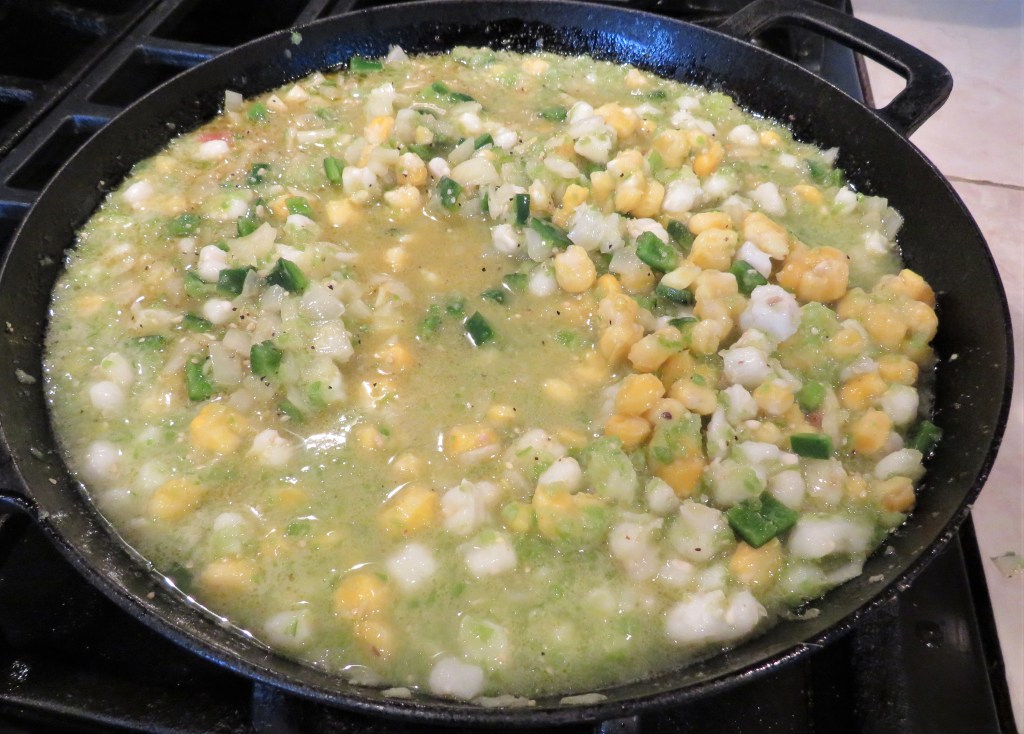
Add the hominy and continue to cook for about 3-5 additional minutes, then add the cumin and cook for about 30 more seconds. Add the tomatillo mixture, salt and pepper and the cornmeal. Bring to a boil, then reduce the heat to a simmer and continue to cook for about 3-5 minutes. I used a combination of both the yellow and the white hominy.

When the sauce is thickened a bit, add it all to the turkey, tomatoes, cilantro and green onions and mix together well. Then spread the mixture evenly into the prepared pan.

The Topping

1 1/4 cups flour

2/3 cup yellow cornmeal

1 1/2 tsp baking powder

1/4 tsp baking soda

1/4 tsp salt

1/4 cup chilled butter, cubed

1 1/4 cups buttermilk

3-4 oz shredded cheddar cheese

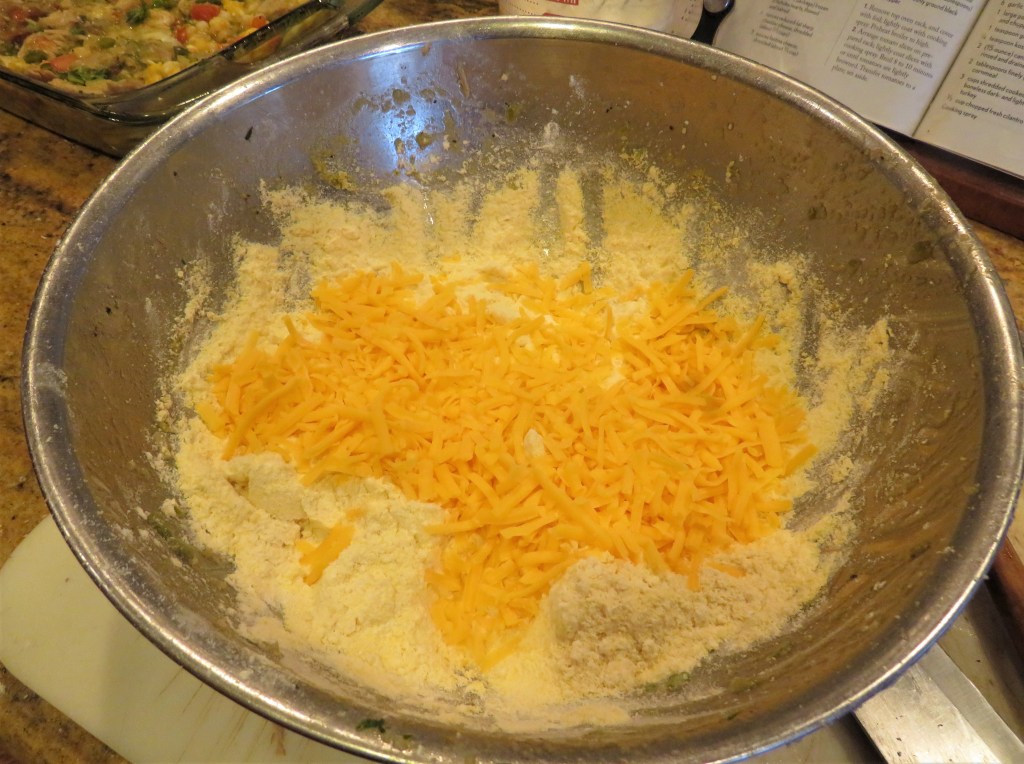
Combine the flour and dry ingredients together with the cubed butter. Mix together well until it all resembles a coarse sand. Add the cheddar cheese and mix together again. 

Add the buttermilk and mix just until everything is blended together. Do not over mix or the dumplings will become tough and dry. 

Once everything is blended together, spoon it evenly over the top of the casserole.

Bake for about 30 minutes or until the dumplings are lightly golden. Serve it up and desfruitas! !Esta rico!

Happy New Year everyone. I hope 2024 is a good year for all, filled with happiness, good health and prosperity. ’Til next time.

Spaghetti And Meatballs

Spaghetti and meatballs are a well-loved classic all over the world. We all think of spaghetti and meatballs as being an Italian dish, but no, not really. Pasta, originated in China long before it was brought to Italy and meatballs have been popular in many countries, with many people saying the first meatballs came from Persia. They were known as kofta. And though the Italian immigrants certainly brought their love of pasta to America when they came over, they didn’t specifically bring over spaghetti and meatballs. More than likely, this was a creation from Italian-Americans, and was an adaptation to their budgets and what was available. Meat was readily available and much cheaper in America, so their Italian immigrants started adding meats of all kinds in their traditional dishes from home. To bulk up their meals further, they added a generous helping of pasta topped with a sauce made of canned tomatoes. These ingredients, canned tomatoes and dried pasta, were cheap to purchase and easy to cook with. The dish we call spaghetti and meatballs was born of a combination of inventiveness and resourcefulness, most of which were vegetarian or with only small portions of meat at the time. 

Italians definitely eat meatballs too, but they are usually served on their own, with no sauce. The Abruzzese Italian Americans were probably the first ones to start serving meatballs with their pasta, but they were more than likely used lamb, especially in the old country, because lamb was more readily available to them.

The dish served in Italy that most closely resembles spaghetti and meatballs is probably beef ragù, two classic versions of which originated in Naples and Bologna. Ragù Napoletano and Bolognese Ragù have been served in Italy since the Renaissance of the 14th and 15th centuries. This is a tomato-based sauce served over pasta, usually containing meat, spices and vegetables, red wine, and aged Italian cheese such as Parmigiano-Reggiano or Pecorino Romano. The sauce is simmered for anywhere from an hour to eight hours, to allow the meat to soften and deep flavors to develop. The meat used, usually a combination of beef or veal and pork, may be ground or cut into large chunks and shredded. Often, a long noodle wider than spaghetti, like pappardelle, is chosen for this dish.

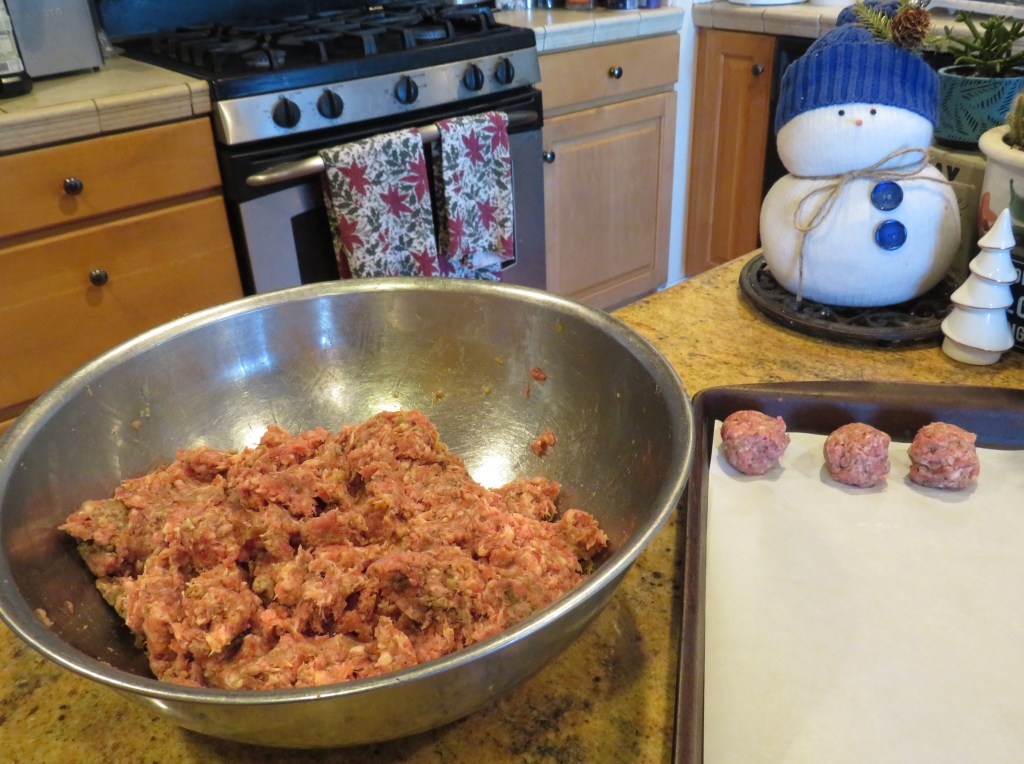
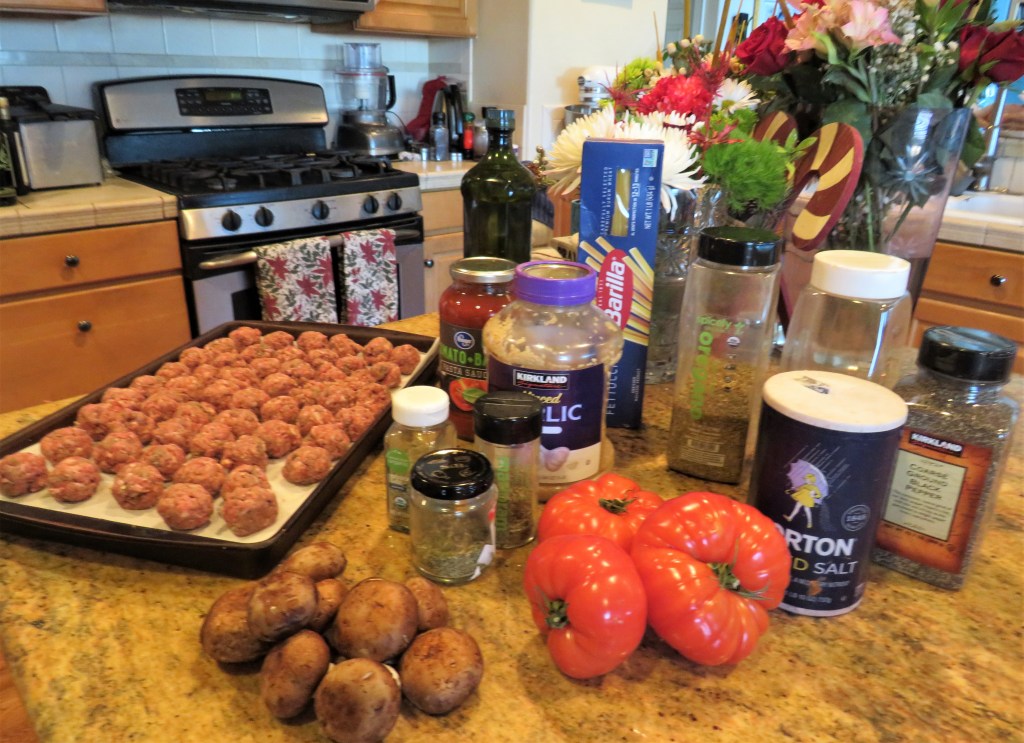
Larry had been hungry for spaghetti and meatballs for awhile, and since I already some hamburger meat and ground pork defrosted and ready to go, what better time to make it, right?! I had made some hamburgers the other day and had some leftover meat with all the spices, as well as some roasted hatch peppers, already mixed together. All I needed to do was add some ground pork, bread crumbs and an egg to bind everything together for the meatballs.

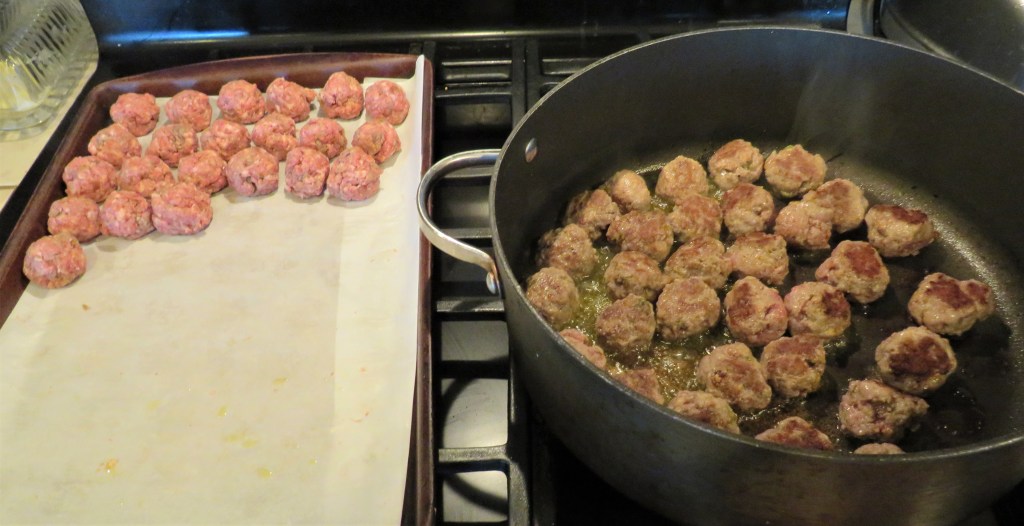
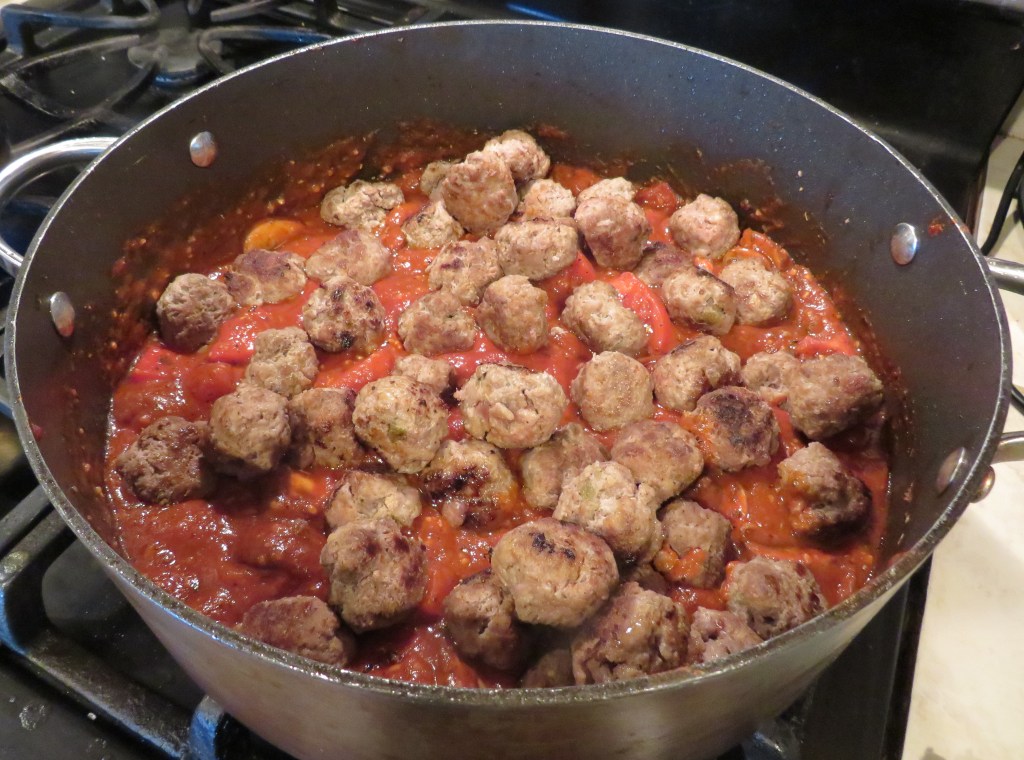
After all the meatballs were made, I cooked them in batches in a large hot pot with olive oil. Don’t overcrowd the meatballs when cooking them. I cooked them for about 2-3 minutes per side until they were completely browned. Then removed them and set them aside for later.

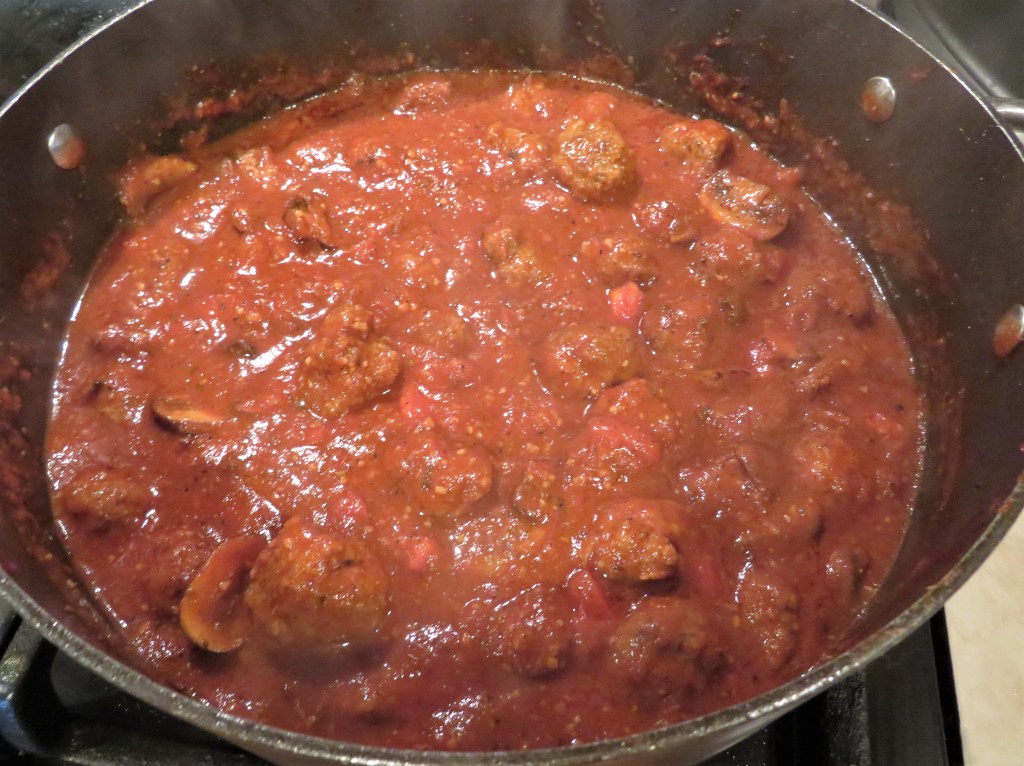
Once the meatballs were made, it was time to cook the sauce and the pasta. I admit, I DON’T make my own marinara sauce. It’s not that I don’t know how to, but it’s usually a matter of time. To make a really good marinara sauce, you need to have a lot of time to really cook down the tomatoes and make a thick, hearty , rich sauce. I admit. I cheat. I buy a good pre-made sauce then doctor it up and add more stuff like, extra tomatoes, more garlic, more herbs, a little red wine and mushrooms.

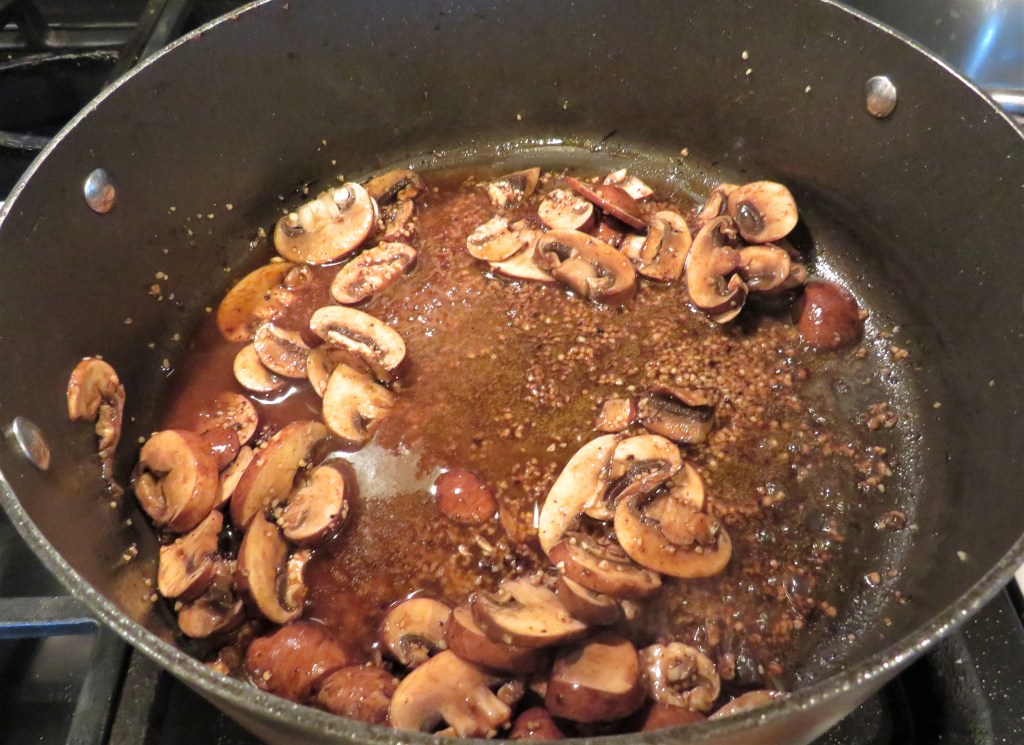
After removing the meatballs, I added the mushrooms and garlic to the same pan, with a dash more olive oil, and cooked for about 2-3 minutes, stirring the whole time.

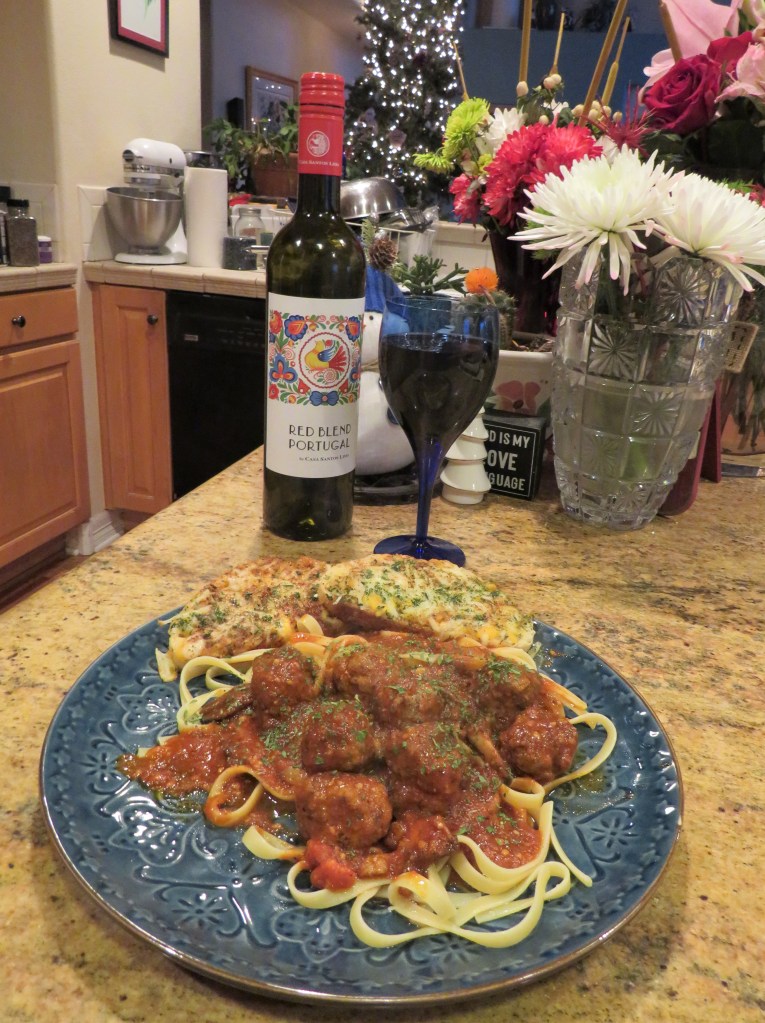
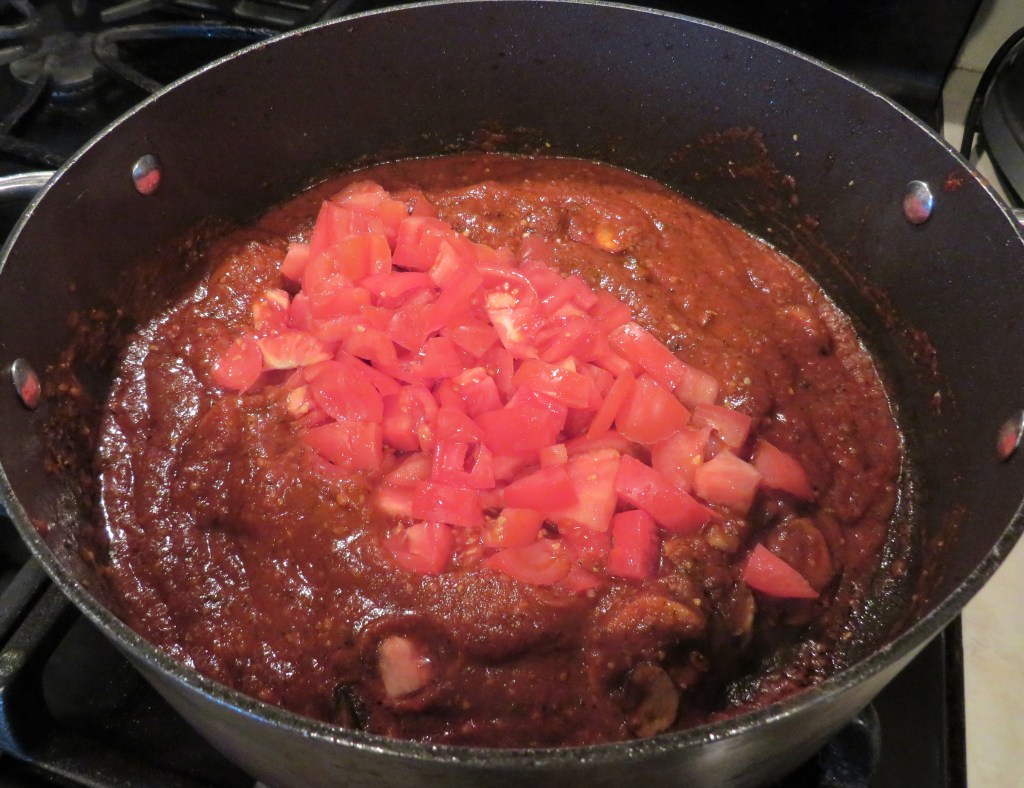
I added a bit of red wine to deglaze my pan, then added the pre-made sauce, herbs and extra tomatoes. I almost always serve my spaghetti with Larry’s favorite cheese bread and my secret ingredient to my sauce is the leftover garlic butter from my bread. 

Mix everything together and bring to a boil, stirring frequently. Then reduce the heat to a simmer and re-add the cooked meatballs. Incorporate into the sauce and cook for an additional 20-30 minutes, at a low simmer, stirring occasionally.

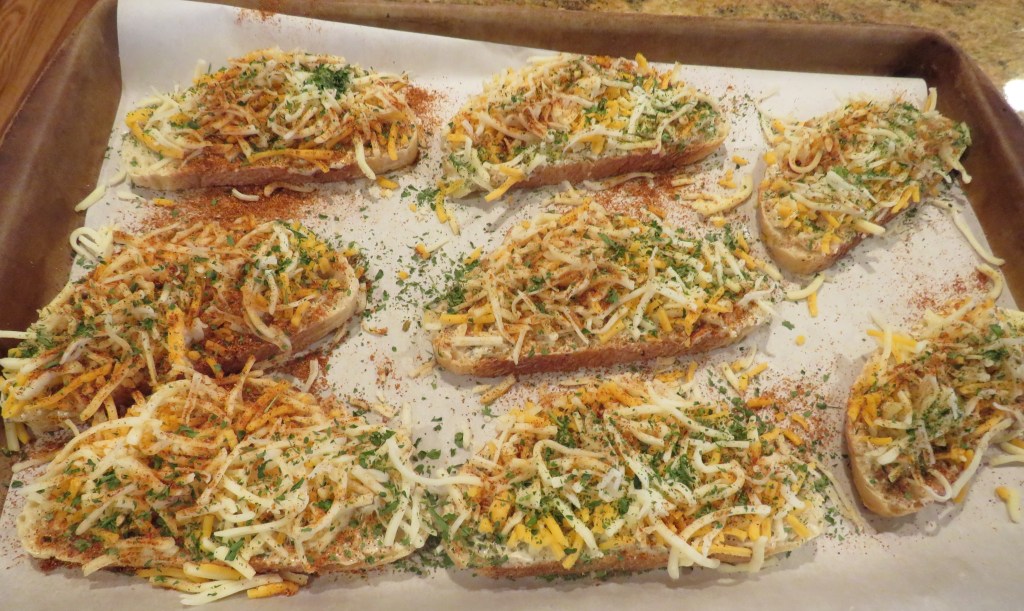
Getting the garlic herb cheese bread ready. I mix in a bunch of Italian herbs with lots of garlic and butter, then spread it generously onto a crusty bread. I top it with both cheddar and Mozzarella cheese, then top it all with a sprinkle of paprika to give it a smoked flavor. Then just bake until it is crunchy and all the cheese is melted.

Because my sauce is a hearty red sauce, nothing but a big, bold red wine will do. Anything else will get lost with the sauce. !Mangia! !Buon Appetito!

Happy New Year Everyone. May it be a happy, healthy and prosperous year for all. ’Til next time.
Black-Eyed Pea Soup with Ham And Peppers

Southern tradition says it is good luck to eat black-eyed peas on New Year’s Day. But you can eat them any way you like. The how is up to you. Eating black-eyed peas for the holiday is said to bring good luck, health and abundance. If you don’t eat your black-eyed peas you could be tempting fate for the rest of the year. I am not going to tempt fate for the rest of the year. Are you?

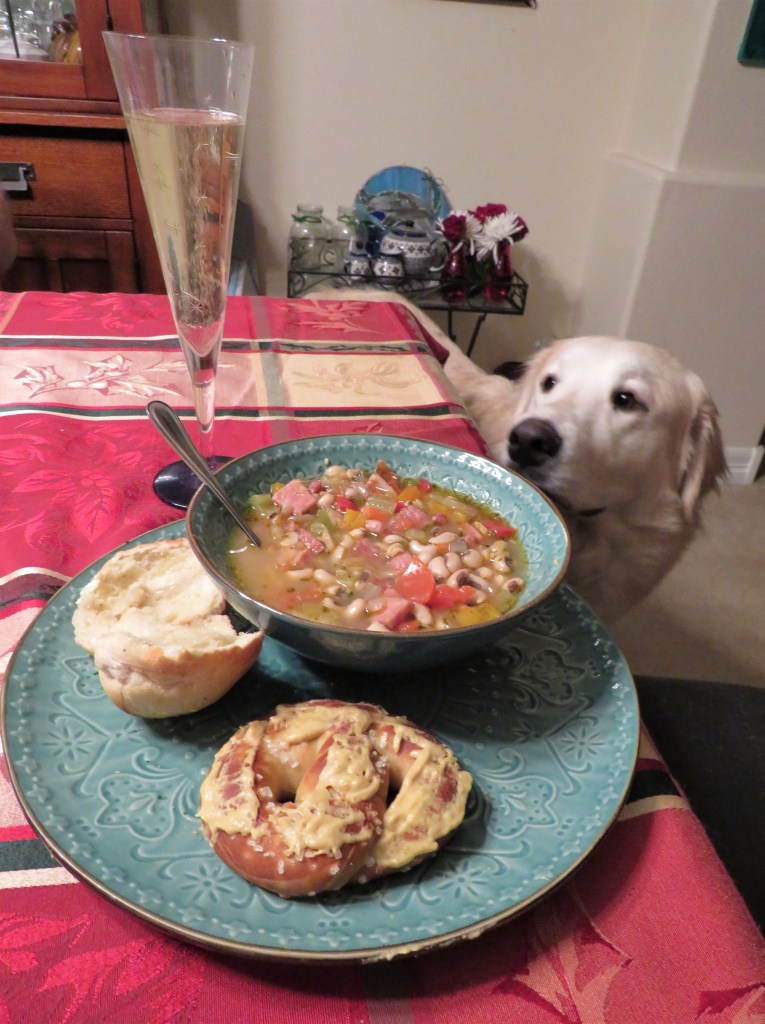
I guess Dorrie wants some good luck too. I was doubling up on my chances for good luck with my black-eyed pea soup AND my pretzels. Some German Holiday Traditions

There are a few theories as to how eating black-eyed peas on New Year’s Day came about. One variation of the superstition says that black-eyed peas were all the enslaved people in the South had to celebrate with on the first day of January. Others say it started during the Civil War in Vicksburg, Virginia, when the town ran out of food while under siege and the inhabitants were lucky enough to discover cow peas (a.k.a., black-eyed peas). Another legend holds that slaves ate black-eyed peas on January 1, 1863, the day the Emancipation Proclamation went into effect because they were all they had. These are only some of the reasons why black-eyed peas have been eaten in the South on every New Year’s Day since. 

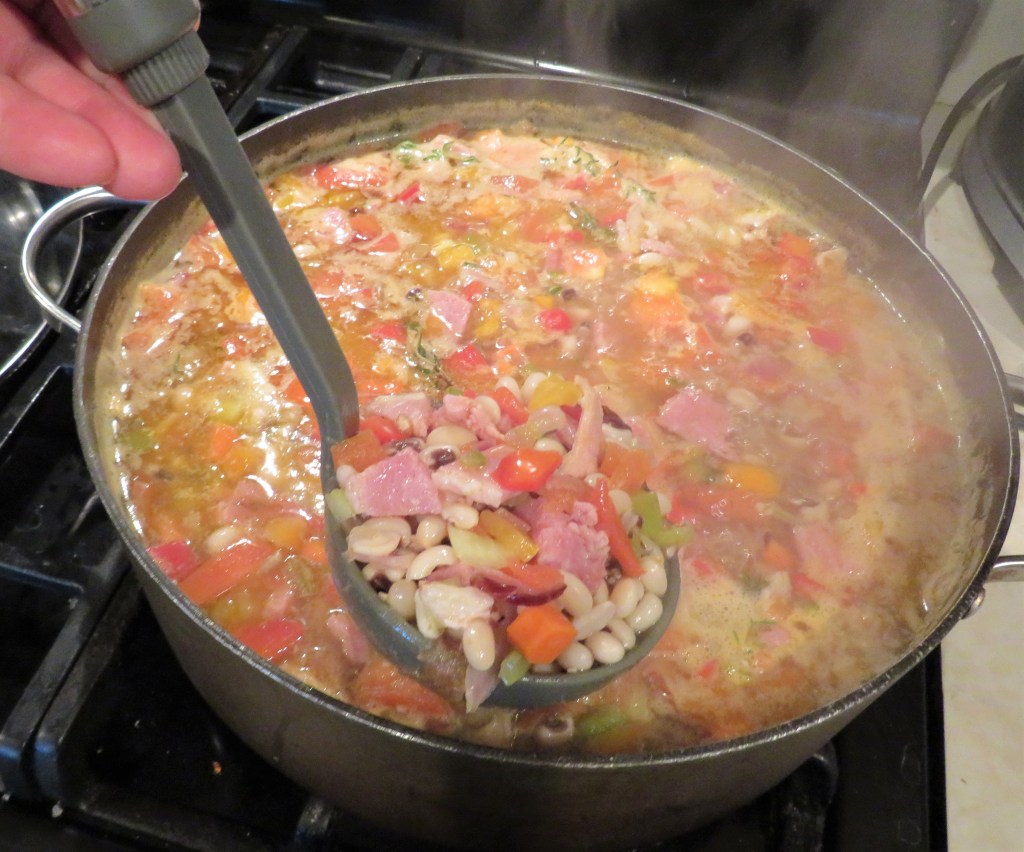
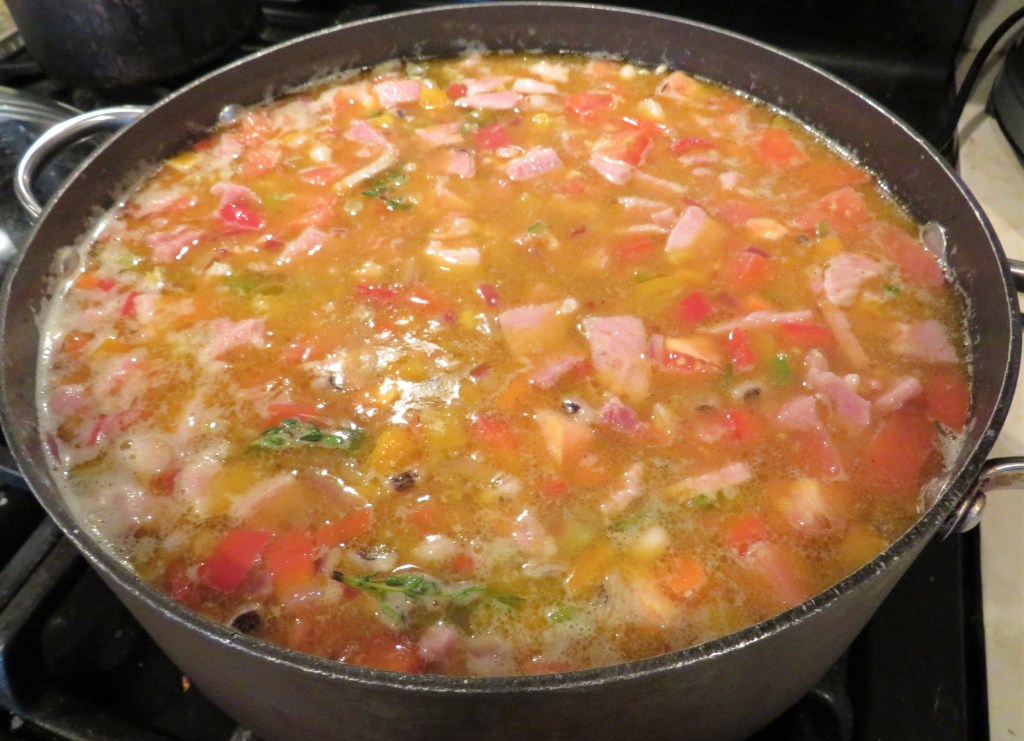
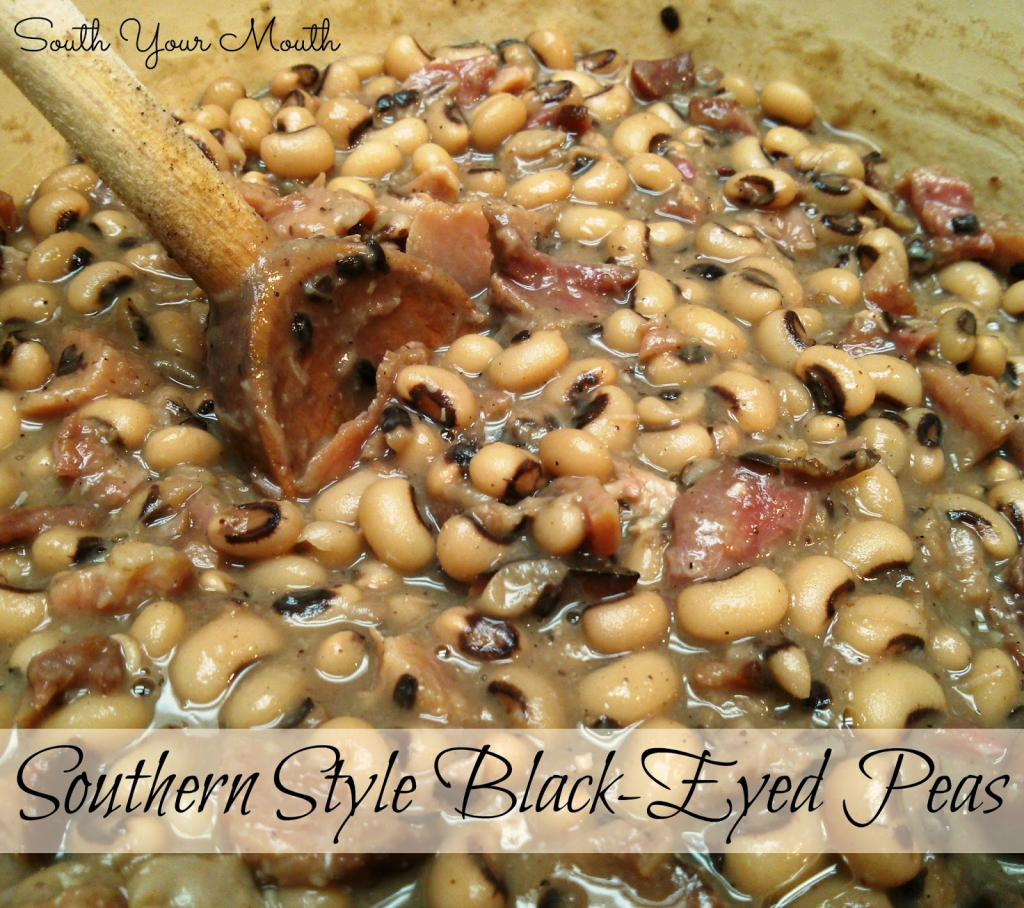
I play around with different ways of serving my black-eyed peas on New Year’s Day. This year it was soup. I loaded it with ham, peppers and tomatoes. It was full of rich flavors and goodness, and hopefully good luck.

Black-Eyed Pea Soup With Ham and Peppers

It’s a good thing we like this soup, and soups in general, because I NEVER make just a little bit of soup. I always make a big pot, no matter what kind of soup I make. :)

1 bag dried black-eyed peas, soaked, drained and rinsed, according to the package directions

1/2 each, green, yellow, orange and red bell peppers, diced medium

3-5 carrots, peeled, diced medium

1 red onion, diced medium

1-2 jalapenos, diced fine

3-4 celery stalks, diced medium

2-3 lbs diced, cooked ham

1-2 TBSP garlic

2-3 tomatoes, diced

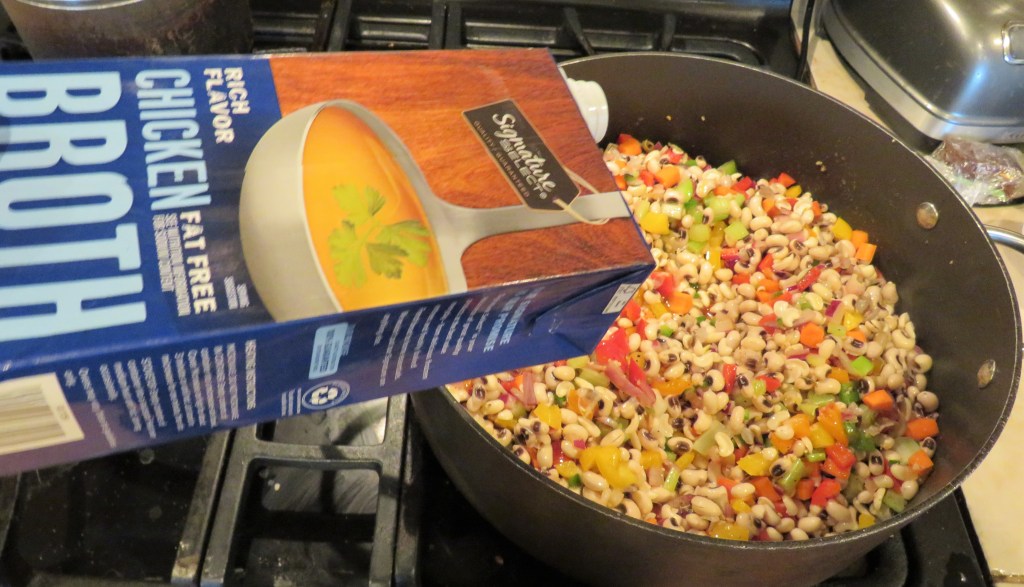
6-8 cups chicken broth

salt & pepper to taste

3-5 sprigs of fresh thyme

olive oil and butter for cooking

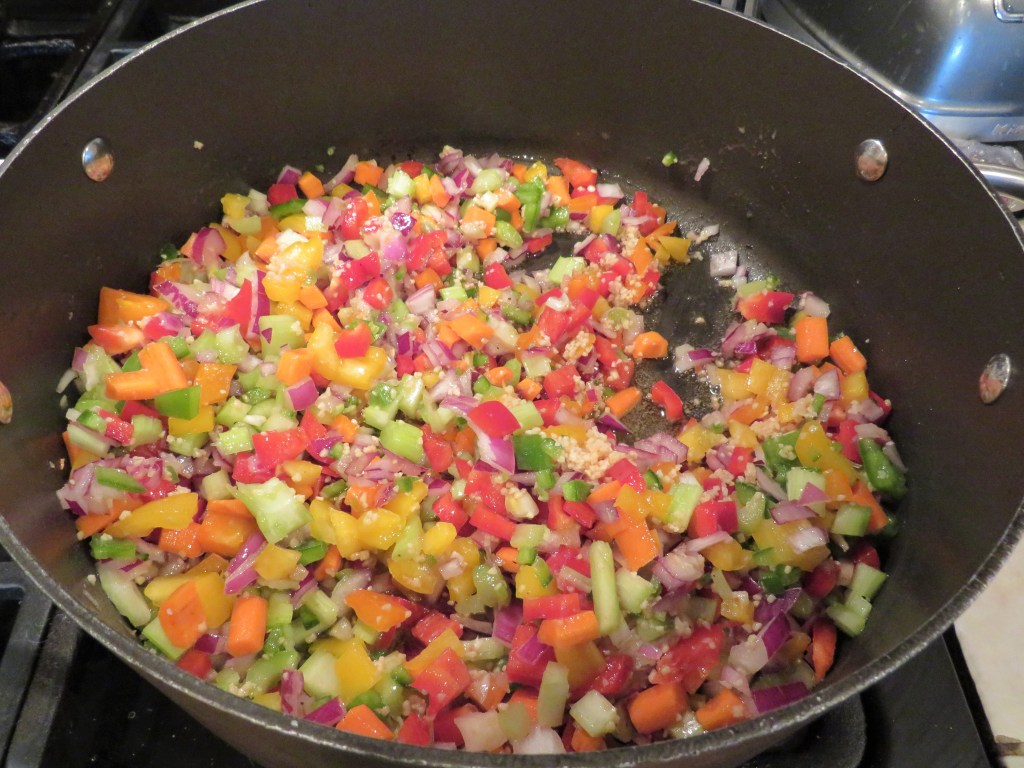
Get a large soup pot hot, add the oil and/or butter and vegetables. Saute for about 3-5 minutes, or until the vegetables and onions begin to soften.

Add the black-eyed peas and broth. Bring to a full rapid boil, then reduce the heat to a simmer, and simmer for about 30 minutes, stirring occasionally.

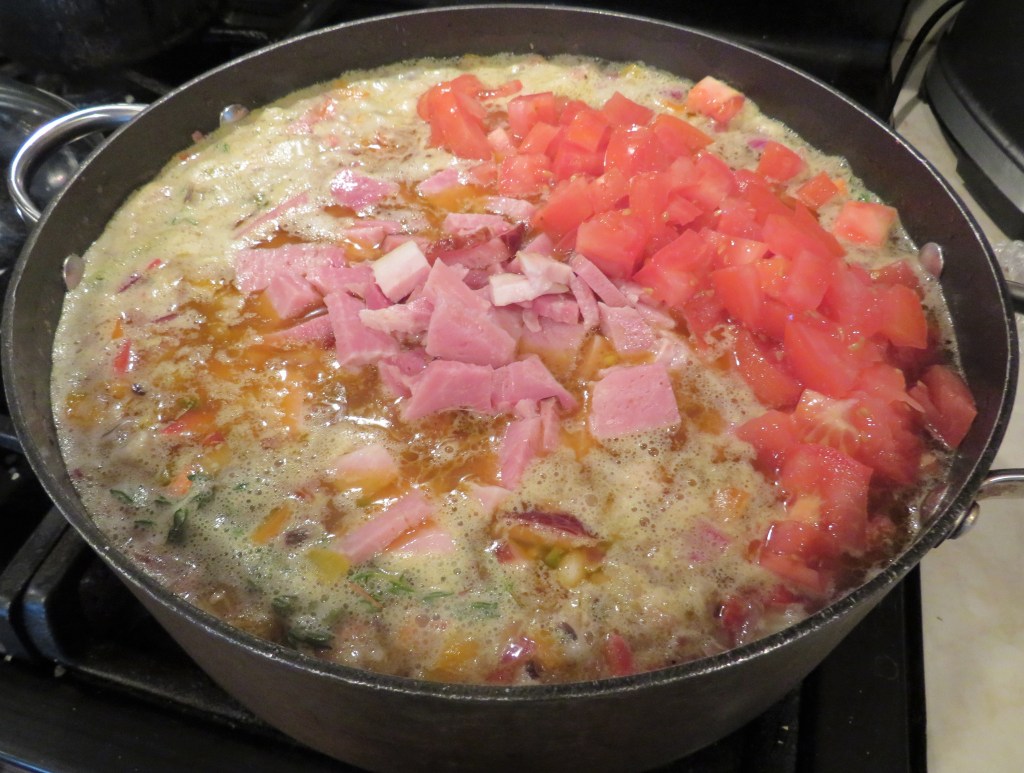
Add the ham, fresh thyme and seasonings and tomatoes, and continue to cook at a simmer for about 30-45 minutes, or until everything is hot and the beans are tender, stirring occasionally.

When everything is ready, serve it up by the bowlful and enjoy. You can enjoy this delicious, healthy soup anytime, but you are in for good luck for the year if you enjoy it on New Year’s Day, or so the legend says. :)

Happy New Year Everyone. Happy 2024. May it be safe, healthy and prosperous for all. ’Til next time.
Some German Holiday Traditions

Happy New Year Everyone. WOW! Can you believe it’s now 2024?

As I have mentioned many times in the past, Larry is almost 100% German. We don’t have a lot of traditions that we keep, German or otherwise, though I am trying to get some established. They’re fun and they represent a bit of our ancestry and past. This year, we have a couple of German holiday traditions going on. Oddly enough though, as German as Larry is, none of his family have ever heard of these traditions. 

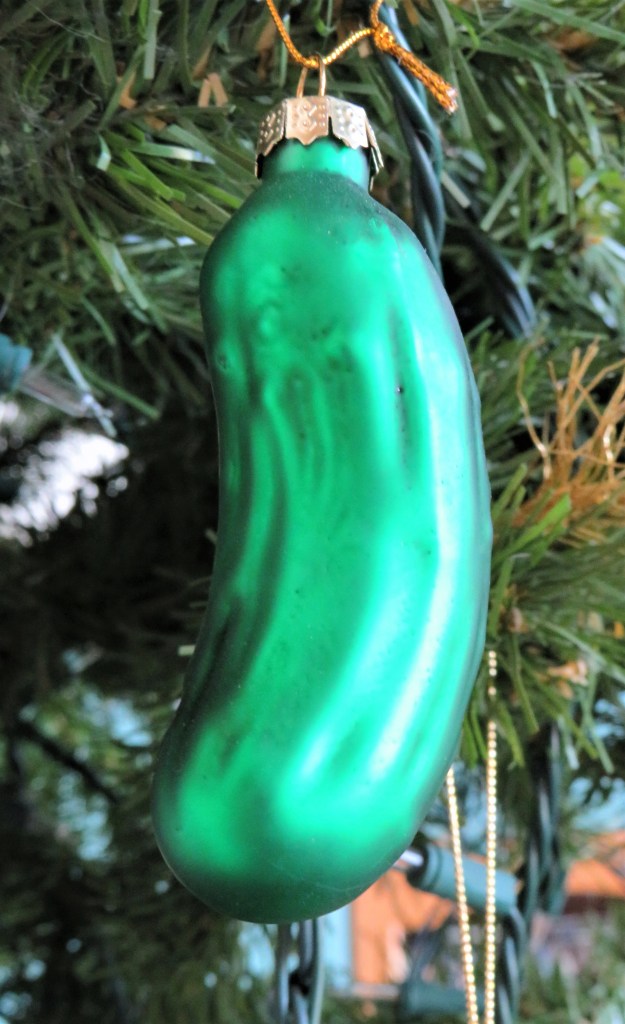
The first is the German pickle on the tree. Neither Larry nor I had ever heard of this until our friends Milos and Maureen brought it to our attention by giving us a pickle for our tree. 

The history behind the German pickle on the tree comes from a German-American soldier who was taken prisoner during the Civil War. Starving, he begged a guard to give him one last pickle before he died. The pity pickle gave him the mental and physical strength to live on. It has been a German tradition ever since. The tradition is an ornamental pickle is the last ornament placed on a Christmas tree as one of the Christmas decorations. On Christmas morning, the first person to find the pickle on the tree would receive an extra present from Santa Claus or would be said to have a year of good fortune. As the Weihnachtsgurke tradition goes, the first child to find the pickle ornament on the Christmas tree is assured of good luck in the coming year and a special gift. The pickle is seen as a symbol of hope, reminding people that even in the darkest of times, there is always a glimmer of light. So, from here on out, we will have a Christmas pickle on out tree too.

The second German holiday tradition we are holding is to eat soft pretzels on New Year’s Day. We have been honoring this tradition ever since I learned about it a few years ago. Yesterday, I made my pretzels. We ate some last night, and will enjoy them again today. Hopefully we will have an abundant year, filled with good luck, good health and prosperity.

Pretzels were often distributed to the poor as symbols of good luck for both physical and spiritual sustenance. By the seventeenth century, loops became symbols of undying love too. German children would wear pretzel necklaces on New Year’s to symbolize good luck and prosperity in the next year as well. The breaking of a “Good-Luck” New Year’s Pretzel (Grosse Neujahrsbrezel) is a long time German tradition, thought to bring good luck and prosperity in the New Year when eaten at midnight or by breakfast on New Year’s Day.

Sourdough Pretzels

These delicious pretzels are definitely a labor of love and require a lot of time to make them. Don’t even start if you are in a hurry for them. You need to start with a sourdough starter or mother culture first. There is NO yeast in these pretzels at all. They rise by time and fermentation alone.

Theoretically, once you start a sourdough starter or “mother culture” you only have to start it once, and then it becomes the gift that just keeps on giving.  Believe it or not, some mother cultures are over 150 years old and are still thriving. Maureen brought her starter for me from Canada when they came to visit.

The Starter or Mother Culture

Day 1 : 1/4 cup organic whole wheat flour, 2 tsp rye flour, 3 TBSP non-chlorinated water. Mix and loosely cover and set in a warm location.

Day 2: Mix another 1/4 cup of organic whole wheat flour, 2 tsp organic rye flour and 3 TBSP non-chlorinated water to the mix, and once again, loosely cover and keep in a warm location.

Day 3: Mix another 1/2 cup organic wheat flour and 1/3 cup non-chlorinated water to the mix, and again, loosely cover and keep in a warm location.

Day 4: Your starter should be ready to go from this day forward. You can cover it and place it in a container and store it in the refrigerator for about 1 week before needing to refresh it again. You can keep refreshing your starter indefinitely, with each refresher taking about 12-16 hours to mature to the point when it is ready to leaven your bread. 

About 12 hours before you want to start baking, remove the mother culture from the fridge. Mix in about 3/4 cup +2 TBSP of water, 1/4 cup mature mother culture and 1 2/3 cups bread flour. Tap water is fine from this point on. Let it ferment for an additional 12-16 hours. You can use this same starter for pancakes, pretzels, waffles, bread or crackers. As you can see, I chose to make pretzels.

The Pretzels

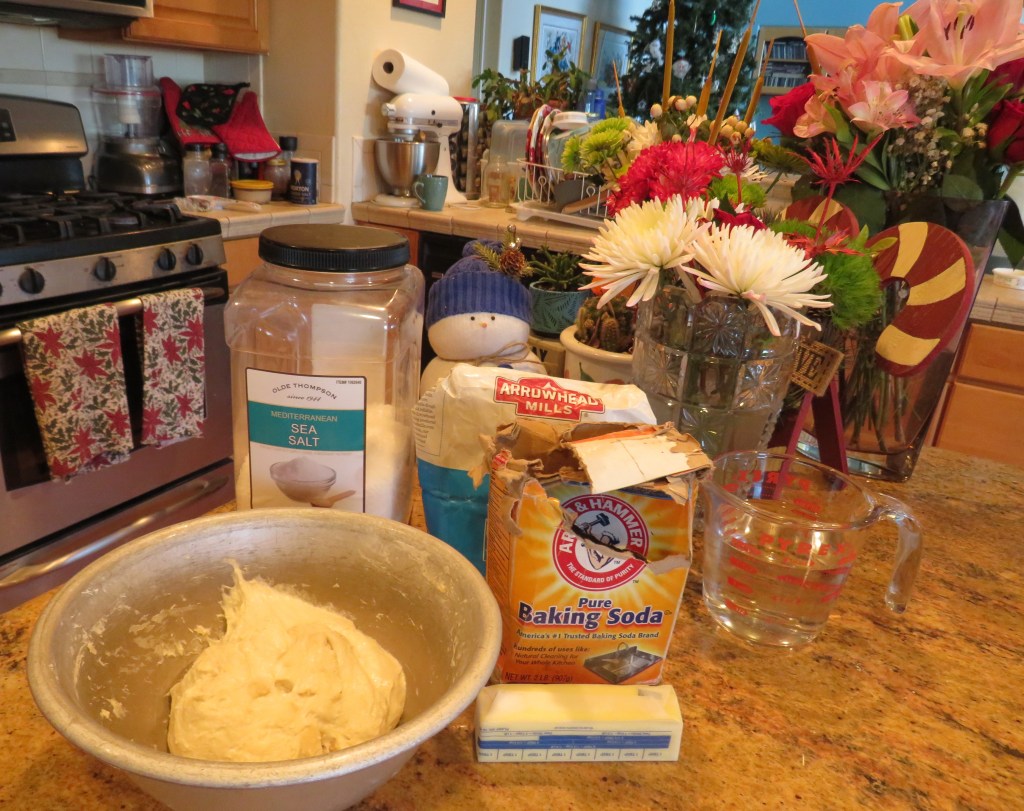
5 cups bread flour

1 2/3 cups water at about 75*F

1 1/3 cups mature sourdough starter – save the rest for something else later

1 TBSP sea salt

1/3 cup softened butter

1/2 cup baking soda

kosher salt for sprinkling on top

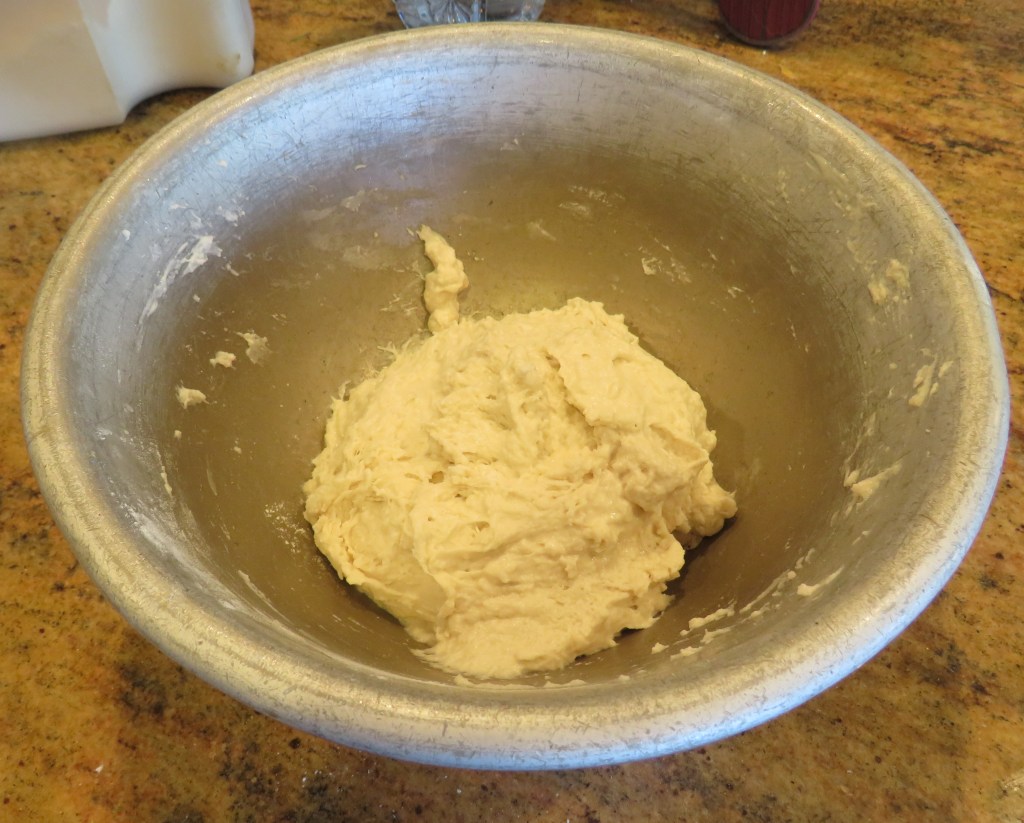
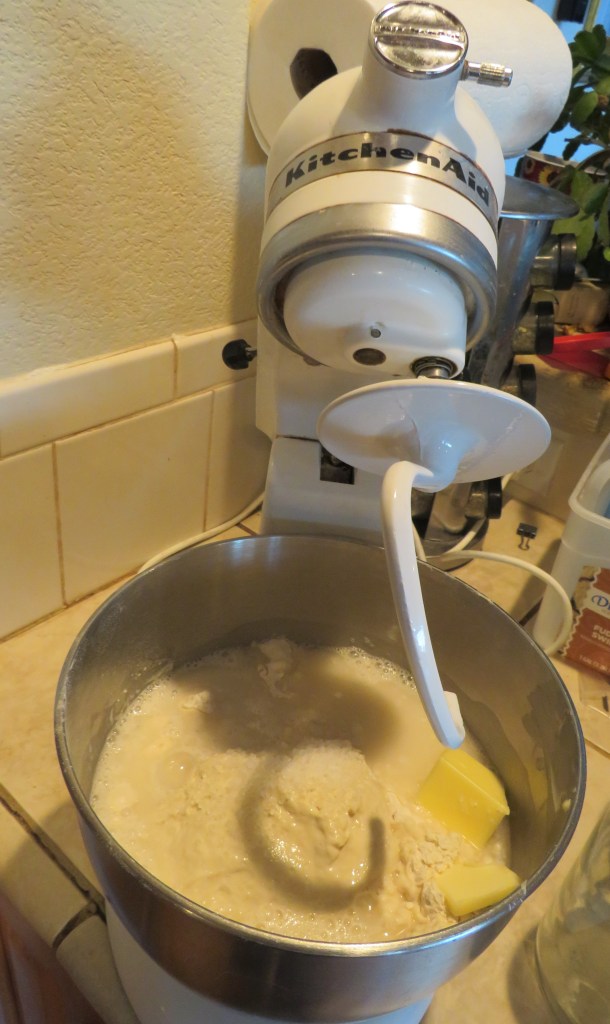
Mix everything together with a dough hook on the first speed for about 3 minutes, then increase the speed to the second speed and mix again for about 6 minutes.

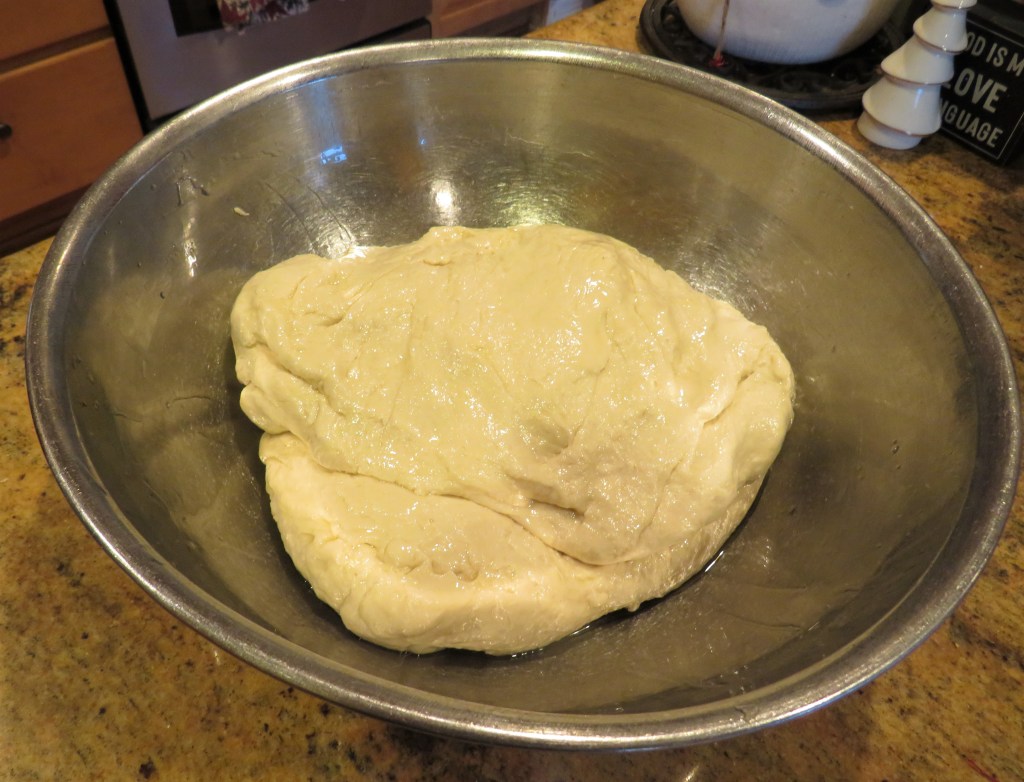
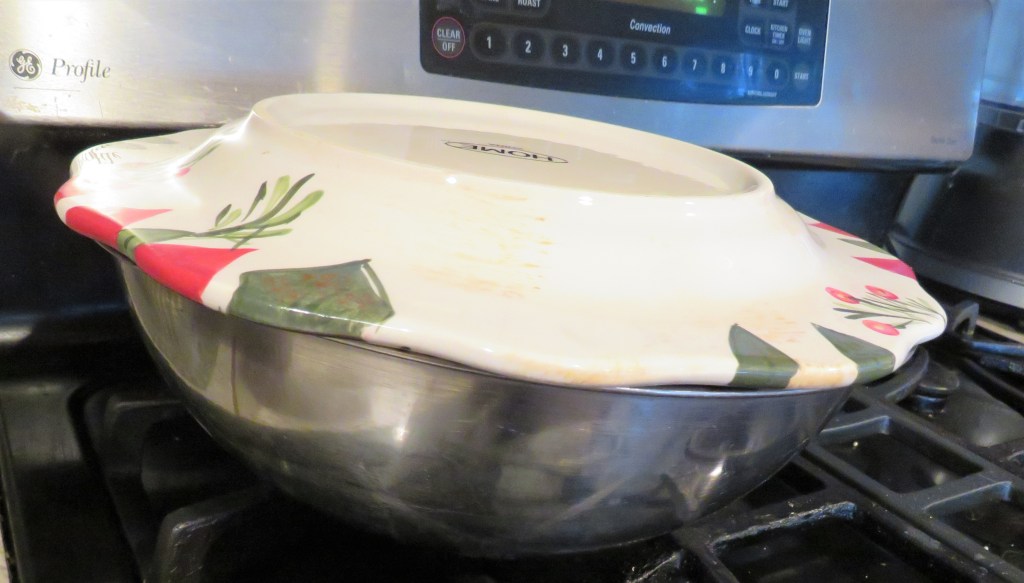
Once the dough has formed into a soft dough, lightly oil a large bowl, place the dough in the bowl and cover loosely with a plate.

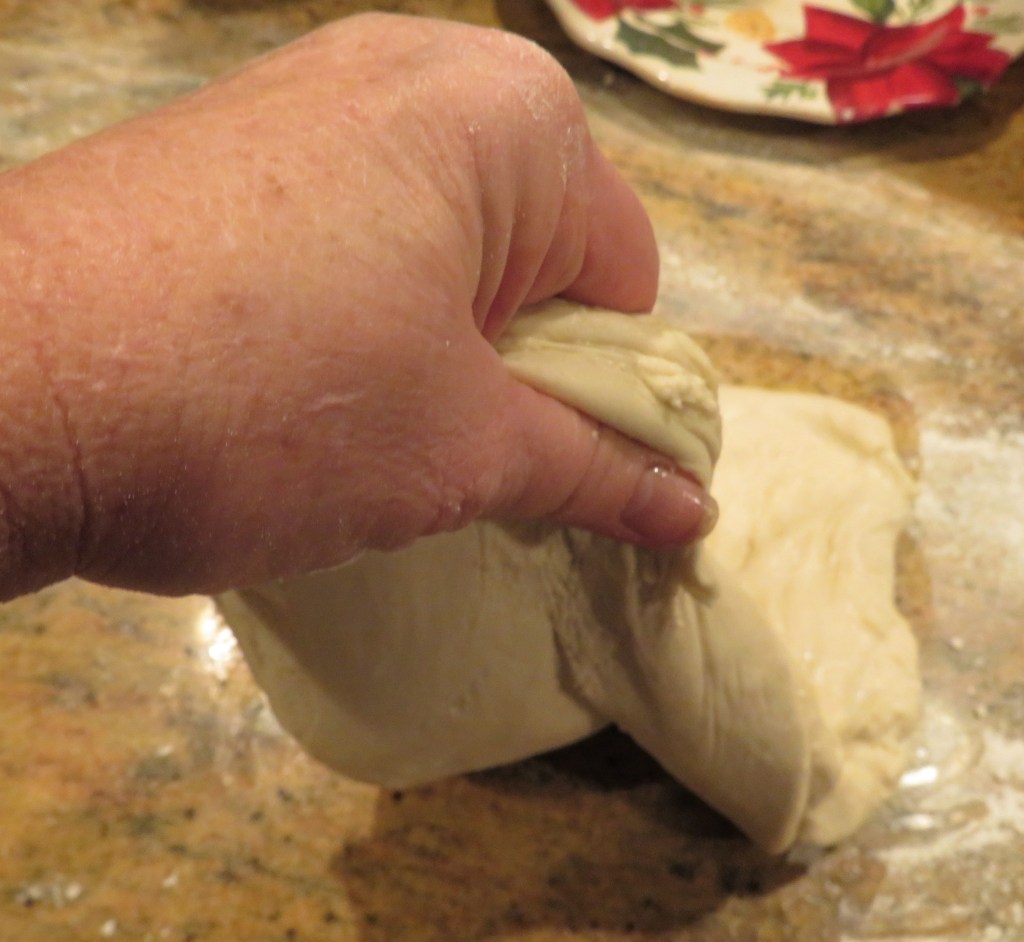
Let the dough ferment for an hour, then stretch it by pulling one corner just until you feel the gluten tighten, before it tears. Rotate the dough and repeat on all the corners of the dough. 

Cover with the plate once again, and let it continue to ferment for another 2 1/2 hours. Once the dough is ready, cut it into 10-12 equal portions. 

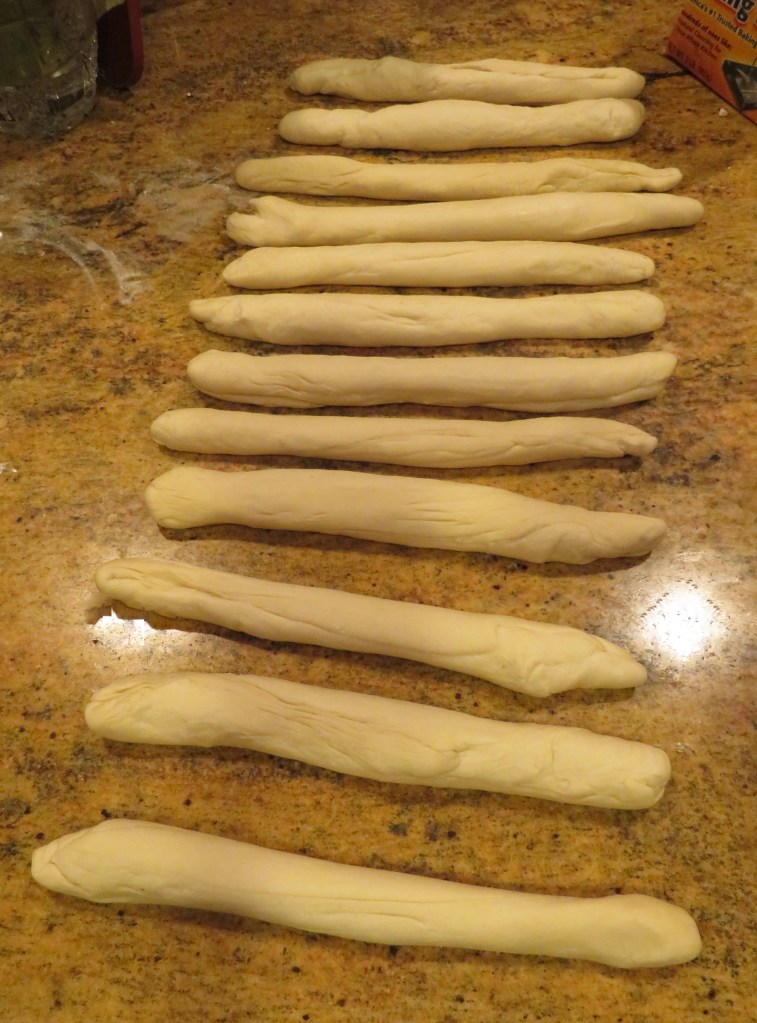
On a lightly floured surface, roll these out to logs that are bout 10-12 inches long. Cover them once more and let them rest for about 20 minutes.

When they are ready, roll them out again, stretching them out to about 16 inches long. Take the 2 ends of the dough and shape them into a round and twist the ends two times, then attach the ends to the base. You may have to dab a little water on the dough to help them stick.

Cover loosely and refrigerate for 12-16 hours to slow the fermentation process.

When the dough is ready, preheat the oven to 350*F or 180*C.

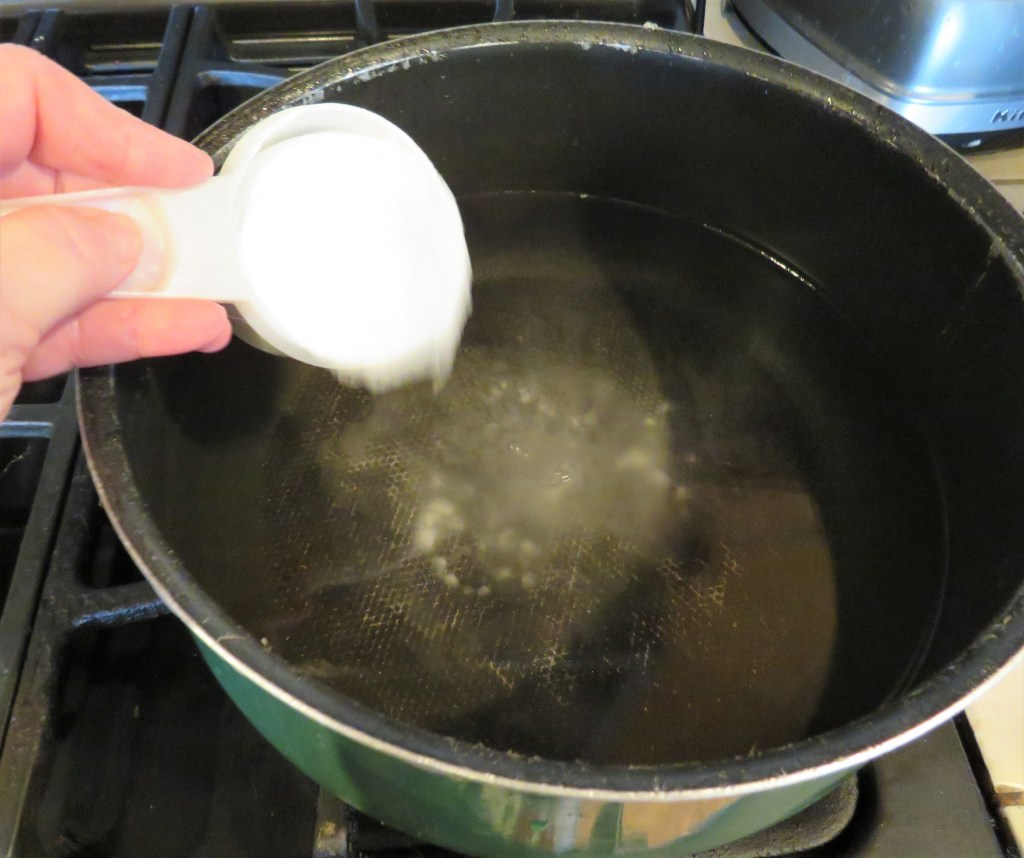
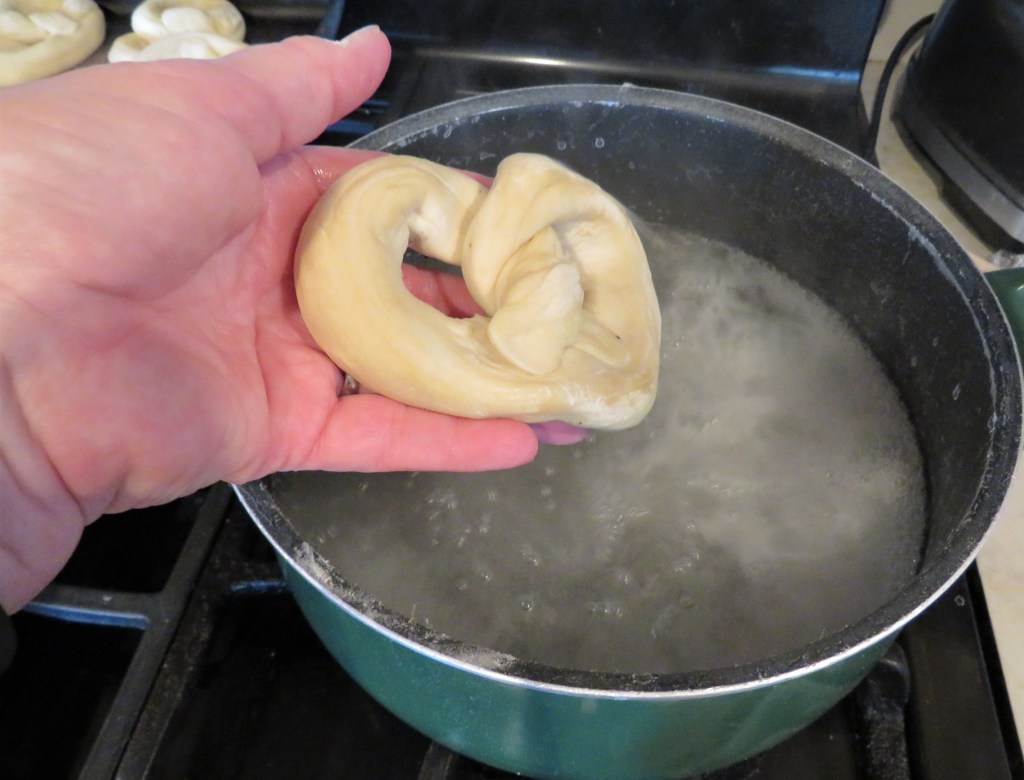
Bring a large pot with 2 qts of water and 1/2 cup of baking soda to a boil. Place one pretzel at a time in the mixture and boil at a medium boil for about 20 seconds. Remove the pretzel and place it on baking sheet lined with parchment paper. Repeat until all the pretzels are done. 

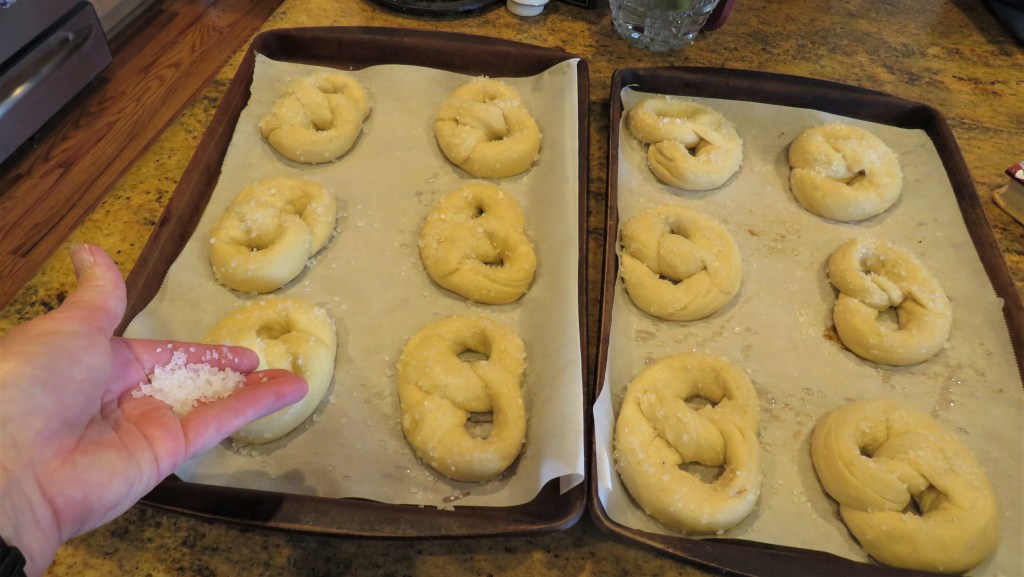
Sprinkle the kosher salt on top of the pretzels.

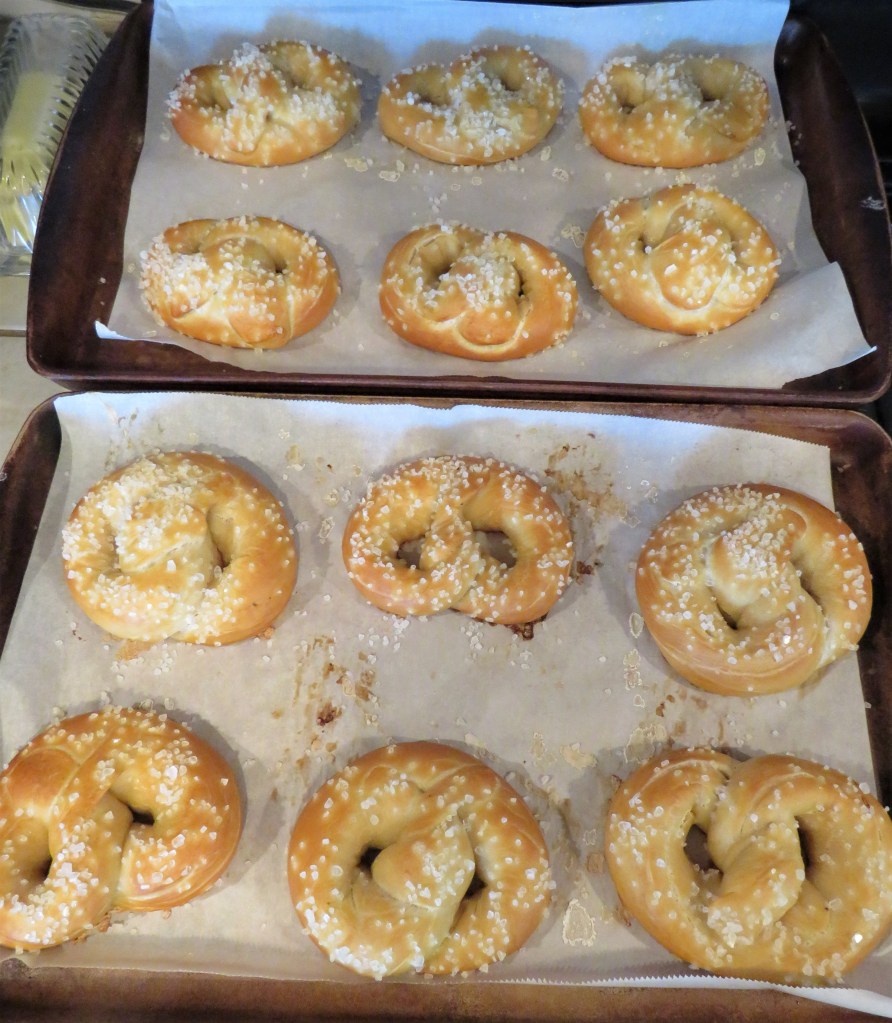
Then bake for about 30 minutes, or until golden brown. Allow the pretzels to cool a bit before eating. 

You can eat them as is, or with a little Dijon mustard, or with a little melted cheese on top. You can enjoy these delicious soft pretzels anytime you like, but you definitely want to make sure you enjoy them on New Year’s Day in order to have good luck throughout the year. :)

Happy New Year Everyone. I hope 2024 is a good year for all. Stay safe and stay well. ’Til next time.
The World Celebrates A New Year – 2024

HAPPY New Year Everyone! Good-bye 2023 and hello 2024. Let’s hope 2024 brings happiness, health and prosperity to all. Tonight, at least in the United States, it is New Year’s Eve. But many other parts of the world have already celebrated the coming of the new year. For instance, I called some of my Australian cousins last night, and they were already celebrating the coming of the new year. 

Although much of the world festively rings in the new year each December 31, we don’t all celebrate the same way. In the United States, we all know the traditions: the ball drop at Times Square, sharing a kiss with a loved one at the stroke of midnight, and countless amounts of fireworks. But elsewhere around the globe, traditions can include everything from giving your house a thorough cleaning to cracking open a fresh pomegranate.

Here a few New year’s celebrations from around the world.

1. Various countries: Eating lucky foods

Throughout the world, New Year’s Eve is celebrated with a meal in the company of friends and family. In some places, this means eating specific “lucky” foods. In Spain, Portugal, and much of Latin America (such as Colombia), for example, it’s 12 grapes or raisins and in Italy, 12 spoonfuls of lentils—one with each of the 12 chimes of the clock at midnight.

The French usher in the best New Year with a stack of pancakes. Germans prefer marzipan shaped into a pig for luck, whereas in the Netherlands, people eat doughnuts and ring-shaped foods.

Estonians feast as many as 7, 9, or even 12 times on New Year’s Eve, as they believe for each meal consumed, the person gains the strength of that many men the following year.

We have our lucky foods here too. I am in the process of making some German pretzels for good luck, as well as some black eyed-pea soup with ham, which is a Southern thing. I grew up eating black-eyed peas on New Year’s Day. In fact, I spoke to a couple of my cousins in Texas last night as well, and both of them had their black-eyed peas and ham for the new year too. Larry is almost 100% German, and I have a lot of German in me as well, and my mother was from Southeast Texas. So we have our bases covered. :)

It’s a simple German tradition where you eat a pretzel, usually made of sweet dough, on New Year’s Day to bring good luck to the year.

For the best chance of luck every day in the year ahead, one must eat at least 365 black-eyed peas on New Year’s Day. Black-eyed peas eaten with stewed tomatoes represent wealth and health.

 2. Philippines: Wearing polka dots and eating round fruits

To ensure a happy new year, the Filipino community believes that wearing round shapes (such as polka dots!) promotes prosperity and good luck. Additionally, it’s common eating round fruits—like oranges, watermelon, longan, grapes, and pomelos—are considered fortuitous as well. Another fun one for kids? Jump as high as you can as soon as midnight hits. Some people believe that it will help them grow taller in the New Year.

3. Brazil: Wearing white while jumping into the ocean

Wearing white on New Year’s Eve has long been a tradition with roots in Africa. In Brazil, the Festa de Lemanjá takes place on this night to celebrate the goddess of the sea (Lemanjá). The culmination of the event is when everyone—dressed in white—runs into the water right at midnight to jump over seven waves. Each wave and jump signifies a different request the swimmer is making to a different orixá, or god. Consider them New Year’s resolutions or hopes, of sorts.

4. Cuba: Throwing a bucket of water out the front door

In Cuba, people symbolically gather all of the bad spirits and negative energy from the past 365 days and toss them right out the front door. It’s not uncommon to see buckets full of dirty water flying out of homes during the countdown to midnight. Watch out if you find yourself strolling through a Cuban neighborhood on New Year’s Eve. All of Latin America also likes to travel around with an empty suitcase as well, in hopes of a year filled with travel and new experiences. They also eat 12 grapes at the stroke of midnight.

5. Ireland: Setting an extra place at the table

The Irish have several New Year’s traditions, such as banging the outside walls of their houses with bread to keep away bad luck and evil spirits and starting the year with a spotless, freshly cleaned home. But one of the most well-known is setting an additional plate at the dinner table for any loved ones lost in the prior year.

However you choose to ring in the new year, Happy New Year to one and to all. May the new year be filled with love, joy, prosperity and health for everyone. Stay safe and stay well. ’Til next time. See you next year. :)
A Mediterranean Stew

One of the things I have always done with little bits and pieces is to turn them all into a soup or a stew. It’s a deliciously creative way of using everything up and extending it to feed more people. We used to do that all the time in my restaurant management days, and I still do it today. 
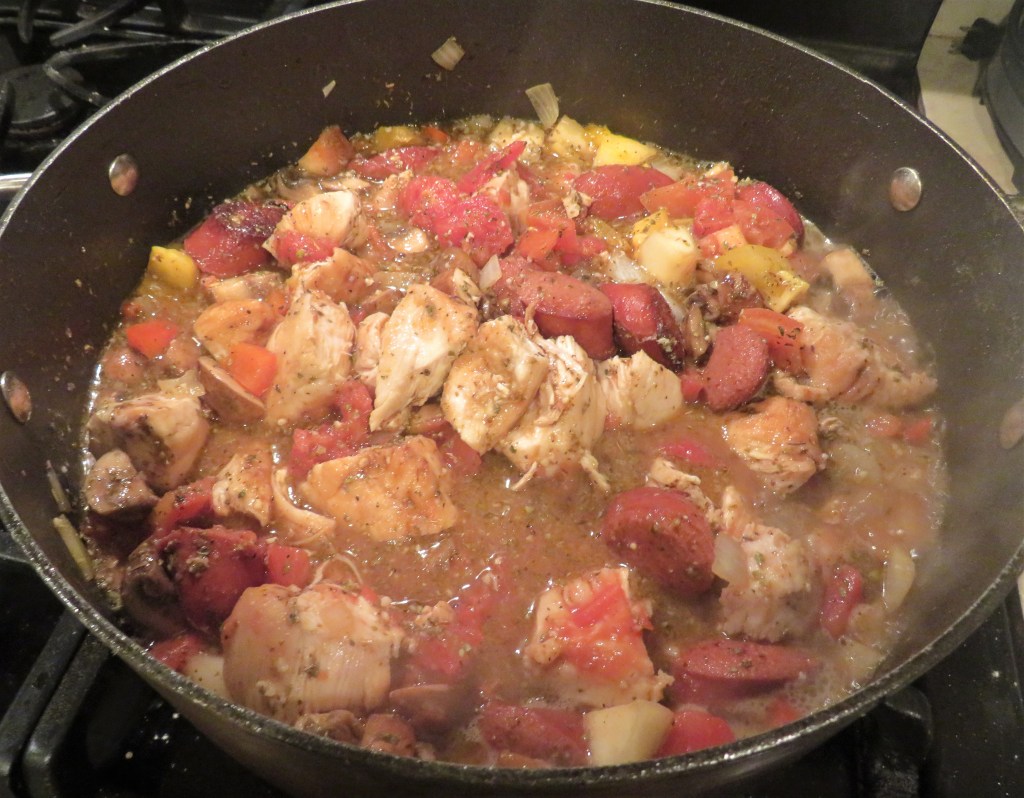
We had a a little bit of chicken, a little bit of sausage, a little bit of spinach so I mixed them all together, with a few other goodies and made a delicious Mediterranean stew. I made it even more Mediterranean by adding some stuffed grape leaves and pita bread on the side, with a glass or two of wine.

Mediterranean Stew

1 1/2-2 lbs chicken

flour, salt & pepper for coating the chicken

1 lb sausage, sliced

1 can of artichoke hearts, drained and quartered

1-2 cups mushrooms, sliced

1 TBSP garlic

1 onion, diced

2 cans cannellini beans, drained and rinsed

8 oz spinach, chopped

3-4 tomatoes, diced

2 cups chicken broth

1 -2 tsp oregano

1-2 tsp basil

1 tsp marjoram

salt & pepper to taste

Peruvian peppers, optional

olive oil and butter for cooking

lemon olive oil, optional

Mix the flour, salt and pepper together and coat the chicken. Get a skillet hot and add the olive oil and butter. Cook the chicken for about 3-4 minutes per side, or until golden brown. Once the chicken is browned, removed it from the heat and keep warm.

Let the chicken cool enough to cut into large chunks. Then cook the sausage. Once the sausage is cooked, remove it and add to the chicken,

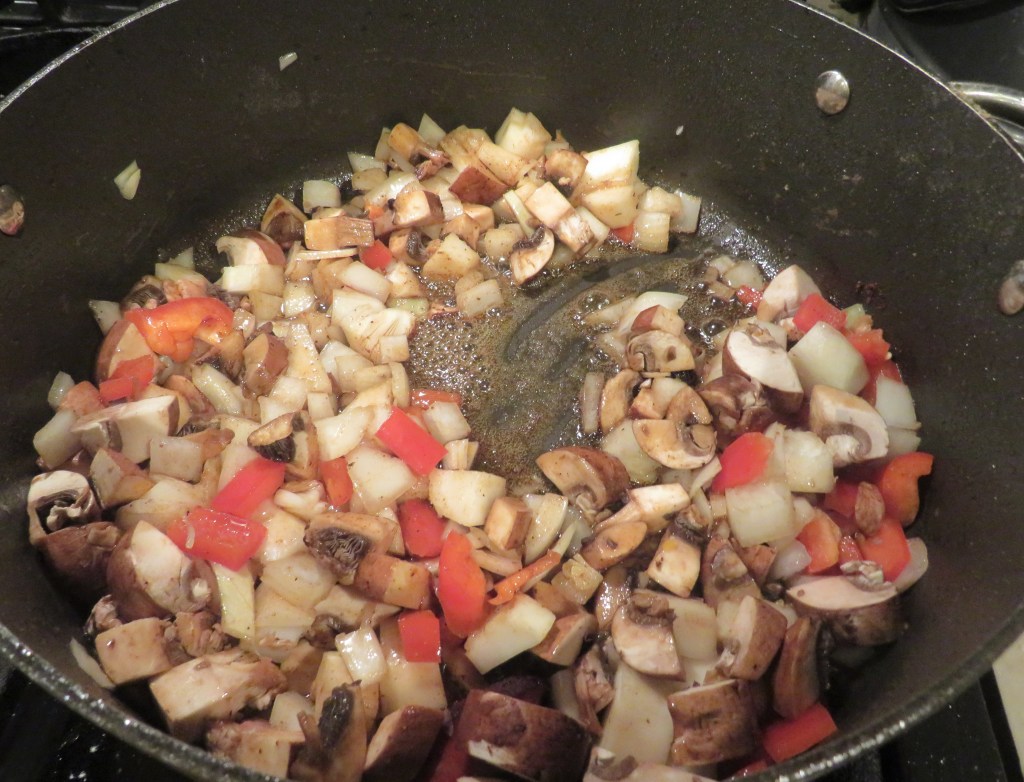
Add more oil if needed and saute the onions, garlic and mushrooms for about 3 minutes.

When the onions are softened, re-add the chicken and sausage to the mix. Then add the chicken broth, spinach, tomatoes, artichoke hearts, beans and seasonings. Bring to a boil, then reduce the heat to a simmer and continue to cook for about 10-15 minutes, stirring occasionally.

Add the very end of the cooking process, top the stew off with a dash of either lemon juice or lemon olive oil and the Peruvian peppers, if using. Then serve. You can serve it as is, or on top of pasta or rice or potatoes. Buon Appetito!

Happy New Year. Out with the old and in with the new. Stay safe and stay well. I hope 2024 is a good, happy, healthy, prosperous year for all. ’Til next time.