I have created this site to help people have fun in the kitchen. I write about enjoying life both in and out of my kitchen. Life is short! Make the most of it and enjoy!
Author: ajeanneinthekitchen
I have worked in the restaurant and catering industry for over 35 years. I attended 2 culinary schools in Southern California, and have a degree in culinary arts from the Southern California School of Culinary Arts, as well as a few other degrees in other areas. I love to cook and I love to feed people.
We are partying again this weekend, with the theme being “Old World/New World”, showcasing our pictures from both our trip to Spain, in Sept. 2023 and our recent trip to Cabo. I will find any reason to host a party and to celebrate. I LOVE to entertain, and I love to live and celebrate life. What better way to bring people together than with good food and good fun, right?! π I will be cooking foods from both Spain and Mexico and have prepared a photo slideshow set to Spanish Flamenco music for the evening’s entertainment. For the most part, I cannot make too much in advance, but I am preparing what I can in advance. One of those menu items was Barcelona style olives. Or rather, I should call them “Jeanne’s Barcelona styled olives”, because you all know I added my own personal touches. π
Barcelona Style Olives
Olives are a huge part of the Spanish way of life, both as olive oil and the many different varieties of olives found all over Spain. There are millions of acres of different kinds of olive trees all over Spain. I love to mix and match my olives, and whenever I make something with olives, I almost always use a variety. Why just stop at one, when there are so many from which to choose?! π
4 cups mixed olives
7 sprigs fresh thyme
4 sprigs fresh rosemary, chopped
1 TBSP garlic
1 TBSP orange zest
red pepper flakes to taste
1/4 cup red wine vinegar
1/4 cup lemon balsamic vinegar or sherry vinegar
1/4 cup Peruvian peppers
1 roasted red pepper, peeled, seeded and chopped
Mix everything together well and chill until ready to use. The longer they set, the more the flavors will blend together, and the better they will taste. I took one taste before putting them in the refrigerator and my taste buds just melted. I will just have to wait a couple more days, and they will be even better. π
This is just one of many fabulous foods I am preparing for this fun fiesta. I have a lot of good foods planned from both Spain and Mexico. It will be a good blending of both the old world and the new world. Usually I host our parties as potlucks, and love having everyone else bring something to share, but this time, I told everyone NOT to bring anything else. This one is ALL me. π
If you don’t already have a reason to celebrate, make one up. Life is good, and we need to celebrate all that is good about life. Bring people together, have fun and celebrate. Have a great day and make everyday great. Stay safe, stay well, and have fun. ‘Til next time.
Lentils are one of the world’s oldest crops, having been cultivated in southwestern Asia, specifically Turkey, Syria and Iraq, since around 7000 bc.βFrom this southwestern region of Asia, their popularity quickly spread to Spain and the rest of the Mediterranean regions.βToday they are produced all over the world.βThey are eaten and enjoyed the world over, but India is the leading consumer and is the second largest producer of lentils.
Lentils grow in pods, making them part of the legume family along with beans, peanuts, and peas. The dried seeds of legume plants, such as lentils, are also referred to as “pulses.” They can be used for soups and stews, salads, and side dishes, and feature prominently in Indian cuisine, especially as the main ingredient in a dish known asΒ dal. In the United States, they are frequently associated with vegetarian cooking as a non-meat protein source.βThey come in range from yellow and red to green, brown, and even black.Β The taste of lentils depends on the color, although all varieties might be described as earthy. Red lentils have a sweeter note while green or black lentils impart a bit of a peppery flavor to a dish. The mild flavor leaves plenty of room for seasoning.βI have eaten every color except black.βThey are all good.
Unlike many dried beans, you do not need to soak lentils before you cook them. Using the method similar to all beans and grains, simply cover them with liquid, bring the pot to a boil, then cover it and simmer until the lentils absorb the liquid and soften. This takes about 20 to 40 minutes depending on the variety.
You can add dried lentils straight to a pot of brothy long-simmering soup, or add pre-cooked lentils to salads, protein bowls, casseroles, pasta, pilafs, and other sides. Season them as the non-meat base for a shepherd’s pie or slip them into everything from meatloaf to tacos.
When I made my lamb with pomegranate sauce the other day, Lamb Roast With PomegranateΒ Sauce I also made a warm lentil salad to serve on the side.βLentils are something I always have on hand, but don’t use nearly as often as I should.βI love lentils and they are so healthy too.βI just forget about them sometimes.
Lentil Salad
I used a combination of both red lentils and green lentils to make this delicious salad.βOf course I took the original recipe and expanded upon it as well.βWould you expect anything less of me?β:)
4 cups water
1 cup lentils – I mixed my red andβgreen lentils
2 1/2 TBSP white wine vinegar
1 TBSP garlic
1 tsp herbs de Provence
1 bay leaf
salt & pepper to taste
1 14-oz can of chickpeas, drained and rinsed
1 cup sundried tomatoes, chopped
1/4 cup Peruvian peppers, optional
1/4 cup mixed olives, sliced
1 red onion, sliced very thin
1/2 cup chopped parsley
1/3 cup olive oil
Mix the water, lentils, 1 TBSP of vinegar, garlic, bay leaf and herbs de Provence together and bring to a boil, then reduce the heat to a simmer, and continue to cookβbetween 20-40 minutes, depending on the type of lentils used, or until the water has evaporated and the lentils are tender.
Allow the lentils to cool for a bit, then add to the rest of the ingredients and toss together until everything is incorporated together well.
This salad is best when served warm or at room temperature.βIf you like Feta cheese, you can sprinkle some on top before serving too.βI meant too (for everyone except me, of course) and forgot about it, but I don’t think anyone missed it. I did dress it up a bit with a sliced yellow heirloom tomato though.β
Have a great day and make everyday great.βStay safe and stay well.β’Til next time.
Still deliciously venturing into the Mediterranean world and cookbook, one of the side dishes for my lamb with pomegranate sauce Lamb Roast With PomegranateΒ Sauce was some colorful and tasty Moroccan carrots.βI used the tri-color carrots to make them even more festive and exotic. Though my tri-colored carrots are more traditional that I thought, since they originally came in various shades of purples, yellows, whites and orange.βLittle did I know at the time.β:)
Carrots have been around since before the 10th century, found in Asia Minor and Persia.βBack then, carrots were wild tubers and were more for medicinal use than for eating.βBut around the 10th century, people started realizing that these colorful tubers were good for eating too.ββThe origin of the word carrot dates to roughly 1530, and is borrowed from Middle French –Β carrotte, from the Latin – carΕta, and the Greek -karotΕn.
Moroccan Carrots
Before making the carrots, I made my Moroccan spice blend called Ras El Hanout.βThis exotic spice blend can be used for any Middle Eastern or Mediterranean dish, or just anything that you want to perk up the flavors with.
Ras El Hanout
1 tsp turmeric
1 tsp ground ginger
1 tsp cumin
1 tsp cinnamon
1 tsp black pepper
1/2 tsp corinader
1/2 tsp cayenne pepper
1/2 tsp allspice
1/2 tsp nutmeg
1/4 tsp ground cloves
1 tsp salt
Mix everything together and use for whatever you like.βIf placed in an airtight container, it will last for a very long time.
The Carrots
3-6 tri-colored carrots, peeled and cut into thin sticks
olive oil
1 TBSP of the Ras El Hanout Spice mix
2 TBSP honey
2 tsp tahini sauce
toasted white sesame seeds
chopped parsley
toasted almond slivers, optional
Peel and cut the carrots into thin matchsticks.βCoat with the Ras El Hanout seasoning.βSaute in olive oil in a very hot skillet for about 6 or so minutes, or until the carrots are tender and have a slight charring to them.
Combine the tahini sauce and the honey and drizzle over the top of the cooked carrots.
Then top with the chopped parsley, toasted almond slivers, if using, and the sesame seeds.βServe and enjoy.βThese colorful, tasty carrots will be the talk of the table for sure.β:)βI like color.βI like bold flavors.βI like exotic flavors.βThis dish definitely has a little bit of all of those.βSo next time you are making carrots, spice them up and make them come to life.
Have a great day and make everyday great.βStay safe and stay well.β’Til next time.
We took some lamb roasts out of the freezer and cooked them up.βI used one of the lamb recipes from my Mediterranean cookbook that I told you all about yesterday.βMake It MediterraneanβI marinated it and cooked it in a pomegranate sauce.βIt came out of so good.βIt was so full of flavor and so tender too.βBefore cooking the lamb, I marinated it in the pomegranate sauce for about 4-5 hours.
1 TBSP garlic
1 tsp cinnamon
1 tsp coriander
1 tsp ginger
1 tsp cumin
2 TBSP tomato paste
1 cup red wine
1 cup pomegranate juice
salt & pepper to taste
1 large onion
4 lbs lamb roast or shanks
olive oil and butter for searing
Mix the first 9 ingredients together for the marinade.βPlace the lamb in the marinade and completely coat.βLet it all marinate together for a minimum of 2 hours before cooking.
I had some leftover pomegranate vinaigrette that I used.
When ready to cook the lamb, preheat the oven to 350* F or 180*C.βSpray a 9×13 baking pan with cooking pray.βAdd a little of the marinate to the bottom of the pan.βCut the onion into wedges and place on top of the marinade.β
Sear the lamb on all sides in a VERY hot skillet with the olive oil and butter for 3 minutes per side.βYou can also use avocado oil.βIf you just sear the meat in olive oil alone, olive oil has a lower smoke point, because it is not “fatty” enough, and will burn.β
When the meat has a crusted coating all over, place it on top of the onion wedges and roast for about 1 1/2 hours, or until the internal temperature is about 130* Fβor 55* C.βThe best way to eat lamb is rare to medium rare.βAnything much beyond will make the lamb very tough and it will be more like shoe leather.βReserve the marinade and cook down to thicken and serve over the lamb once it is done.
When the lamb is done, remove it from the heat and cover it with an aluminum tent for about 10 minutes before slicing.
I made the whole meal Mediterranean, so I served the lamb with Moroccan spiced tri-colored carrots, with a lentil salad on the side and some heated pitas to round it all off.βI topped the lamb with the reduced pomegranate sauce.βLauren had brought over some potatoes and zucchini zoodles to add to our feast.β
As you can see, Juneau and Dorrie were ready to sample everything too.β:)
This is just a normal weekend get together for us.βLauren and I both make parts of the meal and them combine them all together before we feast.βAfter we are done eating, we bring out the games.
Make everyday fun and special, and enjoy the days with family and friends.βMake the most out of every day and make every day an occasion.βStay safe and stay well.β’Til next time.
Mediterranean foods are hands down, my favorite foods to cook and to eat, for many reasons.βI love all the fresh fruits and vegetables that are used.βI love all the different spices used in the foods, and I love the breads, olive oils and of course, all the wines.βA Mediterranean diet is also one of the healthiest diets to as well.βBut what is a Mediterranean diet, really?
The Mediterranean countries all border the Mediterranean Sea.βThese countries include, Albania, Algeria, Bosnia, Herzegovina, Croatia, Cypress, Egypt, France, Greece, Israel, Italy, Lebanon, Libya, Malta, Monaco, Montenegro, Morocco, Slovenia, Spain, Syria, Tunisia and Turkey.βThey are in both and around Southern Europe and North Africa.βSo with all these different countries represented, from two different continents, there are many differences, both regional and cultural.βThere are also a lot of similarities too; a lot more than you might expect with so many different countries and cultures grouped together like this in “one” category.βFor centuries, these countries all thought of themselves as neighbors, but they are really more like cousins, especially when it comes to their cuisines.
Though there are many similarities in Mediterranean cuisines, the most common threads that bind them together come down to really only 3 main pillars; wheat, olives and grapes, which is broken down even further to mean, bread (wheat), olive oil (olives) and wine (grapes), though the wheat, olives and grapes are most definitely eaten on their own and incorporated into many different foods on their own.βThese are known as the Holy Trinity for Mediterranean cooking.
Breads and Grains
Bread has been a mainstay in peoples’ diets for 1000’s of years, and wheat was first cultivated around 9600 BCE, in the Southern Levant area of what is now known as Syria, Lebanon, Jordan, Israel and Turkey.βThese countries were all known as the bread basket of the world during the Ancient Roman times.βThe name Levant comes from the French word meaning “to rise” because these countries are all located to the “east” of France, and we all know the east is where the sun rises.β
Bread has been a part of the diet of the Mediterranean for centuries, for a few reasons.βMost people, rich and poor alike, start their day with some form of grains or bread, with either coffee or tea on the side.βThis is still the case too.βThe poorer populations, however, had no choice though, since breads were their main source of their food and nutrients because meats, and even some fruits and vegetables, were too expensive for them to eat on a regular basis.
Olives and Olive Trees
Olive trees have been growing in what is now Italy for roughly 20-40 million years, but the fruit, or the olives from the trees, have only been cultivated for about 7000 years or so.βThe olives themselves are certainly a large part of the Mediterranean diet, but almost 90% of the olives are used to make olive oil.βOlive oil is the main source of fat for most people who live in the Mediterranean regions.βThe Greeks consume the highest amount of olive oil per capita, and it is estimated that on average, every Greek consumes about 12 liters of olive oil every year.βBoth Spain and Italy are close seconds.βOlive oil is also used for many other reasons that extend far beyond the culinary world. The French use a lot of olive oil as well, but mostly in the Southern, Mediterranean areas.βIn Northern France, butter is used more often than olive oil.
Grapes and Wine
Wine is enjoyed all over the world, and today grapes are grown in almost every country.βBut the first grapes were cultivated in the Mediterranean between 7000-4000 BCE. The soil, the hot sun and cool evenings, and the terroirs of the Mediterranean regions are ideal for growing grapes and for wine making.βMany great grapes are grown all over the world, and I have enjoyed many wines from all over the world, but France, Italy and Spain, as well as my place of origin, California (known for the same ideal growing conditions), are known as some of the best wine makers in the world, though there is a lot of fierce competition from many other grape and wine countries around the world today.
Other Key Ingredients of the Mediterranean
Other key ingredients to Mediterranean cooking are the wide array of spices that are used in the preparations of all the delectable dishes, as well as a variety of nuts, cheeses, made mostly from goat’s milk, seafood, fresh fruits and vegetables, and the use of a lot of lamb or goat for their main meat sources.β
The Mediterranean regions of known for their wide variety of spices, since this has been the route of the spice traders for centuries.βAgain, each region and each area is known for their own particular spice varieties, but they all come together wonderfully.
My own spice cupboard overflows with a wide variety of spices from all over the world. I love to experiment with all of them, as you all know.βThis culinary history lesson was inspired from one of my favorite new cookbooks, “Mediterranean, The Ultimate Cookbook”, by Derek Bissonnette.βI just prepared a whole Mediterranean meal and was going to highlight my recipes, with my own changes of course, as I always do, but I was side tracked by reading the fascinating history of the what constitutes a Mediterranean diet.βI have lots and lots of very good Mediterranean cookbooks, but this one is the most inclusive and diverse yet.βIt is so full of wonderful recipes, from the WHOLE Mediterranean region, not just the familiar ones.βIf you love Mediterranean foods like I do, I highly recommend this book.βBelieve it or not, I bought it at Costco on a whim too.βI am so glad I caved to my impulsive nature.βI LOVE this cookbook.β:)
And I just had to share this iconic photo as well, that is the from one of the front pages of the book.βIt is in the old, Gothic section of Barcelona, and we were just there in September, 2023.β:)βI have this same picture, only mine has people walking across the bridge.β
Have a great day and make everyday great.βStay safe and stay well.β’Til next time.
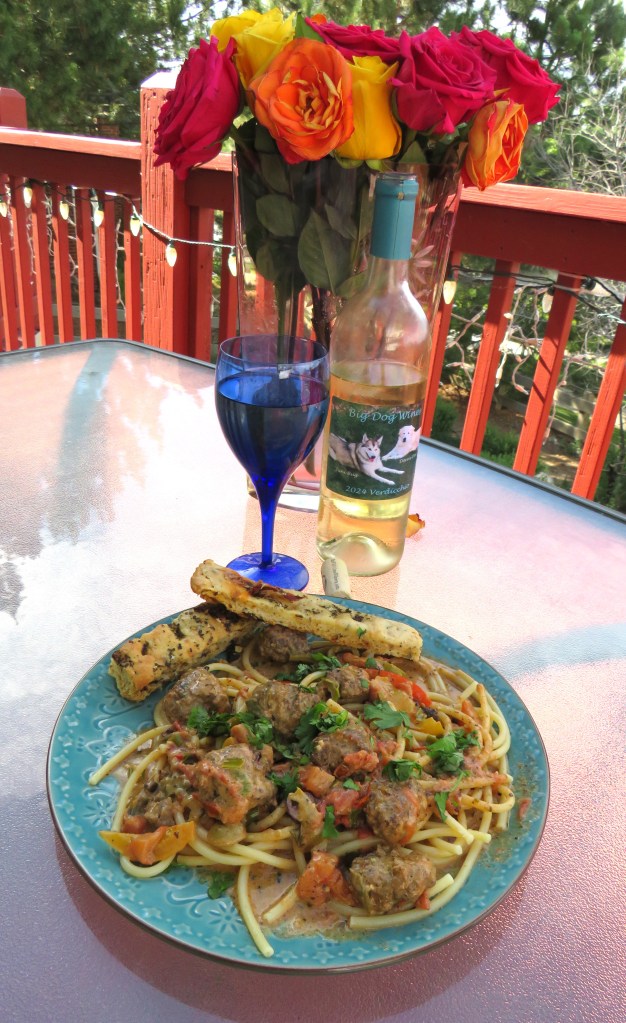
As you know, we have been home from Cabo for a couple of weeks now.βIn fact, today is two weeks exactly since our return home.βOf course I’ve been cooking the whole time we’ve been home too, but I wanted to share our Cabo experiences first, before sharing my own cooking once again.
As usual at this time of year, our weather is predictably unpredictable.βIt’s been cool since we returned home, but we have also had two major snow storms too.βCurrently, everything is beneath a thick white blanket of snow, once more.βIt is still snowing at the moment too, but only.βOn our of our cooler days, but not on one of our snowy days, I made a Mediterranean chicken salad with a spinach, basil, cilantro pesto sauce.
Spinach, Basil, Cilantro Pesto
3 cups spinach, stems removed
1 cup cilantro, stems removd
1 cup basil
1/2 cup toasted almonds
salt & pepper to taste
1 TBSP garlic
1/3 cup Parmigiano cheese
1/2 cup olive oil
3 TBSP basil olive oil, optional
Mix everything together in the food processor until smooth, then set aside until ready to use.
Mediterranean Chicken Salad
1 head Romaine lettuce, chopped
3-4 tomatoes, sliced
1/2 cup mixed olives, sliced
1-1 1/2 cups grilled or sauteed zucchini, crookneck squash, mushrooms, and onions
1 1/2-2 lbs cooked or frilled chicken slices
1/3 cup toasted almonds
Feta cheese crumbles, optional
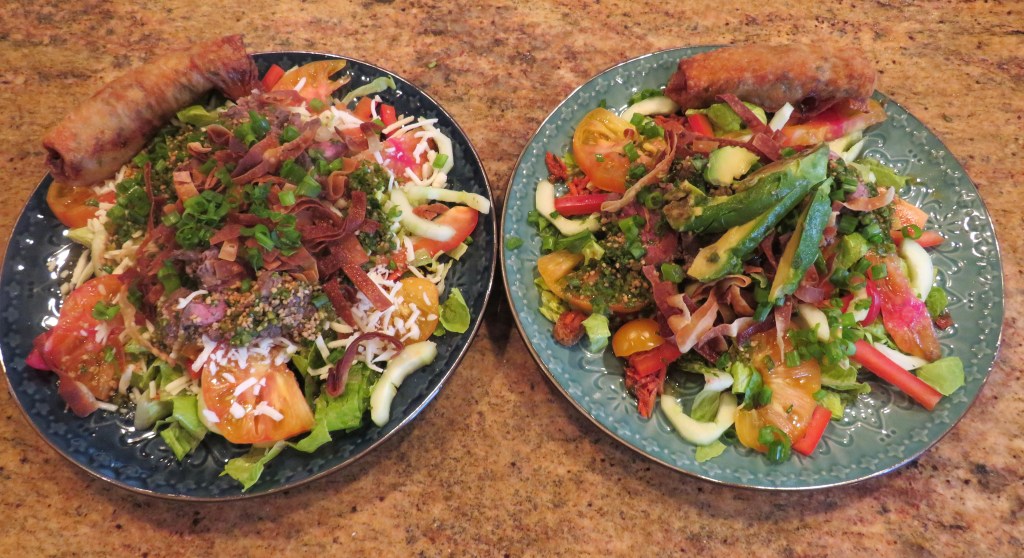
As you all know, I have so much fun recreating from my leftovers, and this salad was no exception.βI used my leftover vegetables and my leftover Costco rotisserie chicken for my salad.βI know.βYou are all shocked!βMe using up my leftovers.βWho would have “thunk” it?ββ:)βThis time the recipe actually “followed” what I already had in my refrigerator, which made this a perfect salad to make.β
We all had a slightly different version of the salad, and that’s OK.β
I made the spinach, basil and cilantro pesto for the salad, but I had some leftover tomato-jalapeno vinaigrette too, Ranchero Steak Salad that I added to mine as well.βCombining the two dressings really made all the flavors of the salad come to life.βI love it when everything just comes together perfectly.β:)
Have a great day and make everyday great.βStay safe and stay well.β’Til next time.
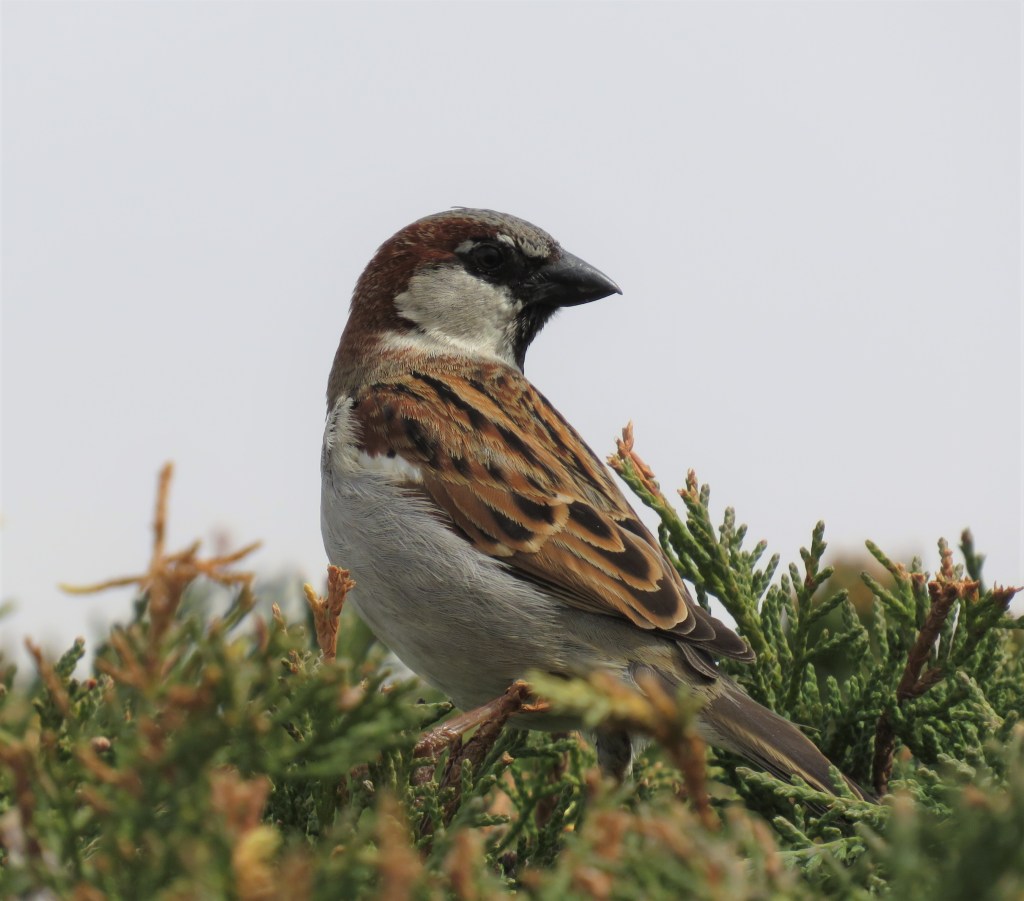
This is the end of our Cabo adventures for this trip.βWe packed everything up, and took the scenic route along the coast back to the airport.β
We still had plenty of time before we had to check in, and we could only do things as long as we had the car.βWe had one last taco stop before heading home.βWe were the first and only customers at the time.βThe restaurant, Tacos Guss, had literally just opened.βWe saw quite a few Tacos Guss restaurants scattered around the area, but this is the only one we stopped at.βGlad we did too.β:)
As with most of the restaurants we visited in the area, Tacos Guss was simple and casual, with a fun feel and atmosphere all about.βIt was brightly colored and open, with lots of space, and we could see everything being prepared right in front of our eyes.βbeing a chef, this is always exciting for me, as well as a new learning experience.β
It was fun being the first customers of the day.βWe got to see them preparing everything and got special attention.β:)
Making our tortillas.
Making our tacos.
We ordered a variety of tacos, and once again, my eyes were much bigger than my stomach, which means my eyes must be pretty big these days.β:)βSo Larry and I shared our meal once again.
Everything was mui delicioso and fresh.βIt was a very good way to end a very good trip.β:)
Finally the time had come when we had to return our car and head to the airport.βAs usual, we left ourselves plenty of time at the airport to get checked in, and to explore a bit.βThere were some fun things to see at the airport too.βI love it when airports support their local artists and show off their styles.βMost everything was for sale, but then why not, right?!
This is a high-end tequila bar we saw as we were heading to our gate.
I would LOVE this shark, but he would have been very difficult to get onto the plane, plus there is NO WAY Larry would have spent what they were asking for him.β:)
So Adios Mexico, for now.βYou know we will back again soon o estaremos de vuelta pronto.βTe amo mucho.β
This concludes our recent adventures to Cabo San Lucas.βI hope you have enjoyed my series of Cabo and La Paz.βWe are home now for a while, before our next set of travel adventures begin.β
Have a great day and make everyday great.βStay safe and stay well.β’Til next time.
On our last night in Cabo, we decided to go for a little nicer dinner than just tacos and ceviche, though there is absolutely nothing wrong with either of those.βWe enjoyed every taco and all the ceviche we ate.βBut we wanted something a little nicer for our last evening in Cabo.βWe did our normal stroll around, looking for something that just popped out to us.βWe stumbled into this little gem, called Missiones de Kinos.βIt was decorated like a mission, with everything having an old mission feel, hence the name.βFrom the outside it doesn’t look like much, but that all changed as soon as we walked through the doors.
The doors opened up to this very charming and romantic patio.βWhen we first got there, there was only one other family there, so we had it almost to ourselves.βBut when we had finished our meal, people started coming in for a later dinner.
Even the menus were reminiscent of old missionary relics.
As with many Mexican restaurants, both in the United States and in Mexico, we started with chips, salsa, and some avocado sauce, as well as some sangrias.
Then we ordered our entrees.βNo ceviche this time though, though ceviche was on the menu.
I had been hungry for pasta all week, and so when I saw this pasta option, with a creamy alfredo sauce, chicken and shrimp, it just spoke to me.
Larry ordered pasta as well, but he went with a pasta with shrimp and sausage in a red sauce.βBoth were very good and just hit the spot perfectly.
It was a delicious way to end a very nice trip.βAfter enjoying our romantic dinner under the twinkle lights, it was time to head back to our room and pack everything up.βWe had a great trip, and I did a lot of diving, which is always the best way to enjoy a vacation for me, but we missed “the kids” and it was time to head home.
Vacations are always fun and needed breaks, but in reality, “there is no place like home”.β
Have a great day and make everyday great.βStay safe and stay well.β’Til next time.
I did a thing today, for my birthday.βUp until this morning, I had VERY long hair.βI have had very long hair for most of my life.βBut I just cut off 14 inches and donated it to kids with cancer.βNow, I am sporting a short, sassy bob.
Day one, and I am already breaking routines and doing new, brave things.βI LOVE being unpredictable!!!!!.