I have created this site to help people have fun in the kitchen. I write about enjoying life both in and out of my kitchen. Life is short! Make the most of it and enjoy!
Author: ajeanneinthekitchen
I have worked in the restaurant and catering industry for over 35 years. I attended 2 culinary schools in Southern California, and have a degree in culinary arts from the Southern California School of Culinary Arts, as well as a few other degrees in other areas. I love to cook and I love to feed people.
Remember my cute little “duck-a-lings” from the spring?
Well, they are all grown up now. Most of them have flown the coup and are off on their own. But I did see one mother and daughter out for a swim, still enjoying each other’s company.
We never outgrow the need to still hang out with our mothers. 🙂
Have a great day and make everyday great. Stay safe and stay well. ‘Til next time.
Shrimp, no doubt about it, is one of my favorite types of seafood, though I pretty much love all kinds of seafood. 🙂 I will eat any kind of shrimp, cooked any way.
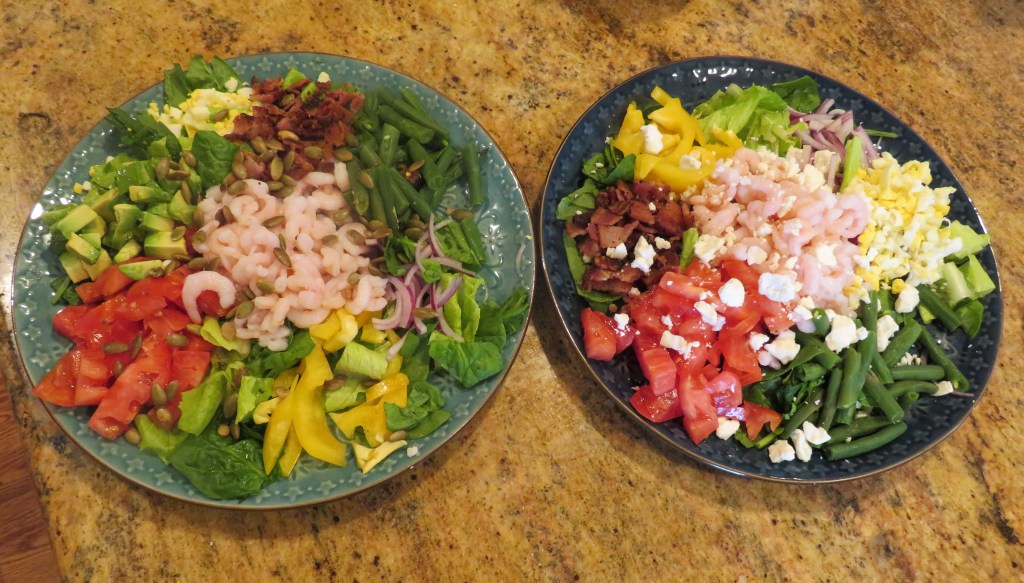
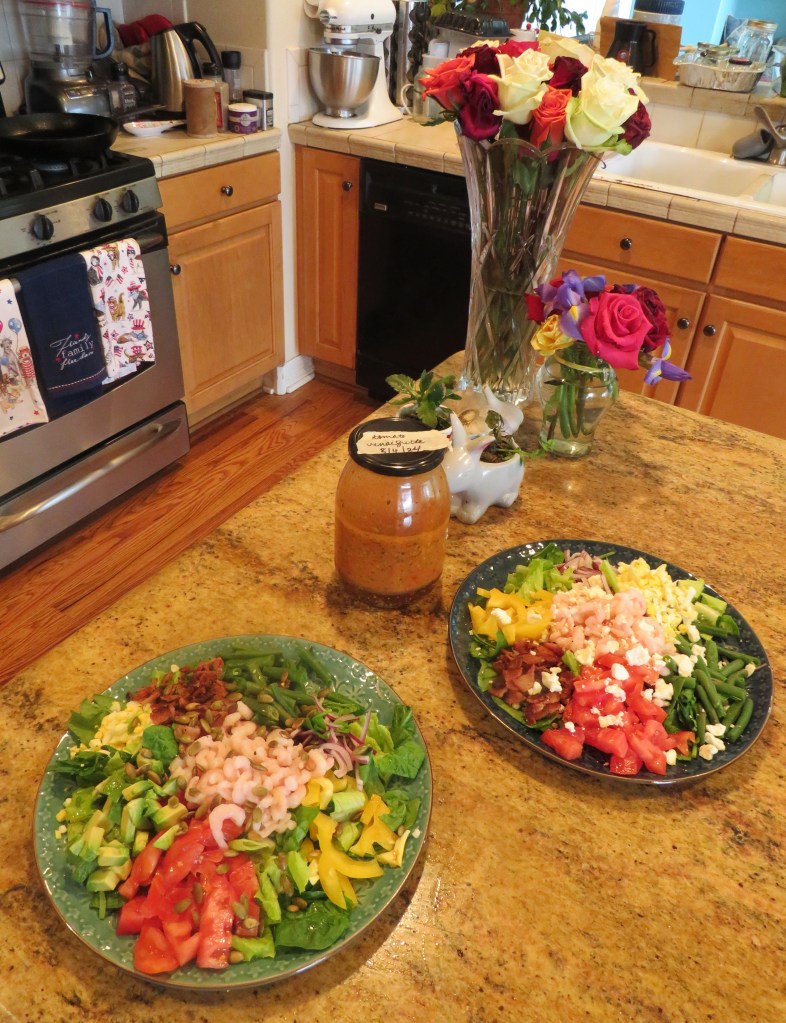
I bought some little Bay shrimp for our shrimp and pineapple fried rice, Pineapple, Shrimp Fried Rice and only used about half of it. The rest of it, I used for a simple shrimp salad. It was really kind of like a shrimp Cobb salad. Larry always likes cheese on his salad, and I don’t. This time, I used feta cheese on Larry’s salad. I added avocado and pepita seeds to mine. But other than those simple changes, they were the same.
This salad was loaded with all kinds of fresh vegetables and goodness. I started with a bed of Romaine lettuce and spinach. Then cut up an heirloom tomato, some red and yellow bell peppers, red onions, green onions and cooked some green beans. I cooked up some bacon and hardboiled a couple of eggs, then assembled it all to look pretty. I added about 1 cup of the bay shrimp to each salad. Our dressing was my herbed tomato vinaigrette. Shrimp Kebabs with Tomato Vinaigrette Doesn’t this salad look pretty? It was D-E-L-I-C-I-O-U-S too! A perfect summer salad.
I used 9 different kinds of vegetables in this delicious summer salad, but again, you can use what you like. Larry and I eat a lot more vegetables, and a lot more variety of vegetables, than many vegetarians/vegans we know. I add vegetables to my vegetables all the time.
As I mentioned above, this is more or less a Cobb salad, only I made it with shrimp. You can use chicken or turkey to make it a traditional Cobb salad, and use bleu cheese instead of feta. When cooking, make things the way you like them. Make them with what you like to eat, since after all, you are the one who will be eating it.
Have a great day and make everyday great. Stay safe and stay well. ‘Til next time.
Today was the first day in quite awhile that not only was it NOT hot, but it was very cool and pleasant. It was a perfect day for a beautiful walk. I even made a new friend today. I met a couple of Mountain Plovers out by the lake. I thought it was a Spotted Sandpiper at first, but when I came back and started editing my pictures, I noticed it was different. So I hit my bird book and learned something new. 🙂
Even though the name is Mountain Plover, it is really kind of misleading. These birds prefer the lowlands to the mountains. They actually like the prairie shortgrass. They like to visit us from April-August. So I guess I just got lucky today. I love meeting new friends.
Fried rice originated in China during the Sui Dynasty (589–618 AD) as a practical way to use up leftover rice and other ingredients to reduce food waste. The dish was a favorite of Emperor Yang of the Sui Dynasty and was made with day-old rice, eggs, and vegetables. The simplicity of fried rice and the art of stir-frying to bring out the flavors of the ingredients made it a quick and satisfying meal that became a staple in Chinese households.
Over time, fried rice evolved to incorporate local flavors and ingredients, resulting in many regional variations. For example, Yangzhou fried rice is known for its use of shrimp, peas, and eggs, while Cantonese fried rice is more delicate and often includes seafood and light seasonings. Fried rice has also transcended cultural borders and inspired new variations in other cuisines, such as Indonesian Nasi Goreng, Japanese Yakimeshi, and Thai Khao Phad. As with any dish or recipe that has been around for 100’s and 100’s of years, there are many different variations. As I often say, there is always more than just one way to cook something.
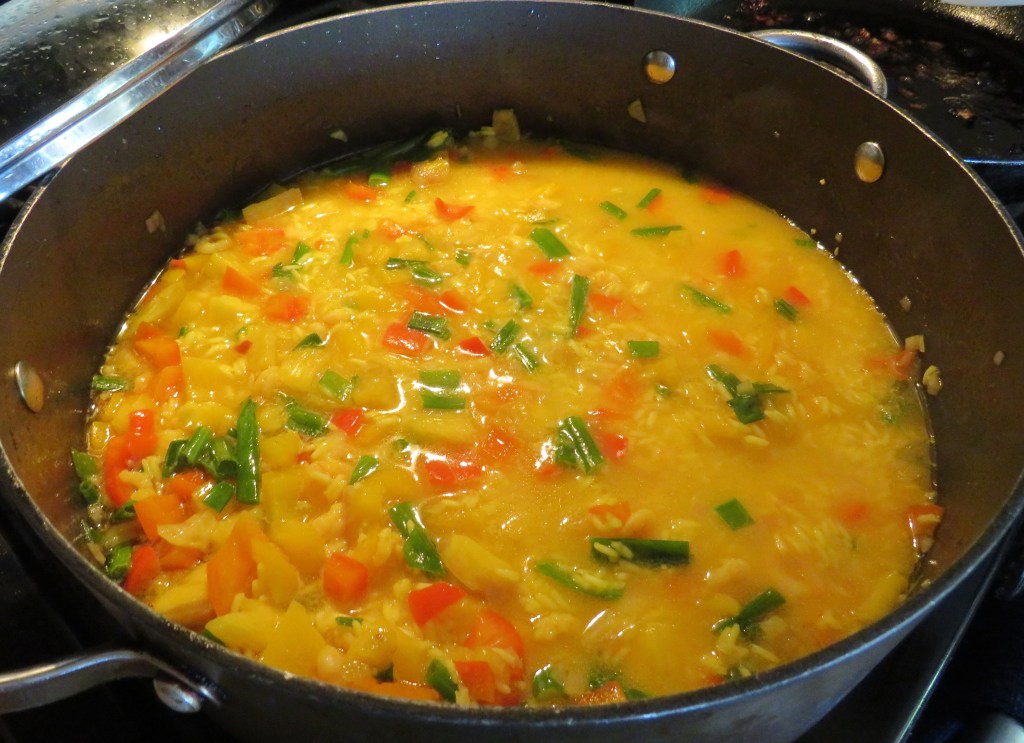
Noah and I made fried rice with pineapple, bell peppers and baby shrimp. We served it with our steak with Chinese mustard sauce and honey. Steak With Chinese Mustard And Honey Sauce. This version of fried rice has a Thai influence and will go great with just about everything.
Pineapple Fried Rice
1- 1 1/2 cups pineapple, diced
1/2 each, red, yellow and green bell pepper, diced small
1 cup baby shrimp
1 TBSP garlic
1 shallot, diced fine
1 tsp turmeric
2 cups rice
4 cups water or chicken broth
1 TBSP soy sauce
3 TBSP green onions, sliced Asian style or at an angle
salt to taste
oil for cooking
Get a large an or pot very hot then add the oil. Saute the onions and peppers for about 3 minutes, or until they start to soften a bit. Add the garlic and pineapple and cook for an additional minute or so. Add the rice, liquid and seasonings. Bring to a boil, then reduce the heat to a simmer and continue to cook for about 12-15 minutes, or until most of the liquid has evaporated. Stir occasionally. Add the shrimp and green onions towards the end of the cooking process and mix in thoroughly.
When the liquid has evaporated and the rice is cooked, it is ready to serve. You can definitely eat it as is, or serve it alongside your favorite dishes. If you want to make it more of a meal in itself, you can add tofu, chicken, pork or any combination thereof. Either way, I think you are really going to like this rice dish. Noah sure did. He gave it two thumbs up, and you will too.
Have a great day and make everyday great. Stay safe and stay well. ‘Til next time.
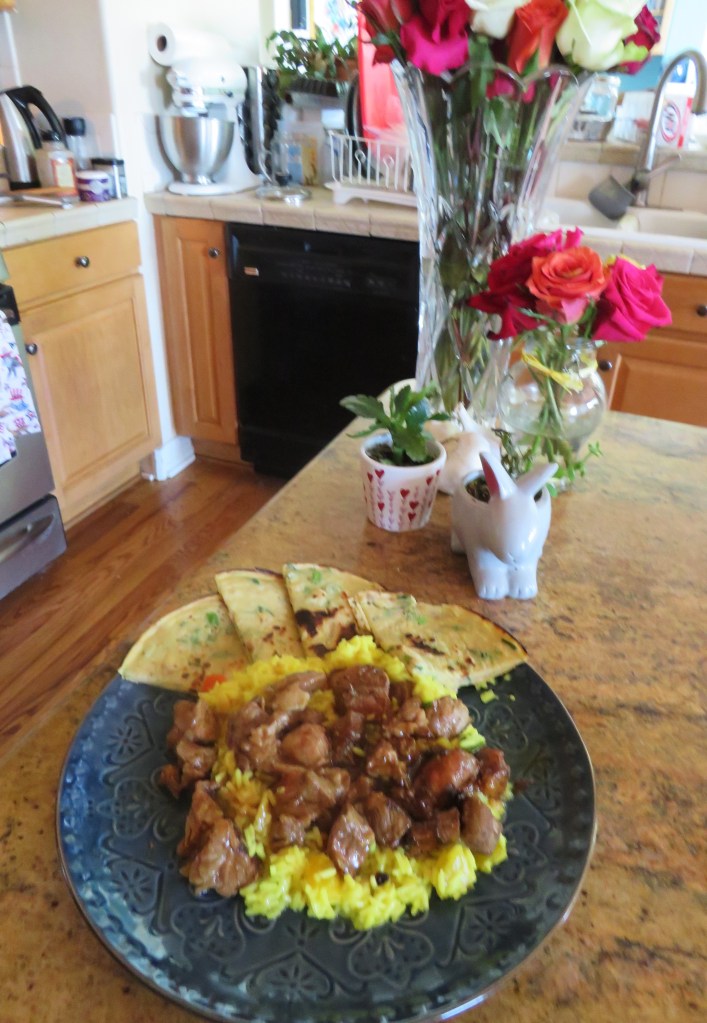
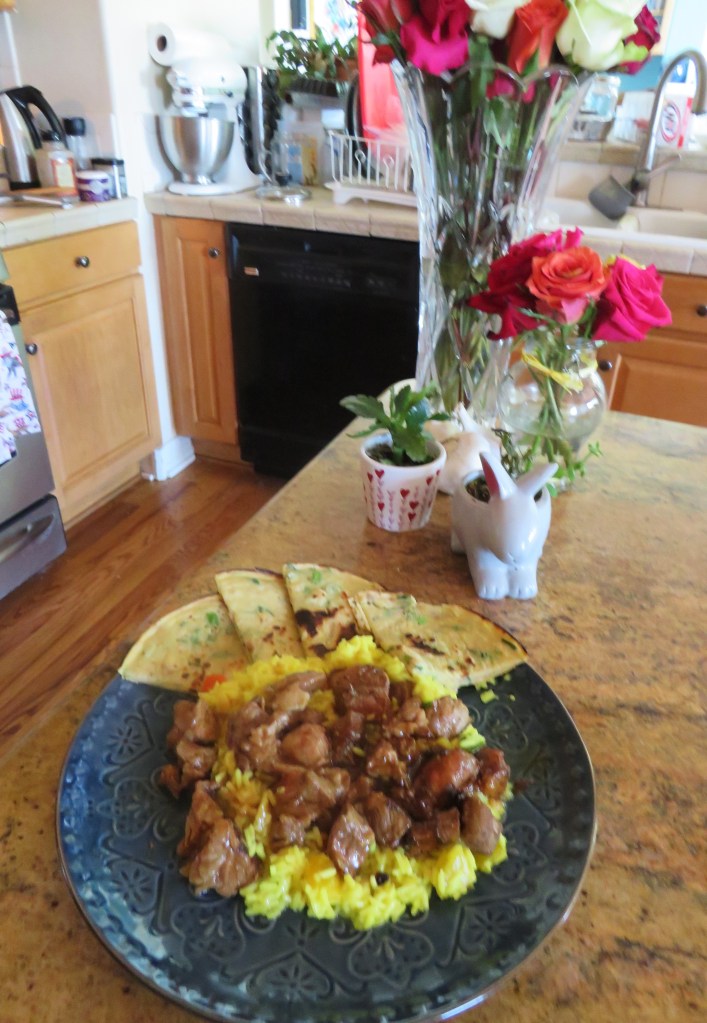
Once again, Noah and I did some international cooking. This time we did some Asian or Pacific Rim cooking. We made some Asian steak with a Chinese mustard and honey sauce with Thai pineapple and shrimp fried rice and green onion pancakes Green Onion Pancakes.
Asian, or Pacific Rim, cooking encompasses foods from many different countries – Thai, Malay, Japanese, Indian, regional Chinese, Vietnamese, Polynesian, and Korean, as well as Australian and New Zealand. These are all good on their own, but they have all been fused together with Western influences as well, offering the best of both worlds.
Flavors from around the world have been blending and fusing together for centuries, ever since the first days of the spice trades. They were further enhanced by the colonizations of countries, and by mass immigrations of peoples from around the world moving to other areas. Flavor fusions are nothing new.
My favorite Asian tastes come from more of the South Eastern Pacific regions. I love all the spicy, limey and coconut goodness of Thai food. I also love Indian foods, again for the same reasons.
Beef is rising in popularity in Asian cooking, but it is still nowhere nearly as popular as either pork or chicken. Beef lends itself very well to all the different Asian seasonings and spices.
Steak with Chinese Mustard and Honey Sauce
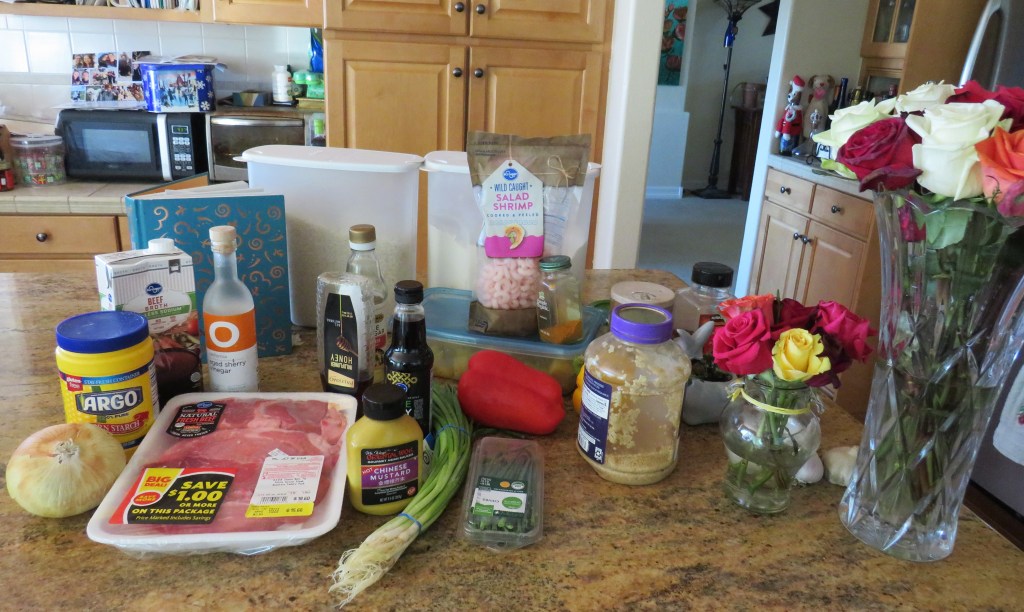
1 1/2 lbs steak – I used petite sirloin this time
1 large shallot, chopped
1 1/2 TBSP sherry or sherry vinegar
1 1/2 TBSP rice vinegar
2 tsp hot Chinese mustard, or to taste
1/2 cup beef broth
2 1/2 tsp soy sauce
1-2 tsp honey
1/2 tsp cornstarch mixed with 1 tsp cold water
1/2 tsp sesame oil
1 TBSP green onions, sliced Asian style, or at an angle
oil for cooking
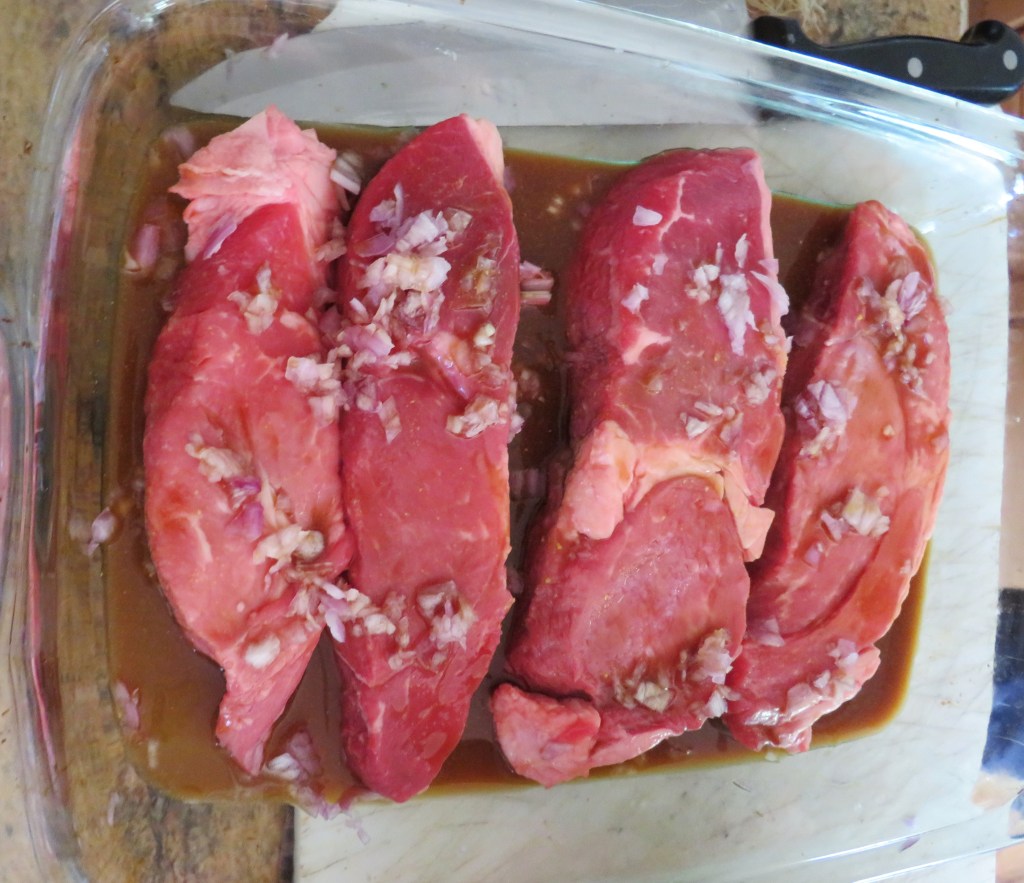
Mix the vinegar, sherry, beef broth, soy sauce, honey and mustard together. Top the steak with the chopped shallots, then add the liquid over the shallots and steak. Allow to marinate for at least 30 minutes or so before cooking.
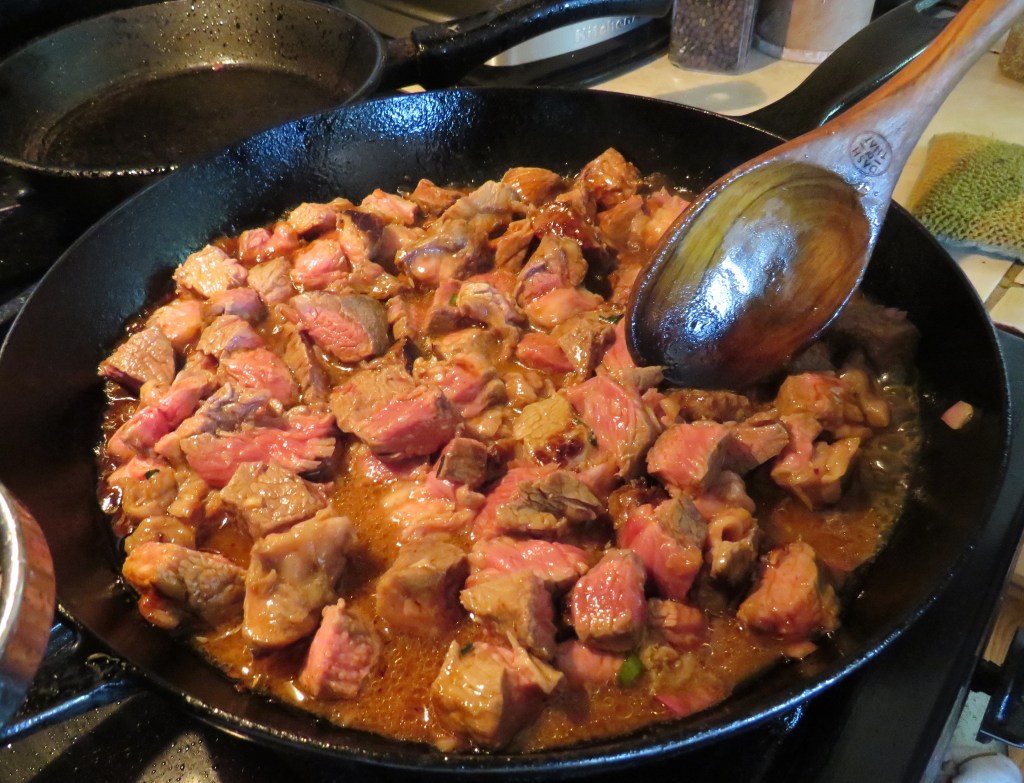
Get a large skillet or wok very hot, then add the steak. Cook for about 3 minutes per side, to sear the steak, reserving the liquid. Once it is browned, remove the steak and let it cool for a bit then cut into thin strips, or cubes, as Noah did.
Combine the cornstarch and water and add to the reserved sauce. Add to the skillet, and place the cut meat back into the sauce to finish cooking. Add the sesame oil and green onions and mix in with the meat.
You can serve this deliciously spicy meat with rice, noodles or like we did, with an Asian pineapple fried rice.
Noah is fun to cook with. He is very adventurous, and likes to try everything. He gives me ideas, then tells me to surprise him. And that I do. For instance, this time, he just said he wanted to do something Asian, but it was up to me to come up with the recipes. No problem. I can easily come up with recipes. 🙂 He loves to eat, and he tries everything as well, making it a lot of fun. He eats every bite of everything we cook too. He gave this meal another two-thumbs up, saying it was one of his favorites, so far. I think you will like it a lot too. 🙂
Be adventurous, be bold, and try new things. Most importantly though, have fun. Have a great day and make everyday great. Stay safe and stay well. ‘Til next time.
I invited the Queen to come over again, since it was yet again time to be creative with leftovers. This one was an easy transformation, so the Queen and I didn’t have to work too hard for this one. I used all my leftover orzo and marinated vegetables from the last time Noah and I were cooking together, Greek Chicken Meatballs in Lemon Cream Sauce, Vegetable Kebabs and I turned it all into a cool summer salad.
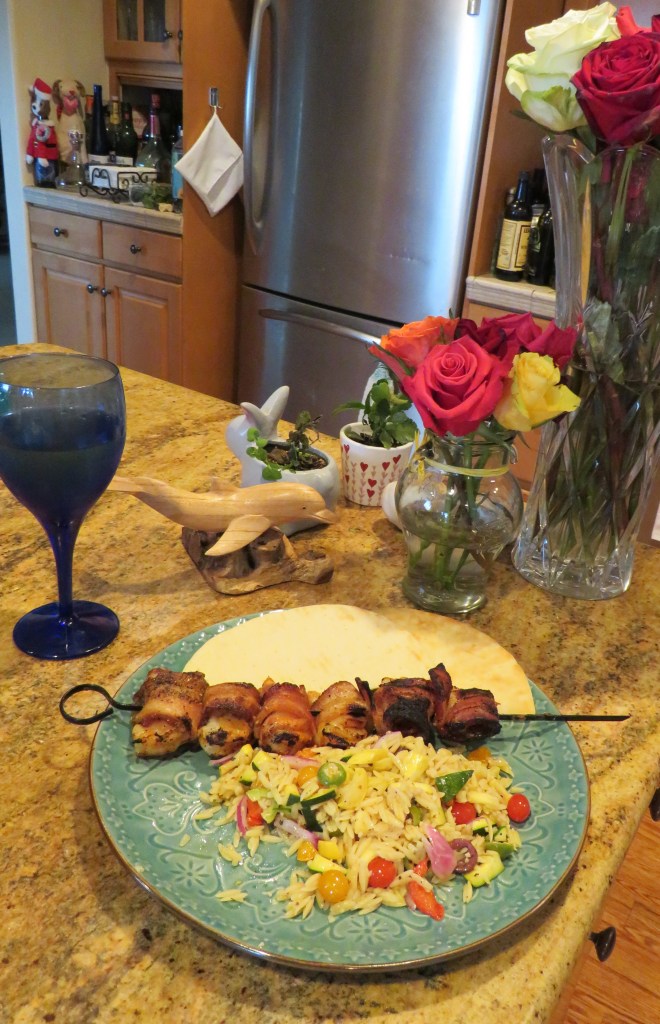
I had cooked orzo and some marinated vegetables that I tossed together, along with some tiny tomatoes and some sliced olives. I used the marinade for the vegetables as my sauce too, since it was just Italian dressing. It gave the orzo salad a nice little tang. The vegetables consisted of red onions, zucchini, yellow crookneck squash and red bell peppers.
I added a little more fresh ground pepper, and Voila! My salad was done. This delicious, healthy salad can be eaten cool or warmed, depending on what you are serving it with. If you like feta cheese, you can toss some in your salad as well.
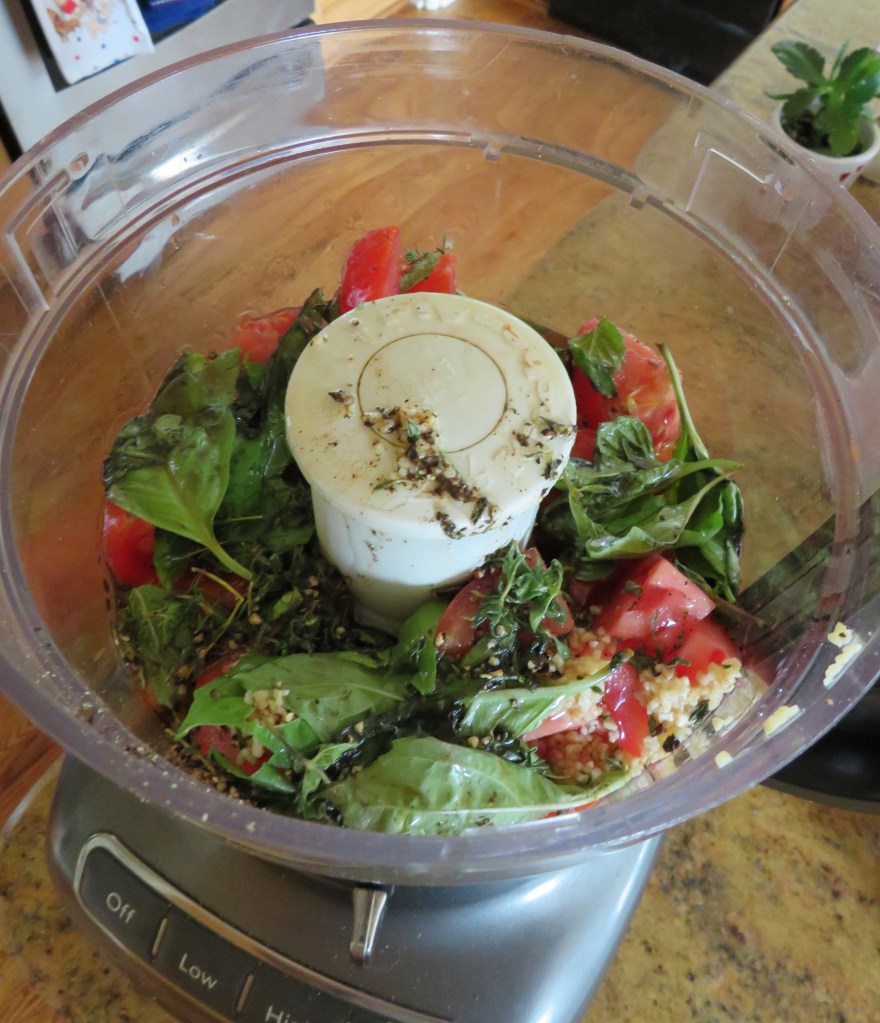
I made an herbed tomato vinaigrette that I used as my marinade for shrimp. Shrimp Kebabs with Tomato Vinaigrette I par cooked some bacon and wrapped my shrimp, then I skewered and grilled them and served them alongside my orzo salad, with pita bread and hummus, and a cool crisp white wine on the side. This was a perfect summer meal to help beat the heat.
As I often say, sometimes the best meals are the simple meals. Delicious doesn’t have to be fancy, though fancy is good too. 🙂
Have a great day and make everyday great. Stay cool, stay safe and stay well. ‘Til next time.
When I think of castles I think of old European countries with a rich history. I think of Kings and Queens and royalty. I don’t usually think of castles and Colorado together though. But believe it or not, Colorado has castles too. Actually, there are quite a few scattered around our beautiful state. One such castle was Miramont Caste or castle with a mountain view, located in Manitou Springs.
The Castle was built for $14,000 in 1895. Construction took three years and must have employed most of Manitou with quarrying all of the building’s stone. It features nine architecture styles fancied by the priest, Fr. Francolon, including shingle-style Queen Anne, English Tudor, Flemish stepped gables, domestic Elizabethan, Venetian ogee, Byzantine and Moorish. The estate has more than 40 rooms, including eight-sided rooms, a 16-sided room and a solarium, and is worth more than $43 million today.
The construction of Miramont Castle started in 1895, and was completed in 1898. It was built by the Francolon Family from France. Fr. Francolon, a French priest and his mother, who lived in the house for a short period of time after moving to Manitou Springs from France, when Fr. Francolon was poisoned from sipping from a poisoned chalice during mass.
Though Fr. Francolon and Madame Francolon lived in the house for a short period of time, the house was always intended as a house to home and heal people suffering from tuberculosis, and was immediately donated to The Sisters of Mercy. At the time it was believed that the cool, crisp mountain air would help heal the lungs. The Sisters of Mercy were good at healing the sick.
But just like the castles of Europe, Miramont Castle has a dark history, full of scandals too. Fr. Francolon never accepted the “vow of poverty” associated with the life of a priest. He said it was his mother’s money, not his, therefore he had no problem living the life of luxury. “But it was mother’s money that built the castle. You compare this castle to French castles, and this is poverty. He was judged harshly because he did come from wealth. So a lot of people targeted him,” as was quoted from one of the workers in the gift shop.
Part of the reason the Francolons did not live long in Miramont Castle was because of strong rumors and accusations of pedophilia by Fr. Francolon. The Mother Superior of The Sisters of Mercy was also convinced of the accusations, and Fr. Francolon fled Manitou Springs, never to return. It was believed the rumor festered for awhile before coming to a head when a lynch mob formed and headed to the castle. A doctor at Montcalme got word of the mob and, along with another man, hid Francolon under the seat of a buggy. They drove him down Ruxton Avenue, through the mob, and deposited the priest at St. Mary’s Catholic Church in Colorado Springs. He departed Manitou in 1900, never to return. His mother returned to France a few months later and soon died.
The Sisters of Mercy moved into the Miramont full time in 1907. They were housed at the smaller, sister house, dubbed as the Montcalme Sanitarium to the Sisters of Mercy, from 1904-1907. They occupied the Miramont full time from 1907-1946, when they sold the castle into private hands and effectively began the building’s so-called apartment era. Converted into apartments, tenants included returning World War II generals. These were hard years for the property, as the building repeatedly changed hands. Upkeep was difficult to maintain for such a large property and it fell into disrepair. Historical items, such as the furniture, also vanished, as tenants were allowed to take whatever they wanted when they left.
In 1975 the Manitou Springs Historical Society purchased the castle and it was opened to the public in 1977 and was added to the National Register of Historic Places. The Miramont is also known as a “spirited and haunted” house as well. The walls definitely have a lot of stories to tell.
Today, The Miramont is also home to the Manitou Springs Firefighters Museum. It also has an impressive collection of WWI and WWII historical pieces, and other odds and end pieces of local history as well.
The Gardens
A Fire Fighters’ Tribute
Inside the castle walls.
It is rumored that this fireplace has a false back and stores a secret compartment, though no one has found it yet, or knows what it was used for.
FR. Francolon’s private apartment.
Other oddities of the house.
Miramont Castle is definitely an eccentric, eclectic place to visit. It is full of all kinds of history, of all different sorts. It is truly one-of-a-kind, like nothing else I’ve ever seen. You can also have high tea at the Castle, everyday except Mondays, from 11-1. You definitely have to make reservations in advance though.
Yesterday, Larry and I took one of our little exploratory drives through our beautiful state to go visit one of our Castles, the Miramont Castle, in Manitou Springs, not far from Colorado Springs. Manitou/Colorado Springs is about 1 1/2 hours south of us. It was a pretty drive and a beautiful day. We do this quite often. We like to explore our beautiful state and see it through the eyes of a tourist. We always see something new and exciting and learn so much.
On the way to Miramont Castle, we stopped at one of my favorite spots, Garden of the Gods, located in Colorado Springs. To me, Garden of the Gods is a very spiritual, magical place. Garden of the Gods, for those of you who have never been, is a gorgeous natural display of all the beautiful red rock creations that a are millions of years old.
You can easily drive all throughout the park, or there are plenty of hiking trails all around that will lead you in any direction you wish to go. There are plenty of people who like to climb the rocks too, though that is definitely NOT us. It was a beautiful day, but VERY, VERY HOT, so driving around and seeing everything from the comfort of our car was perfectly OK for us.
After a drive through the garden, we stopped at a little nearby park for a picnic lunch that we packed before leaving home.
There was a young squirrel that kept us entertained while we enjoyed our lunch. I first spotted him across the street. Then he ran over and started playing around the tree we were dining under.
These were just bonus benefits of our day trip. Next stop, Miramont Castle.
It’s fun to be a tourist in your own backyard. You can discover things in your own backyard or state or hometown that you never knew about before. Larry and I do this all the time. Make the most of everything, even things that are close by. You’ll be amazed at all there is to see and to learn.
Have a great day and make everyday great. Stay safe and stay well. ‘Til next time.
Saltimbocco is an Italian classic that features veal, prosciutto, and sage. I use chicken instead of veal. I don’t make it too often, but we love it when I do. All we know for sure is that this classic is Italian, but where in Italy is debatable. Some people claim it comes from Rome, whereas others say it came from elsewhere in Italy, like Brescia. We may never know, but all that really matters is how it tastes. The name “saltimbocco” means it jumps in the mouth, and that it does too.
I had bought my prosciutto for something else that never ended up being made, so I decided to make chicken saltimbocca instead. I already had the pasta made, so I just whipped up a quick batch of pesto, sauteed some mushrooms and onions and cut up some cherry tomatoes. Then I made some garlic and herb cheese bread to complete the meal.
I marinated the chicken in the pesto for about 3 hours before pan frying it. I pan-fried it for about 3 minutes per side, to brown it before adding the sage and prosciutto.
While the chicken was cooling a bit, I sauteed some mushrooms and onions, first in the butter and oil I used to cook the chicken, then added a bit of white wine to deglaze my skillet.
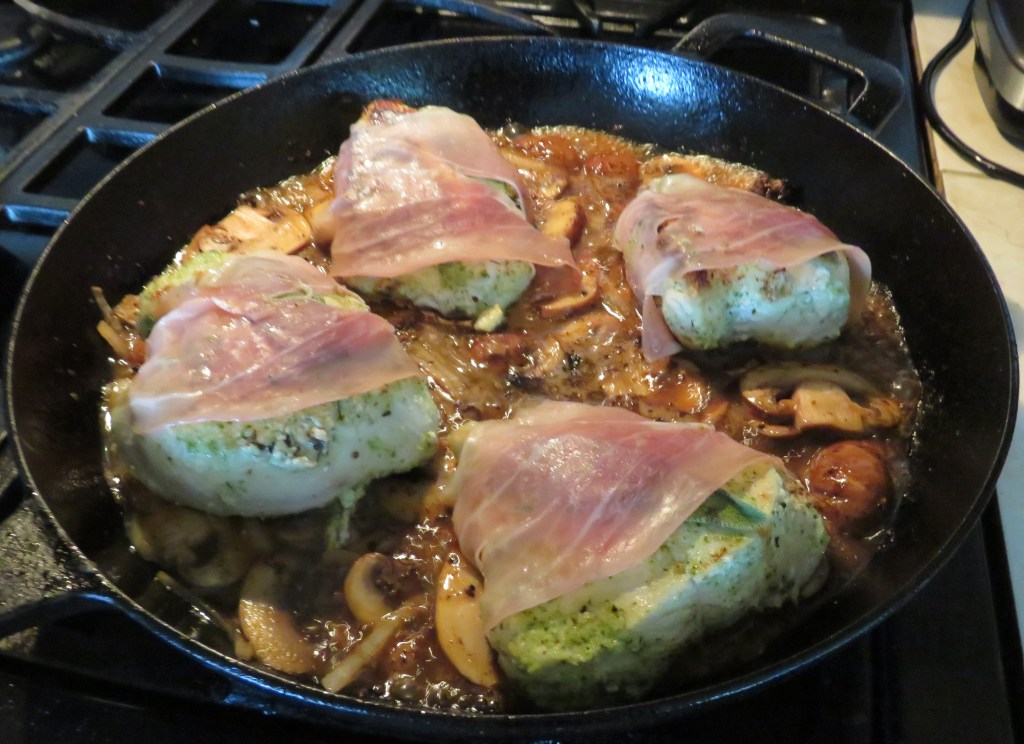
I added a whole sage leaf to each chicken piece then carefully wrapped it with a piece of prosciutto.
Each place was then placed on top of the mushroom and onion mixture and I steamed it for an additional 5-7 minutes to finish cooking the chicken.
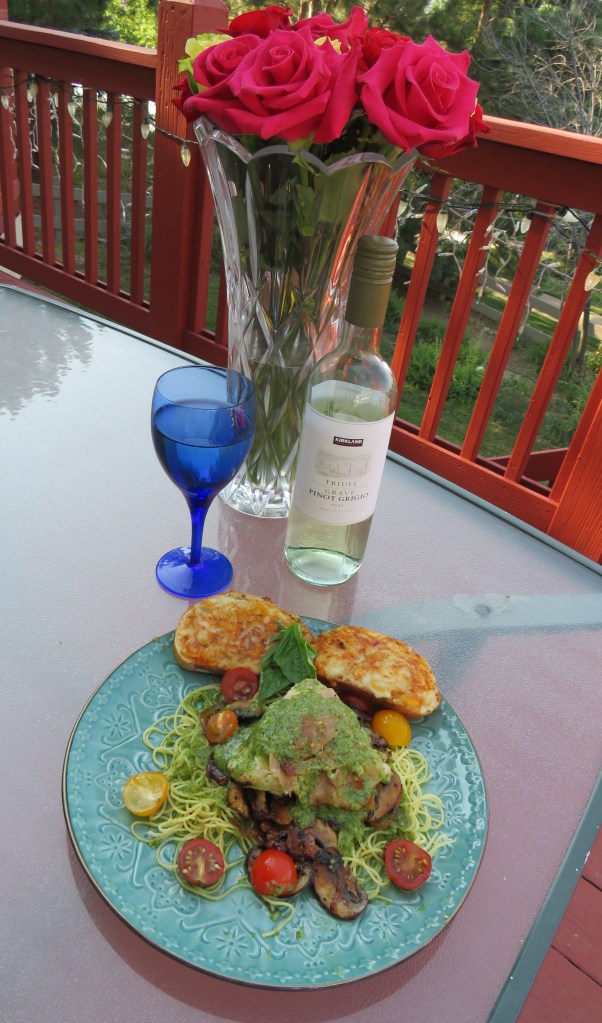
Once the chicken was fully cooked, it was time to serve it up. Presentation is everything, so of course I made it look pretty. Pasta first, with a little pesto on top, then mushrooms and onions. Chicken saltimbocca came next, with more pesto on top. To finish it off, I added a sprinkling of cherry tomato halves all around, then added the garlic cheese bread. A cool crisp Pinot Grigio was the finishing touch, and VOILA! It was dinner al fresco.
Buon Appetito! !Ciao!
Have a great day and make everyday great. Stay safe and stay well. ‘Til next time.
Hundreds of years ago, long before Europeans had set foot in the New World, tomatoes grew wild in the Andes of western South America. The indigenous people cultivated them, eventually bringing the plant northward through Central America and into Mexico. When the Spanish arrived in the early 16th century, they found the inhabitants growing a food crop called “tomatl” in the native language.
Tomato seeds were brought from Mexico to Spain by those early explorers. From there the plant spread to Italy by the mid-1500s where it began to be incorporated into regional cuisine. Over the following decades, tomato plants were cultivated throughout Europe, but primarily as an ornamental plant.
In the early 1700s, the tomato returned to the Americas with European colonists. At that time it was still grown primarily as an ornamental plant in the northern colonies but grown for its fruit in southern regions. Its popularity continued to increase.
Thomas Jefferson reportedly grew tomatoes in his vegetable garden at Monticello and enjoyed eating the fruit. It wasn’t until the early 1900s that tomatoes’ popularity became widespread throughout the United States.
Today, tomatoes are grown around the world and are a star of international cuisine. They are grown in home gardens and on commercial farms and everything in between.
They are eaten raw, served cooked in a variety of dishes and processed into products that line our supermarket shelves. Tomatoes are the most popular home-grown vegetable crop in the country.
I love tomatoes. We eat tomatoes almost daily. And I love eating all kinds of tomatoes too. Heirlooms are by far my favorites tomatoes. But did you know there are more than 10,000 tomato varieties. There is NO WAY I could try them all, but I am more than happy to give it my best shot.
Here are some of America’s favorite tomato varieties. I have definitely eaten all of these and many more too. These are some of my favorites too. I currently have tomatoes on the vine, Compari tomatoes, tiny tear drop tomatoes, and grape and sun tomatoes in my kitchen as we “speak”. I always have a wide variety of tomatoes on hand.
Beefsteak Tomatoes
Best for: Sandwiches, salads, sauces and grilling
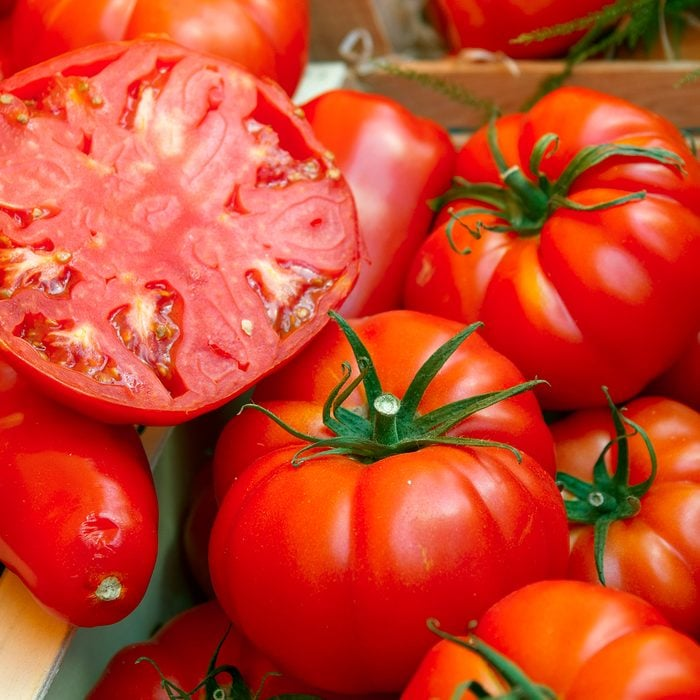
Named because of their large size and meaty texture, beefsteak tomatoes should be your go-to tomato for topping a juicy hamburger or layering onto summery sandwiches. These tomatoes are also easy to slice and won’t get juice everywhere, so they’re perfect for picnics.
But you don’t need to use all your beefsteak tomatoes between bread. Beefsteaks are also good for salads, grilling and even making sauces. Simply put: These are great all-around tomatoes.
Heirloom Tomatoes
Best for: Salads and baked goods
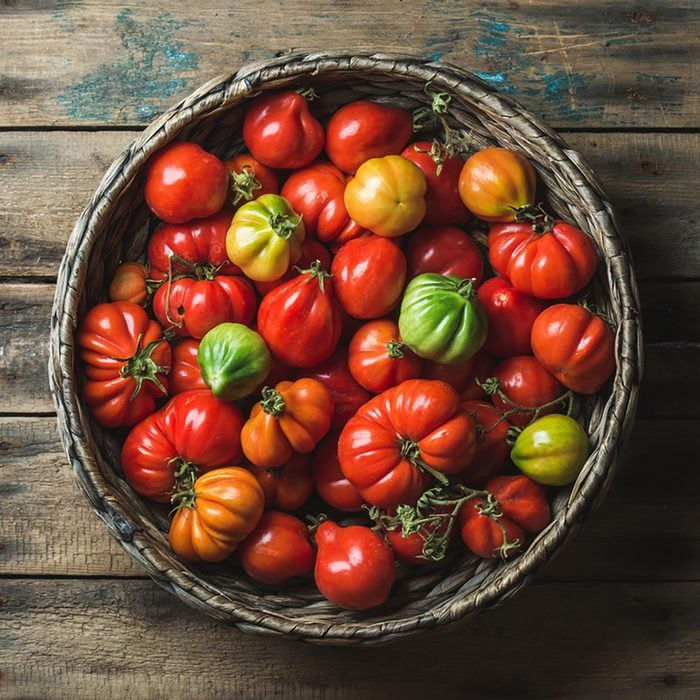
Looking for a tomato that is anything but basic? Try heirloom tomato varieties.
“Heirloom” doesn’t refer to one specific type of tomato. It’s a general term for varieties of tomatoes that have been passed down between gardeners for generations. They vary in size, shape, color and flavor. If you don’t spot them at your grocery store, look for them at farmers markets or smaller garden centers that deal in specialty produce. Learn about the purple dots on tomato leaves.
To really let the unique characteristics of these tomatoes shine, eat them raw with just a sprinkling of salt. You can also try a marinated tomato salad or show off pretty slices with this heirloom tomato tart recipe.
Tomatoes on the Vine
Best for: Sandwiches, salads and salsas
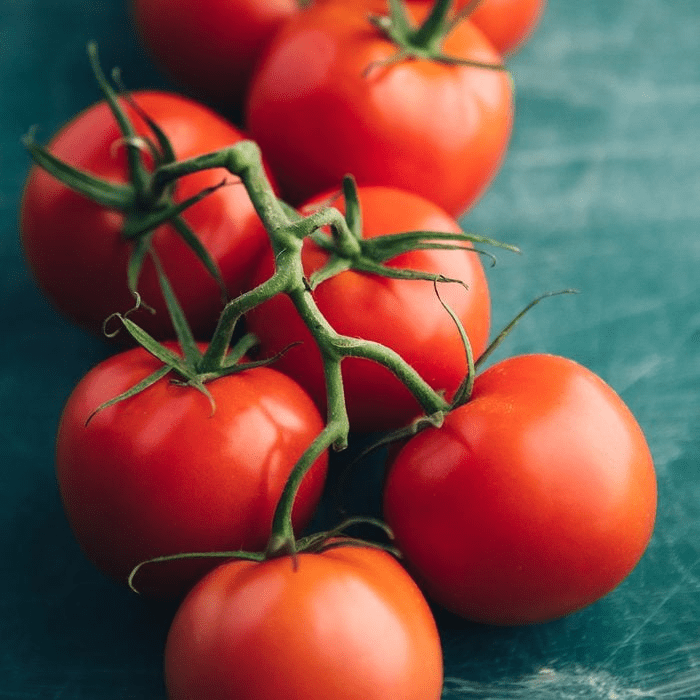
You’ll often see clusters of tomatoes on the vine sold at the grocery store. These medium-sized tomatoes are versatile. You can slice them up for sandwiches, cut them into wedges to add to a green salad or dice them to make fresh salsa at home.
Cherry Tomatoes
Best for: Appetizers, snacks, salads and roasting
These tomatoes get their name not only for their cherry size, but also for their sweetness. Despite being tiny, these tomatoes can do a lot. They’re perfect to use in appetizers and salads, or even just for snacking.
Cherry tomatoes can also be roasted, grilled or baked to bring out even more of their sweet qualities. This cherry tomato flatbread is a great example of how versatile these tiny gems can be. But you don’t need to stop there! Try more tasty cherry tomato recipes.
Plum or Roma Tomatoes
Best for: Canning, sauces, tomato paste and roasting
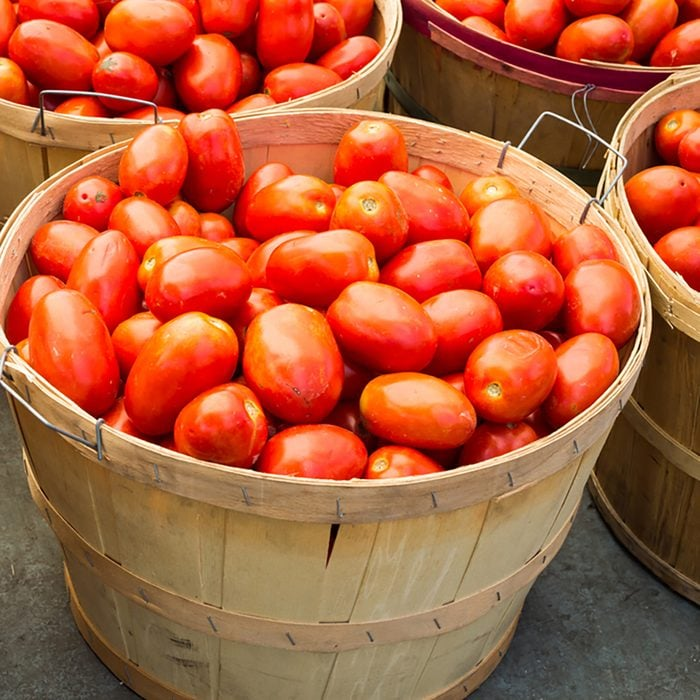
Known as plum tomatoes, you might also see these oblong tomatoes labeled as Roma tomatoes. Big on sweetness but also acidity, they have a lower moisture and water content than most other tomatoes, so they work well when canned, thrown on the grill or used in a fresh tomato soup. These tomatoes are also the star of our best-ever marinara sauce (you’ll need 12 pounds of these babies!). Find out when you should use marinara vs. tomato sauce.
You don’t need to stop at sauces. Plum tomatoes are also our Test Kitchen’s first pick when it comes to making homemade bruschetta.
San Marzano Tomatoes
Best for: Sauces
San Marzano tomatoes are a variety of plum tomatoes. They have a sweet flavor and are low in acid, which makes them a great candidate for pasta sauces. They do cost a bit more than other tomato varieties, but they are worth splurging on if you’re making a great homemade spaghetti sauce like Nonna used to make.
Grape Tomatoes
Best for: Appetizers, snacks, salads and roasting
With their small size, thin skin and sweet flavor, grape tomatoes are similar to their cherry-sized cousins. Anytime you see a recipe with cherry tomatoes, feel free to sub in this varietal instead.
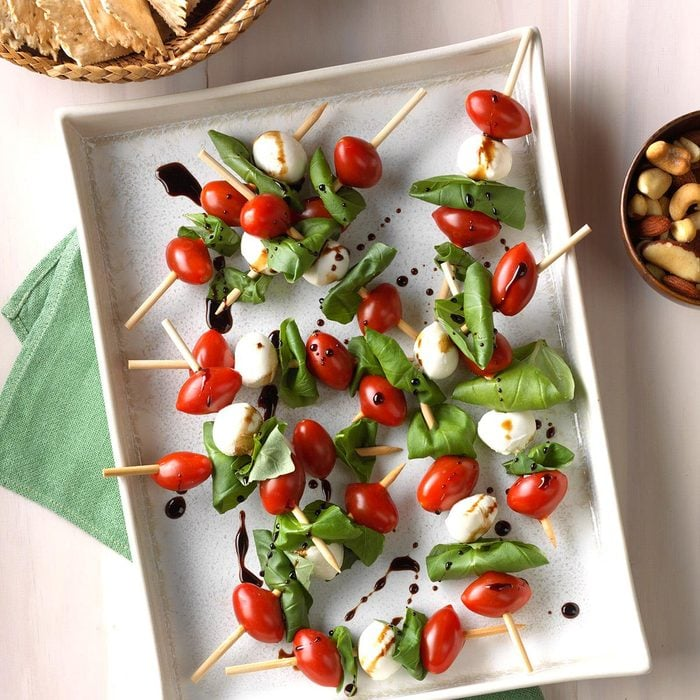
Grape tomatoes make for delicious snacks, or use them in salads and appetizers like these Caprese skewers—they’re super easy to put together and always a hit!
Purple and Black Tomatoes
Best for: Sandwiches and salads
You may have seen dark-hued tomato plants popping up at your local garden center. These almost-black and purple tomatoes are a particular heirloom variety that has gained popularity over the past few years. Cherokee Purple is one of the more popular strains and produces large, dark fruit, though you can also find cherry-sized purple tomatoes like Black Cherry and Black Pearl.
These tomatoes are best eaten raw, so slice a few up for BLTs or try them in salads.
Pear or Teardrop Tomatoes
Best for: Appetizers, snacks and salads
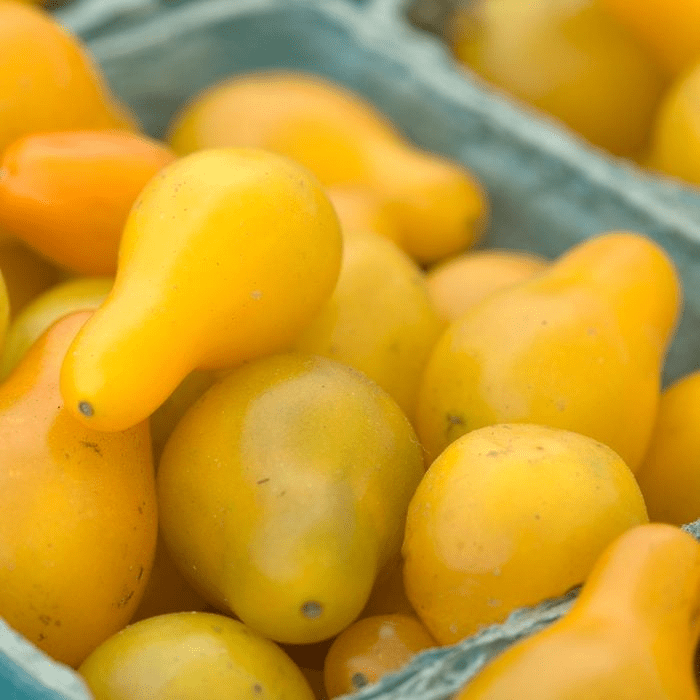
Pear tomatoes, much like cherry and grape tomatoes, are tiny and sweet. This varietal has thin skin, which makes it great for salads and snacking. While these tomatoes are commonly seen with red skin, you’ll also find yellow and orange pear tomatoes at your local farmers market or grocer.
Green Tomatoes
Best for: Frying, pickling and baking
Green tomatoes are just unripe tomatoes. Gardeners are often left with a glut of these tomatoes at the end of the season when the weather is too cold to ripen the last of the fruit on the vine. You don’t have to wait until the end of summer for green tomatoes, though. You can pick them anytime you see green fruit on your plants.
Green tomatoes are firm and not as juicy as ripe tomatoes, which makes them great candidates for breading and frying—who doesn’t love a fried green tomato? You can also pickle green tomatoes and include them in chowchow or green tomato relish.
I know people who ONLY like one kind of tomato, and that is all they will eat. If they try a different variety, they think it is “bad” because it has a different taste to what they are used to. No, no, no. Far from it. Every tomato variety has its own unique and delicious qualities. These are just a small sampling of different kinds of tomatoes available. If you like tomatoes, be bold and adventurous and try as many different varieties as you can find. There is definitely many ways to peel a tomato. 🙂