Cornbread

Cornbread is as American as apple pie, but its origins date back far beyond the inception of this country. With roots in Mesoamerican, Native American, and African cultures; history and people have shaped this iconic American bread into what it is today.  

The Native Americans and Cornbread

Corn, also called maize, is the most widely planted staple crop on Earth. It is thought to have been bred from wild grasses in what is now Mexico over 7,000 years ago. As civilizations grew and flourished in the Americas so did maize. Many different varieties were developed that were able to survive in starkly different locations and climates, from present-day Illinois to Peru. It became one of the most important resources in the Americas, and Native Americans had many creative uses for all parts of the crop. The husks could be used to weave baskets or a mattress, and the kernels could be made into hominy or ground with a mortar and pestle to make cornmeal for cooking. 

Corn was so prevalent in the Americas at this time that cornmeal became a major staple in the diets of Native Americans. Early cornbread consisted of cornmeal, water, and salt and was baked over a fire or in a hearth. Without milk, eggs, or sugar, early versions of the bread were quite different than what we eat today, but they offered a vital source of energy. Iroquois messengers who traveled between villages would carry cornmeal as their only source of nourishment for the journey. Mixed with water to make cornbread, it made for a quick and energizing meal. 

The Early Americans

The Native Americans introduced the Pilgrims to corn. In both Plymouth Rock and Jamestown, the settlers were introduced to corn by Native Americans in the region who taught them how to grow and cook it. After finding success in growing corn, European settlers quickly adopted the new crop which became a vital food source in their diets. Recipes such as cornbread became a mainstay in the new settlements and the broader American colonies that followed them.  Cornbread remained a popular alternative to wheat bread because most of the wheat grown in the colonies was exported to Great Britain. The wheat that was not shipped overseas was difficult to transport along America’s coast making it somewhat of a rare commodity in colonies outside of the Mid-Atlantic region. Due to its scarcity, wheat bread became something that was reserved for special occasions, while cornbread was typically used in everyday cooking and meals. 

Even though early colonists considered cornmeal more of a rudimentary, everyday staple ingredient, cornbread recipes continued to evolve and even became a symbol of pride in the Southern colonies. By the eighteenth century cornbread started to resemble something closer to a modern recipe. Colonists would add ingredients like molasses, butter, and milk to improve the taste. The batter was either baked into what was called a common loaf, or formed into patties and fried also known as hoecakes or johnny cakes.  During the Revolutionary War, cornbread also played a significant role in feeding troops as it was cheap, easy to transport, and a good source of calories. Much like the Iroquois messengers, patriot soldiers would sometimes subsist solely on cornmeal and water that was fried or baked over a campfire to make cornbread. 

The African Influence

For Black Americans, cornbread is more than just a comfort food. It is a symbol of their ancestors ingenuity, resilience, and strength in the face of adversity. Throughout the American colonies and into the nineteenth century, enslaved Americans were given very meager rations to cook with, most often whatever was considered “undesirable” by slaveowners. These rations would include leftover greens, animal parts, molasses, and grains like rice or cornmeal. Cornmeal became essential to the survival of these individuals, and to make it last they developed ways of stretching the ingredients to feed more people.

Cornbread Today

Today, most Americans, no matter their background have a recipe for cornbread that’s passed down through generations. These recipes tell the stories of our past and speak to American culture in many ways. If you’re from the north, your cornbread most likely has sugar or honey in it. If you’re from the south, you may not use sweetener in your bread at all. Those in Appalachia may still prepare cornbread the old-fashioned way simply using ground corn, hot water, and lard. Our recipes tell the story of where we’ve been and will continue to evolve through time. However, no matter where you’re from or what your background is, all can agree that there are not many dishes out there that have stood the test of time and feel quite as American as cornbread.

My mother was from southeast Texas, and cornbread is a daily staple, found on almost every table. There are so many different recipes for cornbread in Texas. I can’t say I have tried them all, but I have tried a lot. But I am always up for more research and experimentation. 🙂

When I made my low country boil Low Country Boil, of course, I had to serve it with cornbread and honey butter.
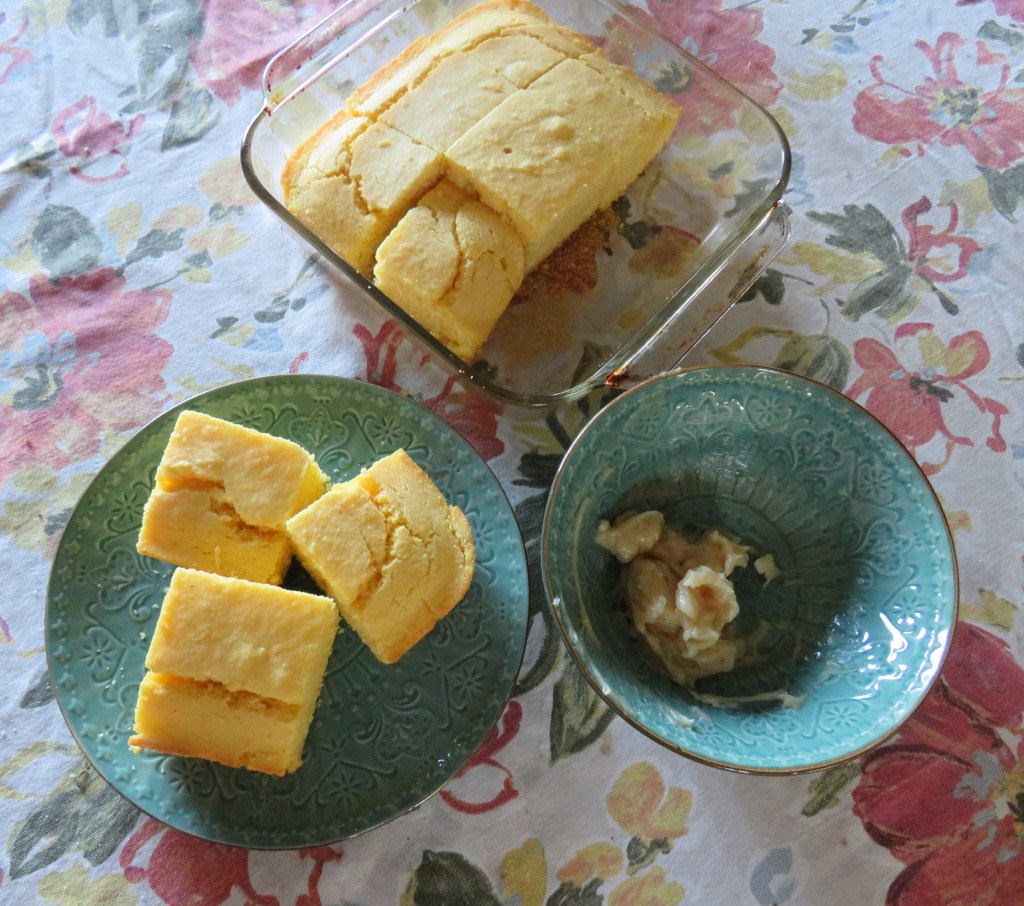
Simple Old Fashioned Cornbread

This particular recipe is as simple as you can get, but it’s still delicious. I try all different kinds of recipes, all the time, for everything. I really enjoy adding jalapenos, corn and red peppers to my cornbread as well, but sometimes, I just want simple.

Preheat the oven to 425* F or 218*C.

Spray a 9×9 square pan with cooking spray.

2 cups yellow cornmeal

1/2 cup flour

1/4 tsp salt

2 1/tsp baking powder

1 TBSP sugar

1 egg

1/3 cup vegetable oil

1 1/2 cups milk

Combine all the dry ingredients together and mix well.

Mix the egg, milk and vegetable oil together, then incorporate into the dry mixture with a spatula. Just mix until everything is blended together, then pour into the prepared pan and spread out evenly.

Bake for about 25 minutes, or until it is set and golden, and a toothpick inserted in the middle comes out clean. Let cool for a bit, then slice and top with honey butter. DELICIOUS!!!!
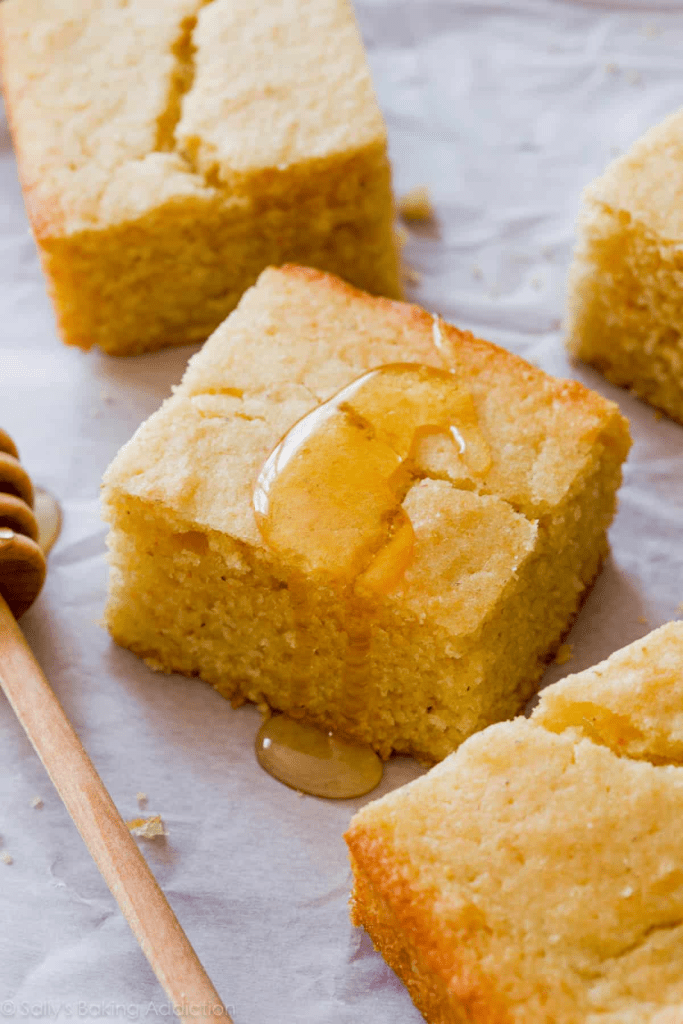
Cornbread goes with everything. There’s nothing that isn’t made better with a little cornbread and honey butter.

Have a great day and make everyday great. Stay safe and stay well. ‘Til next time.
Finger Update

First of all, thank you to all of you for your well wishes on my finger. Your thoughts and prayers are always welcomed and greatly appreciated.

Today, Friday, marks one week since I almost sliced off the top of my finger. I did everything I was supposed to do and followed the first doctor’s orders to a tee. But it still somehow managed to get infected. When I changed the banadaging, it was WORSE, not better. I had a horrible burning sensation that went from my finger all the way up my arm. I had to go back to the doctor, but this time it was a different doctor, in a clinic and not the ER.

She really didn’t do much, but she said that it had become infected and prescribed an antibiotic, that I have to take twice a day for 10 days. I told her I will do whatever it takes because I am going DIVING again next week, and I AM DIVING! She laughed and completely understood where I was coming from, being a former diver and swimmer herself. She told me to take my antibiotics and to cover it with liquid bandage before I go diving.

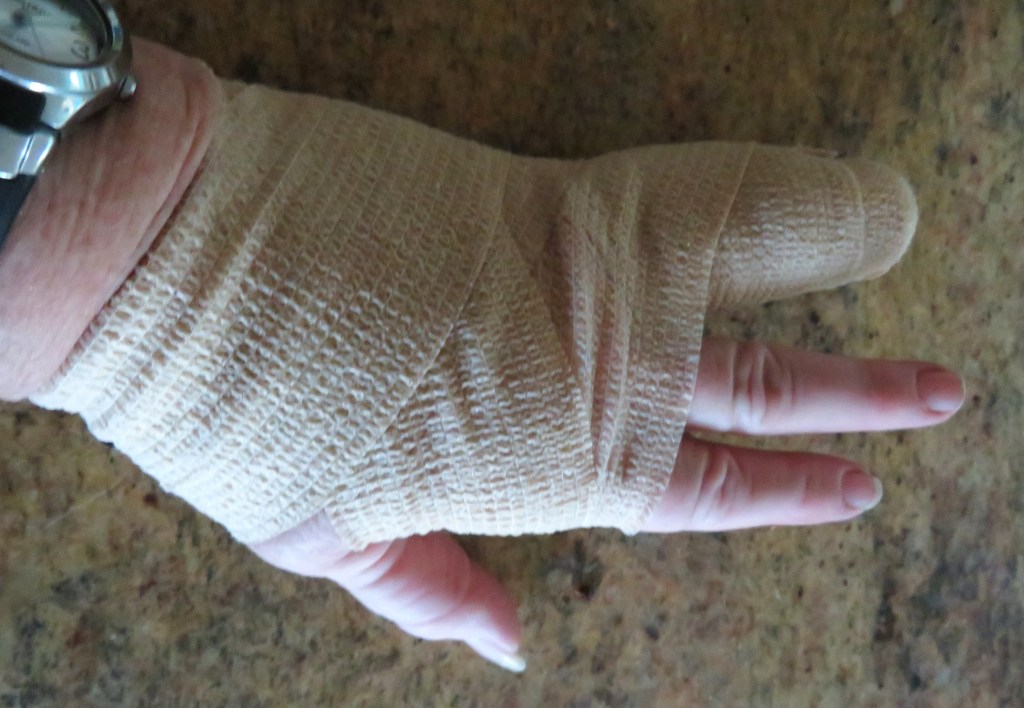
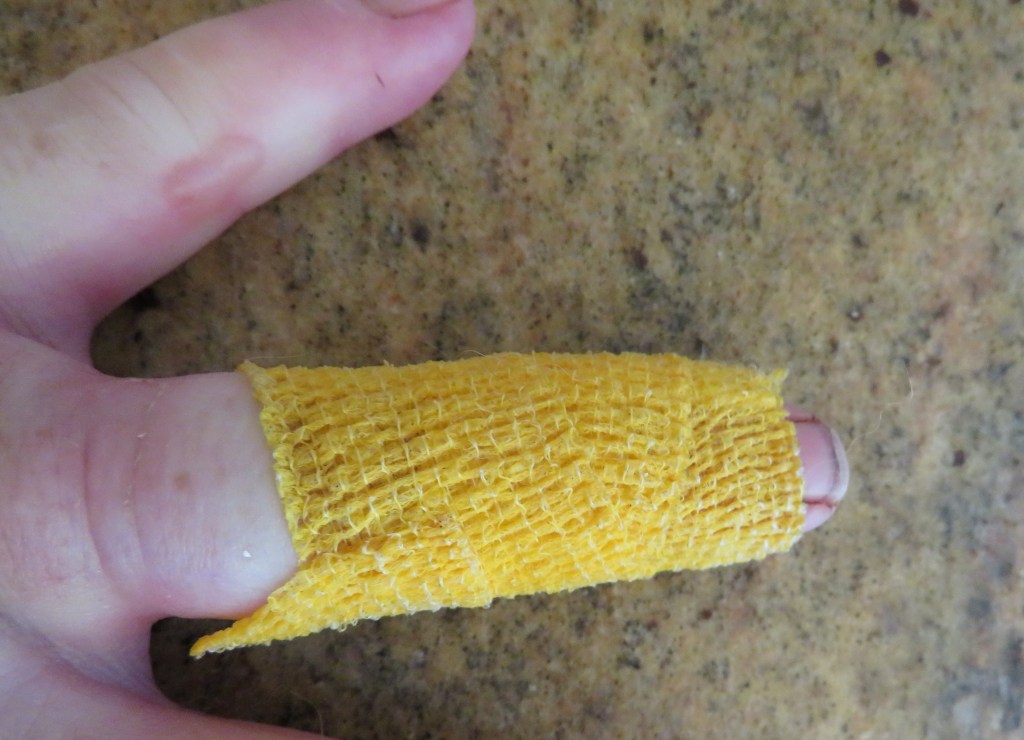
I don’t have to have the huge, cumbersome bandage or splint anymore, but I do still have to keep it wrapped and dry when I shower. There is a silver lining though …. it gets me out of doing the dishes for awhile. 🙂

I won’t show you the actual pictures of my finger, unwrapped, because, well, it is UGLY and pretty scary looking. As you can see, I also have a blister on my baby finger, but that could be because of the splint I had to wear at first. So, I am still on the mend, but hopefully it won’t be too much longer.

Thank you all again for your thoughts, prayers and well wishes.

3 Ingredient Flan

I love anything custard, creme brulee or flan. If that is my dessert choice, count me in. I have made and enjoyed all of the above many, many times. But if I can make it with only 3 ingredients, that are standard in everyone’s kitchen, even better. SWEET!!!!!

When we had our taco bar, The Taco Bar I made flan for dessert.

As expected, it was a big success and was gobbled up quickly. But what I liked most about this flan recipe vs. others, is that it literally only needed 3 ingredients to make – milk, eggs and sugar. That’s it!

3 Ingredient Flan

2 cups milk

4 large eggs + 2 yolks

1 cup sugar, divided

Preheat the oven to 350* F or 180* C.

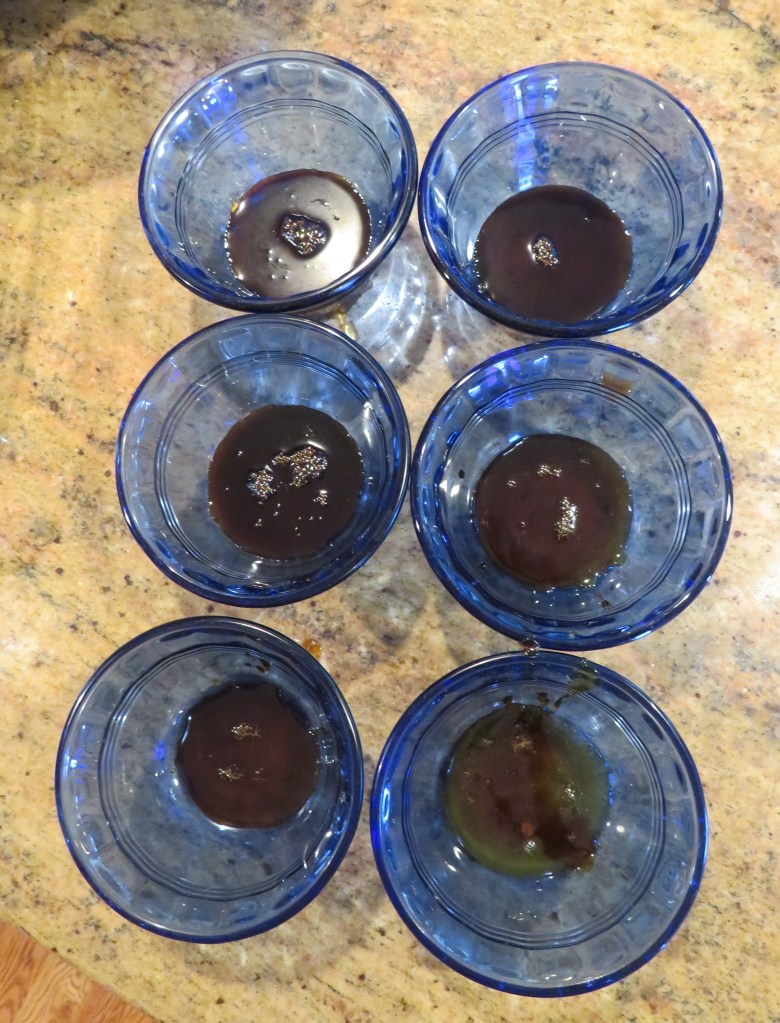
Melt 1/2 of the sugar in a saucepan with just about 1-2 tsp water. Let it cook, without stirring, until it turns completely liquid and turns into a nice golden color. Then immediately divide it equally into 6-8 ramekins. You have to work fast so it doesn’t crystalize and harden.

Heat the milk to get it warm/hot, but do not bring to a boil.

Whisk together the eggs, egg yolks and 1/2 the sugar. Add the milk slowly while whisking at the same time. You are tempering the milk, or lowering its temperature. This is a MUST. If you don’t temper the milk, you will scramble your eggs and the custard will be ruined.

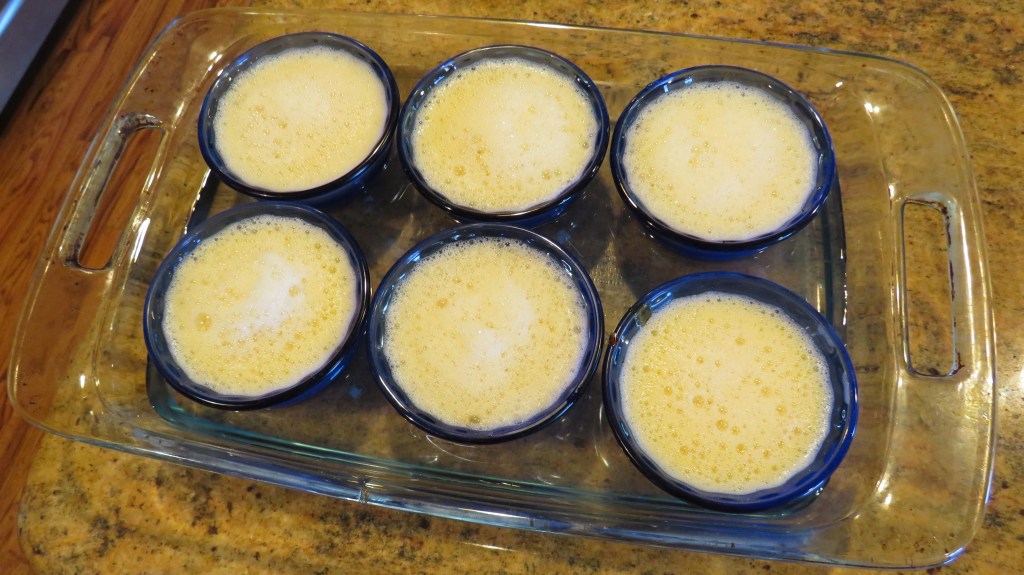
Place the ramekins in a 9×13 baking dish, side by side. Equally distribute the custard into each ramekin, pouring it over the caramel sauce. Then fill the baking dish with warm water to about the halfway point.

Carefully place in the oven to bake for about 20 minutes, or until the custard is set. Let it cool completely, then place in the refrigerator to chill for at least an hour before serving.

When ready to serve, take a butter knife and gently go around the inside of the dish to loosen up the custard. Place a plate on top of the custard, then gently flip over. The custard will be on the bottom and all the delicious caramel sauce will flow on top.

!Esta mui delicioso! !Fantastico! This is a classic dessert in any Spanish speaking country and it’s so easy to make too. I promise, you’re going to love it. It will literally melt in your mouth.

Have a great day and make everyday great. Stay safe and stay well. ‘Til next time.

More Fun Food Facts – 8/22/24

I am still out of commission, and am really unable to do much in the kitchen right now because of my finger. I am going back to the doctor again today and I will give more of an update on it later. So, I thought I would share some more fun food facts with you while we wait. I always like learning new things. I hope you do too. 🙂

  1. Do you know how poundcake gets its name? Originally when it was made, the recipe called for 1 lb of butter, 1 lb of sugar and 1 lb of eggs. So … It was called poundcake.

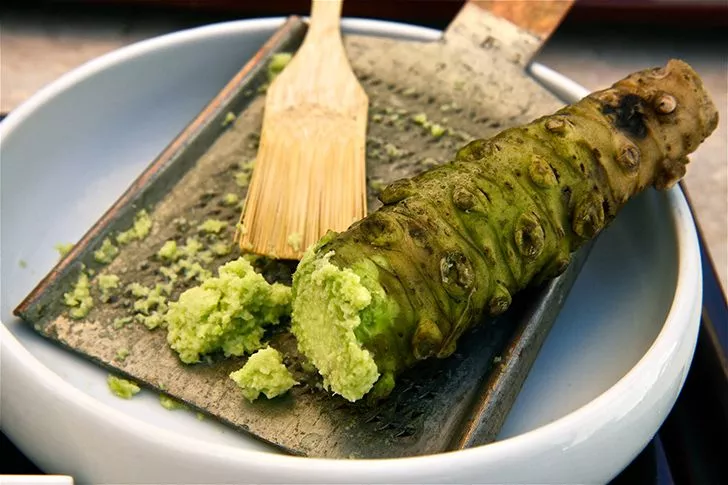
2. If you eat sushi, then you are familiar with wasabi. But most wasabi sauce is just colored horseradish. Real wasabi is difficult to make and is very expensive.

3. Nutmeg is a favorite spice used for many things and many recipes. But use it sparingly. Did you know that nutmeg is actually a hallucinogen. It contains a natural compound called myristicin that has mind-altering effects if taken in large doses.

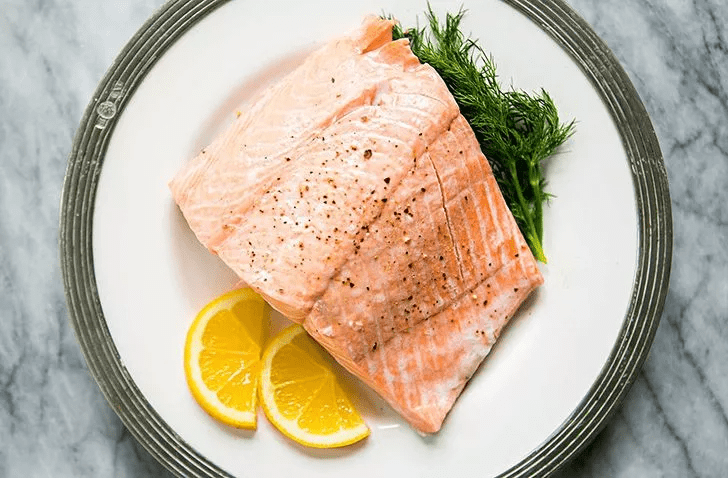
4. Salmon is a popular type of fish. Wild salmon comes in different shades of pink, that comes from the color of the shrimp they eat, similar to flamingoes. But farm salmon is fed a different diet, and their pink coloring comes from dyes, since they are normally white. They are fed specific plant pigments to get the same hue as wild salmon.

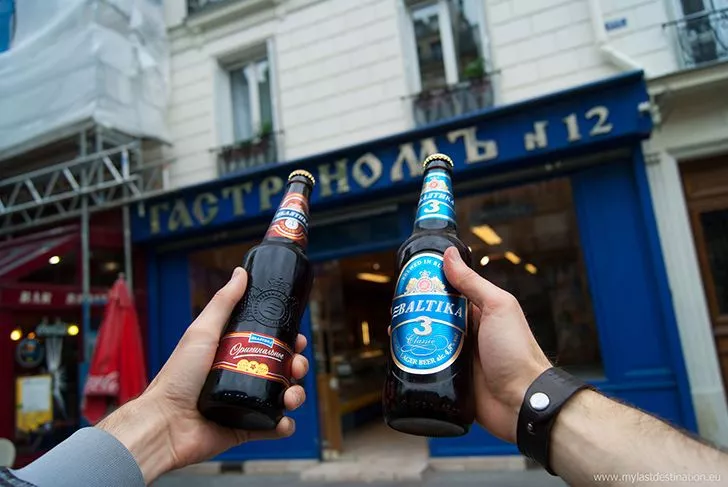
5. Up until 2013, in Russia beer and all other alcohols under 10% ABV were considered soft drinks.

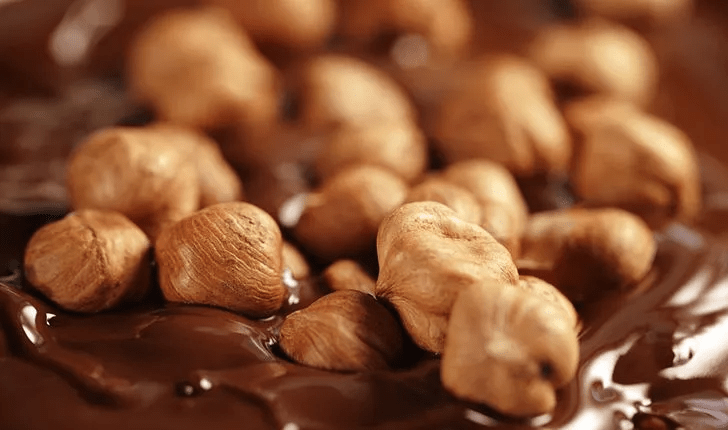
6. Nutella is a worldwide favorite sweet treat to eat. It is so popular in fact, that 25% of all hazelnuts, or 1 out of every 4 hazelnuts ends up in a jar of Nutella. I LOVE Nutella!

So …. Now you know all these fun little food facts that you never knew before. Aren’t you glad you tuned in???? You just never know what you’ll learn.

Have a great day and make every day great. Stay safe and stay well. ‘Til next time.

Stocks, Broths & Consommés

If you are like me, you use the terms stock and broth interchangeably. I also use both liquids interchangeably too. But believe it or not, there really is a difference between the two.

Our friend Randy, from Cook Fork Plate at https://cookplatefork.com/ actually inspired me for this idea and post. Thank you Randy.

Both stocks and broth are liquids usually made from animal carcasses, meat and vegetables that have been reduced. The main differences between the two are the type of animal part used, the length of the simmering time, and the seasoning. Stock is generally made from bones, and broth is generally made from the flesh. In both cases, they are often supported with aromatic vegetables, but in the case of stock, left unseasoned for maximum flexibility in recipes, whereas broth will usually contain at least salt and pepper. Typically made from bones and connective tissue, stock is simmered for a long time, often 4–6 hours, to break down the collagen and create a thick, gelatinous liquid. The long cooking time also allows the flavors to meld, resulting in a rich, full-bodied flavor. Stock is often left unseasoned so it can be used as a base in a variety of recipes, such as braises, sauces, and stews.

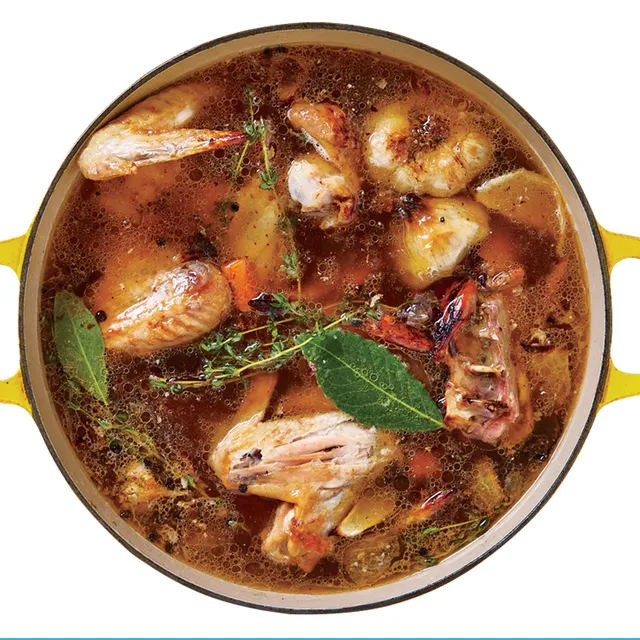
This is a typical broth. It is made with the carcass, onions, carrots, celery and a bouquet garni, or an herb bunch and water. This one is a chicken broth. As with anything, there are always different variations. Broth usually is cooked in less than 2 hours.

Stocks are made in a similar fashion, with the same basic ingredients, however, they contain the meat as well, and are slow cooked for a much longer period of time. Usually a good stock takes between 2-6 hours to prepare.

Another option is a consommé. A consommé is a clear liquid. Consommé is often confused with broth, but it’s actually a product derived from clarified broth or stock. Consommé is a clarified and concentrated stock or broth that is either usually served on its own as a soup or when cooled, used as gelatin. There are a number of methods for making a beautifully clarified consommé. All involve using egg whites, which help form a raft of solids at the surface of the stock or broth. Those solids are then skimmed off, and the broth or stock strained.

As with most things cooking related, you the cook, can always determine what is best for you to use in your own recipes. Cooking in general is using time honored ideas to prepare delicious foods. But those are just ideas and guidelines really. In order to personalize your foods, be creative and think outside the box; break from the traditions and the norms, and do what works best from you.

I hope you all learned something new today. I know I did. 🙂 Have a great day and make everyday great. Stay safe and stay well. ‘Til next time.

The Butterfly Pavilion

We have butterflies that fly around freely here, but not nearly as many as you would find in a warm, tropical location. That being said though, we do have a place close by where butterflies fly freely by the 1000’s. We have The Butterfly Pavilion that’s only about a mile away from our house.

The Butterfly Pavilion was opened as a zoo for invertebrates, but specifically, for butterflies in 1995. It is home to hundreds, if not thousands of different butterflies and insects of all kinds. I’ve been quite a few times, but I went again, on a whim just the other day. Larry was out playing golf, so I decided to spend some time with the butterflies. In a way, I was also spending time with my mother, who absolutely loved butterflies.

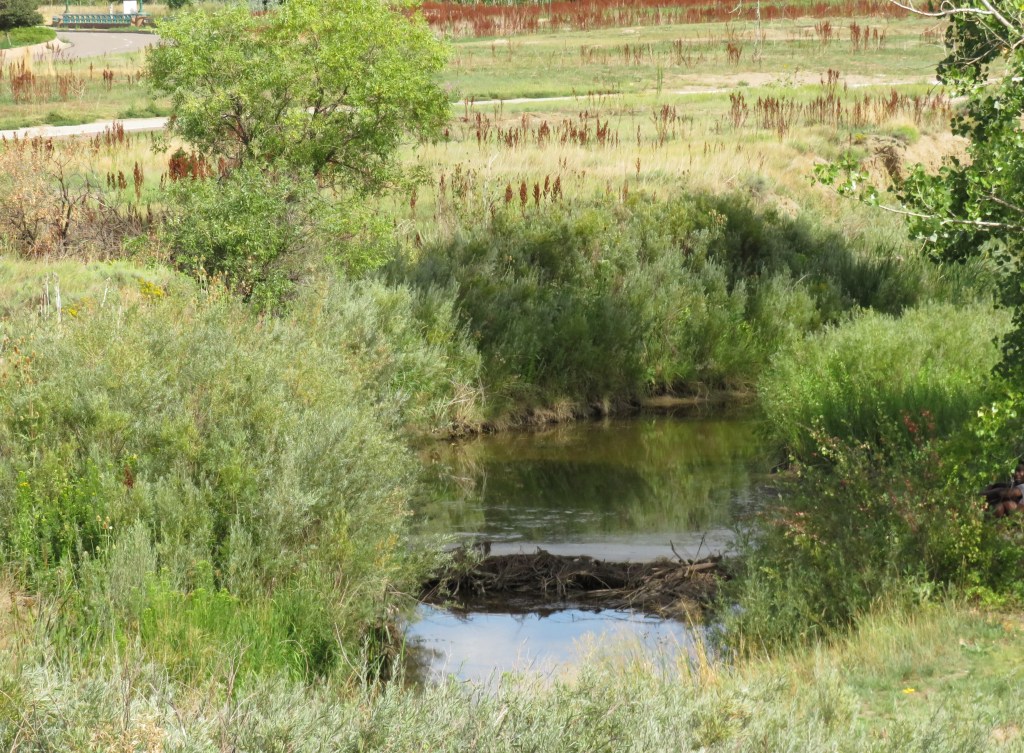
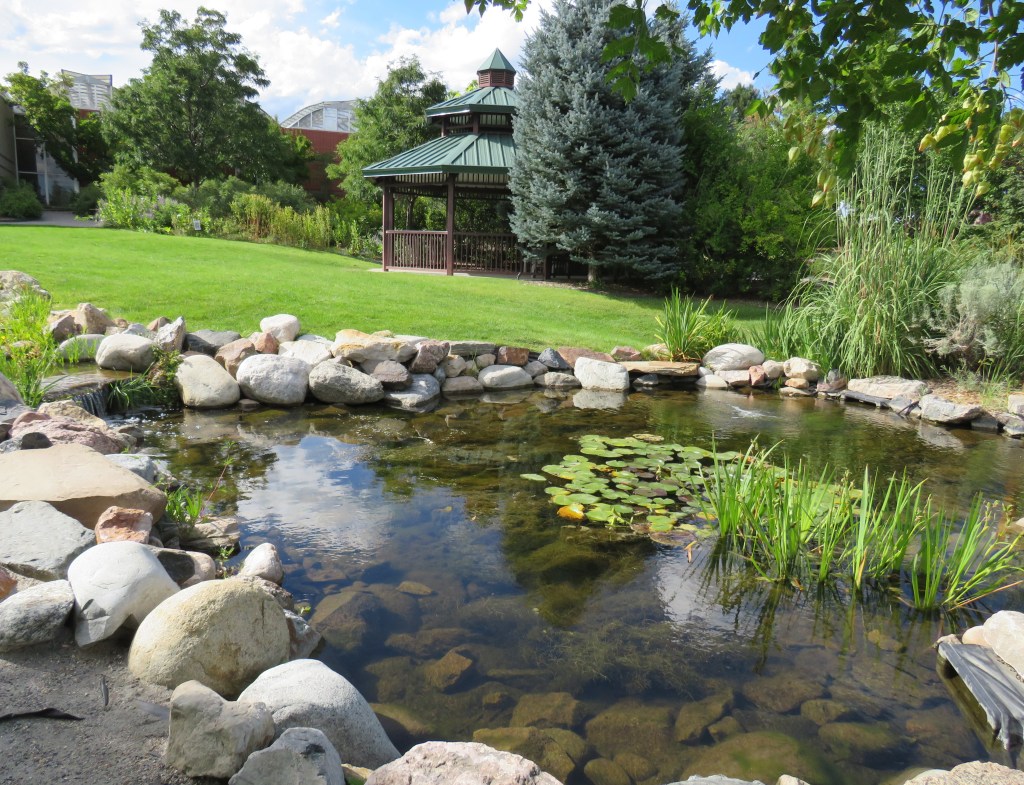
The Butterfly Pavilion is situated on 11 acres, and the outside gardens are beautifully maintained. Before entering the Pavilion itself, I roamed around through the outside gardens. It is located at 6252 W 104th Ave, Westminster, CO 80020. No reservations needed. Just walk on in. It’s open until 5:00 PM everyday. You can even host parties, weddings and events there too, but for those you definitely need to make reservations.

This gazebo is where our friends Erik and Shannon got married last year.

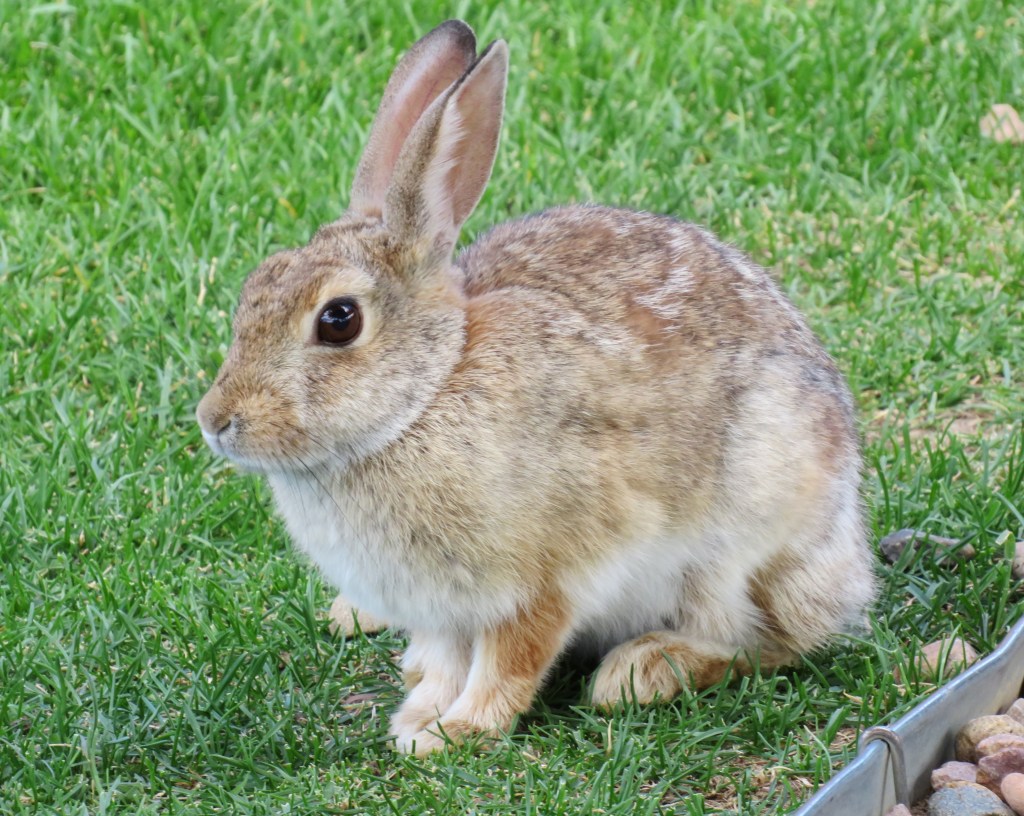
There were a few friendly bunnies hopping around to welcome me too.

Before entering into the main butterfly gardens, you first enter through the insect room. One of their main attractions is Rosy, the friendly tarantula. Although there are really about 12 or so Rosies, who they rotate throughout the day. I’ve held her before. She tickles as she crawls around on your hand or arm.

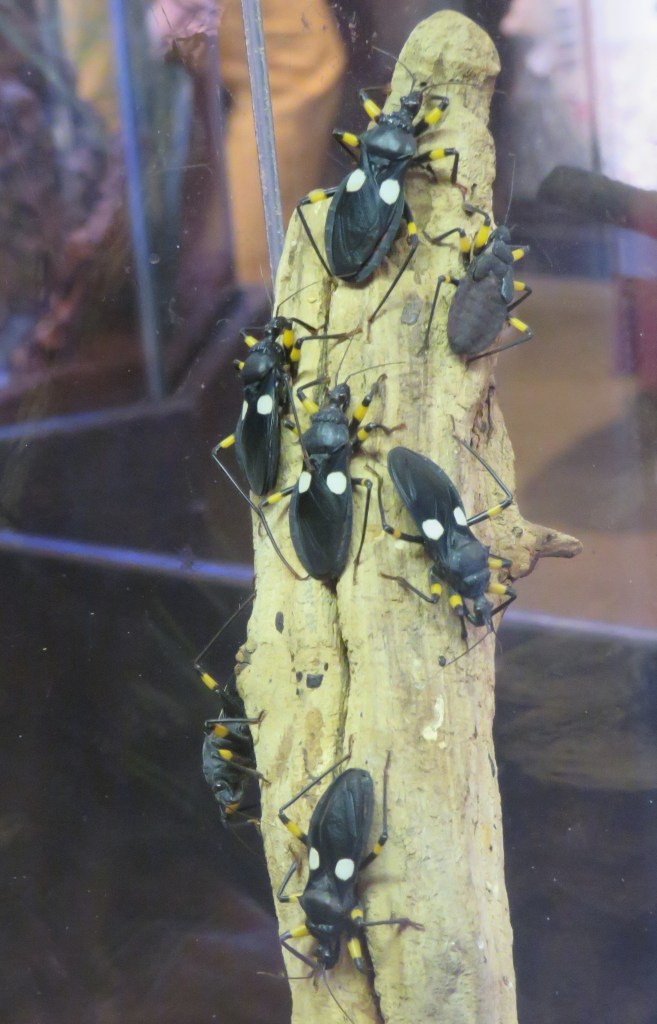
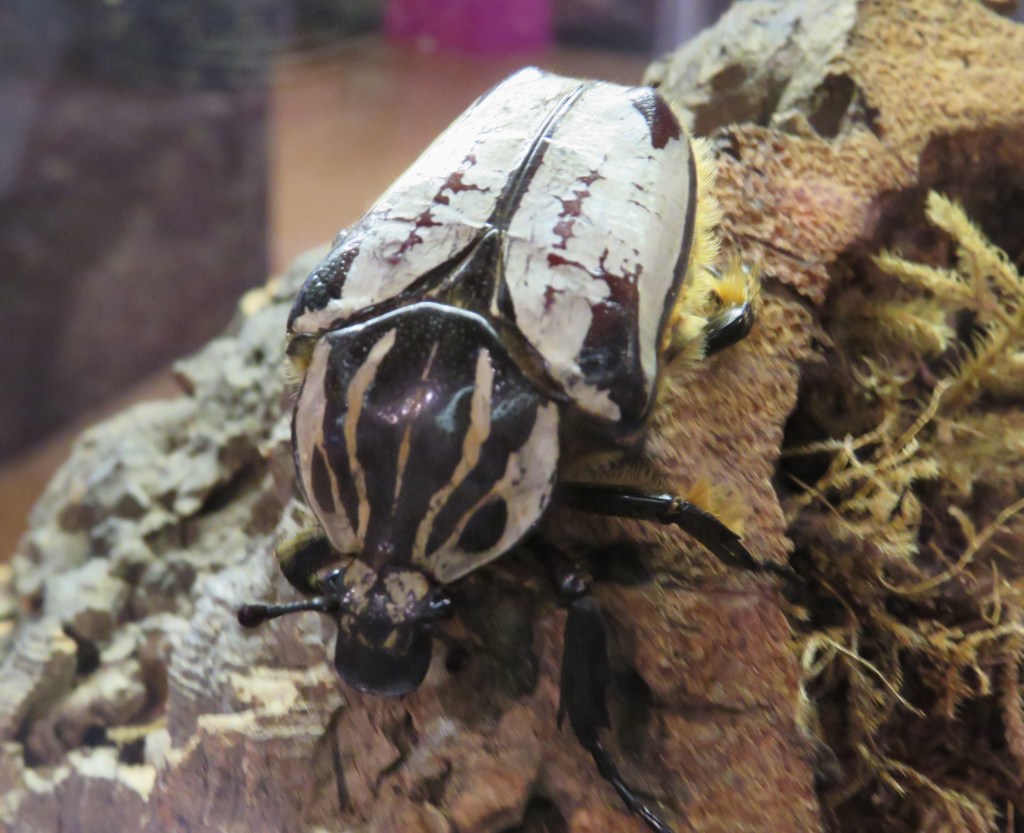
Some of the other interesting residents to see before entering into the butterfly gardens. All of these insects are vital to keeping our plants around the world healthy and productive.

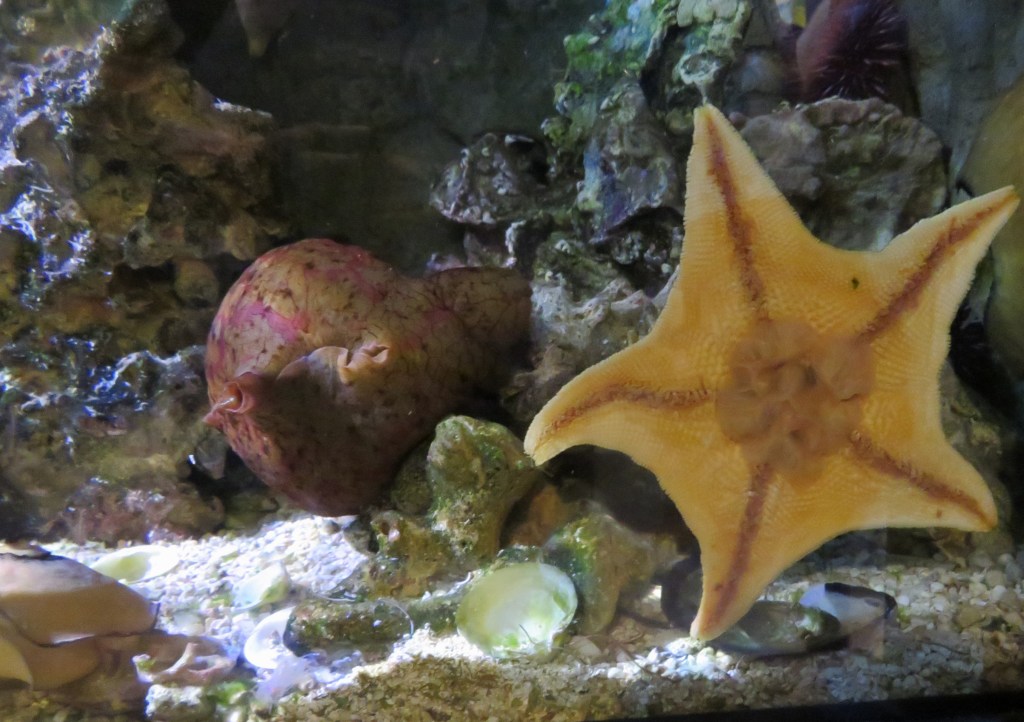
Next, you wonder through the “seas” and see some of the underwater invertebrates, many of whom I see all the time while diving. We see plenty of sea stars.

And every now and then we see a few horseshoe crabs too.

But the real stars and the main attractions are of course, all the butterflies and the tropical plants and flowers.

There were so many different butterfly species flitting all around. I had to be very careful where I walked too, because they were everywhere.

This one is camouflaged very well. To its predators, it looks like either a poisonous snake on the back of its wings, or something with very large eyes. But the front of its wings are a very bright, beautiful blue. I tried and tried to get pictures of its blue wings, but was unsuccessful.

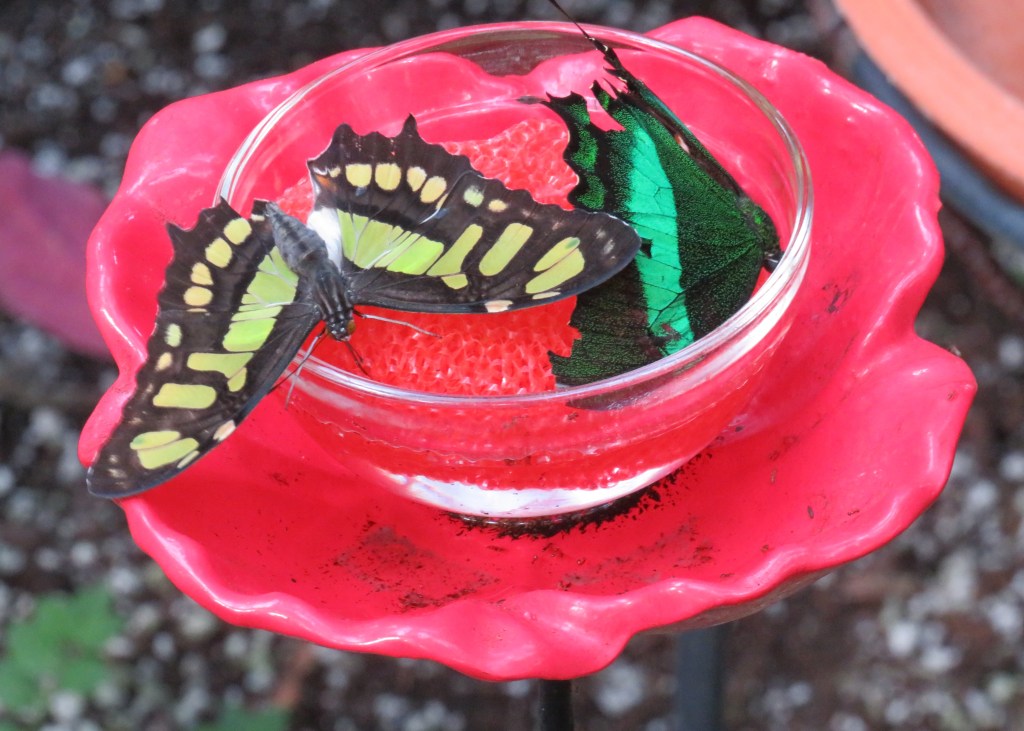
Taking a snack break, munching on rotten fruit. They like the rotten fruit because it produces a sweet nectar.

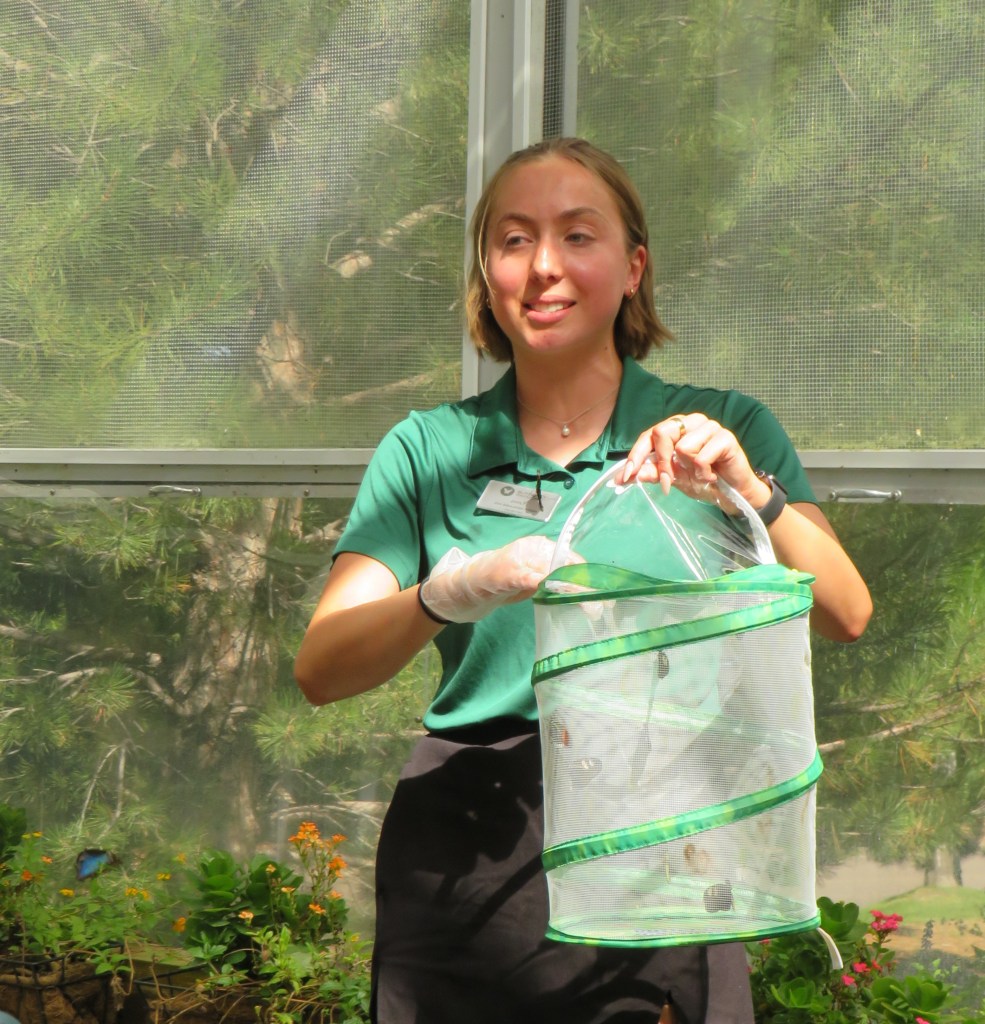
I was there in time to see the release of new butterflies too. It was their first day flying in the big garden.

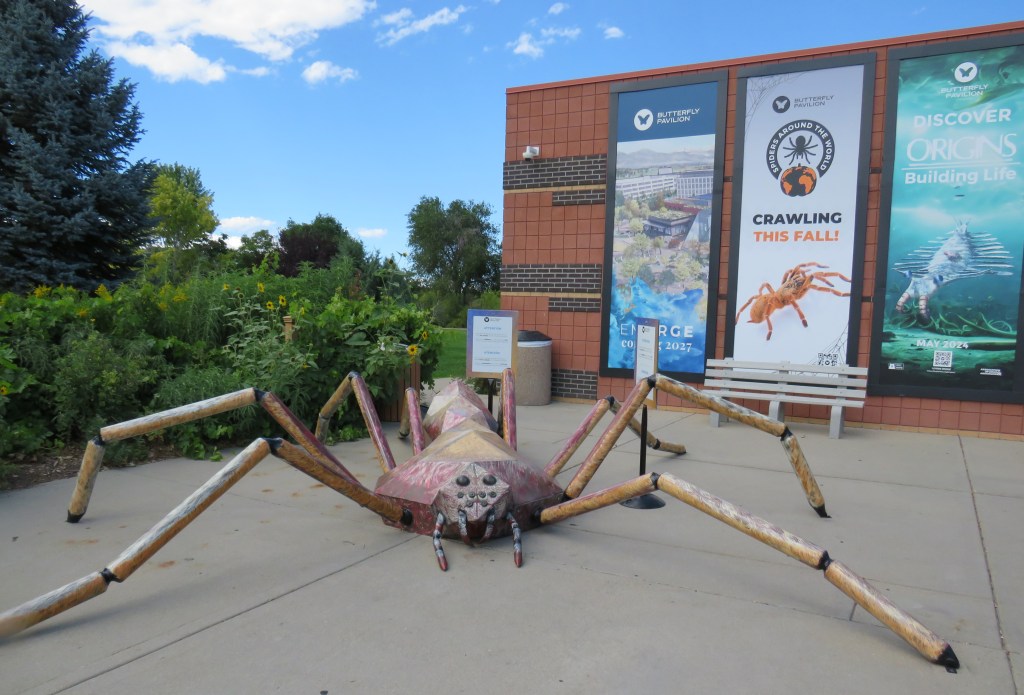
There was even this big spider who was very pregnant and about to lay her eggs. She was resting on the wall.

Make the most of everyday. There is always something new to see or to learn. Have a great day and make everyday great. Stay safe and stay well. ‘Til next time.
Holy Guacamole

Guacamole is a favorite and goes with anything Mexican. It’s been around since at least the 14th century, and was a favorite food of the Aztecs. The Aztecs, who lived in Southern Mexico where avocados grow naturally, are thought to have created the dish, which they called ahuacamolli, a Nahuatl word that translates to “avocado sauce”. The original recipe included avocados, tomatoes, and chilis, but over time the Spanish added their own ingredients, like onions, cilantro, and lime juice, and the Spanish pronunciation changed the name to “guacamole”.

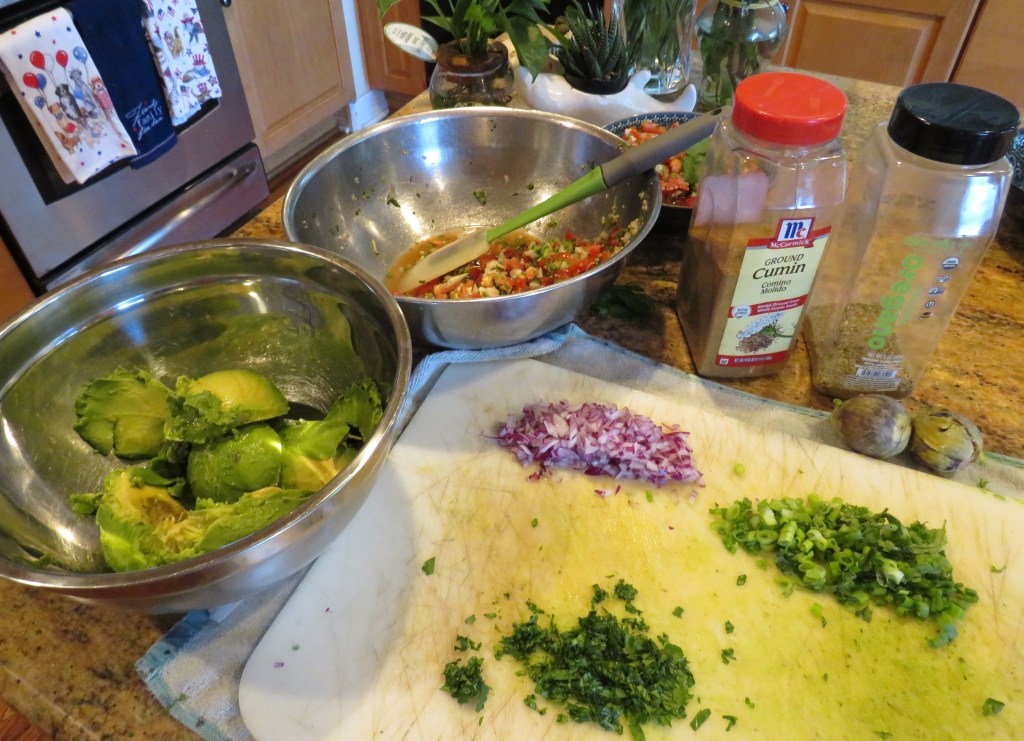
I make mine in the Spanish way, with lime juice, onions, cilantro, jalapenos and tomatoes, as well as a little garlic, oregano and cumin too. As with anything though, there are many different ways to make it. Almost all guacamole recipes vary in one small unique way or another, but every familiar recipe contains a few necessary staples: a dash of lime to taste, onions, tomatoes, perhaps some chilies for spice, and of course, plenty of avocados. Ingredients commonly added to guacamole today, such as garlic and cumin, came first from southern Asia to Europe, then to America through the Columbian exchange. The Persian lime, now a staple to many a guacamole recipe, originated in southern Asia, was produced in large scale in the Middle East, and reached Western Europe around the time of the crusades. Finally, in 1493, it was introduced to the Americas by Columbus on his second journey. Some people put sour cream in theirs. Some people just mash up avocados and leave it at that. This is how it was originally made by the Aztecs.

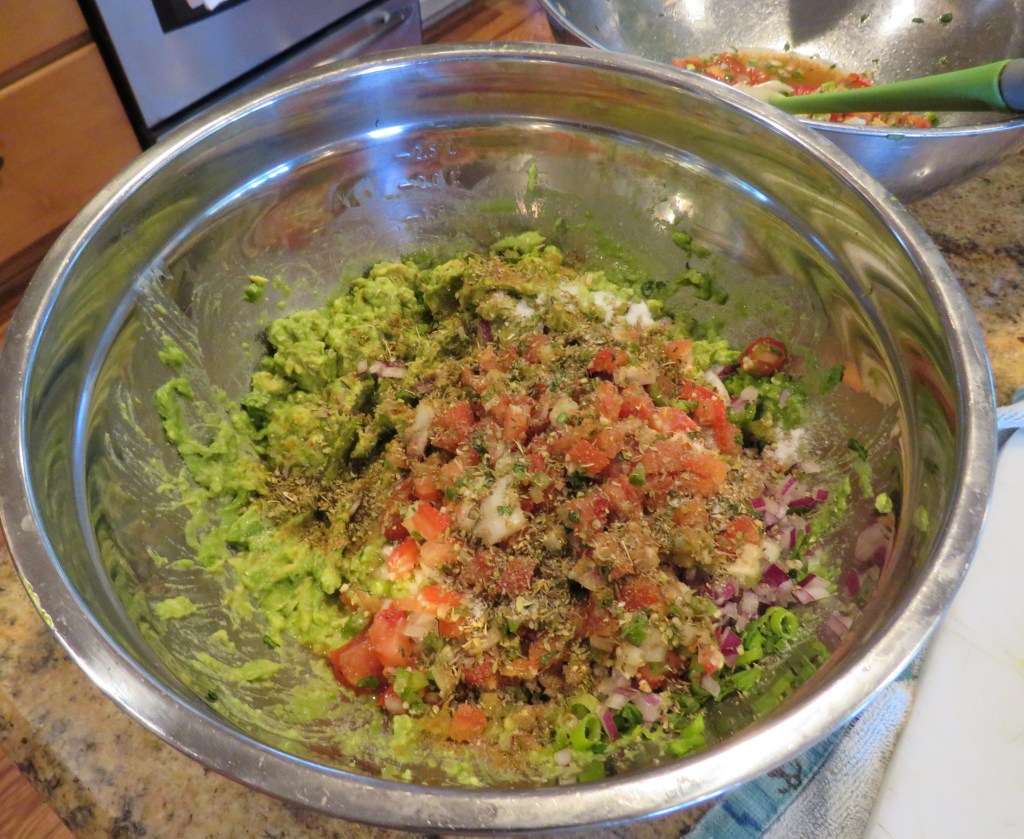
I actually use both red onions and green onions in mine. In fact, when I make my pico de gallo, I just add some to my mashed avocados, since I use a lot of the same ingredients for both. Then I just mix everything all together, place the avocado pits on top and chill it until ready to eat. The reason for the avocado pits is they help prevent the avocados from turning brown, just like the acidity from the lime juice does.

The way I make my guacamole is just how it is made in both Spain and many parts of Mexico. The last time Larry and I went to Cozumel, we took a Mayan cooking class at Ix-Kool, Ix-Kool and the only difference between my guacamole and theirs was that I do not mix mine with their traditional mortar and pestle. I grew up in Southern California, where there is a very large Hispanic population and lots of fantastic Mexican food. This is just how I’ve always made it. I didn’t know that it is actually the way the Mayans and Spanish have been making it for centuries.

Larry doesn’t eat guacamole. I LOVE it, but I don’t make it for just me. I make it when I am serving Mexican food for others. It almost always disappears very quickly too.

Have a great day and make everyday great. Stay safe and stay well. ‘Til next time.
Nature Walks – The Cassin’s Sparrow In The Tree

We sit out on our deck as much as we possibly can. We are often joined by a wide variety of birds too. This time, we had a Cassin’s Sparrow visiting us from one of the trees in our backyard.

At first he had a friend with him, but for the most part, it was just our friendly little Cassin’s Sparrow in the tree by himself. I am glad we had a chance to visit with him, since soon, he will be leaving Colorado, moving on to his winter residence.

Have a great day and make everyday great. Stay safe and stay well. ‘Til next time.

The Taco Bar

Despite a “little minor” setback like slicing my finger, Accidents Happen game night and the Taco Bar still took place as planned. It was a bit challenging to cut with my hand being all bandaged up, but somehow I managed. Fortunately, I did most of the cutting before my accident happened. My injury did get me out of washing all the dishes though. Larry did all the dishes for me. So I guess there was a positive that came out of my injury. 🙂

I offered a little something, OK, a lot of something, for everyone. Lauren provided the makings for vegetarian/vegan tacos, Elizabeth C. (I have two friends named Elizabeth) brought a fruit and marshmallow salad, and I provided everything else.

I marinated steak and chicken all day, that we grilled right before everyone started coming over. I had both corn and flour tortillas, so people could choose what they wanted.

I made arroz verde or green rice. It is just rice mixed with green onions, jalapenos and cilantro. I was going to make frijoles Cubano but due to my current incapacities, I just heated up some black beans instead. There were no complaints, so I guess it was an OK choice. 🙂 Then I had all the Mexican sides that complete a taco bar, pico de gallo Pico de Gallo, guacamole, cheese or queso, pickled onions Pickled Onions and crema, or sour cream, and of course, chips.

Yes, I keep the avocado pits to place in the guacamole. They help to prevent it from turning brown.

I made flan for dessert. Los Postres

After dinner, we had a little break in between courses, for a round of games. Then we brought out Elizabeth’s delicious fruit salad, took another breather with more games, followed by the flan and games for the rest of the evening.

We ate until we had no space left for anything else, o no spacio para nada mas. Then we laughed for the rest of the evening. It was another fun and successful evening shared with friends; the best way to live life.

Live life to the fullest. Even the ordinary can be fun. Just add friends and laughter, and everyone will have a good time, no matter what. Have a great day and make everyday great. Stay safe and stay well. ‘Til next time.

Accidents Happen

We all know accidents can and do happen all the time, any where. But they seem to be even more prevalent in the kitchen. You can slip and fall and you will get cuts and burns. That’s just a given. With enough time, things will happen. Most will be minor, but some will be a lot more serious. Some will even land you in the ER. I have definitely had my share, and yes I have been to the ER a few times too, though it had been a while; until yesterday. I guess I was due.
We are having a small get together tonight for game night and a taco bar. I was making what I could in advance. Fortunately, I had the food already made and was in the process of storing it before I had my accident.

I sliced my finger and almost severed the top of my finger off and I also severed one or more of my small venal capillaries at my finger tip. It bled profusely. I did all the things I was supposed to do, and followed the RICE rule, with the exception of the REST portion. Rest will come later. The RICE Rule is:

R= rest

I= ice

C= compression

E= elevation

I ran my hand under cold water; I wrapped it in towels with ice, applied pressure, and kept it elevated. The bleeding wouldn’t stop. After about 30 minutes, I decided I needed to get myself to the ER for stitches.

I ended up needing 5 stiches. The ER doctor did a great job, but she is concerned that because I severed one or more of my venal capillaries, that I may have also severed one or more of the many nerve endings in my finger tip as well. We will know more later, in 10 days, after I get my stitches out. Until then, I will be bandaged up. I don’t want to bust open my stitches or risk infection. It doesn’t hurt, but that is part of the problem. It doesn’t hurt. It should. I don’t really feel much at the moment. Hopefully that will change.

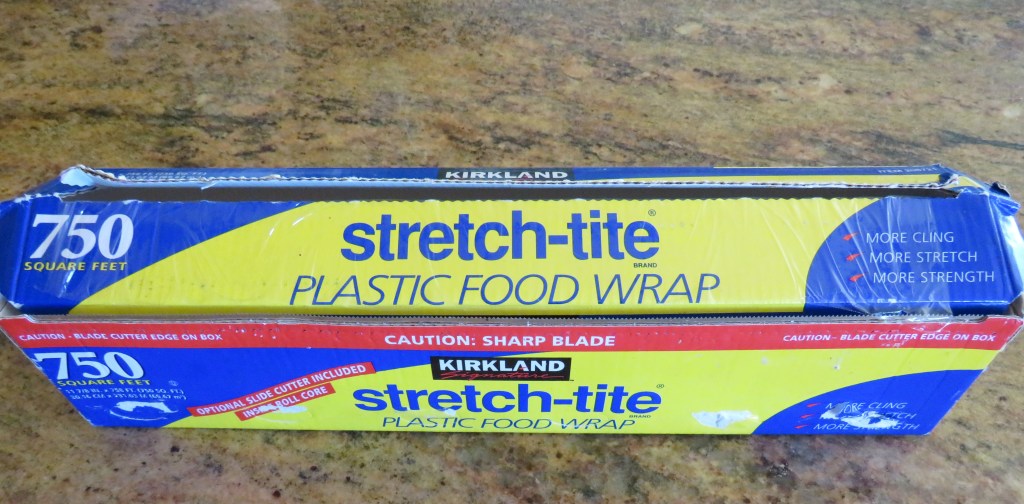
I know you are all wondering how I cut myself, and so badly. Surprisingly, it was NOT with a knife. I cut myself with the serrated cutting portion of the plastic wrap box. It is clearly marked CAUTION: SHARP BLADE too. The weird thing is that it fell out of my hands and as I was trying to catch it, it sliced right through my finger. Had it been a knife, my instincts would have kicked in, and I would have let it fall to the floor, like we are taught to do. But I guess I thought I would catch it right and everything would be OK. I guessed wrong! Believe it or not, these serrated edges are actually where most of the cuts come from in professional kitchens. And they do in home kitchens as well.

Is this going to change my plans? Of course NOT. I may be slowed down and inconvenienced a bit, but the show must go on. The game night and taco bar will still take place as planned. I’ll rest when I can, but don’t expect that to happen anytime soon. 🙂

My lesson to all of you is DON’T try to grab these sharp objects if they fall. Let them fall. It will do far less damage than if you cut yourself and end up in in the ER! Better safe than sorry! ‘Til next time.