I have created this site to help people have fun in the kitchen. I write about enjoying life both in and out of my kitchen. Life is short! Make the most of it and enjoy!
Author: ajeanneinthekitchen
I have worked in the restaurant and catering industry for over 35 years. I attended 2 culinary schools in Southern California, and have a degree in culinary arts from the Southern California School of Culinary Arts, as well as a few other degrees in other areas. I love to cook and I love to feed people.
My winter ducks and geese are beginning to gather around my lakes for Christmas, just as we do with our family and friends. I would hazard a guess to say that most of us have a wide variety of friends, with many different backgrounds. The ducks and geese are no different. Today, I had so many ducks and geese all visiting together and catching up on what’s new with life on the lakes.
Of course I had my Canadians,
and my Mallards. They are always here, and they were welcoming in their family and friends who were flying in from all over.
And just like every family gathering, there were disagreements and ruffled feathers. But in the end, everyone was enjoying themselves and getting along.
The Cacklings were flying in. My Cacklings and Canadians are very similar. The only real differences I can see are that the Cacklings are about 1/2 the size of the Canadians, and they speak a slightly different dialect, with a different accent, just like we do.
There were also a few American Widgeons,
Ringnecks,
Hooded Mergansers,
and some Common Goldeneyes too.
Merry Christmas and Happy Holidays to one and to all.
Sure, I’ve been cooking nonstop, and I been extremely busy planning menus, cooking, cleaning and entertaining too. In fact, I feel like I am cooking professionally again. I am putting in just as many hours, or at least seemingly, though without any $$$ to compensate for it. And I’m NOT done yet, not even close. But I am going to take a little break today, and hopefully lighten up all of our holiday spirits a bit. Let’s have some holiday fun and hear what others are saying about the holidays and food. :)
Merry Christmas and Happy Holidays to one and to all. Stay safe and stay well. ’Til next time.
Every time I make custard, I think of my dad. Custard was his absolute favorite dessert, and believe me, he LOVED all kinds of sweets too. He would also ask me “Jeanne Dear, can you make me some custard?”
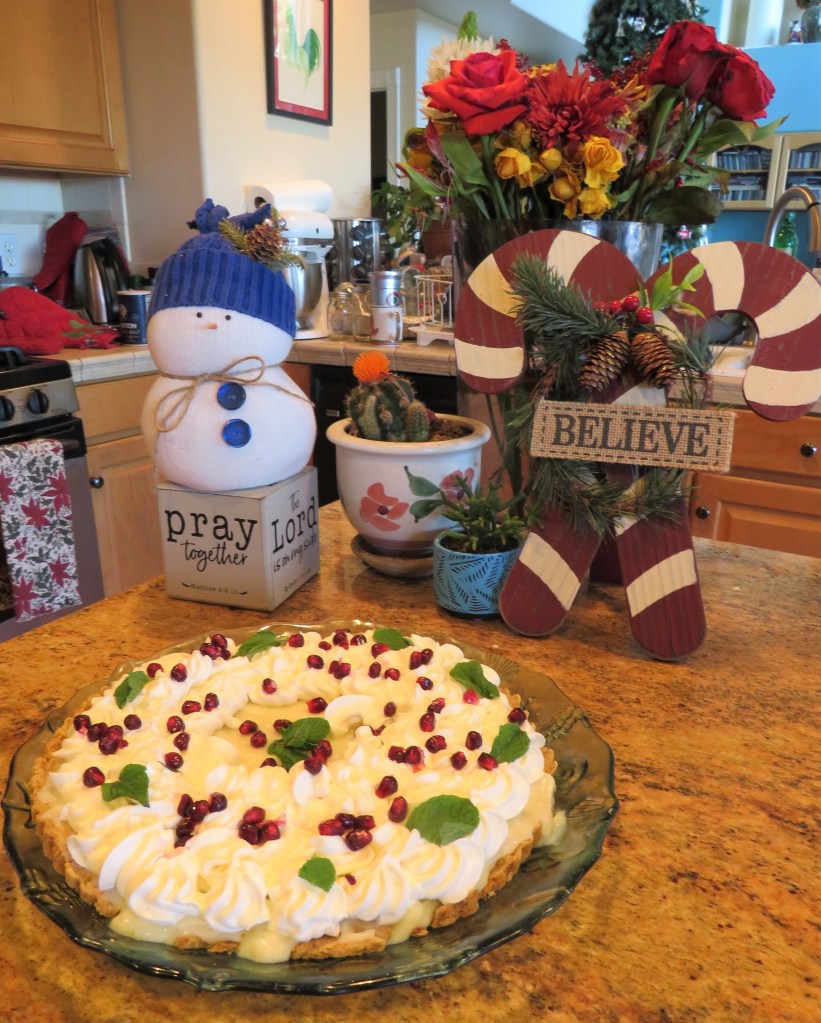
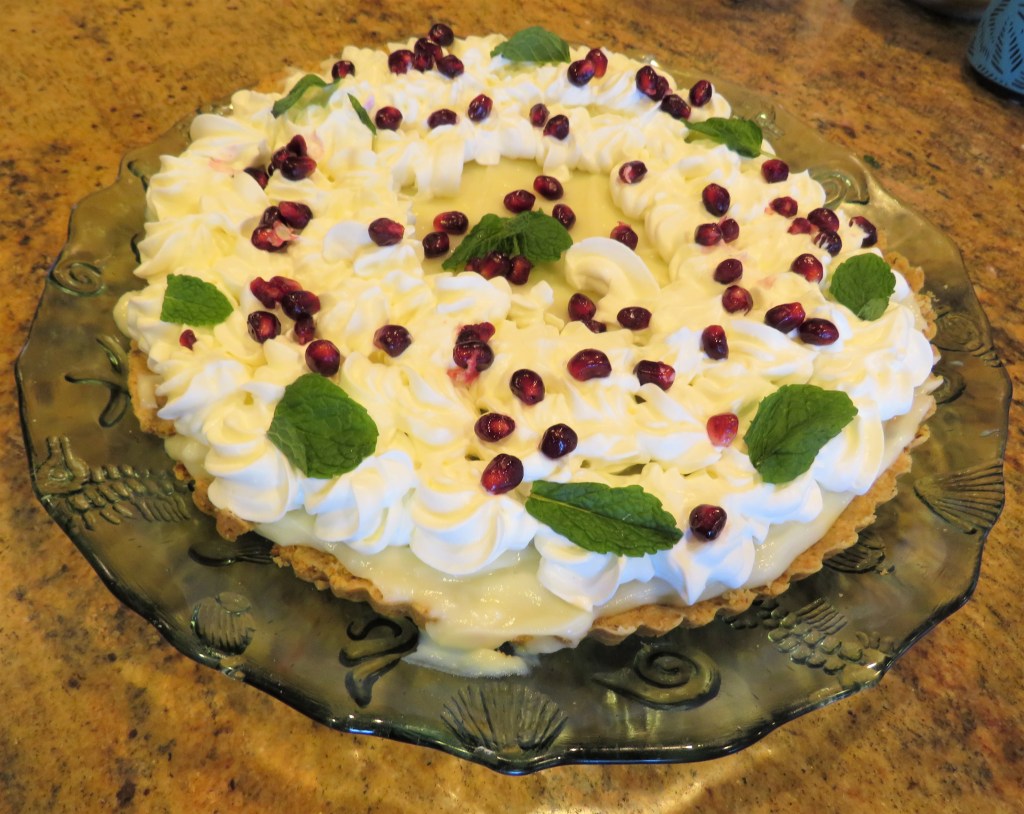
I made custard to go inside a pistachio crust, then I topped it with whipped cream and pomegranate seeds. This was another dish I made for our Ornament Exchange and potluck party.
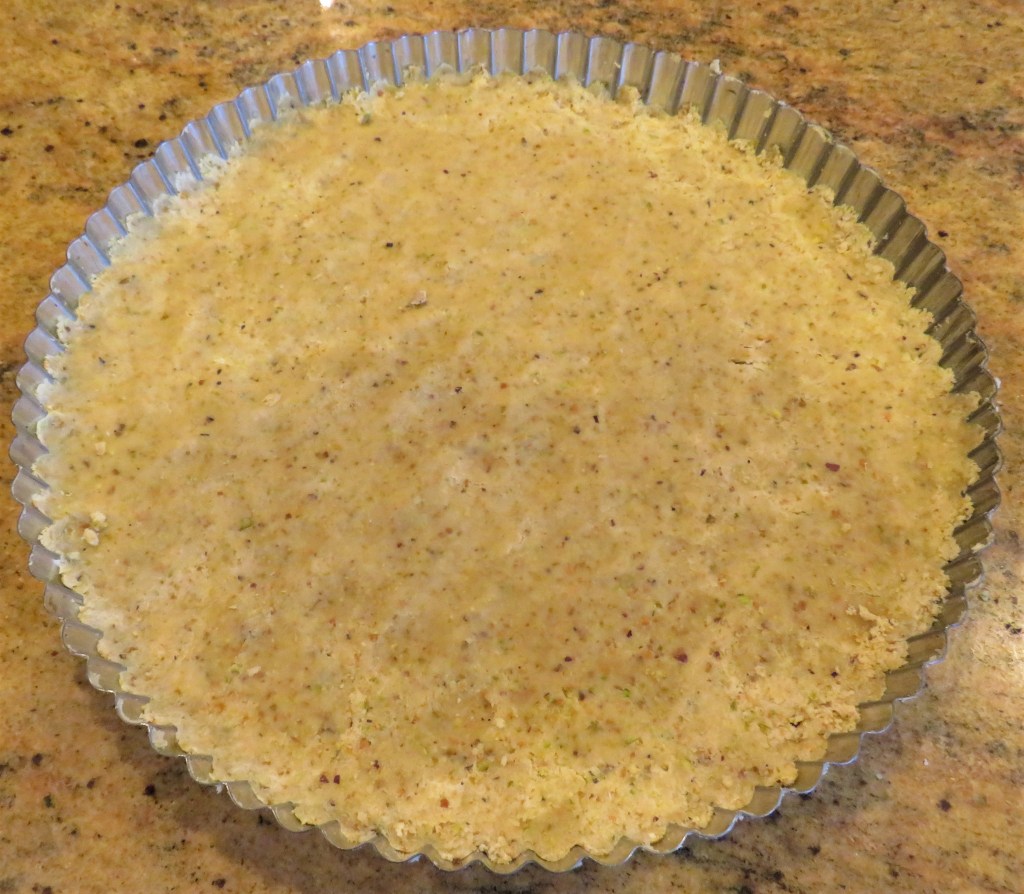
For my crust, I made my regular pate sucre (a sugar crust) with pistachios mixed in with the dough.
The Pistachio Pate Sucre
1 1/2 cups flour
6 TBSP cold butter, cubed
1 tsp salt
1/4 cup powdered sugar
1/4 cup pisatachios
2 TBSP canola oil
5-6 TBSP heavy whipping cream
Put the flour, cold butter, salt, powdered sugar and pistachios into the food processor and process until they are ground into a coarse sand like consistency. Then add the cream and canola oil and process again until everything is incorporated.
Preheat the oven to 350* F or 180*C.
Firmly press and spread the dough into a 9 inch fluted tart pan to fill it completely. Bake for about 25-30 minutes, or until it is golden brown.
Allow the crust to cool completely before filling it with the custard.
The Custard
My custard recipe is a classic from my favorite pastry chef, Master Pastry Chef, Rudy Rosier. I loved working with him so much. He was one of my favorite chef instructors. This is a tried and true recipe, that is the absolute best custard I have ever tried, and the only one I ever use. Every time I make it, I get rave reviews.
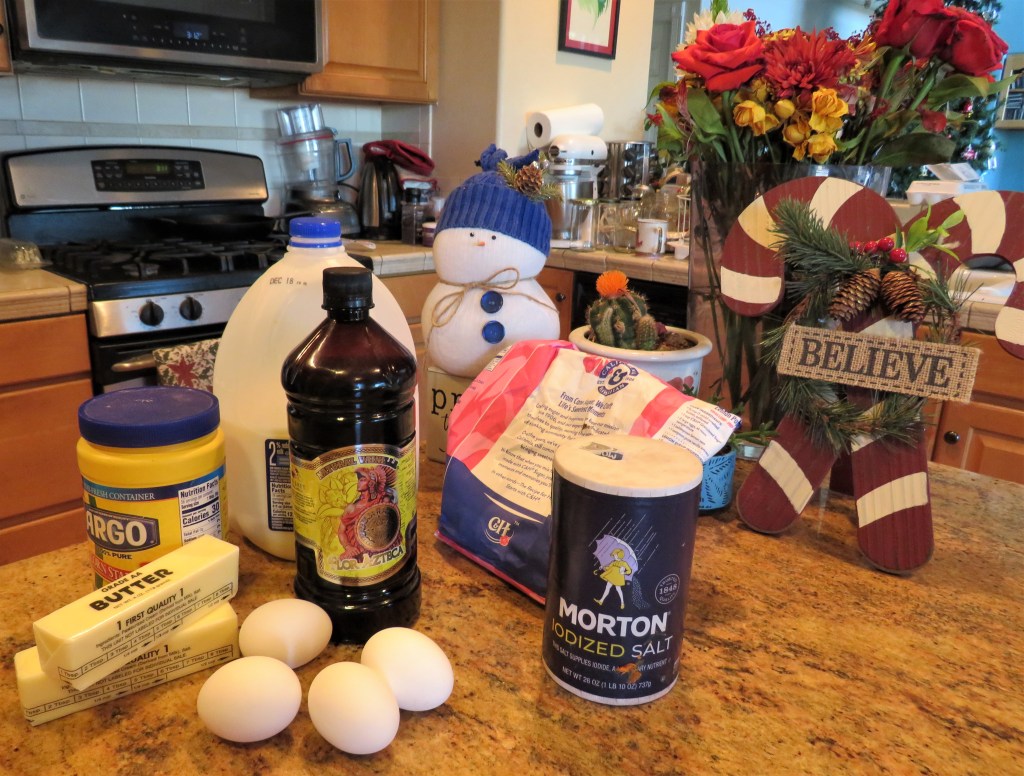
2 sticks butter
4 eggs
3 cups sugar
1 tsp salt
2 tsp vanilla
6 cups milk
4 TBSP cornstarch
Spray a 9×13 baking dish with cooking spray and grease with butter.
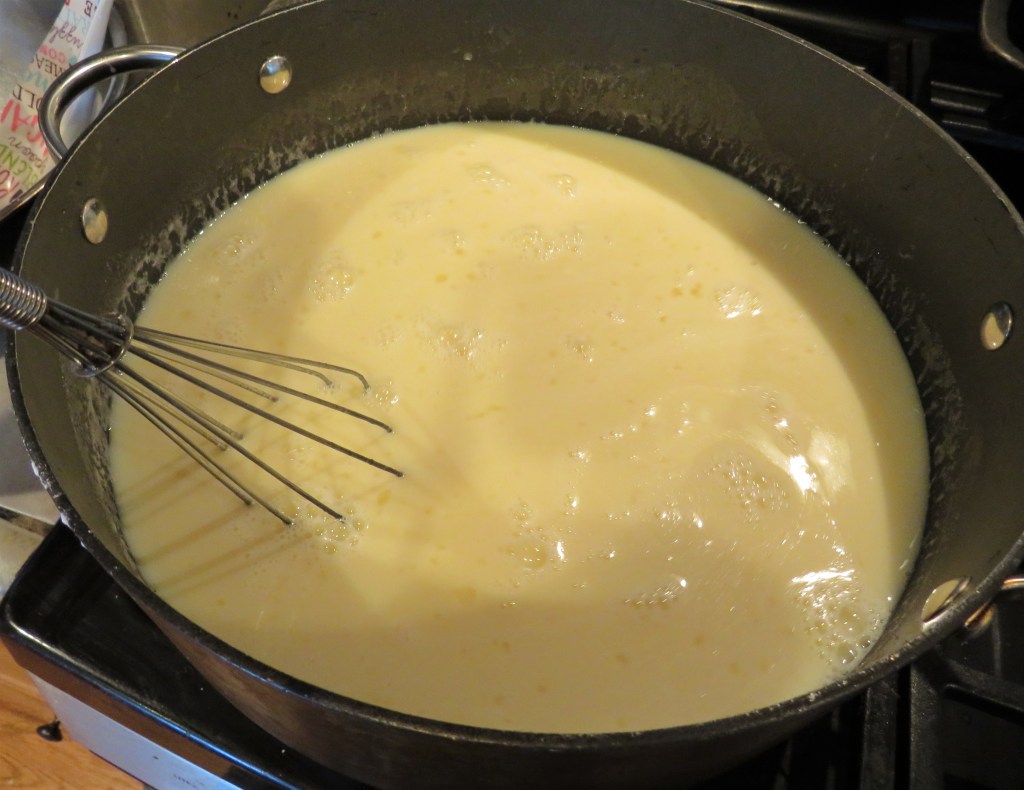
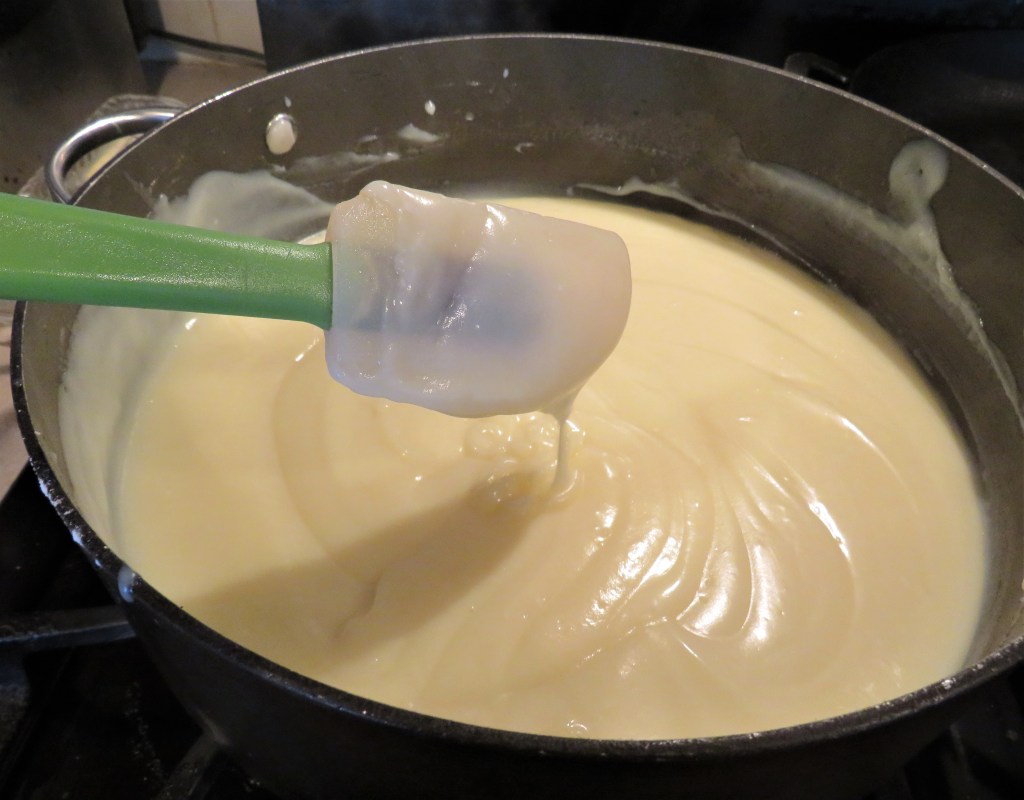
In a large pot, combine the milk, sugar, salt, vanilla and butter together and scald.
In a separate bowl, combine the eggs and cornstarch together and beat until smooth and creamy.
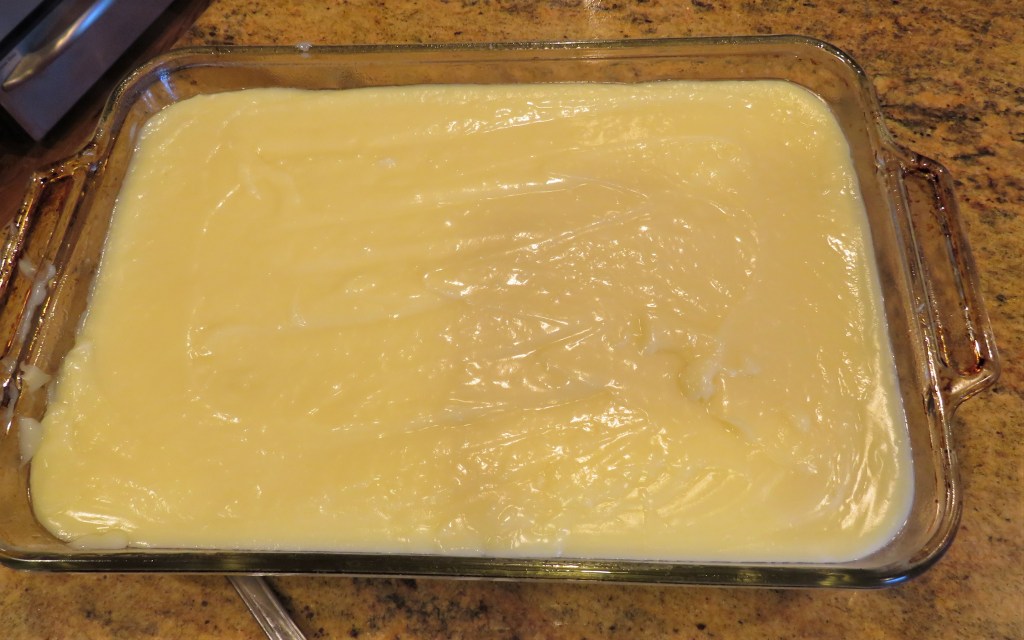
Once the milk mixture is ready, add about 1-2 cups of the eggs mixture, whisking in constantly. This is to temper the mixture and not scramble the eggs. Once this is fully incorporated, remove from the heat, add the rest of the egg mixture to the pot, still whisking rapidly until it thickens. Then pour into the prepared pan, cover with plastic wrap and allow to cool for a bit before placing in the refrigerator.
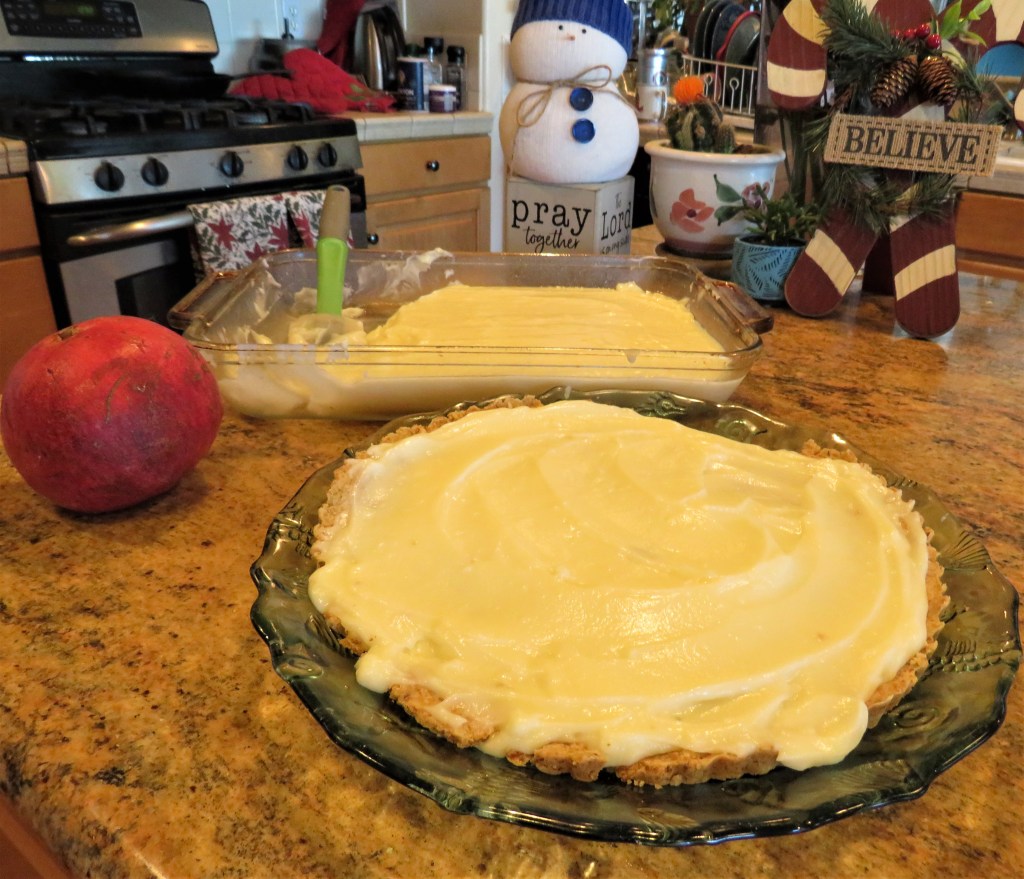
Refrigerate for at least 1-2 hours before using to allow it to set. Then fill the tart pan with as much custard as it will hold. Save the rest for whatever you want to use it for, or just eat it on its own later.
Add the whipped cream and sprinkle generously with pomegranate seeds. I also added some fresh mint leaves to make it more festive for the season. My crust broke a little, so I did my best to repair it without it being too noticeable. No one said anything, so I think my secret was safe.
The tart completely disappeared, and now the rest of the custard is all gone too. Both were a big hit.
Have a great day and make everyday great. Stay safe and stay well. Merry Christmas, Happy Chanukkah and Happy Holidays. ’Til next time.
Normally when I think of salads, I think of warm weather, lots of sunshine and lighter foods. However salads are eaten all year round, in all kinds of weather. You just have to make them heartier. Using heartier winter root vegetables is one of way doing so.
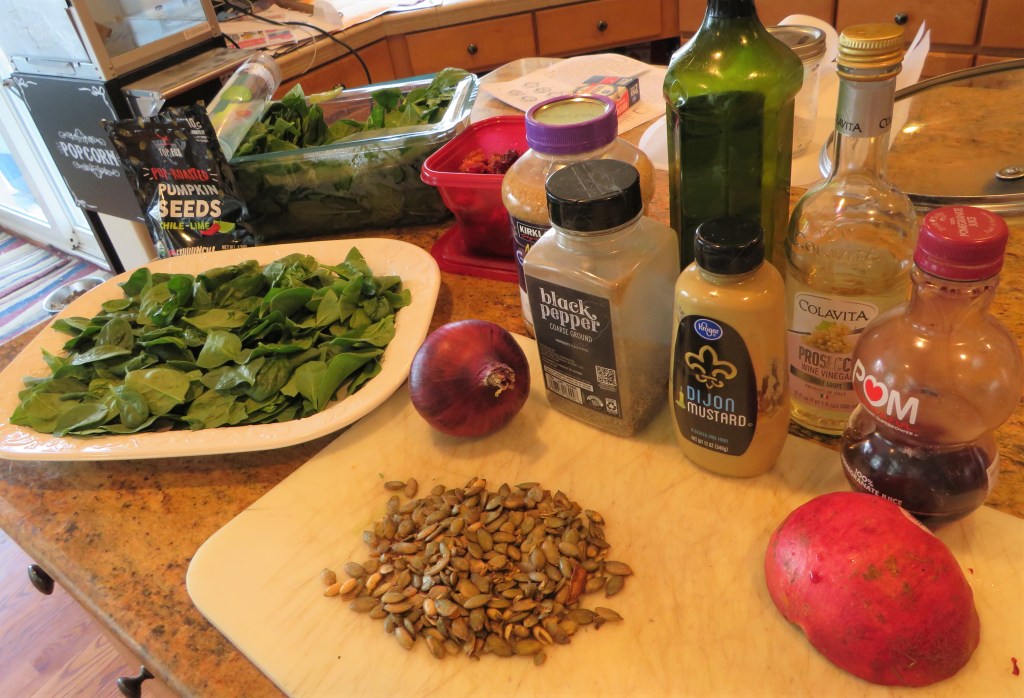
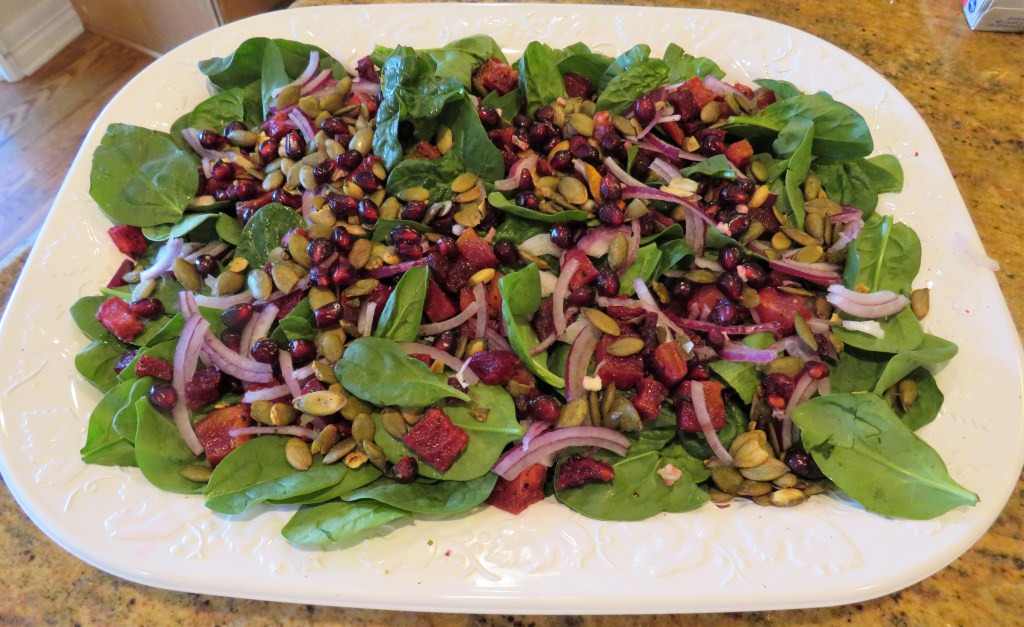
I made a delicious, hearty fall/winter salad that was very festive and colorful to help us ring in the holiday season for our holiday party. It was both a feast for the eyes as well as the taste buds. Needless to say, it was a very popular holiday addition to our festive menu. It was a spinach salad with roasted beets and a pomegranate vinaigrette. It was colorful, delicious and very different.
Spinach and Roasted Beet Salad with Pomegranate Vinaigrette
8-10 oz fresh baby spinach, stems removed
1/4 red onion, sliced very thin
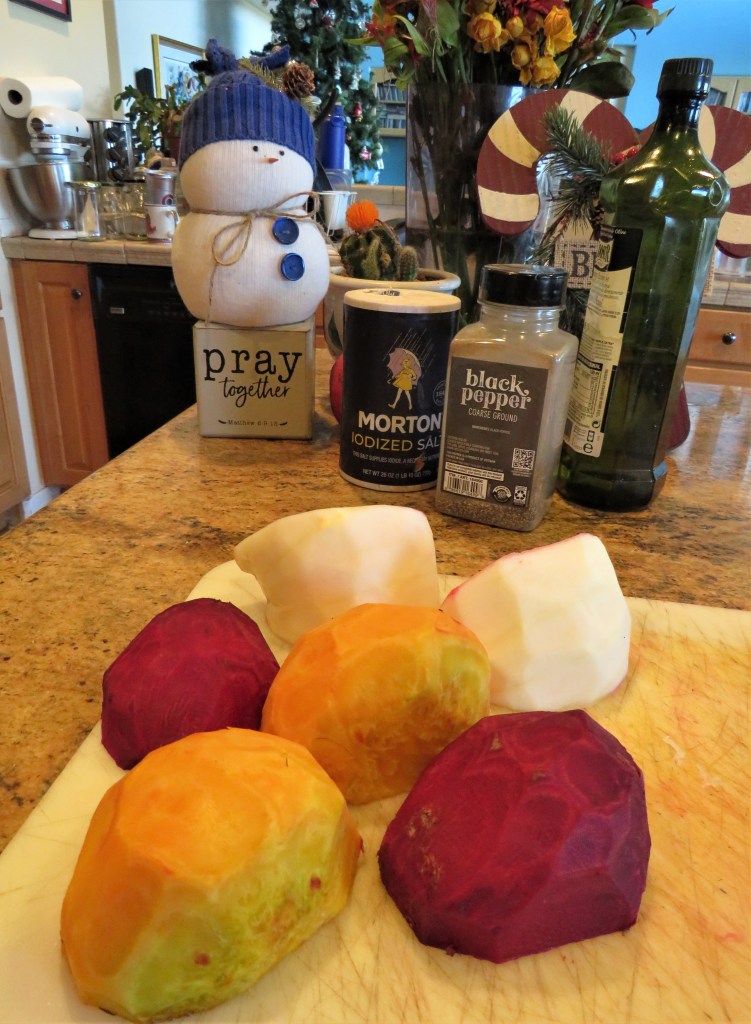
3 beets, peeled and diced
5 carrots, peeled and diced
1/4 cup roasted pepita seeds
1/4 cup pomegranate seeds
1/3 cup pomegranate juice
2 TBSP honey
1 TBSP Dijon mustard
2-3 TBSP white vinegar or Prosecco vinegar
1/3 cup olive oil + more for roasting the vegetables
2-3 tsp garlic
salt & black pepper to taste + more for roasting the vegetables
Preheat the oven to 425* F or 219* C.
Peel and dice the carrots and the beets. I used both golden beets and red beets to make the salad even more colorful and festive. You can use different color carrots as well. I even used a little white pumpkin in the mix, but this is optional. I had it and wanted to use it, so I did. Toss them in olive oil, salt and pepper, then spread them into a single layer on a baking sheet pan.
Roast the vegetables for about 20-25 minutes or until they are tender, turning them over at about the halfway point. Remove from the oven and allow to cool slightly before placing on the spinach.
Combine the honey, olive oil, Dijon mustard, pomegranate juice, white vinegar, garlic salt & pepper and mix well.
Layer a bed of the baby spinach on your serving platter, then add the sliced onions, roasted vegetables, pepita seeds an pomegranate seeds. Add only as much dressing as needed, right before serving, so the spinach does not get over saturated with dressing and wilts. You want just enough to kick up the salad without it swimming in dressing or wilting.
Serve it on your holiday table and WOW your guests with this colorful, festive, delicious, hearty salad. I know you’re going to love this festive salad as much as I do.
Have a great day and make everyday great. Stay safe and stay well. ’Til next time.
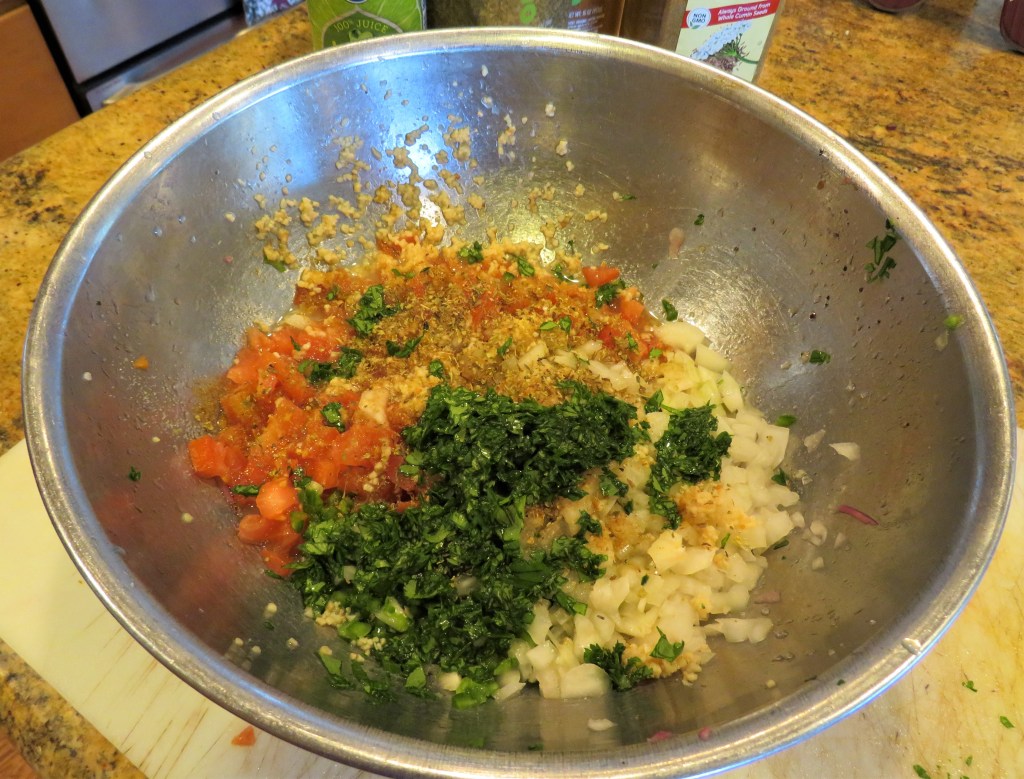
Anyone who has ever eaten traditional Mexican food has also probably eaten and enjoyed pico de gallo as well. It is as traditional as it gets. Pico de gallo traces back to ancient Aztec cuisine and specifically from the Yucatan Peninsula, Sonora, Guanajuato, and Oaxaca regions of Mexico. It also goes by the name salsa bandera, which means flag salsa, because it depicts the green, white, and red colors of the Mexican national flag, or salsa fresca because it’s made with fresh vegetables. The name “pico de gallo” translates to the “beak of rooster.” Some believe this is because it was originally eaten by pinching between the thumb and finger, making the shape of a rooster’s beak. Pico de gallo, however, has nothing to do with roosters, or birds in general. Pico de gallo is a salsa popular with Mexican food, like tacos, nachos, or quesadillas. Pico de gallo is a great ingredient for Hispanic dishes, because it is less liquid than other salsas, while also has the same, great flavor. Like most other salsas, pico de gallo is made with tomatoes and other bold ingredients.
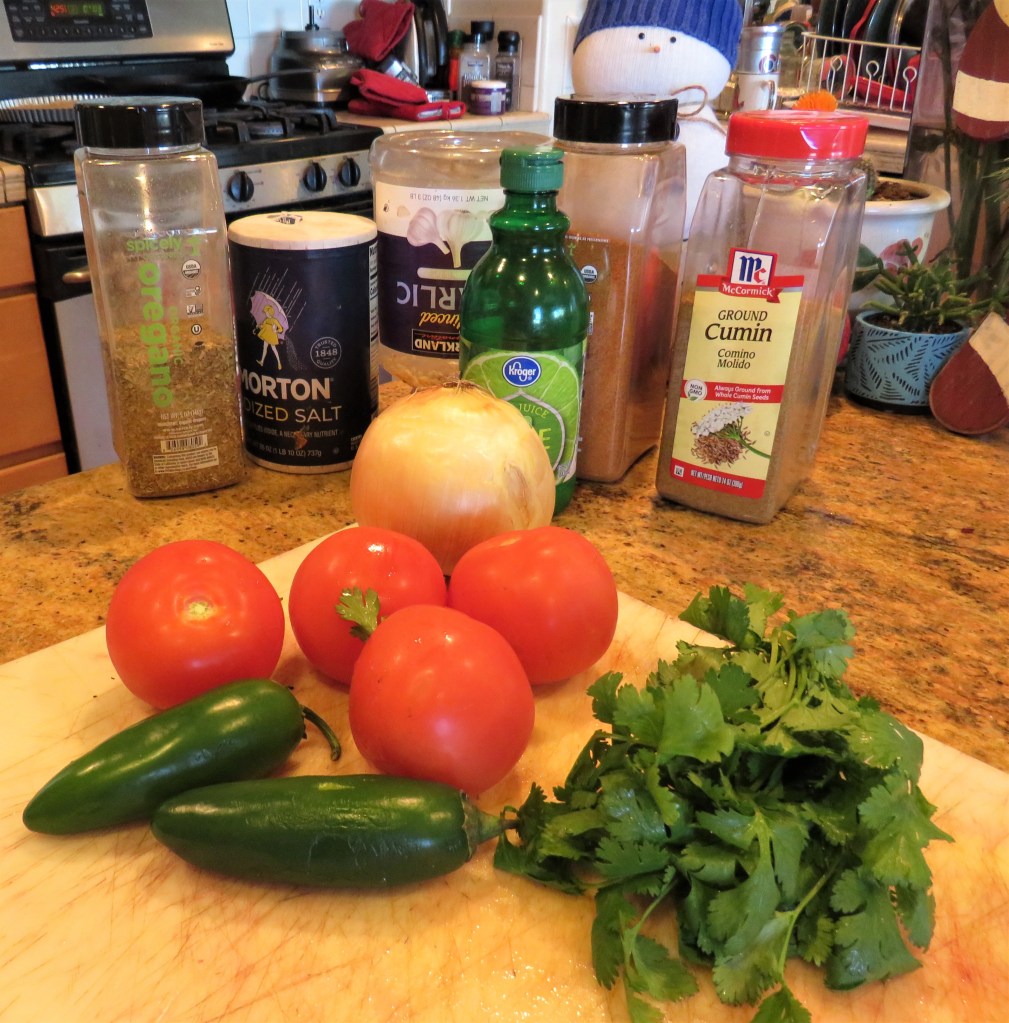
It couldn’t be easier to make. It has very basic and simple ingredients, with few variations. Pico de gallo is made from fresh tomatoes, white onions, cilantro, jalapenos and lime juice, with a little salt and sometimes cumin added. That’s it. You can vary it a little, by adding different spices if you like, but these are the basic ingredients. I LOVE pico de gallo and can eat it by the bowlful. Not only is pico de gallo delicioso, but it is very healthy too. Pico de gallo is a good source of vitamins C and K, as well as potassium. Since pico de gallo is made with fresh vegetables and contains no added fats or sugars, it is a low-calorie snack or condiment that can help you feel satisfied without overdoing it on calories. Usually you want to make tomatoes the main ingredient of the salsa fresca, using about 4x the amount of tomatoes than any other ingredient.
You may ask what the difference is between pico de gallo and salsa. Well, they are comprised of the same ingredients for sure, but it is all in the technique and the preparation. Pico de gallo is a fresh chopped mix of tomato, onion, jalapeño, lime, garlic and cilantro while salsa is a cooked or uncooked blended version of the same ingredients with other variations. Larry and I love spicy food, so I added a little cayenne pepper to mine as well, with a dash of oregano too.
The key to good pico de gallo is FRESH ingredients. Chop them up and toss them all together, then chill until ready to serve. That’s it. Like I said, easy-peasy, but oh so delicious.
!Desfruias! Que tengas un buen día y haz que todos los días sean geniales or have a great day and make everyday great. Feliz Navidad, Merry Christmas, Happy Chanukkah, and Happy Holidays. Stay safe and stay well. ’Til next time.
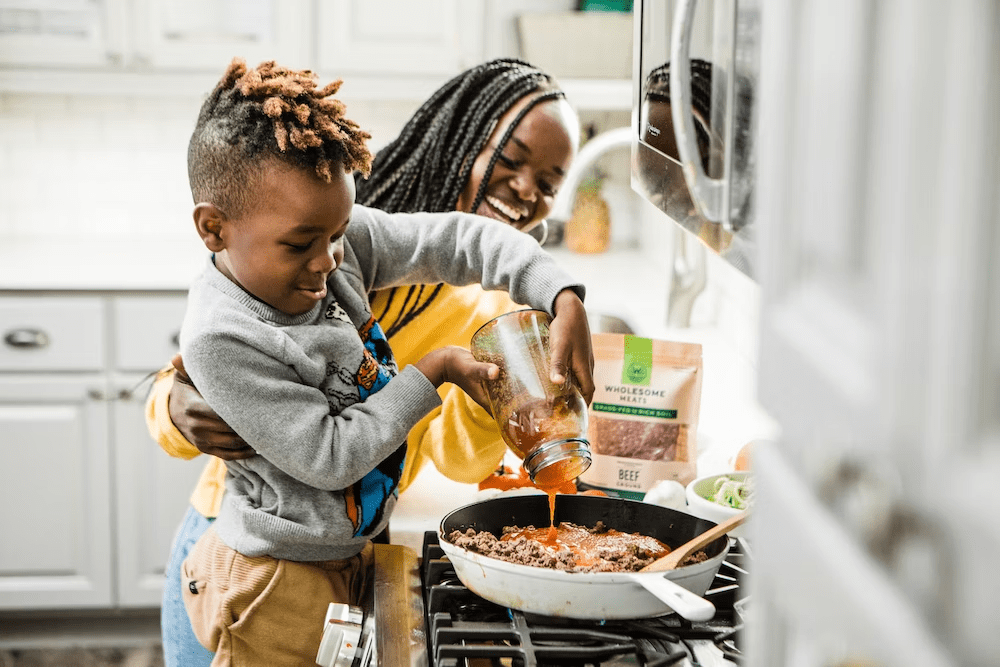
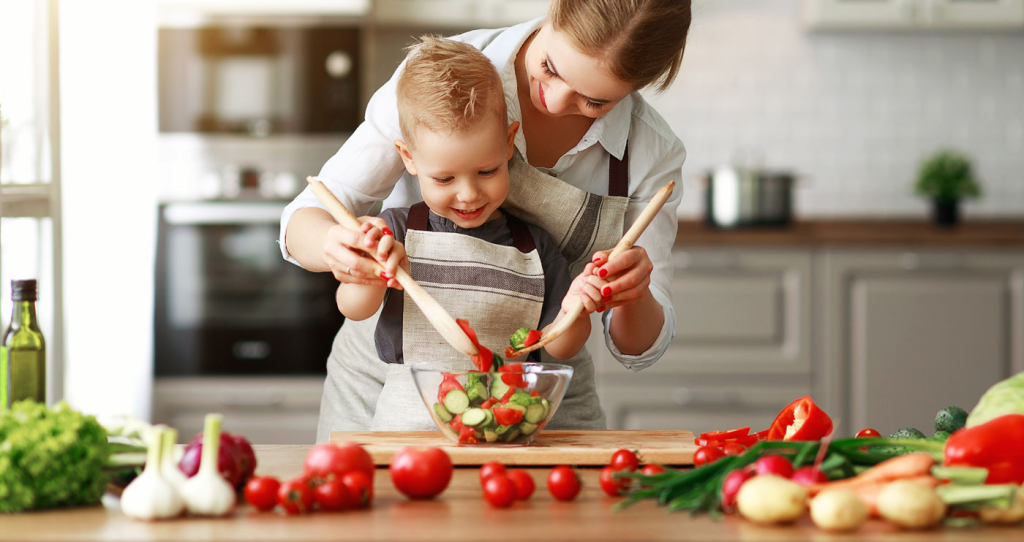
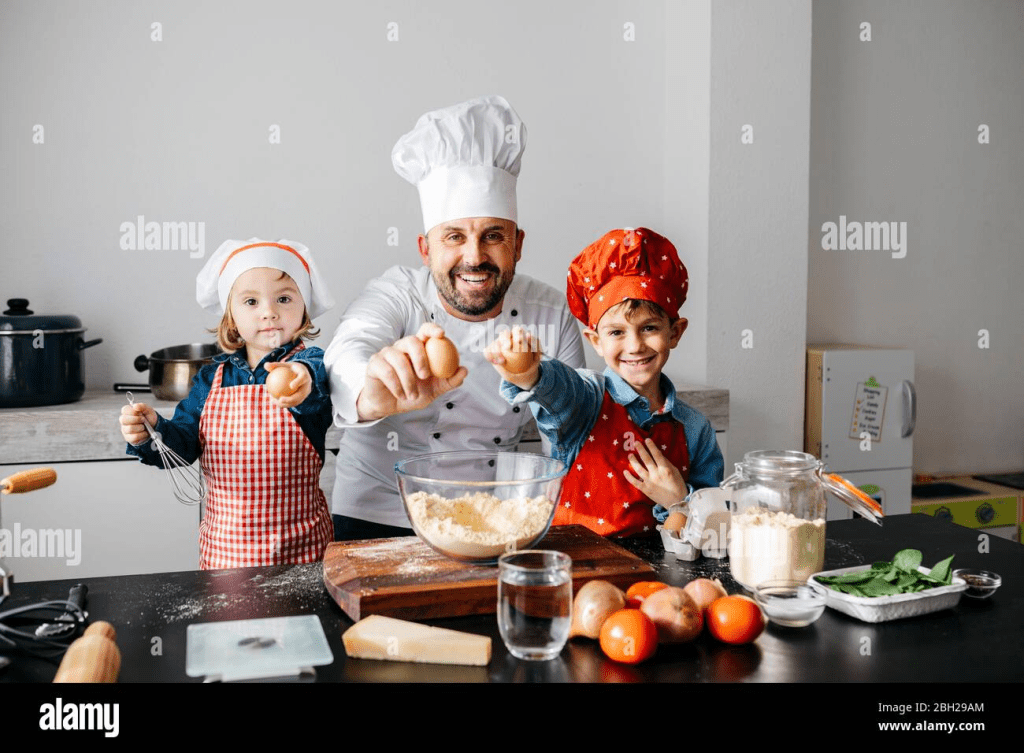
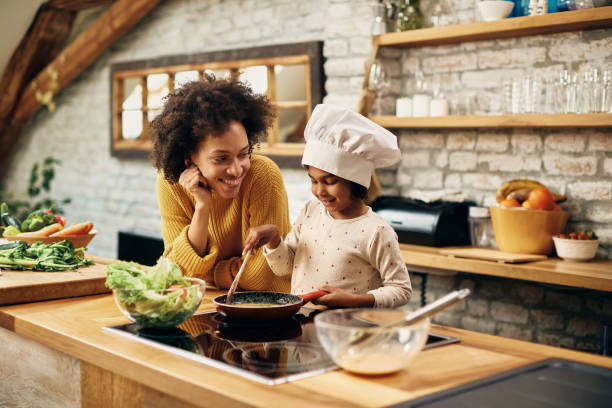
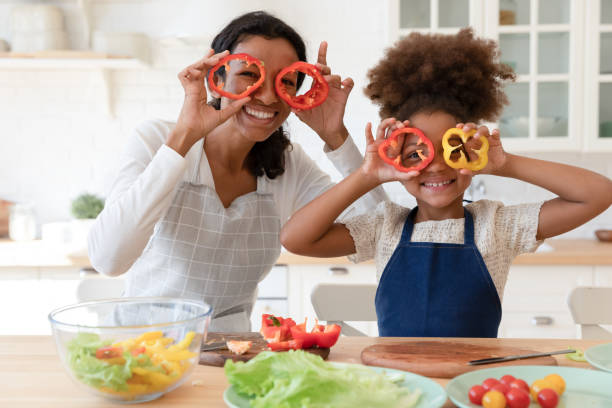
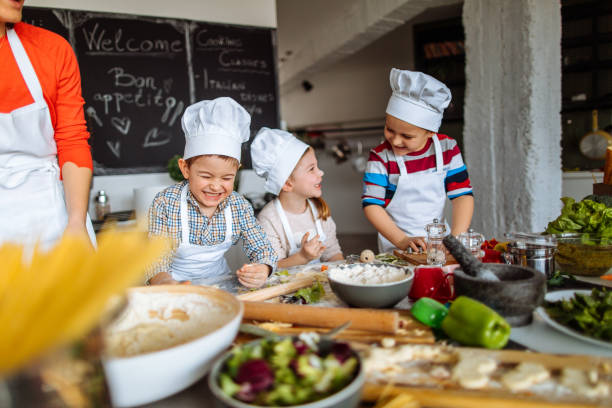
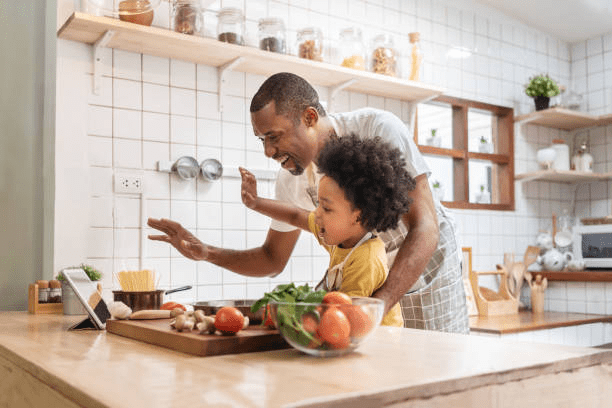
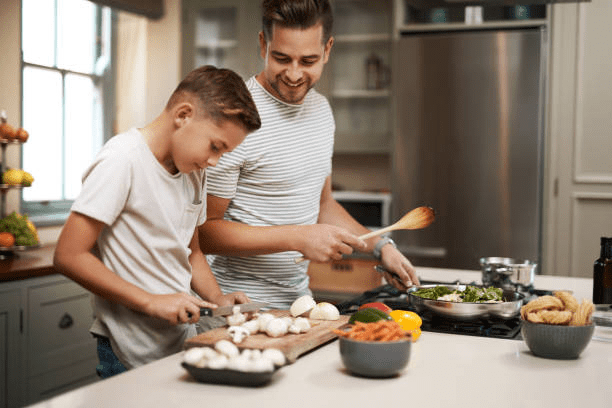
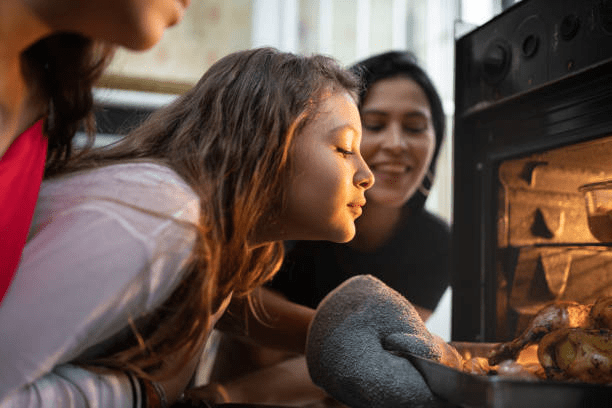
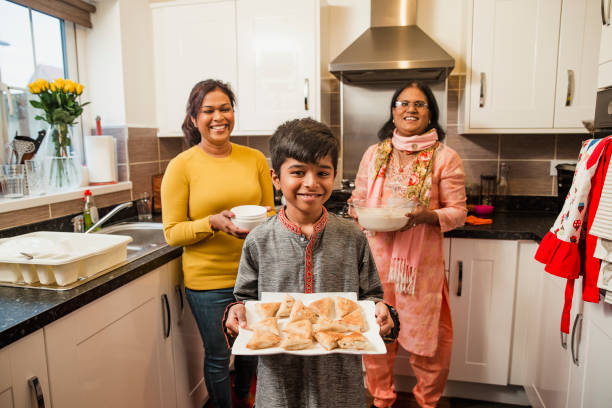
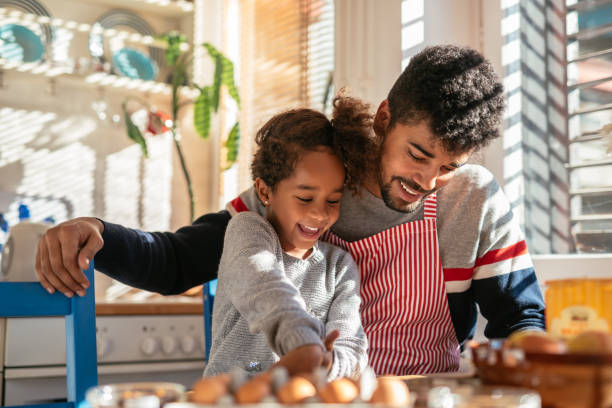
If you do not already cook with your kids or grandkids, now, with the holidays here, is a perfect time to start. Cooking with your children is a great way to bond with them. It helps them learn to appreciate all different kinds of foods, and particularly the traditional foods of their own history. It opens up their minds and their taste buds to new culinary adventures that will last a lifetime.
I am giving you yet another fun article about cooking with kids. It is from another blogging friend of mine, Sandy Axelrod, from the Traveling Locavores.
All foodies are excited about encouraging a love of food in their kids. They can’t wait to go out to their favorite restaurants or create their favorite dishes and see their kids’ faces light up and ask for seconds and even thirds. However, some kids can be a little picky. They might not want to try some new dish when they could have chicken nuggets. There’s nothing wrong with nuggets, but you can still find ways to help them appreciate new dishes. Here are 5 ways to help your kids appreciate new dishes.
5 Ways To Help Your Kids Appreciate New Dishes:
1. Teach Them About The Culture
It doesn’t matter what your favorite food is, there is a rich, flavorful history behind these dishes. Teaching your kids about these cultures and highlighting their history can help them understand why food is so important. Whether you want to show them the history of tacos or explain how a Bandeja Paisa was the perfect way for farmers in Medellin to stay fueled throughout the day, you can enjoy a significant and valuable learning experience with your kids, and they will be more willing to try new things.
2. Make Food With Them
There is no better substitute for learning while doing. Not only does cooking with your kids inspire vital life skills, but it also shows them how these new dishes aren’t much different from what they’re used to. They might not like the sound of a chicken schnitzel, but making it with them will show them that it’s just a huge chicken nugget. You can also use this time to encourage them to try more vegetables and other foods they might not be as keen on.
3. Visit New Countries
If you love to travel, you can give your kids a front-row seat to some of the finest cuisines in the world. It doesn’t matter where you go, there’s always a delicious local dish waiting for your kids to try and fall in love with. Not only that, but visiting new countries also encourages learning new things, which should inspire your kids to be more curious. They will make positive memories during these travels and be more open to trying new things in the future.
4. Let Them Sample It
Your kids might be too young to try certain foods, but this doesn’t mean you can’t let them have a little taste now and then. Your favorite spicy curry packs too much heat for them to eat in full, but you could let them take a bite to see how they react. The burst of flavors and textures could intrigue them, even if they aren’t ready for a main course yet.
5. Create Their Favorites With New Flavors
You shouldn’t force new foods on your kids, but you can adapt their favorites by including new flavors that show them there’s nothing to be scared of. If they love chicken pizza, why not make a butter chicken curry pizza one night? It’s not too spicy, and it contains all the fundamentals of their favorite food.
Delicious
Your kids are likely to come around to new dishes eventually, but you may as well give them the chance to do this as soon as possible. From tasting to making to learning, these tips can all encourage your kids to love the same foods as you and maybe even branch out further.
Cooking is supposed to be fun and creative. It’s never to early to start teaching your kids how to cook and be adventurous in the kitchen. As I always say, play with your food, and teach your kids it’s OK to play with their food too. This will be the best gift you can give to them, and it is a gift that will keep on giving for a lifetime to come.
Have a great day and make everyday great. Stay safe and stay well. Merry Christmas, Happy Chanukkah and Happy Holidays. ’Til next time.
Carnitas are a traditional Mexican dish enjoyed all throughout Mexico and beyond. There are some disagreements about where the dish actually originated in Mexico, but there is no dispute about them being Mexican or being delicious. However, most accounts point to Michoacá as the birth place of carnitas, by Hernán Cortés, who was a soldier serving Diego Velázquez in 1511. Cortes was sent to explore the Yucatan Peninsula of Mexico. The Spanish brought pigs to Mexico, since pork is a staple in Spanish foods, and the Mexicans were marvelled observers of that strange and chubby animal, that seemed to be in a coma, always asleep (cochi in Nahuatl.) That is how the Spanish pig received its new Mexican name cochino – the one that sleeps.
Unlike tacos or beans, carnitas wasn’t part of the diet of ancient Mexicans. The reason is that pork was brought to Mexico by the Spanish colonialists only in the 16th century. However, it didn’t take long for this new type of meat to earn its place on the tables of Mexicans of all backgrounds. In short, more than a food, carnitas was a form of community bonding until not so long ago. Mexicans love their carnitas so much, that it has become an important part of other dishes, particularly tortas ahogadas, or drowned tortas, a typical delicacy in the state of Jalisco.
Mexican food, like its people, is a blend of native and European influences. This is different from the United States, where native American culture has always remained quite distinct from mainstream American culture. In Mexico, the two have blended together to create something new. This blended culture is called “mestizo,” and it can be seen in the food of Mexico as well as in its people.
A Carnitas taco, topped with guacamole and pico de gallo, is an edible example of mestizo culture at work. Corn tortillas, avocado, tomatoes, lime and chiles are ancient native foods, while pork (and the cilantro in the toppings) arrived with the Spaniards. Put it all together, and it’s authentically Mexican – a delicious blend of both worlds. Carnitas are made from pork that has been slow cooked with oranges and/or limes or apples to give them flavor and to tenderize the meat. The word “carnitas” means little meats.
As you have all probably figured long ago, I LOVE good Mexican and Spanish food. Always have, and I love to cook both as well. When had our recent Christmas party, carnitas were on the menu, with all of the traditional fixin’s served with them. Pickled Onions.
I made my carnitas with some smoked pork that Larry smoked and we put in the freezer. Then I pulled it out, shredded it and slow cooked it some more for about 5 hours at a low heat before serving.
Carnitas
3-3 1/2 lbs pork loin or shoulder
2 cups orange juice
1-2 orange slices, optional
1 TBSP orange or citrus seasoning
2 tsp cumin
2 tsp cayenne pepper, or to taste
1-2 TBSP garlic
1 tsp marjoram
1 tsp thyme
1 onion, sliced very thin
salt to taste
1 bunch cilantro
Place all the ingredients together in a slow cooker, cover and set at a medium setting. Cook for about 5-7 hours, stirring occasionally. My pork was already cooked when I started, but I wanted to cook it more and tenderize it more, so I set my slow cooker at a low temperature and cooked it for about 5 hours before serving it. I also shredded mine first, since it was already cooked. If you are just cooking it once, shred it after it is completely cooked and has cooled enough to work with.
When the carnitas are ready to serve, serve them with tortillas, either corn or flour, pico de gallo, pickled onions, guacamole, cheese and sour cream, or any combination thereof. I guarantee you will love this. Carnitas are traditionally made with pork, however, you can do the same thing with chicken too.
!Defruitas! Enjoy. Tengamos un gran dia y hagamos que todos los dias sean grandiosos or have a great day and make everyday great. Stay safe and stay well. Merry Christmas, Happy Chanukkah and Happy Holidays. ’Til next time.
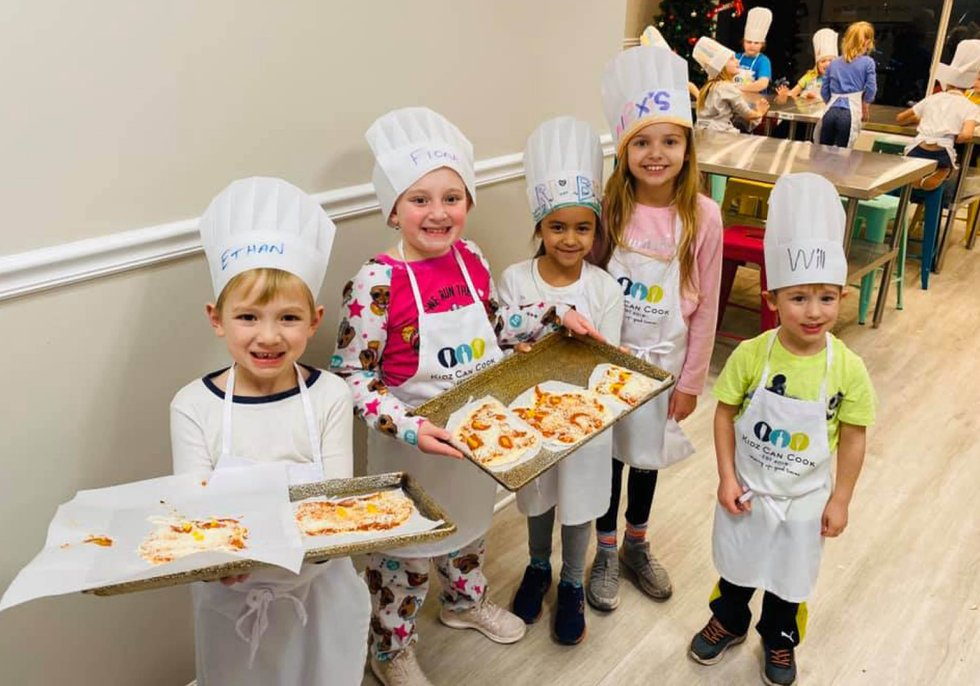
You all know how much I love to teach kids how to cook. I think teaching kids how to cook is an invaluable life skill they will be able to use all their lives. Plus, it’s just a lot of fun. Here are some other things people should know about when working with the young and aspiring chefs in their lives. This is an article written by guest blogger, Abby Holt. It’s full of very good, very useful information.
Whisk Takers: A Guide to Keep Your Mini Chefs Out of the ER!
The heart of the home beats in the kitchen, a place where families come together to create and share meals. When introducing young ones to the joys of cooking and baking, it’s crucial to prioritize safety. Combining culinary skills with safety measures makes for a delightful and secure cooking experience. This guide, offered to you by A Jeanne in the Kitchen, provides a seven-step safety checklist for parents and guardians to ensure little chefs enjoy their kitchen adventures without any mishaps. It’s about mixing fun with caution to ensure every cooking lesson leaves only pleasant memories!
Clean Hands, Tasty Meals Immaculate hands are the first step to a hygienic kitchen. Kids should learn the importance of washing their hands thoroughly with soap and water before and after they handle food. This simple act is the frontline defense against germs and cross-contamination. As a fun practice, turn handwashing into a game by singing songs to ensure they scrub for the right amount of time every time they set foot in the kitchen.
Spruce Up Surfaces Kids tend to be less conscientious of things like dropping chocolate chips on the counter and then tossing them into the dough – or into their mouths. Before anyone starts cooking, give surfaces a wipe down with a natural and nontoxic cleaning product. Vinegar is a great choice. Just dampen a rag or towel, wipe down countertops, and get cooking!
Crafting an Artful Reminder Involve kids in a crafty conversation about kitchen do’s and don’ts by creating a vibrant safety poster. Let them illustrate the concepts as you discuss each rule. You and your kiddos can add your own text and photos by employing a free online tool to design and print a poster. This engaging approach serves as a creative and constant reminder of the safety protocols when they enter the kitchen.
Dressing the Part Having the right attire is non-negotiable before the baking begins. Show kids the importance of tying back long hair and avoiding loose clothing that could easily catch fire or get caught in kitchen equipment. Opt for aprons that cover their clothes and teach them to roll up their sleeves. This dress code isn’t just about cleanliness; it’s about minimizing risks and embodying the discipline of a chef.
Safety Through Screen Time In this digital age, tap into the world of online resources to make safety lessons as entertaining as they are educational. These tools can be invaluable, from interactive games that simulate kitchen scenarios to virtual cooking classes tailored for different ages. They can also serve as a refresher for you to keep yourself well-equipped to guide your young chefs safely.
Mastering Knife Safety A knife can be a good friend in the kitchen if treated with respect and caution. Demonstrate the proper way to hold and use knives, emphasizing a grip that keeps fingers clear of the blade. Show them how to cut with a motion away from their body; when not in use, knives should always be placed securely on a stable surface away from the kitchen’s hustle and bustle.
Handling the Heat Dealing with heat is an inevitable part of cooking, but it doesn’t have to be dangerous. Teach children the importance of never touching pots, pans, or baking trays without protective oven mitts or pot holders. Instill in them the habit of treating every object as if it’s hot to avoid complacency; they should always ask for help if they’re unsure or unable to handle something safely.
The Final Check The lesson isn’t over once the cooking is done. Educate kids on the necessity of turning off all appliances after use. Whether you’re cooking from scratch or just blending a cookie kit, make it a part of the cooking ritual to check that everything is switched off and cool before leaving the kitchen. This reinforces the idea that safety doesn’t end with the cooking—it’s a continuous practice.
Final Thoughts Marrying the joy of cooking with stringent safety practices ensures kids can confidently navigate the kitchen. The goal is to cultivate their culinary interests while ingraining safety habits that will serve them for life.
Follow this seven-step safety checklist, and you’ll find peace of mind as your young chefs learn to create delicious treats. Together, let’s turn the kitchen into a safe haven of learning and gastronomic delights!
No Matter who you are, or where you are from, cooking, and especially cooking with kids, is all about love. Teach them to cook definitely, but make it fun, and fill it with love. Cooking with kids is a great way to bond with them and to teach them about how food = love, from you to them, and everyone else you share it with.
Thank you Abby for sharing such a fun post, informative post.
Make your time in the kitchen, and especially your time in the kitchen with young chefs, as much fun as possible. Teach them to share the love and that food = love. Have a great day and make everyday great. Stay safe and stay well. Merry Christmas, Happy Chanukkah and Happy Holidays. ‘Til next time.
My squirrels are out and about once again, getting into all kinds of fun and mischief. They seem to love being photographed. They are always posing for the camera. How can I resist, right?!
Let your hair down a bit and get squirrely too. It’s all OK. 🙂
I’m back. Did you miss me? I hope so. I missed all of you. What a busy, fun filled week we’ve had though. We had some friends visiting us from Canada, and they came in specifically for our big, annual ornament exchange and potluck party, so that tells you part of what we did. We were busy getting ready for the party, cooking and cleaning, then hosting the party, and cleaning up after. Yesterday we did our annual cookie decorating with Janet, Bob and their family, then went to go cheer Larry and his hockey team onto victory, followed by a delicious Polish dinner with Maureen, Milos, Mike and Lauren to celebrate Larry’s birthday. And as if this wasn’t enough, we managed to squeeze in a few game nights and a movie night as well. PHEW! I’m exhausted all over again. 🙂
Even though I had our party as a potluck, I still cooked quite a bit as well. I wouldn’t have it any other way. I can’t let everyone else have all the fun. 🙂 Carnitas, with all the fixin’s, was one of our main entres for our big shindig. I served the carnitas with both corn and flour tortillas, pico de gallo, guacamole, shredded cheese, sour cream and some pickled onions. Everyone could add whatever they wanted to their carnitas tacos, making them all individual and unique.
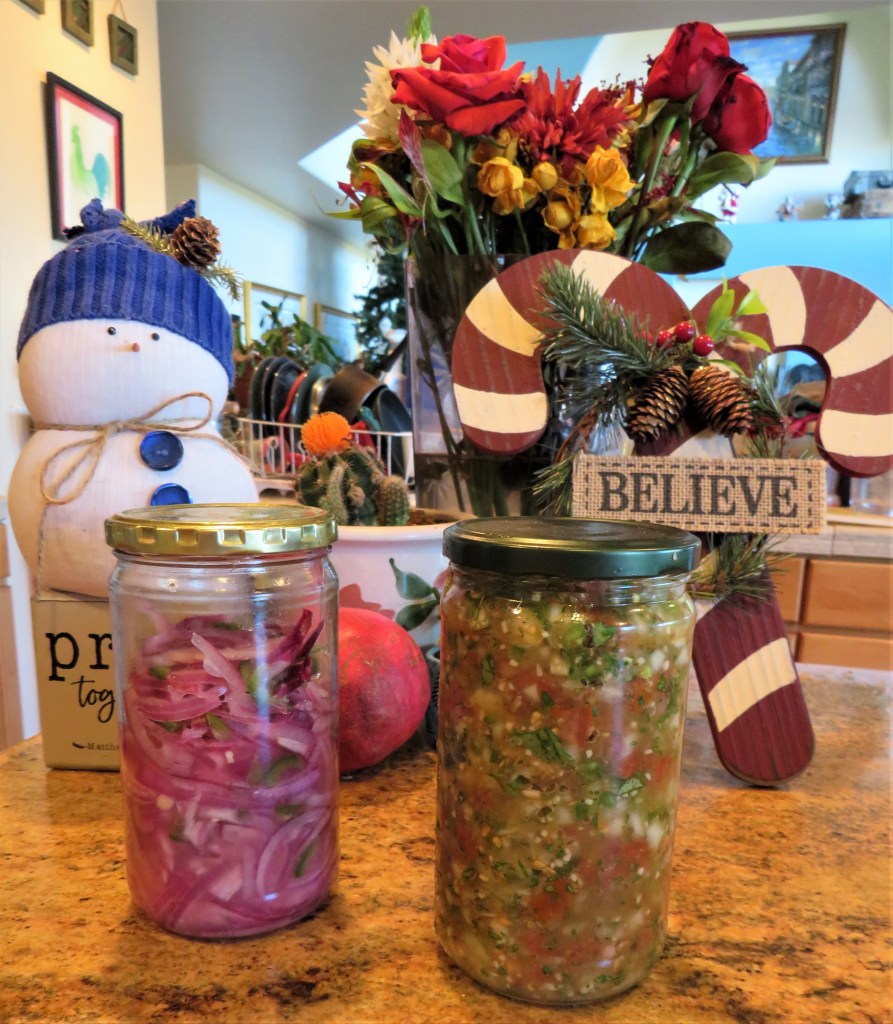
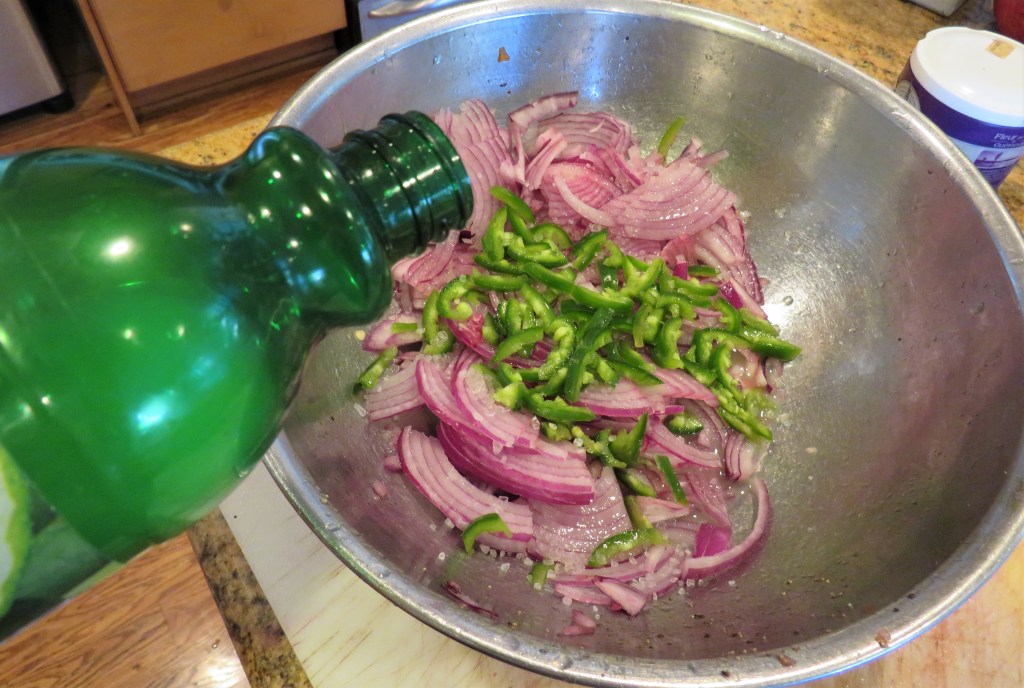
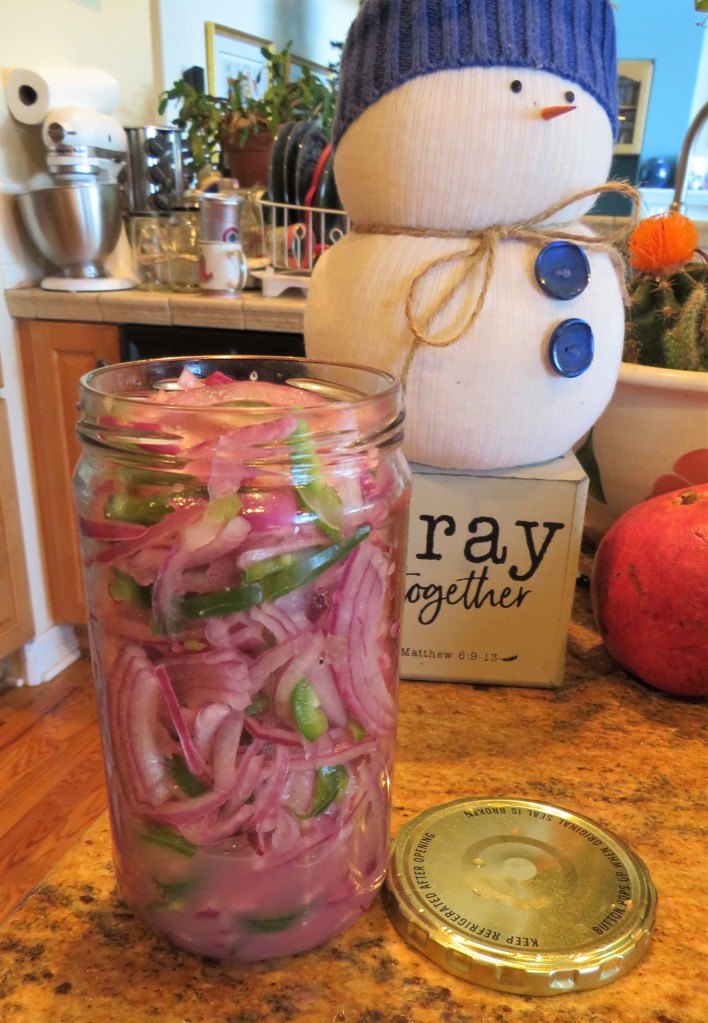
The pickled onions were super easy to make and very tasty. They went perfectly with the carnitas, but they will go well with many other dishes as well. Sometimes, I think simple is just as good as tasty. 🙂 This versatile recipe only asks for four basic, everyday ingredients that we all have in stock all the time. With their red and green colors, they were perfect for the holidays too.
Pickled Onions
1 red onion, sliced very thin
1 jalapeno, seeded and sliced thin
3/4 cup lime juice
about 1 tsp coarse salt
Mix everything together well then pour it all into a jar with a tight fitting lid and turn over a few times before storing in the refrigerator until ready to use.
When ready to serve, let the onions sit at room temperature for about 30 minutes or so before serving, and turn over a few times once again. This is to mix everything up so you get the best of all the flavors. Then serve on top of or aside your favorite meats or on top of a salad. They have a kick, but for those of us who like to spice things up, they were just perfect. They got rave reviews.
Walk on the wild side a bit and spice things up. Have a great day and make everyday great. Stay safe and stay well. Merry Christmas, Happy Chanukkah, Happy Holidays and all that jazz. ‘Til next time.
































 A Jeanne in the Kitchen