I have created this site to help people have fun in the kitchen. I write about enjoying life both in and out of my kitchen. Life is short! Make the most of it and enjoy!
Author: ajeanneinthekitchen
I have worked in the restaurant and catering industry for over 35 years. I attended 2 culinary schools in Southern California, and have a degree in culinary arts from the Southern California School of Culinary Arts, as well as a few other degrees in other areas. I love to cook and I love to feed people.
You all know my passion for recreating from leftovers, and how I have a “friend” who helps with these creations, whom I lovingly call The Queen of Leftovers. The Queen is really just an extension of my creative mind; my imaginary muse, if you will. I call upon this muse when I am creatively thinking of ways to re-use my leftovers. Well, the Queen paid me yet another visit the other day. This time, we cooked up some pork chops with a creamy sauce made from my chorizo and fig sauce. Chorizo With Sweet & Sour Figs
I just hate throwing away food. I will always try my best to re-use and repurpose food as much as I can. I also like to reinvent things, because, well in all honestly, I get bored eating the same things again and again.
For this dish, I marinated the pork in some of the leftover sauce from my chorizo and figs for about 1-2 hours before cooking it. The pork came out very tender and full of flavor, as you would expect. I could have easily left it just like this, but it would have been to similar to the original dish. Now I couldn’t have that, could I? Where would the fun in that be? 🙂
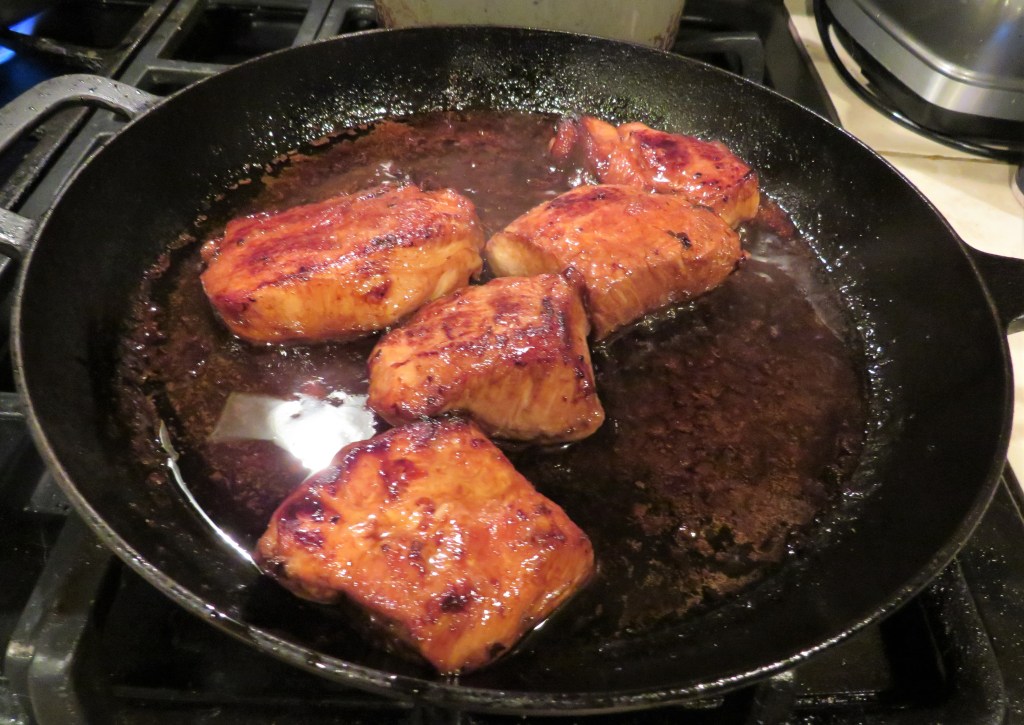
Once I was ready to cook the pork, I seared it in a very hot skillet with a combination of both olive oil and butter for about 2 minutes per side, until it had a nice little crust all around. These were very small pork chops. I only had a few and I had to extend them, so I purposely cut them smaller. Besides, we can all stand to ease up a bit on our portions.
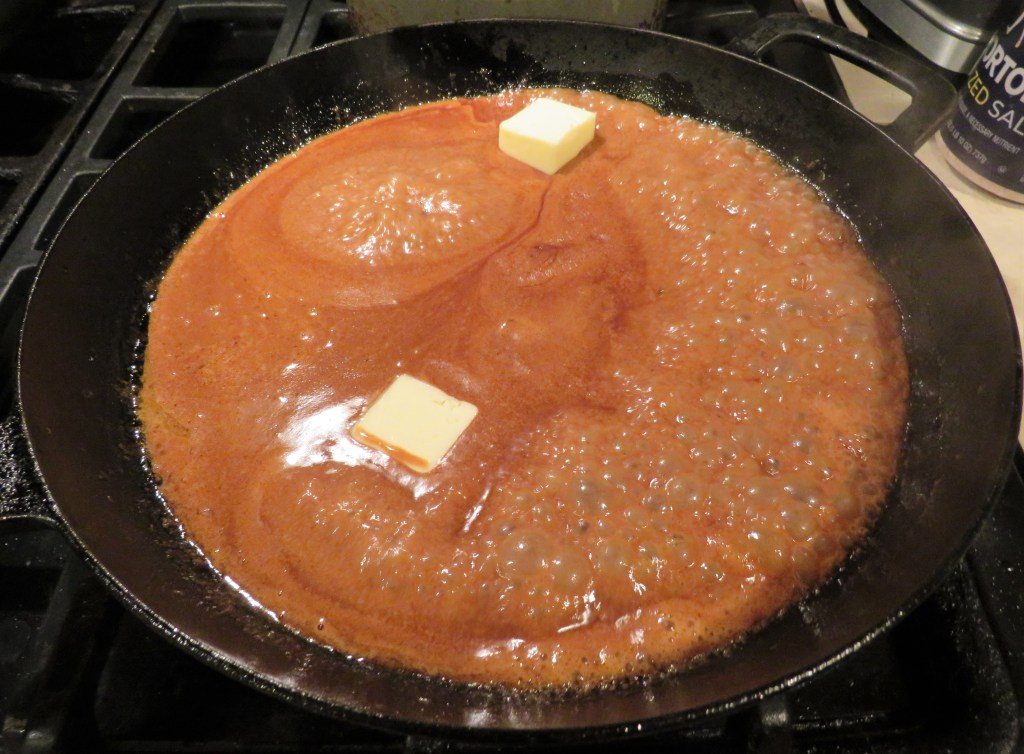
Once the crust was all around the chops, I removed them and kept them warm, then doctored up the sauce a bit. All I did really was add some heavy whipping cream and then reduced it for a bit, and finished it with butter. But it was different enough to be considered a new meal, and a recreation from the firstover” dish, though just as good, if not even better.
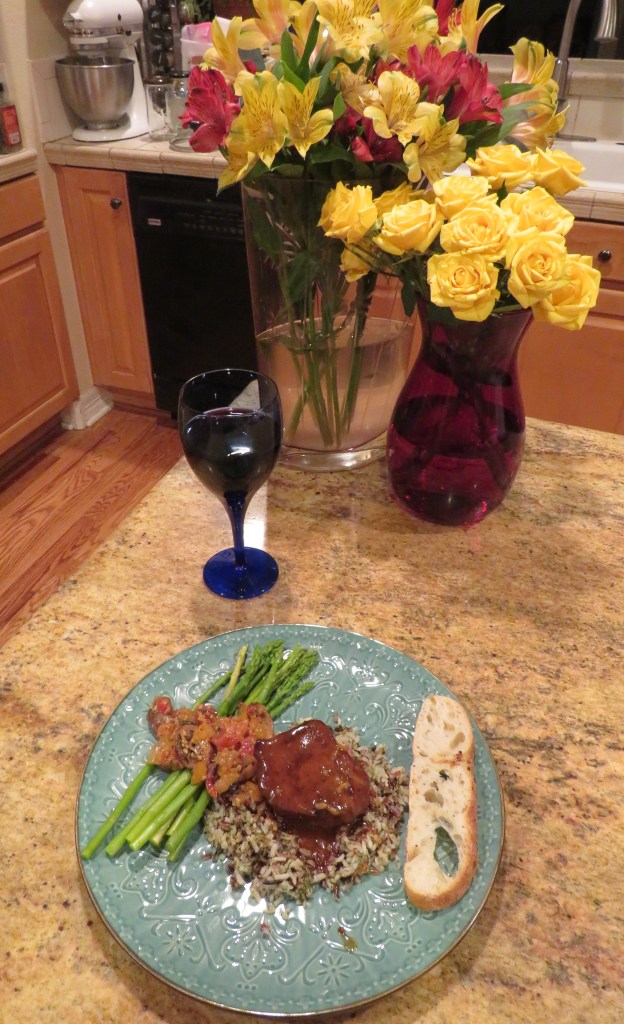
Once the sauce was made, I re-added the porkchops and continued to cook everything for an additional 10-15 minutes, at a low heat until the pork was completely cooked, making sure to stir it every so often. When everything was ready, I served it with some asparagus topped with tomatoes and mushrooms and wild rice and some warmed ciabatta on the side. My tomato-mushroom topping used up the rest of my heirloom tomato salad too. Heirloom Tomato Salad. See EVERYTHING gets re-used and repurposed if I can. Nothing ever goes to waste (my waist yes though) in my kitchen if I can help it. 🙂
Not only do we like to eat our newly created leftovers all the time, but I also like to share them all with you, for inspiration and new ideas that you can use too. Recreating is helpful in many ways, especially in these tough economic times when just going to the grocery store requires us to take out a small loan from the bank each time.
Be fearless and be creative. You just might be surprised at what you can do. Have a great day and make everyday great. Stay safe and stay well. ‘Til next time.
As you all know I don’t particularly like to follow recipes to closely. Most of the time, it is because I like to add my own personality. But every now and then, it goes far beyond my own ego. Some recipes just aren’t good recipes to follow.
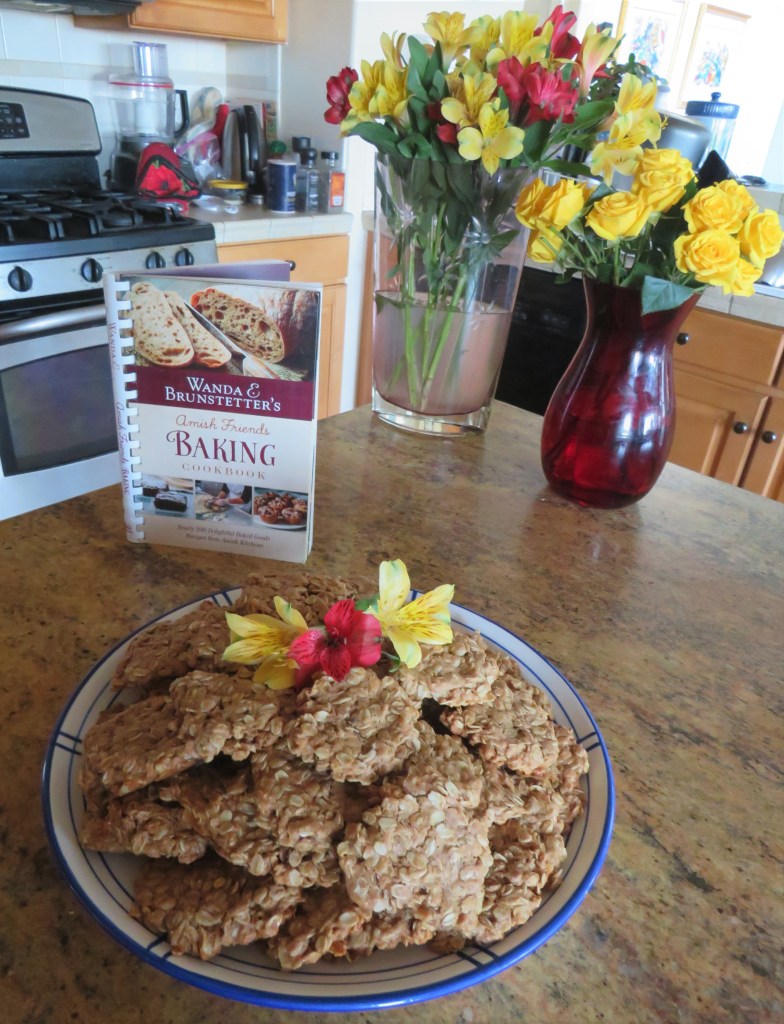
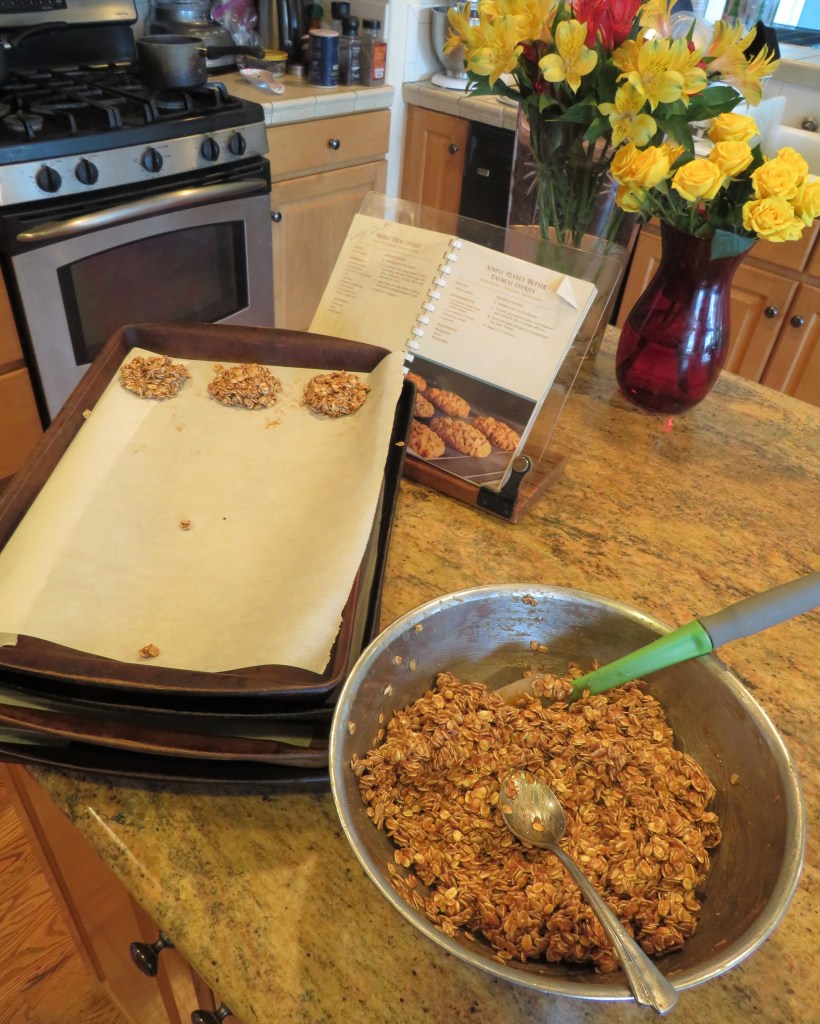
The other day I made some cookies. The recipe came from a cookbook that I know and trust, and have been very impressed with all the recipes I have tried from this book thus far, Amish Friends Baking Cookbook, by Wanda E. Brunstetter. However, apparently even good, reliable cookbooks can make mistakes.
I was making some peanut butter oatmeal cookies from this cookbook. I questioned the recipe as soon as I read it, but because I am very familiar with this book and its recipes, and have been very impressed with everything I’ve made so far, I put aside those questions and actually followed the recipe – for the most part. However, the only change I made was to add some chocolate macadamia butter rather than peanut butter. Everything else I kept the same.
The original recipe only called for only 4 ingredients.
2/3 cup peanut butter
1/2 cup molasses or honey
2 tsp vanilla
2 cups of oats
That’s it. I read it and reread it a few times to make sure I wasn’t missing anything, but, no that’s all it called for. I thought to myself, how are these going to be cookies. How are they going to even look like the picture? But, I took a chance and trusted the recipe, something I rarely do. 🙂 However, I knew as soon as I had mixed everything together, there was no way these were going to work, but I tried baking them all the same.
What I got was an ooey-gooey mess. I think Mrs. Brunstetter missed a few key ingredients on this one.
Fortunately, I know enough about cooking and baking that I knew what I needed to do to fix them and to actually make them cookies. So back to the drawing board, or in my case, my big cooking island, where changes were made.
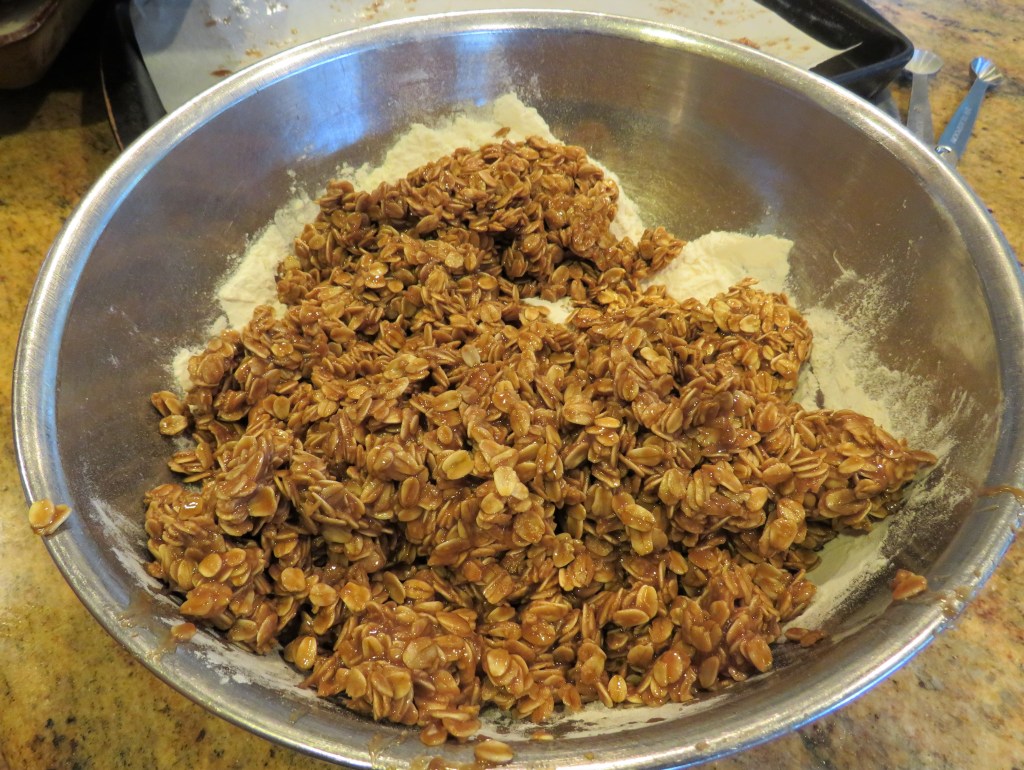
I took the original ingredients called for and added to them. My additions were:
2 cups of flour
1 tsp baking powder
1/2 tsp baking soda
1 egg
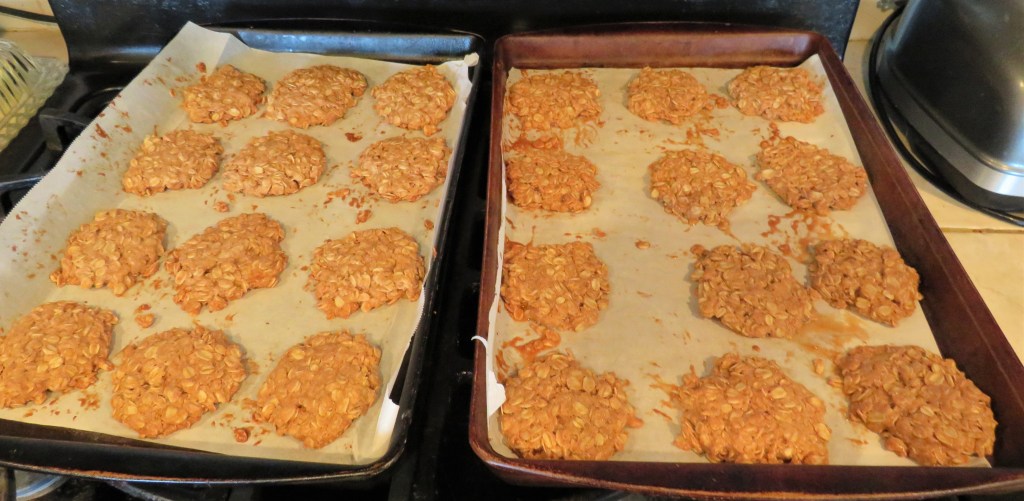
I mixed everything together with the original ingredients, then baked them all over again. VOILA! Success. I know! You are all shocked, right?! 🙂
Once they came out as actual cookies, they came out really well. And they taste good too, but they are even better when topped with a little ice cream. 🙂
So my advice to you today, is to follow your instincts, NOT the recipe. Even good recipes and good cooks make mistakes. No one and nothing are perfect. And if at first you don’t succeed, try, try again.
Never give up. Failures aren’t failures. They are just challenges to push us further, and make us better. Have a great day and make everyday great. Stay safe and stay well. ‘Til next time.
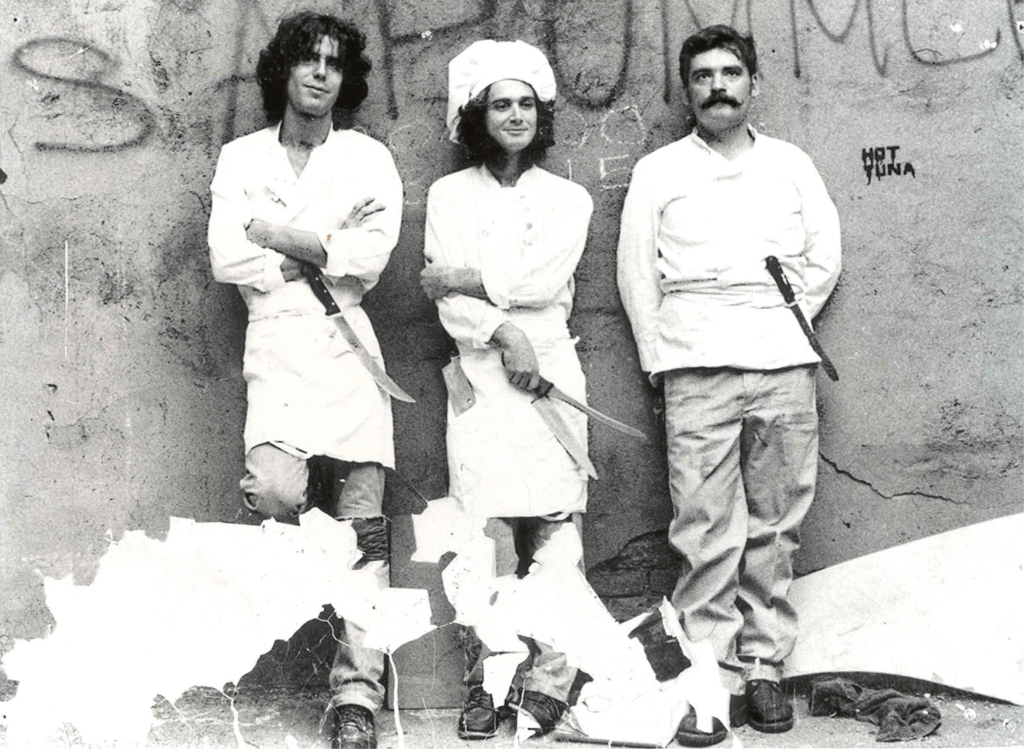
This post is going to be a little different. I just finished my series on my Old World/New World Fiesta menu, Old World/New World Fiesta and I thought I would take a mini break from my cooking and recipes. As many of you might know, I also have a background in writing. My BA is in English Literature, and I love to write. I have written quite a few pieces for various newspapers and magazines, I have a background in the Public Relations realm, and am also a published poet. So every now and then, I like to show off my literary skills as well as my culinary skills and do something a little different. Today, I am giving you a short “book report” on the bookKitchen Confidential, by Anthony Bourdain.
I admit, I did not know much about Anthony Bourdain’s early years, but I always liked him in his later years, especially as a Celebrity Chef. I liked his candor and fearlessness. But after reading his book, I was enlightened to his early years and his wild days. He was WILD indeed, and so were his kitchens.
A lot of what Anthony Bourdain says is true when it comes to “the culinary underbelly” as he calls it, but there are a lot of greatly exaggerated shenanigans as well, as least from my own personal experiences in the culinary world. The culinary world is most definitely made up of misfits that don’t really fit well into the rest of society. We all live by our own rules, and we are all part pirate and scoundrel, mixed with innovator and artist, though we provide a necessary skill that feeds millions of people around the world everyday. These skills we have grant us a leeway to the rest of the world and it’s norms. I agree wholeheartedly though, about food always being an adventure, and that “food, it appear[s], could be important. It could be an event. It ha[s] secrets”. (p. 13) I also agree with him when he says, “cooking is a craft, … and good cooks are craftsmen, not artists”. (p. 62) However, I disagree with Bourdain’s assessment that all kitchens are lawless and run on pure chaos. Maybe in his time, but certainly NOT most of the kitchens I have ever worked in.
Most of the kitchens I have ever worked in run a tight ship, with the Chef (Executive Chef) as the captain. We follow his or her orders and say “yes chef”, no questions asked. If we can survive the “underbelly”, and by luck and skill, fortitude, tenacity and persistence, maybe, just maybe, one day we will be the captain at the helm of our own kitchen. But again, I do love a good rebel, and Anthony Bourdain was one of the best rebels the culinary world ever had. I myself am most definitely a rebel. Always have been and always will be, but certainly NOT to his level. No, no, no. By his standards, I am a mere amateur. I am a lot more disciplined; in some ways, than he ever was. We professional misfits can only be tamed so much. There are limitations. Rebellion is in our blood, after all. Most of us, if we are good anyway, don’t really know how to act outside of our own kitchens, with “normal” people. 🙂 Though this has improved and gotten better over the years. We old chefs can learn new tricks too.
In order to be a good chef, or even a good cook, you need to acquire some good survival skills in the kitchen. Good knife skills are a must. There are a lot of people who tell you that you have to have a goody bag filled with all kinds of fun toys in order to be successful, but in truth, you just need a couple of good knives and the skills that go with those knives. Most of us have two favorite knives that are indispensable to us; a good chef’s knife that fits our hand like a glove and a good pairing knife. There are a few other things that will help out as well, but if you know what you are doing, you can easily get by with just these two knives. “Nothing will set you apart from the herd quicker than the ability to handle a chef’s knife properly”. (p.77).
Another key to success in the professional kitchen is to NEVER skimp on quality or freshness of the food. NEVER!!! This is forbidden and will never be forgiven. If you violate this simple truth, you will never be respected in the culinary world again. And things don’t have to be fancy in order to be considered good. Far too many chefs these days seem to have forgotten this general rule. As I have said many times, keep it simple, stupid, or follow the K.I.S.S. rule. “Good food is very often, even most often, simple food. … Just make sure they’re good ingredients, fresh ingredients, and then garnish them. How hard is that?” (p. 83)
Bourdain also describes what it takes for a restaurant to make it too, NOT just the chef or the kitchen staff. The restaurant industry is a TOUGH industry. It is most definitely NOT for everyone, and don’t even think about it if you are sensitive or easily offended. It’s hard enough as it is, but you’ll never survive if you are not thoroughly toughened, both inside and out. Working in the professional culinary world is likened to being in the military, and rightly so. “The chances of ever seeing a return on your investment are about one in five”, if you’re lucky. (p.84) The restaurant business is very demanding, and there is no room for anyone who is not dedicated and committed, and more than a bit crazy, and even then, it’s still a crap shoot. Anyone venturing into the restaurant business needs to be prepared to be “working 17 hour days, with total involvement in every aspect of a complicated, cruel, and fickle trade”. (p. 88). You will give up your personal life, and nights, weekends and holidays all belong to the kitchen.
You also need to be a good leader when you become the chef, or el heffe. Your staff becomes your family, and you will definitely see your staff way more than you will see your actual family. Your staff will look up to you and depend upon you, for just about everything. You are their leader, and you must be fearless. They will sense it if you’re not, and everything will go downhill from there if they sense any hint of fear. You have to wear many hats all in one, all the time, and you as “the leader, [have to be] a combination of good guy/bad guy, as the job requires”. Genteel sensibilities are unwelcome. Lead, follow or get out of the way”. (pp. 90 & 94)
Anthony Bourdain, God rest his soul, had his many flaws, but he also has many insights that are so true to everyone who has ever been called into the professional culinary world. We are a breed unto ourselves, and NO ONE who has never been called to this dark world, will ever truly understand the nature of the beast. We are artists, we are rebels, we are visionaries, we are pirates all wrapped up in one. We follow our own rules. We are all a lot of things. But all that really matters to a good chef is “in the end, maybe it is all about the food” after all. (p. 266)
I enjoyed this insight into Anthony Bourdain’s world. I found most of what he had to say true, though there was a lot that I have never seen or experienced. But he does speak to all of us who have ever dared to call ourselves CHEF. His take on the culinary world is universal and speaks to us all, no matter where or what we cook in this world.
Sadly, Anthony Bourdain fell to his demons, and hanged himself with the belt of his bathrobe in France, in 2018. He will always be remembered in the culinary world, as one of the great ones. No matter where you are, make it delicious and make it good.
It’s been said many times that life is short, so eat dessert first, though this time, I saved it for last. I won’t say I saved the best for last, because my whole menu was pretty fabulous, even if I do say so myself, however, I will say I saved the sweetest for last. 🙂
I had three completely different desserts on the menu for my Old World/New World fiesta. Old World/New World Fiesta First, I had some chocolate dipped strawberries. No, I did not make those, but bought them instead. How could I resist? They were buy one get 1/2 off the other, and who doesn’t love big beautiful chocolate dipped strawberries, right?!
I also had some churros with chocolate sauce, which is a very Spanish dessert, especially in Madrid. Again, I purchased the mini churros, then made a chocolate ganache to dip them in. I liked my version much better than what we had in Madrid though. In Madrid, the sauce was way too thin, and it was more like dipping the churros in hot chocolate. I made my sauce a lot thicker and the chocolate was able to stick to the churros, and you could really enjoy the flavors of both. During the 16th century, famed Spanish explorers brought Churros to every port of the new world. They quickly became local favorites and this may be why many countries claim Churros as their own. When Hernando Cortez returned to Spain with the secret of Aztec chocolate, the custom of chocolate con churros began. The main difference between Mexican and Spanish churros is cinnamon. In Spain, churros are only coated in sugar and served with a chocolate dipping sauce. In Mexico, churros are coated in a sugar and cinnamon mixture and can be eaten alone or with dipping sauces like chocolate or caramel.
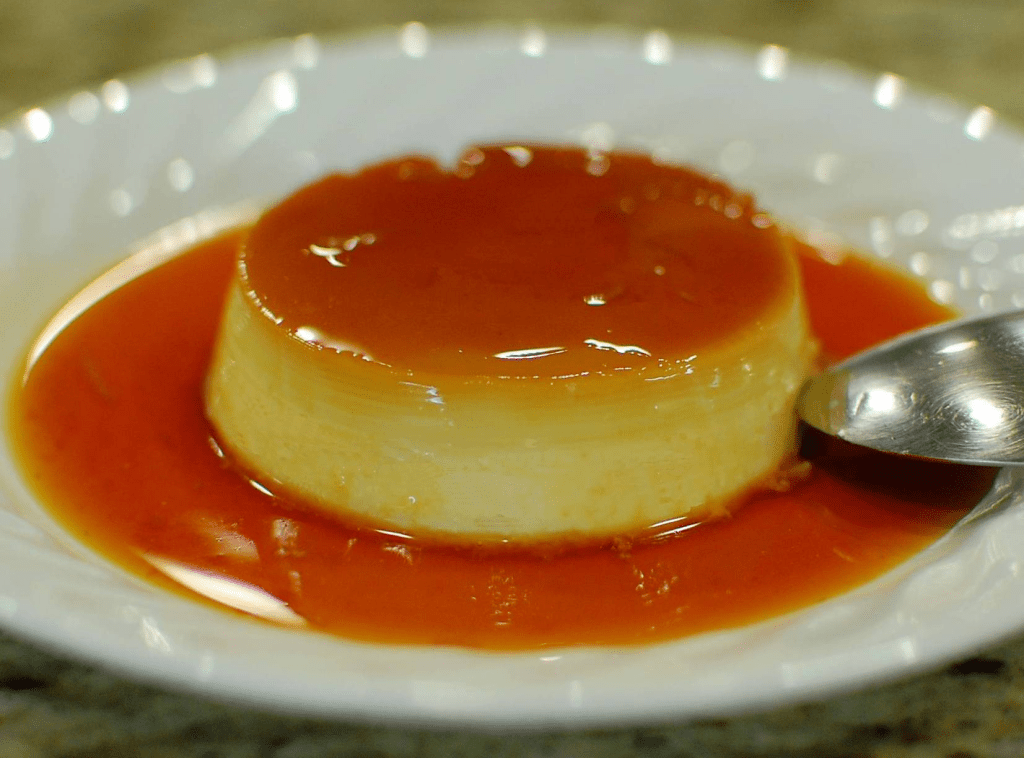
My third and final dessert for my fiesta was some traditional flan or Spanish custard.
Flan has been around since the Ancient Roman times, though it has had quite a few transformations since its early days. The Romans were the first known civilization to domesticate chickens for farming purposes. With an abundance of eggs at their disposal, they began creating dishes that featured the edible egg as its main ingredient. Hence the birth of flan. The word flan is the French equivalent of the Latin word fladon, which comes from the Old High German word “flado,” meaning “flat cake.” Flan was once a savory dish, usually made from fish or meat. The Spanish were the first people to make flan into a dessert and to top it with a caramel sauce, giving us the version of flan we know and love today. Flan, or creme caramel, or custard, is known to everyone around the world, and goes by many different names. Flan is very popular in all of Spain and the Latino world.
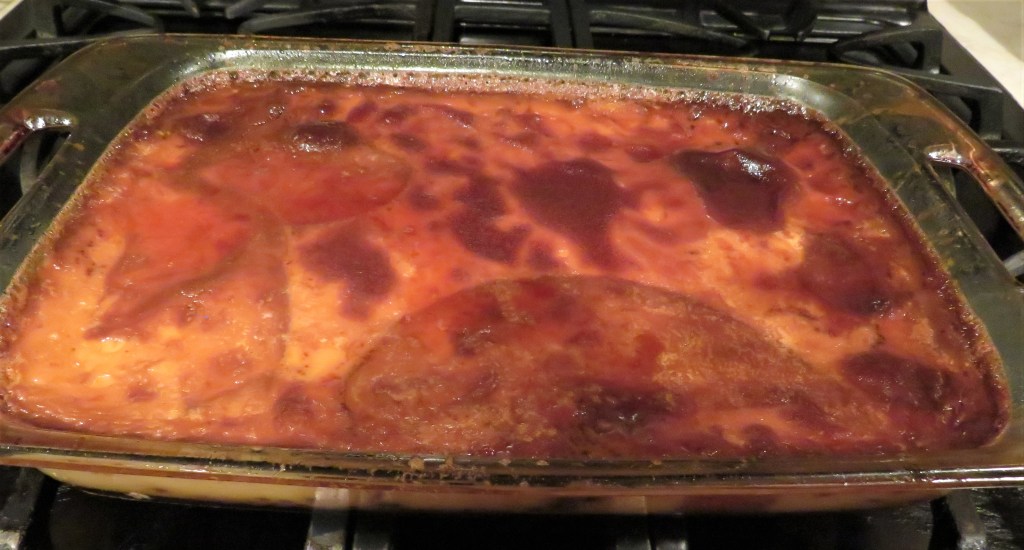
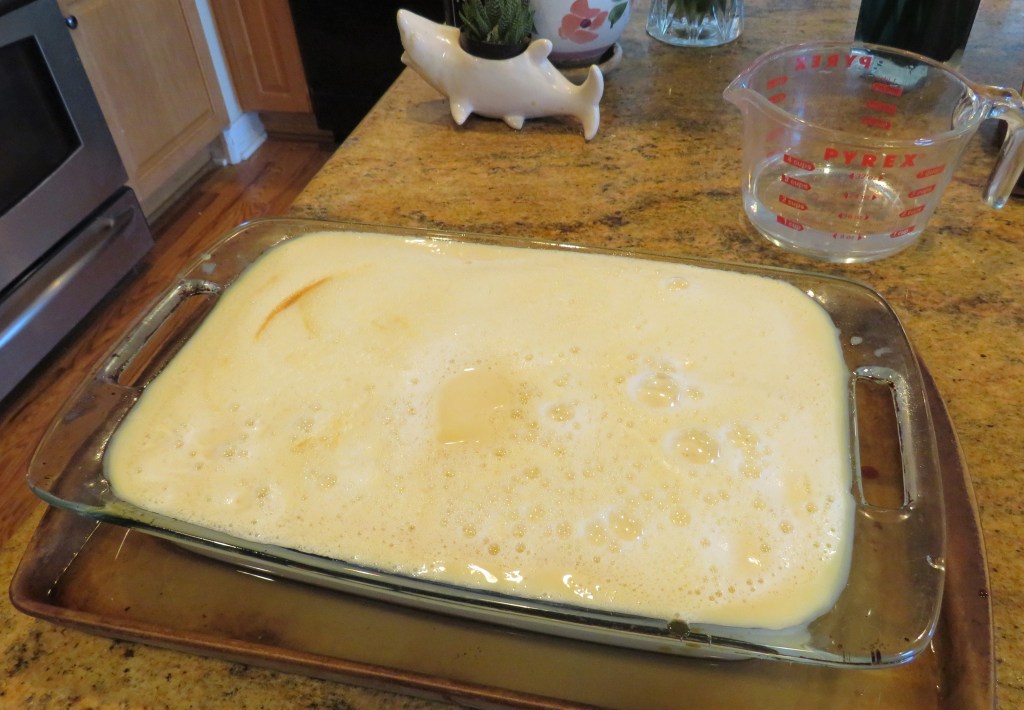
Flan is usually prepared in smaller, individual dishes, but because I was making mine for a few people, I decided to make it in a 9×13 baking dish instead. The flavor and consistency were still the same, and that it is really all the matters. It was very tasty, with a “burnt” caramel sauce, and was light and creamy; exactly how it was supposed to be too. As with anything, there are many different versions and you can top flan with anything you like, such as fruit, chocolate or whipped cream, or anything else that tickles your fancy. You can add a little coffee flavor, or chocolate flavor, or you can add some fruit puree too it. My favorite way to enjoy flan is just the plain, original way, with the caramel sauce, and maybe a little whipped cream on top.
Spanish Flan
This delicious dessert only requires a few basic, simple ingredients. It is all in the techniques of how it is made that make the difference between a good flan and a great flan. I doubled my recipe, but I will give you the actual recipe, to make in smaller individual servings, if you like, though you can still present it however you choose to. Some people like to bake it in a cake pan, or like I did, a 9×13 baking dish.
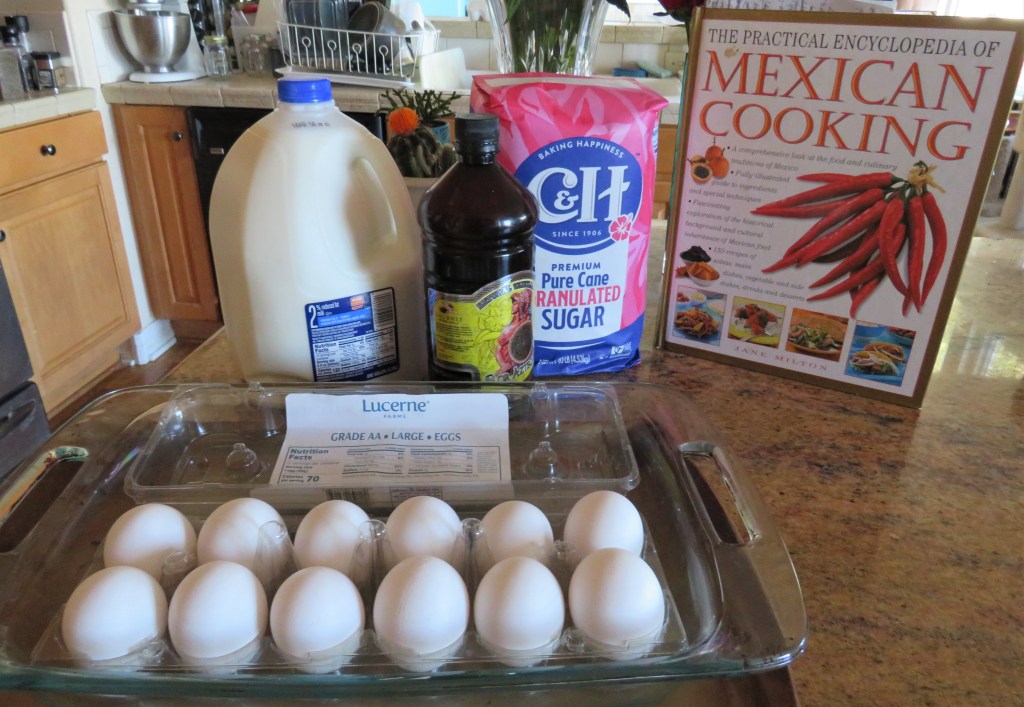
4 cups milk
1 TBSP vanilla
6 eggs
1/2 cup sugar
3/4 cup sugar for the caramel topping
Preheat the oven to 350* F or 180*C.
Make the caramel sauce by simply melting the sugar in a saucepan and letting it turn into a deep caramel color. Don’t stir, just move the pan to evenly coat the bottom of the pan with the melting sugar. Once the sugar starts to caramelize, it can easily burn very quickly if you are not careful. Once the sauce is made, spray your baking dishes with cooking spray and add it to the bottom of your ramekins or pan, and spread evenly around the bottom.
Place the baking dishes in a bain marie, or a water bath, with boiling water, to ensure the eggs don’t scramble or cook to fast. The key to a good flan is to have it be very smooth and creamy all throughout.
Put the milk in a saucepan and heat to just below the boiling point.
Whisk the eggs, then add the sugar, milk and vanilla, and whisk everything together. Carefully pour the mixture into the baking dishes.
Bake uncovered for about 40 minutes, or until a knife inserted in the middle comes out clean. You want this to be very silky. Once the flan is cooled, chill it in the refrigerator for a few hours before serving.
To serve, take a butter knife and gently cut around the edges. If using individual ramekins, top the ramekin with a plate and carefully flip over. The custard will come out and the caramel sauce will be on top. If you are making it either a cake pan, or a 9×13 baking pan like I did, cut the flan into individual serving portions and serve with a spatula. The caramel may be on the bottom, but the flavors will still be the same. Either way, I promise this beloved dessert will melt in your mouth and you will be very happy and content indeed. 🙂
Have a great day and make everyday great. Stay safe and stay well. ‘Til next time.
Frijoles charros or cowboy beans originated in the Northern part of Mexico by the cowboys there, who were known as charros or vaqueros. The charros’ diet consisted of mostly meats, predominantly pork, and beans or frijoles, and more specifically pulses or pinto beans. As with any good recipe, there is never just one way to make it. There are as many different variations as there are cowboys.
Beans have been a part of the Mexican diet for at least 7000 years. The beans made their way up through Peru and have been a dietary staple ever since. Unlike refried beans, which are smashed during the cooking process, charro beans are left whole, swimming in their broth. Charro beans are similar to another Mexican recipe, borracho beans, or pinto beans cooked in beer. Charro beans are whole pinto beans cooked with spices, some type of meat, usually pork or bacon, and jalapeño peppers. Refried beans are just cooked pinto beans mashed with a type of fat (usually lard or shortening) until smooth and creamy, I actually much prefer my beans whole rather than smashed and refried, plus they are usually healthier, with less calories.
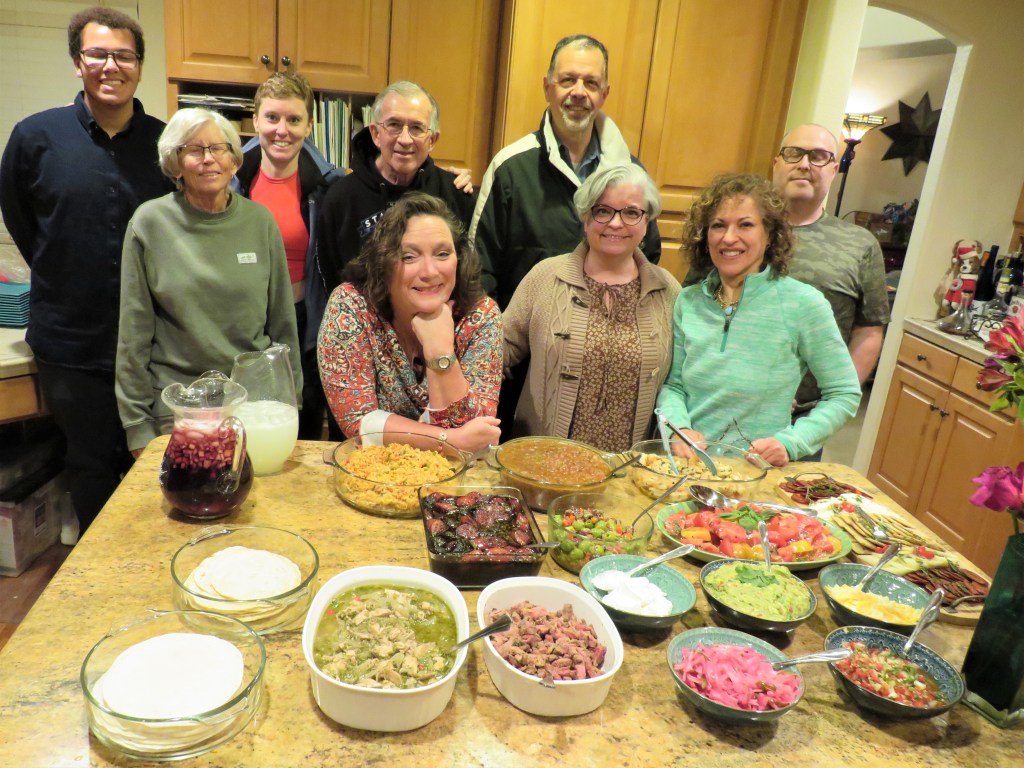
One of the many dishes I made for my Old World/New World fiesta Old World/New World Fiesta was a rendition of frijoles charros, though mine had beer in them too, so they were really frijoles charros borracho, or drunken beans.
Frijoles Charros
Like with so many complex dishes, these beans only get better with a couple of days under their belt. They are certainly good when you first make them, but all the flavors blend together with a couple of days rest, and they get even better.
2 large cans of pinto beans
1 cup beer
2-3 jalapenos, chopped fine and seeded
2 tomatoes, diced
1-2 tsp cinnamon
1 onion, chopped
1 TBSP garlic
3-4 TBSP dark brown sugar
salt & pepper to taste
olive oil for cooking
1/3 cup chopped cilantro
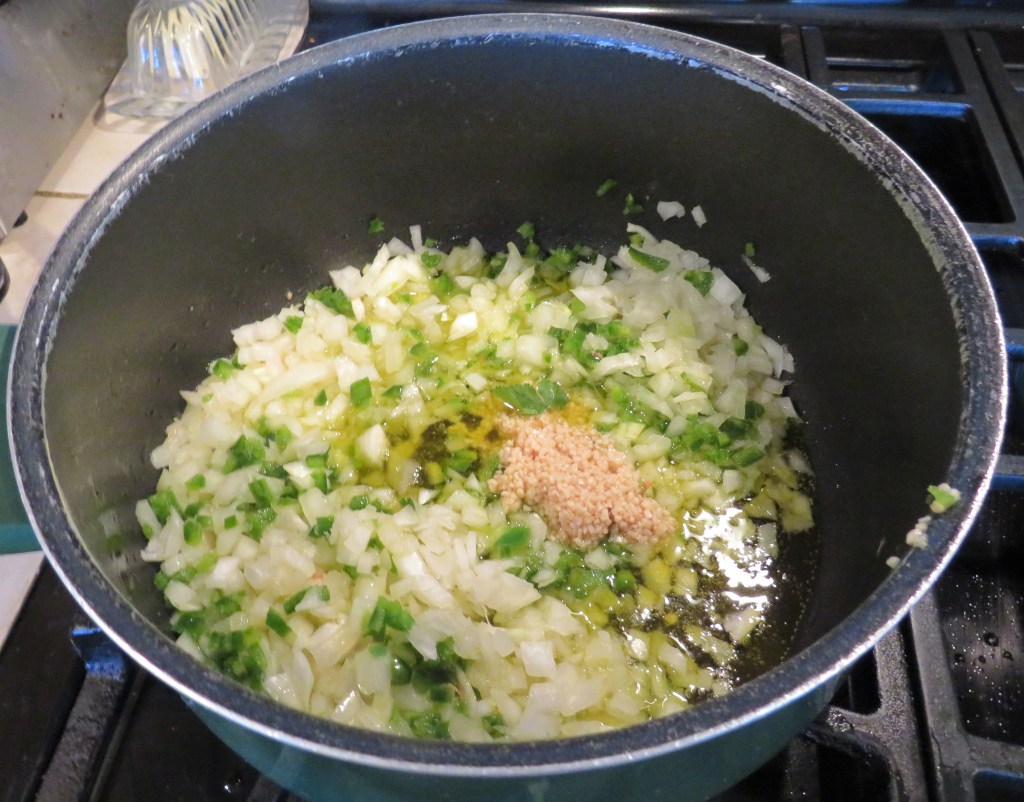
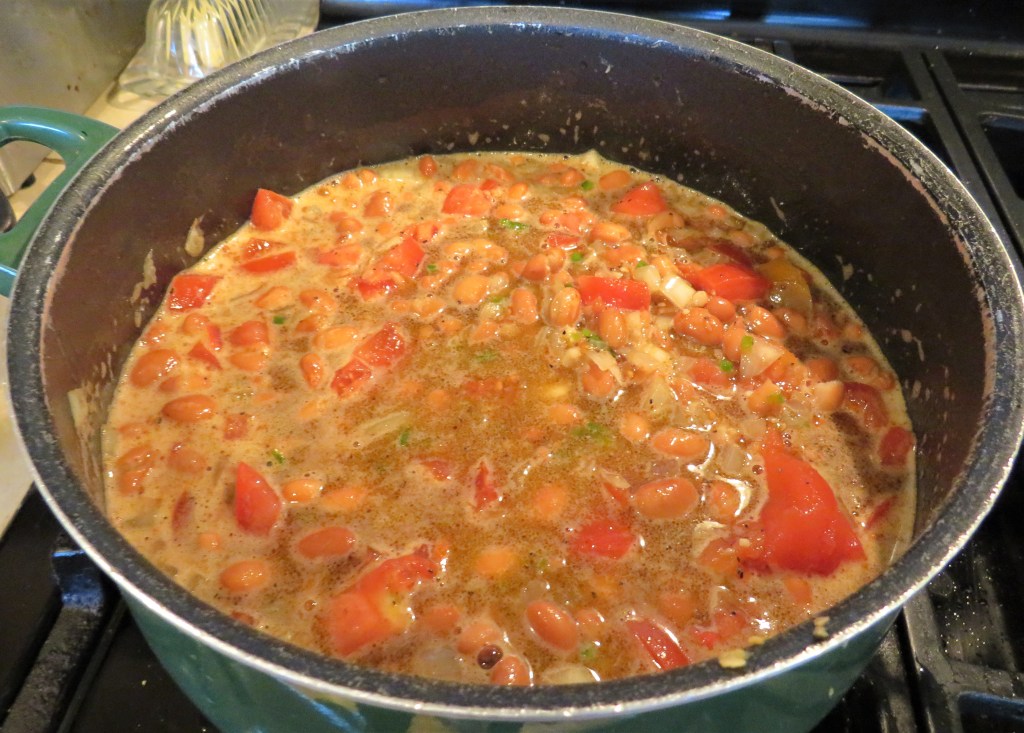
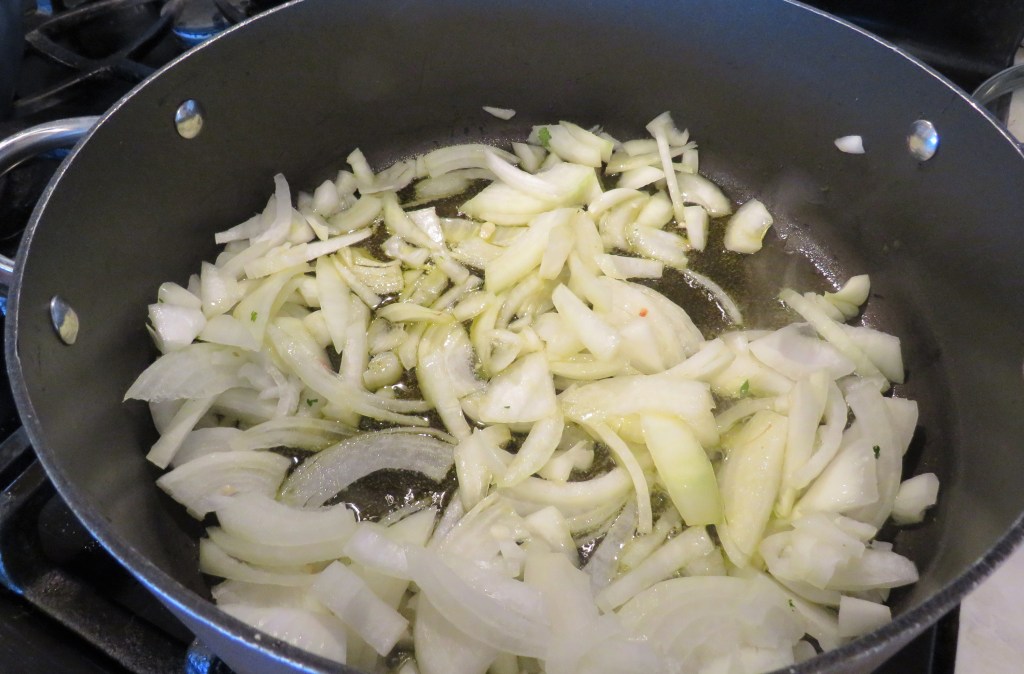
Get a large pan or pot very hot, then add the oil, garlic, onions and jalapenos. Saute for about 3-5 minutes. You can add bacon and/or bacon fat as well, and I normally would have too, but I didn’t have any bacon down from the freezer at the time, so I decided against it. This worked to my advantage too, because I had some guests who were vegetarians and/or could not have pork. So I made sure I had something for everyone. it was just luck, but it turned out to be fortuitous.
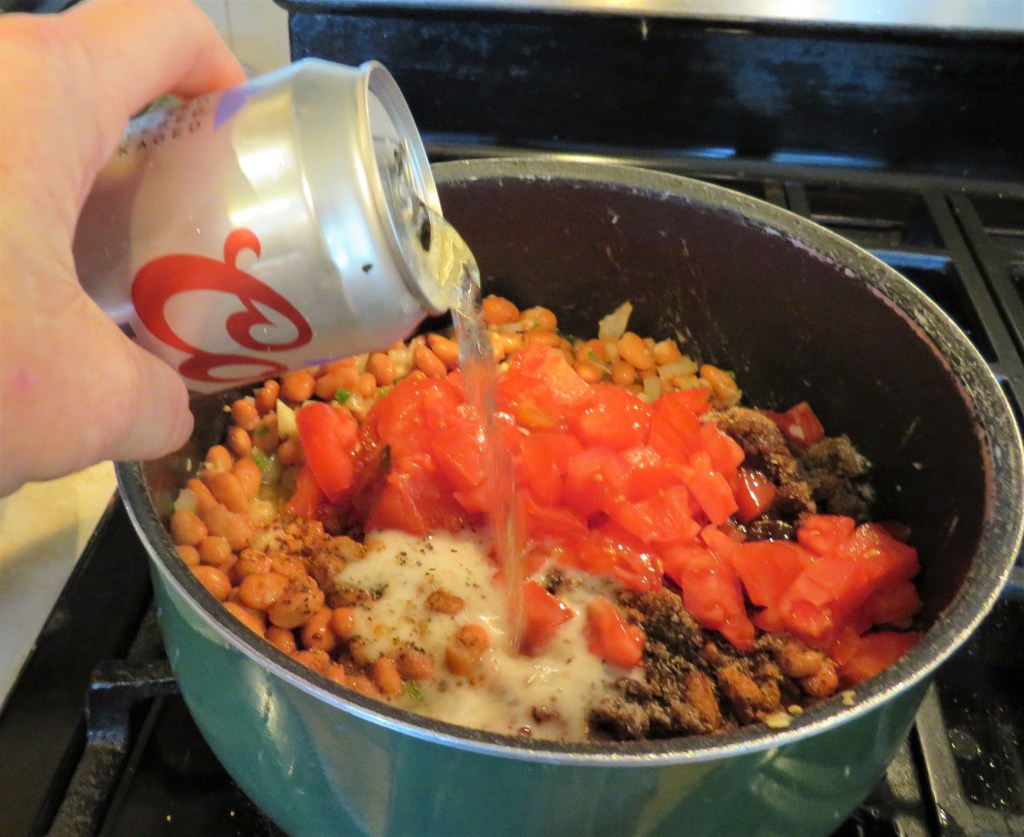
Add the rest of the ingredients and combine thoroughly.
Bring to a boil, then reduce the heat and simmer for about 10 or so minutes, or until about 1/2 of the liquid has evaporated, stirring occasionally.
These frijoles were a huge hit and received rave reviews. They were a bit spicy and a little sweet at the same time. They were a perfect accompaniment to the rest of the meal as well.
When cooking Mexican foods, rice and beans are very frequently served together, with most meals, especially if you are cooking Northern Mexican dishes. Most of the California style Mexican food hails from the Northern regions of either Sonora or Sinaloa. This is the delicious Mexican food I grew up with.
Que tengas un gran dia y que cada dia sea grandioso o have a great day and make everyday great. Stay safe and stay well. ‘Til next time.
Spanish rice, and all of its many variations, is popular in all the Spanish speaking parts of the world, particularly in Latin America. Spanish rice is really just Spanish in name only though, since it is not really a dish popular in Spain. Rice is not native to the New World countries. It was brought over by the Spanish in the 1500’s. Because rice was introduced to Mexico and the rest of Latin America by Spain, it is believed that’s how this dish got it’s name of Spanish rice.
As with any popular dish, Spanish rice has many different variations. If you order rice in northern Mexico, you most likely will get the rice cooked with chicken broth and tomato flavors—traditional Mexican (or Spanish) rice. However, in southern Mexico, plain white rice or arroz verde or green rice, are more common. In Mexico, however, what we call Spanish rice is just known as arroz rojo or red rice.
Spanish rice was one of the many dishes I prepared for our Old World/New World fiesta. Old World/New World Fiesta
Spanish Rice
Sometimes Spanish rice is referred as a dry soup or sopa seca in certain parts of Latin America. This is a hearty dish made with all kinds of fresh vegetables. It can be served with just about anything and will compliment it well.
1 1/2 cups white rice
1/2 cups tomato juice or V-8
1 onion, chopped fine
5-6 tomatoes, chopped
1 TBSP garlic
2 cups chicken broth
1-2 jalapenos, diced fine
1- 2 cups peas
salt & pepper to taste
1-2 tsp dried oregano
1/3 cup chopped cilantro
1/3 green onions, sliced
olive oil for cooking
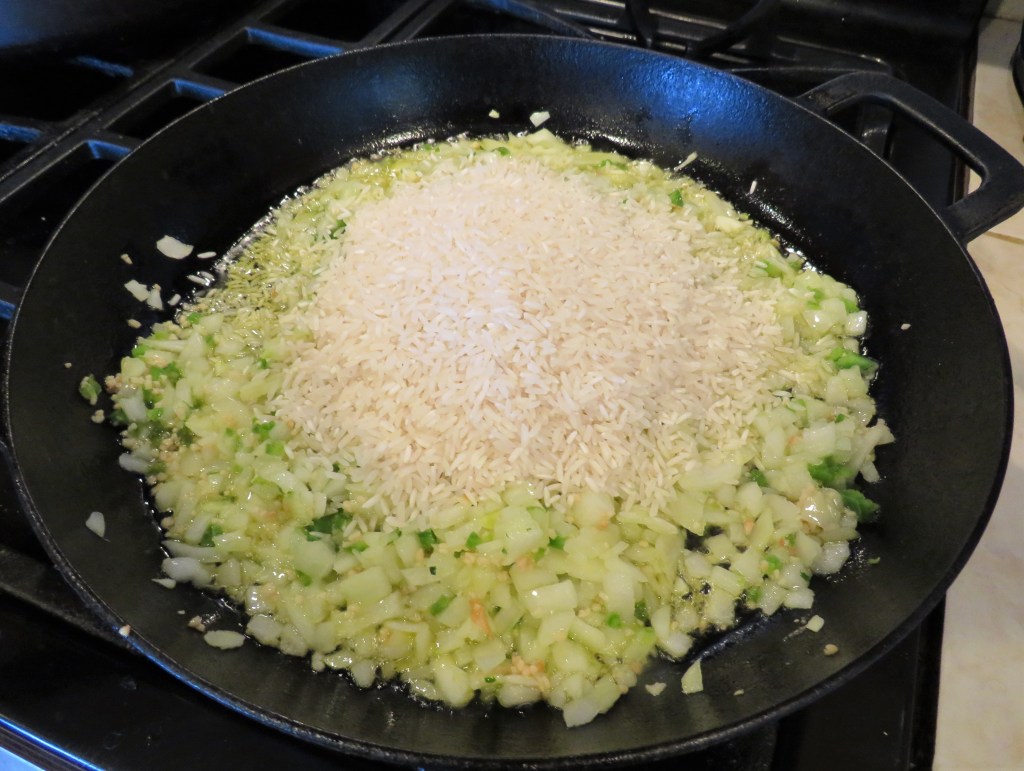
Get a large skillet very hot and add the oil. Add the onions, jalapenos and garlic and saute for about 2-3 minutes, or until the onions and jalapenos are softened.
Add the rice and saute for an additional minute or two.
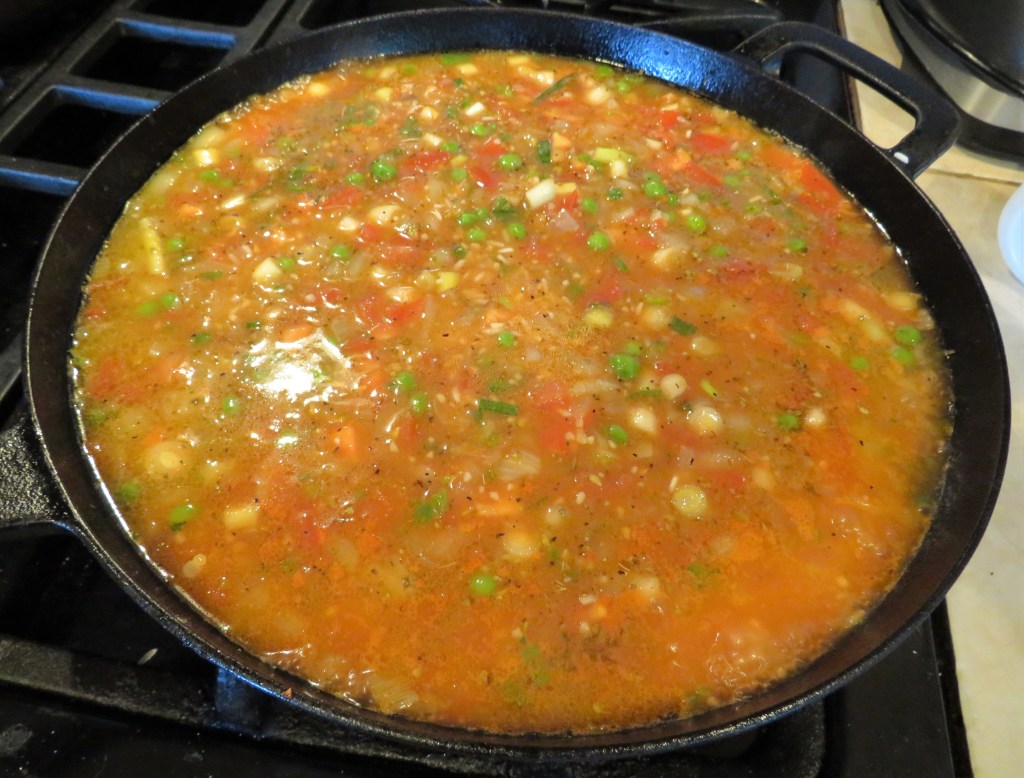
Add the tomatoes, green onions, cilantro, tomato juice, seasonings and chicken broth. Mix everything together well, bring to a boil, then reduce the heat to a simmer, cover and cook for about 30 or so minutes, or until most of the liquid has evaporated. Stir occasionally, to make sure the rice doesn’t stick.
When the liquid has evaporated, the rice is listo, and ready to eat. Spanish rice can be served with anything, but pairs really well and is traditionally served with beans of some sort, usually refried beans or frijoles charro, on the side.
Have a great day and make everyday great. Stay safe and stay well. ‘Til next time.
I haven’t been out walking much lately due to our weird and inclement weather. We’ve had a lot of snow, cold weather, and today it is supposed to rain. it’s all to be expected though. It is the middle winter after all. When I have been out about about, the lakes have been pretty quiet.
I did see a pair of Northern Shovelers though, on one of our sunny days in between the snowy days. They were fishing for food, and liked to be bottoms up more than face up.
Every now and then they would come up for a breath. I had my camera at the ready so I could click as soon as I could, in the hopes of getting a good shot or two.
Catch the sunshine when you can and enjoy the day.
Mole verde, also known as pipian verde, originated in the region of Oaxaca of Mexico and gets its name from its green color (verde). It is one of the seven most popular types of mole found in this region. The color is achieved by using toasted pumpkin seeds, romaine lettuce, spinach, cilantro and tomatillos or any combination thereof. But for a traditional verde sauce, tomatillos are a must. Anything else is just a bonus. Mole verde is has a milder flavor than most of the other mole sauces, and is popular in dishes that contain chicken.
Mole had its origins in pre-Hispanic Mexico, when it was called mulli and was made with turkey and served in Aztec rituals and other festive occasions. One of the most treasured ingredients used in the mole is xocolatl, or gourmet chocolate. The classic mole version is the variety called mole poblano, which is a dark red or brown sauce served over meat. The dish has become a culinary symbol of Mexico’s mestizaje, or mixed indigenous and European heritage, both for the types of ingredients it contains and because of the legends surrounding its origin. I love a traditional mole with chocolate, but a mole verde does not contain chocolate, or at least this recipe does not.
Chicken Mole Verde
One of the many dishes I made for our fiesta was chicken mole verde. It was so good, and it was yet another a very big hit with all my guests.
3 onions, sliced, divided
8 cups chicken broth
3 lbs chicken, cut into thin strips
6 medium serrano chilies
1 poblano chili, roasted and charred
1 TBSP cumin
1 cinnamon stick
salt & pepper to taste
1-2 tsp ground cloves
1 lb tomatillos, skins removed
1 TBSP garlic
1/3 cup fresh parsley
1/3 cup fresh cilantro
1 1/2 cups roasted pepita seeds
1/2 cup roasted slivered almonds
1/4 cup Peruvian peppers, optional
olive oil or avocado oil for cooking
sesame seeds for topping
Roast the poblano chili until completely charred, then sweat it in a plastic bag for at least about 30 minutes. Remove the charred skin, rinse and remove the seeds.
Get a large soup pot very hot, then add the oil and the onions. Cook for about 2-3 minutes, or until softened. Remove some of the onions before adding the chicken and reserve for part of the topping for later. Add the chicken and continue to cook until the chicken is cooked.
Place all the other ingredients into a food processor, except for the the cinnamon stick, sesame seeds, the Peruvian peppers and some of the cilantro for the topping. Process until it has all made liquified, then add to the chicken and onions.
Add the cinnamon stick and bring to a boil, then reduce the heat to a simmer, cover and continue to cook, stirring occasionally, for about 30 minutes or so. Add the Peruvian peppers, if using, towards the very end of the cooking process. The serve and enjoy. !Desfruita!
All the flavors of the spices just blend together perfectly and your taste buds will really be in for a delicious treat. You can serve this over rice or as tacos in cooked tortillas. I had both corn and flour tortillas available for both this dish and the chopped, cooked steak, just for that reason too.
Have a great day and make everyday great. Stay safe and stay well. ‘Til next time.
Did you know that it is National Love Your Pet Day today? Did you even know there was such a day? I didn’t, but I don’t need a special day to love my pets. I love them EVERYDAY. They are not just my pets, they are my fur babies; they are my four-legged children.
National Love Your Pet Day is a special occasion dedicated to celebrating the bond between humans and their beloved pets. Animal Behaviorist Colleen Paige started this holiday in 2006. It’s a day to shower your furry, feathered, or scaly friends with love, attention, and appreciation. This day focuses on giving extra attention to our pets. The day encourages pampering our pets and focusing on the special relationship pets hold in our lives.
These are our current fur babies. We have loved and lost so many more over the many years. They are always in my heart as well. Always and forever, or should I say “furever”.
Nicky (Nicodemus) playing hide and seek.
Otis catnapping in the sun.
Otis and Nicky giving each other cuddles.
Juneau in her element.
Dorrie Dew looking so pretty.
Juneau and Dorrie smiling pretty.
Everyday is a good day to love your fur babies. They love you everyday too, more than we can ever know. 🙂
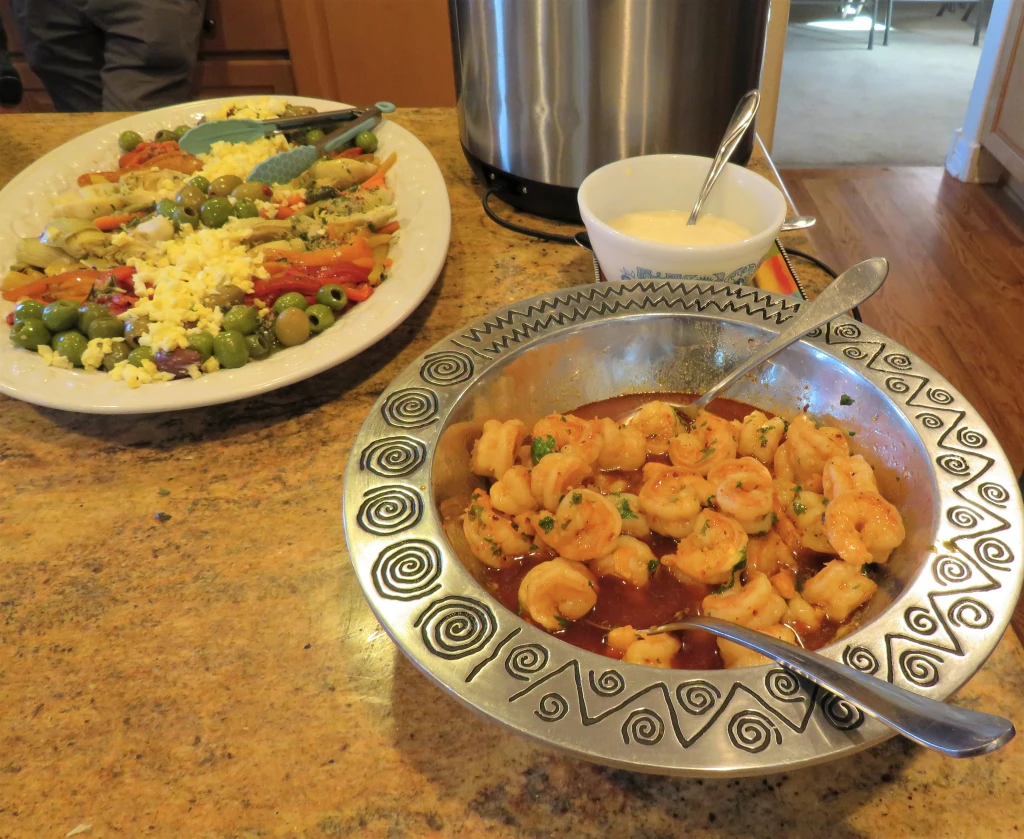
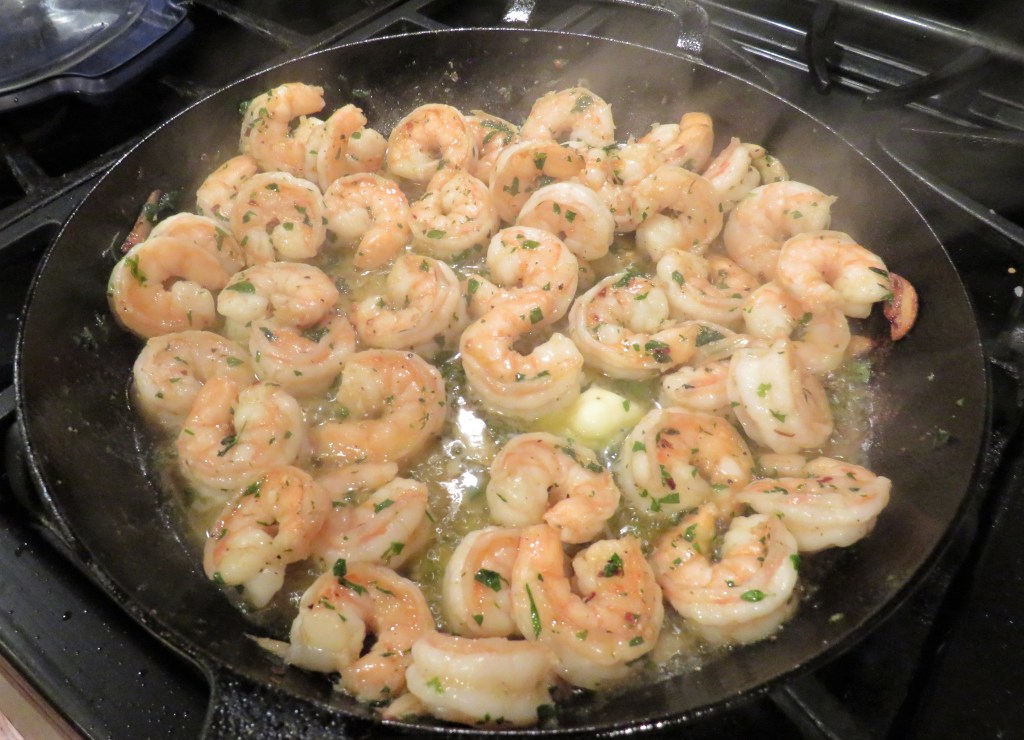
Shrimp and garlic! Two absolute favorites of mine, and for many others around the world too, especially in Spain. In Spain, this wonderful creation is known as gambas al ajillo. Gambas Al Ajillo I make garlic shrimp a lot, and I make it different all the time. But that’s OK. They make it different all the time in Spain as well. Just like anything that has been around for a long time, and is very popular in many areas, there are ALWAYS many different variations of the same dish.
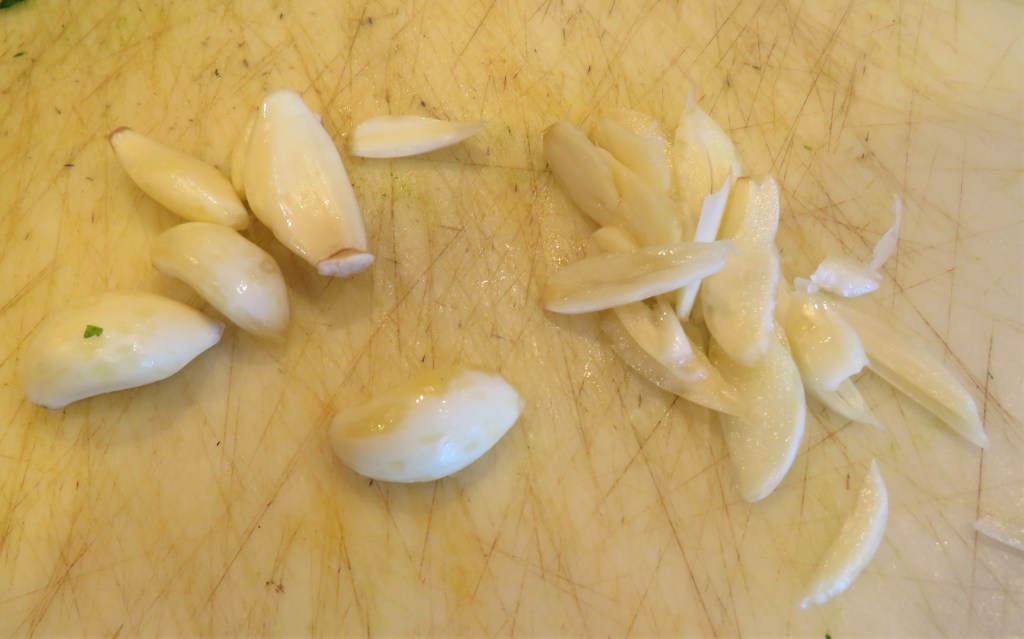
This time I made my gambas al ajillo with some very thinly sliced whole garlic cloves that I “crisped” up slightly before adding the rest of the ingredients, then finished it off with butter at the end. I also added a bit of fresh thyme to the recipe. I didn’t have any sherry, but I did have brandy, which I like even better, so brandy it was.
Gambas al ajillo (garlic shrimp) ismost likely to have originated from the central or southern regions of Spain, where seafood dishes play a very prominent role in the local diet. This popular tapas dish is most prominently found in the Andalusia region and the capital of Madrid. According to some Spanish legends, King Alfonso X of Castile was the one to include tapas in Spanish cuisine. It’s said that eating small dishes with a glass of wine helped him recover from some illness. Since then, he decided that wine wasn’t allowed to be served unless it was paired with a tapa or a snack plate.
I had everything else already made and prepared before our guests arrived, but gambas al ajillo is an al minute dish, that only takes a few minutes to prepare. And I put on a little show for everyone too. I made sure I had a big flambe for them, that garnered a lot of ooohs and awwws. Needless to say, everyone was very impressed, by both the giant flambe and the end results. 🙂
As you can tell, I always have fun in any kitchen. I love to play with my food. I highly recommend it to everyone who loves food too. Be creative and see what happens. No recipe is ever set in stone. Recipes are always evolving and changing, and they are different in every house, every city or town, and every region. So next time you are cooking something up, don’t be afraid to add your own signature style and flavors to it to make it your own.
Have a great day and make everyday great. Have fun, stay safe and stay well. ‘Til next time.




























 A Jeanne in the Kitchen