The Sweeter Things

We humans LOVE our sweets. We have for many 1000’s of years. Archeologists have discovered that we have been craving sweet tasting foods for at least 10,000 years. There are many theories behind our sweet cravings too.

One reason for our sweet tooth is because foods that taste sweet usually have a higher caloric count and provide an energy boost. The sugar high is real. Back in the early years of humans, these characteristics were helpful survival methods.

Another theory is that sweet foods helped people avoid bitter tasting toxic foods. It was thought the sweeter the food, the safer it would be. (Not taking into account all the problems we now know of that are attributed to eating too much sugar today).

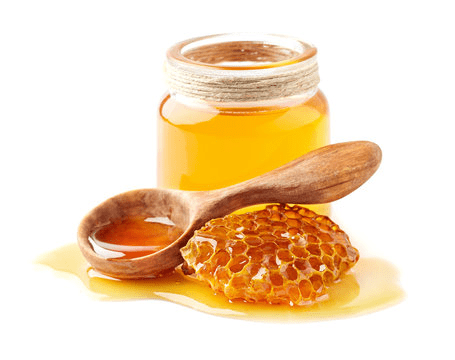
Honey was the first form of sweet foods. Evidence supports that honey was gathered by the primitive peoples of the Mesolithic Period, over 10,000 years ago. Honey is thought of as one of the most prized foods in history. Today, honey is cultivated all over the world.

Honey is rich in nutrients and has many curative and healing properties for all kinds of ailments and wounds. In the early days, these healing properties often made the difference between life and death to many people.

Honey is also one of the few foods that NEVER really goes bad, if properly stored. Honey has been found in ancient Egyptian tombs, that is 1000’s of years old, that is still good and edible today.
In the tropics of New Guinea, there was another type of sweet produce that was growing wild. It was the native sugar canes. The New Guineans started cultivating this wild plant about 6000 BCE. Through trade, the popularity of this delicious sweet cane spread to Polynesia and India. The crude form of sugar was extracted from the sugar cane came from India abound 400 BCE. From there, sugar cane spread again, and is grown in warm, tropical climates all over over the world.

Brown sugar is another form of sugar, that is richer and darker than refined white sugar. Brown sugar is made by adding molasses syrup to boiling sugar crystals or coating white granulated sugar with molasses. It contains more moisture than white sugar, which is why it hardens over time and behaves differently in baking. While sugar beets and sugar cane are used to make white granulated sugar, only molasses from sugar cane is used in the production of brown sugar. Molasses from sugar cane is what gives brown sugar its color, with less needed to make light brown sugar and more for dark brown sugar.

During the Renaissance times in Europe, sugar was only something the very rich could afford. Sugar was known as white gold and a small bag would cost the equivalent of a day’s wages. It wasn’t until the early 19th century that refined sugar became popular amongst the average lay people. And that was after German chemist, Andreas Margraff, discovered the sweet sugar qualities from sugar beets.

In 1700, people consumed about 4 pounds of sugar per year. By 1800, people consumed about 22 pounds per year. By 1900, people consumed about 90 pounds per year. By 2012, over 50% of Americans consumed a half pound of sugar per day – or, over 180 pounds of sugar per year. We definitely have an insatiable sweet tooth! The more we have, the more we want.
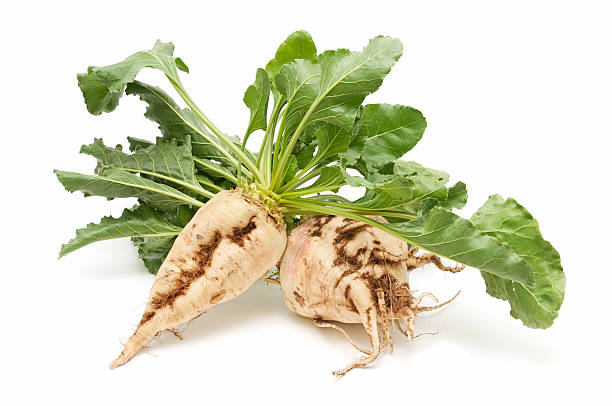
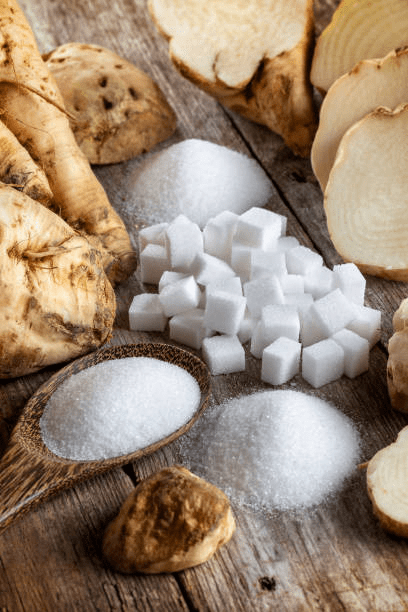
Sugar beets are root vegetables that prefer colder climates, so they are grown all over Europe and Russia. With the discovery of the sugar beets, sugar became much more readily available and cheaper to everyone, thus becoming a staple in the 19th and 20th centuries around the world.
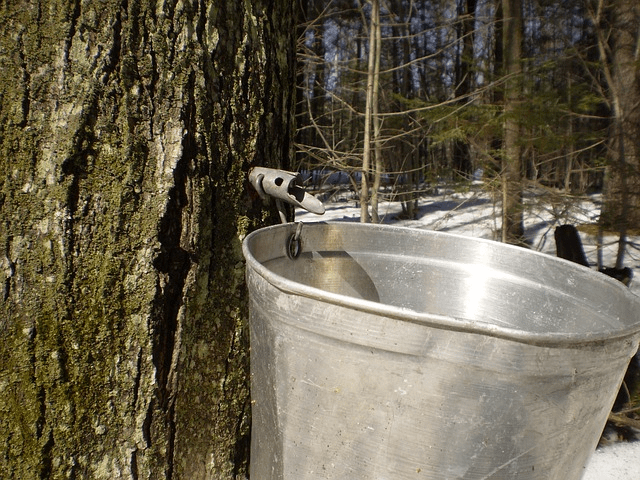
There is also maple syrup, only produced in Canada, New England and the Appalachian Mountains of the United States. There are roughly 128 different species of maple trees, but only a few are suitable for making maple syrup, with a high sugar content of about 2-5%. About 80% of the world’s maple syrup comes from the Quebec area of Canada. It is graded on the density and color of the syrup, that has been boiled down from the sap. The darker the color, the stronger the flavor.
So satisfy that sweet tooth, but in moderation. As we know, consuming too much sugar, or anything for that matter, definitely has its consequences too. Happy New Year. May it be safe, happy, healthy and prosperous for all. ‘Til next time.

Enchiladas Con Mole, Pollo y Verduras

The other day, when I made my mole beef short ribs, Mole Short Ribs I had a lot of mole leftover. You all know how I love to re-create with my leftovers, and I did once again. This time I used my mole to make enchiladas with chicken and vegetables o enchiladas con mole, pollo y verduras.

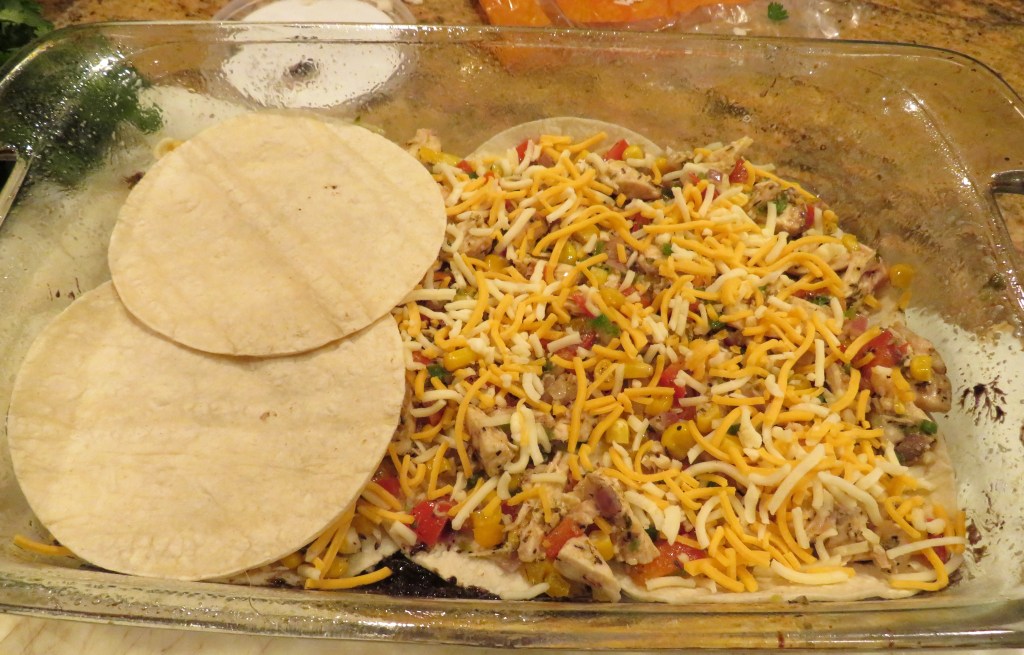
Enchiladas are very popular, and can be made savory or sweet. They lend themselves to just about anything. You can roll them or layer them. I do both. This time I layered them. I actually prefer them layered.

Preheat the oven to about 375*F or 191*C.

Spray a 9×13 baking dish with cooking spray.

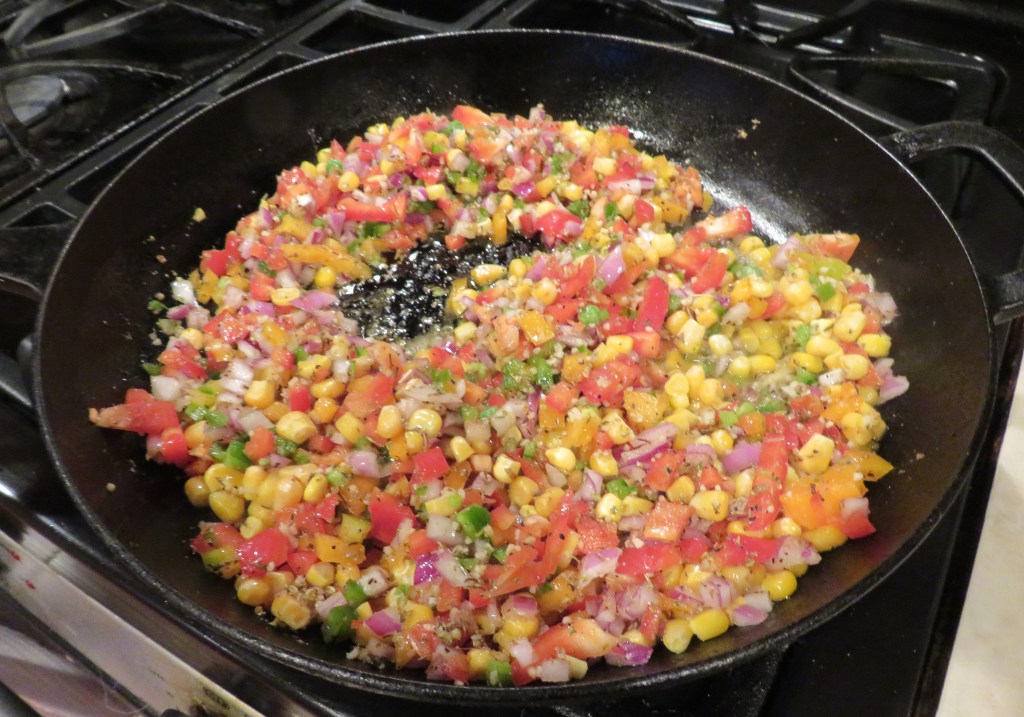
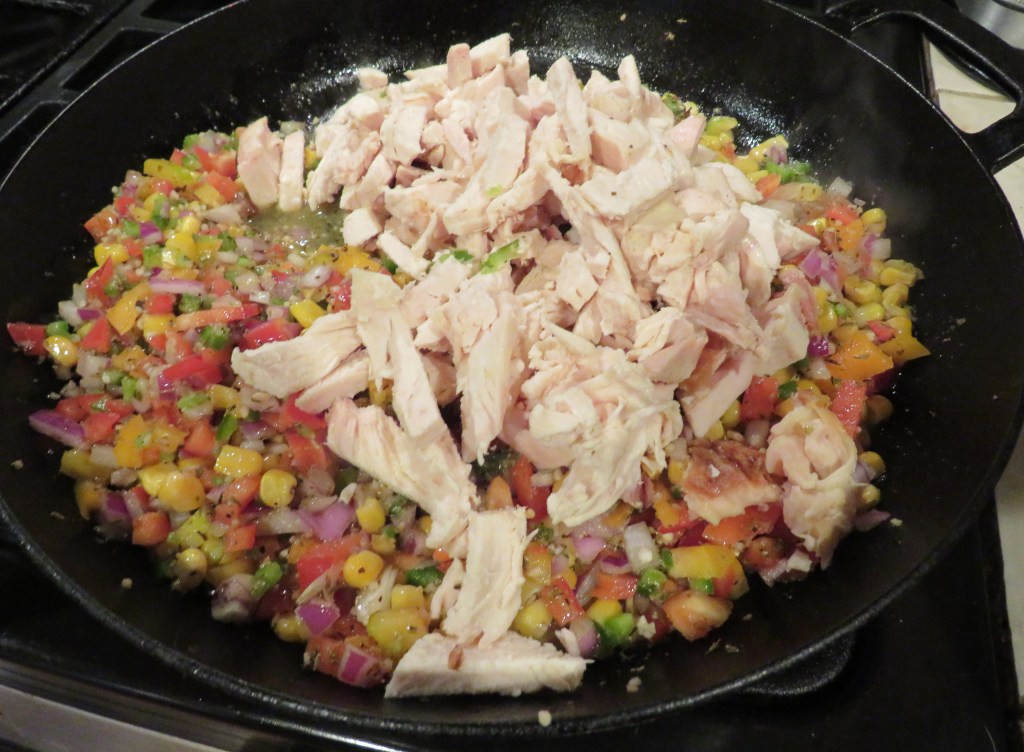
You can use any kind of vegetables you like, but I kept it simple, with Mexican style vegetables. I used red and orange bell peppers, garlic, red onions, jalapenos, and corn as my vegetable filling. I sauteed them until they were softened and tender, then added some leftover shredded chicken (already cooked). I added some cumin, oregano, thyme and salt & pepper to the mix.

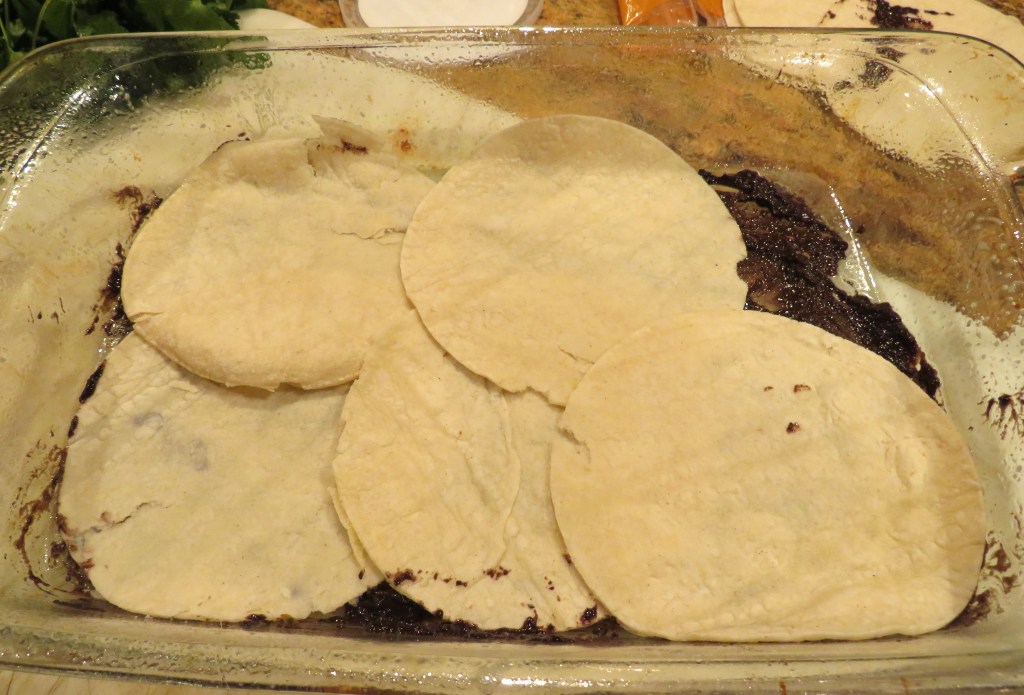
When the chicken and vegetables were ready, it was time to start the layering process. I heated the mole sauce and lightly spread some on the bottom of the prepared baking dish. Then I heated up the tortillas (I just put them in the microwave for about 30 seconds) and placed them on top of the mole.

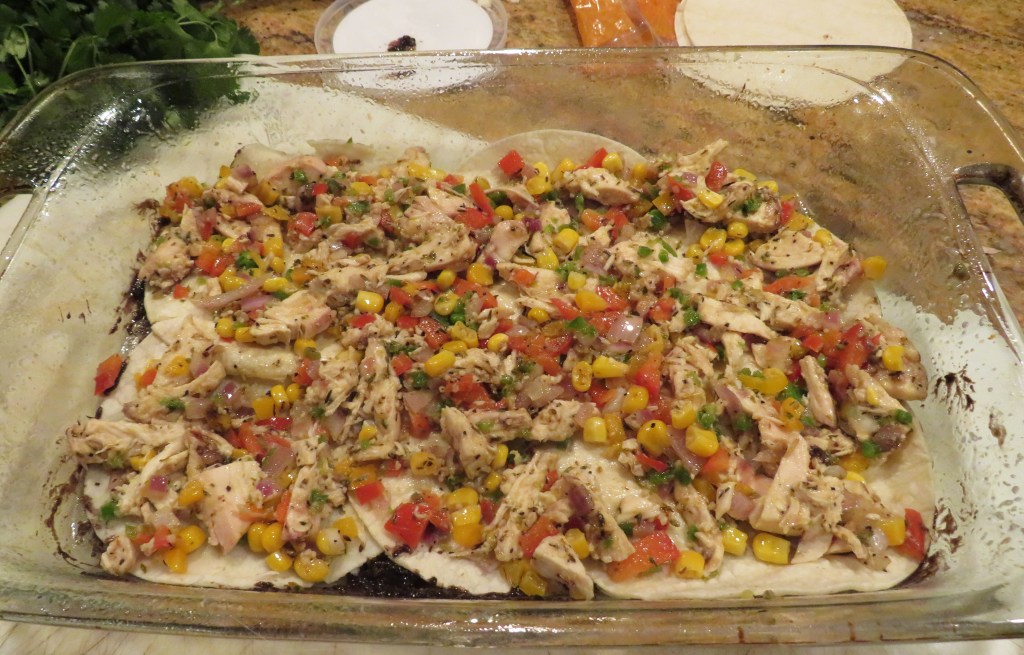
Next came a layer of the vegetables and chicken mixture, topped with shredded cheese. I used a Mexican blend.

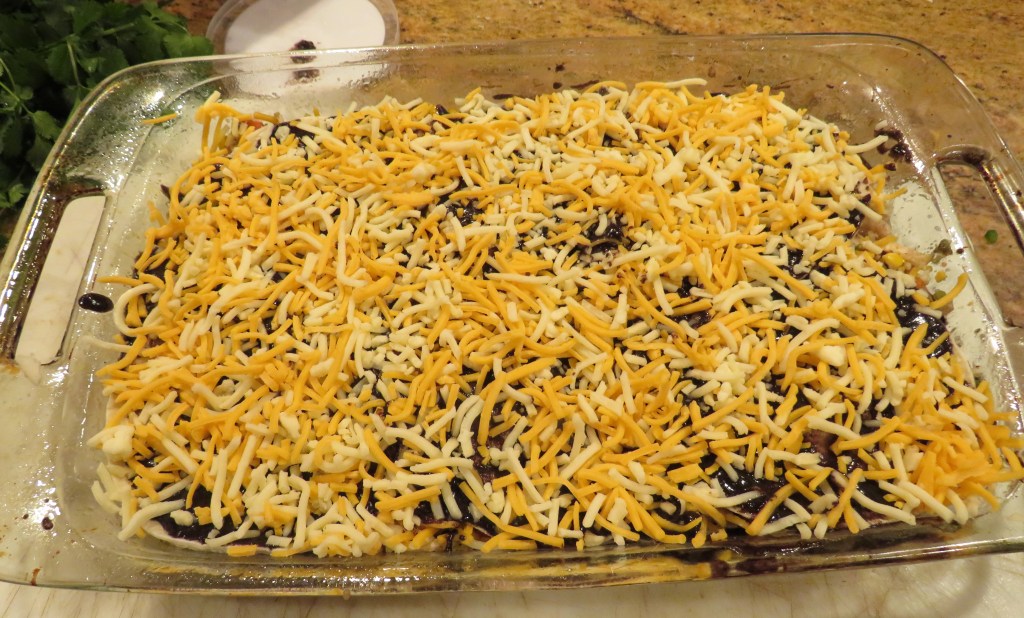
Repeat until the pan is full, adding more mole sauce on top of the layers of tortillas, finishing with another layer of cheese. Then bake for about 40-45 minutes, or until the cheese is all melted and the internal temperature of the casserole is about 160* F.

As soon as the casserole was done, I added some chopped cilantro, green onions, and pickled onions on top. Pickled Onions

This goes well with rice and/or beans. I served it with some of my leftover black-eyed peas. Double Good Luck – Part 1 I am making the good luck extend as long as possible. 🙂

Have a great day and make everyday great. Stay safe and stay well, and if you are in the cold part of the country, definitely stay inside and stay warm. ‘Til next time. Happy New Year.

Listen To The Chef – 1/6/25

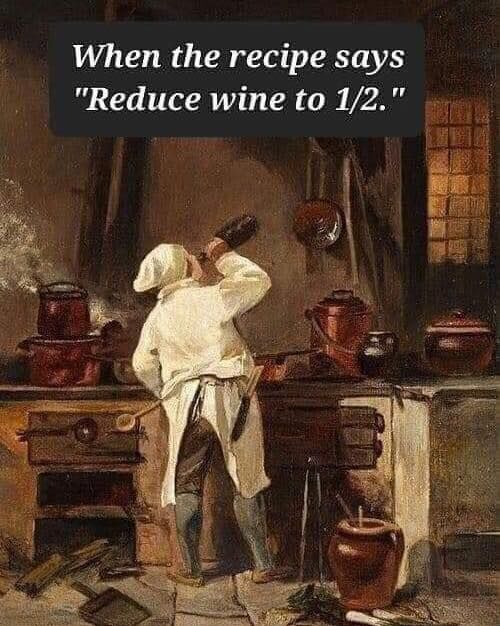
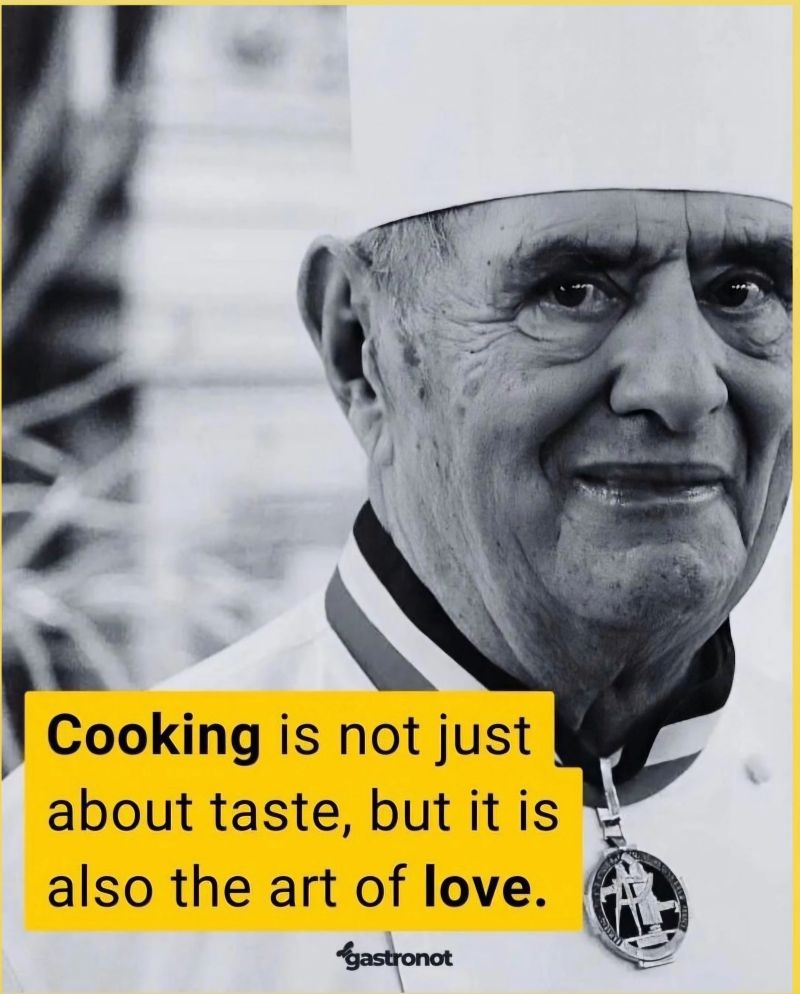
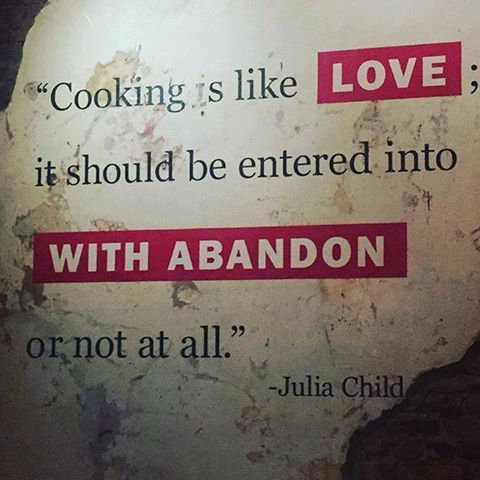
In a professional kitchen the Chef always has the last word – ALWAYS! Here are some words of wisdom from chefs that are words to live by.

Every chef wants the last bite to be as good as the first bite. We all strive for this level of perfection.

NEVER argue with the chef! NEVER!

A chef after my own heart indeed. 🙂

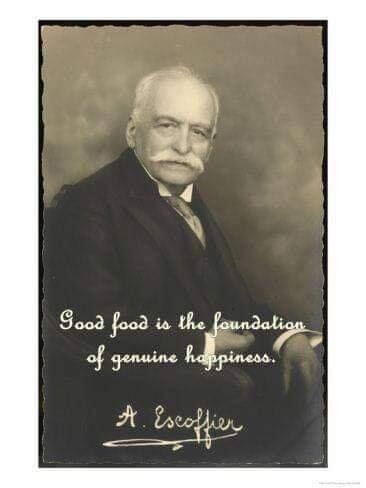
And perhaps the wisest words of all, from the founder of modern cooking himself, Auguste Escoffier.

Love what you do and do what you love. Have a great day and make everyday great. Happy New Year. May it be filled with happiness, good health and prosperity for all. ‘Til next time.
Mole Short Ribs

I love mole sauce. And there are so many different varieties of mole too. But the traditional mole, or at least one of the most popular versions, is a rich sauce made of many spices, herbs, Mexican chocolate, garlic and chilies. There are many different types of mole though. In fact, there are over 300 different types of mole sauce. Mole is more than just a type of sauce. It is a culinary story teller, where each version tells its own story of its traditions. Mole is a symbol of celebration. It graces the tables at festivals, weddings, and other momentous occasions in Mexican culture.

Mole had its origin in pre-hispanic Mexico, when it was called mulli, or chilmolli in nahuatland and was made with turkey and served in Aztec rituals and other festive occasions. One of the most treasured ingredients used in the mole is xocolatl – the Aztec word for chocolate. The ancient civilizations of Mexico, including the Aztecs and Maya, valued bold flavors and combined ingredients like chili peppers, chocolate, and spices to create intricate sauces. The arrival of Europeans brought even more new spices and ingredients that have been incorporated into the dish, modifying its flavors even more. Mole today has endless possibilities. Mole is considered to be one of Mexico’s national dishes. One of the most popular versions known today was created in the 17th century, by a group of nuns in the State of Puebla when they heard of the impending visit of Juan de Palafox, Viceroy of New Spain and Archbishop of Puebla. This is the Puebla Mole. The other very popular version is the Oaxaca, or mole negro, made from dark bittersweet Mexican chocolate.

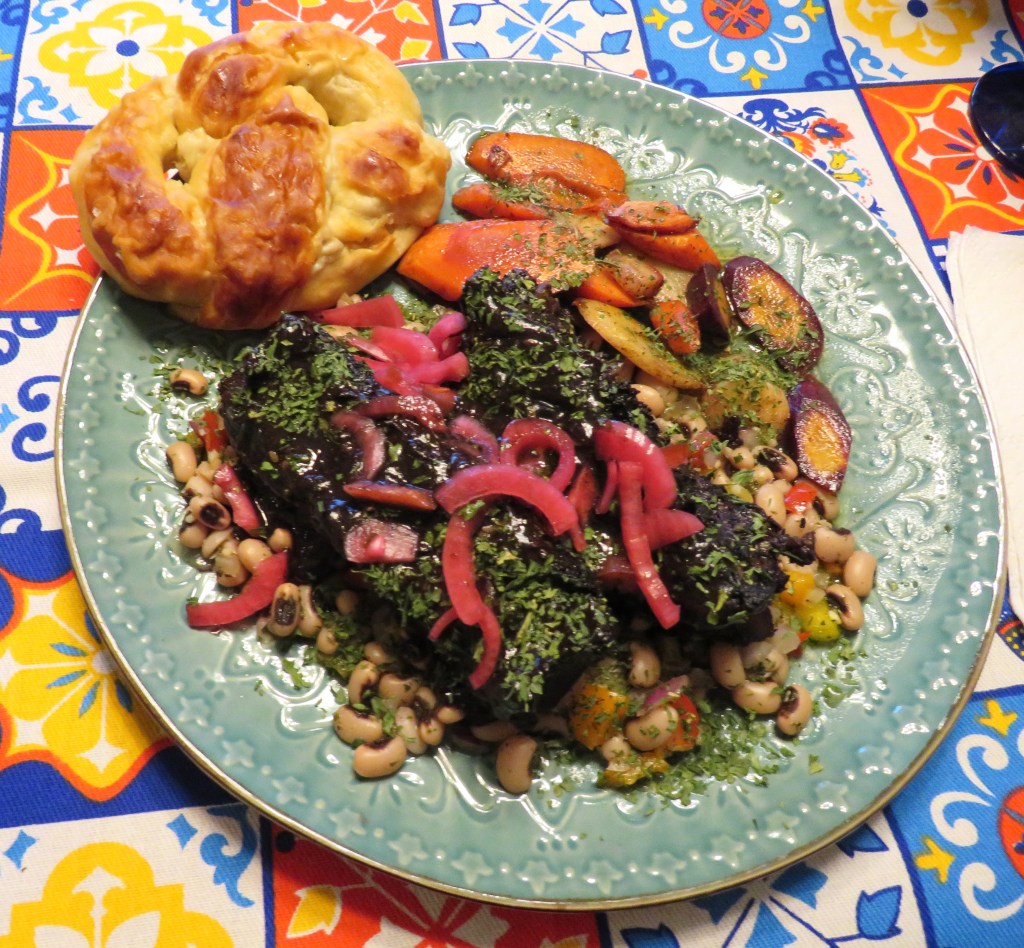
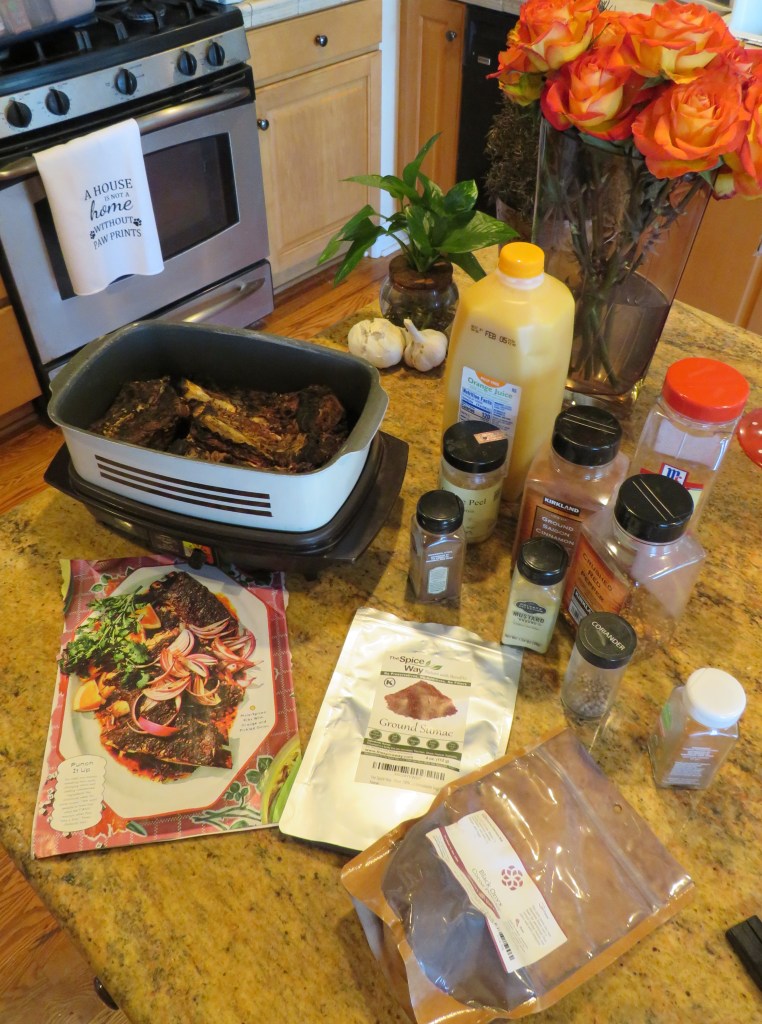
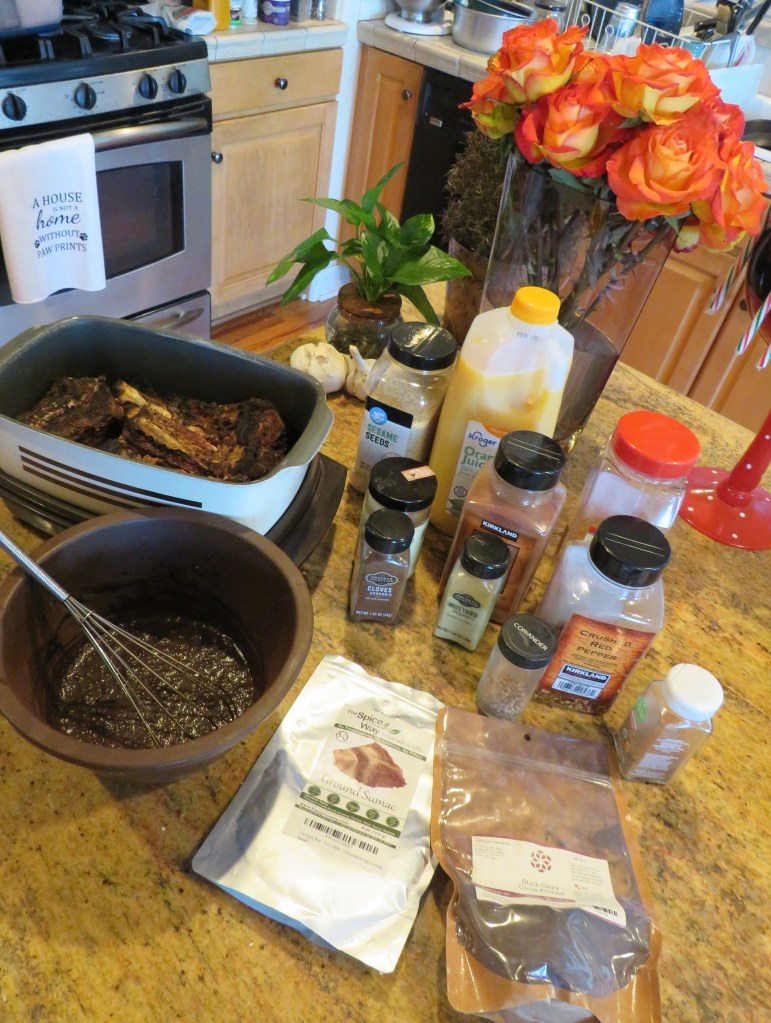
Larry had smoked some short ribs, but they still needed more cooking, and they definitely needed a sauce. I hadn’t mole in quite a while and I came across a recipe for mole short ribs, so that was what I made. I just threw everything together in the slow cooker, and let it cook. I served it with some of my leftover black-eyed pea salad Double Good Luck – Part 1, with some of my pickled onions, Pickled Onions, Mexican style carrots with cinnamon and butter and some of our New Year’s pretzels. Double Good Luck – Part 2

Mole Short Ribs

2-3 lbs short ribs, par-cooked

1 TBSP coriander

1 TBSP cumin

1 TBSP dried mustard

1 1/2 tsp cloves

2 tsp cinnamon

1-2 tsp dried red pepper flakes

1-2 jalapeno, seeded and diced fine

3 TBSP toasted sesame seeds

2 tsp sumac

1/2 cup cocoa powder

1 tsp allspice

1/2 tsp nutmeg

1 cup orange juice

1 TBSP orange zest


Place the short ribs in the slow cooker. Mix all the ingredients together,using only part of the sesame seeds and leaving out the pickled onions, and pour over the ribs, evenly coating them.

You can either cook them for a shorter period of time on a medium,-high setting for 3-5 hours, or you can turn the setting down to a low setting and cook for about8 hours. Either way, these will be so flavorful and tender, where the meat will just come right off the bones. When everything is cooked, just before serving, top with additional toasted sesame seeds, pickled onions and cilantro.

I am definitely more of a wine drinker than anything else, so I served it with a rich, full-bodied red wine. The sauce is full of bold flavors, so whatever you serve it with needs to be bold, strong and full of bold flavors as well, otherwise it will be overwhelmed by the rich mole sauce.

Happy New Year everyone. May it be a happy, healthy and prosperous year for all. ‘Til next time.
Nature Walks – A Frosty Morning

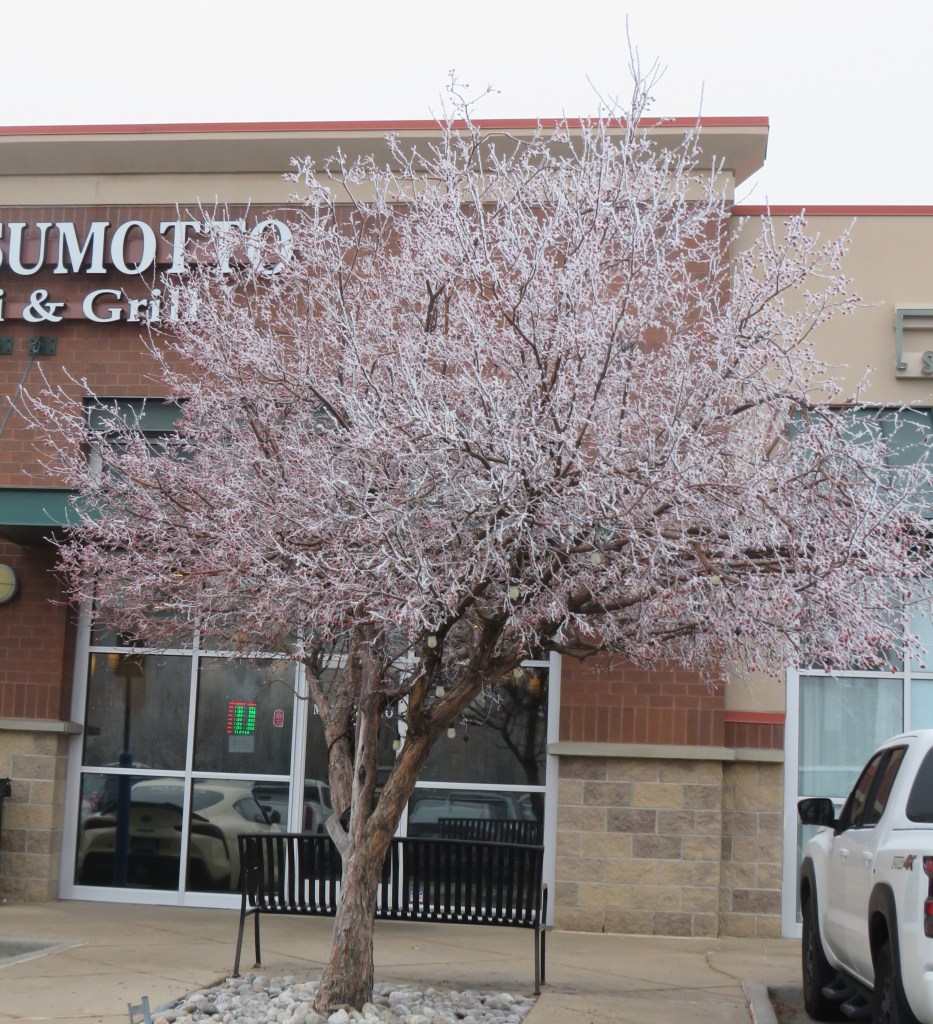
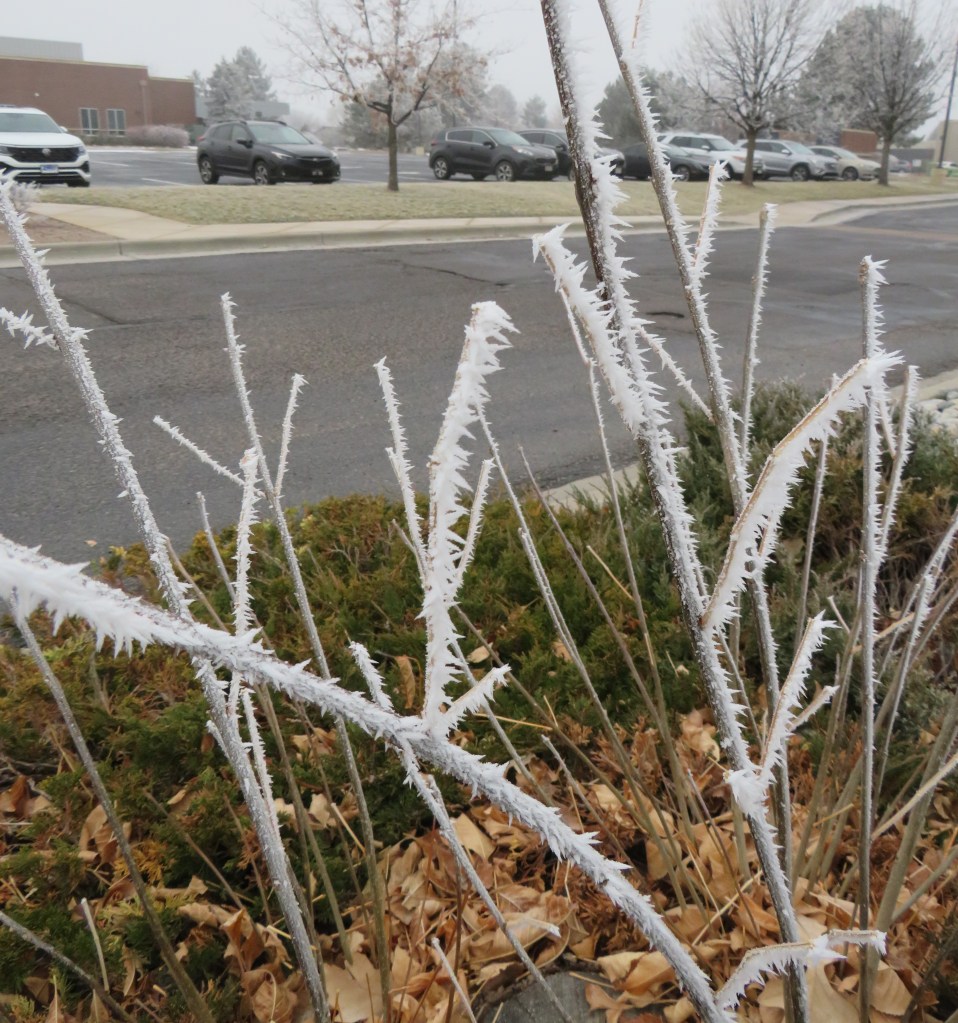
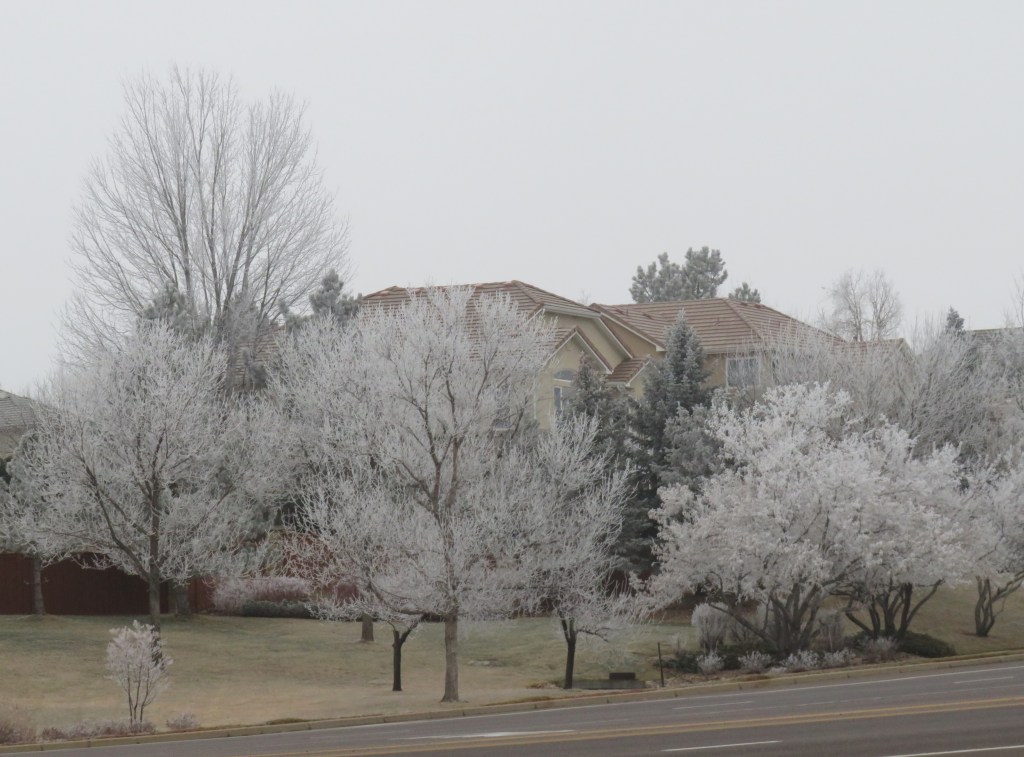
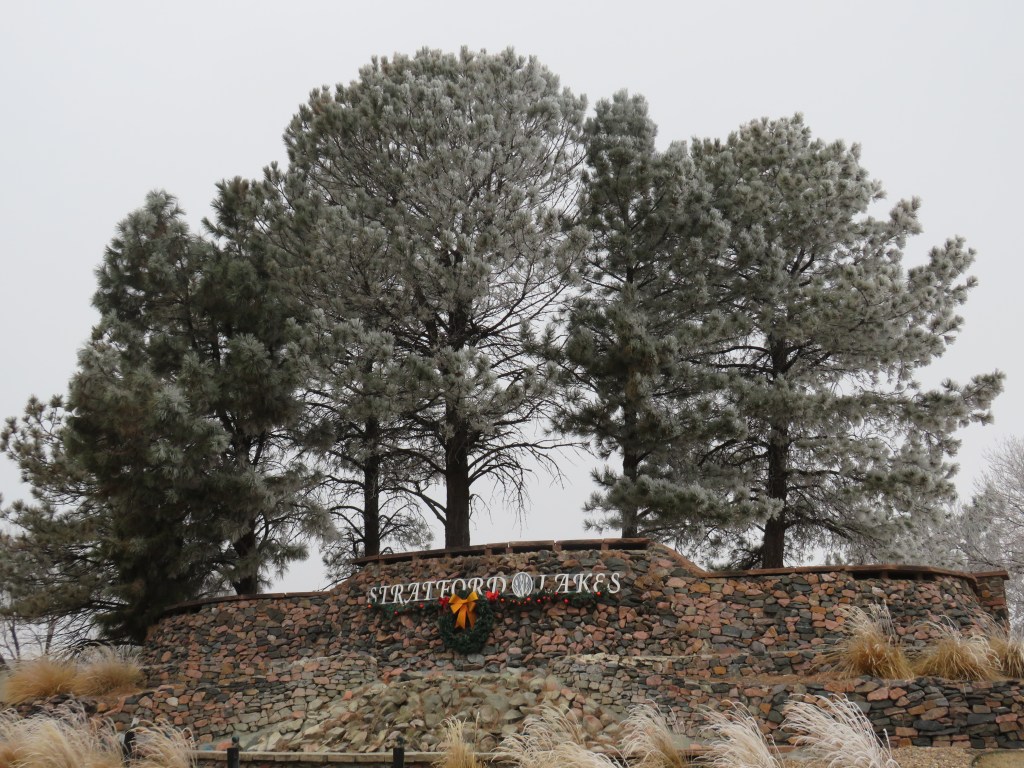
We are at the very edge of the states with severe winter weather warnings. We were supposed to get between 4-6 inches of snow in our area overnight, but we really didn’t get too much. It was and is still bitter cold, nonetheless. We did get frosted though. All the trees and shrubs look so pretty with a light blanket of fresh snow. Everything looks surreal and kind of mystical.

Every season has its own unique beauty and charm. There is beauty everywhere, in all things. We just need to open our eyes to see it.

Yonutz! Is Official

It was a cold, frosty morning, but that didn’t stop people from coming into Yonutz! Donuts and Ice Cream Yonutz! vs. Donuts to help them celebrate their official grand opening in the city of Westminster, CO.

The Westminster Chamber of Commerce was there to officiate the ceremony, and gave Brian a pair of extra, extra large scissors to cut the ribbon. Brian and team are beaming with pride, as they should be.

And it’s official! Yonutz! Donuts & Ice Cream is officially open for business to serve the City of Westminster and more. The lady in the blue coat, Council Member Chavez, is one of the City Council members for Westminster Chamber of Commerce. She gave a short speech right before the ribbon cutting ceremony.

After a brief introduction, Ms. Chavez turned it over to Brian and crew, and Brian welcomed and thanked everyone for coming.

Yonutz! was packed, with a line going out the door. People were excited to help Brian Domann, the owner, and his family, donut team and friends celebrate their big day.

Brian and his family, with the help from the City of Westminster and the Chamber of Commerce, made this all happen,

but the real stars of the day are the delicious donut creations, handmade with love from Brian and his team.

Lots of boxes were prepared for people to take donuts home too.

Brian and Yonutz! are giving away prizes throughout the day to lucky winners.

There was even a cake for the celebrations. After all, you can’t have a party without a cake, right?!

And there were plenty of very happy customers, enjoying these delectable treats.

Ms. Chavez and her kids look like they are thoroughly enjoying their Yonutz! donuts. There were many happy people to help celebrate Brian’s big and happy day. 🙂

Congratulations Brian Domann and Yonutz! Donuts & Ice Cream! Welcome to the City of Westminster. We wish you a long, happy and successful relationship with the City of Westminster.

Nature Walks – More Gadwalls

We hade some more Gadwalls on the lakes. They seem to like the colder weather we’ve been having lately, so who knows, maybe they will stick around a little longer than usual. They are in town visiting their cousins, the Mallards for a family reunion.

I don’t see any family resemblance, but then again, I don’t look like a lot of my cousins either. 🙂

Have a great day and make everyday great. Stay safe and stay well. Happy New Year. ‘Til next time.

Nature Walks – A Couple of Shovelers

I have a few Northern Shovelers who stopped by to pay a visit for the holidays. These are the girls. They are out on a girls’ retreat and left the boys at home. The females have muted colors where the males are very colorful, with bright green heads.

Double Good Luck – Part 2

Yesterday, I shared the Southern tradition for good luck, by eating black-eyed peas for New Year’s Day. Double Good Luck – Part 1 Today, I am sharing the German tradition of eating soft pretzels. Larry is almost 100% German, and he had no idea about this German tradition until a few years ago, when I started making pretzels for New year’s Day.

Pretzels were often distributed to the poor as symbols of good luck for both physical and spiritual sustenance. By the seventeenth century, loops became symbols of undying love too. German children would wear pretzel necklaces on New Year’s to symbolize good luck and prosperity in the next year as well. The breaking of a “Good-Luck” New Year’s Pretzel (Grosse Neujahrsbrezel) is a long time German tradition, thought to bring good luck and prosperity in the New Year when eaten at midnight or by breakfast on New Year’s Day. https://ajeanneinthekitchen.com/2024/01/01/some-german-holiday-traditions/

I have played around with many different recipes for soft pretzels, but the one I made this year is my current new favorite recipe. They were golden and chewy on the outside and soft on the inside. A perfect way to help ring in the new year. 🙂

Soft Pretzels

1 1/2 cups warm water

4 tsp dry active yeast

1 tsp sugar

Combine together and let set for about 10 minutes, or until it becomes frothy.

5 cups flour

1/2 cup sugar

1 1/2 tsp salt

1 TBSP canola or vegetable oil, + more to coat the bowl

1/2 cup baking soda

4 cups hot water

kosher salt

While the yeast mixture is setting, mix the flour, sugar and salt together and make a well in the center. Add the oil to the yeast mixture and whisk together. Then pour into the center of the well, and mix from the inside out until everything is mixed together.

Knead the dough for about 7 minutes, or until it forms into a soft dough ball. Cover and let rise for about 1 hour or until it doubles in size. You will have a very soft dough.

When the dough is ready, preheat the oven to 450* F or 230*C.

Cut the dough into 12 equal portions and roll into long, thin ropes, about 16 inches in size. Bring the ends together and twist twice, sticking the ends underneath.

Combine the water and the baking soda and bring to a full rapid boil. Place one pretzel at a time into the boiling mixture for about 15-30 seconds. When the pretzels rise to the top of the water, remove and drain off the excess liquid and repeat until all the pretzels are done.

Sprinkle a little kosher salt on the top of each pretzel and bake for about 8-10 minutes, or until golden brown.

Brush the pretzels with melted butter immediately after removing from the oven. You can enjoy them as is, or with a dash of mustard or cheese or cheese sauce. I like a little Dijon mustard spread on the top of mine.

Happy New Year everyone. May it be filled with good health, happiness and prosperity to all. ‘Til next time.
Double Good Luck – Part 1

Many cultures from around the world have special traditions they honor for New Year’s Eve and New Year’s Day. We have a couple here at our house too.

My mother was from Southeast Texas. The Southern culture, no matter what state, has a time-honored tradition of eating black-eyed peas for New Year’s Day. It doesn’t matter how they are served or prepared, as long as you are eating black-eyed peas on New Year’s Day. Eating black-eyed peas for the holiday is said to bring good luck, health and abundance. If you don’t eat your black-eyed peas you could be tempting fate for the rest of the year.

There are a few theories as to how eating black-eyed peas on New Year’s Day came about. One variation of the superstition says that black-eyed peas were all the enslaved people in the South had to celebrate with on the first day of January. Others say it started during the Civil War in Vicksburg, Mississippi, when the town ran out of food while under siege and the inhabitants were lucky enough to discover cow peas (a.k.a., black-eyed peas). Another legend holds that slaves ate black-eyed peas on January 1, 1863, the day the Emancipation Proclamation went into effect because they were all they had. These are only some of the reasons why black-eyed peas have been eaten in the South on every New Year’s Day since. 

I fix my black-eyed peas in different ways every year. This year, I made a black-eyed pea salad with peppers and an apricot vinaigrette. I made a lot, so we should have a lot of good luck. 🙂 I also shared some with Mike & Lauren and with our neighbors and Hanaa and Aziz, so hopefully they will have good luck too.

I soaked the black-eyed peas overnight, then simmered them for about 2 1/2 hours on New Year’s Day.

While the black-eyed peas were cooking, I cut up my peppers and onions then sauteed them a bit just to soften them up.

Then I made my vinaigrette.

Once the black-eyed peas were cooked, I rinsed and drained them, then mixed everything together. You can eat this salad cold or warm.

This particular version is vegetarian, but sometimes I add chicken or ham. There are no rules to this salad, or to the black-eyed pea traditions, just as long as you eat black-eyed peas on New Year’s Day. 🙂

Happy New Year. May it be a good, happy, healthy prosperous year for everyone. ‘Til next time.