Spicy, Peppery Beef Goulash

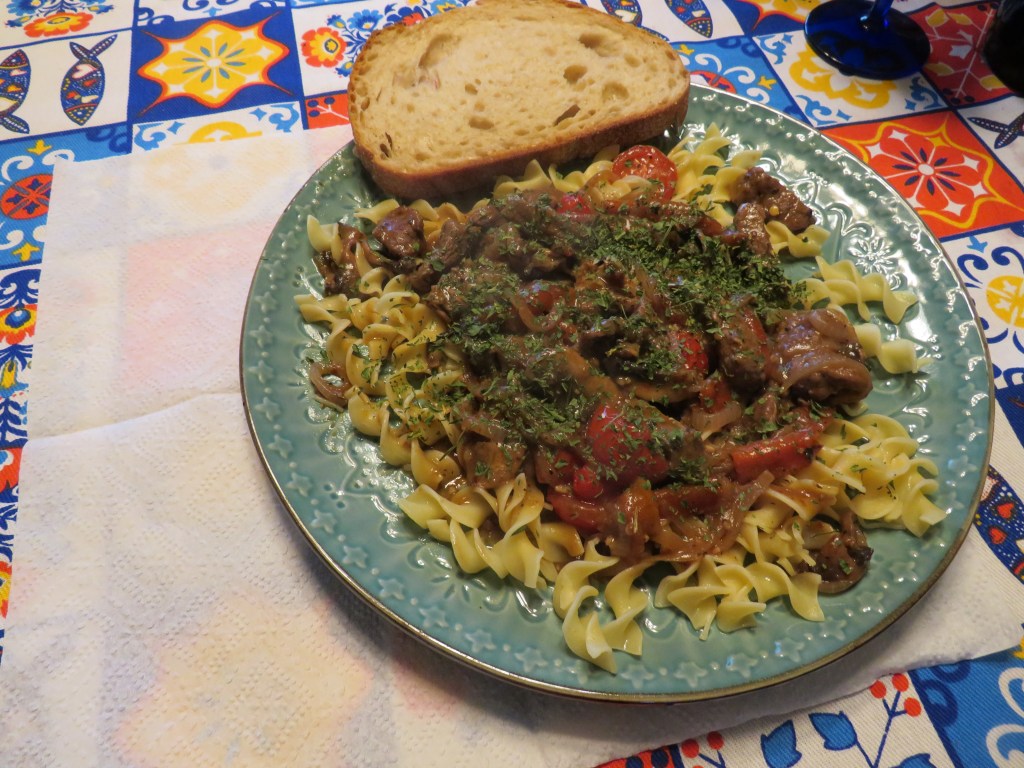
Larry was in the mood for steak, but we eat a lot of steak. I was in the mood for something else. Originally I was going to make beef stroganoff, but I didn’t have any sour cream and my yogurt had turned into a science experiment, so that was out. No problem. I quickly changed gears and made a spicy, peppery beef goulash instead. I served mine over noodles this time, but you can also serve it over mashed potatoes, which I also do quite frequently.
Goulash is yet another poor man’s food, coming to us from Eastern Europe, and specifically Hungary. Goulash was the food for Hungarian shepherds, and the name goulash, gulyás means herdsmen. This dish became popular in the 9th century, but it is vastly different today.

Earlier versions of goulash did not include paprika. Today, goulash is known for its use of paprika, or a seasoning made from dried, crushed sweet peppers. Peppers were not introduced to Southern Europe until the 16th century. Today, paprika is a key ingredient to Hungarian and many Eastern European dishes. Onions are also a large part of Hungarian foods and goulash, but again, they were not introduced to Europe until the 16 century, so they were not part of the earlier versions of goulash either. Same with tomatoes. Peppers, onions and tomatoes were all introduced to Europe after Christopher Columbus made his American explorations. I personally am very thankful for the culinary treasures Christopher Columbus brought back with him. I use them ALL the time, in most of my cooking. 🙂

Spicy, Peppery Beef Goulash

As the name implies, I added a variety of peppers to this dish. I of course used a fair amount of paprika, as well as black pepper, red pepper flakes, and then I added a roasted red pepper and some small, sweet Peruvian peppers too. And of course, there were onions and tomatoes added to the mix as well.
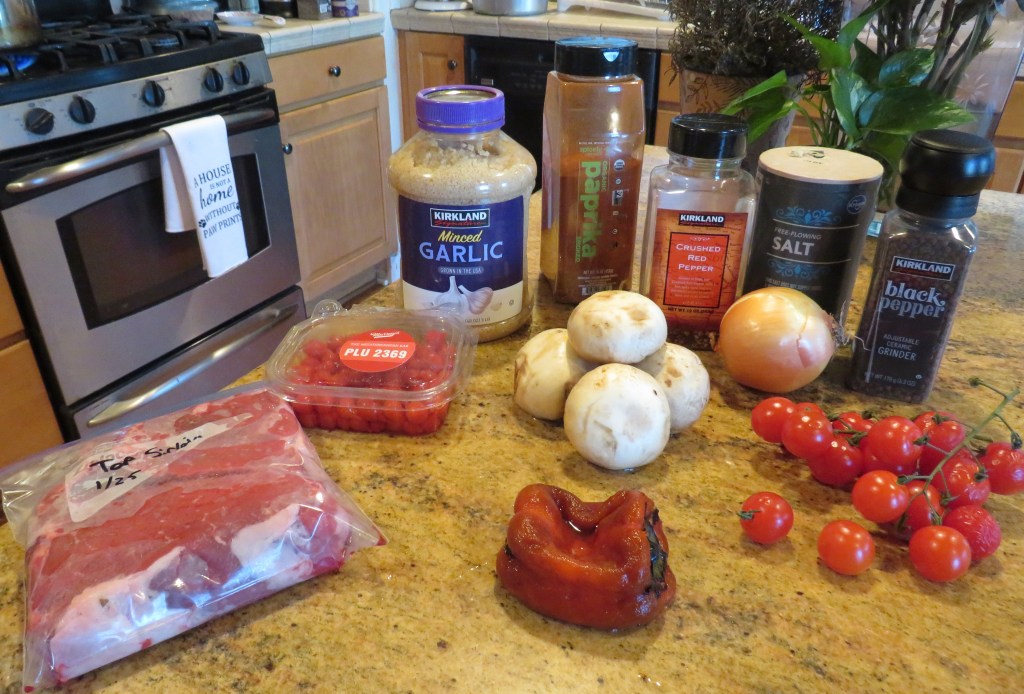
2-2 1/2 lbs meat, sliced into thin strips

1-2 TBSP garlic

1 onion, sliced very thin

1-1 1/2 cups tomatoes, diced – or smaller Campari tomatoes cut in half

4-6 mushrooms, sliced

1 roasted red bell pepper, cut into thin strips

1-2 cups chicken stock

1 cup dry red wine

salt & pepper to taste

flour to coat the meat

1-2 TBSP paprika

1-2 TBSP Peruvian peppers, optional

butter and olive oil to cook the meat
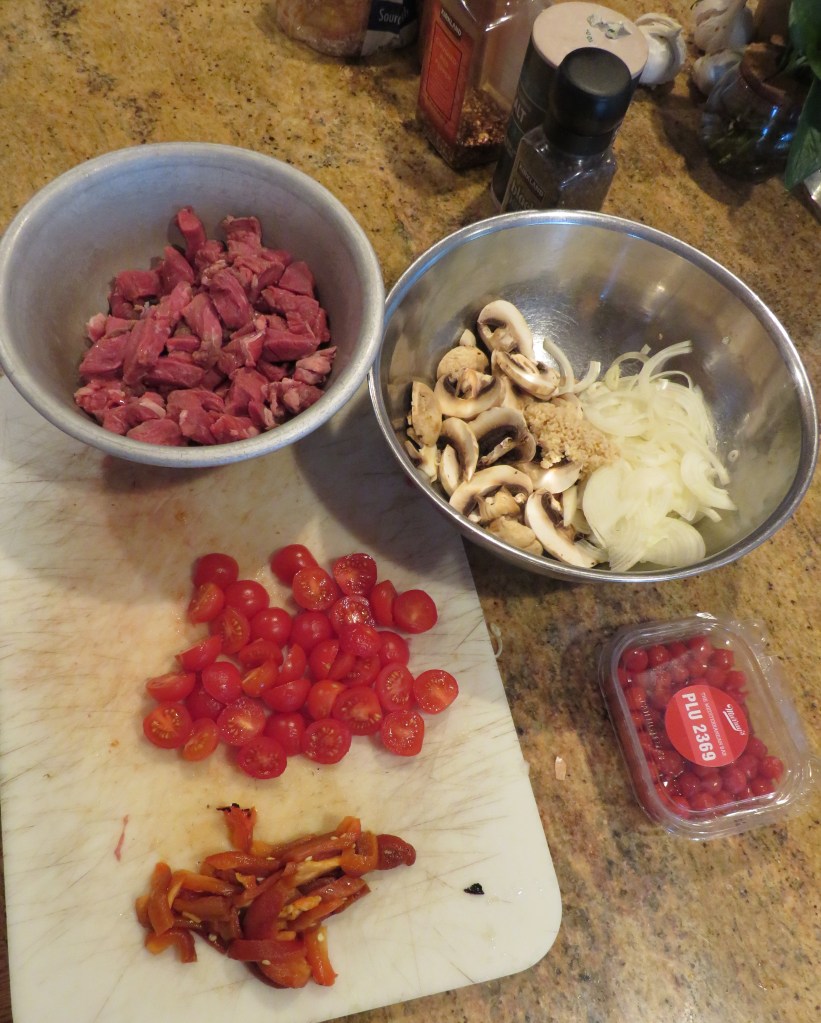
Coat the meat with salt, pepper, paprika and flour. Get a large skillet very hot, then add olive oil and butter and brown the meat completely. Once the meat is completely browned, remove it from the heat and set aside.
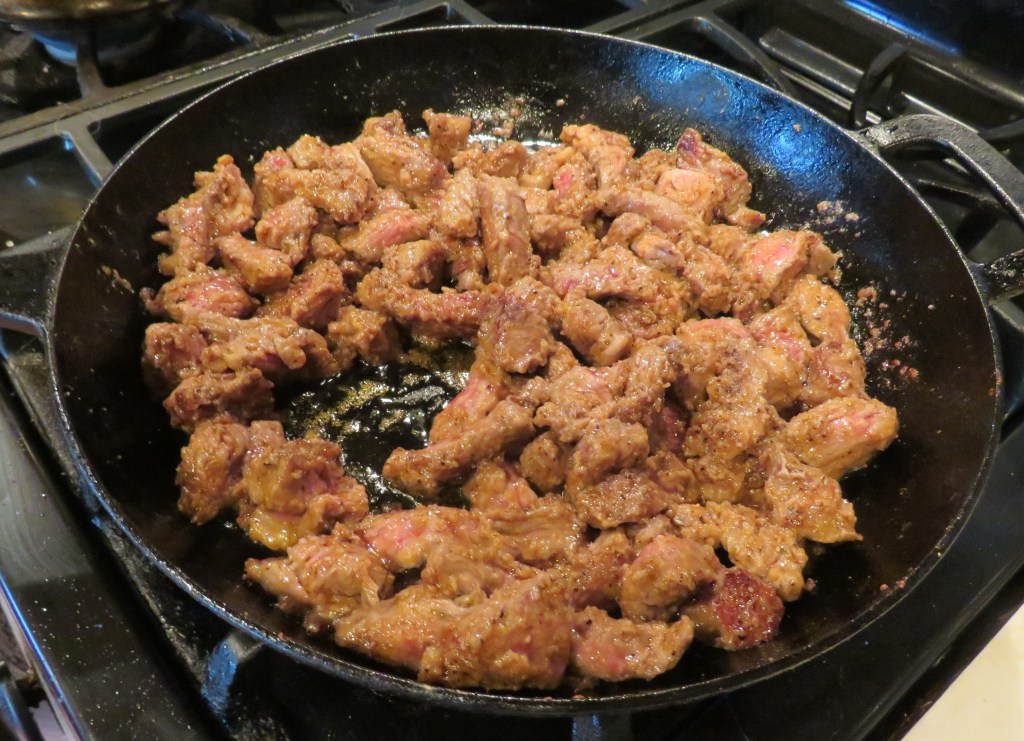
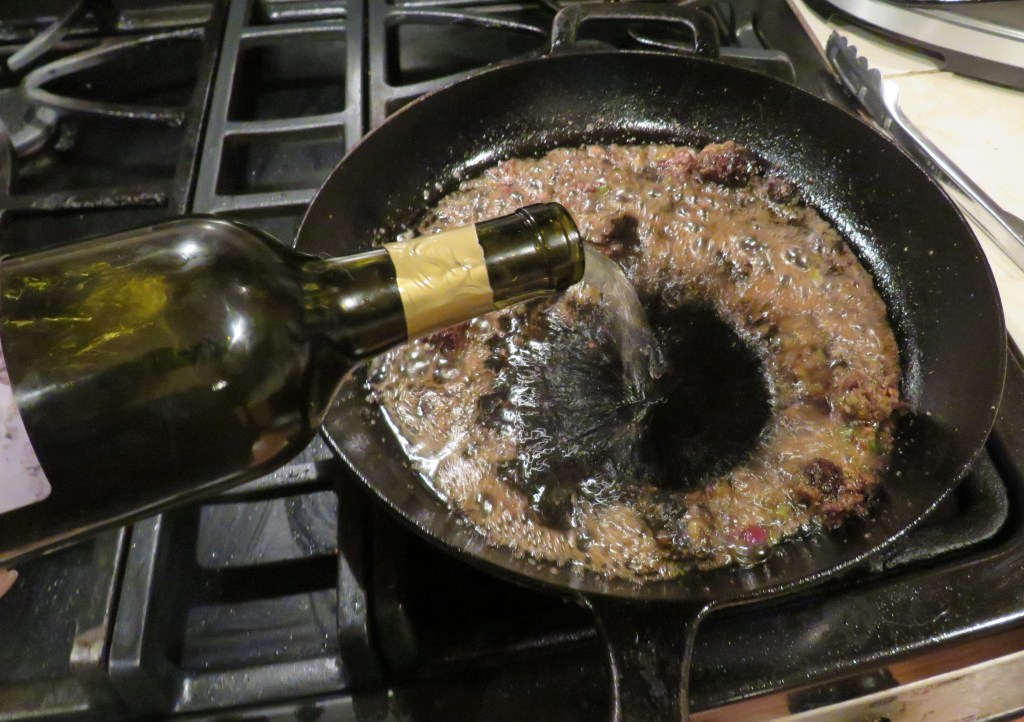
Deglaze the pan with the wine.
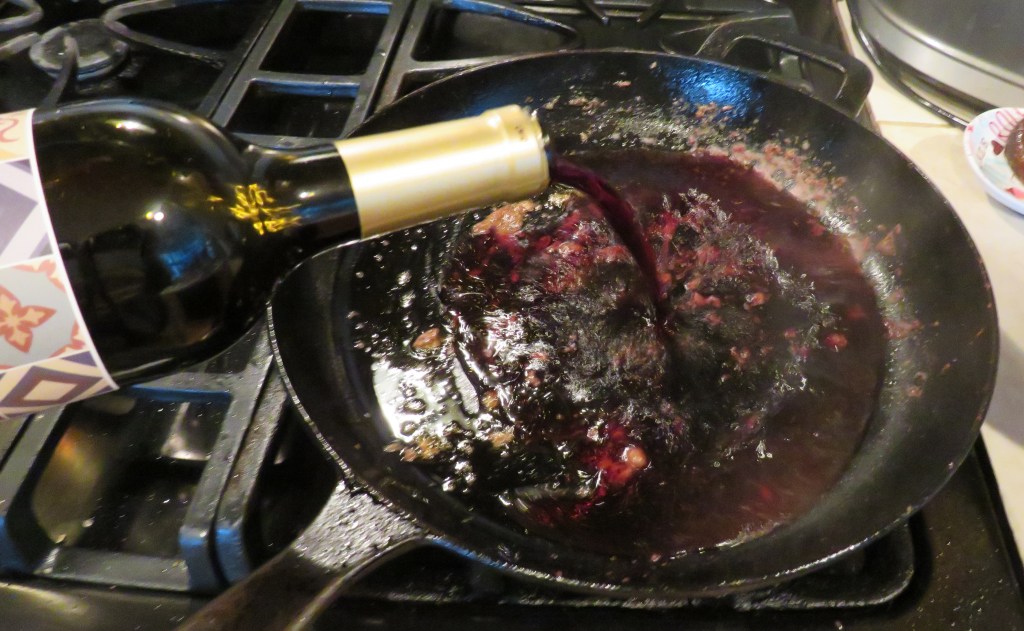
Add the mushrooms, onions and garlic and cook for about 2 minutes, or until softened.

Add the chicken stock and mix together thoroughly. Then re-add the meat and the tomatoes and peppers, and adjust the seasonings as needed. Bring to a boil, then reduce the heat to a simmer and continue to cook for an additional 10-15 minutes, stirring frequently.

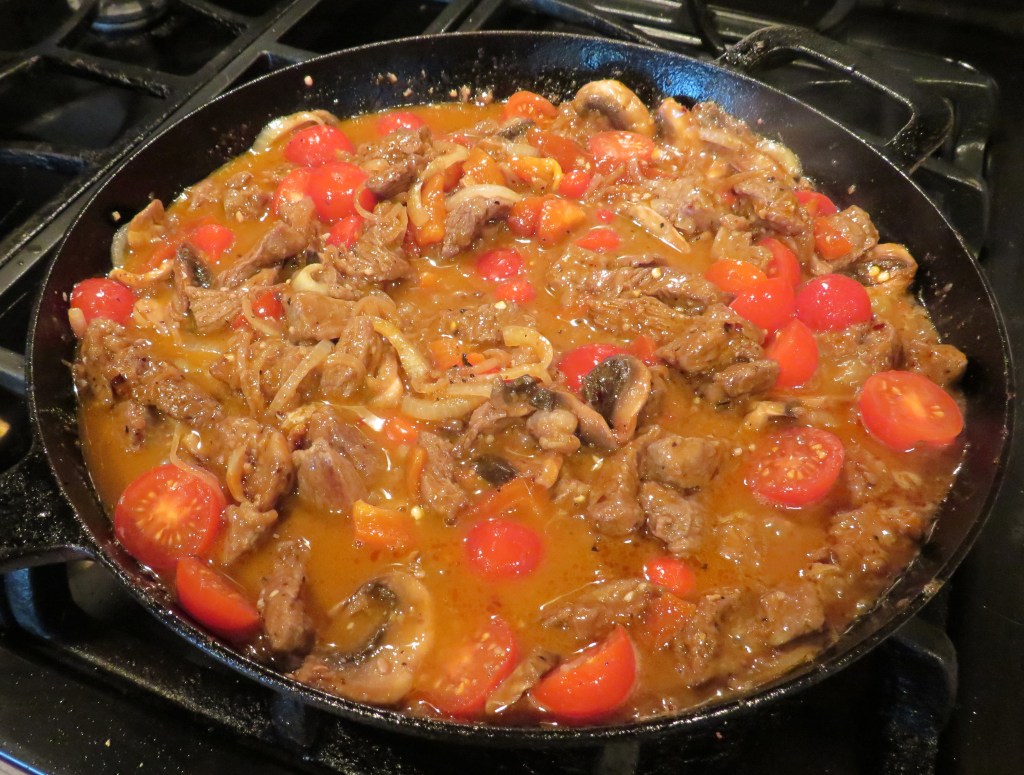
When everything is cooked, add to either mashed potatoes or cooked noodles, like wide egg noodles. I added some hot sourdough bread on the side, and the same dry red wine I used for the sauce. Delicious!

I always have a back-up plan. When things don’t go as planned for Plan A, switch to Plan B. Be creative and think on the fly. Have a great day and make everyday great. Stay safe and stay well. ‘Til next time.

The Stinking Rose

I use garlic in just about everything. If a recipe doesn’t call for garlic, I add it. Today this bulbous food, also known as the stinking rose, is well loved by just about every culture around the world. But that wasn’t always the case. Garlic isn’t just good to eat, but it is loaded with all kinds of health benefits too. Plus it keeps the vampires away.

Garlic is one of the oldest crops grown, dating back at least about 5000 years. It grows all over the world, but is believed to have originated in Central Asia, and then spread from there. There is evidence that garlic was used for both food and health reasons in the Ancient Egyptian tombs. For over 5,000 years garlic has been used as food, medicine, an aphrodisiac, money, and magic potions.  Garlic warded off the evil eye, was hung over doors to protect medieval occupants from evil, gave strength and courage to Greek athletes and warriors, protected maidens and pregnant ladies from evil nymphs, and was rubbed on door frames to keep out blood thirsty vampires. Garlic clove pendants hung around the neck protected you from the sharp horns of a bull, warded off local witches, kept away the black plague, and even prevented others from passing you (or your horse) in a race.

For a long time, garlic was considered food for the “lower class” of people. It was food for the working man. The wealthy, upper class did not want anything to do with garlic, unless they had to for medicinal reasons, because of its pungent odor. The Roman poet, Horace called it” the essence of vulgarity”, claiming it would drive one’s lover to the other side of the bed. It was also banned in many religious buildings in Ancient Islamic beliefs, stating that “anyone should not approach [the] mosque until its odor dies”. (p. 60 – The Story of Food, An illustrated History of Everything We Eat). Greeks wishing to enter the temple of Cybele had to pass a garlic breath test. In England, garlic breath was also deemed entirely unsuitable for refined young ladies and the gentlemen who wished to court them. I believe it is still forbidden for royalty to consume garlic even today.

Garlic has been used in the foods of the common man for millenia, but it wasn’t until around the 19th century when it starting becoming popular to everyone, when the French chefs starting using garlic for many of their dishes. Garlic was brought over to the United States in the 1700’s, with the Polish, German and Italian settlers. But even then, it wasn’t really popular in American foods until the late 20th century. Today, Americans consume roughly 2 lbs of garlic each year, and in some households, like mine, it is considerably more than that. 🙂

Not only does garlic enhance the flavors of food, but it also contains numerous health benefits, such as including immune system support, reductions in high blood pressure, fewer blood clots, aid in cognitive function and works as a natural anti-biotic, among other health benefits as well. It is believed it can also help prevent cancer. According to the Iowa Women’s Health Study, women who ate garlic regularly with other vegetables and fruits had a 35% lower chance of getting colon cancer. I am very healthy, and I attribute a lot of my good health to all the garlic we eat. The Ancient Greeks also believed it enhanced athletic performances as well, and fed it to their ancient Olympians.

Here are some fun facts about garlic you may not have known.

  1. The heaviest head (bulb) of garlic was 2 lbs 10 oz. It was grown by Robert Kirkpatrick of Eureka, CA USA in 1985.
  2. Olive Farmer took home first place and  £100 (about $173) by eating 49 prepeeled garlic cloves in five minutes. Twenty six really tough tongued people took place in the September 2013 competition which was run by a garlic farm in Dorset, England. The competition raised money for charity with all entrance fee profits donated to Weldmar Hospicecare Trust and Dorset and Somerset Air Ambulance. I LOVE garlic, but even I can’t eat 49 heads of garlic, especially in 5 minutes. 🙂
  3. Because I eat so much garlic, and love it, I can’t believe there are actually people who are allergic to it, but there are. Fear of garlic is called alliumphobia: people with this disorder get a fearful and/or anxious reaction when they see or smell garlic. People with alliumphobia may also fear other pungent alliums such as onions, leeks or chives. Symptoms include sweating, feelings of doom or dread, dizziness, anxiety attack, rapid and irregular heartbeat, or feelings of irrational anger.
  4. Garlic and warts: some people believe that garlic can cure warts. The garlic wart cure involves rubbing a fresh garlic clove all over the wart(s) and covering it with a bandage. Warts are commonly caused by the human papilloma virus. Although scientific data on this is limited, since garlic kills many viruses it may also kill warts. One small study found that garlic oil applied 2x day removed warts within 1-2 weeks (Dehghsani et al. 2005).
  5. Garlic is both a vegetable and a herb. Good to know. Now I know I am eating yet another vegetable on a daily basis. 🙂
  6. During WWII garlic was given to wounded soldiers to treat gangrene. It was known as ‘Russian Penicillin’. See garlic and medicine for more on garlic’s use in ancient medicine.
  7. The Russian term for garlic is chesnok. So Chesnok Red means ‘garlic red’, or so it is bas been told. Dolly, my dear friend from http://koolkosherkitchen.wordpress.com/, who is also my Russian expert, I am counting on you to verify this. 🙂
  8. Garlic consumption in the United States has tripled since the 1990’s, with more people discovering the delightful properties of this bulb.  Worldwide there are over 2.5 million acres in garlic cultivation! That’s a lot of garlic! 
  9. The name garlic comes from garleac, an old Anglo-Saxon word meaning “spear leek.” Garlic is believed to be descended from Allium longicuspis, a wild strain of Asian garlic but its origins are still in question. It is from the lily (Liliaceae) family and related to onions, leeks, chives, and shallots.

Today, garlic is used for everything, and there are endless possibilities to its uses. Can you imagine a world without garlic? I would be so lost without garlic. It is truly a favorite in my house. 🙂

Have a great day and make everyday great. Stay safe and stay well, especially if you eat your garlic. ‘Til next time.

Nature Walks – Mama Flicker

I see lots of Northern Flickers, and I love seeing them. But this time I actually saw Mama Flicker feeding her babies in the nest. I don’t see that very often. She only let me get a couple of shots before flying off, but at least she let me get a couple of shots. I could hear the babies, but I didn’t see them.

Nature Walks – The Crow

I have been seeing a lots of crows lately and yesterday I saw one just posing in my neighbor’s tree. He was begging me to take his picture. Of course I obliged. I think he was very photogenic too.

Have a great day and make everyday great. Stay safe and stay well. ‘Til next time.

Hot Sausage Pretzel Buns

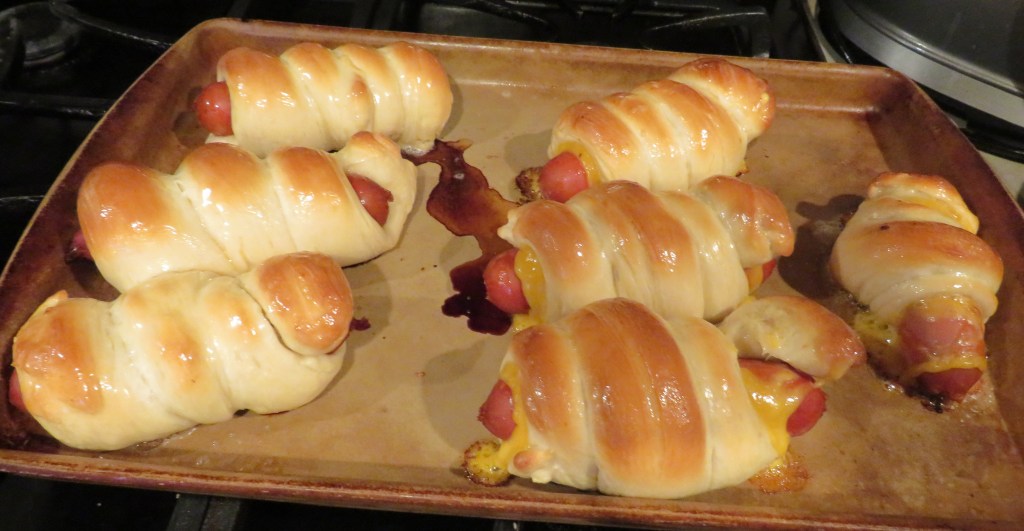
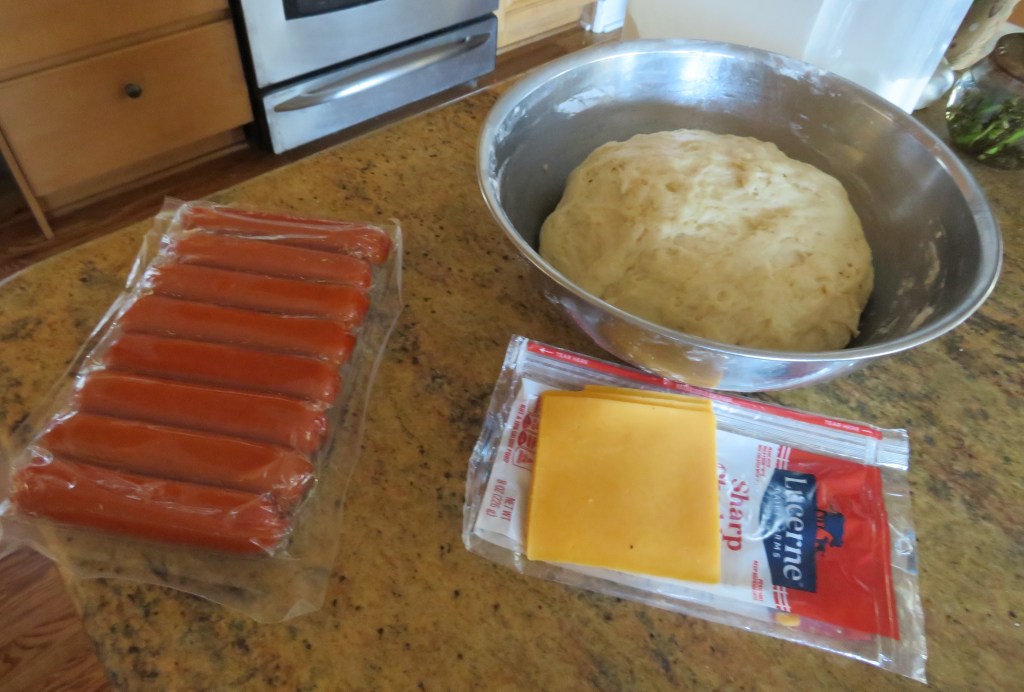
The other day, while in the store, I came across some hot Polish sausages. They made me think of something my mother-in-law Ollie makes a lot; sausage rolls. It’s something Larry grew up with, and they just sounded so good. Ollie makes hers with the same dough she uses for her bierocks (runzas), Baking Bierocks but I wanted to try them with my soft pretzel dough instead. They came out really good too. Each bite was a mouthful of spicy, soft and chewy, with just a bit of a crunch too. YUMMY!

I used my same soft pretzel dough that I made my pretzel’s with for New Year’s Day. Double Good Luck – Part 2 Some I made with cheese and some were just plain.

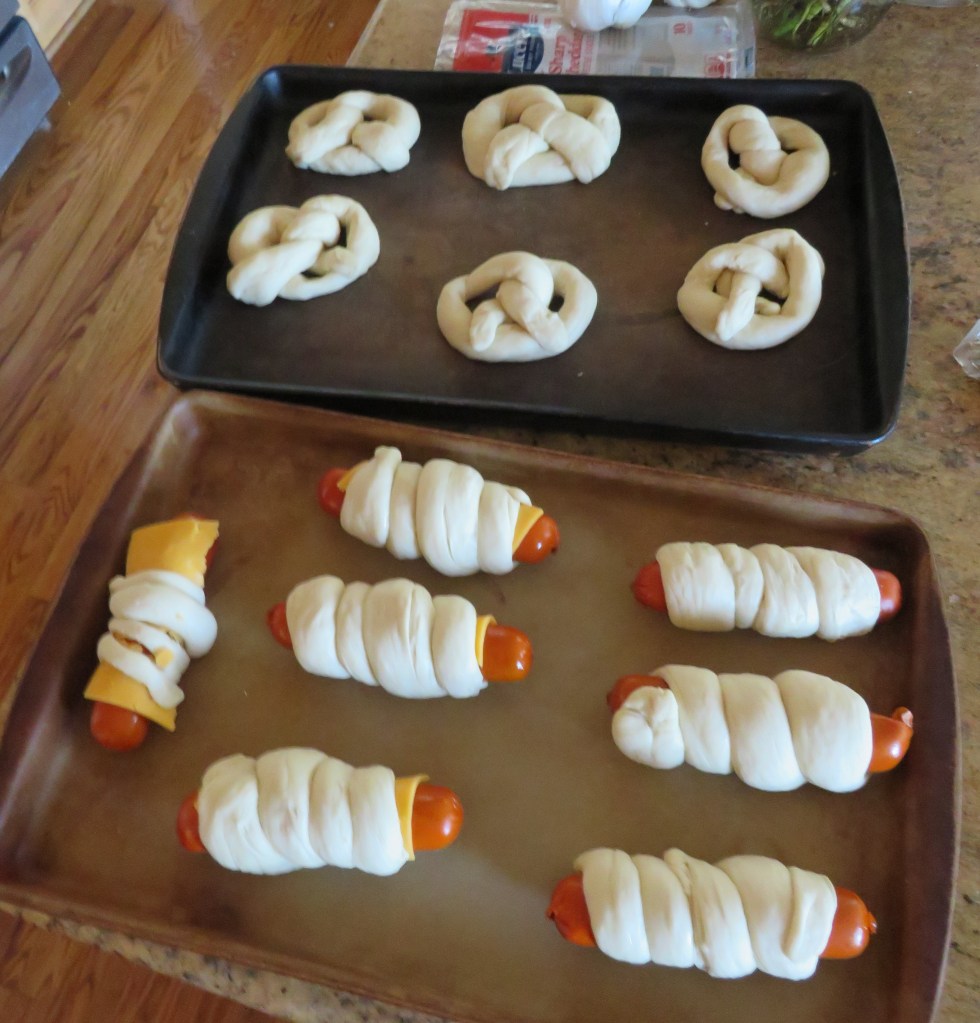
I rolled the dough out into very thin long strips, just the same as I would for pretzels, and then just wrapped it around the Polish links. For the cheese links, I just added a piece of cheese before wrapping it. One was just some of the extra dough I had.

I did make a few pretzels too, which I ended up taking over to my neighbor across the street.

For the Polish rolls, I added an egg wash to the dough before baking them. I baked them at 450*F or 232*C for about 20 minutes, or until they browned up. And just like I did with the pretzels, I brushed them with a little melted butter immediately after removing from the oven, to give them a little extra shine and a light buttery flavor. I did not cook the sausages before wrapping them. You can use any kind of sausages you like for these too.

These were dinner last night, served with French fires and some peas. It was just a simple dinner. Sometimes, we need those. It was also a little trip down memory lane for Larry, since he grew up with these. Things don’t have to be fancy to be good. Sometimes, we just want good, simple, comfort food. 🙂

Have a great day and make everyday great. Stay safe and stay well. ‘Til next time.
Chicken Marbella

Anything even remotely sounding like Spanish food is definitely going to peak my interest. So when I found this recipe for chicken Marbella, I knew I definitely had to try it. The name, as you would guess, was inspired by Spanish and North African foods and ingredients found around Marbella, Spain and North Africa.

Chicken Marbella was created by the owners of The Silver Palate in New York in the 1970’s. The dish features a unique combination of ingredients, including prunes, olives, capers, garlic, red wine vinegar, brown sugar, and white wine. We’ve been to Marbella and dived there too. I LOVE Marbella, but then again, I also absolutely LOVE all of Spain! 🙂

Chicken Marbella

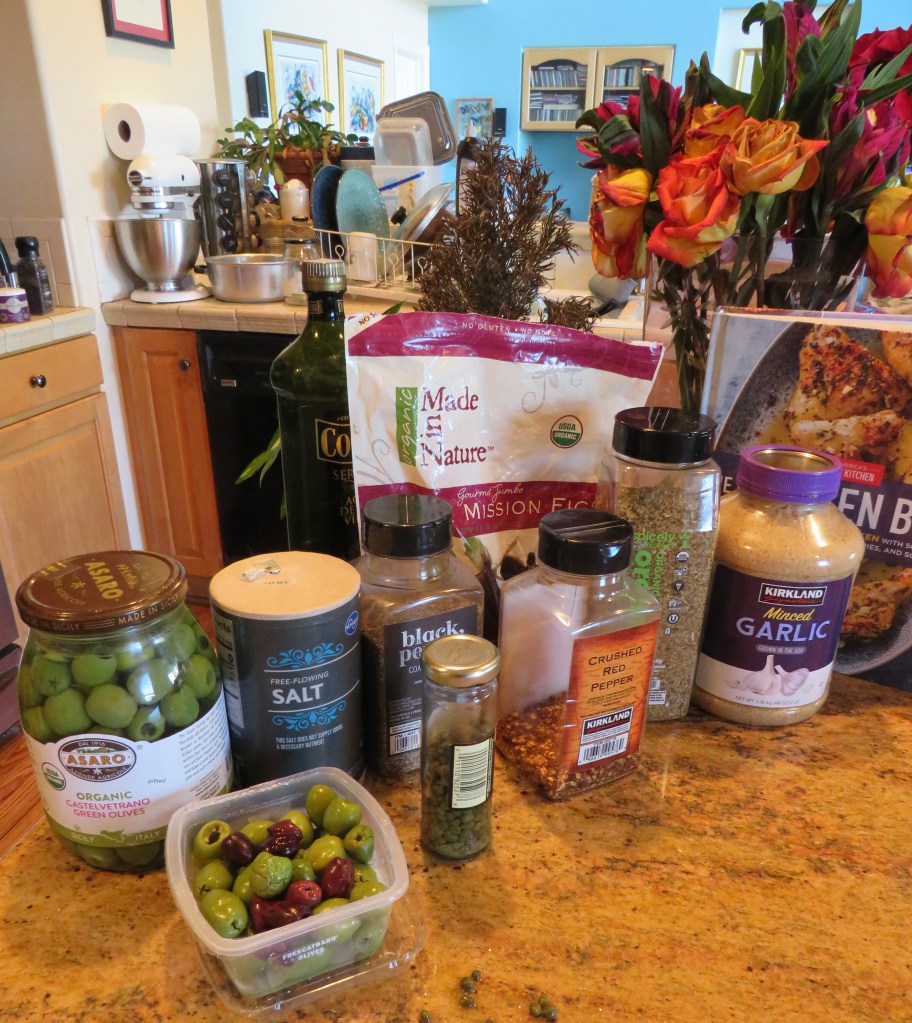
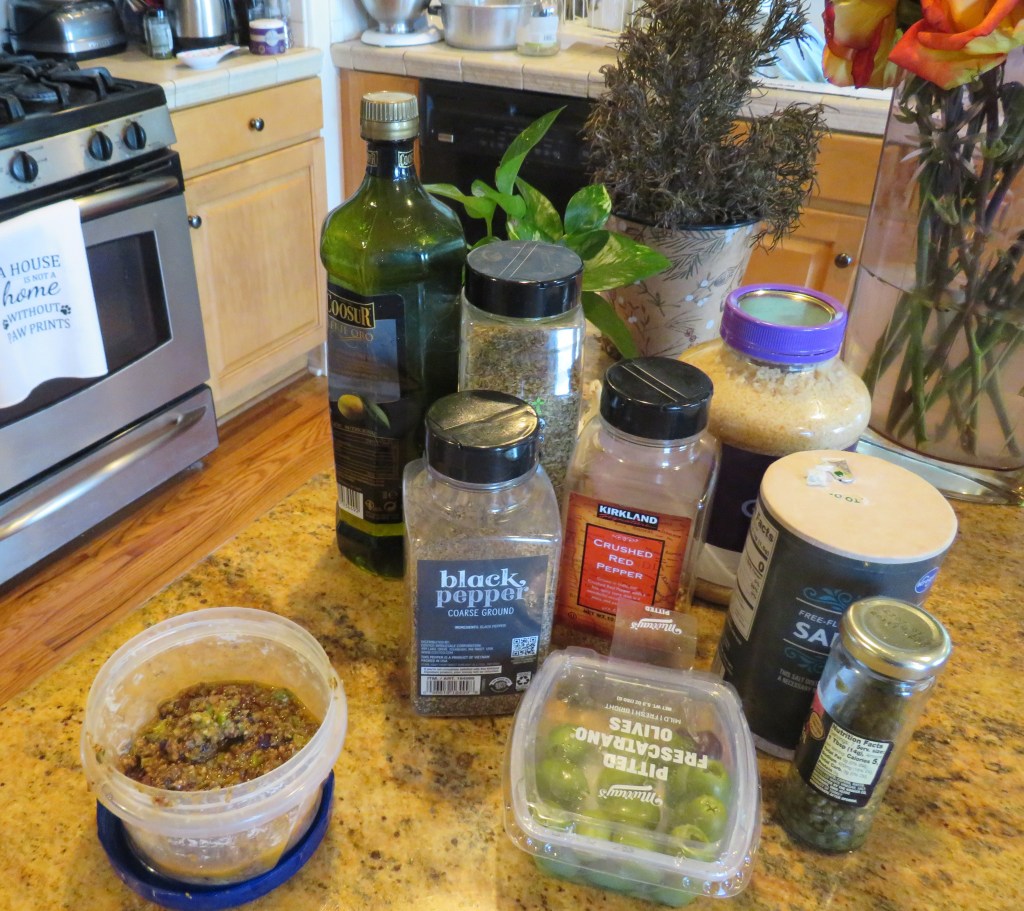
I made my olive paste first. I know I had prunes, but of course, on the rare occasion that I wanted to use them, I couldn’t find them. I used figs instead of prunes, which I actually prefer anyway. So you can use either, and the recipe will turn out very good indeed. The original recipe also called for anchovies, but I HATE anchovies, and NEVER use them. So needless to say, they were not a part of my recipe either. 🙂

The Paste

1/3 cup pitted green olives

1/2 cup soft figs

3-4 TBSP olive oil

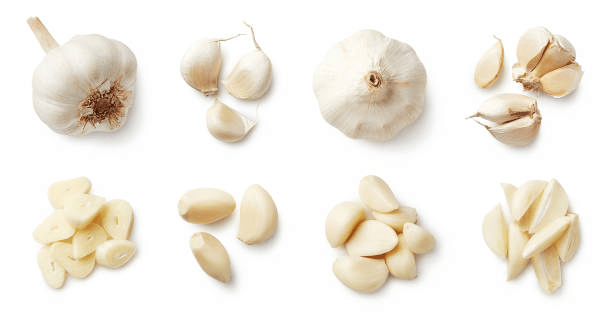
1 TBSP garlic

1/2 tsp dried oregano

salt & pepper to taste

pinch of red pepper flakes, or to taste

Put everything into the food processor and process until it becomes a chunky paste. You can make this up to 24 hours in advance too, and just keep it in the refrigerator until ready to use.

The Chicken

2 1/2-3 lbs chicken

salt & pepper to taste

1 TBSP olive oil + more for cooking the chicken

3/4 cup chicken broth

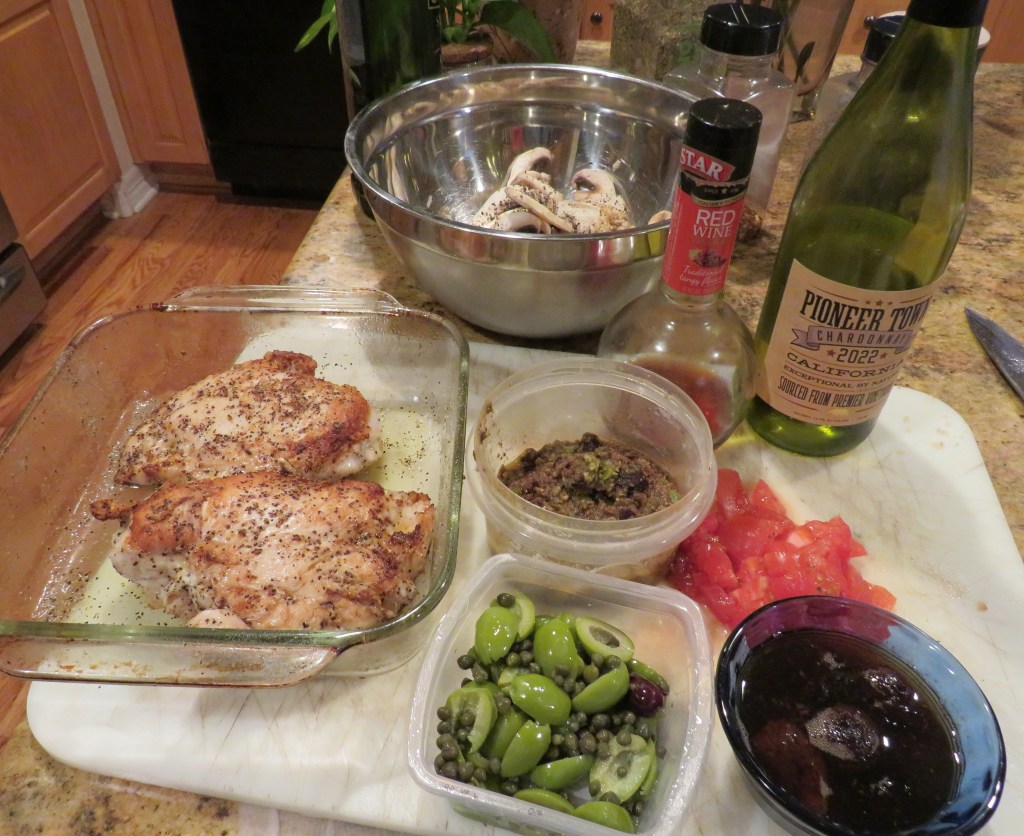
1/3 cup dry white wine

1/3 cup pitted green olives, cut in half

1 TBSP capers, rinsed

1/3 cup soft figs, chopped

1/4 cup Peruvian peppers, optional

butter

1 tsp red wine vinegar

Pat the chicken dry with paper towels, then coat with salt, pepper and olive oil on both sides. I used lemon olive oil to give it a little extra umph.

Preheat the oven to 400*F or 205*C.

Spray a baking dish with cooking spray.

Get a very large skillet very hot and add olive oil and butter to brown the chicken completely. Cook for about 8-10 minutes.

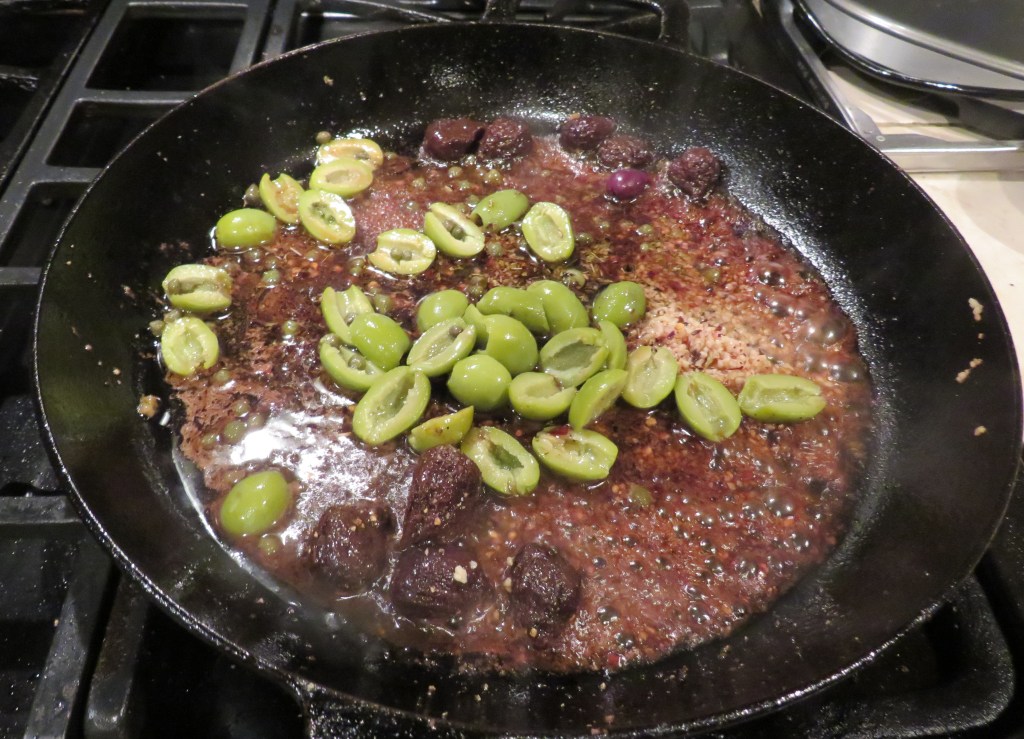
Drain off the excess fat from the skillet, then add about 1/3 cup of the olive paste to the skillet, and cook for about 2 more minutes. Deglaze the pan with the wine, and let cook for an additional 2 minutes, then add the broth, olives, capers and figs.

My figs needed reconstituting, so I just soaked them in a little wine, and added the whole thing to my mixture. I also added Peruvian peppers to the mix as well.

Combine everything together in the prepared baking dish and re-add the chicken. Bake uncovered for about 15-20 minutes, or until the chicken is completely cooked and the internal temperature reaches about 160*F or 71*C.

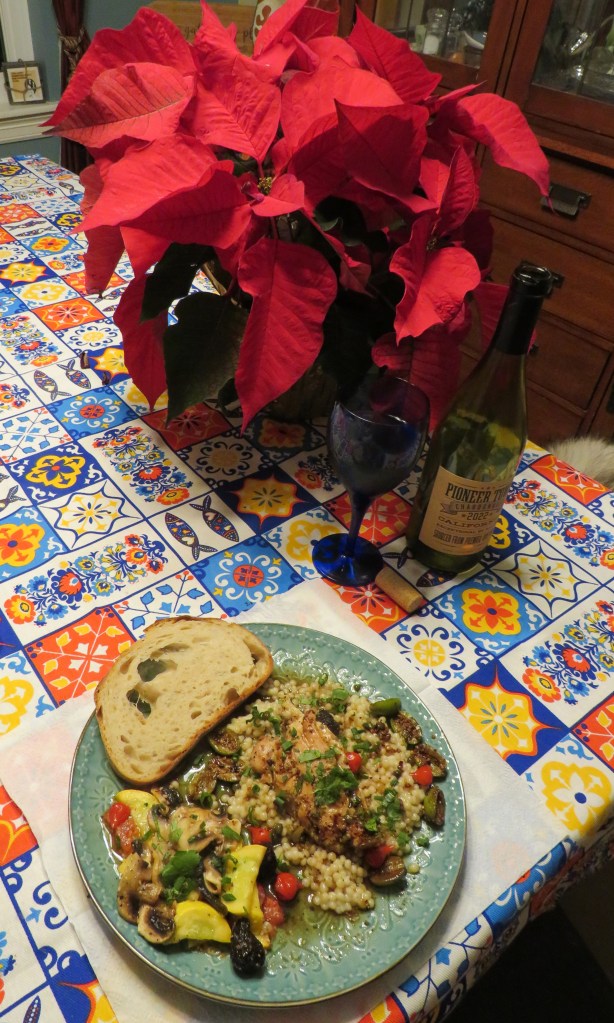
Keeping in the Spanish/North African themes, I served it over couscous. I also added some sauteed crookneck squash, shallots, garlic and more Peruvian peppers on the side, for more vegetables, and added some warmed sourdough bread and a cool, crisp chardonnay on the side too. A Spanish Albarino would be perfect, but I didn’t have any on hand. I topped it with a little chopped cilantro and green onions.

!Esta mui bueno y delicioso! This is definitely something you would find all throughout Southern Spain and Northern African, particularly around Cueta (been there too) and Morocco. If you like Spanish foods, I guarantee you are going to like this dish.

Have a great day and make everyday great. Stay safe and stay well. ‘Til next time.

Roasted Pork Roast with Dry Vermouth Shallot Sauce

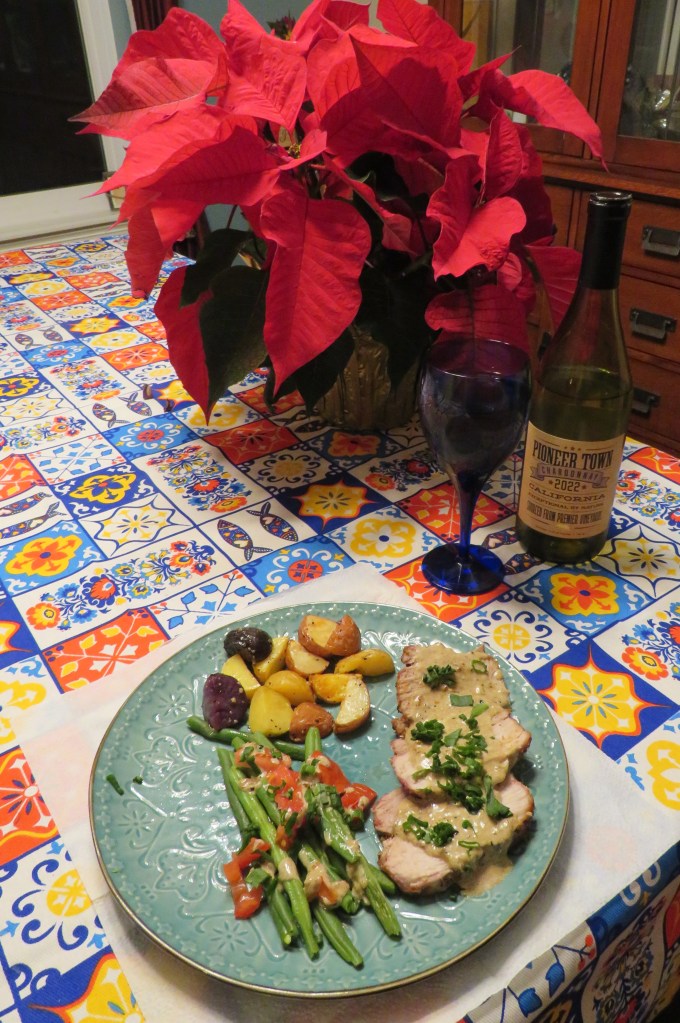
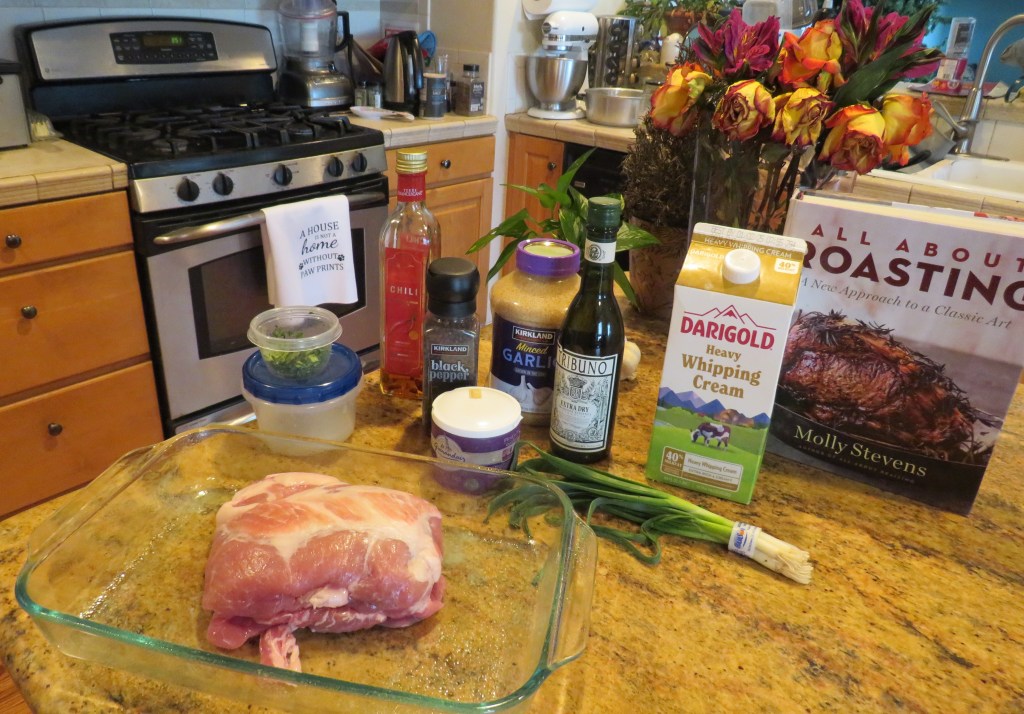
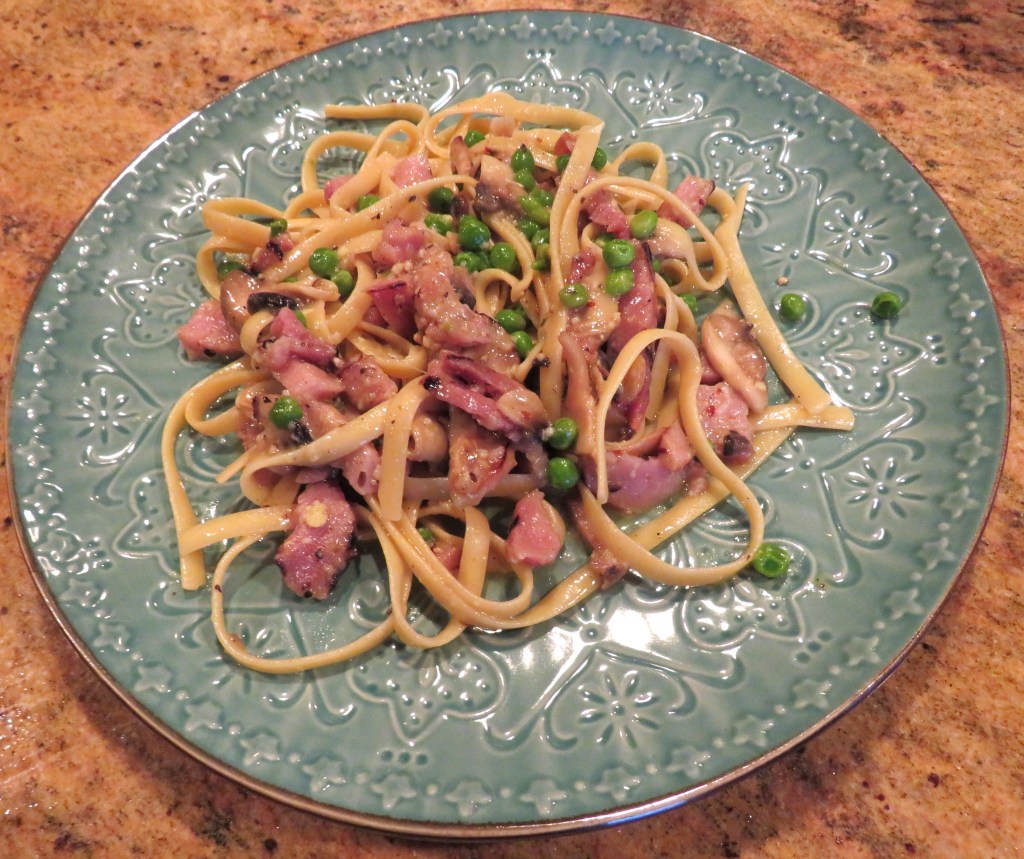
Pork roast was our meat choice for dinner, since it was what we most recently took out of the freezer and was next in line in the meat rotation. It was a chilly day, and we are taking down all the Christmas decorations, so it just sounded like a perfect post holiday meal. To me, no meal is complete without a sauce, and the sauce makes the meal. I made a dry vermouth and shallot sauce to go with the pork. DELICIOUS! I served it with some roasted potatoes and green beans topped with tomatoes, with a cool, crisp chardonnay on the side.

My pork roast was between 3-4 lbs. After patting the roast dry with paper towels I coated it thoroughly with coarse salt, pepper and a little chili oil. Normally I would have let the pork rest with this coating for about 3-4 hours before starting to cook it, but I didn’t know this was what I was making for dinner until it was too late to do this. So I only let it rest for about 30 minutes instead. It all worked out fine though, as things usually do. I was worried that my roast would be tough because I didn’t have a chance to let the salt tenderize it. But I was wrong, and it was so tender, juicy and full of flavor.

Preheat the oven to 400*F or 205*C.

Spray a baking dish with cooking spray.

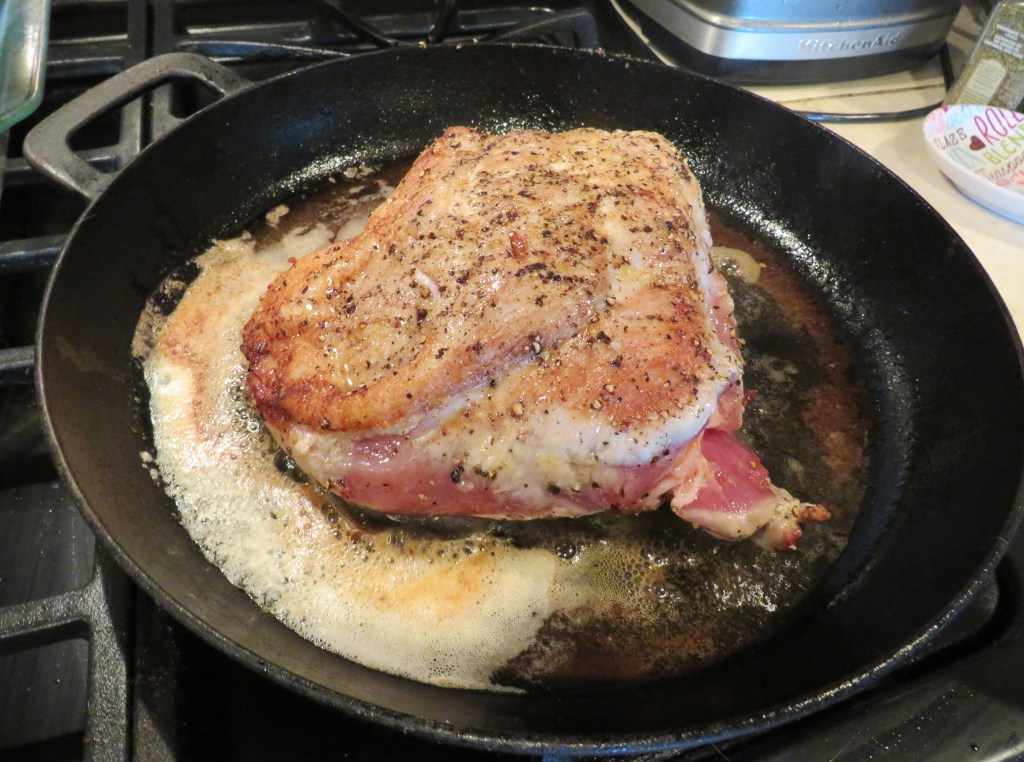
I let it rest at room temperature for about 30 minutes before searing it on all sides to give it a nice crust. I seared it for about 3 minutes per side in a VERY hot skillet with both olive oil and butter.

Once the pork was seared completely, I roasted it for about 40 minutes, or until the internal temperature reached 160* F or 71*C.

While the roast was cooking, I made everything else for dinner, and then made my dry vermouth and shallot sauce, all while still wrapping up the Christmas decorations and ornaments too. 🙂

Dry Vermouth Shallot Sauce

1 large shallot, minced

1/4 cup dry vermouth

1 cup chicken broth

1 cup heavy whipping cream

freshly ground black pepper to taste

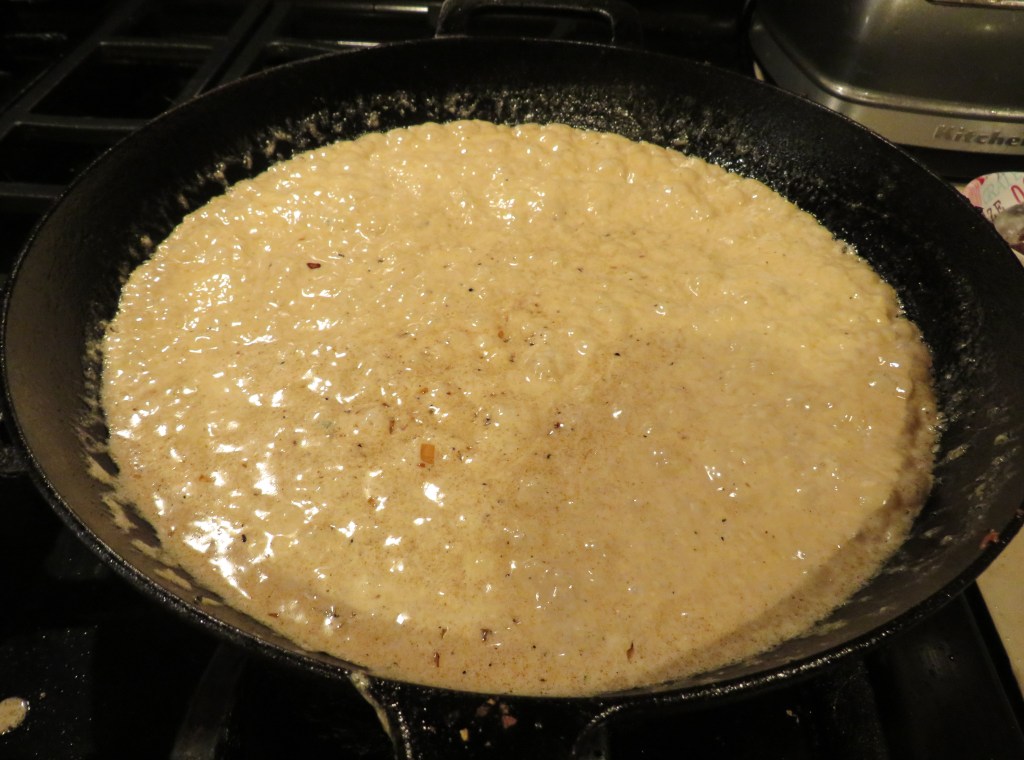
After removing the pork from the skillet, I drained off some of the oil and butter, then added the minced shallots and let them cook for about 2 minutes.

Next came the vermouth, that I let cook down for about 3 minutes after scraping the bottom of the skillet. You always want to deglaze your pan. Those scrapings are full of flavor and texture and they really add depth to your sauces.

Add the chicken broth and pepper, thoroughly incorporate and cook for an additional 5 or so minutes, or until it reduces by about half.

Add the cream, bring to a boil, then reduce the heat to a simmer and continue to cook for about 5-7 minutes, stirring frequently.

When the roast is at the internal temperature of 160*F, remove it from the heat and let it set for about 5-10 minutes before slicing. Slice into thin slices and top with the dry vermouth and shallot sauce and serve with side dishes of your choice. Top with chopped parsley and/or cilantro and green onions.

Like I said, I was afraid my roast would be tough because I didn’t let it rest and set like I usually do, but thankfully, it was so tender and juicy instead. It came out just perfect.

Have a great day and make everyday great. Stay safe and stay well. Continued prayers to Californians in these scary and horrific times. ‘Til next time.
Healing Food Thoughts – 1/11/25

Yesterday, I was in a serious frame of mind and posted about the devastation of my hometown and hometown areas Phoenix Rising. I am still in shock and dismay. As my dear friend Priscilla so profoundly said, “I am both sad and mad about all that is taking place in California right now”. Priscilla too is from Pasadena. We grew up together, in the same area, going to the same school, and knowing the same people. But all we can do, especially with both us now living here in Colorado, is pray for California and Californians. Thank you all so much for the kind words, thoughts and prayers. They help more than you know.

But that was yesterday. Today, let’s lighten things up a bit. I am going to share some healing food thoughts that will hopefully bring a smile or two and hopefully bring a little healing therapy as well.

  1. “Let food be thy medicine and medicine be thy food.” – Hippocrates

2. “Healthy citizens are the greatest asset any country can have.”
― Winston Churchill

3. “Eating crappy food isn’t a reward — it’s a punishment.”
― Drew Carey

4. “The first wealth is health.”― Ralph Waldo Emerson

5. “No disease that can be treated by diet should be treated with any other means.” ― Maimonides, Jewish philosopher, jurist, and physician, the foremost intellectual figure of medieval Judaism

6. “In my food world, there is no fear or guilt, only joy and balance. So no ingredient is ever off-limits. Rather, all of the recipes here follow my Usually-Sometimes-Rarely philosophy. Notice there is no Never.”
― Ellie Krieger, “The Food You Crave: Luscious Recipes for a Healthy Life”

7. And my favorite – “If your arteries are good, eat more ice cream. If they are bad, drink more red wine. Proceed thusly.”
― Sandra Byrd, “Bon Appetit”

Have a great day and make everyday great. We all have bad days and bad things happen to all of us. It is how we deal with those things that defines who we are. I was always taught we have two choices – we can either be a victim or we can be victorious. I choose victory over victimhood all the time, everyday. And you can too. ‘Til next time.
Phoenix Rising

Today, I am posting a different kind of post.

As you all know, I am from Pasadena, California. Pasadena is a major suburb of Los Angeles, about 13 miles northeast of the city, and is a major city in its own right. Pasadena, Malibu, Pacific Palisades, Altadena and Sierra Madre, and many other places in Los Angeles County have all been burnt to a crisp. The once beautiful areas now look like war zones. I know many people who have been affected by these horrendous fires. I have friends who were helping fight the fires to protect their homes and the homes of their neighbors. I have friends who have been evacuated. And I have friends who have lost everything. All they know right now is sheer and utter chaos and uncertainty. No one knows what tomorrow will bring, and many people have no idea if they still have a home or not. Many of the places that meant so much to us over the years are now gone forever, swept up by the flames. Everyone I know is devastated, whether we live in California or not. I also know that Angelinos are tough and resilient. They will rebuild. They will move on. They will prevail. And they will rise up from the flames like the Phoenix. God speed and God bless.

A phoenix rising in vibrant flames, emerging from smoldering ashes, is a symbol of rebirth and strength.

Fettuccine Carbonara

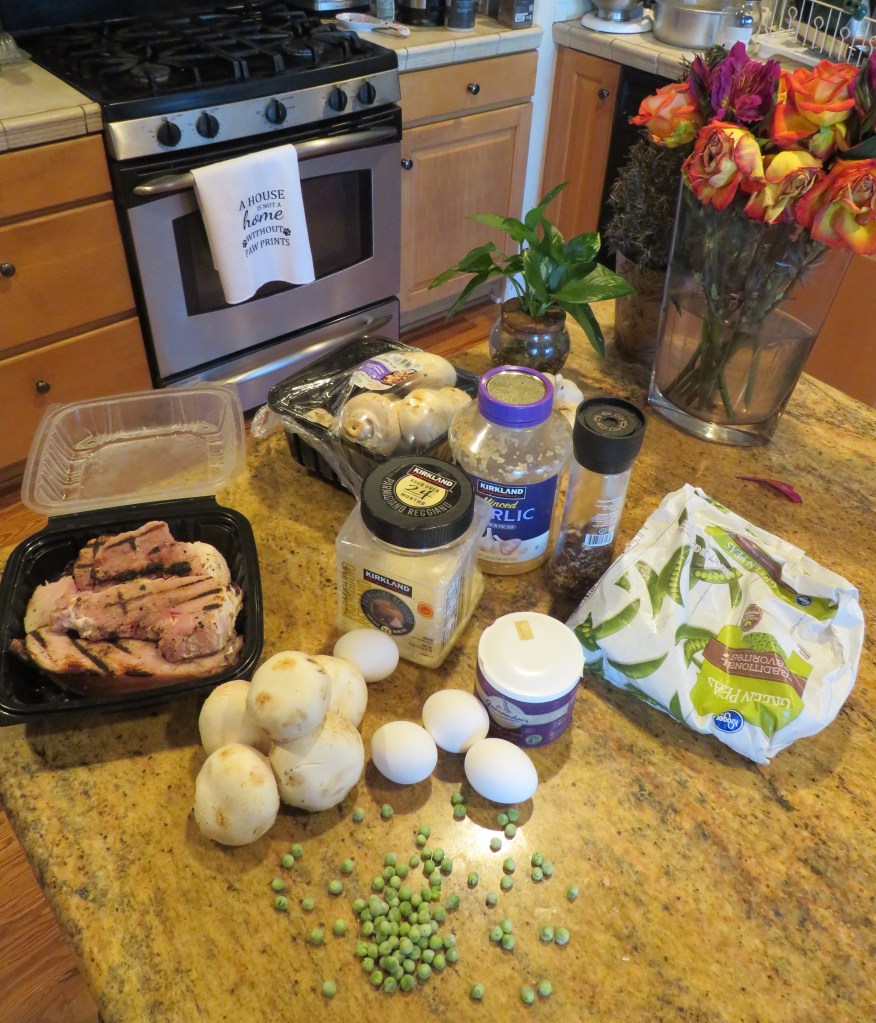
The “Queen” stopped over again to pay a visit. This time we were going Italian style, making fettuccine carbonara out my leftover ham and pasta. I love it when she come by to visit. We always get so creative. 🙂

Carbonara dishes are definitely Italian in origin, but no one is exactly sure what part of Italy it originated in. There is speculation and debate on this. Some people say it hails from Rome and the Lazio region, where others believe it originated in the Naples area because it closely resembles pasta cacio e uova, a Neapolitan dish of pasta tossed with melted lard, beaten raw eggs, and cheese, as documented in Ippolito Cavalcanti’s 1839 Neapolitan cookbook. The word carbonara comes from the word carbonaro, which means coal burner. It is believed it came about by men working outside for long periods of time, and was a hearty, easy to make meal for them. Others trace it to the Allied liberation of Rome in 1944, with American GIs bringing their daily ration of eggs and bacon to local restaurants to add to the limited Italian menu. No one knows for sure, and as with many things, it is surrounded by mystery and speculation.

Any type of pasta can be used for this simple dish, but most often it is spaghetti, linguini or fettuccine. It is a simple, poor man’s dish made from pasta tossed with a creamy sauce of raw beaten eggs, accentuated with crisp bits of guanciale, and finished with a shower of grated aged Pecorino Romano cheese plus freshly ground black pepper. I added ham instead of the guanciale, Italian bacon, and added peas and mushrooms as well. What can I say, I like stuff in my stuff. 🙂

Fettuccine Carbonara

16 oz cooked fettuccine

1/2 lb ham or bacon, cut into batons or thin strips

2 whole eggs + 2 egg yolks

1 cup shredded Parmigiano cheese

1 TBSP garlic

lots of fresh ground black pepper

1- 1 1/2 cups peas

1-1 1/2 cups mushrooms, sliced

olive oil for cooking

Combine the eggs, cheese and pepper together and set aside.

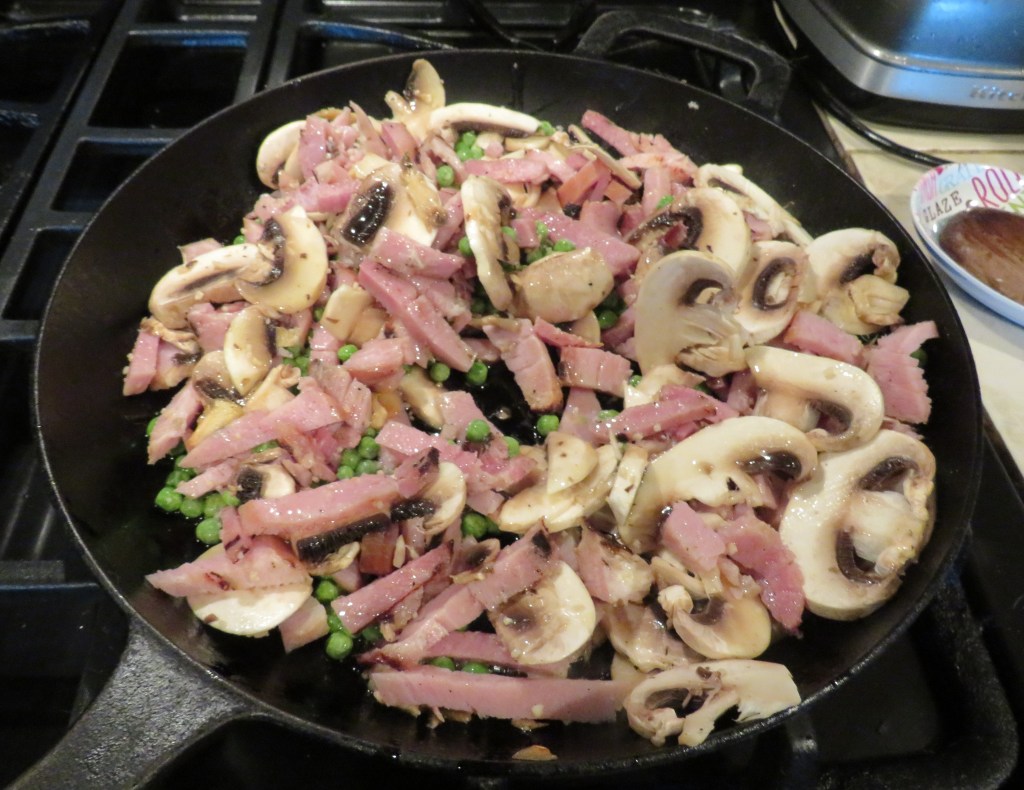
Get a large skillet very hot, then add some olive oil and add the ham, peas, mushrooms and garlic. Cook for about 5-7 minutes, or until everything is hot and the meat is cooked.

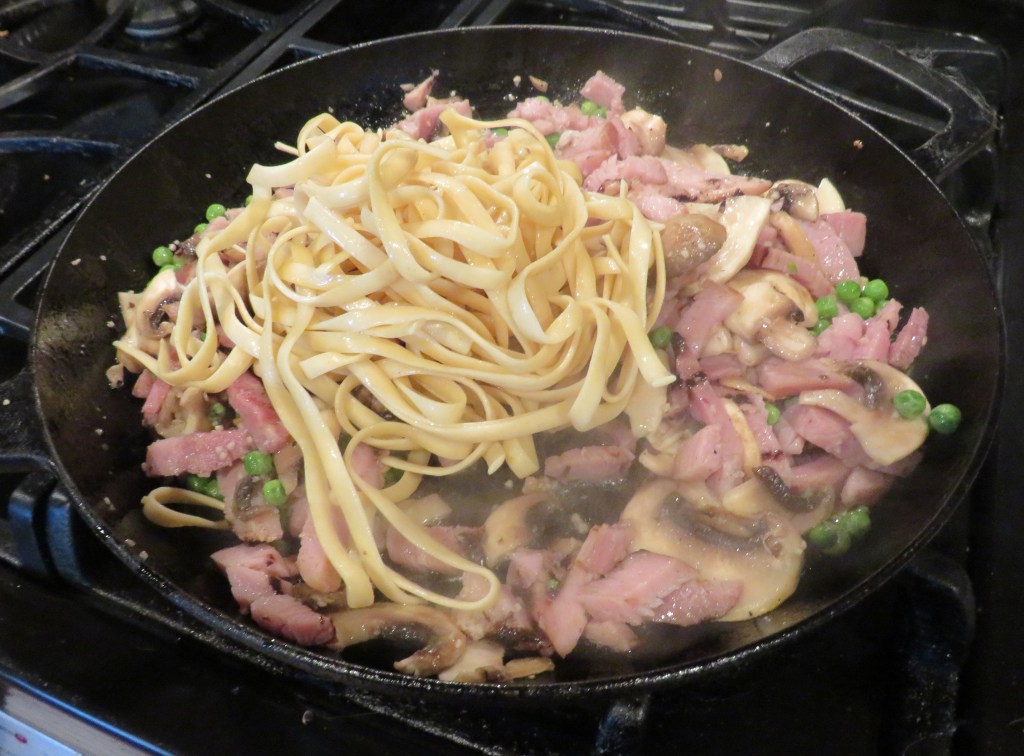
When everything is cooked, add the cooked pasta and toss everything together well.

Turn off the heat. Whisk the egg and cheese combination together and add to the pasta mix. Mix everything together thoroughly.

Serve immediately after, with a cool, crisp chardonnay, or Pinot Grigio on the side and enjoy. !Mangia!

This is a quick, easy-peasy, hardy meal that will keep everyone coming back for more.

Happy New Year everyone. May it be a healthy, happy, prosperous year for all. ‘Til next time.