I have created this site to help people have fun in the kitchen. I write about enjoying life both in and out of my kitchen. Life is short! Make the most of it and enjoy!
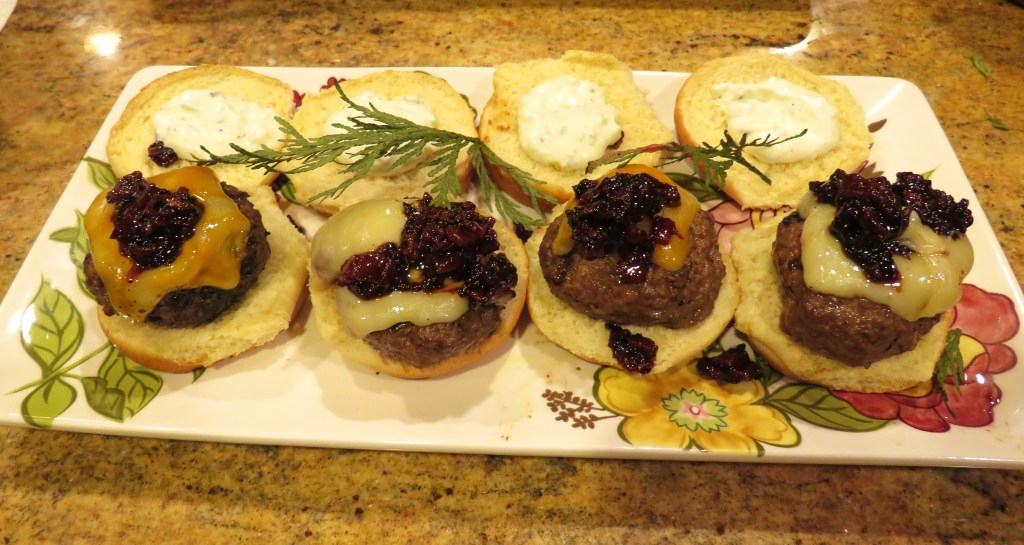
Yesterday, I gave you a little teaser of things to come Lime Jalapeno Aioli. The sliders combined with both the lime jalapeno aioli and the bacon jam came out great. They were a big hit.
We made some with cheddar cheese and some with jalapeno jack melted on top. As you all know, I am not a big cheese eater, but every now and then I eat some. The cheese really helped bring all the flavors together well.
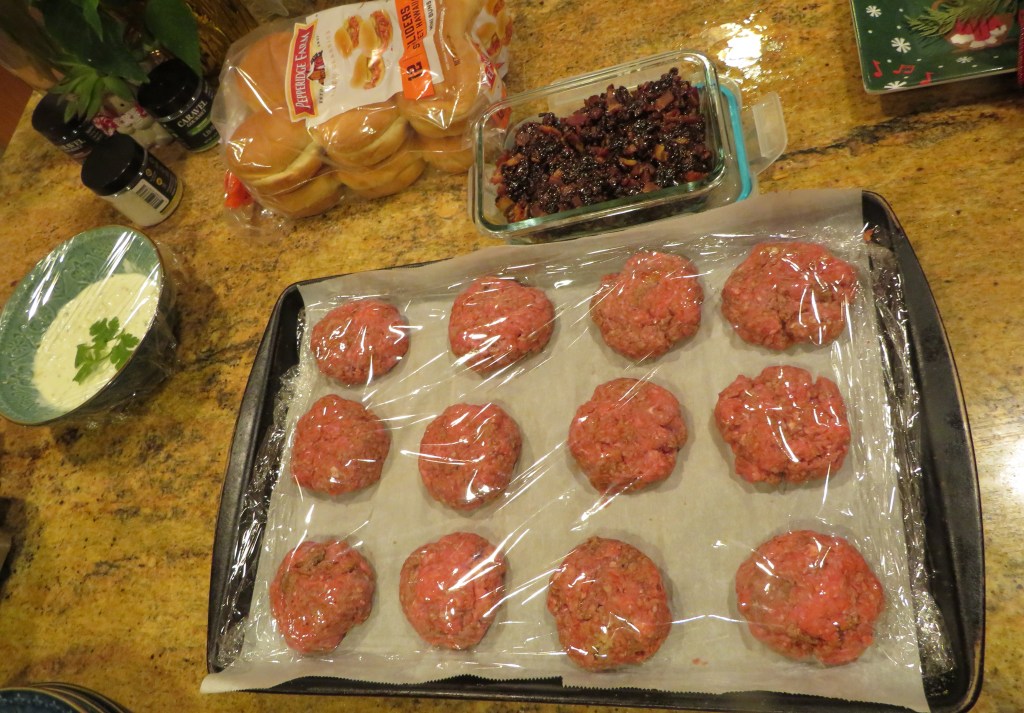
I kept the slider burgers simple to highlight the flavors of both the aioli and the bacon jam. I just mixed in a little chipotle bacon infused salt with pepper, Worcestershire sauce, some Panko bread crumbs and an egg. Once everything was mixed together, I formed them into small patties and refrigerated them until I was ready to grill them.
I removed them from the fridge about 30-45 minutes before grilling them.
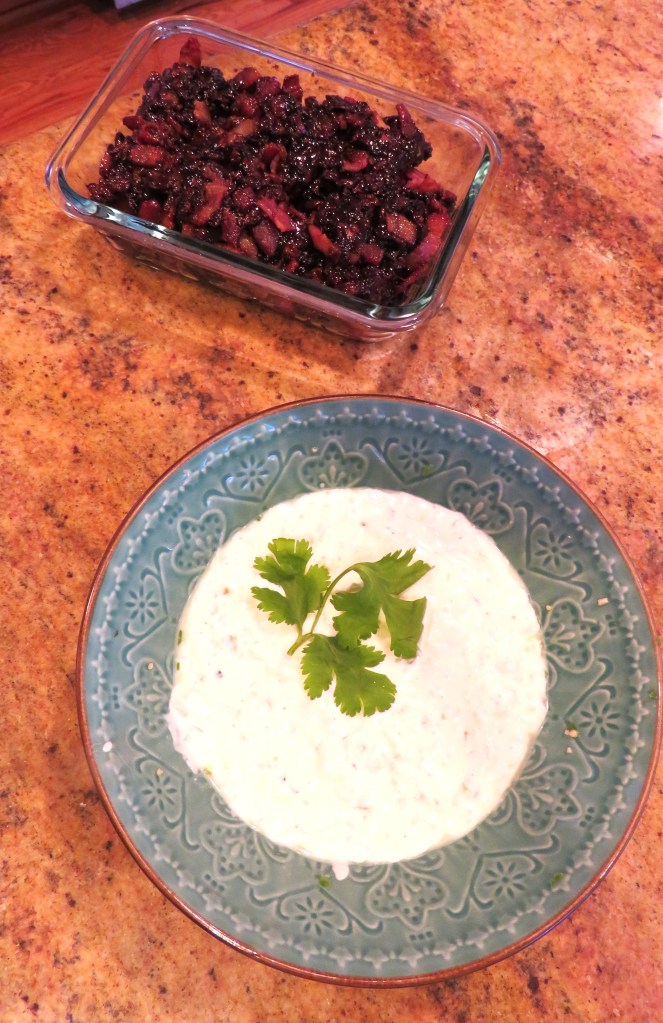
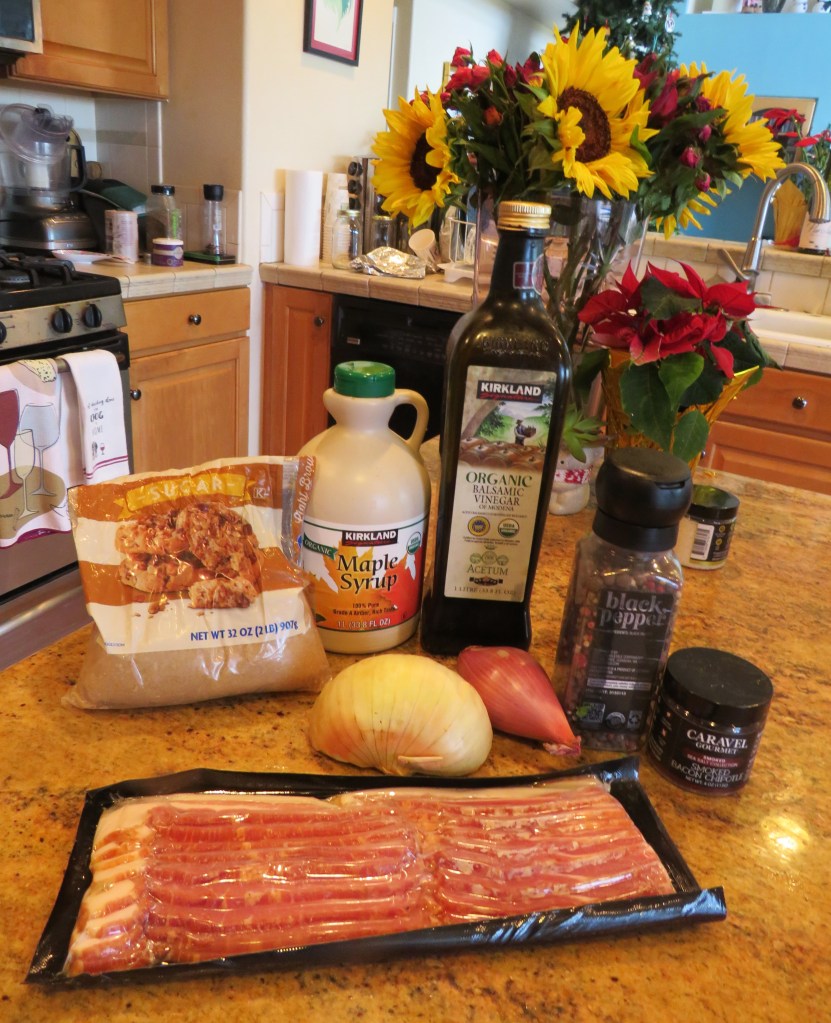
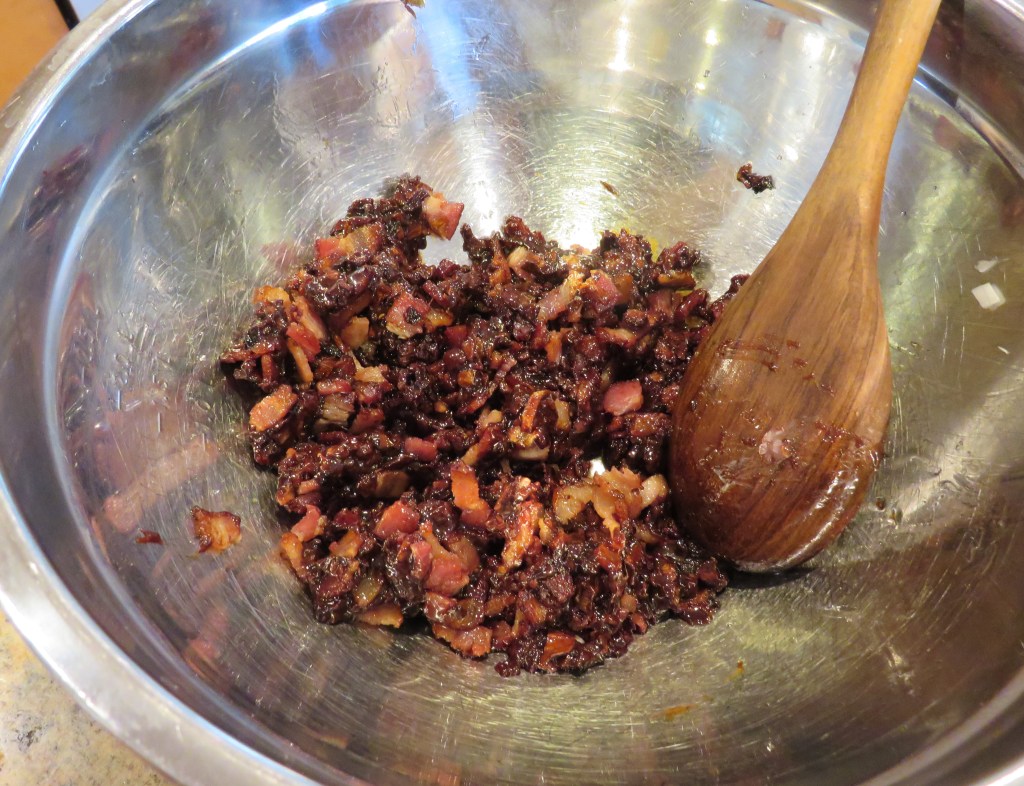
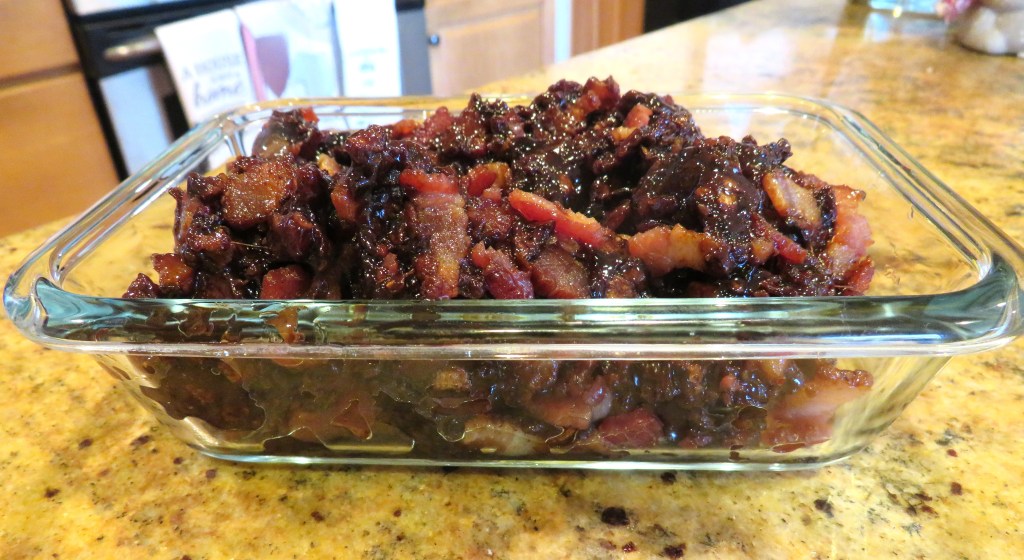
Bacon Onion Jam
This is another simple and delicious recipe made from basic ingredients we all have in our kitchens.
1 lb bacon, cut into smallpieces
1 1/2 onions, diced fine – 1 onion and a shallot or two works just fine too
2 TBSP brown sugar
1 TBSP balsamic vinegar
1/2 cup pure maple syrup
pepper to taste – I also added some chipotle bacon infused salt
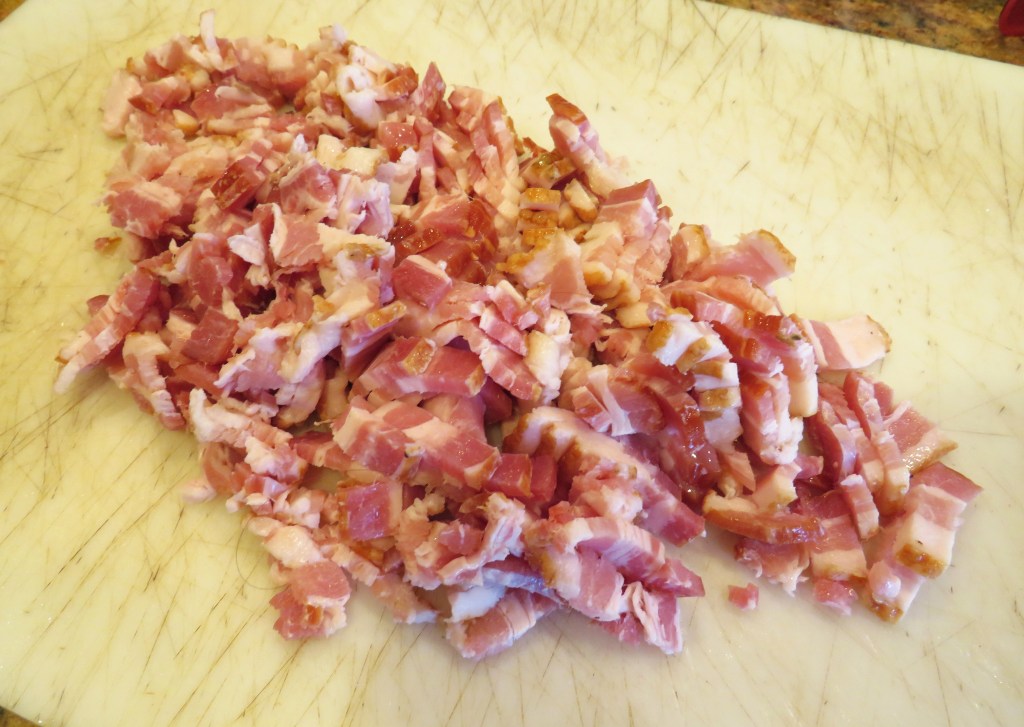
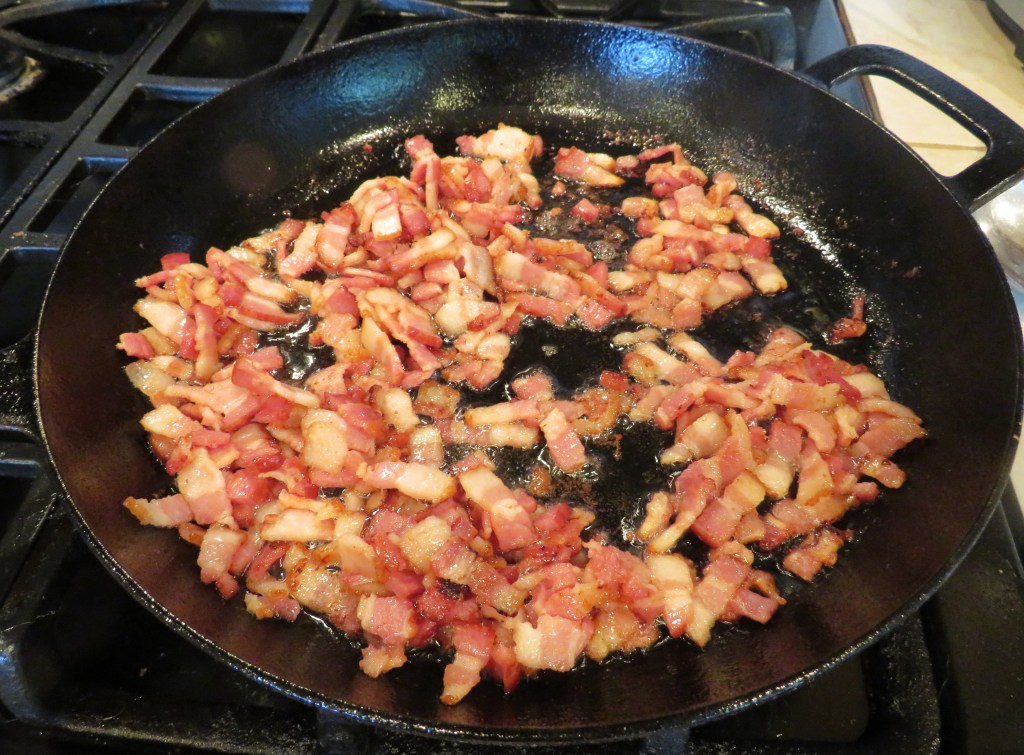
Cut the bacon into small pieces, then cook in a hot skillet until done.
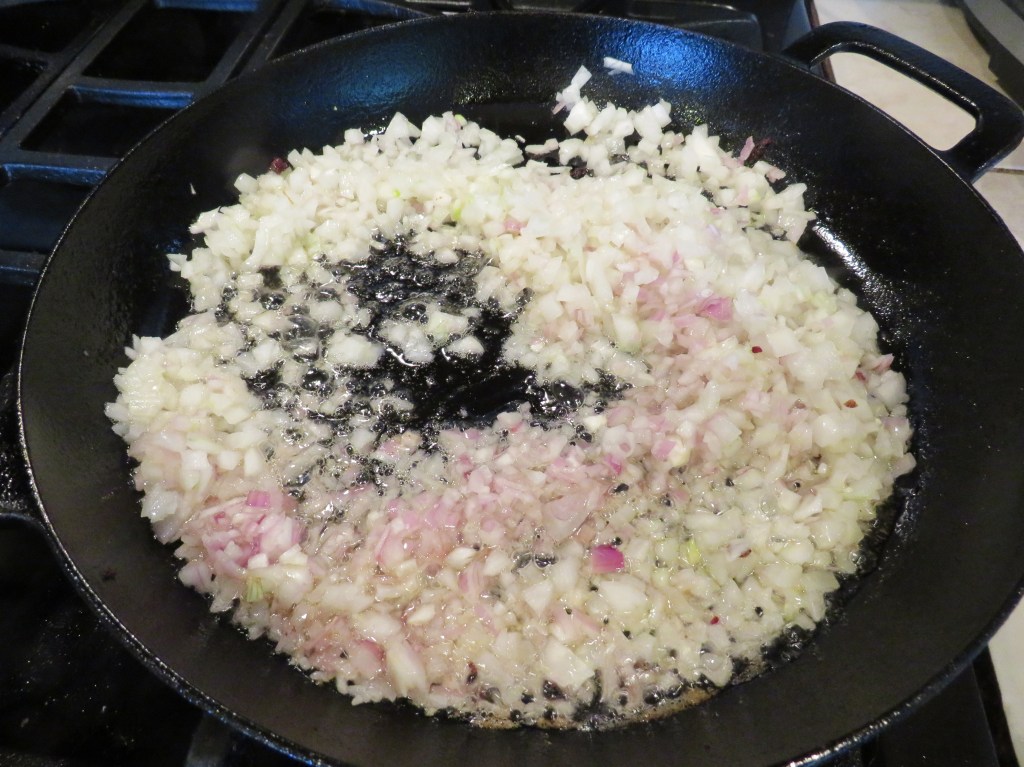
Once the bacon is cooked, remove it from the skillet and set aside to keep warm. Cook the onions in the bacon grease for about 10 minutes, or until they start to caramelize.
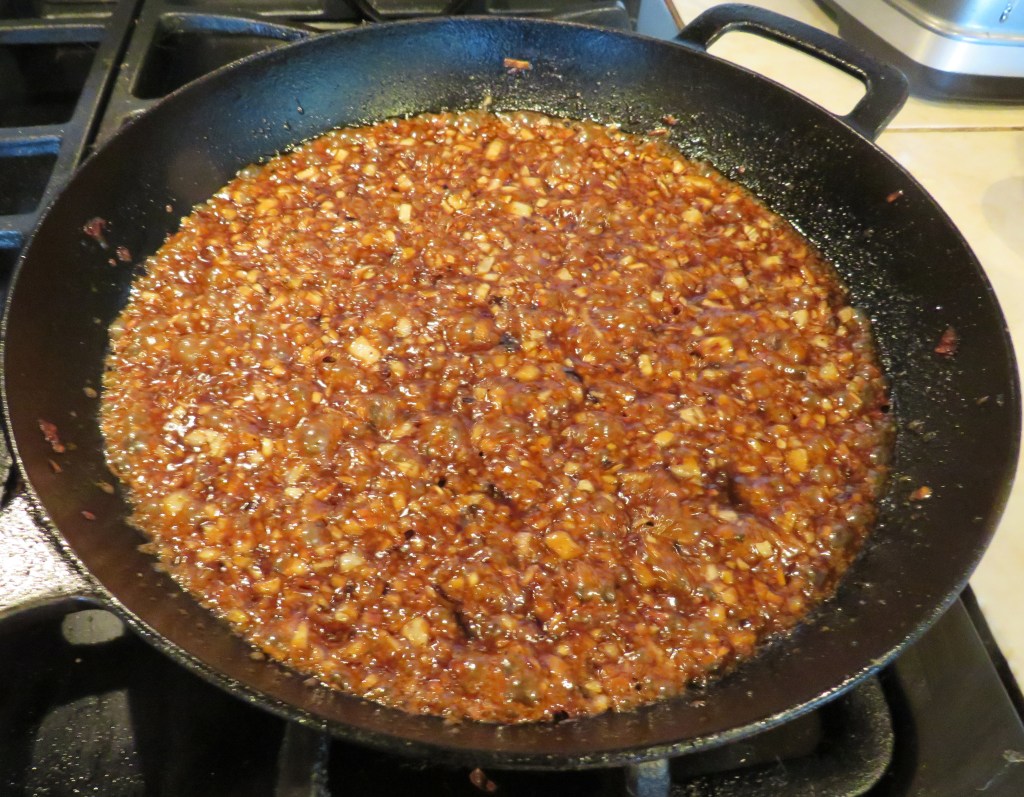
Add the brown sugar, maple syrup and pepper, and continue to cook at a low temperature for an additional 10-15 minutes, or until it forms into a thick jam-like consistency.
Mix in the bacon and allow to cool a bit. You can use it immediately or you can refrigerate it and use it later. If you are using it later, heat it before using so it is nice and warm and not as hard and sticky.
The cool refreshing aioli paired perfectly with the sweet, tangy, savory bacon jam. Everything just melted in our mouths. This is a great, tasty flavor combination. If you are a bacon lover, you’re going to love this one. 🙂
Have a great day and make everyday great, even if they are just low-key days. Life is what you make it, so make it great. May 2026 be filled with happiness, good health and prosperity for all. ‘Til next time.
Larry came across a recipe for sliders that we are going to make later on today. A slider is an American term for a small hamburger, typically around 2 inches (5 cm) across, made with a bun or dinner roll. Sliders can be served as hors d’oeuvres, snacks, or entrées.[1] They have become a popular game day appetizer in the United States. The name “slider” is believed to have been first used to describe the onion-steamed small burgers at White Castle restaurants.[3] The term has since been picked up by other restaurants,[4] usually to describe a small hamburger, but sometimes used to describe any small sandwich made with a slider bun. What makes this recipe is the two different sauces used totop the sliders. One is a lime jalapeno aioli and the other is a bacon onion jam. I made both to use for our sliders.
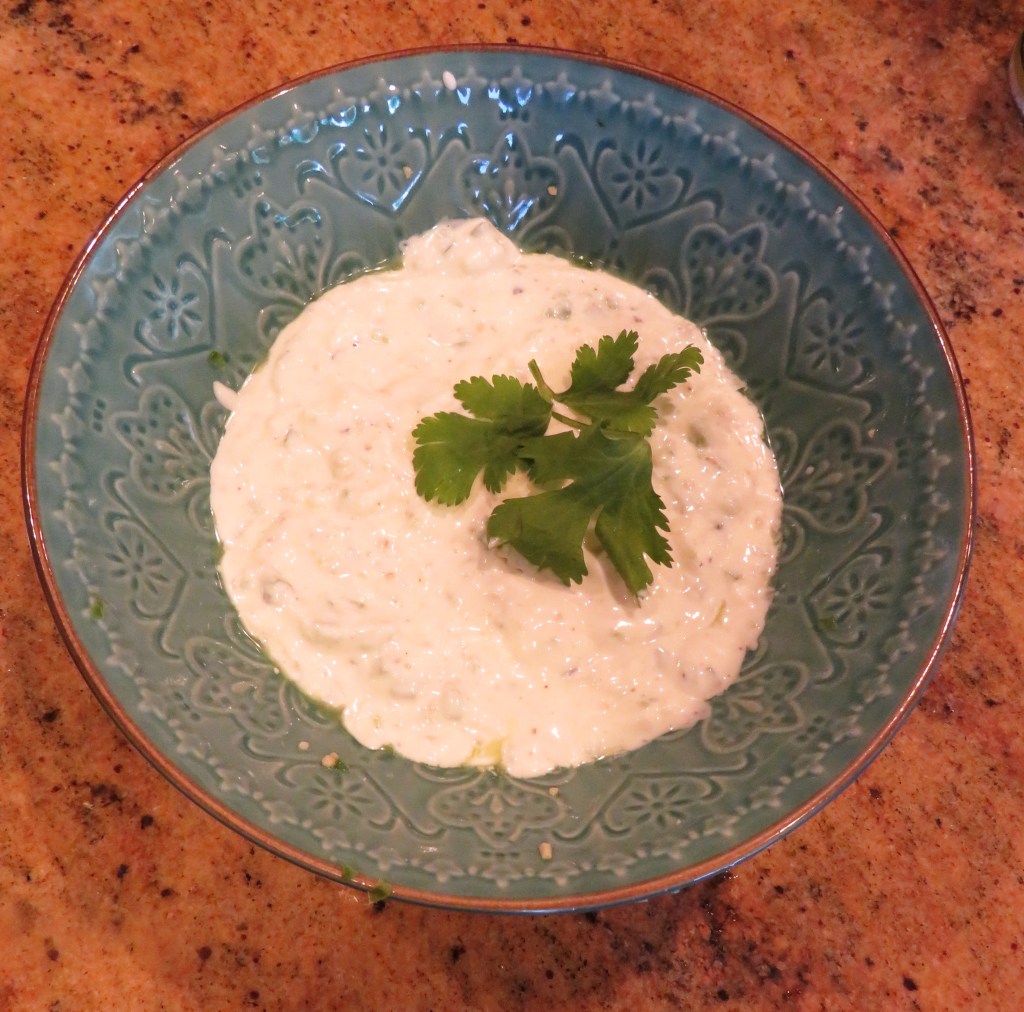
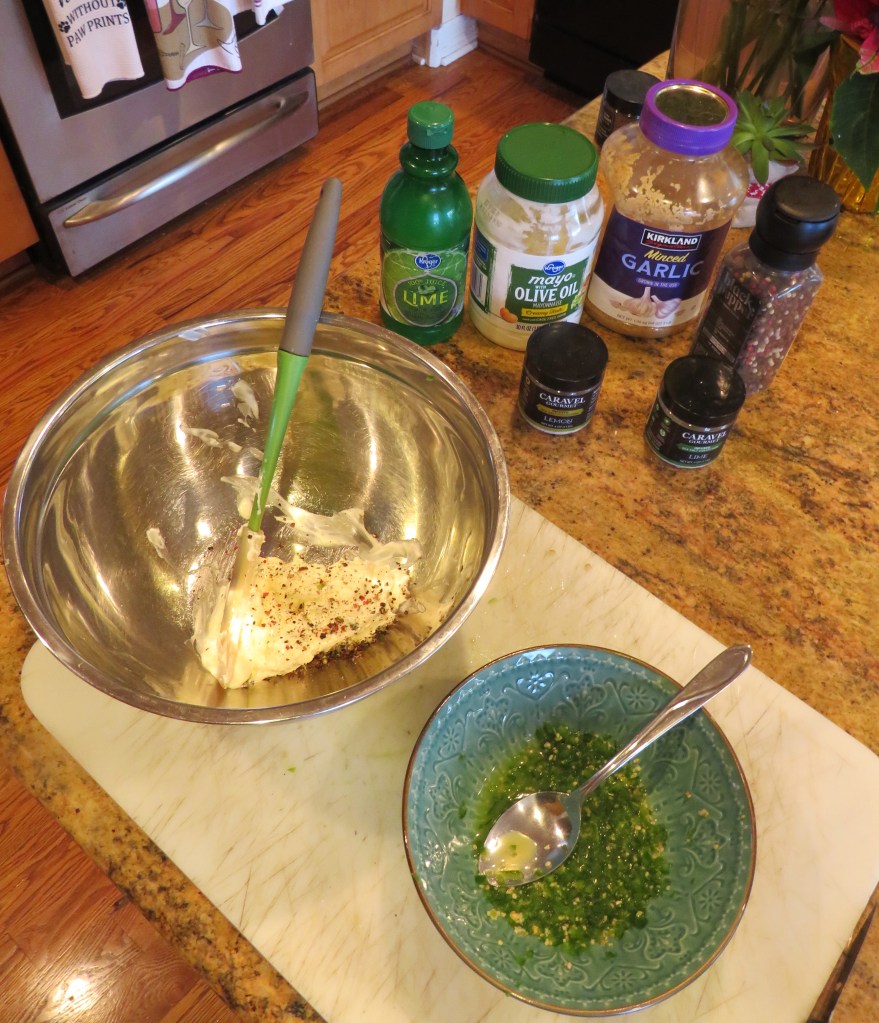
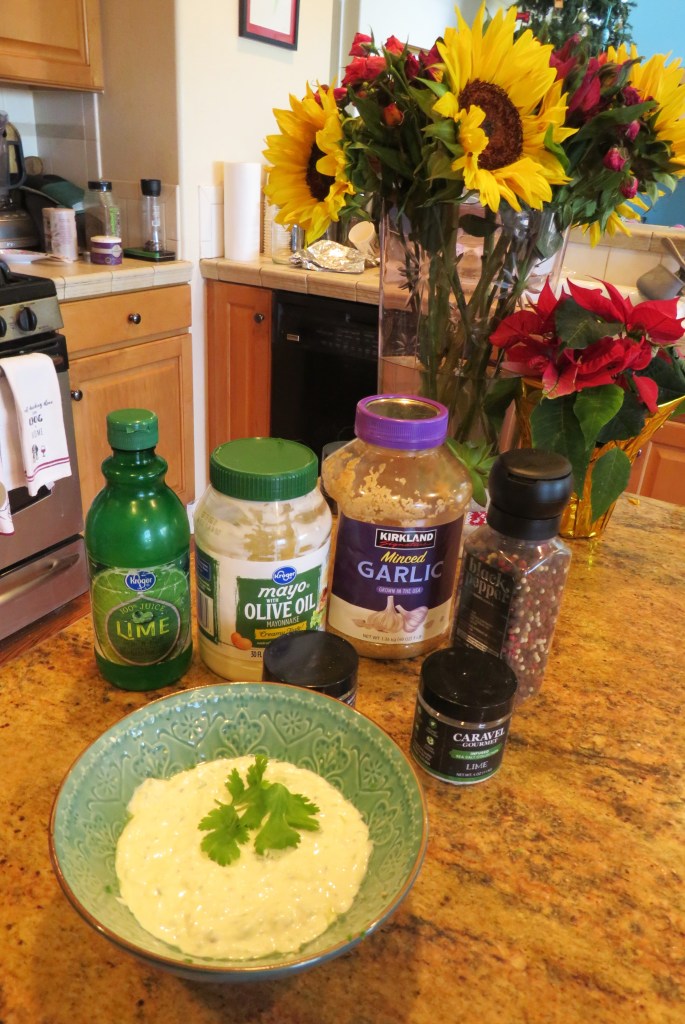
Lime Jalapeno Aioli
This recipe is super easy to make, with simple everyday ingredients. But it is packed full of flavor. This is creamy aioli sauce.
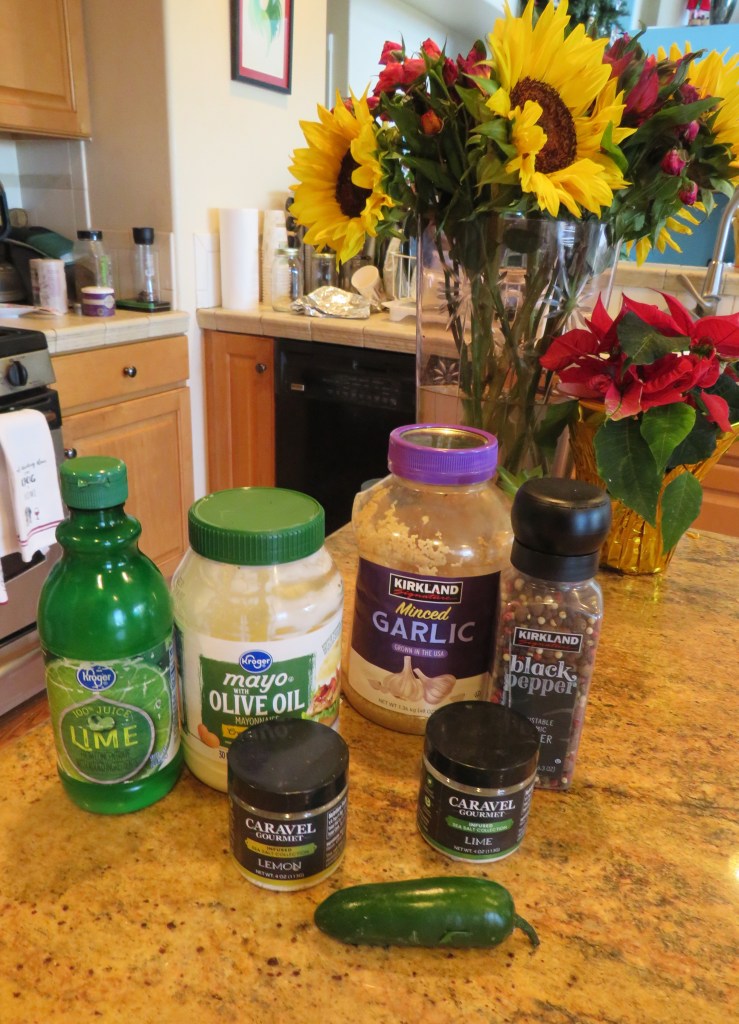
1/2 cup mayonnaise
1 jalapeno, diced fine
2 TBSP lime juice
1-2 tsp garlic
salt & pepper to taste – I used my lime infused and my lemon infused salt
Mix the garlic, jalapeno and lime juice together first, then add it to the mayonnaise and salt & pepper mixture and mix together well.
Once everything is mixed together, wrap and chill in the refrigerator until ready to use. I am looking forward to how it is going to taste mixed with the bacon onion jam and the sliders. I will keep you posted. That will be dinner tonight, before we let the games begin with Mike & Lauren. 🙂
Have a great day and make everyday great. May 2026 be filled with happiness, good health and prosperity for all. ‘Til next time.
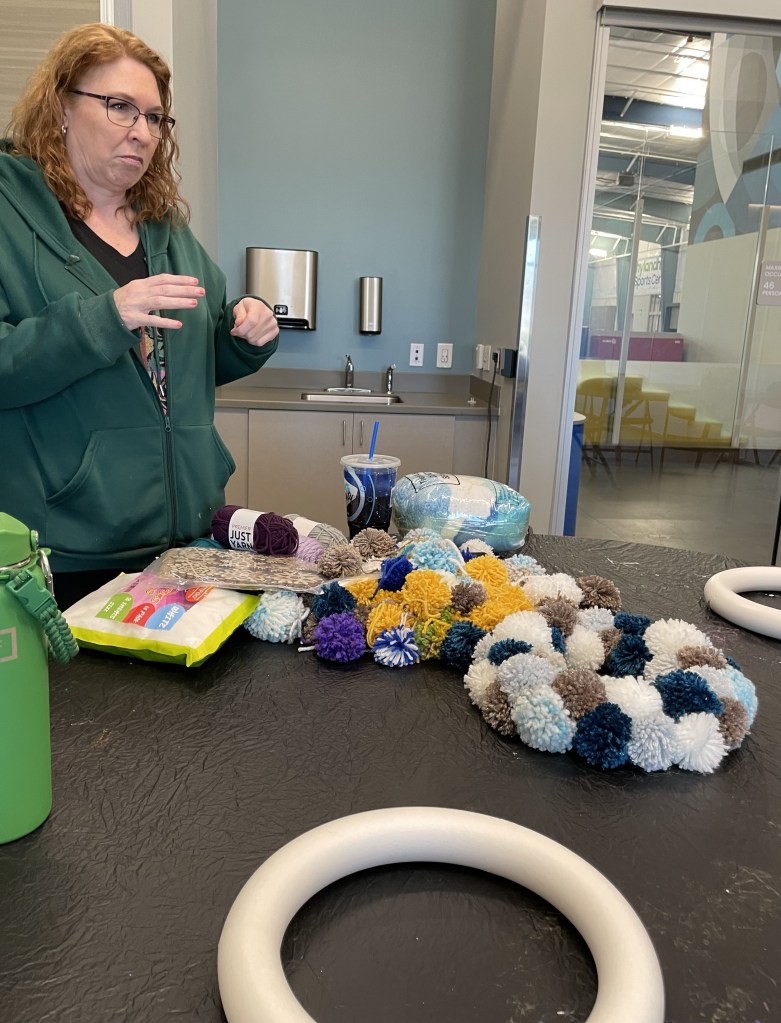
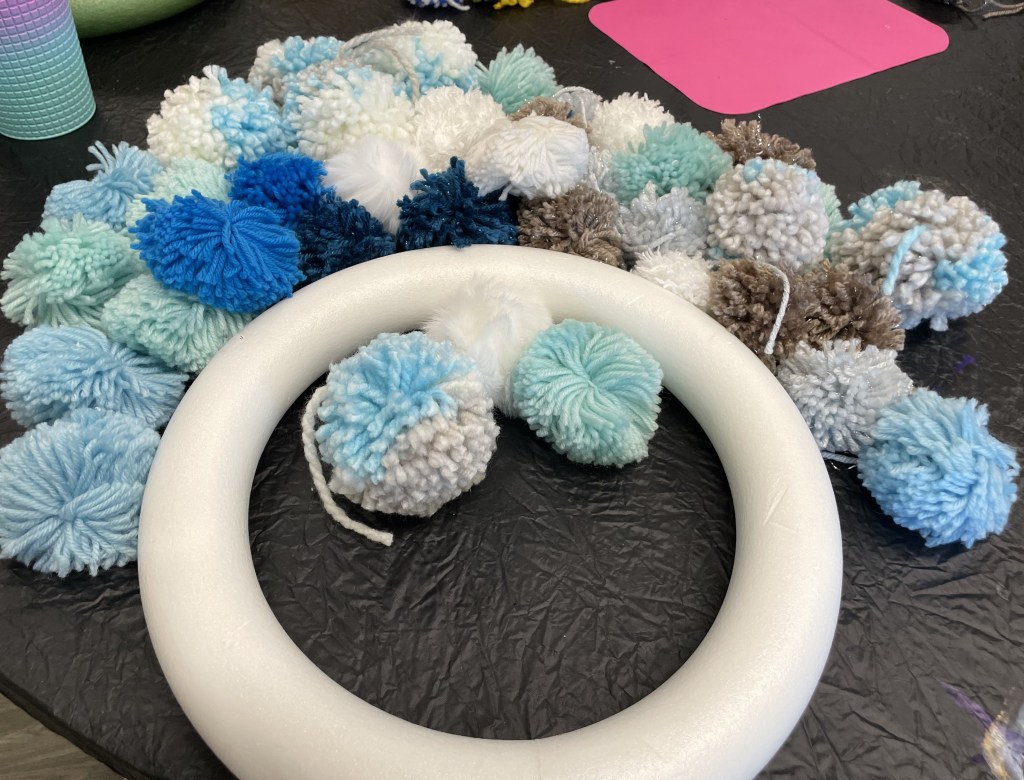
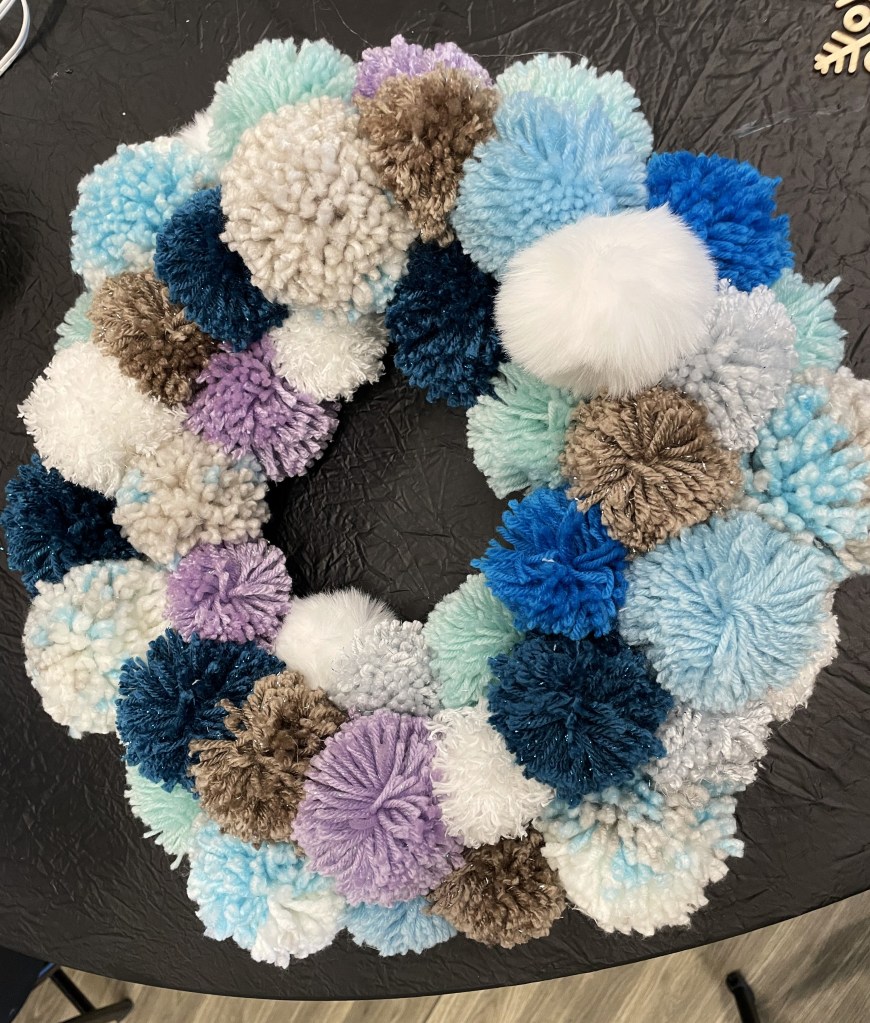
Over the Christmas holidays, we discovered that one of our local community centers offers crafting classes once a month. I love to do fun crafting projects. Crafting reconnects me to my mom, and it feels like she is right here with me when I do them. On Wednesday, I went to the crafting class for the first time. We made pom pom wreaths. There were only 4 of us in the class plus the instructor, but only 3 of us made wreaths this time.
The instructor, Michelle explaining what were were going to make.
I chose my pom poms that I was going to use.
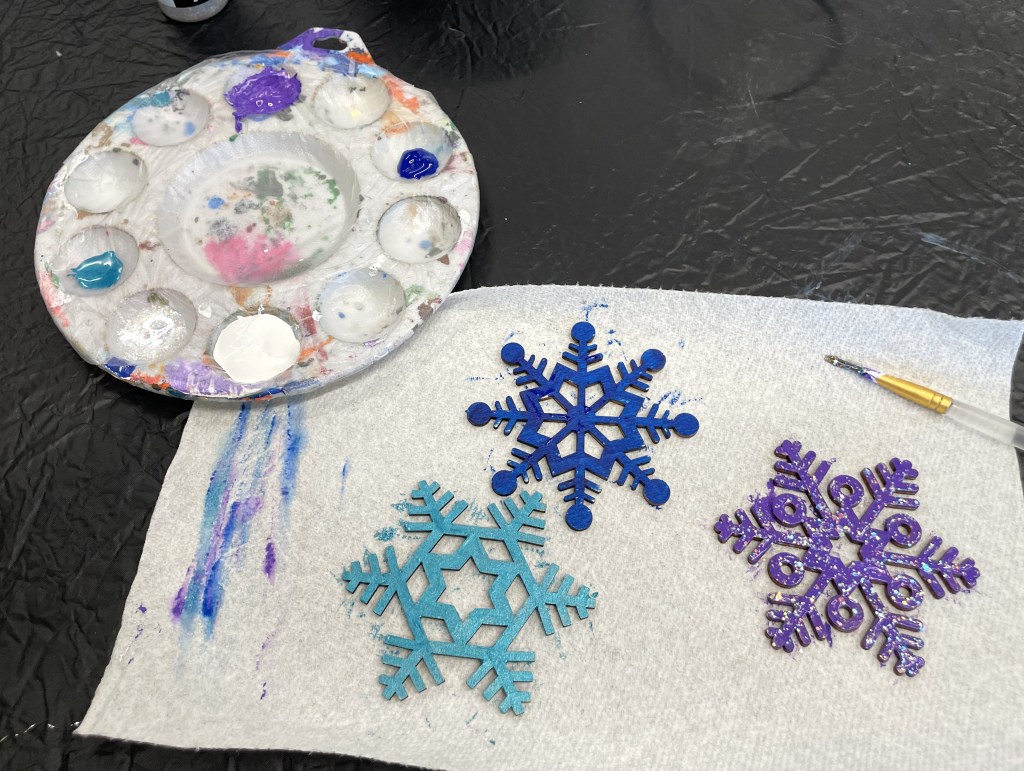
I was armed with a hot glue gun and glued my pom poms onto the styrofoam ring, then put it aside while I painted the snowflakes. I chose winter colors. Michelle had brought a wide variety of pom poms, and then made more during the class as we needed them.
Michelle brought a whole bunch of different wooden snowflakes. I painted mine the colors of the pom poms. Then I added some glitter to them too.
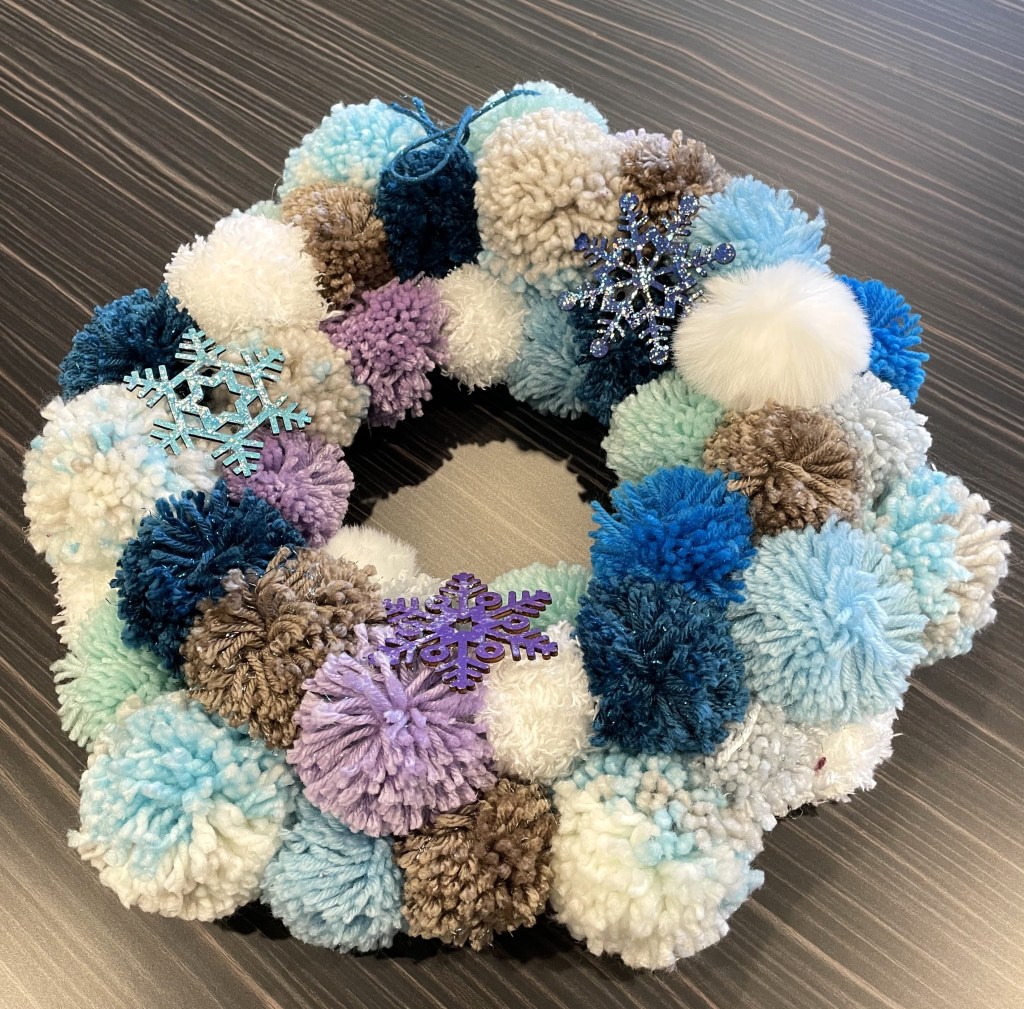
And the finished wreaths. Mine.
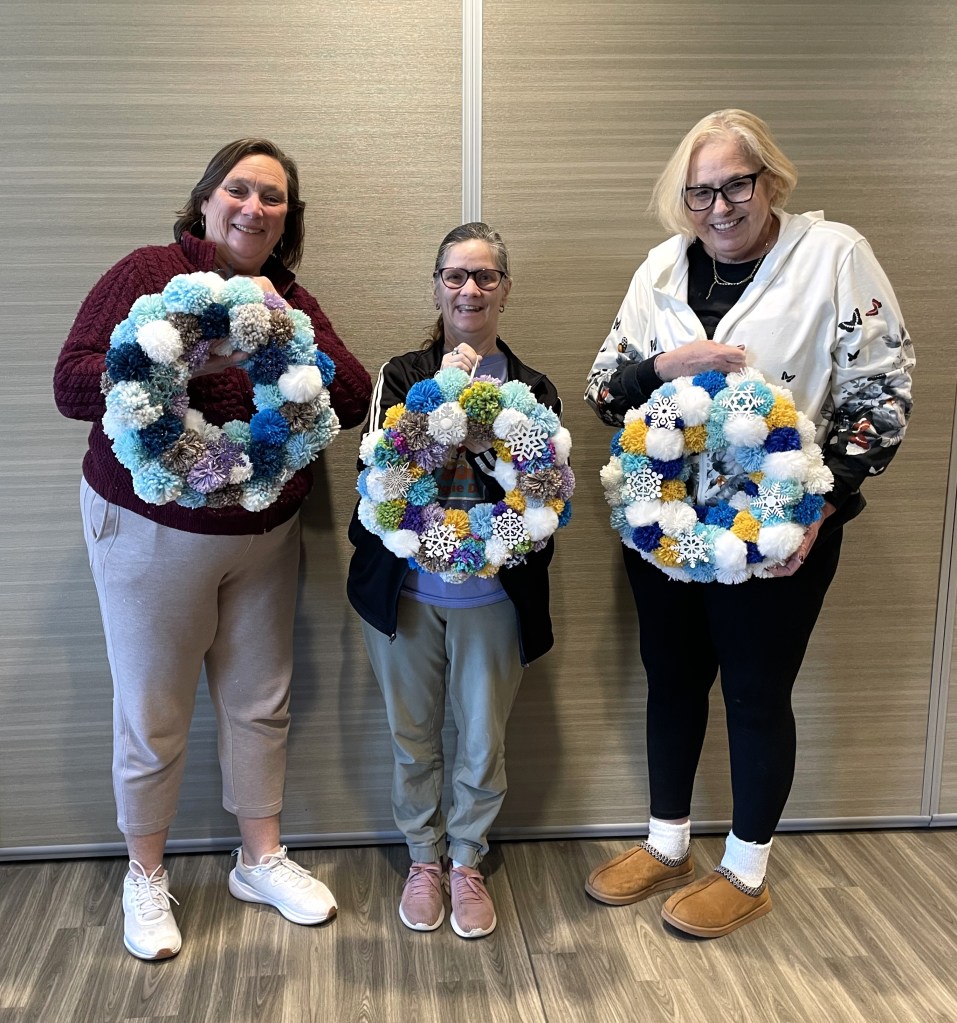
And a group photo with our finished artistic wreaths. All of our wreaths were different and had their own personality.
It was a fun class and a fun project. I am already planning on going back again next month. Who knows what we will make, but I am going out on a limb to say it might have a Valentine theme. 🙂
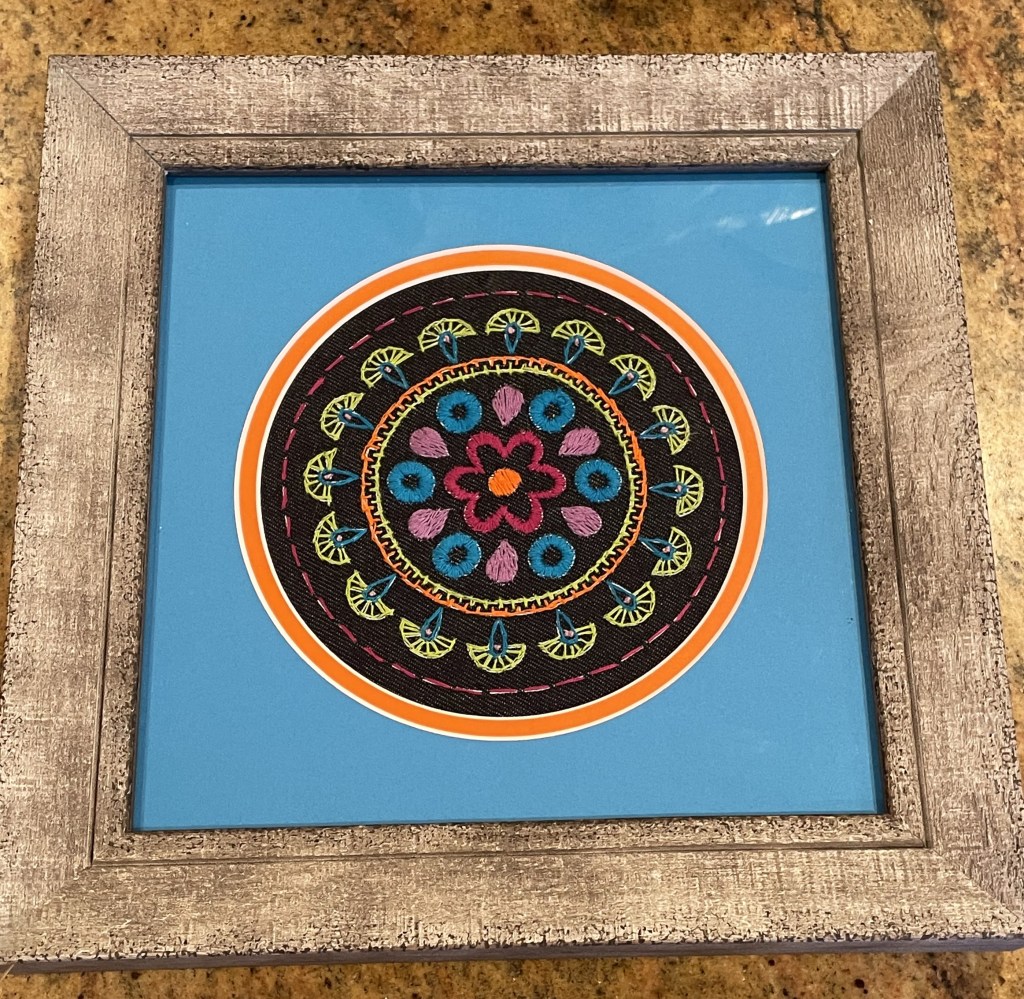
After leaving, I went to pick up another project I had finished and got framed.
I like to keep busy, so I am always working on something. I have a couple of bigger projects already in the works too. One I am already about 1/2 way done with and the other is still in the idea phase. This one is going to be a challenge, so I am putting all the necessary pieces together before I start on it. Also, I like to finish one project first before moving on to the next. My mother always had a ton of projects in the works at the same time, but rarely finished them unless I prodded her along the way, since a lot of times we were working on the same things together. She would do part and I would do other parts. 🙂
No matter what you do, make it fun and have fun doing it. Have a great day and make everyday great. Life is what we make it.
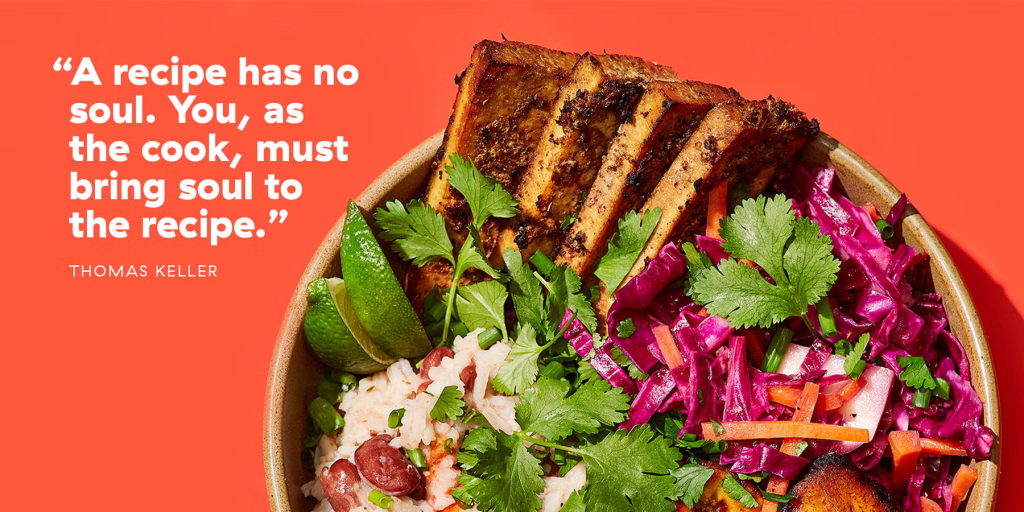
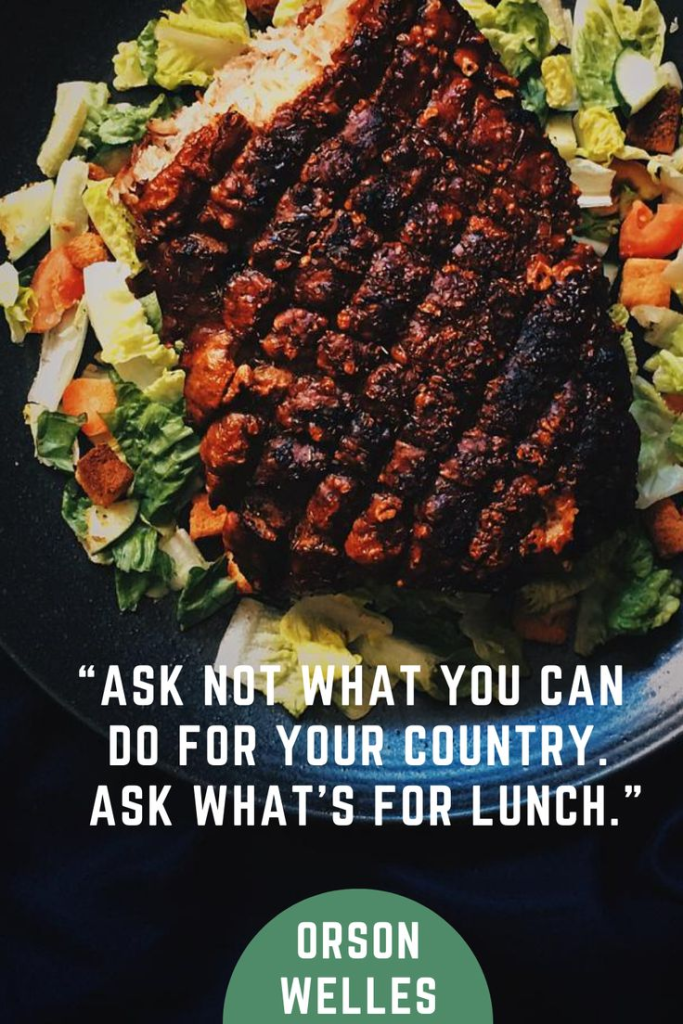
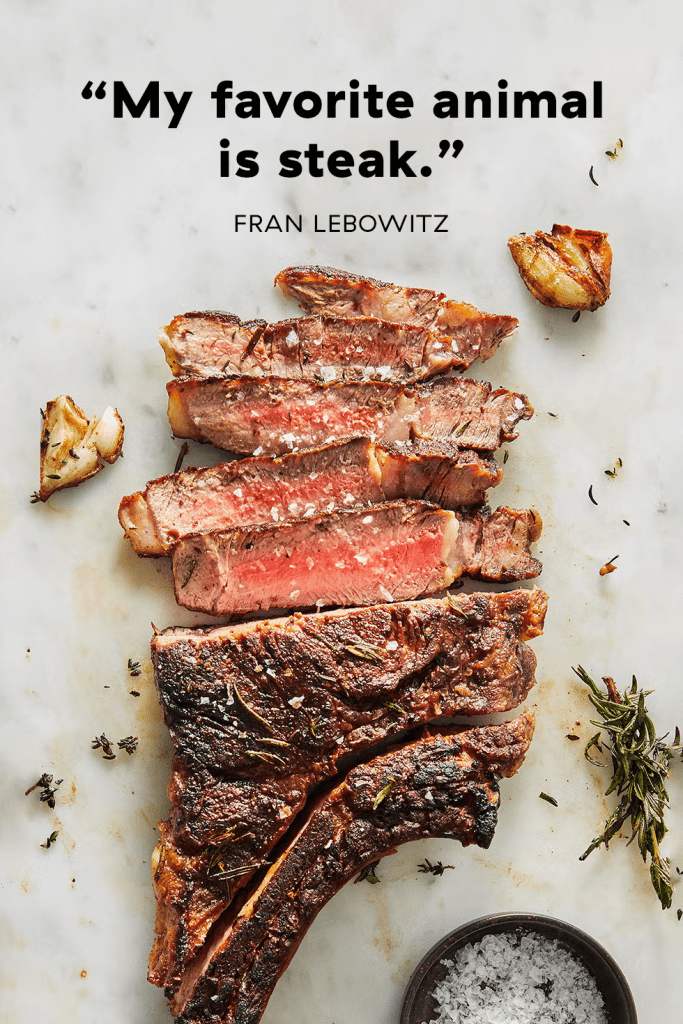
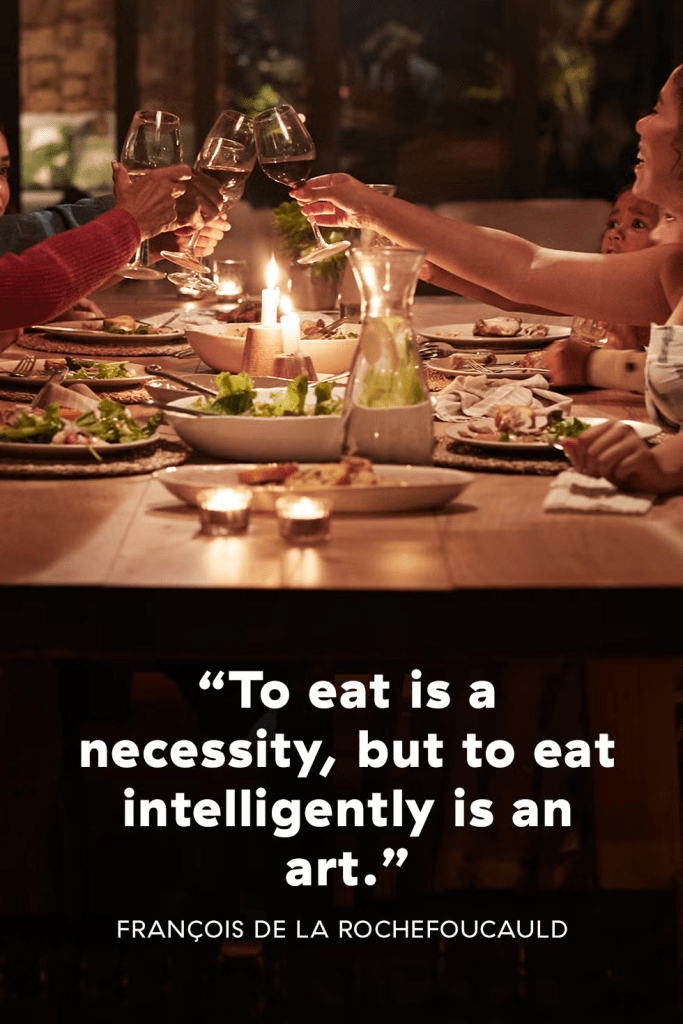
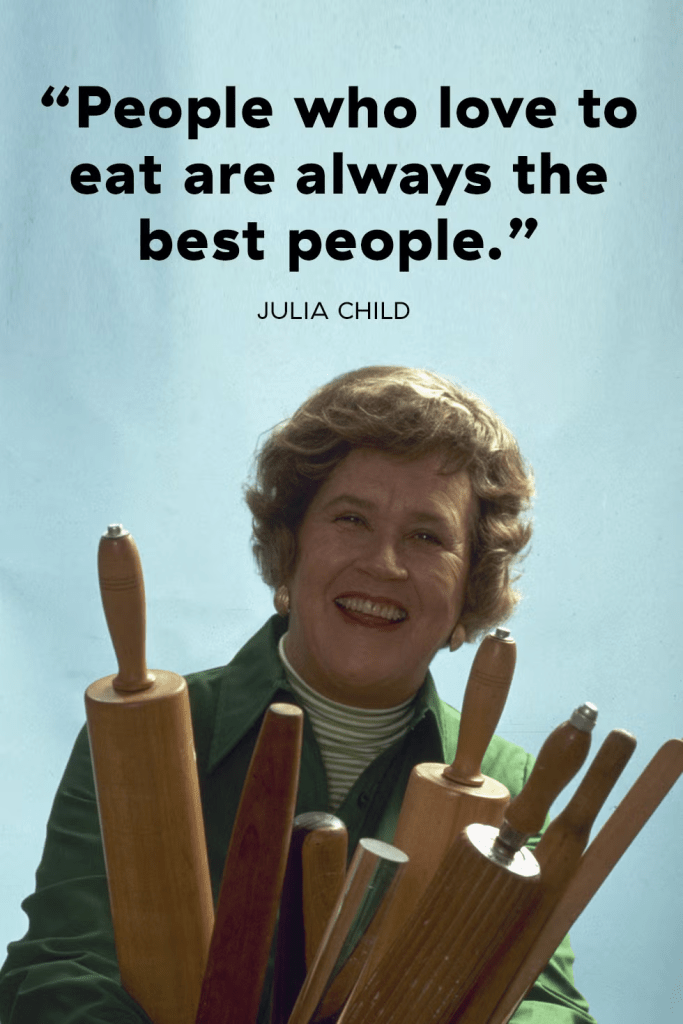
It’s been a while since I’ve shared some fun food quotes, so I thought it would be a good way to start off the weekend for everyone. Enjoy. Let the weekend begin. 🙂
Thomas Keller
2. Orson Welles
3. Dolly Parton
4. Fran Lebowitz
5. Francois de la Rochefocauld
6. Julia Child, always my favorite.
Have a great weekend everyone. May 2026 be filled with happiness, good health and prosperity for all. ‘Til next time.
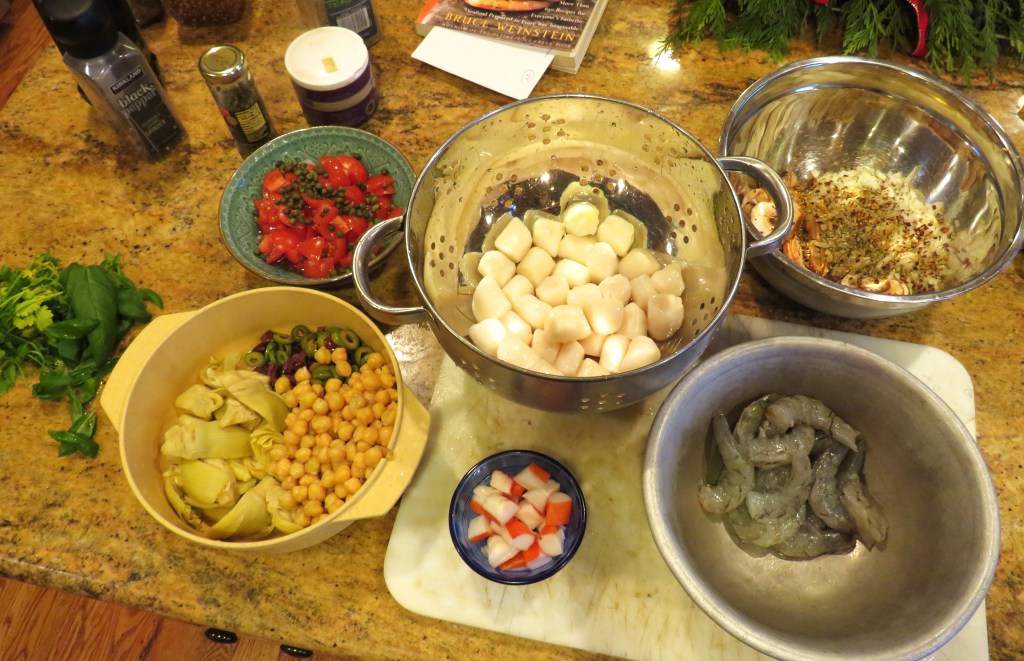
Shrimp Scorpio refers to a Mediterranean-style shrimp dish, named for its fiery Greek spirit (Ouzo) and scorpion-like “bite,” featuring shrimp with tomatoes, feta, and herbs. Ouzo is Greece’s version of vodka, the “scorpio” comes from the Ouzo or vodka. It’s a balance of sweet shrimp, tangy tomatoes, salty feta, onions, and a hint of spice, often red pepper flakes. Typically it is cooked in a single skillet, often finished by broiling to meld the flavors together.
I made my own version of this Greek Scorpio. Of course I did. Would you accept anything any different????? 🙂
Seafood Scorpio
The recipe that inspired me made no mention at all of using either vodka or Ouzo. So I will have to make it again, using one of those as the cooking sauce. Oh darn! I have to make it again. 🙂 🙂 🙂 I also added more seafood, so it wasn’t just shrimp, and I added vegetables as well.
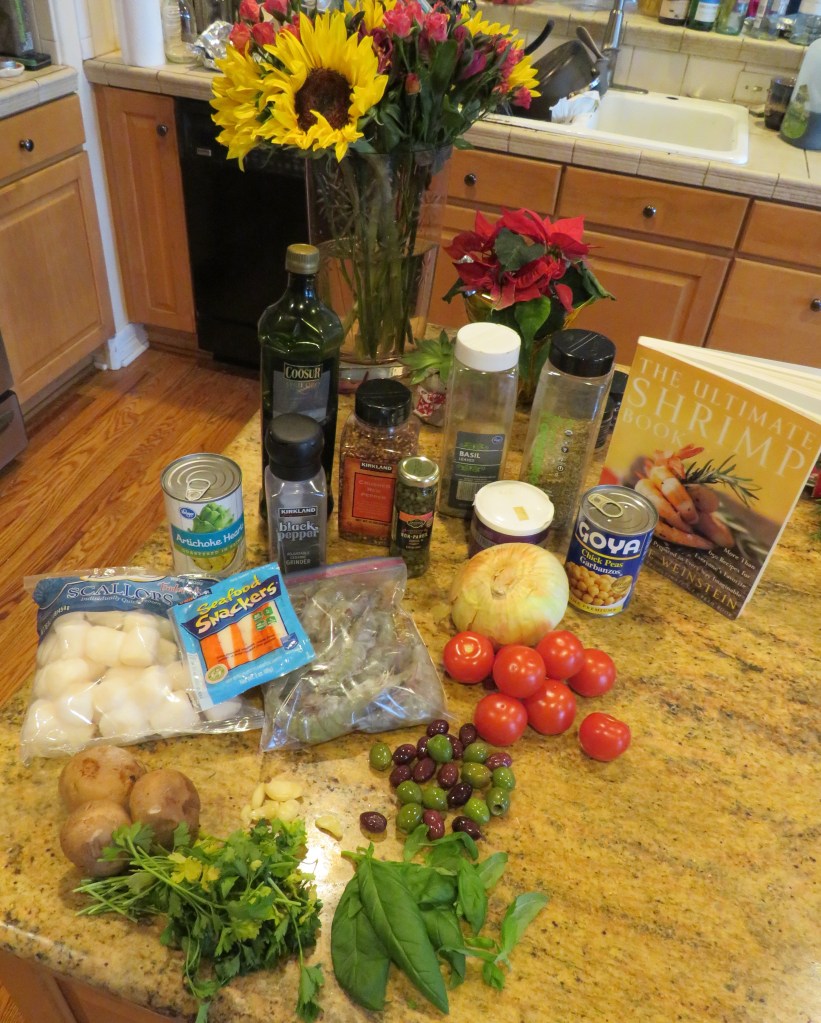
1- 1 1/2 lbs large shrimp or prawns, peeled and deveined
1 lb sea scallops
4 oz crab, or krab, cut into pieces
1-1 1/2 cup tomatoes, diced
1 onion, diced
1 can garbanzo beans, drained and rinsed
1 cup mushrooms, sliced
1 can artichoke pieces, drained and rinsed
1/2 cup mixed olives sliced
4-5 cloves garlic, sliced very thin
2 tsp capers
1/2 tsp red pepper flakes
1 cup vodka or Ouzo
2-3 TBSP ketchup or tomato paste
salt & fresh ground black pepper to taste
1-2 cups feta cheese
chopped parsley
chopped fresh basil
olive oil and/or lemon olive oil
1 TBSP lemon juice
1-2 tsp each dried basil and oregano
Get a large skillet or pot very hot, then add the oil(s) and cook the shrimp until completely pink. Once the shrimp is cooked, remove and set aside to keep warm.
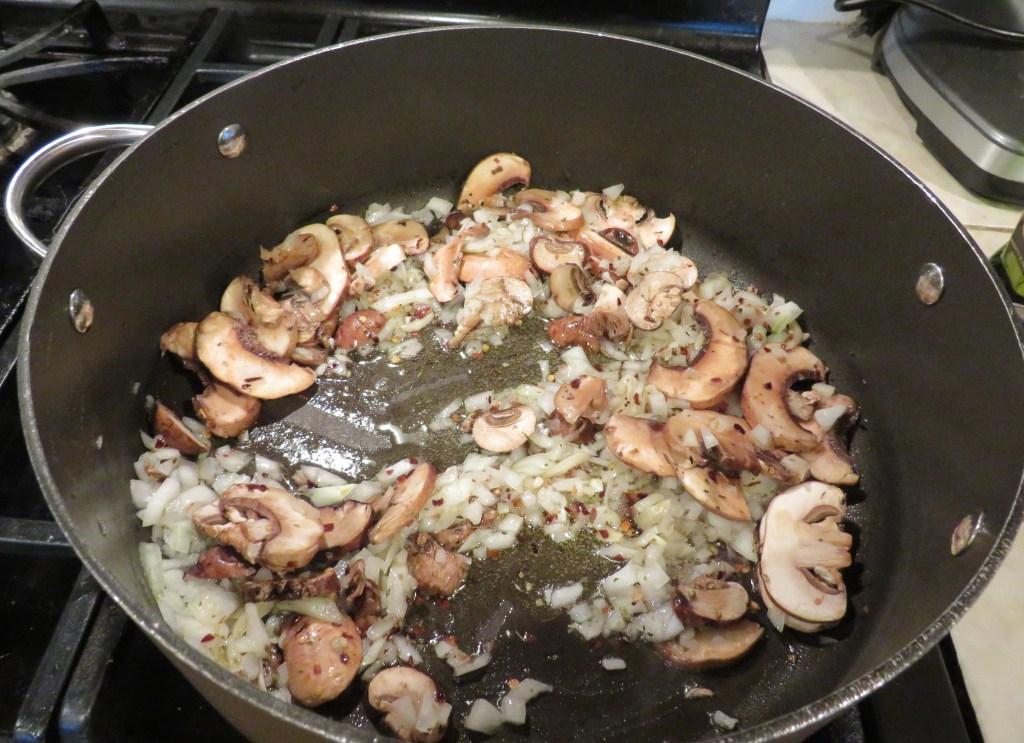
Add the onions, mushrooms, garlic and spices and cook for about 5-7 minutes, or until the onions are softened and translucent.
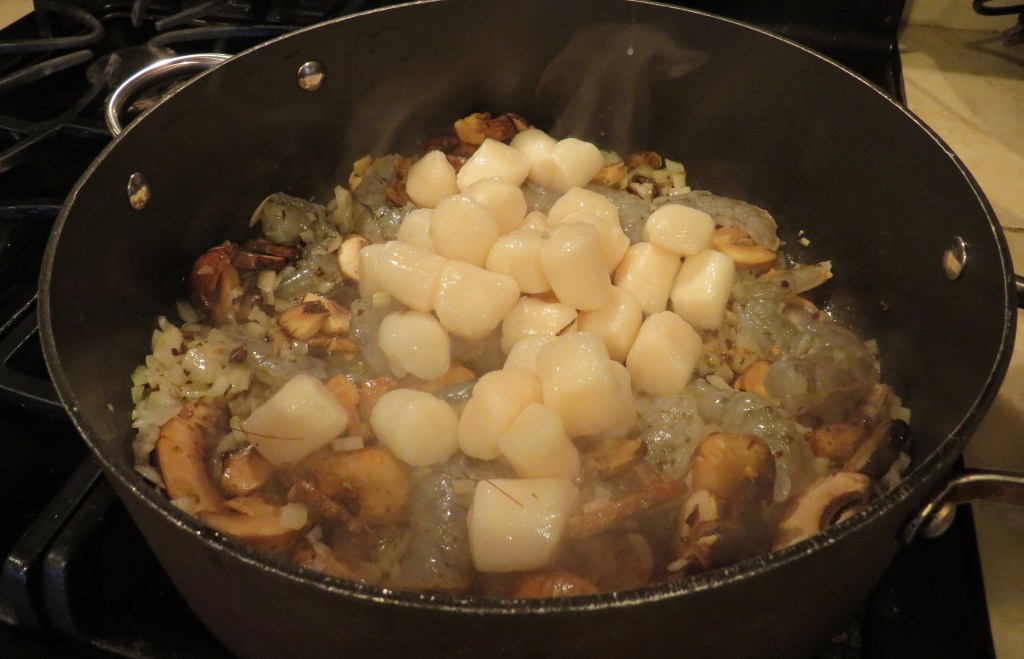
Add the vodka or Ouzo and bring to a boil, then add the scallops, shrimp and tomatoes.
Mix together thoroughly.
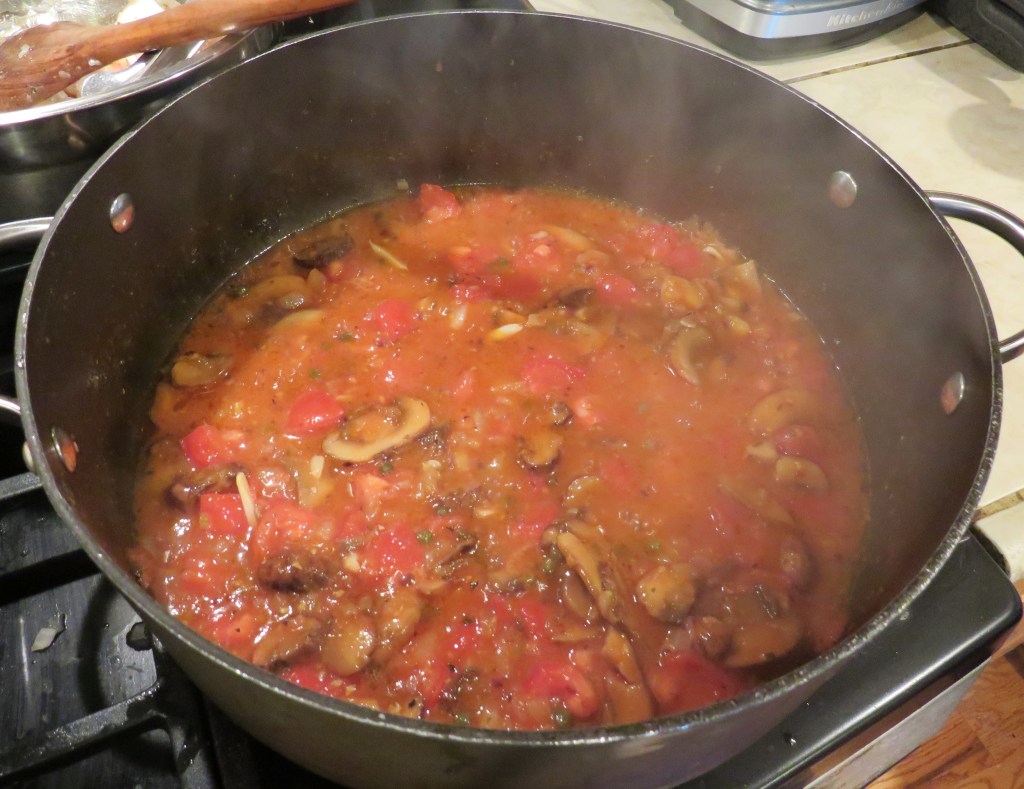
Add the olives, artichoke pieces, capers and crab. Mix in again, bring to a boil once again, then reduce the heat to a simmer, and continue to cook for an additional 5-7 minutes, stirring constantly.
Add the lemon juice right at the end and mix in thoroughly. The lemon juice makes all the flavors pop and come to life.
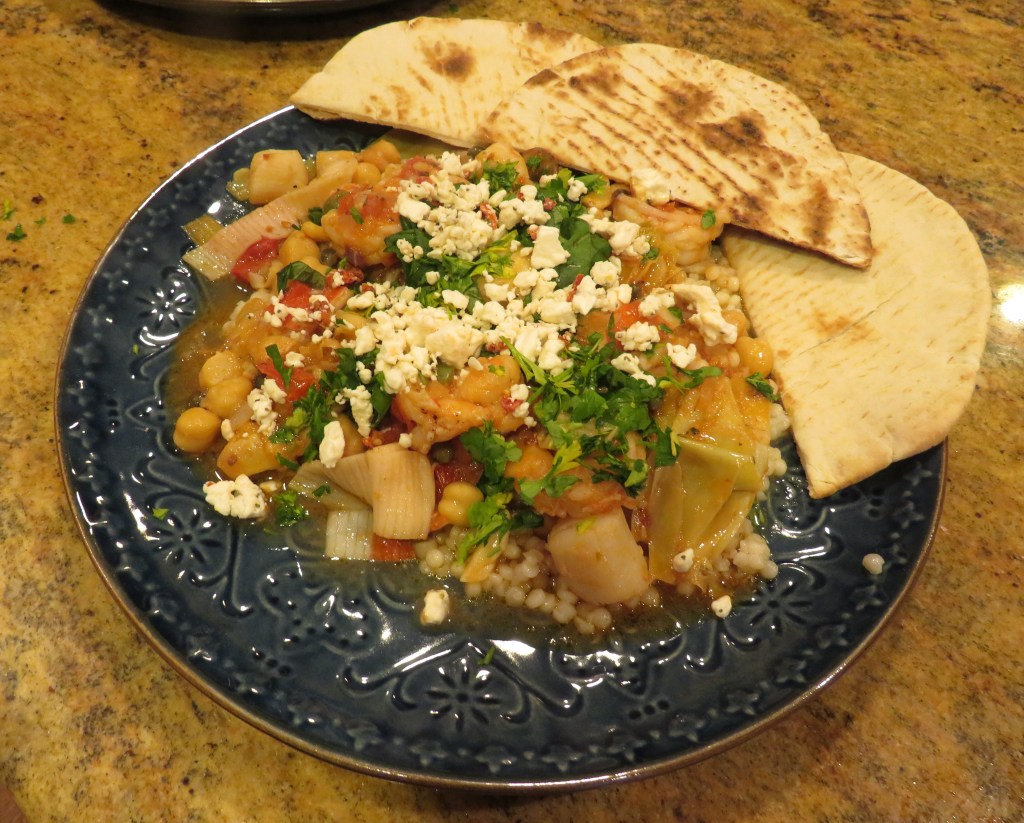
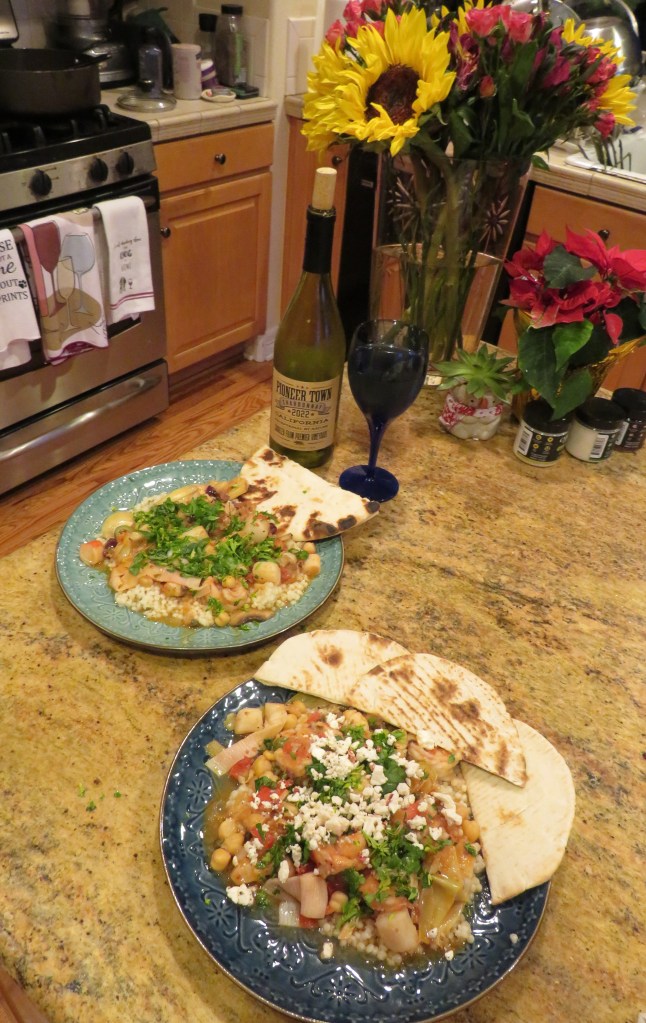
Serve it over a bed of cooked couscous and immediately top with feta cheese. You can also top it with the feta cheese before serving it up and broil the mixture for about 5 minutes, or until the feta is all melted and baked into the casserole. I didn’t do that because I didn’t want any cheese on mine, but Larry did. I served it with fresh chopped basil and parsley on top and warmed pita bread and a chilled white wine on the side to complete the meal.
It looked so Greek to me. 🙂
Have a great day and make everyday great. May 2026 be filled with happiness, good health and prosperity for all. ‘Til next time.
The human body is a pretty amazing thing. I have always been interested in how the body works. When I first entered college, I majored in biology, with an emphasis on becoming a doctor. Needless to say, that didn’t work out as planned, but I still was very interested in the body and how it works. I learned all about nutrition and it’s influence on the body both in culinary school, and then again later when I studied sports nutrition. I am also fascinated by kinesiology and how how everything flows together.
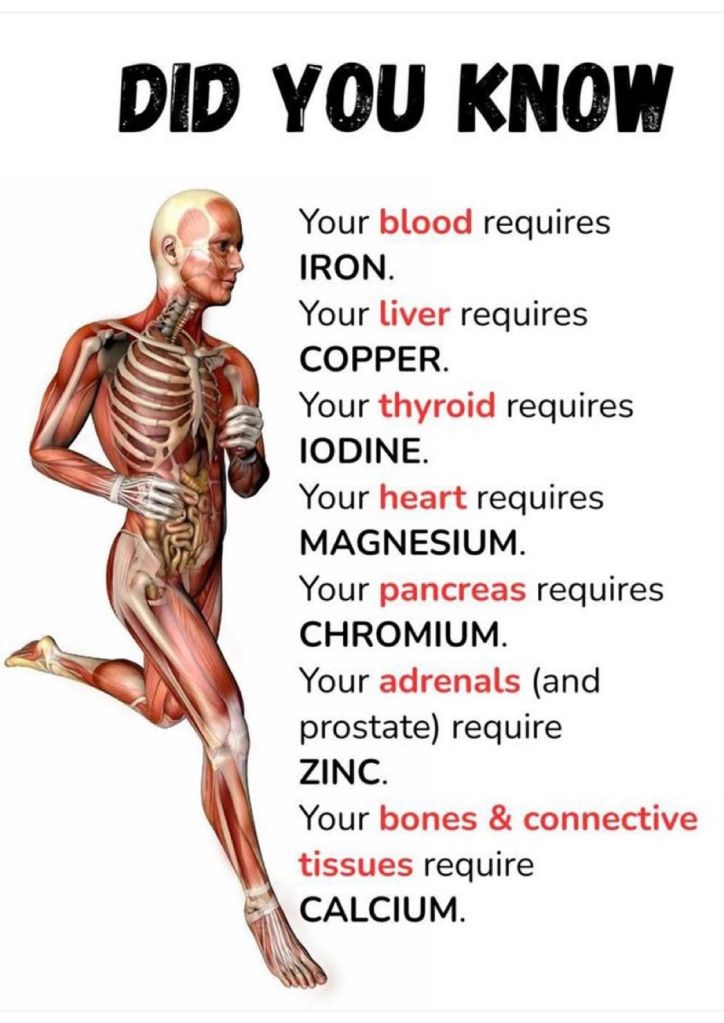
I came across something interesting that ties all these together, and I thought I would share it with you today. Today’s post will be a little different than my normal posts, but by now, I am sure you are used to me going off the rails from time to time. In then end, you will hopefully see how it all comes together. 🙂 I am going to give you some of the best sources for these anatomical nutrients and just briefly touch upon their benefits.
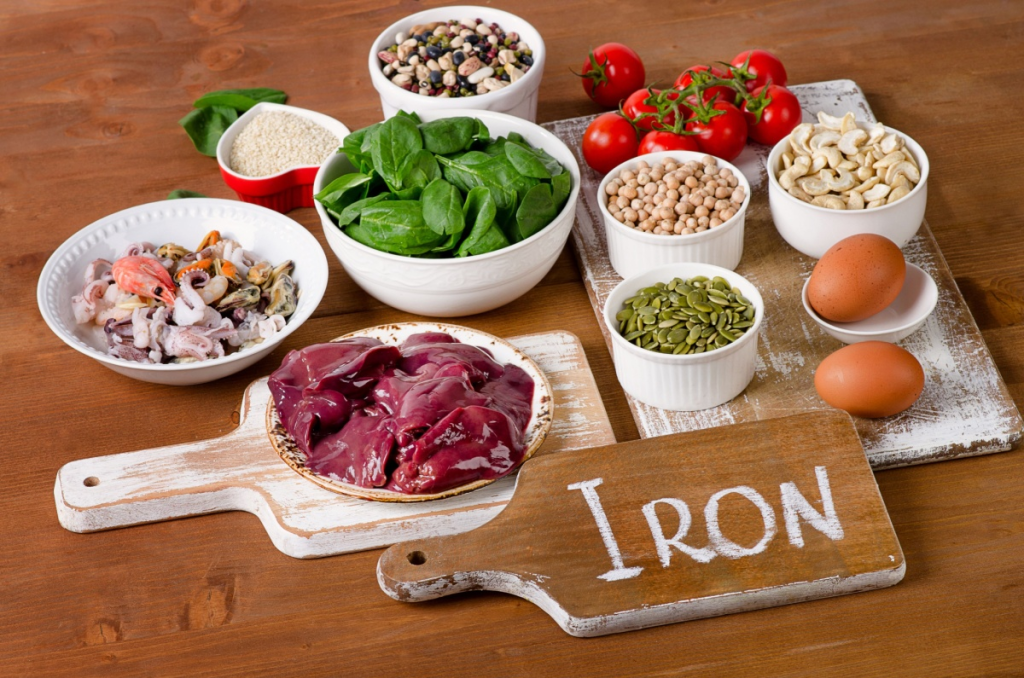
IRON – We need iron for healthy blood. Iron is a mineral found in every cell of the body. Iron is considered an essential mineral because it is needed to make hemoglobin, a part of blood cells. The body cannot make it, so it must be taken in with the food we eat. The human body needs iron to make the oxygen-carrying proteins hemoglobin and myoglobin. Hemoglobin is found in red blood cells. Myoglobin is found in muscles. https://ufhealth.org/ The best sources of iron are heme iron from animal products (red meat, poultry, seafood, liver) for best absorption, and non-heme iron from plants (beans, lentils, spinach, fortified cereals, dried fruits) which is boosted by Vitamin C. Combining heme and non-heme sources, and eating non-heme iron with Vitamin C-rich foods like citrus or peppers, significantly improves iron uptake, say WebMD and UF Health.
Food has two types of iron — heme and non-heme iron. Heme iron is found in meat, fish and poultry. It is the form of iron that is most readily absorbed by your body. You absorb up to 30 percent of the heme iron that you consume. Eating meat generally boosts your iron levels far more than eating non-heme iron. Non-heme iron is found in plant-based foods such as fruits, vegetables and nuts. Foods with non-heme iron are still an important part of a nutritious, well-balanced diet, but the iron contained in these foods won’t be absorbed as completely. You absorb between two and 10 percent of the non-heme iron that you consume. When you eat heme iron with foods higher in non-heme iron, the iron will be more completely absorbed by your body. Foods high in vitamin C – like tomatoes, citrus fruits and red, yellow and orange peppers – can also help with the absorption of non-heme iron. https://www.redcrossblood.org/ If you mix some lean meat, fish, or poultry with beans or dark leafy greens at a meal, you can improve absorption of vegetable sources of iron up to three times. Cooking foods in a cast-iron skillet can also help to increase the amount of iron provided.
We need to keep our iron levels in balance. Eating too little or too much both have serious side effects. What happens if the body lacks sufficient amounts of iron? A low iron level over a long period of time can lead to iron deficiency anemia. Symptoms include lack of energy, shortness of breath, headache, irritability, dizziness, or weight loss. Physical signs of lack of iron are a pale tongue and spoon-shaped nails. What happens if you have too much iron in the body? The genetic disorder called hemochromatosis affects the body’s ability to control how much iron is absorbed. This leads to too much iron in the body. This can lead to fatigue, anorexia, dizziness, nausea, vomiting, headaches, weight loss, shortness of breath and/or a grayish skin color. Fortunately in the United States, and other rich countries, these problems are pretty rare and can be easily fixed.
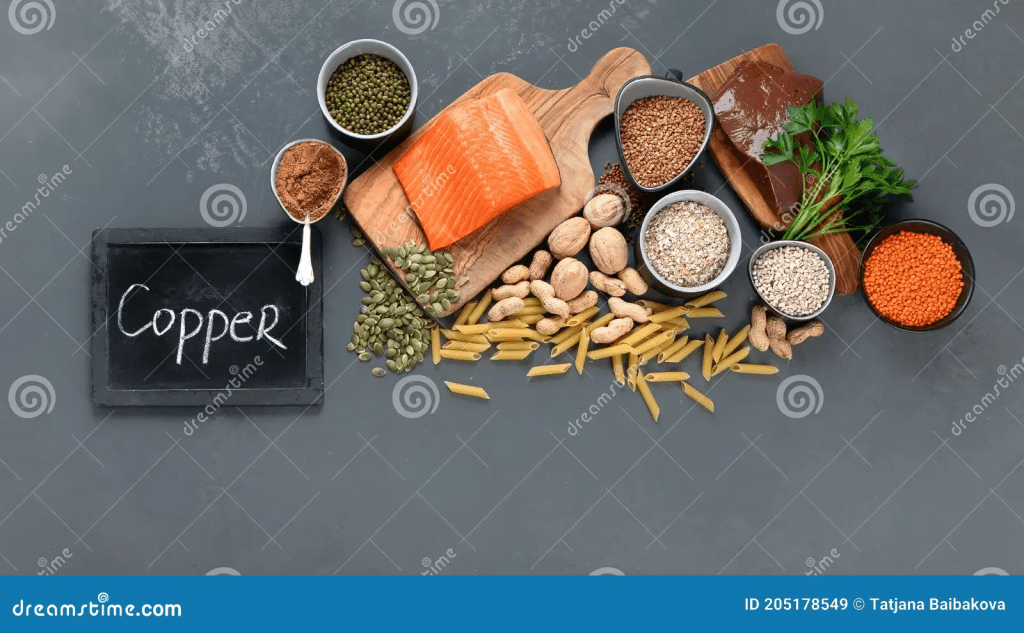
2. Copper – Copper is to keep our liver healthy. Copper is actually necessary and found in every cell in our body. It is an essential trace mineral required for a variety of functions throughout the body. Our needs change by our age and it’s needed for energy production, iron transport, nervous system function, cholesterol metabolism, bone and connective tissue production, and immune system function. (1) It’s also necessary for the formation of some types of superoxide dismutase (SOD), an enzyme that’s crucial for protecting cells from damage caused by the use of oxygen for energy. A copper deficiency can lead to anemia, an increased risk of infections, weak bones, joint pain, and neurological issues. (3) Copper deficiency is uncommon, and is usually caused by genetic disorders, digestive system problems that impair absorption, or consumption of excessive amounts of zinc. However, there are also cases in which the cause of copper deficiency is not determined.
High copper foods include seafood, mushrooms, tofu, sweet potatoes, sesame seeds, cashews, chickpeas, salmon, dark chocolate, and avocados. The current daily value (DV) for copper is 0.9mg. (5). Liver is one of the most significant sources of dietary copper. Per three-ounce (85g) serving, cooked beef liver contains 1356% of the mineral’s daily value (16). Though copper is found in many of the foods we eat, since as I stated, it is found in every cell in our bodies.
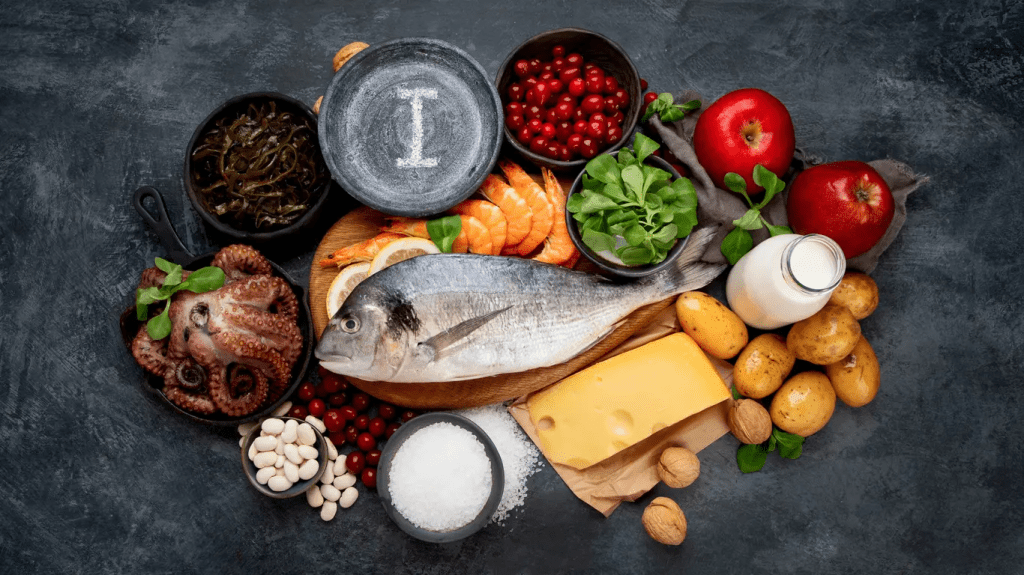
3. Iodine – Iodine is necessary for many organs, but the thyroid is really dependent upon proper Iodine levels. Iodine is a trace element that is naturally present in some foods, is added to some types of salt, and is available as a dietary supplement. Iodine is crucial for the thyroid gland to produce hormones that regulate metabolism, growth, and development, with deficiency causing hypothyroidism (underactive thyroid) and goiter, while too much can also impair function, highlighting the need for balance, often met through iodized salt, seafood, dairy, and supplements, especially during pregnancy, but supplementation should be doctor-guided. Iodine is a fundamental component for synthesizing thyroid hormones T3 (triiodothyronine) and T4 (thyroxine). These hormones control the speed of your body’s chemical reactions (metabolic rate), energy use, and body temperature.
Seaweed (such as kelp, nori, kombu, and wakame) is one of the best food sources of iodine [5]. Other good sources include fish and other seafood as well as eggs (see Table 2). Iodine is also present in human breast milk [2,5] and infant formulas [8].
Dairy products contain iodine. However, the amount of iodine in dairy products varies by whether the cows received iodine feed supplements and whether iodophor sanitizing agents were used to clean the cows and milk-processing equipment [9]. For example, an analysis of 59 samples of nonfat milk found a range of 38 to 160 mcg per cup (with an average of 84 mcg/cup used for Table 2) [8]. Plant-based beverages used as milk substitutes, such as soy and almond beverages, contain relatively small amounts of iodine. Most fruits and vegetables are poor sources of iodine, and the amounts they contain are affected by the iodine content of the soil, fertilizer use, and irrigation practices [2,10]. This variability affects the iodine content of meat and animal products because of its impact on the iodine content of foods that the animals consume [14]. The iodine amounts in different seaweed species also vary greatly. For example, commercially available seaweeds in whole or sheet form have iodine concentrations ranging from 16 mcg/g to 2,984 mcg/g [15]. The use of iodized salt is the most widely used strategy to control iodine deficiency. Currently, about 88% of households worldwide use iodized salt, but iodine insufficiency is still prevalent in certain regions, particularly Southeast Asia, sub-Saharan Africa, and Eastern Europe.
I personally am dealing with thyroid issues and have been for quite some time. Just by doing my research for this article alone, I have already discovered more about proper iodine levels, and the effects on my thyroid than my doctor knows. Sadly, a vast majority of healthcare professionals do NOT know much about proper nutrition and the effects of proper nutrition for the body. Considering how many health disorders stem from poor nutrition, I find this very alarming.
4. Magnesium – Magnesium’s bond with heart health profoundly influences numerous aspects of cardiovascular function. The heart, the most critical muscle in our body, requires magnesium for proper contraction and relaxation. This mineral aids in transmitting muscle impulses, ensuring the heart pumps blood efficiently throughout the body. Magnesium helps facilitate the proper flow of electrical impulses in the heart, preventing irregular heart rhythms, such as atrial fibrillation. Magnesium is like a conductor, keeping our heartbeats in sync and efficient. But, without enough of it? We’re more prone to heart rhythm abnormalities like atrial fibrillation and tachycardia. In short, our heart needs its magnesium fix. https://naturalheartdoctor.com/
Magnesium is a crucial mineral that supports various enzymatic processes in the body. It plays a vital role in maintaining vascular, metabolic, and electrical homeostasis, making it an important factor for cardiovascular health. Magnesium is also involved in oxidative and inflammatory responses. Low levels of magnesium are associated with several cardiovascular issues, including arrhythmias, coronary artery disease, stroke, high blood pressure, and abnormal lipid levels. This suggests that a deficiency in magnesium could be a risk factor for cardiovascular disease (CVD), which is a major public health concern. Monitoring serum magnesium levels might help in identifying cardiovascular problems and related risk factors. https://www.ncbi.nlm.nih.gov/
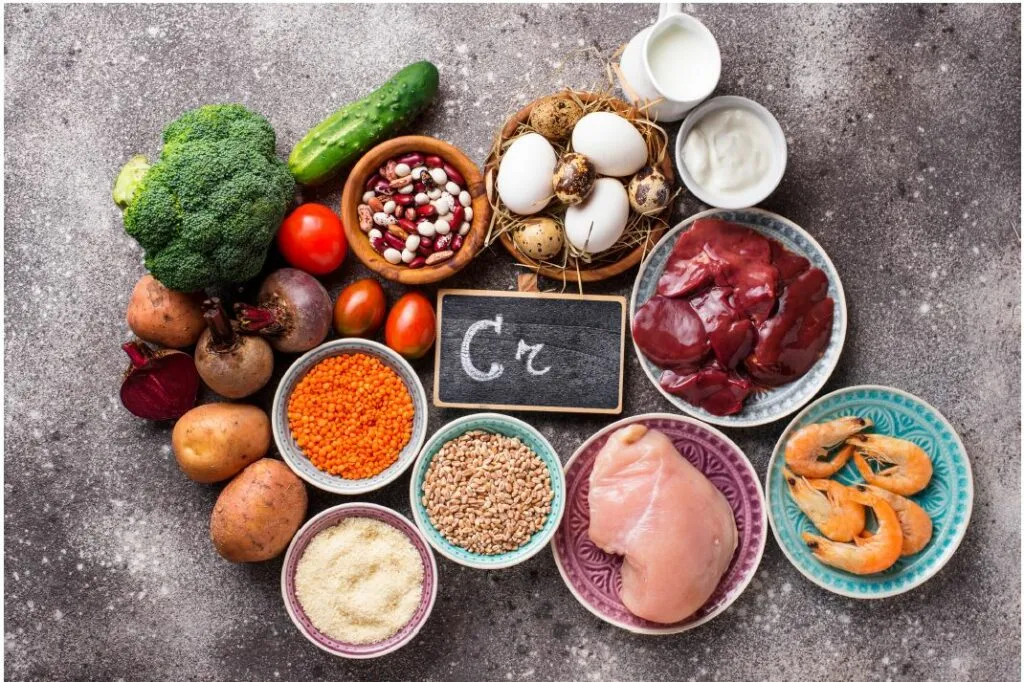
5. Chromium – Chromium is an essential trace mineral that plays a critical role in various bodily functions, particularly in blood sugar regulation and pancreatic health. While the body requires only small amounts of chromium, its impact on metabolism and overall health is significant. One of the most well-known benefits of chromium is its role in insulin function and glucose metabolism. The pancreas plays a vital role in producing insulin, and chromium directly supports pancreatic function by reducing stress on insulin-producing beta cells. Insulin is the hormone responsible for transporting glucose (sugar) from the bloodstream into the cells for energy. Chromium enhances insulin’s effectiveness by improving insulin sensitivity and helping maintain stable blood sugar levels. A well-functioning pancreas contributes to balanced hormones, improved digestion, and better weight management. https://greatergoodhealth.substack.com/
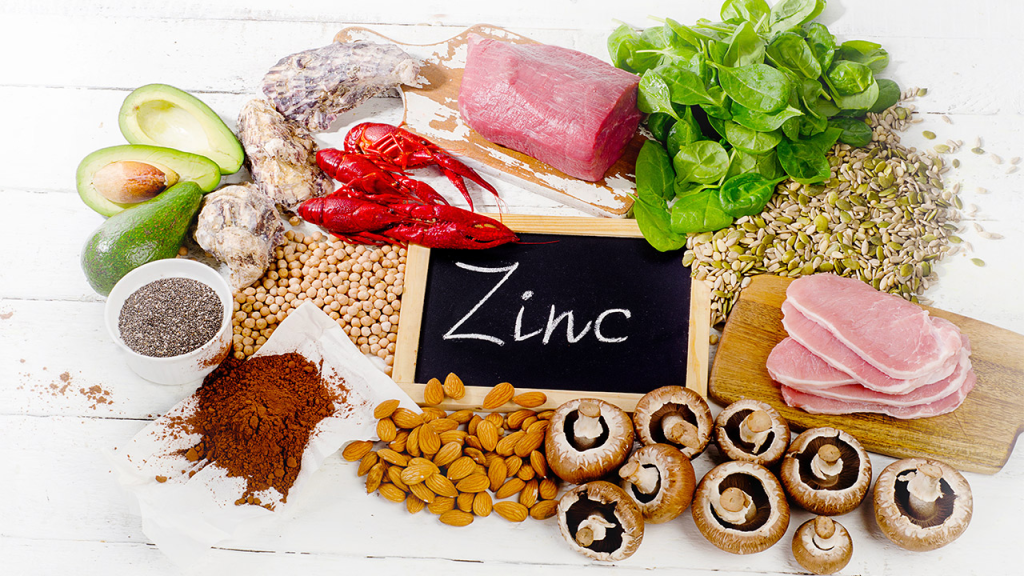
6. Zinc – Zinc is crucial for general endocrine health and stress modulation. Zinc has many health benefits due to its role in cell growth and development and its antioxidant properties, from supporting fertility to speeding up wound healing. https://www.verywellhealth.com/ Zinc is an essential trace mineral involved in numerous biological processes, including immune function, enzyme activity, and hormone synthesis. Scientific evidence links zinc to adrenal gland support primarily due to its role in steroidogenesis—the process by which the adrenal glands produce steroid hormones such as cortisol and aldosterone. Deficiency in zinc has been shown in animal studies to impair adrenal function and reduce hormone output. In humans, zinc deficiency is associated with altered stress responses and potentially impaired adrenal hormone production, though direct studies on zinc supplementation specifically improving adrenal gland function in humans are limited.
Low zinc levels lead to rough skin and negatively affect wound healing.5 Zinc’s role in immunity, cell growth, and development contributes to its beneficial effects on skin health.7 Zinc is involved in every stage of the wound-healing process, from blood clotting to the inflammatory response and wound closure. Because zinc is essential for cell growth and development, it also plays a crucial role in hormone balancing and reproduction. Zinc regulates thyroid hormone levels and influences male and female sex hormones. Zinc helps regulate blood sugar. Low levels are linked to reduced insulin secretion and sensitivity.1415 Zinc in pancreatic cells (islet cells) helps produce insulin and is necessary for its release. Zinc is an important nutrient for male and female reproduction. It supports sperm health, namely sperm count and motility (independent movement).10 Sperm tails have zinc receptors. When zinc attaches to these receptors, sperm motility increases. This may influence fertility. Most of the body’s zinc is stored in the brain. Zinc plays a vital role in learning and memory, the function of neurotransmitters (special brain chemicals), and the creation of new neurons in the brain. Changes in zinc levels in the brain—having too much or too little can influence the development and progression of specific nervous system health issues, such as Parkinson’s disease, epilepsy, multiple sclerosis (MS), and schizophrenia. For example, too much zinc contributes to cell damage and increases the risk of stroke. Conversely, low zinc levels may accelerate memory deficits and cognitive decline linked to Alzheimer’s disease.
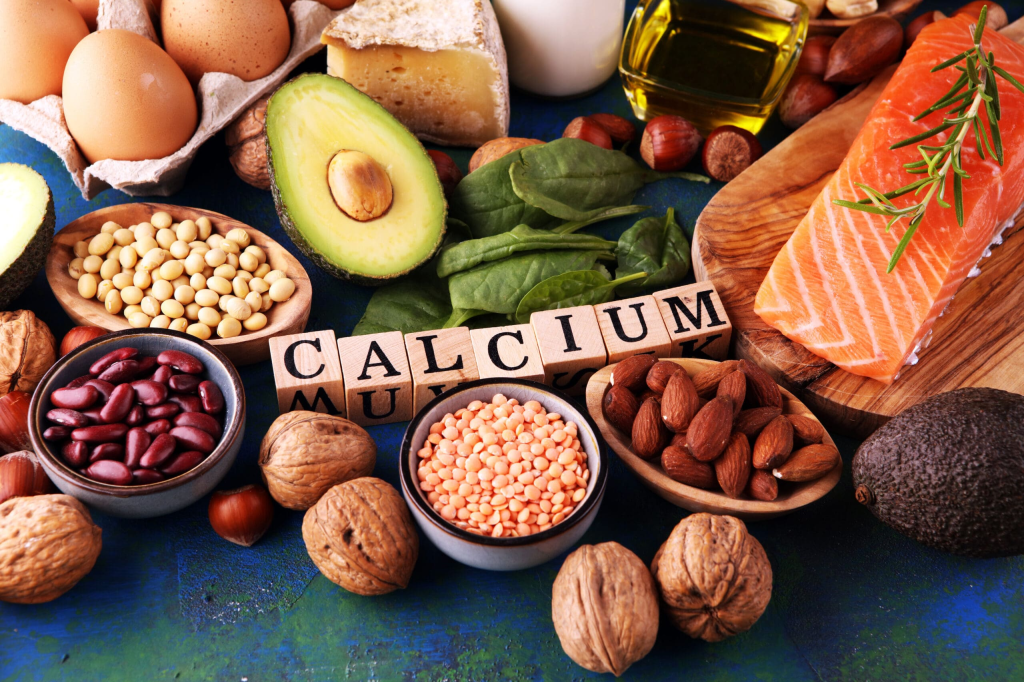
7. Calcium – Calcium is an essential mineral that’s key to yourbones and overall health. It’s recommended that most adults consume at least 1,000 mg of calcium a day. The calcium in your system also helps keep your heart beating, muscles working and nerves firing. It may offer protection against cancer and high blood pressure, too. Calcium is the most abundant mineral in your body. More than 99% of the calcium in your body resides in your bones and teeth to give them strength and structure. The rest can be found in your muscles and tissues and circulating through your blood.
Calcium hardens and strengthens your bones to give your body a solid framework. The mineral plays a key role in the growth and development of your bones when you’re young. As you age, calcium can help minimize your natural loss of bone density. Your blood needs to be able to clot (or stick together) so you don’t bleed too much when you’re injured. Calcium helps activate platelets that form clots to stop the bleeding when you get a scrape or cut. Calcium works to make sure your nerves can send messages throughout your body. It’s responsible for triggering the release of chemicals called neurotransmitters, which are the little messengers that keep your nerves in communication with one another. Calcium plays a key role in the complex scientific process that makes sure your muscles can interact with one another and generate the right amount of force you need for various movements.
Low levels of calcium in your blood (hypocalcemia) can lead to issues as your body steals calcium from your bones to compensate. “It causes the body to leach calcium from your bones to keep blood levels normal,” explains Czerwony. This reduction in bone mineral density can eventually weaken your bones (osteopenia) and increase your risk for osteoporosis, leaving you with fragile, porous bones at a higher risk for breaks. On the other end of the spectrum is hypercalcemia, or having too much calcium. Left unchecked, hypercalcemia can raise your risk of a heart attack and other health issues. The NIH advises adults ages 19 to 50 to not exceed 2,500 mg of calcium in a day. For those aged 51 and older, the upper limit is 2,000 mg. https://health.clevelandclinic.org/
Obviously, I have only provided the bare basics of good nutrition here. But there is one central theme, and it all ties together with proper nutrition, and eating a diet based on whole, nutritious foods, and by eating a wide variety of foods, from many different sources. These are the ideals I have always lived by and this is how we eat on a daily basis. The more and varied your food sources, the healthier you will be in a general sense. Of course there will always be variations, and I am NO doctor (not in this lifetime at least). ALWAYS, ALWAYS, ALWAYS listen to your own doctor(s) and do what is best for you. These are just general guidelines based on my own research. Do your own research and talk to your doctors to come up with the best and healthiest plans for you.
Have a great day and make everyday great. Eat a wide variety of healthy, whole foods from many different sources to be the healthiest version of you than you can be. May 2026 be filled with happiness, good health and prosperity for all. ‘Til next time.
At the moment, my lakes are filled with Canadian Geese. They do share the lakes with other birds too though. This time, they were sharing the lakes with some Ring-necks. I just love seeing the variety of wildlife we have right in our own backyard. Everyday is different, with different visitors all the time.
There were a bunch of male Ring-necks, but only one female in the bunch. She didn’t seem to mind too much though. She was doing her own thing and thoroughly enjoying herself.
I love any and all kinds of bread. I also love pesto sauce. So when the two are combined, that’s just like a little slice of Heaven. 🙂
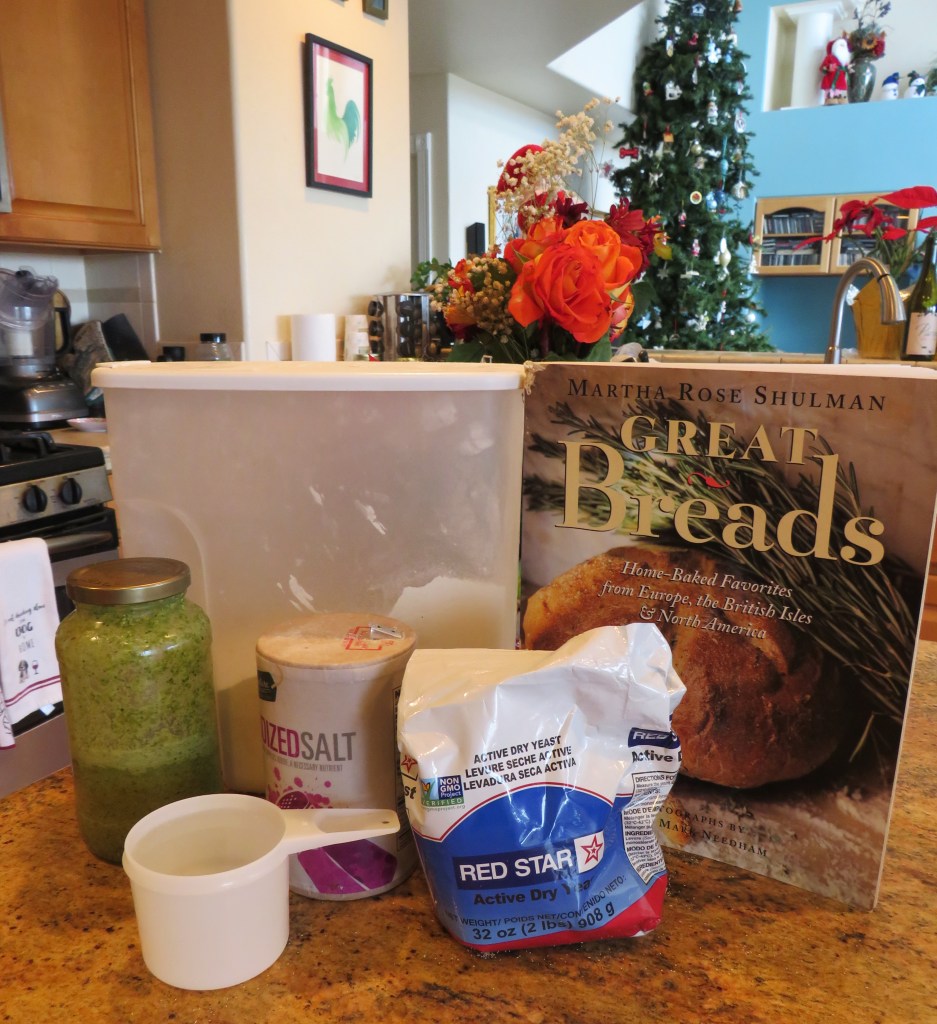
We were invited over for dinner at our friends Erik and Shannon’s and Shannon wanted me to bring some kind of bread. I was totally on it. I love making bread. There is something very therapeutic to me about making bread. So I looked through my bread books to come up with a good recipe. I found a recipe for an easy-peasy pesto bread that just hit the spot.
I had made pesto earlier, so that made the recipe even better. 🙂
Pesto Bread
This easy-peasy bread only needs a few basic ingredients, but when you mix them all together, it’s pure magic. You can make your own pesto or use store bought. I used my own that I made.
2 1/2 tsp dry active yeast
1 cup lukewarm water
2 1/2-3 cups flour, divided
1 tsp salt
about 1/2-3/4 cup pesto sauce
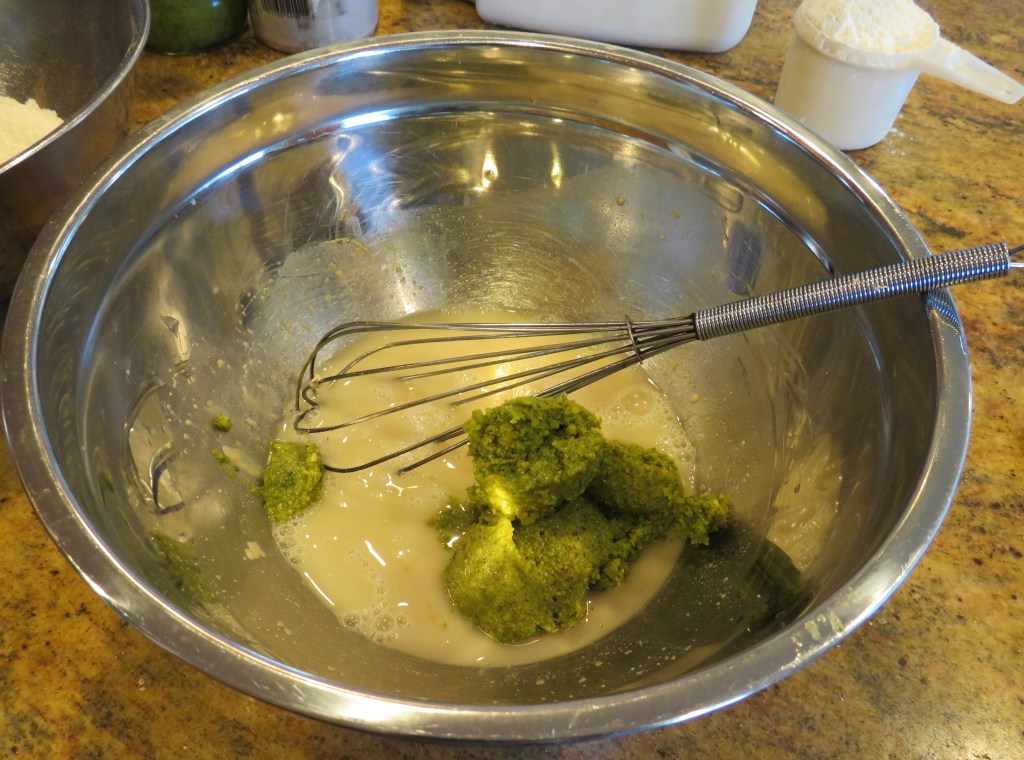
Dissolve the yeast into the water and let it set for about 10 minutes so it can get frothy.
Combine about 2 cups of flour with the salt.
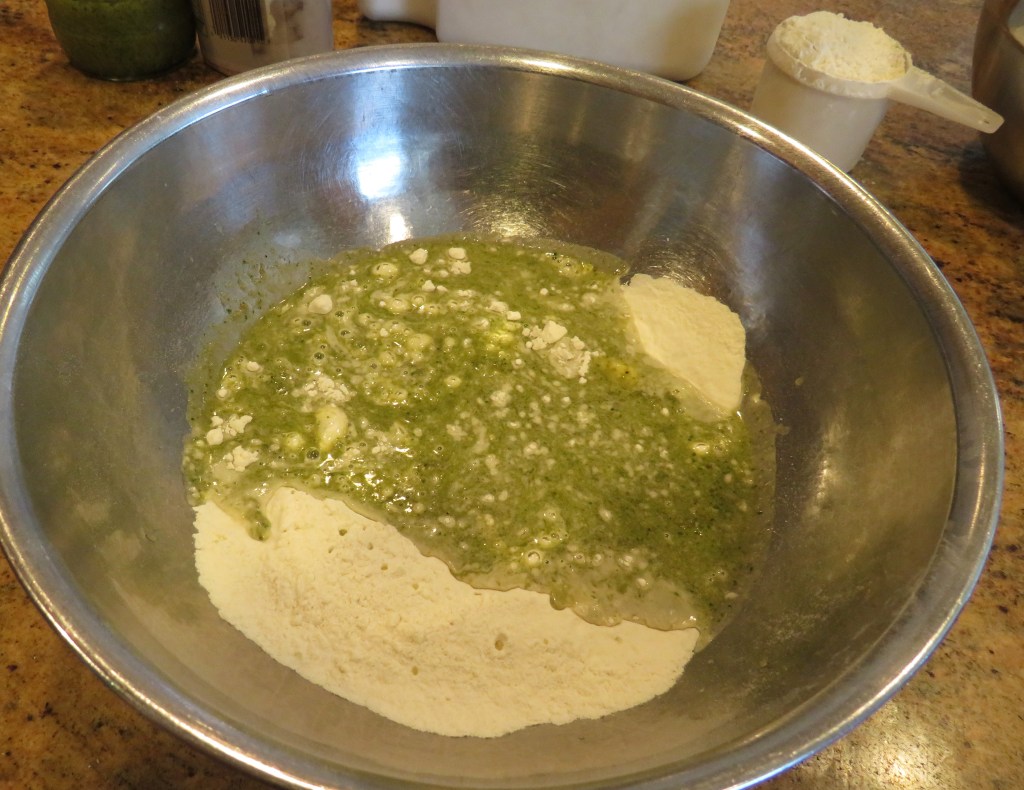
Add the pesto to the yeast mixture and mix well, then add to the flour and salt mixture.
Fold it all in, then knead it together on a lightly floured surface, incorporating as much flour as the dough will take, for a few minutes to make a soft dough ball.
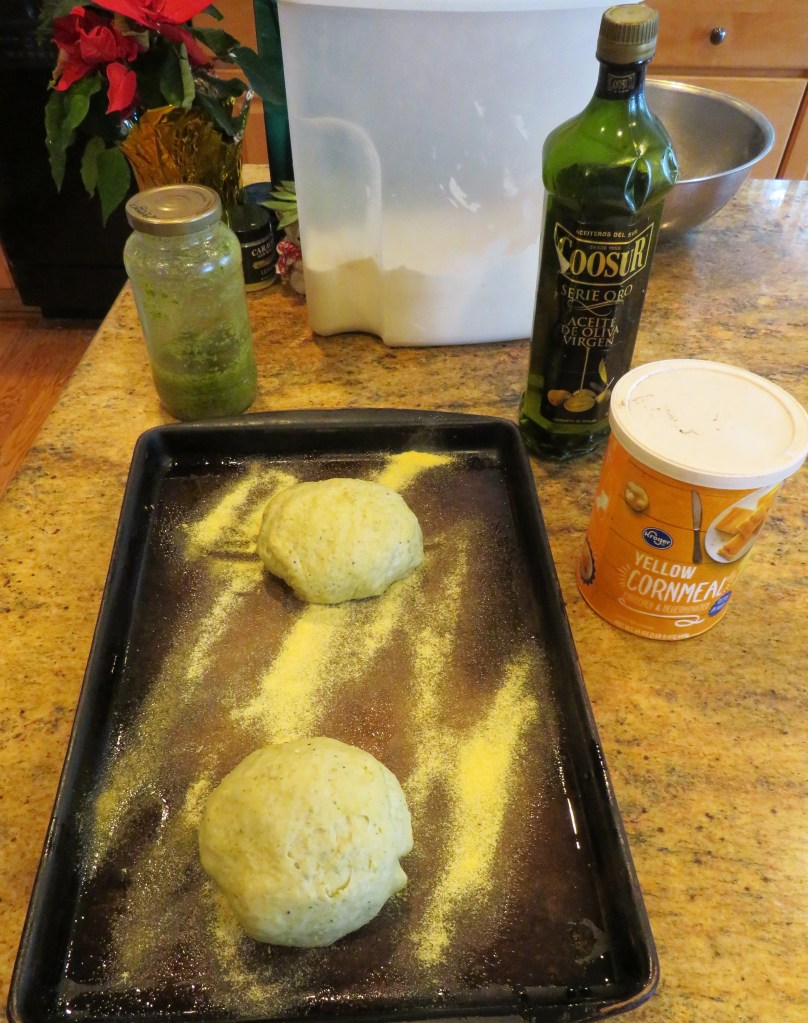
Lightly oil a large bowl and the dough and place the dough in the bowl. Cover with a towel and let rise for about 1 1/2 hours, or until it doubles in size. Punch down the dough, and you can either divide the dough in 1/2 to make 2 smaller loaves of bread, or keep it all together to make it into one large loaf. Let the dough rise again for an additional hour.
Preheat the oven to 450*F or 232*C.
Before placing the bread into the oven, make some deep slashes into the top of the dough. Brush it with an egg wash, then reduce the oven temperature to 400*F or 204*C.
Lightly oil a baking sheet then sprinkle cornmeal on the bottom. Place the dough on top. Bake for about 40-50 minutes for 2 loaves or about 50-60 minutes for 1 larger one, or until the bread is lightly golden and hollow when tapped on the bottom. Spray water into the hot oven about 3 times within the first 10 minutes of baking. Spraying water into a hot oven while baking bread creates steam, which keeps the dough’s crust soft and allows for maximum “oven spring” (expansion), resulting in a taller loaf with a thinner, crispier, and shinier crust, better flavor.
When the bread is done, remove it from the oven and let it set for a few minutes before slicing. Enjoy with either butter or olive oil.
Have a great day and make everyday great. May 2026 be filled with happiness, good health and prosperity for all. ‘Til next time.
My birthday is in February, but I just received a very special early birthday present from my dear friend Julia; our friend Julia from Blackberry Homestead at http://retirementrvdream.wordpress.com/.
Julia is a very talented artist and she loves to draw. I have been gifted with a couple of Julia’s beautiful creations, with the latest one being a portrait of my Juneau, aka Juni Bug, in the sunflowers. This was the photo that was the inspiration for my present.
This was my beloved early birthday present from Julia. It arrived yesterday. Julia actually asked me to open it as soon as it arrived, though I would have anyway unless specifically requested NOT to. She wanted to make sure it arrived safely, and that it did.
The box it arrived in was HUGE!!!!! It was very well wrapped and protected, and took me about 30 minutes to unwrap. But with determination and diligence, I finally got to the prize inside. 🙂
Julia did an AMAZING job on this picture. I thought it was going to be a small picture, but I was blown away to find out how large it really was. WOW!!!!!!
We cleared a spot on the wall and Larry helped me hang it. It needed a large spot, since it is a large picture. The floor plan of our house is very open, so finding large wall spots is a challenge, but I found the perfect spot for it. It now proudly hangs on the wall right by our front door, so everyone who walks into the house via the front door will immediately see it.
Thank you so much Julia for this absolutely gorgeous and thoughtful gift. But the real gift is the gift of our beautiful friendship. I am blessed beyond words to have such a beautiful and loving friend. 🙂 🙂 🙂
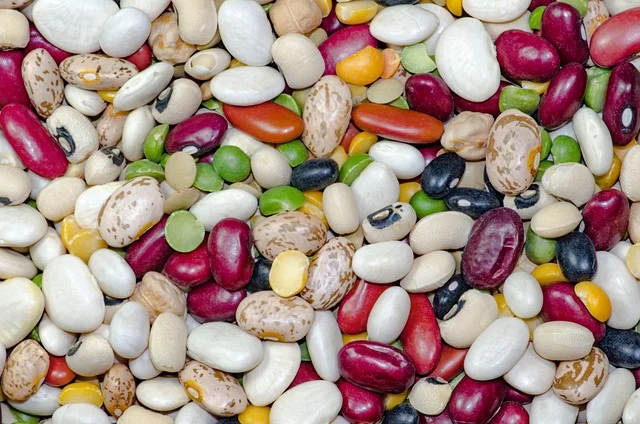
Beans, beans, good for your heart. The more you eat, the more you ______. Most of us who have been around for awhile know how to fill in the blank. We’ve all heard the saying. But jokes aside, beans are really very nutritious, in many ways. They provide essential protein, fiber and nutrients, and have been a staple food in many cultures for 1000’s of years. They come in all shapes, sizes and colors.
Beans are members of the Leguminosae or legume family. They were one of the first cultivated crops, and have been around for many 1000’s of years. Some type of bean or legume has been found in many places around the world and are eaten by almost every culture. The first cultivated beans appeared over 9,000 years ago in the Aegean, Iberia, and transalpine Europe and they were large-seeded broad beans. Beans have been found in Guitarrero Cave, an archaeological site in Peru, over 4,000+years ago too, proving that beans appeared practically everywhere and where one of the staple foods of the early peoples.
In Mesoamerica, beans were known as part of the three sisters, which included beans, corn and squash. Part of the reason they were called the three sisters by the Native Americans is because the legumes, when planted in conjunction with other crops, helped support the other crops, helping them all to survive through nitrogen fixation. Mexico is known for their cultivation of smaller beans, while Peru and the Andes are known for growing larger beans. The indigenous people of the Americas relied on the common bean as a dietary staple, particularly in the Andes and Mesoamerica. This vining plant, characterized by small seeds and twisted pods, serves as the progenitor of nearly all modern bean varieties, including dry, soup, shell, and snap beans. Most of the kinds of beans commonly eaten today are part of the genus Phaseolus, which originated in the Americas.
In Ancient Egypt, Asia and Europe, what we now call “beans” evolved from wild plants into diverse varieties like black, kidney, and pinto beans, essential for nutrition, sustainable farming, and global cuisine. Wild variants of broad beans (fava beans) were gathered in Afghanistan and the Himalayan foothills. Beans were also found in the tombs of the kings of the Ancient Egypt where they were left as the food for the departed and their souls in the afterlife. For thousands of years, the common bean has migrated across the world – from the American continent to Europe and then back again with European immigrants and explorers.
Depending on where they are grown, different beans are grown and harvested for different reasons and uses. Many bean varieties were grown specifically to be dried and stored, then reconstituted later, such as Kidney Beans, Black Beans, Great Northern Beans, and Navy Beans. “Though the basic bean preparation is universal. To be edible, dry beans must be slow-cooked in liquid from anywhere to 45 minutes [for] split peas to four hours [or more for things like] chick peas” p. 184 Dairy Hollow House Soup & Bread, A Country Inn Cookbook, by Cresent Dragonwagon). Different beans lend themselves to different flavorings and different preparations too. But don’t limit yourself just by type. Play around with different beans to create new possibilities. The limitations are with your own imaginations.
Different places prepare beans in a variety of ways. For instance, in China (more precisely in Sichuan), broad beans are mixed with soybeans and chili peppers and fermented into a paste called doubanjiang. In Dalmatia, a part of Croatia, people prepare a traditional dish made of stuffed artichokes with fava beans and peas. Greeks also cook stew of artichokes and fava beans but while they are still green and in their pods. The Southern United States eat a “Hoppin’ John” – a dish made of black-eyed peas and rice. Cuisine called “akara” is traditional in West Africa and the Caribbean. It is prepared by mixing mashed black-eyed peas, salt, onions and peppers and frying the mixture. East Asian adzuki beans are boiled with sugar and made into a sweet paste to be used as an ingredient for many desserts. Mung beans are cooked with coconut milk, sugar and a little ginger and made into a porridge which is a dessert snack called “es kacang hijau”. On the other hand, when the mung bean is made into a fine paste with ginger and salt it is eaten for breakfast. As I said, the possibilities are endless.
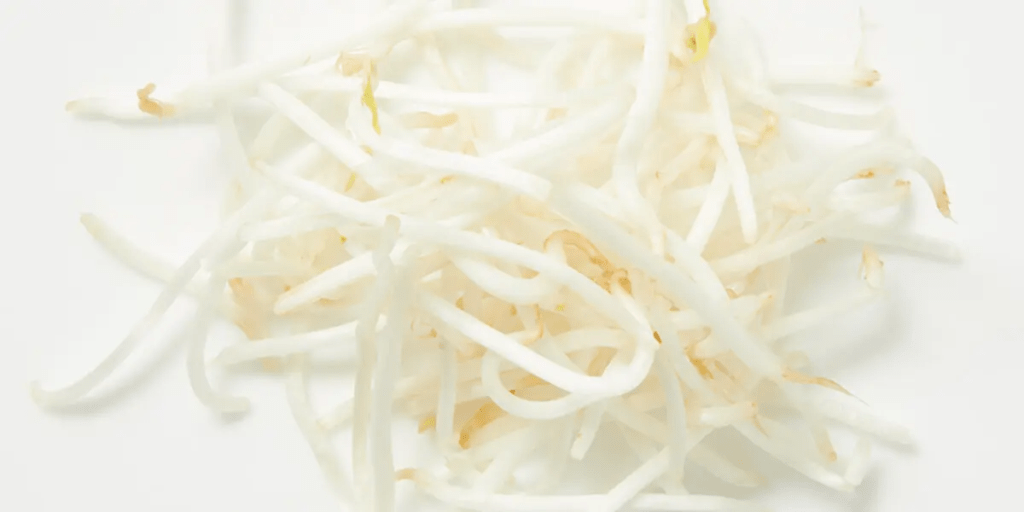
Bean sprouts, or the young small bean “rootlet”, are eaten in many different Asian countries and cultures, and have been for 1000’s of years as well. Bean sprouts, primarily from mung or soy beans, have an ancient history in Asia, used medicinally and as a food source for over 5,000 years, especially by the Chinese to prevent scurvy on long sea voyages. Part of their attraction is because they are easy to grow without soil or sun (though a dark, moist environment is needed) made them ideal for shipboard cultivation and home sprouting.
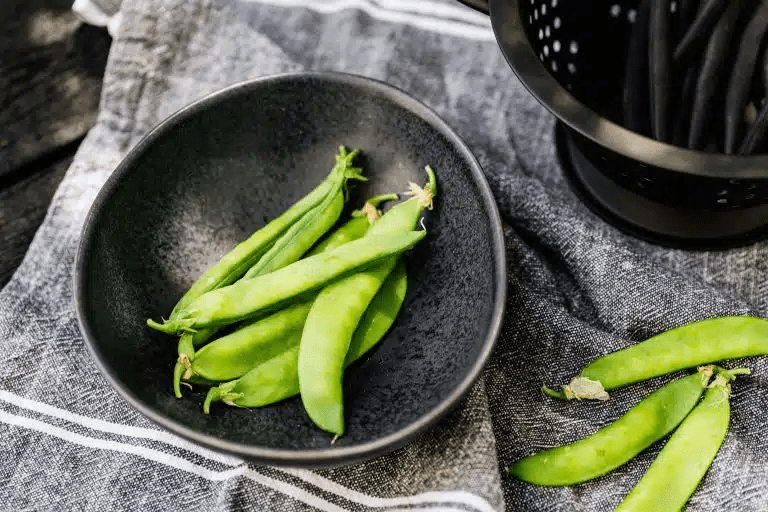
Sometimes, the soft, green pods that are young and under developed are eaten too. The most common type of young bean pods eaten are what we typically call snow peas, or Holland peas, or he lan dou. Peas are one of the oldest cultivated vegetables, with evidence found from 9750 BC in Southeast Asia and 3000 BC in Bronze Age Europe.
As you can see, beans have played an important role in the world’s diet for many 1000’s of years, with many different options and varieties. They are still a healthy choice today too. Don’t skimp on your beans. Add them to your diet in as many different, creative ways as you can.
One tip I learned that helps in the cooking process too, is to add about 1 TBSP of baking soda to the boiling water, during the cooking process. It will help soften the beans and help eliminate some of the natural gases they contain. Adding a small amount of baking soda (sodium bicarbonate) to your bean soaking or cooking water helps them soften faster and cook more quickly by making the water alkaline, which breaks down pectin in the bean’s cell walls, resulting in creamier, more tender beans and potentially reducing gas by breaking down complex sugars. The baking soda or sodium bicarbonate makes the beans easier to digest, and helps eliminate the unpleasantries of eating beans, referring back to my first sentence. 🙂
Eat your beans, be healthy and enjoy. Have a great day and make everyday great. May 2026 be filled with happiness, good health and prosperity for all. ‘Til next time.


























 A Jeanne in the Kitchen