I have created this site to help people have fun in the kitchen. I write about enjoying life both in and out of my kitchen. Life is short! Make the most of it and enjoy!
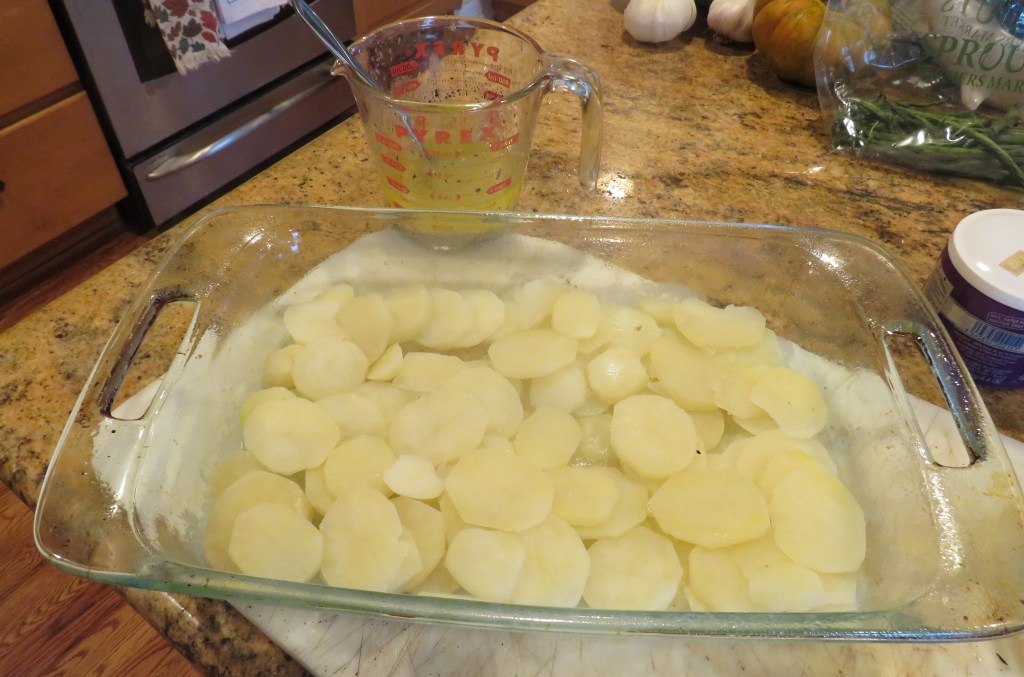
I made some Dutch potatoes, based on the recipe from our very own Gail at Snapshotsincursive at https://snapshotsincursive.com/. Thank you Gail for this delicious recipe idea. Gail is one of my blogger buddies, who at the moment is still virtual, but I know once we meet in person, we will be fast friends. Mine did not turn out as golden brown as I would have liked, ONLY because Larry was in a hurry to eat before going to the Av’s game and I had to take them out of the oven early. Had I left them in the oven longer though, they would have browned up nicely and would have been crispy on the outside and velvety on the inside. You can see they were beginning to crisp up. They just needed more time in the oven. Oh well. Life happens. All you can do is roll with it and do the best that you can. But they were still delicious. 🙂
Dutch Potatoes
I used Russet potatoes and sliced them very thin, since this is what I had at the time. Gail’s recipe called for baby potatoes. So you can use any kind of potato that works best for you, or what you have on hand at the time. I also did not have fresh oregano, but I had thyme and rosemary. So as usual, I changed things up a bit, but you are all used to that by now. 🙂
Preheat the oven to 400*F or 200*C.
Spray a 9×13 pan with cooking spray.
4-5 large russet potatoes, peeled and sliced into very thin rounds
1 stick butter, melted
1 TBSP garlic
3-4 sprigs fresh thyme
2 sprigs fresh rosemary, stemmed and chopped fine
salt & pepper to taste
1 cup shredded or shaved Parmigiano cheese
Boil the potatoes for about 12-15 minutes to soften them. Drain, then spread out in a single layer in the prepared pan.
Combine the butter, herbs, garlic and salt in pepper and mix together thoroughly. Then pour over the potatoes.
Add a generous layer of shaved or shredded Parmigiano cheese on top of the potatoes and bake for at least 30 minutes, or until they are golden brown and crispy on the outside.
When they are done, sprinkle a little parsley on top and serve them next to your favorite entree or main part of the meal and enjoy.
Once again, thanks to my friend Gail for the inspiration.
Have a great day and make everyday great. Stay safe and stay well. ‘Til next time.
I am featured in the article along with eight other people who also have some fantastic ideas about how to use up Thanksgiving leftovers.
Here is the article, written by Allie Drinkward. You can read it here, but also, please check it out on the Rent.Blog website too, at Rent.Blog https://www.rent.com/blog/
Once Thanksgiving dinner comes to an end, many of us are left with a bounty of delicious leftovers—turkey, stuffing, cranberry sauce, and more. Instead of letting these culinary treasures languish in the fridge, why not transform them into exciting new Thanksgiving leftover recipes?
In this article, we’ll explore creative ways to repurpose your Thanksgiving leftovers, turning them into mouthwatering meals that keep the holiday spirit alive. So, whether you’re hosting the holiday at your new home in Moreno Valley, CA, have a full fridge in your apartment in Auburn, AL, or are attending a late Friendsgiving celebration at a rental in Orem, UT, let’s dive into the art of reusing leftovers and discover how to make the most of this festive bounty.
1. Turn your turkey into soup
Transforming your Thanksgiving turkey into a hearty soup is a delicious way to savor every last bite of the feast. It’s the perfect combination of extending the holiday spirit while minimizing waste and meal-prepping soup for the upcoming sick season.
Amy Davis, a registered dietitian nurse and owner of Amy Davis Nutrition, shares her favorite way to reuse her leftovers, “I love using turkey in an immune-supporting turkey and veggie soup.”
Need inspiration for a recipe? Davis recommends, “Start by sauteing some onions, carrots, celery, ginger, garlic, and spices of choice in a large stock pot. Once those are translucent, add the leftover Thanksgiving turkey and stock (bonus if you use the turkey carcass to make turkey stock) and let simmer for about 30 minutes. Serve with leftover rolls and enjoy the immune-boosting benefits while avoiding food waste.”
Turkey soup not only breathes new life into your leftovers but also brings the family together for a cozy meal. Embracing this tradition ensures that the flavors of Thanksgiving linger long after the holiday is over.
2. Use up the potatoes
Once you’ve taken down your Thanksgiving table decor, leftover potatoes from your feast can be transformed into a comforting and delectable cheesy puff recipe. For a dish that not only makes the most of your leftovers but also brings a warm, homey flavor to the table, Tina DiLeo, chef and blogger at Cheftini shares her go-to recipe to use up those potatoes.
“In my Italian family, Thanksgiving side dishes are the main event. Leftovers are a given, so I love repurposing them into dishes like potato croquettes,” says DiLeo. “These puffs are a delicious and creative way to use up Thanksgiving leftovers.”
The chef continues with the puff-making process, “To make these, I take any leftover mashed potatoes and add veggies like broccoli or peas, grated cheese, egg, and seasonings. Then I roll them into balls, coat them in a crushed cornflake and panko breadcrumb mixture, chill, and bake for about 25 minutes.”
What could possibly be more comforting and satisfying than a recipe that beautifully combines the rich, creamy goodness of cheese with the hearty, beloved flavors of potatoes?
The full recipe for Tina’s potato croquettes can be found on Cheftini.
3. Create a pumpkin turkey enchilada
Reusing leftover turkey to make pumpkin turkey enchiladas is a creative way to reinvent your Thanksgiving feast. Jeanne Jones, blogger at A Jeanne in the Kitchen, crafted together a few fantastic Thanksgiving leftover recipes that are hard to not indulge in. Her pumpkin turkey enchiladas are not only a delightful fusion of flavors, but the creamy pumpkin combined with savory turkey and spices creates a mouthwatering dish that’s sure to please everyone at the table.
“I am still using up the leftovers from our Thanksgiving feast. This time, I made turkey enchiladas with a pumpkin cream sauce. The whole meal was re-created from leftovers, and believe it or not, I still have a lot more to go through too,” states Jones.
“Enchiladas in general are a great way to use up leftovers, but why not make them festive as well? I had just enough pumpkin puree for this dish, and then also used up some of the turkey and vegetables to make very tasty enchiladas. Then I served them over some leftover corn and rice.”
“A post-Thanksgiving classic in South Louisiana is turkey and andouille gumbo,” state Tom and Mary Ann Fitzmorris, food writers at The New Orleans Menu and hosts of The Food Show.
To truly savor the autumnal flavors from the holiday, turkey gumbo is an excellent way to make use of Thanksgiving leftover recipes. It transforms simple leftovers into a rich, comforting dish that loved ones can enjoy.
“When the bird has become a carcass, it goes into a pot submerged in water until the meat falls off the bones. The Trinity (onion, bell pepper, and celery) is chopped and added to a roux until the vegetables are translucent,” the Fitzmorris’ share. “The broth and bone meat are added to a roux with chunks of spicy andouille (preferably smoked first). Simmer these together and you’ll never view turkey bones the same way again.”
Creating an interactive leftover dish for the kids is a fun way to involve them in the kitchen while minimizing food waste. A fun hands-on experience encourages creativity and allows them to personalize their meals, making it a delightful and engaging way to enjoy leftovers together as a family.
“The morning after Thanksgiving, we love a hearty breakfast in our house to fuel up for a day of shopping,” says Crystal D’Urso, blogger at Treasure Coast Mom. “Our favorite is taking leftover stuffing and mixing in an egg. We then crisp it up in a waffle maker and top with all of the fixings (brie cheese, gravy, turkey slices, cranberry, and even green beans).”
D’Urso concludes, “You can’t go wrong with any of the sides and it makes it fun for the kids to ‘decorate’ their Thanksgiving waffle.”
6. Steep leftover fruits into a syrup
Liz Crain, author and co-organizer of Portland Fermentation Festival, shares her suggestion for how to use up those beautiful leftover Thanksgiving fruits. “There are often a lot of tasty fall fruits on the table, and after the big feast, I love to chop, simmer, and steep them into various DIY fruited syrups and shrubs.”
Crain continues, “I often add them to my fizzy water kefirs that I home-ferment, splash them into soda water, and all different cocktails and mocktails. It’s a fun way to extend the holiday with something tasty and festive.”
These fruity syrups not only add a sweet touch to post-holiday drinks but also elevate your Thanksgiving leftover recipes, transforming simple drinks into delightful treats that celebrate the flavors of the season.
7. Tackle turkey taquitos
Another way to savor those holiday flavors in a new form is by crafting turkey taquitos. As you shred the turkey and mix it with spices, the warm, comforting aroma fills the kitchen, making it feel festive all over again.
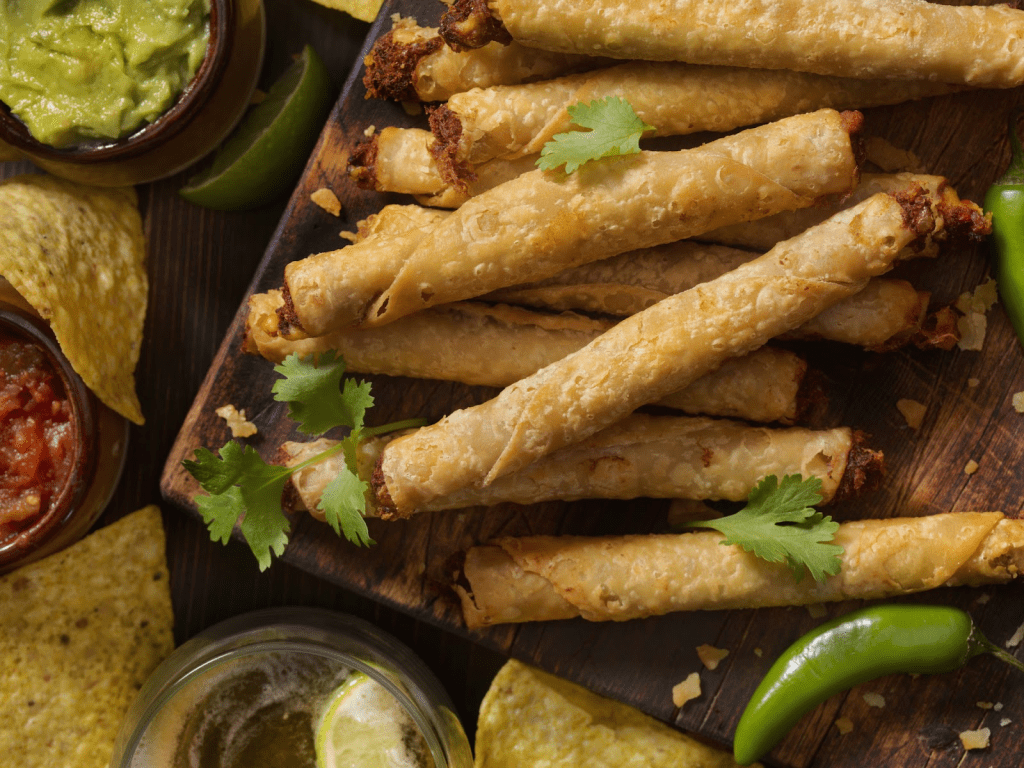
“One of my favorite Thanksgiving leftover recipes is turkey taquitos,” states LaToi Storr, lifestyle and wellness blogger, content creator, and podcaster at ToiTime. “You combine as many of the fixings like shredded turkey, stuffing, mashed potatoes, and even cranberry sauce with cheese inside of a tortilla. Then you close it with a toothpick and fry it.”
Storr assures that it’s a quick and easy-to-grab on-the-go food, perfect for when you want to relax or begin your holiday preparations.
8. Squash it up
Spaghetti squash is a true autumn delight, offering a sweet, nutty flavor that perfectly complements the season. As the weather cools, roasting it brings out its natural sweetness, creating a warm, comforting dish.
“Roast your halved spaghetti squash (cut in half, seeds removed, drizzled with olive oil and salt) at 350 degrees FT for 30 minutes. Remove from the oven and let cool slightly,” shares Lily Stark, development and communications associate at Pilot Light, a chef-founded nonprofit that brings food education into classrooms. “Next, fill each half with leftovers. Shredded turkey, stuffing, mashed potatoes, and green bean casserole are our favorites, but anything you have left over will do.”
To finish off the delectable squash, Stark concludes, “Then, lightly cover each half with foil and broil for 5-10 minutes to reheat. Top with reserved gravy and enjoy your holiday meal with an extra helping of veggies.”
Incorporating spaghetti squash into your fall meals adds both flavor and nutrition to your plate. With its delightful taste and versatility, it’s sure to become a beloved seasonal staple.
9. The turkey roundup
The turkey truly takes center stage during Thanksgiving, captivating everyone with its savory aroma and golden-brown skin. Once the feast is over, the fun continues with a bounty of delicious ways to create Thanksgiving leftover recipes.
“My family loves making turkey sandwiches the day after. Another delicious way to reuse turkey is by throwing it in a crockpot for a cozy soup,” recommends Amber Bowie, owner of Mackenzie Madison of Philadelphia, a children’s boutique with handmade clothing.
From hearty soups and flavorful casseroles to zesty tacos and comforting sandwiches, the possibilities are endless. Each dish offers a unique way to celebrate the star of the show, ensuring that the joy of Thanksgiving lasts long after the last slice is served.
Creative Thanksgiving leftover recipes: Savor every bite
Reusing leftovers is not only a practical way to reduce food waste but also an opportunity to spark culinary creativity. By utilizing creative Thanksgiving hacks to transform your festive fare into new recipes, you can extend the joy of the holiday season well beyond the dinner table. So, next time you find yourself with a fridge full of leftovers, remember: with a little imagination, you can create delicious meals that keep the spirit of gratitude alive long after the last bite has been taken.
Thank you so much Allie for including me and my recipe for Turkey Enchiladas in this fun and creative project. Happy thanksgiving to you and yours and everyone at Redfin/Rent.Blog.
Allie is a Content Marketing Coordinator at Redfin and resides in beautiful North Idaho. When she’s not working, she enjoys walking her dog at the lake, spending quality time with her family, and cheering on the Red Sox. Her dream home is a ranch-style farmhouse on acreage in the Idaho countryside.
I love anything shrimp, and I love to spice things up. So when I found this recipe for siracha shrimp, I was all over it. Shrimp and siracha sauce have been paired together since the 1930’s.
Siracha sauce was created by a Thai chef and entrepreneur, Thanom Chakkapak. The sauce was originally a thin, vinegar-based chili sauce that was aged naturally. Ms. Chakkapak named the sauce after her hometown, Si Racha. Soon this sauce was very popular all throughout Thailand, and was especially popular when served with seafood or as a dipping sauce. Siracha sauce traveled to Vietnam, where it became popular there as well, and then to China, and from China to the United States. Siracha sauce is very popular here in the States. I almost always have some on hand, because we love spicy food.
Siracha Shrimpand Vegetables
Of course I doctored up the recipe! Would you expect anything less of me? 🙂 I added vegetables to the recipe and made it a complete meal.
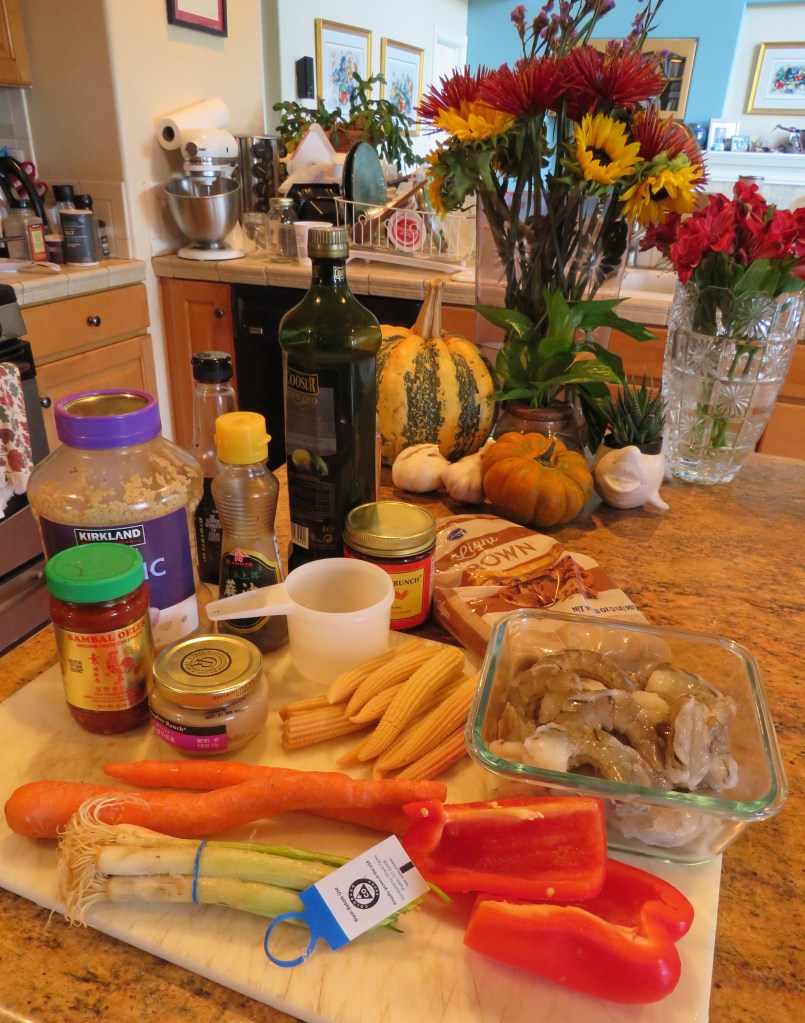
1- 1 1/2 lb large shrimp, peeled and deveined
1 1/2 TBSP oil
1 tsp sesame oil
1 TBSP garlic
1 TBSP ginger
1 tsp chili flakes or red pepper flakes
1/2 cup water
3 TBSP siracha sauce
2 tsp soy sauce
2 TBSP brown sugar
2-3 carrots, sliced
1 red bell pepper, diced
1 can baby corn, drained and cut into chunks
1/2 cup green onions, sliced Asian style
sesame seeds for topping
red chilies for topping
Combine the seasonings, water, siracha sauce, brown sugar, garlic, ginger, chili flakes and sesame oil together and set aside.
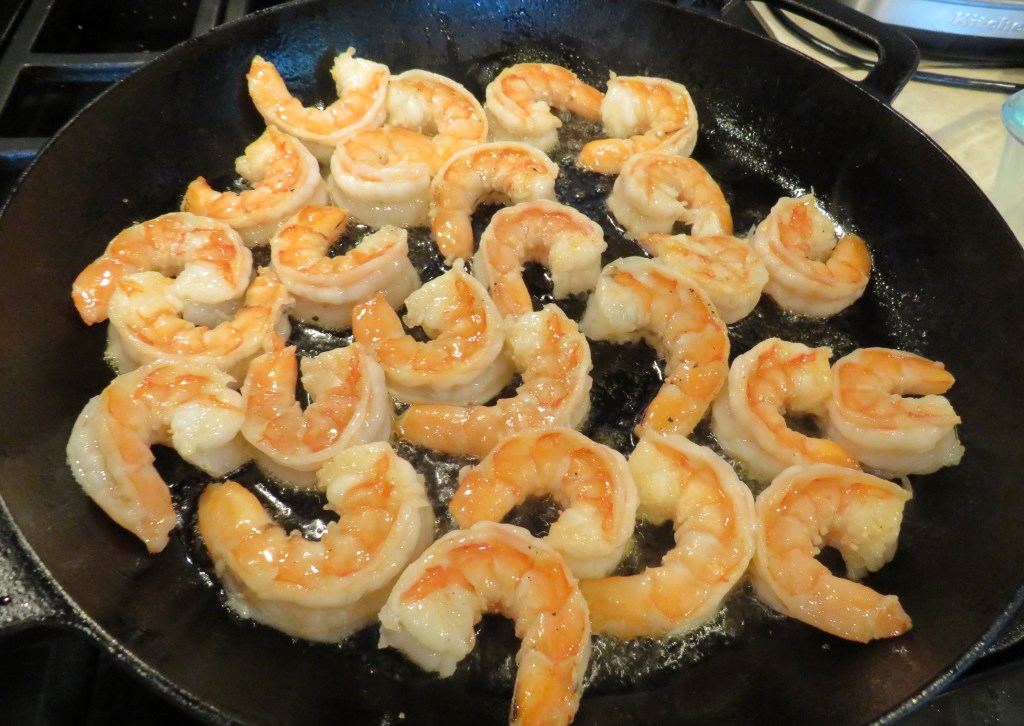
Get a large skillet very hot and add the oil. Then add the shrimp and cook until it’s done and nice and pink. Once it is cooked, remove it from the skillet, set aside and keep warm.
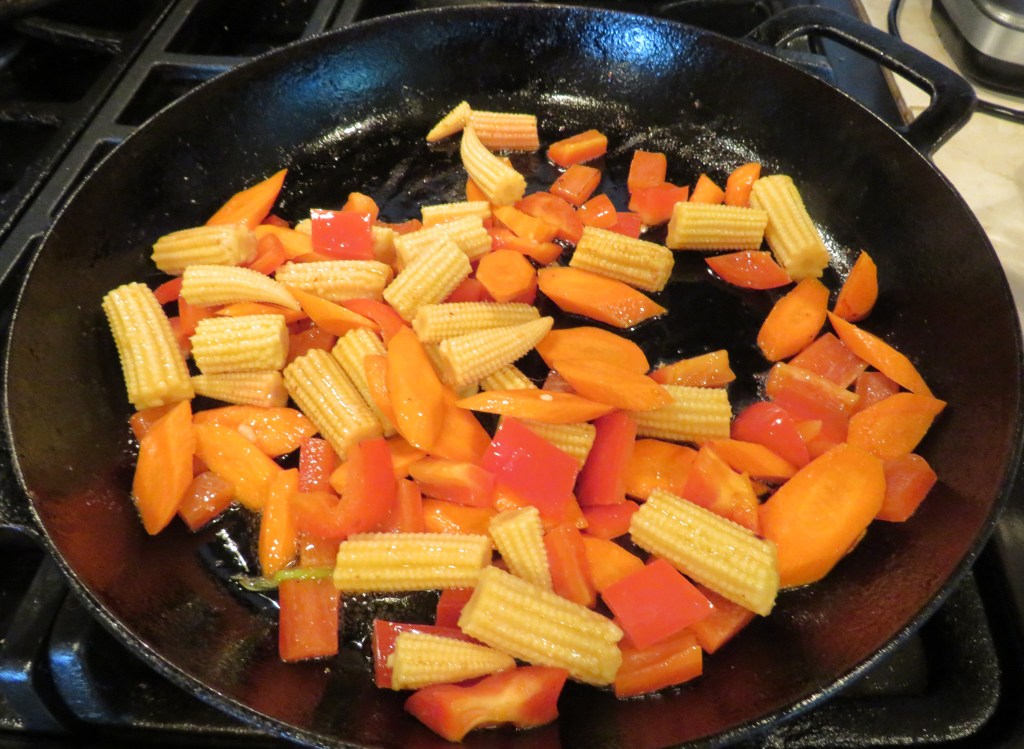
Add the corn, carrots and peppers to the oil and saute for about 5-7 minutes, or until the vegetables are al dente.
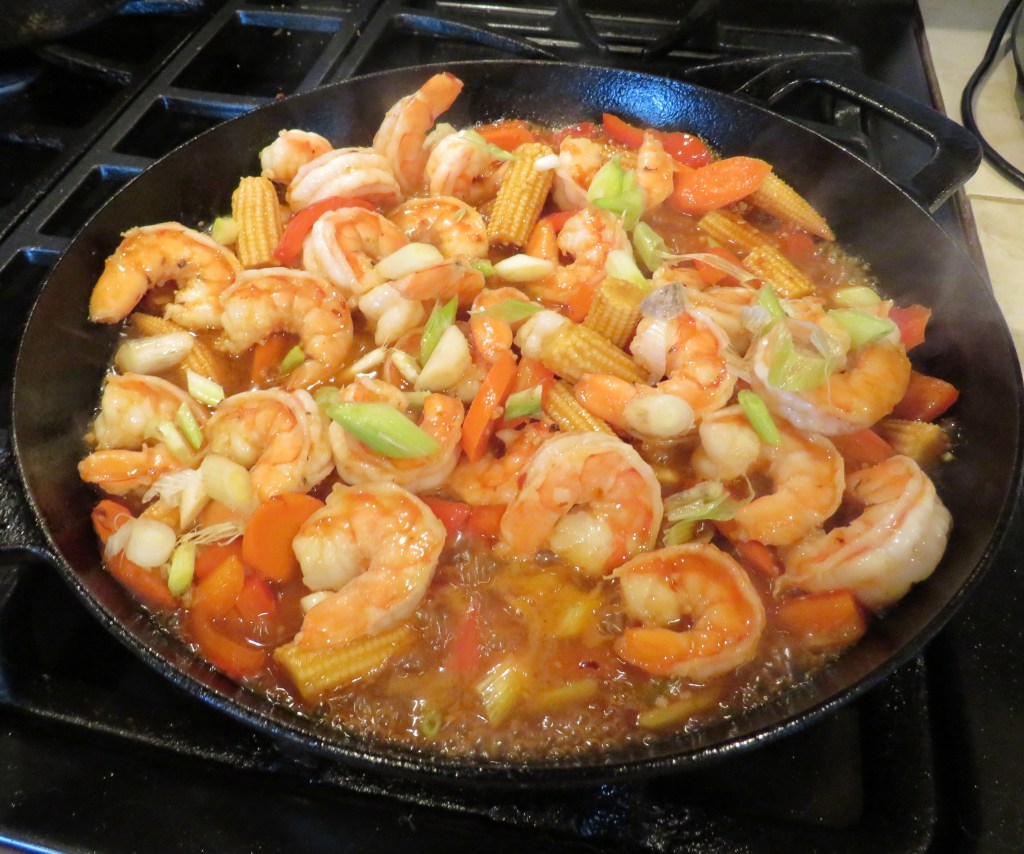
Add the shrimp back into the vegetable mix together thoroughly, then add the sauce. Bring to a boil, then reduce the heat and simmer, sitting frequently, for about 5-7 minutes. Mix in about 1/2 of the green onions right at the very end of the cooking process.
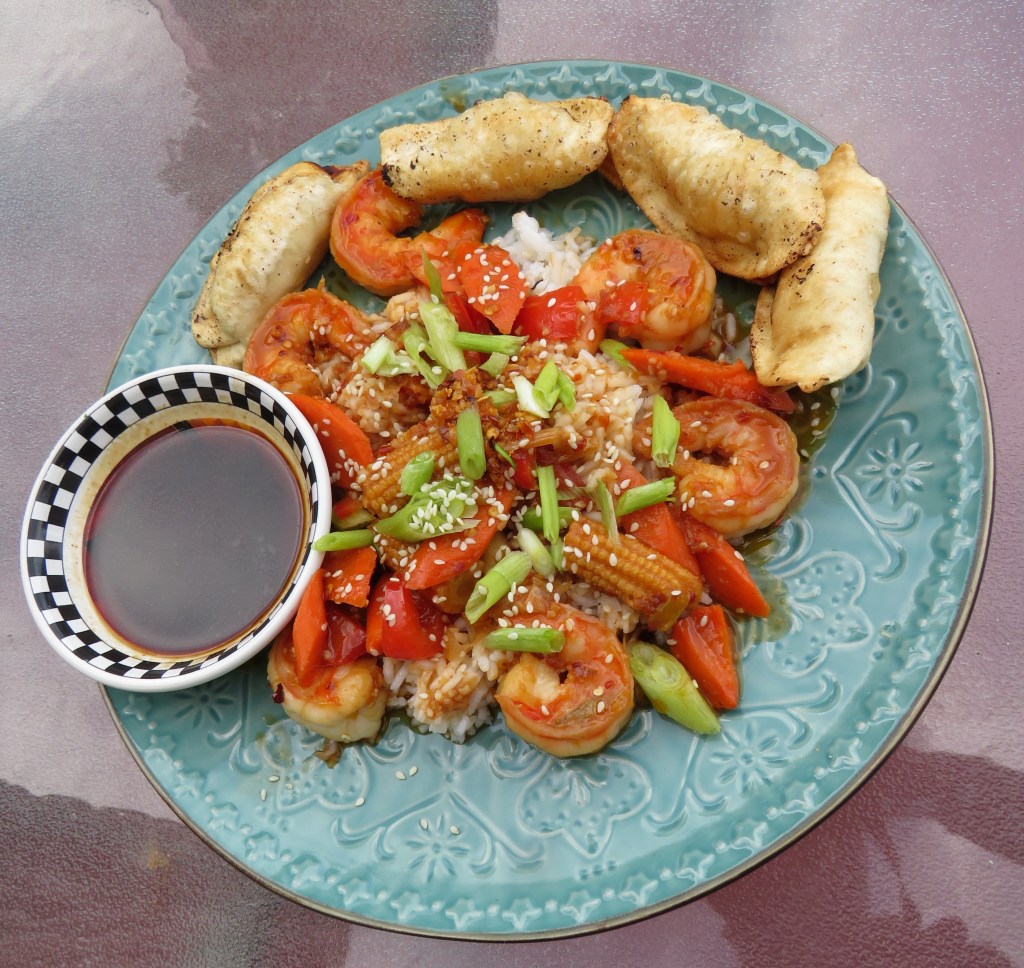
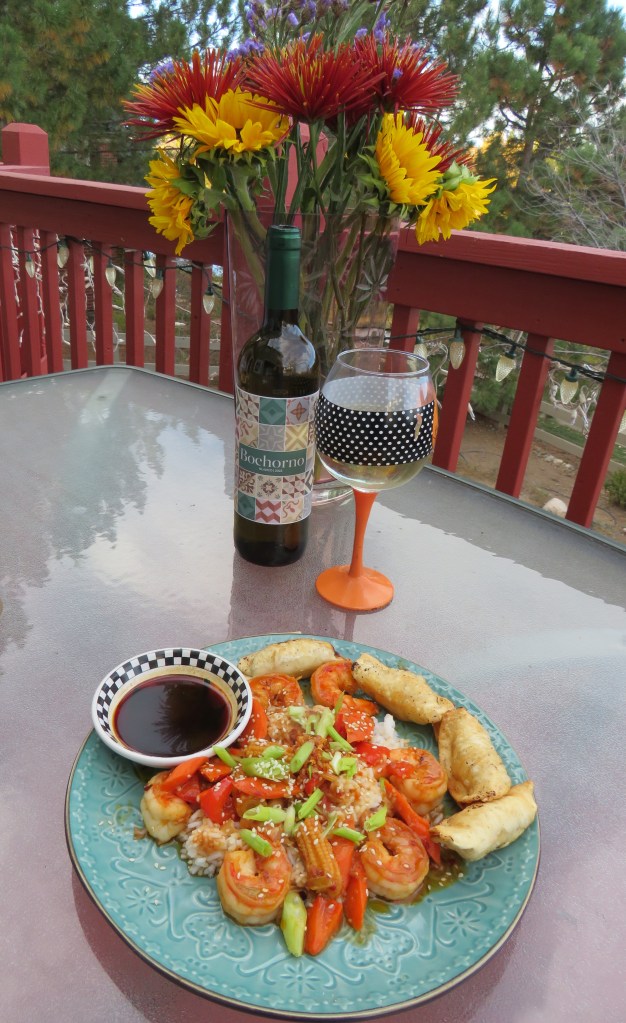
Serve over rice and top with more green onions, sesame seeds and a sprinkling of red chilies, or any combination thereof. All are optional. I served it with some potstickers and completed the meal with a crisp white blend. Delicious!
Have a great day and make everyday great. Stay safe and stay well. ‘Til next time.
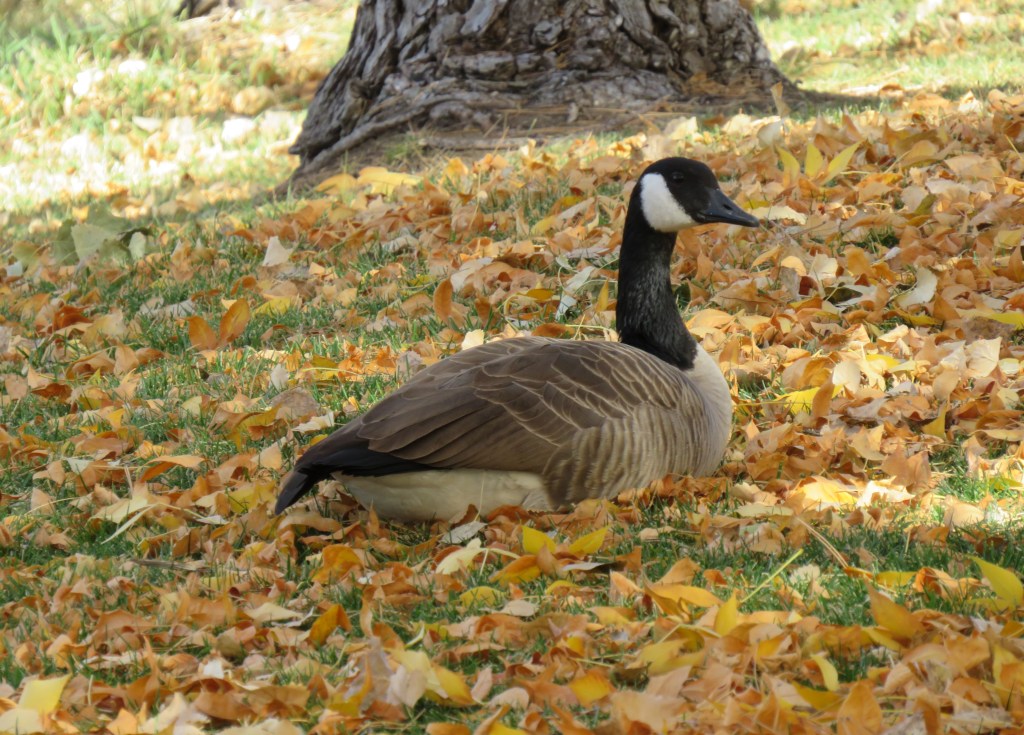
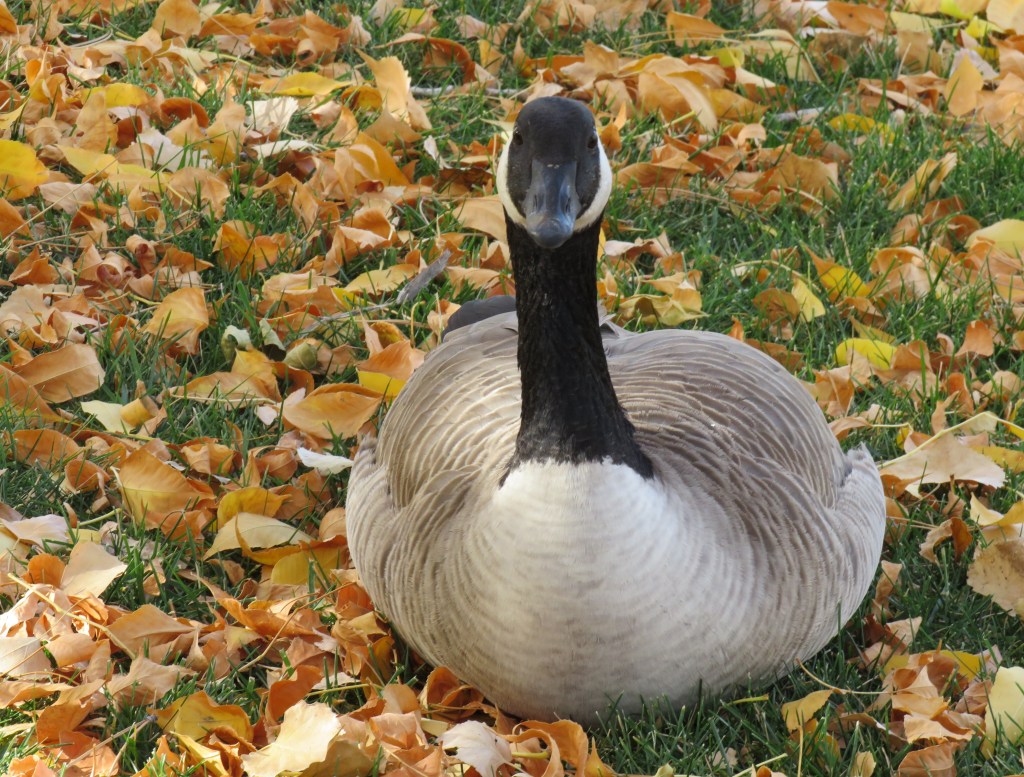
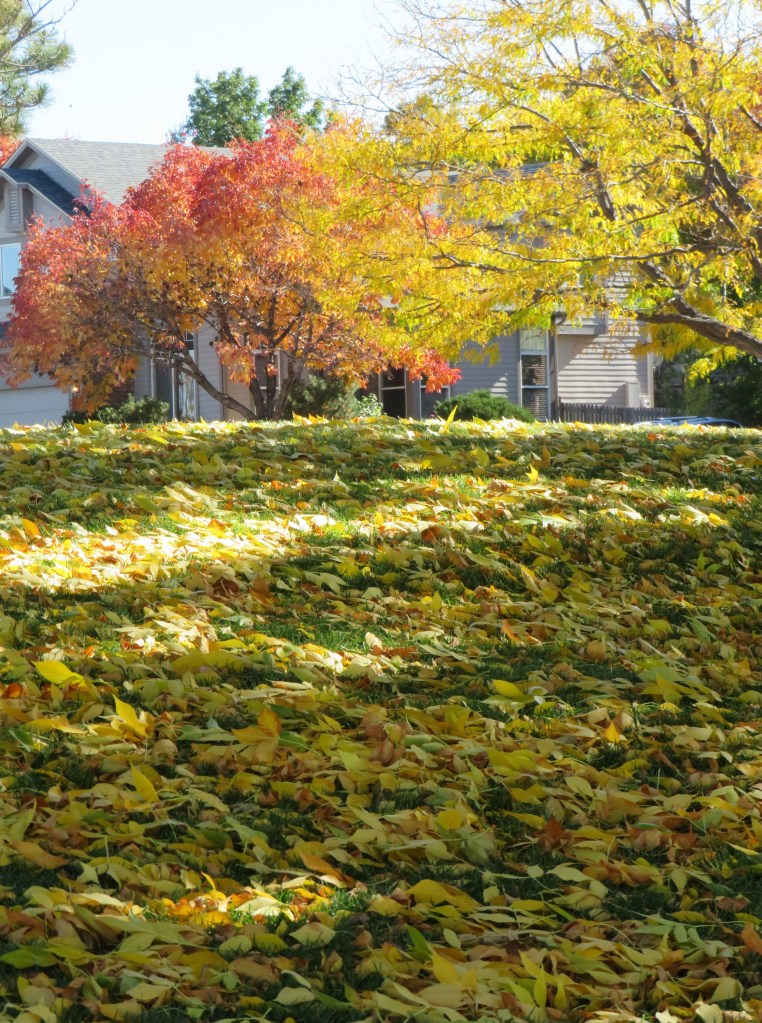
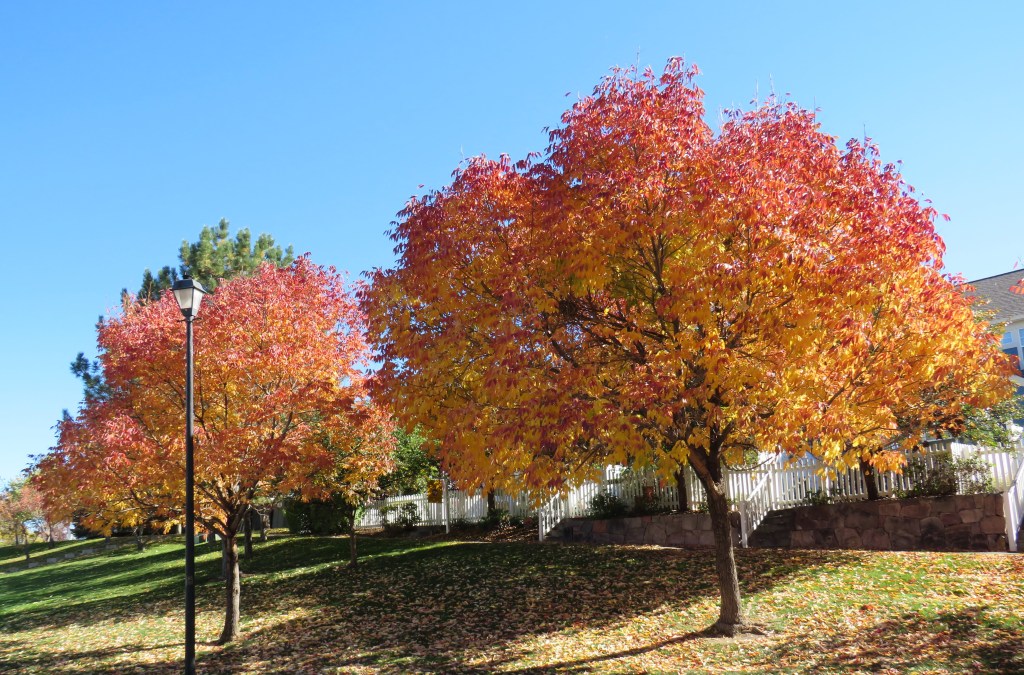
I haven’t seen nearly as many of our resident Canadian Geese lately, and I don’t know why. They are starting to come back, but they are usually here year round. That being said, one of my Canadians looks so pretty perched upon a bunch of fall leaves. How could resist taking a picture? It seems like I am not the only one who loves our beautiful fall colors.
Have a beautiful day and enjoy it in all its colors.
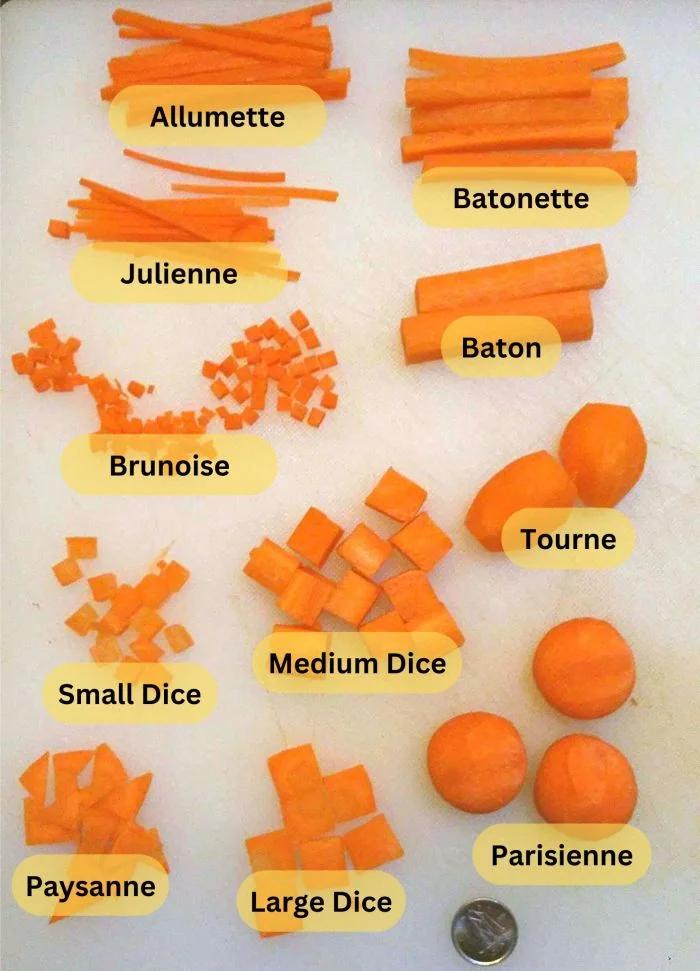
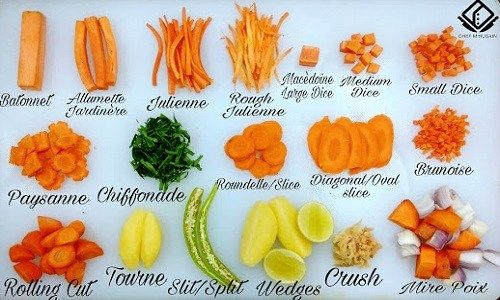
Have you ever thought about all the different ways to cut vegetables? Why do we have so many different cuts? What do they all mean? Vegetables are a staple ingredient in many cuisines, and the way they are cut can have a significant impact on the final outcome of a dish. Ingredients cut into uniform pieces at an appropriate size not only cook more easily, but also taste better.
These are the basic cuts, but there are plenty of other popular styles and types of cutting methods as well. And all of these types of cuts have different variations within each style too.
JulienneCut or French Cut – The julienne cut is a classic vegetable cut that involves slicing the vegetables into thin, matchstick-like strips. This cut is commonly used for carrots, celery, and other long vegetables. Julienne cut vegetables are great for adding texture and color to salads, stir-fries, and other dishes. This cut is also popular for making vegetable garnishes.
2. Brunoise Cut – The brunoise cut involves finely dicing the vegetables into small cubes of about 1/8 inch in size. This cut is often used for aromatic vegetables such as onions, carrots, and celery, and is a popular choice for making soups, stews, and sauces. The small size of the brunoise cut allows for quick and even cooking, which makes it ideal for recipes that require a uniform texture.
3. Chiffonade Cut – The chiffonade cut is a technique that involves stacking the leaves of leafy vegetables like spinach, basil, and lettuce, then rolling them tightly before slicing them into thin ribbons. This cut is commonly used for adding a pop of color and flavor to salads, sandwiches, and other dishes.
4. Mirepoix Cut – The mirepoix cut involves dicing vegetables into small, uniform pieces and is typically made up of onion, celery, and carrot. This cut is used as a flavor base for many recipes, such as soups, stews, and sauces. The mirepoix cut is often cooked in oil or butter before adding other ingredients to the pan.
5. Paysanne Cut – The paysanne cut involves slicing vegetables into thin, uniform pieces about the size of a quarter. This cut is commonly used for root vegetables such as potatoes, carrots, and turnips, and is a popular choice for roasting and sautéing. The paysanne cut allows for even cooking and provides a visually pleasing appearance to the dish.
6. Oblique Cut – The oblique cut is a diagonal cut made to elongated vegetables like carrots, potatoes, or zucchinis. It can be done by cutting the vegetable on a 45-degree angle or longer. This technique is great for adding a touch of elegance to dishes like roasted vegetables or stir-fries.
Aside from these fancy names and versions of cuts, there are also the basics, such as chopping, mincing and slicing, which are just as, if not more, important than the other cutting methods. These different cutting methods all have their functions and work to bring out the best flavors and qualities of the different vegetables as they are being used.
Every chef has to learn how to make these cuts as part of our basic knife skills. There are different lines of thought about which knife or knives to use as well, but most of us, who are properly trained, can do just about anything with our chef’s knife, which is our best friend, a pairing knife, and a bread slicer. Those are certainly the knives I use most often.
It used to be vegetables were an after thought to the main entree, and not much thought went into the preparation of them. But today, vegetables are just as important as the main entree. The are important nutritionally, as well as the flavors, eye appeal and elegance and sophistication they bring to the plates and to menus we lovingly prepare and serve to others.
The goal of cooking vegetables properly is to maintain their fresh, attractive qualities, while enhancing their flavors, texture and colors. Learning how to cut vegetables properly also teaches you how to maintain and preserve these characteristics and qualities. Cooking vegetables changes vegetables in four ways. It changes 1) the texture; 2) the flavor; 3) the color and 4) the nutrient value of the vegetables.
Changing the texture is one of the main reasons for cooking vegetables. Many vegetables are high in fibers, which is necessary to give them shape and firmness. But these high fibers also make them very difficult to eat and to process in their original state. We cook them in order to break down these fibers, which in turn makes them easier to eat and digest. All vegetables cook differently, but most are best when cooked al dente or firm to the bite. Cooking vegetables too much or too little changes the flavors, the textures and the nutritional qualities of the vegetables, again, emphasizing the importance of cooking them properly.
As gorgeous as these vegetables are, many would not be edible if they were not cooked and cooked properly.
So now that you know why we cut our vegetables the way(s) we do, go out, be bold, and cut your vegetables like a pro.
Have a great day and make everyday great. Stay safe nd stay well. ‘Til next time.
I usually have my Mallards all year long. My other ducks tend to be seasonal. With fall now being here, and the fall weather finally beginning to come, I am also getting more variety of ducks on my lakes as well. Yesterday, I saw a bunch of Mallards, of course, along with some American Wigeons and a couple of Hooded Mergansers. All were swimming together and catching up with each other. I even saw a few Northern Shovelers too.
Northern Shovelers.
American Wigeons
Mallards and Wigeons, oh my!
Hooded Merganser
I love it when all my ducks come out to play together.
Do you know the differences between New World Wines and Old World Wines? Did you know there even is a distinction between the two? I do, for sure. I drink and enjoy both.
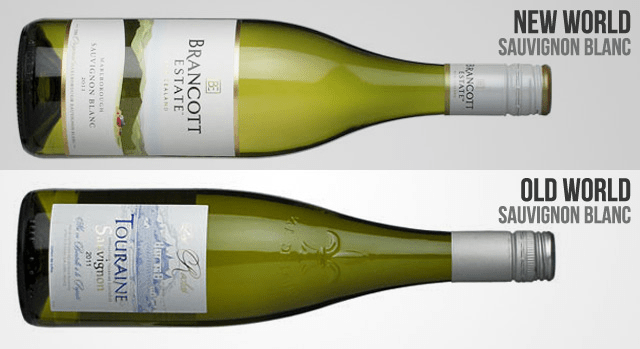
Wine. The Nectar of the Gods. It has been around for 1000’s of years. Archaeological evidence indicates that wine grapes were first cultivated in the Caucasus Mountain regions of what is now known as Georgia and Armenia. From there, grapes spread to the Central, Western and Mediterranean regions of Europe. The grapes and wines from these areas are known as Old World wines. Generally, Old World history focuses on past events in Africa, Asia, and Europe—continents with ancient beginnings and places known before the exploration of the Americas. In contrast, New World history focuses on North America, Central America, and South America, and Australia and New Zealand.
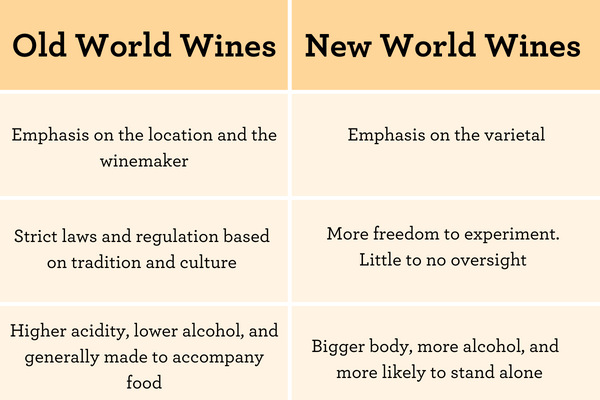
Old World wine tends to have a lighter body, lower alcohol content, higher acidity, and less fruity flavor with more minerality. New World wines tend toward a fuller body, high alcohol content, lower acidity, and more pronounced fruit flavors. Of course, this is almost like the difference between cool climate and warm climate wines.
Old World Wines are steeped in centuries’ old traditions and celebrates where the grapes originated. These areas are usually in the cooler climate regions that allow the grapes to ripen slowly. The slower ripening process gives the grapes a higher acidity level, giving the wines they make a lower alcohol content. Often these wines are fermented with oak, which adds flavor and helps to maintain their balance. The oak influences and the balance they provide are part of what makes these Old World wines so palatable with so many different types of foods.
By contrast, New World Wines are known for their innovative and creative ideas. There is a lot more freedom and less restrictions placed on New World Wines and their wine making process than Old World Wines. These grapes tend to grow in warmer climates than their older, more mature counterparts. The warmer climates bring out more fruitiness and a higher alcohol content. Often times, New World Wines are bolder and heavier, and pairing them to foods can be a bit more challenging. You have to make sure the pairings will compliment both the flavors and characteristics of the wines and the food, without either one being overbearing and cancelling out the flavors of the other.
An example of the different characteristics can be found in chardonnays from both the Old World and the New World. An Old World Chardonnay, with grapes grown in the Burgundy, France region is renowned for it’s fresh acidity with mineral and green apple flavorings. A New World chardonnay, say from Napa, CA, will exhibit a rich, full-body with flavors of ripe fruit, vanilla and butter. Often times, the same grapes are used for both, but are processed in completely different ways, making two completely different wines.
By law, for the Old World wines, the label has to tell you the region’s name and vineyard where the grapes were grown. But the labels do NOT have to say what types of grapes were used, and more so than not, do not say what types of grapes are used. In Burgundy, France, all white wines are produced from chardonnay grapes and all reds are made with pinot noir grapes. In Bordeaux, white wines are usually blends that are dominated with sauvignon blanc grapes, whereas the reds are predominantly blends of both merlot and cabernet sauvignon grapes. In contrast, New World Wine labels do not focus on the region or the vineyard, but on the types of grapes used.
I love my wines, both Old World and New. I drink and enjoy wines from all over the world. I can definitely tell the difference between the two styles. What I drink at any particular time, just depends on how I am serving them, what I am focusing on at the time.
The old standards of pairing foods and wines were pretty simple and straight forward. Red meats and lamb went with red wines. Chicken and fish were served with white wines. Today, those same standards apply, but only loosely. Things are a lot more relaxed today. However, there are still guidelines and suggestions that are recommended and used. For my tastes, I loosely follow the above guidelines, however, I do vary them too. I also base my food and wine pairings on the type of sauce I am serving. If I am serving something with a red sauce, I will most likely choose a red wine. If that dish is chicken or fish, I will choose a lighter bodied red wine, such as a Merlot or a Pinot Noir. If a big, thick, juicy steak is on the menu, I will go much heavier on the red wine, and serve it with something like a Cabernet Sauvignon, A Cab-Franc, or a Zinfandel. If I am cooking something with a white sauce, I will choose I white wine. If the sauce is spicy, I will go with a sweeter white wine, like either a Sauvignon Blanc or a Riesling. The sweeter wines will help curb the spiciness of the dish. However, since I love to cook ethnic foods, I pair my wines and my foods with the wines from that country or region, as much as I can. If I am cooking something Spanish I will serve Spanish wines, like a Tempranillo or a Rioja for reds, and a Verdejo, or my favorite Albarino, for whites. I love my Argentine Malbecs too, especially with a good steak.
What really matters though is for you to drink wines that you like, even if that means thinking outside the box. Be adventurous and try new, or old, styles. The more wines you try, the more you will learn about them, and the more you will learn what works best for your particular style of cooking and eating. Test your wine skills and broaden your palates. But most importantly, enjoy the wines and all your wining experiences.
Have a great day and make everyday great. Enjoy some great wines along the way too. Stay safe and stay well. ‘Til next time.
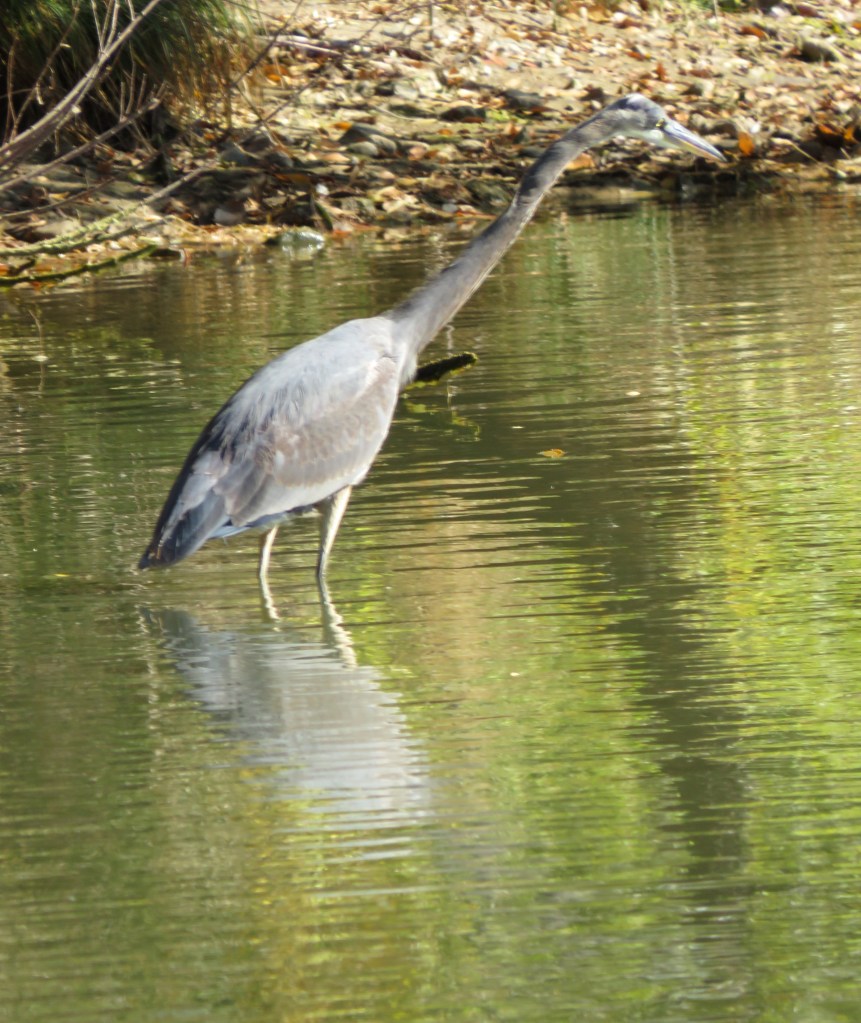
Because of our warm fall so far, all of our birds, animals and plants have been going crazy, and their normal routines and migration patterns have all been thrown for a loop. That’s OK by me though. It means I get to enjoy them a bit longer. 🙂
Usually by now, our Herons are long gone. But not this year. This year, I still have a few that have decided to stay for as long as they can before moving on to wherever it is they go after leaving us. You will never hear a complaint from me when it comes to seeing my beautiful Herons for a longer period of time.
I can only speak for myself, but I will enjoy all of nature’s gifts for as long as I can, anytime, all the time. 🙂
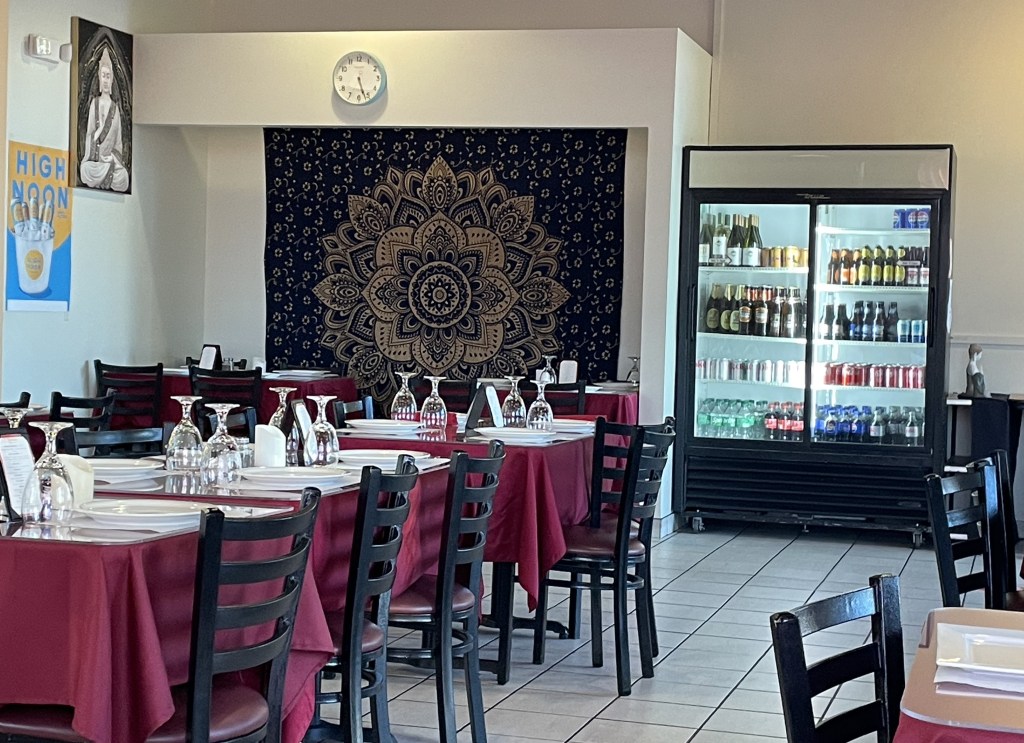
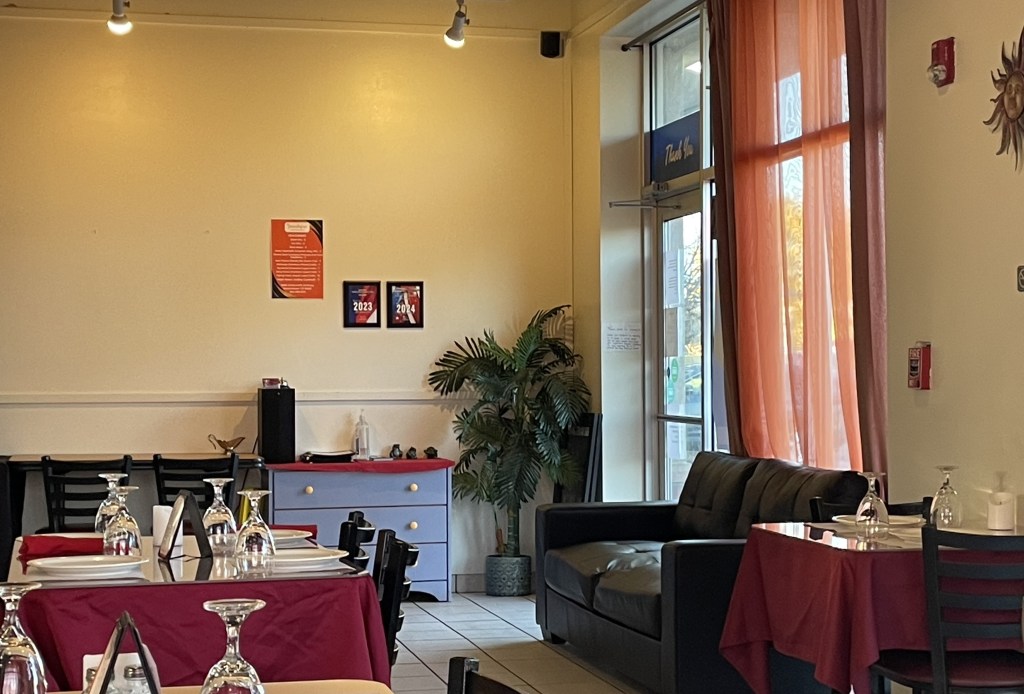
Larry is out of town, visiting his mom in Hays, KS. Janet and Bob invited me to go try a new Indian restaurant with them. Of course I said yes. It was a fun evening with good friends, who are really family and we got to try a new restaurant in the process. It was a win/win for all, except Larry, who missed out. We tried a place called Janakpour Indian Restaurant, in Westminster.
Bob started us off by ordering a delicious Argentine Malbec. Then we ordered some vegetable samosas. Those were scrumptious! They came with a mint sauce and a tamarind sauce.
Then we did what we always do, and each of ordered something that we all shared. We ordered butter chicken, chicken vindaloo, and spiced cauliflower and potatoes, as well as an order of na’an bread.
The owner, Paban Thakur, served us, and was very friendly and helpful, and explained all the dishes to us. The food was fantastic, with large portions too. Even though we only took little bits of everything, a lot of little bits adds up to a lot, and by the end of the meal, we were all stuffed.
When we first arrived, there was only one other family there, but they gave us the 4 thumbs up review. Rightly so, too. Buy the time we left, the restaurant had filled up, and almost every table was seated.
Everything was amazing! We are already planning another trip in the near future, and this time, we might even bring Larry too. 🙂
Janakpur is a definite do-over for us, and I highly recommend to you as well, when in the Westminster, CO area. Janakpur is located at 9660 Wadsworth Parkway, Westminster, CO 80021. You can just drop in, like we did, or order on line, at http://www.janakpuindianrestaurant.com or jaakpur395@gmail.com. You can also call too at either (303) 466-6171 or (720) 270-9218. No matter how you decide to enjoy this dining experience, I promise you it will be deliciously fantastic. Enjoy!
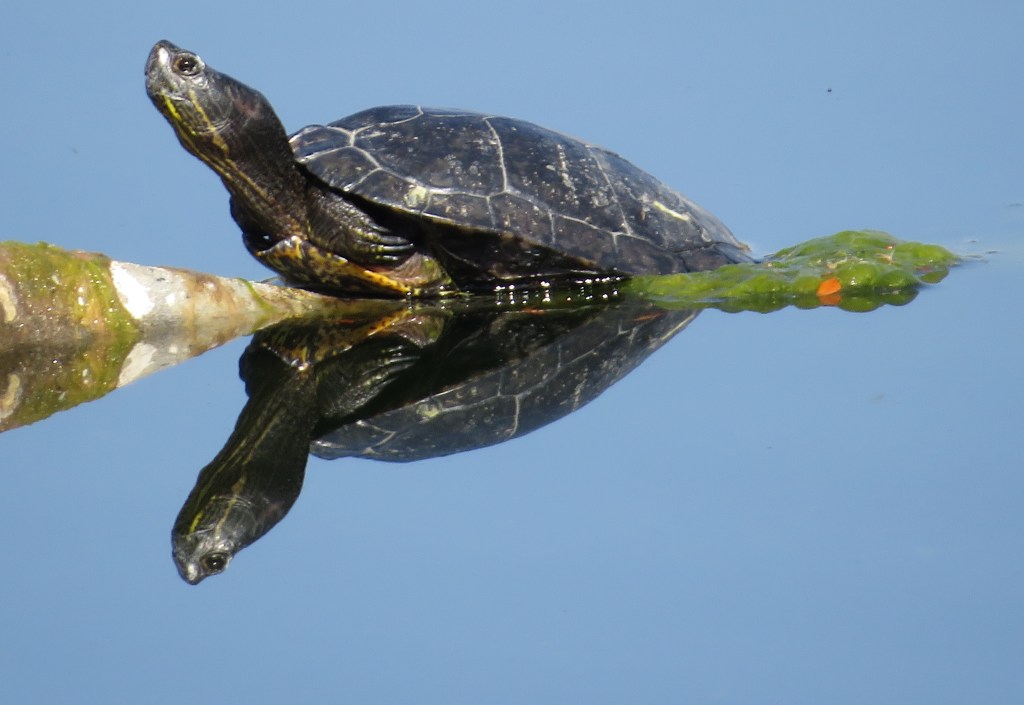
Believe it or not, I am still seeing turtles. Maybe it is because we have had such a warm fall so far. I am not seeing many, and I am only seeing my smaller Red-Eared Sliders, and not my Snapping Turtles, but they are still coming out for a little extra Vitamin D. Usually by this time of year, the turtles are in deep hibernation and won’t be back out again until spring. But they are still out, enjoying the sunshine a little bit longer. I too am enjoying the sunshine for as long as I can. I don’t blame them one bit. 🙂































 A Jeanne in the Kitchen