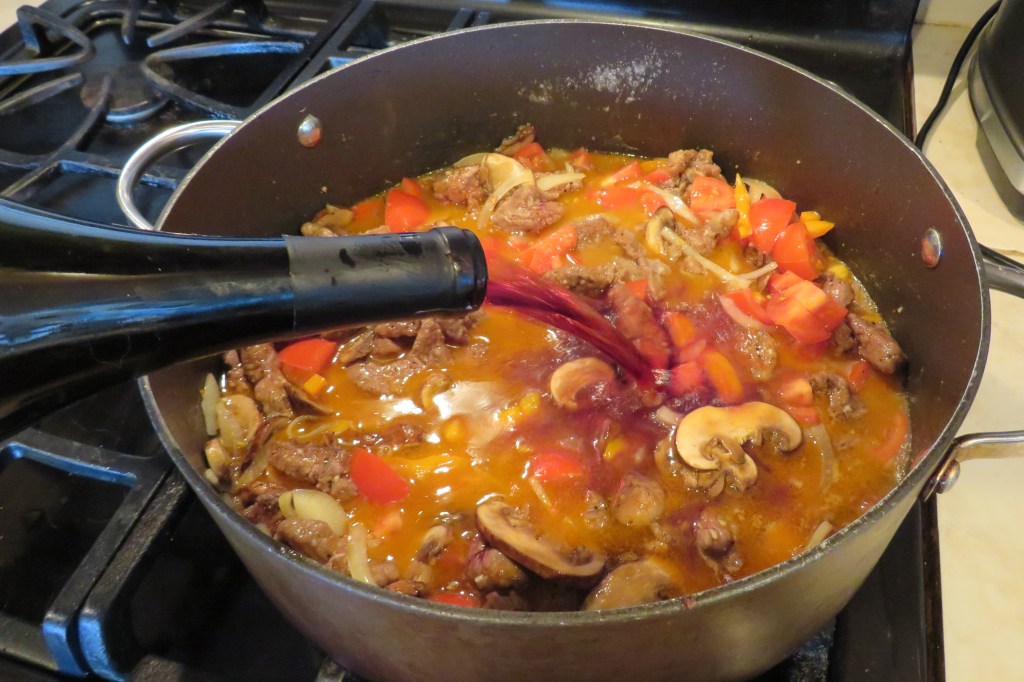
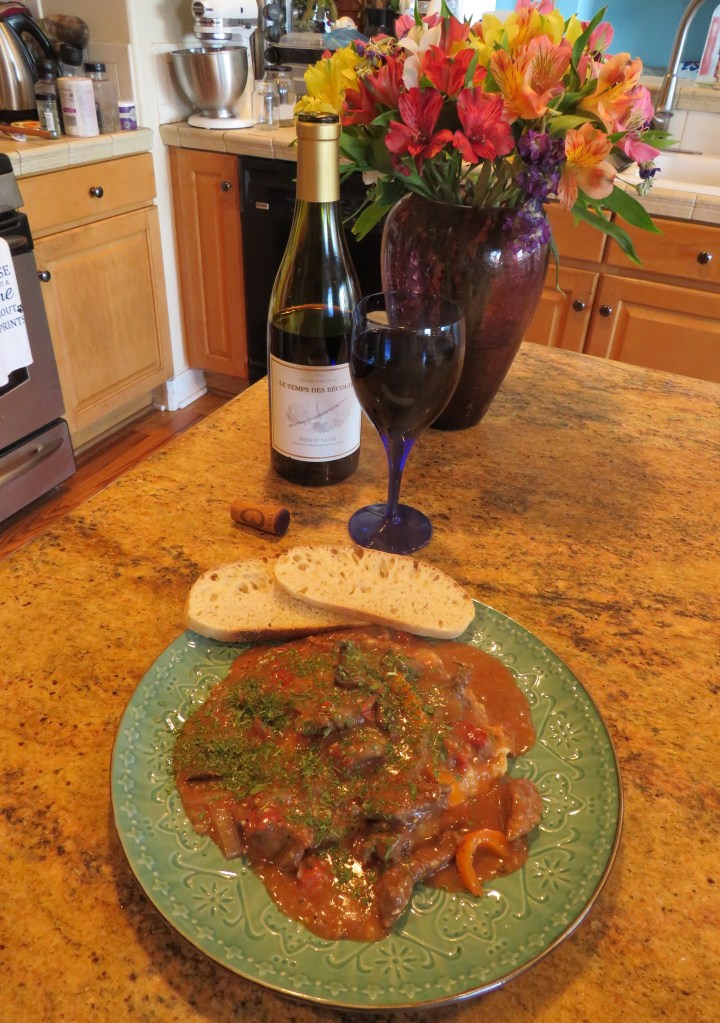
It’s All About The Vinegar

Vinegar has been around for 1000’s of years and it is found all over the world. Vinegars can be made from anything from flowers, herbs, fruit, vegetables and cereals that have been fermented to make alcohol. And of course, you can make vinegars from wine too. They are used as a condiment, a food preservative or as a pickling agent, which also preserves food. The word vinegar comes from the French word vinaigre, meaning sour wine.

Vinegar is a go-to ingredient when you want to increase the acidity in your recipes or preserve foods through pickling. It can help to cut the saltiness of over-seasoned dishes, and it can be combined with salad oil to create a tangy vinaigrette. Vinegar has a long shelf-life, which makes it convenient to keep on hand. In fact, vinegars in general, are some of the foods that have an indefinite shelf-life, and never really go bad. Just store them in a cool place, away from heat, and keep them tightly sealed until you are ready to use them, and they will always be good for whenever you want to use them.

Though there is an endless array of vinegar flavors, there are only about 13 main types that are used as the base vinegars.

All types of vinegar start as a liquid containing natural yeasts and sugars, like unpasteurized fruit juice. The liquid goes through a fermenting process where the yeast consumes the sugar and produces ethanol (alcohol). The sour, pungent flavor of vinegar is deepened through a second fermentation that transforms the alcohol into acetic acid. The flavor profile of each kind of vinegar is determined by the type of juice or liquid that is used. They main vinegar bases are:

Distilled white vinegar; apple cider vinegar; balsamic vinegar; white wine vinegar; red wine vinegar; rice vinegar; malt vinegar; red rice vinegar; champagne vinegar; sherry vinegar; black vinegar; cane vinegar; and beer vinegar. From these basic vinegars, the possibilities are endless. Be as creative as you like, using ingredients that will highlight the individual characteristics of each “mother” vinegar.
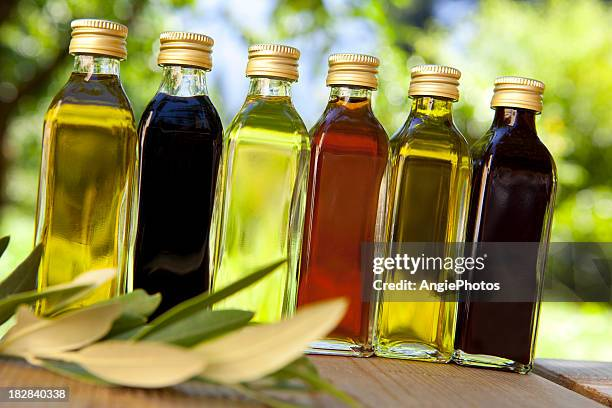
There are many different types of vinegars available, each with their own individual styles and flavors. The most commonly used type of vinegar is distilled white vinegar. White vinegar is distilled from grain, which results in a crisp and clear product. White vinegar has a strong flavor, so it’s best used in small doses to add a touch of acidity to recipes. It’s a common preserving agent and can be used to pickle foods. Distilled vinegar can also be used in baking applications to provide leavening (rise) to cakes and cupcakes.  I even add a dash of white vinegar to my water when I am making hard boiled eggs, or when I want to crisp up potatoes for roasting.

The second most commonly used vinegar is apple cider vinegar. It is made by adding a bacteria and yeast culture to crushed, strained apples. Added sugars and natural sugars are consumed by the bacteria and yeast, producing ethanol. The ethanol is fermented a second time to produce acetic acid, the compound that gives vinegar its sour flavor. Apple cider vinegar is different than white vinegar because it retains a sweet, fruity flavor from the apples. White vinegar is stronger than apple cider with a higher percentage of acetic acid. Reach for apple cider vinegar when you want to add flavor to salad dressings and sauces. Choose distilled white vinegar when you want to pickle foods or add acidity without imparting any extra flavors.

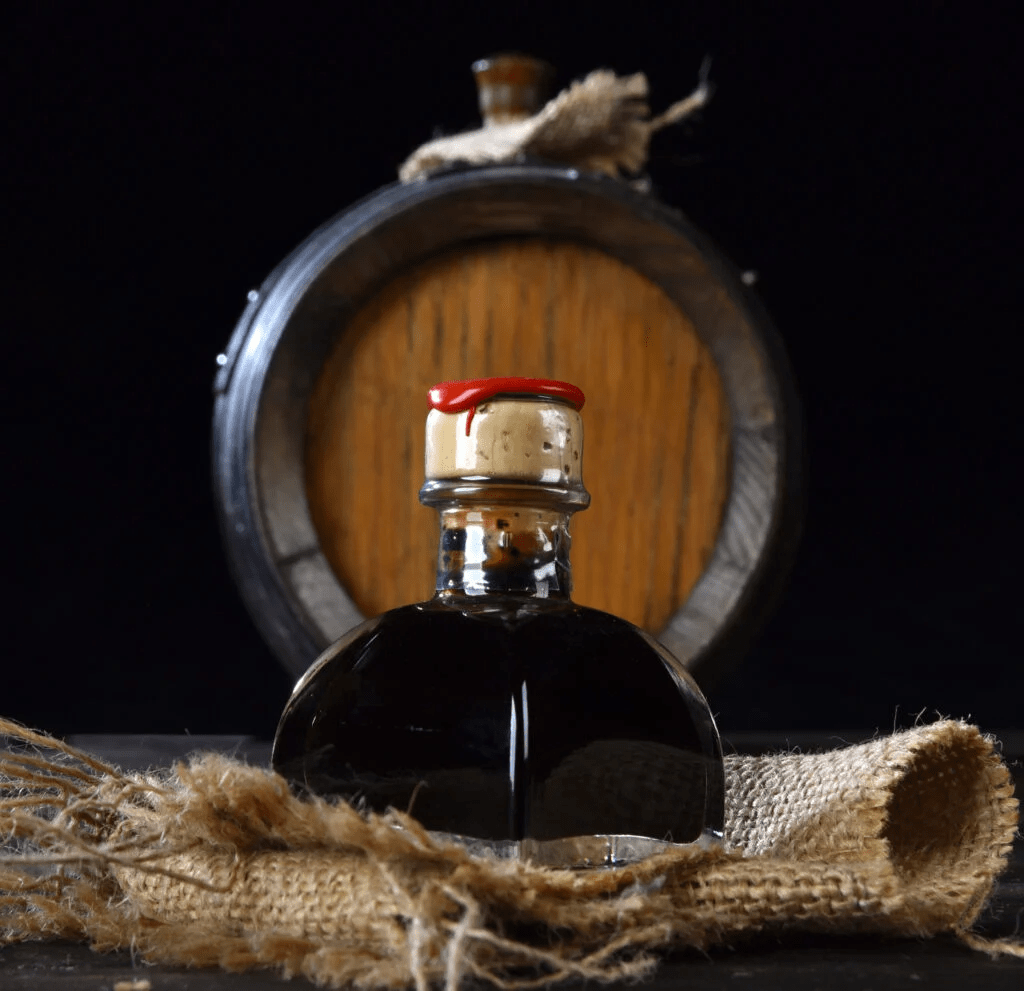
Balsamic vinegar is the only type of vinegar that is not produced by fermenting alcohol. Like a fine wine, balsamic vinegar is made by aging pressed grapes in oak barrels. And just like wine, the older the balsamic, the higher the price tag. True balsamic vinegar will carry a label that reads D.O.P. (Protected Designation of Origin). This certifies that the balsamic vinegar was produced according to protected standards. Balsamic vinegar has a distinct sweet and zesty flavor that can be drizzled over both savory and sweet dishes. Or, mix it with olive oil for a classic balsamic vinaigrette dressing.

Sherry vinegar is a close cousin to Balsamic vinegar. Its nutty, rich flavor offers less sweetness than balsamic vinegar. It’s also potent, which means that it should be used sparingly – especially as a substitution. The recipe for sherry vinegar was discovered by accident. This Spanish native vinegar is said to be the result of a few barrels of sherry that were spoiled and became too acidic, and then local chefs got creative to learn how to best use this accidental vinegar.

You can make ANY kind of balsamic vinegar, with many different accents and flavors. I personally have at least 7-10 different kinds of balsamic flavored vinegars (as well as many flavored olive oils) in my kitchen right now, from my favorites of lime and lemon, to orange, honey-ginger, and so much more. Some are from a white balsamic base and some are from a red balsamic base. I use them all the time, for many different recipes and dishes.
Rice and barley vinegars are very popular in Asian recipes and cooking. These have a hint of sweetness to them and are delicate in nature.

The Chinese also use red rice vinegar. It is often referred to as the Chinese red vinegar. The key ingredient of red rice vinegar is rice cultivated with red mold. This rice is referred to as red yeast rice and it gives red vinegar its signature salty flavor.

Black vinegar is also an Asian and Chinese vinegar, hailing from the eastern Chinese city of Zhenjiang. It offers an earthy and smoky umami flavor thanks to a combination of fermented glutinous rice, wheat, and millet. This pantry staple for Chinese cuisine can be used to pair with dumplings, duck, and Asian dipping sauces. Black vinegar has such a unique flavor that it’s hard to replicate its aromatic qualities with other types of vinegar. But in a pinch, you can substitute a combination of rice wine vinegar with soy sauce to get similar results.

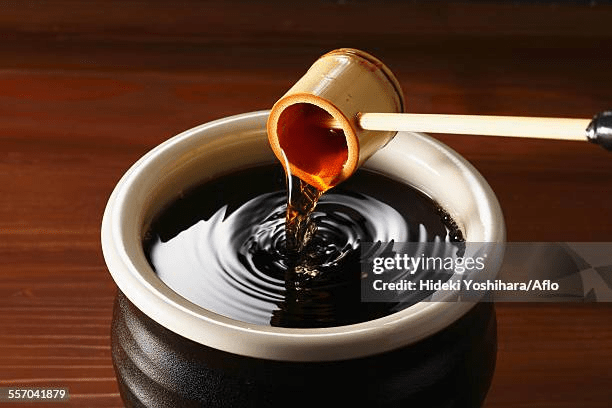
Malt vinegar gets its name from malted barley. To make this amber-colored vinegar, grains of malted barley are fermented into ale, then fermented a second time to develop the tart, toasty flavor. Malt vinegar is the type of vinegar served with fresh-cut french fries or with the classic British dish, fish and chips. But don’t neglect this vinegar in your cooking. You can also use malted vinegar to pickle vegetables and flavor sauces.
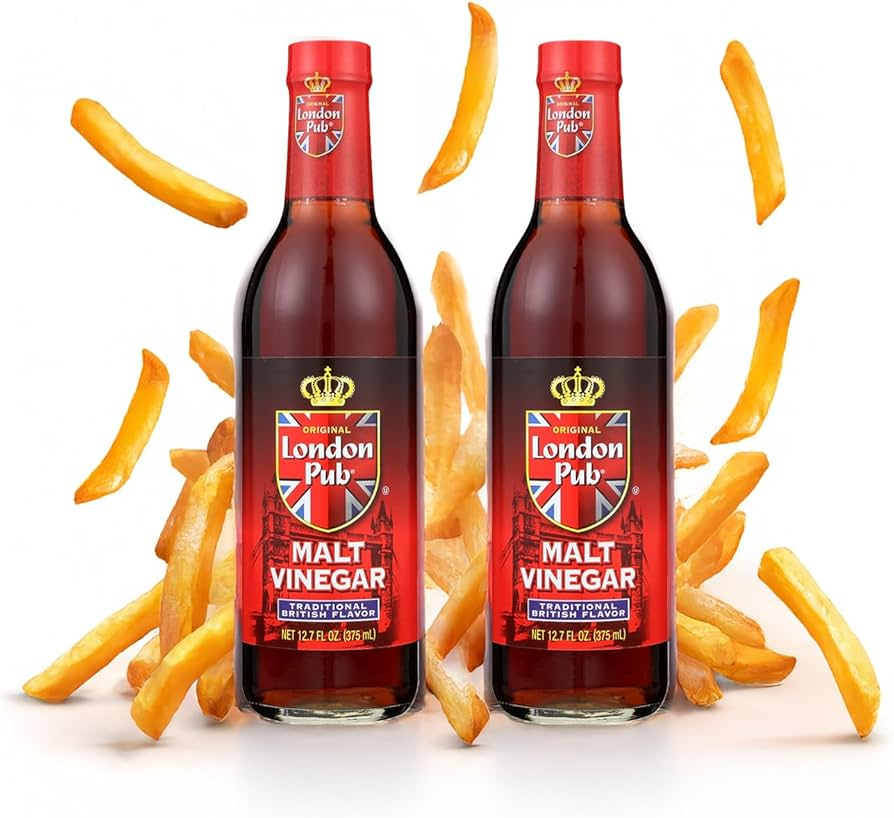
Wine naturally turns into vinegar when it is exposed to air for any length time. But to intentionally make a wine vinegar, you need wine, of course, and apple cider vinegar. The vinegar will take on the qualities and flavors of the wine itself, but it will have a much more complex flavor profile. Also, wine vinegars tend to be less sour or acidic than just plain vinegars. They have a smoother, richer flavor than plain vinegar. When making your vinegars from wine, try to stick to just one type of wine for each vinegar. Also, DO NOT mix your red and your white wines together. Red wines and whites each have their own specific qualities and tastes, that don’t tend to mix well with each other. Vinegar made from just one type of wine generally has a cleaner, crisper flavor and will produce more consistent results. You can make your own vinegars from wine, or there are plenty of options available, from around the world, many of which are found in your specialty aisles of your favorite supermarket.

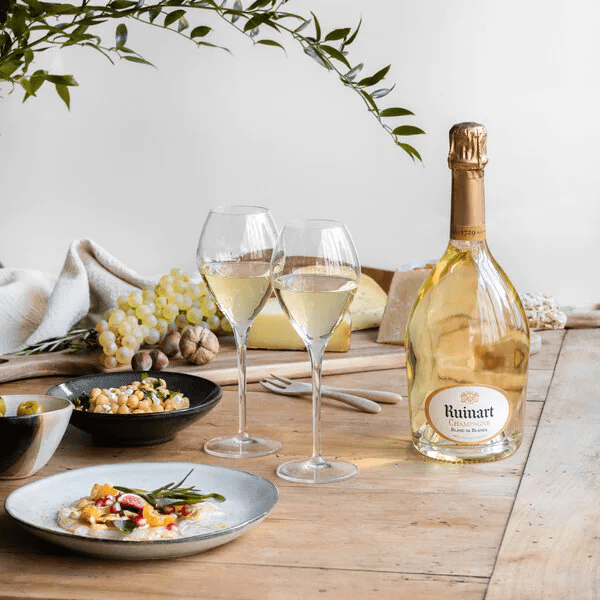
Champagne vinegar is NOT actually made from champagne itself, but rather the champagne grapes, most often the chardonnay or pinot noir grapes. It is sweet and has an effervescent quality to it, like its namesake, champagne. Because of its sweetness and delicate qualities, it is actually more closely associated with rice vinegar than wine or balsamic vinegar.
Cane vinegar is popular in Filipino foods and cooking. It is found most prevalently in countries where sugar cane is produced. It is produced by fermenting the syrup extracted from crushed sugar cane. While cane vinegar is derived from sugar cane, it offers a surprisingly un-sweet flavor profile often compared to malt vinegar.

And then there is beer vinegar. It can be made with any kind of beer, and like a wine vinegar, it will take on the distinct flavors and characteristics of the beer that is used. It offers a very similar flavor profile to barley-based malt vinegar, which makes it an ideal alternative to use with classic fish and chips.

Most vinegars are started with a “mother vinegar” or a starter, like you would use a starter when making sourdough bread. A vinegar mother is a gelatinous mass of cellulose and bacteria (mycoderma aceti) that serves as a vinegar starter. The bacteria in the mother feeds off alcohol and turns it into acetic acid, the compound that gives vinegar its flavor. You can make your own vinegars by using a store bought version as your starter too.

Now you know about your different vinegars. Use them creatively and see what you come up with. As I always say, have fun and play with your food.

Have a great day and make everyday great. Stay safe and stay well. ‘Til next time.

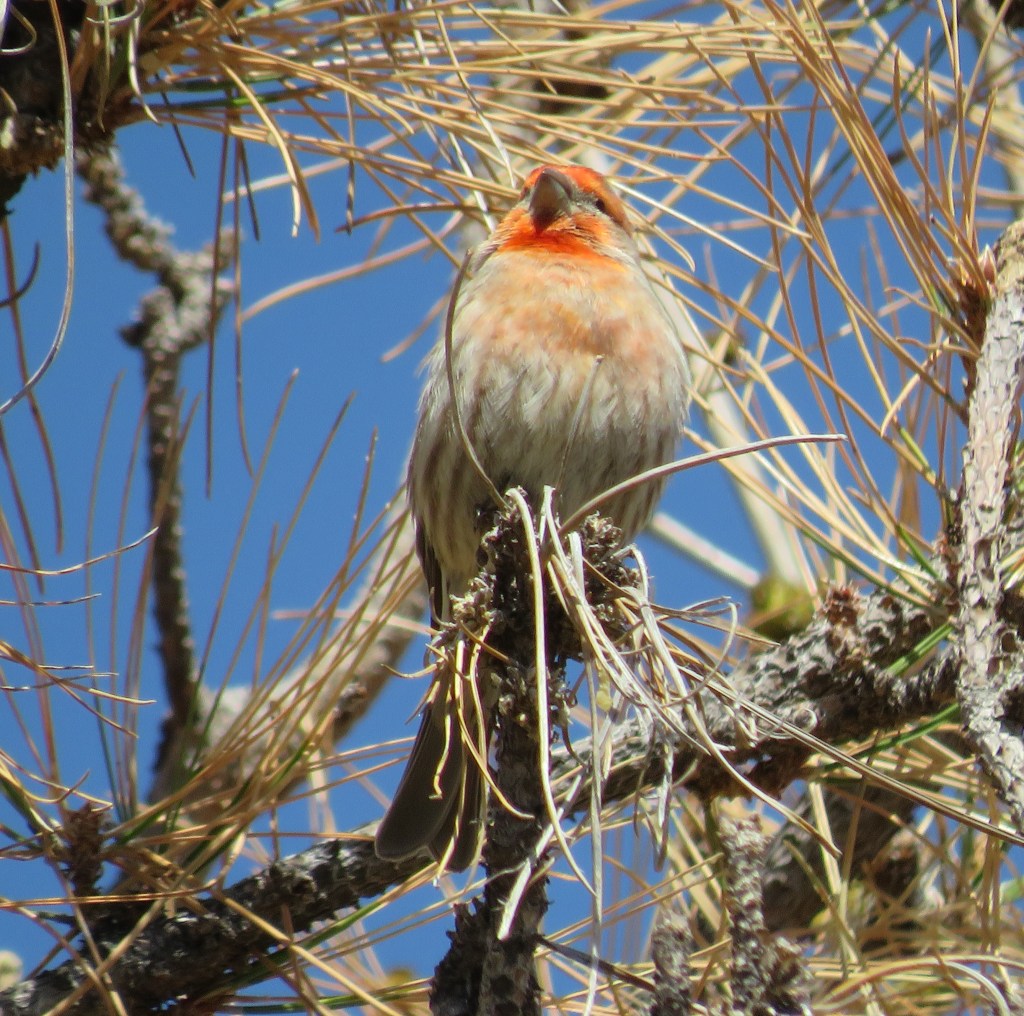
Nature Walks – House Finches In The Trees

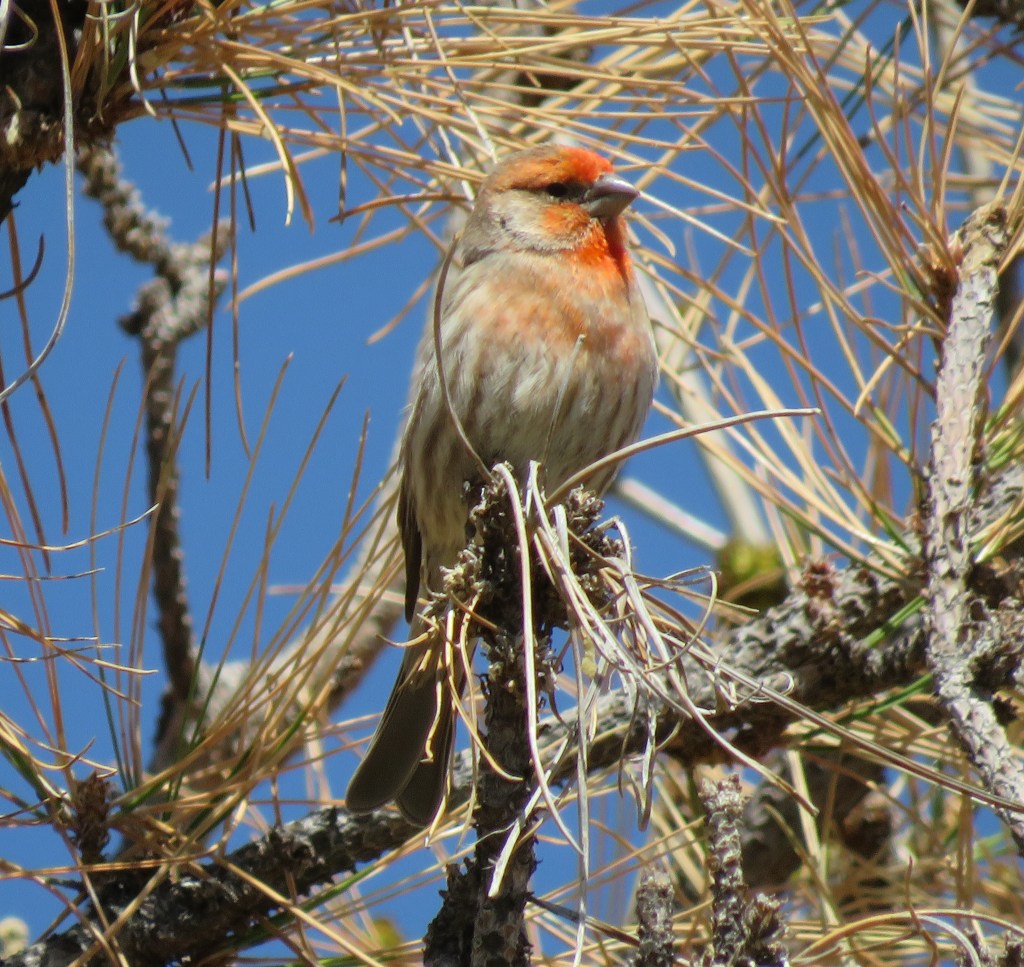
I could hear them singing their songs to each other, but I was only lucky enough to see a couple of House Finches. The ones I did see, however, granted me some great shots, before returning to their duets of love.

Turn It Into Empanadas

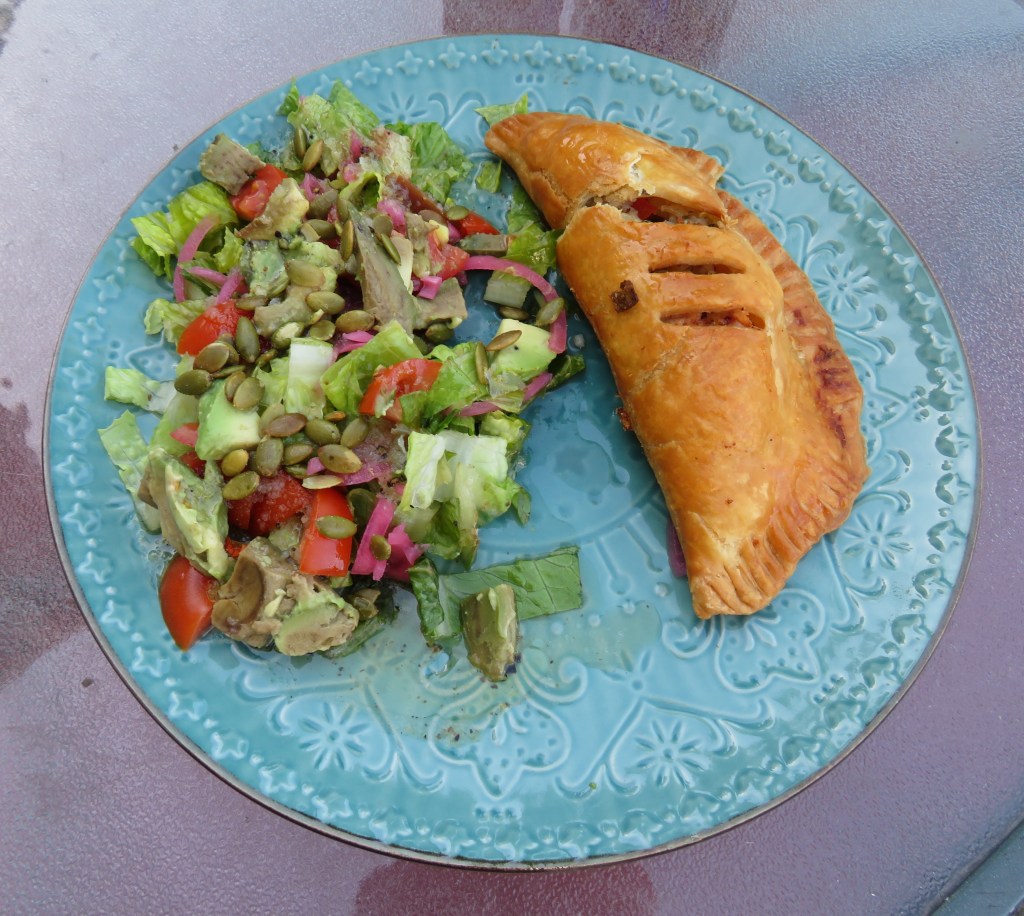
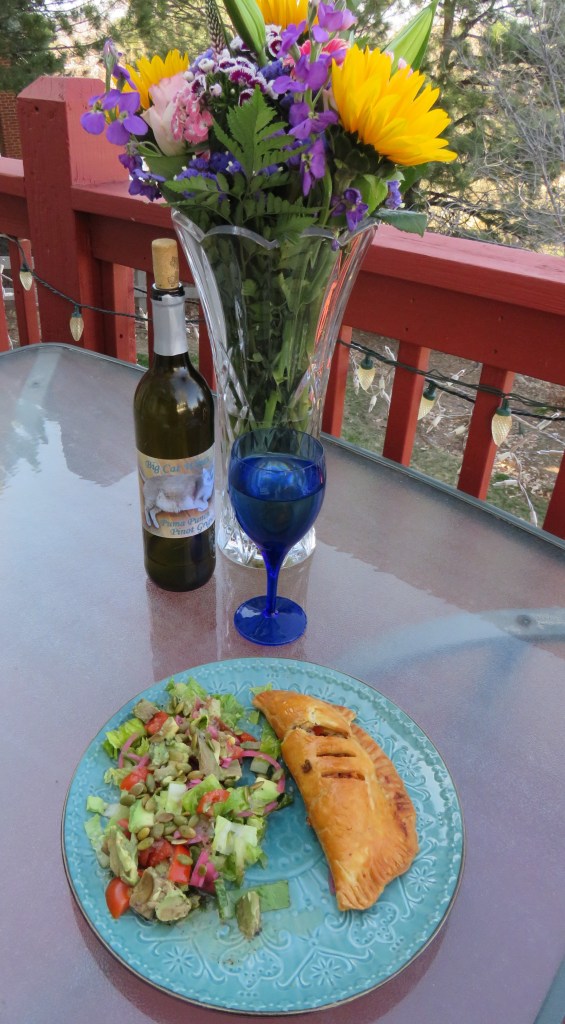
You all know how much I love re-creating with my leftovers. It just makes my day. I got to re-create once again, this time using my cilantro rice Colorful Cilantro Rice. I added some Costco rotisserie chicken and turned my rice and chicken into dinner-sized empanadas Southwestern Chicken Empanadas. I served them with a simple salad and a glass or two of Pinot Grigio, and we had a perfect meal out on our beloved deck. It is getting top be deck season again, and we love every minute of it. 🙂

Costco chicken is one of God’s gifts that just keeps on giving. Since it is just the two of us, we can always get at least 2-3 meals, plus meals for our fur babies out of just one chicken. They had chicken last night too. I used some of the Costco chicken and added it to my cilantro rice, then folded it into my empanadas. I added some shredded cheese to Larry’s.

Before popping them in the oven, I gave them a good brushing with an egg wash. I baked them at 375* F or 191* C. for about 30 minutes, but they just weren’t browning up. So I put them in the deep fryer for about 3-5 minutes to finish them, and to make them nice and crispy and a beautiful golden brown, before serving.

You can bake or fry empanadas, and for these I actually did both. I baked them first, and then deep fried them. I actually prefer to fry my empanadas anyway. I like the flavor and texture better. I just didn’t because of their size, and we only have a small fryer.

It was a win/win all the way around. It was quick and easy and I got to use up my leftovers. WHOOOOO HOOOOOOO!!!! Life is definitely good! 🙂

Have a great day and make everyday great. Stay safe and stay well. ‘Til next time.

Nature Walks – Spreading His Wings

My Cormorants are coming back to my lakes once again. There was one who was so happy to back home, on “his” lake. You could tell how happy he was. It was in his eyes, but also as he spread his wings out, as if to say “I’m home again. There’s no place like home”.

He didn’t even mind sharing the lake with his friend, the Common Goldeneye.

Doesn’t he look happy?

He even looks like he’s smiling.

Southwestern Chocolate Banana Cake

As I mentioned yesterday, we had game night at Mike & Lauren’s on Saturday night. Colorful Cilantro Rice Since they had made green chili, I decided to make my contributions for the evening with a Southwestern flair. I brought the cilantro rice, and I also made a Southwestern chocolate banana cake for dessert.

Southwestern Chocolate Banana Cake

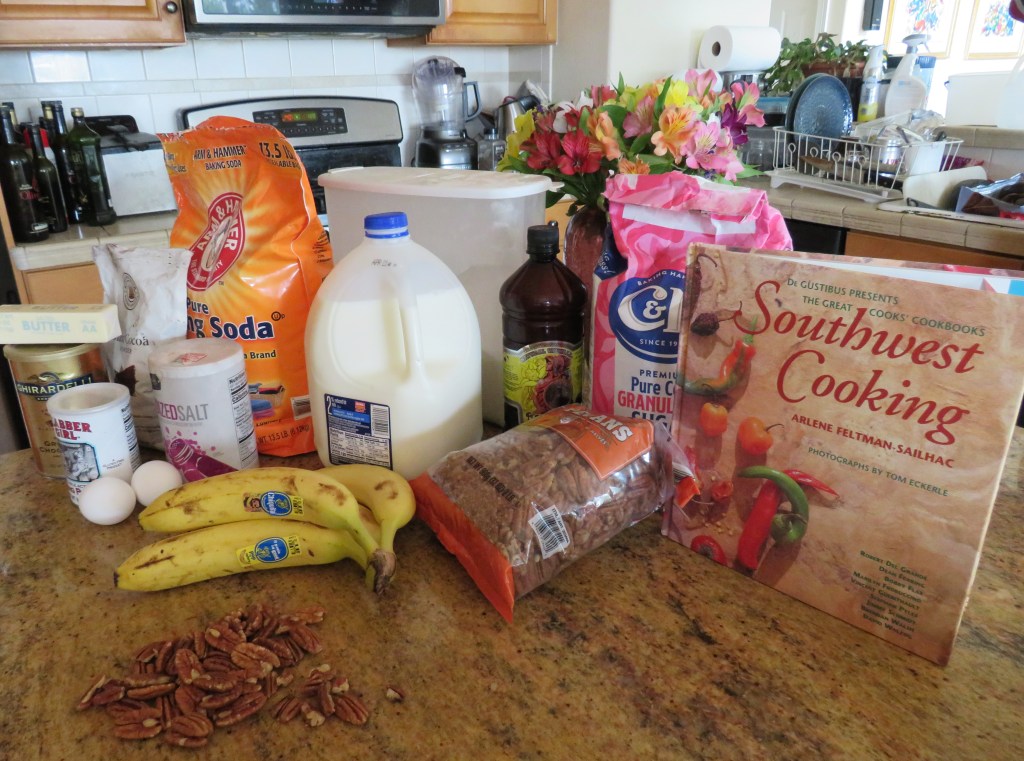
Chocolate and bananas are two great flavors that go great together. It’s like they were just meant to be. I made a chocolate banana cake for dessert, but I gave it a little Southwestern kick. I added a dash of cayenne pepper to the batter. Not a lot, but just enough to wake up the taste buds a bit. This was a last minute decision I made while mixing everything together. I also mixed both my black onyx coca powder and my lighter cocoa powders together, to give the best of both worlds, since both have their own unique personalities.

Preheat the oven to 350* f or 180*C.

Spray a 9″ cake pan with cooking spray, then line the bottom with parchment paper.

1 1/2 cups flour

1/2 cup cocoa powder

1 tsp baking powder

1 tsp baking soda

1/2 tsp salt

1/8-1/4 tsp cayenne pepper, or to taste, optional

1 cup sugar

1 1/2 cups mashed bananas – about 4 medium bananas

1 cup milk

1 stick melted butter

2 eggs

1 tsp vanilla

1/2 tsp banana extract, optional

1 cup chopped pecans or walnuts – I used pecans

powdered sugar for dusting

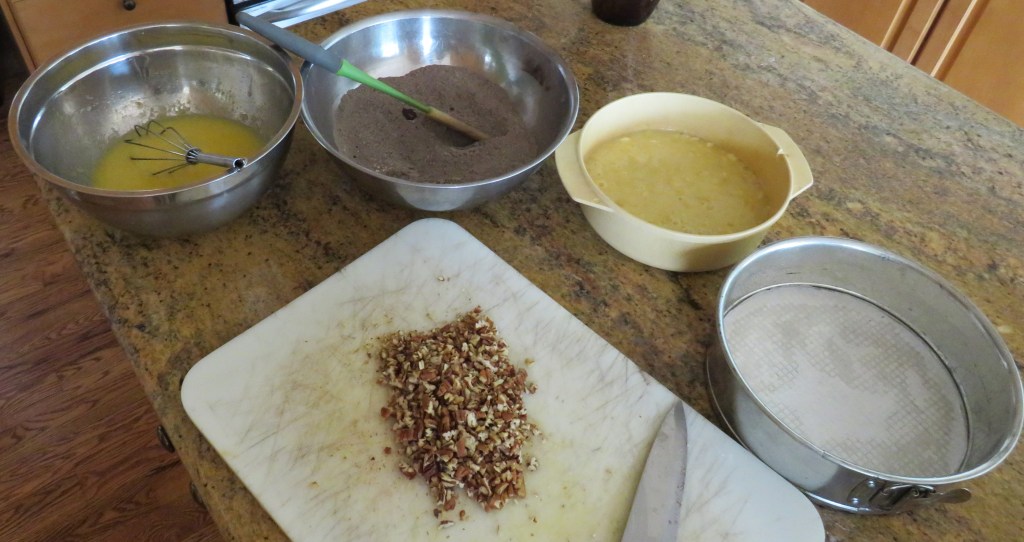
Mash the bananas thoroughly, adding some milk if needed.

In a separate bowl, combine all the dry ingredients.

Mix the eggs, sugar, milk, vanilla and banana extract and melted butter together. Add the mashed bananas and mix well.

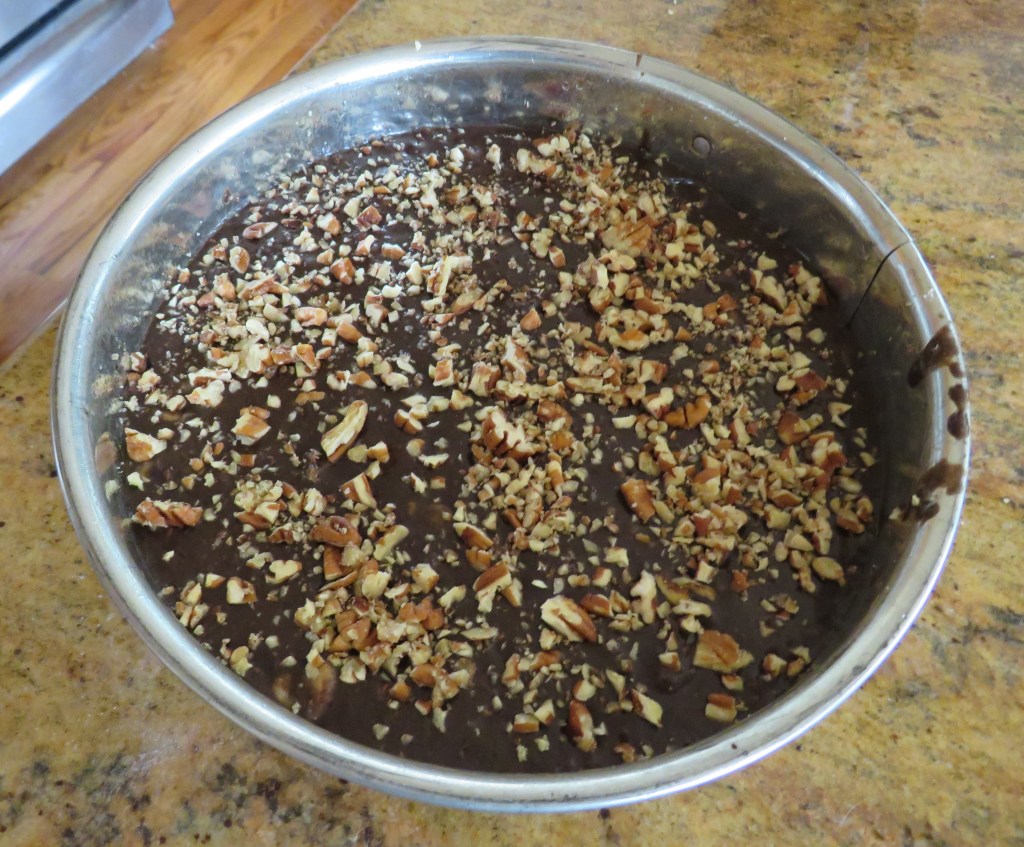
Mix the liquids into the dry ingredients and mix thoroughly. Fold in about 1/2 the chopped nuts, and just mix until all blended together. DO NOT over mix. Pour the batter evenly into the prepared cake pan.

Add the remaining nuts on the top of the batter and place in the oven. Bake for about 30-40 minutes, or until the cake is done and a toothpick inserted into the middle comes out clean.

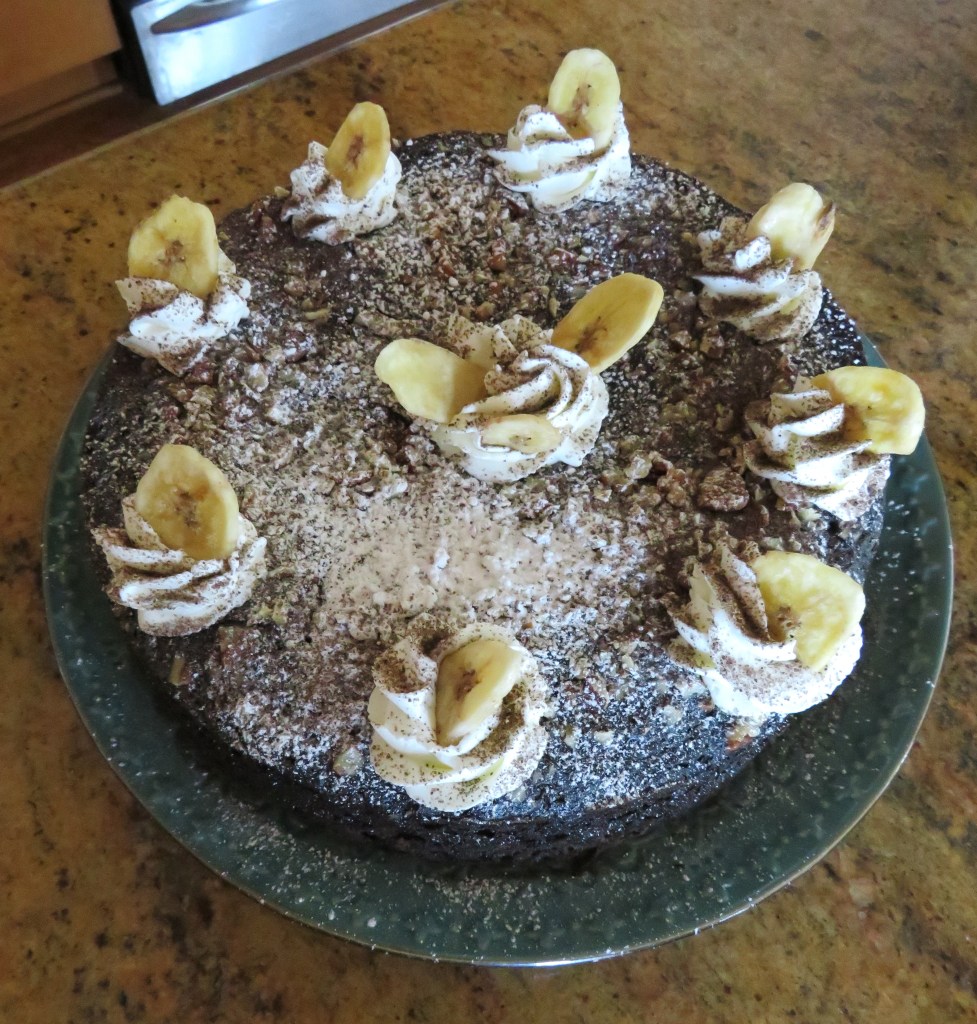
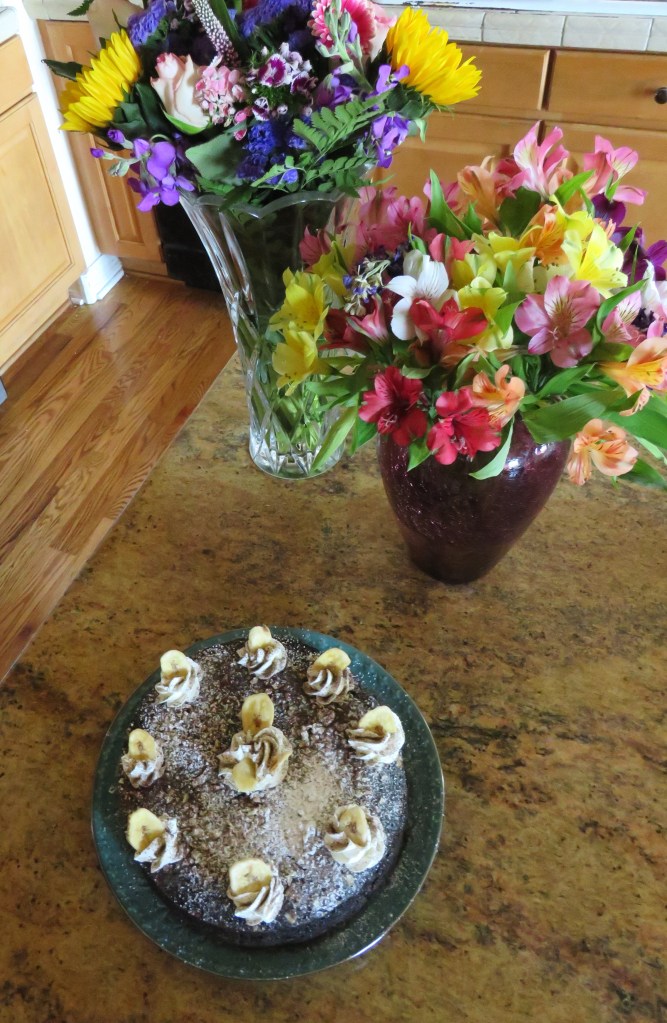
Let the cake cool completely before removing from the pan and dusting the top with powdered sugar. I also added some whipped cream, topped with a sprinkling of cocoa sugar, and banana chips.

This cake came out just perfect. It was so moist on the inside, and just loaded with flavor, with hints of cayenne to kick it up.

If you have never considered adding a little spice to your chocolate, watch the movie “Chocolate“, with Juliette Binoche, Johnny Depp and Judi Dench. This is not a new idea, just one most people don’t often think of. 🙂

Think outside the box and use your imagination. Let your inhibitions run wild. Cook and have fun while you’re doing it. Have a great day and make everyday great. Stay safe and stay well. ‘Til next time.

Nature Walks – Woody Is Still Swimming Solo

Poor Woody the Wood Duck still has not found his soul mate for the season. He is still swimming solo for the most part, even though he still seems to have a big crush on Mrs. Mallard. Hopefully Woody will find love soon.

Colorful Cilantro Rice

It was Saturday night, which means game night. We get together almost every weekend with Mike & Lauren for fun & games. Sometimes we host and sometimes they host. Last night game night was at Mike & Lauren’s house.

We all contribute to the menu. Green chili was on the menu this time, so sticking with the Southwestern theme of the night, I brought along some some colorful cilantro rice.

Colorful Cilantro Rice

Rice is very prominently served in Mexican and Southwestern meals and has been since the 1500’s.

2 cups rice

4 cups water

olive oil

lime olive oil, optional

salt

Rice is pretty easy to cook. It is usually a 2:1 ratio, with 2 cups liquid for every cup of rice. I usually add olive oil instead of butter to my water, as well as a dash of salt. Bring everything to a boil, then reduce the heat to a simmer and continue to cook for an additional 12-15 minutes, or until most of the liquid has evaporated. Stirring occasionally to make sure the rice doesn’t stick or burn. Once it is cooked, fork it and let it rest for at least about 5 minutes before serving. If I am making a flavored rice, I often add either lemon or lime oil to my water as well.

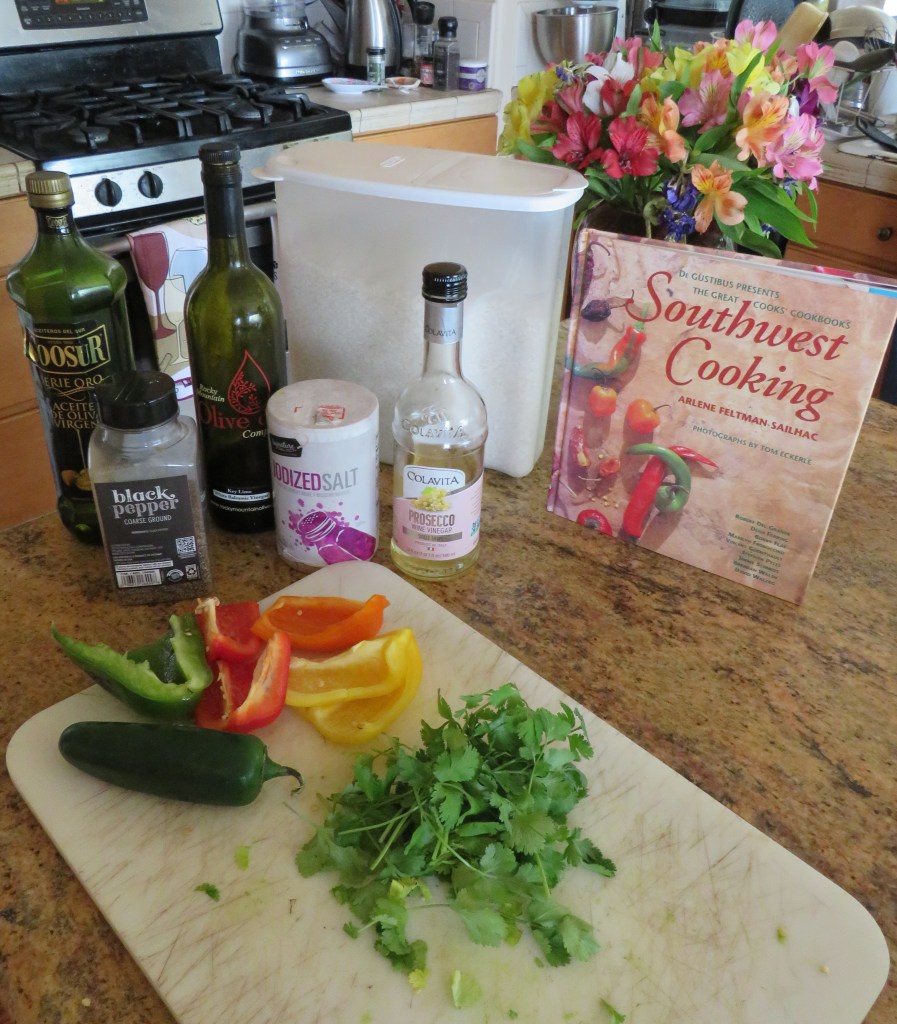
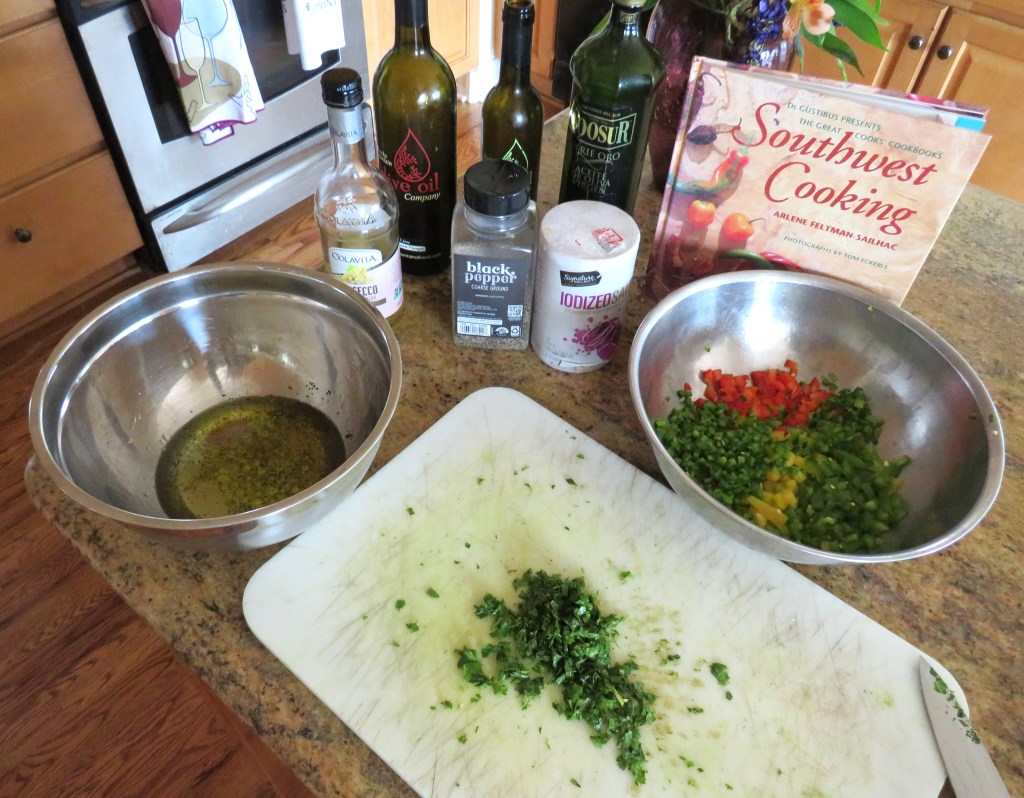
1/2 of each, red, orange, yellow and green bell pepper diced

1-2 jalapenos, diced fine

3/4 cup olive oil

2-3 TBSP lime olive oil, optional

2/3 cup white wine or Prosecco vinegar

2-3 TBSP lime balsamic vinegar, optional

1/3 cup chopped cilantro

fresh ground black pepper to taste

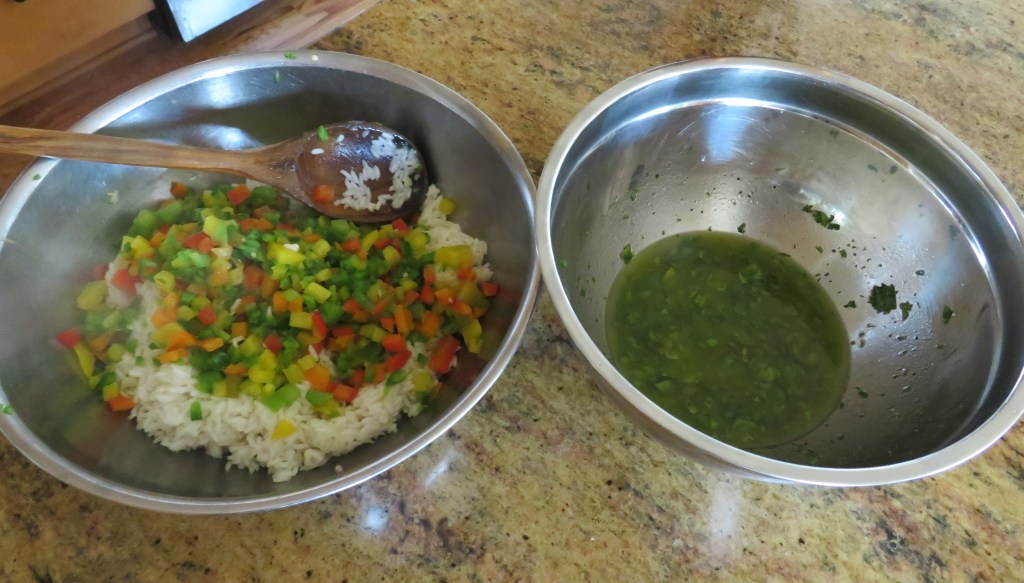
Whisk together the oil(s), vinegar(s), cilantro and pepper and set aside until ready to use.

I sauteed my vegetables first, for about 5 minutes or so, to soften them up.

When the rice is cooked and the vegetables are ready, mix them together thoroughly.

Toss in enough of the dressing to coat the rice and vegetables without drowning them in dressing and serve. This can be served either hot or warm.

It was a big hit, but as usual, I made quite a bit, which means I have a lot leftover (and that is after leaving some with Mike & Lauren). Don’t worry though. I already have something delicious in mind on how to use it up. 🙂

Have a great day and make everyday great. Stay safe and stay well. ‘Til next time.

Pepper It Up

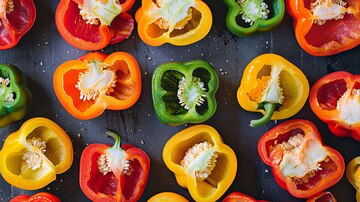
Sweet peppers, also known as bell peppers, are part of the same family as their hot, fiery cousins, the hot peppers or chili peppers (not to be confused with the band, The Red Hot Chili Peppers). They all belong to the same family, the Solanaceae family. Eggplants are also part of this same plant family. The main difference between sweet or bell peppers and their hot cousins is that sweet peppers are genetically deficient of the “heat” chemical, capsaicin. Not only are they very mild in heat, but they also have a slightly sweet flavor to them, especially the red or purple peppers. They become sweeter as they ripen and their colors change. They are harvested at either green, mature or colored stages. All peppers start out green, then change colors as they mature. Sweet, or bell, peppers mature into a variety of colors including red, yellow, orange, lavender, purple, and chocolate. The bell peppers have a crisp, thick flesh and are suitable for eating fresh or for stuffing and baking.

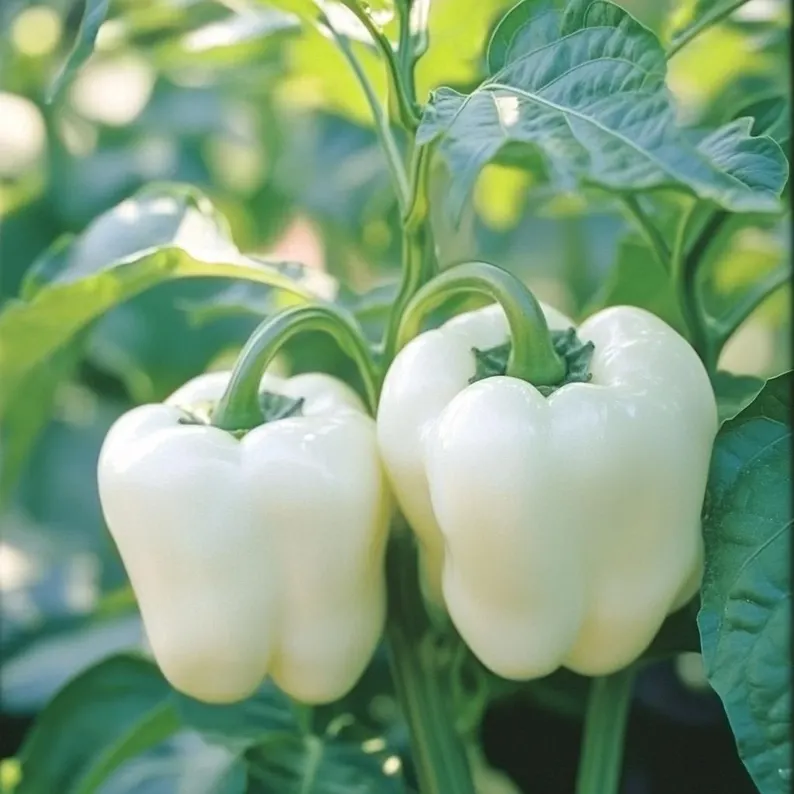
Believe it or not, sweet peppers actually come in white too. The white bell pepper is a translucent white to pale yellow colored bell pepper with a crisp, sweet flavor. This pepper variety produces an abundance of white bell fruits. These peppers turn from translucent to pale yellow when mature. The white bell is a great addition to any salad or meal. White bell pepper cultivars are heirloom varieties, meaning they have been around since before World War II and are open-pollinated while others are hybrids. Unlike the more uniform, greenhouse-grown, white Holland bell peppers, white bell peppers are grown outdoors in a variety of conditions. While this variety is difficult to find in the commercial marketplace, white bell peppers are favored by home gardeners and local farms for their ease of growth, high yields, unusual coloring, and sweet flavor.

Sweet peppers, also known as mild bell peppers, originated from Mexico where they have been used by humans since around 7000 BC. They were introduced into Europe toward the end of the 15th century by Spanish and Portuguese explorers, and their cultivation later spread to Africa.

The vegetables we call peppers include chilli, chile, azi, cayenne, hot peppers and sweet or bell peppers. Among the five cultivated species of CapsicumC. annuum is the most commonly cultivated for pungent, hot peppers and non-pungent, or sweet bell peppers. They get their name “bell” peppers because of their bell shape. Today, these popular peppers are grown in most regions of the world, but predominantly in these countries: India, China, Korea, Hungary, Spain, Nigeria, Thailand, Turkey, Kenya, Sudan, Uganda, Japan, Ethiopia, Indonesia, Pakistan, Mexico and the United States.

Paprika is a sweet pepper that is grown mainly for its color that makes various foods more attractive. The fruits are long, banana shaped peppers and when they mature they develop into a dark-red color. When dried and ground, this thin-walled pepper becomes the flavorful condiment paprika, a favorite spice used in Hungarian cooking, as well as many other parts of the world.

Sweet cherry peppers, also known as pimento or pimiento peppers, are harvested when mature as green to deep-red pepper and are generally used in processing as pickled.

Hot peppers refer to those that taste hot, and can range from the relatively mild Anaheim to the blazingly hot Habaneros or even hotter, ghost peppers. Among the known hot peppers, the following are the most important:

Red chili

These small cone-shaped peppers are often 1–4 mm long and have medium-thick flesh. They are usually used dried and ground in chili powder.

Green chili

These are the long, green two-celled mildly pungent Anaheim-type peppers that are so flavorful in chili spicing. They turn red at maturity but are nearly always harvested when they are still green for roasting.

Red hot peppers

These peppers vary in plant and fruit size and shape. These scorchers, such as chiltepin, chili pequin, Tabasco, and Thai, mature red and zest up foods.

Peppers of all kinds are actually fruit, and not vegetables, as we often refer to them. Fruits have their seeds on the inside, and pepper seeds are all inside the peppers, thus making them fruit. Vegetables come from roots, leaves or stems and do not contain seeds. Vegetable seeds are all external, and on the plant itself.

Here is a fun fact about peppers I bet no one knew, myself included. We know sweet peppers as large, hollow, thick-fleshed vegetables, but the original strain was named “bell” for a very good reason. They had a rather hard, thin wall, and contained an elongated vestigial stigma inside. The stigma is part of the female complement of the flower, the outermost part which often produces nectar and/or sweet aromas to entice pollinators.

This leftover stigma acted as a natural clapper, striking the walls of the bell pepper as it swayed in the wind. As a result, sweet peppers were a very noisy crop. So much so, in fact, that during high winds, maturing bell peppers would startle livestock, causing them to bolt, and would keep villagers awake at night. So for over 400 years, bell peppers were relegated to a curiosity, and not widely cultivated.

Now, we all know a lot more about peppers; sweet bell peppers and hot peppers, than we did before. So pepper it up. Use these peppers in a wide variety of different ways. Spice up your foods and/or make them pretty and festive. Play with your colors and be creative.

Have a great day and make everyday great. Stay safe and stay well. ‘Til next time.
Nature Walks – Prairie Dogs On The Loose

All of our little prairie dogs are running around having fun. They are everywhere. We have them by the millions, all around us. And spring has sprung, so soon, we will have even more of these cute little critters. Like the squirrels, they are full of personality. They also love to have their picture taken.

A Good Night For Goulash

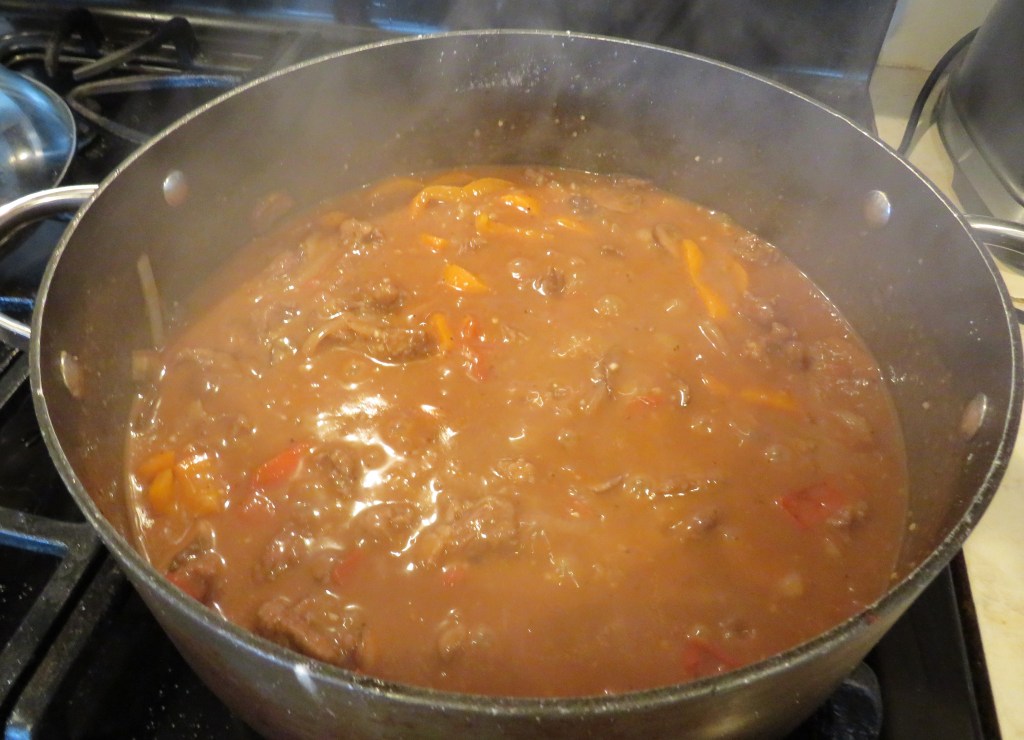
It is only the 4th of April, but so far, April has brought in a blast of cold, wet, snowy weather. Once more, this is the type of weather where it is good to eat something warm and hearty, to warm the cockles of our heart. It was a good night for goulash. A Time for Bavarian Goulash, Bavarian Goulash, Spicy, Peppery Beef Goulash As you can see, goulash is pretty popular in our house, especially on cold, blustery nights.

I was also cooking with wine again too, which I also do quite often. 🙂 Cooking With Wine

Sometimes I serve my goulash over noodles and sometimes I serve it over mashed potatoes. This time, I served it over the rest of my Duchess potatoes that hadn’t been baked. Duchess Potatoes

I don’t seem to know how to cook for just two people. I always make enough to feed a small army, and sometimes, enough to make a large army. I always have leftovers. Larry is always taking leftovers for lunch. And sometimes we freeze them to use again at a later time. Fortunately, I love to recreate with my leftovers and they all get used up. Nothing ever goes to waste. My friend the Queen (of leftovers) and I are real tight. We are always coming up with something yummy. 🙂
Have a great day and make everyday great. Stay safe and satay well. ‘Til next time.