I have created this site to help people have fun in the kitchen. I write about enjoying life both in and out of my kitchen. Life is short! Make the most of it and enjoy!
Author: ajeanneinthekitchen
I have worked in the restaurant and catering industry for over 35 years. I attended 2 culinary schools in Southern California, and have a degree in culinary arts from the Southern California School of Culinary Arts, as well as a few other degrees in other areas. I love to cook and I love to feed people.
You all know I love history and I love to travel. I also love food. Combining all three of these loves is just magic for me. My preference is to travel and eat in person, but I can’t travel all the time. The next best thing is to travel and to learn about the history of our foods through books, and then to cook up these delicacies in the comfort of my own kitchen.
Be prepared. We have lots and lots of fun culinary adventures ahead. I hope you join me for these delicious food tours.
Have a great day and make everyday great. Stay safe, stay adventurous and stay well. ‘Til next time.
Confit, pronounced cone-fee. What is it? Anyone who has ever worked in an upscale kitchen or has been professionally trained knows what it is. But most people haven’t had that kind of training. So what is a confit?
The practice of confit first came to modern consciousness in France in 1859 with the publication of Henriette Davidis’ “Practical Cookbook” (via Mon Panier Latin),but has been around since the 13th century. It is often associated with the southwest region of France known as Gascony, which is also recognized for its traditions around foie gras, rendered duck and goose fat, and other duck and goose-derived consumable goods.
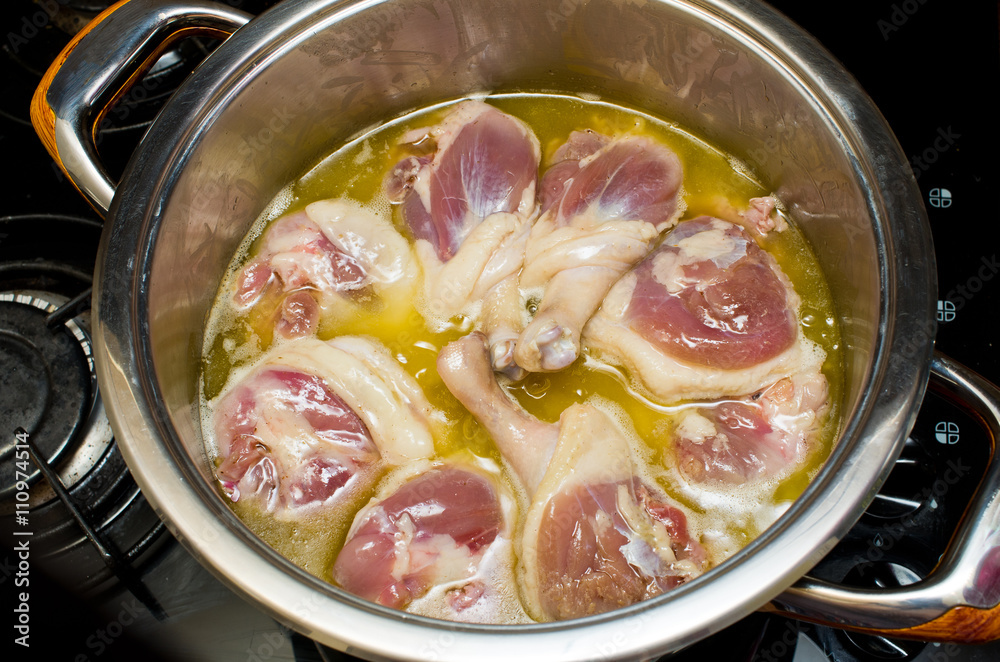
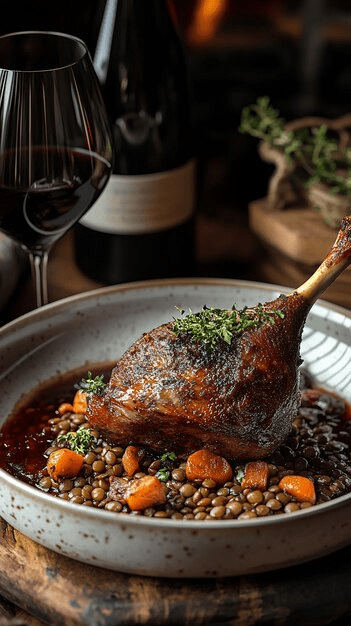
Confit is a French cooking technique that involves slowly cooking food in fat at a low temperature to preserve it. The word confit comes from the French word confire meaning to preserve and the Latin word (conficere), meaning “to do, to produce, to make, to prepare. It is used for meat, vegetables and fruit. It is a method of cooking foods in fat. Today, we use oils and grease most often, but it used to be that cooked foods, or foods preserved in salt, were stored in air-tight containers of fat, kept in cool, dry places. Some of the more popular early methods were to preserve foods in either duck fat or goose fat. In French culinary traditions, duck confit represents a balance between rustic simplicity and refined taste, showcasing the French appreciation for both high-quality ingredients and traditional cooking techniques.
Confits are perfect for storing and preserving red meats or wild game, though any kind of meat can be used. Duck confit can be stored in the refrigerator for about a month, and can be reused, once it has been strained and placed in a clean container. It will be fine to reuse so long as you filter out any chunks of food introduced in the cooking process.
Serious Eats informs us that traditional confit relies on both an ample amount of salt to preserve the ingredients as well as a thick layer of oil to create a temperature-stable, anaerobic environment where bad bacteria cannot survive. So, what is the confit process, and how does it work?
The first step in the process is rubbing salt into the protein of choice, and usually spices, herbs, minced garlic, or other flavor-enhancing ingredients. This is usually allowed to marinate for 24 hours or more, or until the meat adopts its flavor (via Serious Eats). The spices are then rinsed from the meat and submerged in oil. According to Force Meat Academy, if you cook your confit at 200 degrees Fahrenheit it will be done in four to six hours, but if you cook it at 300 degrees Fahrenheit, it will be done in two hours.
Confit used to be used primarily as a way of preserving foods. Today, it is not so much about the food preservation as it is about the taste and texture of certain foods, like potatoes and other vegetables cooked in confit.
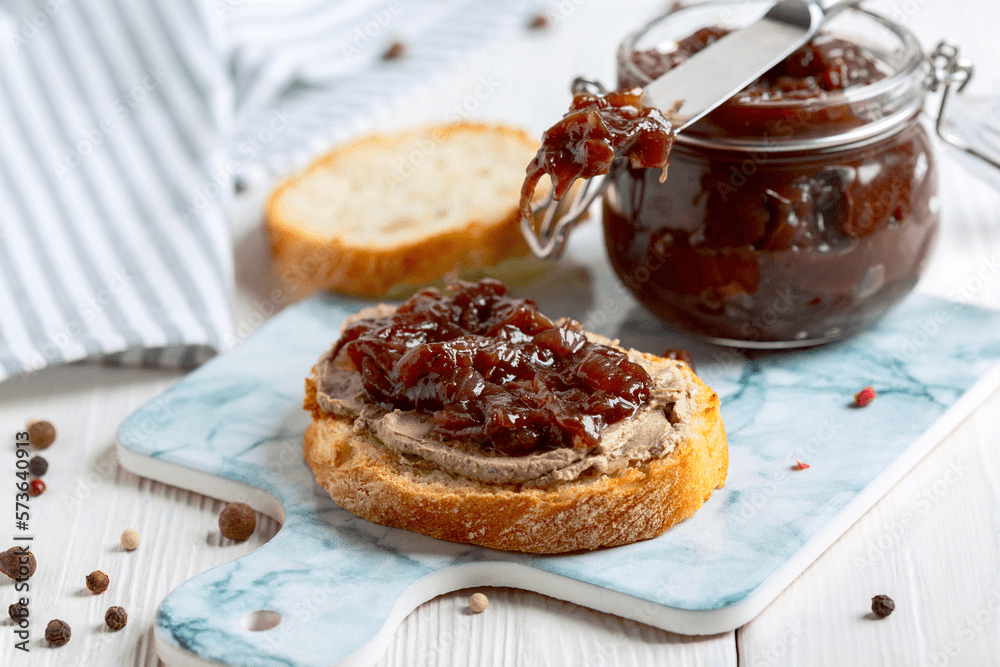
Red onion confit.
The only times I have really used confits was back in my culinary school days. So, yes, I too am very rusty in the art of cooking with confit. Though I do cook things in olive oil on a daily basis. This is a trip back through the early days of culinary history. I do love my history. I hope you do too.
Have a great day and make everyday great. Stay safe and stay well. ‘Til next time.
Supposedly Gadwalls are pretty popular all throughout Colorado, year round. But I only see them on rare occasions. They like the colder weather and temperatures, so when the mercury drops, they tend to stop by and say hi. They are cousins to the Mallards, but not nearly as colorful.
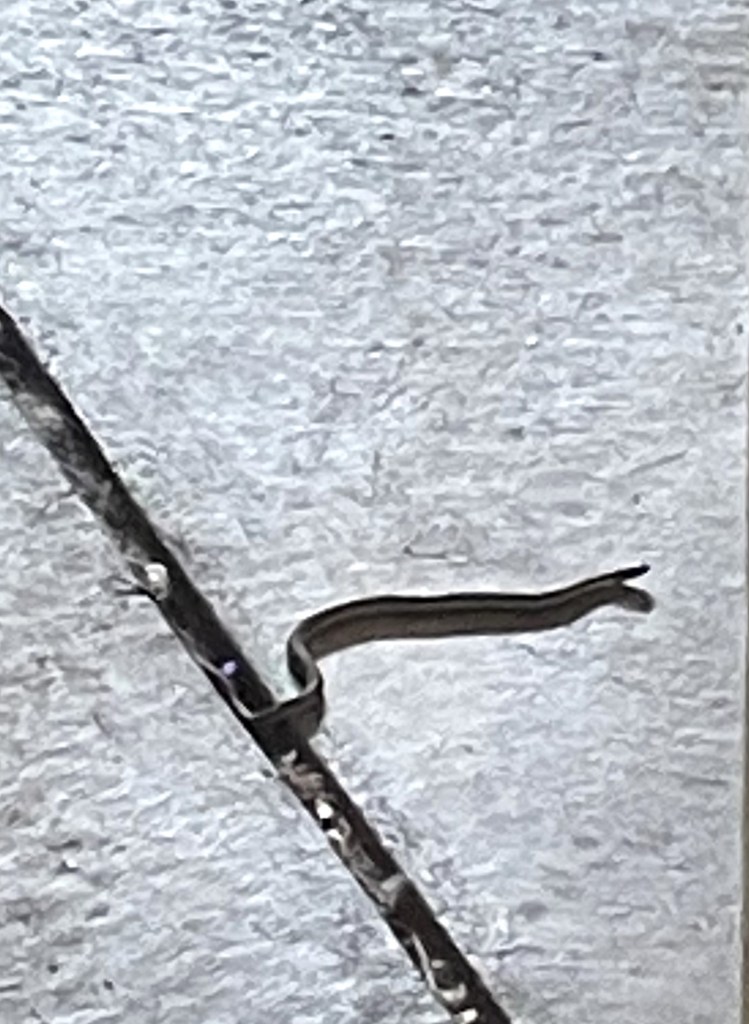
I just love all the wildlife variety we have here on our lakes. Although I can easily NOT see the unwelcomed guests like the one I saw in my garage yesterday, and I would be very happy. http://A VERY Unwelcomed Guest
I could easily live on bread and butter alone. It doesn’t even matter what kind of bread. I LOVE breads of all kinds. I love baking breads of all kinds too.
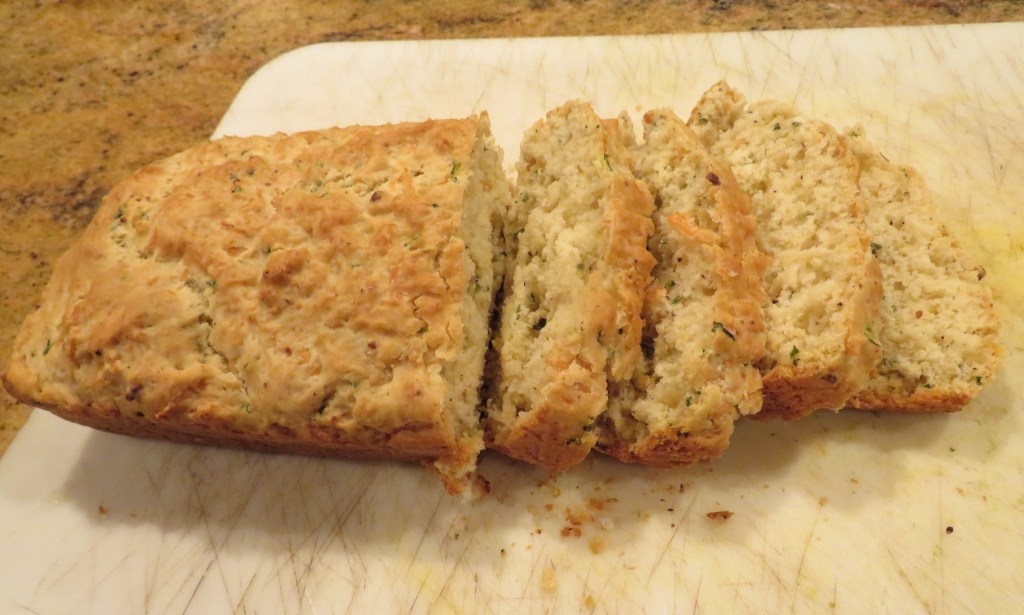
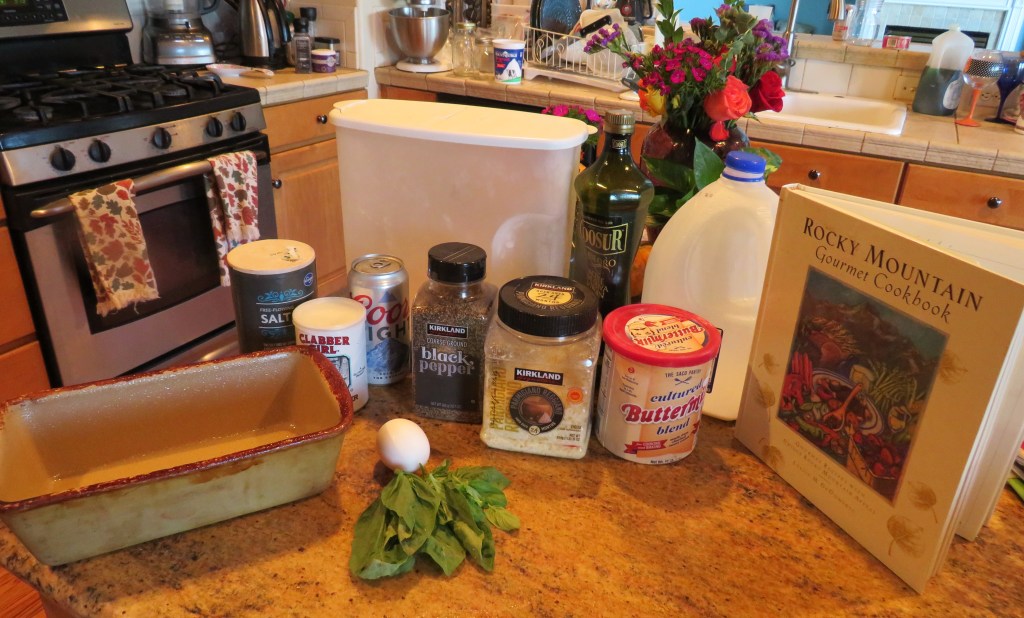
When I made my short ribs with winter vegetables Short Ribs with Root Vegetables, I also baked some bread to go with it. I made a quick bread with beer, basil and Parmigiano cheese. I am not a beer person at all, but I do cook with it on occasion.
This bread is similar to a biscuit, but it is a loaf bread instead. It was very light and moist and full of flavor. It is also very easy to make too.
Beer Bread with Basil & Parmigiano Cheese
This delicious, quick and easy bread only takes a few basic ingredients to make. I always use the dried buttermilk, that I mix with regular milk, when a recipe calls for buttermilk.
You can use any kind of beer. Neither Larry nor I are beer drinkers, but we usually have some on hand for guests. I just picked up the first beer I saw in the fridge. Changing the beers will give more variety to the bread as well, so every time you make it, it will have a slightly different flavor.
2 cups flour
3 tsp baking powder
3/4 tsp salt
1-2 tsp fresh basil, chiffonade or 1 tsp dried basil
black pepper to taste
1/2 cup grated or shredded Parmigiano cheese
1/4 cup olive oil
3/4 cup beer
1 egg, lightly beaten
1/4 cup buttermilk
Preheat the oven to 400*F or 200*C.
Spray a loaf pan with cooking spray.
Combine the flour, salt, pepper, baking powder, basil and Parmigiano cheese together, and mix well. Make a well in the center of the mixture.
Combine the buttermilk, egg and olive oil together and mix well. Pour the egg mixture into the center of the well. Then add the beer as well. Start mixing from the inside out until all the ingredients are just mixed together. DO NOT overmix or the bread will be tough. Pour the batter into the prepared loaf pan and evenly spread out in the pan.
Bake for about 45 minutes, or until the bread is golden brown and firm to the touch. Allow the bread to cool for a few minutes before removing from the pan and slicing. This bread is best when served warm, smeared with butter.
Have a great day and make everyday great. Stay safe and stay well. ‘Til next time.
I HATE snakes! I am VERY phobic of them; always have been. Earlier today, I was going into my garage for something, and this is what I saw. I had a VERY unwelcomed guest right by my car, in my garage. Needless to say, I turned right around and went right back into the house ASAP! I think it is a garter snake. I don’t really care what it is though; it is NOT welcome! I have not, and will NOT step back in my garage until Larry comes home and gets rid of it. The really odd things are, 1) it is very late in the season, and 2) this is the first snake I’ve seen all season. But WHY does it have to be in my garage??????
Animals do the darnedest things sometimes. Sometimes all you can do is just sit back and watch, and let them do their thing. I thought it was so funny to watch the geese all getting into line. It was taking shape like a military formation would. They were just oblivious to me as I stood back and watched and took photo after photo.
It almost looked like they had a drill sergeant giving them orders.
I think they are ready for duty.
Have a great day and make everyday great. ‘Til next time.
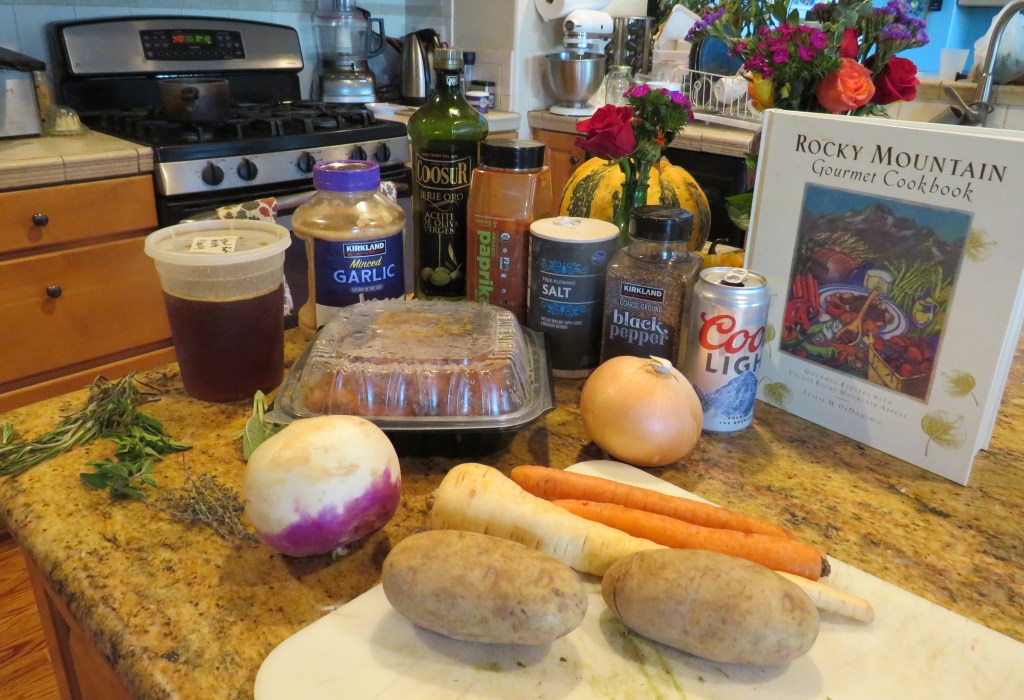
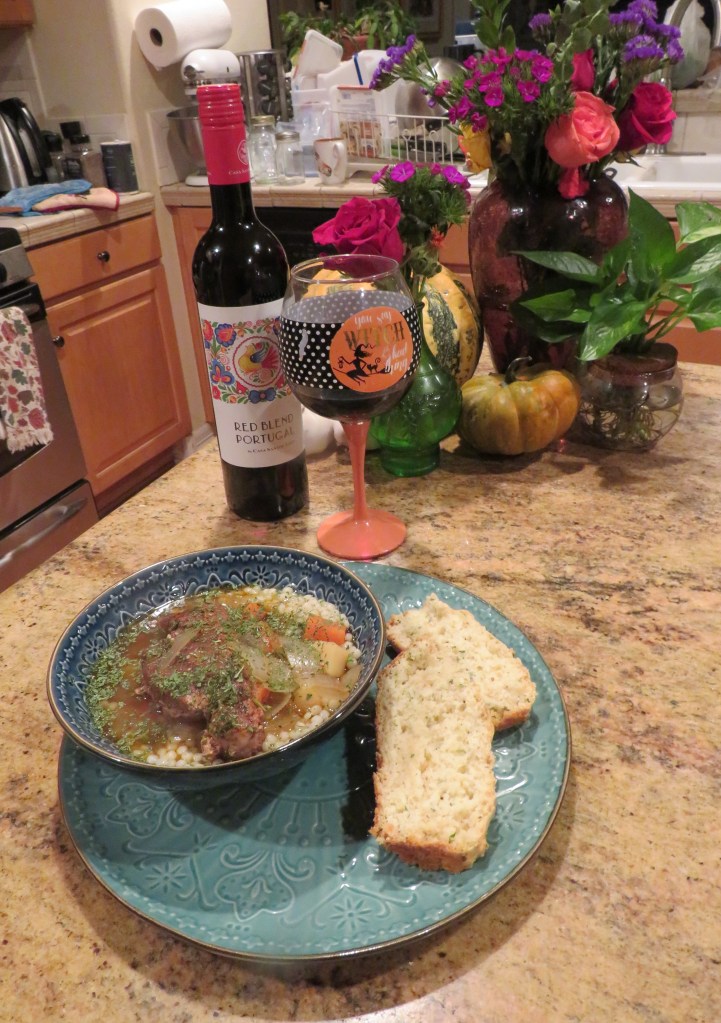
When Larry had the smoker going, he also smoked some ribs, both short ribs and spare ribs. Normally, I am not a big rib fan, particularly spare ribs. But I do like the short ribs on occasion. Even though they were smoked, they still needed a little extra cooking time to soften them up a bit. I found this delicious winter recipe that hit the spot. It was braised with beer and winter, root vegetables.
Short Ribs Braised with Beer and Root Vegetables
Preheat the oven to 400*F or 200*C.
Spray a baking dish with cooking spray.
2 lbs boneless short ribs
3-4 carrots, peeled and cut into chunks about 1 inch in size
1 turnip, peeled and cut into chunks about 1 inch in size
1-2 large parsnips, peeled and cut into chunks about 1 inch in size
2 -3 potatoes, peeled and cut into chunks about 1 inch in size
1 onion, diced medium
1 TBSP garlic
2 cups beer
3 cups beef stock
1 tsp dried or 1 TBSP fresh of each, or any combination thereof – thyme, oregano, rosemary and sage
1 TBSP paprika
salt & pepper to taste
Since my ribs were smoked, I did not need to brown them, but if you are starting with uncooked ribs, brown them completely first in hot oil.
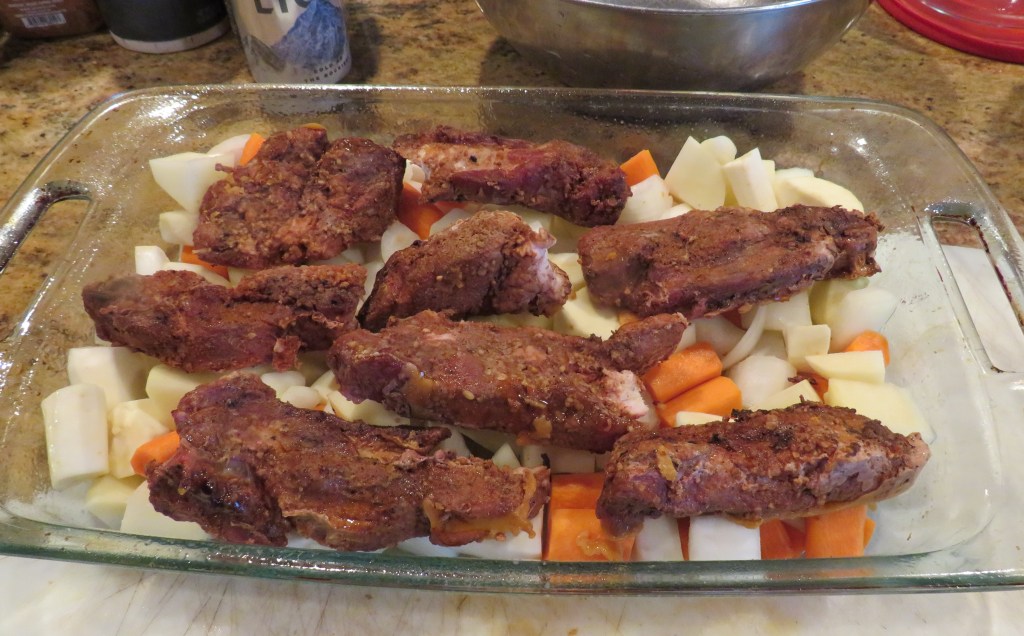
Toss all the vegetables together and spread out in a single layer on the bottom of the prepared pan.
Add the cooked ribs on top of the vegetables.
Combine the beer, beef stock, herbs and seasonings and mix together well. Pour over the ribs and vegetables. Cover with aluminum foil and roast for about 1 1/2 hours.
When the vegetables are cooked and the ribs are tender. Serve them in a bowl, so not to waste any of the delicious broth, over your choice of noodles, mashed potatoes, rice, barley or couscous. I chose to serve it over couscous this time, with a smooth red blend and some beer bread on the side to make a perfect, warm winter’s meal. I really like the couscous or barley options the best, since they really bring out the flavors and characteristics of this warm winter stew. The focus is on the ribs and vegetables.
Have a great day and make everyday great. Stay safe, stay well and stay warm. ‘Til next time.
Every season has its own charm. And our animals know that too. We have seasonal “guests” that come for their time, then off they go. I am getting more and more of my fall and winter water fowls back. They will now be with us until spring. My Ringnecks are among my seasonal guests that are starting to arrive too. I saw my first ones for the season yesterday.
Every season has its own charm and beauty. Don’t miss anything the seasons have to offer. Savor it all and enjoy it while you can. 🙂
When Larry smokes, he smokes. He makes sure he fills up the whole smoker with all kinds of meats. This time he smoked chicken, ribs and corned beef. He’s becoming quite the smoker.
We had the chicken earlier, with the pasta, Light & Creamy Pasta Chicken & Vegetables. Next on the menu was the smoked corned beef. Normally, I am not a big corned beef fan, but I really like it when it is smoked. We still cooked it in the slow cooker for about 3 hours too, even after smoking it, to maker it nice and tender.
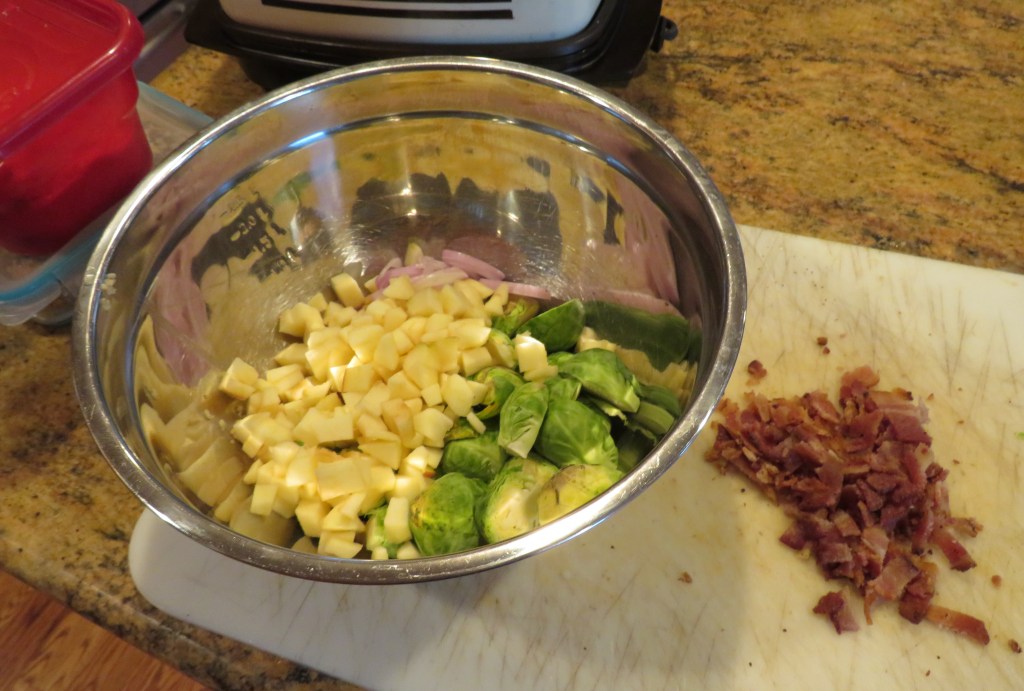
I topped the corned beef with some leftover mustard cream sauce I had and served it with mashed potatoes and Brussels sprouts with apples, bacon and a honey mustard dressing. It was like having a St. Paddy’s Day meal in November. 🙂
Brussels Sprouts with Apples, Bacon and Honey Mustard Dressing
I think Brussels sprouts, apples and bacon is such a great combination. And mixed together with a honey mustard dressing just really makes all the flavors come together.
The Dressing
1/2 cup olive oil
1/4 cup apple cider vinegar
2-3 TBSP apricot balsamic vinegar, optional
2 tsp garlic
2-3 TBSP honey
black pepper to taste
1 TBSP Dijon mustard
1-2 tsp spicy brown mustard
Whisk everything together and set aside.
1 lb Brussels sprouts, cut in half
1 apple, peeled, cored and diced
3-4 pieces cooked bacon, cut into small pieces
1 shallot, sliced very thin
olive oil and butter for cooking
Get a large skillet very hot and add the butter and olive oil. Add the Brussels sprouts and cook for about 7 minutes, or until they start to brown, stirring frequently. Add the apples and shallots, and continue to cook for an additional 5-7 minutes, stirring frequently.
When everything is cooked, remove from the heat and toss in the cooked bacon crumbles. Add enough of the dressing to give it flavor without drowning everything in the dressing and toss thoroughly. Serve immediately after.
I know not everyone likes Brussels sprouts, but if you do, I promise, you are going to love this recipe. It’s full of color, taste and texture.
Have a great day and make everyday great. Stay safe and stay well. ‘Til next time.
I am seeing a lot of my Hooded Mergansers again. They are starting to come back for the season. They are beautiful water fowl. I mostly see the males, and they are noted for their gorgeous “hoods” and colors.
I see the females too, but not as often. Today, I got some great shots of Mrs. Merganser. Usually she is pretty shy. But today, she was posing for the camera. It’s hard to believe these are the same species because they are so different, but they are.