It’s All About The Cut

Have you ever thought about all the different ways to cut vegetables? Why do we have so many different cuts? What do they all mean? Vegetables are a staple ingredient in many cuisines, and the way they are cut can have a significant impact on the final outcome of a dish. Ingredients cut into uniform pieces at an appropriate size not only cook more easily, but also taste better.
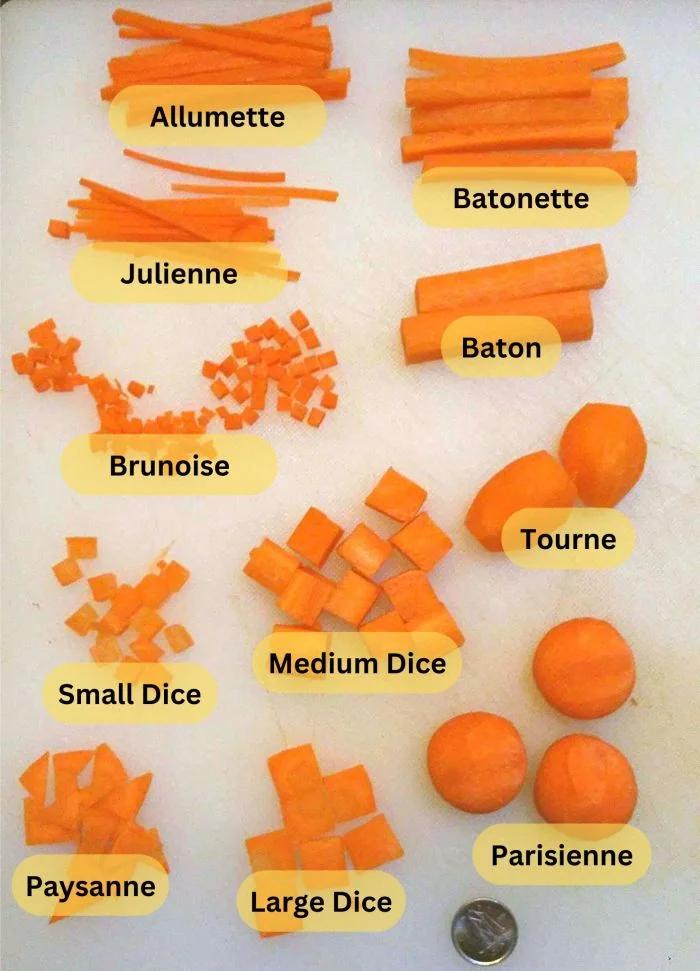
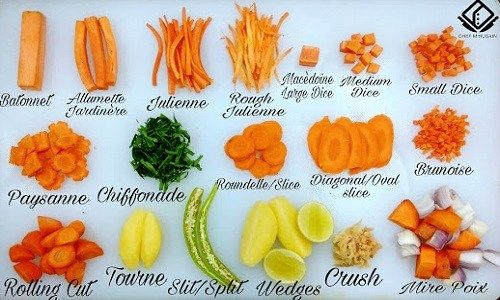
These are the basic cuts, but there are plenty of other popular styles and types of cutting methods as well. And all of these types of cuts have different variations within each style too.

  1. Julienne Cut or French Cut – The julienne cut is a classic vegetable cut that involves slicing the vegetables into thin, matchstick-like strips. This cut is commonly used for carrots, celery, and other long vegetables. Julienne cut vegetables are great for adding texture and color to salads, stir-fries, and other dishes. This cut is also popular for making vegetable garnishes.

2. Brunoise Cut – The brunoise cut involves finely dicing the vegetables into small cubes of about 1/8 inch in size. This cut is often used for aromatic vegetables such as onions, carrots, and celery, and is a popular choice for making soups, stews, and sauces. The small size of the brunoise cut allows for quick and even cooking, which makes it ideal for recipes that require a uniform texture.

3. Chiffonade Cut – The chiffonade cut is a technique that involves stacking the leaves of leafy vegetables like spinach, basil, and lettuce, then rolling them tightly before slicing them into thin ribbons. This cut is commonly used for adding a pop of color and flavor to salads, sandwiches, and other dishes.

4. Mirepoix Cut – The mirepoix cut involves dicing vegetables into small, uniform pieces and is typically made up of onion, celery, and carrot. This cut is used as a flavor base for many recipes, such as soups, stews, and sauces. The mirepoix cut is often cooked in oil or butter before adding other ingredients to the pan.

5. Paysanne Cut – The paysanne cut involves slicing vegetables into thin, uniform pieces about the size of a quarter. This cut is commonly used for root vegetables such as potatoes, carrots, and turnips, and is a popular choice for roasting and sautéing. The paysanne cut allows for even cooking and provides a visually pleasing appearance to the dish.

6. Oblique Cut – The oblique cut is a diagonal cut made to elongated vegetables like carrots, potatoes, or zucchinis. It can be done by cutting the vegetable on a 45-degree angle or longer. This technique is great for adding a touch of elegance to dishes like roasted vegetables or stir-fries.

Aside from these fancy names and versions of cuts, there are also the basics, such as chopping, mincing and slicing, which are just as, if not more, important than the other cutting methods. These different cutting methods all have their functions and work to bring out the best flavors and qualities of the different vegetables as they are being used.

Every chef has to learn how to make these cuts as part of our basic knife skills. There are different lines of thought about which knife or knives to use as well, but most of us, who are properly trained, can do just about anything with our chef’s knife, which is our best friend, a pairing knife, and a bread slicer. Those are certainly the knives I use most often.

It used to be vegetables were an after thought to the main entree, and not much thought went into the preparation of them. But today, vegetables are just as important as the main entree. The are important nutritionally, as well as the flavors, eye appeal and elegance and sophistication they bring to the plates and to menus we lovingly prepare and serve to others.

The goal of cooking vegetables properly is to maintain their fresh, attractive qualities, while enhancing their flavors, texture and colors. Learning how to cut vegetables properly also teaches you how to maintain and preserve these characteristics and qualities. Cooking vegetables changes vegetables in four ways. It changes 1) the texture; 2) the flavor; 3) the color and 4) the nutrient value of the vegetables.

Changing the texture is one of the main reasons for cooking vegetables. Many vegetables are high in fibers, which is necessary to give them shape and firmness. But these high fibers also make them very difficult to eat and to process in their original state. We cook them in order to break down these fibers, which in turn makes them easier to eat and digest. All vegetables cook differently, but most are best when cooked al dente or firm to the bite. Cooking vegetables too much or too little changes the flavors, the textures and the nutritional qualities of the vegetables, again, emphasizing the importance of cooking them properly.

As gorgeous as these vegetables are, many would not be edible if they were not cooked and cooked properly.

So now that you know why we cut our vegetables the way(s) we do, go out, be bold, and cut your vegetables like a pro.

Have a great day and make everyday great. Stay safe nd stay well. ‘Til next time.


Nature Walks – Mixing Up The Ducks

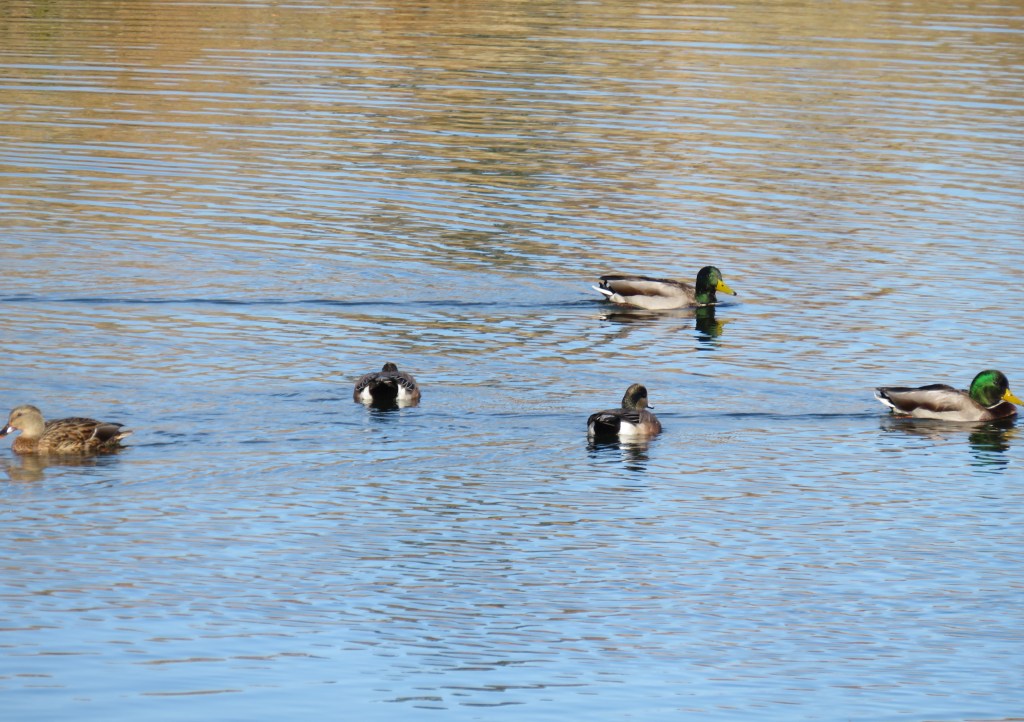
I usually have my Mallards all year long. My other ducks tend to be seasonal. With fall now being here, and the fall weather finally beginning to come, I am also getting more variety of ducks on my lakes as well. Yesterday, I saw a bunch of Mallards, of course, along with some American Wigeons and a couple of Hooded Mergansers. All were swimming together and catching up with each other. I even saw a few Northern Shovelers too.

Northern Shovelers.

American Wigeons

Mallards and Wigeons, oh my!

Hooded Merganser

I love it when all my ducks come out to play together.

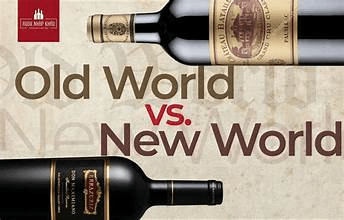
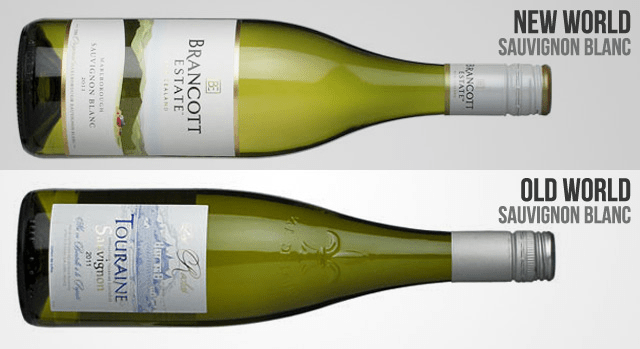
New World Wines vs. Old World Wines

Do you know the differences between New World Wines and Old World Wines? Did you know there even is a distinction between the two? I do, for sure. I drink and enjoy both.

Wine. The Nectar of the Gods. It has been around for 1000’s of years. Archaeological evidence indicates that wine grapes were first cultivated in the Caucasus Mountain regions of what is now known as Georgia and Armenia. From there, grapes spread to the Central, Western and Mediterranean regions of Europe. The grapes and wines from these areas are known as Old World wines. Generally, Old World history focuses on past events in Africa, Asia, and Europe—continents with ancient beginnings and places known before the exploration of the Americas. In contrast, New World history focuses on North America, Central America, and South America, and Australia and New Zealand.

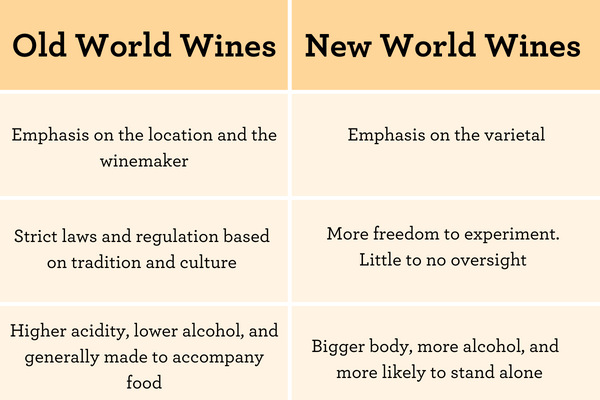
Old World wine tends to have a lighter body, lower alcohol content, higher acidity, and less fruity flavor with more minerality. New World wines tend toward a fuller body, high alcohol content, lower acidity, and more pronounced fruit flavors. Of course, this is almost like the difference between cool climate and warm climate wines.

Old World Wines are steeped in centuries’ old traditions and celebrates where the grapes originated. These areas are usually in the cooler climate regions that allow the grapes to ripen slowly. The slower ripening process gives the grapes a higher acidity level, giving the wines they make a lower alcohol content. Often these wines are fermented with oak, which adds flavor and helps to maintain their balance. The oak influences and the balance they provide are part of what makes these Old World wines so palatable with so many different types of foods.

By contrast, New World Wines are known for their innovative and creative ideas. There is a lot more freedom and less restrictions placed on New World Wines and their wine making process than Old World Wines. These grapes tend to grow in warmer climates than their older, more mature counterparts. The warmer climates bring out more fruitiness and a higher alcohol content. Often times, New World Wines are bolder and heavier, and pairing them to foods can be a bit more challenging. You have to make sure the pairings will compliment both the flavors and characteristics of the wines and the food, without either one being overbearing and cancelling out the flavors of the other.

An example of the different characteristics can be found in chardonnays from both the Old World and the New World. An Old World Chardonnay, with grapes grown in the Burgundy, France region is renowned for it’s fresh acidity with mineral and green apple flavorings. A New World chardonnay, say from Napa, CA, will exhibit a rich, full-body with flavors of ripe fruit, vanilla and butter. Often times, the same grapes are used for both, but are processed in completely different ways, making two completely different wines.

By law, for the Old World wines, the label has to tell you the region’s name and vineyard where the grapes were grown. But the labels do NOT have to say what types of grapes were used, and more so than not, do not say what types of grapes are used. In Burgundy, France, all white wines are produced from chardonnay grapes and all reds are made with pinot noir grapes. In Bordeaux, white wines are usually blends that are dominated with sauvignon blanc grapes, whereas the reds are predominantly blends of both merlot and cabernet sauvignon grapes. In contrast, New World Wine labels do not focus on the region or the vineyard, but on the types of grapes used.

I love my wines, both Old World and New. I drink and enjoy wines from all over the world. I can definitely tell the difference between the two styles. What I drink at any particular time, just depends on how I am serving them, what I am focusing on at the time.

The old standards of pairing foods and wines were pretty simple and straight forward. Red meats and lamb went with red wines. Chicken and fish were served with white wines. Today, those same standards apply, but only loosely. Things are a lot more relaxed today. However, there are still guidelines and suggestions that are recommended and used. For my tastes, I loosely follow the above guidelines, however, I do vary them too. I also base my food and wine pairings on the type of sauce I am serving. If I am serving something with a red sauce, I will most likely choose a red wine. If that dish is chicken or fish, I will choose a lighter bodied red wine, such as a Merlot or a Pinot Noir. If a big, thick, juicy steak is on the menu, I will go much heavier on the red wine, and serve it with something like a Cabernet Sauvignon, A Cab-Franc, or a Zinfandel. If I am cooking something with a white sauce, I will choose I white wine. If the sauce is spicy, I will go with a sweeter white wine, like either a Sauvignon Blanc or a Riesling. The sweeter wines will help curb the spiciness of the dish. However, since I love to cook ethnic foods, I pair my wines and my foods with the wines from that country or region, as much as I can. If I am cooking something Spanish I will serve Spanish wines, like a Tempranillo or a Rioja for reds, and a Verdejo, or my favorite Albarino, for whites. I love my Argentine Malbecs too, especially with a good steak.

What really matters though is for you to drink wines that you like, even if that means thinking outside the box. Be adventurous and try new, or old, styles. The more wines you try, the more you will learn about them, and the more you will learn what works best for your particular style of cooking and eating. Test your wine skills and broaden your palates. But most importantly, enjoy the wines and all your wining experiences.

Have a great day and make everyday great. Enjoy some great wines along the way too. Stay safe and stay well. ‘Til next time.
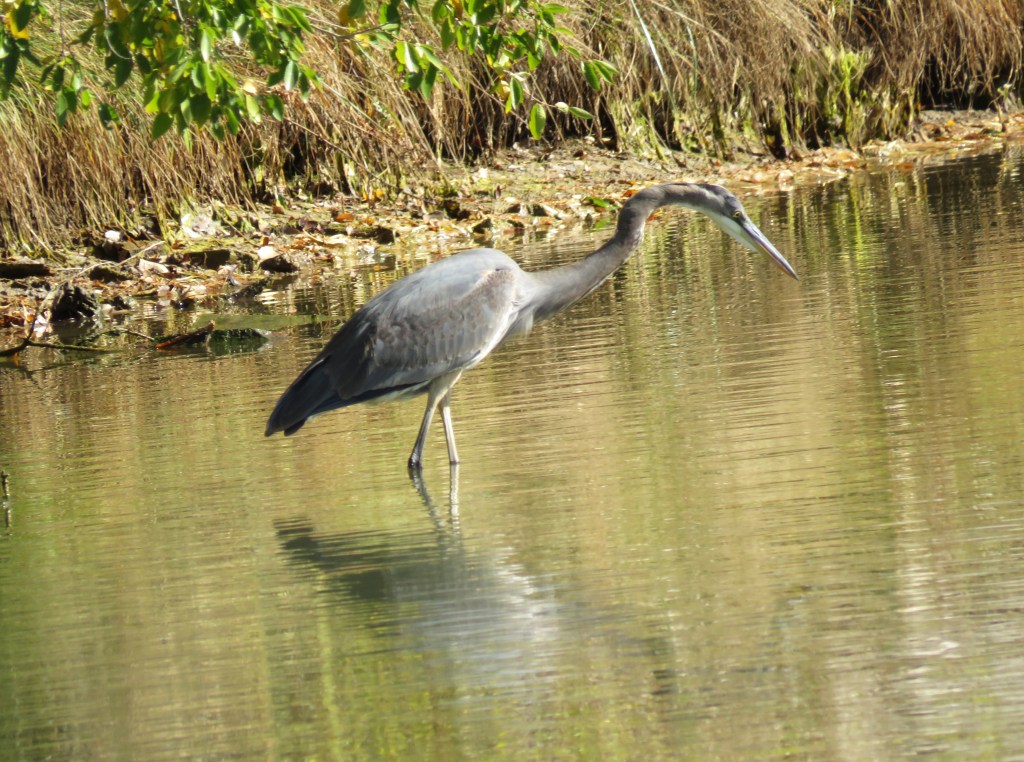
Nature Walks – Another Late Season Heron

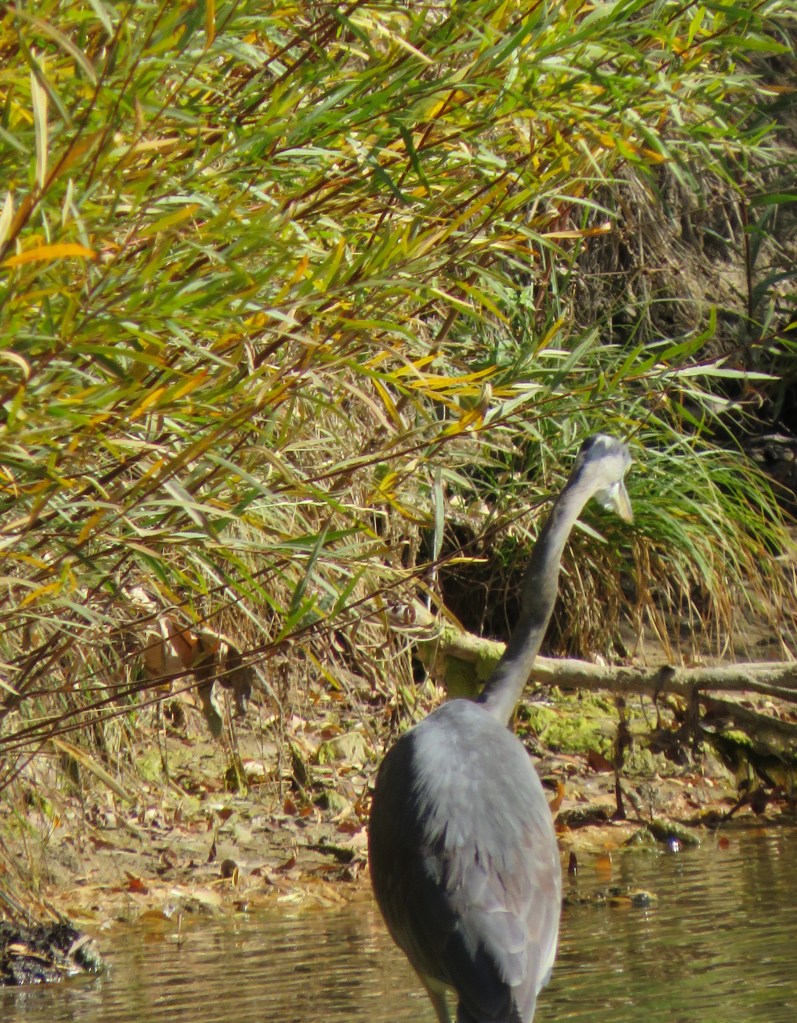
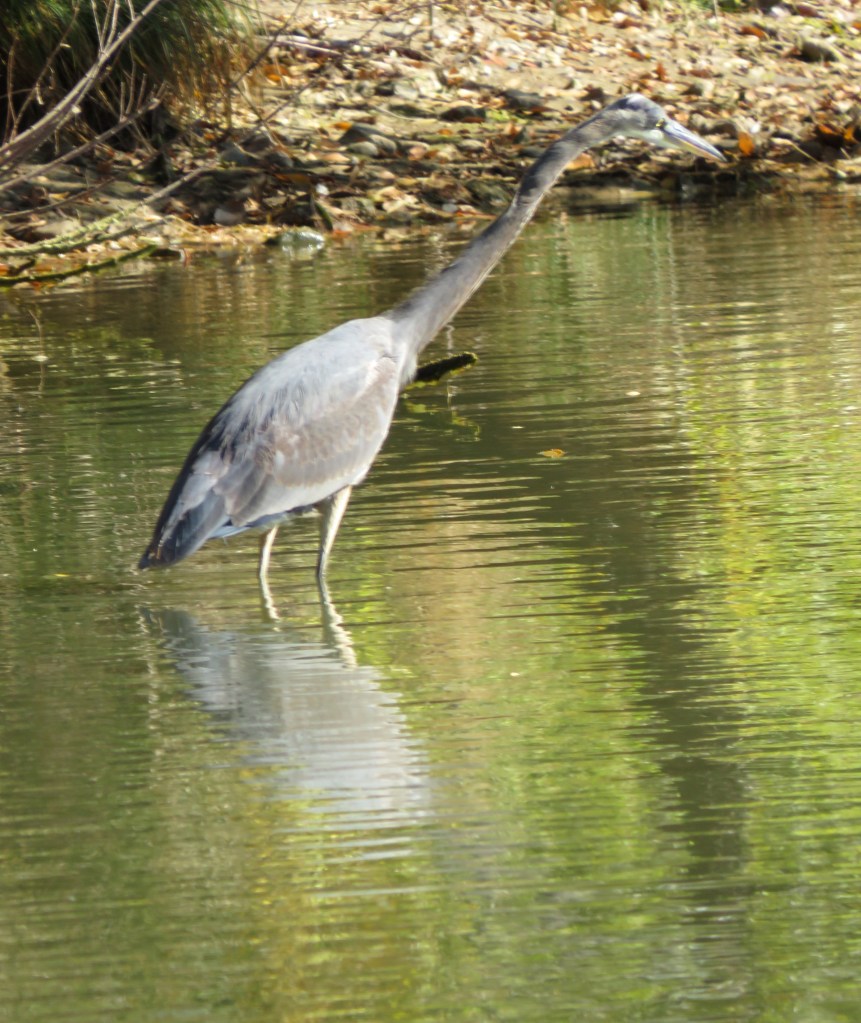
Because of our warm fall so far, all of our birds, animals and plants have been going crazy, and their normal routines and migration patterns have all been thrown for a loop. That’s OK by me though. It means I get to enjoy them a bit longer. 🙂

Usually by now, our Herons are long gone. But not this year. This year, I still have a few that have decided to stay for as long as they can before moving on to wherever it is they go after leaving us. You will never hear a complaint from me when it comes to seeing my beautiful Herons for a longer period of time.

I can only speak for myself, but I will enjoy all of nature’s gifts for as long as I can, anytime, all the time. 🙂

Janakpur Indian Restaurant

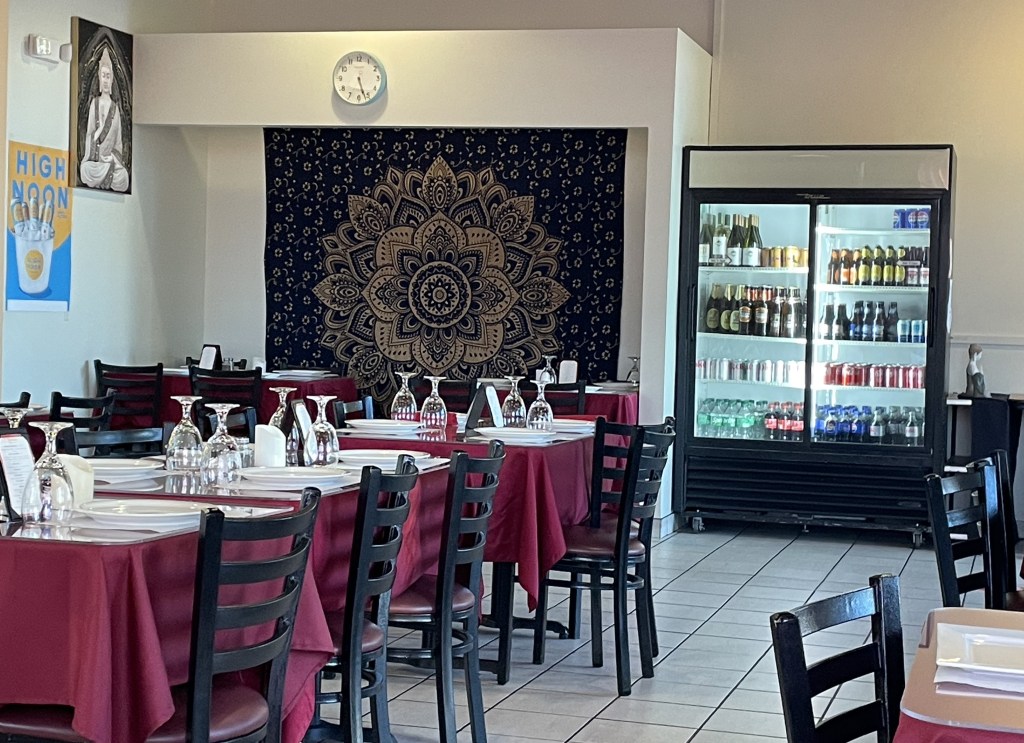
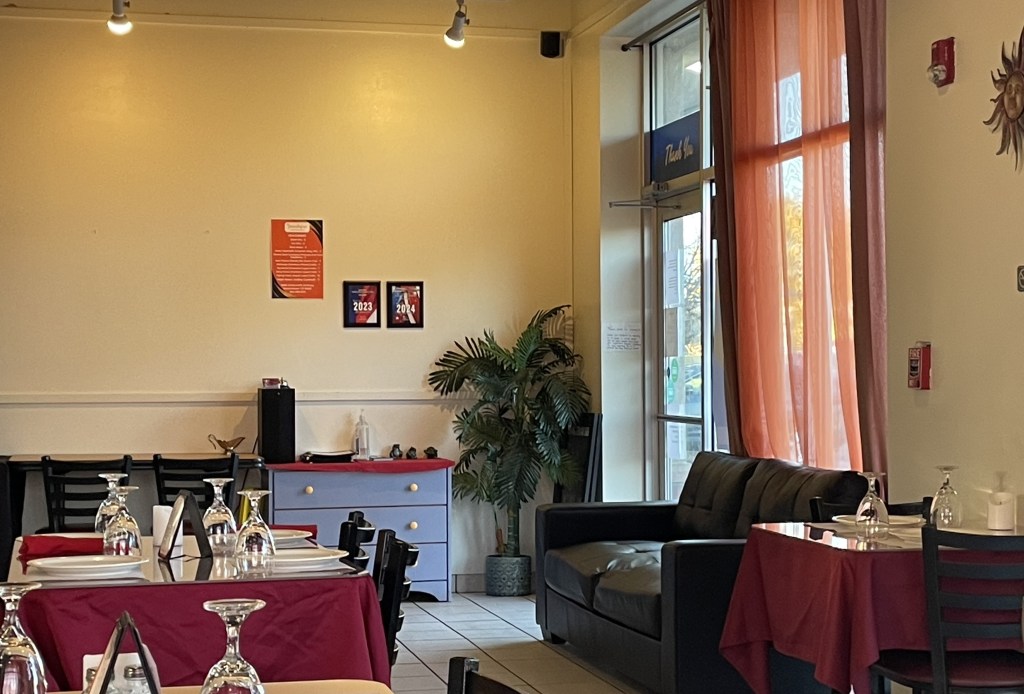
Larry is out of town, visiting his mom in Hays, KS. Janet and Bob invited me to go try a new Indian restaurant with them. Of course I said yes. It was a fun evening with good friends, who are really family and we got to try a new restaurant in the process. It was a win/win for all, except Larry, who missed out. We tried a place called Janakpour Indian Restaurant, in Westminster.

Bob started us off by ordering a delicious Argentine Malbec. Then we ordered some vegetable samosas. Those were scrumptious! They came with a mint sauce and a tamarind sauce.

Then we did what we always do, and each of ordered something that we all shared. We ordered butter chicken, chicken vindaloo, and spiced cauliflower and potatoes, as well as an order of na’an bread.

The owner, Paban Thakur, served us, and was very friendly and helpful, and explained all the dishes to us. The food was fantastic, with large portions too. Even though we only took little bits of everything, a lot of little bits adds up to a lot, and by the end of the meal, we were all stuffed.

When we first arrived, there was only one other family there, but they gave us the 4 thumbs up review. Rightly so, too. Buy the time we left, the restaurant had filled up, and almost every table was seated.

Everything was amazing! We are already planning another trip in the near future, and this time, we might even bring Larry too. 🙂

Janakpur is a definite do-over for us, and I highly recommend to you as well, when in the Westminster, CO area. Janakpur is located at 9660 Wadsworth Parkway, Westminster, CO 80021. You can just drop in, like we did, or order on line, at http://www.janakpuindianrestaurant.com or jaakpur395@gmail.com. You can also call too at either (303) 466-6171 or (720) 270-9218. No matter how you decide to enjoy this dining experience, I promise you it will be deliciously fantastic. Enjoy!

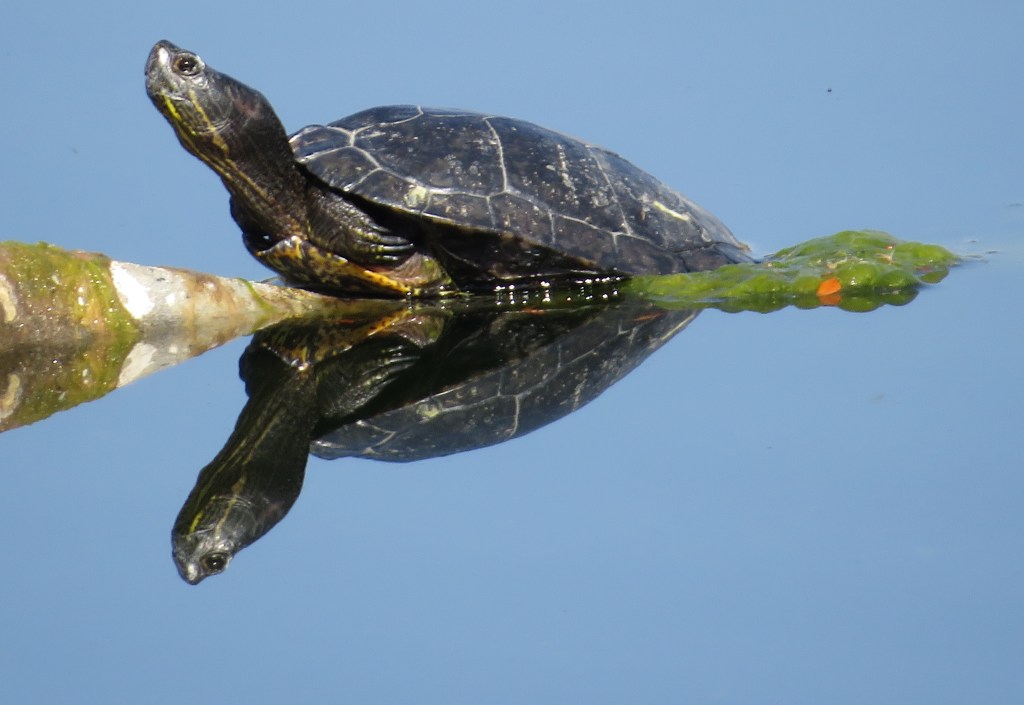
Nature Walks – Late Season Turtles

Believe it or not, I am still seeing turtles. Maybe it is because we have had such a warm fall so far. I am not seeing many, and I am only seeing my smaller Red-Eared Sliders, and not my Snapping Turtles, but they are still coming out for a little extra Vitamin D. Usually by this time of year, the turtles are in deep hibernation and won’t be back out again until spring. But they are still out, enjoying the sunshine a little bit longer. I too am enjoying the sunshine for as long as I can. I don’t blame them one bit. 🙂

Soak up the rays and enjoy the sunshine. 🙂

How To Cook A Steak

Steak is a favorite all over the Untied States and in many other parts of the world as well. It is certainly a favorite in our house too. But what is the best way to cook a steak? What is the best temperature and level of doneness to enjoy it? Well, those are questions we will never have definitive answers for. The level of doneness is a very personal decision, and varies for everyone. And where you live also plays a role in determining how to cook a steak.

That being said, however, most steak masters and chefs will say a beautiful medium-rare is the best way to enjoy a good steak. If you were to ask a professional chef how they would want their steak to be cooked, nine times out of ten they would tell you medium-rare is the way to go. Medium rare steaks are red only in the very middle of the steak. The rest should be various shades of pink, with the outer edges browned. Cooking a steak medium-rare lets the natural beef flavor come out without being too cooked. The result is a steak that’s tender, juicy, and full of rich flavor. When you cook a steak to medium-rare the internal temperature is hot enough to allow excess moisture to escape through vapor or steam, keeping your steak juicy and flavorful. Medium or well-done steak not only exceeds the just right zone of protein balance, but it also causes moisture to evaporate from your meat, making the meat tough and dry.

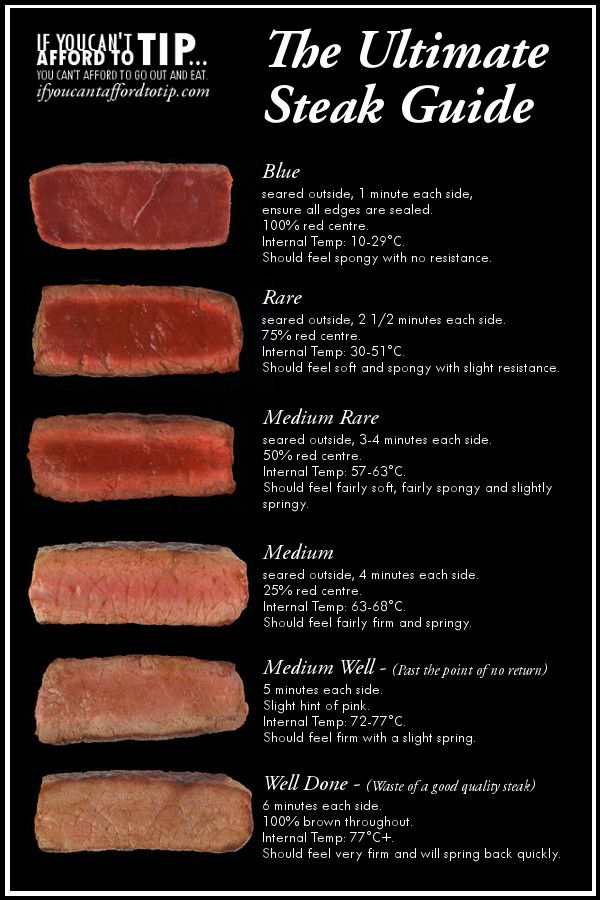
My dad was an Aussie, and most Aussies, or at least when he was growing up, liked their steaks well done. To me, that is like eating shoe leather. YUCK! I, on the other hand, like it nice and rare; not quite still mooing, but close. Based on the above chart, a perfect steak for me is somewhere between 2-3. For Larry, it is more between 3-4. My friend Leslie prefers her steaks au bleu, or number 1 on the chart. But regardless of the temperature you like your steak, the best way to eat it and enjoy it is to eat it one bite at a time. 🙂

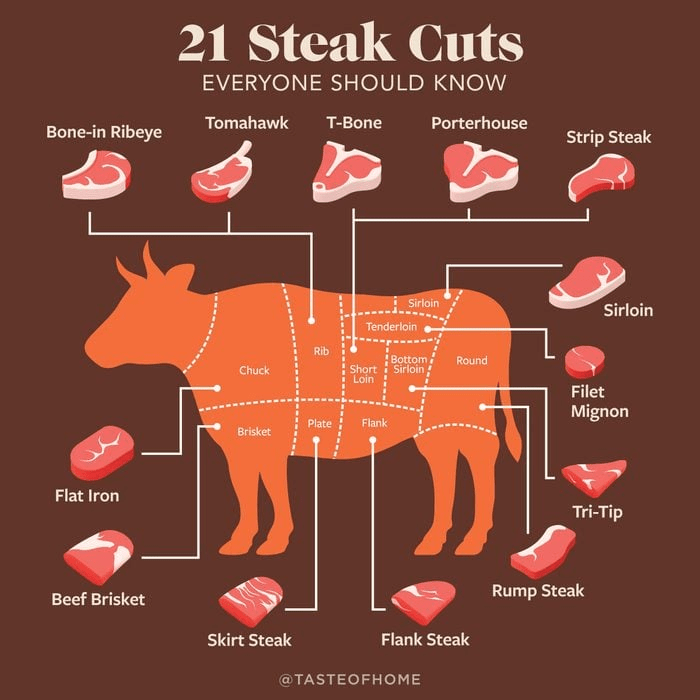
Here are some different cuts of beef and where they come from. Different cuts of beef also determine how to cook the meat. Different cuts lend themselves to different cooking methods, cooking times and temperatures.

Where’s the beef? Now you know. If you a steak eater, and have questions, hopefully this has helped a little.

Have a great day and make everyday great. Stay safe and stay well. ‘Til next time.

Nature Walks – The Watcher

The other day, while walking at Metzger Farm, I saw my ever watchful Red-Tailed Hawk before I saw my deer. Nature Walks – Oh Deer! I would have left very happy indeed just by seeing my hawk, perched up high in the tree, surveying the area. I was VERY happy indeed with the shots I got too. But my day just kept getting better and better. 🙂

Have a great day and make everyday great. Stay safe and stay well. ‘Til next time.
Tuscan Style Pork Loin With Garlic & Rosemary

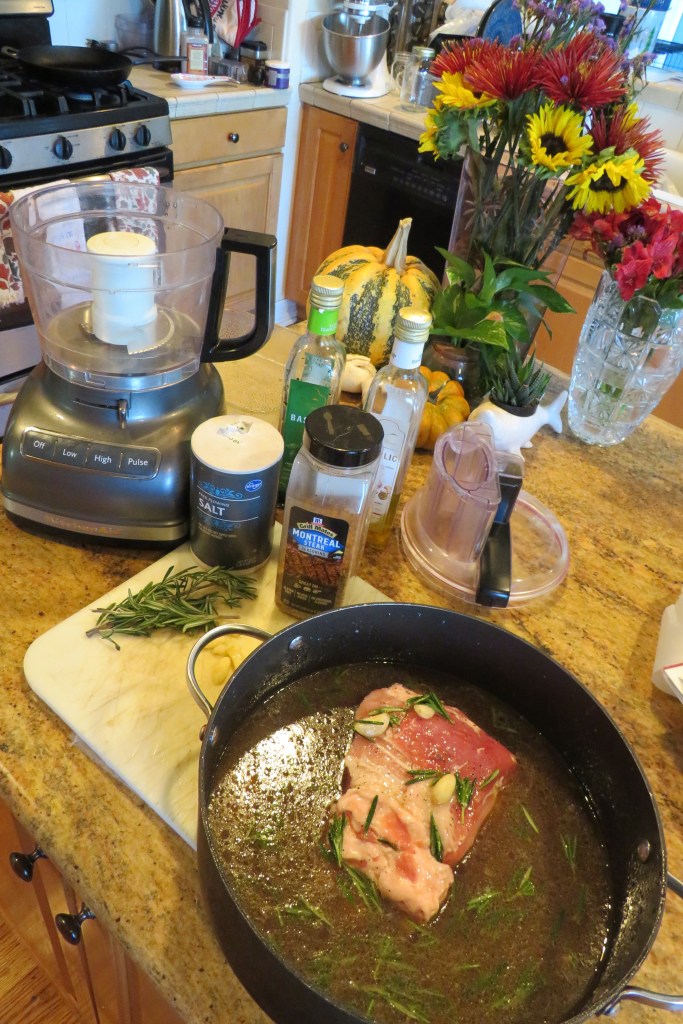
We’ve been eating a lot of steak and chicken lately, so it was time for some pork. We had a delicious pork loin that I cooked Tuscan style, with garlic and rosemary.

Tuscan Style Pork Loin with Garlic & Rosemary

Brine the pork first for about 2 hours in the refrigerator before cooking. The brine helps keep the pork juicy and tender, while adding additional flavor as well.

The Brine

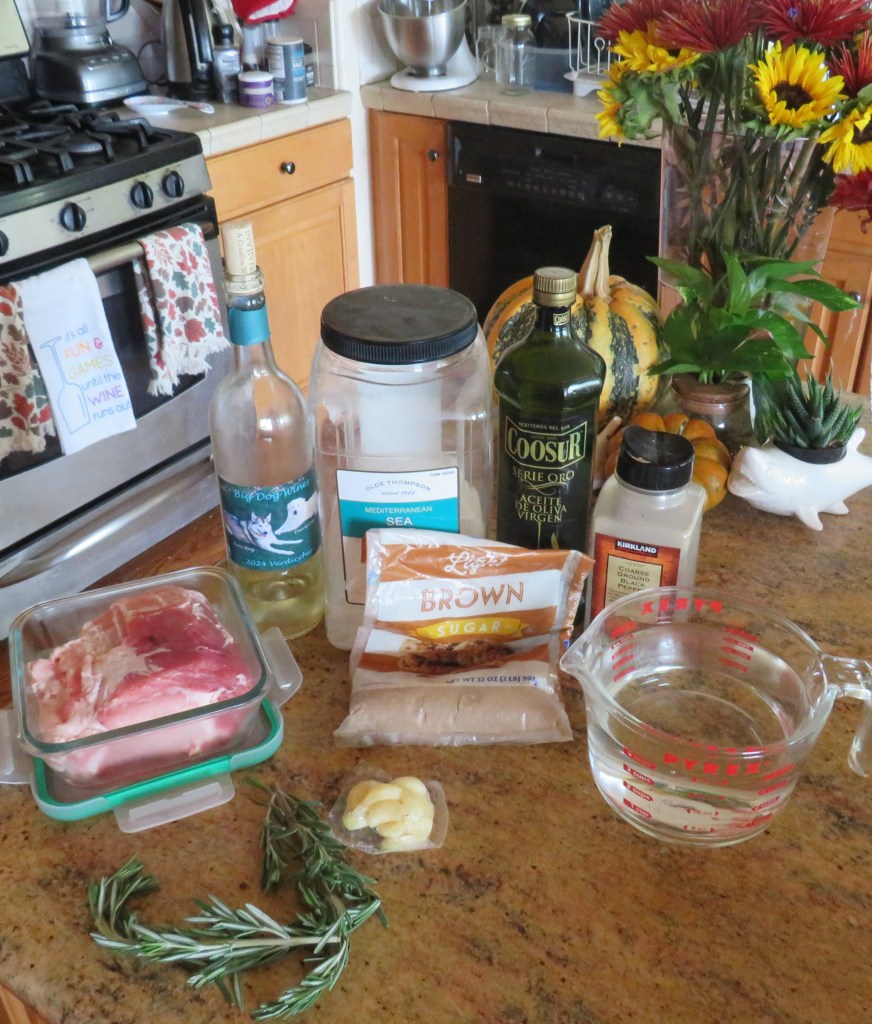
4 lbs pork loin

2 1/3 cup firmly packed brown sugar

1 cup coarse salt

10 cloves whole garlic

4-5 sprigs fresh rosemary

1 TBSP olive oil

1 cup dry white wine

pepper to taste

Combine everything together, except the wine, and mix well, then pour over the pork. Cover and refrigerate for at least 2 hours.

Garlic Rosemary Paste

8 cloves garlic

2 sprigs fresh rosemary removed from the stems

1 TBSP olive oil

salt & pepper to taste

Place everything in the food processor and blend until it becomes a thick paste.

Preheat the oven to 325* F or 163* C.

Pat the pork dry with a paper towel.

Get a large skillet very hot and add butter and olive oil. Brown the pork, fat side down, for about 8 minutes, or until well browned. Add 1 cup dry white wine to the skillet, bring to a boil and scrape the skillet.

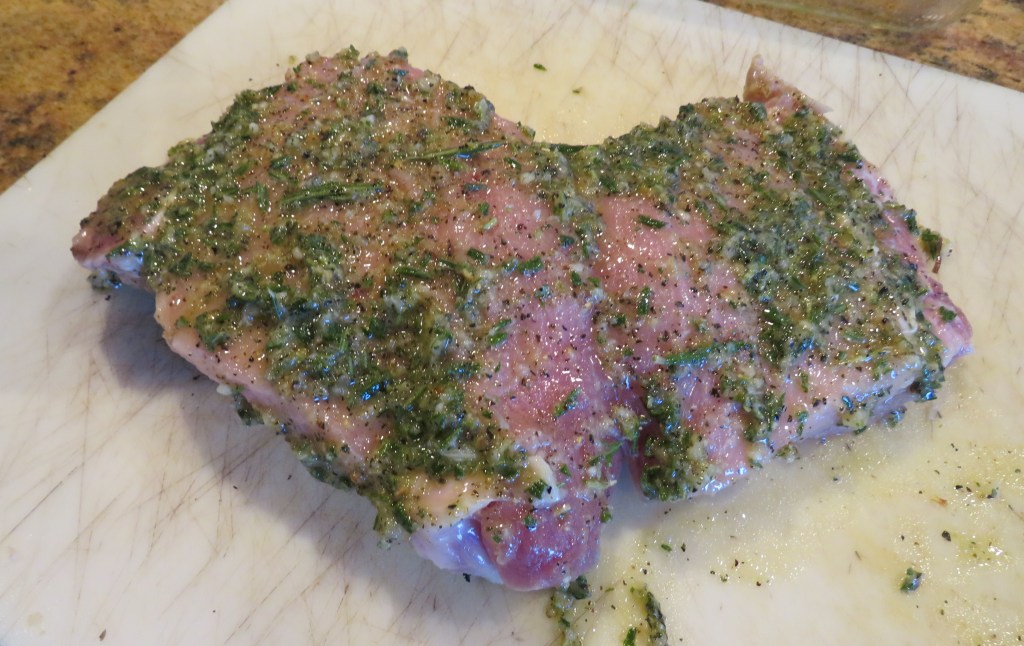
Slice the pork down the middle and generously spread the garlic rosemary paste on both sides of the pork loin.

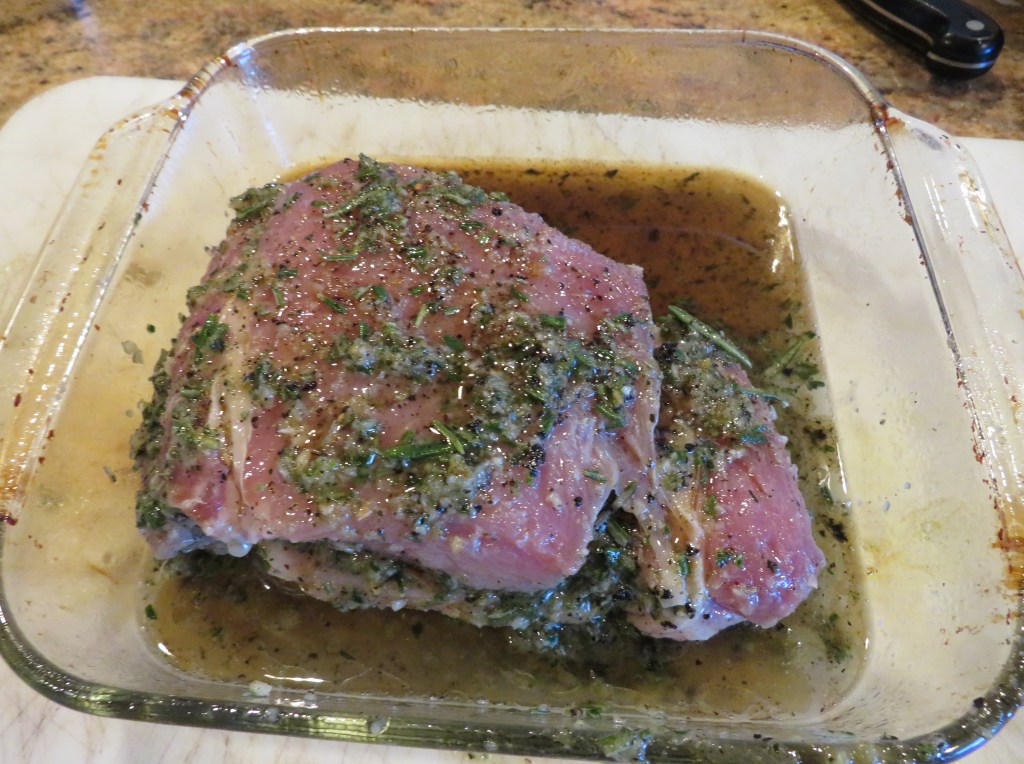
Place the pork in a baking dish sprayed with cooking spray, with the browned side down. Add more of the garlic rosemary paste on top.

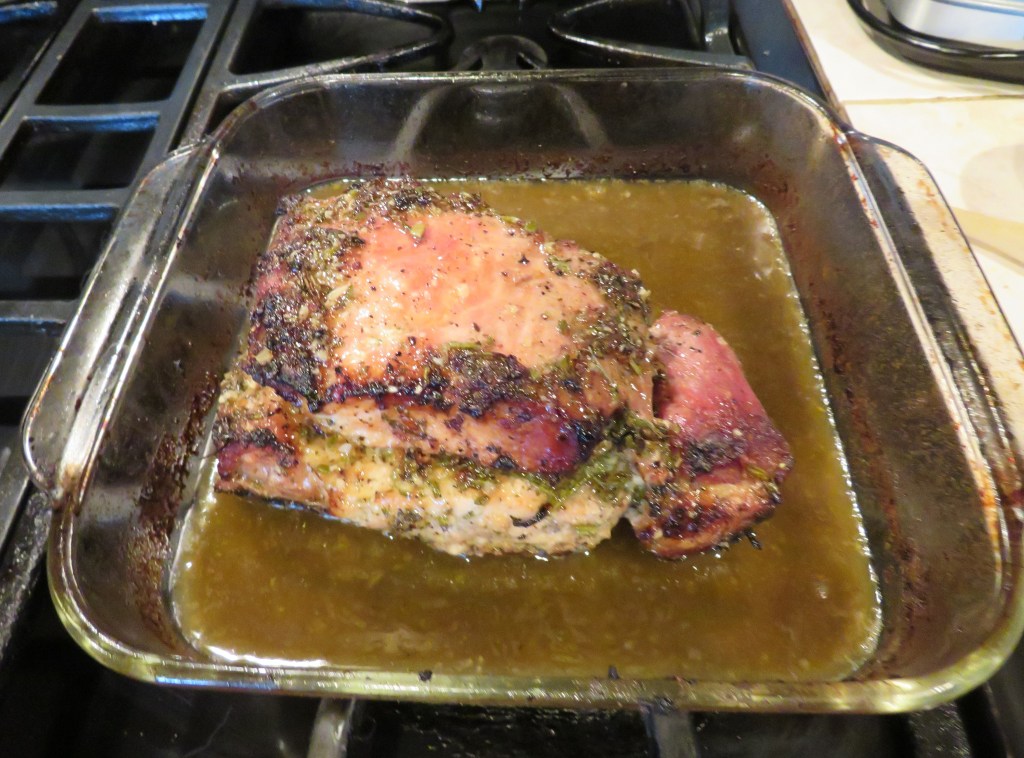
Pour the wine mixture into the baking dish and on top of the pork. Roast for about 65-80 minutes, coating with the juices about every 20 minutes. Add water if needed. You want the internal temperature of the pork to be at least 140* F or 60*C before serving.

Once the roast is done, remove it from the heat and let it rest for about 15 minutes before slicing. Top it with some of the cooking juice.

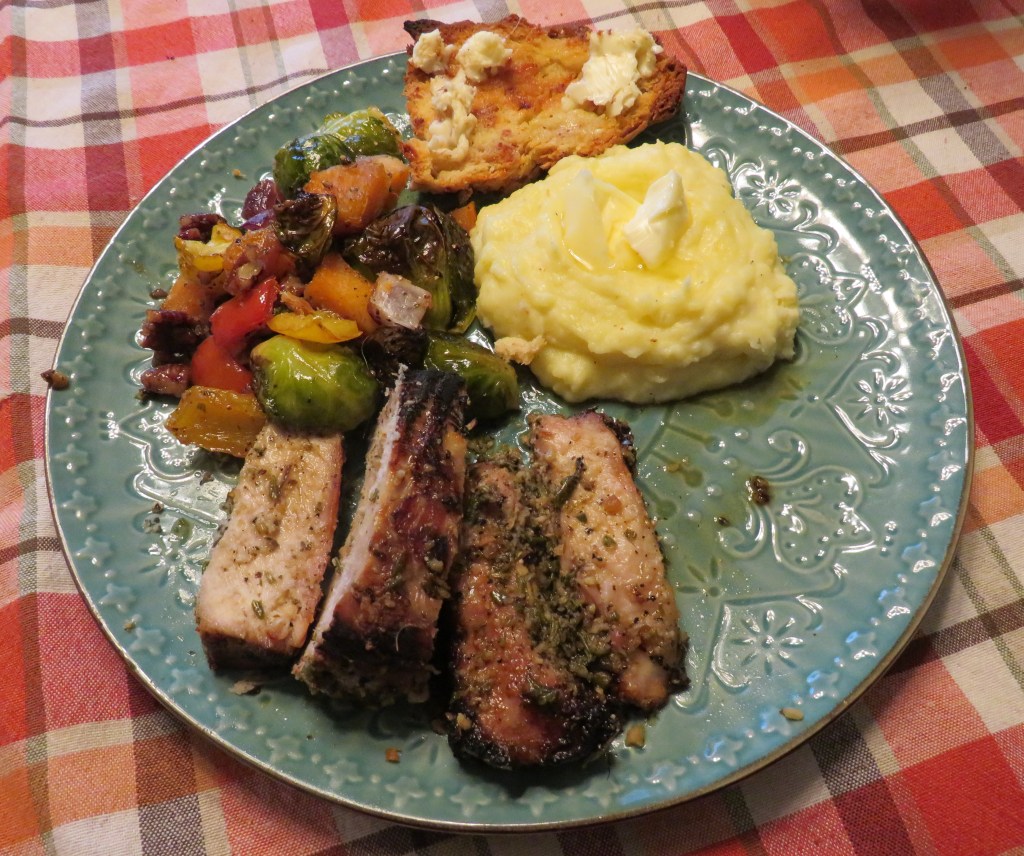
I served it alongside creamy mashed potatoes, a blend of roasted fall vegetables, my Italian torta Torta di Testo di Prosciutti e Formaggio and the same dry white wine I used for the sauce. Delicious! It was a perfect fall dinner.


Have a great day and make everyday great. Stay safe and stay well. ’til next time.

Nature Walks – Oh Deer!

I am so blessed and lucky to live where I do. Even in the “burbs”, we are surrounded by nature and all kinds of wildlife. I am always excited when I see the wildlife. But yesterday, OMG!!!! That excitement was elevated by a factor of about 10+.
I always hope to see deer, or elk, or maybe even a moose, when we are up in the mountains, but I NEVER expected to see deer a mile away from my house. And not just one deer, but two. WHOOOOO HOOOOOO!!!

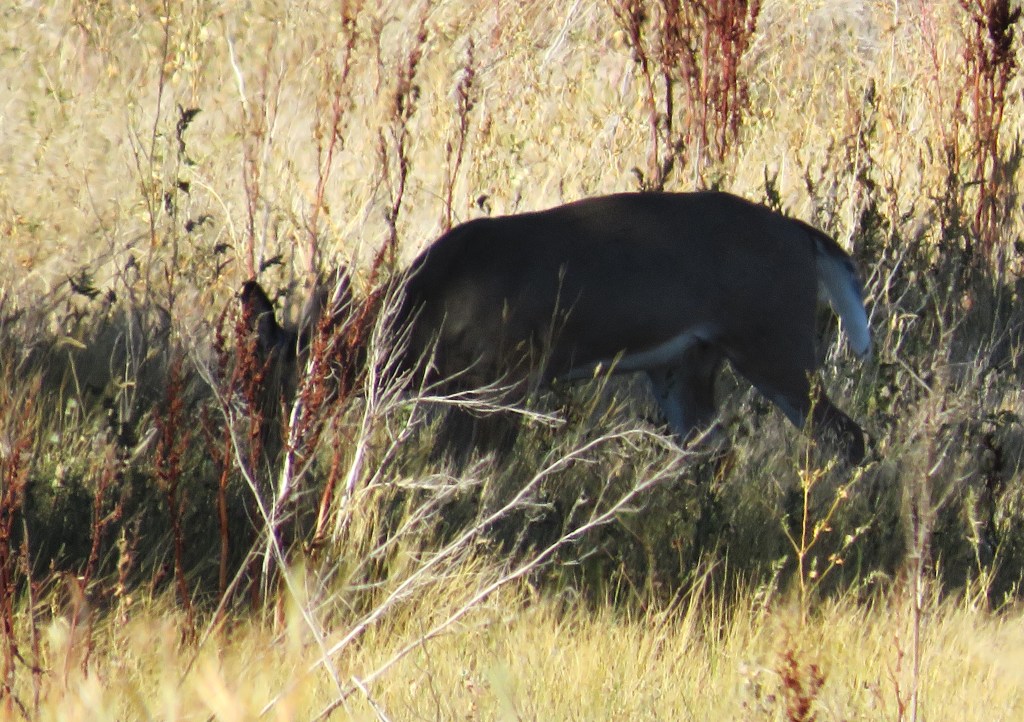
I was walking along the trail at Metzger Farm, when I saw two very large ears way off in the distance. I thought my eyes were deceiving me, so I zoomed in as much as I could with my camera. I couldn’t believe it. I saw not one, but two white tailed mule deer. I apologize for the graininess and mediocre quality of the pictures, but the deer were at least 150-200 yards away. At least I got them though.

Life is great. It is always full of surprises. You just never know what to expect. Make the most out of every chance you get.