Raspberry Lemon Bars

Nothing says spring like lemons. I love lemon anything. Lemon bars are a favorite of mine too. And raspberry lemon bars, well, that just makes them even better. πŸ™‚

I was looking for a dessert to make that was different, so when I came across a recipe for lemon raspberry bars, I was hooked. I knew what I was going to make.

Raspberry Lemon Bars

These delicious treats were ooey, gooey, sweet and tart all at the same time, not to mention, oh so yummy. You can use strawberry preserves instead of raspberry too.

Preheat the oven to 350* F or 180*C.

Spray a 9×13 baking dish with cooking spray.

2 sticks softened butter

2 1/2 cups sugar, divided

2 1/2 cups flour, divided

1/2 tsp salt

2 tsp vanilla

6 large eggs, at room temperature

1 cup lemon juice

1 tsp lemon extract

1 cup raspberry spread or preserves

dusting of powdered sugar

fresh raspberries and/or blackberries or strawberries

Mix the butter and 1/2 cup of sugar together until it is light and fluffy, for about 2-3 minutes. Add 2 cups of the flour, salt and vanilla, and mix again until it is coarse and crumbly. Then press firmly into the prepared pan, making sure to evenly spread out the dough.

Bake for about 20-30 minutes, or until lightly golden around the edges. After removing it from the oven, poke holes into the dough with a fork and let cool slightly. Spread the raspberry preserves evenly over the dough.

Whisk the eggs, remaining sugar, lemon juice, lemon extract and remaining 1/2 cup of flour together until everything is mixed together well. Pour over the crust and place in the oven again, to bake for another 30-40 minutes, or until the lemon filling is set.

Let cool completely before slicing and removing from the pan. Sprinkle lightly with powdered sugar, and if you like, you can add a dollop of whipped cream and raspberries and/or blackberries on top. If you are using strawberry preserves, add strawberry slices on top.

These were a big hit and everyone loved them. You will too. πŸ™‚

Have a great day and make everyday great. Stay safe and stay well. ‘Ti next time.

Southwestern Salad

Southwestern foods are up there amongst some of my favorite foods. I didn’t really plan on making our dinner/game night party into a Southwestern event, but it just kind of turned out that way. Maybe I went in that direction because of the rubs Larry put on his meats to smoke them. However I arrived at that decision though, suffice it to say, it was delicious decision to make. πŸ™‚

The cuisine of the Southwestern United States is food styled after the rustic cooking of the Southwestern United States. Southwestern food is distinguished by the use ofΒ chili peppersΒ as the primary seasoning, first brought to Santa Fe with the arrival of the Spanish from Mexico. I love peppers, and I cook with them quite often. Southwestern cuisines also include the “three sisters”- corn, squash and beans play a prominent role in Southwestern cooking. I was planning on making a squash dish, but decided against at the very last minute, because I already had a lot, and there were only 8 of us.

Larry smoked a couple of racks of ribs, a turkey breast and some pork.

Yesterday I shared my Southwestern Sweet Potato Salad. Southwestern Sweet PotatoΒ Salad I made a Southwestern salad as yet another side dish to accompany the smoked meats. Wendy brought a fruit salad, Elizabeth brought some baked beans and Lauren brought the makings for some vegetarian lettuce wraps and a corn sauce. We had a lot of good food for only 8 people, but we made a pretty good dent in all of it. πŸ™‚

Southwestern Salad

This is just one of an infinite amount of recipes from which to choose. There is always way more than just one way to make anything. πŸ™‚

1 head of Romaine lettuce, shredded

2 cups baby spinach, stems removed and chopped

1/2 red bell pepper, diced

1/3 red onion sliced very thin

1/4-1/3 cup chopped green onions

1/2 cup nopales

2-3 small oranges

1-2 avocados, sliced

pepita seeds

cotija cheese, optional

orange vinaigrette

Most people do not know about nopales. Growing up in Southern California, I grew up with very good Mexican food, and nopales were often eaten. I love them, but don’t eat them that often. I had some in my fridge and threw them into my salad. Nopales are theΒ flat, fleshy pads of the prickly pear cactus, a common and versatile ingredient used in Mexican cuisine.Β They are often cooked and used in dishes like tacos, salads, and as a vegetable side.Β Nopales have a slightly tangy flavor and a texture similar to green beans.

I decided not to use the tomatoes for this salad. I thought they would take away from the other ingredients I used, and I wanted a Southwestern flair.

I mixed both Romaine lettuce and spinach together, then I layered all the ingredients to make a colorful, pretty salad. I added the avocado slices and dressing right before serving. I served it with a spicy orange vinaigrette, which really brought everything together well.

Spicy Orange Vinaigrette

1 cup orange juice

1/4 cup orange olive oil, optional

3/4 cup olive oil

1/4 cup honey ginger balsamic vinaigrette

2 TBSP hot honey

dash cayenne pepper

cilantro

Throw everything into the food processor and blend until it is all blended and emulsified together.

This was a pretty, easy-peasy salad that didn’t take much time to make at all. It was a perfect match for the rest of the menu, and thoroughly enjoyed. Things don’t have to be difficult to be delicious. As I often say, sometimes simple is best.

Have a great day and make everyday great. Keep it simple (remember the K.I.S.S rule- the second S usually stands for stupid) and make the most out of everyday. Stay safe and stay well. ‘Til next time.

Southwestern Sweet Potato Salad

We are hosting yet another little get-together with dinner and games. I like to make whatever I can ahead of time so I am not so rushed on the day of our gatherings. One of the dishes I made early was a Southwestern sweet potato salad.

Southwestern Sweet Potato Salad

This brightly colored salad is delicious and packed with all kinds of goodness.

Preheat the oven to 400*F or 200*C.

4 medium sweet potatoes or yams, peeled and cubed

1 red onion, diced

1/2 red bell pepper, diced

1/2 yellow bell pepper, diced

1 can black beans, drained and rinsed

1-2 tsp garlic

1 jalapeno, diced fine

salt & pepper to taste

1/2 cup olive oil + more for roasting

2 TBSP lime juice

2 TBSP honey ginger balsamic vinegar, optional

1/2-3/4 cup chopped cilantro

dash of cayenne pepper

dash of chili powder

Combine the peppers, onion, garlic and sweet potatoes with salt, pepper and some of the olive oil, mixing thoroughly. Spread them in a single layer on a baking sheet and bake for about 30-40 minutes, or until the sweet potatoes are soft and tender. Turn after about 20 minutes of cooking.

Place the remaining olive oil, vinegar, lime juice, cayenne pepper and chili powder in a food processor and blend until everything is well mixed. Set aside.

When the sweet potatoes and vegetables are ready, put them into a large bowl, and add the black beans and cilantro. Add the dressing and toss together well.

You can serve this colorful salad warm or at room temperature and store in the refrigerator until later if need be. Either way, I promise you are going to love it. πŸ™‚

Have a great day and make everyday great. Stay safe and stay well. ‘Til next time.

More Food Funnies – 4/11/25

I love all the funny quotes about food. Some of them just really crack me up, and we all need a good laugh every now and then.

This one is so true.

I hope these bring a smile or two to you. Have a great weekend. Stay safe and stay well. ‘Til next time.

Nature Walks – Cinnamon Teals

I don’t see too many Cinnamon Teals around our lakes, but they do stop by every now and then, usually around March and April, just long enough to say “hi”. I have a pair of Cinnamon Teals swimming around my lakes right now. The male is a gorgeous deep cinnamon red, whereas Mrs. Teal looks a lot like a much smaller version of a female Mallard.

Life is full of surprises. You just never know what to expect. Always be prepared for the unexpected, and you just may be very pleasantly surprised. πŸ™‚

Chinese Pork & Vegetables

Pork has been a staple in Chinese cooking for at least about 8,000 years. Pork is one of the most consumed meats in China and in other parts of Asia as well. When the Chinese refer to meats, unless it is specified as something else, it almost always means pork. They use pork for everything.

The Chinese path from pig to pork began in the Stone Age. Pigs were the first domesticated animals in China. Genetic and archaeological evidence shows that the Chinese people domesticated pigs from wild boar about 8,000 to 9,000 years ago, although human management of boar populations probably began even earlier. Pork’s prevalence in Chinese cuisine and culture stems from a combination of historical, economic, and practical factors:Β pigs are efficient meat producers, easily raised and requiring minimal land, and have been a cultural symbol of prosperity and fertility, making them a staple in Chinese diets and rituals ever since. Not only are pigs (pork) a staple in Chinese food, but the pig also represents wealth and prosperity, as well as family and virility, in the Chinese and Asian cultures.

Today, China consumes roughly 50% of all pork that is produced. Pork is also the most widely eaten meat around the world too, not just in China. It is estimated that global pork consumption is around 36% of all meats. Chicken comes in second, at 33% and beef is third, at around 24%.

We eat just about everything in our house. We buy our meats in bulk and store as much as we can in the freezer, to use later. Larry has a routine, and he tries to pull out a little of each meat or fish from the freezer to use once a week. He calls it his meat rotation plan. This time, he pulled out some pork chops. I turned them into a Chinese dish with vegetables.

Chinese Pork & Vegetables

I add a ton of different vegetables to almost everything I cook. We eat a wide variety of vegetables in and with almost every meal. This meal included both red and green bell peppers, zucchini, carrots, mushrooms, onions and garlic.

I sliced the pork into thin strips and coated it with cornstarch. You can make this same exact dish with chicken or beef too.

No real recipe here, since I was just using up some of my little bits of this and that.

My sauce was kind of a sweet, sour and spicy blend.

1/2 cup honey ginger balsamic vinegar

1/3-1/2 cup Hoisin sauce

1-2 TBSP rice vinegar

2-3 TBSP hot honey

1-2 tsp crunch garlic

Mix everything together and set aside until ready to uase.

The vegetables take the longest to cook, so I cooked them first in a very hot skillet with some olive oil and hot chili oil. You can use a wok too. I have both, but I actually prefer a skillet to a wok. It’s just a personal preference. Both serve the same purpose. Cook the vegetables for about 5-7 minutes, stirring frequently.

Remove the vegetables and set aside, keeping them warm. Cook the meat until it is almost browned and cooked thoroughly.

When the meat is cooked, re-add the vegetables and mix together thoroughly.

Cook for an additional 2-3 minutes, stirring frequently. Then add the sauce. Bring to a boil, then reduce the heat to a simmer and continue to cook for an additional 2-3 minutes, stirring constantly.

I served it over some rice cooked with a dash of black garlic and ginger olive oil, then added a little fresh cilantro on top. I added some spring rolls on the side to complete the meal. I served it with one of our own wines, a Pinot Grigio that we recently made and bottled. Delicious!

Have a great day and make everyday great. Stay safe and stay well. ‘Til next time.

It’s All About The Vinegar

Vinegar has been around for 1000’s of years and it is found all over the world. Vinegars can be made from anything from flowers, herbs, fruit, vegetables and cereals that have been fermented to make alcohol. And of course, you can make vinegars from wine too. They are used as a condiment, a food preservative or as a pickling agent, which also preserves food. The word vinegar comes from the French word vinaigre, meaning sour wine.

Vinegar is a go-to ingredient when you want to increase the acidity in your recipes or preserve foods through pickling. It can help to cut the saltiness of over-seasoned dishes, and it can be combined with salad oil to create a tangy vinaigrette. Vinegar has a long shelf-life, which makes it convenient to keep on hand. In fact, vinegars in general, are some of the foods that have an indefinite shelf-life, and never really go bad. Just store them in a cool place, away from heat, and keep them tightly sealed until you are ready to use them, and they will always be good for whenever you want to use them.

Though there is an endless array of vinegar flavors, there are only about 13 main types that are used as the base vinegars.

All types of vinegar start as a liquid containing natural yeasts and sugars, like unpasteurized fruit juice. The liquid goes through a fermenting process where the yeast consumes the sugar and produces ethanol (alcohol). The sour, pungent flavor of vinegar is deepened through a second fermentation that transforms the alcohol into acetic acid. The flavor profile of each kind of vinegar is determined by the type of juice or liquid that is used. They main vinegar bases are:

Distilled white vinegar; apple cider vinegar; balsamic vinegar; white wine vinegar; red wine vinegar; rice vinegar; malt vinegar; red rice vinegar; champagne vinegar; sherry vinegar; black vinegar; cane vinegar; and beer vinegar. From these basic vinegars, the possibilities are endless. Be as creative as you like, using ingredients that will highlight the individual characteristics of each “mother” vinegar.

There are many different types of vinegars available, each with their own individual styles and flavors. The most commonly used type of vinegar is distilled white vinegar. White vinegar is distilled from grain, which results in a crisp and clear product. White vinegar has a strong flavor, so it’s best used in small doses to add a touch of acidity to recipes. It’s a common preserving agent and can be used to pickle foods. Distilled vinegar can also be used in baking applications to provide leavening (rise) to cakes and cupcakes.  I even add a dash of white vinegar to my water when I am making hard boiled eggs, or when I want to crisp up potatoes for roasting.

The second most commonly used vinegar is apple cider vinegar. It is made by adding a bacteria and yeast culture to crushed, strained apples. Added sugars and natural sugars are consumed by the bacteria and yeast, producing ethanol. The ethanol is fermented a second time to produce acetic acid, the compound that gives vinegar its sour flavor. Apple cider vinegar is different than white vinegar because it retains a sweet, fruity flavor from the apples. White vinegar is stronger than apple cider with a higher percentage of acetic acid. Reach for apple cider vinegar when you want to add flavor to salad dressings and sauces. Choose distilled white vinegar when you want to pickle foods or add acidity without imparting any extra flavors.

Balsamic vinegar is the only type of vinegar that is not produced by fermenting alcohol. Like a fine wine, balsamic vinegar is made by aging pressed grapes in oak barrels. And just like wine, the older the balsamic, the higher the price tag. True balsamic vinegar will carry a label thatΒ reads D.O.P. (Protected Designation of Origin). This certifies that the balsamic vinegar was produced according to protected standards. Balsamic vinegar has a distinct sweet and zesty flavor that can be drizzled over both savory and sweet dishes. Or, mix it with olive oil for a classic balsamic vinaigrette dressing.

Sherry vinegar is a close cousin to Balsamic vinegar. Its nutty, rich flavor offers less sweetness than balsamic vinegar. It’s also potent, which means that it should be used sparingly – especially as a substitution. The recipe for sherry vinegar was discovered by accident. This Spanish native vinegar is said to be the result of a few barrels of sherry that were spoiled and became too acidic, and then local chefs got creative to learn how to best use this accidental vinegar.

You can make ANY kind of balsamic vinegar, with many different accents and flavors. I personally have at least 7-10 different kinds of balsamic flavored vinegars (as well as many flavored olive oils) in my kitchen right now, from my favorites of lime and lemon, to orange, honey-ginger, and so much more. Some are from a white balsamic base and some are from a red balsamic base. I use them all the time, for many different recipes and dishes.

Rice and barley vinegars are very popular in Asian recipes and cooking. These have a hint of sweetness to them and are delicate in nature.

The Chinese also use red rice vinegar. It is often referred to as the Chinese red vinegar. The key ingredient of red rice vinegar is rice cultivated with red mold. This rice is referred to as red yeast rice and it gives red vinegar its signature salty flavor.

Black vinegar is also an Asian and Chinese vinegar, hailing from the eastern Chinese city of Zhenjiang. It offers an earthy and smokyΒ umami flavorΒ thanks to a combination of fermented glutinous rice, wheat, and millet. This pantry staple for Chinese cuisine can be used to pair with dumplings, duck, and Asian dipping sauces. Black vinegar has such a unique flavor that it’s hard to replicate its aromatic qualities with other types of vinegar. But in a pinch, you can substitute a combination of rice wine vinegar with soy sauce to get similar results.

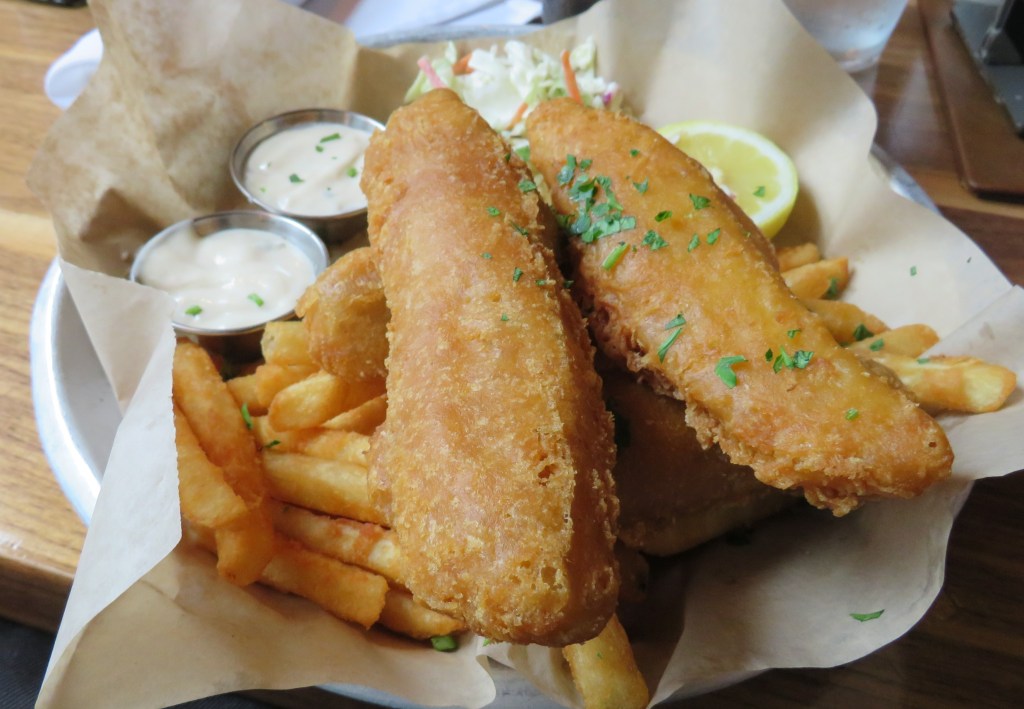
Malt vinegar gets its name from malted barley. To make this amber-colored vinegar, grains of malted barley are fermented into ale, then fermented a second time to develop the tart, toasty flavor. Malt vinegar is the type of vinegar served with fresh-cut french fries or with the classic British dish, fish and chips. But don’t neglect this vinegar in your cooking. You can also use malted vinegar to pickle vegetables and flavor sauces.

Wine naturally turns into vinegar when it is exposed to air for any length time. But to intentionally make a wine vinegar, you need wine, of course, and apple cider vinegar. The vinegar will take on the qualities and flavors of the wine itself, but it will have a much more complex flavor profile. Also, wine vinegars tend to be less sour or acidic than just plain vinegars. They have a smoother, richer flavor than plain vinegar. When making your vinegars from wine, try to stick to just one type of wine for each vinegar. Also, DO NOT mix your red and your white wines together. Red wines and whites each have their own specific qualities and tastes, that don’t tend to mix well with each other. Vinegar made from just one type of wine generally has a cleaner, crisper flavor and will produce more consistent results. You can make your own vinegars from wine, or there are plenty of options available, from around the world, many of which are found in your specialty aisles of your favorite supermarket.

Champagne vinegar is NOT actually made from champagne itself, but rather the champagne grapes, most often the chardonnay or pinot noir grapes. It is sweet and has an effervescent quality to it, like its namesake, champagne. Because of its sweetness and delicate qualities, it is actually more closely associated with rice vinegar than wine or balsamic vinegar.

Cane vinegar is popular in Filipino foods and cooking. It is found most prevalently in countries where sugar cane is produced. It is produced by fermenting the syrup extracted from crushed sugar cane. While cane vinegar is derived from sugar cane, it offers a surprisingly un-sweet flavor profile often compared to malt vinegar.

And then there is beer vinegar. It can be made with any kind of beer, and like a wine vinegar, it will take on the distinct flavors and characteristics of the beer that is used. It offers a very similar flavor profile to barley-based malt vinegar, which makes it an ideal alternative to use with classic fish and chips.

Most vinegars are started with a “mother vinegar” or a starter, like you would use a starter when making sourdough bread. A vinegar mother is a gelatinous mass of cellulose and bacteria (mycoderma aceti) that serves as a vinegar starter. The bacteria in the mother feeds off alcohol and turns it into acetic acid, the compound that gives vinegar its flavor. You can make your own vinegars by using a store bought version as your starter too.

Now you know about your different vinegars. Use them creatively and see what you come up with. As I always say, have fun and play with your food.

Have a great day and make everyday great. Stay safe and stay well. ‘Til next time.
Nature Walks – House Finches In The Trees

I could hear them singing their songs to each other, but I was only lucky enough to see a couple of House Finches. The ones I did see, however, granted me some great shots, before returning to their duets of love.

Turn It Into Empanadas

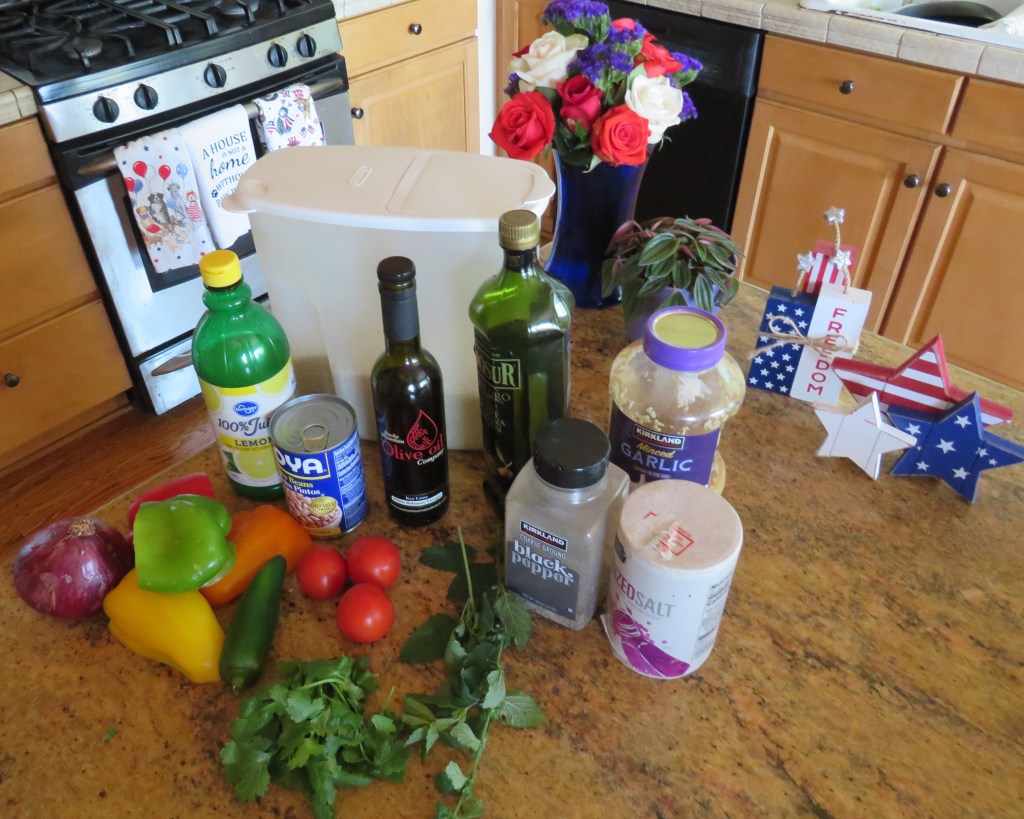
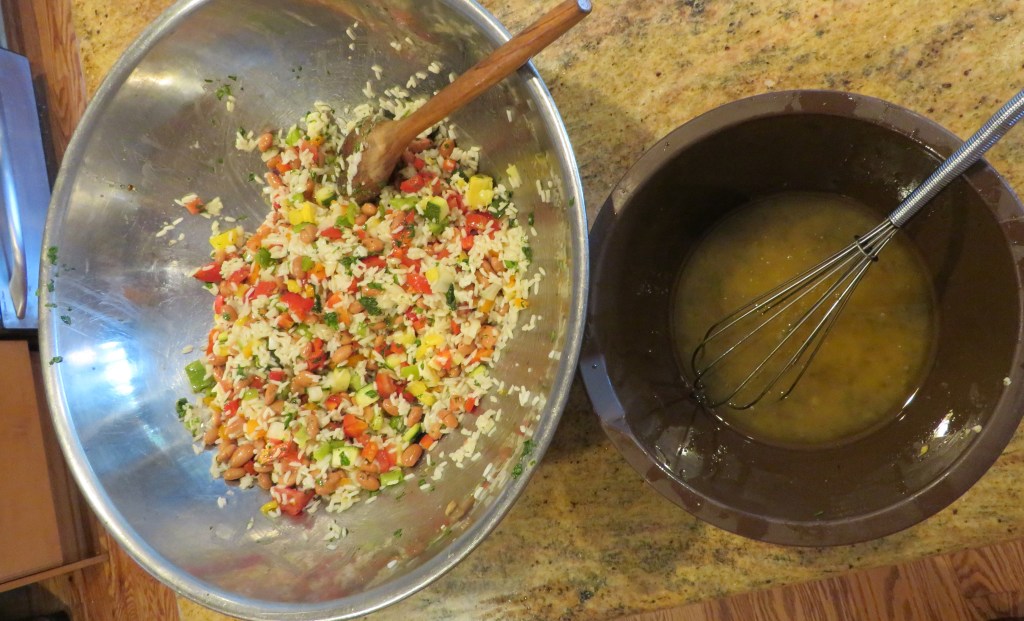
You all know how much I love re-creating with my leftovers. It just makes my day. I got to re-create once again, this time using my cilantro rice Colorful Cilantro Rice. I added some Costco rotisserie chicken and turned my rice and chicken into dinner-sized empanadas Southwestern Chicken Empanadas. I served them with a simple salad and a glass or two of Pinot Grigio, and we had a perfect meal out on our beloved deck. It is getting top be deck season again, and we love every minute of it. πŸ™‚

Costco chicken is one of God’s gifts that just keeps on giving. Since it is just the two of us, we can always get at least 2-3 meals, plus meals for our fur babies out of just one chicken. They had chicken last night too. I used some of the Costco chicken and added it to my cilantro rice, then folded it into my empanadas. I added some shredded cheese to Larry’s.

Before popping them in the oven, I gave them a good brushing with an egg wash. I baked them at 375* F or 191* C. for about 30 minutes, but they just weren’t browning up. So I put them in the deep fryer for about 3-5 minutes to finish them, and to make them nice and crispy and a beautiful golden brown, before serving.

You can bake or fry empanadas, and for these I actually did both. I baked them first, and then deep fried them. I actually prefer to fry my empanadas anyway. I like the flavor and texture better. I just didn’t because of their size, and we only have a small fryer.

It was a win/win all the way around. It was quick and easy and I got to use up my leftovers. WHOOOOO HOOOOOOO!!!! Life is definitely good! πŸ™‚

Have a great day and make everyday great. Stay safe and stay well. ‘Til next time.