I have created this site to help people have fun in the kitchen. I write about enjoying life both in and out of my kitchen. Life is short! Make the most of it and enjoy!
Author: ajeanneinthekitchen
I have worked in the restaurant and catering industry for over 35 years. I attended 2 culinary schools in Southern California, and have a degree in culinary arts from the Southern California School of Culinary Arts, as well as a few other degrees in other areas. I love to cook and I love to feed people.
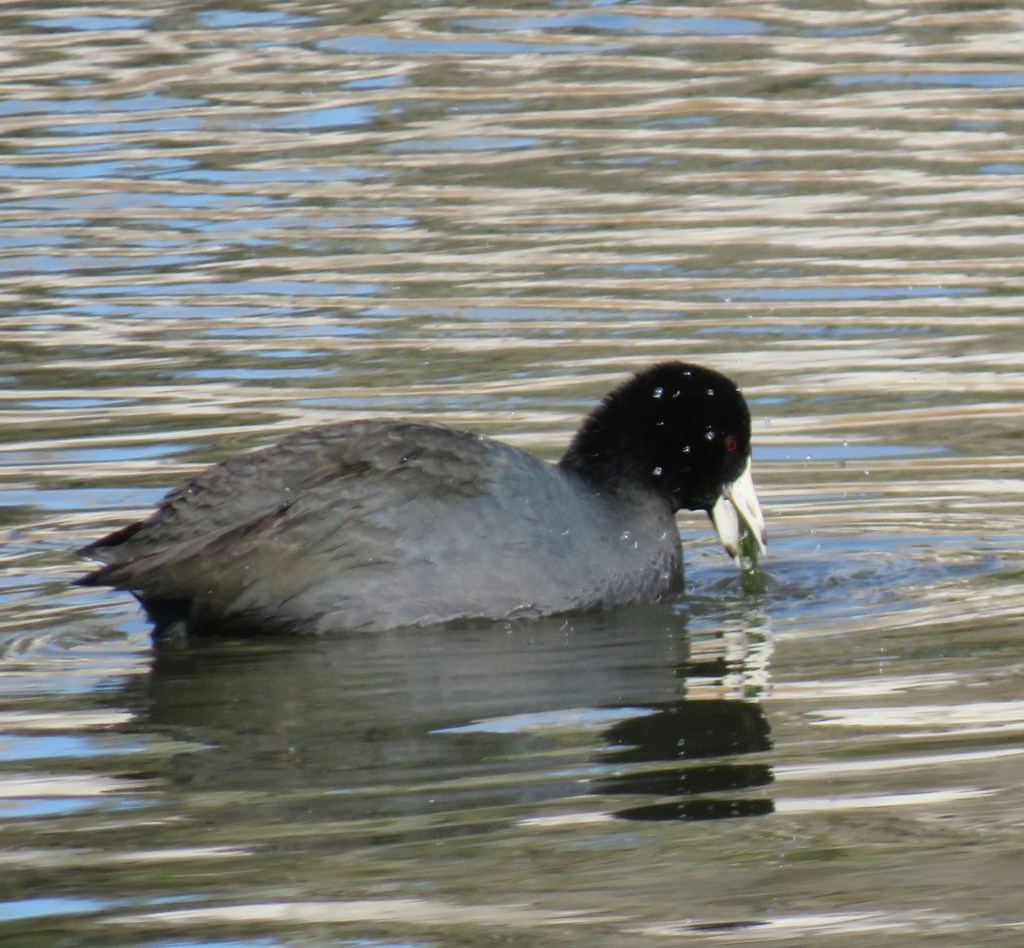
We live in an area that has seven small lakes or ponds. There are four larger ones and three smaller ones, and we live in between the first and second lake. Each lake has it’s own personality, and they are all different. Some are full of life while others are quiet, and they shift all the time. Yesterday, the fourth lake was the crowded lake. There was a lot going on there. It was filled with tons of Canadian geese, Cacklings, Mallards, Hooded Mergansers, Ringnecks, Northern Shovelers, Barrow’s Goldeneyes and one Pie-billed Grebe.
Barrow’s Goldeneyes
Northern Shovelers
Ringnecks
Mallards
Hooded Mergansers
And a Pie-billed Grebe
It was a busy day indeed out on the fourth lake. I love seeing our lakes so full of all the varied wildlife our area has to offer. 🙂
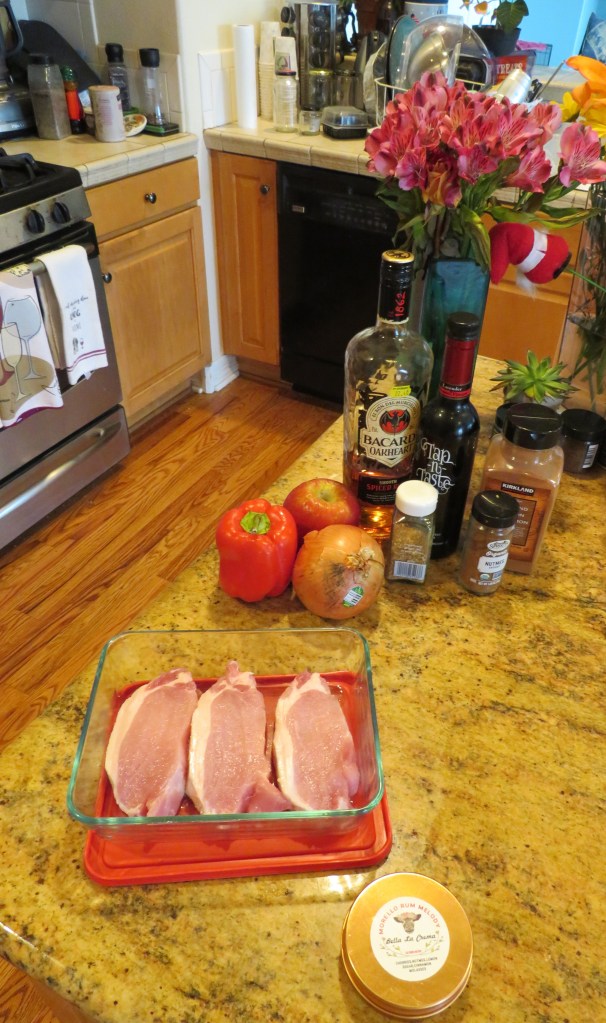
When Larry and I visited Bella La CremaBella La Crema, one of the butters we really liked a lot was the Morello Rum Melody Butter, but we forgot to select that when we made our purchases. Oh Darn! That just meant I had to back again. 🙂 🙂 🙂 Not only did I pick up the Morello Rum Melody butter, but I also came home with a couple more delectable butters too. This means more butter creations from me to you coming your way soon. 🙂
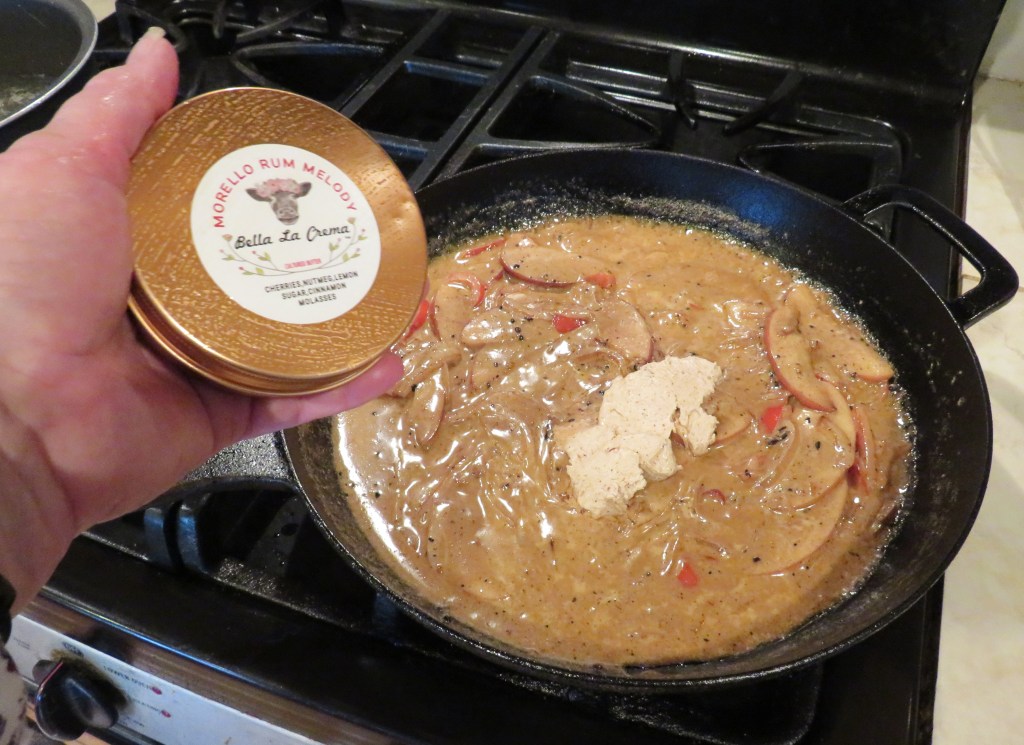
The Morello Rum Melody butter is flavored with rum, cinnamon, nutmeg, lemon zest, sugar and molasses. It’s like a hot buttered rum in a tin. (But a hot buttered rum, using this butter would also be perfect for a cold, blustery day too. Just a thought. 🙂 ) I highlighted and enhanced those flavors with my pork chops, both in the marinade and in the sauce too. My sauce also included apples, red bell peppers and onions.
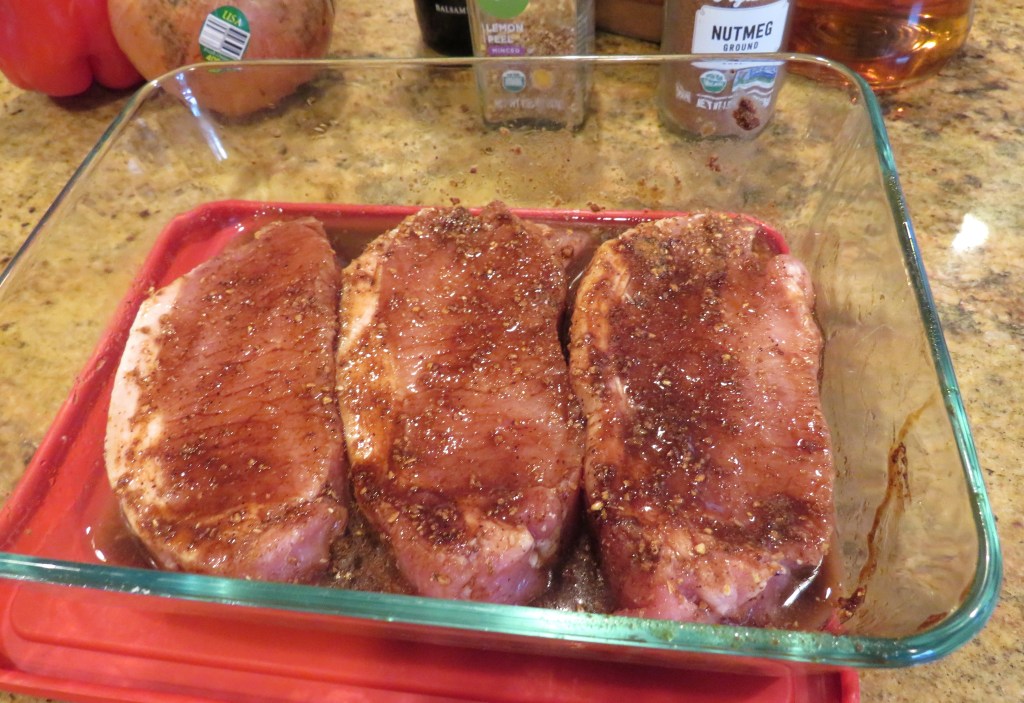
Marinating the pork chops was the first step. I coated the pork chops with cinnamon, nutmeg, lemon zest, rum and a little lavender vinegar for about four hours before searing and cooking them. This would work for chicken too.
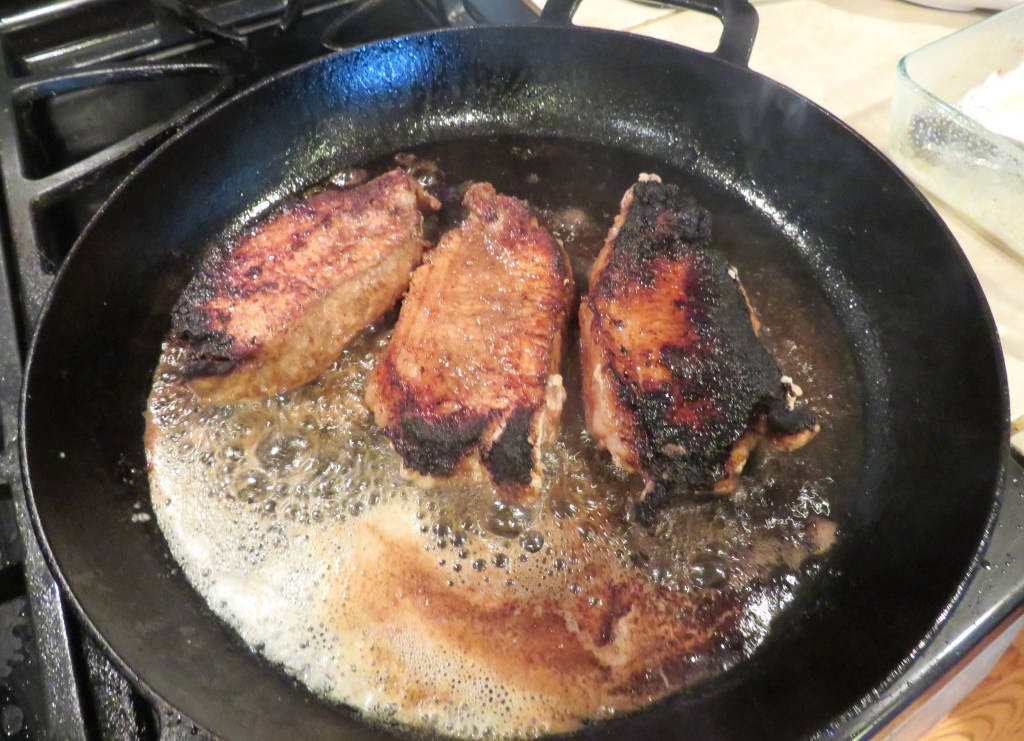
When I was ready to cook everything, I seared the pork chops first, to give them a nice crust, then covered them with foil and added some sauce and a little water to the pan to continue cooking them until they were done, with the internal temperature at 145* F or 63*C. Sear the pork chops for about 3-4 minutes per side or until a nice crust is formed to coat the chops completely. You might think they were burnt, but trust me, they were not. They came out just perfect, and very moist and tender. 🙂
Rum Cream Sauce
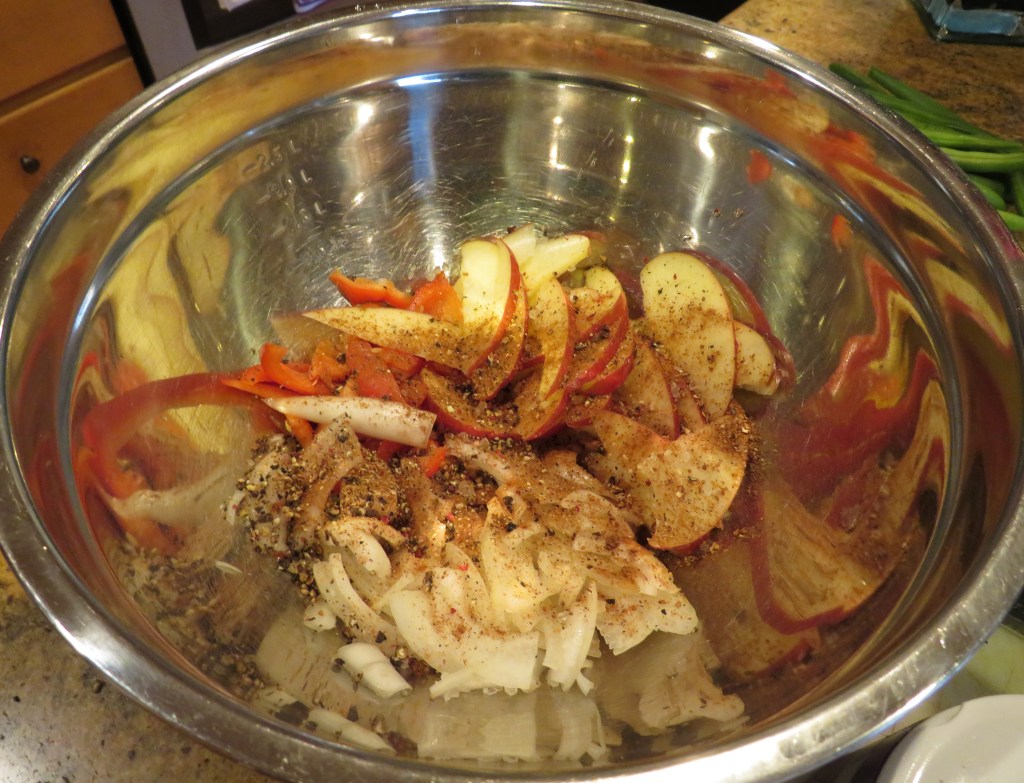
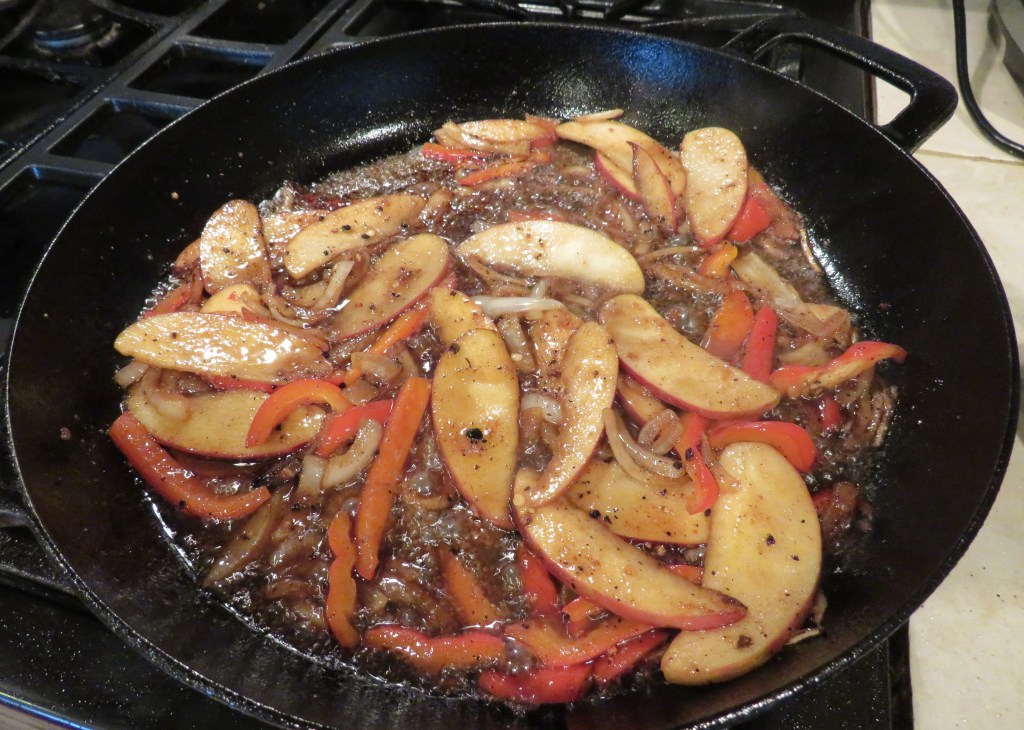
Apples and onions are perfect companions for pork, so I sliced them thinly, along with some red pepper strips, and added a dash of lemon juice to the apples, a little more cinnamon, nutmeg, lemon zest, salt & fresh ground black pepper.
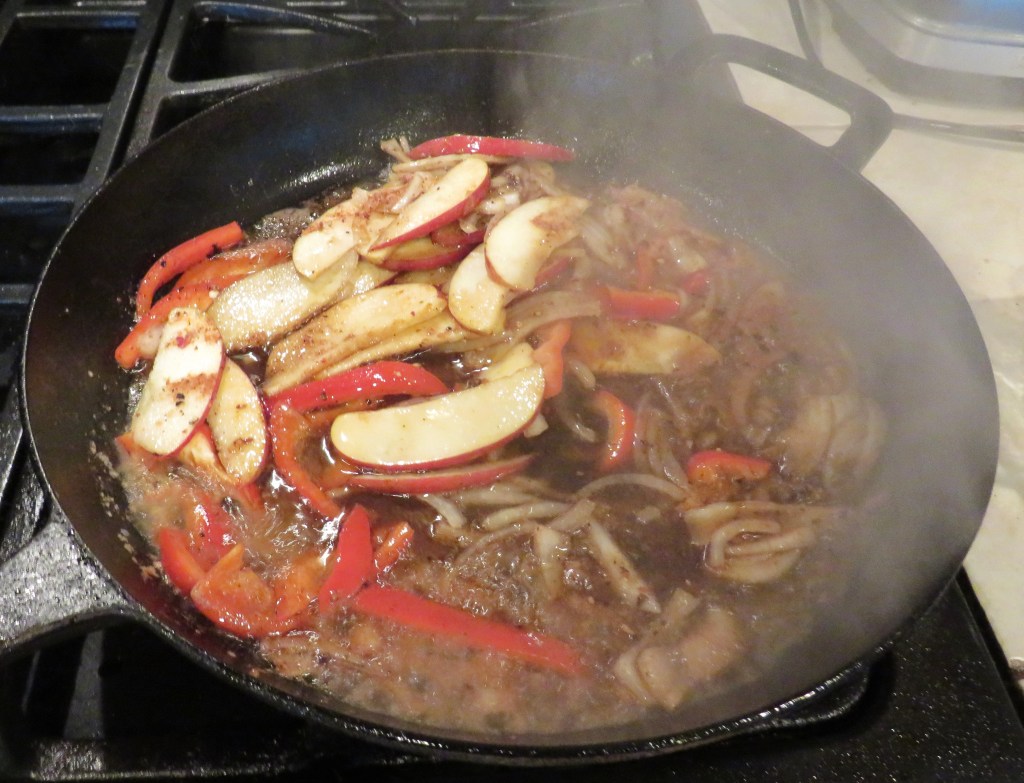
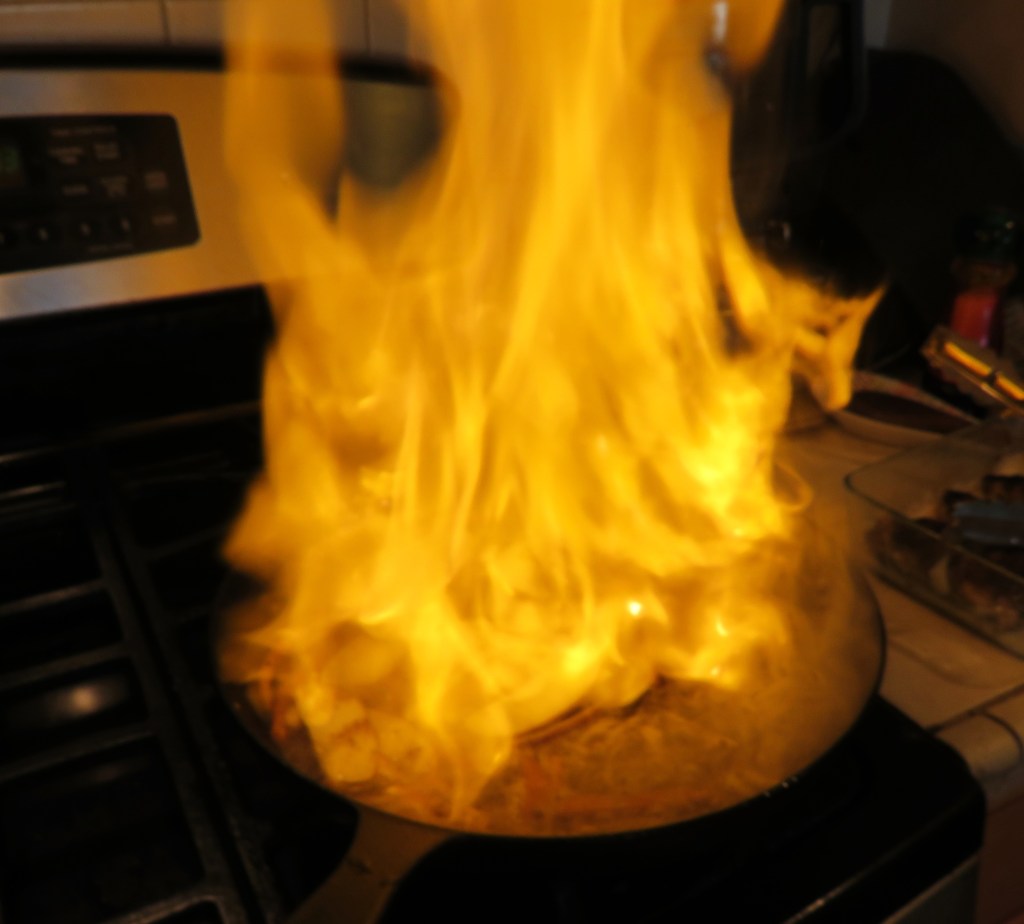
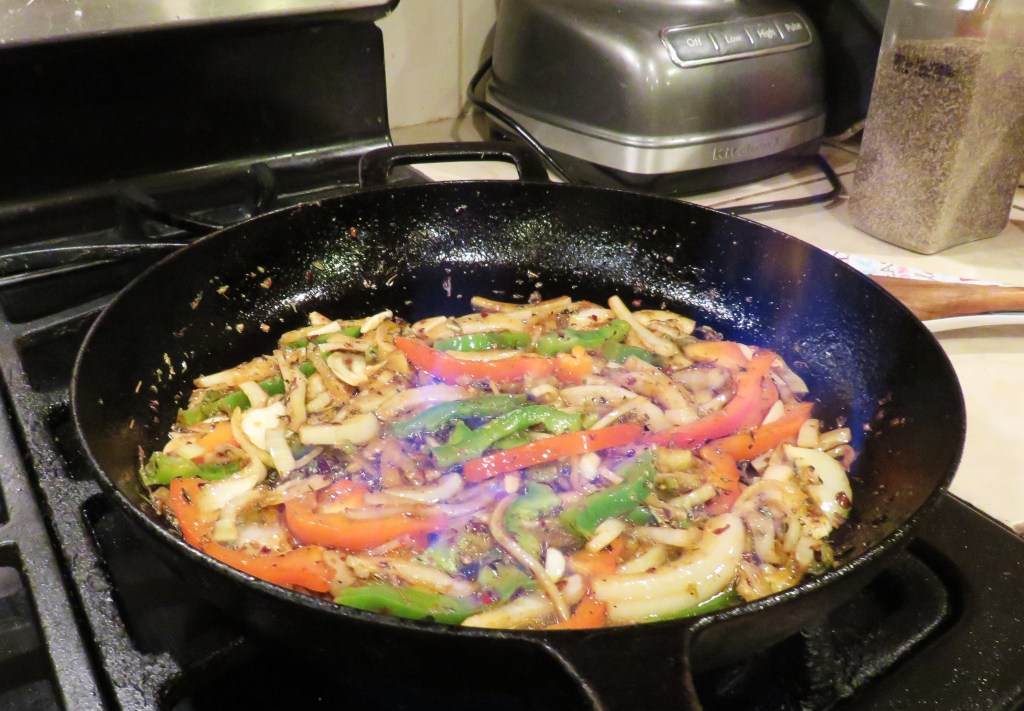
After searing the pork in butter and olive oil, cook the apple mixture in the same pan, and add about 1/2 cup of spiced rum too, for more flavor and to deglaze the pan. I got some great flambe action going on this dish.
I CANNOT stress this enough, when flambeing something, be VERY, VERY careful and cautious. The flames die down after about a minute, but they are very intense while burning.
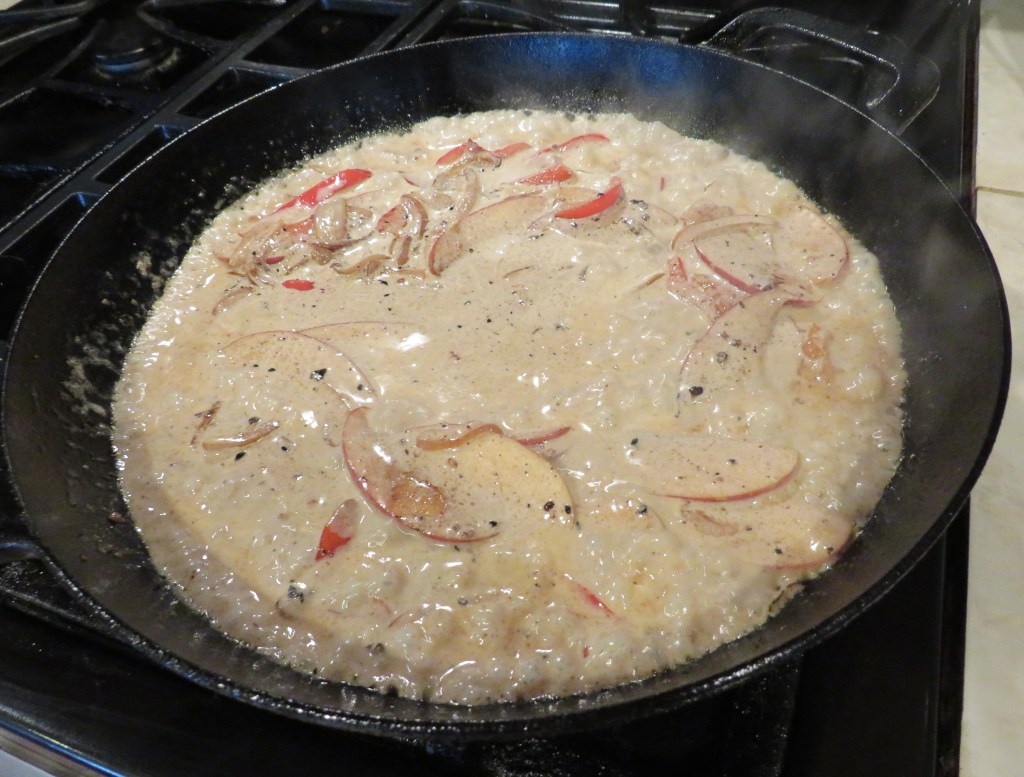
After the flames die down, cook the apple mixture for an additional 5 or so minutes before adding about 1/2-3/4 cup of heavy whipping cream. Bring to a boil, then reduce the heat to a simmer and continue to cook for an additional 5-10 minutes, stirring frequently. You want the liquid to reduce by about half before adding the butter to finish the sauce.
Add the Morello Rum melody butter right at the finish and then incorporate it thoroughly into the sauce. Serve immediately, while hot. Finishing cream sauces with butter is a French culinary term called monter au beurre (“mounting with butter”), is the secret to achieving a glossy, velvety, and rich sauce. It involves whisking cold, cubed butter into a hot, reduced cream sauce just before serving to emulsify it, adding a luxurious sheen and body. No cream sauce is complete without adding butter for the finish. 🙂
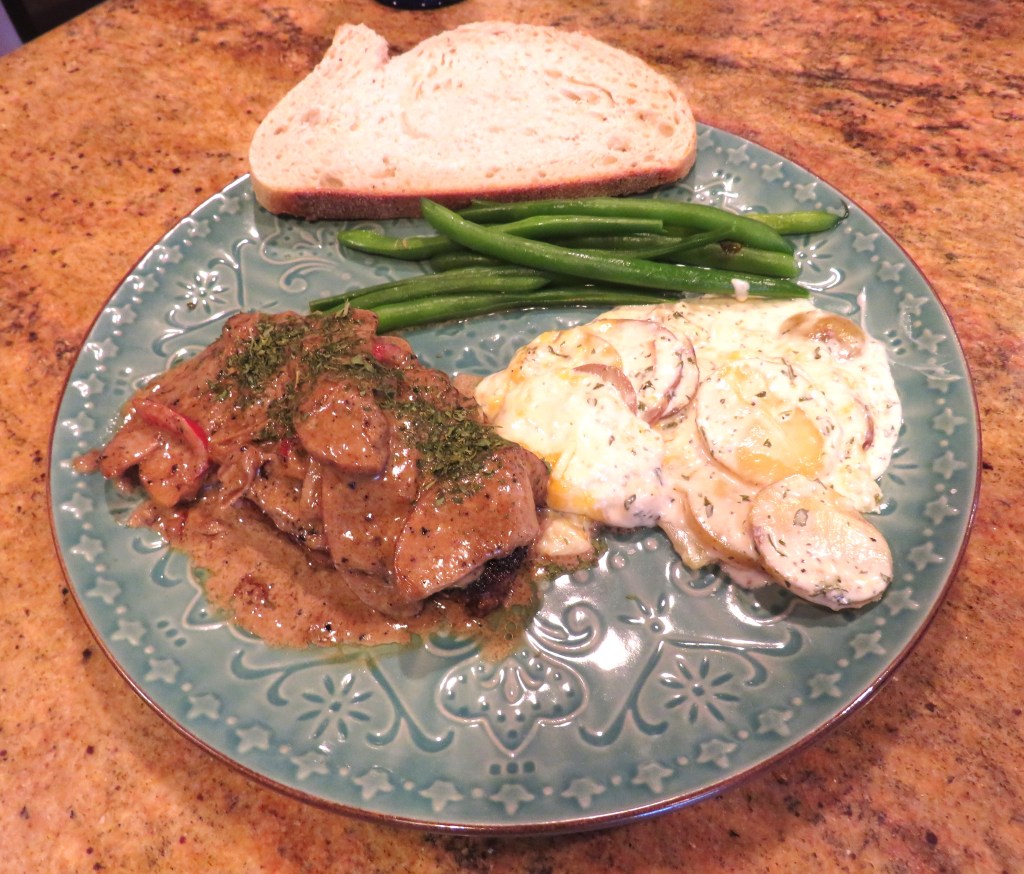
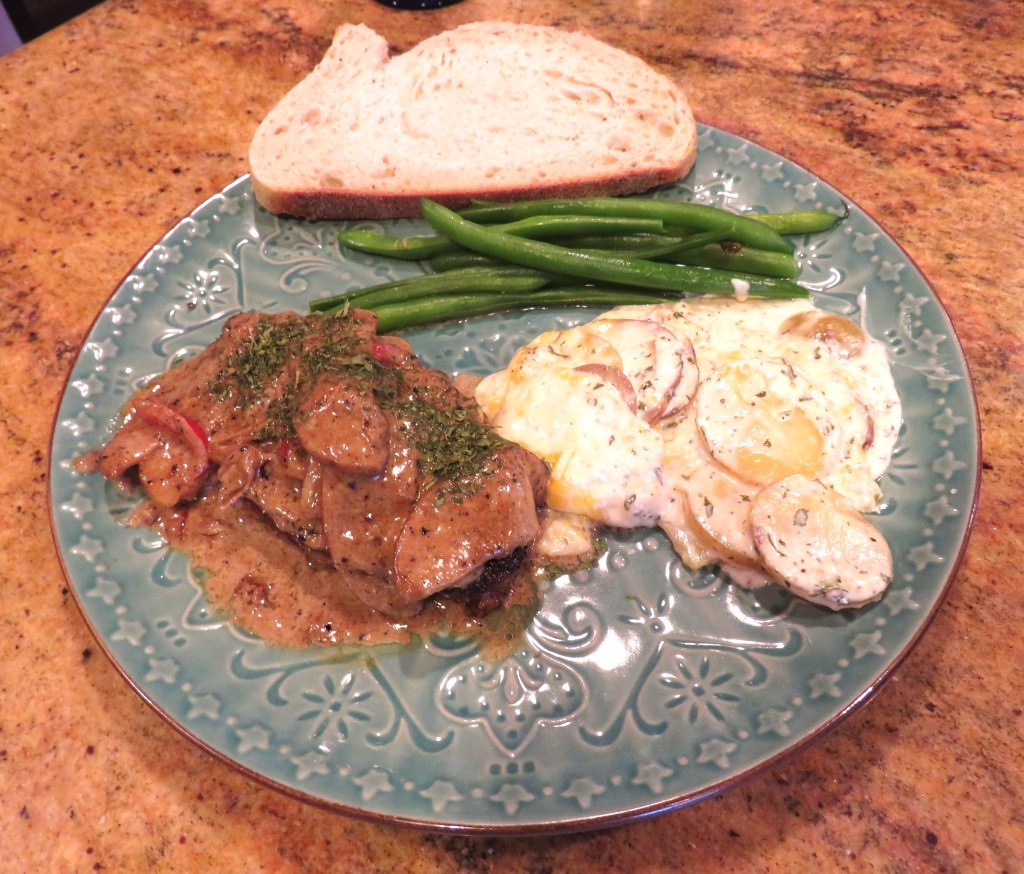
Generously top the pork with the rum cream sauce, along with the apples, onions and peppers and enjoy. OMG!!!!! It was decadently rich and delicious. And don’t worry, I made sure to remove ALL the calories too. 🙂 I made the whole meal decadently creamy and rich, and served scalloped potatoes and steamed green beans and warmed bread, with a glass or two of a cool, crisp white wine. The acidity in white wines helps cut the fat from rich and creamy sauces. I mean if you are going to splurge, you might as well go all in, right?! C’est si bon! Delicieux!
Have a great day and make everyday great. Life is what you make it, so make it fantastic. May 2026 be filled with happiness, good health and prosperity for all. ‘Til next time.
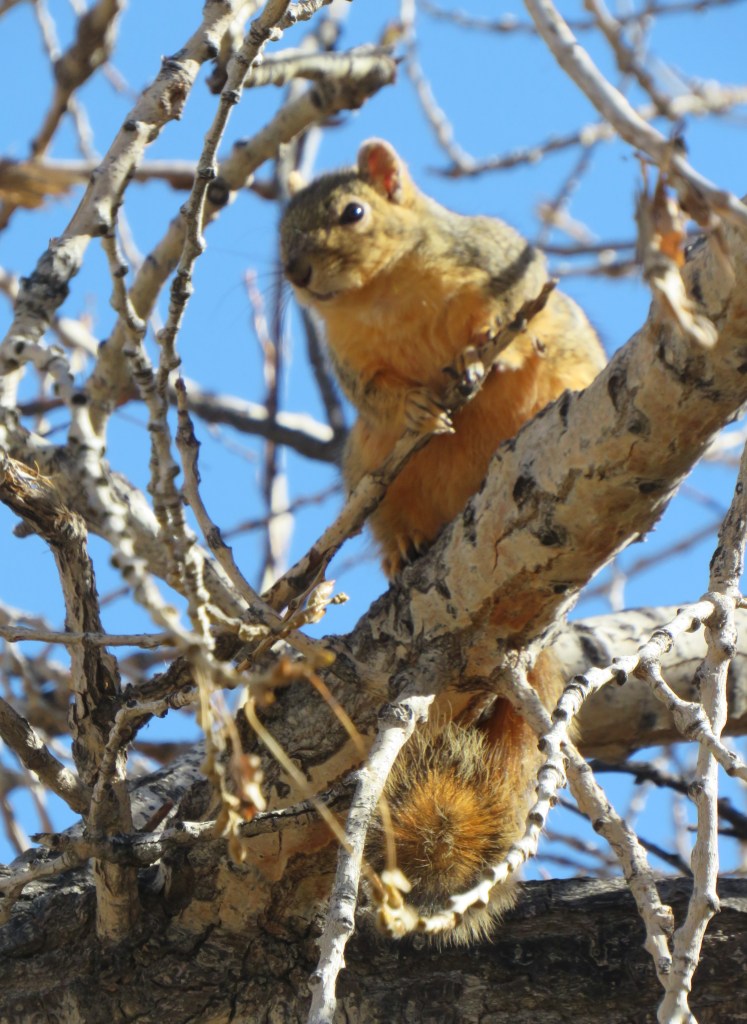
Our squirrels have been actively gathering their nuts lately. As usual, squirrels are every where, but I have been seeing a lot of them in our trees lately. Did someone plant squirrel trees? 🙂
I even catch them on the ground before they can make it up the trees too, though they get up into the trees very quickly. 🙂
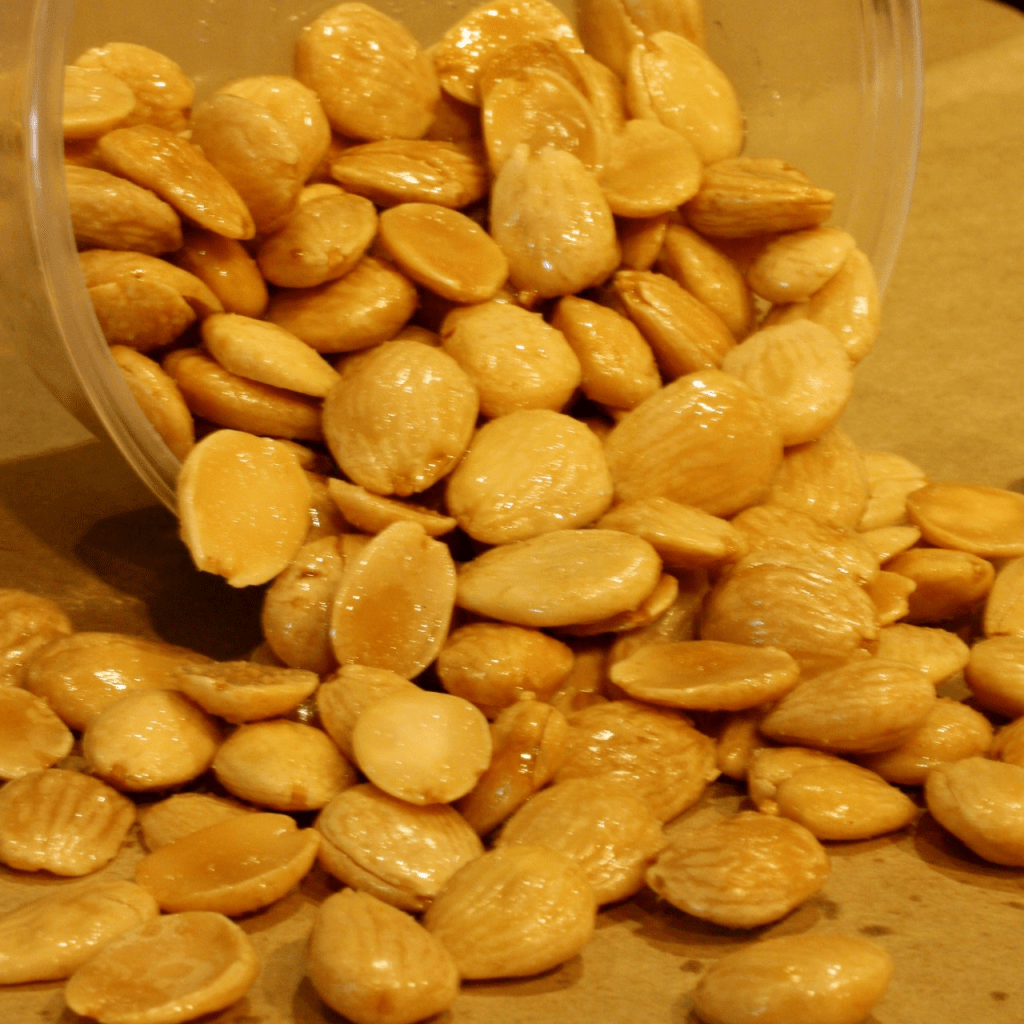
Almonds are grown all over Spain, just like olives. They are a part of the Spanish culinary culture. Spanish almonds, especially those from the Marcona Valley, are hailed as the “Queen of Almonds” for their distinctively short, round, and plump shape. Known for a sweeter, softer, and more moist texture compared to typical almonds, they are often blanched, lightly fried in olive oil, and sprinkled with sea salt. Primarily grown along the Mediterranean coast, they are a premium, often unpasteurized, staple in Spanish tapas and confections.
I will be cooking a lot of Spanish dishes and tapas this week. As usual, I am doing all the cooking for my own birthday party. My choice. 🙂 This year’s theme is once again, a Spanish tapas theme. At the end of the month we will be attending yet another Flamenco show, for one of my birthday activities, and I wanted to do both the tapas dinner and the show on the same night, but timing just didn’t work out that way. So I am having two official birthday celebrations, one on my actual birthday, this Saturday, and one on our night of Flamenco (and whatever else comes in between). 🙂
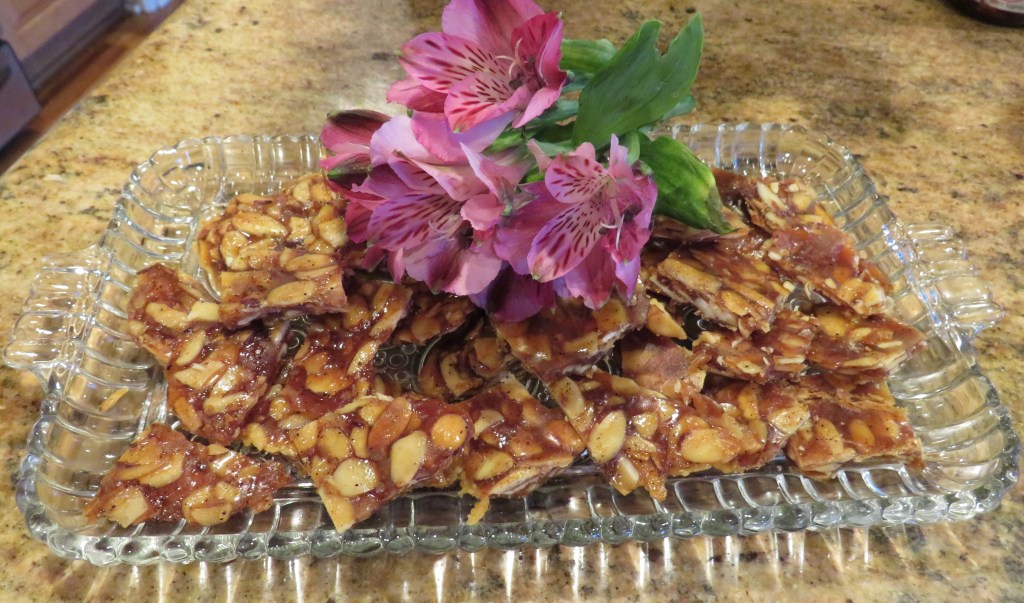
Spanish desserts are influenced by the Moors and The French, as well as many others. Some are very sweet while others are almost more like a light savory treat, often times accompanied by Spanish cheeses and fruit. As usual, I will be offering quite a selection of delectable dishes, so I am starting to make what I can ahead. The first thing I made was my smoky Spanish almond brittle. This will be part of the dessert offerings.
Smoky Spanish Almond Brittle
This almond brittle is not super sweet, and is instead smoky with a slight hint of spice. It goes down nice and easy, especially when served with a little port or sherry, Spanish cheese and fruit.
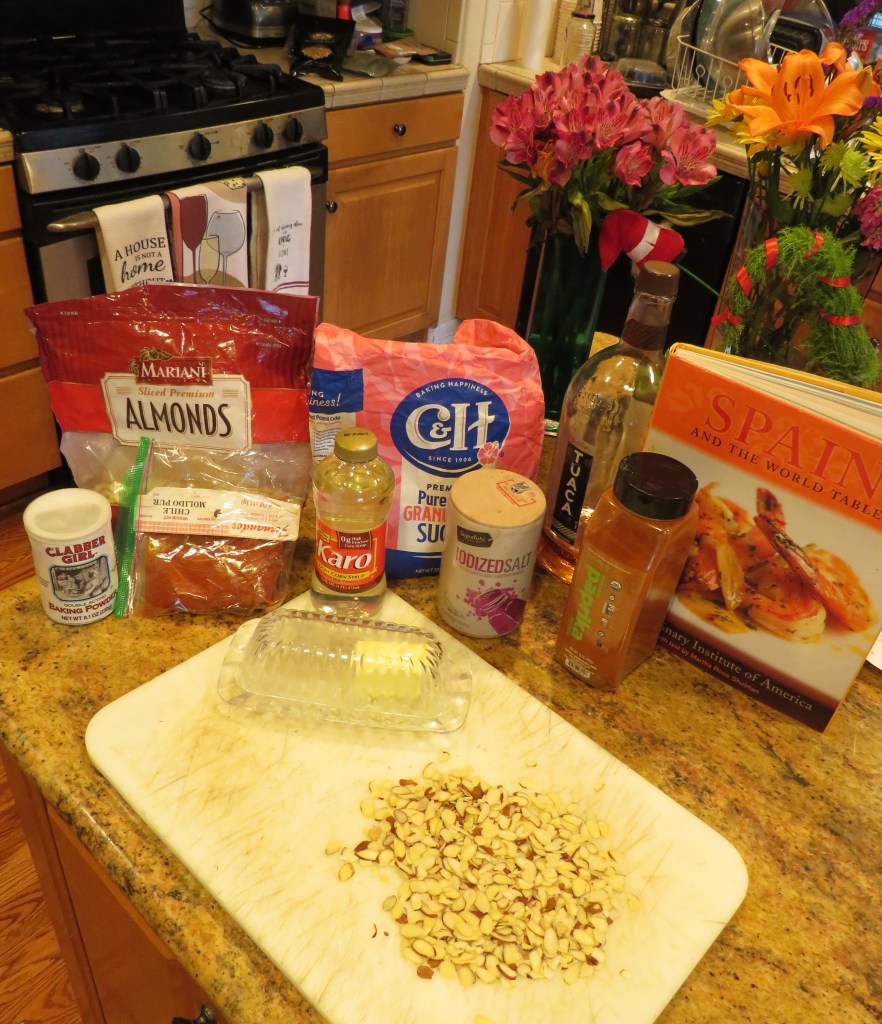
1/2 cup sugar
2 TBSP corn syrup
1 TBSP brandy or sweet liqueur
1 tsp salt
1/4 cup or 1/2 stick of butter
1/8 tsp baking powder
1/4 tsp smoky paprika
1/4 tsp chipotle powder or Spanish chili powder
1/2 cup toasted almonds
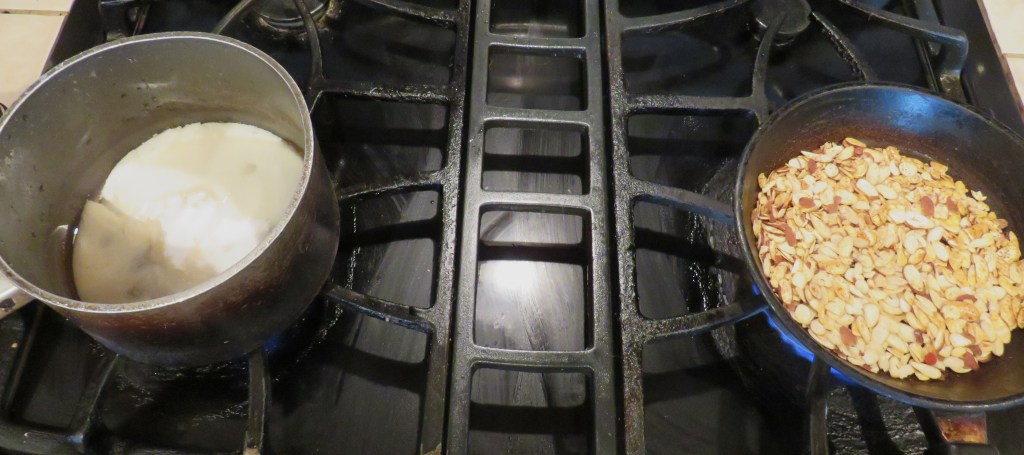
Toast the almonds until they are lightly golden. You can toast the almonds in the oven at 325* F or 163*C for about 10-15 minutes, or you can toast them in a small skillet on top of the stove. I prefer to toast them on top of the stove. It is much faster.
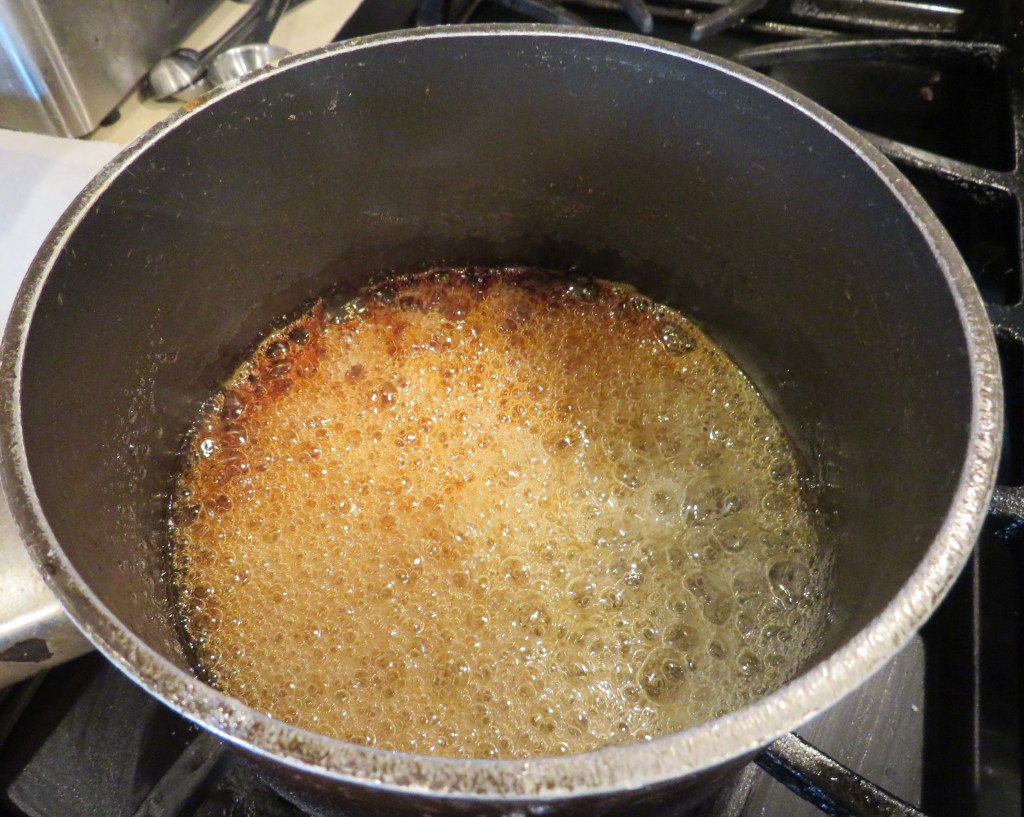
Combine the sugar, corn syrup, brandy and salt in saucepan. Bring to a full boil, then reduce the heat and cook until the mixture turns golden brown.
Line a baking sheet with parchment paper.
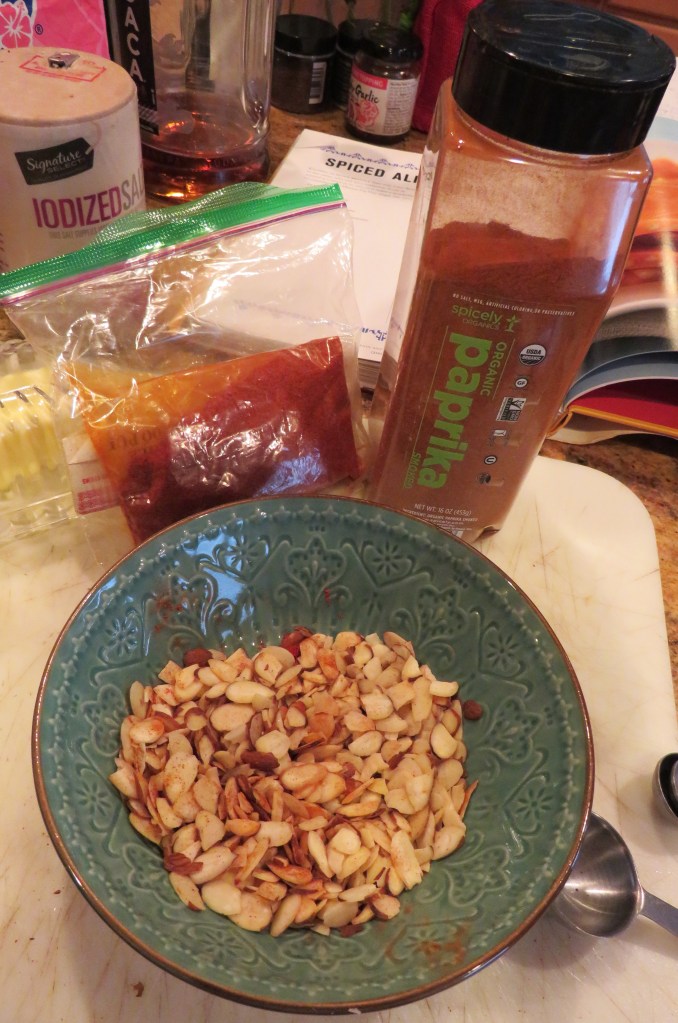
Mix the almonds with the paprika and chipotle powder.
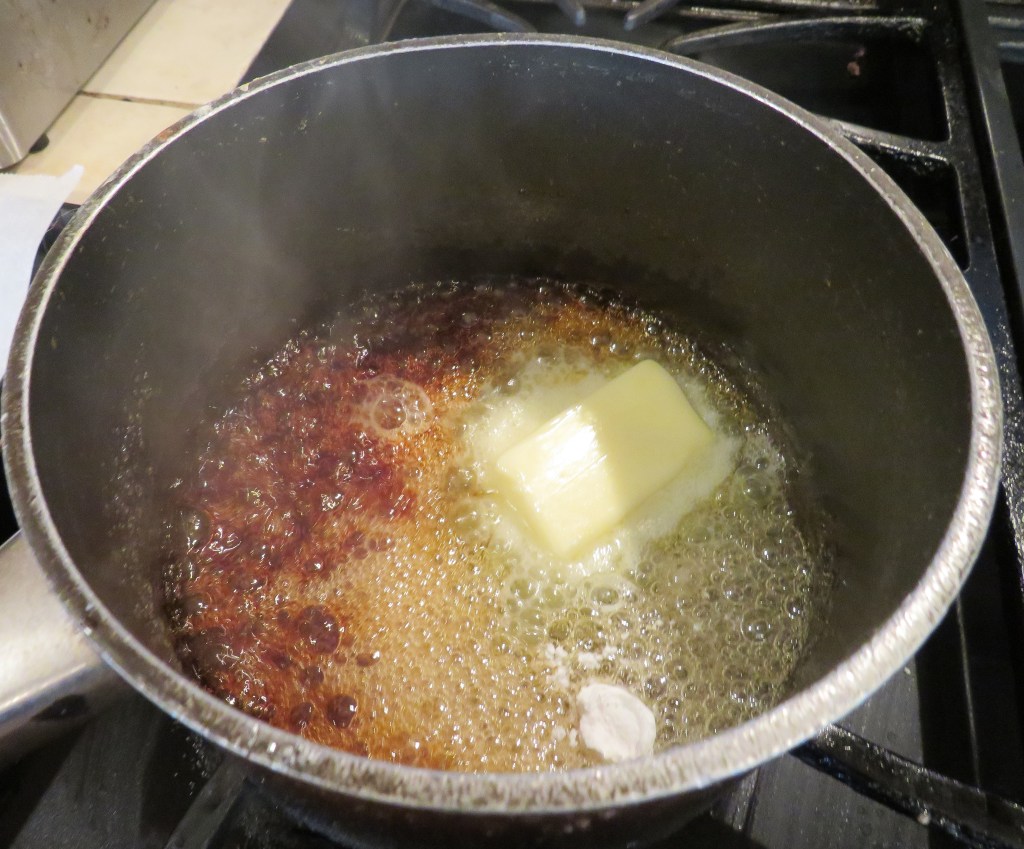
When the sugar mixture caramelizes, and turns golden brown, add the butter and the baking powder.
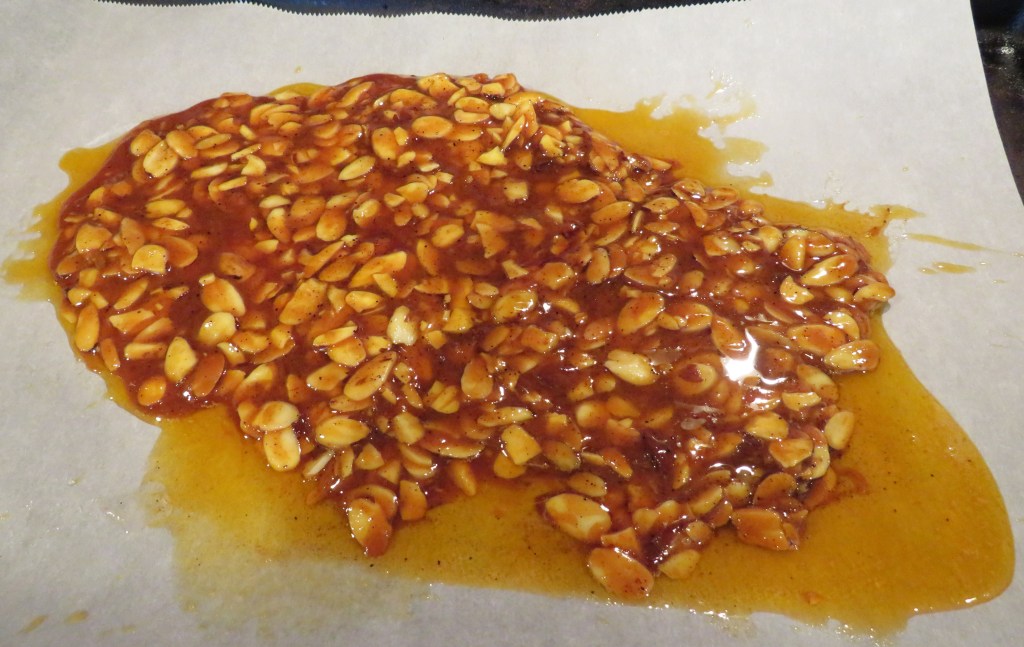
Add the almond mix and fully incorporate together, then quickly pour the mixture onto the parchment paper and evenly spread out.
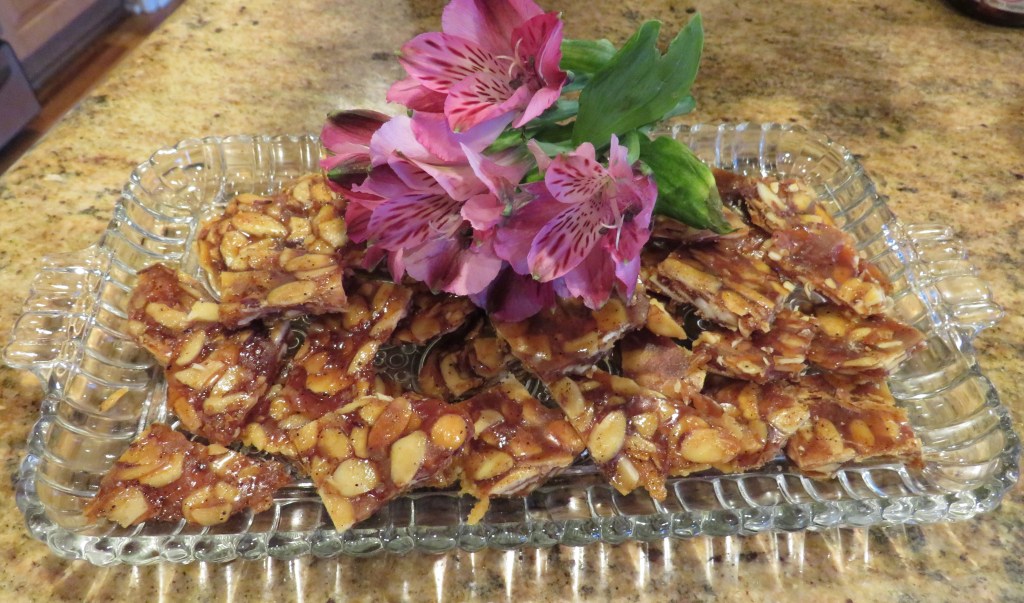
Allow the brittle to completely cool and harden before cutting or breaking it into small bite size pieces. !Desfruitas! Enjoy!
Have a great day and make everyday great. Life is what you make it, so make it great. May 2026 be filled with happiness, good health and prosperity for all. ‘Til next time.
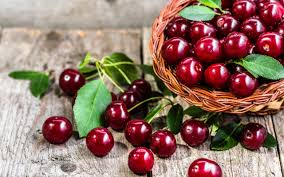
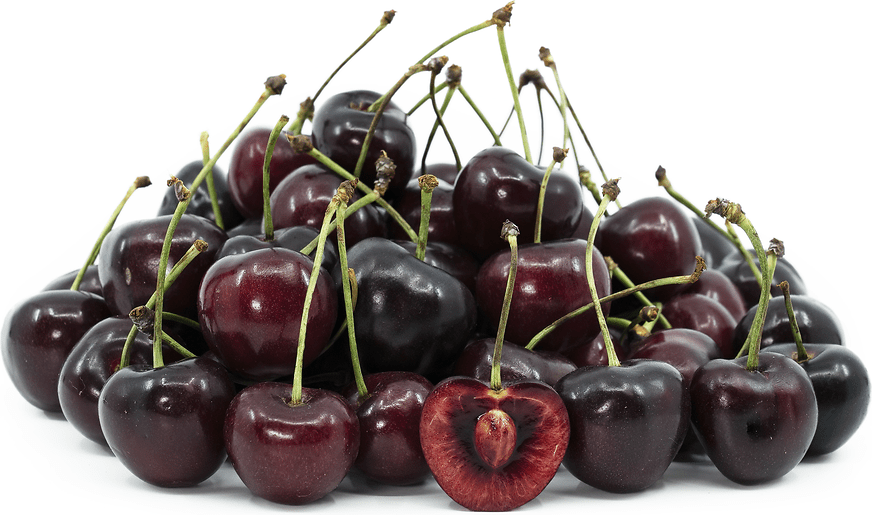
I love cherries. When it’s cherry season, I can just eat them by the bunches. I am not alone either. Cherries are a worldwide favorite, and have been since at least 4000 B.C. It is believed they were first grown in Asia Minor, or what is now known as Turkey, and then spread into Europe and beyond. The name cherry is derived from the Turkish town Cerasus (now Giresun), an ancient region from which they were exported to Europe.
The Ancient Greeks were the first people to cultivate cherries, followed by the Ancient Romans. Before that, cherries were grown in the wild. Cherries are now grown all over the world, but some of the largest cherry producers are the U.S. West Coast (Washington, Oregon, California) and Michigan. Today, the United States produces over 650 million lbs of sweet tart cherries every year, with Washington and California being the largest producers. Other major cherry producers are still Turkey and Iran too.
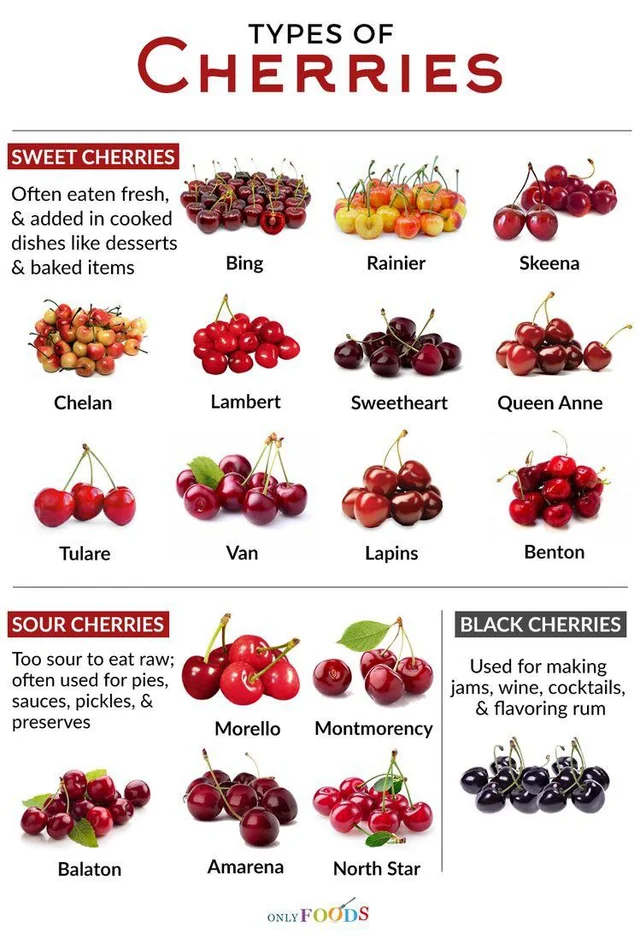
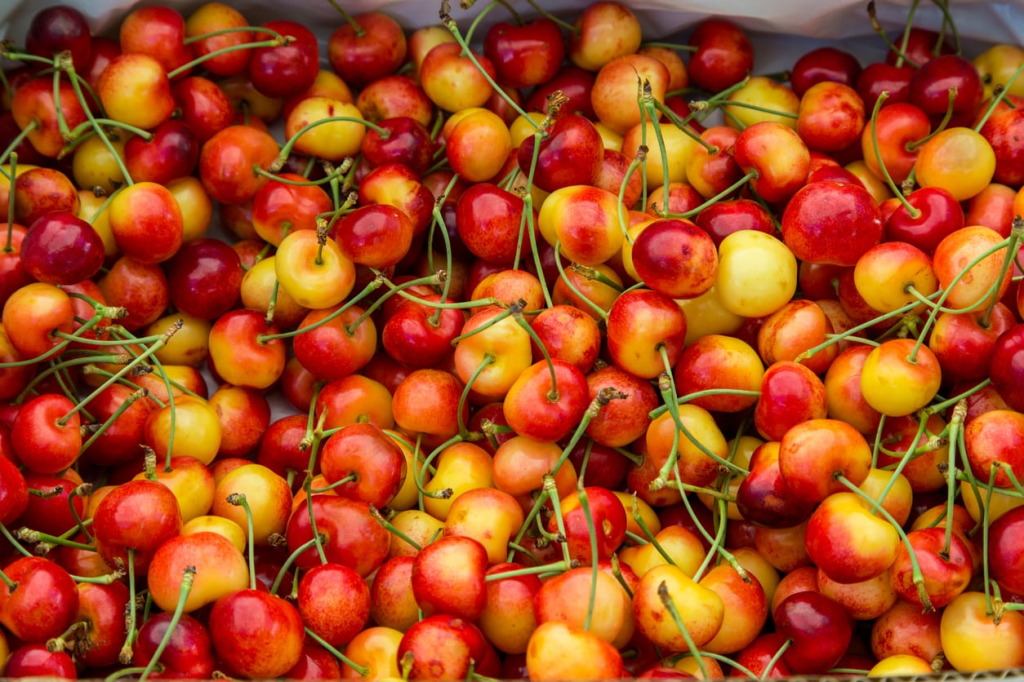
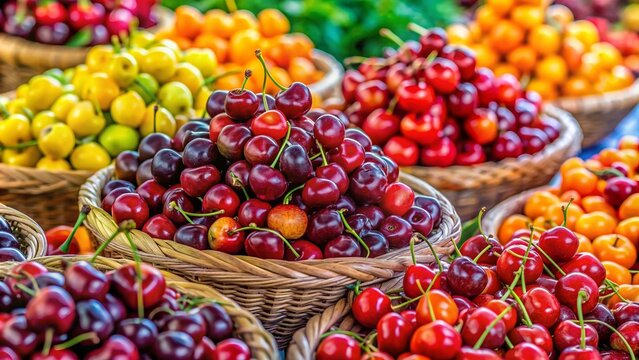
There are many different varieties of cherries. In fact, there are over 1000 different types of cherries, grown all over the world. There are sweet cherries and tart cherries, and everything in between. In North America there are three main types of cherries – Bing, Rainier and Lambert. These three varietals account for 95% of cherries consumed in North America. We all have our favorites. My favorites are the deep ruby red Bing cherries.
Bing cherries were first produced at Lewellings Farm around 1847 in Michigan. They got their name from one of the Chinese farmhands, Ah Bing. Bing cherries are the most popular cherry type, at least in the United States, accounting for over 50% of sales, and now are primarily grown in California, Oregon and Washington. They are known for being sweet-tart cherries and are the standard for cherry flavor. One tree can produce between 50-100 lbs of cherries per year.
Rainier cherries were initially a hybrid between Bing cherries and Van cherries. They are known for their golden-red colors and their intense sweetness. Developed in 1952 in Washington, these delicate, heart-shaped fruits are known as the “champagne of cherries” due to their thin skin, intense, low-acid flavor, and short, early-summer, and high-labor growing season. They are often called the candy of fruits because of their intense sweetness. You can tell the intensity of their sweetness by the lightly colored “freckles” on their skin. Their freckles tell you the were kissed by the sun.
Lambert cherries are a popular, high-yielding, and reliable sweet cherry variety known for their large, heart-shaped, dark red-to-black fruit and rich, sweet flavor, ripening in mid-summer. Lambert cherries are the premiere cherries for making cherry pies and other baked cherry goods.
As with most fruits, cherries are very nutritious and very healthy. They are loaded with vitamins A, C, potassium, and fiber, and are particularly high in anthocyanins, which help combat chronic diseases like arthritis, diabetes, and cancer. They are also known to help reduce inflammation, aiding heart health, improving sleep quality, and accelerating exercise recovery. One cup of cherries is only 97 calories and provides all kinds of other necessary nutrients to the body:
Carbs: 25 g
Fiber: 3 g
Vitamin C: 12% of the daily value (DV)
Potassium: 10% of the DV
Copper: 10% of the DV
Manganese: 5% of the DV
Vitamin B6: 0.08 milligrams (mg)
Vitamin K: 3 micrograms
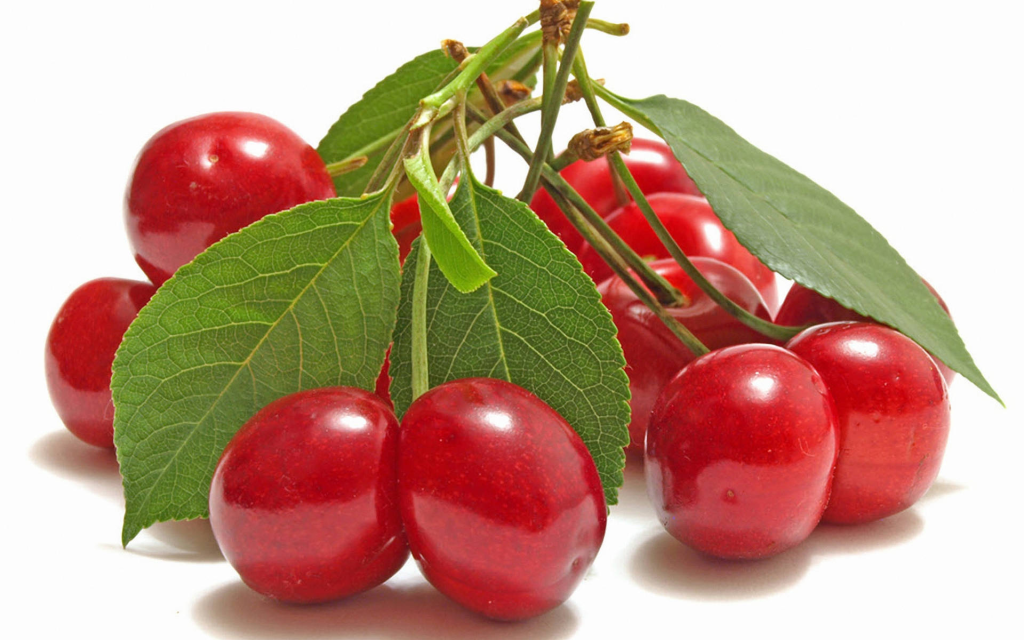
Cherries are stone fruits, which means their pit or large seed is in the middle of the fleshy, edible parts. As with anything, the key to including cherries as part of your diet is to consume them in moderation. There are always “pitfalls” to eating too much of anything. The disadvantages of eating too many cherries primarily involve digestive issues (bloating, diarrhea) from fiber and sugar alcohols, potential for kidney stones (oxalates), choking hazards (pits/stems), pesticide residues (non-organic), and allergic reactions, with tart cherry juice also containing added sugars or potentially interacting with medications. And cherry pits also contain trace amounts of cyanide or amygdalin. While swallowing a few intact pits is generally harmless, chewing them can cause poisoning. Symptoms include headaches, dizziness, and vomiting. Do not crush the pits before blending, and avoid eating them. The stones or pits of all stone fruits contain amygdalin, so this hazard is found in peaches, nectarines and apricots as well.
Bottom line though, there are many different varieties from which to choose, so there is something for everyone.
Have a great day and make everyday great. Life is a bowl of cherries. Eat up and enjoy. May 2026 be filled with happiness, good health and prosperity for all. ‘Til next time.
I invited my best kitchen helper and friend over to play with me again, “The Queen” or in this case, la Reina, of leftovers. This time we made our leftovers into something you would find in a Spanish kitchen.
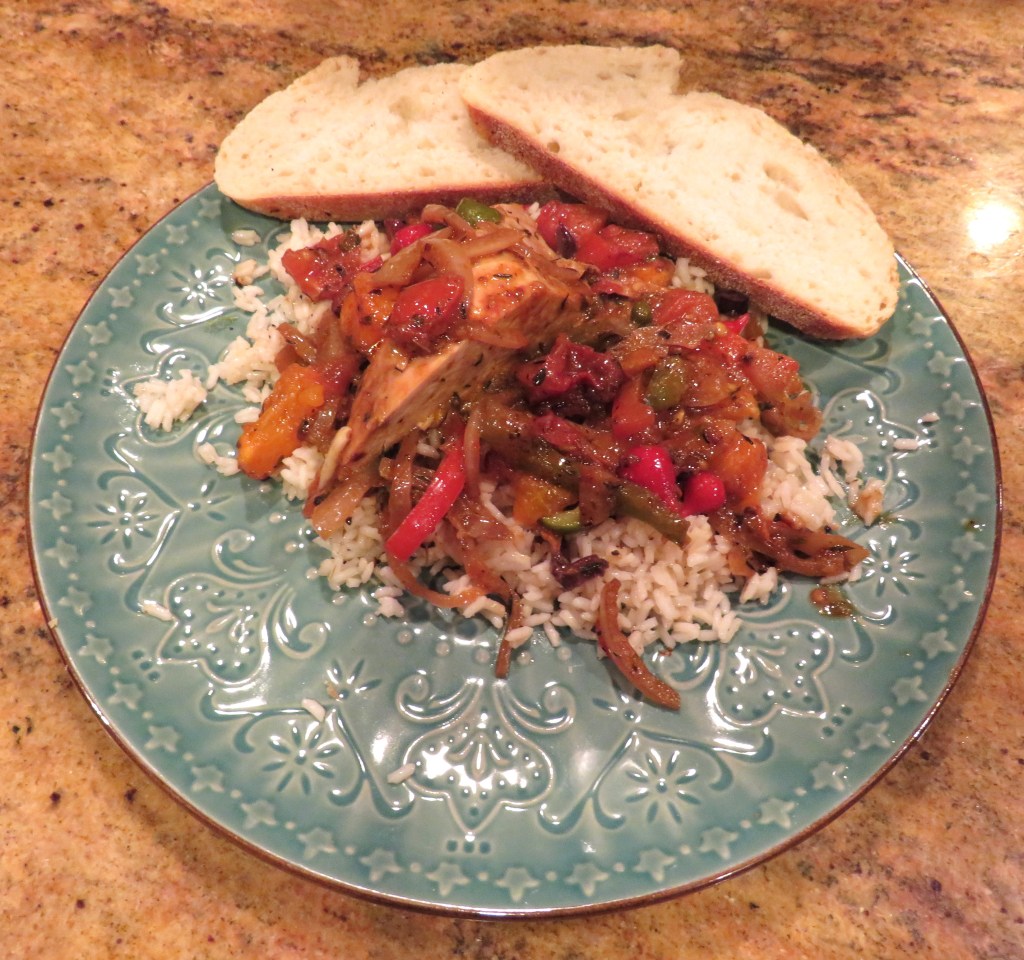
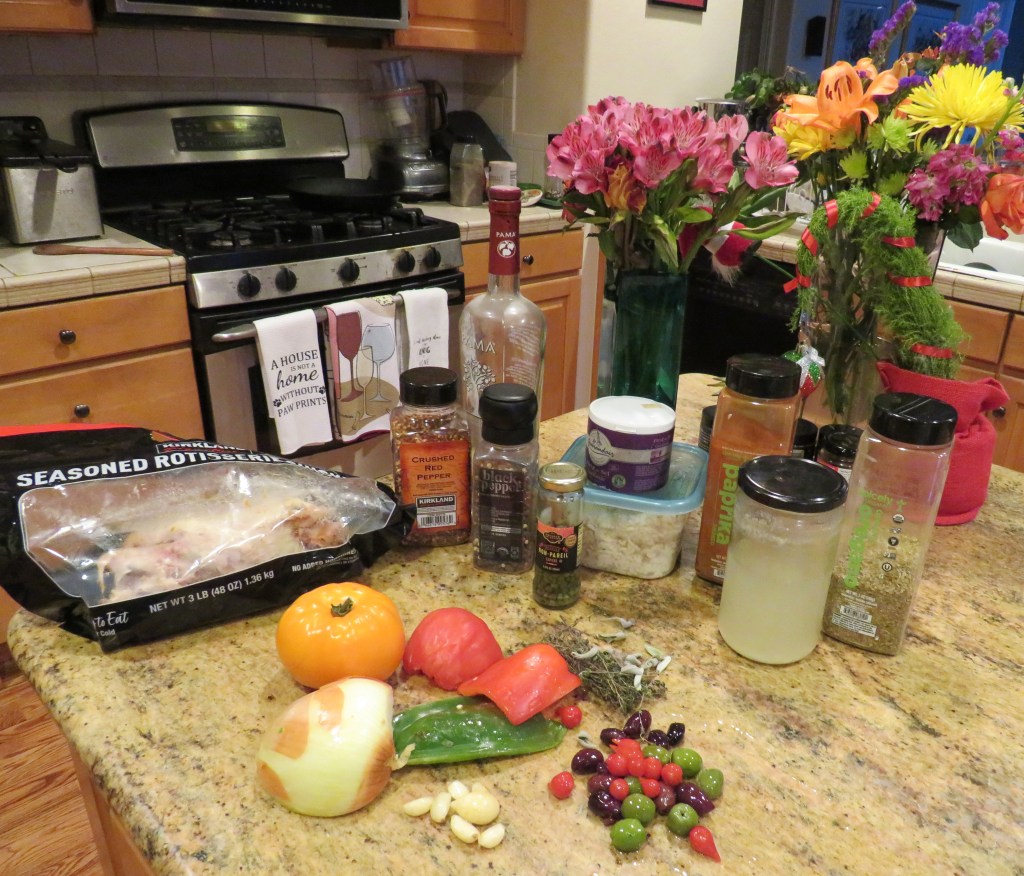
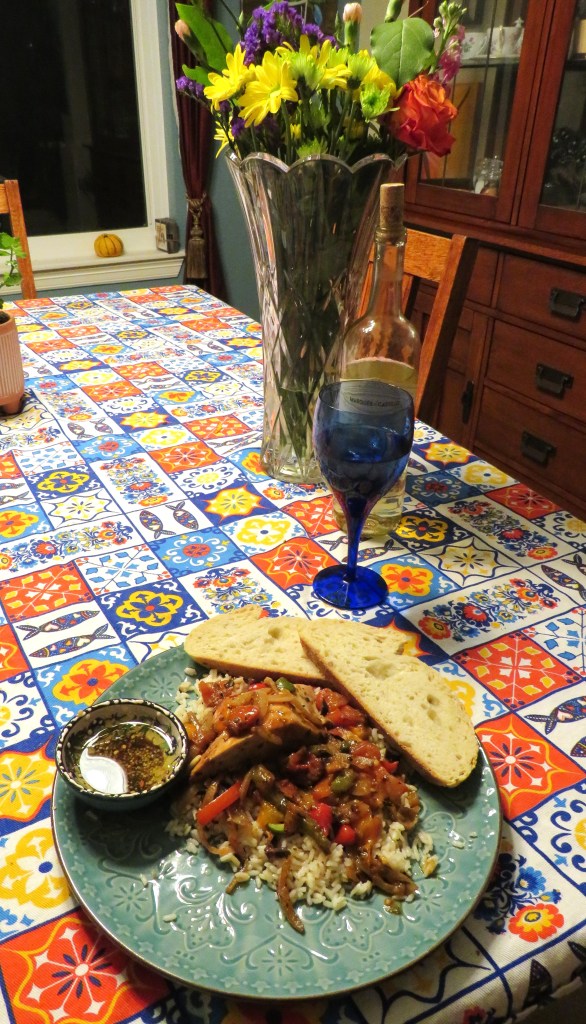
We had just a little bit of our Costco rotisserie chicken left, and just enough rice for the two of us. Larry wanted to use those up for dinner. Cool beans! No problem. I just wanted to come up with something new and delicious. I looked through my library of cookbooks, but nothing was jumping out at me. So I just did what I always do, and made something up as I was going along. I came up with Spanish chicken with peppers and onions or pollo con pimentos morrones d’Espana.
It’s amazing what little bits of this and that can create. You just have to use your imagination and see what happens. 🙂
Spanish Chicken with Peppers & Onions
This dish was created by basically just rummaging through my refrigerator and using up my little bits of this and that needing to be used up. But it came out so delicious. If I didn’t tell you its origins were from leftovers, I bet you’d never know. 🙂
1 large chicken breast, cooked
1/2 red bell pepper, sliced into thin strips
1/2 green bell pepper, sliced into thin strips
4-5 garlic cloves, sliced very thin
1/2 onion, sliced very thin
1/3 cup mixed olives, sliced
1 TBSP Peruvian peppers
1 TBSP capers
1/2 tsp red pepper flakes or to taste
salt & pepper to taste
2 tomatoes, diced
1-2 tsp paprika
1-2 tsp each dried oregano, thyme and sage
1/2 cup brandy
1/2 cup dry red wine
1 cup chicken broth
olive oil
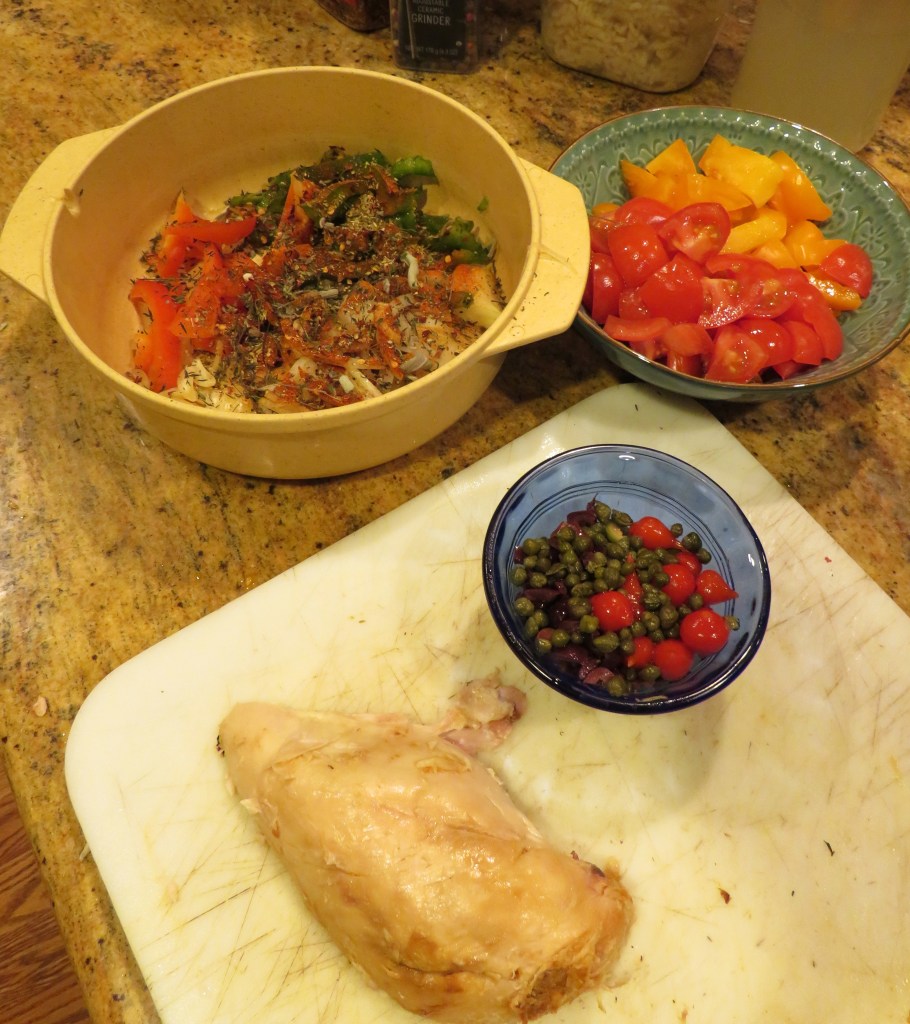
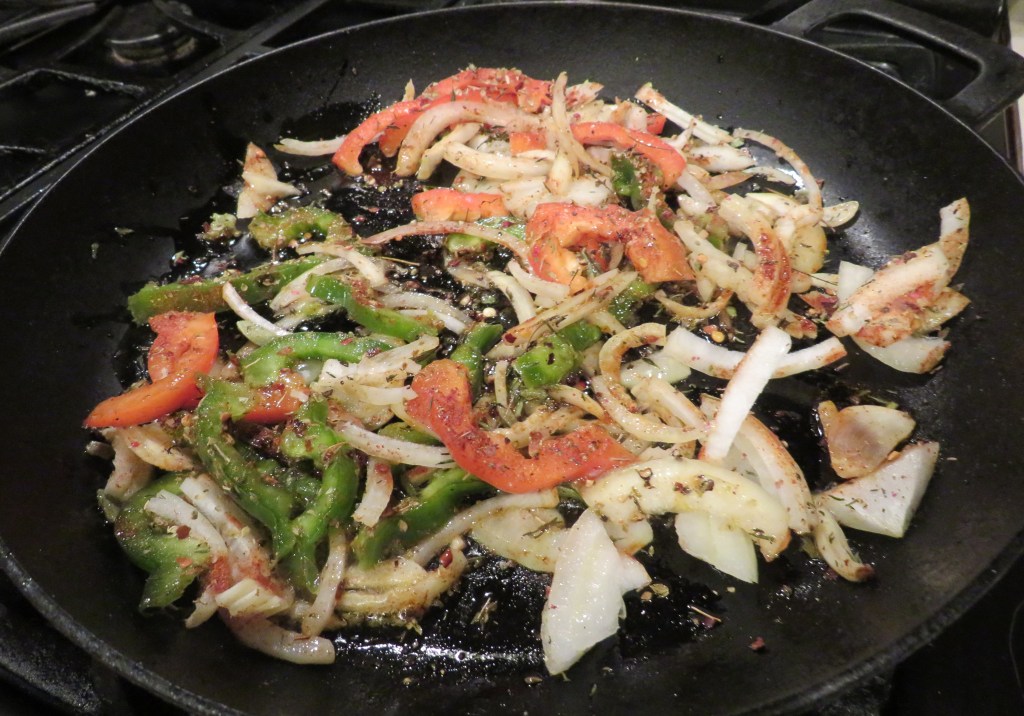
Combine the peppers, garlic, onions and seasonings together. Get a large skillet very hot, then add the olive oil and the pepper and garlic combination. Cook until the onions and peppers are softened, about 5 minutes.
Carefully add the brandy and flambe for about 1 minute, or until the flames die down. I got a good flambe going here, but it died down before I could get a good picture of the flames. But you’ve all seen them before. 🙂
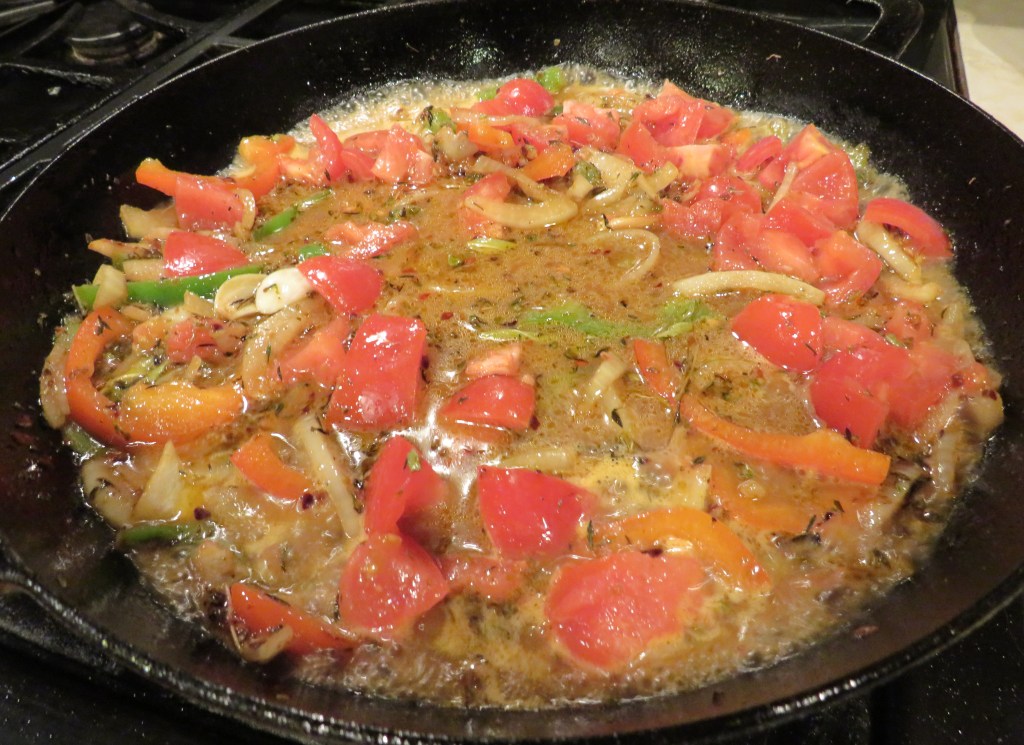
When the flames die down, add the chicken broth, wine and about half of the tomatoes. I used a combination of red and yellow heirloom tomatoes and Campari tomatoes. I added the red tomatoes at this time.
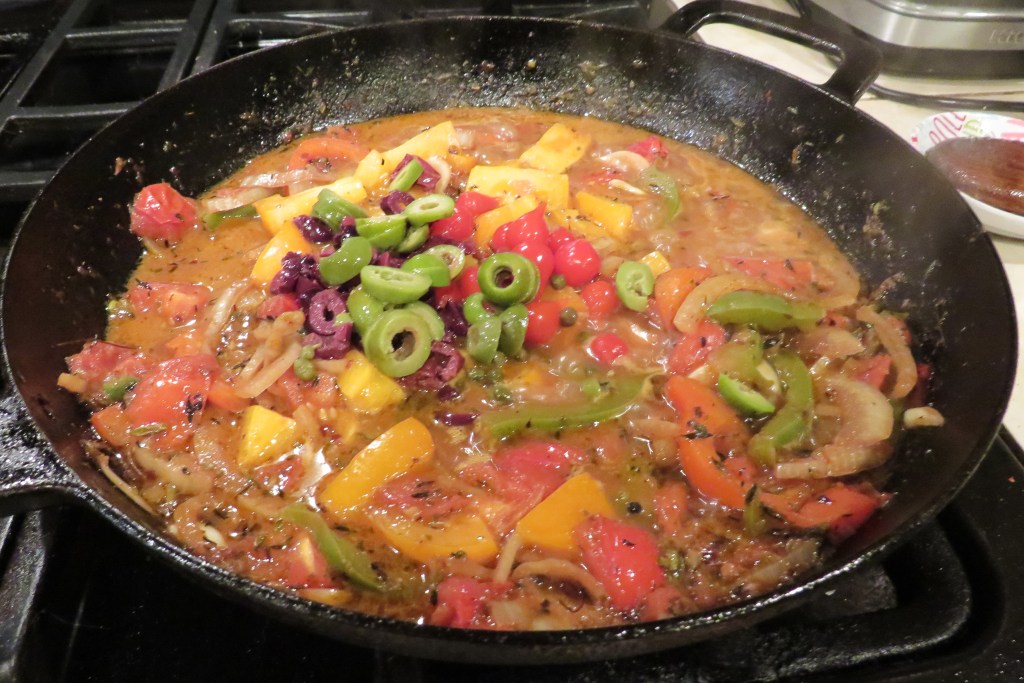
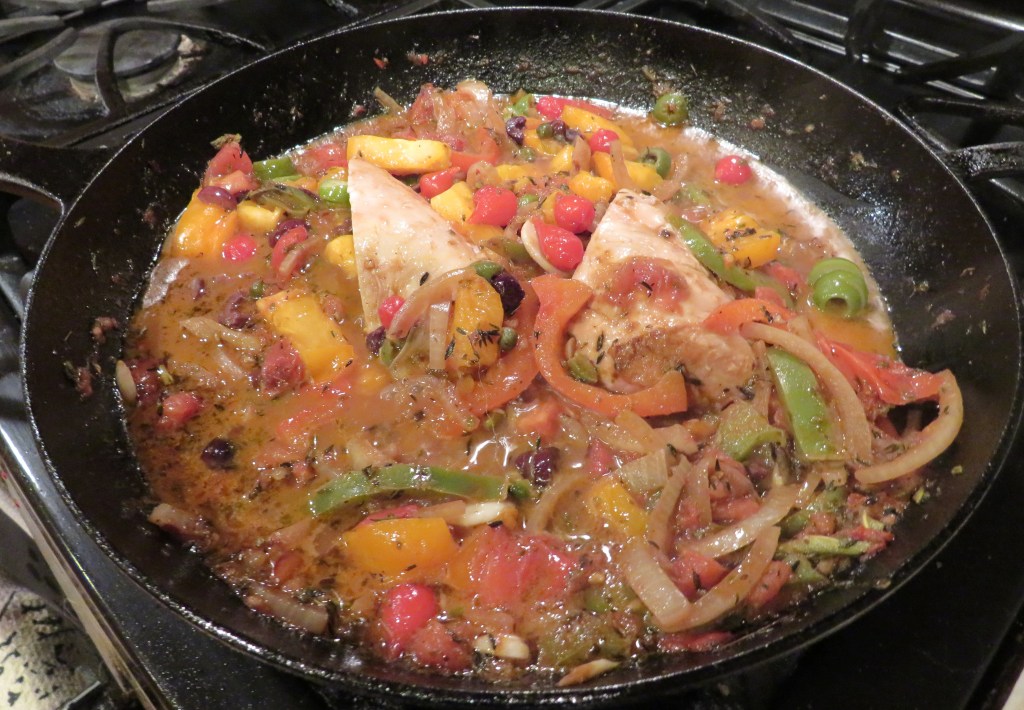
Bring to a boil, then reduce to a simmer. Add the olives, Peruvian peppers, capers and the rest of the tomatoes and the cooked chicken. This is when I added my yellow tomatoes. If you are cooking your own chicken, completely sear it first on all sides before adding. The cooking time will be longer if you are cooking your own chicken, to make sure the chicken is completely cooked. Cook until the chicken is completely cooked and the liquid has mostly evaporated.
When everything is cooked completely, serve it over a bed of rice, with some sauce on top of the rice, then the chicken and finished with a bit more sauce on top. Almost all Spanish meals are served with warm bread too, and I served it with an olive oil dip on the side. !Delicioso! Esta mui rica! And wine is a must with any Spanish meal, so of course I added a nice Spanish white wine to complete the meal.
Leftovers can be just as good as first overs, and no one has to know they are leftovers. Just be creative and let your imagination run wild. 🙂
Have a great day and make everyday great. Life is what you make it, so make it great. May 2026 be filled with happiness, good health and prosperity for all. ‘Til next time.
If you are a romantic at heart, and wish to celebrate Valentine’s Day with your sweetheart, a new book is coming out just for that occasion. It was written by Mia Winherrt. Mia reached out to me and asked if I would put the word out for her 1st book. It’s called “Does Love Die With You?”
Read the free sample as well as get a full copy at
Or you may open your country’s Amazon app (for paperback) or Amazon website (for paperback as well as eBook) & search “Does Love Die With You?” or “Mia Winhertt” and you’ll be good to go!
It is also available on Kindle Unlimited for free.
It is her first book, so each sale, rating and review (on Amazon) is highly appreciated.
You can also rate & review it on Goodreads (it is a free website which people refer to for information about books).
Last week winter came and it came with a vengeance. We had temperatures in the single digits and in the negatives with the wind chill factor. But this week, we’ve had beautiful crystal blue skies and much warmer temperatures. In fact, it was so nice we decided to take a beautiful scenic drive and have a picnic. We drove down to the Garden of the Gods, about 1 1/2 hours south of us.
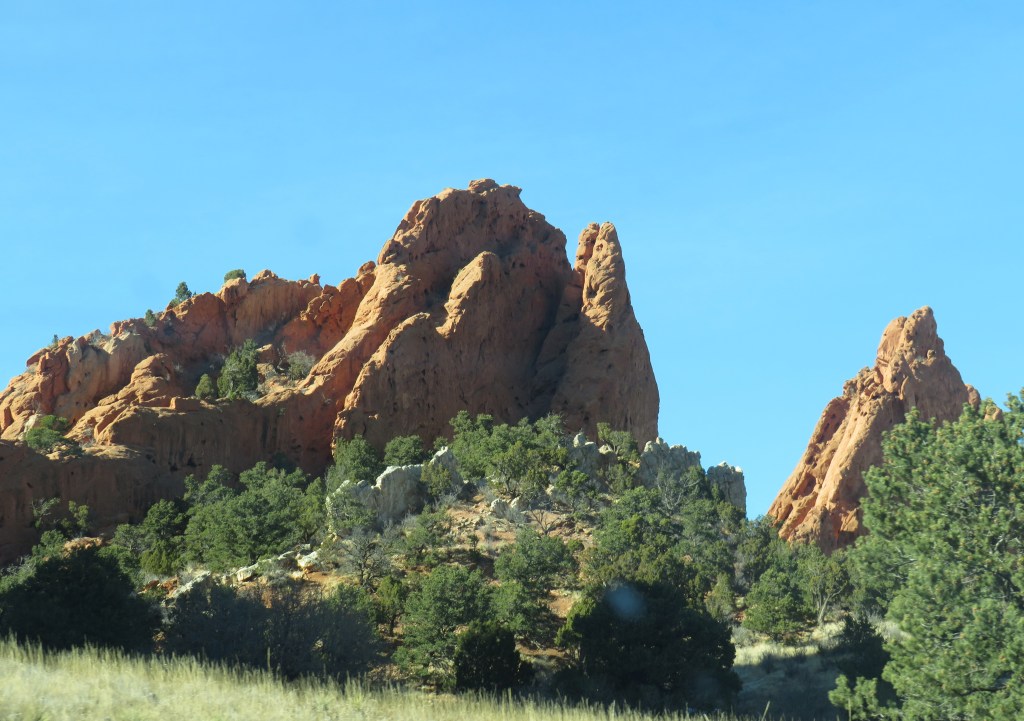
Garden of the Gods is a beautiful “garden” of natural red rock formations that are between 300-320 million years old. It a magical, spiritual place, and is one of my favorite places to go, and better yet, it is in our own backyard, so to speak. We picked up Mike & Lauren and off we went. We couldn’t have asked for a more beautiful day. We hiked around, found the perfect picnic spot, then hiked around some more.
This is where we stopped for lunch. This rock looks like a perched eagle.
Garden of the Gods is a very popular tourist destination, averaging about 6 million visitors annually. And it was a beautiful, perfect day. So unfortunately, it is difficult to capture the rocks without people around, try though I may.
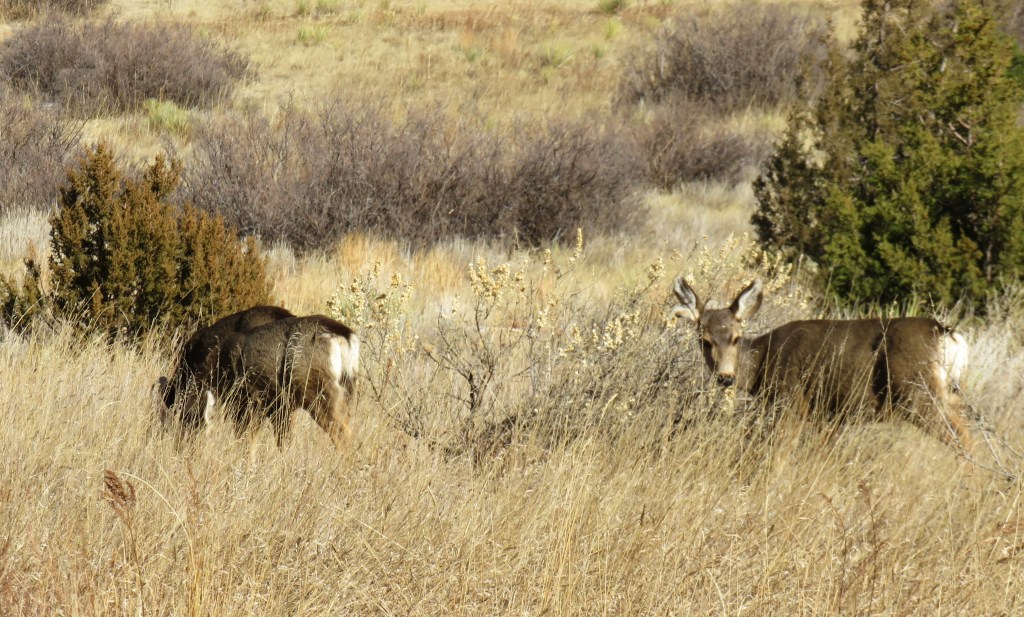
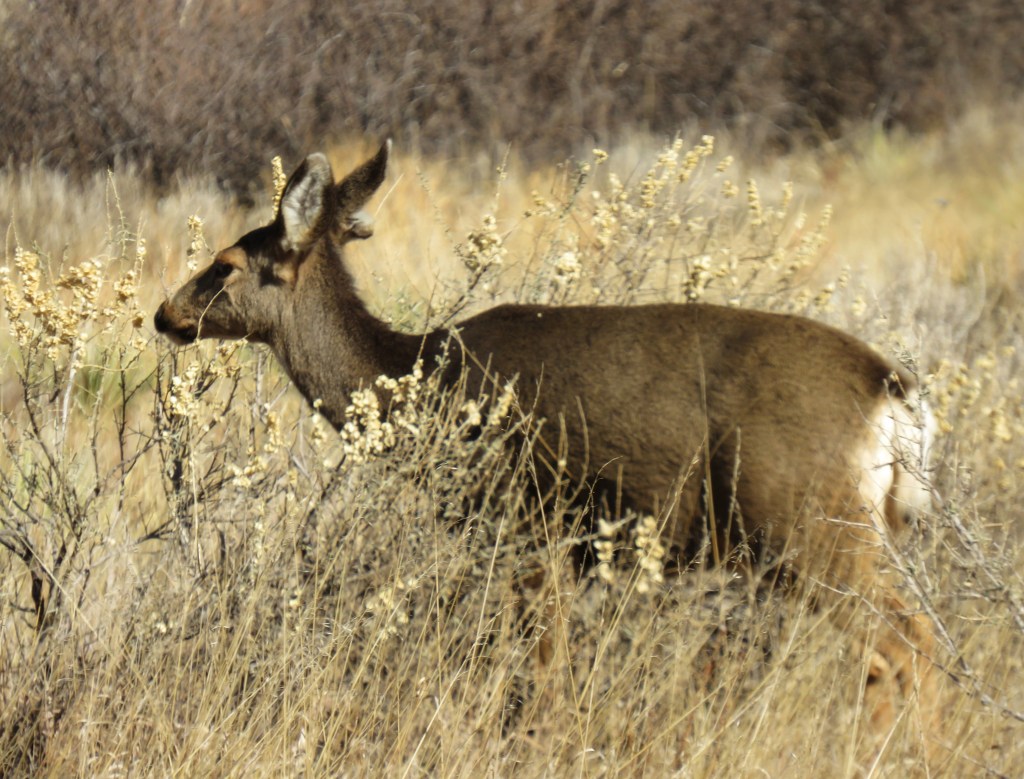
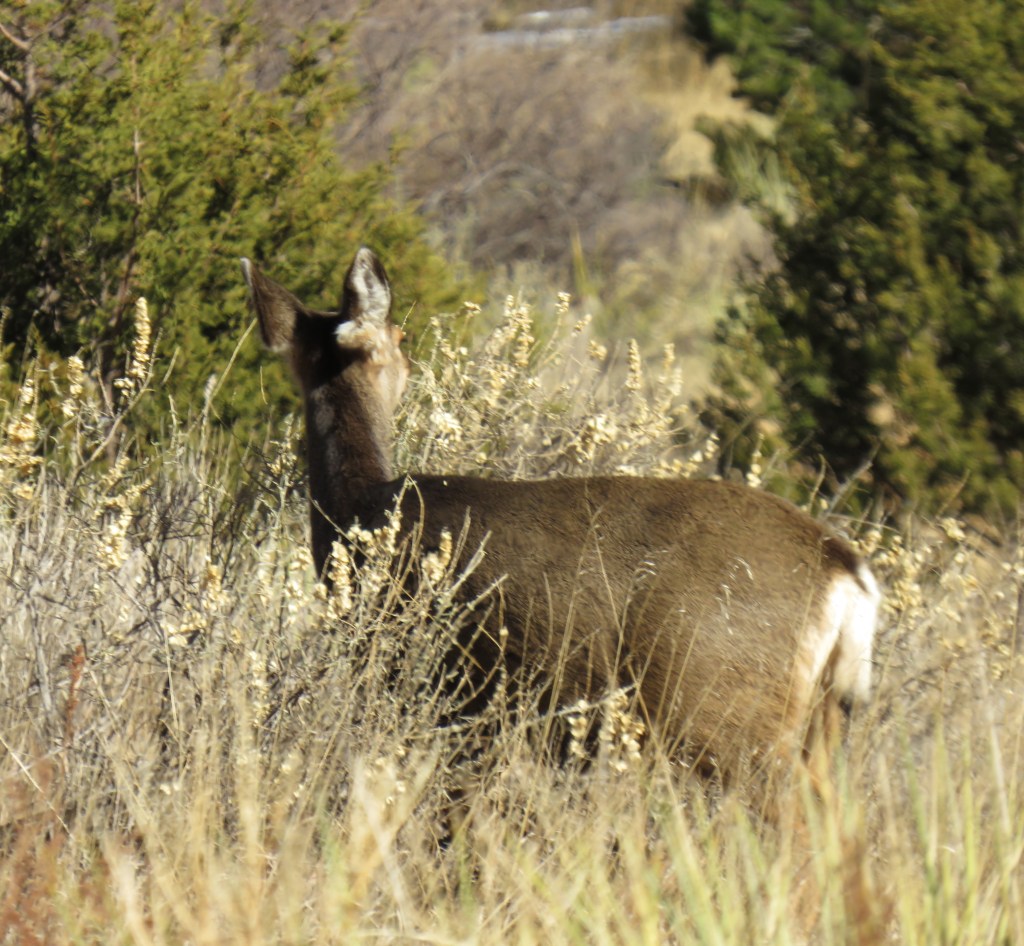
We even saw quite a few White-tailed mule deer. I think we saw about a dozen total, but not all at once.
After leaving Garden of the Gods, while still in the area, we drove down to The Miramonte or Bishop’s Castle in Manitou Springs. Mike and Lauren and never seen it before. We did not take the tour this time.
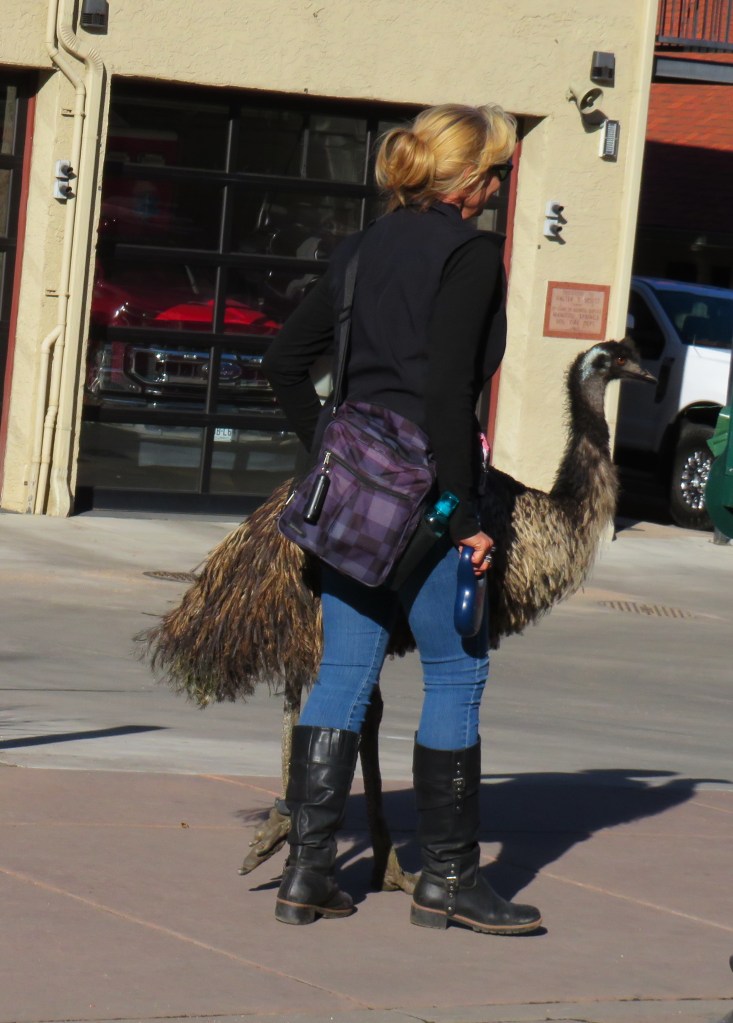
As we were driving through Manitou Springs, we saw a lady walking an emu on a leash. Yes, an EMU. That’s not something you see everyday!!!!
Like I said, we couldn’t have asked for a more perfect day. The weather was fantastic, we had good food, and better yet, great friends to share the day with. Life is definitely good. 🙂
Have a great day and make everyday great. Life is what you make it so make it great. May 2026 be filled with happiness, good health and prosperity for all. ‘Til next time.
I don’t know about you, but I love learning new things, even if they are fun, trivial facts. They just kind of brighten my day, and make me chuckle. That being said, I am going to offer you some fun food facts today. Hopefully they are new to you and bring a smile to you as well.
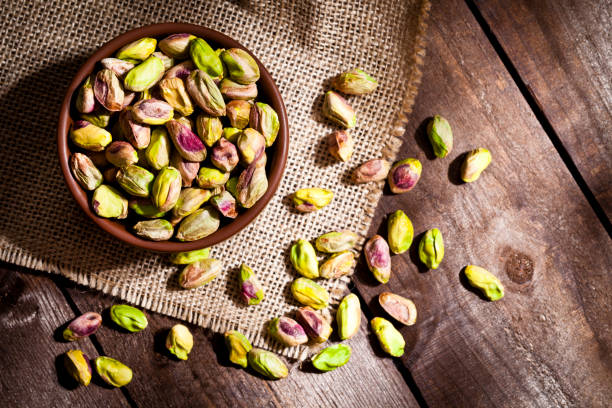
Pistachios are drupes, not drips, but drupes. 🙂 They are in the same family as cherries, peaches and olives. Pistachios are a rich source of protein, fiber, vitamins and minerals, which can help people with weight management, protect against diabetes and hypertension and improve digestion. The omega-3 fatty acids present in pistachios can help lower your blood pressure and may also reduce your risk of heart disease.
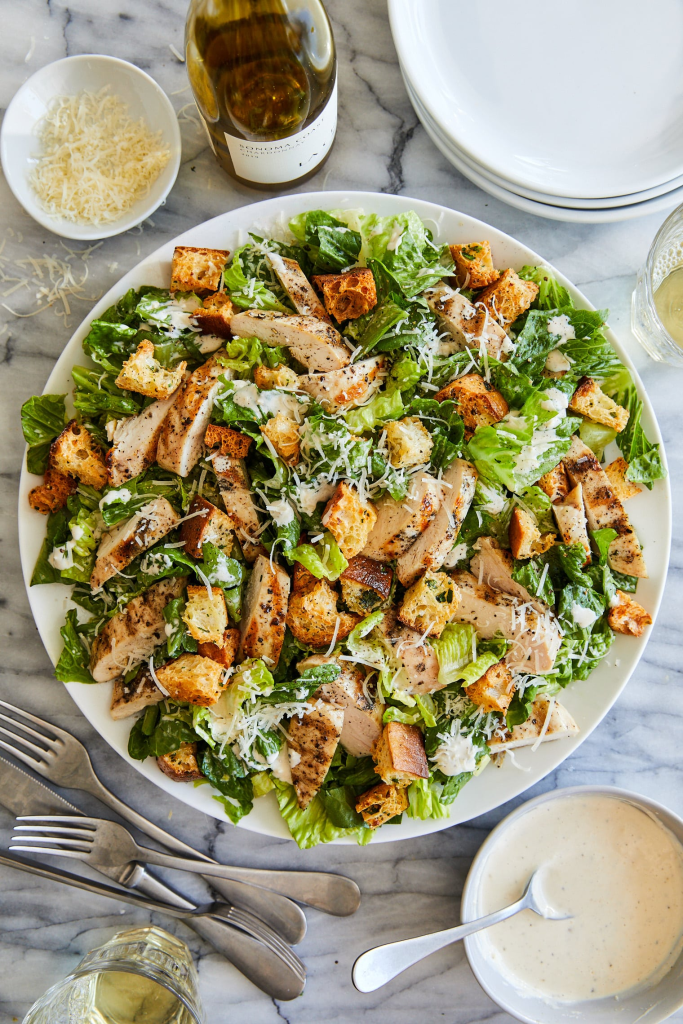
2. Caesar salad was actually invented in Tijuana, Mexico back in 1927. Hotel Caesar owner Caesar Cardini wanted to make dinner for friends, but didn’t have much at hand. Lettuce was tossed into a bowl with a dressing made from whatever he had on hand and salad history was made. This is new to me. I had always heard it was made and named after the old famous actor Caesar Romero.
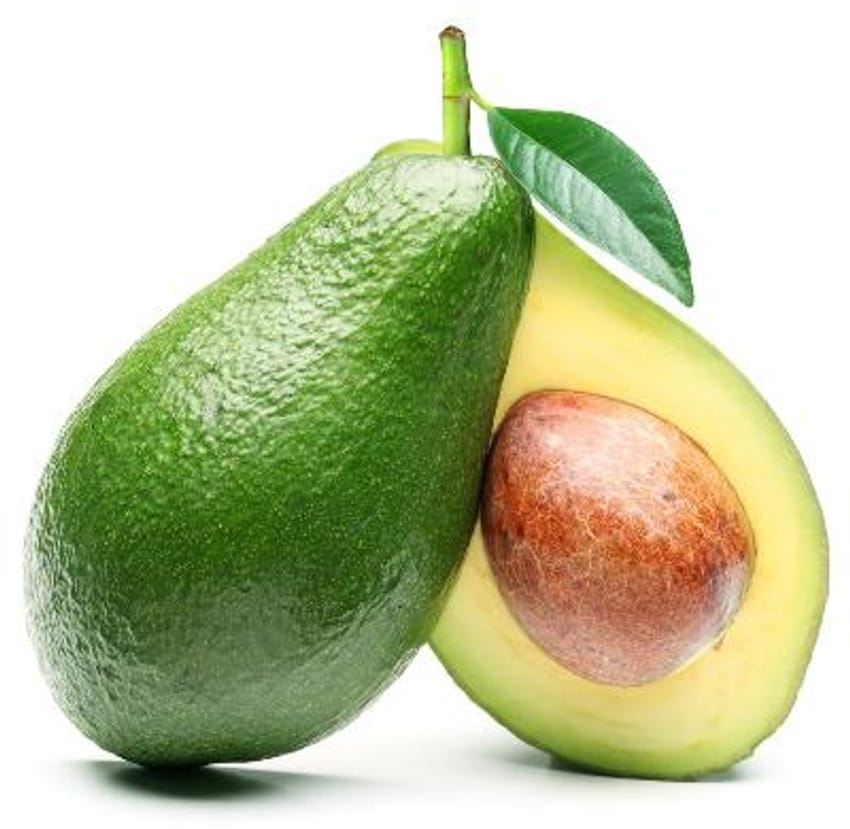
3. In Spain and Mexico, avocados are called alligator pears due to their shape and bumpy, green skin, but in China and India they call them butter pears. Avocados must be picked when matured in order to ripen, which can take between 1-2 weeks.
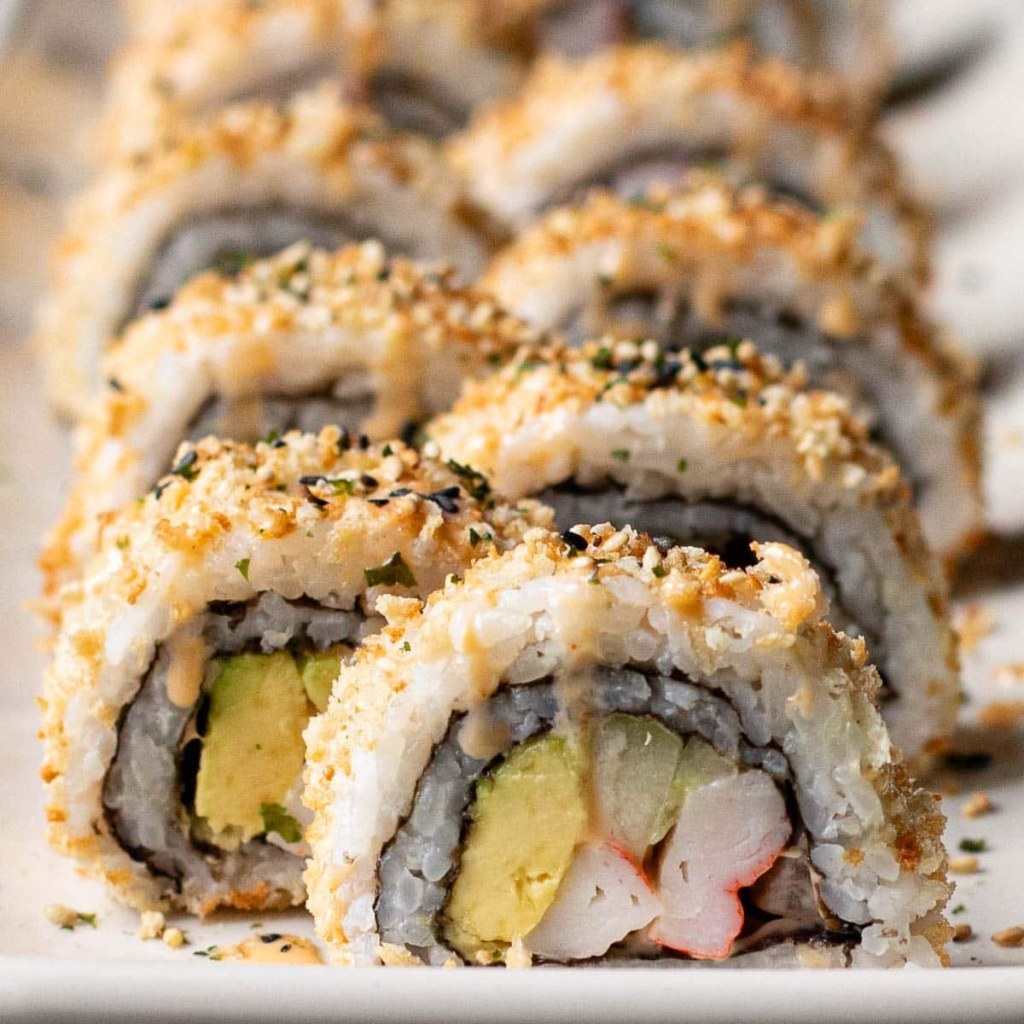
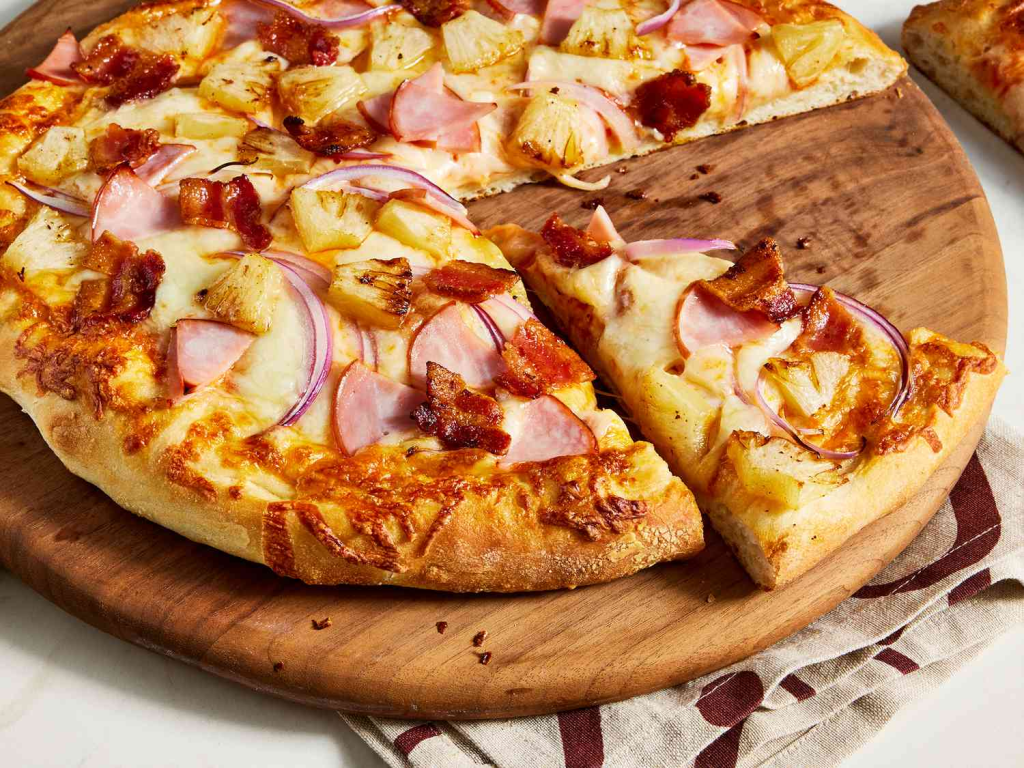
4. You would think with names of states that both California rolls and Hawaiian pizza were American inventions. Nope. They were both created by our northern Canadian neighbors. California rolls were created by for the first time in Vancouver, British Columbia, by chef Hidekazu Tojo. As for the pizza, that was an experiment by Greek-Canadian Sam Panopoulos. According to Time Magazine, the name “Hawaiian” was given based on the brand of pineapple the chef was using at the time.
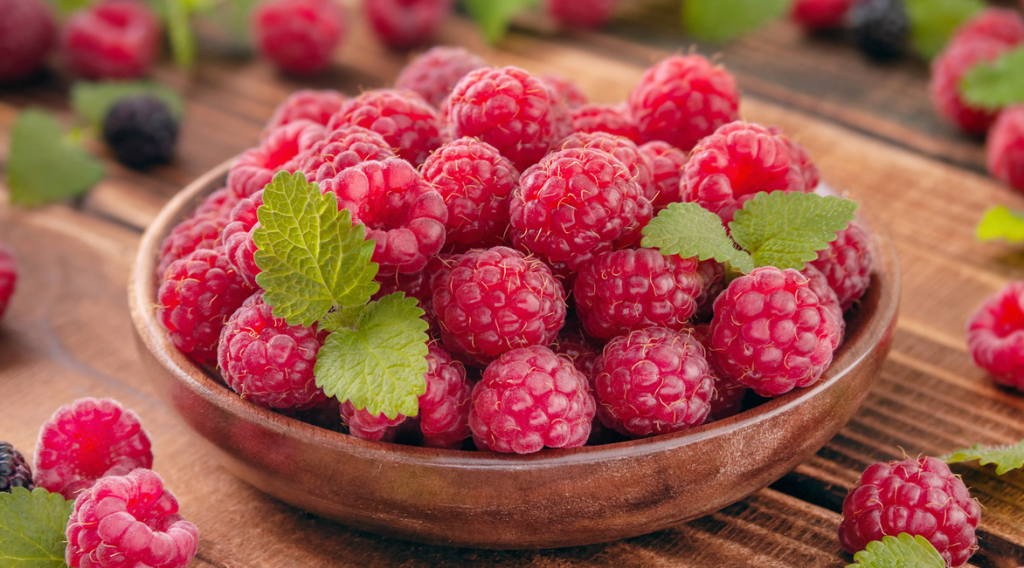
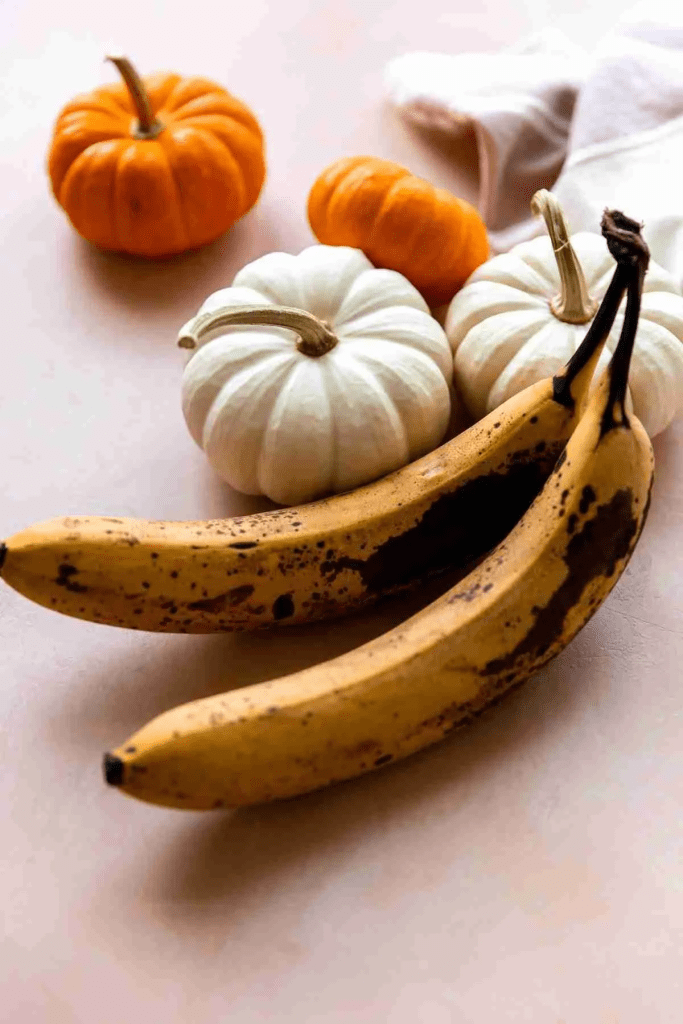
5. Bananas, pumpkins and lemons are berries, but raspberries are no. What???? Raspberries (along with strawberries and blackberries) are actually apart of the rose family. The way botanists categorise fruits means that “berries” are all developed from the ovary of a glower and have three layers – the skin, the flesh that we eat and the seeds. Sometimes you can eat the skin, sometimes you can’t. Sometimes you can eat the seeds, sometimes you can’t. I’m so confused now. What about you?
See all the fun things you can learn from “A Jeanne in the Kitchen”. I bet you didn’t know all of this before, but now you do. So if these ever come up in a game of trivial pursuit, you will have the answers. 🙂
Have a great day and make everyday great. Life is what you make it, so make it great. May 2026 be filled with happiness, good health and prosperity for all. ‘Til next time.
It is the middle of winter, and here in Colorado that can mean a lot of things. One day we will have a ton of snow. The next day, most of it will be gone. Then you can have sunshine for a few days and all the snow melts, and then BAM! More snow all over again. That also means that sometimes we see a lot of critters out and about, and sometimes we don’t.
Right now, we have a lot of our Canadian Geese around our ponds. And they are busy flapping their wings. Flapping their wings, especially when in the water, has different meanings too. They could just be bathing and keeping themselves clean, or stretching out their muscles, or communicating with the other geese around, or it could be part of a mating ritual. They all have their own reasons for flapping their wings, but the other day, they were just flapping away.
Have a great day and make everyday great. Life is what you make it. Make it great. ‘Til next time.