I have created this site to help people have fun in the kitchen. I write about enjoying life both in and out of my kitchen. Life is short! Make the most of it and enjoy!
Author: ajeanneinthekitchen
I have worked in the restaurant and catering industry for over 35 years. I attended 2 culinary schools in Southern California, and have a degree in culinary arts from the Southern California School of Culinary Arts, as well as a few other degrees in other areas. I love to cook and I love to feed people.
Is it possible to have more than one spirit animal? I say yes. I personally have a few, including dolphins, sharks, tigers, and wolves. All of these animals speak to me and to my soul, representing different sides of my personality. Years ago, I participated in one of the EST personality tests, as part of a group team building thing with the company I was working with at the time. It was based on different animals. My personality traits came up equally divided between the playful, fun-loving dolphin and the dangerous and efficient hunter, the tiger. I wasn’t surprised at all.
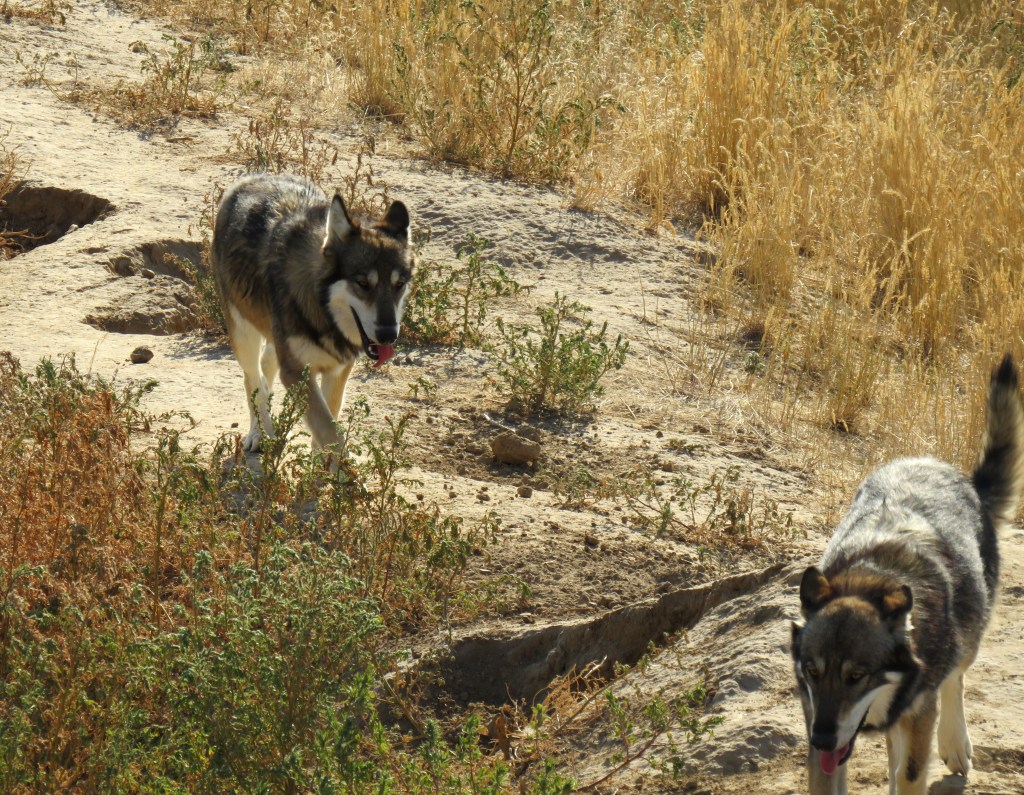
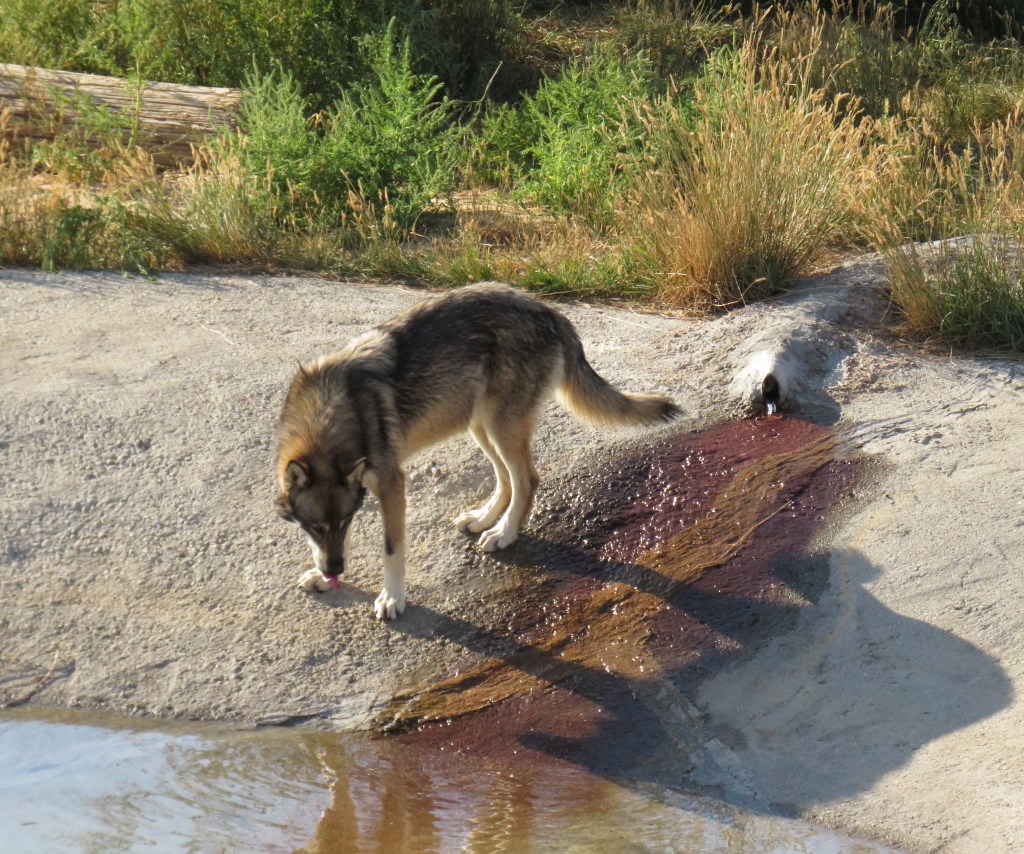
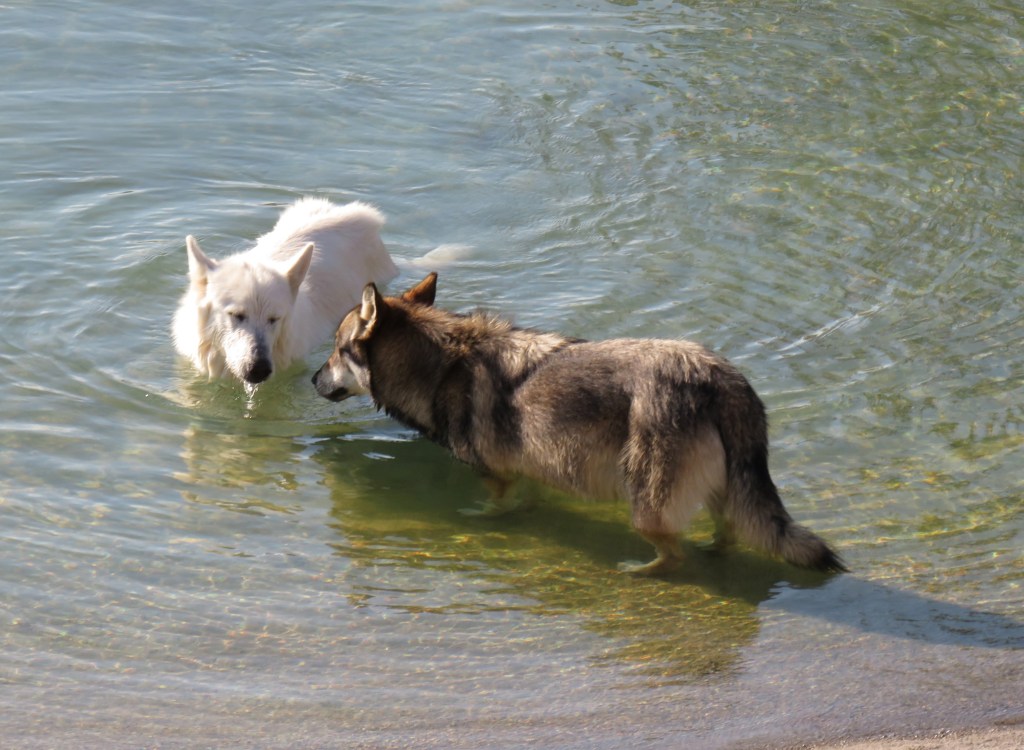
On our most recent visit to the Wild Animal Sanctuary, the wolves were very active and just having fun. They were loving life. These two are siblings, out on the prowl together.
Marinara sauce originated in Naples, Italy, likely in the 16th century after tomatoes were introduced to Europe, and its name, meaning “sailor-style” or “mariner style,” reflects its historical connection to seafaring individuals. Though early forms may not have featured tomatoes, and the sauce’s true origin is debated, the simple, shelf-stable ingredients of tomatoes, garlic, and olive oil made it ideal for sailors and fishermen. The sauce became a staple in Italian cuisine, transforming into a key ingredient in Italian-American dishes like spaghetti and meatballs after its introduction to the United States by immigrants in the late 1800s.
With all of the tomatoes I have been picking lately, I have to come up with creative ways of using up a lot of tomatoes at a time. Sauces will do that. This time, it was a simple, basic, delicious marinara sauce that I used for my chicken Parmigiano. It seems like no matter how many tomatoes I use, I still have an endless, or at least seemingly endless, supply. 🙂
Simple Marinara Sauce
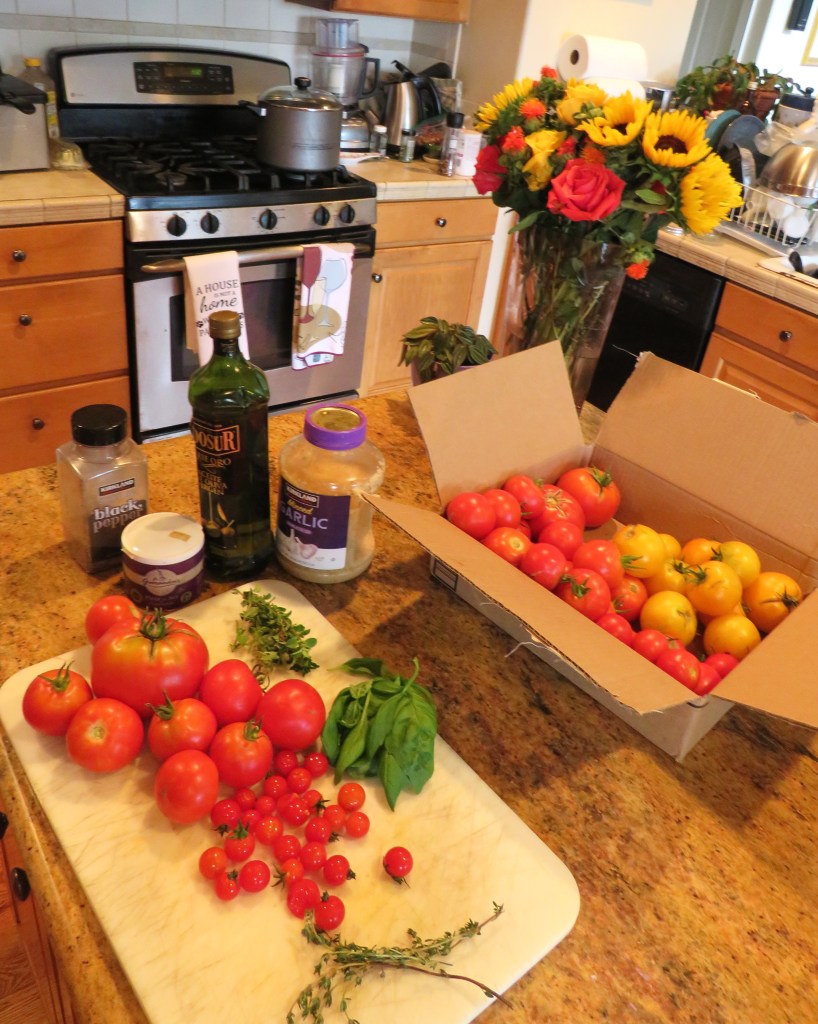
I used a combination of tomatoes for this easy-peasy, delicious sauce. I like mixing my tomatoes, especially when making sauces. I think combining different varieties adds a new level of richness to the sauce.
5-6 lbs tomatoes, diced medium
1-2 TBSP garlic
1/3 cup olive oil
salt & pepper to taste
1 TBSP each fresh basil, chiffonade, fresh thyme and fresh oregano, chopped
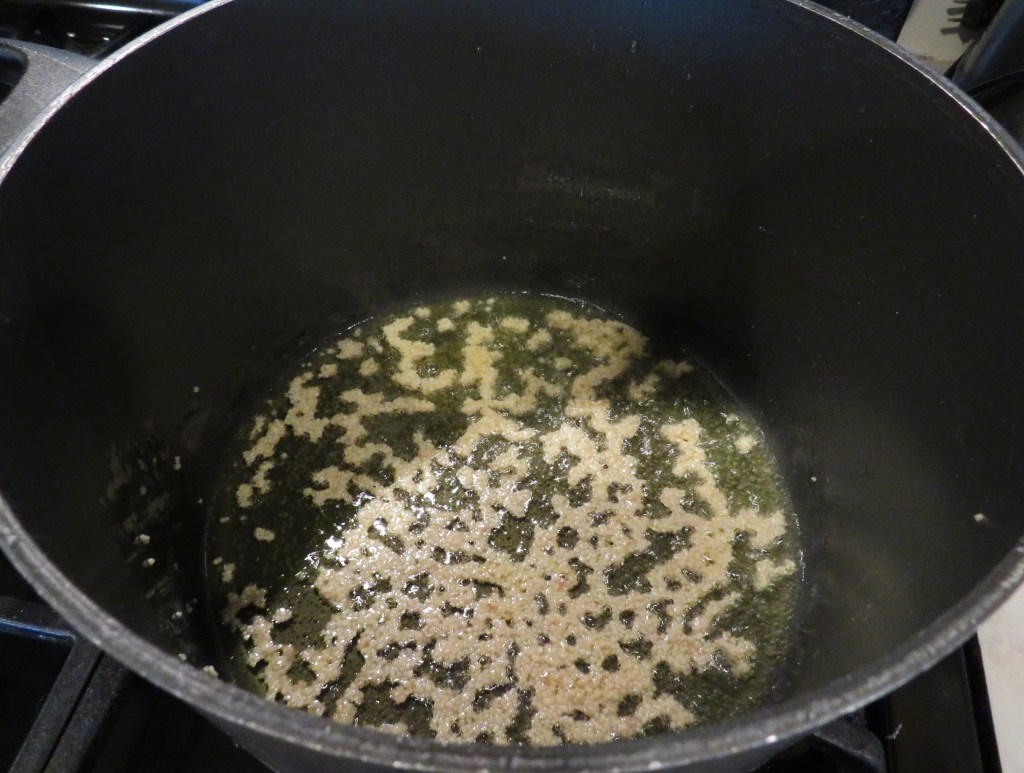
Heat the garlic in the olive oil and cook at a medium-low temperature for about 4 minutes, stirring occasionally.
Add the tomatoes, salt & pepper and cook for about 30-45 minutes, or until the tomatoes break down and make a thick sauce. Stir occasionally.
Add the fresh herbs right at the very end of the cooking process and mix together thoroughly. Add more of the fresh herbs on top right before serving.
Serve over anything you like, from pasta, to chicken, to seafood or vegetables. No matter what you serve it with, you will love it.
We had Janet and Bob’s grandson Peter over for dinner last night, and Janet kept telling me that Peter likes simple foods. Well he went back for seconds, so I’m pretty sure he liked this. 🙂
Have a great day and make everyday great. Sometimes the simple things in life are the best things. Stay safe and say well. ‘Til next time.
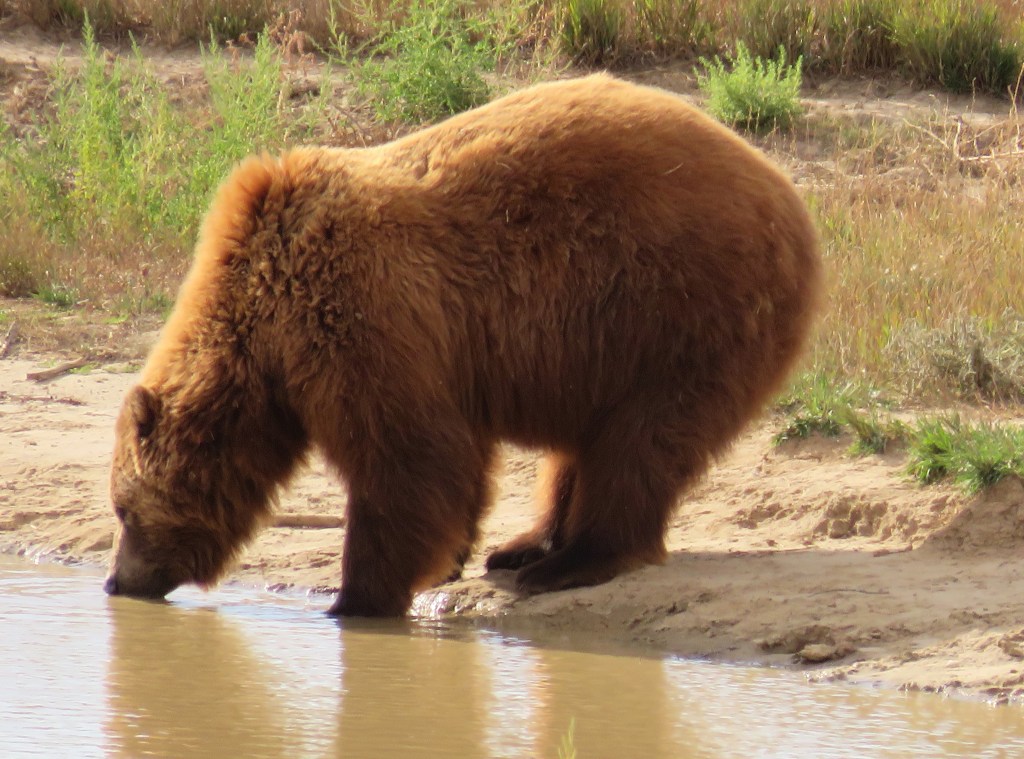
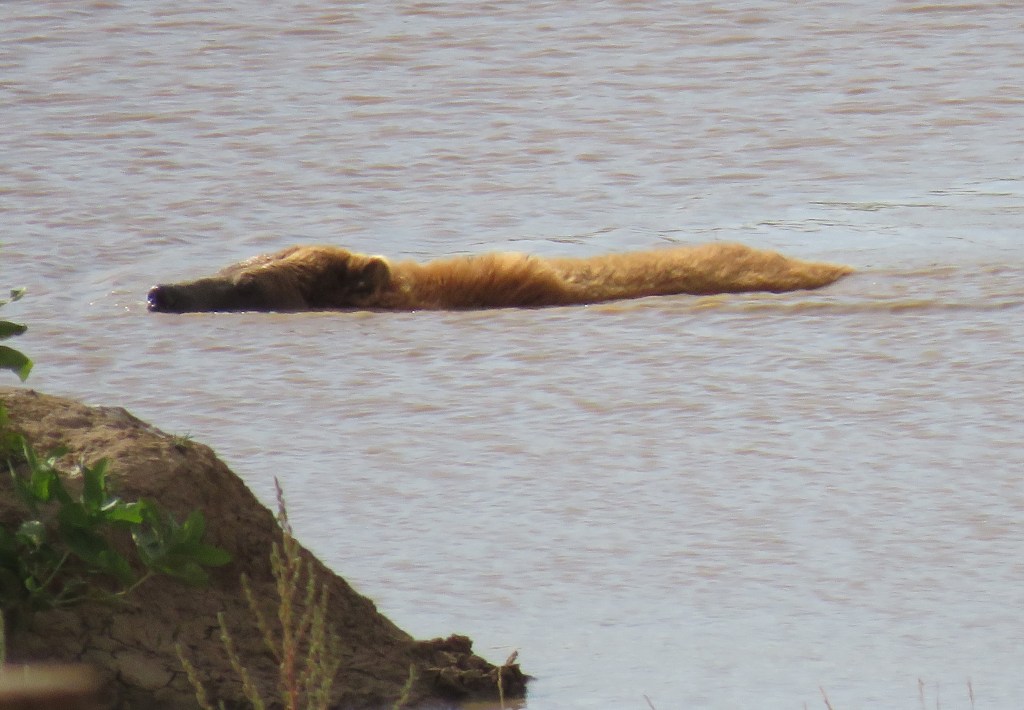
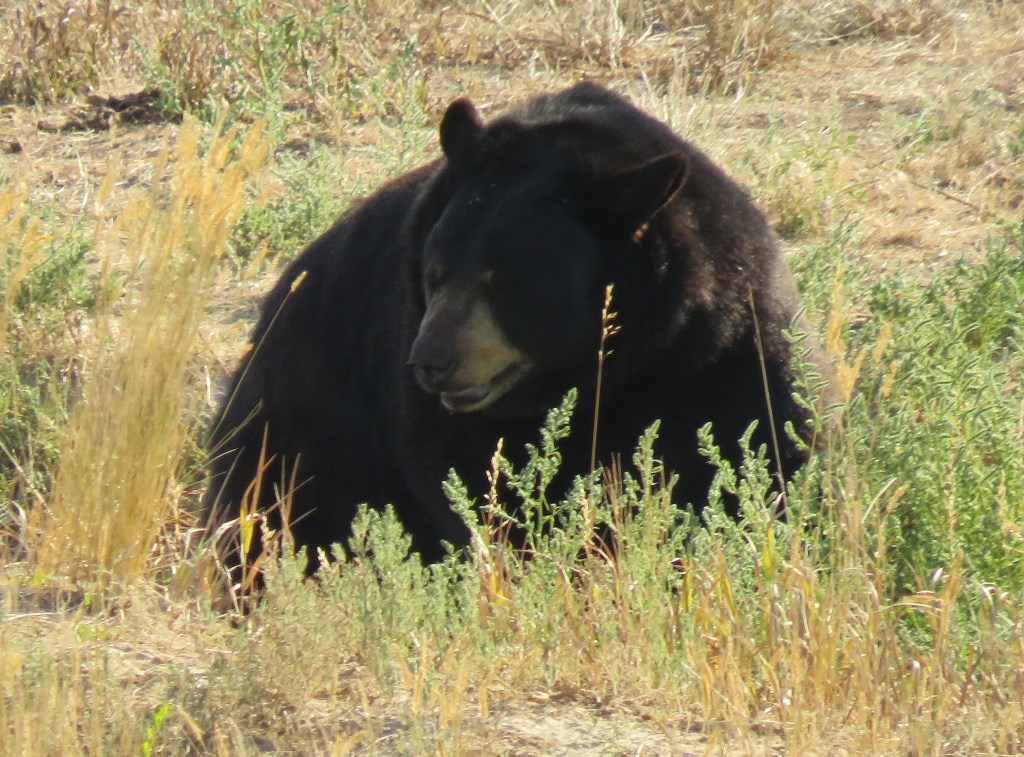
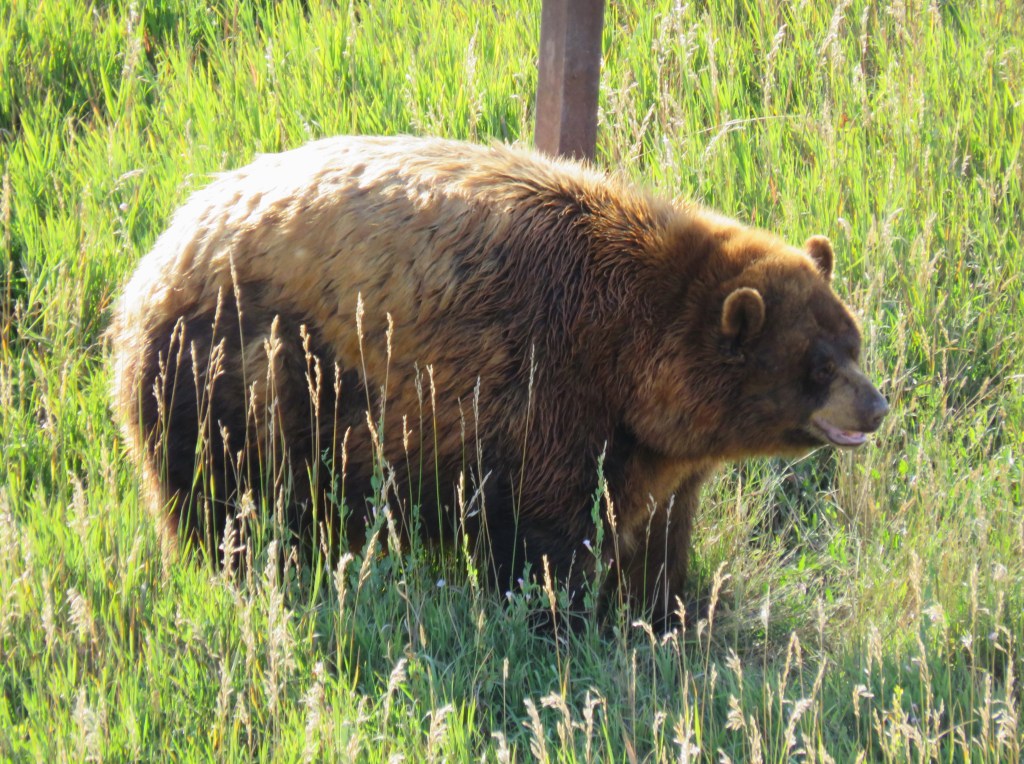
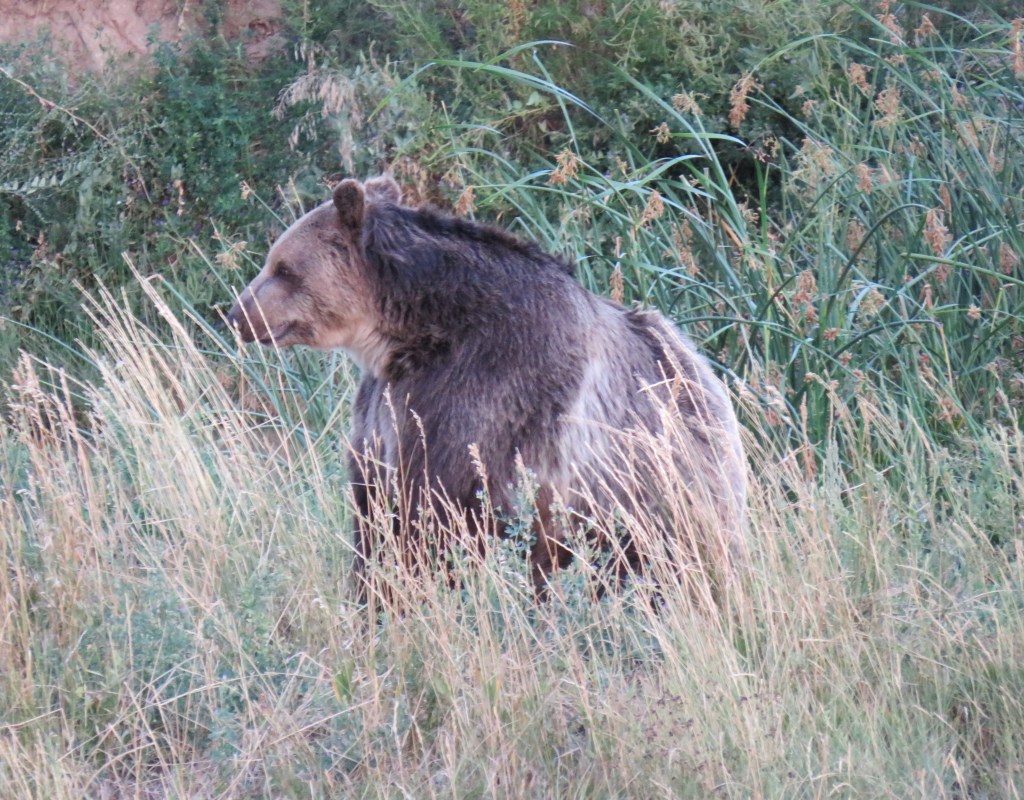
I have been an animal lover my whole life. I can’t remember a time when animals were not always part of the family. Even stuffed animals were always a part of my life and always around. I still love my big teddy bears. Every time we go to the Wild Animal Sanctuary, the big bears always remind me of big stuffed teddy bears. I just want to cuddle with them all, even though I know I can’t.
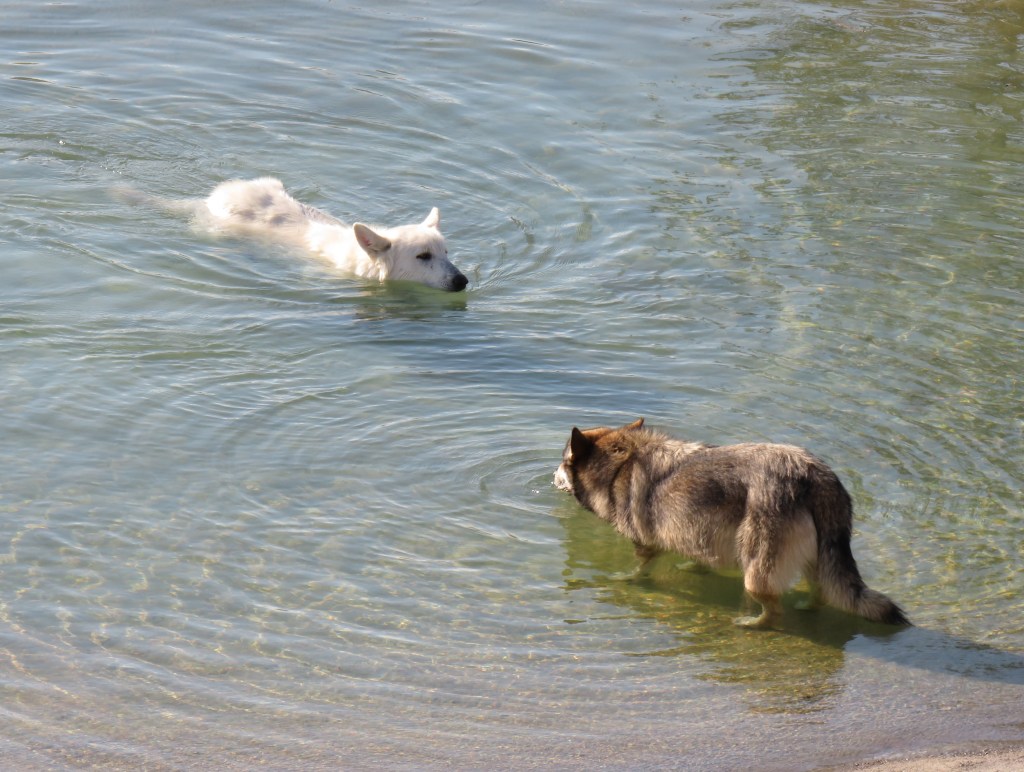
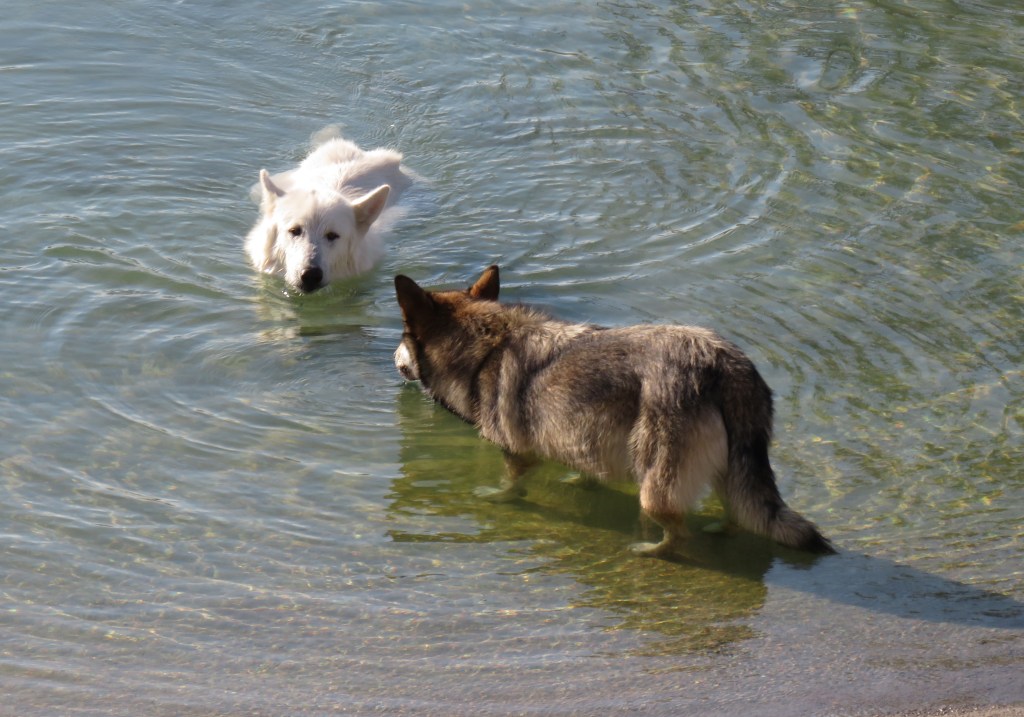
He’s going for a swim.
They like to cuddle with each other too. He’s smiling.
The black bears weren’t as active this time around. But the Grizzlies were.
Round 2 of the great tomato harvest, and there are still a ton of tomatoes left on the vines. I will pick again in a few days, after they ripen up. I added batch added to my remaining tomatoes, after using some and giving away quite a few. With all of my tomatoes I picked from Janet & Bob’s garden, I am using them in all kinds of ways, and that includes a lot of sauces. I made a batch of mole coloradito, that used quite a few tomatoes, but I still have a ton more. More sauces are coming. 🙂
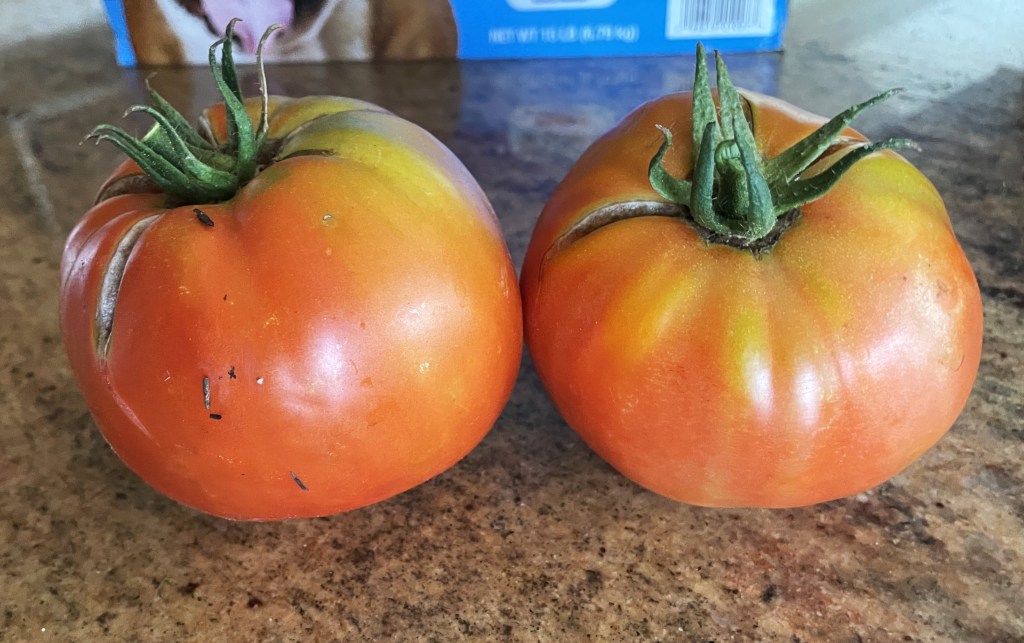
These two were pretty large.
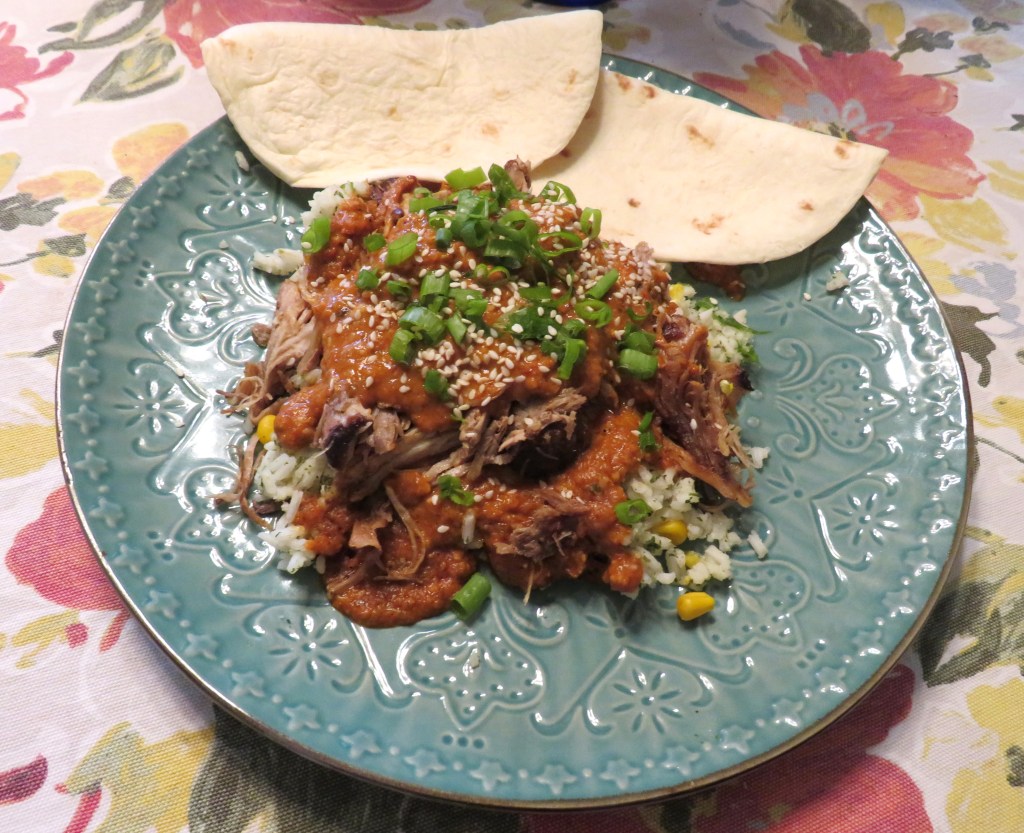
Moles are types of Mexican sauces. They “are a bunch of ingredients ground up” (p. 150 – Truly Mexican by Roberto Santibanez). The word mole is derived from the Nahuatl word molli. Moles usually include a combination of chilies, tomatoes, tomatillos, seeds, nuts and spices. I love moles of all kinds, and I am always playing around with different versions. This time I made mole coloradito, or Oaxacan red mole. I served with with smoked pulled pork over rice and corn.
Mole Coloradito
I had a little of my more traditional mole left, with chocolate, that I added to the batch as well, making it really rich and flavorful.
2 lbs tomatoes – I mixed the tomatoes
1 TBSP garlic
2 jalapeno peppers
1 onion
1-2 chipotle peppers with sauce
1 tsp or to taste Mexican chili powder
salt & pepper to taste
1 tsp cinnamon
2 oz bread crumbs
2-3 tsp sesame seeds
1/4 tsp ground cloves
1 tsp marjoram
1 tsp oregano
2 TBSP either sugar or cocoa powder, or 1 TBSP of each
6 TBSP olive oil
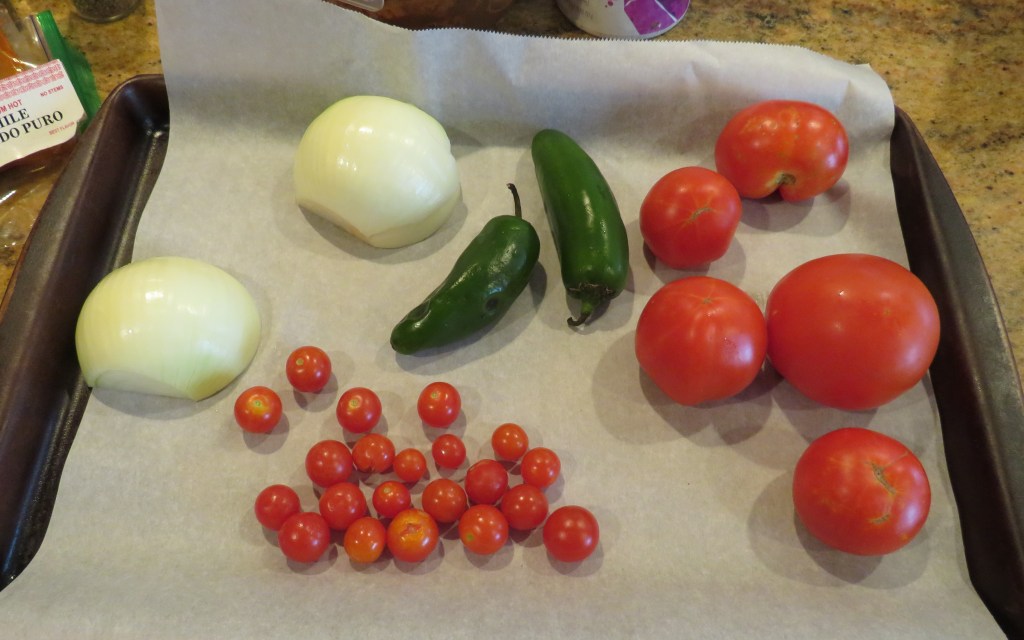
Preheat the oven to 500*F or 260*C.
Line a baking sheet with parchment paper.
Add the tomatoes, onion and jalapenos onto the parchment sheet and roast for about 20-30 minutes.
Once the vegetables are soft and roasted, allow them to cool a bit, then add to a food processor along with all the other ingredients and blend until you have a thick sauce.
I served this with smoked pulled pork, but it would also go well with chicken and possibly shrimp too. Play around with it. I know you are going to love it. 🙂 I sent pictures of this recipe to a friend of mine, who is Mexican, and he was very impressed with it, saying it was very authentic.
Have a great day and make everyday great. Stay safe and stay well. ‘Til next time.
The weather is getting cooler, and I love it. I love the cooler weather for a lot of reasons, and one of the reasons is because now I can cook things in the oven again without melting or heating up the house too much in the process.
We had chicken down in the rotation this week, and I had some Cole’s Canned Crab, so I combined them to stuff my chicken with the crab. I should have served it over rice, but we have been eating a lot of rice lately, so I served it over mashed sweet potatoes instead. Still good, but not an ideal pairing. I served my tomato tart Tomato Tart on the side, with a cool, crisp Albarino, a Spanish white, to complete the meal.
Chicken stuffed with Crab
I made the crab as if I was making Maryland crab cakes, and browned it slightly before stuffing it into the chicken breast. Since I was only cooking for the two of us, and I had just a little crab leftover, I did make two small crab cakes that I topped my chicken with too.
Preheat the oven to 375* F or 191* C.
Spray a deep baking dish with cooking spray.
1 1/2-2 lbs chicken breast
salt & pepper
olive oil or lemon olive oil
1 tin of Cole’s Snow Crab, drained
1 egg
salt & pepper to taste
1 TBSP red onion, minced or chopped very fine
1/4 cup flour
1/4 cup Panko bread crumbs
1 little fresh tarragon, chopped fine
1 little fresh thyme
Mix everything together thoroughly, then brown a little in a hot skillet with olive oil. I drained the crab juice (and gave it to the dogs) before adding the crab to my mix.
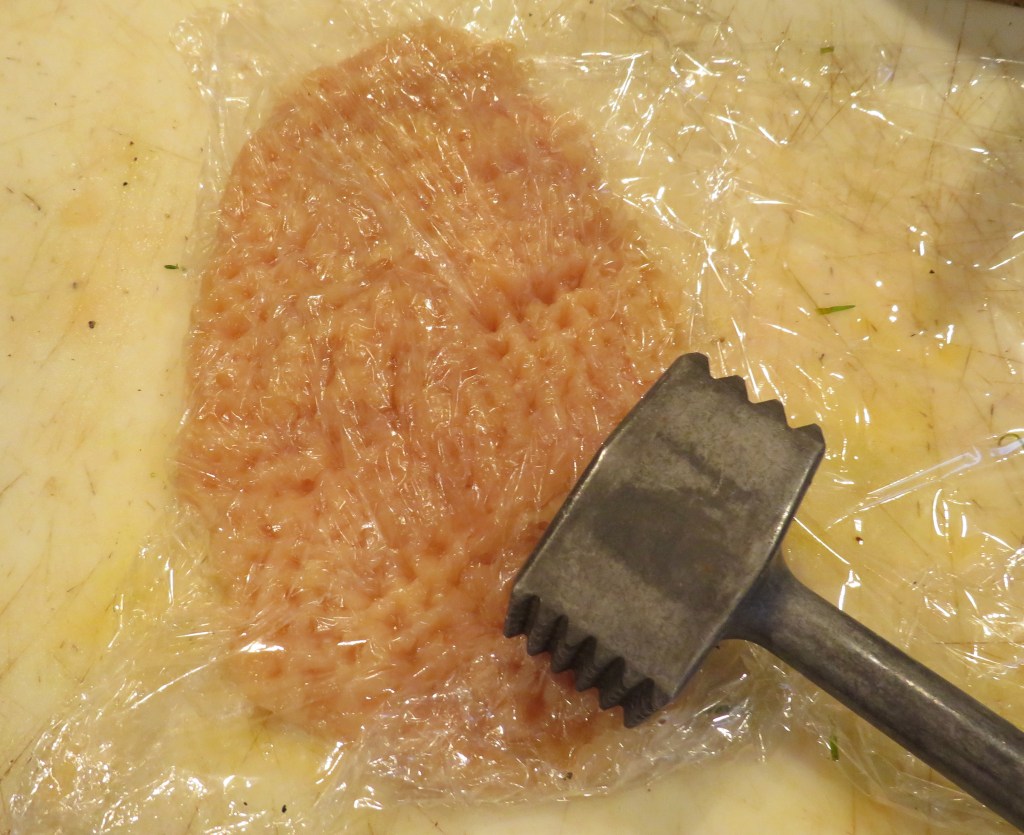
Pound the chicken breasts and make them into thin slices by wrapping them in plastic wrap and using a meat tenderizer.
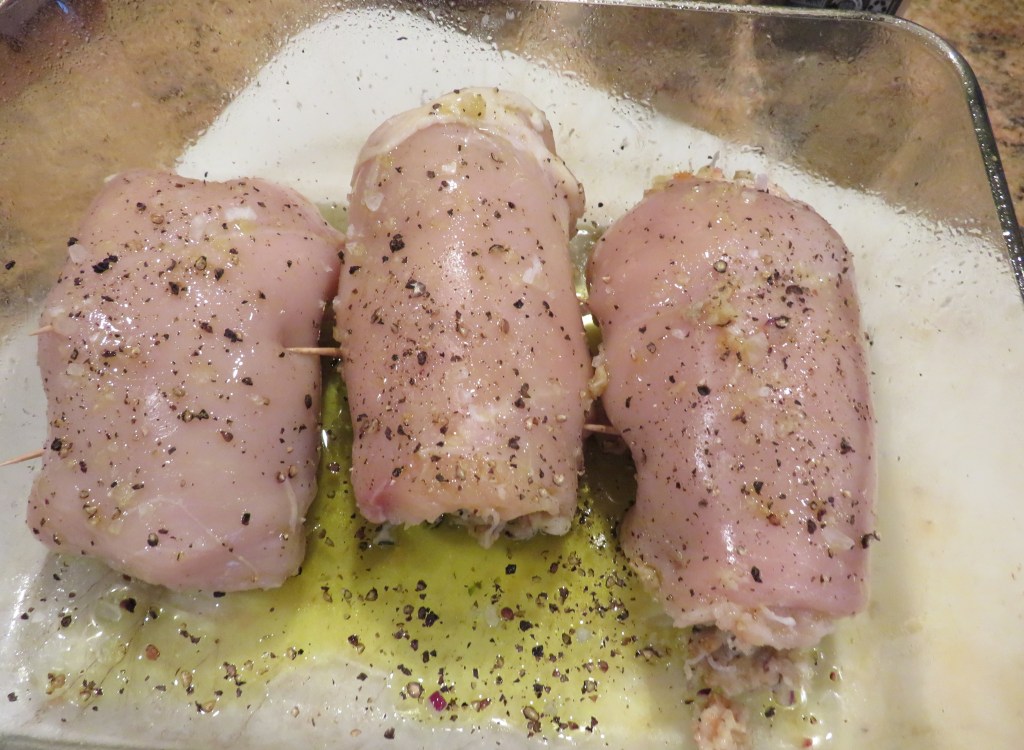
Add as much of the crab filling as the chicken will hold, and carefully roll. Hold together with a couple of toothpicks.
Add salt & fresh ground black pepper and either olive oil or lemon olive oil on top of the chicken. Bake for about 30-40 minutes, or until the chicken is completely cooked and the juice is completely clear.
I am a “saucy” kind of girl, so I topped my chicken with a roasted yellow pepper coulis, Chicken Topped With Red Pepper Coulis and Trout Cakes then some cooked asparagus, and a tiny crab cake before serving it. Delicious.
Have a great day and make everyday great. Stay safe and stay well. ‘Til next time.
I hear it’s International Dog Day. Everyday is dog day in our house (and cat day). We have loved so many dogs (and cats) over the years. We currently have Juneau and Dorrie, and hopefully we will have them for a long time to come too. Juneau is 4 1/2 and Dorrie is 2 1/2. They’re pills, but we love them with all our hearts.
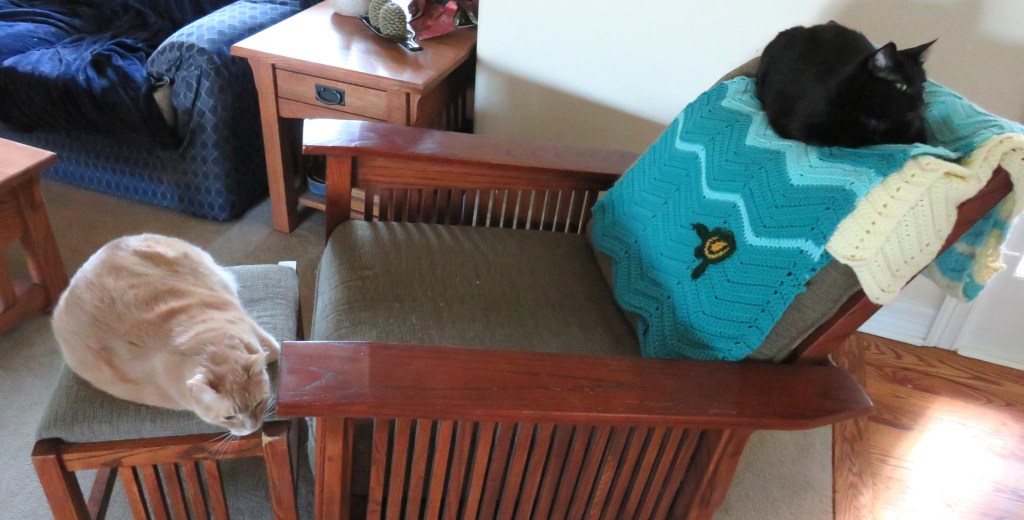
And of course the kitties, Otis and Nicodemus (Nicky).
In our house, the fur babies rule. We love our fur babies. 🙂
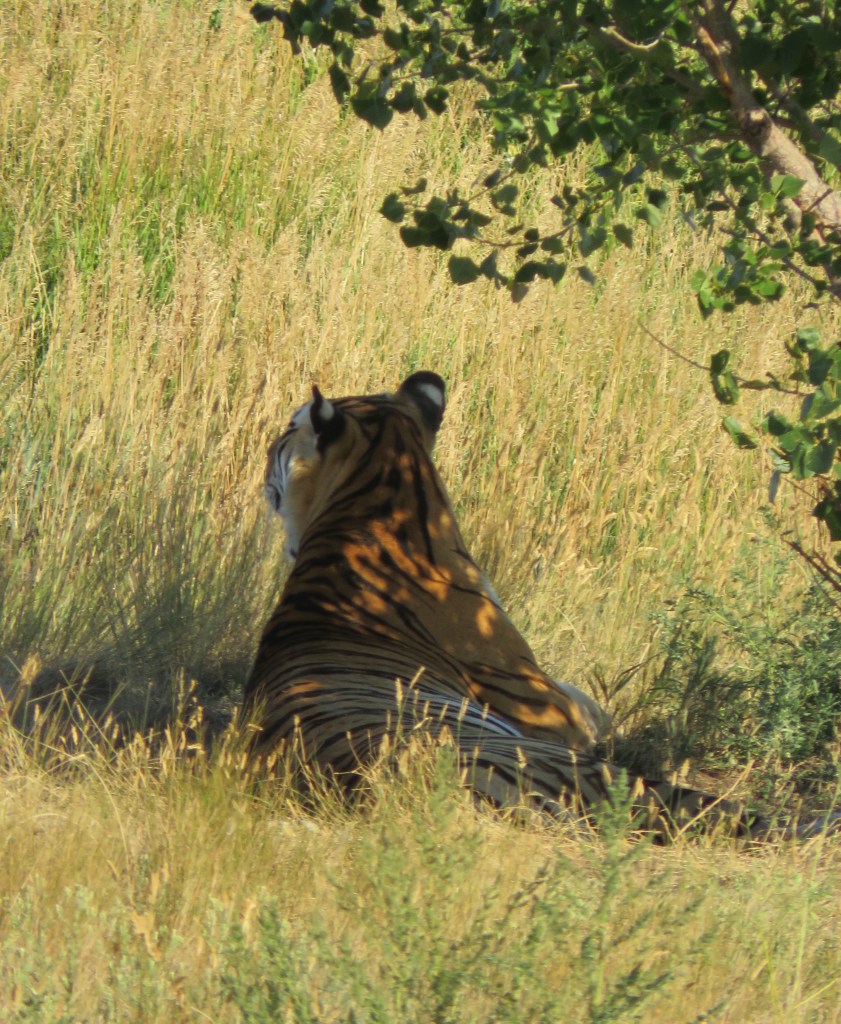
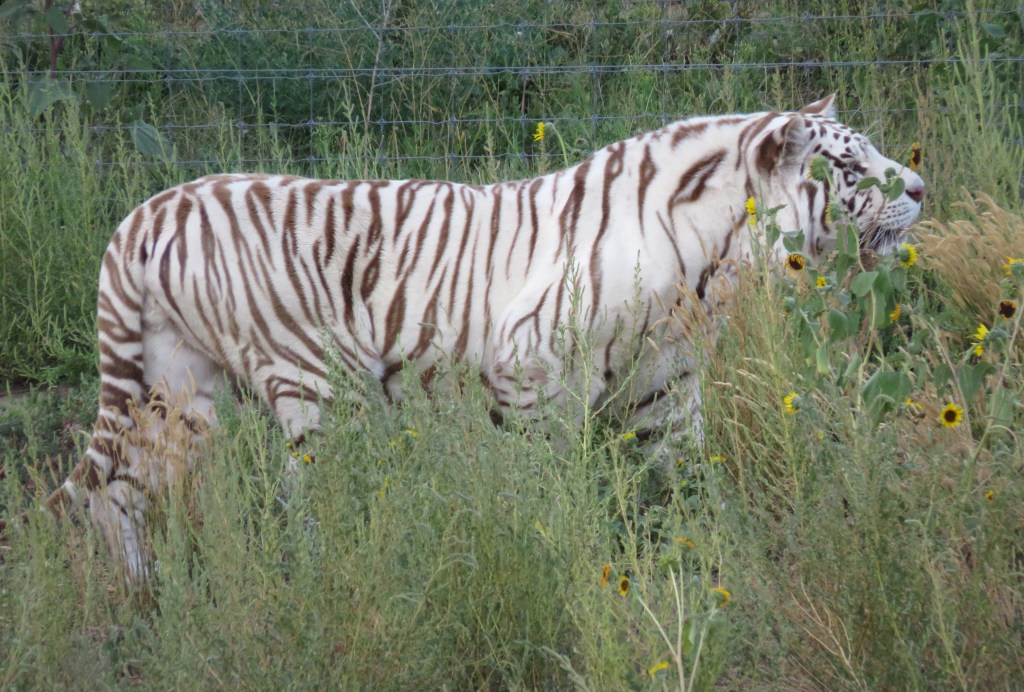
Whenever we go to the Wild Animal Sanctuary, certain animals just really stand out for the day. It just depends on their personalities on that particular day. When we went on Friday, the tigers were the ones who were talking to us the most. It would have been really cool if they had been roaring to us, but not this time. I love all the big cats, but I have a real special affinity for the tigers.
While we were talking to one of the volunteers, I showed him some of my pictures too. He paid me very high praise and said they were “like something he would see in National Geographic”. They’re not, but he still made my day saying that. 🙂
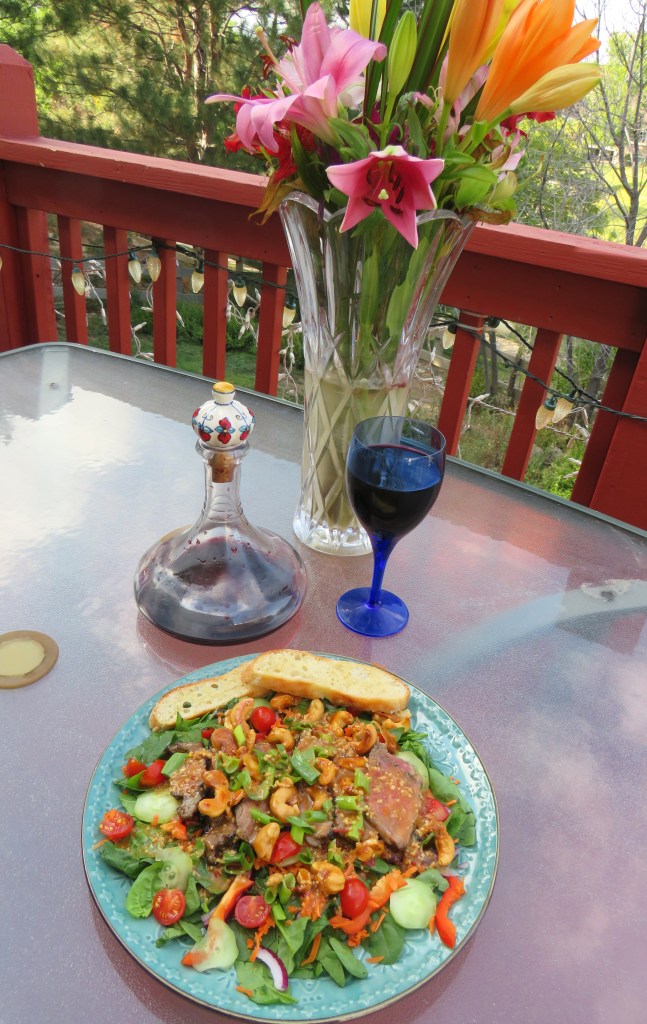
When I made my Siracha steak, Siracha Steak I had enough steak leftover for another meal. Because I had marinated it in the Siracha marinade, I really didn’t have much choice other than reusing it somehow with a similar sauce or dressing. So I turned it into a Siracha steak salad. It was still similar, yet different enough to not be the same thing.
I used the same basic marinade yet added a bit more rice vinegar and 2/3 cup of olive oil, to turn it from a marinade into a salad dressing. Next, I starting creating the salad.
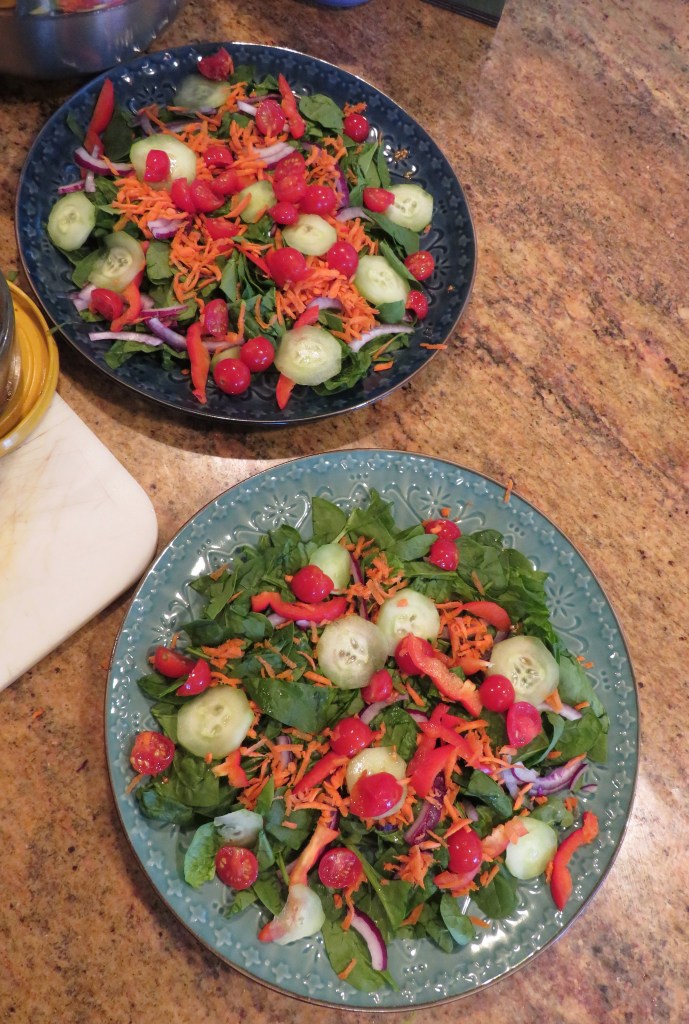
I started off with a spinach base, then added some red onion sliced very thin, cucumbers sliced very thin, red bell pepper cut into thin matchsticks, shredded carrots, green onions, sweet 100 tomatoes cut in half, and topped it off with some easy candied cashews, since I used cashew butter in the dressing. And of course, the steak, sliced thin as well.
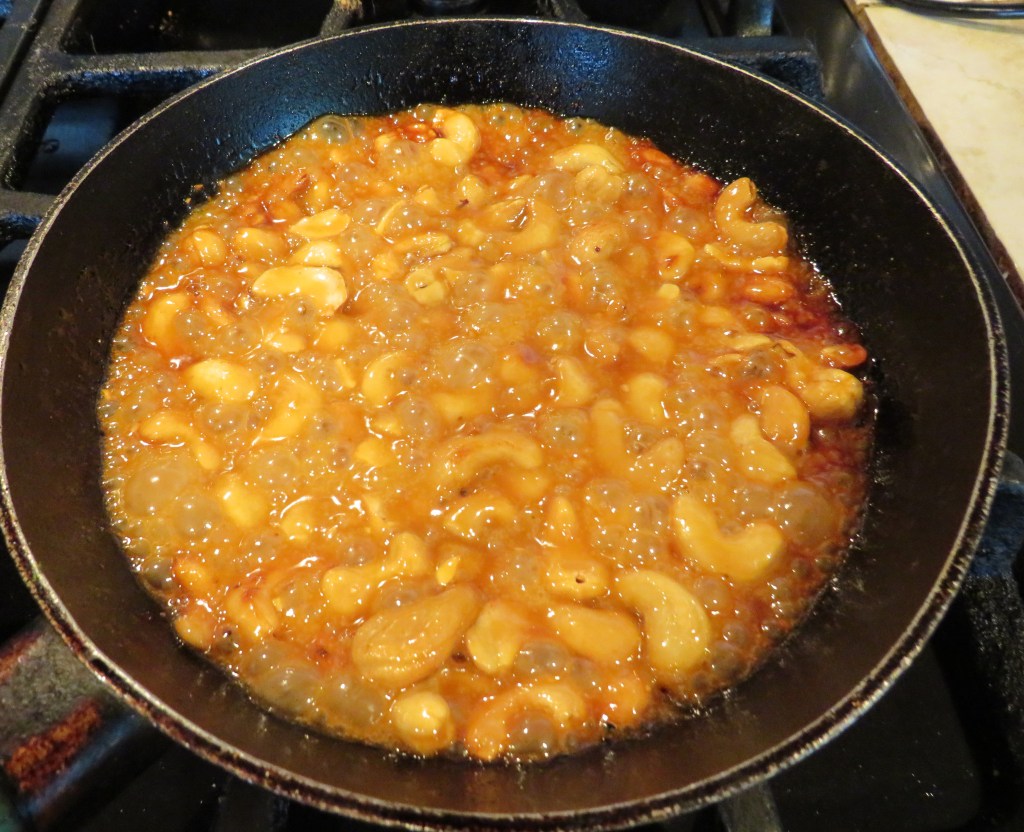
For the candied cashews, I just cooked them in butter and honey this time. I cooked them for about 5-7 minutes, then spread them out on a piece of parchment paper in a single layer to harden a bit.
And voila, another Asian steak salad was created, just like that. It was simple and easy-peasy and delicious. It doesn’t get much better than that. 🙂
Have a great day and make everyday great. Stay safe and stay well. ‘Til next time.
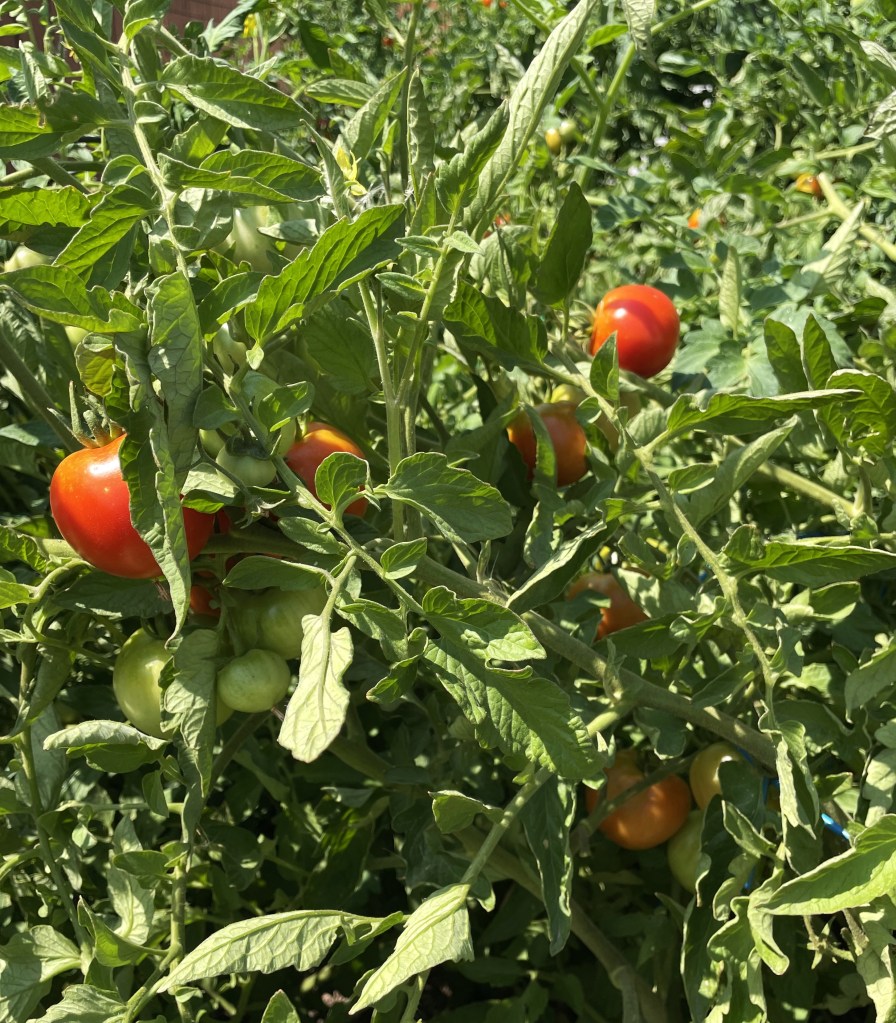
Janet and Bob are on vacation, and they asked me to pick their tomatoes for them while they are gone. They said I can keep what I pick too, just saving a few for them later. I am NOT going to turn down free tomatoes, and Bob’s tomatoes are always so delicious too. As you can see, these plants are very healthy and very fruitful.
Yesterday was my first tomato harvest, with more coming too.
I only picked the ripe ones, leaving tons more on the vines that aren’t quite ready yet. I’ll probably go back and pick some more tomorrow.
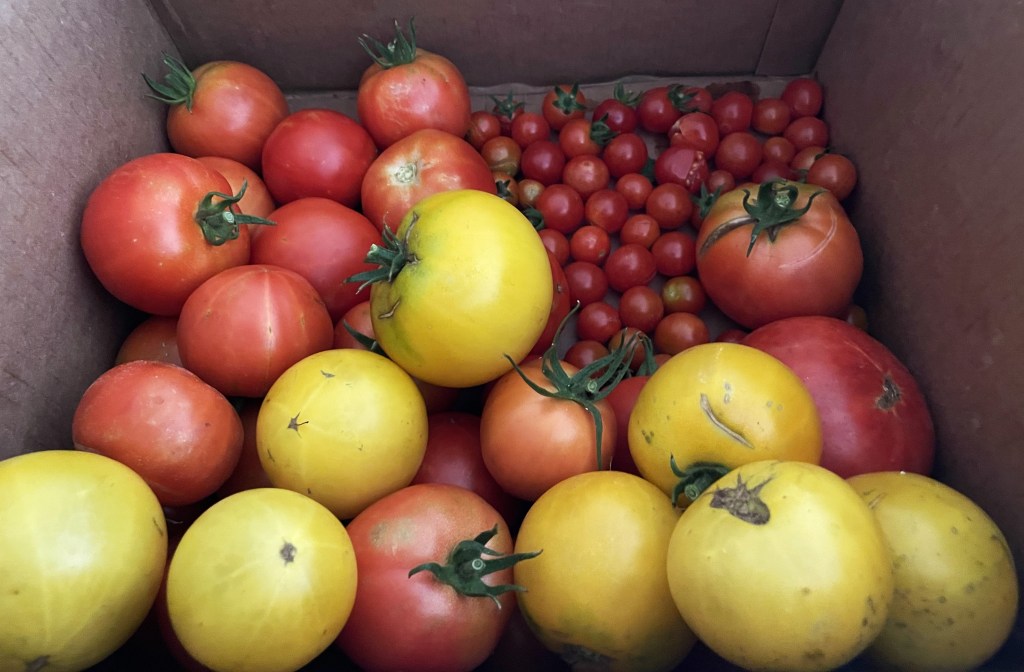
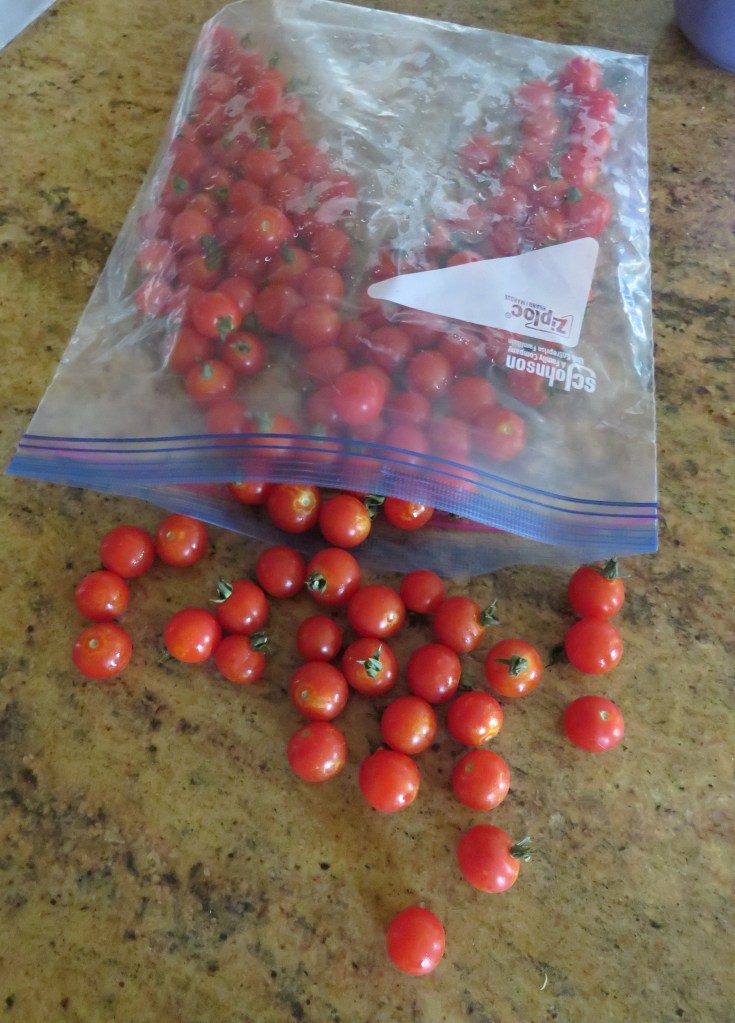
This was my first day’s haul. There are 3 different kinds of tomatoes here. I forget what Bob called the larger reds, but there are also sweet 100’s and yellow boys too. I spilt this box with Mike & Lauren and my neighbors Hanna & Aziz and I still have plenty left.
Last week, Bob had given me another big bag of the sweet 100’s too. Believe it or not, those are almost all gone already. We love tomatoes and eat a lot, especially fresh garden-picked tomatoes. 🙂
I am making a tomato tart with the first batch. Tomato Tart I already have my dough made, now I just need to make the tart to go with the rest of dinner. Though this tart could easily be a complete dinner all on its own. 🙂 And I see some marinara sauce in the very near future too. 🙂
Have a great day and make everyday great. Stay safe and stay well. ‘Til next time.
We took another trip to the Wild Animal Sanctuary (WAS) last night. We found it is better to go later in the day, when it is cooler. The animals are a lot more active when the temperatures are cooler. I will share more on the animals later, but today, I am going to focus on the birds. You wouldn’t think there would be so many birds at the WAS, but there are always tons of birds there. You all know I love my birds as much as I love ALL my animals. I got some great shots of the birds last night too.
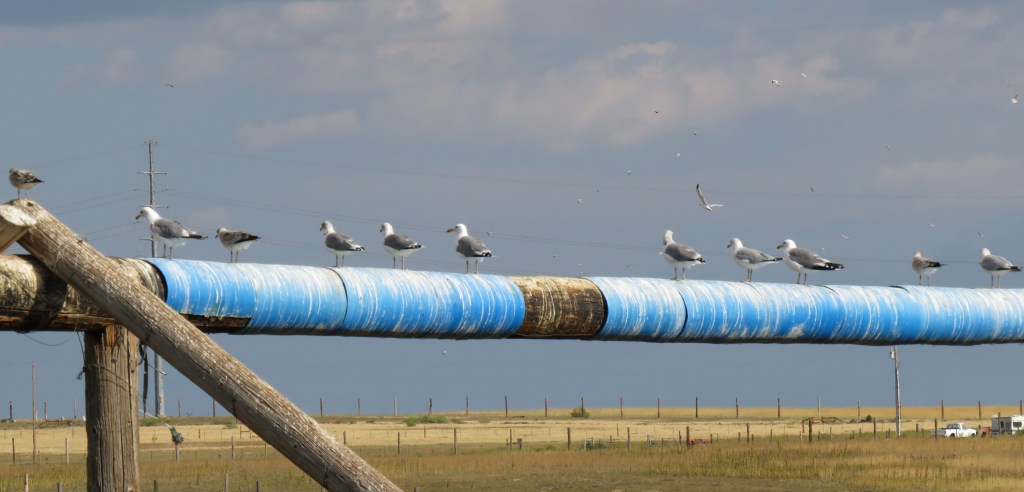
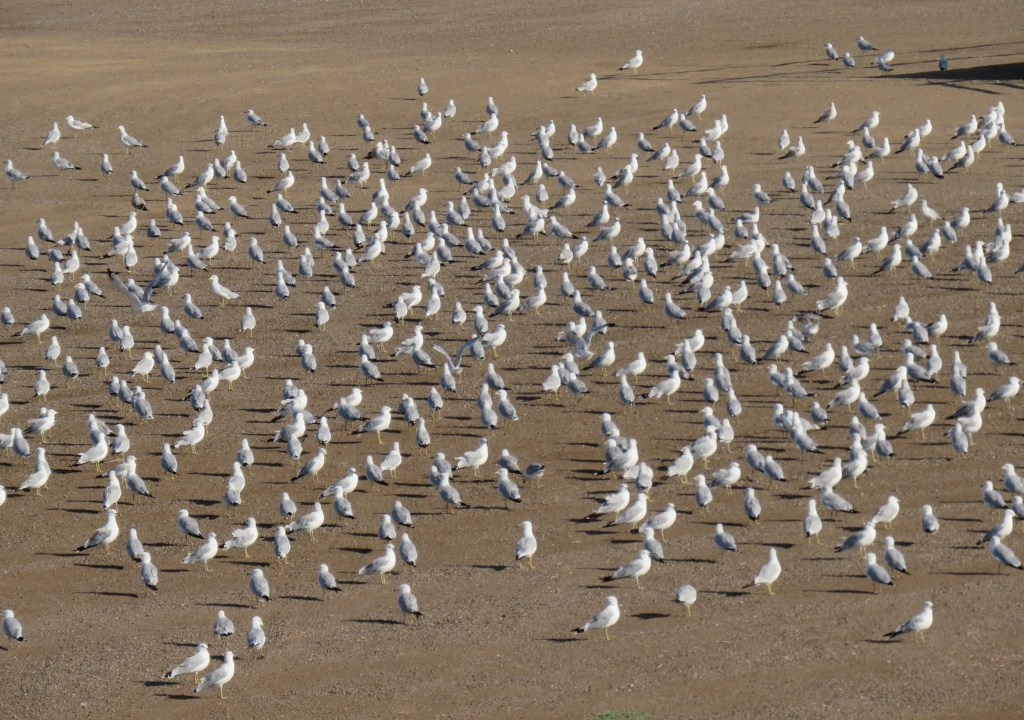
There were tons of gulls all around. Yes, we have lots and lots of gulls here in Colorado. Surprise, surprise. 🙂
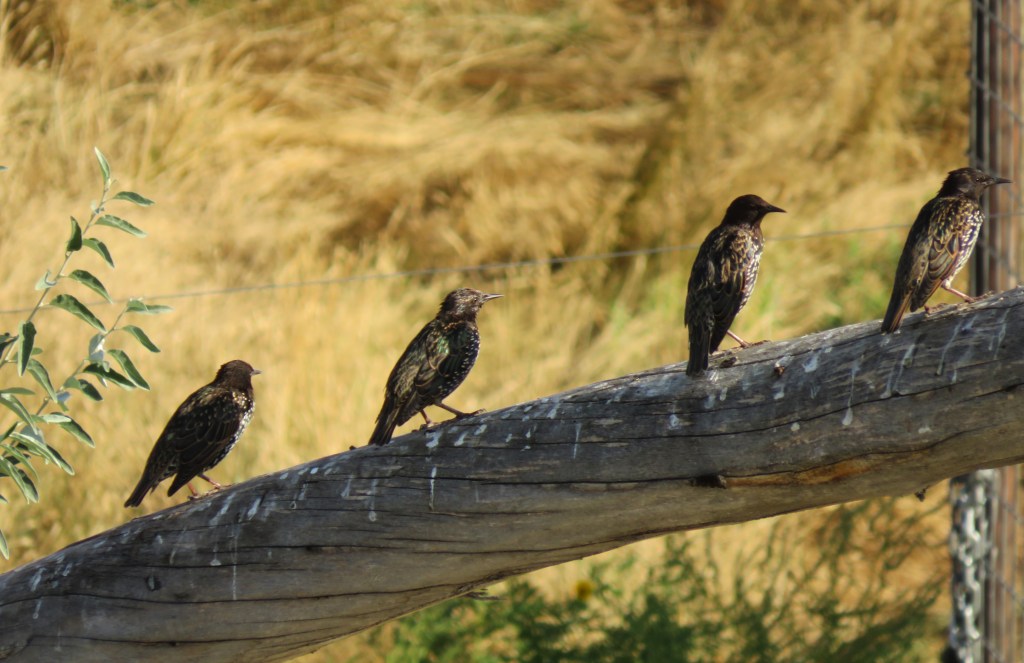
European Starlings like it out in Keensberg too.
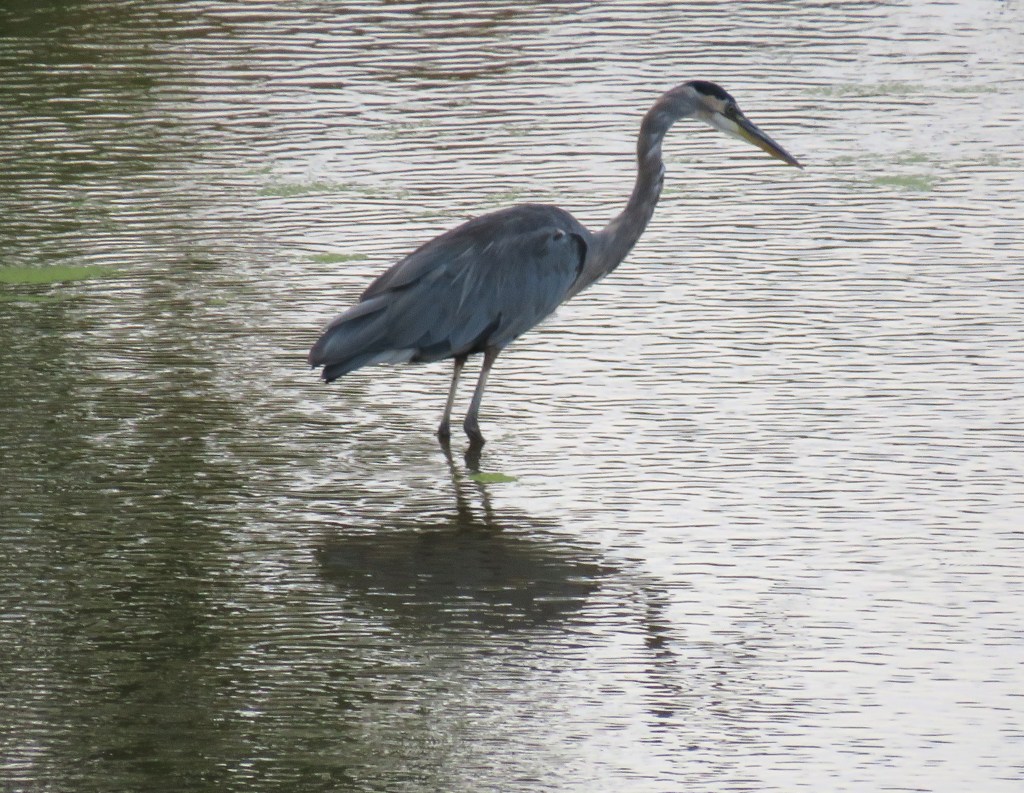
And there were two kinds of Herons hanging out in the same pond. There was a Black Crowned Night Heron.
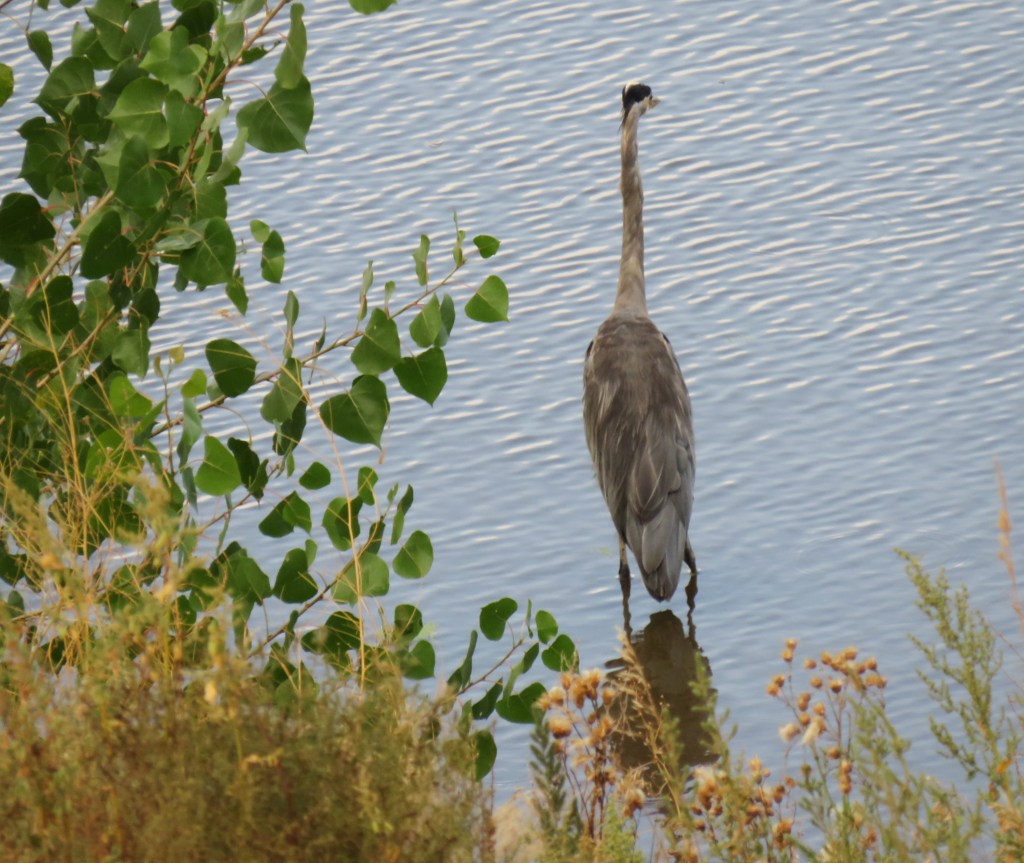
And a Blue Heron.
As always, we saw lots of animals, and loved them all. But I just thought I would show you some of the feathered friends they have there too for a change. 🙂
Have a great day and make everyday great. Make it better by talking to the animals too. 🙂 ‘Til next time.











































 A Jeanne in the Kitchen