I have created this site to help people have fun in the kitchen. I write about enjoying life both in and out of my kitchen. Life is short! Make the most of it and enjoy!
Author: ajeanneinthekitchen
I have worked in the restaurant and catering industry for over 35 years. I attended 2 culinary schools in Southern California, and have a degree in culinary arts from the Southern California School of Culinary Arts, as well as a few other degrees in other areas. I love to cook and I love to feed people.
As you all know by now, we are home from our fabulous trip to Portugal. I hope you enjoyed our Portuguese adventures. I enjoyed revisiting our trip along with you. But in a way, I am still in Portugal, in the comfort of my own kitchen. 🙂
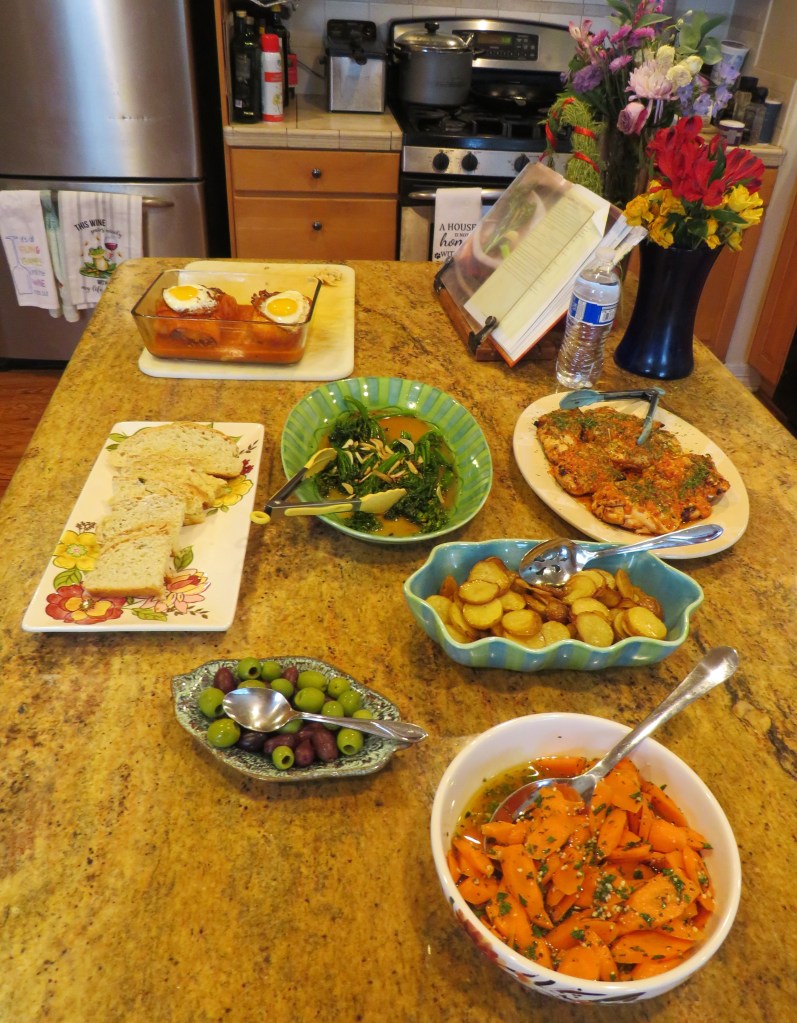
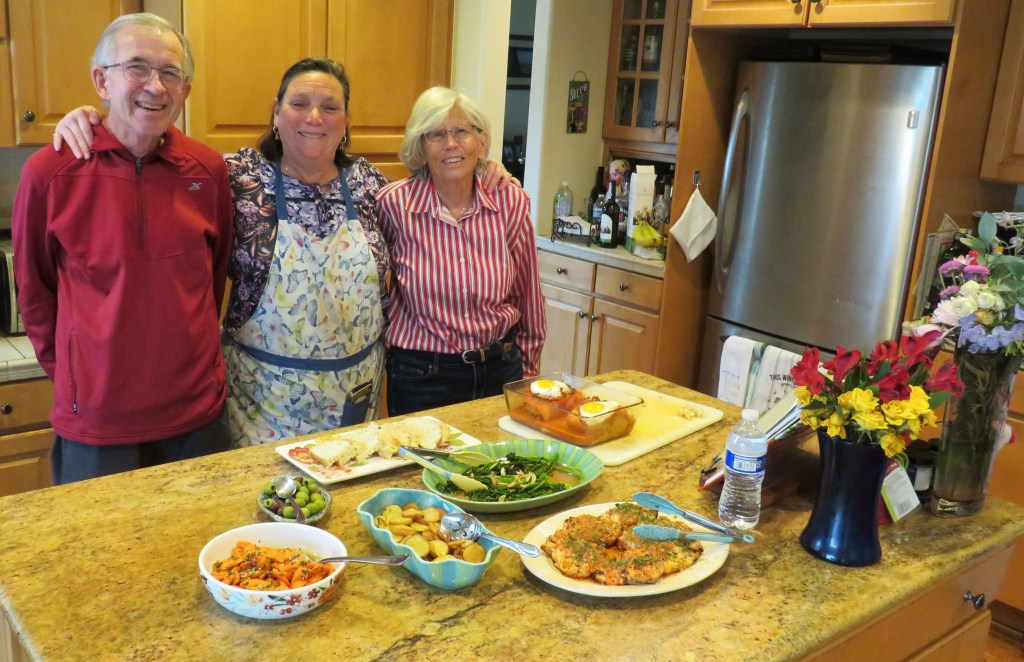
Bob and Janet wanted to see our Portugal pictures, so I made a Portuguese feast and we celebrated Bob’s birthday a little early. After dinner, desserts, some Portuguese port and Ginja, and our slide presentation, we played a few rounds of games as well. It was yet another deliciously fun evening. 🙂
I will give you all the recipes in due time, as you know. Our menu consisted of Mozambique Chicken Piri Piri, Francesinha, broccoli with garlic sauce, pan fried potatoes, Portuguese carrots, mixed olives, and some olive bread.
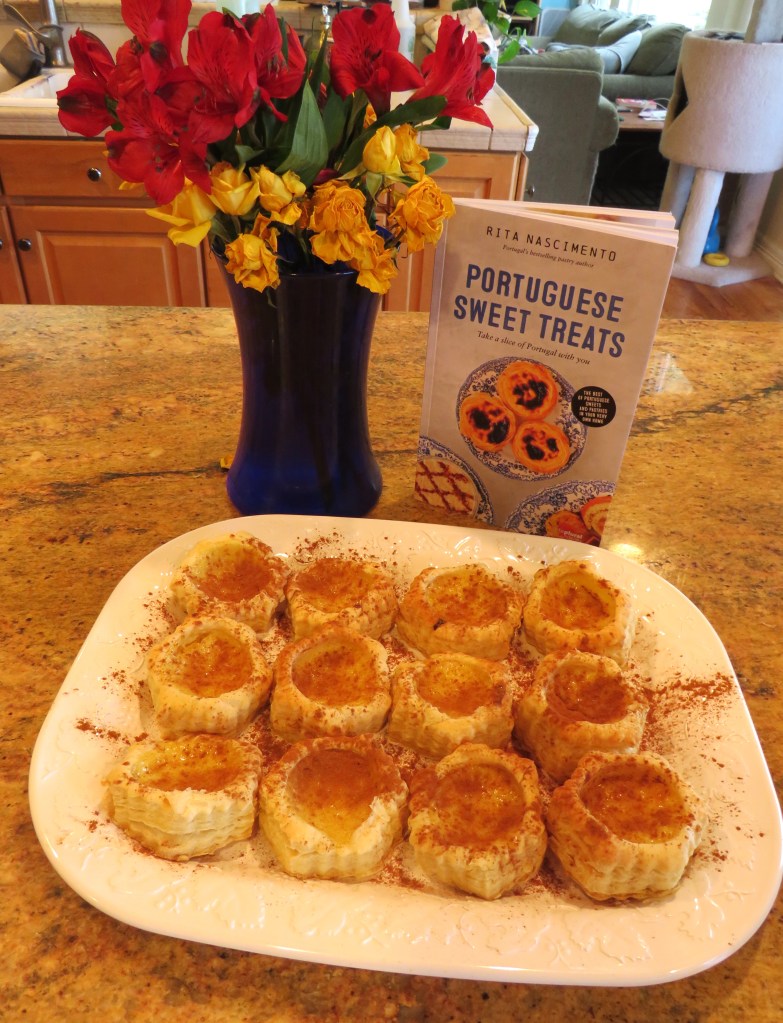
For dessert, I made the famous pasteis de natas.
As always, we enjoyed good foods and wines with good friends, with lost of good fun and laughter too. Happy Birthday Bob, and many more. 🙂
Have a great day and make everyday great. Life is always better with good friends and good food. Live life to the fullest. Live, love, eat. ‘Til next time.
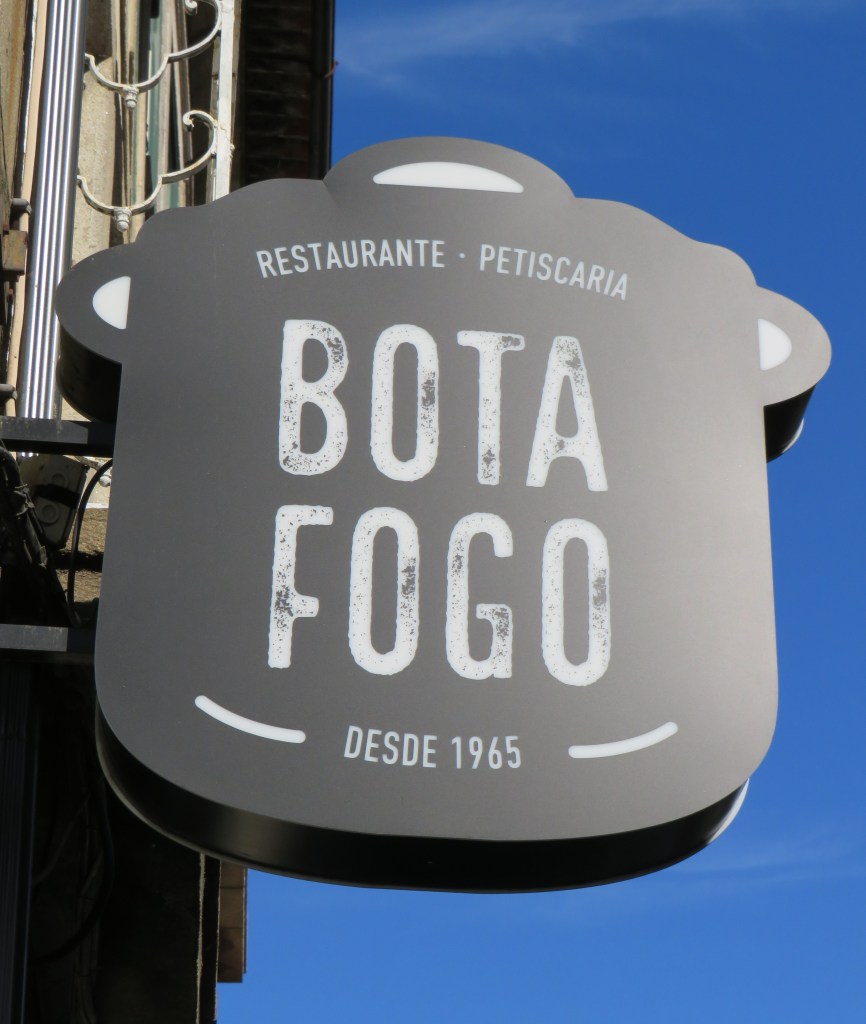
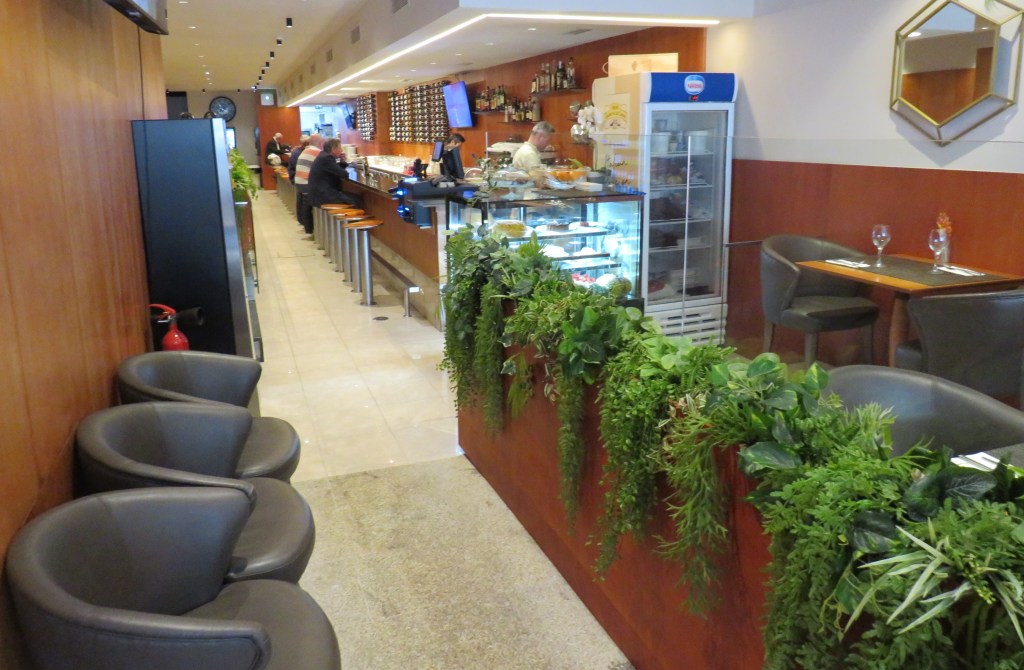
After exploring all over Braga and Bom Jesus de Monte, we had worked up an appetite. We wanted to enjoy a good meal in Braga before going back to our hotel in Porto. We found Bota Fogo.
Bota Fogo was a charming little family owned and operated restaurant. We ate inside the window so we could watch all the passers-by while we enjoyed our meal.
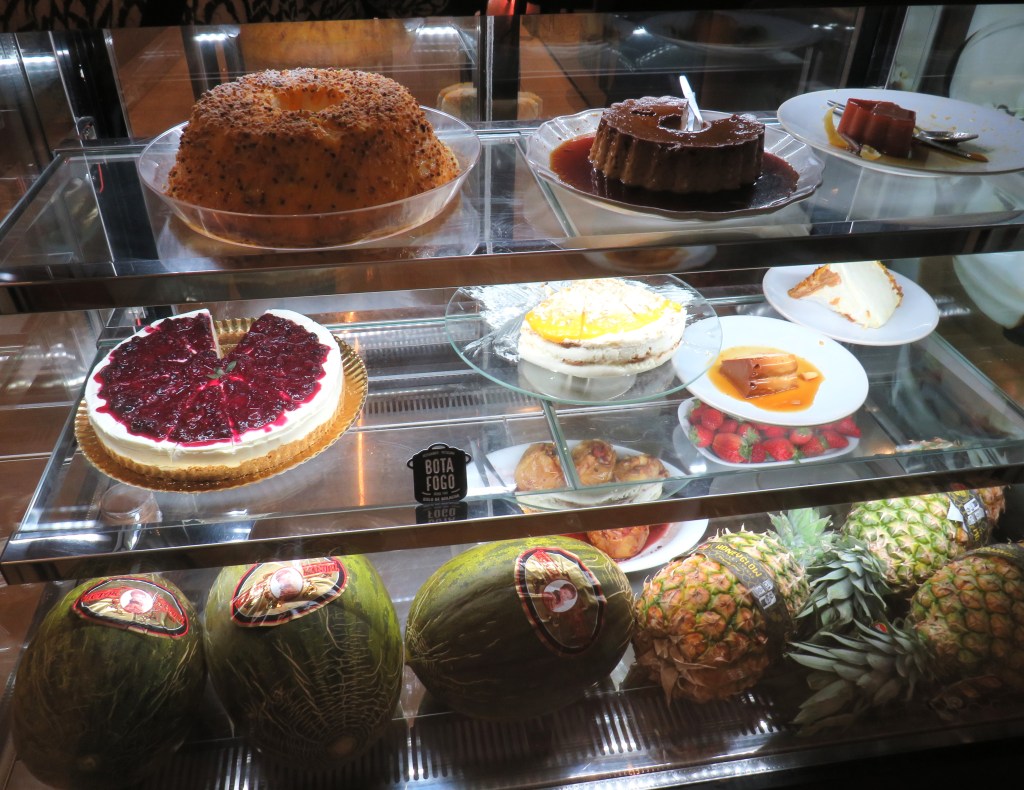
The desserts were tempting, but we were good, and did not fall for their temptations.
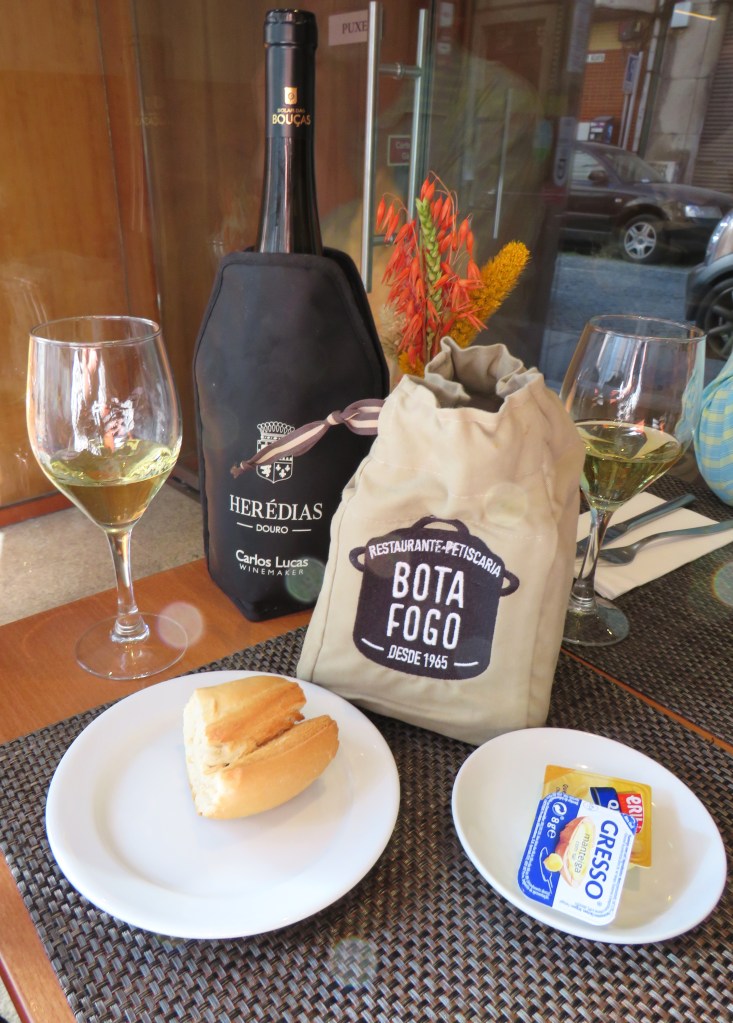
Once again we enjoyed our bread and Portuguese wine while we waited for our meal to come.
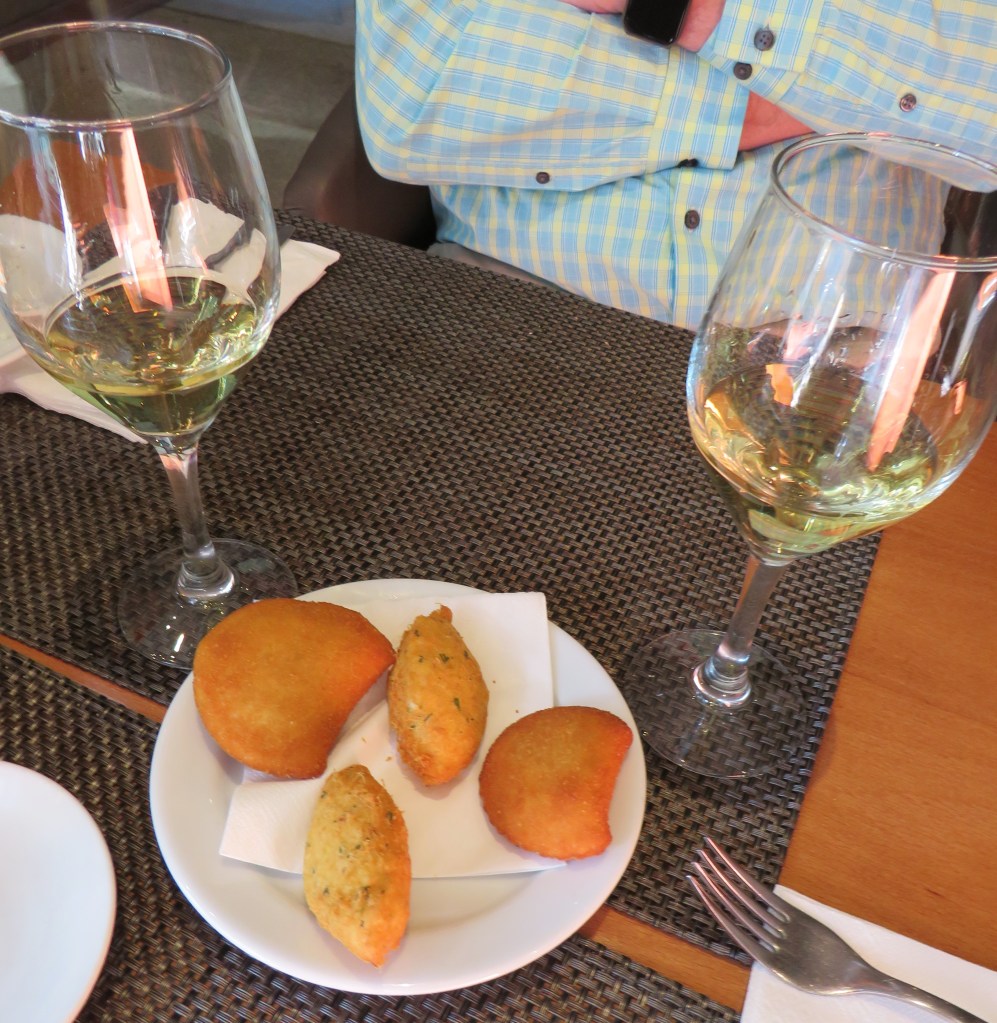
Our waiter also brought us some cod cakes and other nibblies as well. We don’t remember ordering them, but they were delicious.
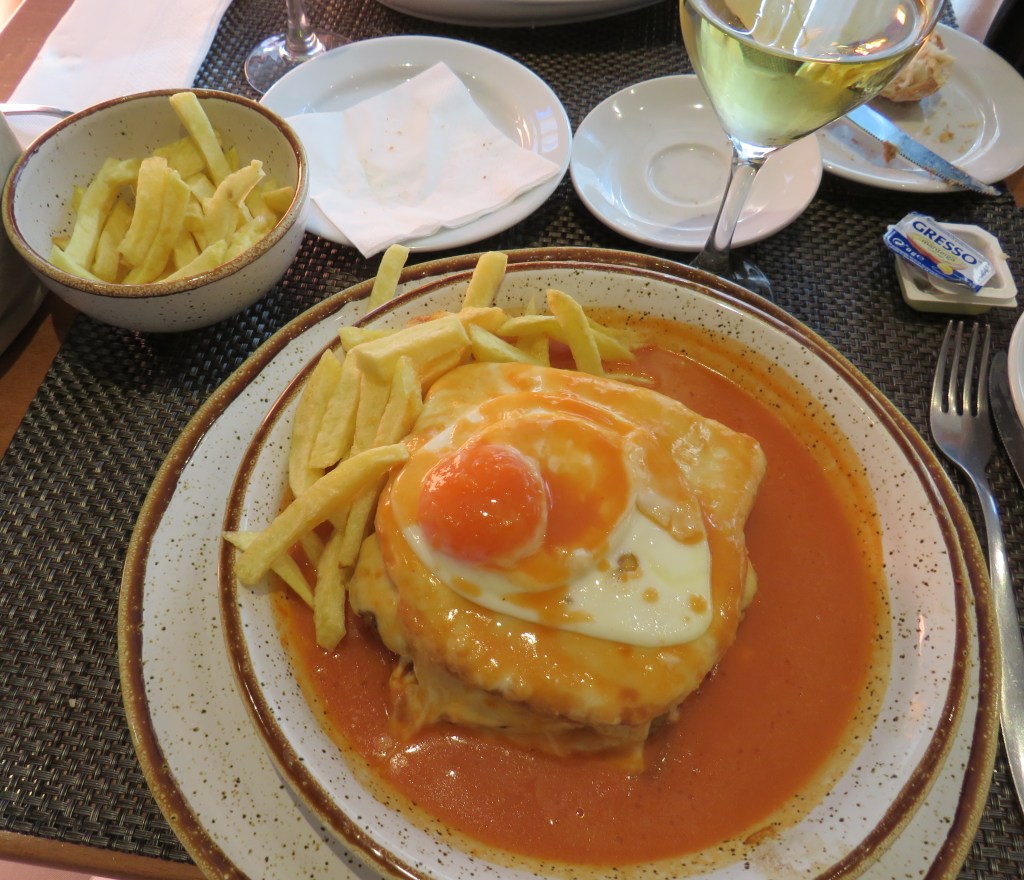
Larry ordered another francesinha.
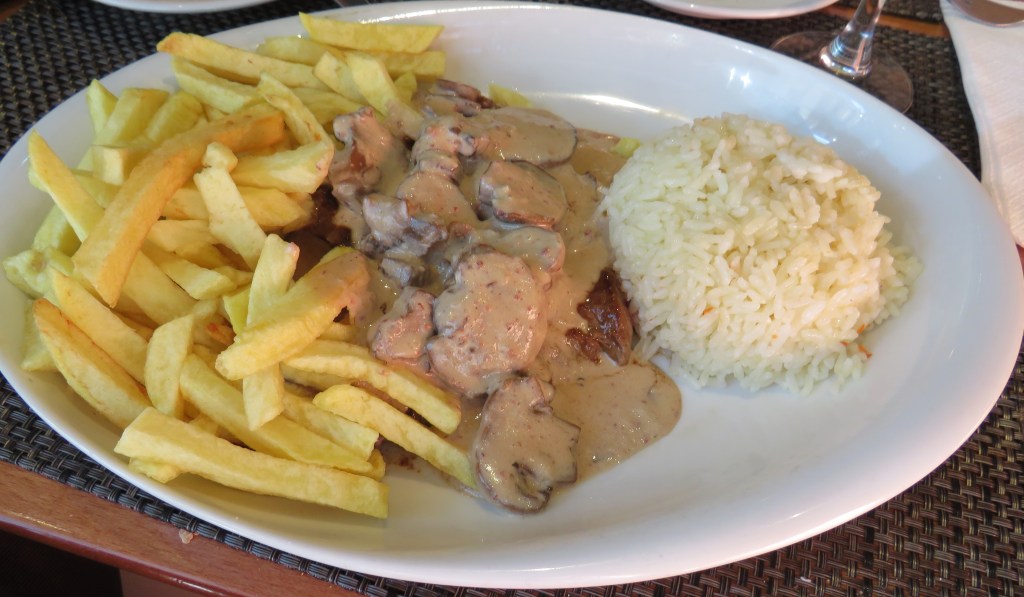
And I ordered something I rarely ever eat. I ordered the veal. It was so good.
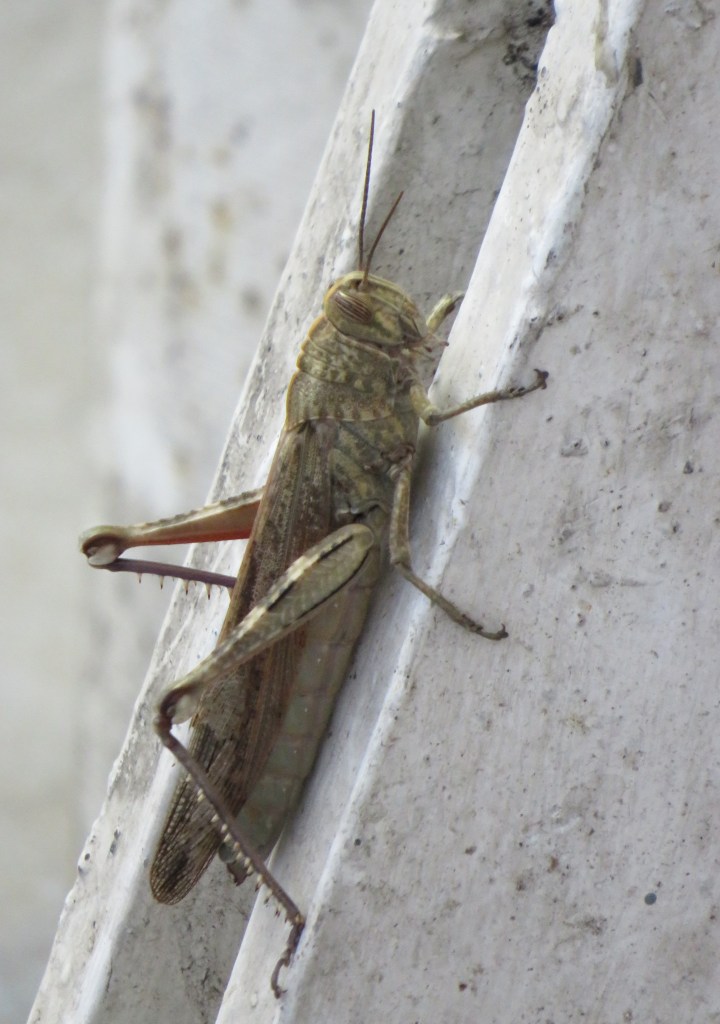
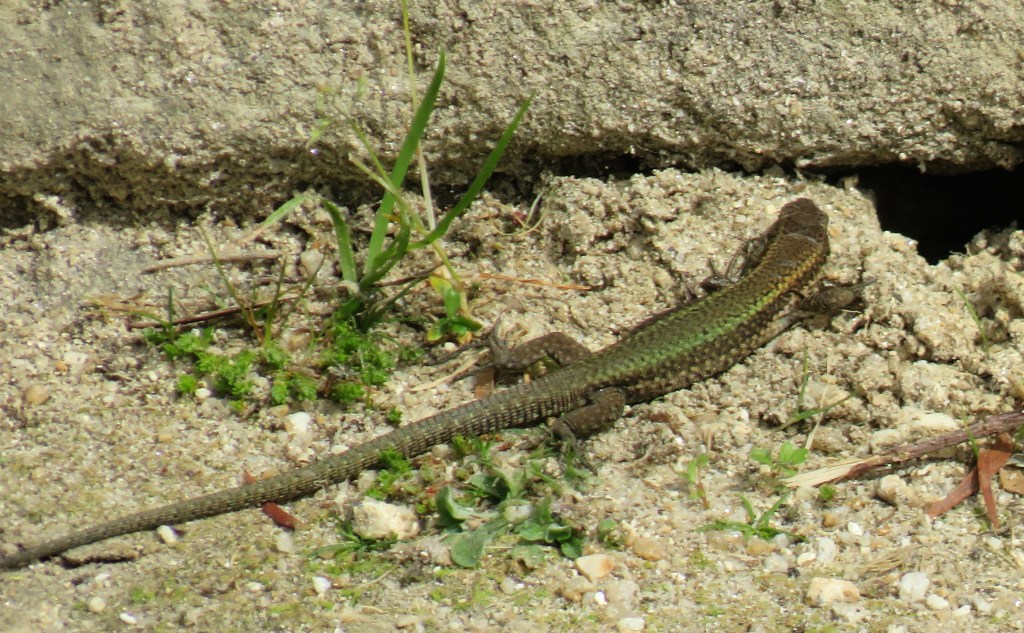
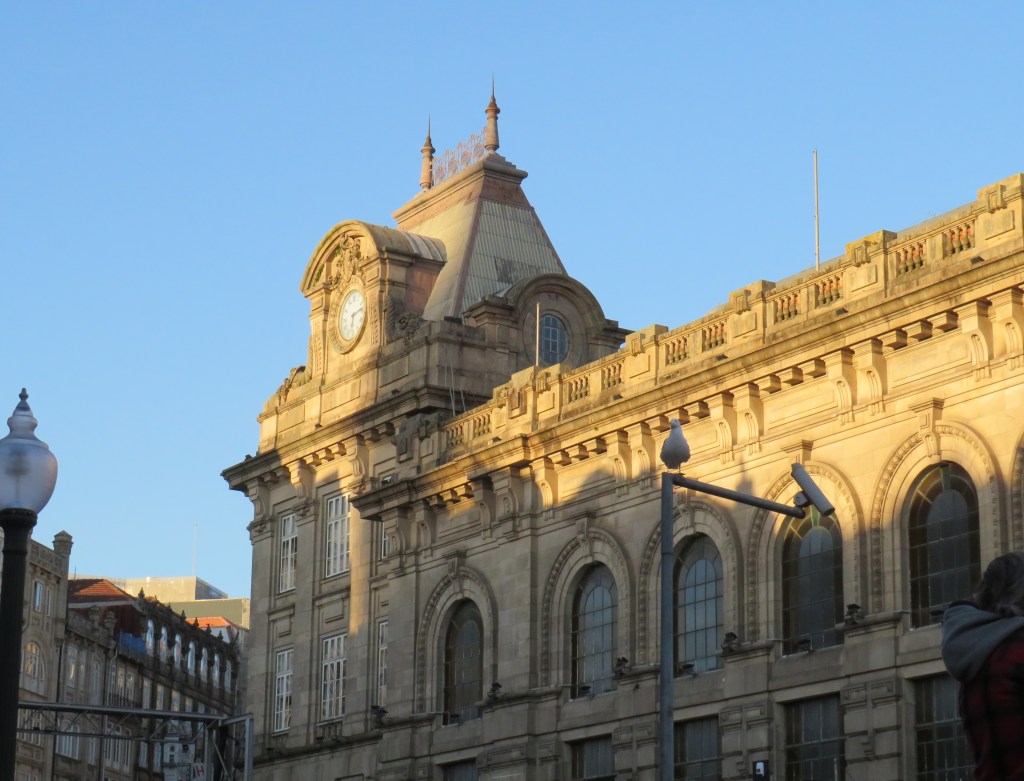
After another very busy, full day, and very full, satisfied tummies, we headed back to the train station, back to our hotel. We made another friend as soon as we hopped off the train too. He was posing for me. He flew right into my face wand wanted me to remember him.
Have a great day and make everyday great. Live life to the fullest. It’s not the destination that matters, but the journey. Enjoy the ride. ‘Til next time.
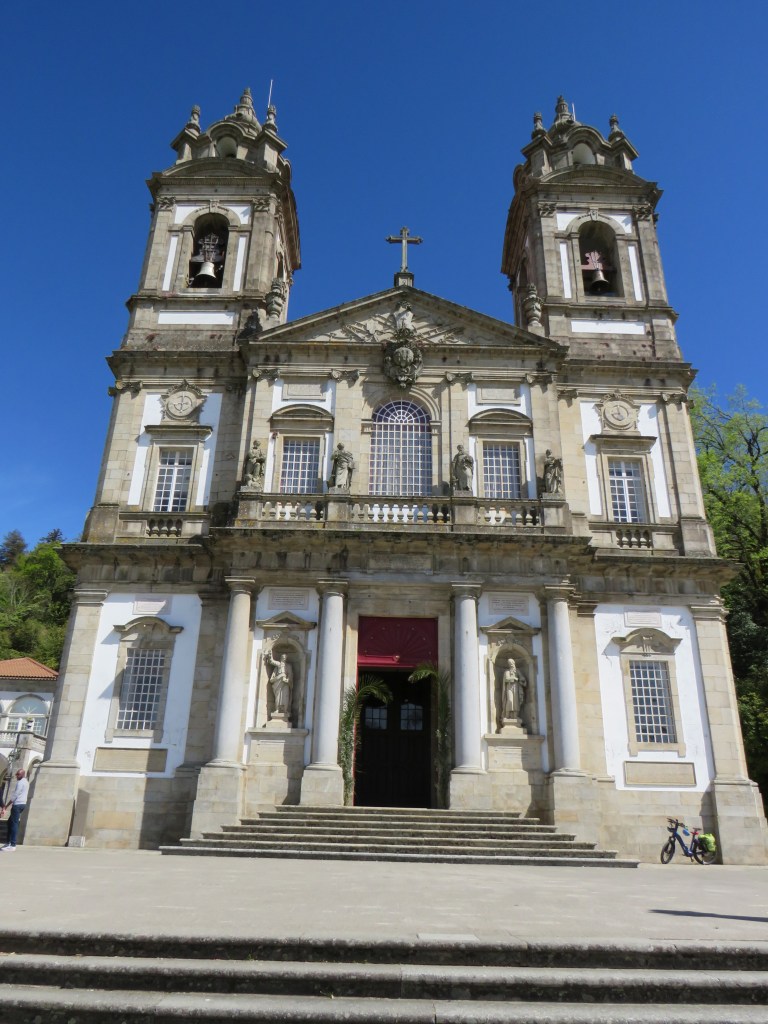
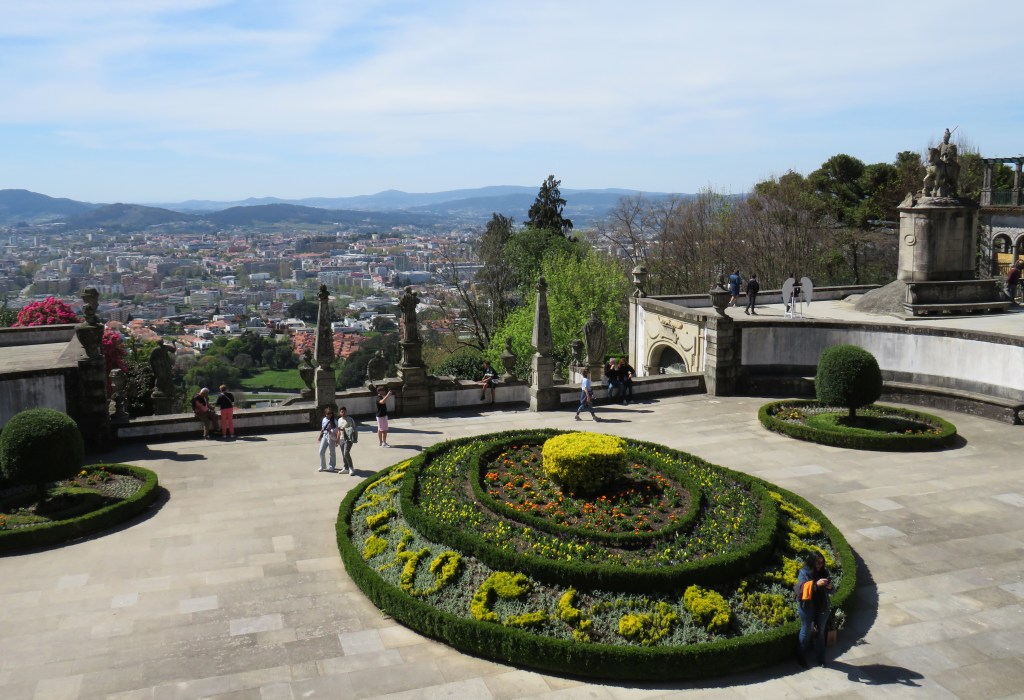
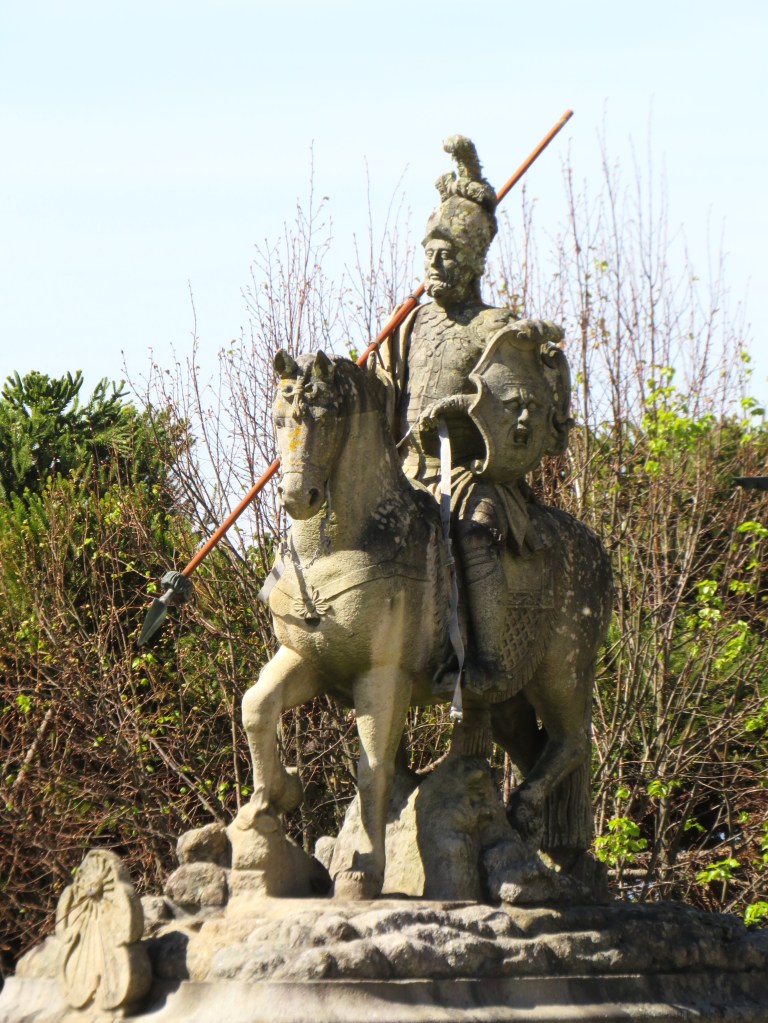
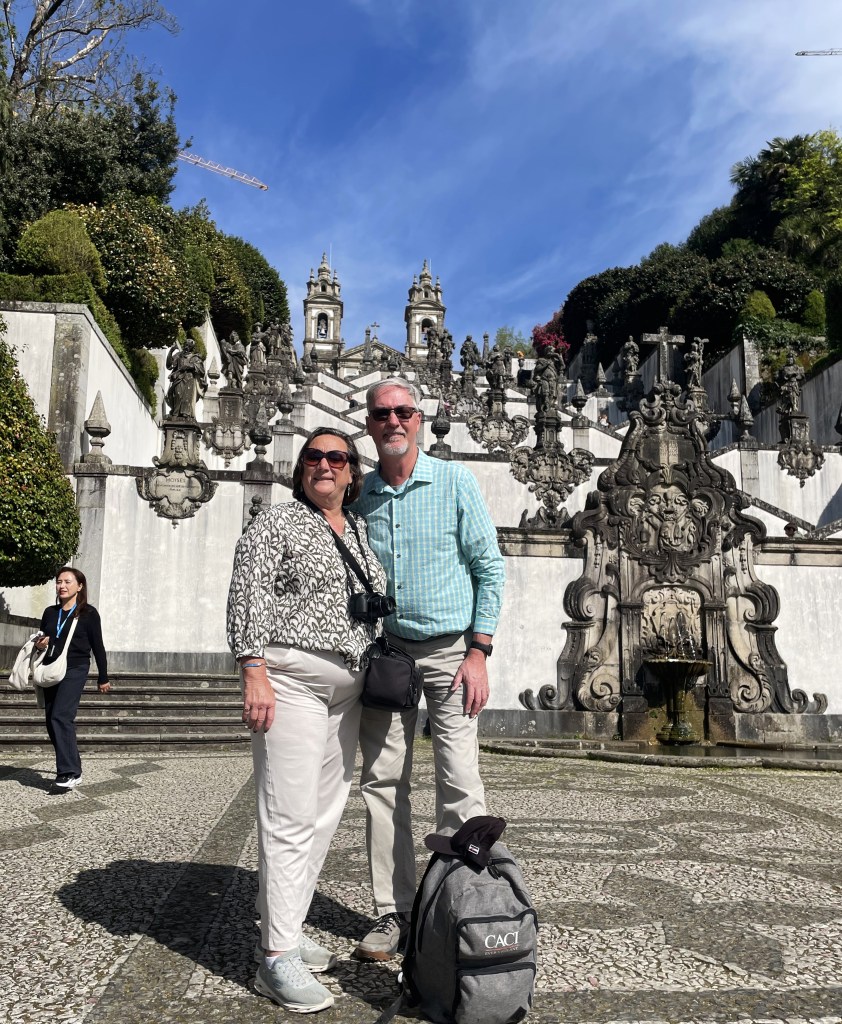
On our third attempt, we were finally successful to make it to Bom Jesus de Monte. Located on the slopes of Mount Espinho, overlooking the city of Braga in the north of Portugal, this cultural landscape evokes Christian Jerusalem, recreating a sacred mount crowned with a church. The sanctuary was developed over a period of more than 600 years, primarily in a Baroque style, and illustrates a European tradition of creating Sacri Monti (sacred mountains), promoted by the Catholic Church at the Council of Trent in the 16th century, in reaction to the Protestant Reformation. The Bom Jesus ensemble is centered on a Via Crucis that leads up the western slope of the mount. It includes a series of chapels that house sculptures evoking the Passion of Christ, as well as fountains, allegorical sculptures and formal gardens. The Via Crucis culminates at the church, which was built between 1784 and 1811. The granite buildings have whitewashed plaster façades, framed by exposed stonework. The celebrated Stairway of the Five Senses, with its walls, steps, fountains, statues and other ornamental elements, is the most emblematic Baroque work within the property. They are framed by lush woodland and embraced by a picturesque park that, masterfully set on the rugged hill, highly contributes to the landscape value of the ensemble. The site is a Sacro Monte (Sacred Mountain), designed to take worshippers on a journey of the senses and faith, a popular theme in European Baroque architecture. Its name means Good Jesus of the Mount.
This is the basilica that sits atop the mountain overlooking the city of Braga. We couldn’t take pictures inside, but yet again, it was a beautiful cathedral. You will just have to take my word for it.
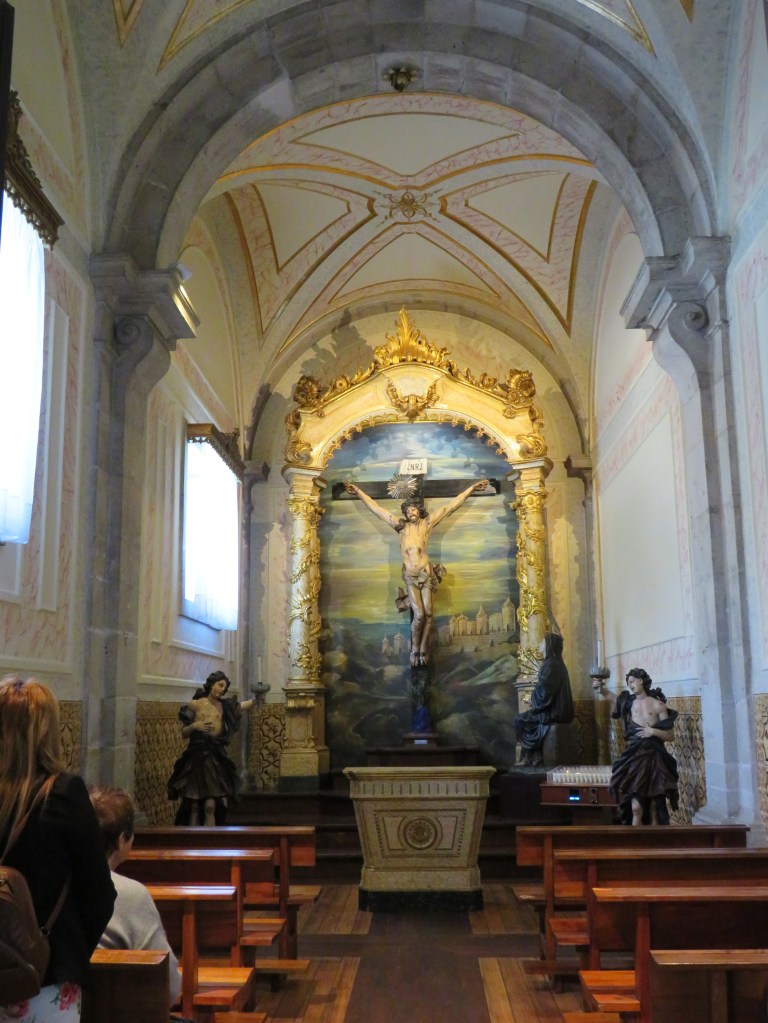
I did get one picture though before seeing the sign that said no photography allowed.
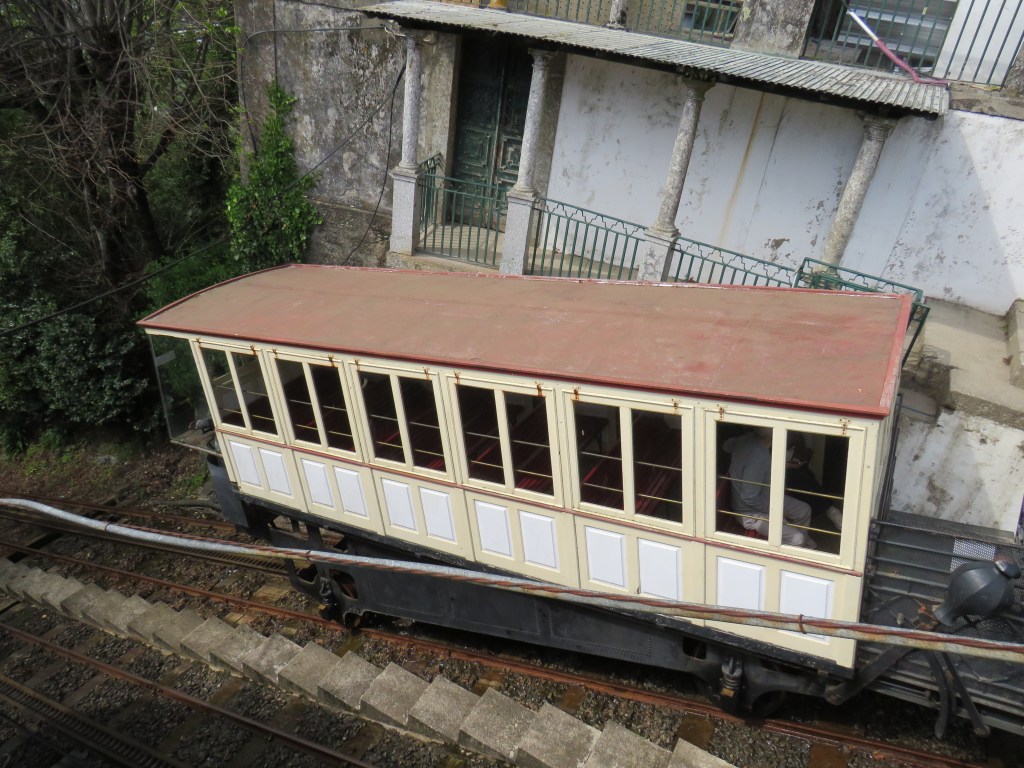
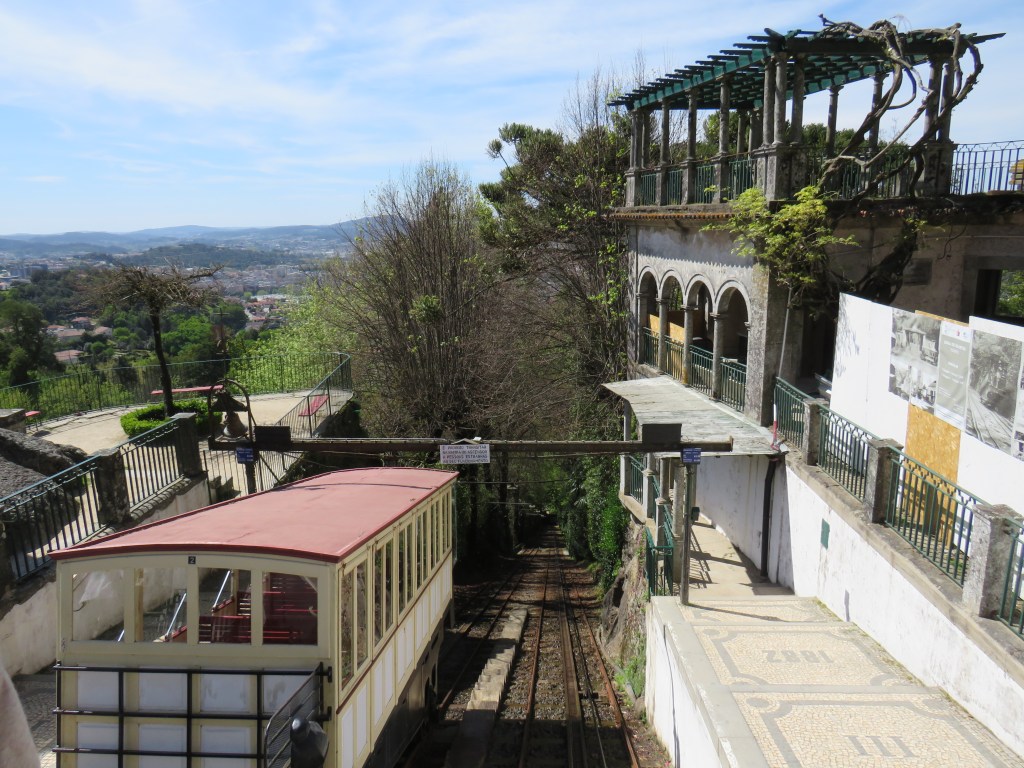
There was NO WAY we were going to hike up the mountain to see Bom Jesus, but fortunately we didn’t have to. There was a funicular that took us up the mountain instead. In fact, it is one of the only, if not the only, hydro powered funicular in the world.
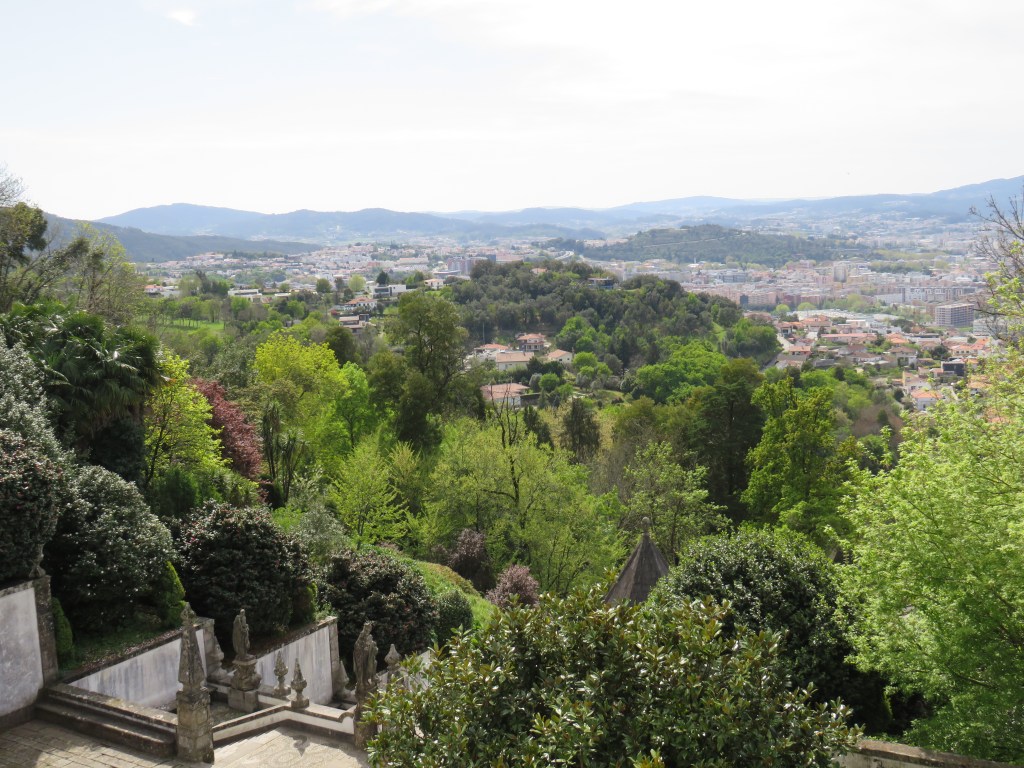
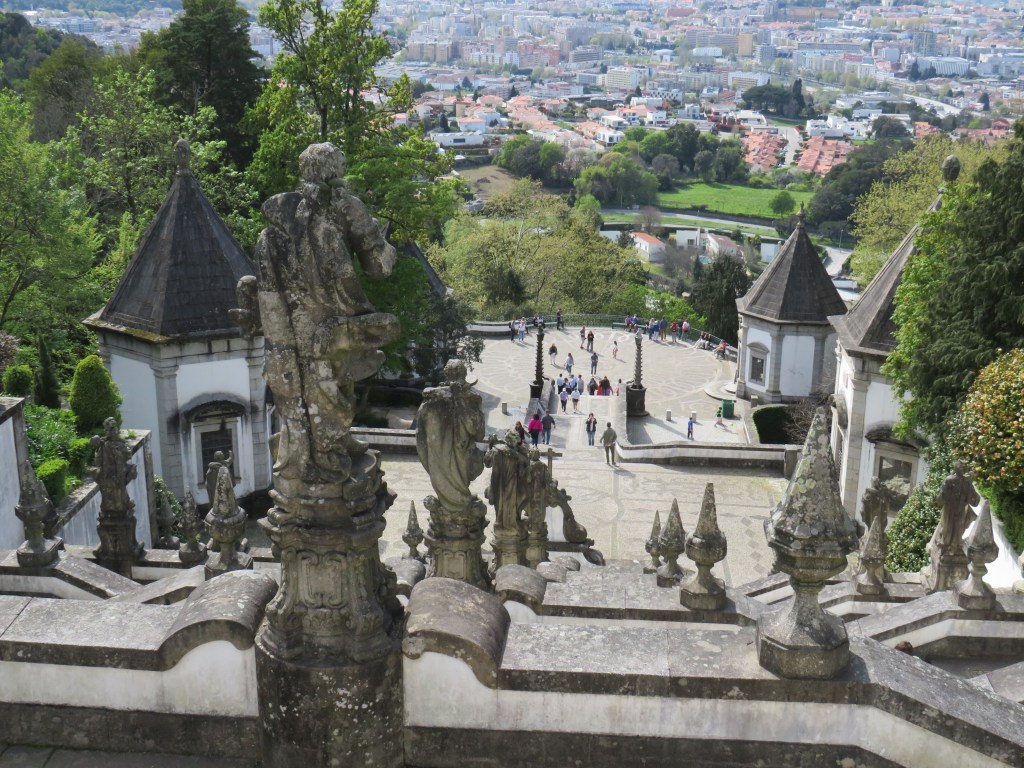
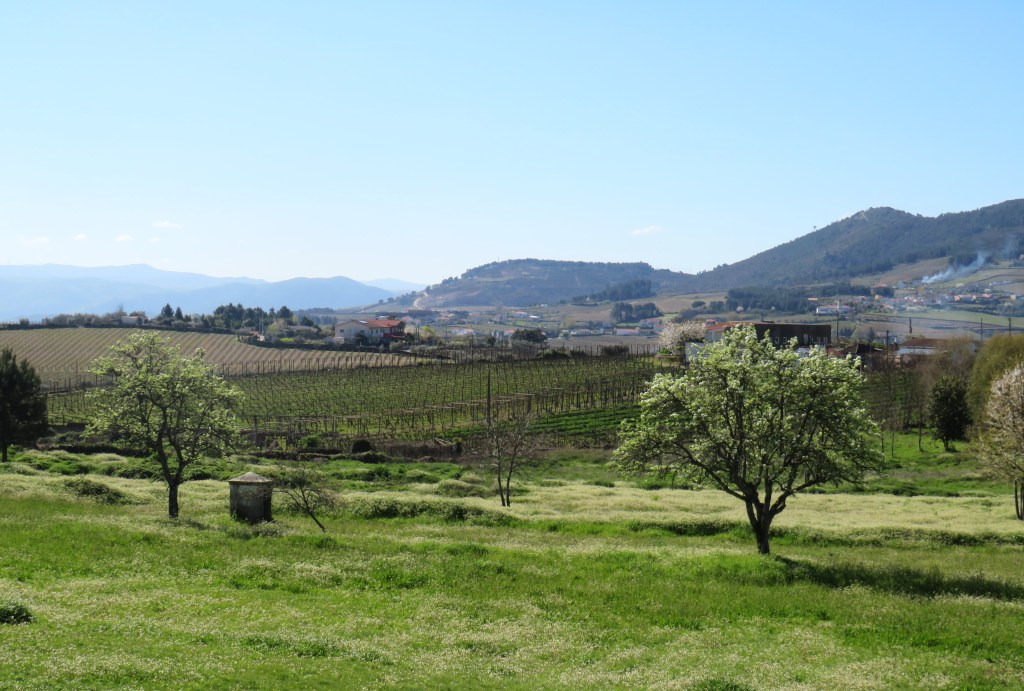
The views were stunning.
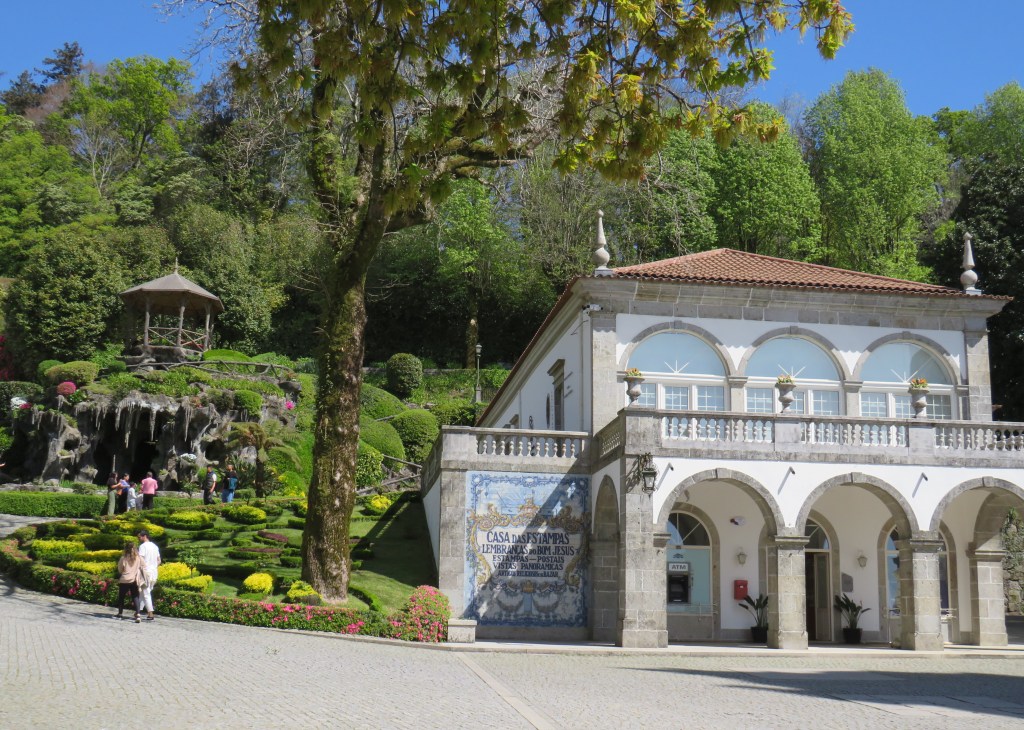
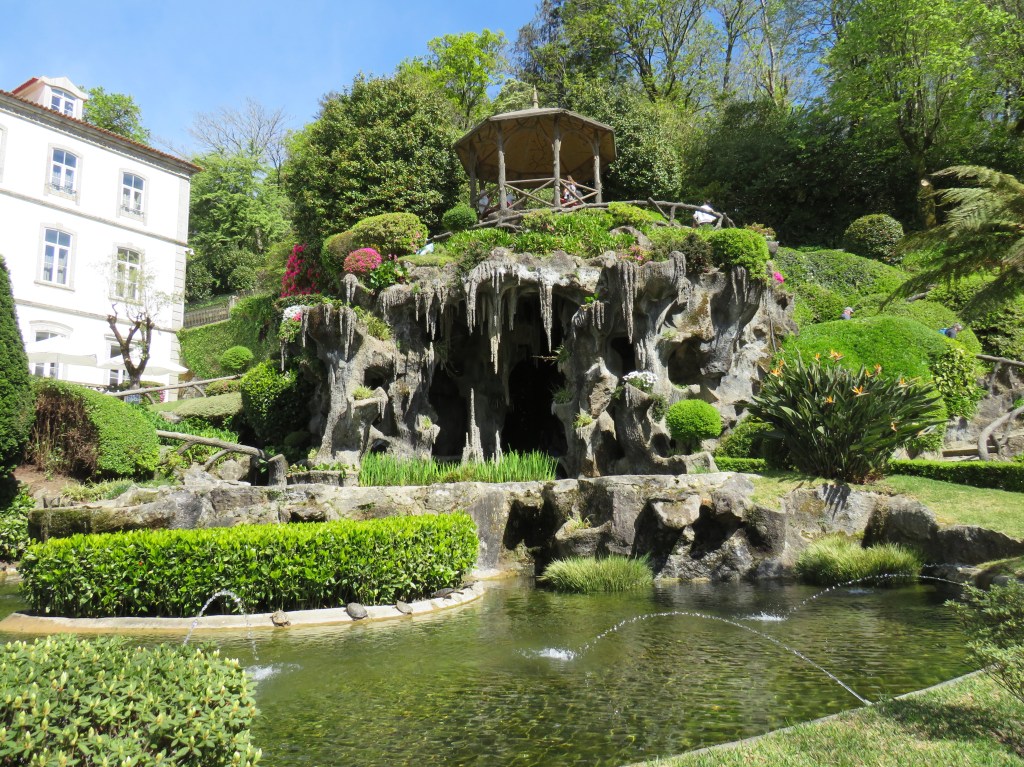
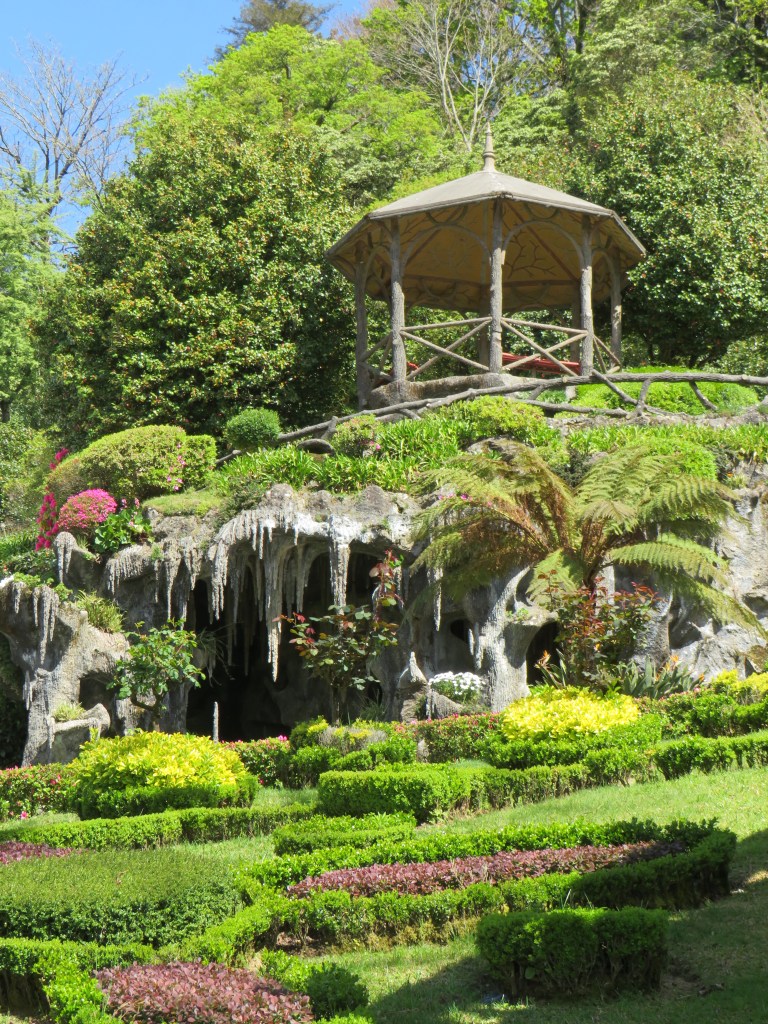
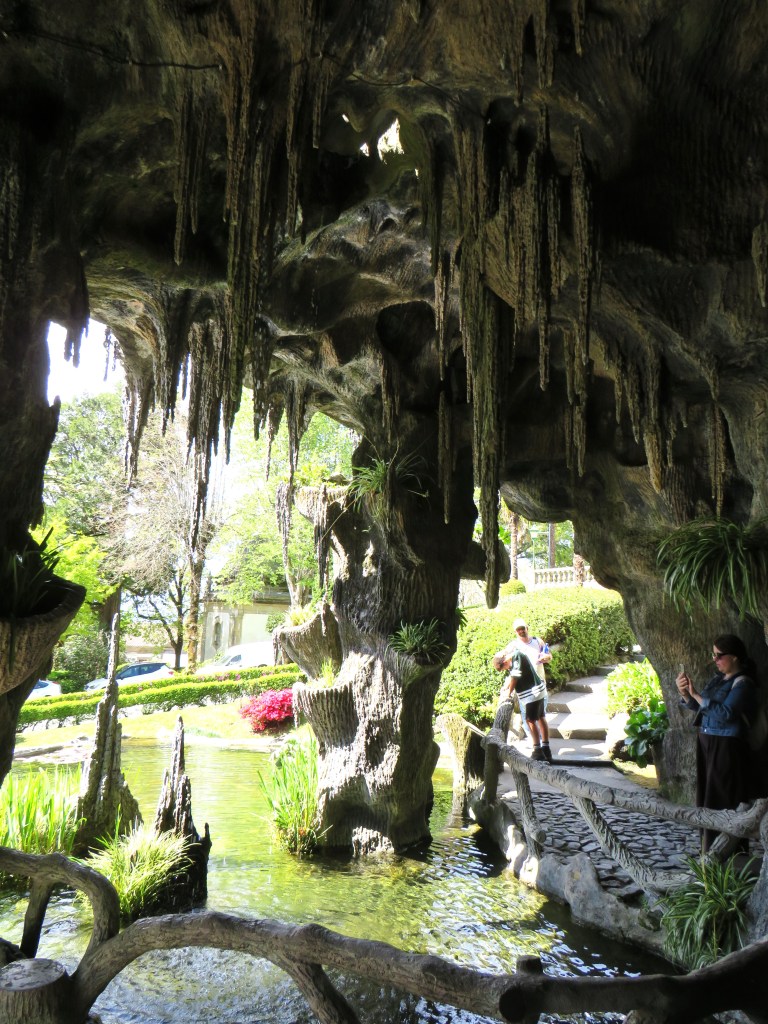
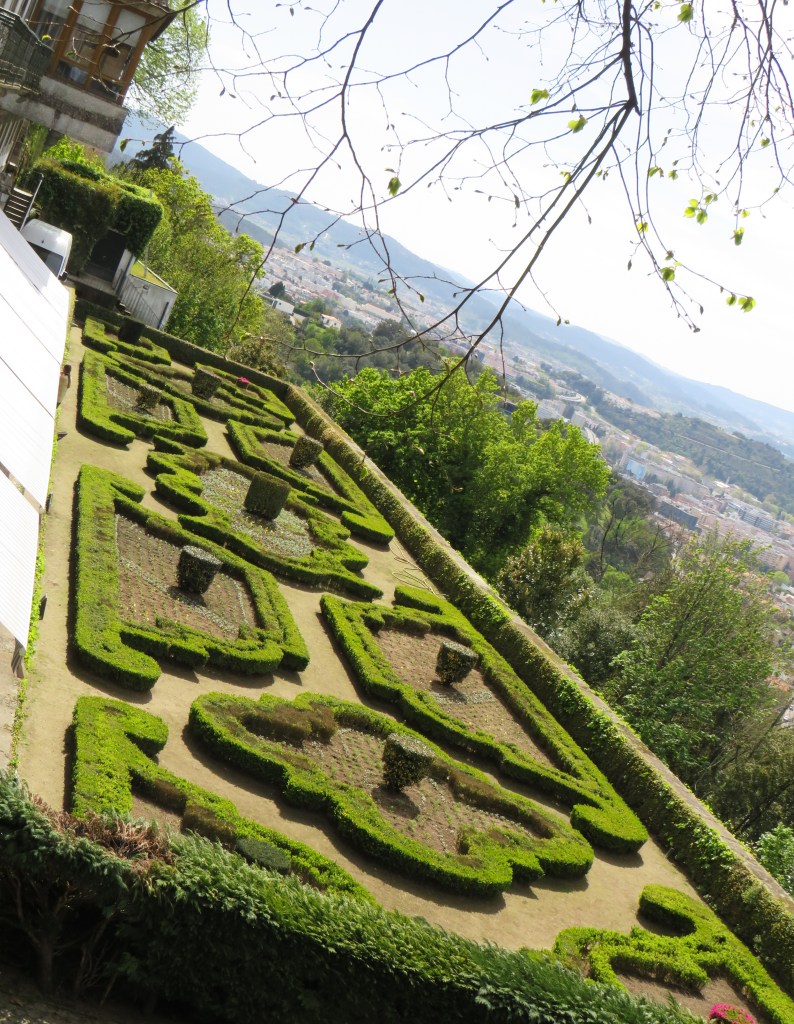
These are the beautiful ground of Bom Jesus. There is also a hotel on the property if people want to stay there too.
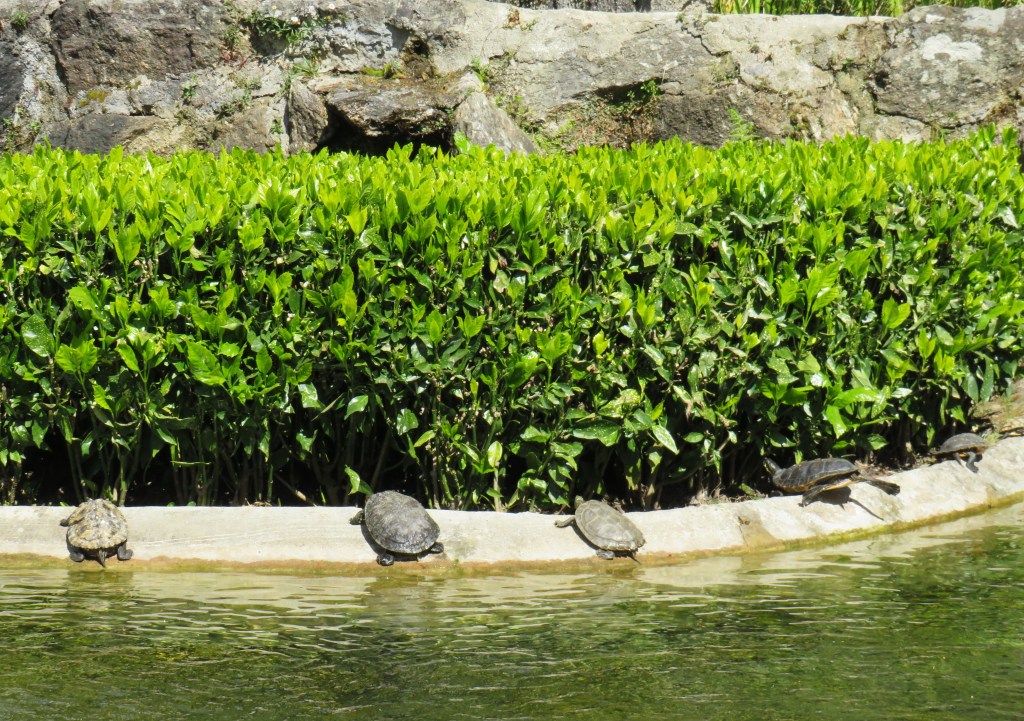
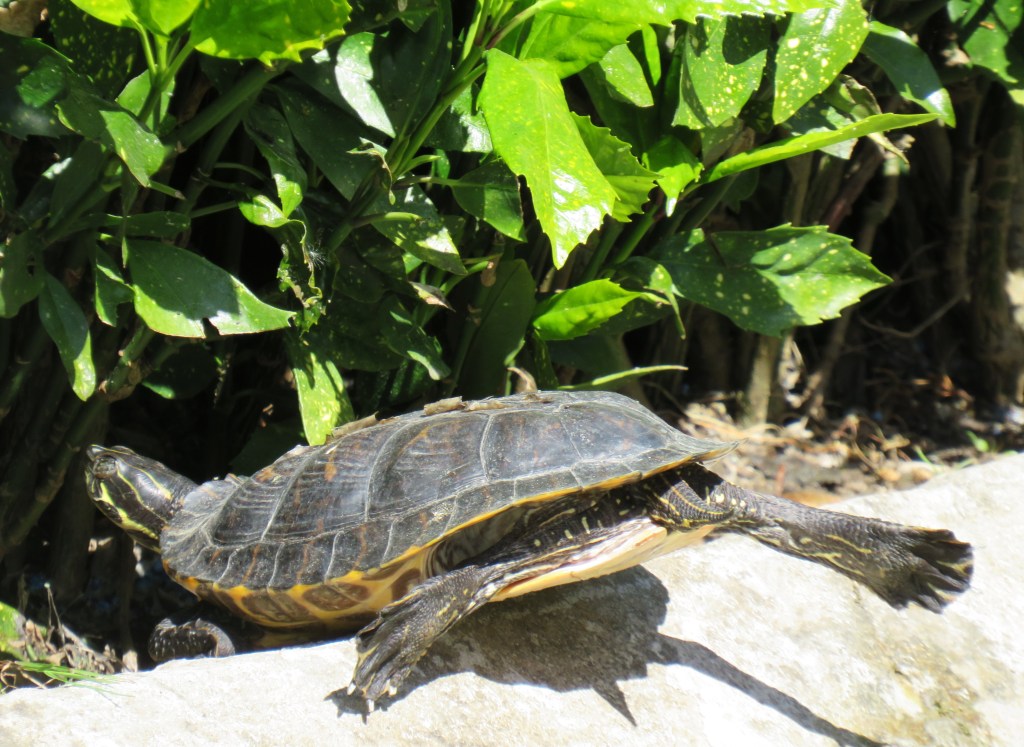
There was a little fountain below the grotto, and there was a family of turtles hanging out in the sun, catching a few rays.
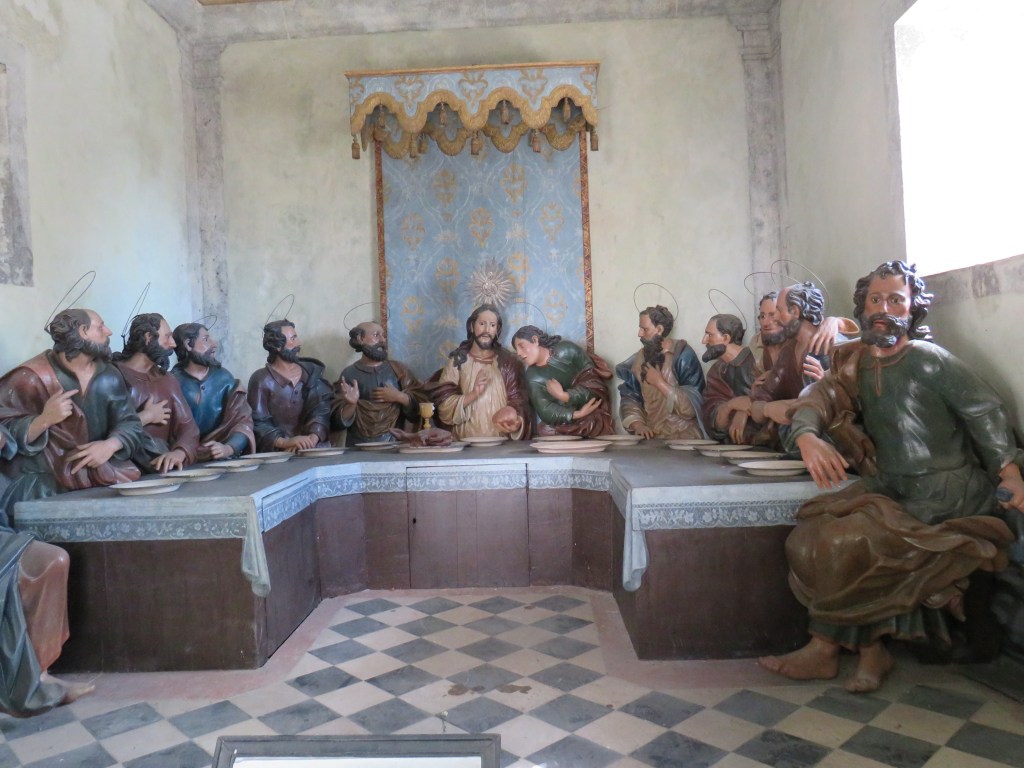
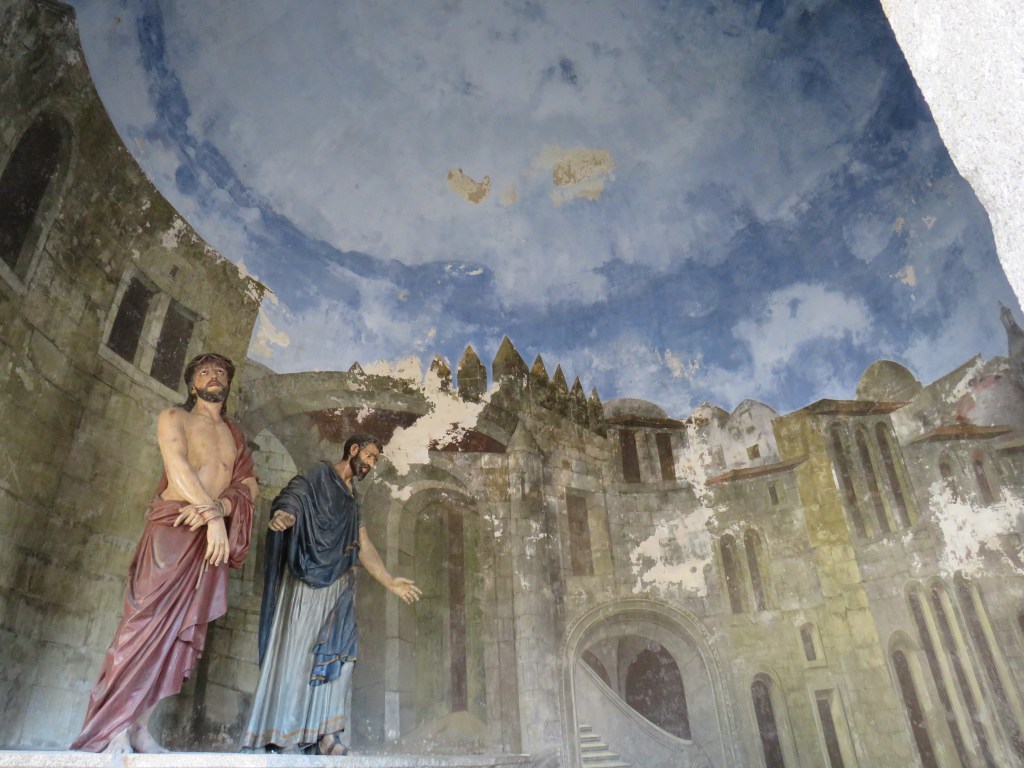
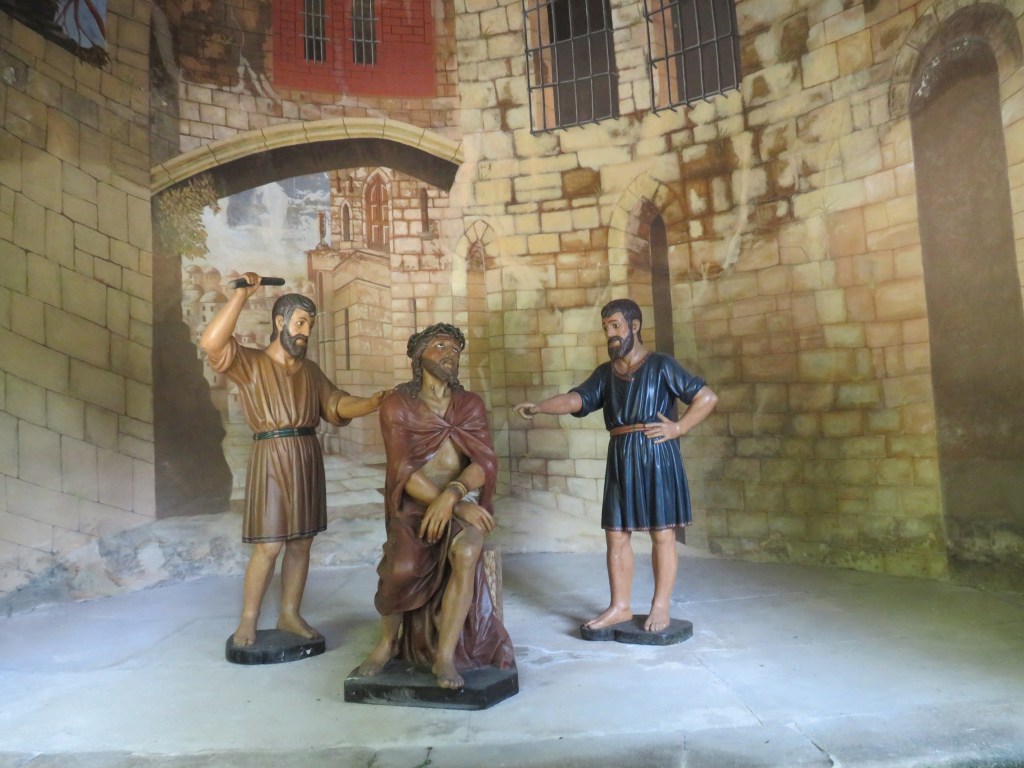
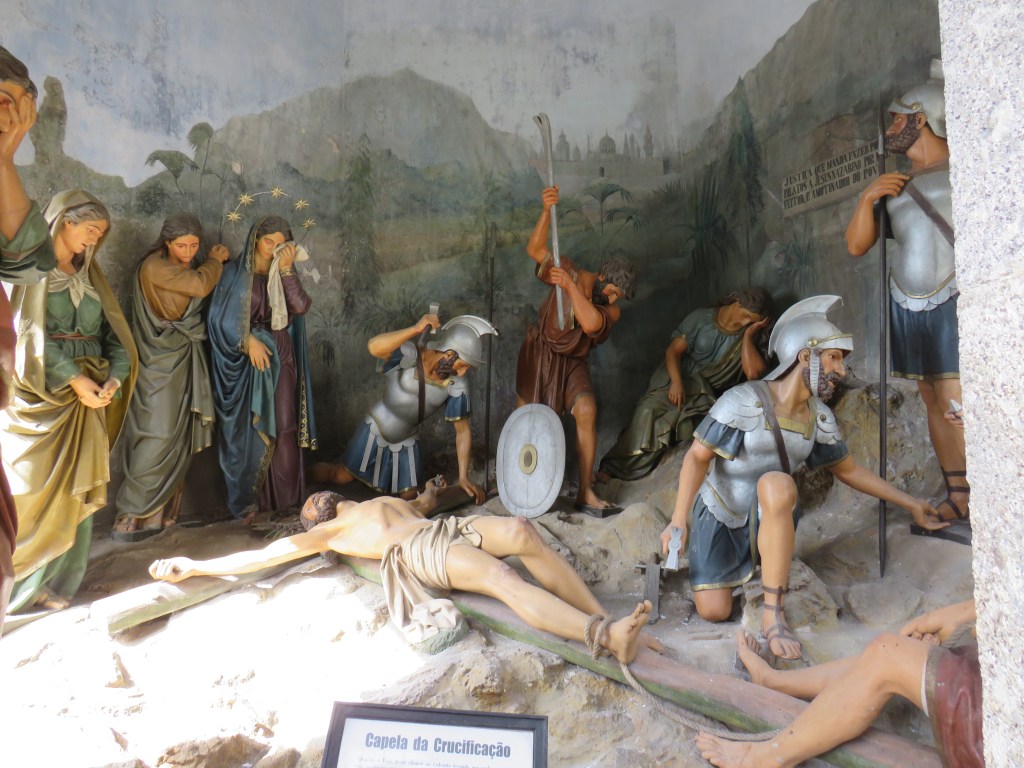
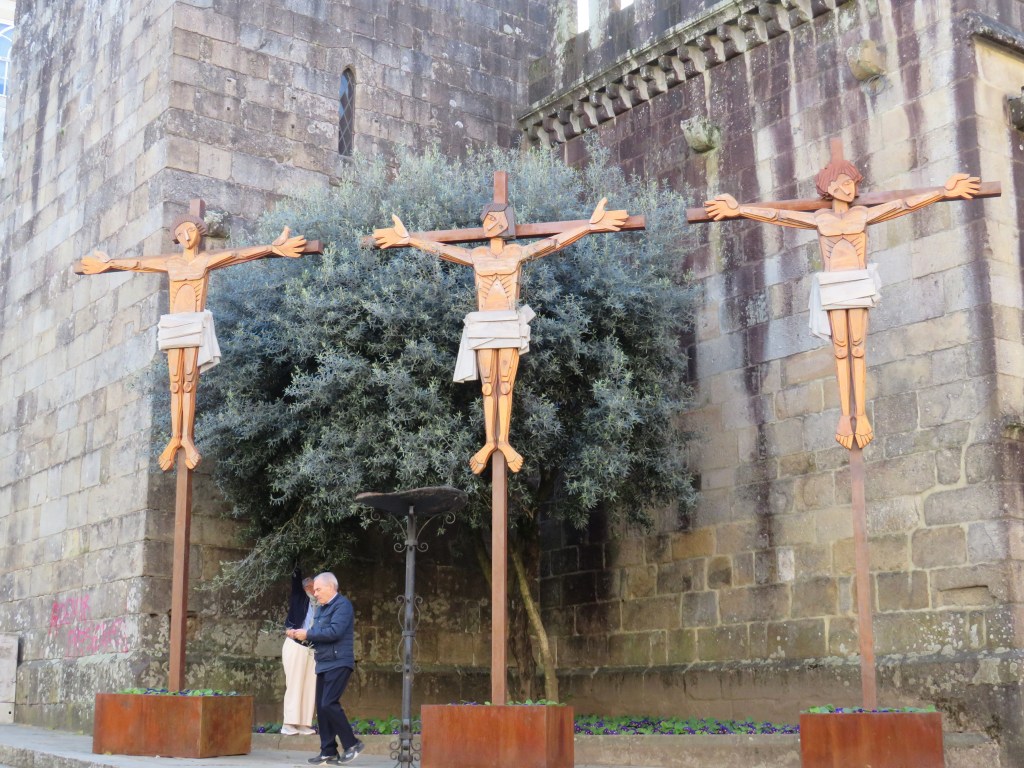
We took the funicular up the steep mountain, but we walked down the steps, layer by layer, to get to the bottom. Each layer had different depictions of Christ leading up to His crucifixtion.
I won’t show you all of them, but this will give you an idea. As I have mentioned previously, Portugal is a VERY religious, VERY Catholic country. The Catholic Church and its teachings are THE way of life to roughly 90-95% of the Portuguese people.
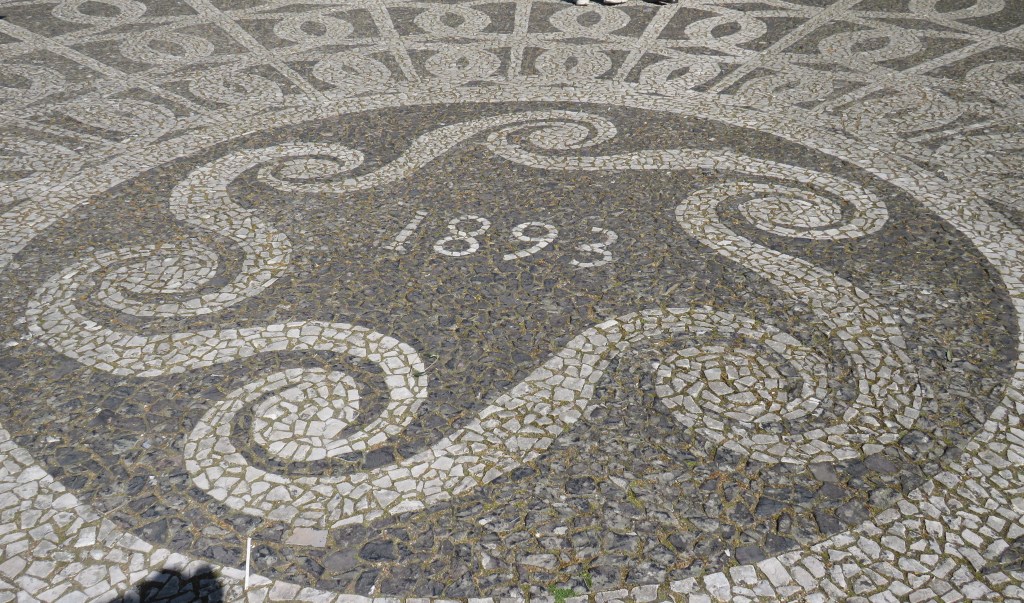
1893 was the year Bom Jesus de Monte was completed, as it is depicted in this beautiful cobblestone piece on the ground.
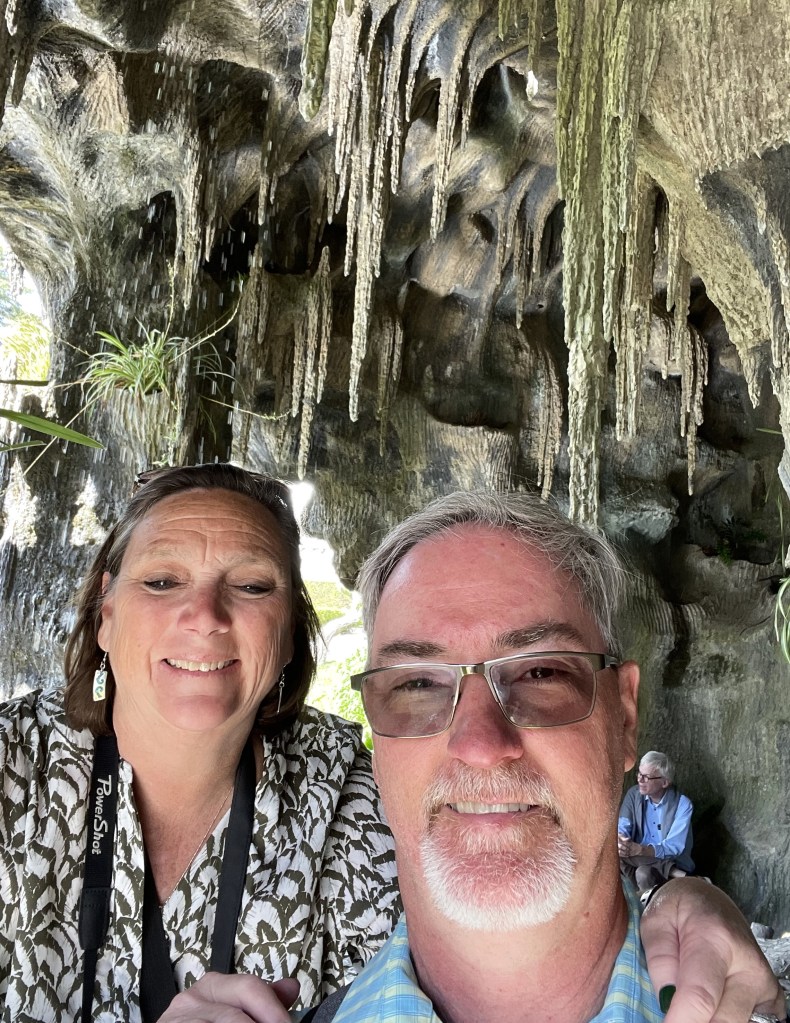
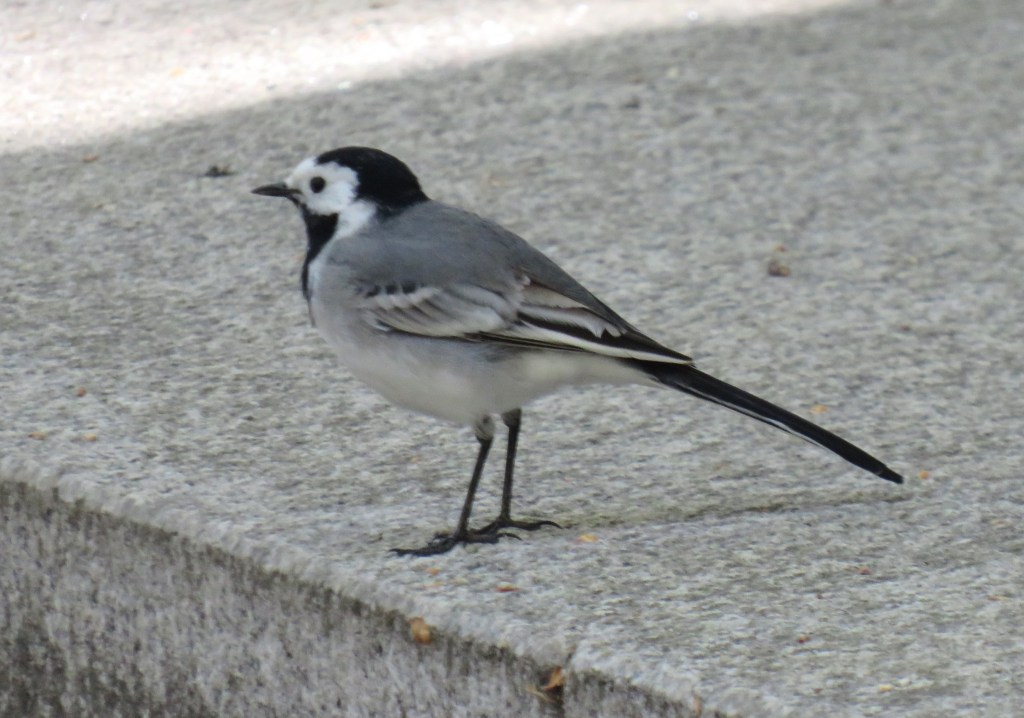
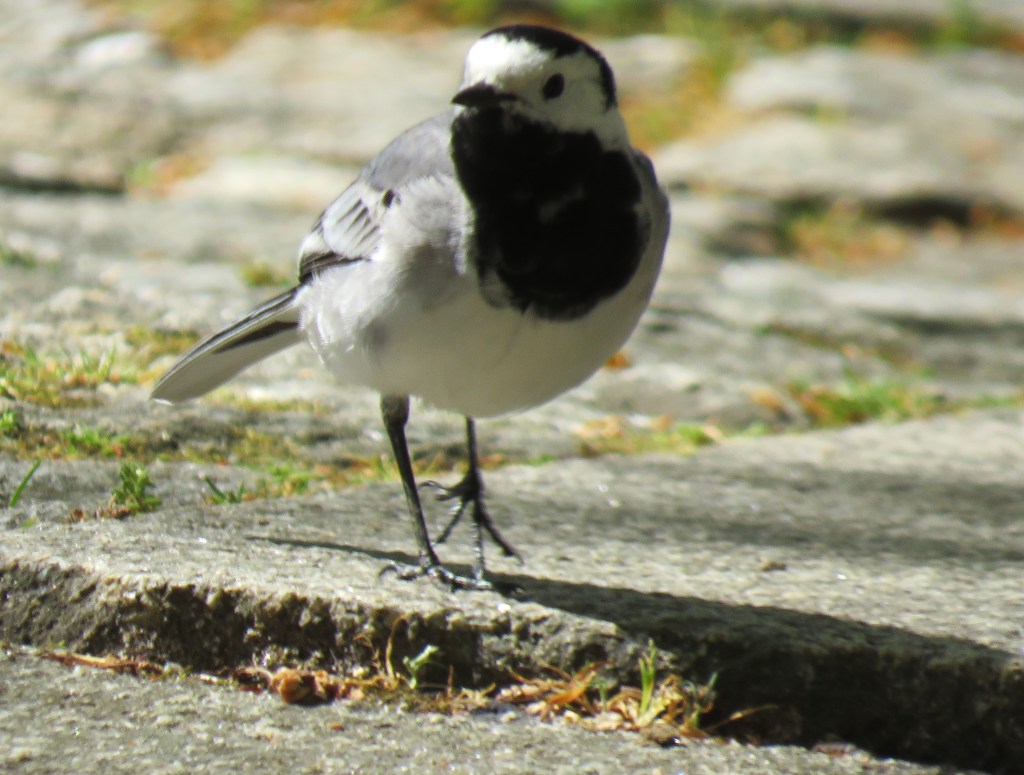
We even made a couple of new friends while there too.
After going down the mountain, we took the bus back into Braga. It was time for dinner, and we were looking for a place to eat.
Bom Jesus de Monte was our last big adventure in Portugal. Our trip is coming to an end. I still have a little more to to share, then our Portuguese adventures will be done. I hope you have enjoyed our travels and adventures. If you have never been to Portugal, I highly recommend going, especially if you like history and/or wine and good food and beautiful vistas.
Have a great day and make everyday great. Live life to the fullest. It’s not the destination that matters, but the journey. Enjoy the ride. ‘Til next time.
Our day in Braga was another very full day of adventures. Unfortunately, Larry couldn’t fully appreciate the day because he was sick with a bad head cold. But he was a trooper, and off we went.
We got into Braga early. We were originally planning on attending the church service since it was palm Sunday, but decided against it.
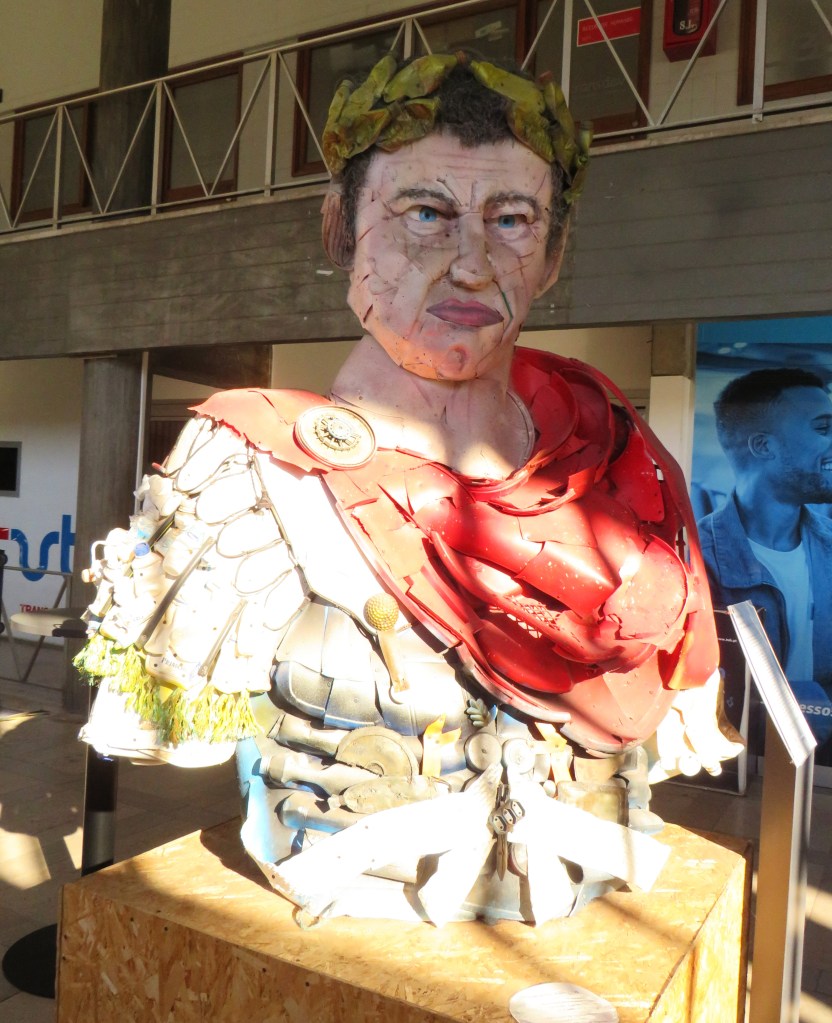
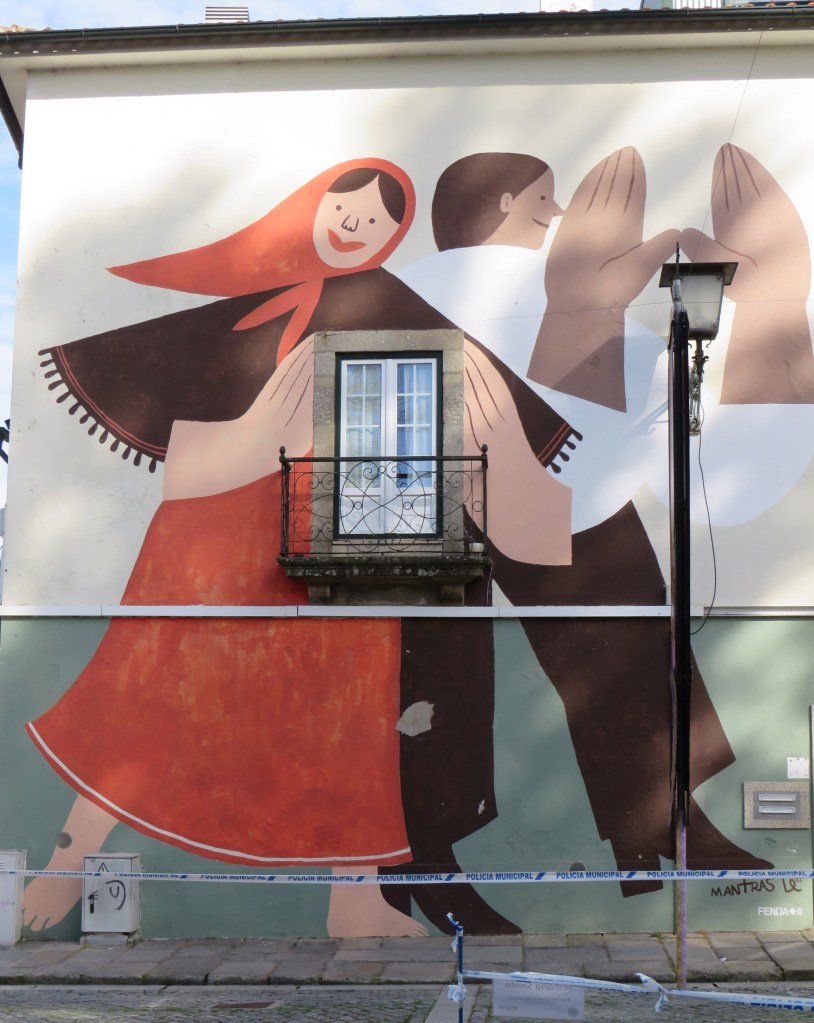
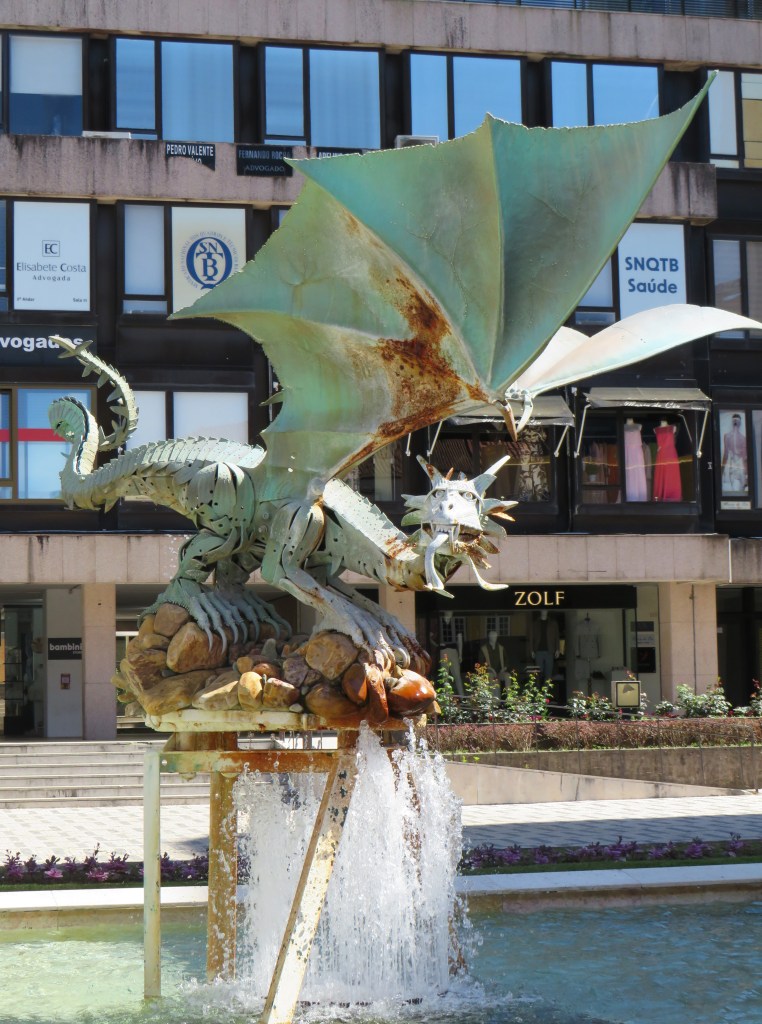
This piece of art greeted us at the metro station as we got off the train.
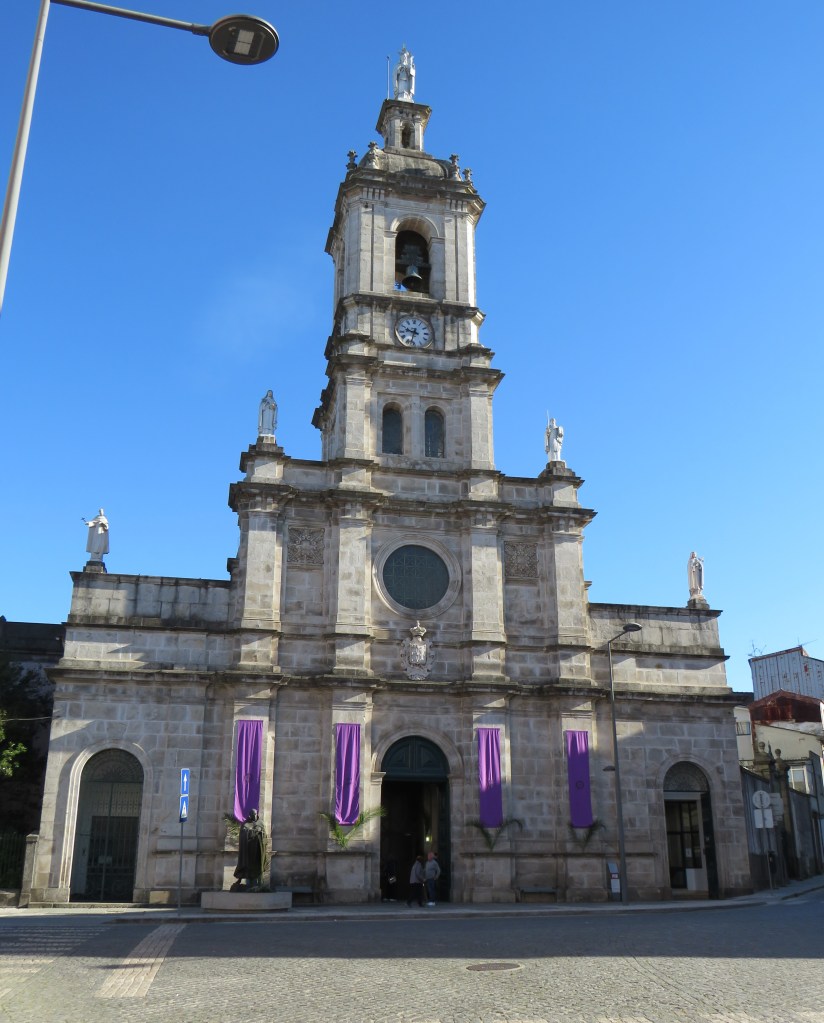
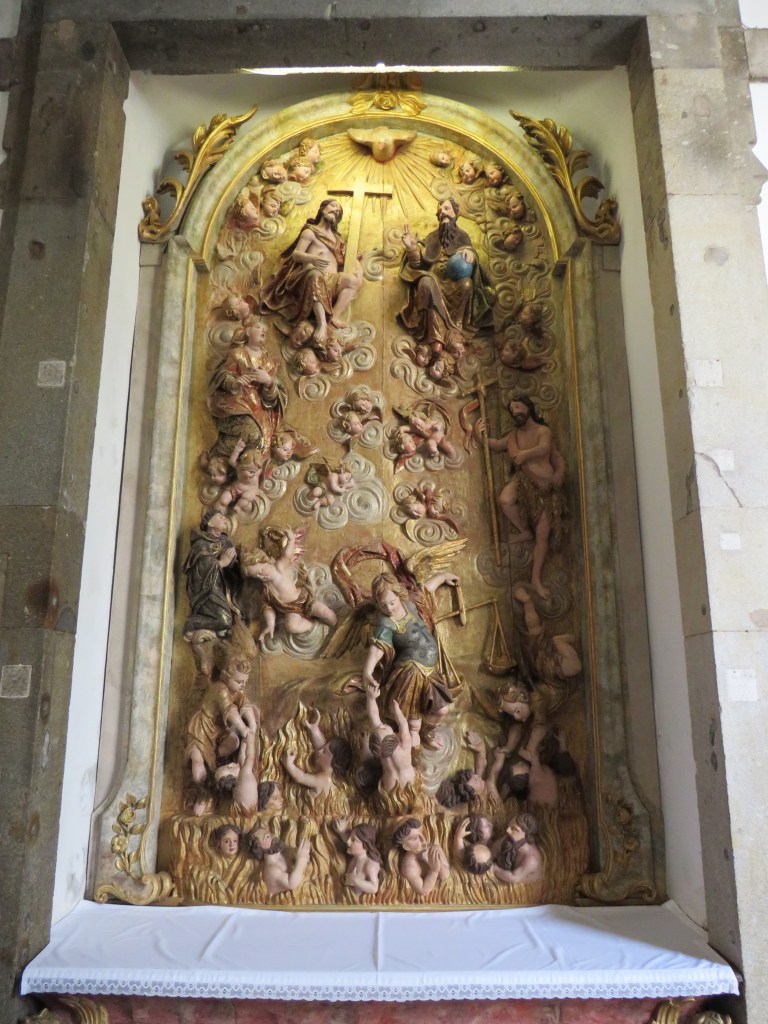
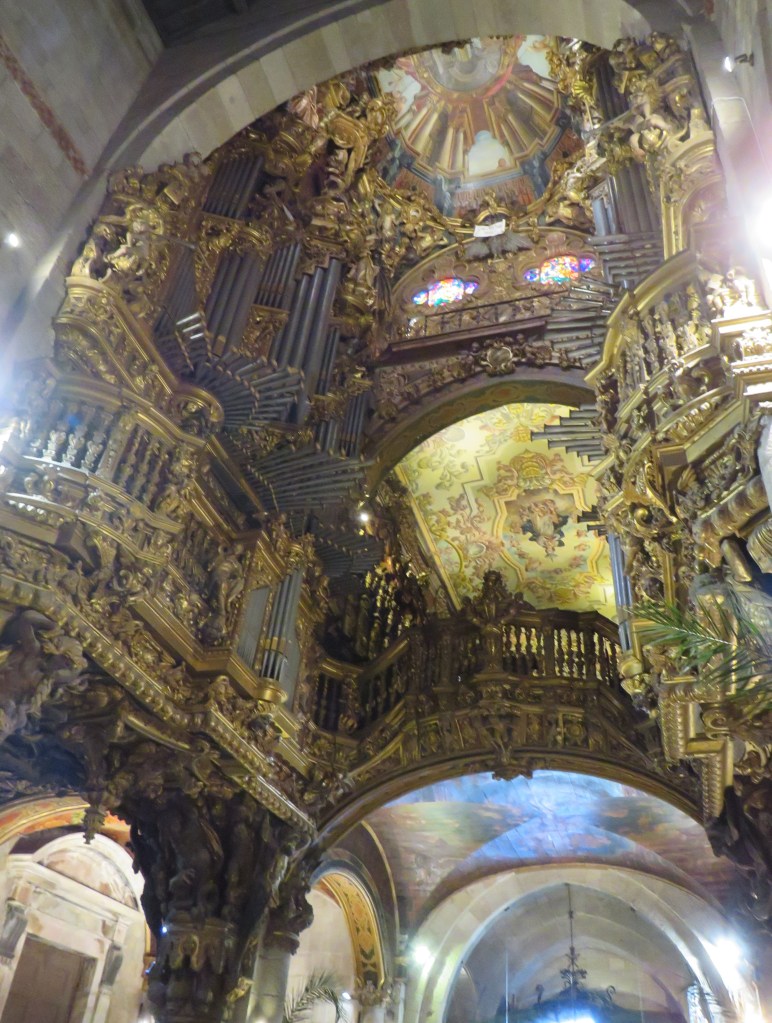
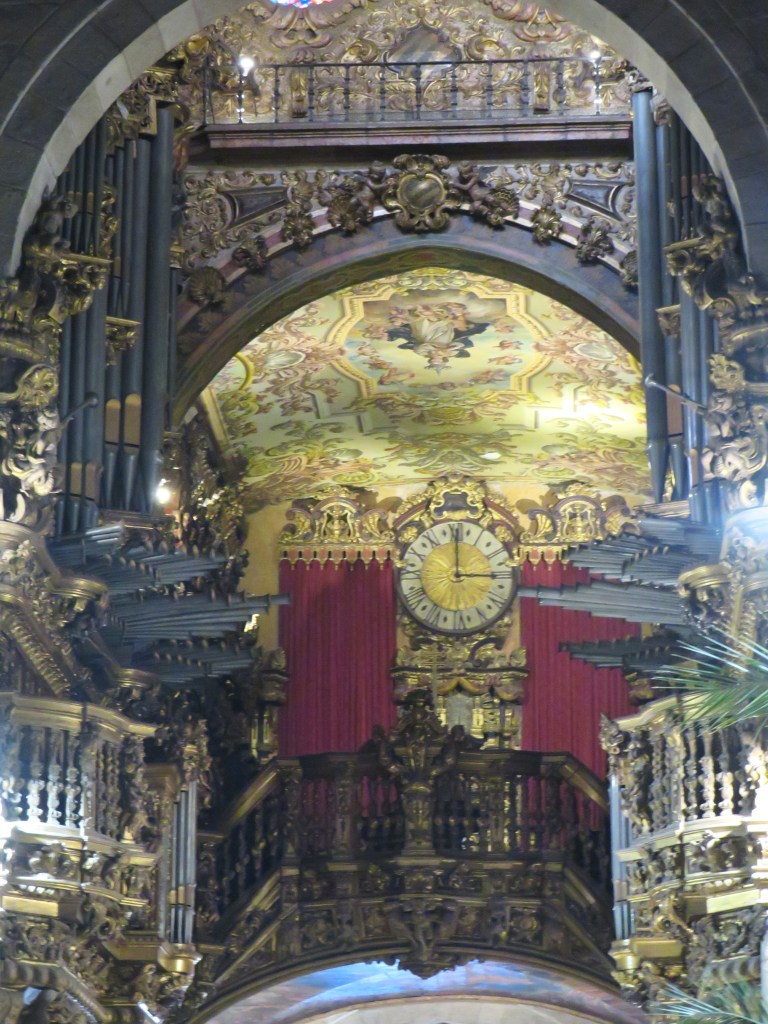
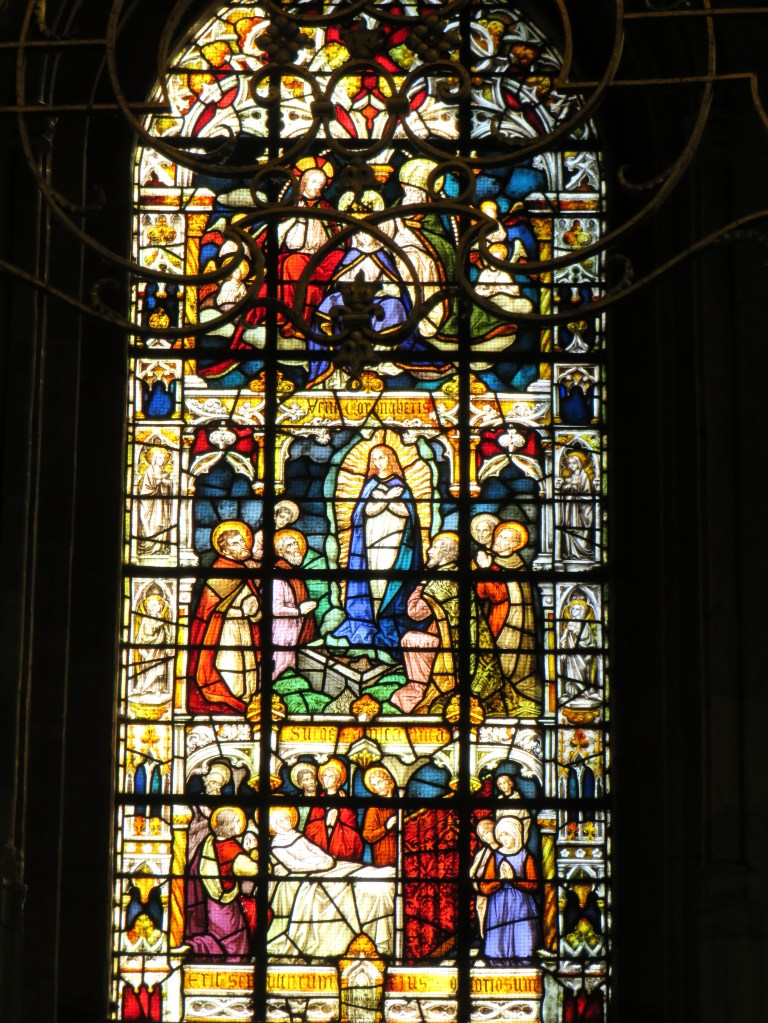
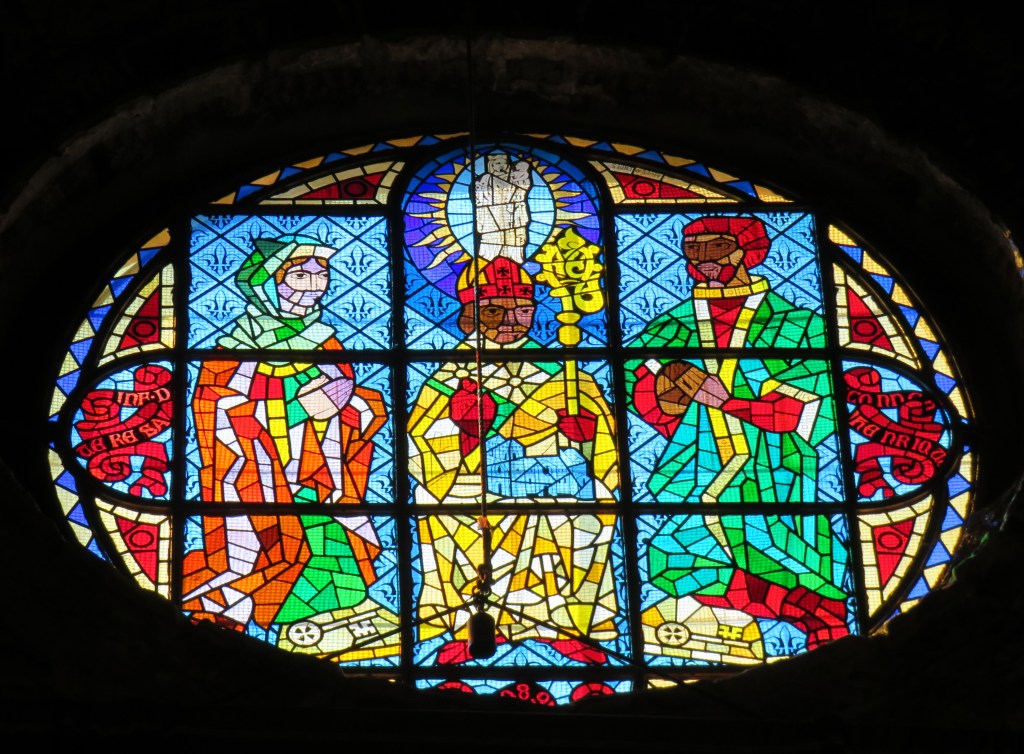
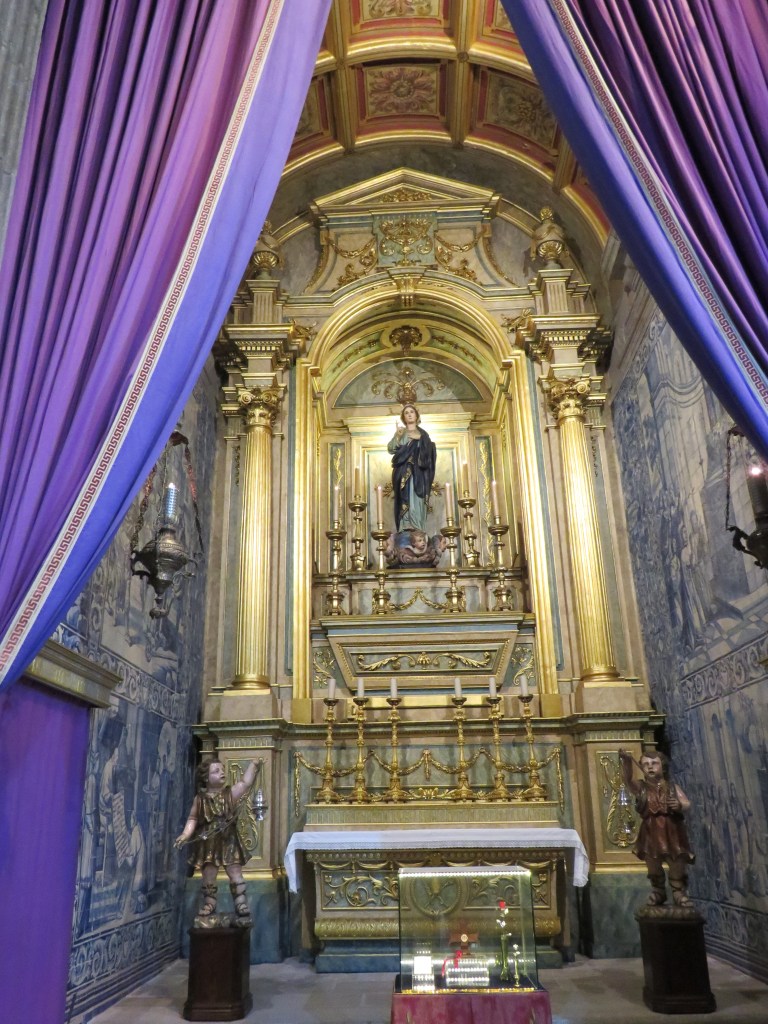
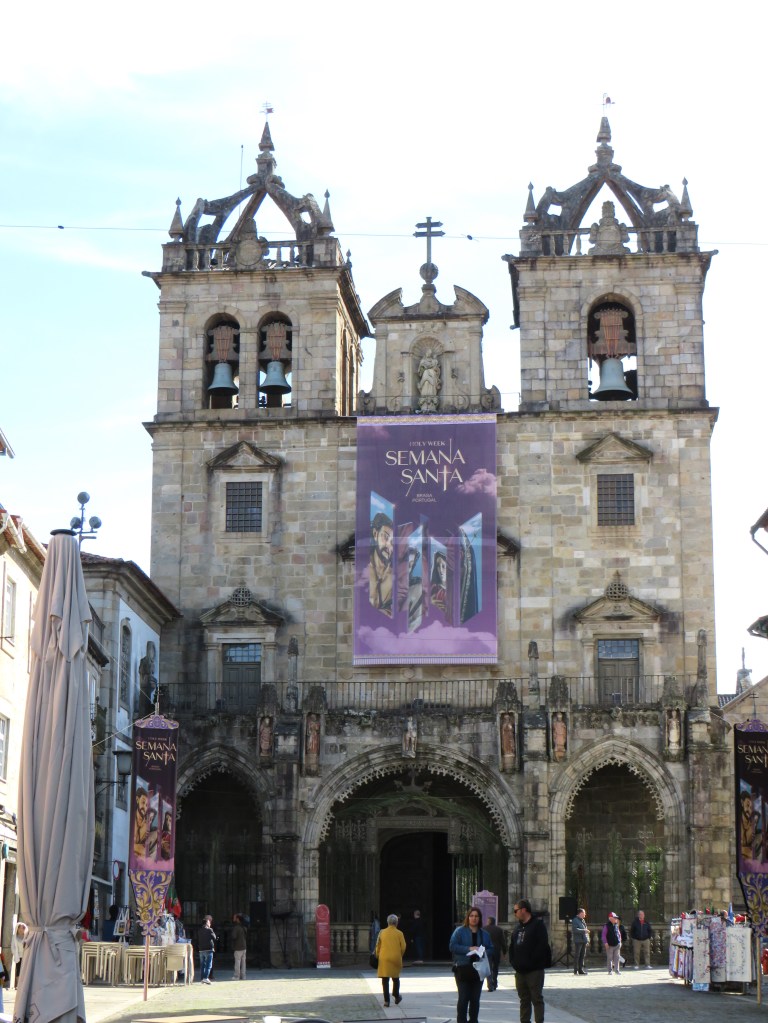
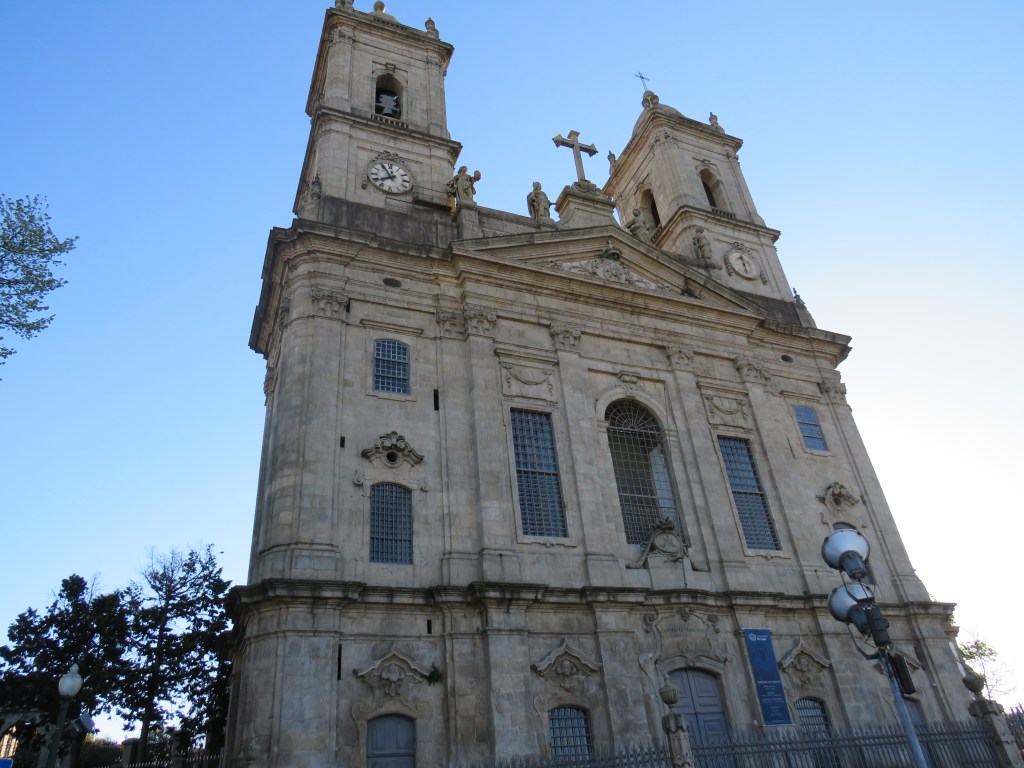
We decided not to go to the Palm Sunday service, but we toured around inside the cathedral before the service. As with all the other churches and cathedrals we visited, in was very ornate and beautiful inside.
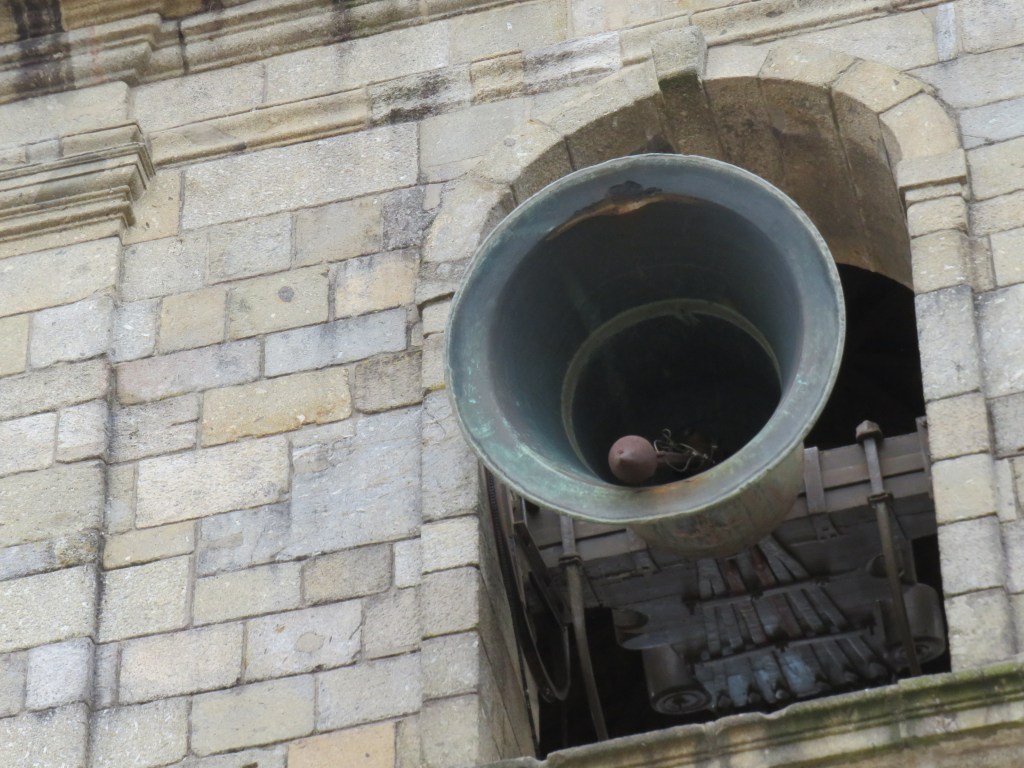
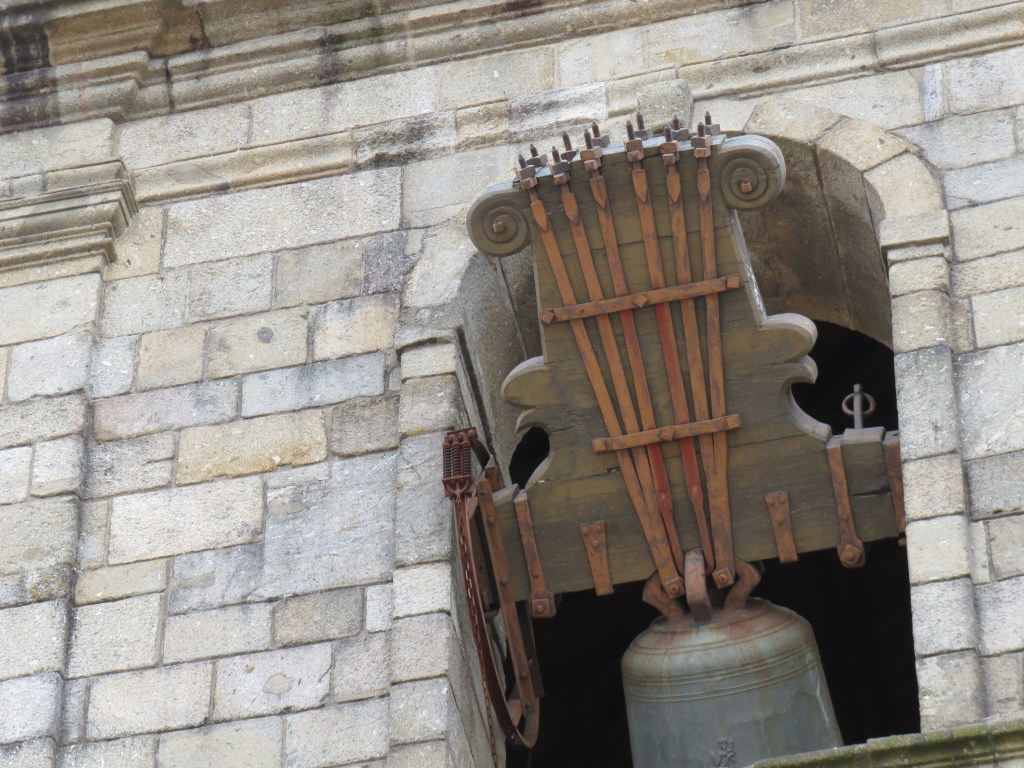
I got a couple of good pictures of the bells ringing too.
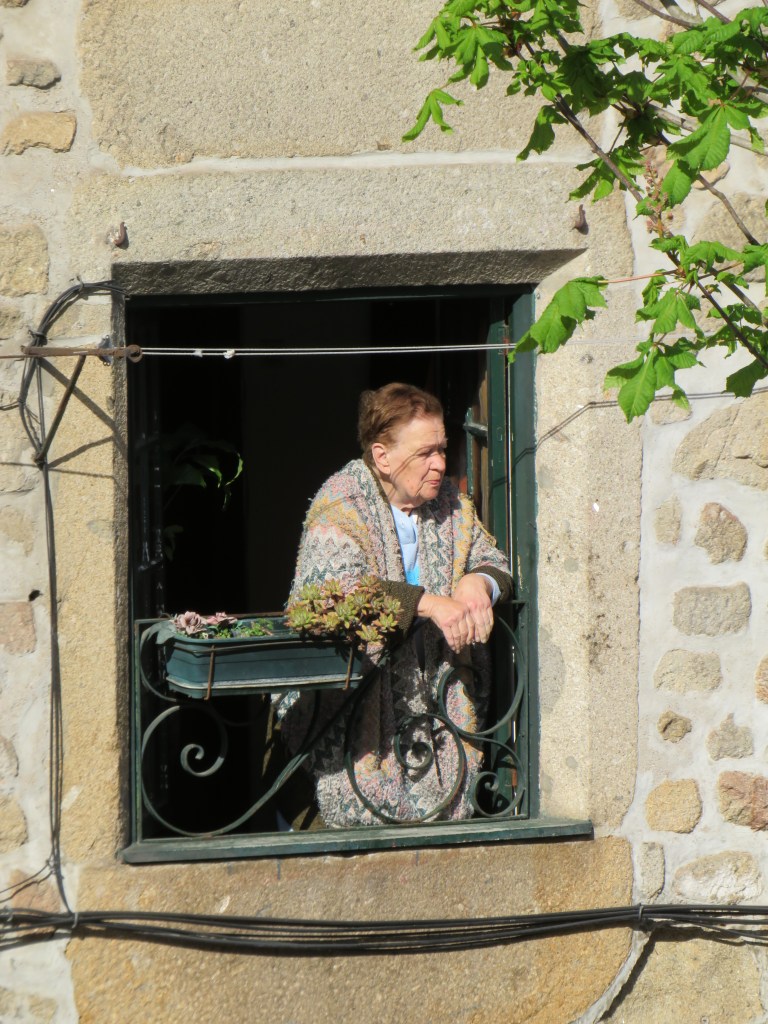
I thought this picture was just iconic. An elderly woman peering out her window, waiting to catch a glimpse of the bishop as he walked by.
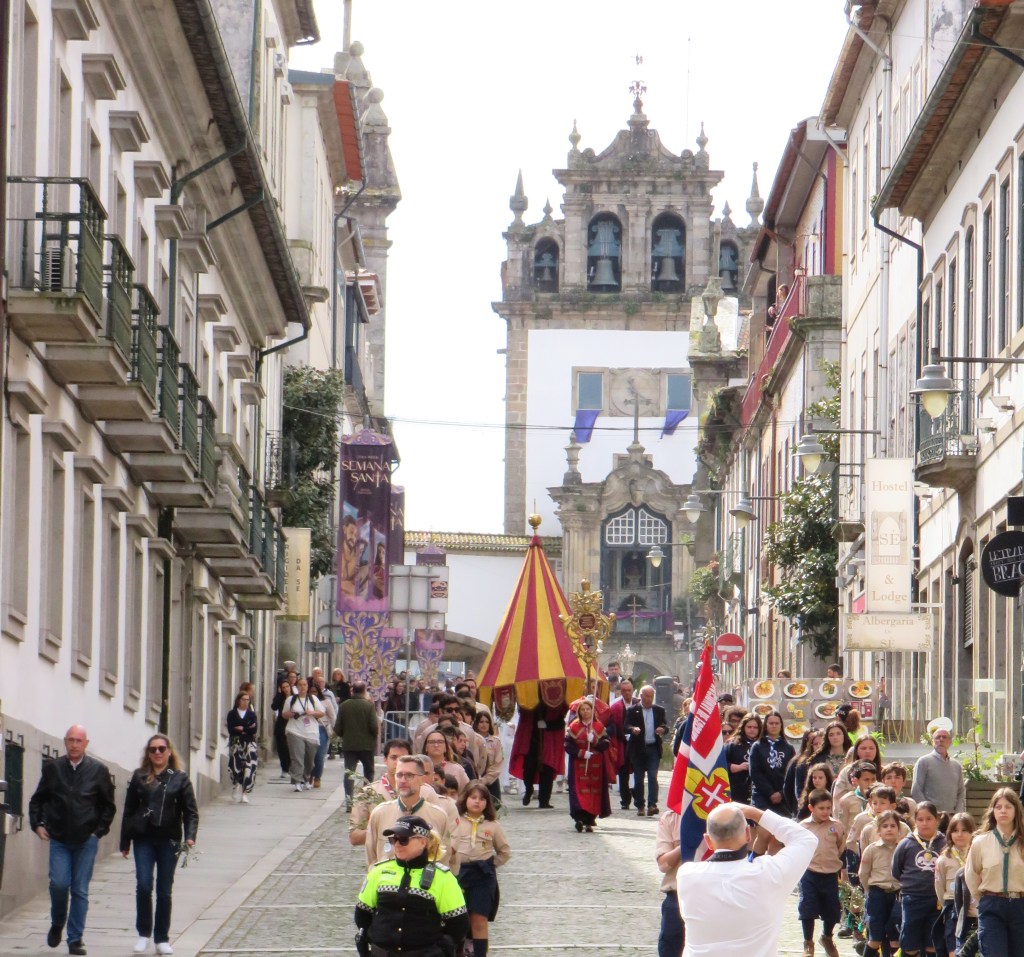
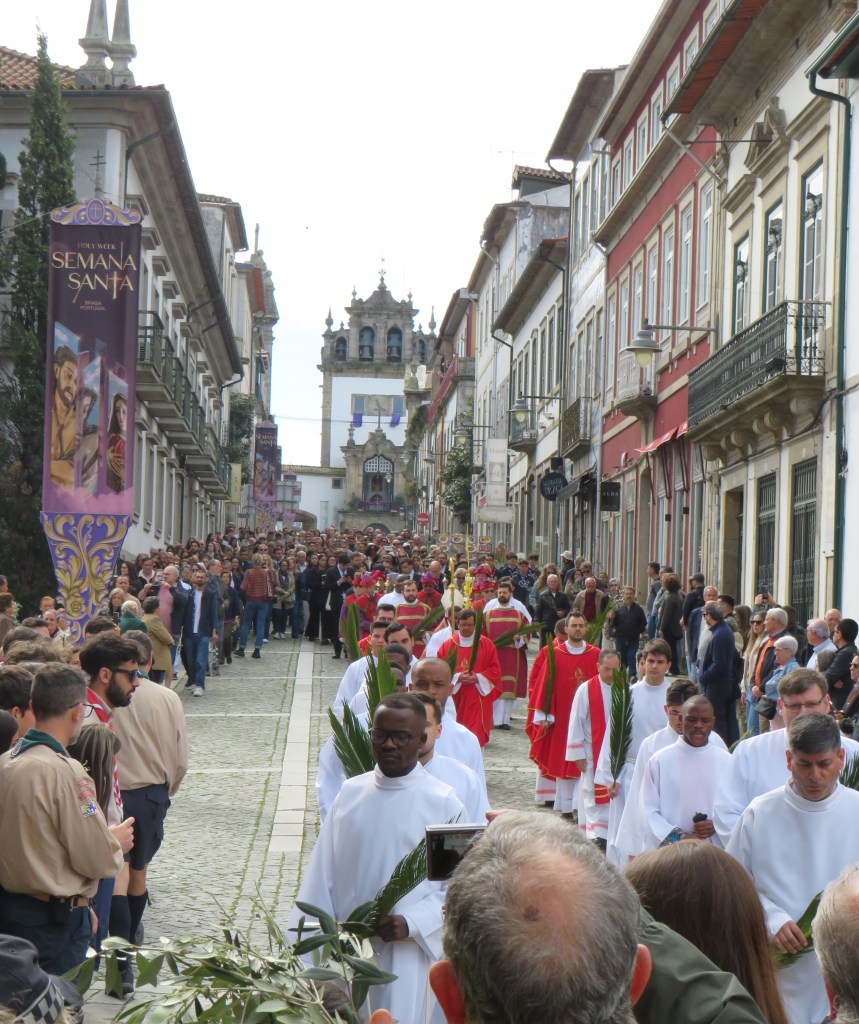
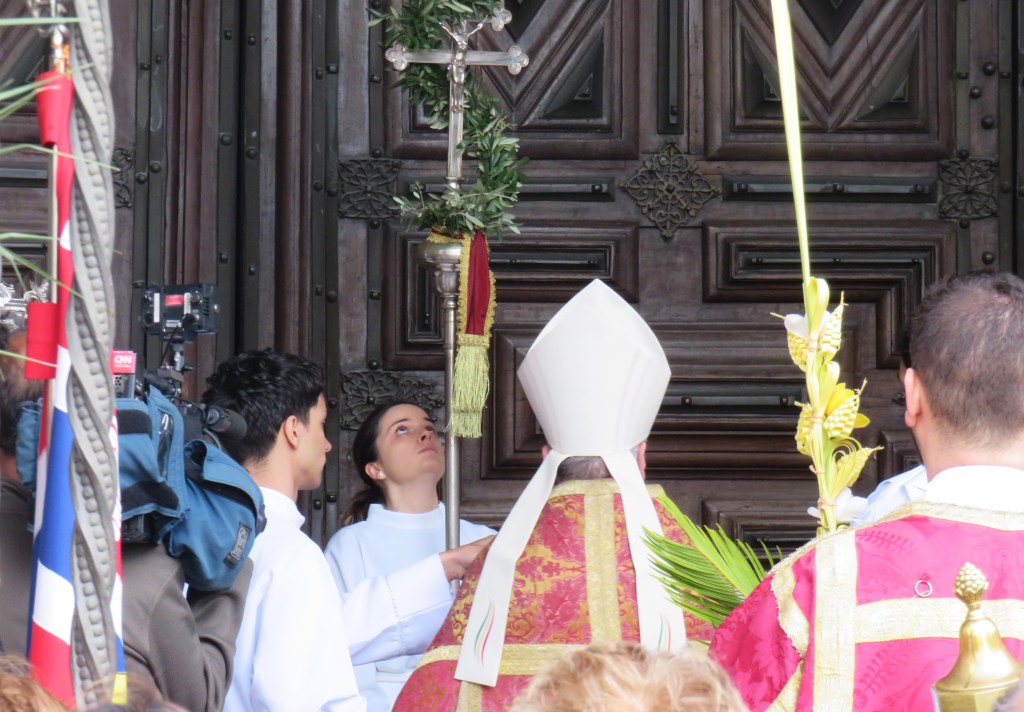
We did not attend the Palm Sunday service, but we did get to see the Bishop’s procession. That was pretty cool. The streets were lined with so many people too see and follow the Bishop.
The bishop is knocking on the door three times. A bishop knocking on the door of a cathedral three times with their crosier (staff) is a symbolic ritual, often marking the start of their installation ceremony. It represents the bishop formally asking to be welcomed, showing they come as a shepherd to lead the diocese and not as a tyrant, while also taking canonical possession of their church.
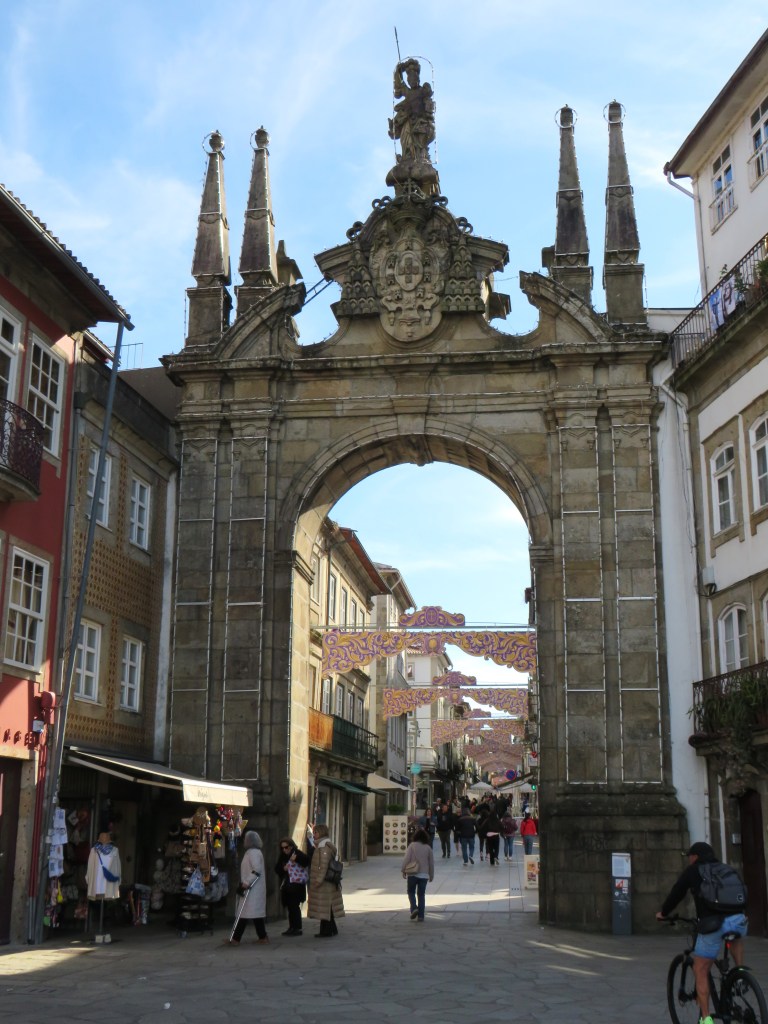
After leaving the church procession behind, we strolled around Braga and took in the sights. This is the entrance to the main market area.
Most of the shops and stores were closed, because not only was it Sunday, but it was Palm Sunday. Window shopping can be fun too.
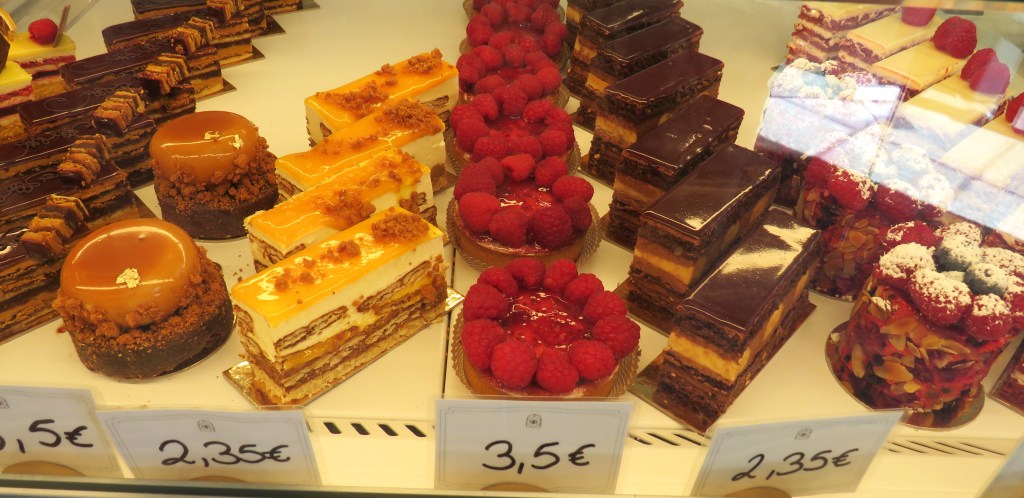
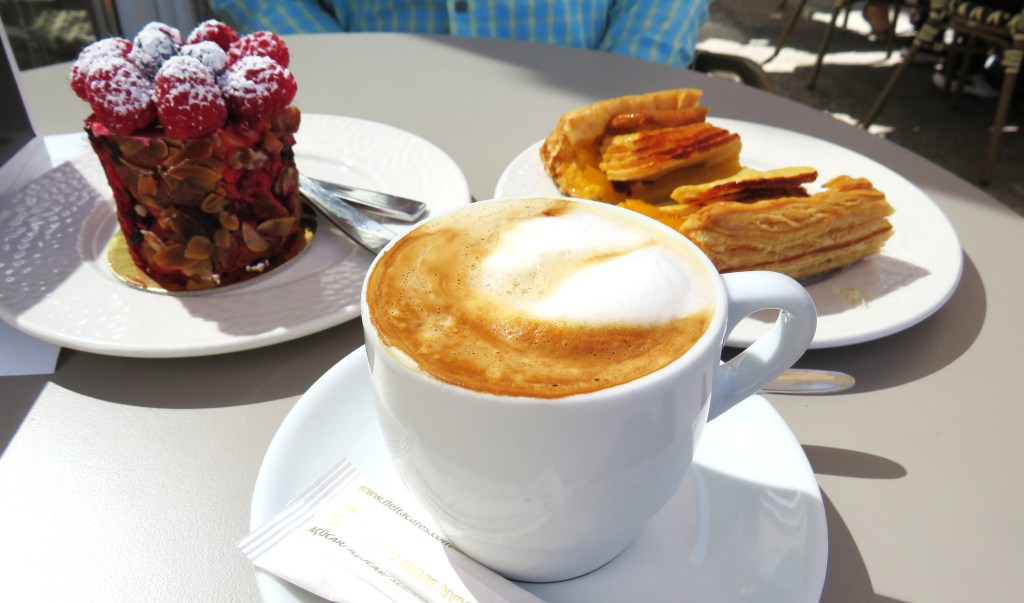
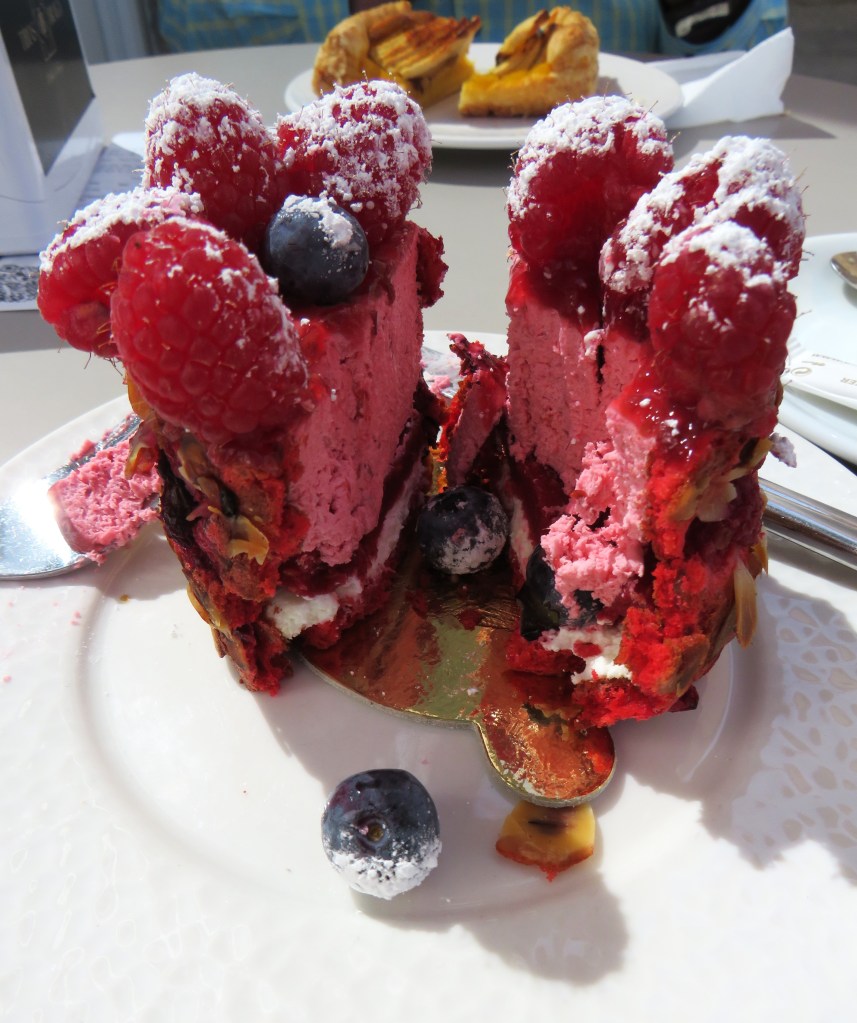
After we made the decision not to attend the Palm Sunday service, we were trying to catch the bus to Bom Jesus. The busses were not running up to Bom Jesus, however, until later, because there was a marathon taking place. There was a bit of a communication breakdown though, and at first we thought there were no busses going up at all, but we figured it out later, that we could go after 2:00 PM. So we needed to come up with a new plan. While we were rearranging our schedule, we decided to stop for a little treat. Everything looked scrumptious, but we only had 1 each. We had some tough decisions to make. 🙂
I chose the raspberry cake and and a latte, while Larry decided on an apple strudel.
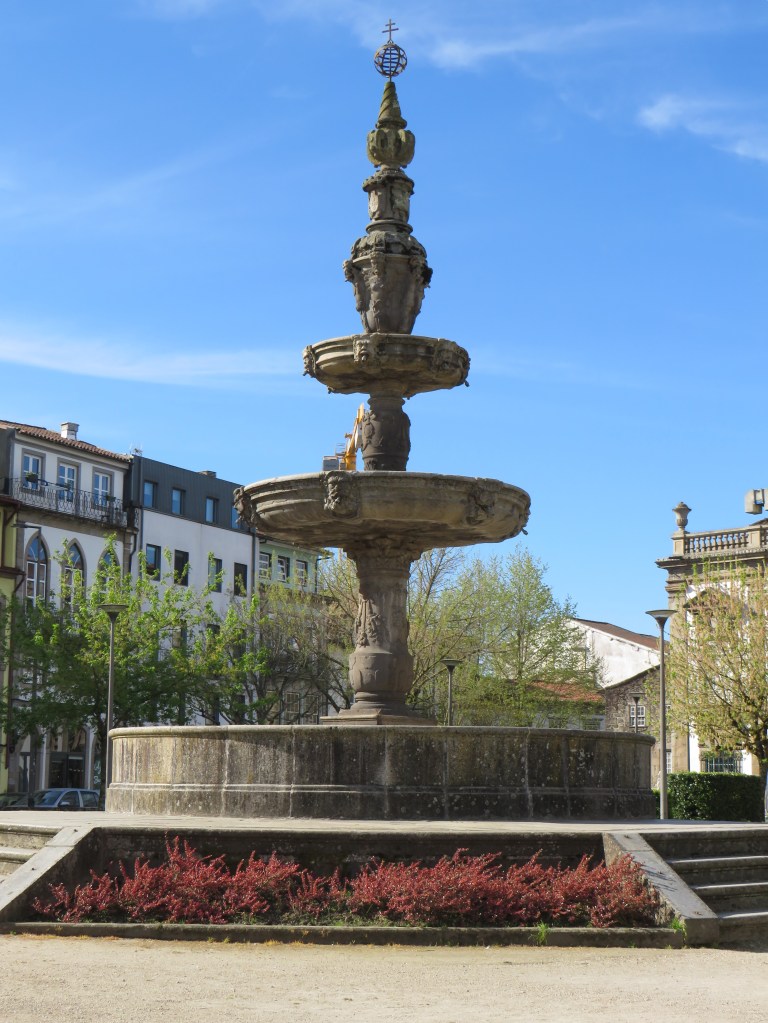
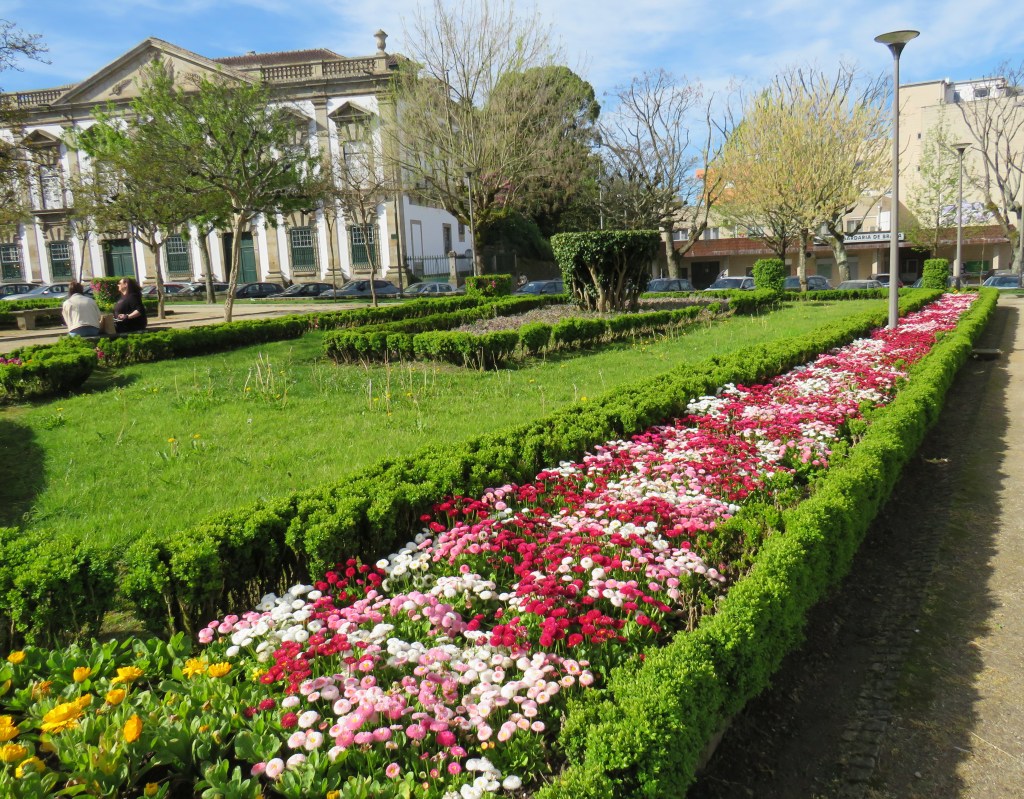
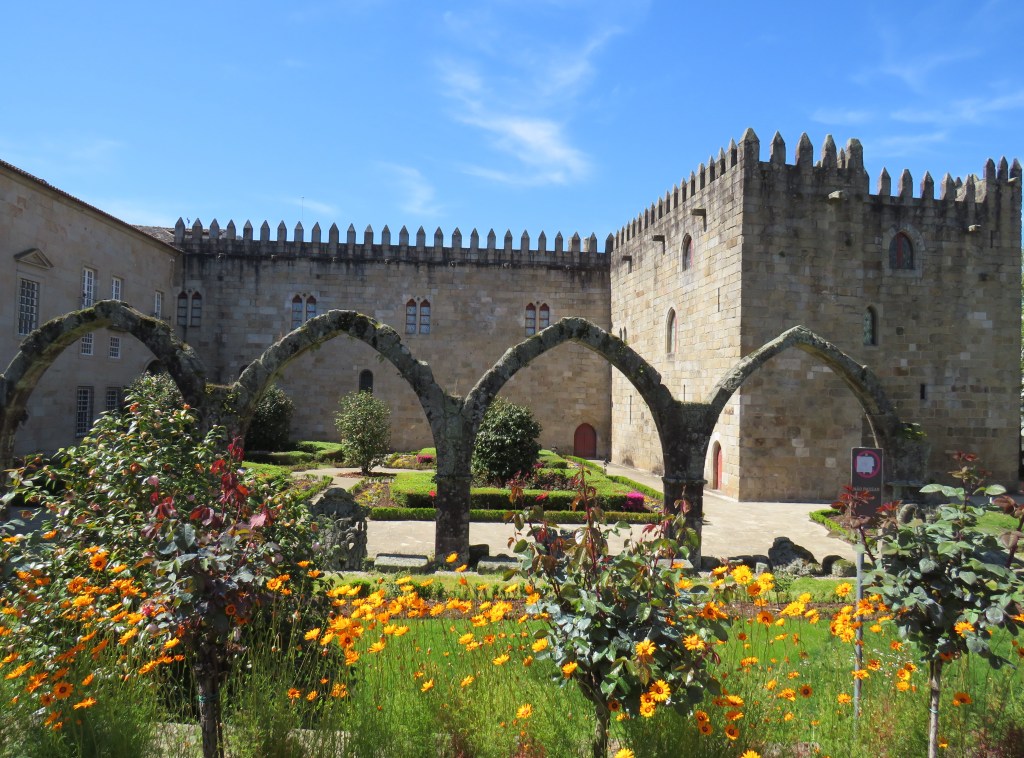
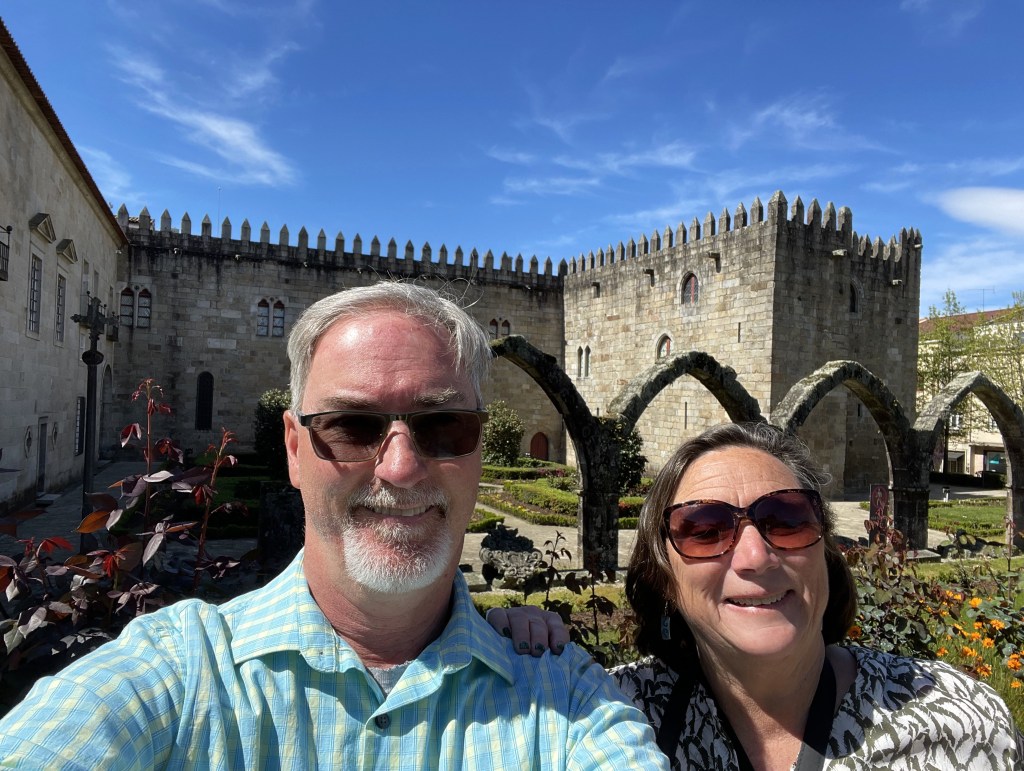
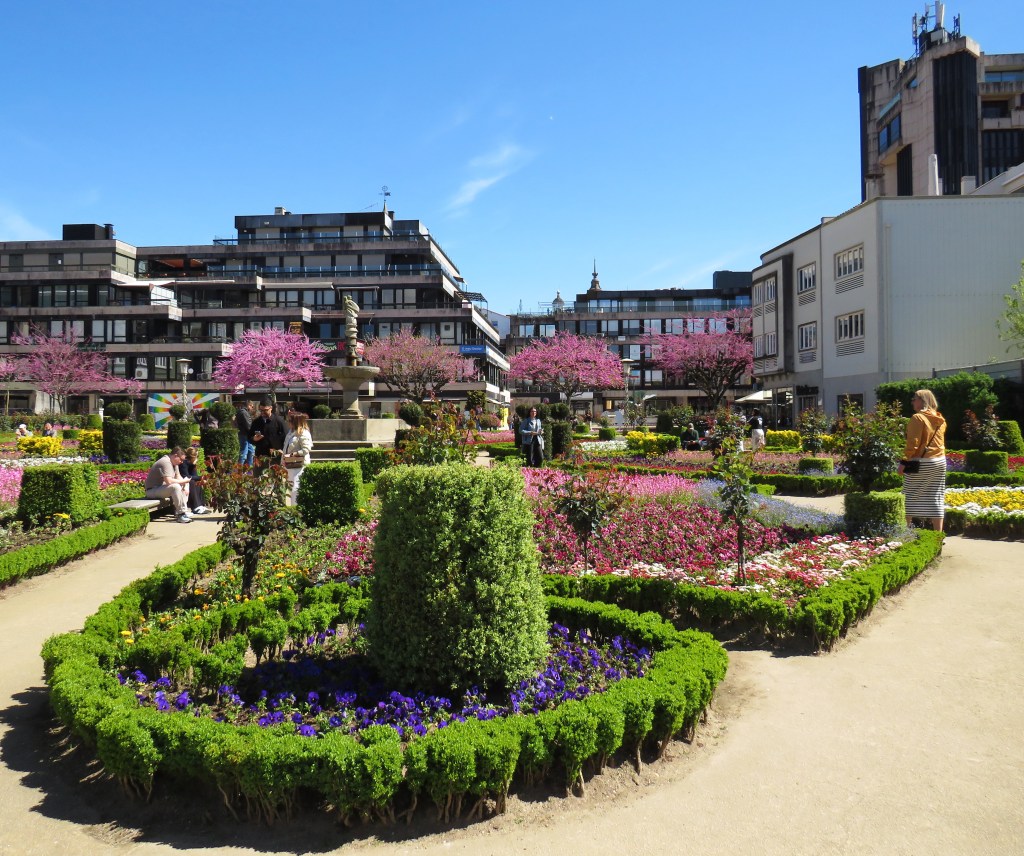
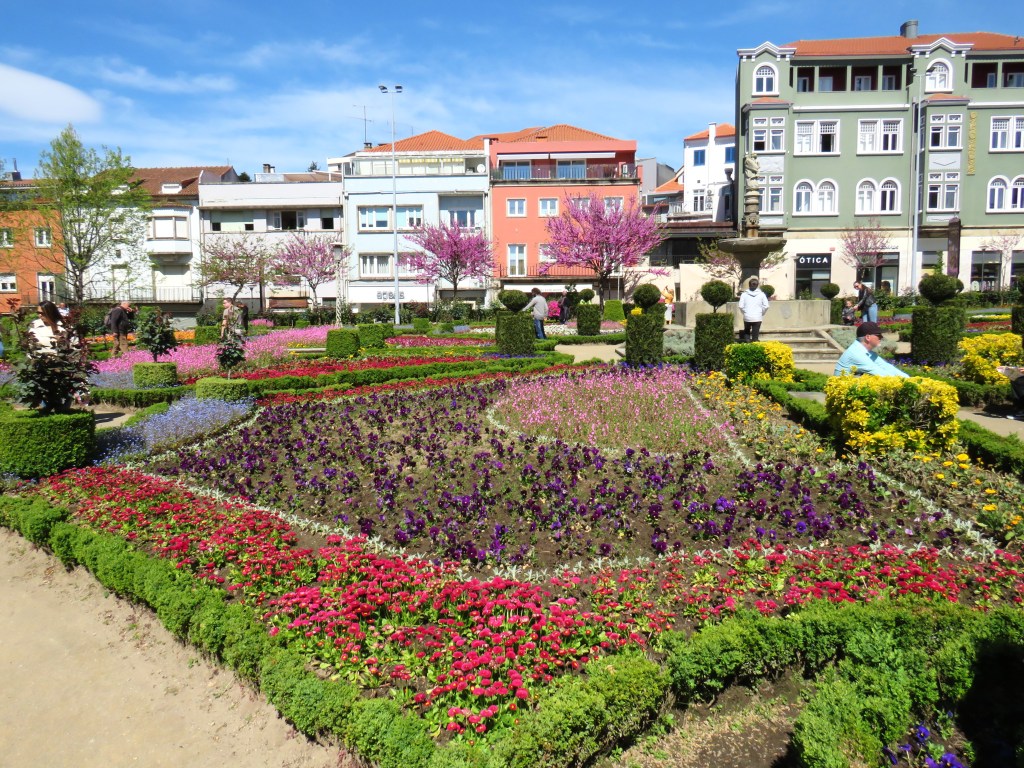
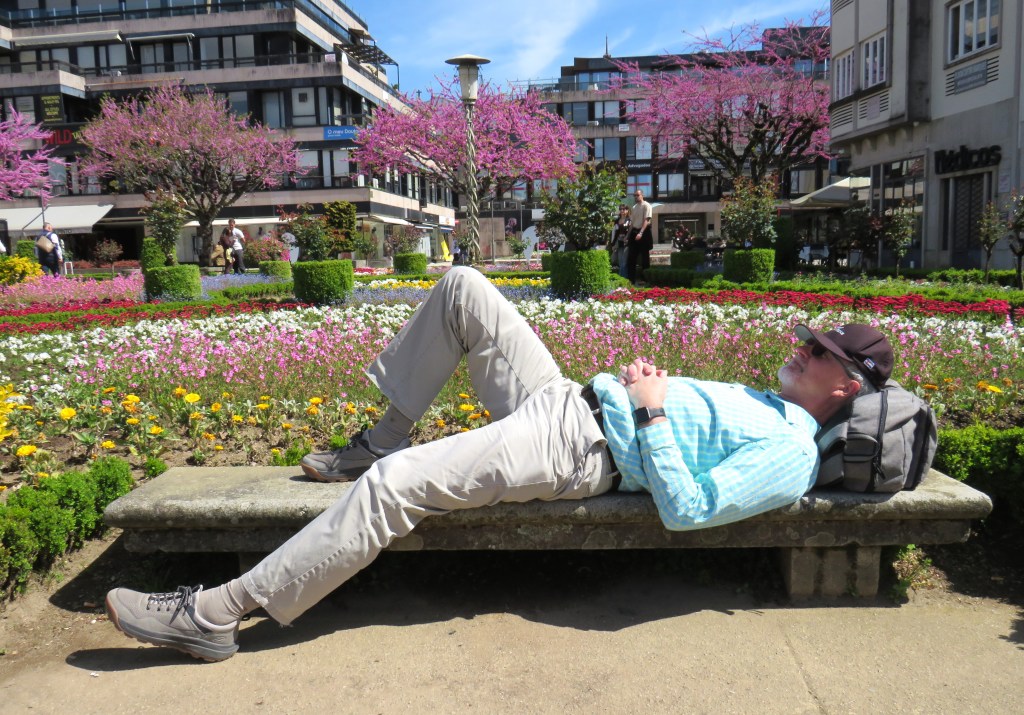
After our little sweet treat, we walked through Braga some more, and went to the gardens.
What do you know, there was another castle behind us. 🙂
A garden gnome?
We were planning on another walking tour of Braga, but the tour guide contacted us, and told us no one else was coming. With Larry not feeling well, we decided to cancel that tour, and make yet another attempt at going up to Bom Jesus instead of taking the walking tour. Our 3rd attempt was successful. Bom Jesus will be it’s own post though. So I will stop our Braga city tour here.
Have a great day and make everyday great. Live life to the fullest. it’s not he destination hat matters, but the journey. Enjoy the ride. ‘Til next time.
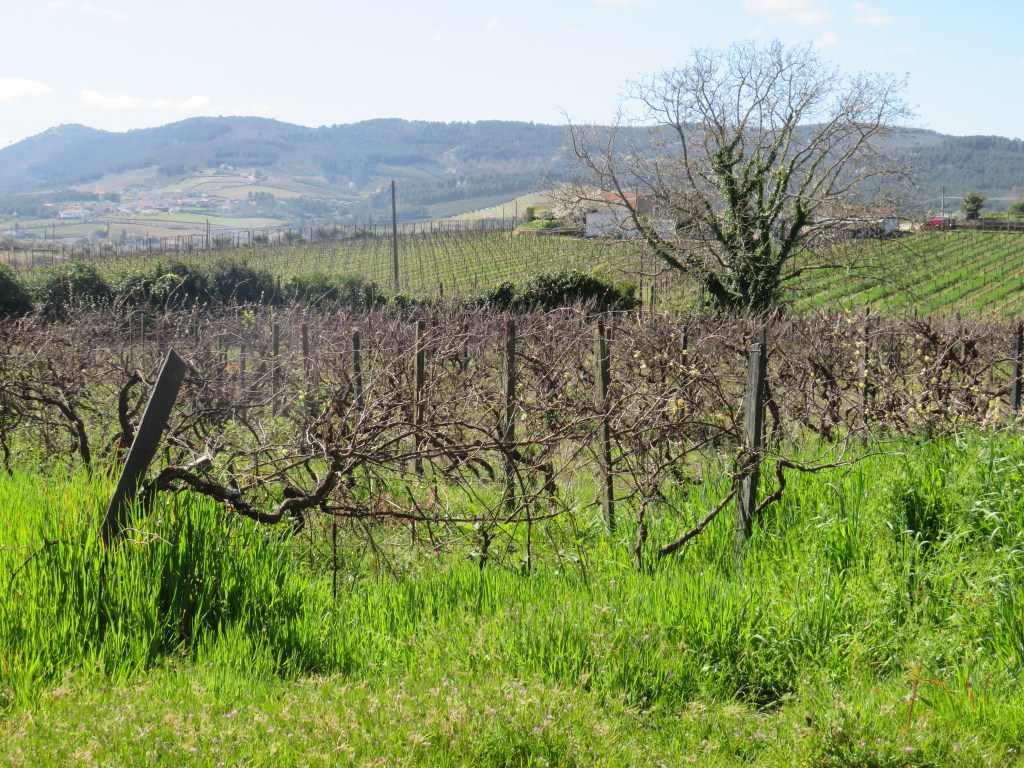
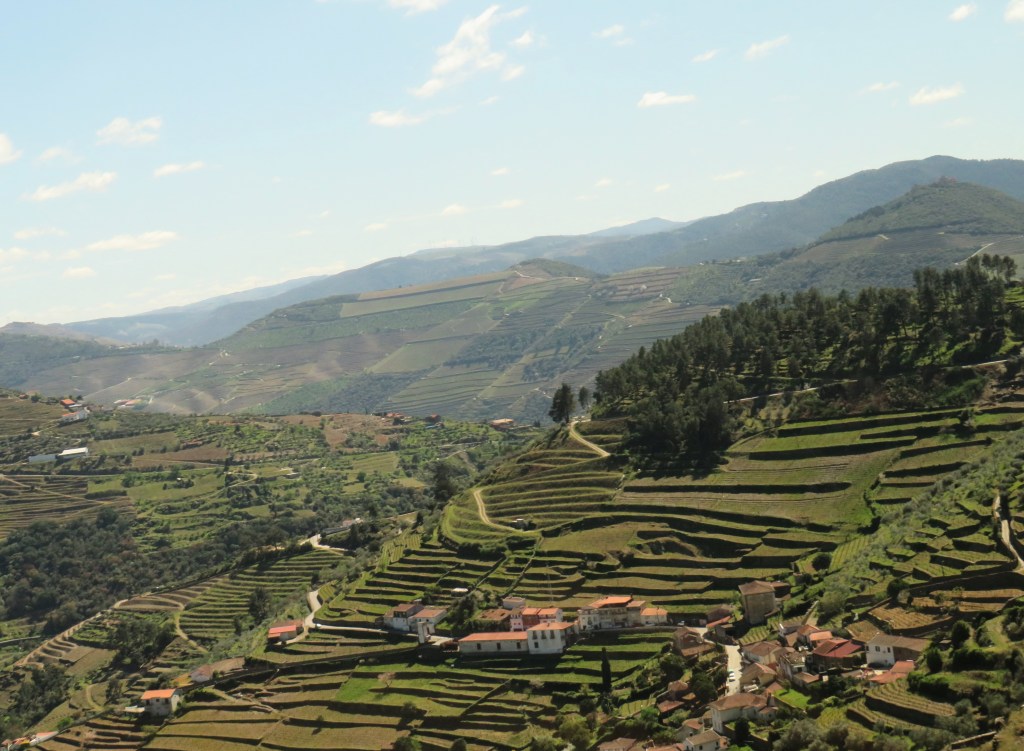
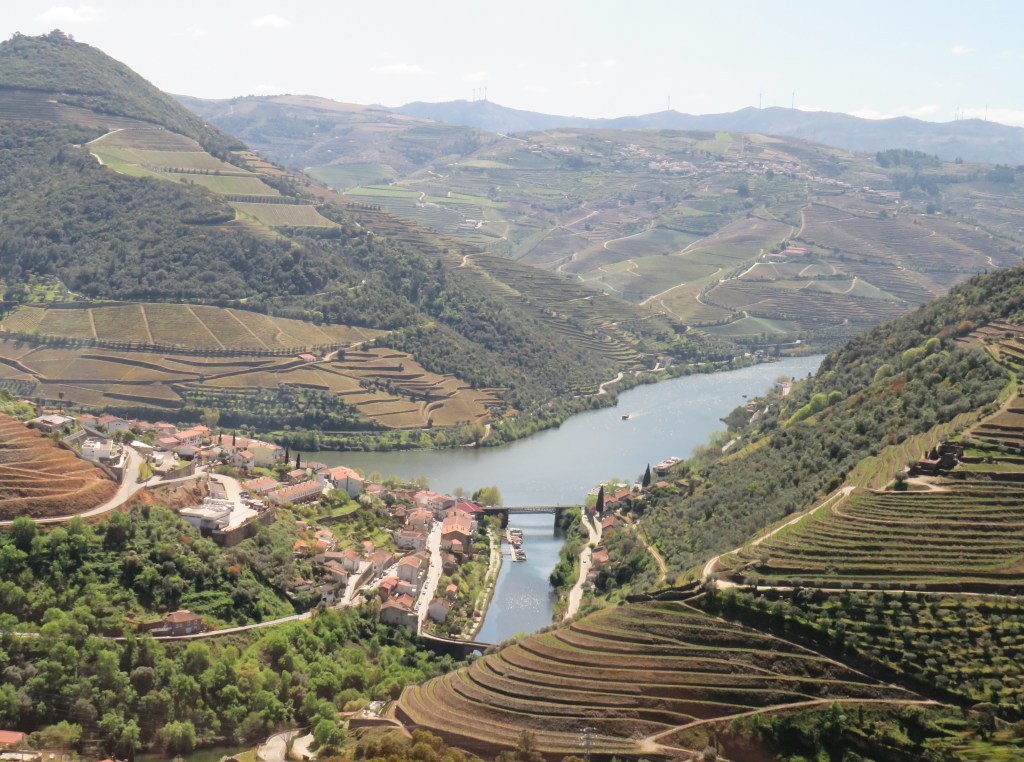
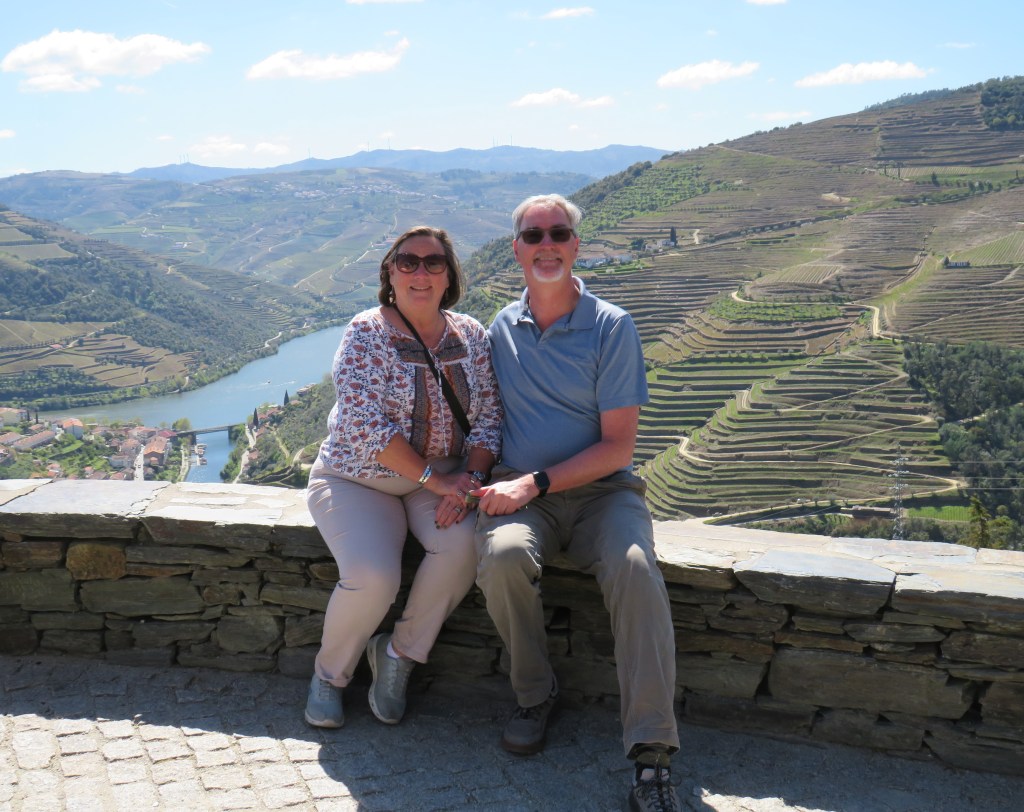
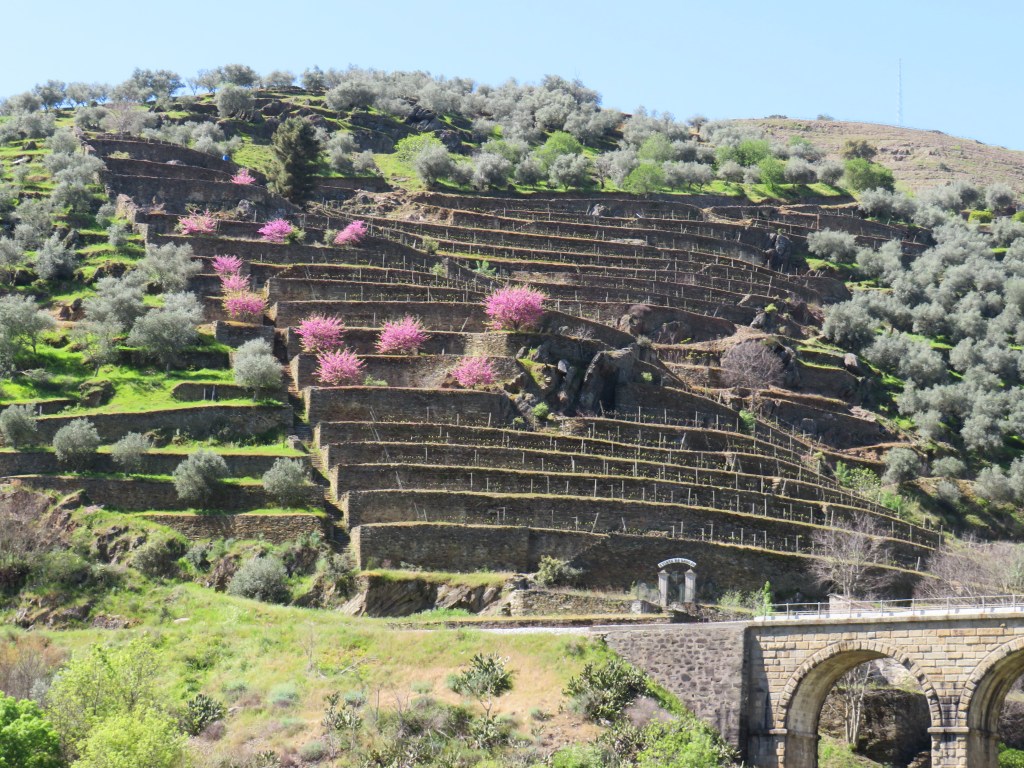
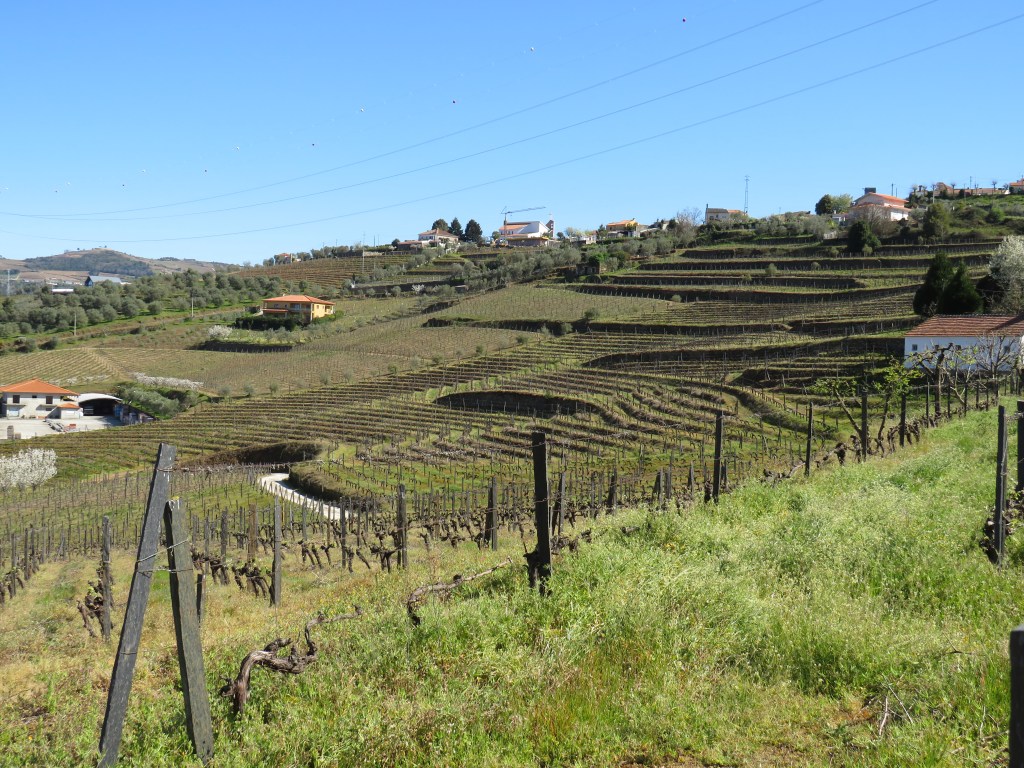
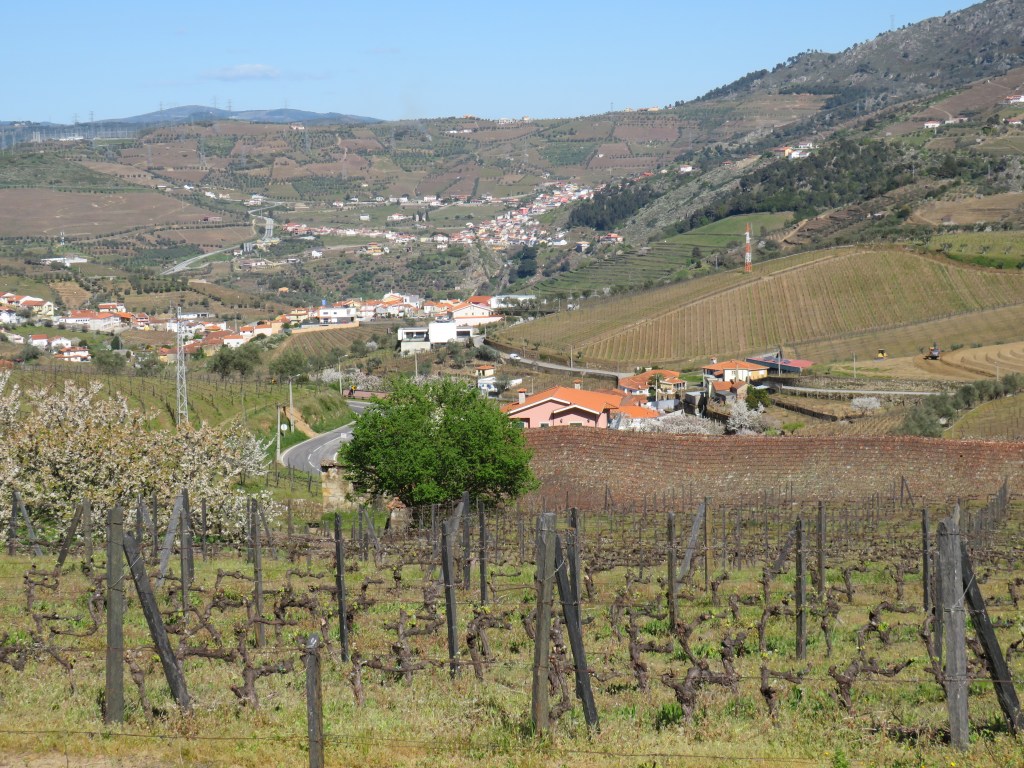
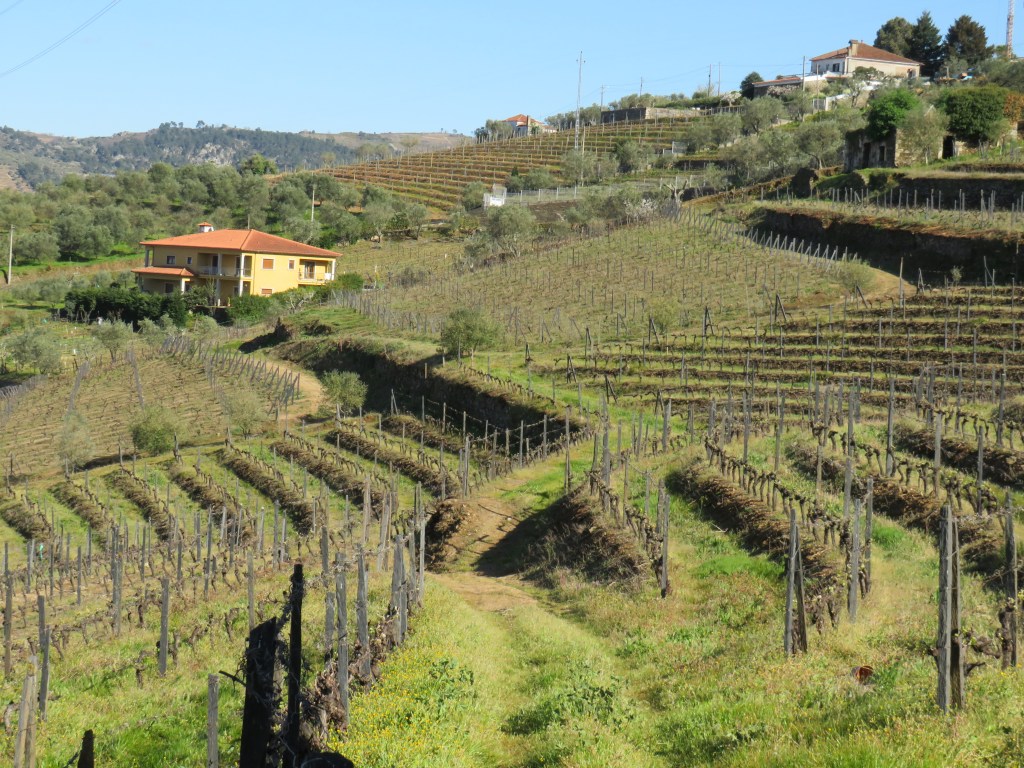
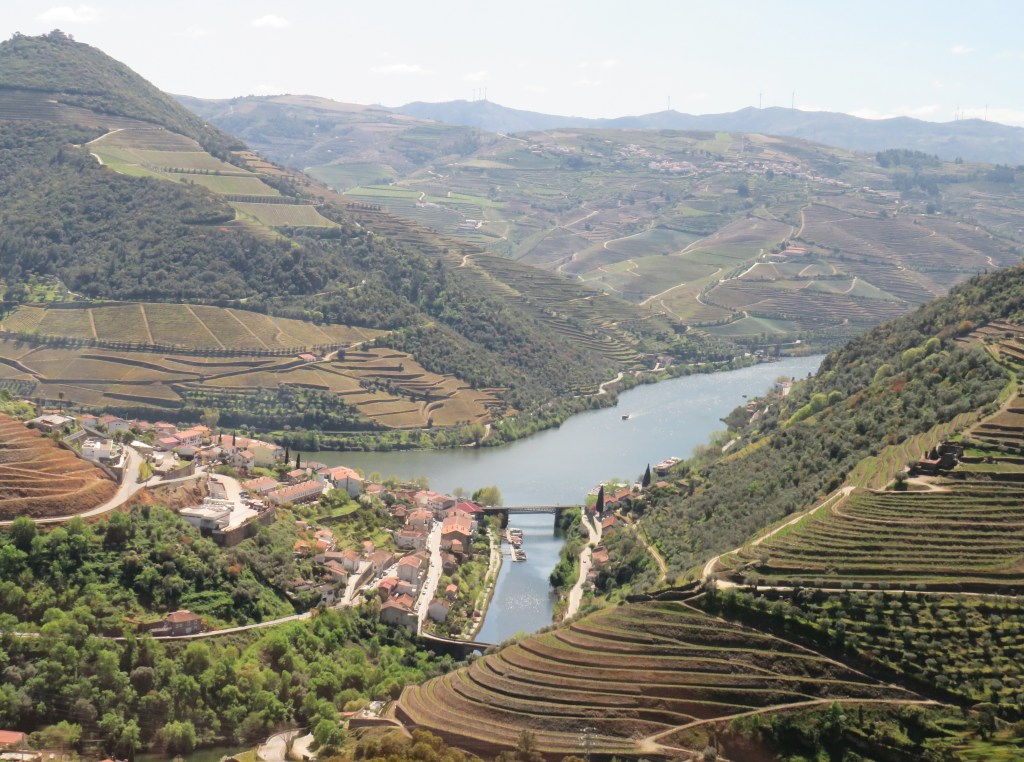
You can’t visit northern Portugal and NOT go to the Douro Valley. The Douro River Valley in northern Portugal is the world’s oldest demarcated wine region (since 1756) and a UNESCO World Heritage Site, renowned for its dramatic steep, terraced vineyards producing port and Douro DOC wines. It is about 1 1/2-2 hours east of the city of Porto and is a beautiful, scenic drive. We took a tour bus through the valley, and our lovely guide Rita, was hilarious and very knowledgeable. She should be a comedian. She had us laughing the whole trip.
We met at a large church in Porto early in the morning. There were a lot of different tour groups meeting there at the same time, so it was a bit chaotic at first. But once we knew who our guide was, and what bus we were taking, the chaos quickly dissipated.
Our first stop was a little coffee shop so people could get a “cuppa” if they needed it and it was a chance to use the facilities if needed too. Larry and I decided to pass on the coffee, and went out to take some pictures before we all got back on the bus.
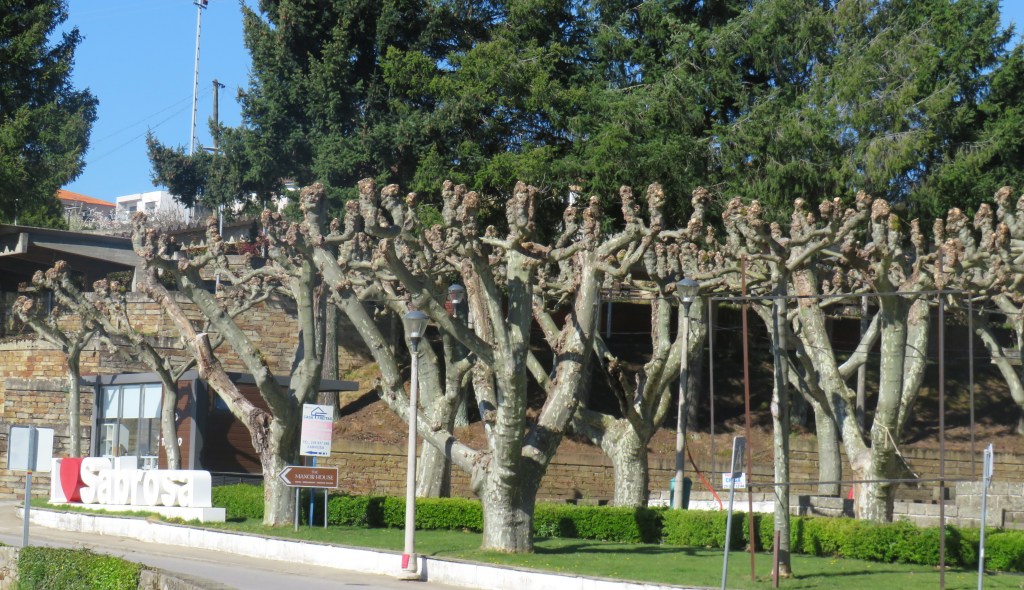
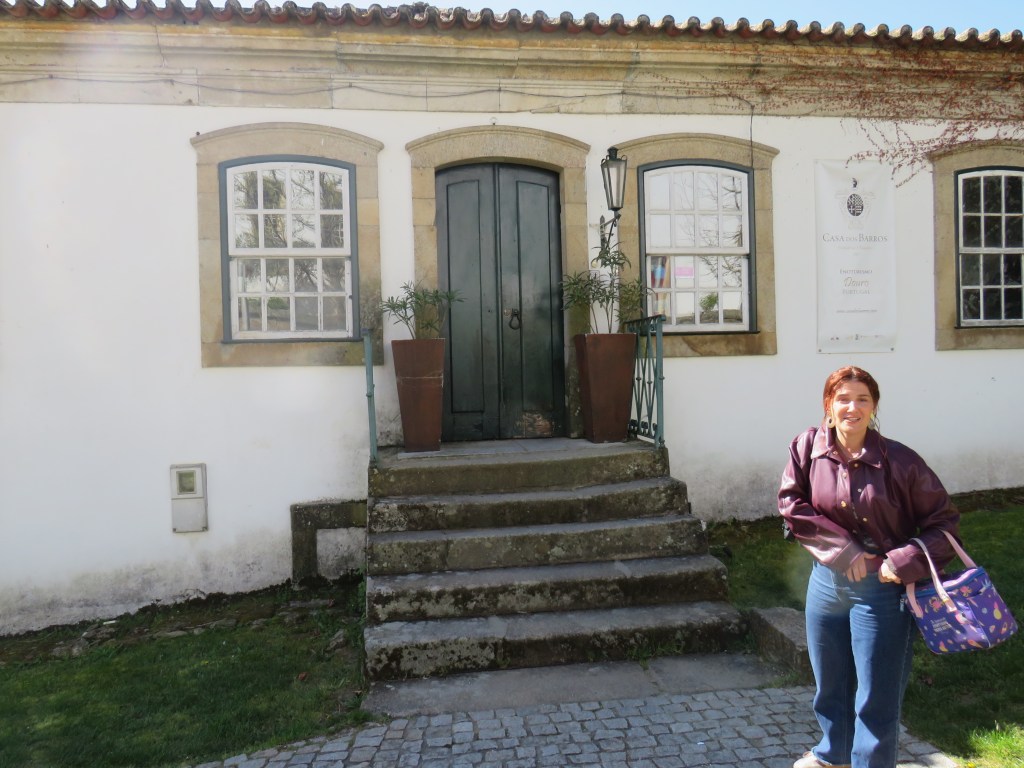
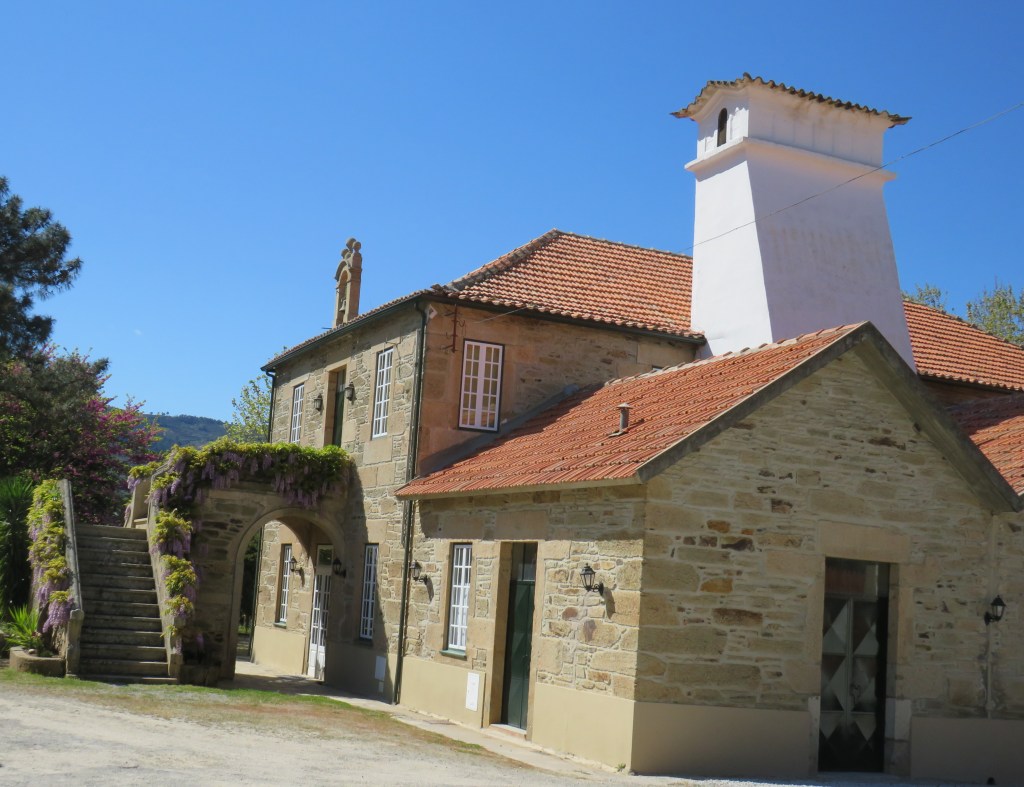
After a short break, we headed to our first winery. It was built in the 17th century, and it is still owned and operated by the same original family today. The family still lives in part of the house, and the rest of the house and grounds they have graciously opened up for wine and port tours. Rita is opening the doors to the winery.
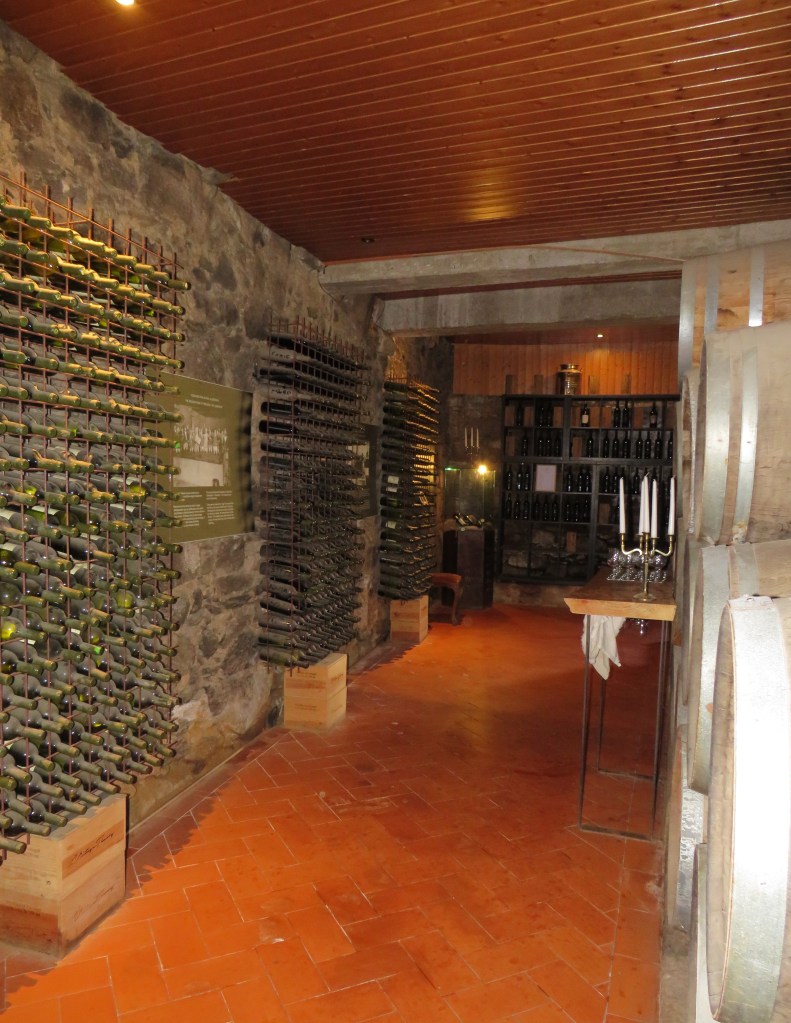
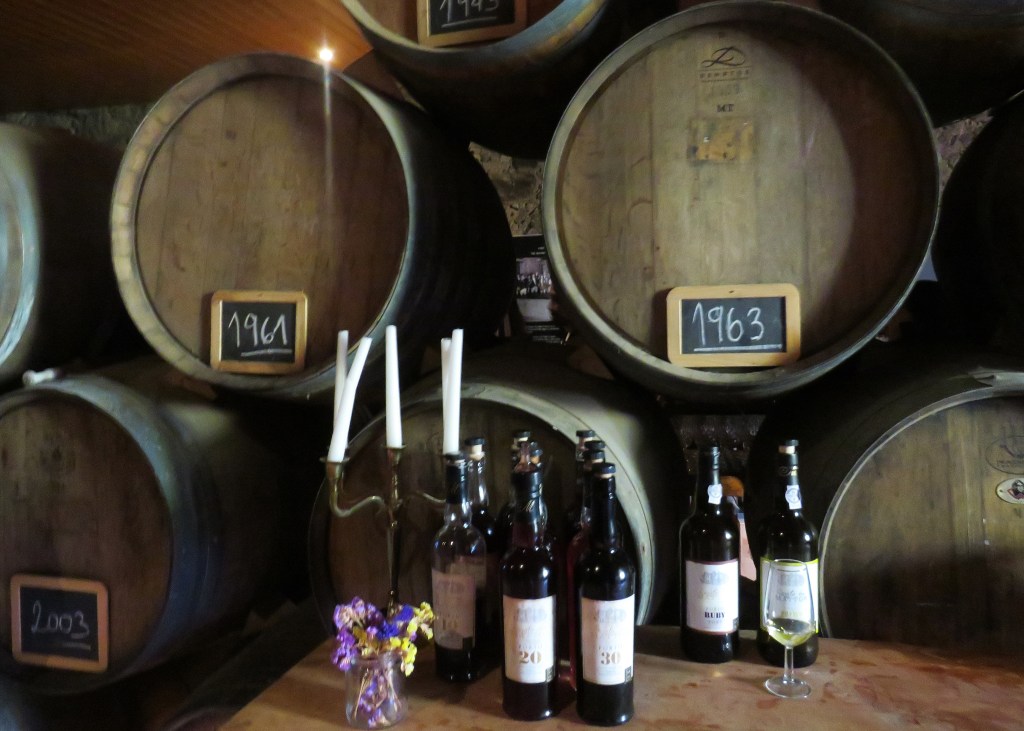
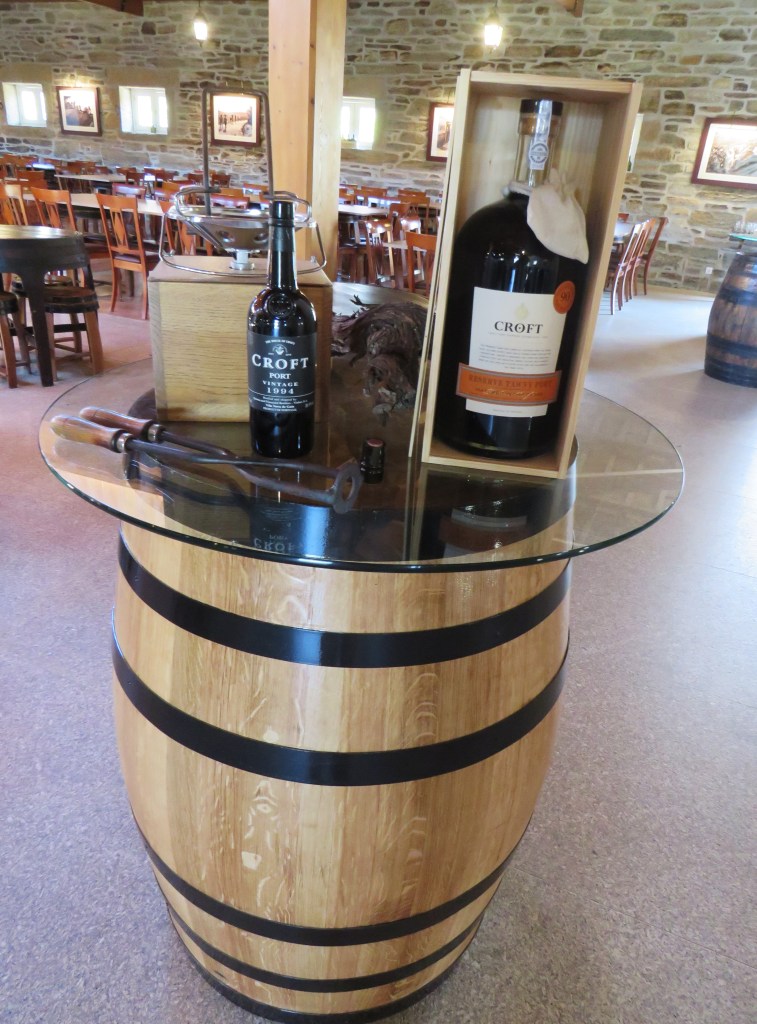
This is the port room, where we had our first port tastings of the day.
The winery provided a delicious lunch for all of us out on their patio. It was a good way for all of us to connect. We were, after all, spending the whole day with these people. 🙂 It was lunch with a view.
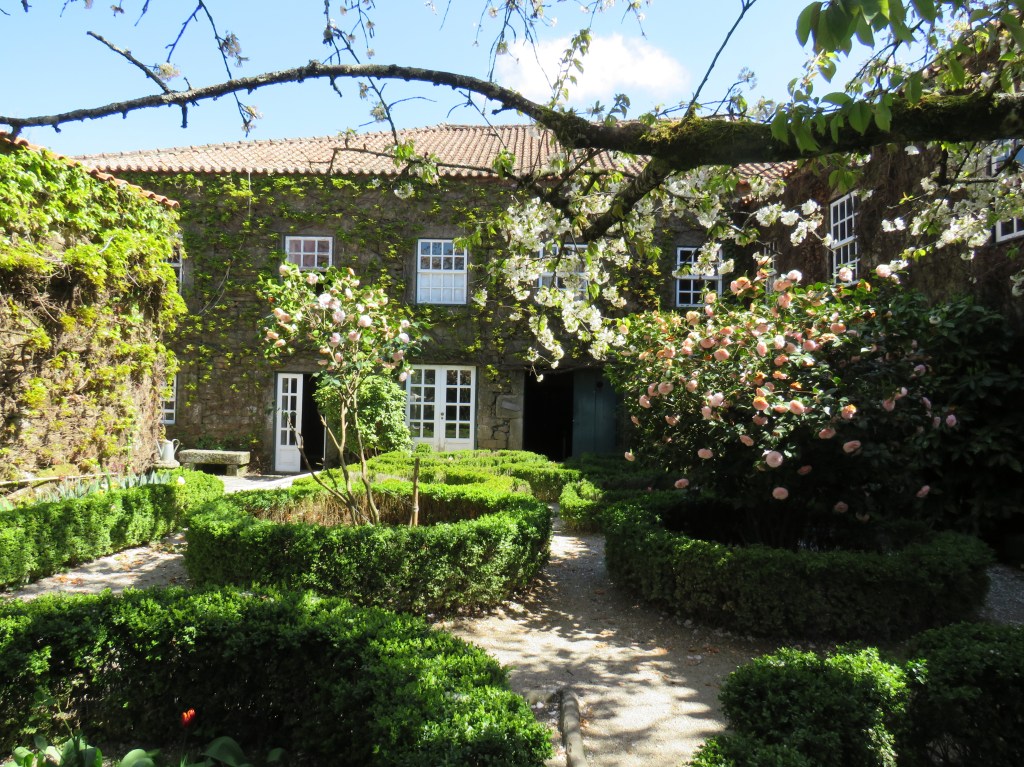
The private garden.
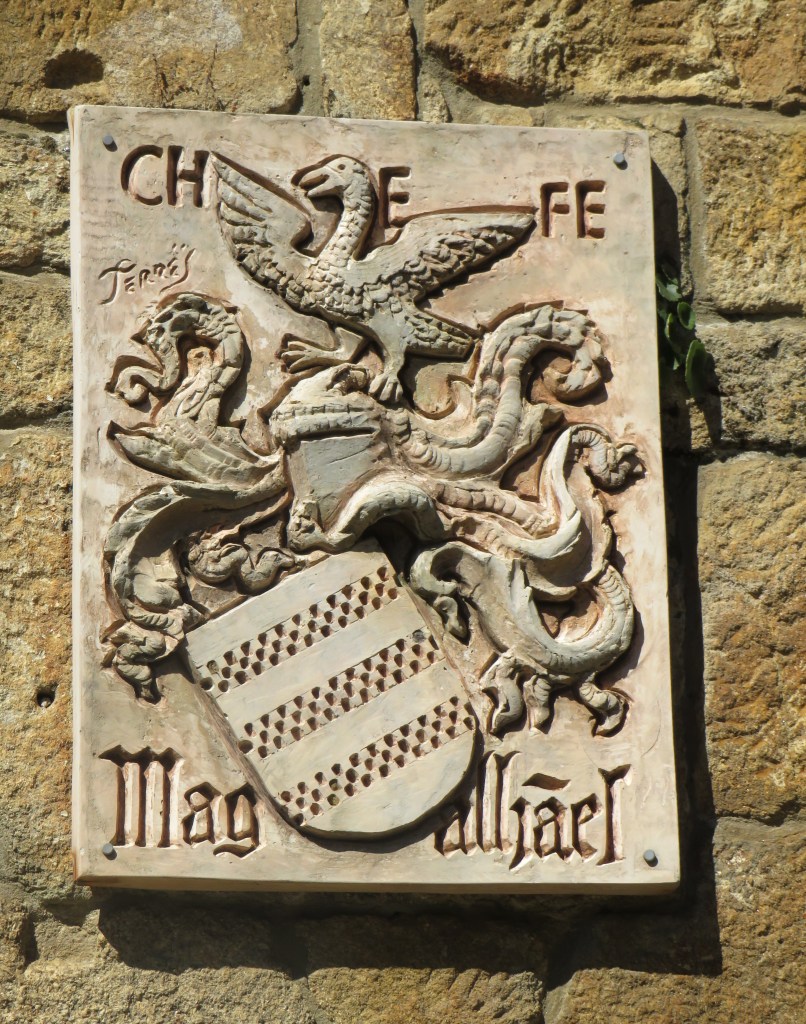
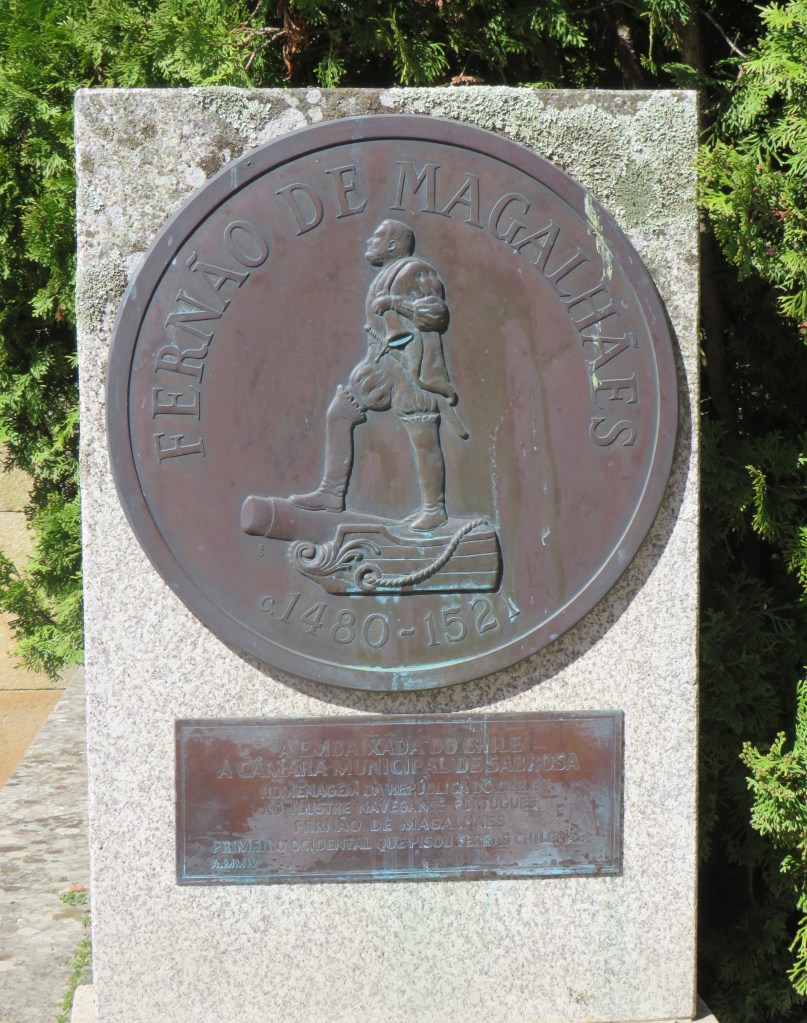
Before lunch was ready though, we made a little detour, just off the property a bit, and visited the house where the famous mariner and discoverer Ferdinand Magellan was born. Ferdinand Magellan is famous for organizing and leading the Spanish expedition (1519–1522) that achieved the first known circumnavigation of the globe. His original goal was not to go around the world, but to find a westward route to the Spice Islands (Indonesia) to open a new trade route for Spain. Because he turned to Spain, Portugal viewed him as a traitor and even tried to stop his expedition, going so far as to send ships to destroy his fleet. After navigating the dangerous strait (now named after him) at the tip of South America, the ocean they entered appeared calm compared to the turbulent Atlantic, leading him to name it Mare Pacificum (Pacific Ocean). He found the treacherous, winding passage connecting the Atlantic Ocean to the Pacific Ocean in 1520.
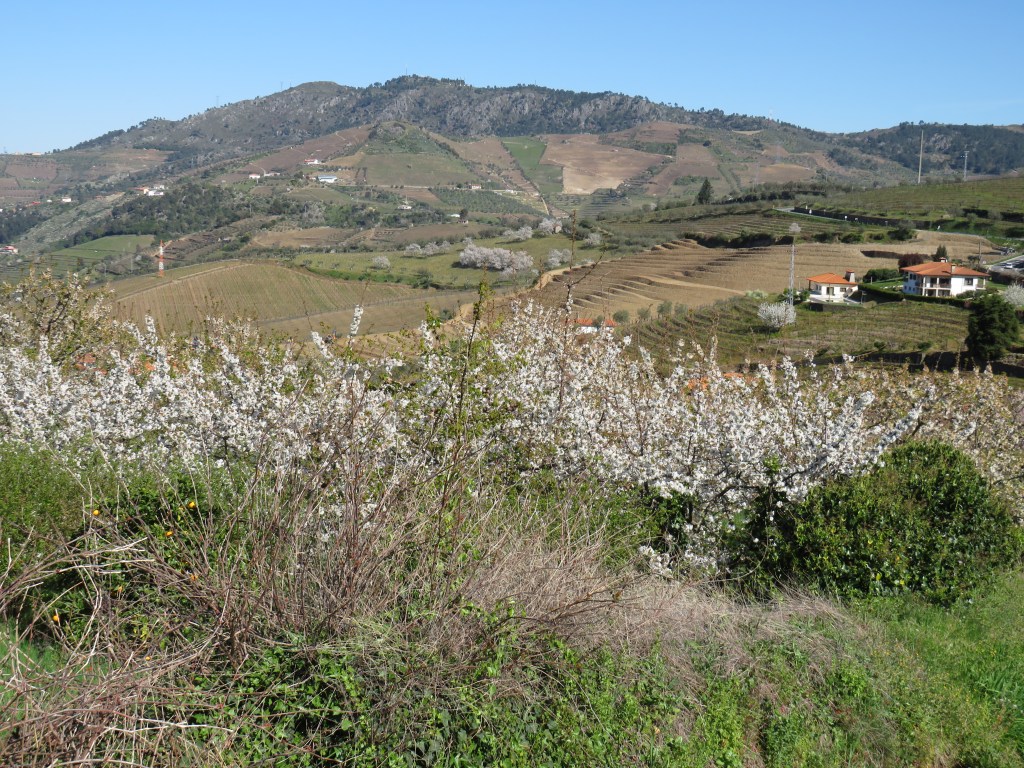
After the port tastings and lunch we embarked on the rest of our journey, through the winding hills and terraces of the Douro Valley.
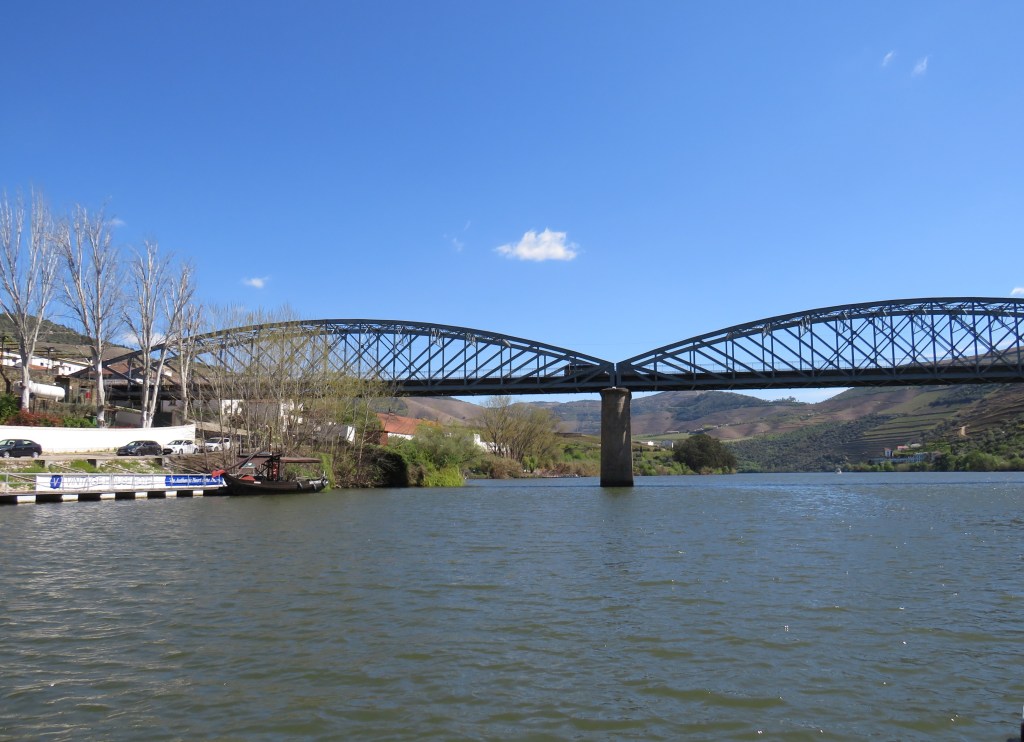
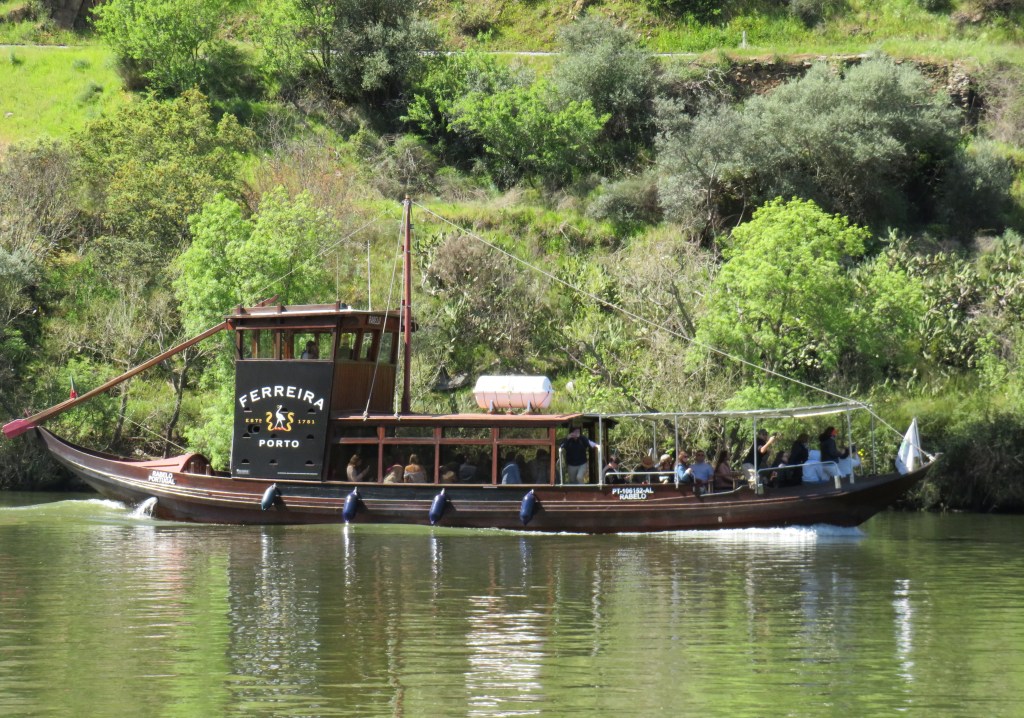
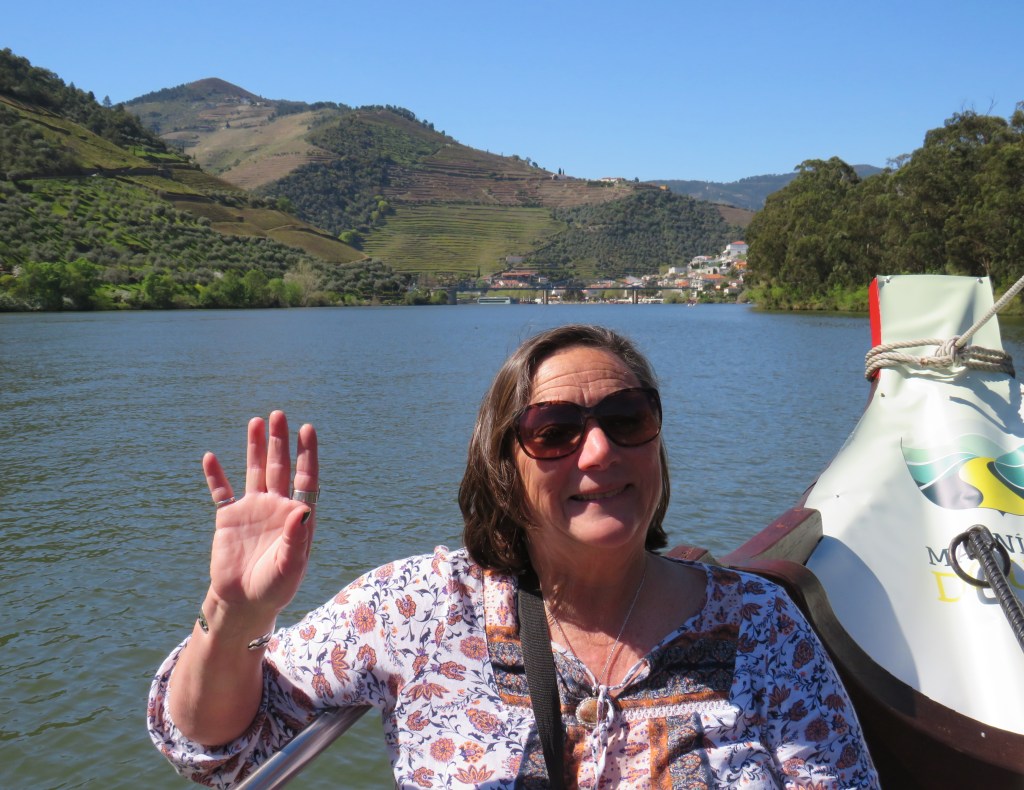
There was a brief parting of the ways for our group here. Some people opted to go to another winery, while most of us, Larry and I included, chose to take the boat trip along the river. It was so beautiful and tranquil. It was like stepping back in time.
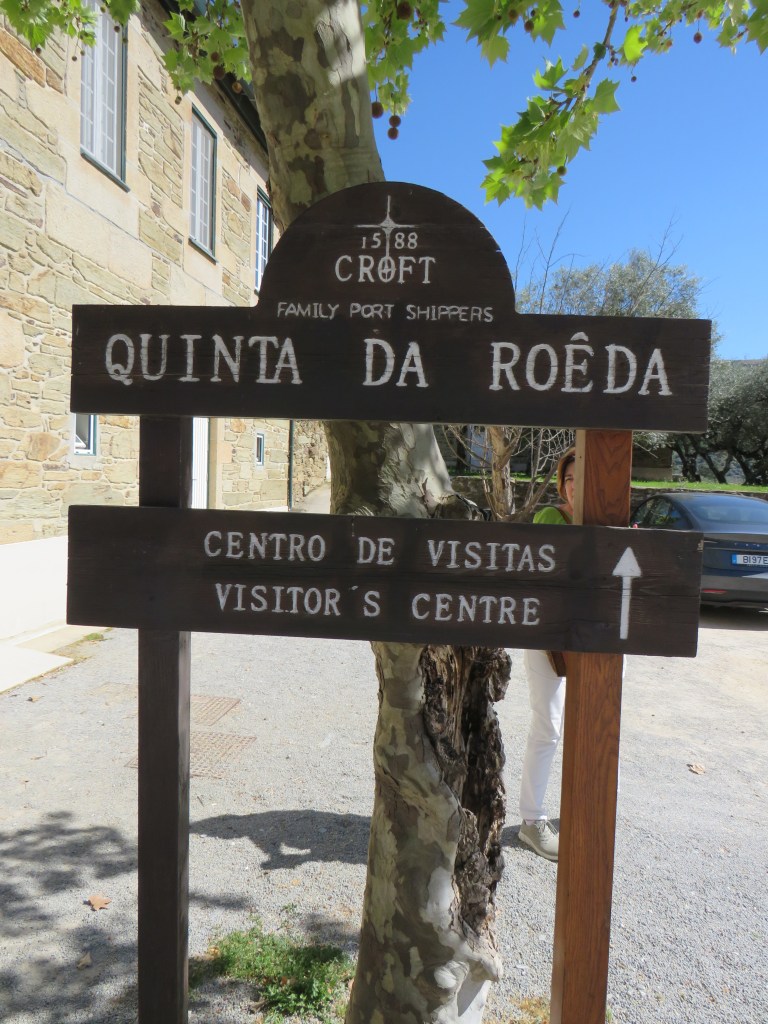
After our relaxing cruise, Rita and the bus driver came back to pick us up, then we all headed to the 2nd winery to pick up the rest of our group. It was another gorgeous winery, and as much as I would have loved to taste their wines (that will have to be another time), I think we made the better choice.
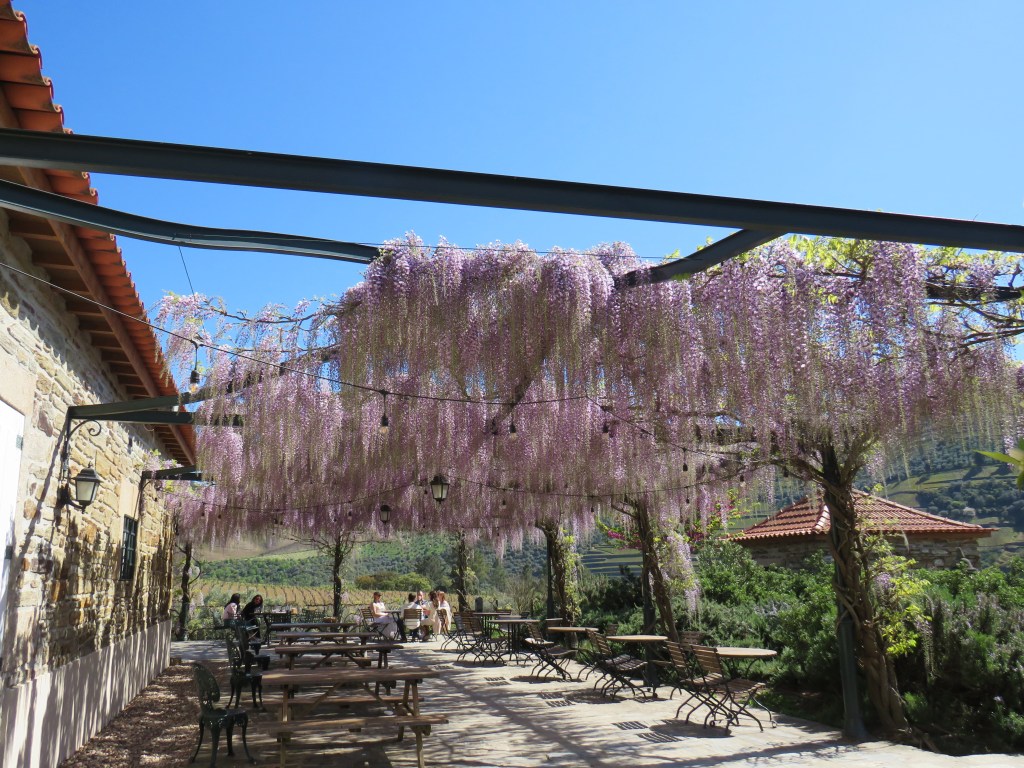
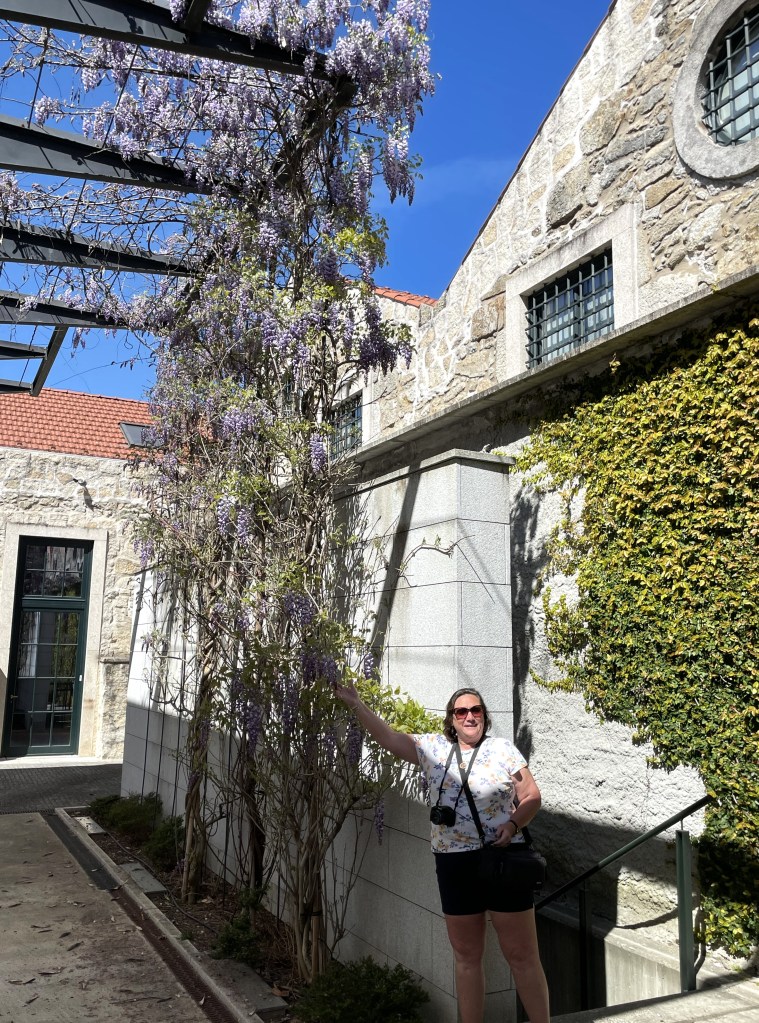
The Croft patio was gorgeous with all the wisteria hanging down. It smelled so good too.
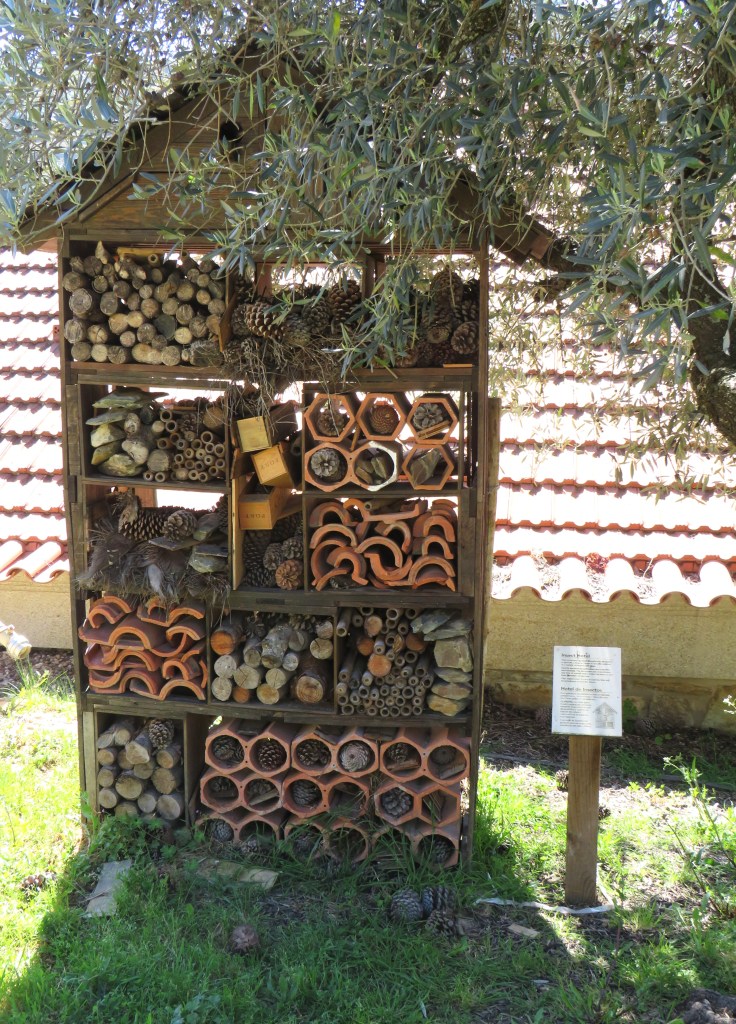
Wine, wisteria and honey. All of these, along with olives, are all often found together, being produced side by side. Some of these are materials used for building and repairs and some are for bees to make their honey.
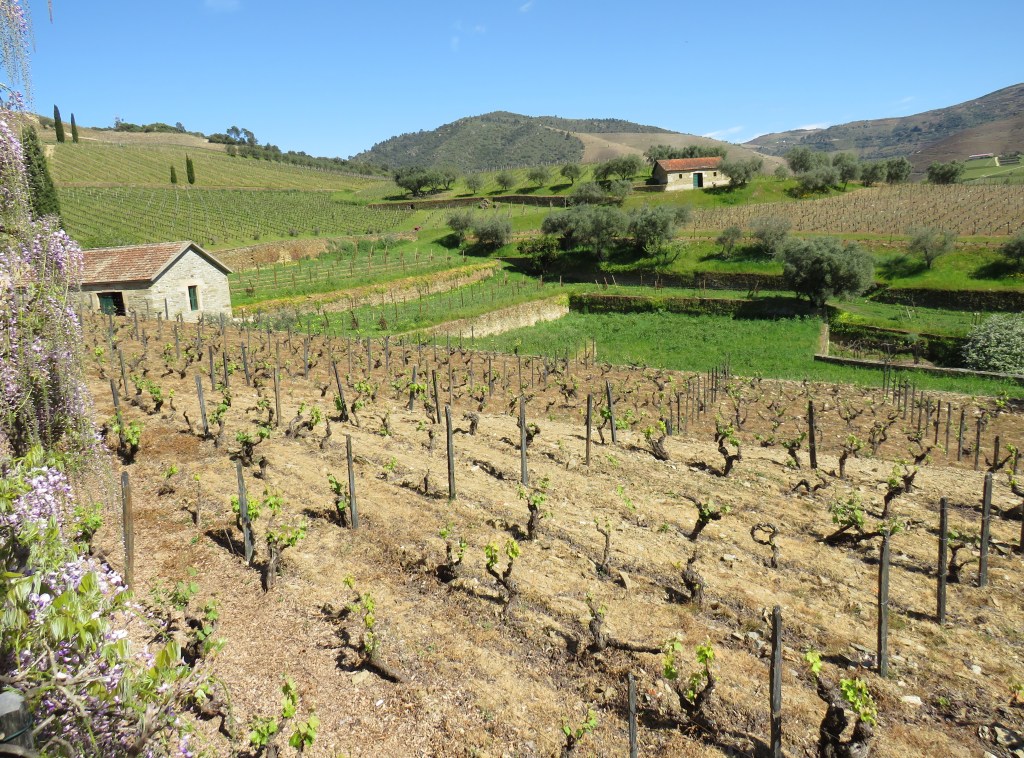
These vines are over 100 years old.
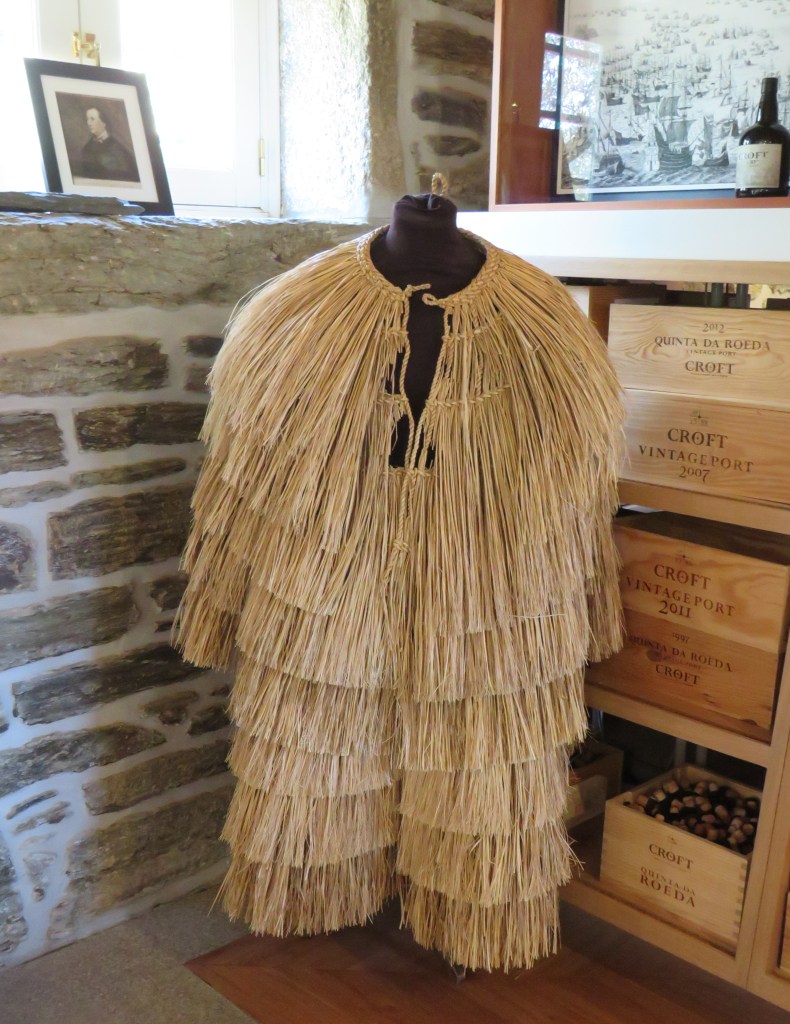
This is yet another traditional ceremonial costume worn during harvesting season.
Once again, it was time to board the bus and continue our wine explorations.
Our last stop was to a winery that we actually walked through the vineyards to get to. It was a beautiful 15 minute walk up through the terraced hills. The prize at the end was well worth it.
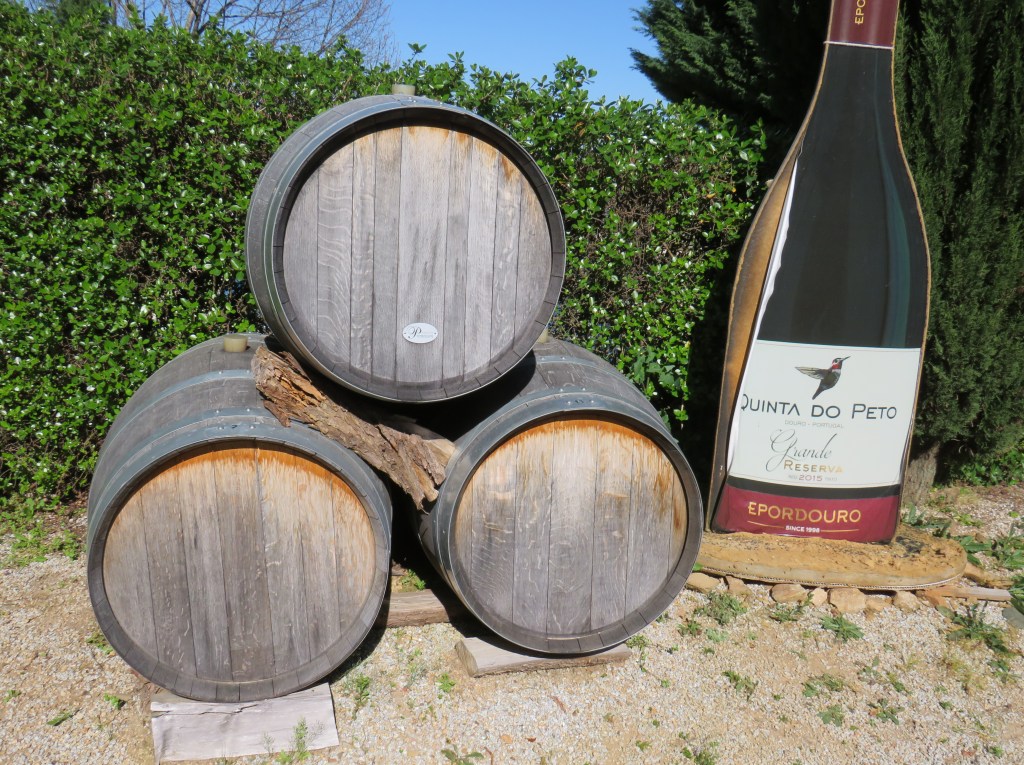
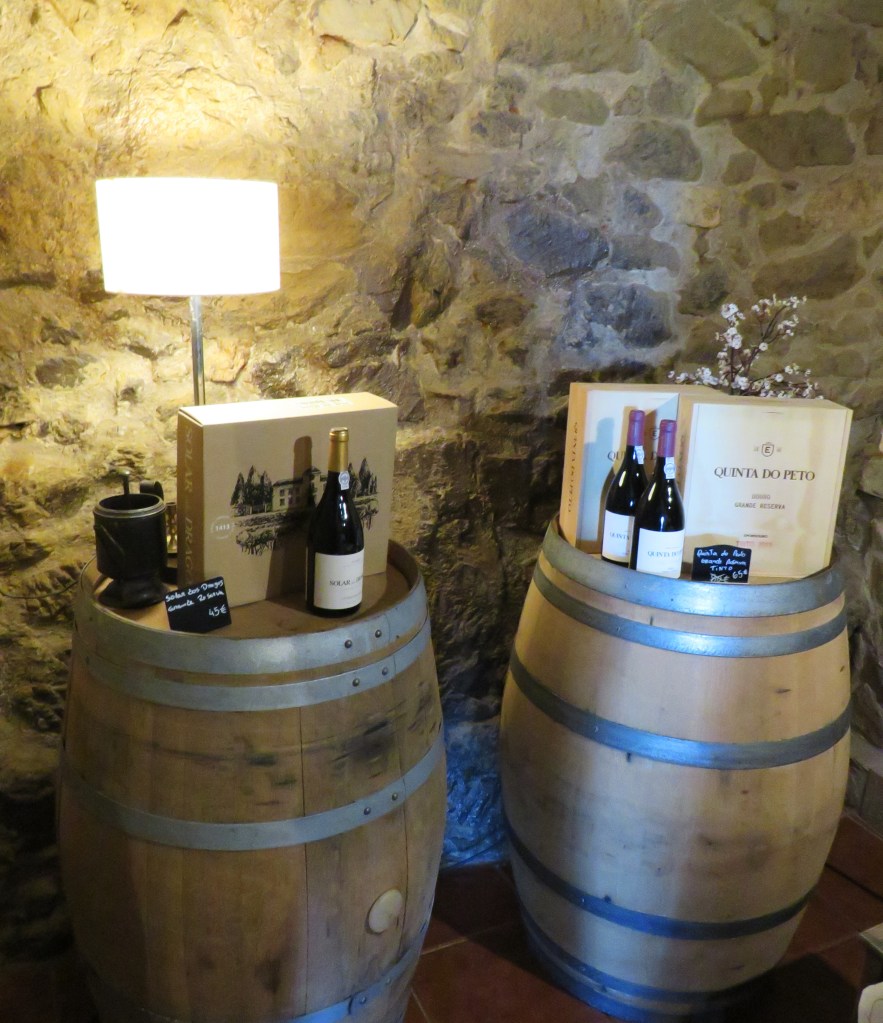
Our last stop was at Quinto do Peto and Solaris Wineries.
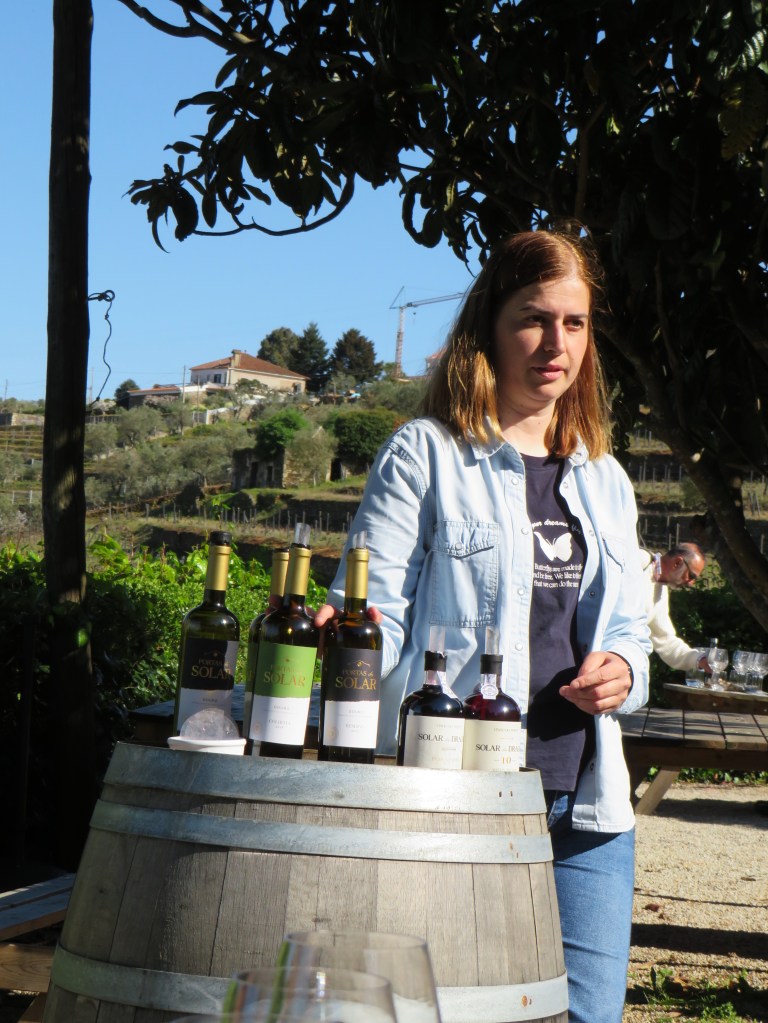
The vintner explaining her wines and ports.
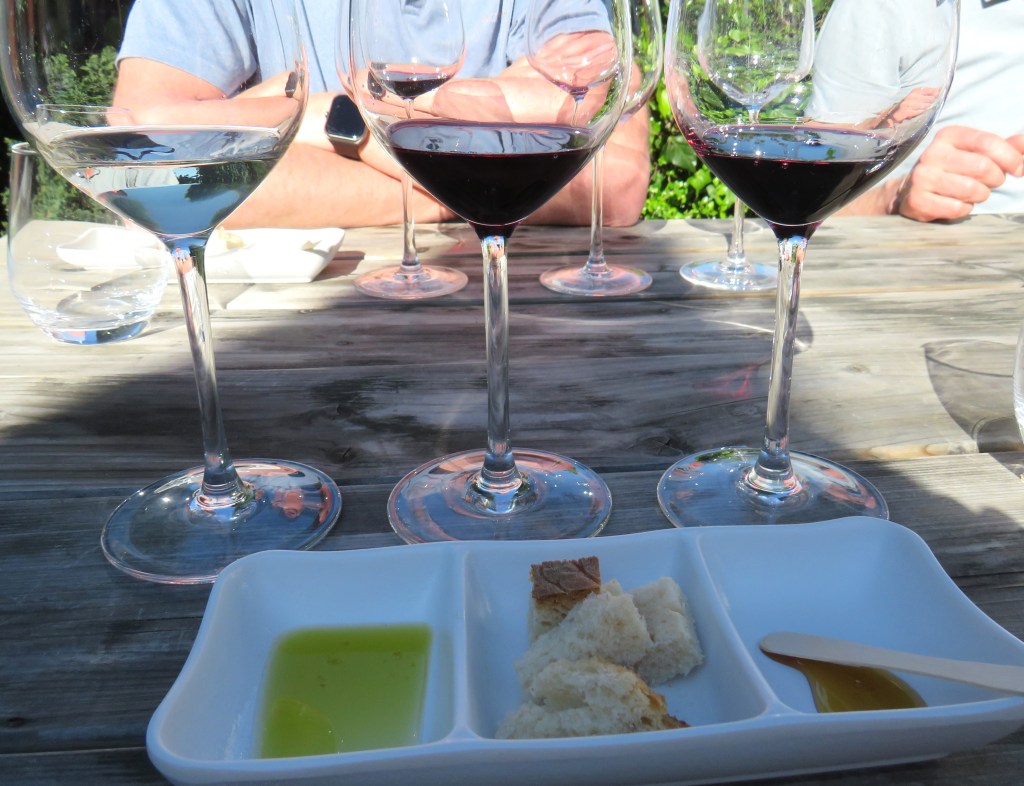
We tried three of their wines, with some local olive oil, bread and honey too.
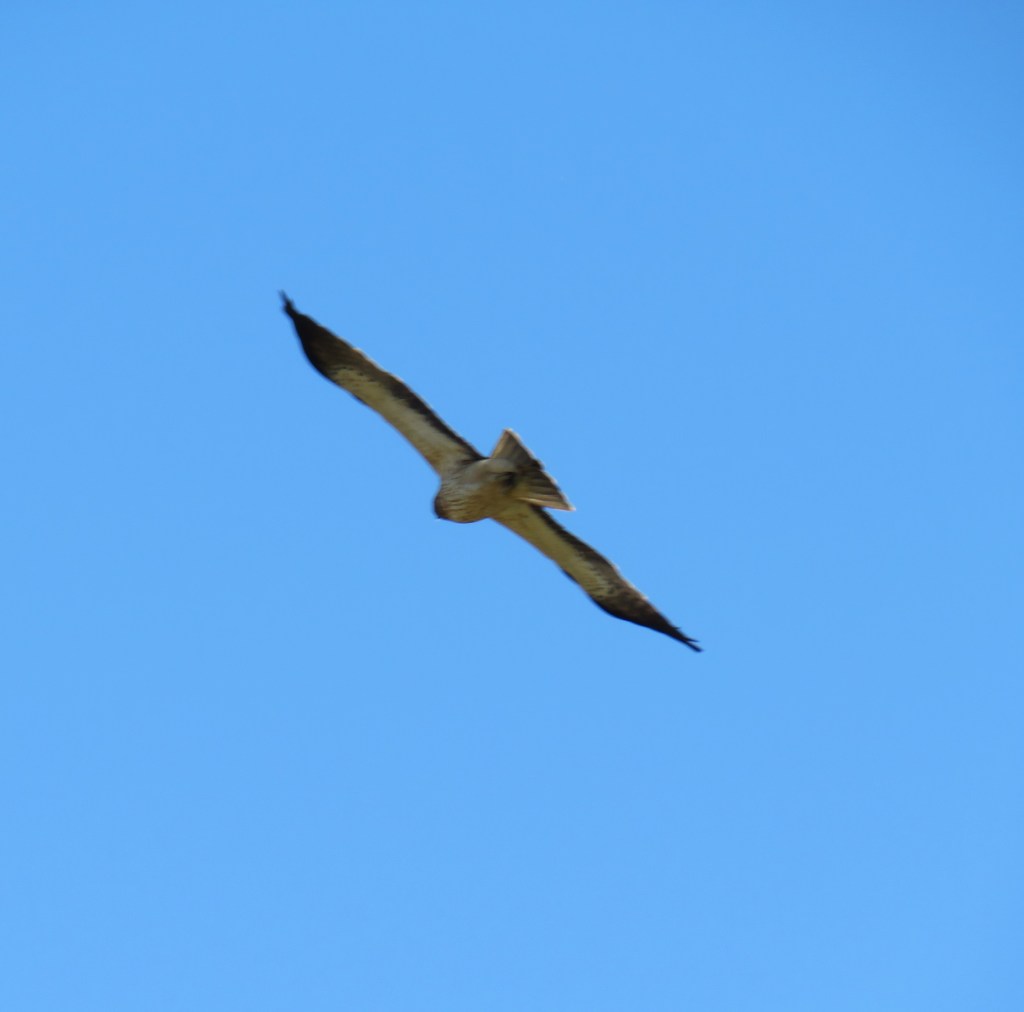
You all know how I love my birds, and this beautiful little falcon was flying directly above us. How could I resist taking a few pictures of him? He was just begging to be apart of the collection. 🙂
And the winery’s supervisor, Pedro.
Rita had to stop and pay the entrance fee.
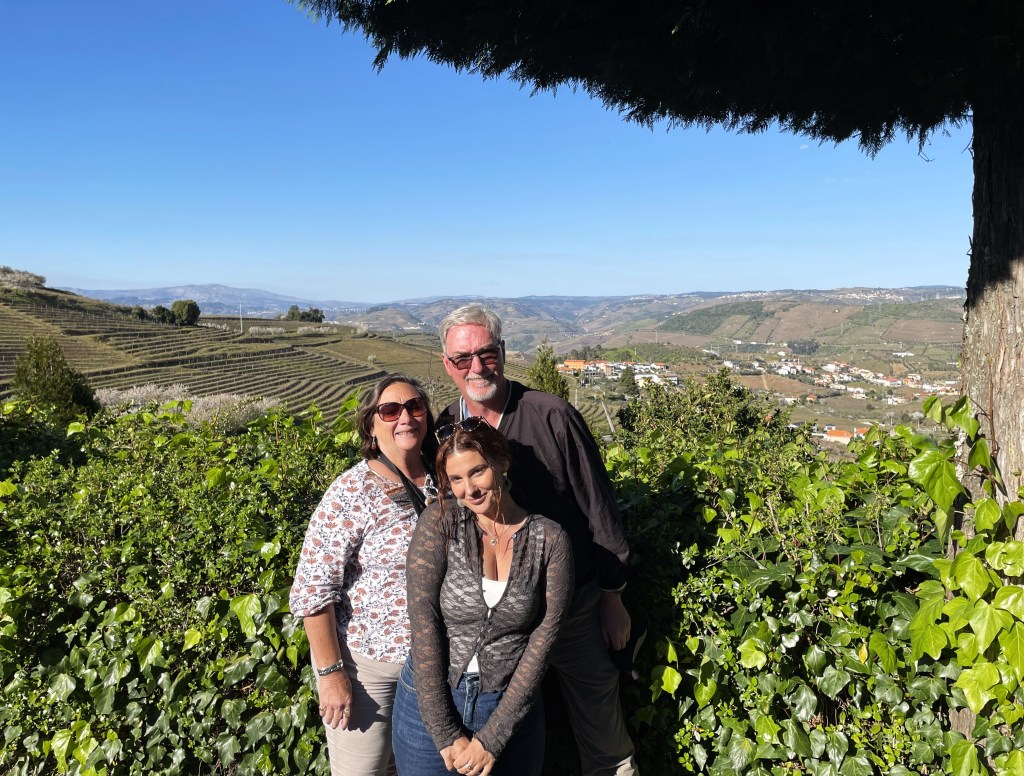
We had a gorgeous day filled with lots of wine and good fun. We absolutely loved the Douro Valley.
Have a great day and make everyday great. Live life to the fullest. It’s not the destination that matters, but the journey. Enjoy the ride. ‘Til next time.
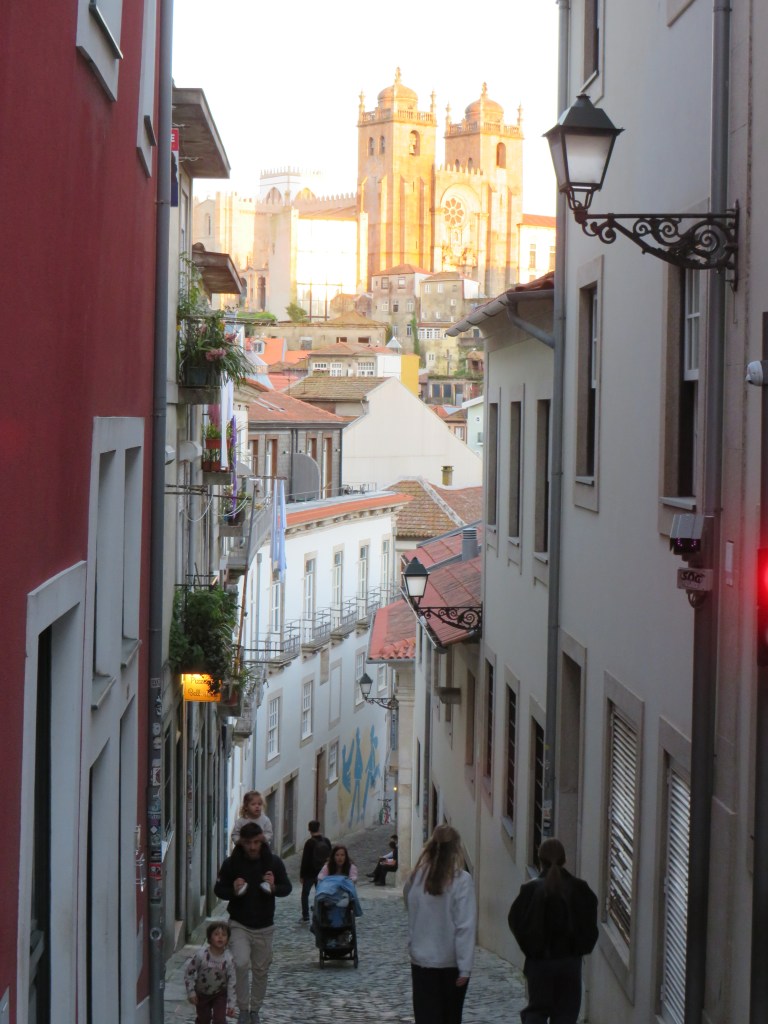
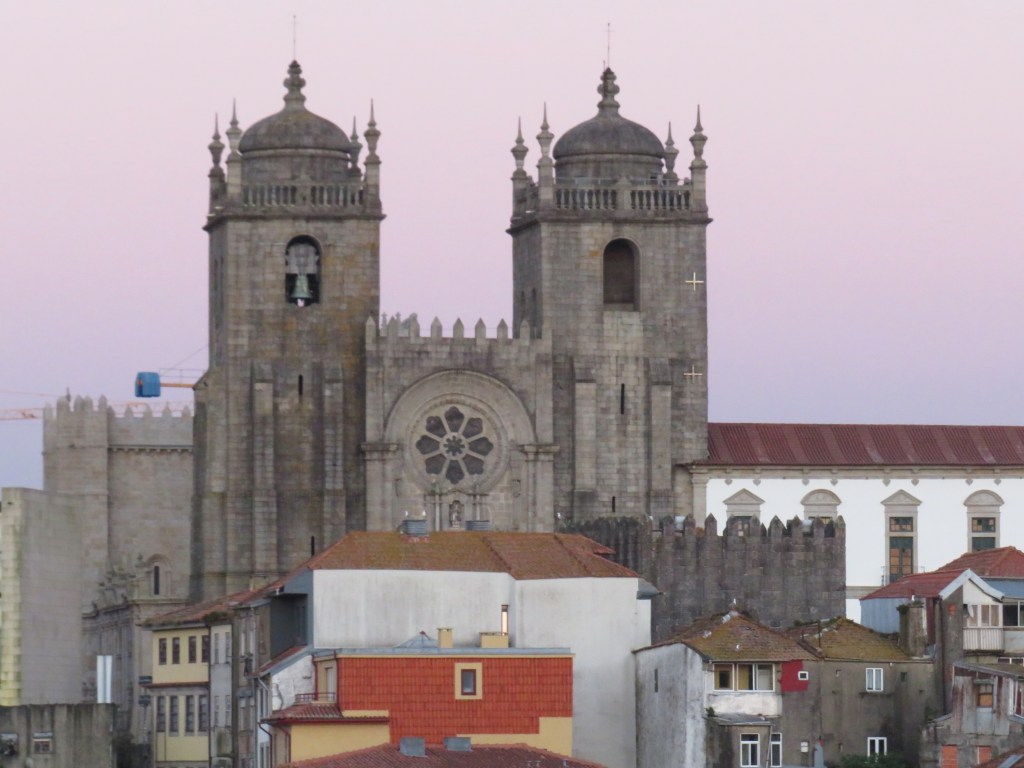
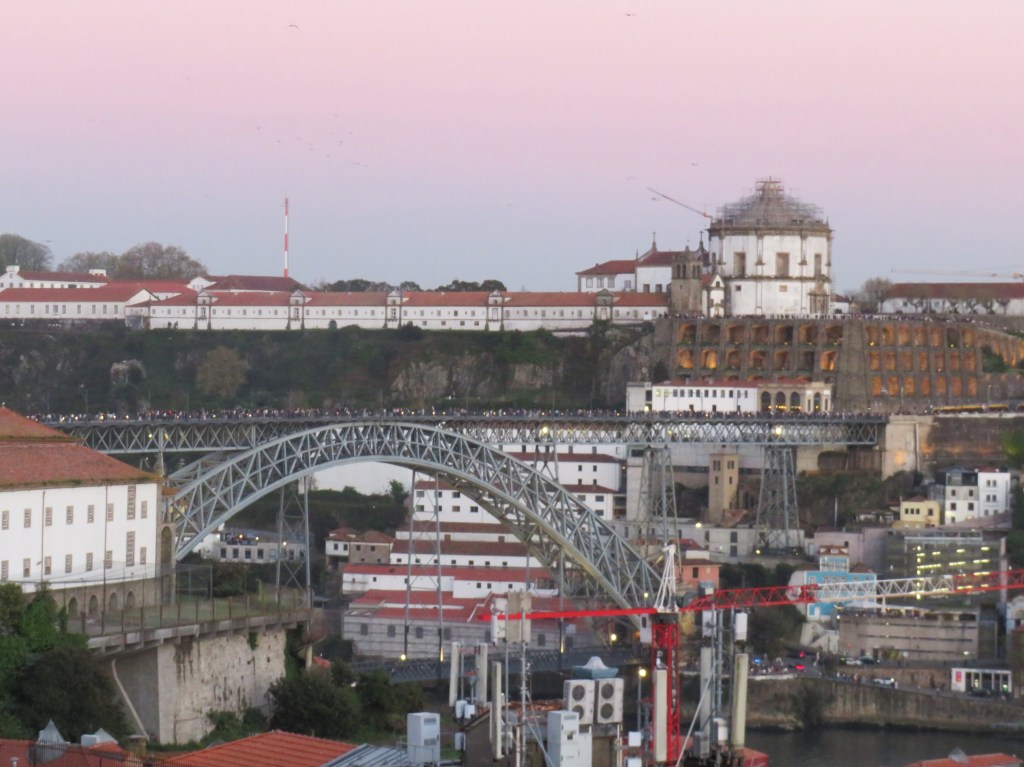
After going to the WOW Museum, and a little afternoon cocktail on the terrace, we had another walking tour of Porto. This one was different than the others we had taken. It was all about the darker side of Porto, or the mysterious, even the criminal aspects. Of course it was a twilight tour too, which made it even a bit more intriguing and “dark”.
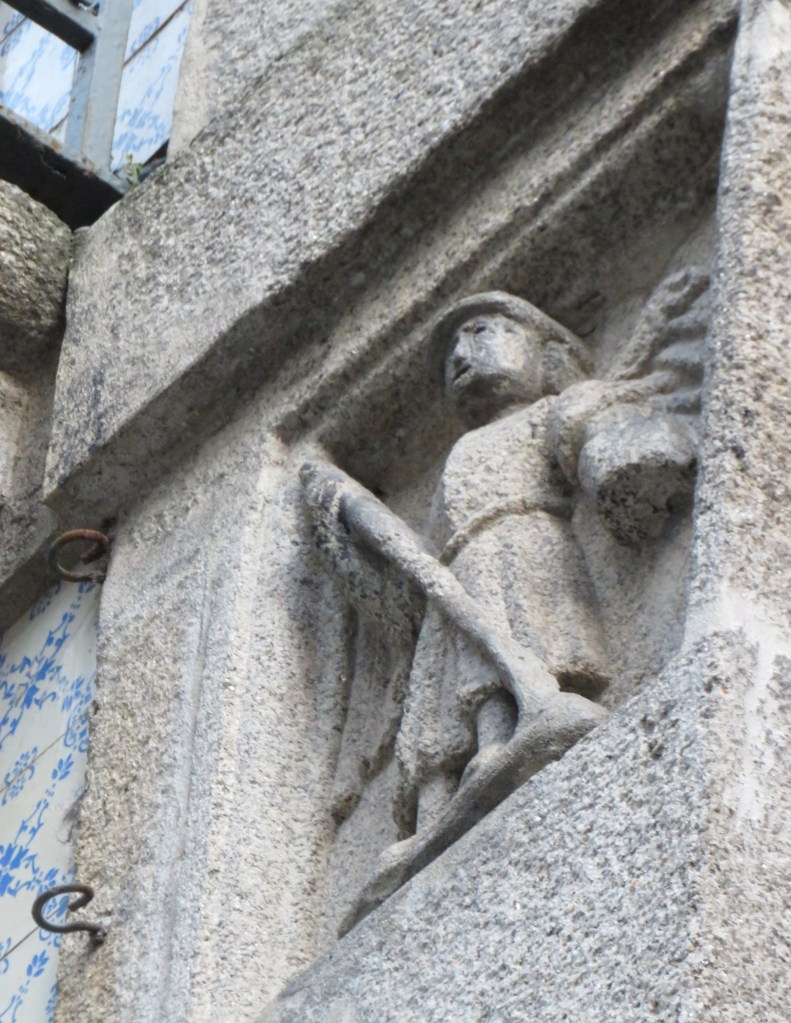
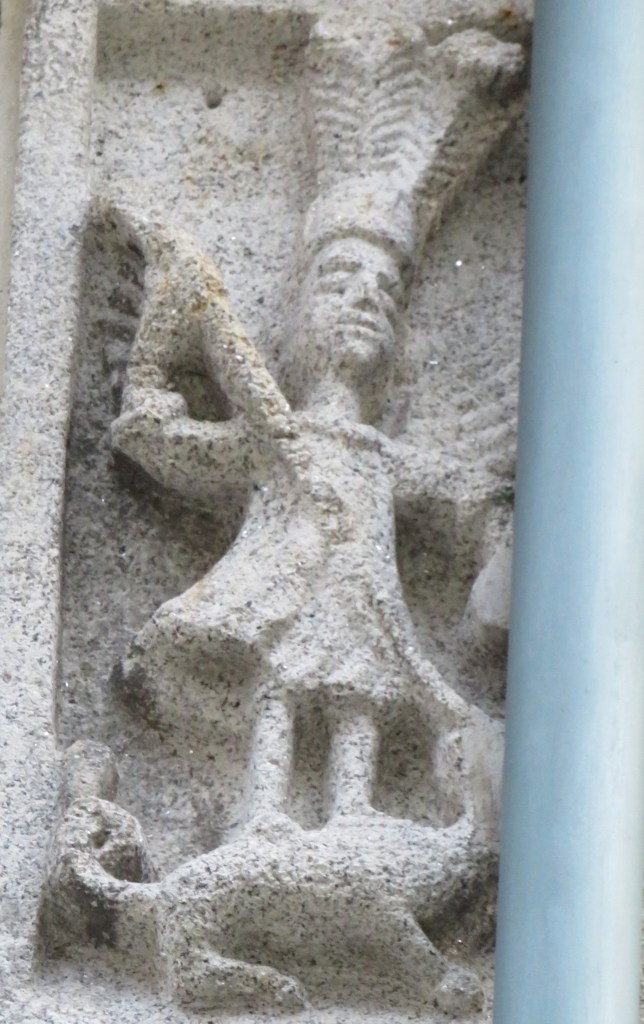
Part of the tour was to find hidden symbols or saints or animals on the buildings or in the streets.
Here are some of the hidden saints built into the walls of the building. I think there were supposed to be five, but we only saw a couple.
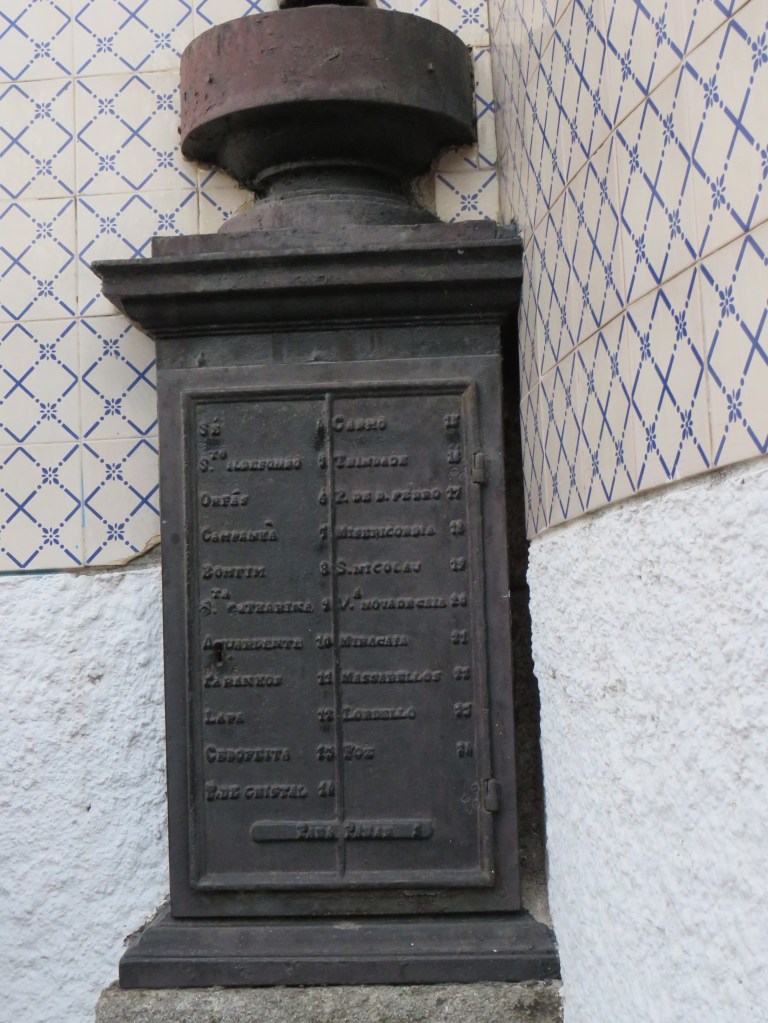
This was an old fire alarm system built into the walls of the church. There was a bell code that would alert the nearby villages of fire dangers. Each town had it’s own code or number of bell rings to alert them.
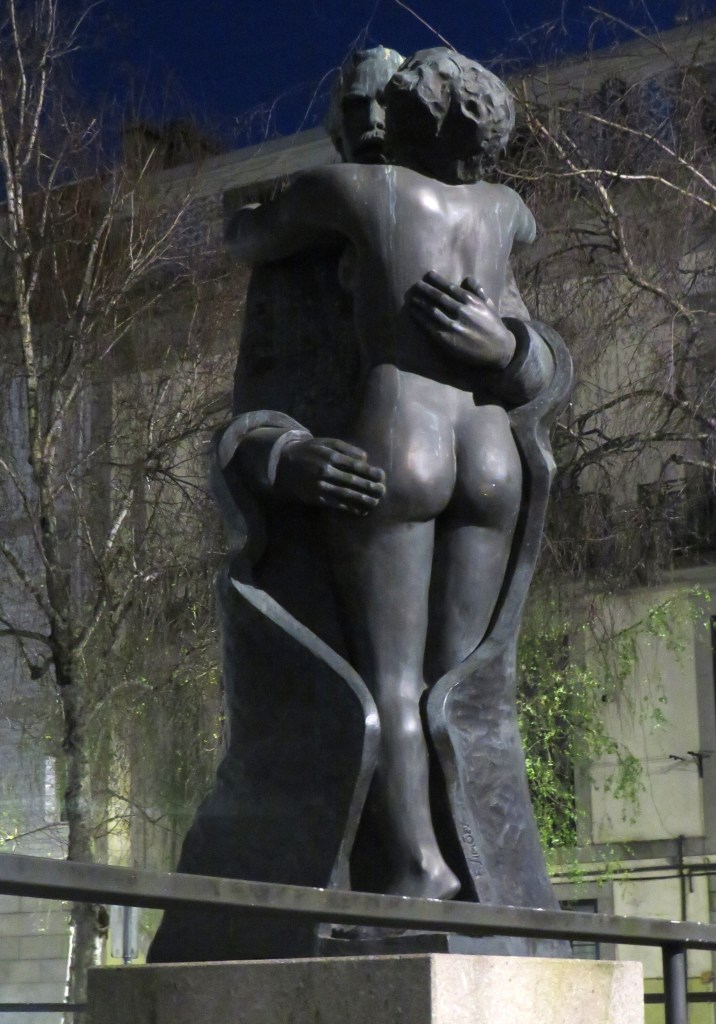
This statue is a tribute to the crimes of passion in a forbidden romance. The man was a wealthy man who had been a “criminal” for falling in love with a younger peasant woman while still married. They were both arrested and had to spend time in jail. Because he was wealthy, he was allowed to get out of “jail” in about a year, and his tenure was served in a private cell that was pretty elaborate. Unfortunately for the woman, who was poor, she had to endure insufferable conditions in her jail cell below the man’s.
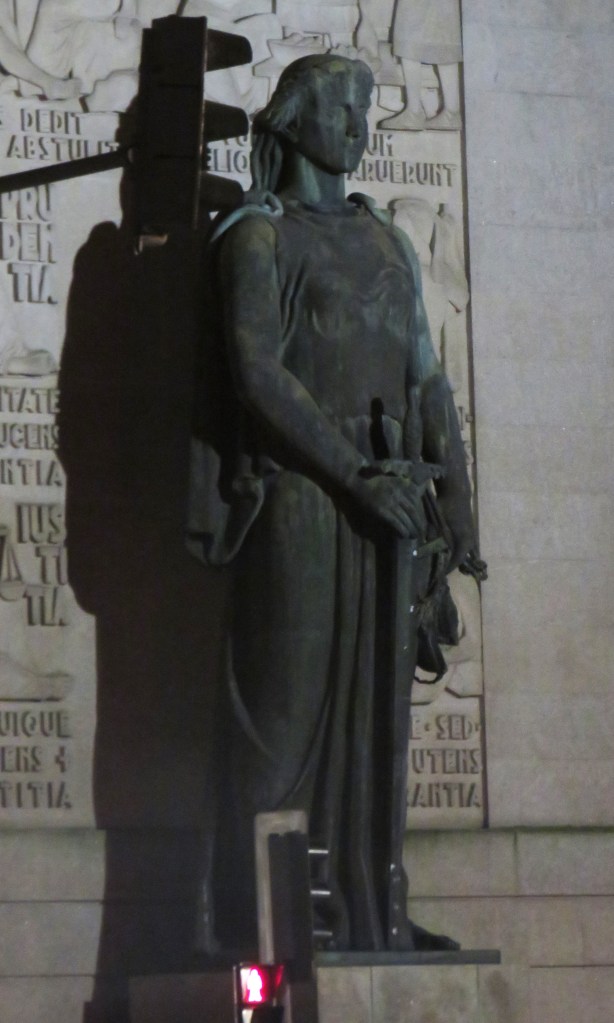
This is supposed to represent Lady Justice, but it was pretty ironic that it was outside the building where nothing but injustices were held.
It was an interesting tour, giving us the darker side of life in Porto. It was something different, but informative and entertaining all the same. Our guide Andre was full of information and stories. Who knows whether or not they were true, but they were fun to hear. 🙂
After our tour through the Medieval streets of Porto, we worked up an appetite, and were looking for a good place to eat and call it a day.
Once again, I didn’t get the name of the restaurant where we ate, and I only got pictures of the food, which was delicious. All I really remember was that we were dining on the water’s edge, and we really liked the food. I know! Silly me. 🙂
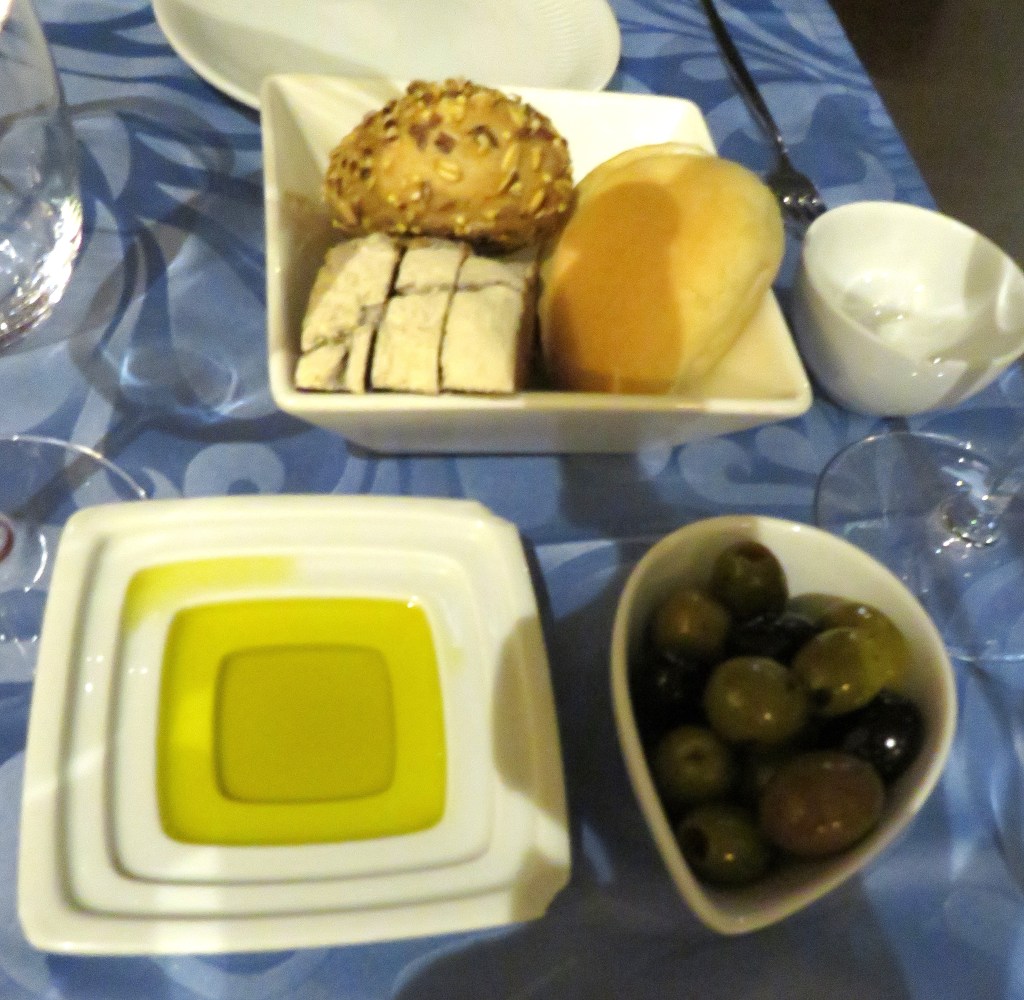
Our starters of bread and olives.
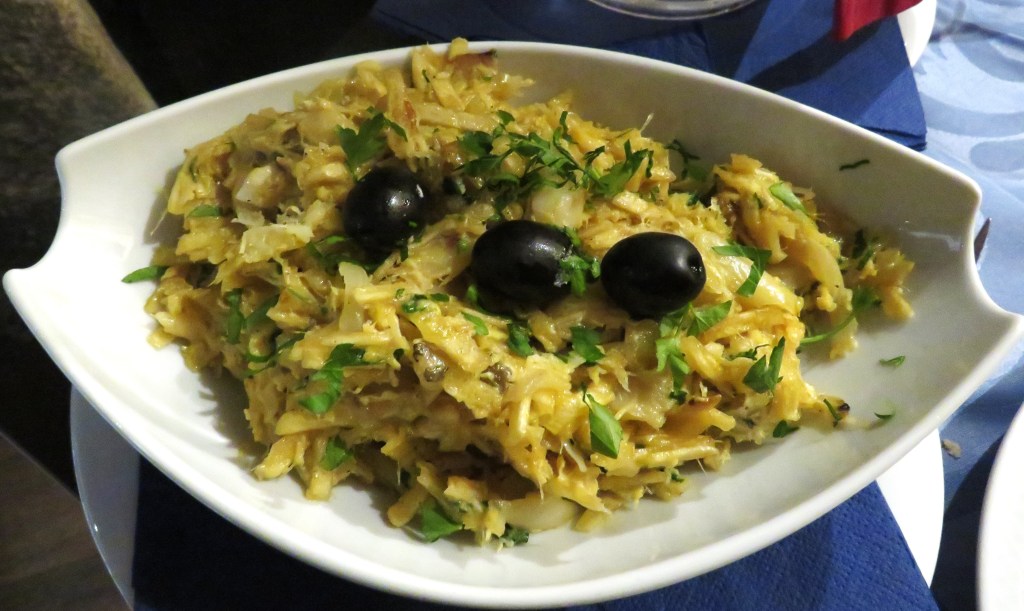
Larry ordered the bacalhau or salt cod casserole.
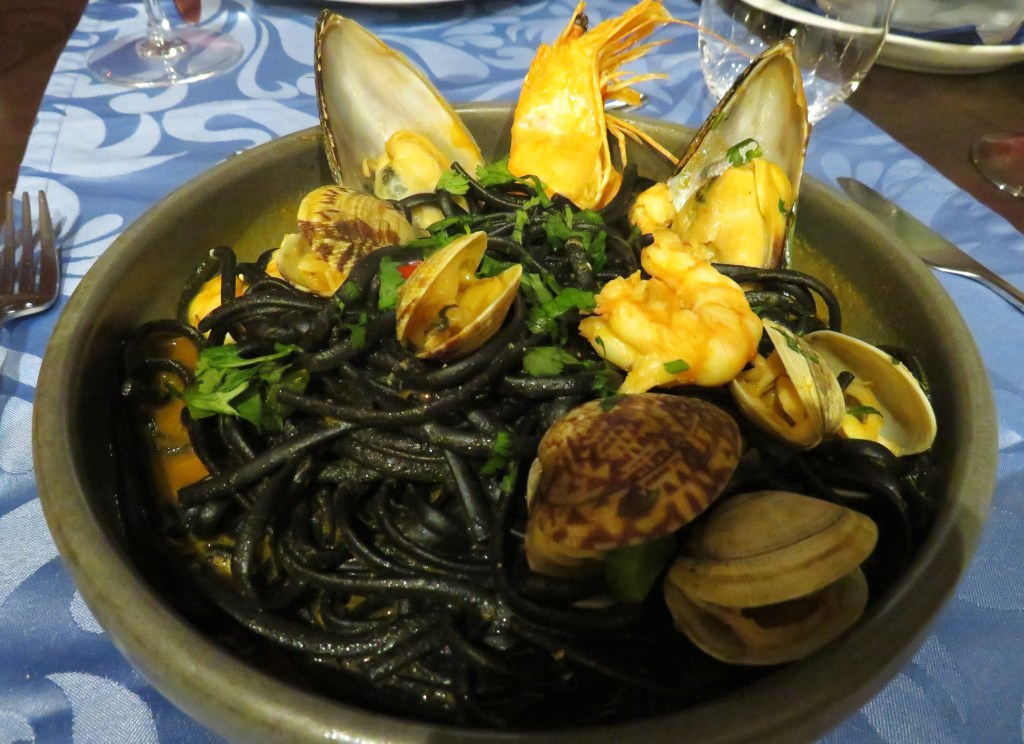
And I ordered pasta do mare.
Have a great day and make everyday great. Live life to the fullest. It’s not the destination that matters, but he journey. Enjoy the ride. ‘Til next time.
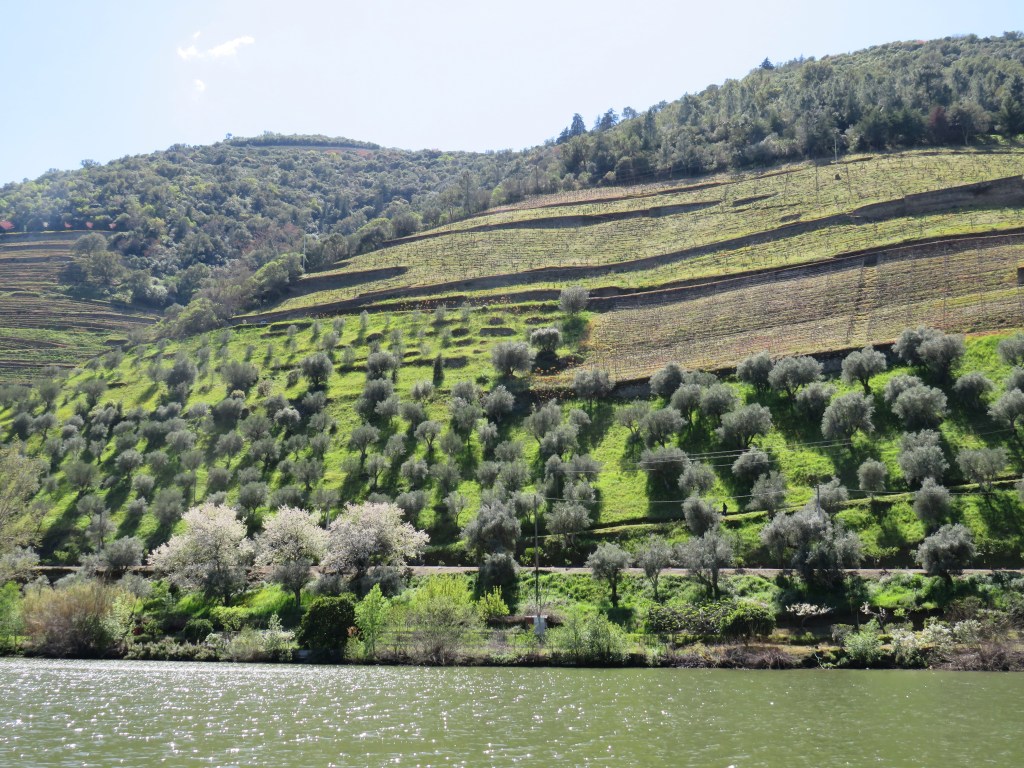
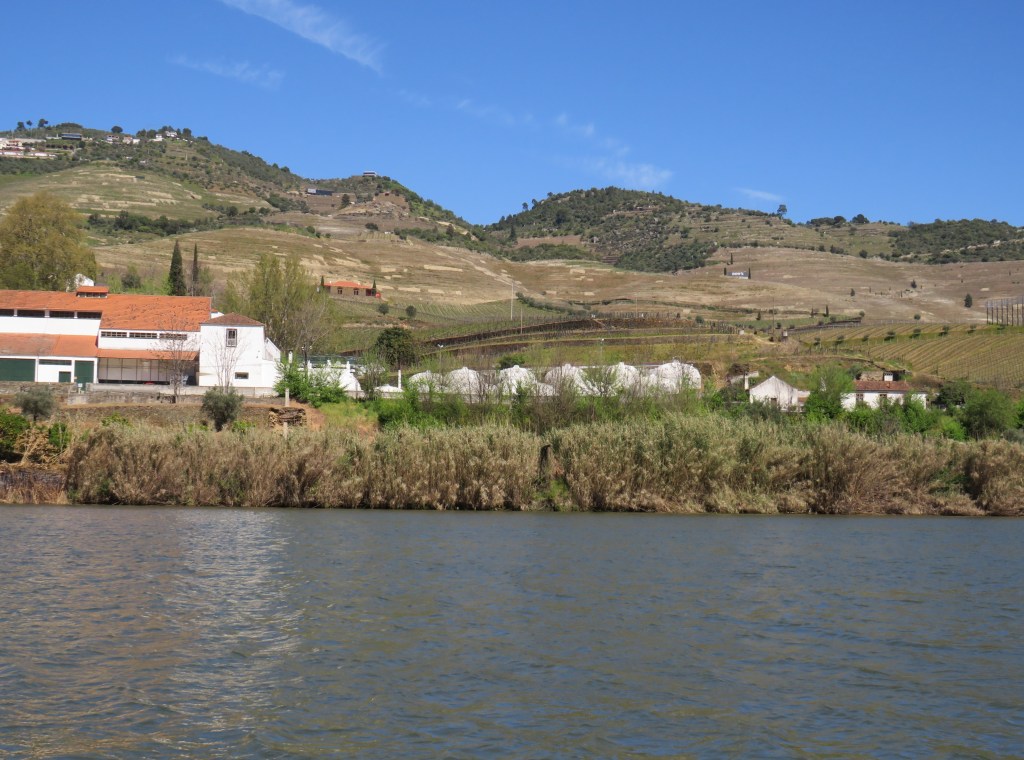
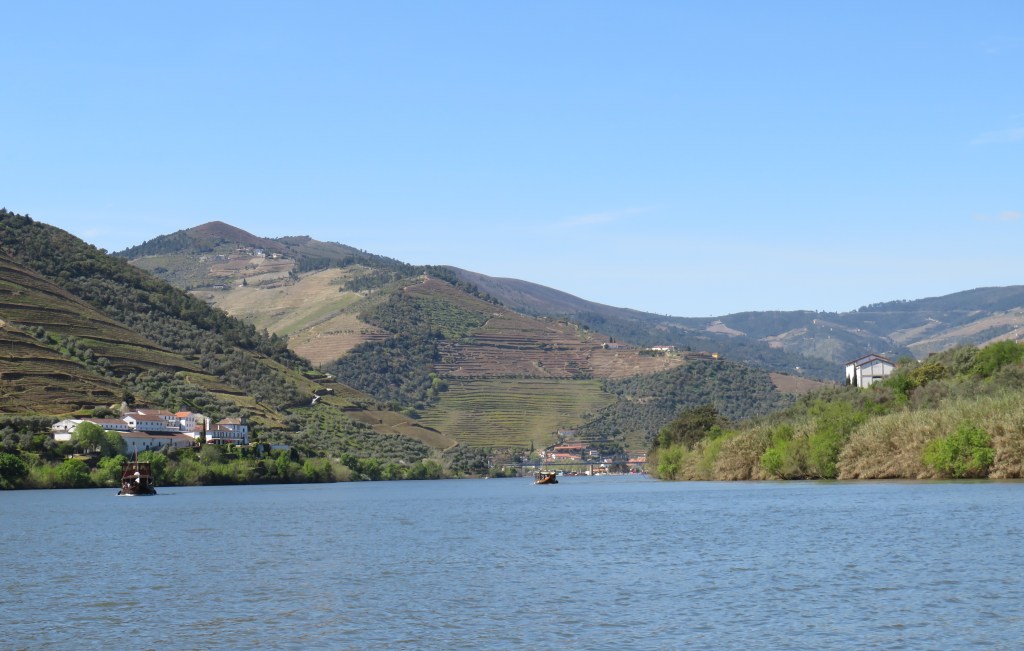
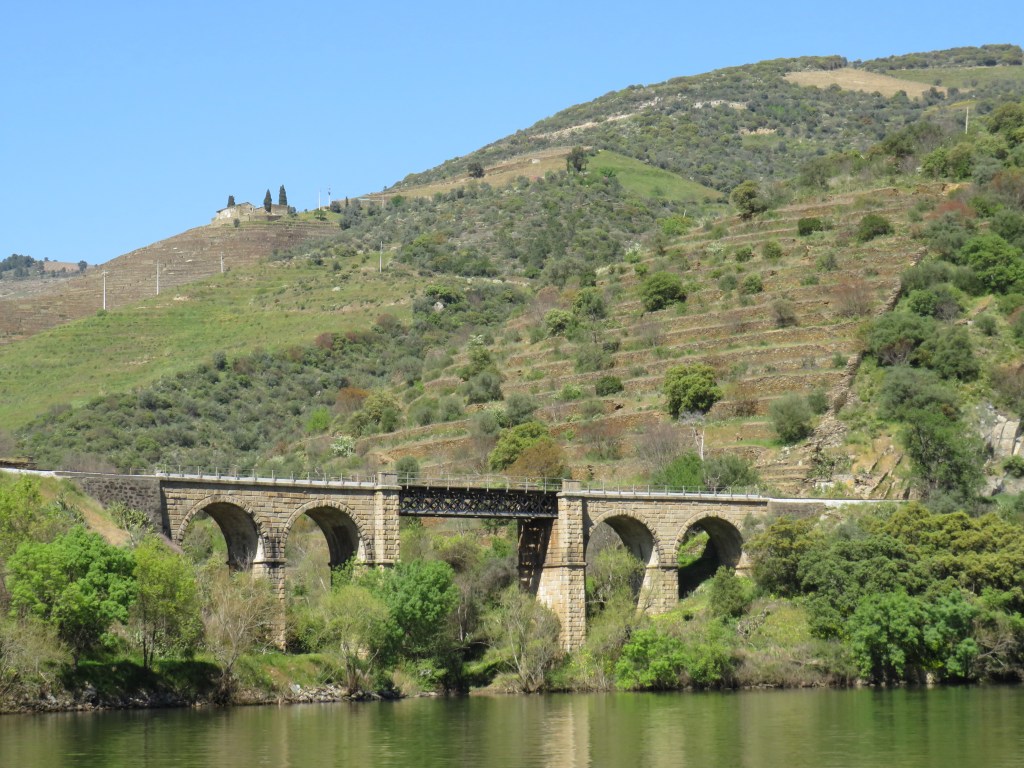
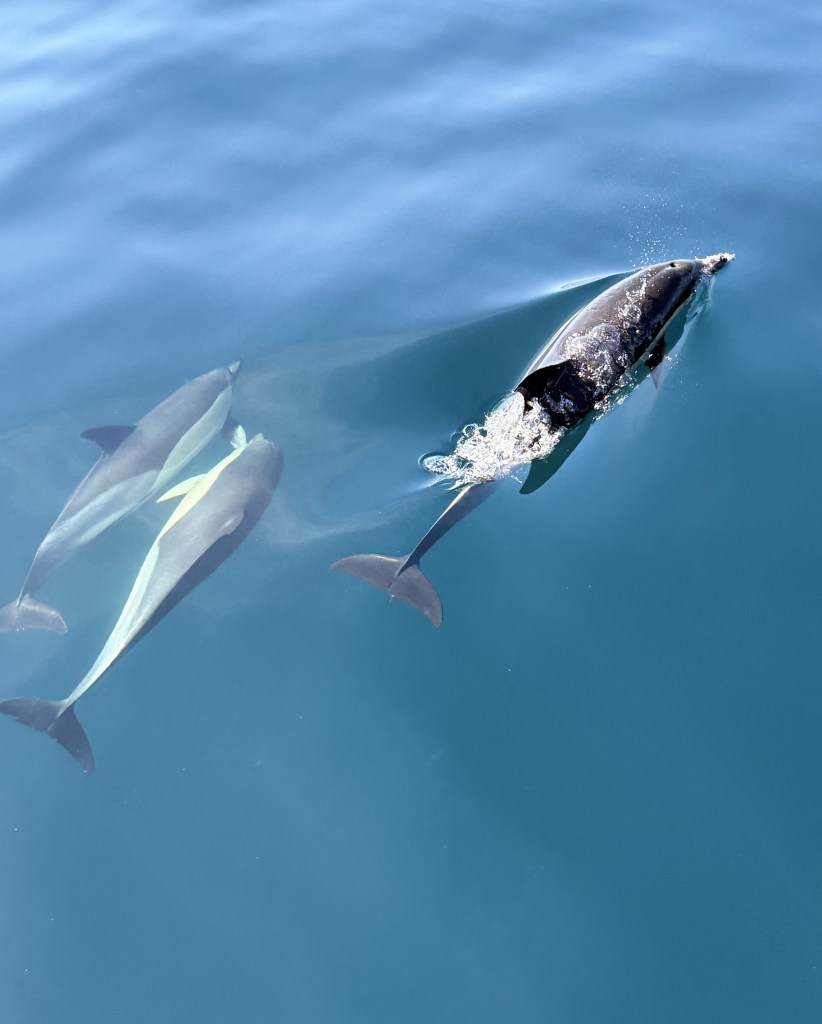
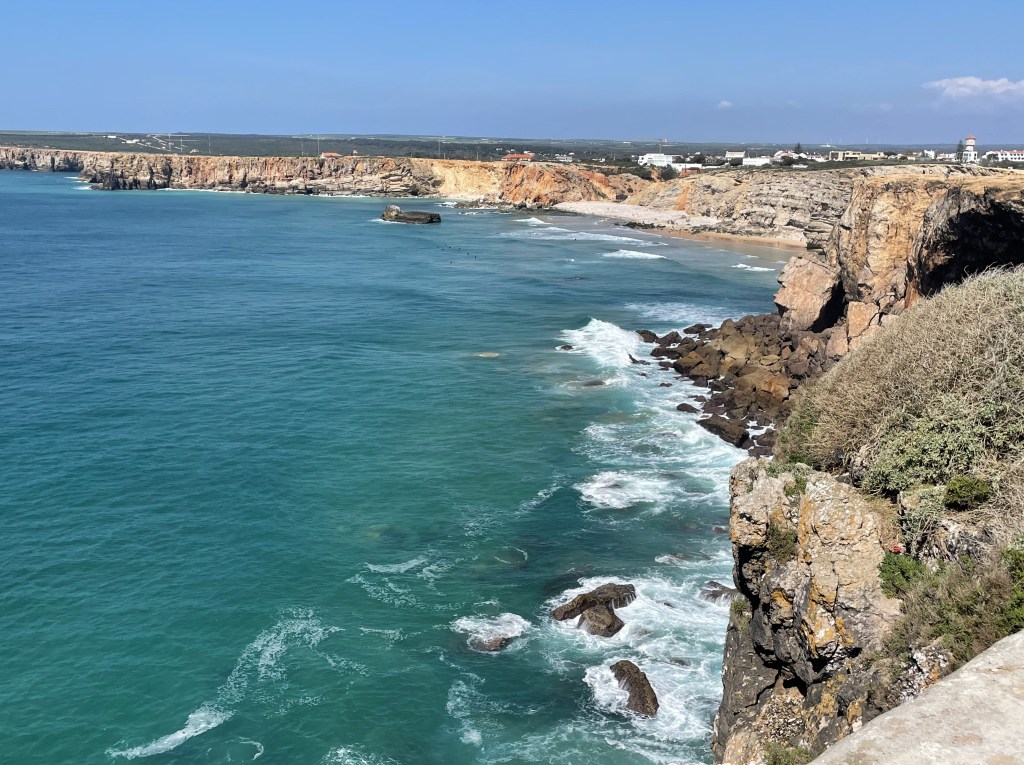
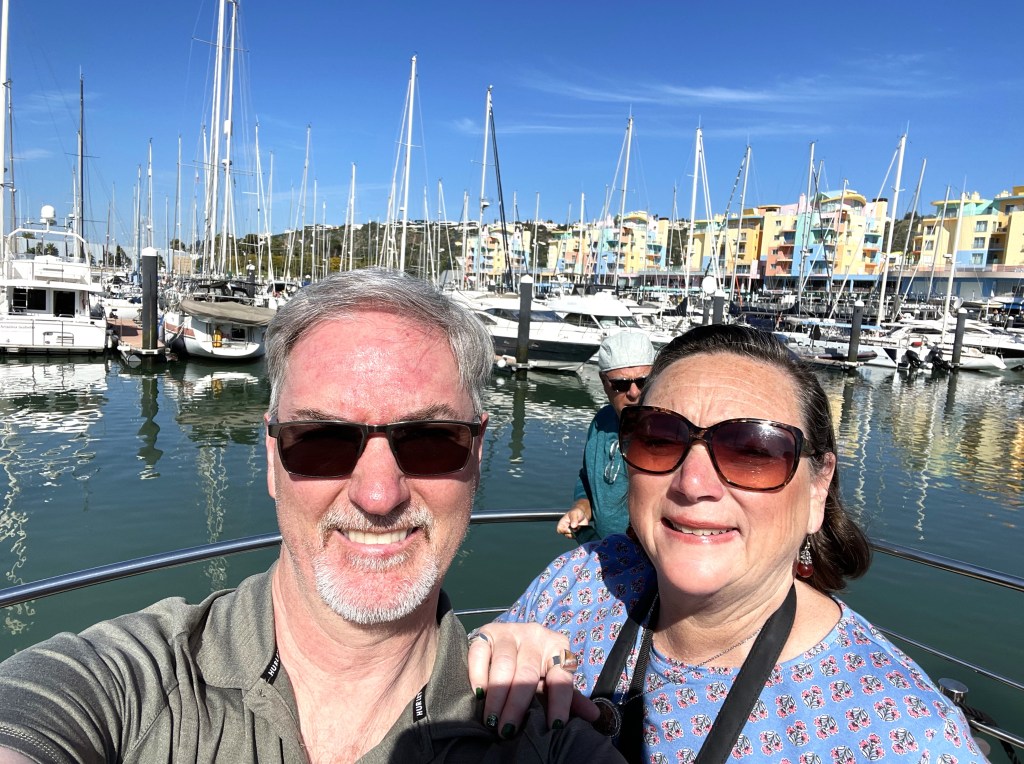
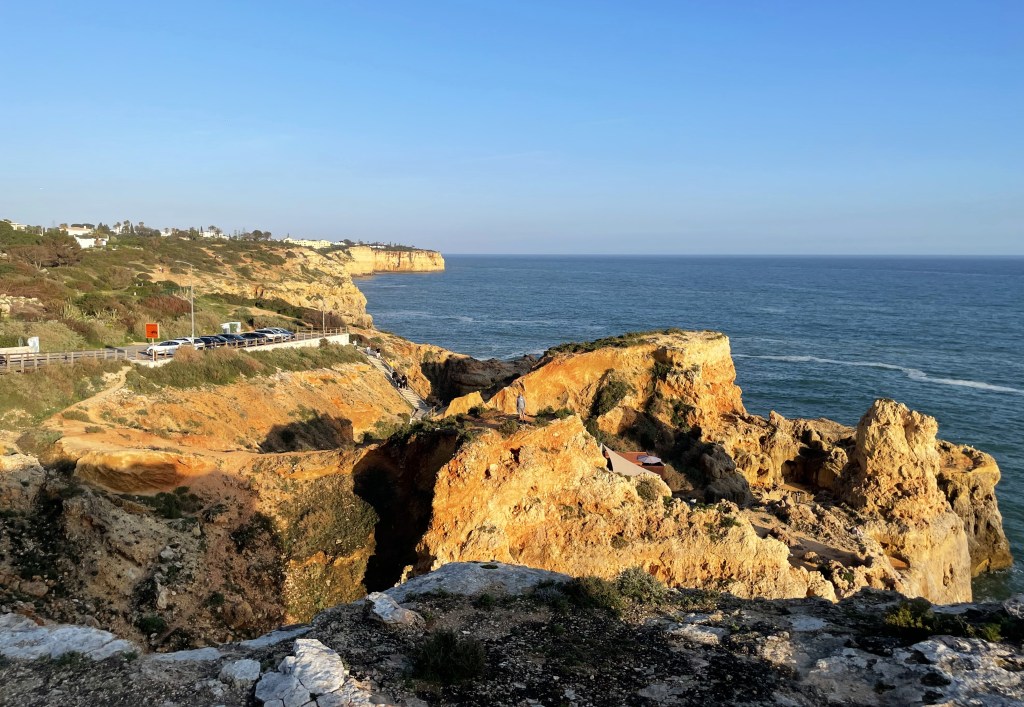
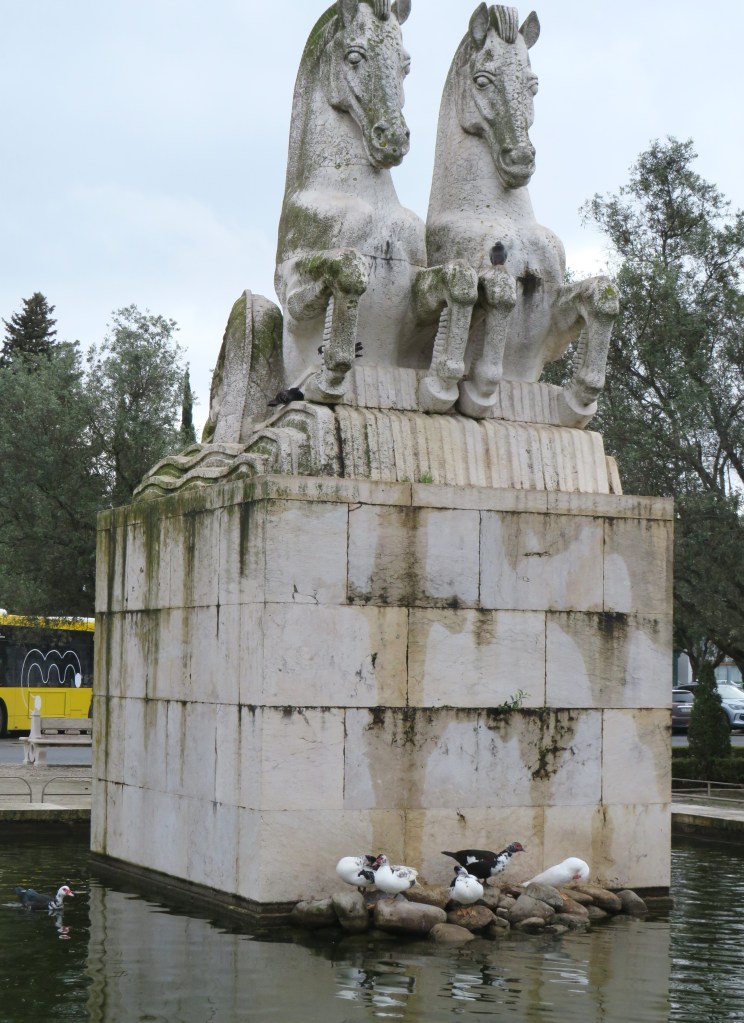
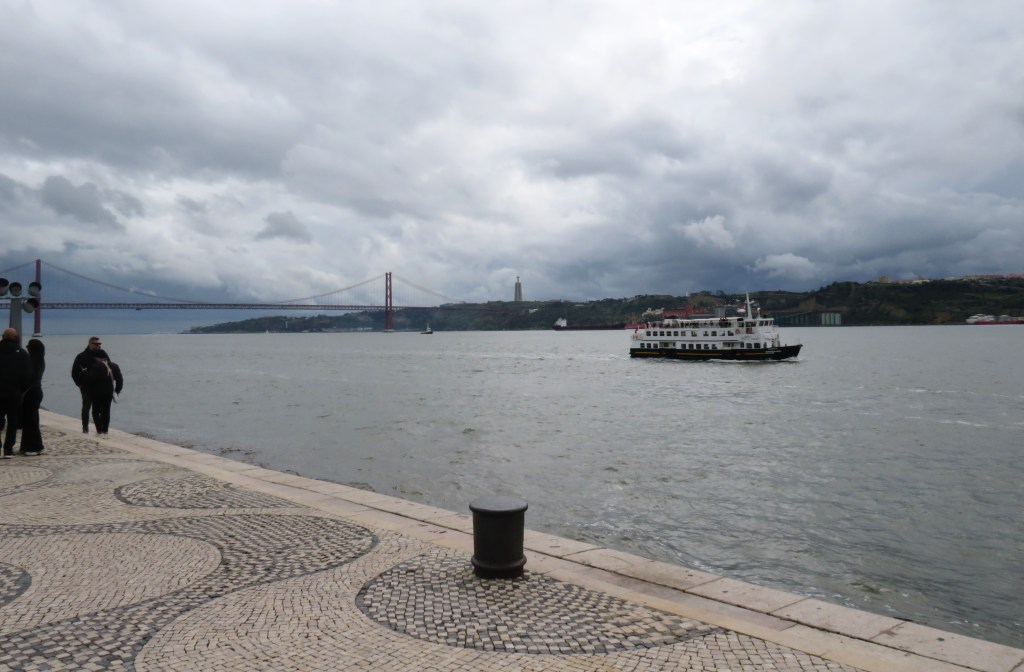
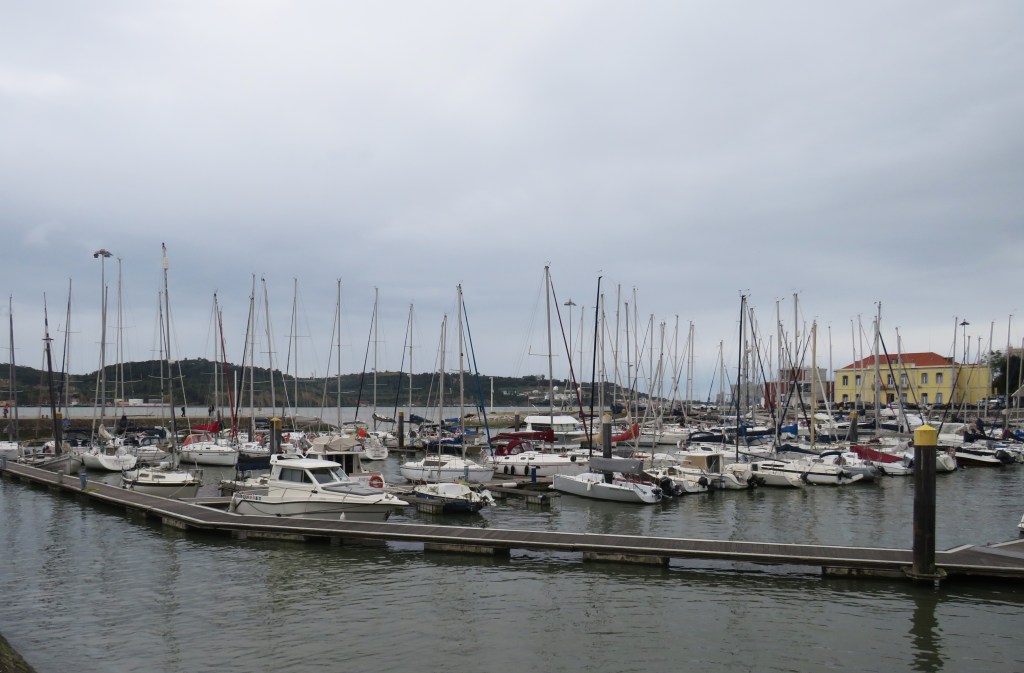
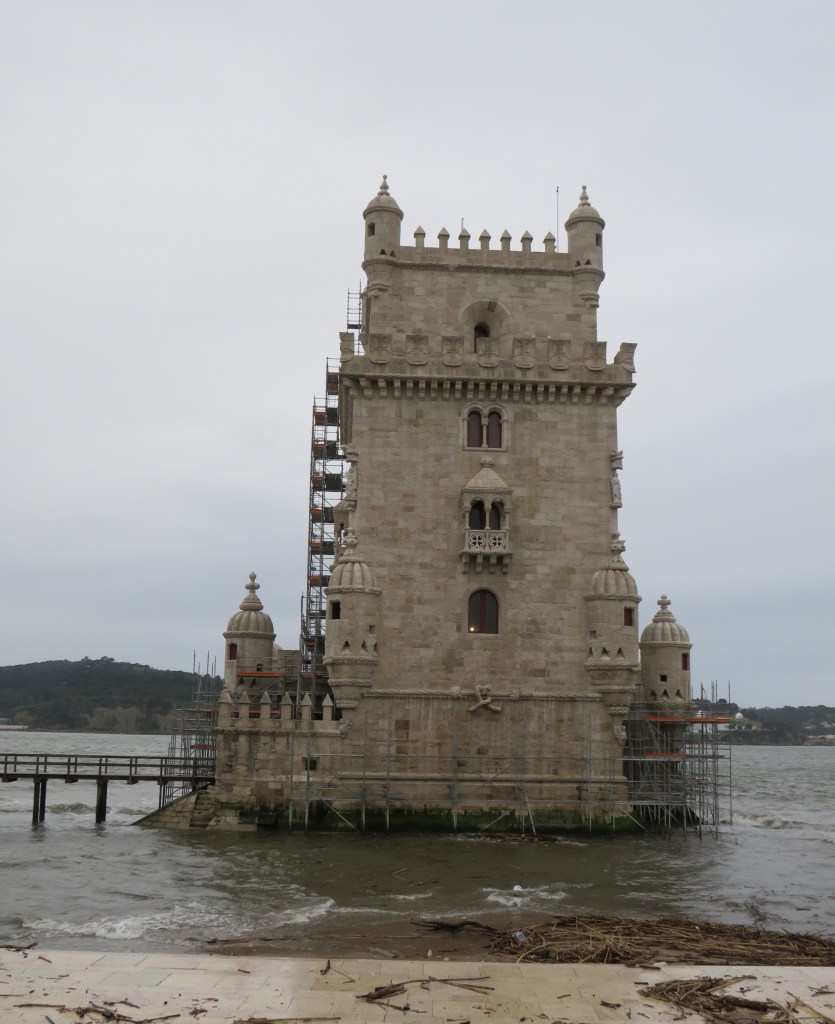
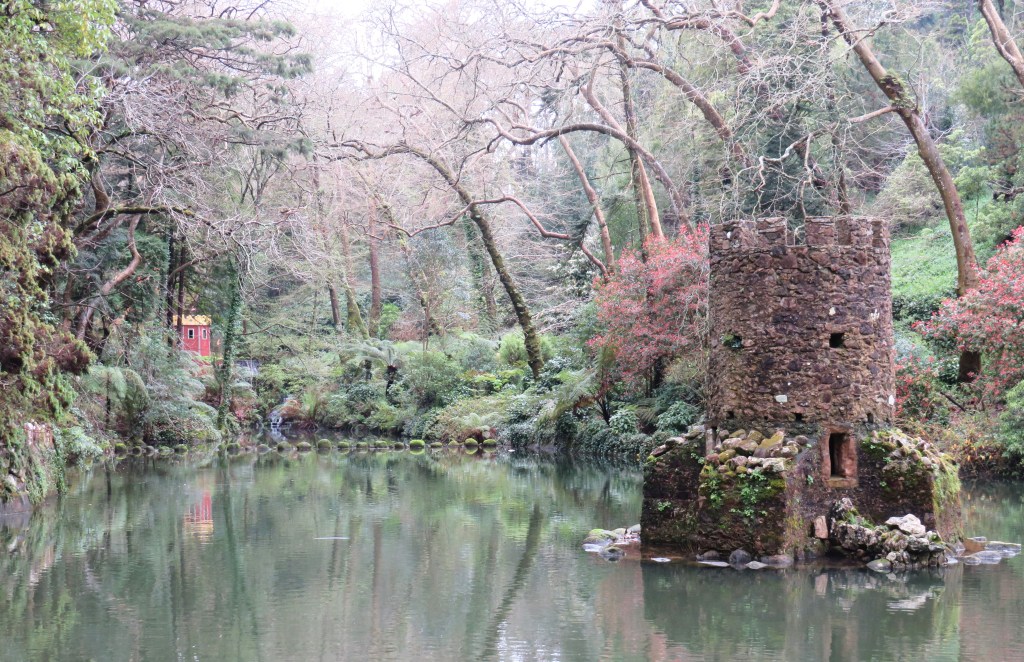
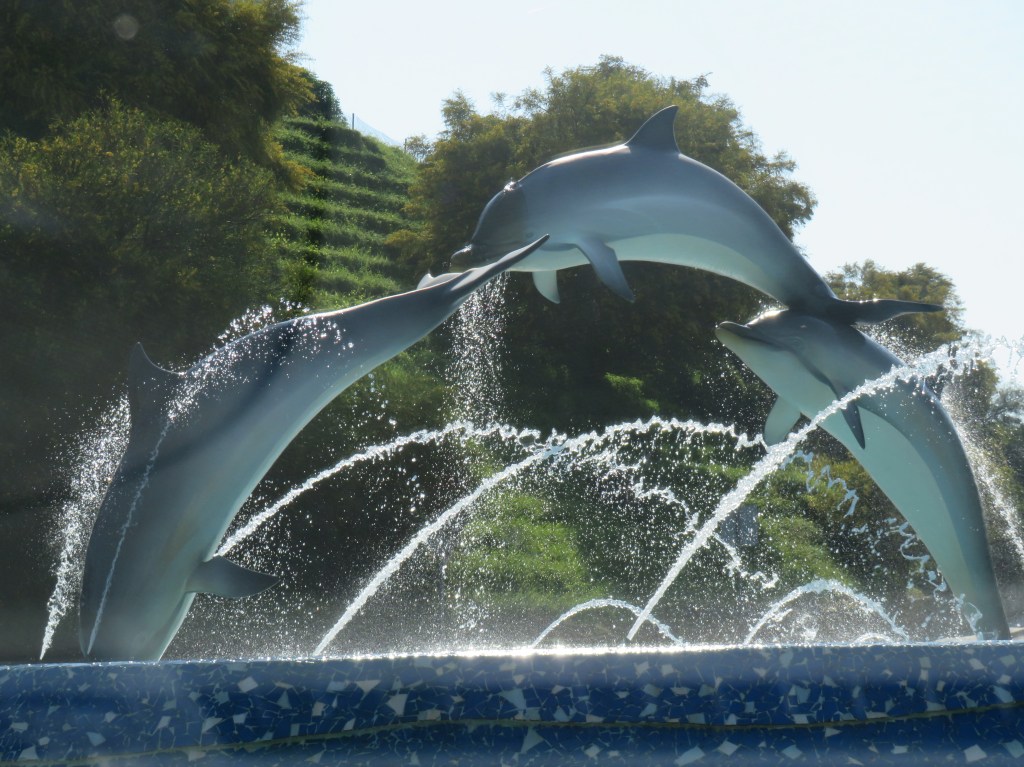
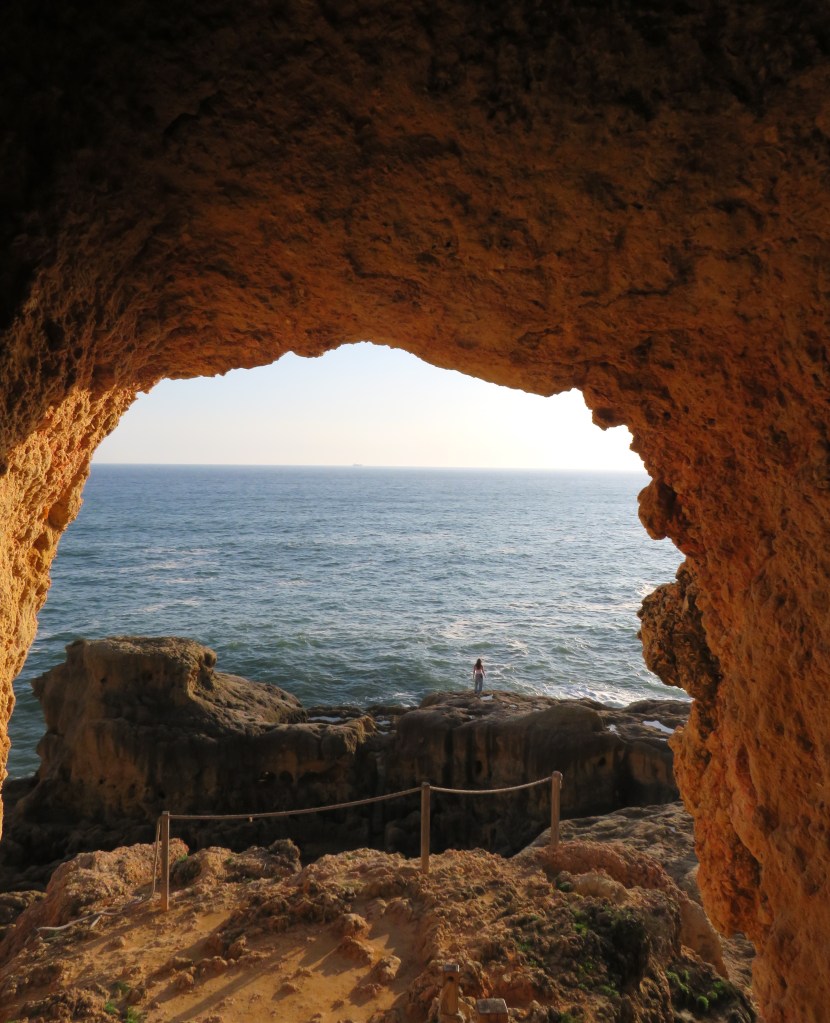
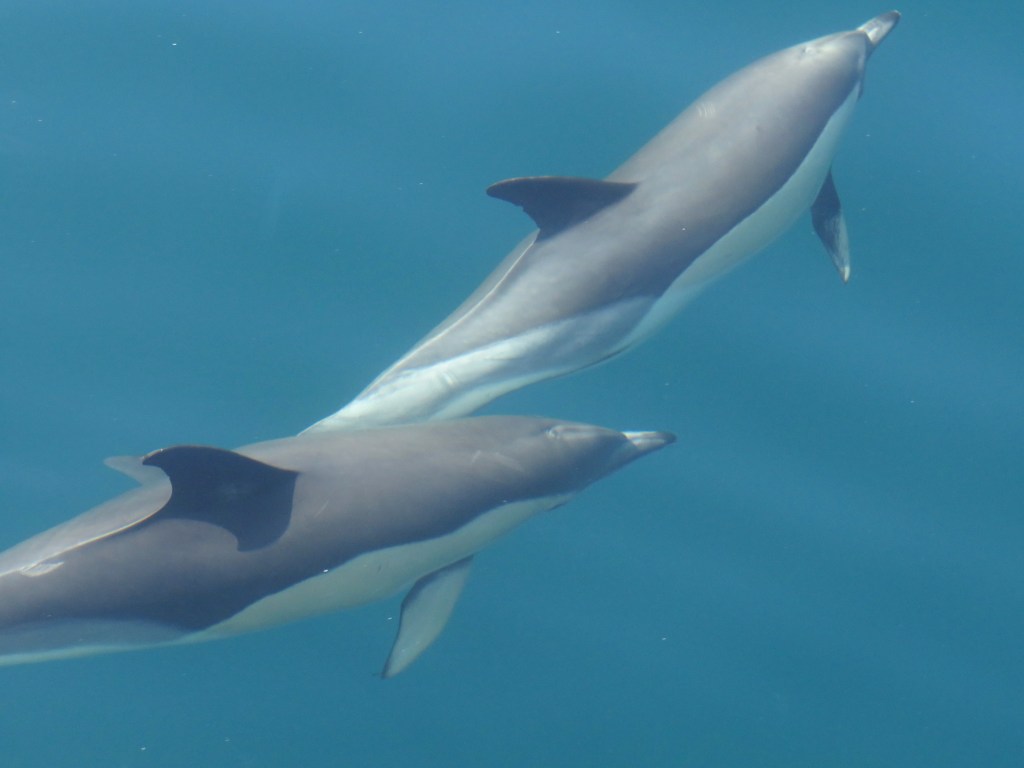
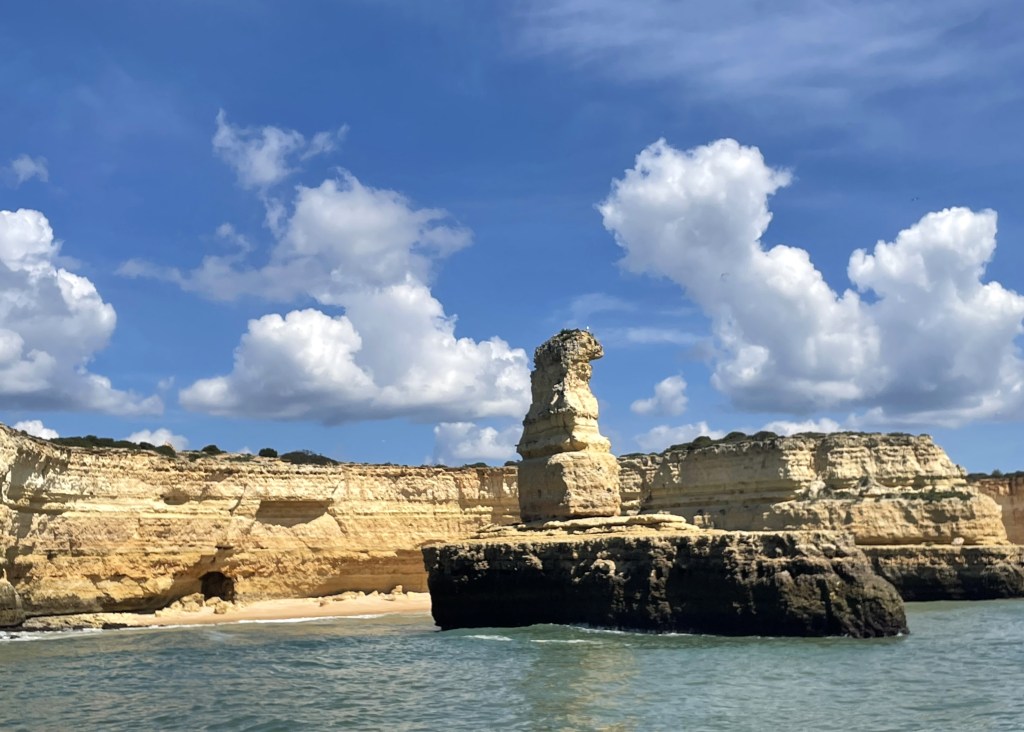
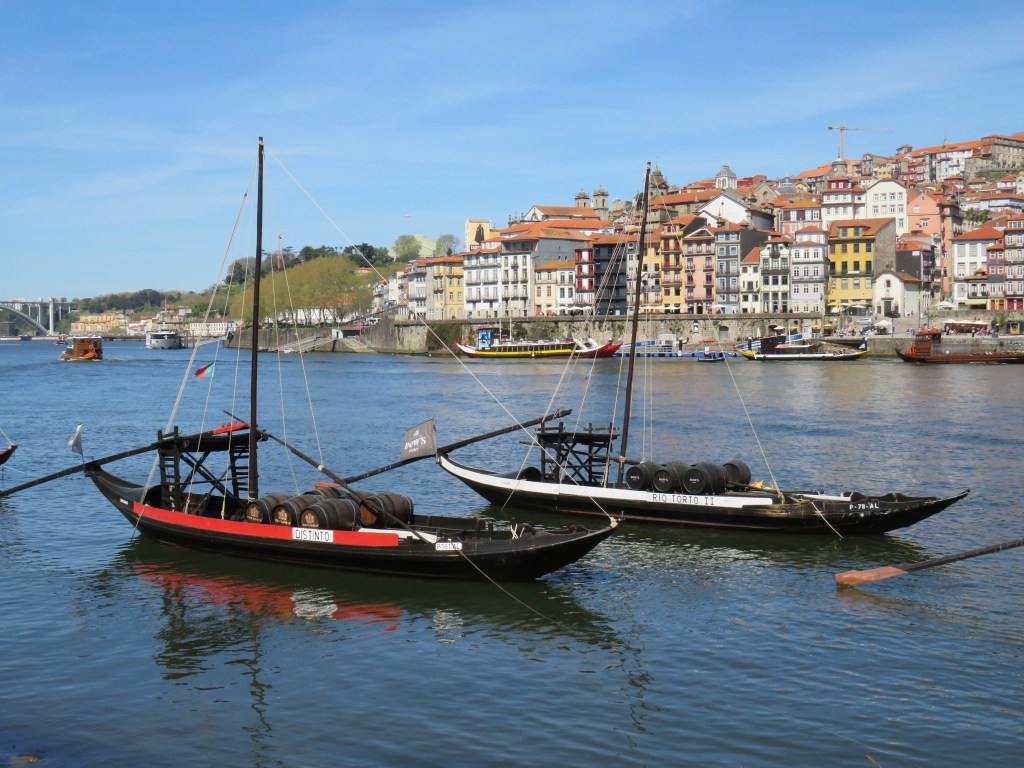
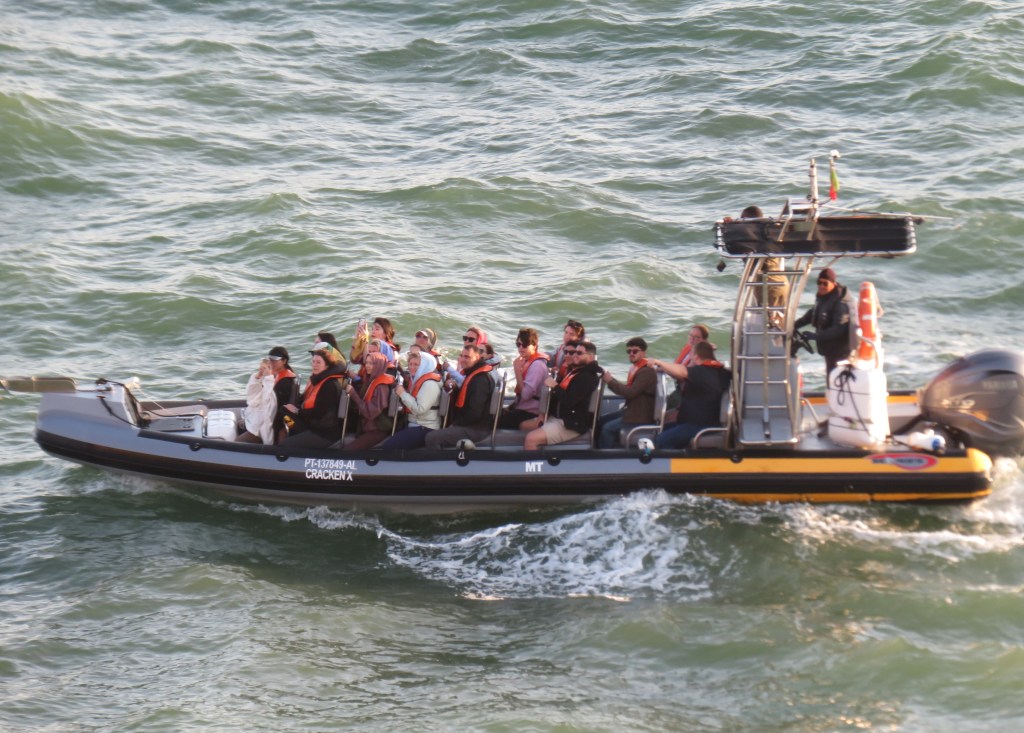
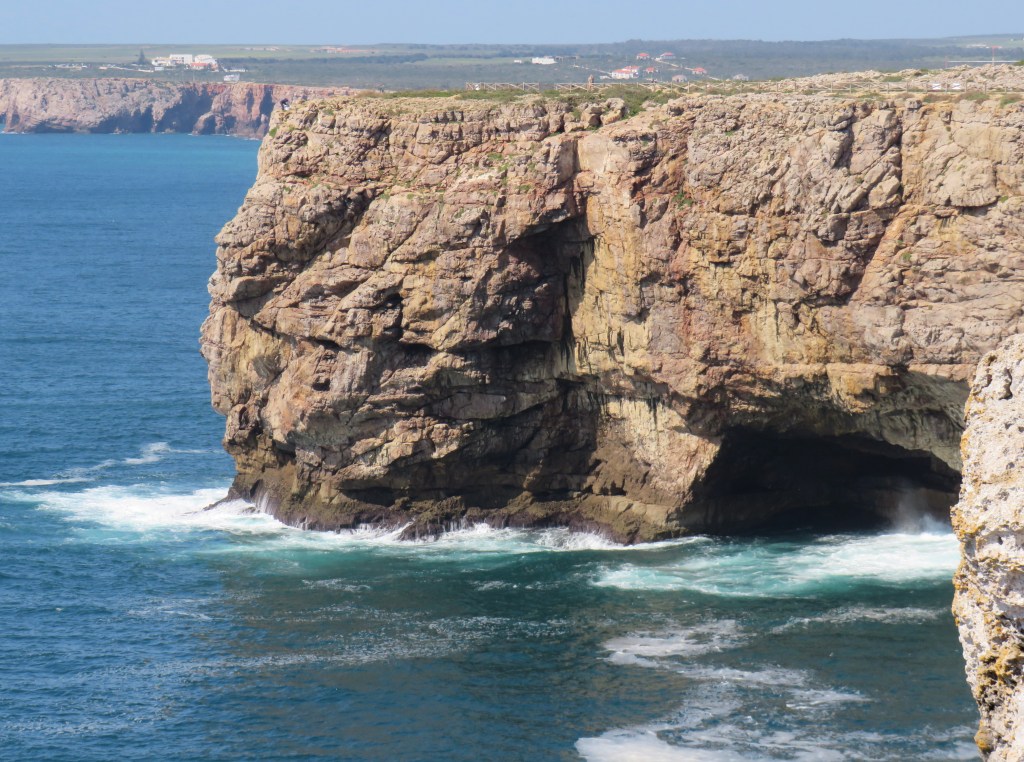
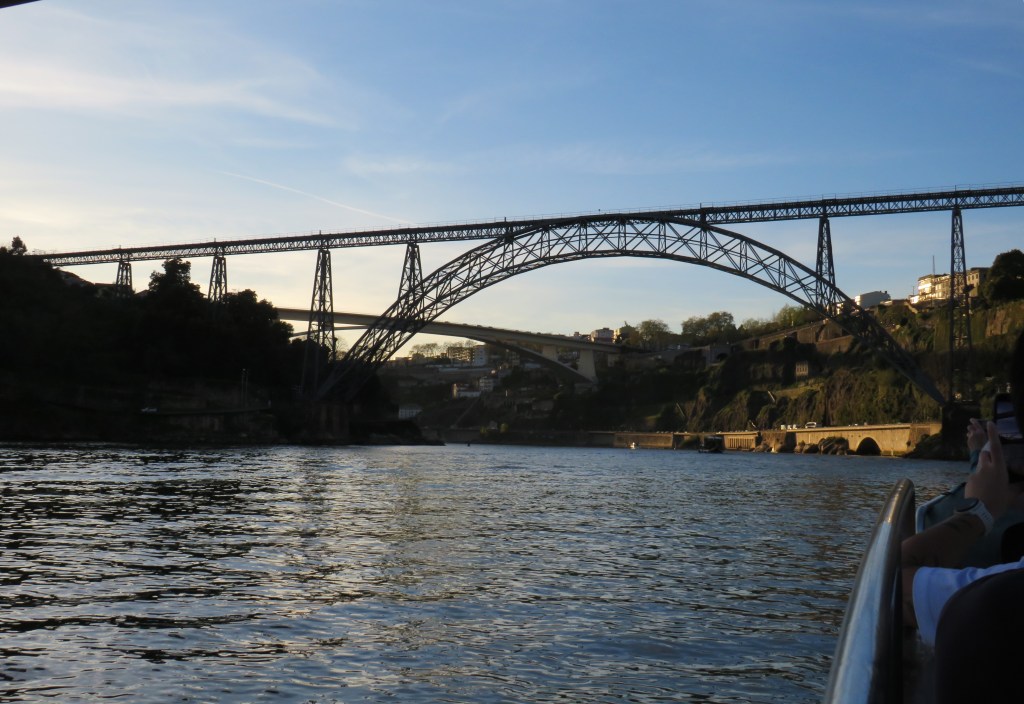
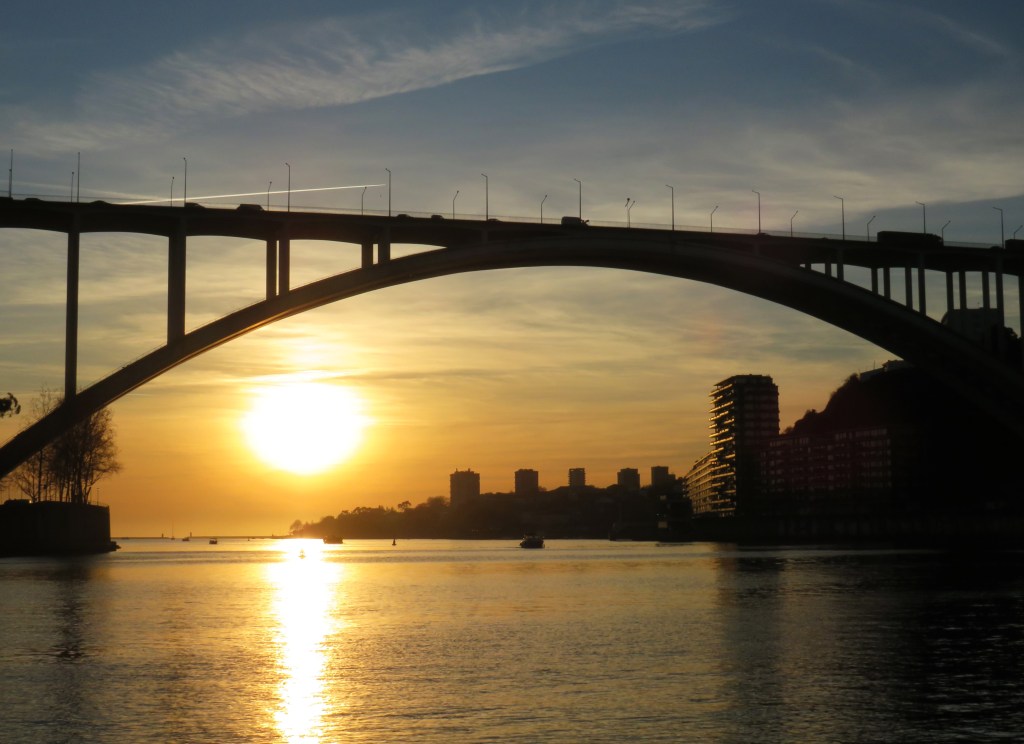
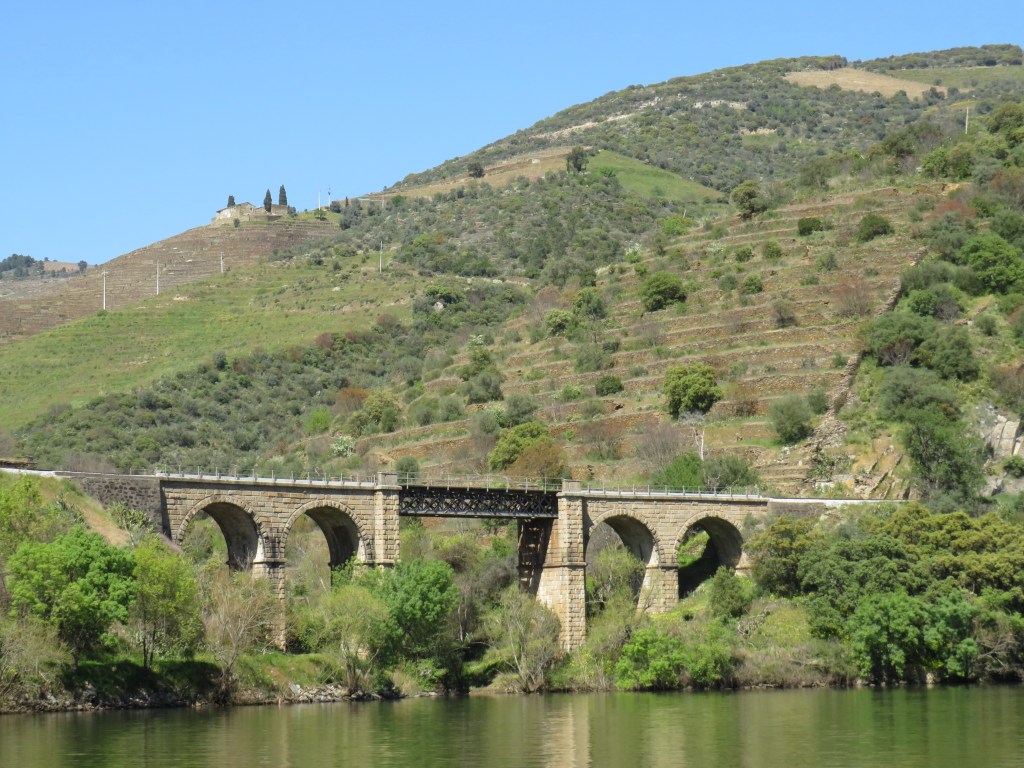
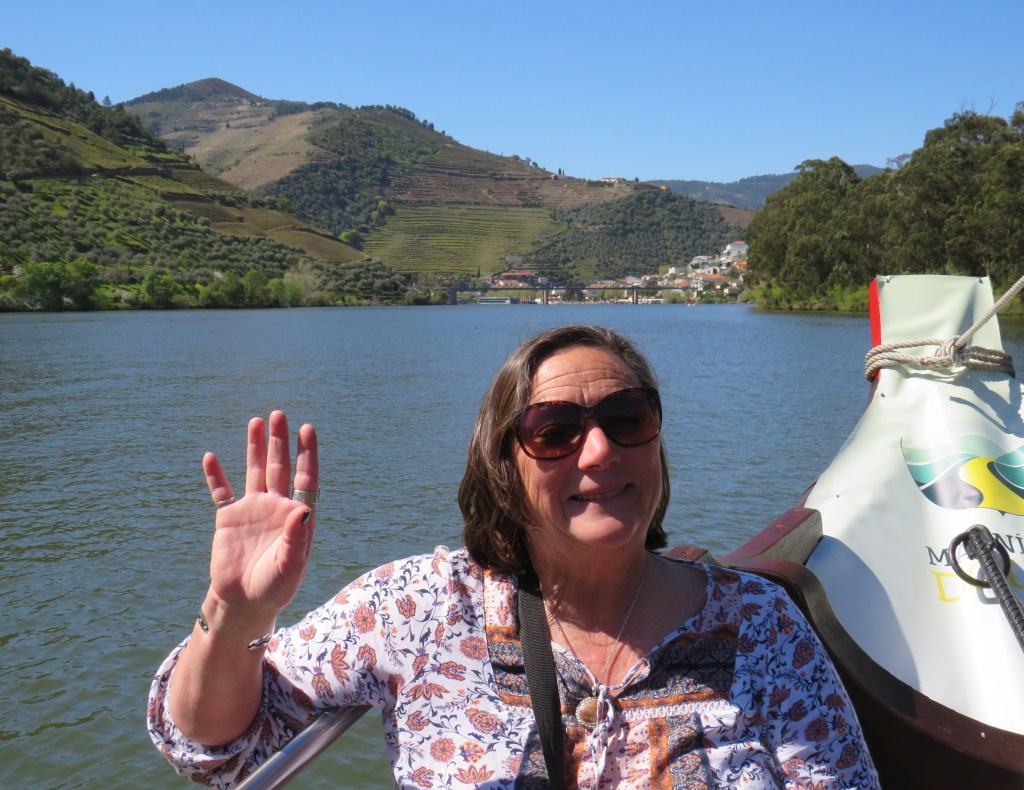
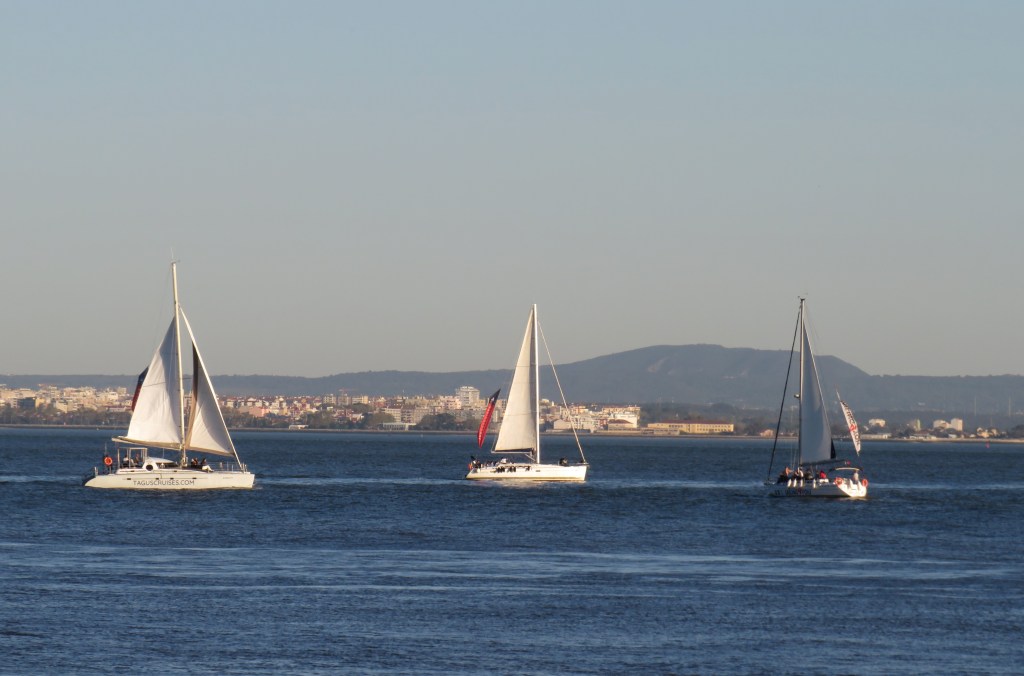
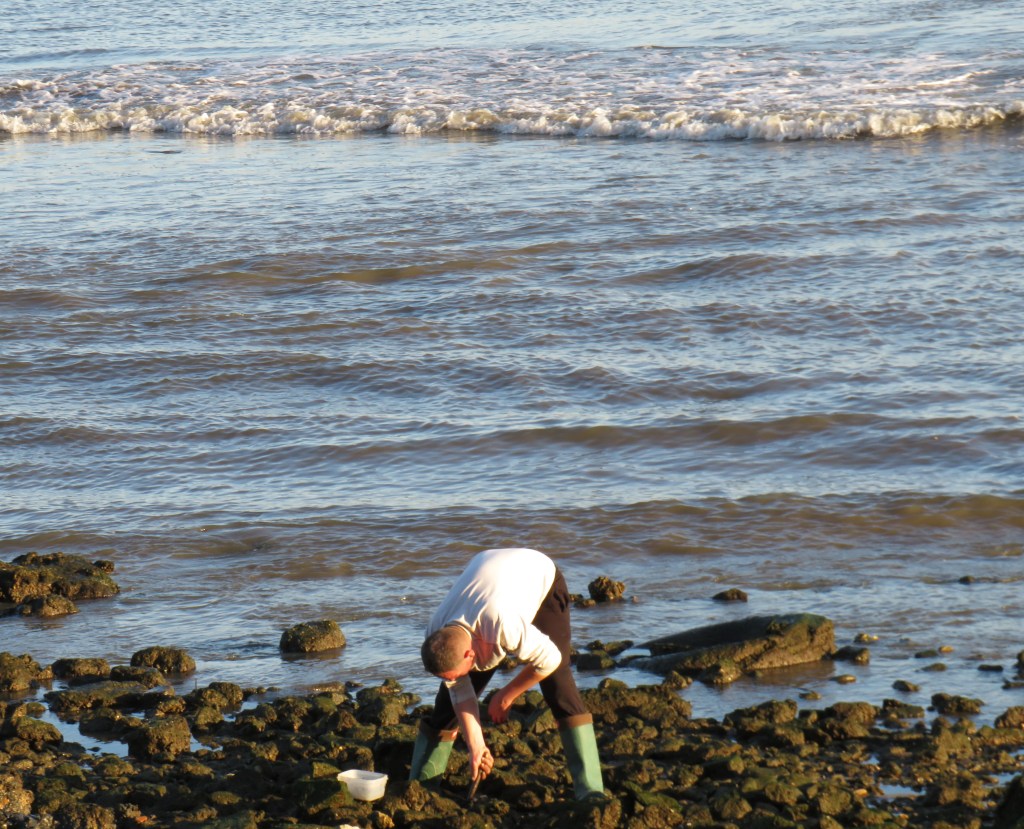
I love a good challenge, even the challenges that pop up on Word Press. This one is called “On The Water”, and was put out by http://wanderingdawgs.com/ Thank you. I am always in or on the water, and I always have lots of photos from the water. These are all from our recent trip to Portugal.
Have a great day and make everyday great. Live life to the fullest. It’s not he destination that matters, but the journey. Enjoy the ride. ‘Til next time.
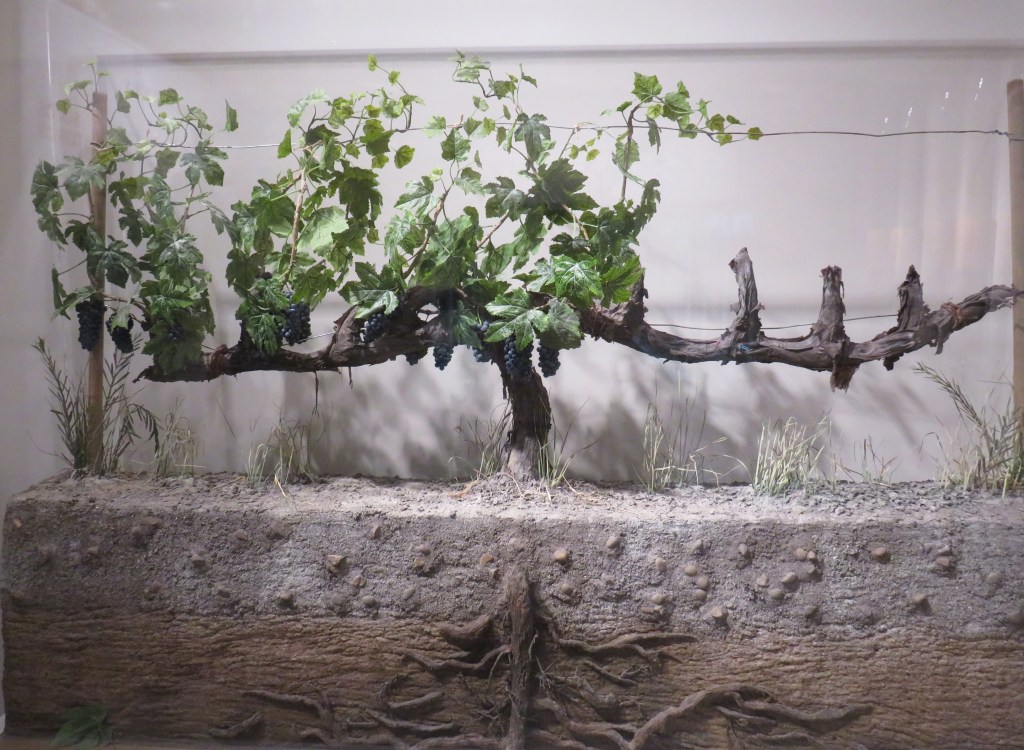
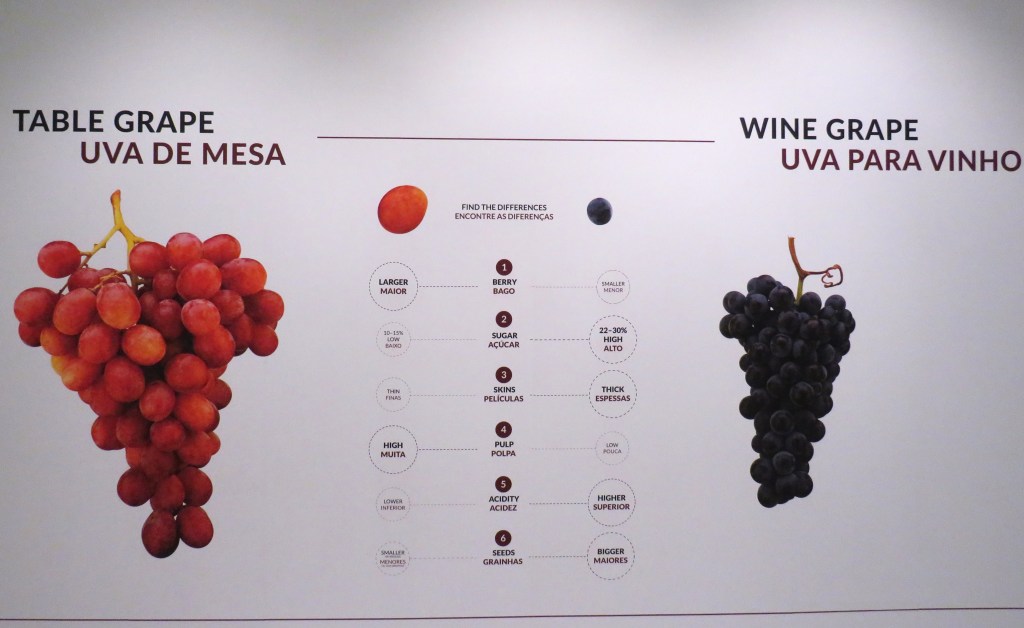
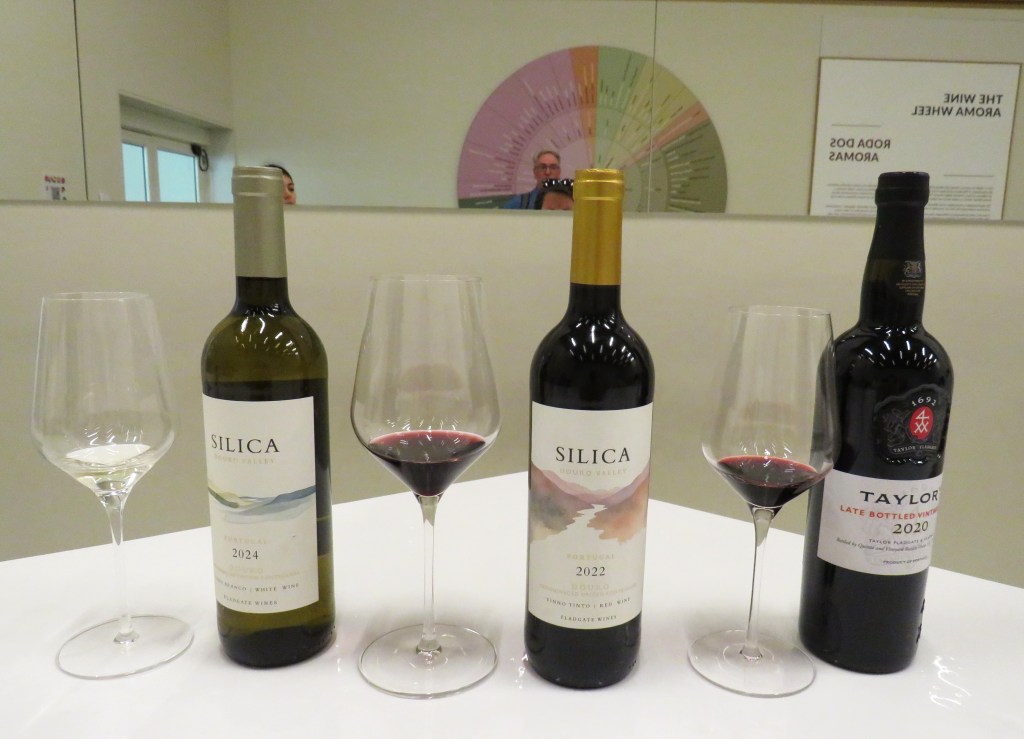
The chocolate portion of the WOW Museum was fun, interesting and very well done Pieces of Portugal – Part 20 – WOW Museum – Chocolate, but the wine portion was even better! It covered everything from the different soils and terroir, to the grapes, the history of wine, and oh so much more. And, and the very end of the tour, there was a wine tasting featuring Douro Valley wines. 🙂
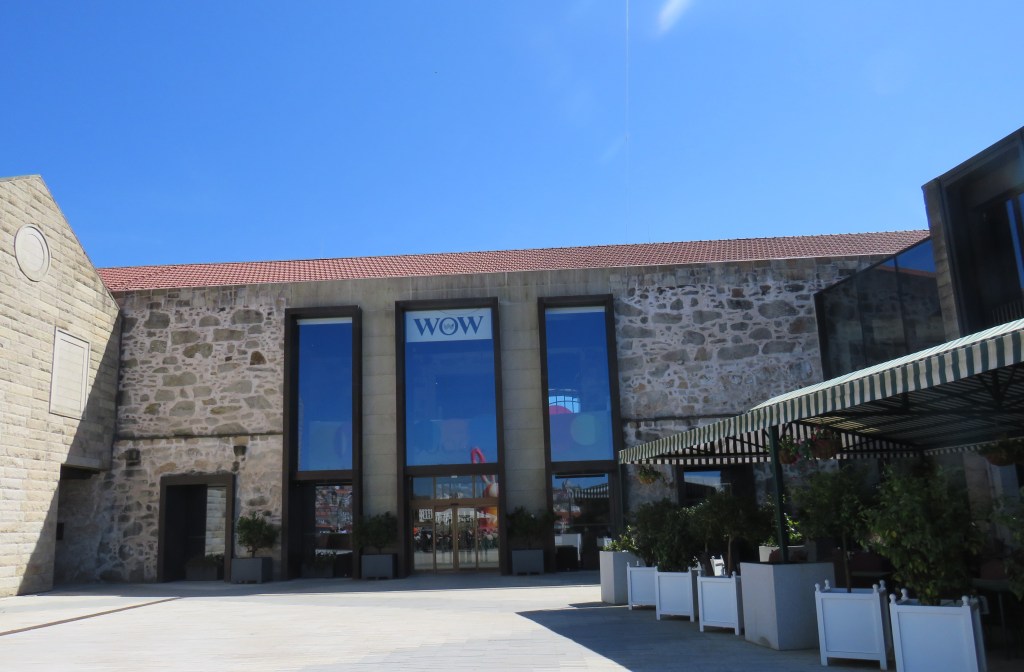
Wisteria and wine seem to like each other’s company and are often found growing together. This is the beautiful upper patio of the WOW Museum.
There is a cork museum too, but we did not get to go there. We ran out of time. The cork trees, or the cork oak trees (Quercus suber), are native to the Mediterranean Basin, specifically spanning Southwest Europe and Northwest Africa. Their natural range includes Portugal, Spain, France, Italy, Algeria, Morocco, and Tunisia. They thrive in this region’s temperate climate, forming oak woodlands, with the highest percentage being grown all throughout the Iberian Peninsula, in Portugal and Spain. These evergreen trees live 150–250 years, and their bark is harvested every 9–12 years without cutting down the tree.
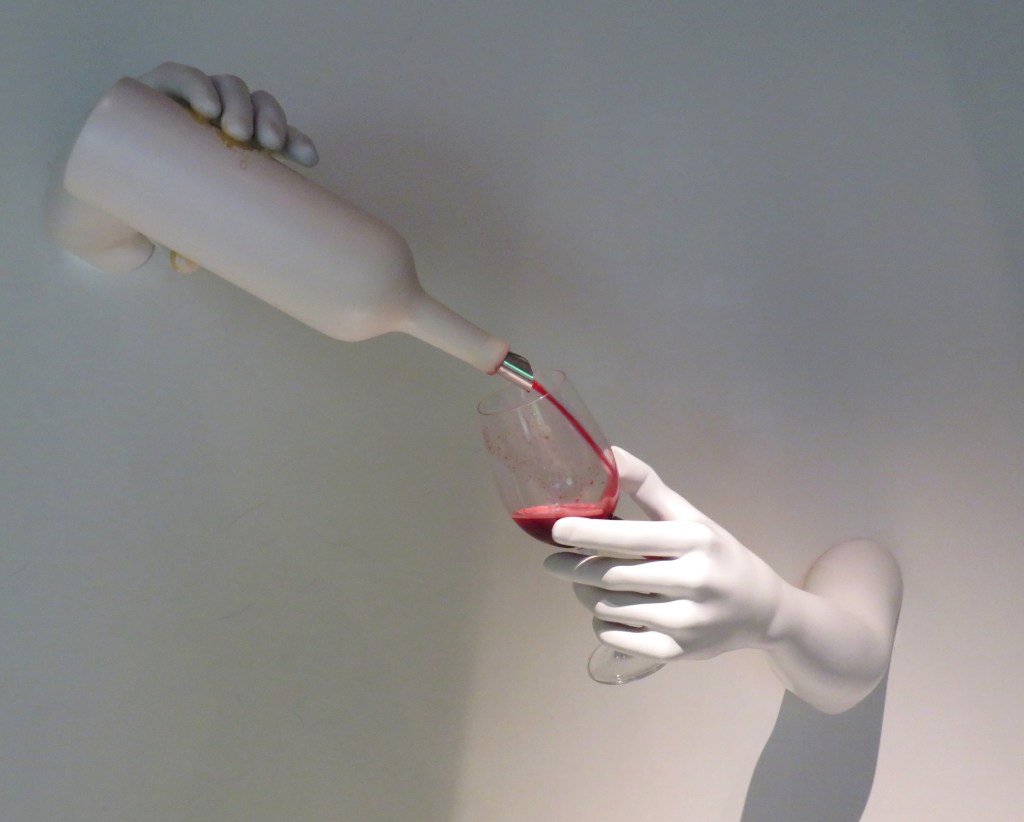
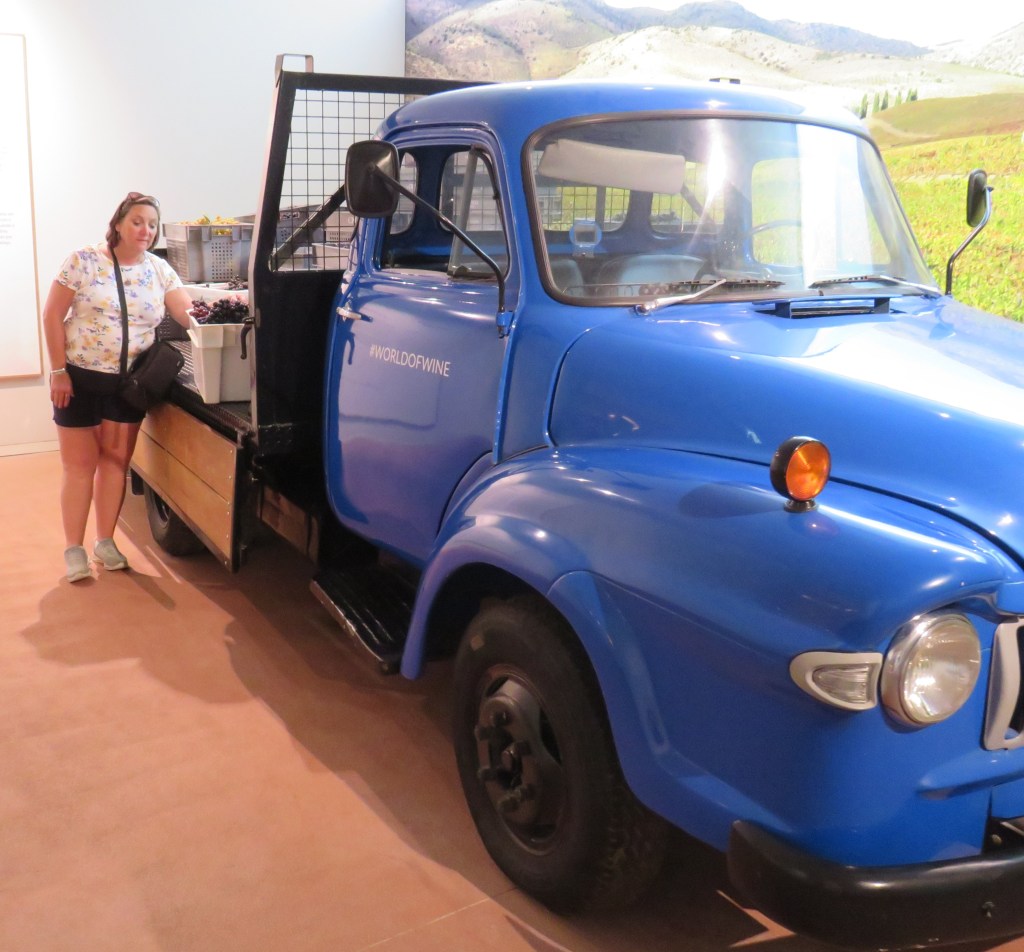
And now, for the wine. No matter what your level of wine enthusiasm, if you like wines even a little, going to the WOW Wine Museum is a must. It was very well done and very informative on everything about the wine industry. It is also a hands-on interactive museum.
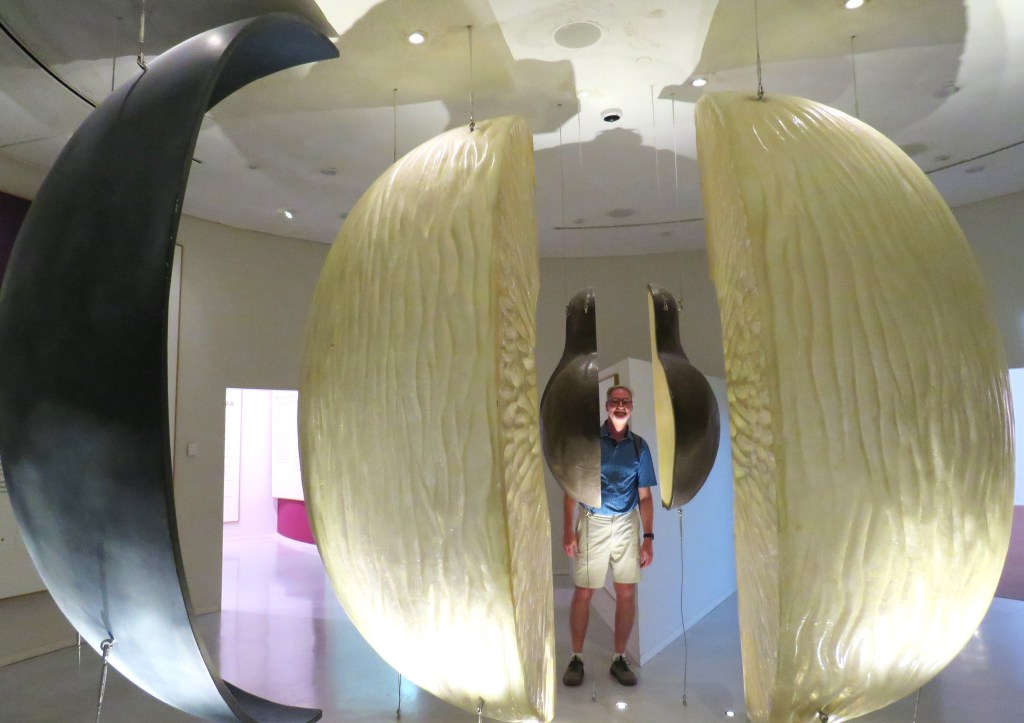
Larry is standing in the middle of a giant grape seed.
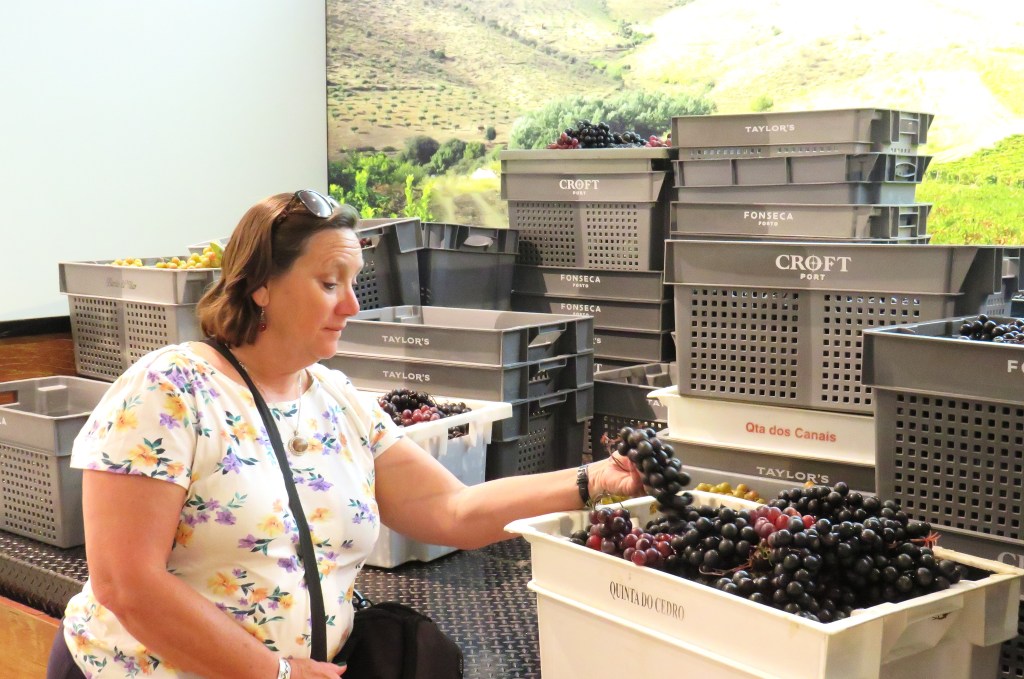
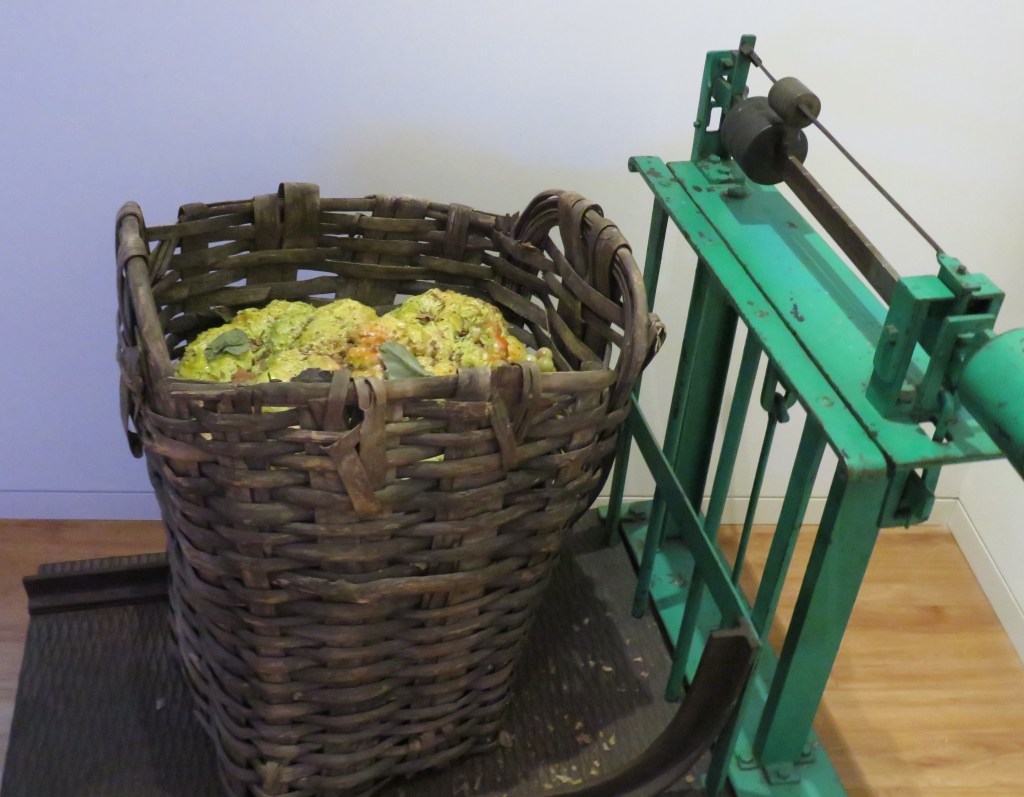
I am inspecting the grapes after harvest.
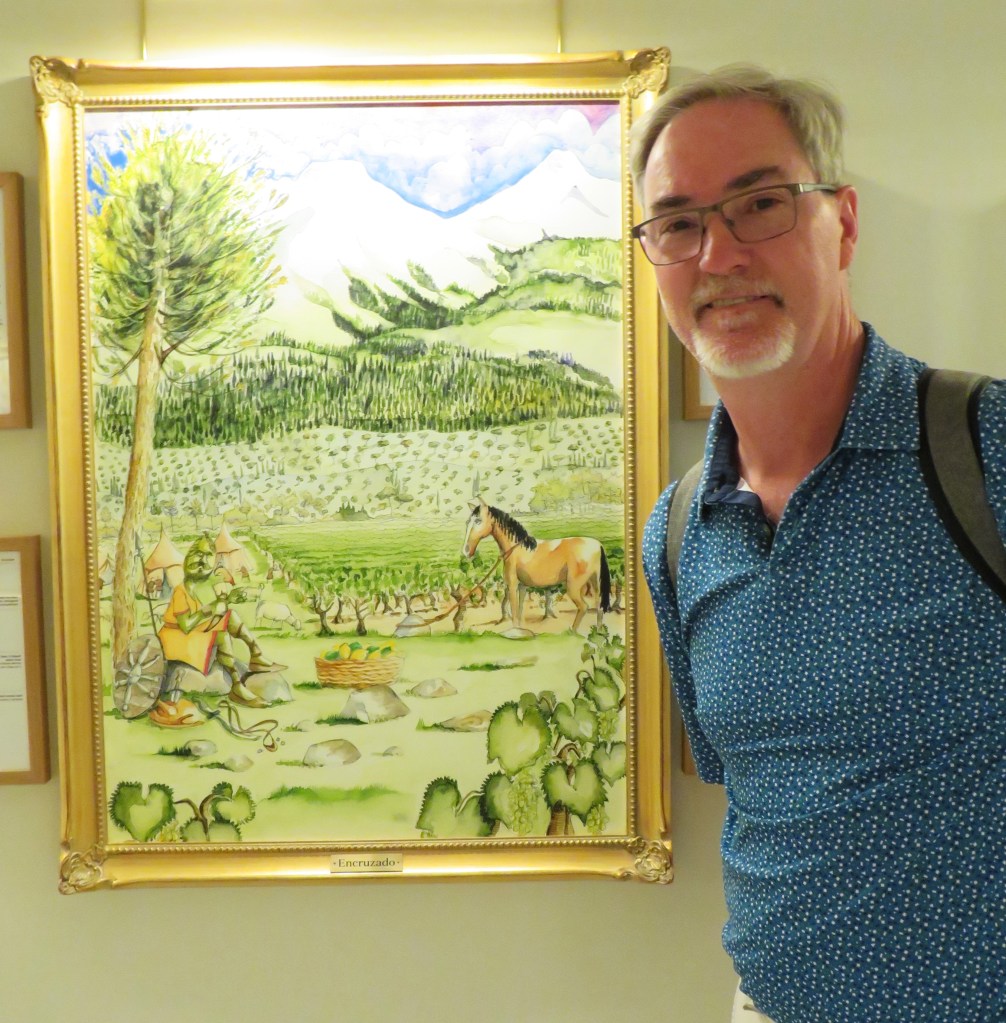
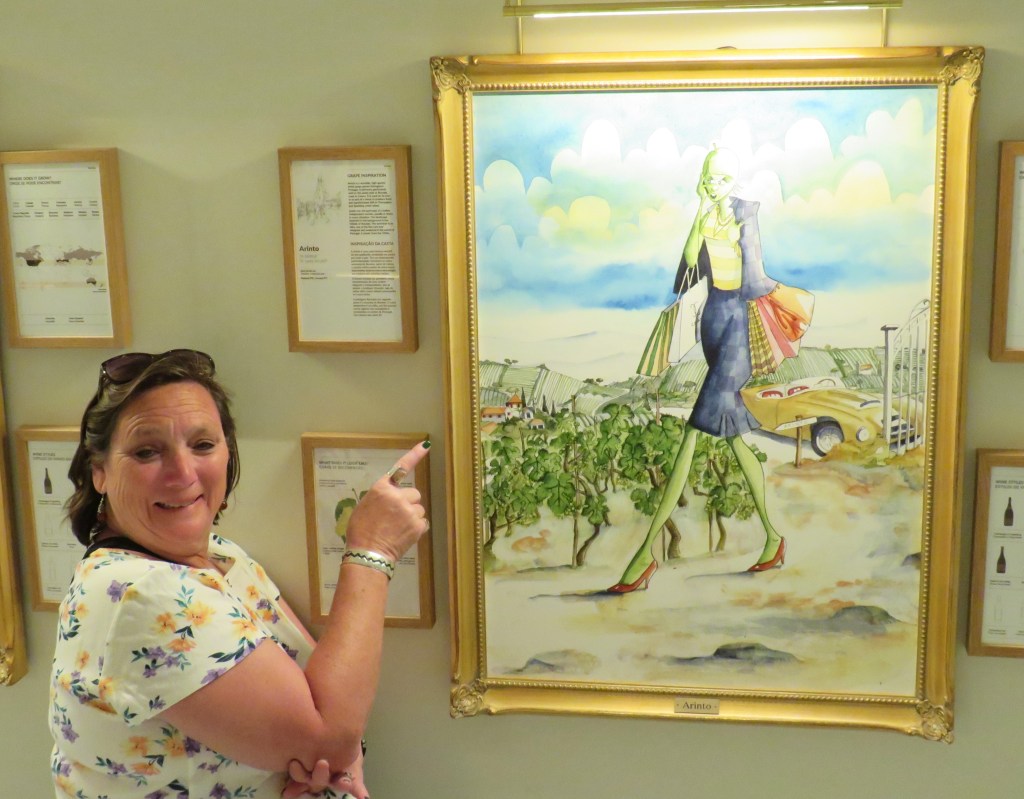
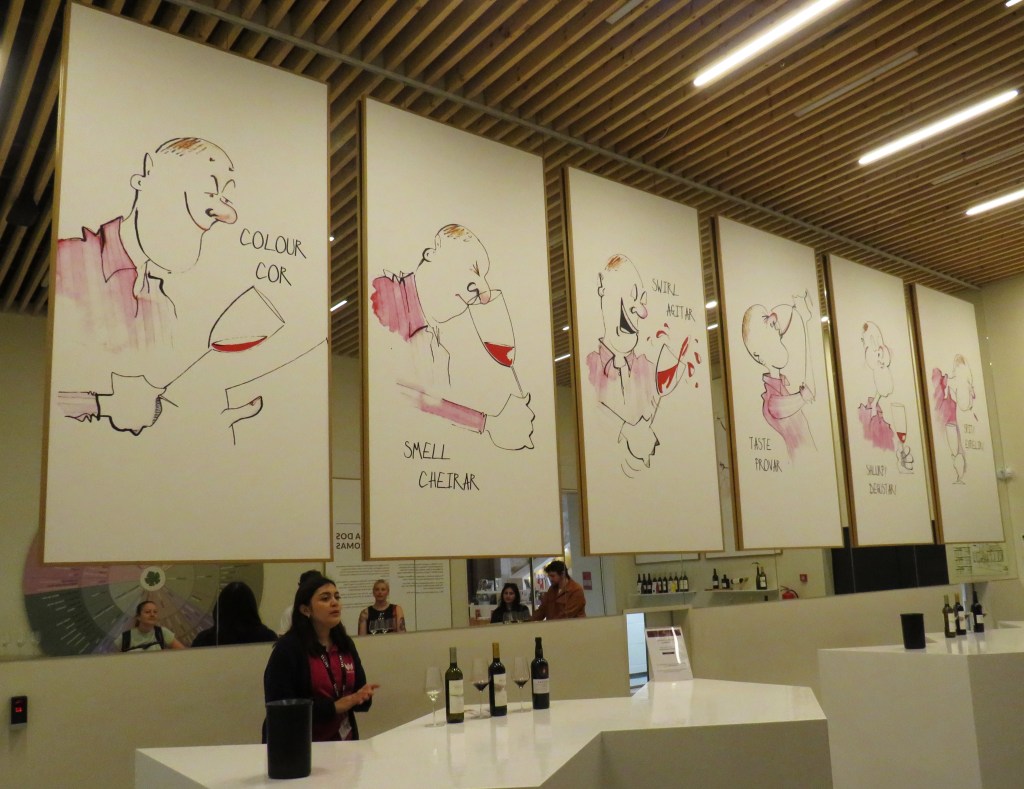
There was a little quiz you could take that would indicate what wines were best suited to you. Then there were fun, whimsical pictures on the walls matching the wines. We took pictures with “our” wine types.
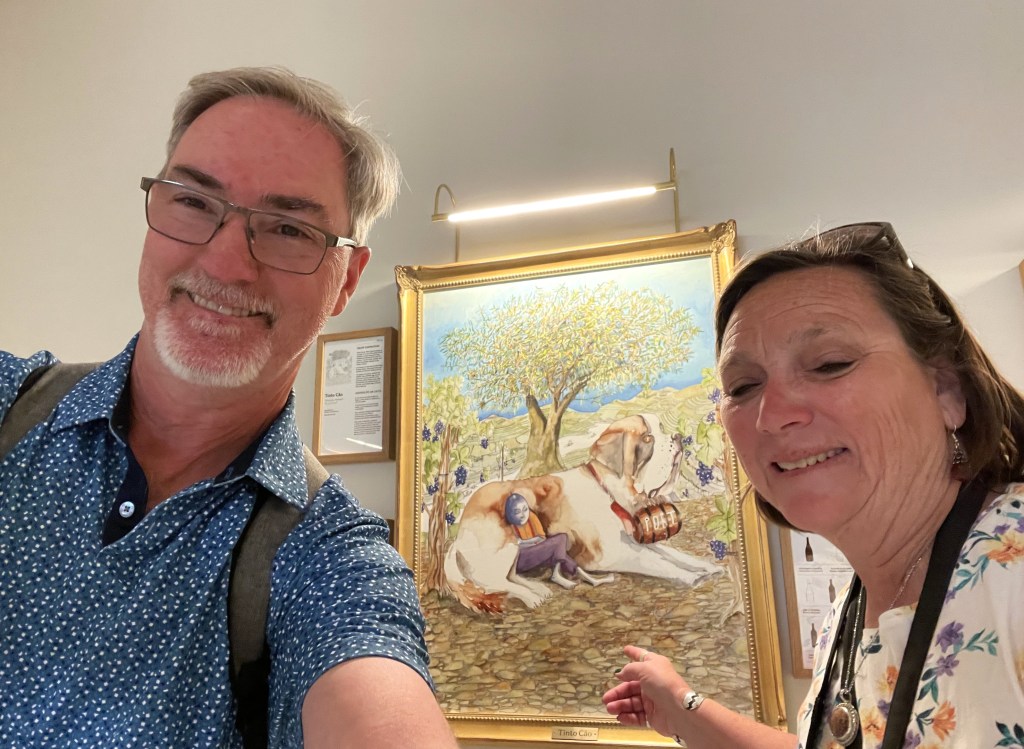
And because we love our big dogs, and our Saint Bernards, we had to take this photo too. It reminded us of our beloved Saint, Lucie or Luzerne, who has been in puppy dog Heaven for about 6 years now.
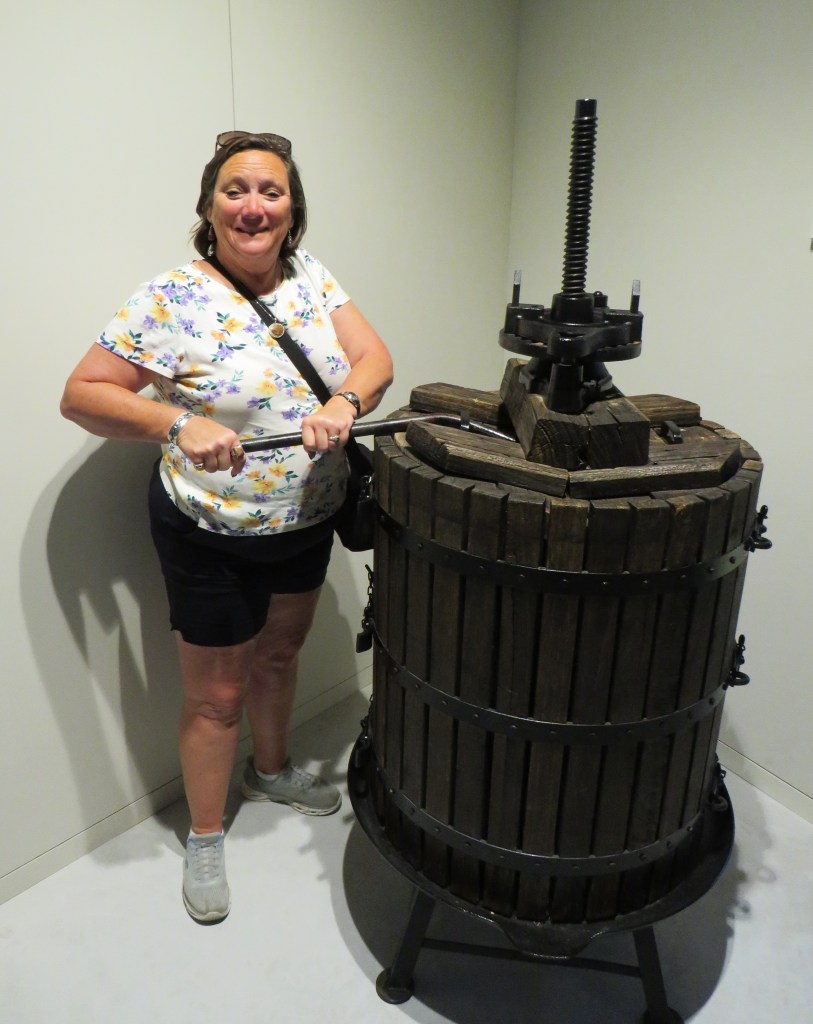
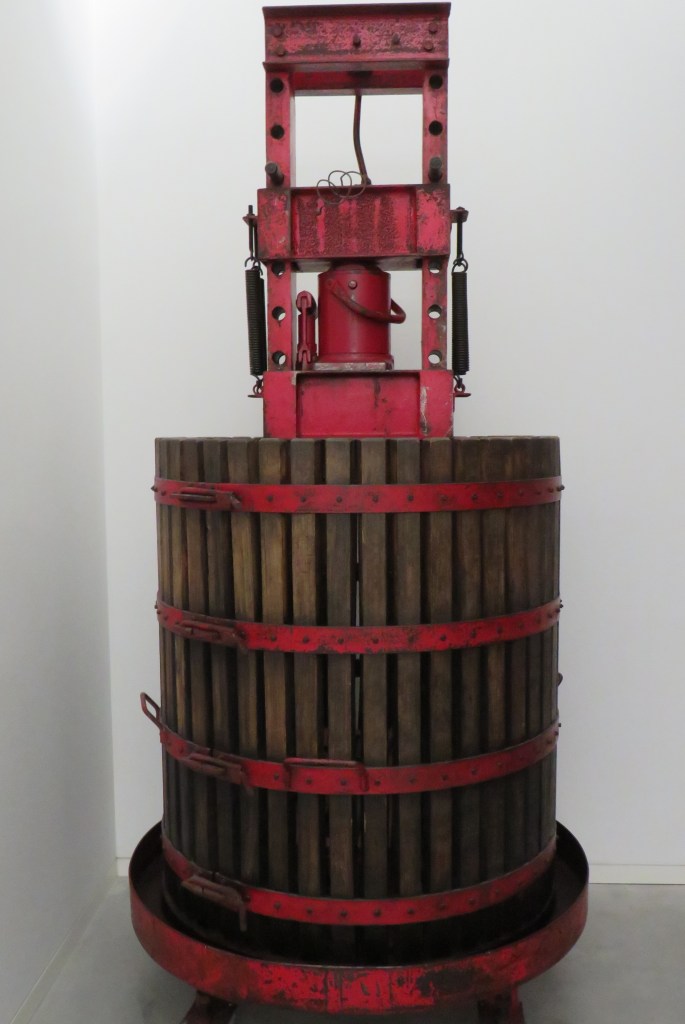
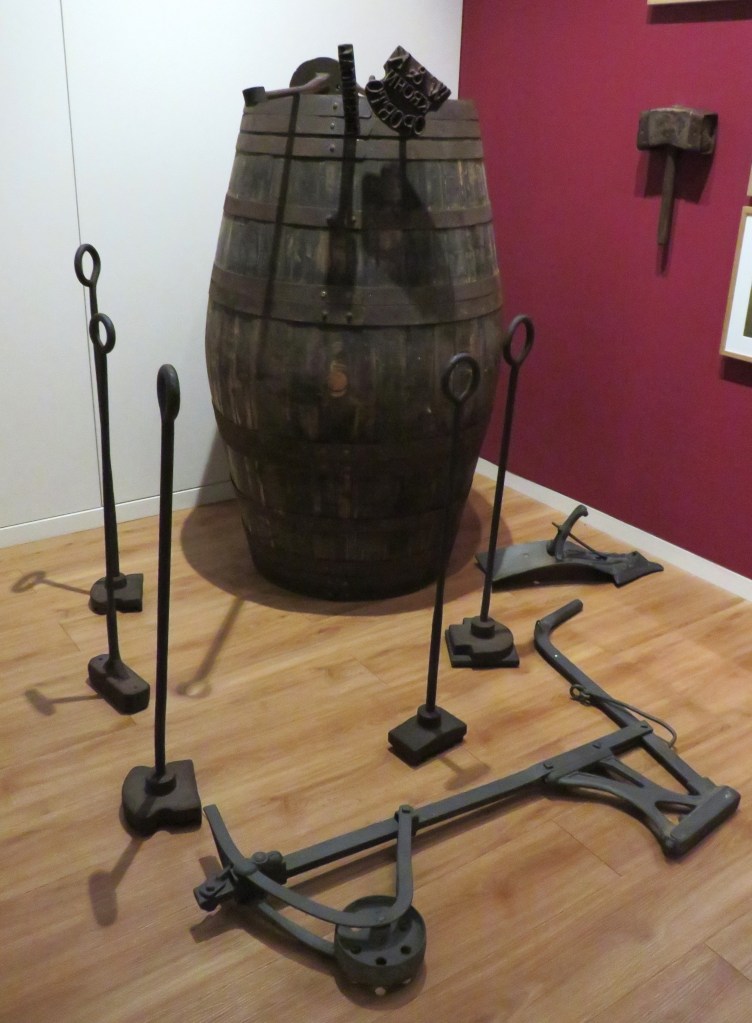
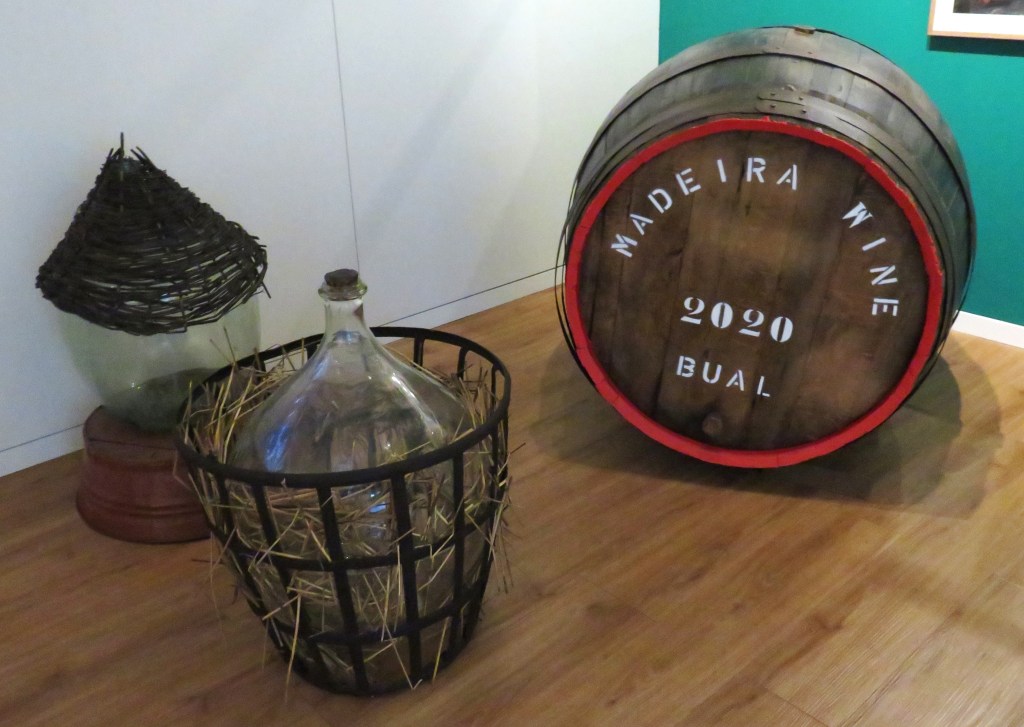
An old fashioned wine press.
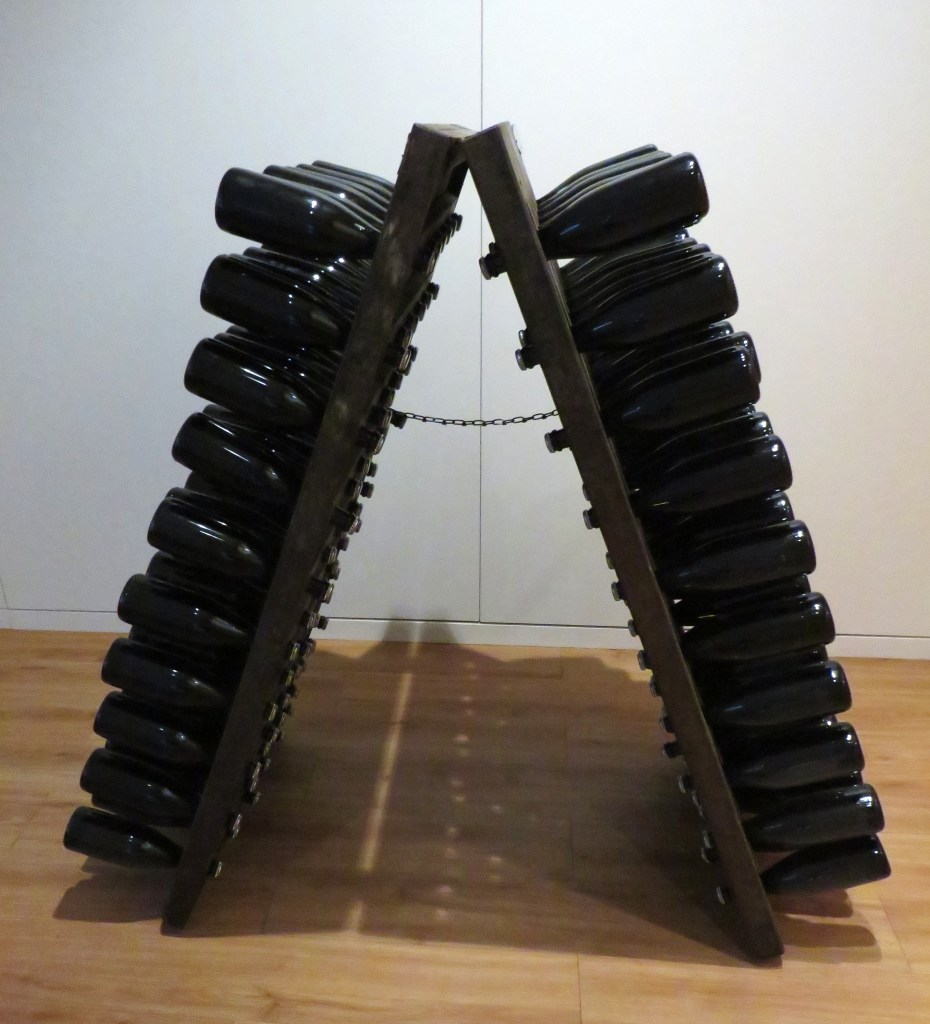
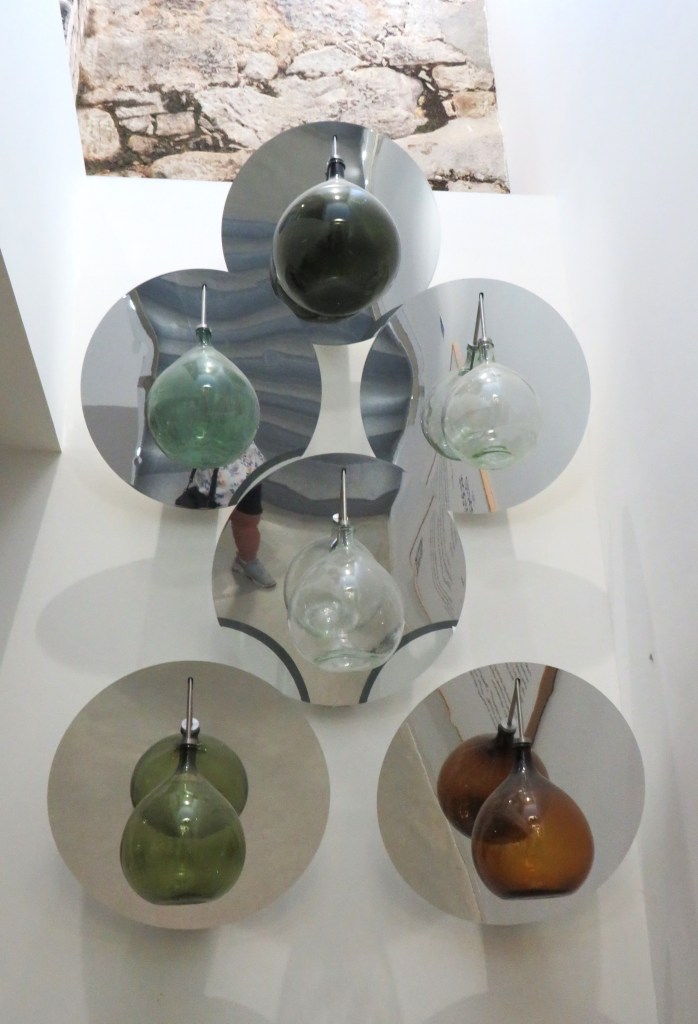
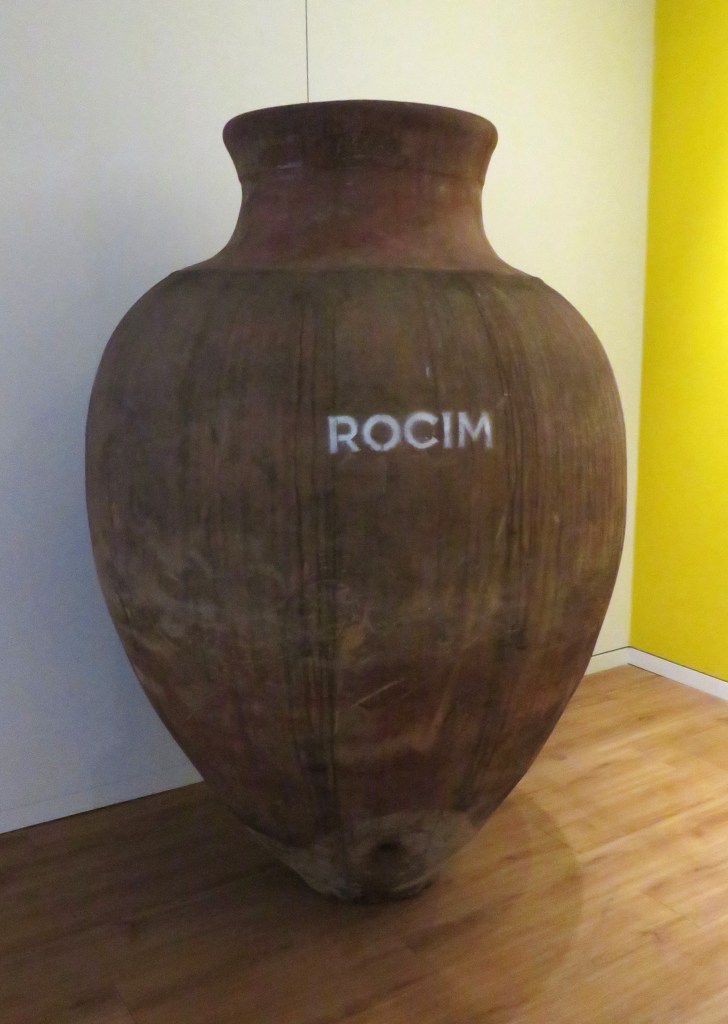
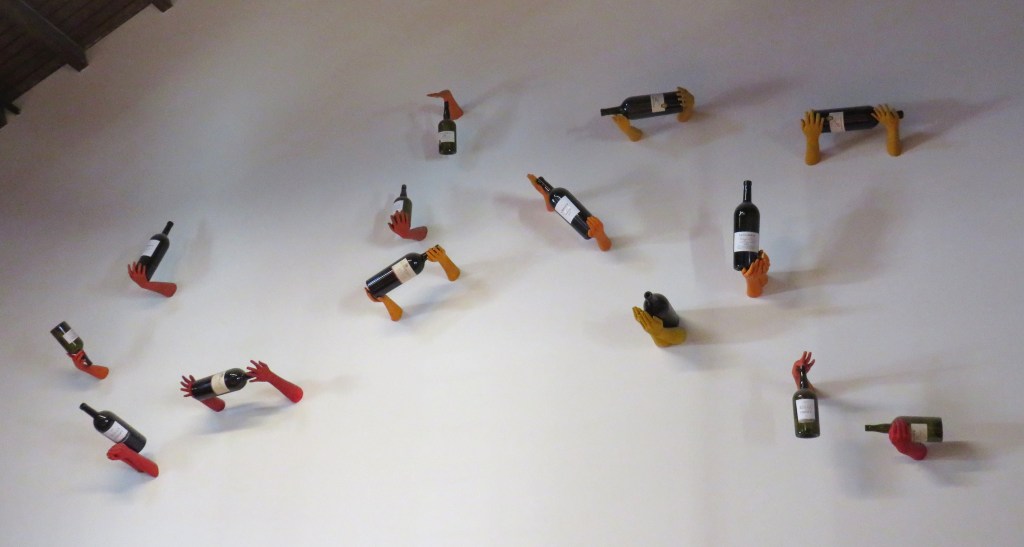
How the Portuguese wines were/are stored.
I have the perfect spot for this piece in my art niche, above my stairs.
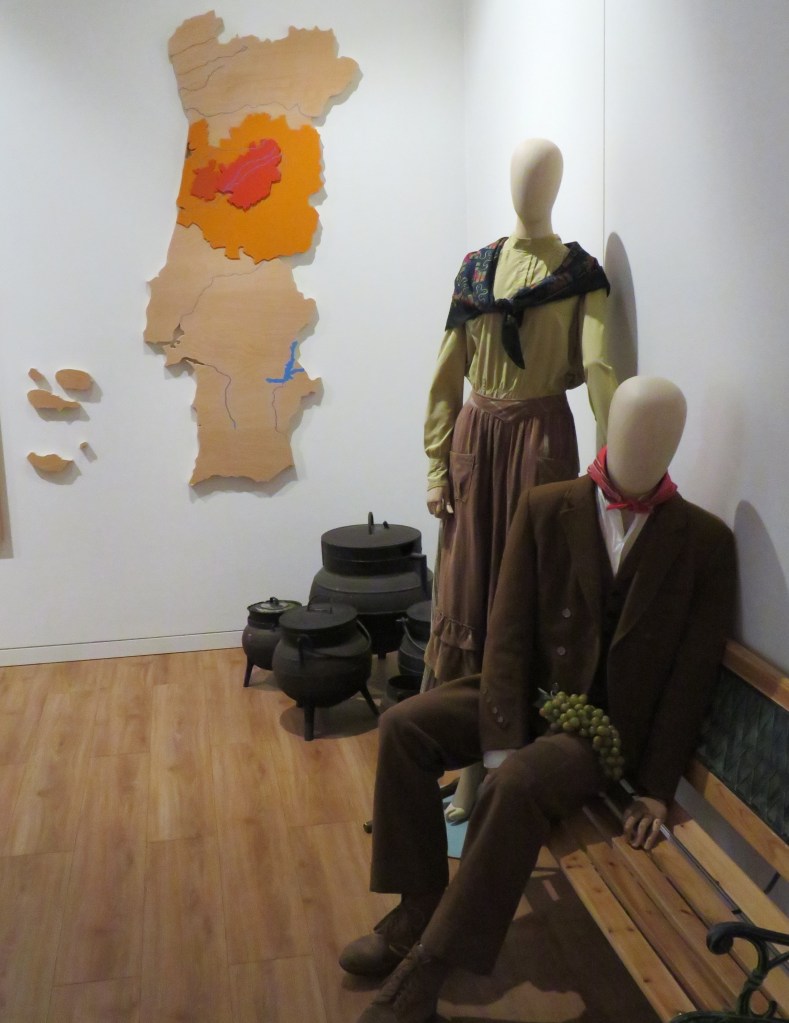
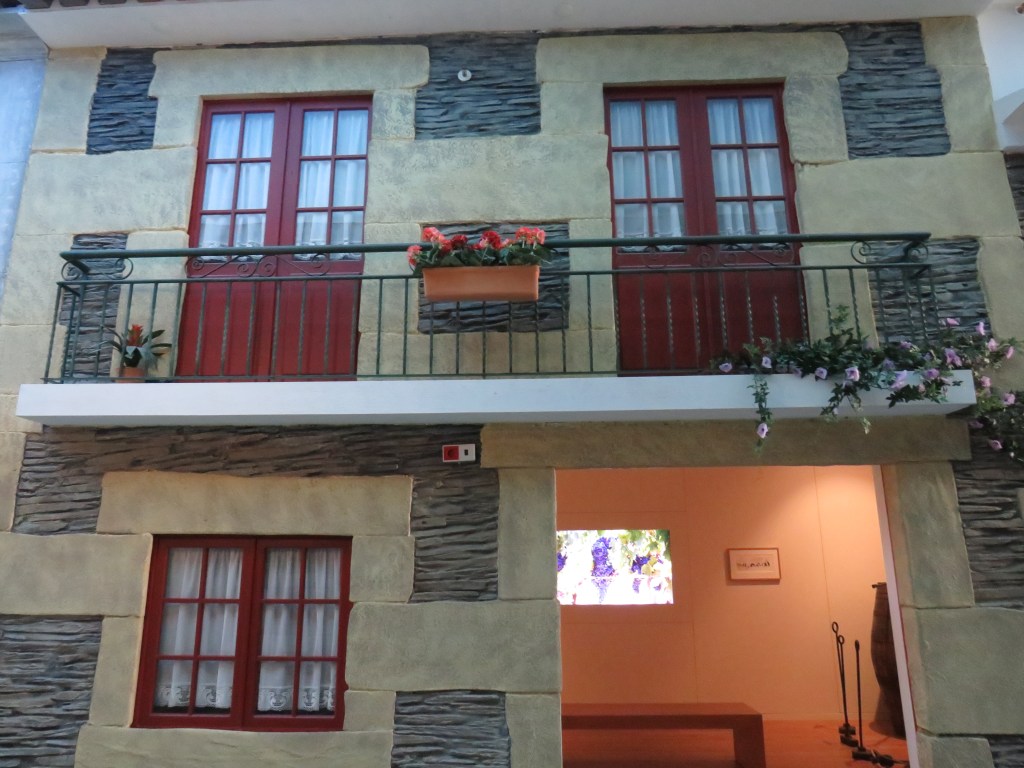
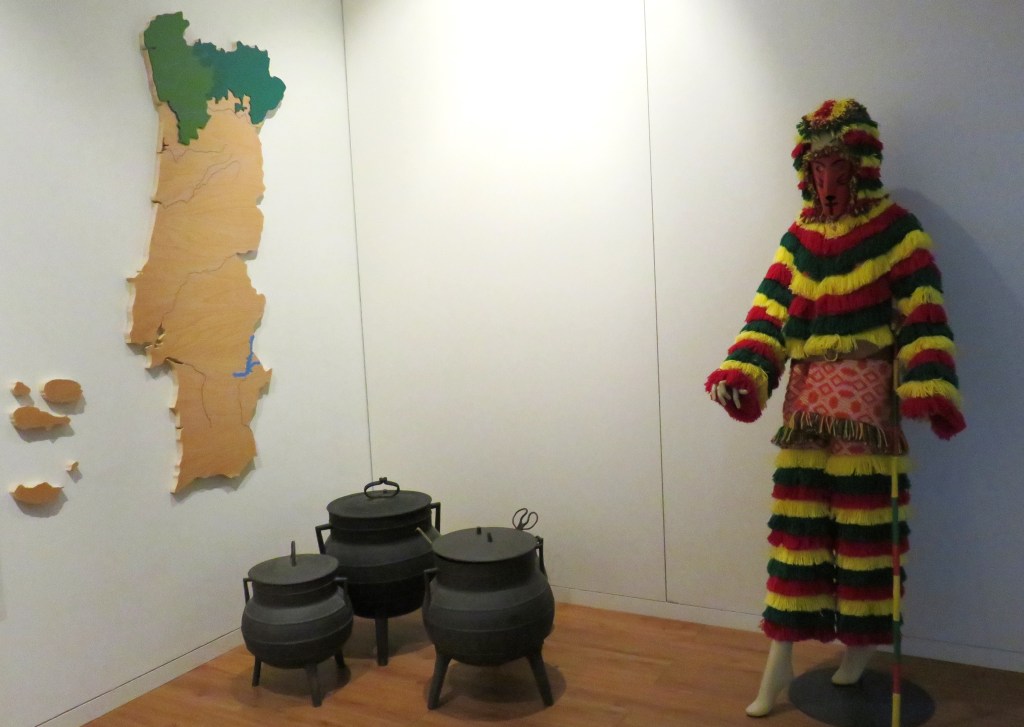
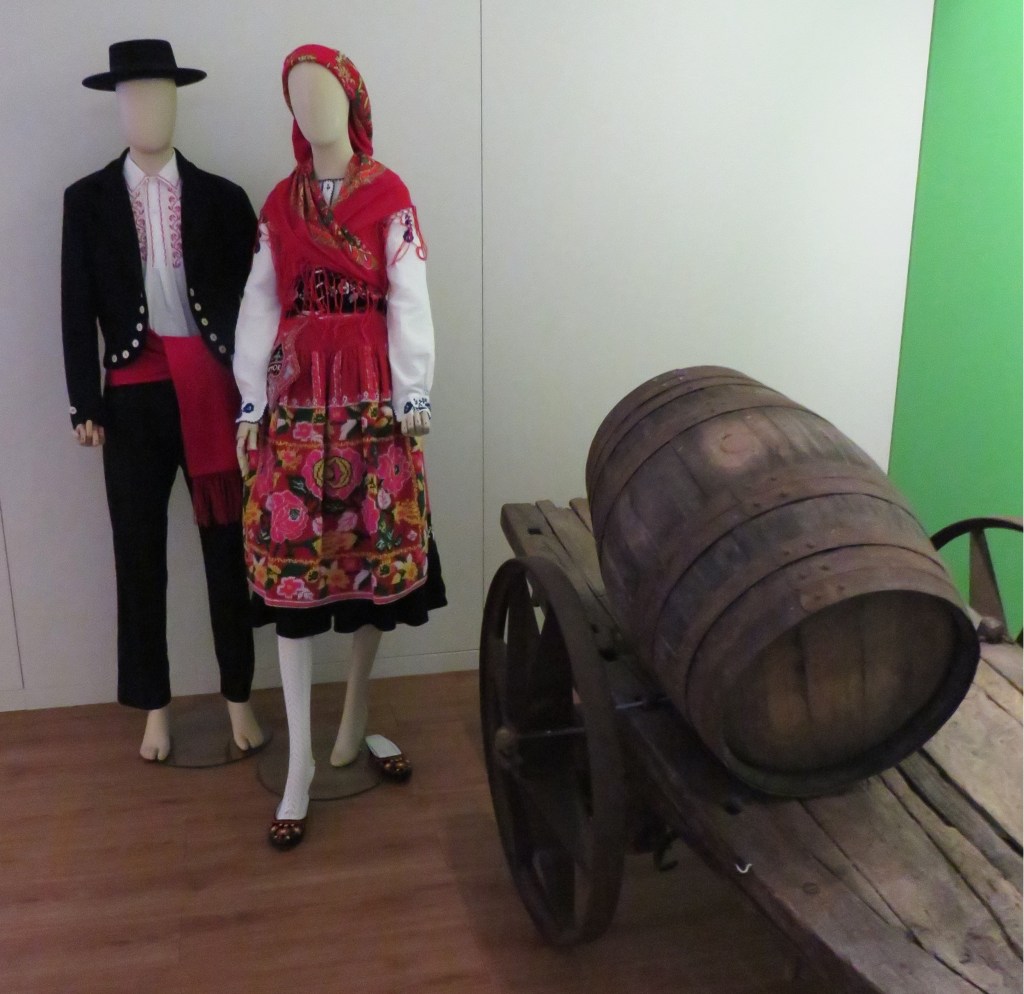
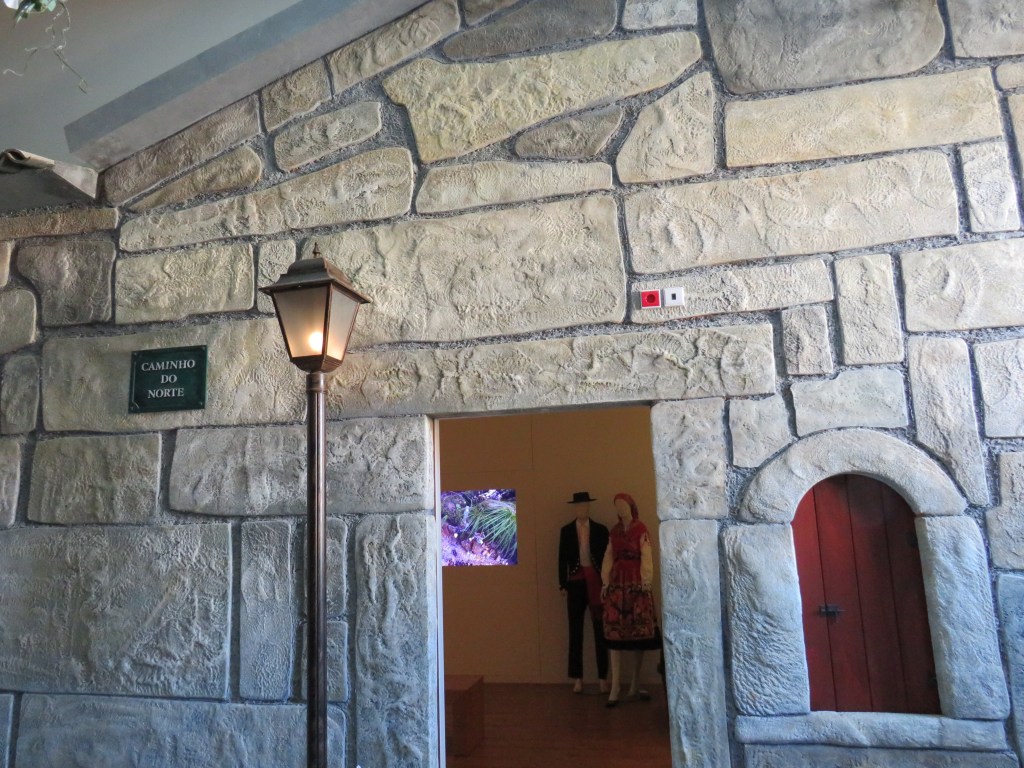
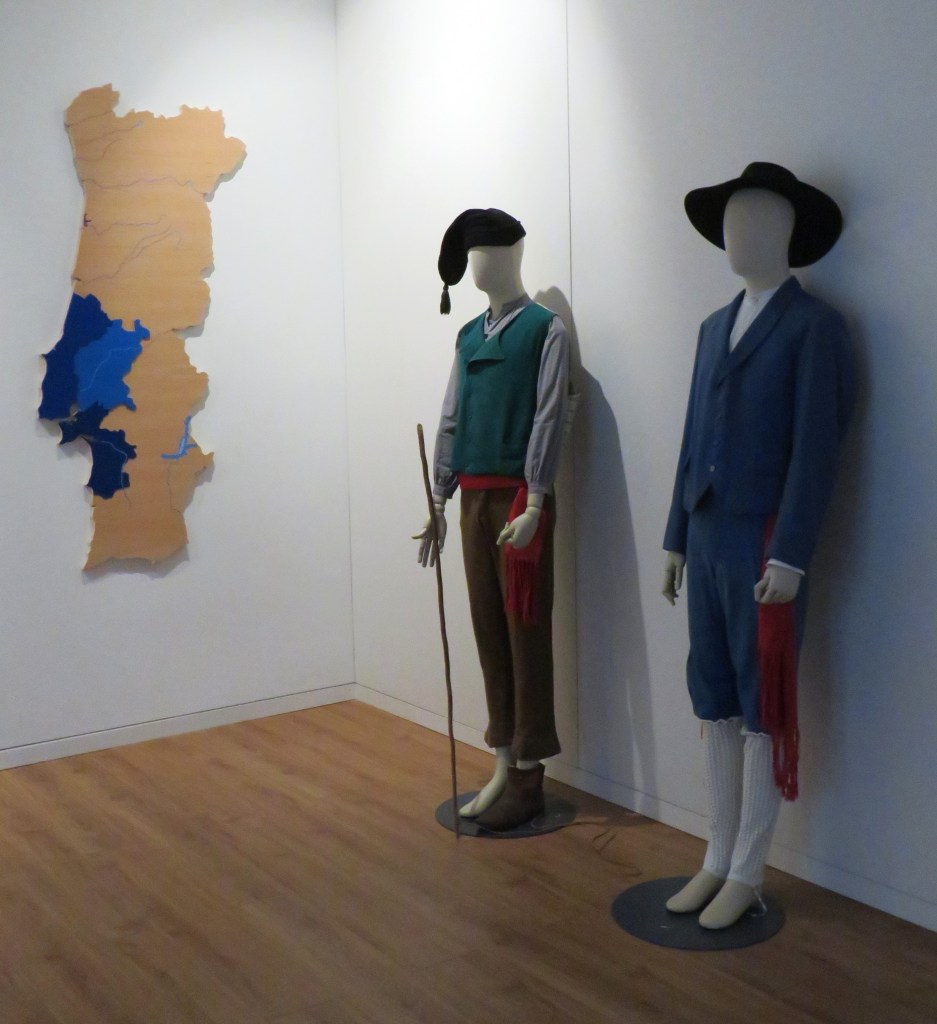
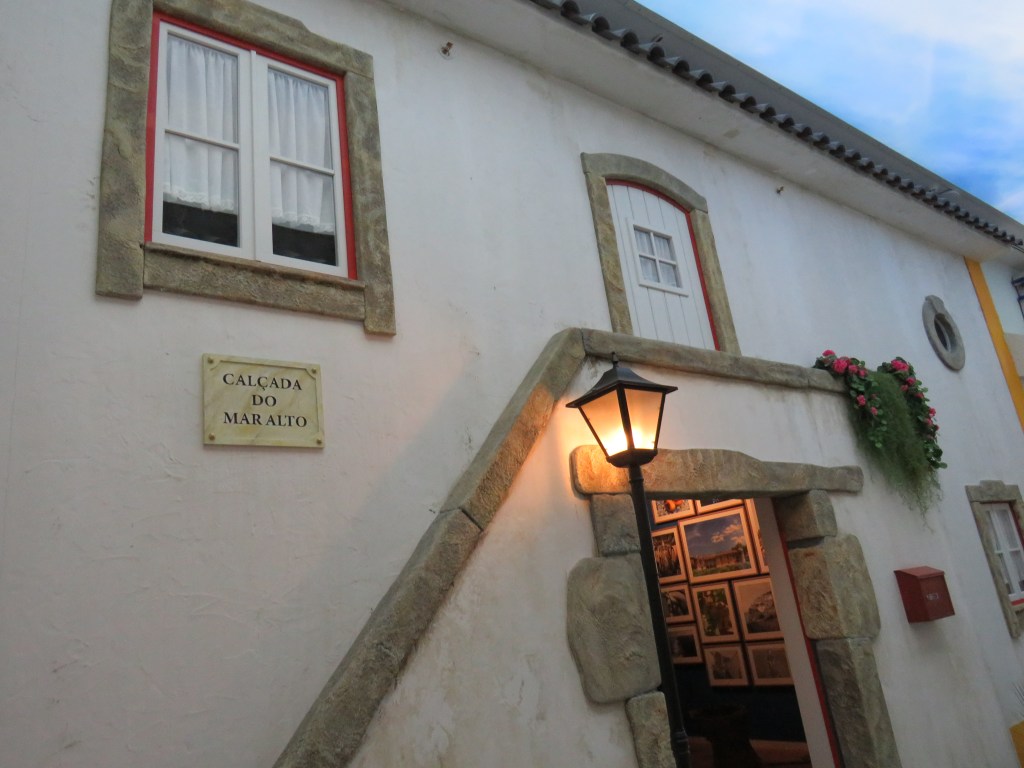
Wine grapes are grown all over Portugal, and each region has their own unique style of wines they produce. Part of the museum was a representation of each region, their homes, and the style of dress of the wine makers. There were also maps of each region too. I won’t share all of the regional homes and displays. There are too many. Since we visited the central northern and southern regions of Portugal though, I will give you those regions here. This one is typical of the central wine regions of Portugal.
This is in the northern region. The winemakers actually still wear this brightly colored outfit for some of their wine ceremonies too.
And the southern coastal wine regions of Portugal.
Many of these wine making traditions are still in practice today too. The Portuguese winemakers have been making wines the same way for generations.
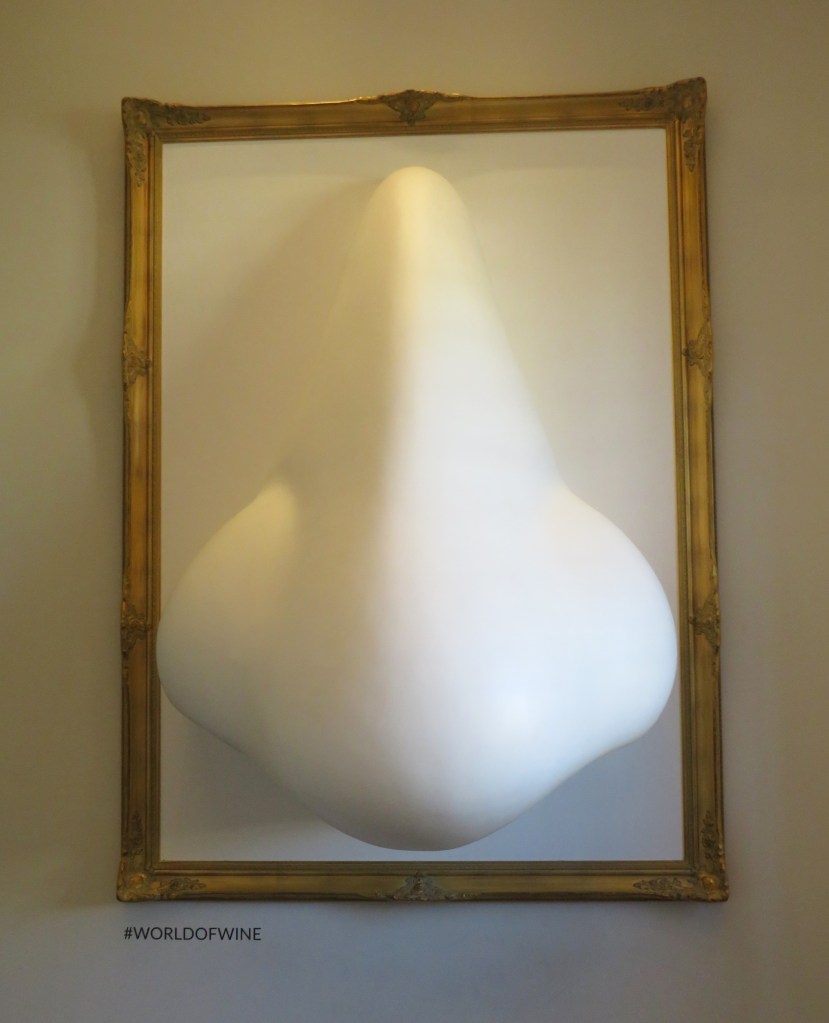
The nose, or nez, or nariz, is very important in the wine business. You taste with your nose long before you taste with your tongue.
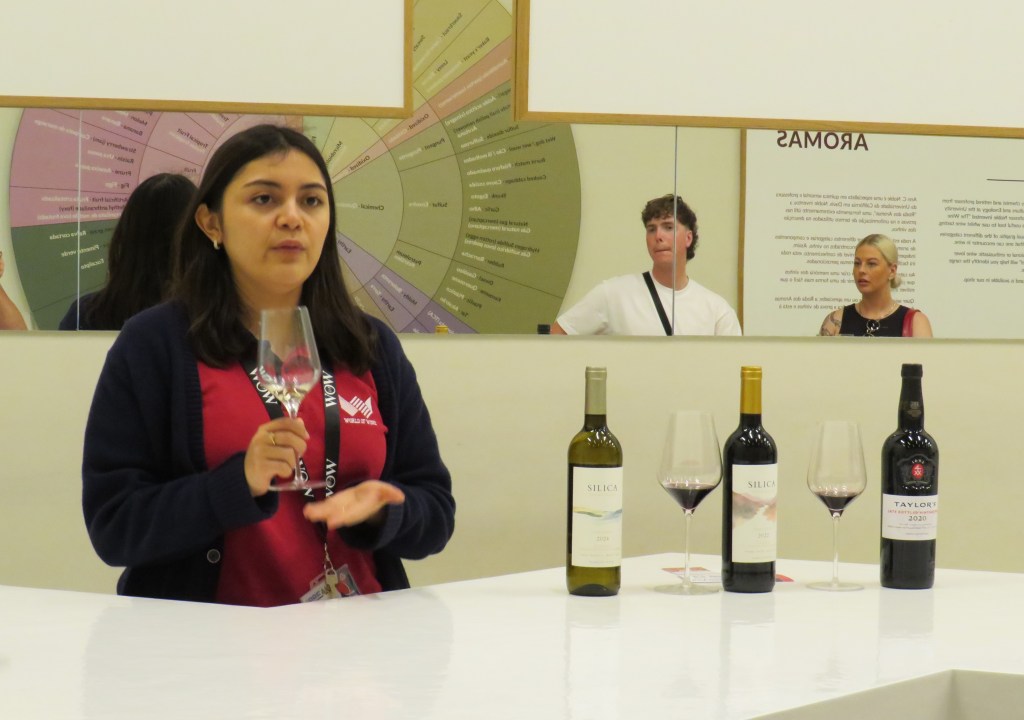
We followed our noses to the wine tasting room.
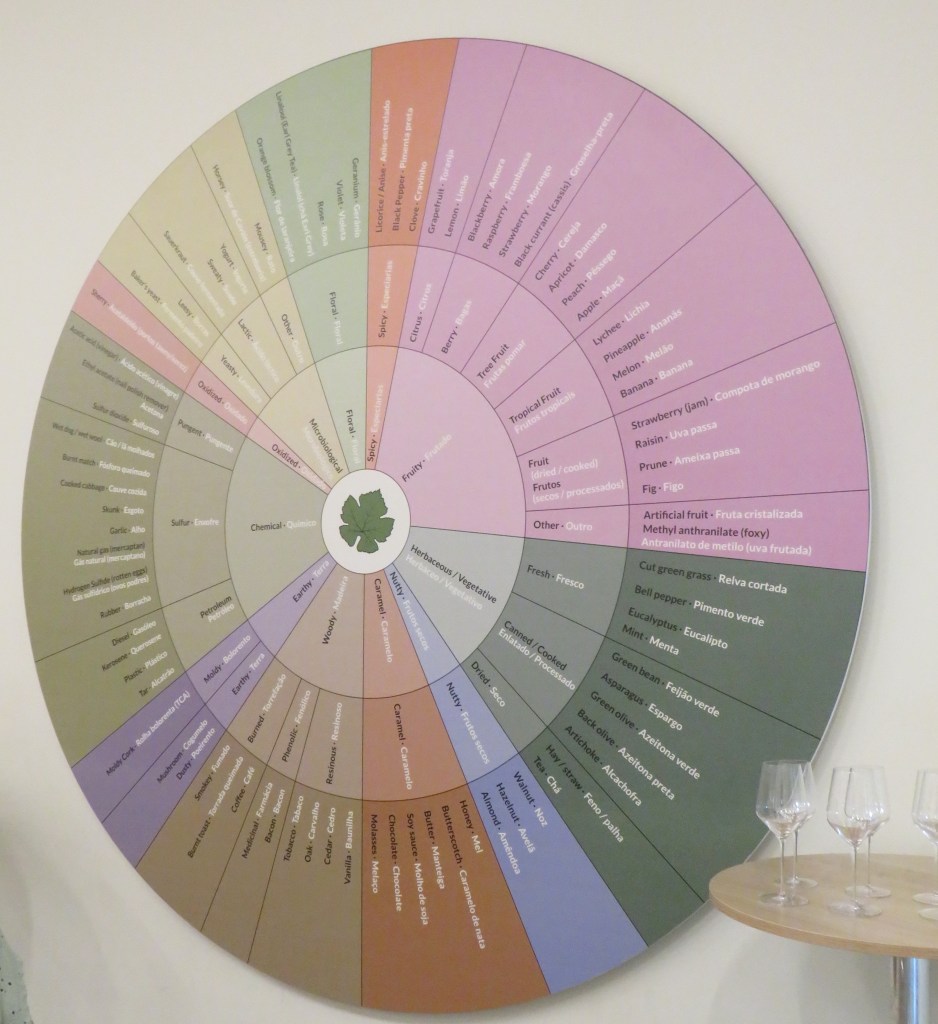
I love this wine chart. It gives you the characteristics of different wines, and what to expect from each type.
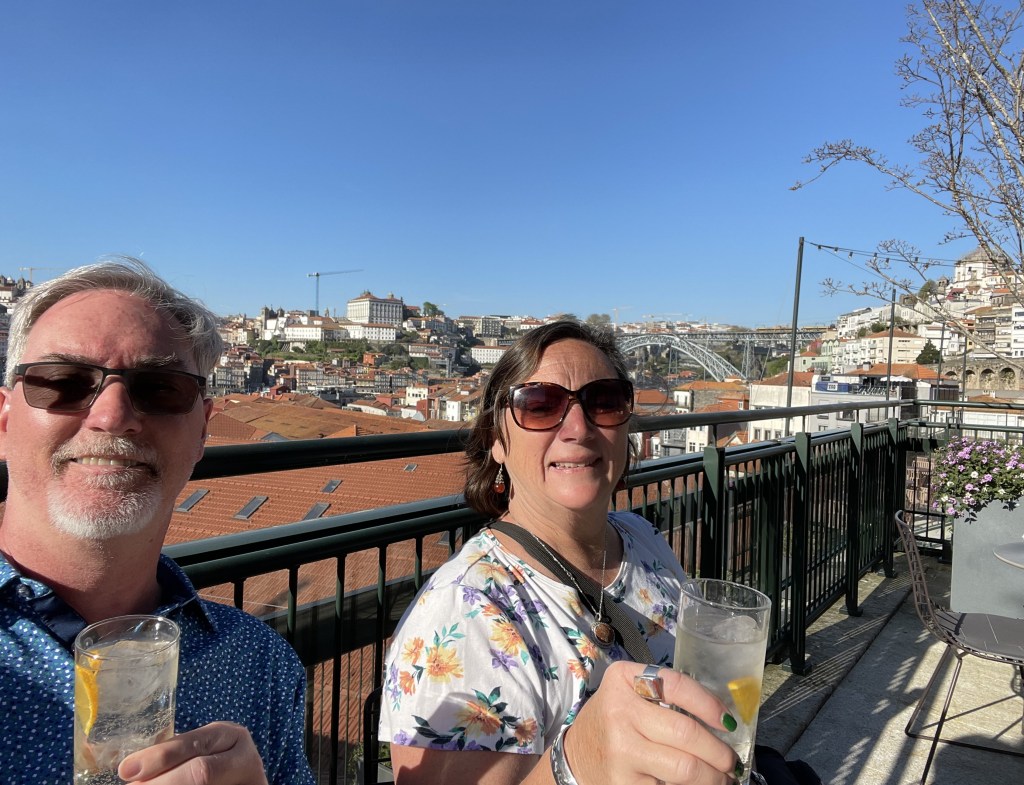
When we bought our tickets, we also got a coupon for a port cocktail. We enjoyed our cocktails out on the beautiful sun drenched terrace with a view of Porto in the background.
We got a little chance to relax before moving on to our next adventure. This is a good place to stop for now. Have a great day and make everyday great. Live life to the fullest. It’s not the destination that matters, but the journey. Enjoy the ride. ‘Til next time.
WOW is the appropriate word for this fabulous set of museums. The WOW museum in Gaia is NOT just 1 museum, but is a compilation of 7 museums. World of Wine (WOW) in Vila Nova de Gaia is a massive cultural district and museum complex on the Douro River, featuring 7 immersive museums, 12+ restaurants/bars, and a wine school. Located in restored Port wine warehouses, it focuses on wine, cork, chocolate, and Portuguese history, offering great views of the Dom Luís I Bridge. Larry didn’t realize this when planning everything, so we didn’t get to see everything. There is always next time though. But we did enjoy the Chocolate Museum and the World Of Wine portions of the complex. If you’re even mildly curious about wine, The World of Wine in Porto is 100% worth a visit. It’s not just another museum with dusty displays — it’s interactive, modern, and surprisingly fun.
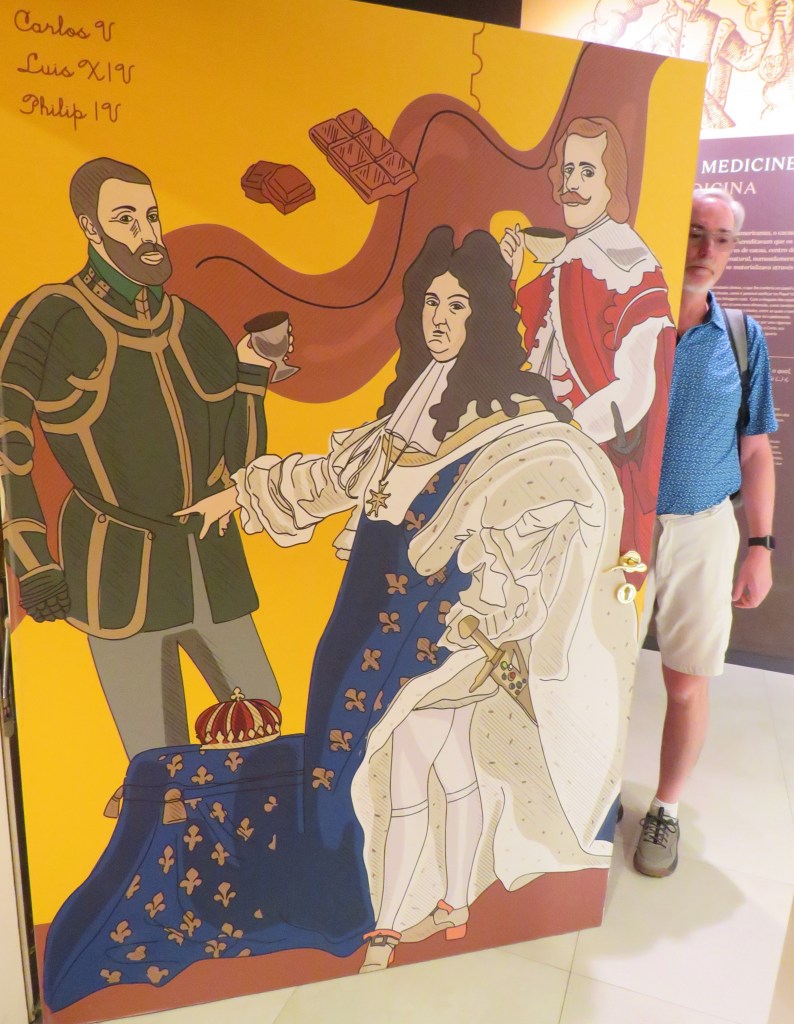
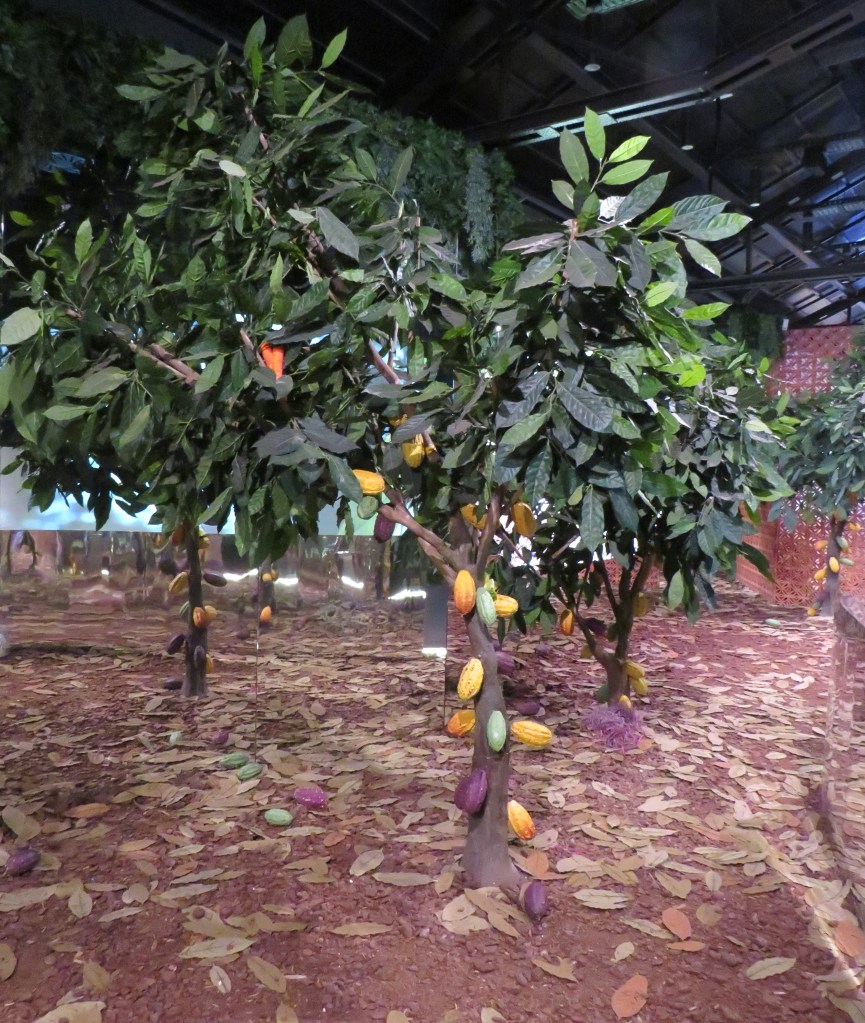
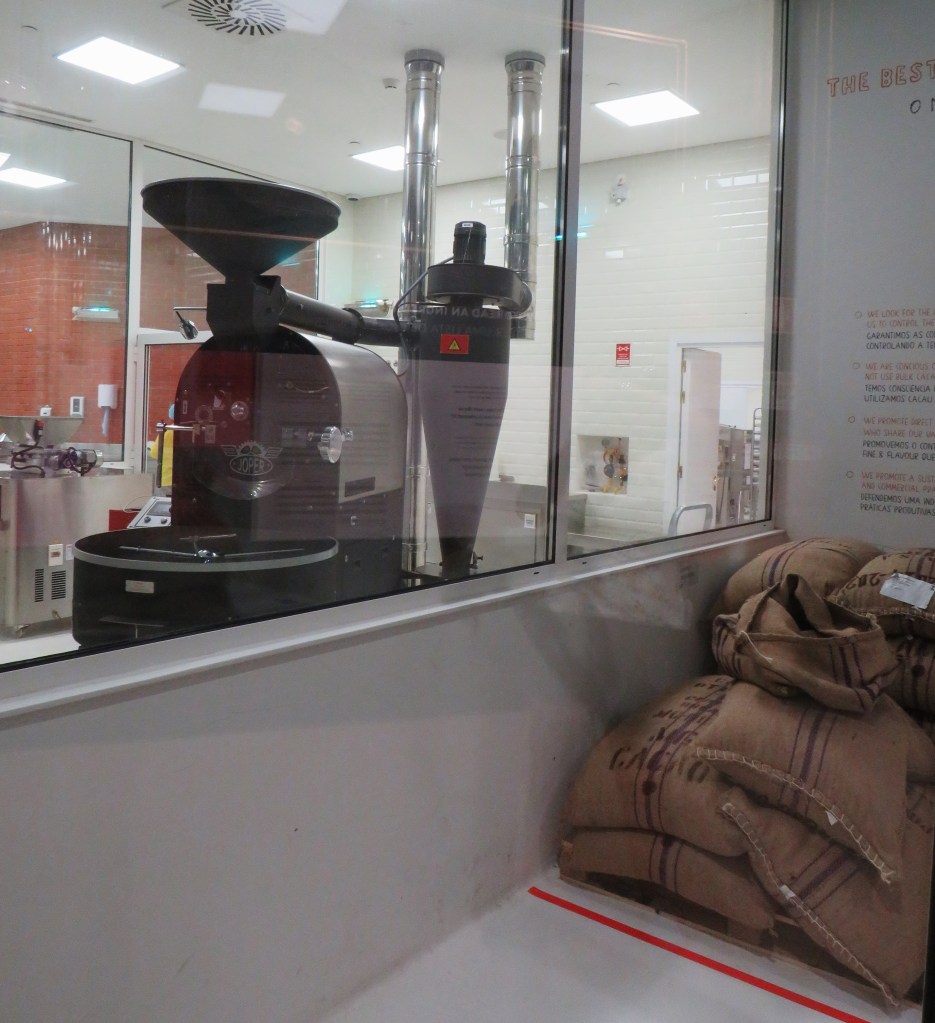
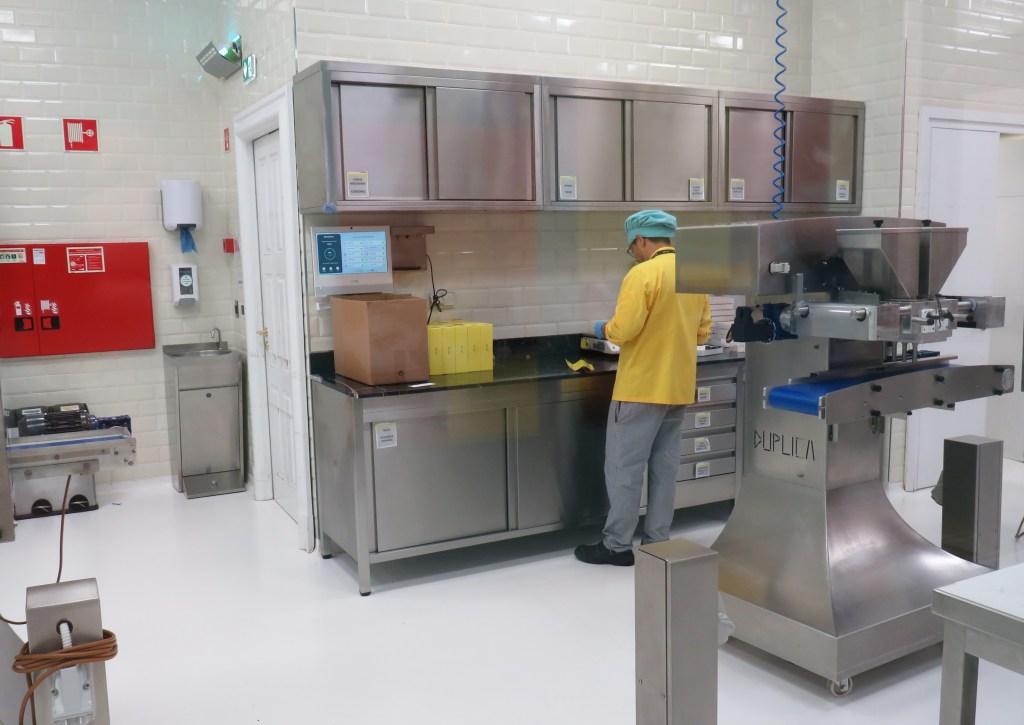
First we discovered the world of chocolate through the Chocolate Museum. We knew a lot about the chocolate making process from some of our other chocolate trips and tours. The WOW museum, as with all the other Portuguese museums we visited, did a great job.
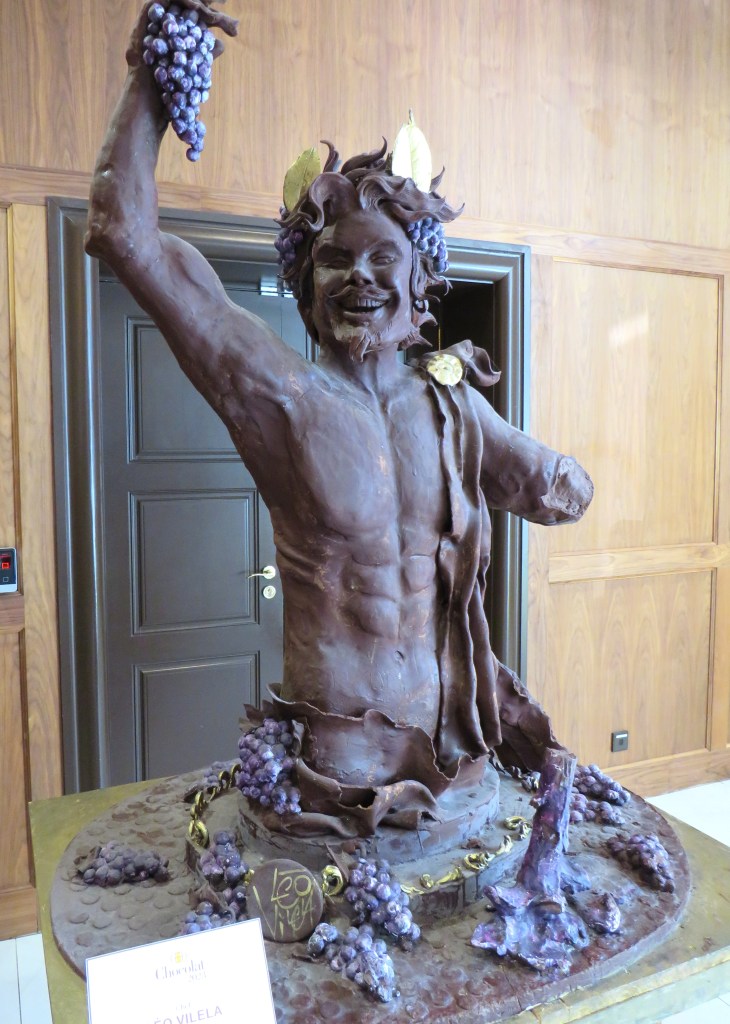
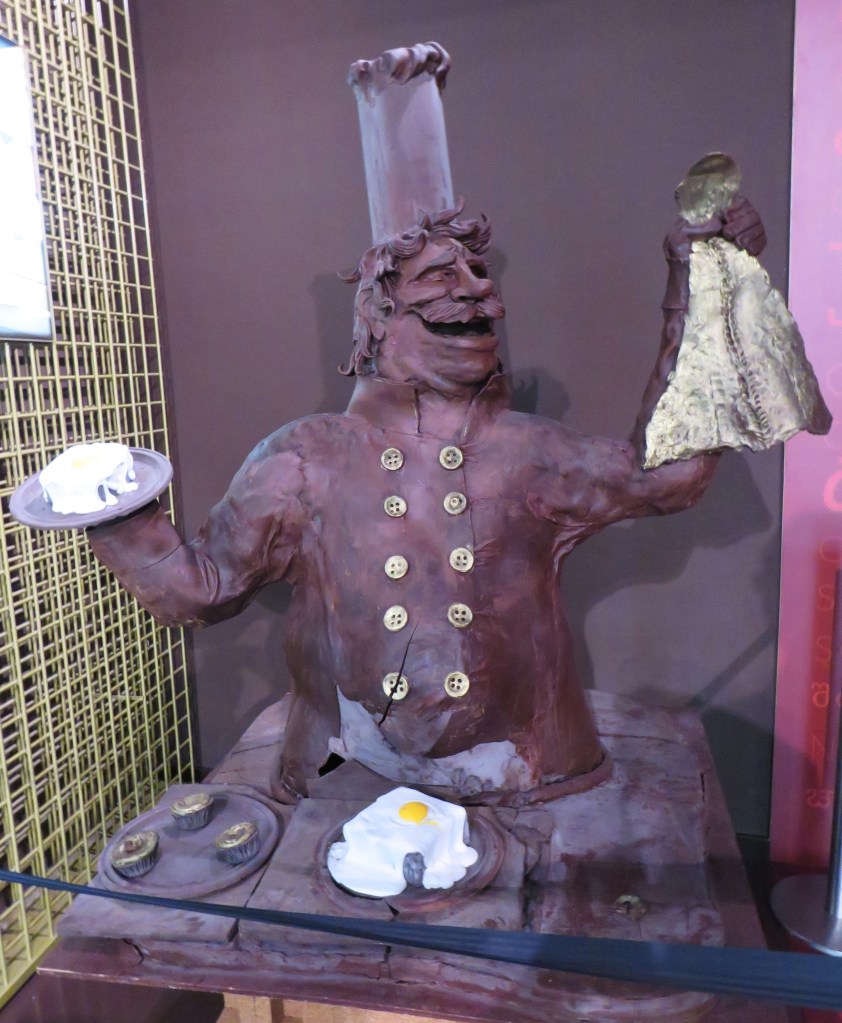
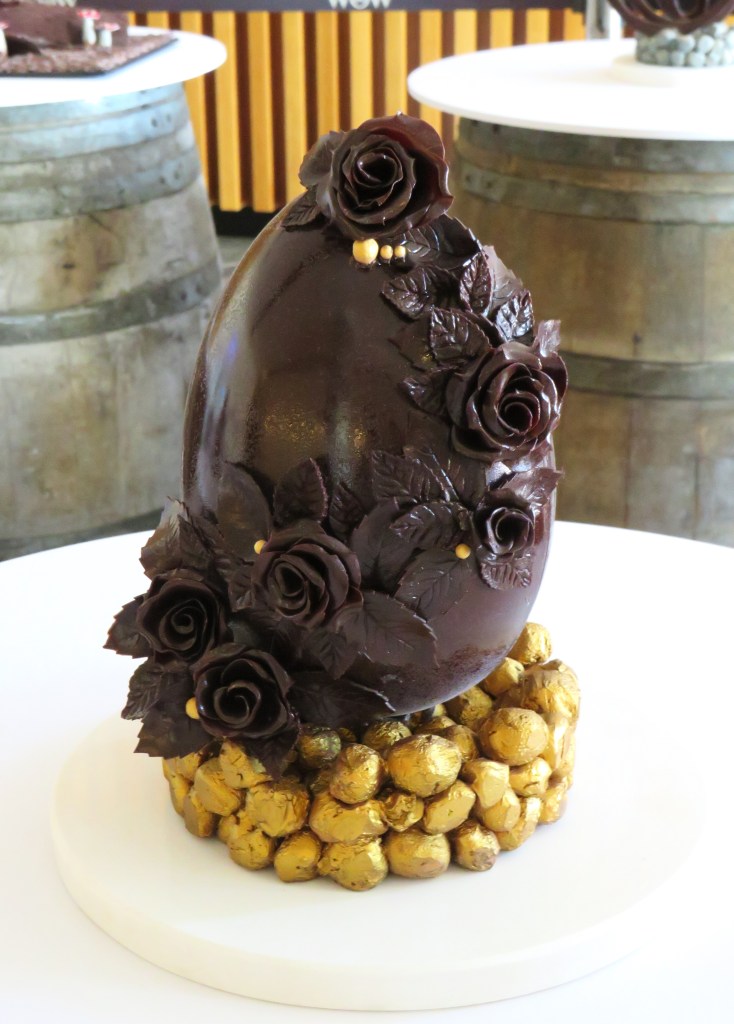
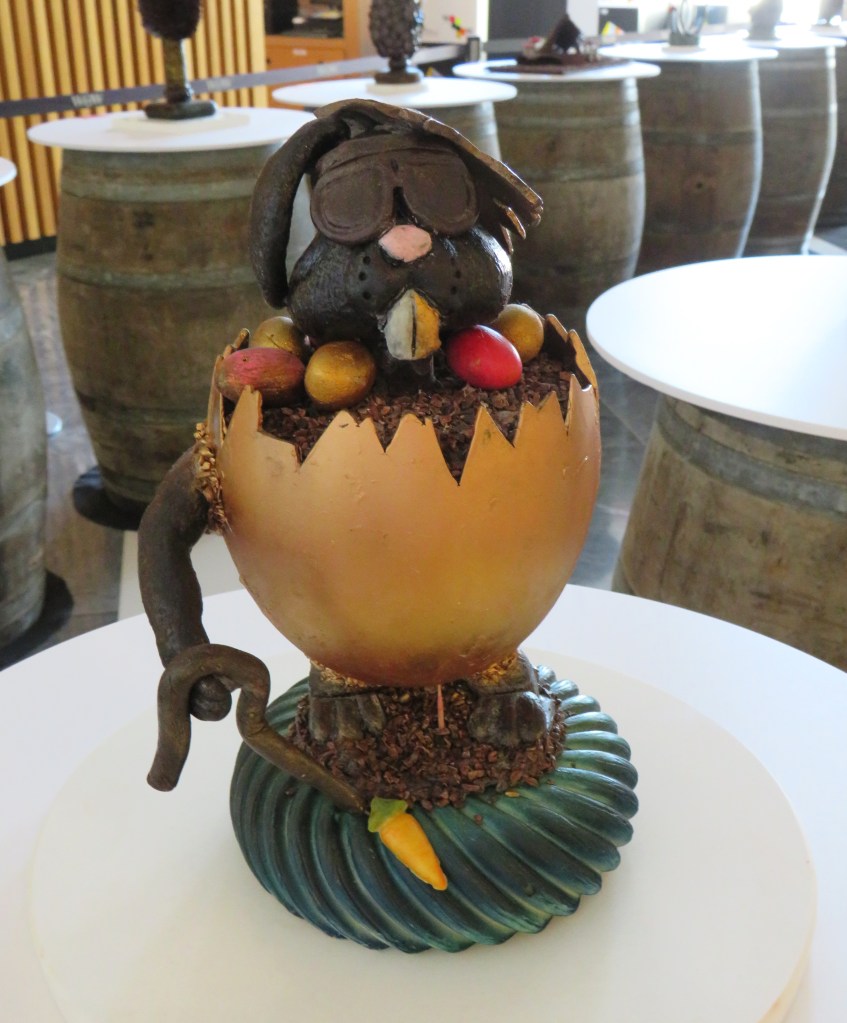
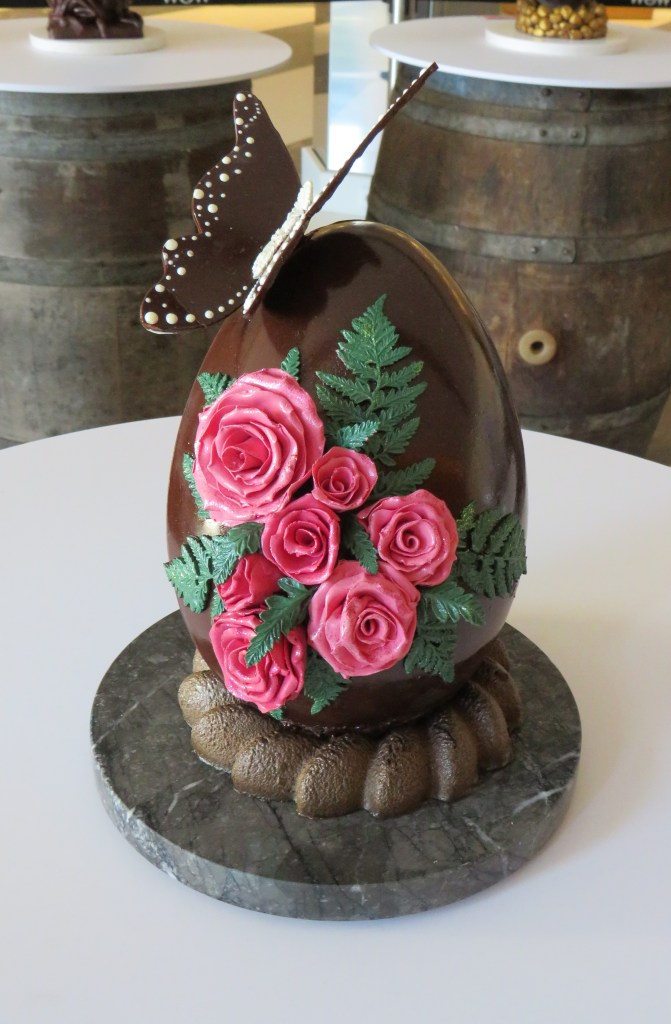
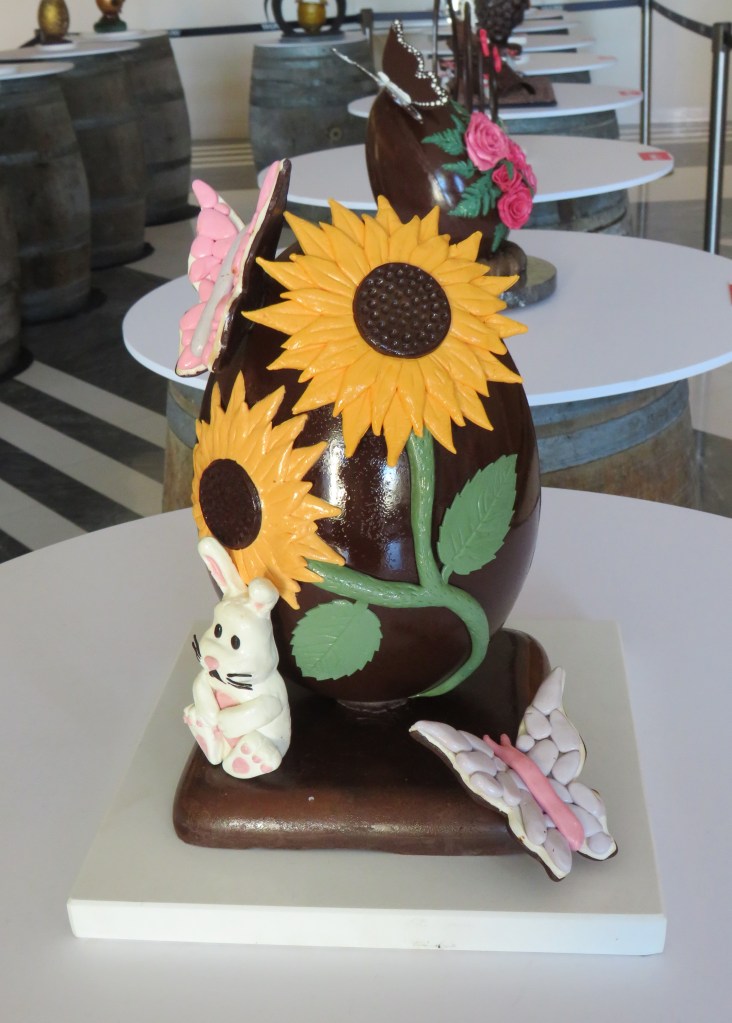
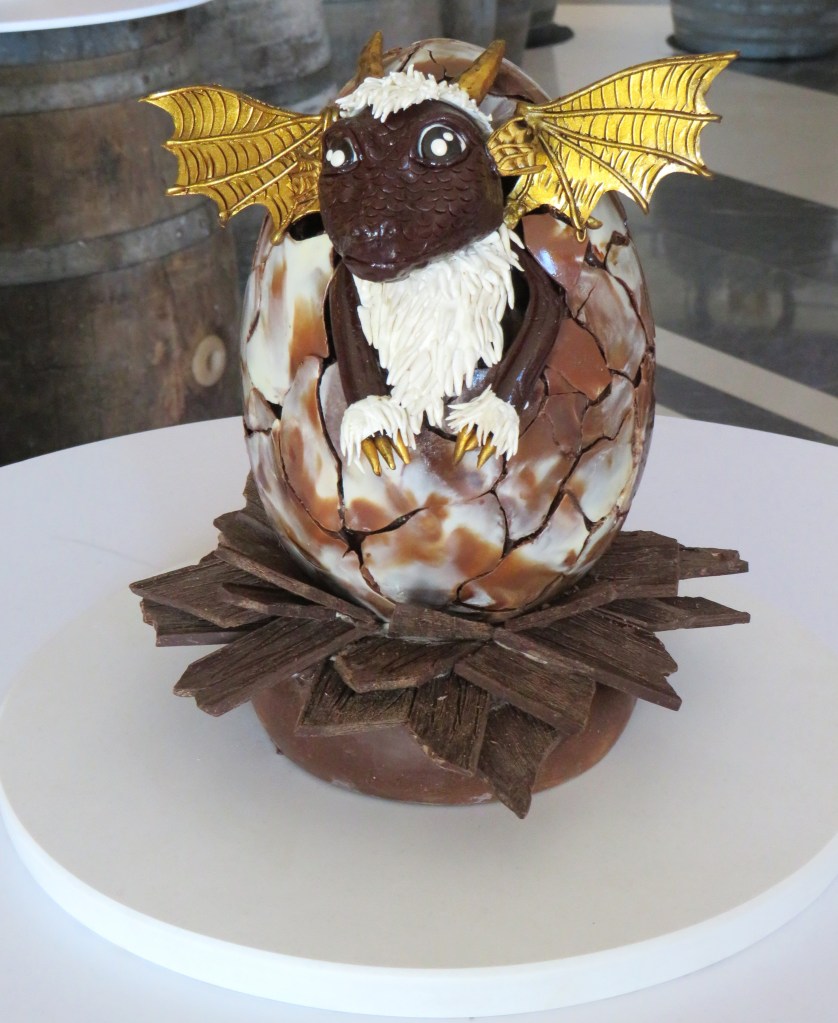
Because Easter was coming, there were a lot of chocolate beautiful chocolate Easter eggs on display. There were so many, I didn’t take pictures of all of them. But here is a good representation of the talented creations we saw. I am really torn about pieces like this though, I have to admit. I think they are gorgeous works of art, and I think the artists who create them are extremely talented, but I also think it is excess, and a waste of food. I don’t now what the right answer is, but that being said, I definitely enjoy seeing these beautiful creations.
I think this one was my favorite egg.
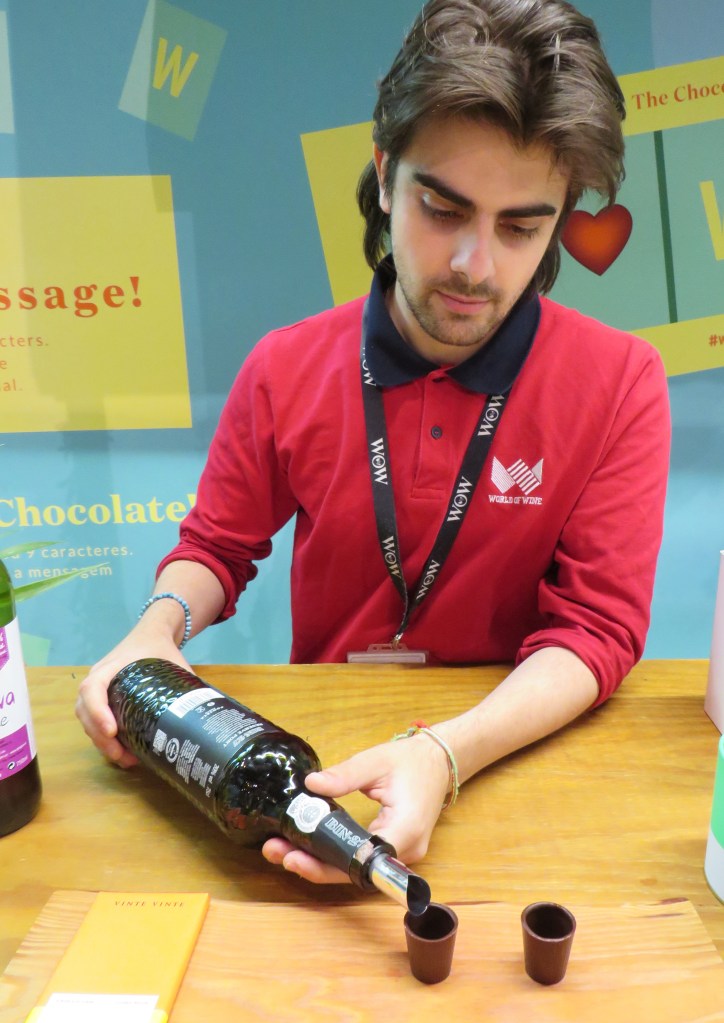
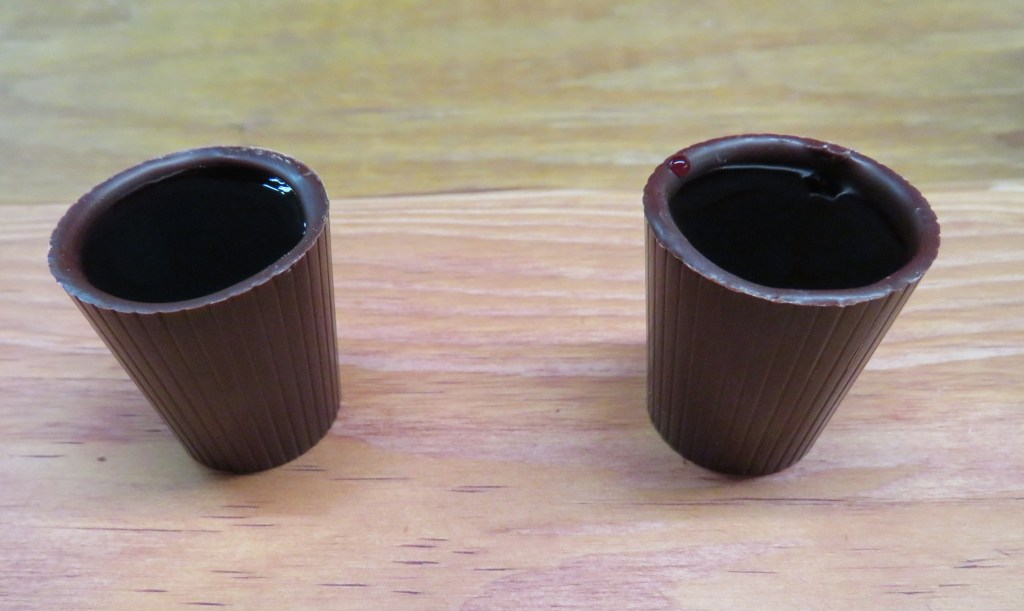
There was also a Ginja tasting table as well. We had our first Ginja tasting experience way back in Alfama Pieces of Portugal – Part 7 – Lisboa and Alfama. It seems like so long ago now. We love it. In fact, we brought some home with us too.
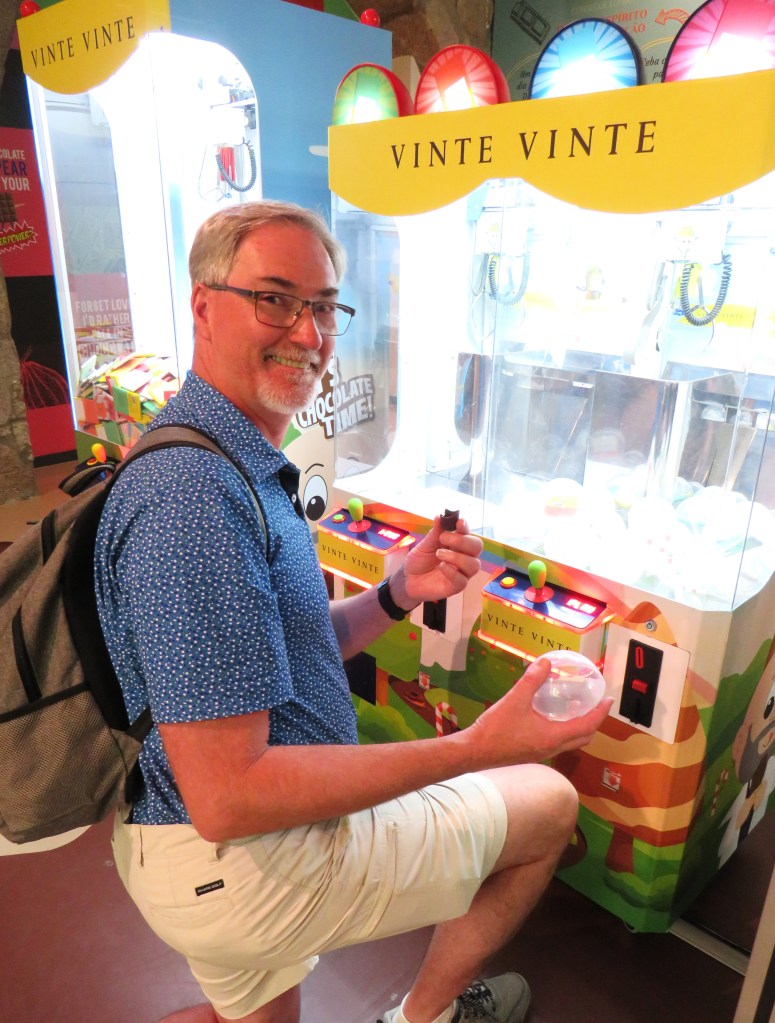
There was even a little try-your-luck display. Larry got lucky and pulled up some chocolate. I, however, was not so lucky. That’s OK. I am really trying my best to cut back anyway. 🙂
Once again, we saw and did so much, and we did so much in the wine portion of the museum, I will leave that for a posting on its own. This is a good place to stop for now. But don’t go anywhere. I still have oh so much more to share. 🙂
Have a great day and make everyday great. Live life to the fullest. It’s not the destination that matters, but the journey. Enjoy the ride. ‘Til next time.
We had a busy day exploring more of Porto by seeing things that most tourists don’t see.
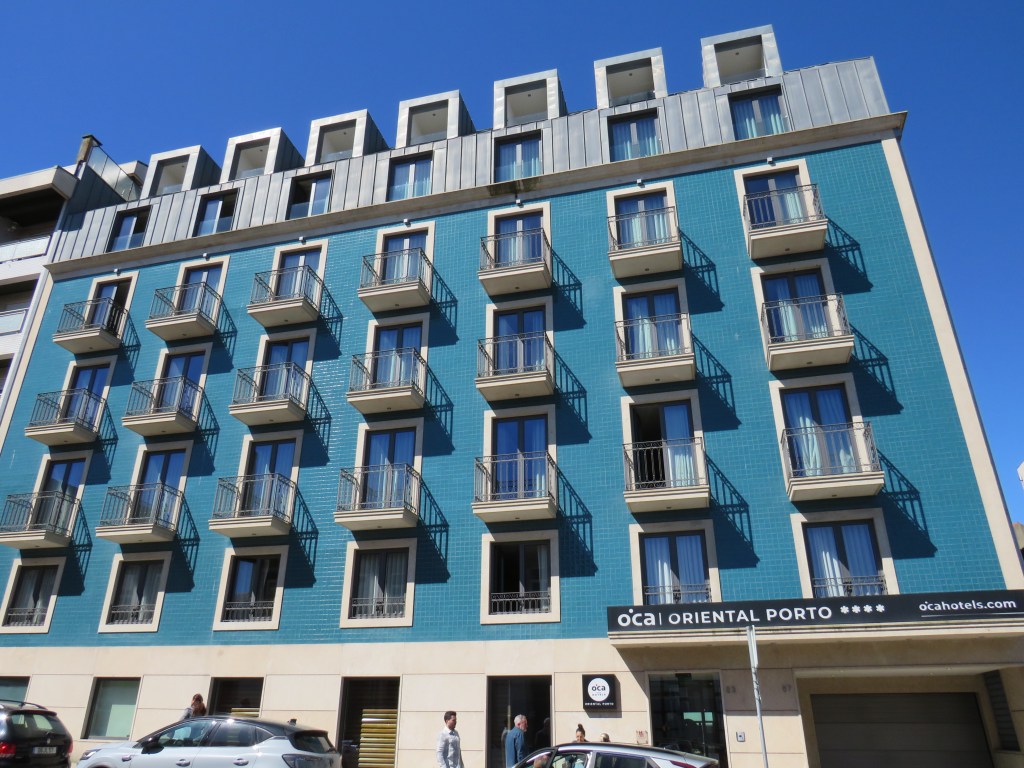
When we first arrived at our hotel, it was dark, so we didn’t get a good look at it until we ventured out in the daylight hours. It was a nice hotel. And every morning we were treated to a deluxe breakfast buffet that offered all kinds of fresh and delicious selections.
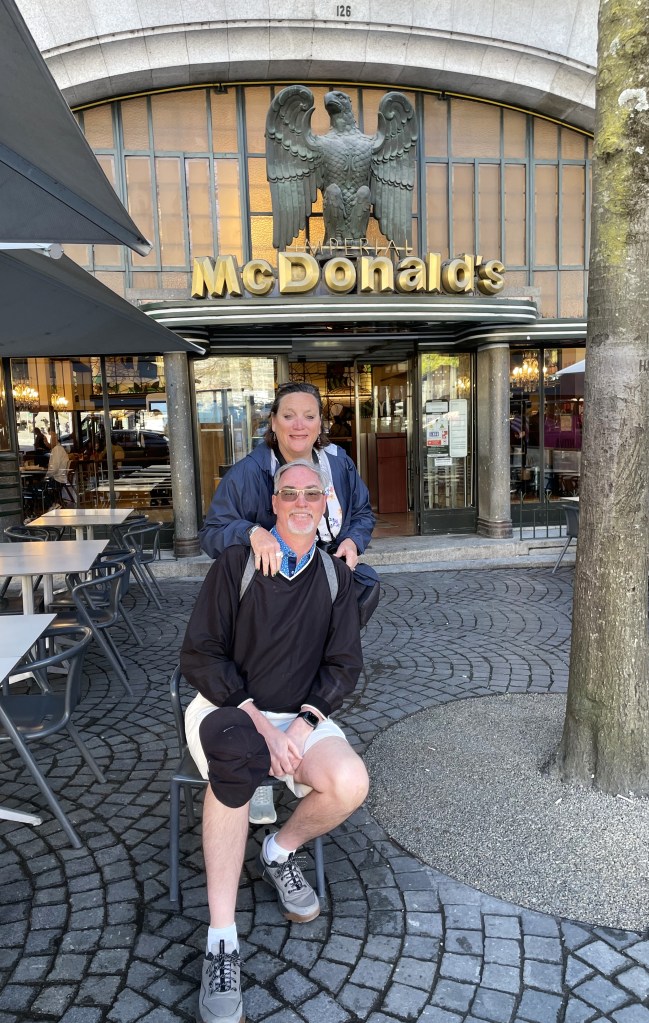
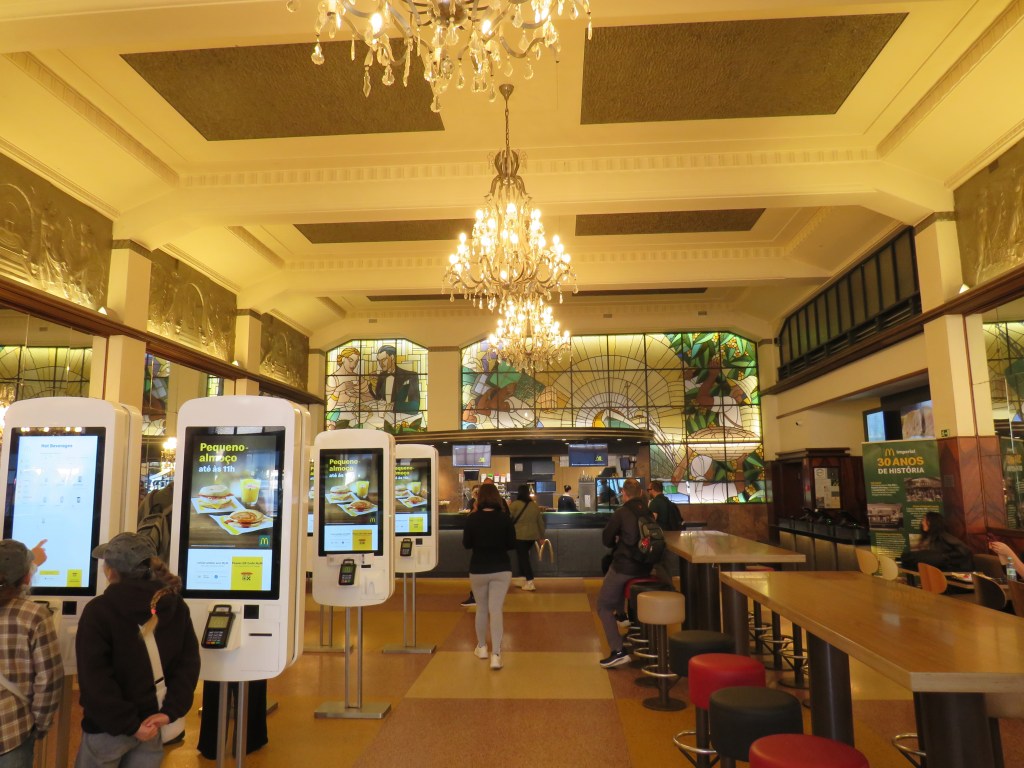
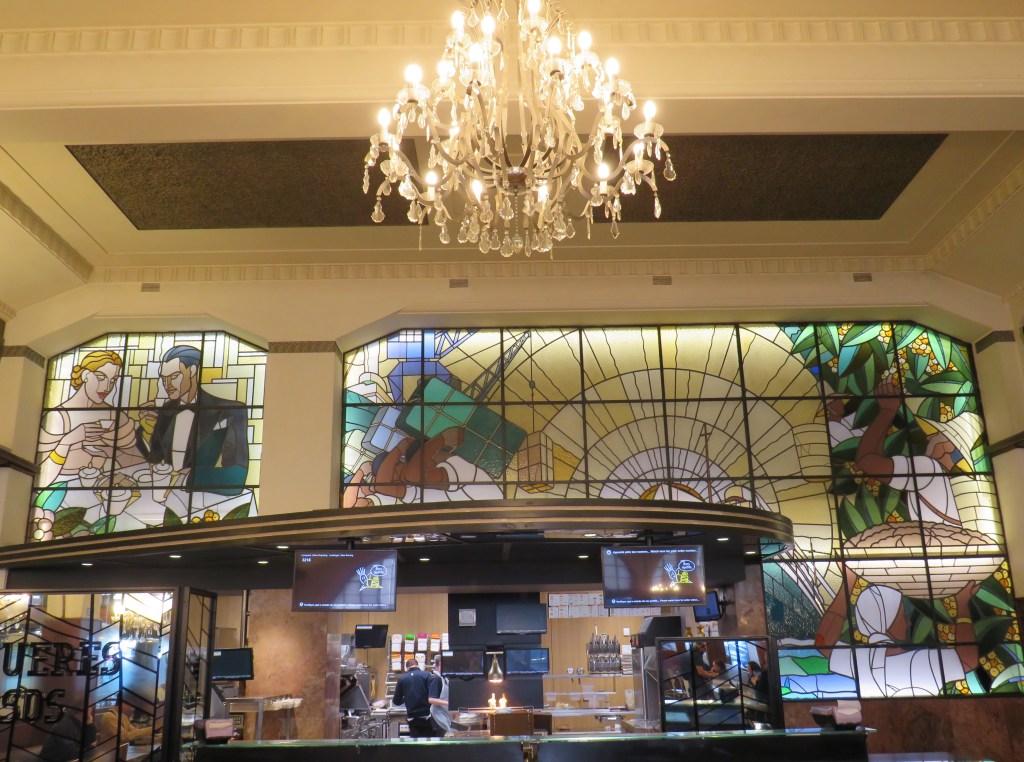
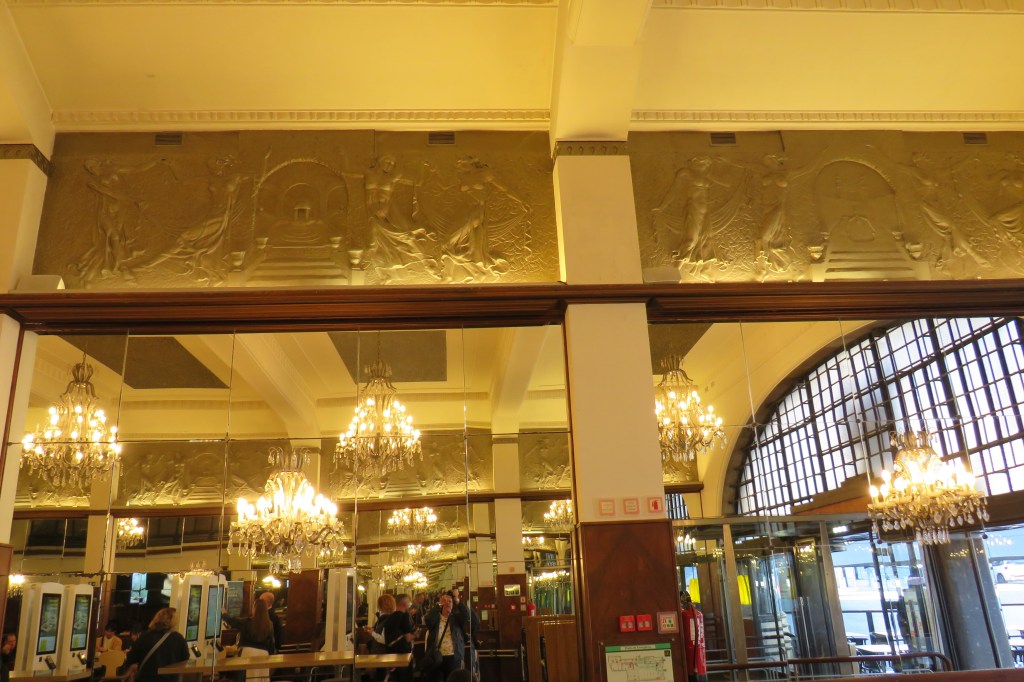
We had to see the world famous Imperial McDonald’s in Porto. When you think of McDonald’s, you don’t normally think of crystal chandeliers and art deco stained glass, but in Porto, that is exactly what you will find. This one-of-a-kind McDonald’s was built in 1995. It was the old Imperial Cafe that was built in the 1930’s, and was in serious need of repairs and an upgrade. The idea was to give it a fresh look, maintaining the iconic features and recovering the social gathering spirit once so lively here.
We are not fans of eating at McDonald’s at home, so why would we eat there when abroad, but we had to see this one-of-a-kind McDonald’s for ourselves. I think we did what most tourists do; we stopped and took pictures and then left. It is beautiful, and very unique.
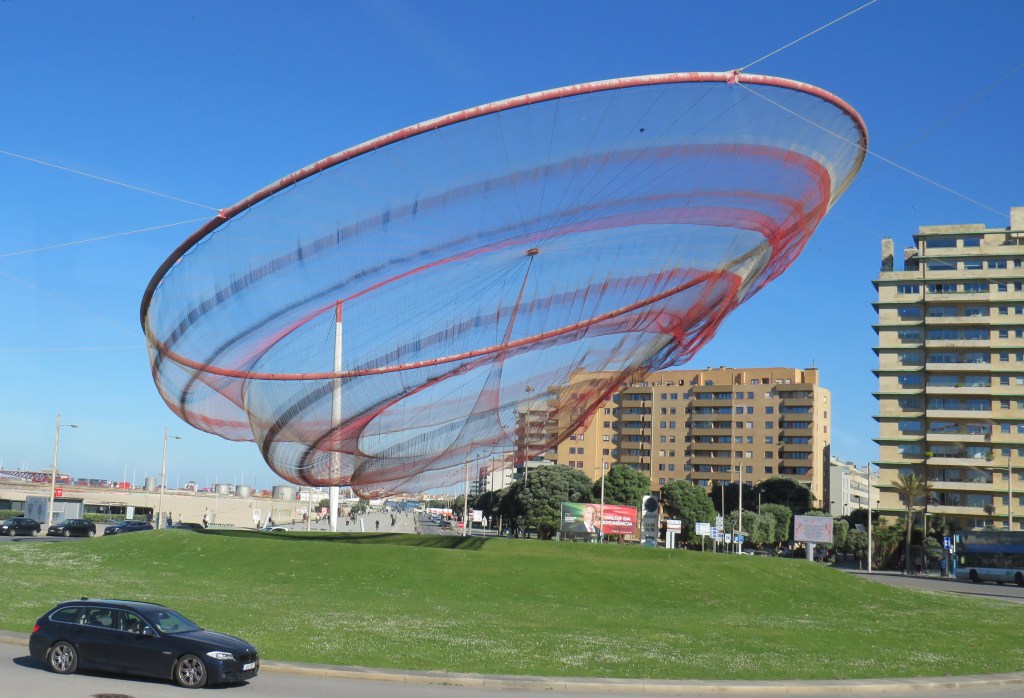
Next, we caught the double decker bus and headed to the end of the line, to the International Fish Market. This was just a curious piece of art we saw along the way.
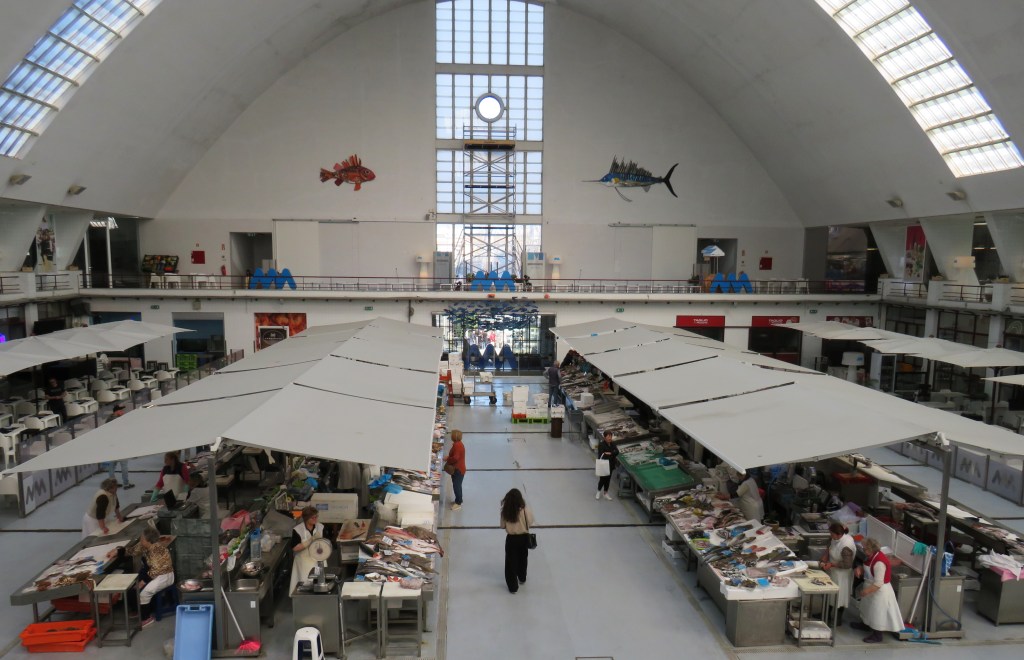
The best, most authentic “international” fish market experience in Porto is found in nearby Matosinhos, particularly at the Matosinhos Municipal Market. This area features fresh, daily-caught fish from the neighboring harbor. Inside Porto, Mercado do Bolhão offers a historic, vibrant, and centrally located spot for fresh local seafood and fish, updated in 2018.
It was still early in the morning and the vendors were busy setting up, getting ready for the day ahead.
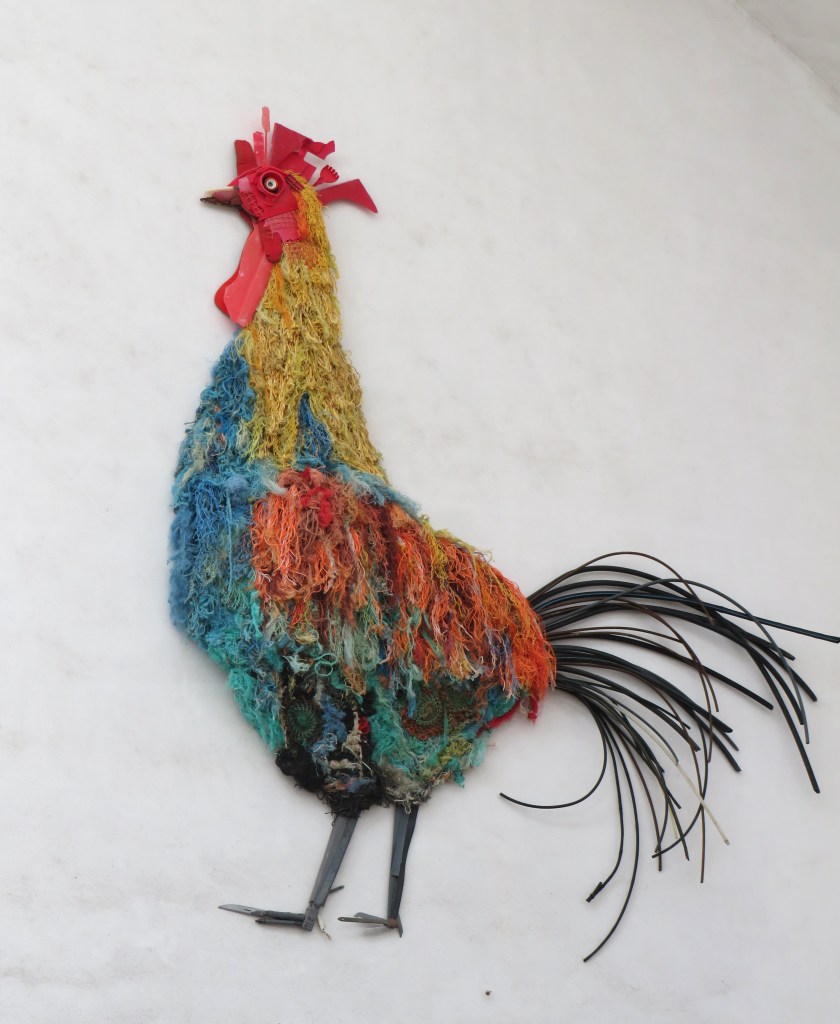
I had to take a picture of the rooster. Roosters, all throughout Portugal are symbols of good luck. They are considered a powerful symbol of good luck, justice, and faith in Portugal. Known as the Galo de Barcelos (Rooster of Barcelos), this iconic, brightly colored figure represents a legendary miracle where a roasted rooster crowed to save an innocent man. It is commonly displayed in homes, given as a gift, and sold as a popular souvenir to bring good luck, prosperity, and protection.
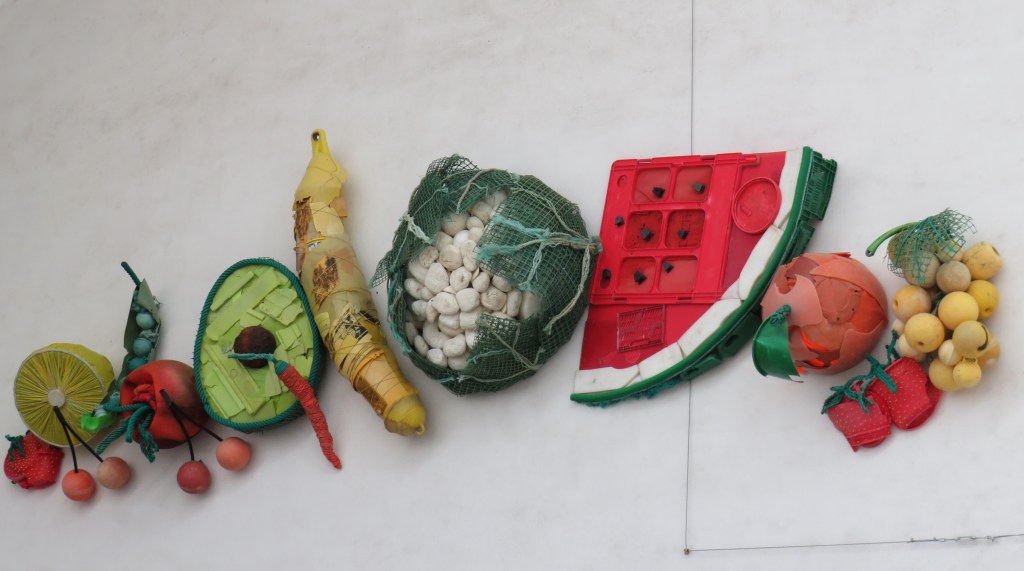
Fresh fruits and vegetables are also sold at the market.
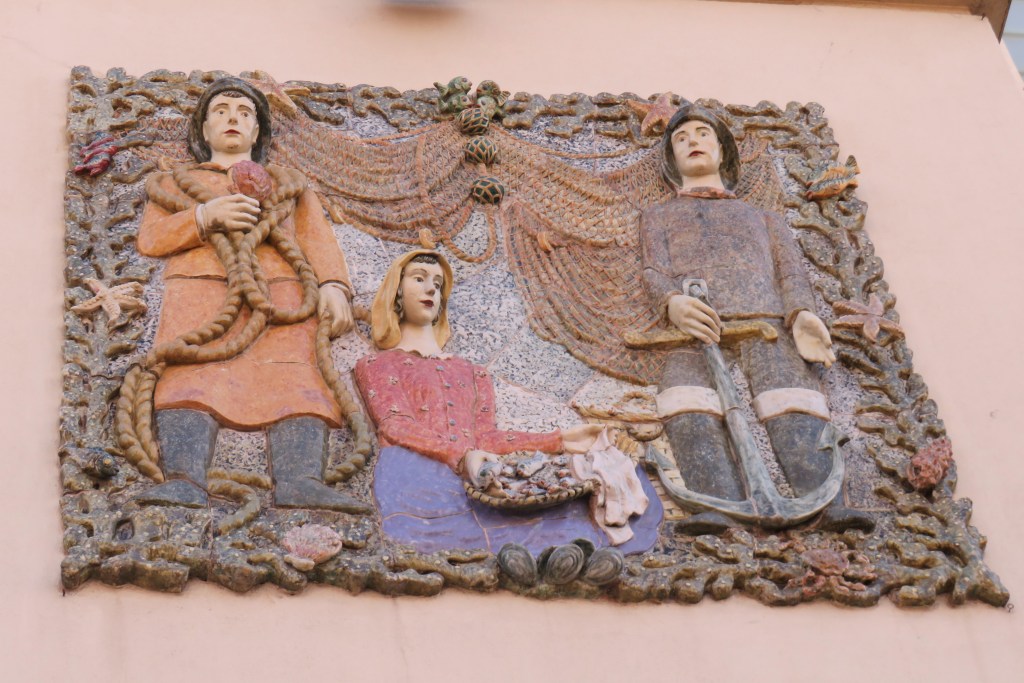
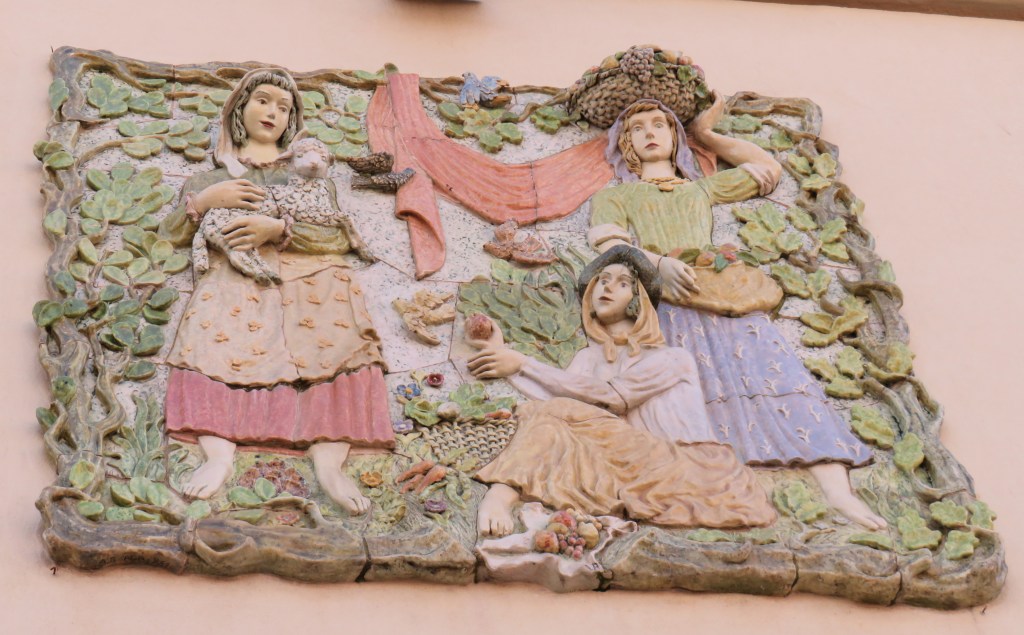
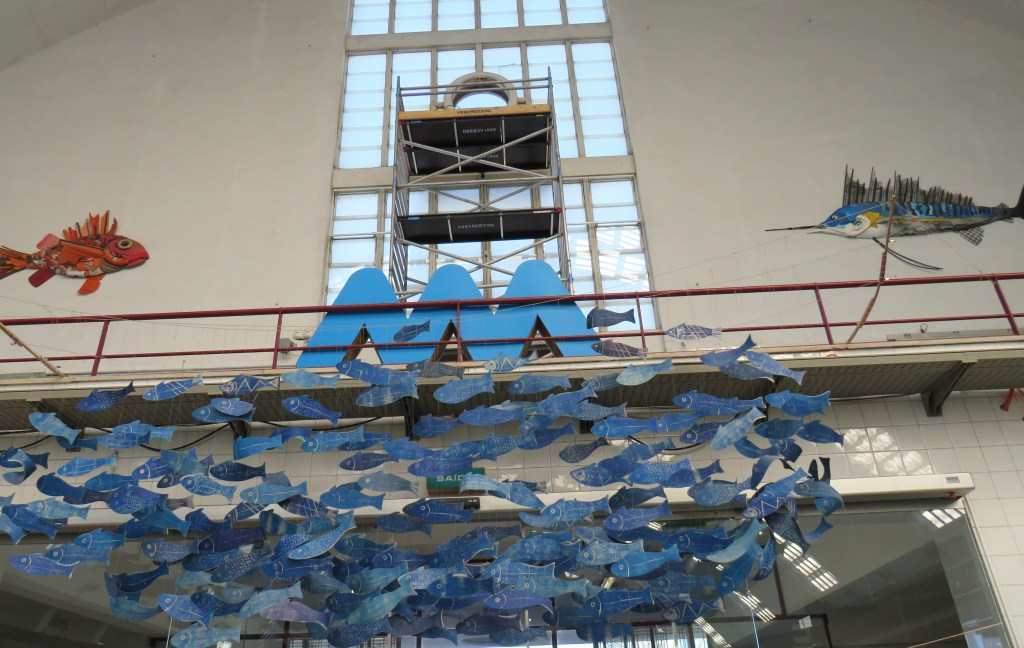
Just fun things we saw.
We were headed to the WOW museum, or the World Of Wine Museum. That will be it’s own post though, since it was one of our big adventures for the day.
Have a great day and make everyday great. Live life to the fullest. It’s not the destination that matter, but the journey. Enjoy the ride. ‘Til next time.