Let The Holidays Begin

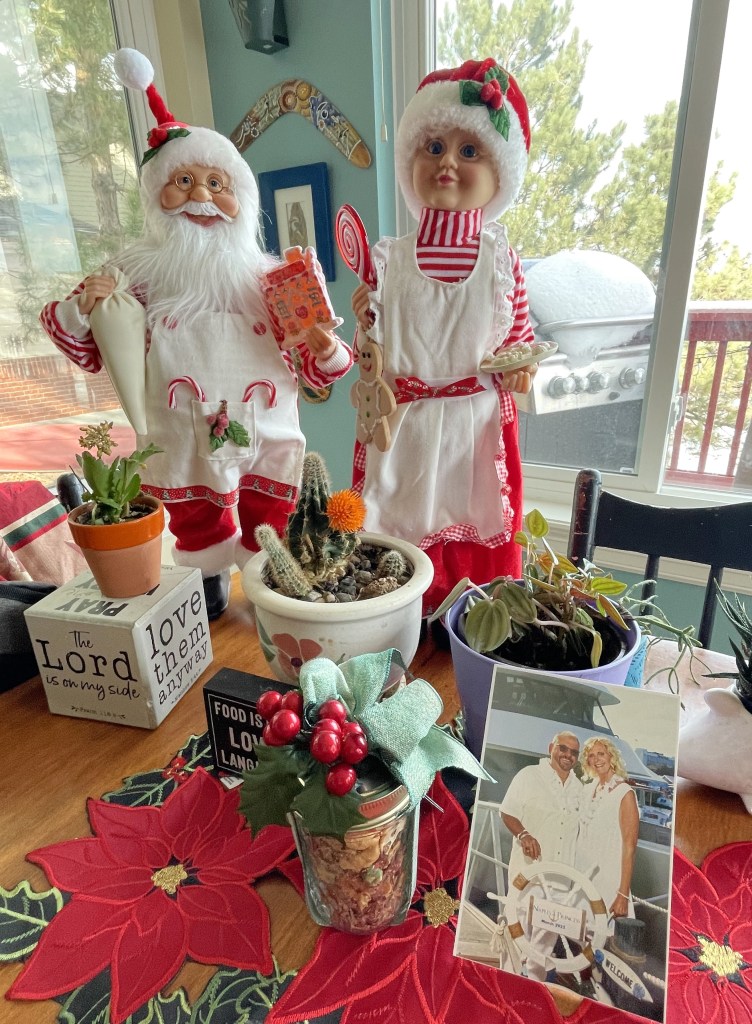
I’m back. Did you miss me? We got home late last night, and now we are transitioning into the Christmas season. We had a great trip, visiting with family and doing all kinds of fun things, but as always, as soon as we get back from a trip, I hit the ground running and have tons of things to do. I am just now getting my busy day started, but just wanted to let you know I’m back. I will start posting and sharing again in a few days.

I also wanted to share something else with you that I saw as I started my arduous task of going through all my emails.

Congratulations! Your site, A Jeanne in the Kitchen, passed 500,000 all-time views, and counting! WHOOOOOOO HOOOOOOO!!!! This is because of ALL of YOU!!!!!! Thank you so much. Let’s keep this trend going!!!! 🙂

Have a great day and make everyday great. Stay safe, stay well and Happy Holidays.

A Texas Thanksgiving

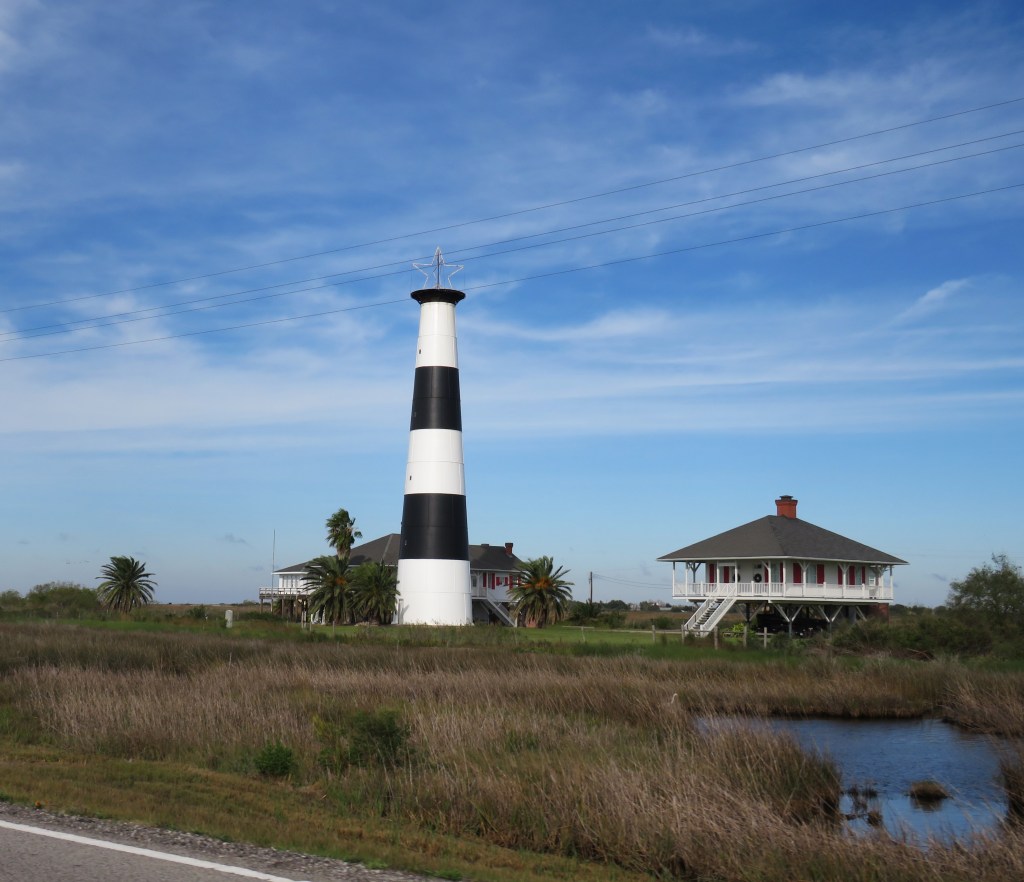
Larry and I are off once again. This time we are headed to Texas for a Texas Thanksgiving with some of my cousins. We are leaving today, and will be gone for about 2 weeks. Once again, I will be out of touch for the duration of our trip. I wish you all a very Happy Thanksgiving. I will see you soon.

Live it up, and enjoy your day with family, friends and loved ones, and just remember, the Thanksgiving calories don’t count. 🙂

Nature Walks – King Fisher Pond

Yesterday, the lakes/ponds, were very quiet for the most part. I saw a few various ducks, geese and cacklings, but not much otherwise; except for one Belted Kingfisher. He was begging me to take some pictures of him and he was so proud I was able to get a shot or two of him with his fish too.

I saw him swoop down and catch his fish, and he was proudly showing it off for me too.

Life is full of surprises. You just never know when or where or what you’re going to see. Always be prepared for the unexpected. 🙂

Early Methods Of Food Preservation

Today, we take it for granted that we live in a world where we don’t have to worry about having enough good, healthy food whenever we need it, especially for our soldiers, sailors and explorers who travel by land and sea and are often gone for long periods of time. But this is a relatively new luxury. This wasn’t always the case, and something we don’t often think about.

When explorers first started traveling to far off lands, particularly by sea, during the 16th century, keeping ships’ passengers and crews healthy during long voyages was a constant struggle. Malnutrition and disease, particularly scurvy, were very prevalent. Prior to the times when canned foods became readily available, often our soldiers and sailors had other concerns that had nothing to do with fighting their battles and traveling to far off destinations. Maintaining their food supply was another major and constant concern. Historically, expeditions frequently struggled to replenish food supplies, which if they were not replenished in a timely manner, led to starvation, scurvy, and dependence on unreliable hunting or trade. Survival often hinged on careful planning, effective preservation methods (like drying, salting, smoking and pickling), and crucial assistance from local indigenous populations. Small miscalculations in the amounts of fresh meats and vegetables could lead to failure of the mission, and worse, death to all. Explorers often miscalculated the duration of their journeys or the amount of food required for the strenuous physical labor involved. Sometimes, it wasn’t even due to miscalculations or human error, but space, storage and transportation limitations, as well as other unforeseeable events and catastrophes, such as shipwrecks. The land expeditions had it slightly easier because they could hunt for fresh game, assuming it was available. They were also at the mercy of the locals to help out with replenishing their food supplies.

Scurvy was a major concern for long journeys, and left untreated can be very dangerous, even deadly. Scurvy is a disease caused by a severe deficiency of vitamin C that leads to symptoms like fatigue, weakness, and bleeding gums. It is caused by a diet lacking in fruits and vegetables and can be treated by increasing vitamin C intake. Left untreated, it can lead to more severe complications like anemia, poor wound healing, and, in some cases, death from bleeding or infection. But fortunately today, with proper nutrition, it is easily avoidable and curable. We know that today. Prior to the 19th century though, scurvy was not such an easy fix and was a major concern for soldiers, explorers and travelers alike.

The common ways of preserving foods in the early days were salting, drying, smoking and pickling, but even these methods had their limitations. Foods preserved in these ways, especially in the early days, still had a relatively short shelf life and still went bad, which could be almost as bad as not having enough food, because it could become poisonous. Food quality deteriorated over time, and supplies were often lost to spoilage or accidents.

Drying or dehydrating foods is one of the earliest methods of food preservation, dating back to about 12,000 BC. This process removes moisture from food, making it inhospitable to bacteria and fungi that cause spoilage. While drying with sun and wind were the earliest forms of drying foods, other early methods included salting, smoking, and fermentation, which create an environment where microbes cannot survive

Often the drying method was combined with salting the foods to draw out their moisture. But salted foods have to be “bathed in water” to remove the salt, in order to be edible.

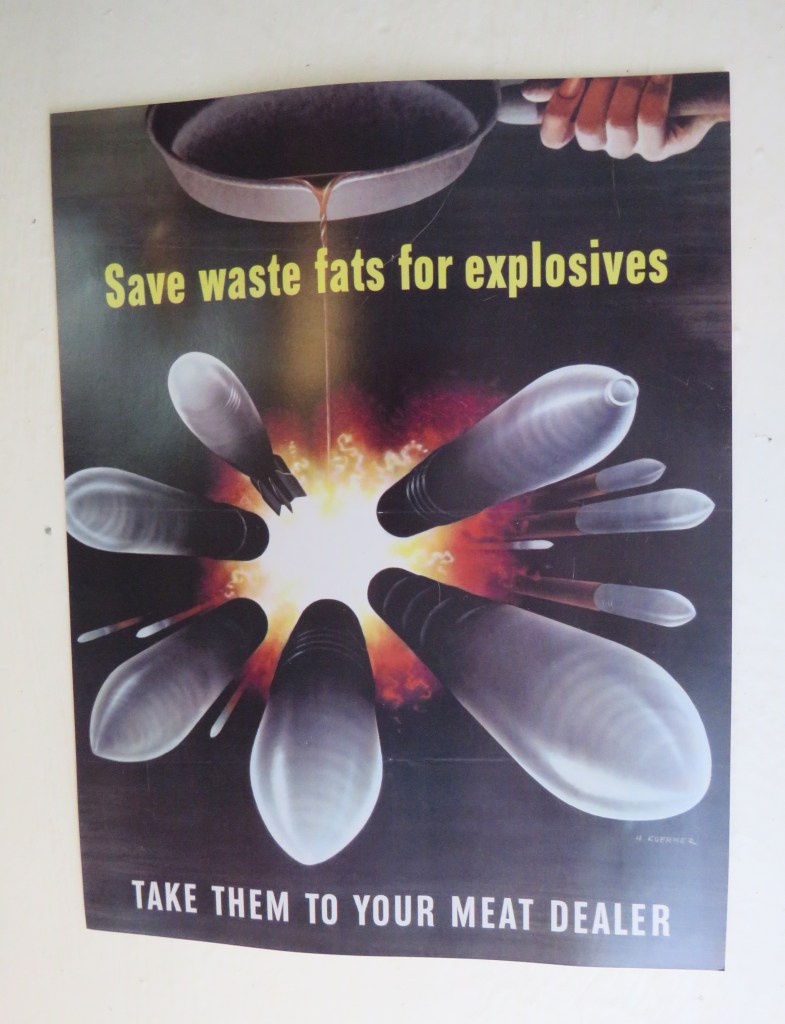
Even foods that were dehydrated and salted still needed to be stored, and at first were “potted” in large clay pots with tight fitting lids. This involved packing cooked meat tightly into a jar and capping it with a generous amount of butter, lard, or tallow (rendered beef fat).  An unappetizing as this may sound it kept meat safe to eat for weeks or months in the right environment. It kept people alive, though often times just barely. Potted meat is still popular although today, we call it tinned or canned food, and the preservation methods have come a long way, and are much healthier, with a much longer shelf life than the early days.

Pickling foods was another way of preserving foods and extending their shelf life. Pickling has been around since the days of the ancient Mesopotamians, and evidence suggests it has been around since as early as about 2400 B.C. Everything was pickled from eggs to meat to vegetables. Meats and fish were usually pickled or preserved in a salt brine and sometimes later smoked to encapsulate the salted meat with a thick protective coating of creosote that inhibited insects or microorganisms from spoiling the meat. Vegetables and fruits were often brined in a vinegar base. Most pickled foods involved high concentrations of salt and/or vinegar, and just like purely salted foods, they still had to be freshened by repeated soaking in fresh water to make them edible.

Necessity is often the mother of invention, and people will do whatever they need to do in order to survive. Because salt was so important for food preservation, and we all need food to survive, the salt trade quickly sprang up and became a very competitive and lucrative industry. Salt was gathered from many places around the world and sold to the highest bidders.

Vinegars were also used for preserving foods, and were originally made from beer and wines, but soon farmers started planting apple orchards to produce apples and other fruits, both for eating and for making vinegar. While vinegar making may be as old as brewing, the first documented evidence of vinegar making and use was by the ancient Babylonians around 3000 BCE. They primarily made vinegar from the fermentation of fruits, such as dates and figs, and beer. Vinegars were used for both culinary and medicinal purposes.

Smoking meats was another way of preserving foods in the early days. Most 18th century farmers had smoke houses on their property. From the earliest times, a smokehouse was a small enclosed shelter, a place in which a fire could be kept smoldering for a few weeks, which would only slowly release its smoke, and in which the smoked meat could hang safe from vermin and thieves. Just about any sort of vernacular shed could serve. People who were not lucky enough to have a separate smoke house often hung their meats above the fires in the fireplaces or their hearths at home. Ashes were placed over the embers to extinguish any flames which produced an ideal Smoky environment in which to preserve their fish or game.

We have come a long way since the early days of food preservation, and refrigeration has aided the process immensely. We have it so easy today compared to the days of old. Today, we go to a market and get what we need, whether it comes from the refrigerated section, the freezer or canned or pickled. I don’t think most of realize this was not always the case. Food, good, fresh, healthy food, was not always accessible to many people around the world. People lived off the land by what they could find, hunt or fish, and did their best to preserve it for as long as they could, since it was often scarce.

Have a great day and make everyday great. Stay safe, stay well, and make sure to eat your fresh fruits and vegetables. ‘Til next time.
Ham One Day, Soup The Next

I recently cooked a big ham, and that means I had a lot of ham leftover. I am always creating other dishes from all of my leftovers, as you very well know. When I cook a ham, a quiche almost always follows, as it did this time too, (a ham, spinach and mushroom quiche) and then I usually have enough leftover to still make other things as well. usually a split pea soup is somewhere in the immediate future after a ham. I did make soup, but this time I did not make split pea soup. I made an African inspired pumpkin soup instead.

I loaded this delicious, healthy soup up with all kinds of good things; everything from ham, sausage, spinach, pumpkin, kidney beans to tomatoes, and then some. It was a hearty meal filled with all kinds of goodness. Really, I was just trying to use up as many of my vegetables as I could before we leave for Texas. 🙂

African Styled Ham, Sausage & Vegetable Soup

1 1/2-2 lbs cooked ham, cubed

3 hot Italian sausage links, cooked and sliced

3 carrots, diced

1 onion, diced

2-3 celery stalksd, diced

2-3 cups spinach, stems removed

2 cups diced tomatoes

2 Anaheim peppers, diced

1 small pumpkin, peeled and diced

1 1/2-2 TBSP garlic

6-8 cups ham or chicken broth

1 can kidney beans, drained and rinsed

olive oil

salt & fresh ground black pepper to taste

1 tsp red pepper flakes, or to taste

2 tsp Mekelesha Ethiopian spice, or other African spices

Get a large soup pot very hot, and par cook the sausage enough to where you can slice it, or about 5-7 minutes. Remove from the pot, let it cool enough to cut, then slice.

Add the carrots, onions, celery, peppers and red pepper flakes to the pot, adding more oil if needed and cook until they are al dente and the onions are translucent.

Add the garlic and pumpkin and continue to cook for an additional 2-3 minutes, stirring occasionally. I used delicata squash, which usually has the thin skin still attached. The skin is so thin that it softens nicely when cooked.

Add the sausage and continue to cook until the sausage is completely cooked. Add the ham, broth and seasonings. Cover and bring to a boil, then reduce the heat to a simmer, and continue to cook for about 30-40 minutes, stirring occasionally.

Add the tomatoes, kidney beans and spinach towards the end. Mix everything together thoroughly and cook just until the spinach is wilted. Serve immediately. If you like, you can top it with some soft cheese that melts quickly too.

This soup is very similar to a lot of African vegetable soups or pumpkin stew. It’s deliciously healthy, with a little bit of an added kick. Serve with some warm bread, and you have a hearty meal that’s perfect for when the temperatures start to drop. It will warm you up from the inside out.

Have a great day and make everyday great. Stay safe and stay well. ‘Til next time.

Greek Salad

Mediterranean foods are some of my favorite foods. As much as I love all kinds of food, the Mediterranean diet is the one I follow most closely. It is a diet that is based on consuming lots of fresh fruits, vegetables, legumes, nuts, olive oil, fish, chicken and lean meats. It also limits processed foods and sweets. I have been eating like this for most of my life. I love all of the differences between the foods from the different Mediterranean regions too. Right now, I am in a Greek frame of mind, with my Greek green beans Greek Green Beans and now my Greek salad.

Greek Salad

I created this deliciously healthy salad as another way to use up our gyro meat. I love gyros, but I wanted something different. Gyro meat is traditionally made from lamb or pork, but modern Greek-American versions often use a ground mixture of lamb and beef. It can also be made from other meats like chicken. The meat is typically seasoned and cooked on a vertical rotisserie, then shaved into thin slices to serve. We buy the Costco version, where all that is already done for us. 🙂

1 lb cooked gyro meat

2-3 cups fresh spinach, stems removed

2-3 tomatoes, diced or cut into wedges

1/2 cucumber, sliced very thin

1 can garbanzo beans or chickpeas, drained and rinsed

1/3 cup mixed olives, sliced

1/2 green bell pepper, diced

1/4 red onion, sliced very thin

1-2 pita slices, cut into triangles and fried

feta cheese, optional

Layer the salad over a bed of spinach.

Za’atar Vinaigrette

1/2 cup olive oil

1/3 cup red wine vinegar

1-2 tsp lemon olive oil, optional

1-2 tsp lemon vinegar, optional

1/4 tsp red pepper flakes, or to taste

1-2 tsp Harissa seasoning

1 tsp Dijon mustard

1-2 tsp garlic

1-2 tsp Za’atar seasoning

salt & fresh ground black pepper to taste

Whisk everything together well and let rest. Whish everything together once again right before serivng.

When ready to serve, top the salad with a Za’atar vinaigrette and feta cheese, if using. Add the fried pita chips all around. Enjoy! απολαμβάνω or apolamváno!

Have a great day and make everyday great. Stay safe and stay well. ‘Til next time.

Greek Green Beans

Green beans are a well-loved vegetable all over the world. And every culture has their own way of making them. A very popular way of making green beans, particularly in the Mediterranean regions, is to braise them in olive oil. The history of green beans braised in oil goes back centuries, with traditional preparations like Greek Lathera and Lebanese Loubieh bi Zeit (both meaning “green beans in oil”) using olive oil for slow simmering, often with tomatoes and onions. I made a Greek version, or Fasolakia Ladera, not too long ago. As with anything that has been around for centuries and has spread over the world, there are many different versions. They were deliciously different. We loved them.

Greek Green Beans (Fasolakia Ladera)

This Mediterranean dish is both hearty and simple at the same time. I served it as a side dish, but traditionally in Greece, it is served as a meal by itself, with Feta cheese spread over a thick hearty bread. Greek Fasolakia is a typical peasant dish rich in vegetables, and traditionally vegan! These stir-fried vegetables are part of the ancient tradition of Greek braised vegetables called Lathera, and served as the main dish or a light lunch, or among other small plates during the Greek Mezes. Lathera or Ladera comes from the Greek word Lathi, meaning oil. Traditionally, the recipe calls for green peppers, but I liked the addition of color by using an orange pepper. Plus, I didn’t have a green pepper at the time, which made it even easier to substitute another pepper. 🙂

1/3-1/2 cup olive oil

1 onion, sliced very thin

1 large pepper, sliced thin

1 TBSP garlic

2 lbs green beans, trimmed and cut into very thin strips

salt & pepper to taste

3/4 cup dry white

2 cups diced tomatoes

2 cups chicken broth

1 tsp sugar

1 bay leaf

feta cheese, optional

thick hearty sliced of bread, optional

Get a large skillet or pot very hot and add the olive oil. Then add the onions, garlic, bay leaf and salt & pepper and peppers, and cook until the onions are translucent.

Add the green beans, cover and sweat until they are dark green.

Add the wine and reduce until the liquid has evaporated. Then add the tomatoes and cook for about 8-10 minutes, stirring occasionally.

Add the chicken stock and sugar. Bring to a boil, then reduce the heat and simmer uncovered for about 40-45 minutes, stirring often.

I served this as a side dish to something else, but traditionally, this is served with Feta cheese mixed in and served over bread. Both ways work, and both ways are good (though NO cheese for me). “Ahh Taki,[ it ]looks Greek to me”, My Big Fat Greek Wedding.

This dish and recipe may be centuries old in Greece and the Mediterranean regions, but it was a new dish for Larry and I. We really liked it a lot, and I think you will too. 🙂

Have a great day and make everyday great. Stay safe and stay well. ‘Til next time.

Peruvian Peppers

I discovered the tiny, red teardrop Peruvian peppers a few years ago and have been using them ever since. I just love them. I use them for all kinds of dishes. But it dawned on me that not everyone knows about these little treasures or what they are.

Peruvian peppers, also known as aji, Sweety Drop peppers, Incan Red Drops, Biquinho, or Roquito peppers, have been in Peru and modern day Bolivia since about 7500 B.C. They are closely related to the Chupetinho peppers from Brazil, which are also sweet, tart and smoky, and a kiss of heat. Peppers in general are one of the oldest cultivated crops in the Americas, with Peru being a center of diversification where all five domesticated Capsicum species were grown and consumed before the arrival of Europeans.

These little gems are “relative newcomers” in the pepper world though, comparatively speaking. Today, Peru has a high diversity of peppers, with around 300 varieties, and they remain an essential part of its cuisine. You can find the sweety peppers in red and yellow. The red sweeties are a little sweeter than the yellow ones, but not much, and are slightly healthier too.

Sweety Drop Peppers are tiny, teardrop-shaped peppers originating from the highlands of the Peruvian Andes, known for their vibrant red or yellow color, unique sweet and tangy flavor profile, and crunchy texture. The name “Sweety Drop” is primarily a marketing term coined by the companies that first introduced these peppers to the global market. It accurately reflects their dominant sweetness and distinctive teardrop shape, making them easily identifiable to consumers. These peppers offer a versatile ingredient for culinary applications, ranging from appetizers and salads to main courses and even desserts. Unlike some peppers that pack intense heat, Sweety Drops provide a more subtle, nuanced flavor experience. Think of them as the candy of the pepper world, offering a playful burst of taste without the fiery afterburn. They gained popularity for their delightful combination of sweetness and slight acidity. The sweetness is dominant, reminiscent of ripe cherries or bell peppers, but it’s complemented by a refreshing tanginess.

Sweety peppers are mild peppers, with a Scoville Heat Unit (SHU) rating close to zero. The higher the SHU, the hotter the peppers will be. These little sweeties are a good source of Vitamin C, antioxidants, and fiber and are also low in calories and fat. Though they are healthy and packed with nutrients, they are rarely eaten in large quantities, making their nutritional impact minimal. These little peppers, like other chili peppers, are rich in antioxidants, especially vitamin C, which is crucial for strengthening the immune system, promoting healthy skin, and shielding the body from oxidative stress. Red peppers are generally considered the healthiest because they are the most ripe and contain the highest levels of certain nutrients, but peppers in general are considered to be healthy foods. While they share the characteristic of sweetness, Sweety Drop Peppers are distinct from bell peppers or other sweet peppers. Their unique teardrop shape, crunchy texture, and specific flavor profile set them apart. The tanginess is a defining characteristic not found in other sweet pepper varieties.

Sweet peppers like the sunshine. You can grown them at home as long as they get enough sunshine to make them happy. They require a sunny location, well-drained soil, and a warm climate. Seeds can be purchased online or from specialty gardening stores, but be aware that seed availability may sometimes be limited. These little peppers are most often served pickled or brined, but you can easily pickle your own Sweety Drop Peppers too. You’ll need fresh peppers, vinegar, water, sugar, salt, and any desired spices, just like you would need for pickling any kind of pepper or vegetable. While possible, freezing Sweety Drop Peppers is not generally recommended, as it can affect their texture, making them less crisp. If you must freeze them, consider using them in cooked dishes where the texture change will be less noticeable. Freezing is not the ideal preservation method.

These little sweetie peppers are gaining in popularity all over the world. If you don’t have them yet, they will most likely be coming your way soon. Just be patient. Once you discover them, you will fall in love with them just like I did. 🙂

Have a great day and make everyday great. Stay safe and stay well. ‘Til next time.

More Fun Food Facts – 11/15/25

It’s been a while since I’ve shared fun facts with you, so I thought it was a good time to do so. 🙂 I love learning and sharing all kinds of things, and especially fun trivia. It lightens up our day, gives us some “food for thought” and brings a smile to us all.

Banana trees are really giant herbs and not trees. Banana plants are botanically classified as giant herbs, not trees, because they lack a woody stem. What looks like a trunk is actually a non-woody “pseudostem” made of tightly packed leaf sheaths. The banana fruit itself is technically a berry that grows from this large herb.

The word “salary” is derived from the Latin word “sal,” meaning salt, because Roman soldiers were once paid in salt. In ancient Rome, it was salt and not money that was used for commerce or trading. The soldiers who worked for the Roman empire got a handful of salt in return as their payment each day. This is where the common saying of “being worth one’s salt” comes from. Soldiers who did a good job were worth the salt they earned.

The first vending machine dispensed holy water, not snacks. In the first century A.D., a Greek engineer developed a device that would disperse holy water with the weight of a coin because too many people were stealing the holy water from the temples.

Scientists can turn peanut butter into diamonds due to its high carbon content. Dan Frost, a research scientist at the Bayerisches Geoinstitut, University of Bayreuth, Germany. He placed some peanut butter between two diamonds (this is called the “stiletto heel effect”) and compressed the nutty stuff. Why the diamonds? They’re incredibly hard, thanks to their closely-linked carbon atoms, and can withstand the necessary amount of pressure for the experiment, which is about 1.3 million times that of our atmospheric pressure. The result is a diamond where a peanut used to be, albeit a paltry and not entirely pure one. “A lot of hydrogen was released that destroyed the experiment,” Frost told the BBC, “but only after it had been converted to diamond.”

The first recipe ever discovered was for a type of beer. Foodies have been enjoying beer since they first invented the language to talk about it. Ancient Egyptian brewers, who were known for their herbal wine, were making fortified beer around 2,575 B.C., but some historians speculate that beer might have been developed in different parts of the world by different peoples simultaneously. Still, while much of this dating is based on the educated compilation of known facts, concrete (or rather, clay) evidence was discovered from the Sumerians of ancient Mesopotamia. The oldest recorded recipe for beer-making is immortalized in a poem-slash-drinking song preserved in cuneiform on clay tablets from 1,800 B.C. called “Hymn to Ninkasi.”

So if you are playing trivial pursuit and these questions come up, now you will know you will have the answers. I am more than happy to help with trivial stuff like this. 🙂

Have a great day and make everyday great. Stay safe and stay well. ‘Til next time.

Nature Walks – More Flicker Fun

The Northern Flickers are here year round, though I do tend top see more during the fall than I do at other times during the year. And sure enough, I have been seeing more Flickers around again.


They are always welcome, anytime they want to show up. They are such pretty, distinctive birds. 🙂