Cranberries and cranberry sauce area festive parts of fall and the Thanksgiving traditions. Cranberries have been grown in the eastern part of the United States for 1000’s of years, and were very important to the indigenous people for many reasons, and not just for food. Originally, they were found in bogs that were carved out by glaciers. Newly formed kettle ponds filled with sand, clay and debris formed the perfect environment for vines to spread across the South Shore, Cape Cod, Martha’s Vineyard and Nantucket. The Native Americans called these red berries “sasemineash” and also “pakimintzen.” Cranberries were mixed with dried meats and fat to make pemmican, which was used to treat fevers and swelling, and was also used to made dyes for cloth. The pemmican was also used as a type of energy food, or an early rendition of today’s energy bar, that kept the Indigenous people and fur traders fed and energized during the long, cold winters. The early settlers and sailors also used cranberries to help fight scurvy and seasickness.
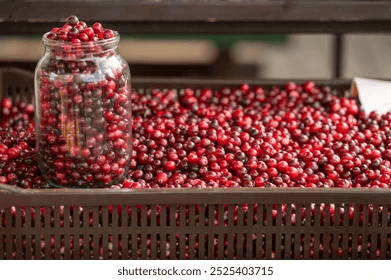
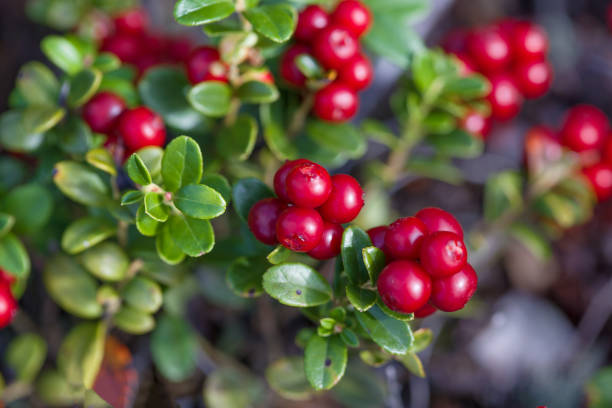
Cranberries were known as cranberries to the first European settlers that came to America. The new settlers were familiar with European cranberry varieties which grew in the boggy regions of southern England and in the low-lying Netherlands. They called them craneberries or crane berries because they thought the berries with their pink blossom and stem resembled a Sandhill crane’s head, neck, and beak.
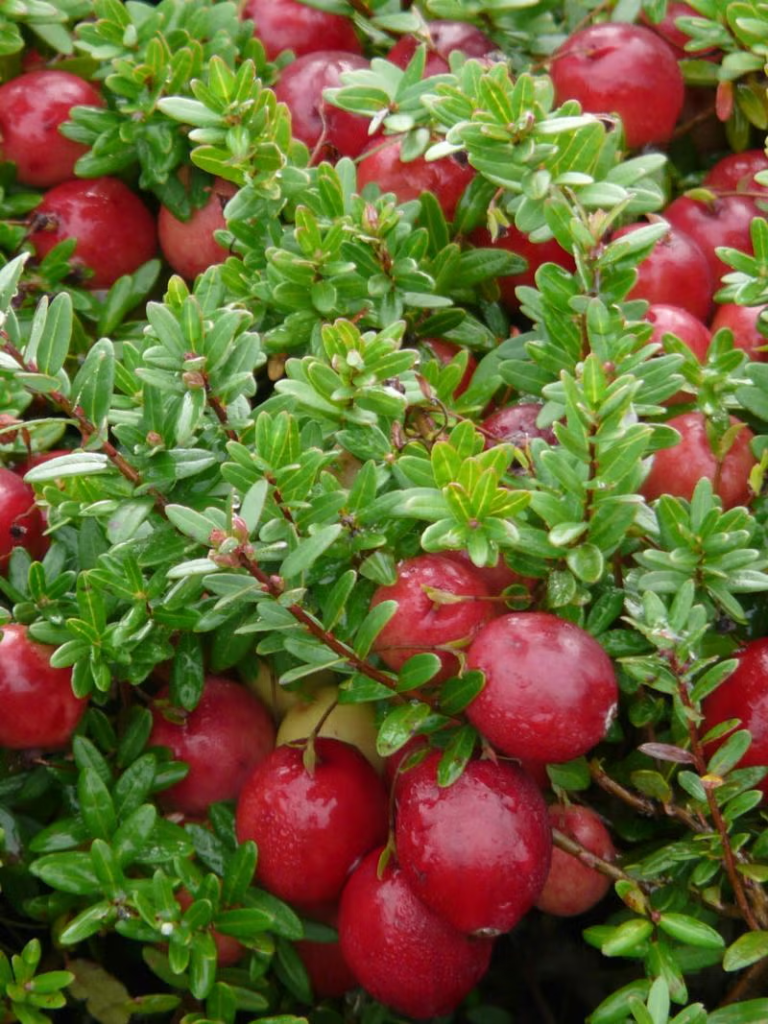
Up until 1816, cranberries were grown in the wild, and had not been cultivated. Captain Henry Hall, a Revolutionary war veteran, came across a cranberry vine thriving in some sand on Cape Cod, and he became the first person to successfully cultivate cranberries. Captain Henry Hall started the first commercial cranberry cultivation in Dennis, Massachusetts, using sand techniques on bog vines. By 1835, the cranberry crops were so popular, they grew and expanded to regions with acidic soil, sand, and high water tables—including New Jersey (by 1835), Wisconsin, and the West Coast. By the early 20th century, cranberry crops were BIG business, especially during the holiday season. There were two main ways of harvesting the berries; wet and dry farming. Dry harvesting was used to grow and produce fresh berries.
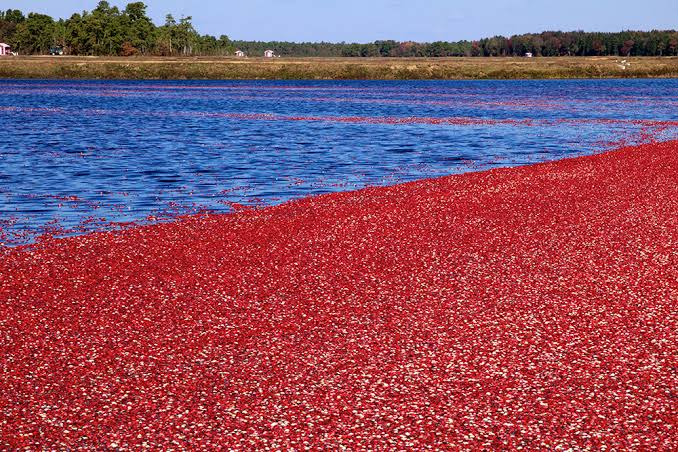
While wet harvesting (flooding bogs and using water reels) was used primarily for making processed products like cranberry sauce and cranberry juice. Cranberries grow across tens of thousands of acres in the northern United States, Canada, and Chile, with Wisconsin leading U.S. production. Harvesting cranberries in the early years was hard work that was done by hand. In the 1880’s large wooden scoops were developed and used to scoop the berries out of the bogs. Since the 1960’s, the wet-picking method has been used as the primary way of harvesting cranberries. First, the bogs are flooded. Then a machine with a large water reel is driven through the bogs. This knocks the berries off the vines and they float on the water. The floating berries are pushed to one side of the bog where a conveyor belt lifts them to a truck. Next, the berries are taken to the sorting house where they are cleaned and sorted.
Originally, cranberries were tart, and required a lot of sugar and sweeteners to eat. But a new variety has been developed, known as “the sweetie”, that is naturally sweet and does not require a lot of additional sugar. It was developed by the University of Wisconsin-Madison. Like traditional cultivars, the Sweeties crunch when bitten and are white inside with four hollow chambers that give them buoyancy. But they have a natural sweetness that may unlock new markets or offer clues for future cultivars.
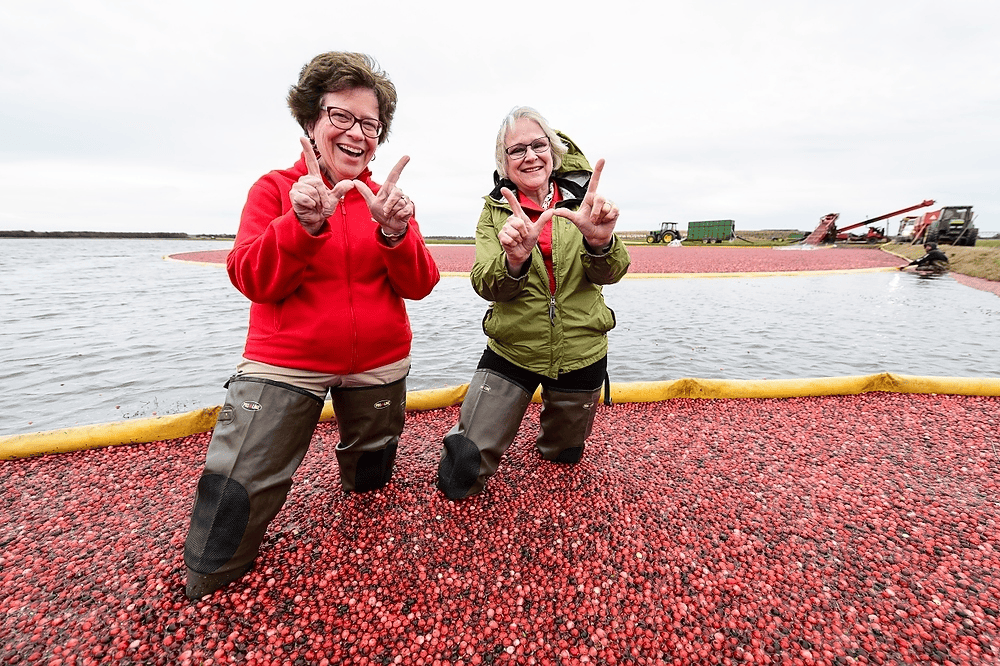
The first commercial cranberry sauce was made in New Jersey, in 1917, by a cranberry farmer named Elizabeth Lee, who sold her canned sauce under the name “Bog Sweet.” Later, she joined forces with Marcus Urann of Massachusetts who had started his company in 1912. Together they formed the company that became known as Ocean Spray. Today this is the largest cranberry growers organization in the United States.
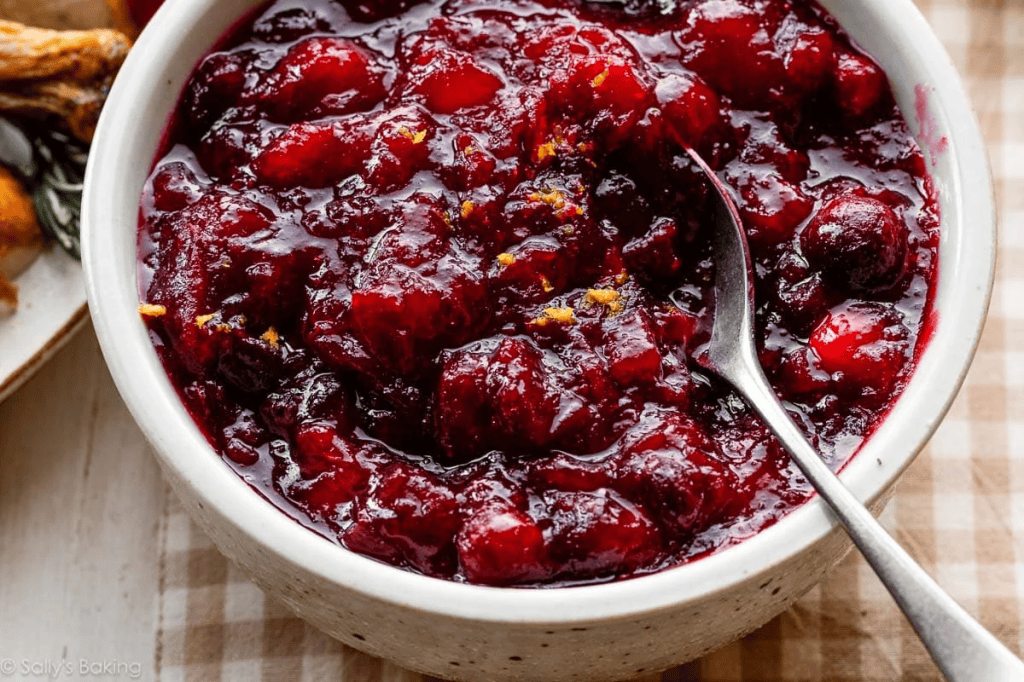
I make my own cranberry sauce and I load it with apples, pears, and hints of orange. In fact, it is time to make it again, so I can serve it with my turkey on Thanksgiving. Today, cranberries are eaten or consumed year round, thanks to modern technology. But their big season is of course the holiday season, where it is almost always served next to a big golden turkey.
Cranberries are very healthy and are used for all kinds of things, from salads to jams, jellies, desserts, juices and whatever else you can imagine. They are eaten fresh, dried and as juices.


So this year, when cooking your turkey for Thanksgiving, don’t forget the cranberries or the cranberry sauce. Your Thanksgiving meal won’t be complete without them.
Have a great day and make everyday great, no matter what you do. Life is short. Live life to the fullest and enjoy all of life’s adventures that come your way while you can. ‘Til next time.