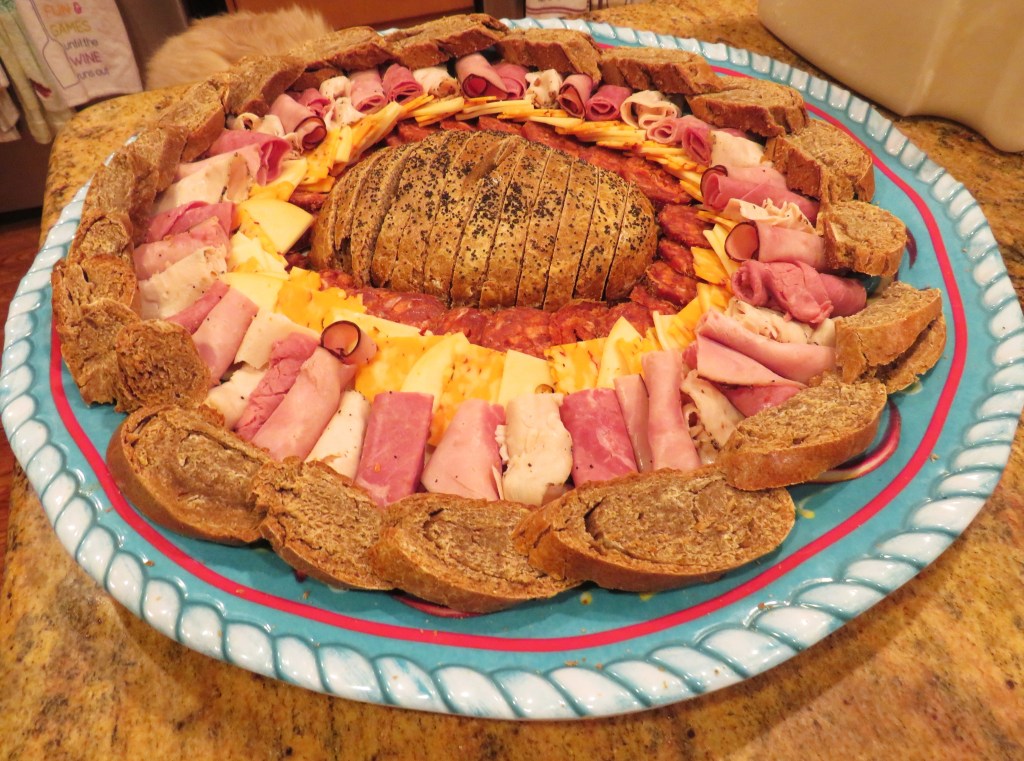
We are having another birthday celebration in my jewelry class today. It is for Buzz, one of our instructors. He and one of the other instructors requested pumpernickel bread. I have to confess, I’ve never made pumpernickel bread before and I don’t k know that much about it either. But, I made it yesterday for today’s celebration. I plated it all as a charcuterie platter too,with various meats and cheeses.
Traditional pumpernickel is a dense, dark rye bread that originated in Westphalia, Germany, in the 15th century. In 1570, baker Jurgen Havland established a traditional method in Soest, Westphalia, using only cracked rye kernels, water, and salt (with no wheat or commercial yeast). Because rye grows well in cold northern climates where wheat struggles, pumpernickel served as a vital winter survival food. Its long shelf life allowed it to stay edible for months or even years after the initial baking, leading to its adoption as a military field ration.
Traditional pumpernickel is baked in lidded pans at low temperatures (around 120 °C) for 16 to 24 hours. Needless to say, I did NOT make my bread this way. This extremely slow cooking process causes natural grain sugars to caramelize and triggers the Maillard reaction, turning the loaf dark brown and giving it a mild, sweet, chocolate- or coffee-like flavor without needing cocoa or artificial color. The American version used a combination of wheat and rye flour, commercial yeast, and flavor enhancers like molasses, cocoa powder, or coffee to mimic the dark color and soft texture. It relies on a multi-day sourdough starter and lactic acid bacteria rather than baker’s yeast. I did use my sourdough starter that Julia and I made together when she was out visiting me. Cooking with Julia
The word pumpernickel is a combination of two different German words – pumpern and nickel. Pumpern means flatulence or to break wind, and nickel is a variation of the name Nicolas, and is a German association for goblin, rascal or devil. When combined, the word pumpernickel roughly translates to mean the “farting goblin” or “devil’s fart,” a name given by locals because coarse, unprocessed rye berries were notoriously difficult to digest and caused gas.
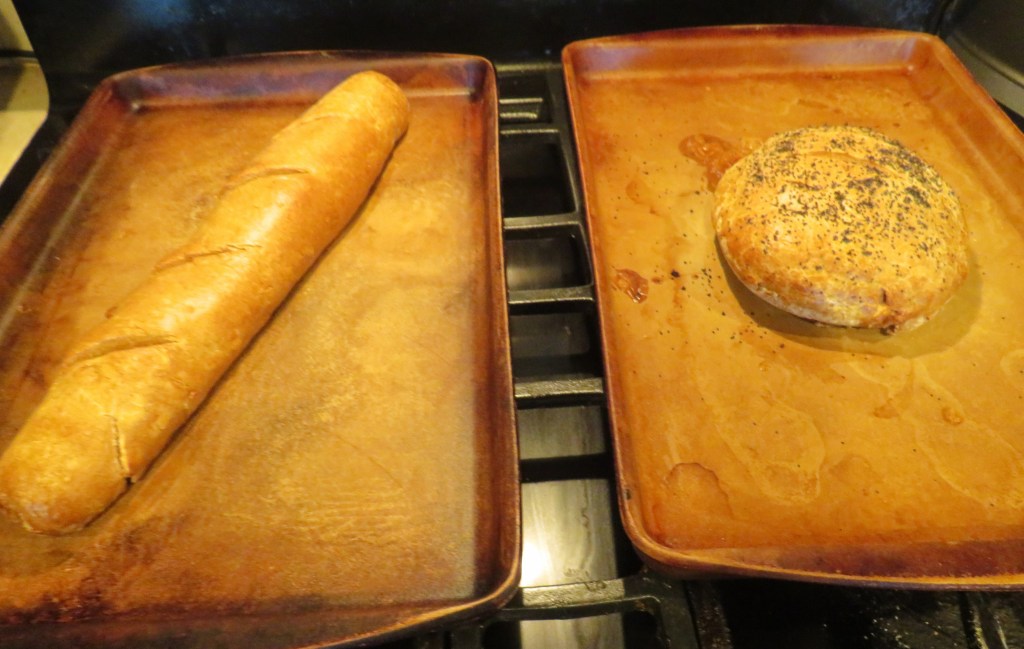
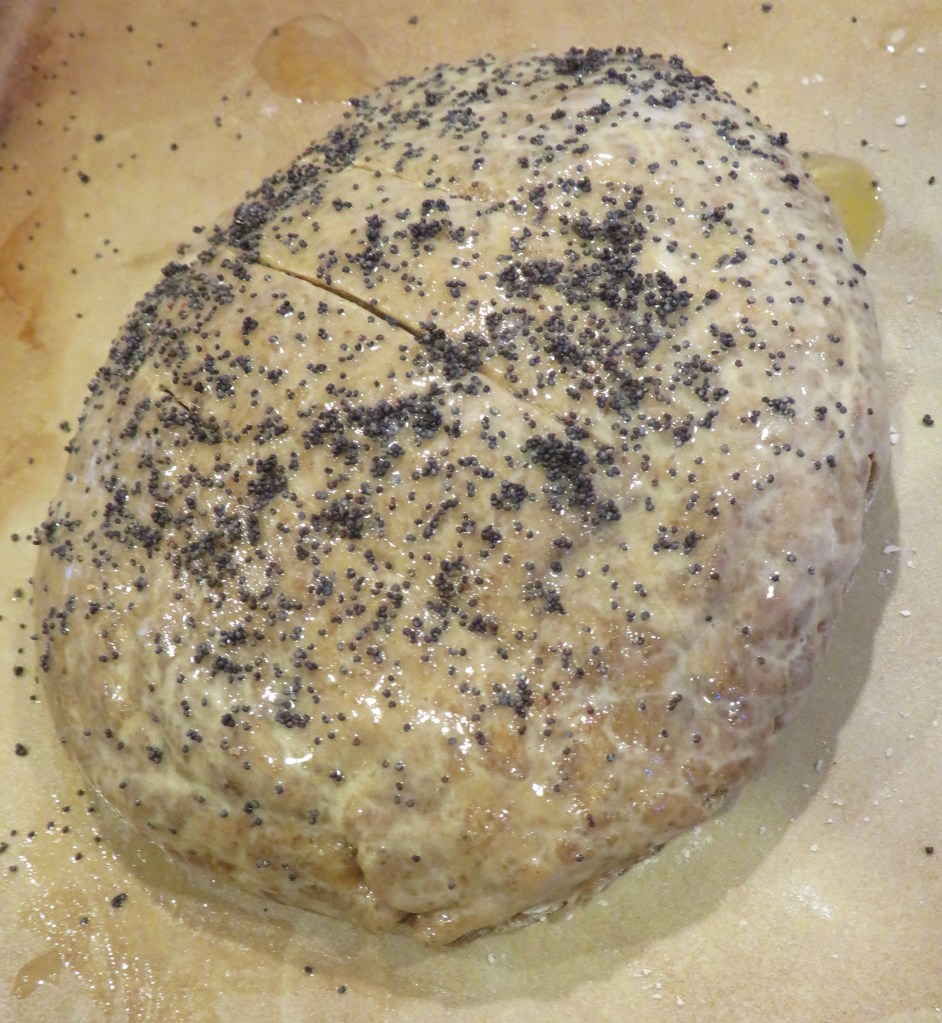
Here is my first ever attempt at making pumpernickel bread. It did not rise as much as a traditional pumpernickel, nor is it as dark. It is NOT a black bread like it is supposed to be traditionally. Maybe next time it will come out more like it is supposed to. But it still tastes good, and that is really all that matters. 🙂
Pumpernickel Bread
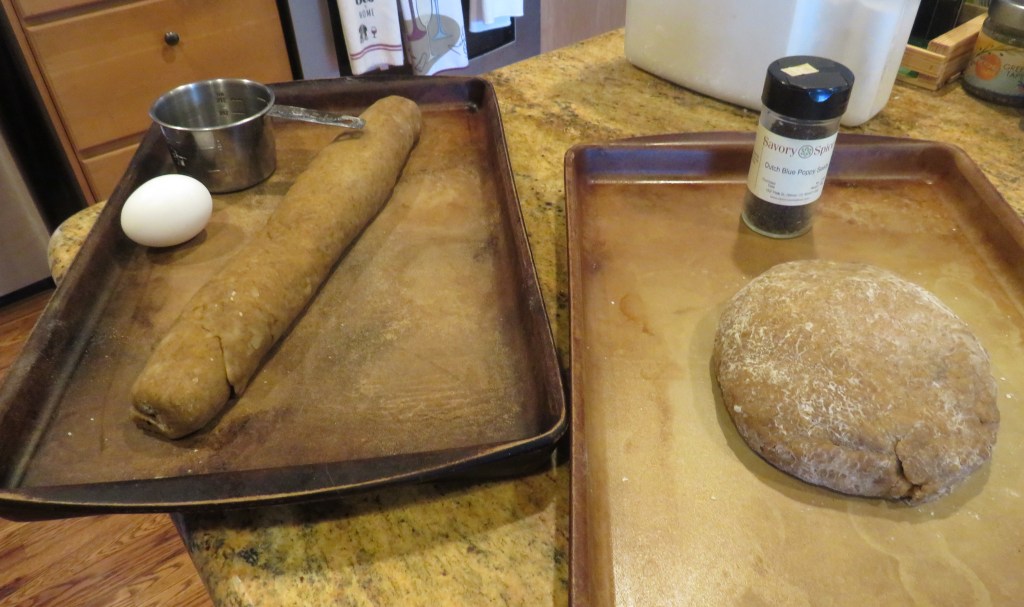
My recipe said it is usually made in either rounds or loaves, so I made one of each. It also said poppy seeds are often used to top the bread, so one was topped with poppy seeds and the other was not. I used my sourdough starter, but I will give you the full recipe as it appears in my cookbook, Great Breads by Martha Rose Shulman.
The Sponge
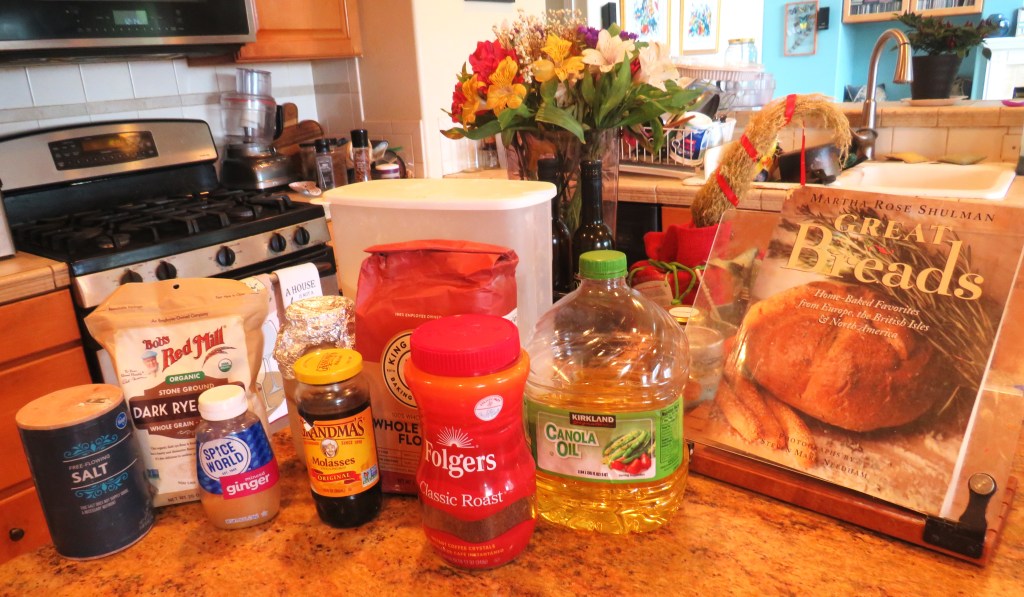
1 TBSP dry active yeast
1 1/4 cups lukewarm water
1/2 cup lukewarm coffee
3 TBSP molasses
1/2 tsp ground ginger
1 cup fresh whole wheat breadcrumbs
2 cups flour
Dissolve the yeast in the water for about 5 minutes, or until it is “creamy. Add the coffee, molasses, ginger and breadcrumbs and mix together well. Add the flour 1 cup at a time and stir by hand, about 100 times, changing the direction every now and then while scraping down the sides of the bowl. You are looking for a consistency like thick mud. Cover and let rise for about 1 hour, or until it doubles in size.
The Dough
1/4 cup canola or sunflower oil
2 1/2 cups rye flour
2 1/2 tsp salt
3/4 cup whole wheat flour
1/4-3/4 cups white flour, or as much is needed to shape the dough
Fold the oil into the sponge.
Mix the rye and the salt, then fold in the wheat flour. Turn it out and knead on a lightly floured surface for about 10 minutes, adding as much of the white flour as needed to make the dough. When finished the dough will be very stiff and elastic, but still tacky on the surface. Shape the dough into a ball and cover and let rise for about 1 1/2 hours, or until it doubles in size once again.
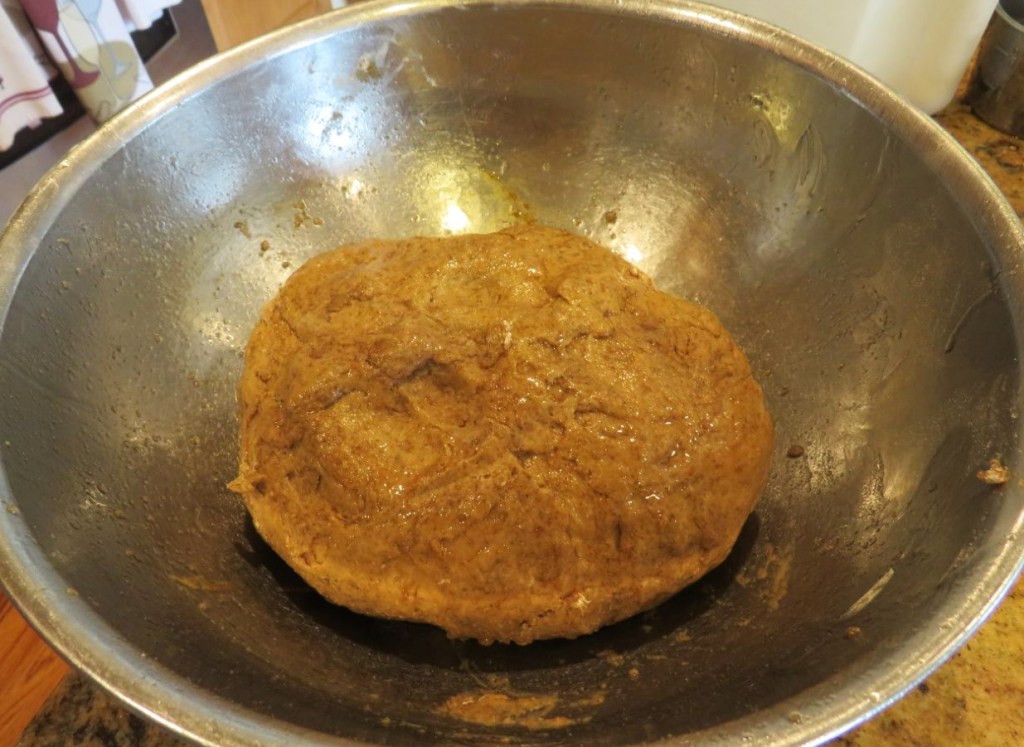
When the dough has risen, punch it down and divide into two pieces equal in size. You can either shape into a long roll or log or into a ball. Place them onto a lightly greased baking pan.
Make an egg wash with 1 egg and 1/4 cup of coffee. Make 3 or 4 slashes in the top of the loaves with a serrated knife, then brush with the egg wash. You can add either poppy seeds or black sesame seeds if you like. Cover again and let rise for about 40 minutes once more.
Preheat the oven to 400* F or 205* C.
Bake for about 40-45 minutes, brushing with more of the coffee egg wash again about 1/2 way through the baking process. Bake until the bread is dark brown and is hollow when tapped on the bottom. Allow to cool before cutting.
Life is short. Make the most out of everyday, no matter what you do. Learn new things. Try new things. Get out of your comfort zone. Walk on the wild side. Live life to the fullest. Have a great day and make everyday great. ‘Til next time.