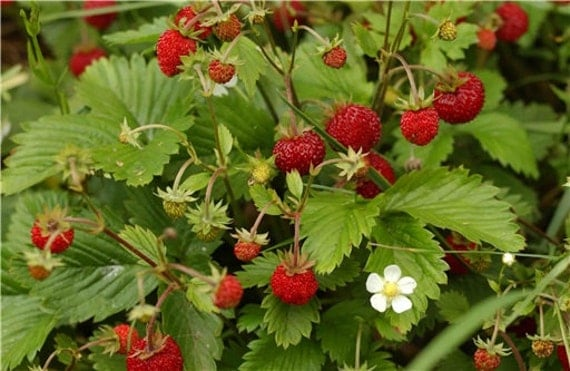
Wild strawberries have been growing around the world since the stone age. Many native people have eaten them and used them in many different ways, including treating all kinds of ailments and even crushing them to make ink. But the strawberries we know today are very different from the old wild strawberries. Wild strawberries are much smaller than the strawberries we know and love today, and the ancient wild strawberries were about the size of blackberries. The strawberries the world loves today were an accidental cross between the North American Virginia strawberry and the Chilean strawberry. They were first cultivated on a large scale in France in the 1750’s. But before that, French King Charles V loved them so much that he ordered over 1,000 wild strawberry plants for his palace gardens in the 14th century, which was the start of early European cultivation.
Long before these delicious non-berry “berries” were called strawberries, they were known as earth berries or eorþ-berige because they grew close to the ground. The older Germanic root matched terms like the German Erdbeere. The word later shifted to strēowberige, possibly describing how the plant’s runners are “strewn” about, and from there, the English word strawberry evolved. They got the name of strawberries because of their historical growth habit or use of straw, long before people knew what true “berries” were.
Wild Strawberries
The most popular type of modern strawberries are a cross between the Chilean strawberries, that the Mapuche and Huilliche Indians had cultivated for 100’s of years, and a North American Virginia species. French explorers brought the Chilean version back to France with them, but they only produced flowers and no fruit. They brought back only the female plants and no male plants. When the Virginia strawberries were introduced to the Chilean strawberries, it was love at first sight, and edible strawberries were grown. They were quickly cultivated all over Europe, and later the rest of the world, and have been from that time on.
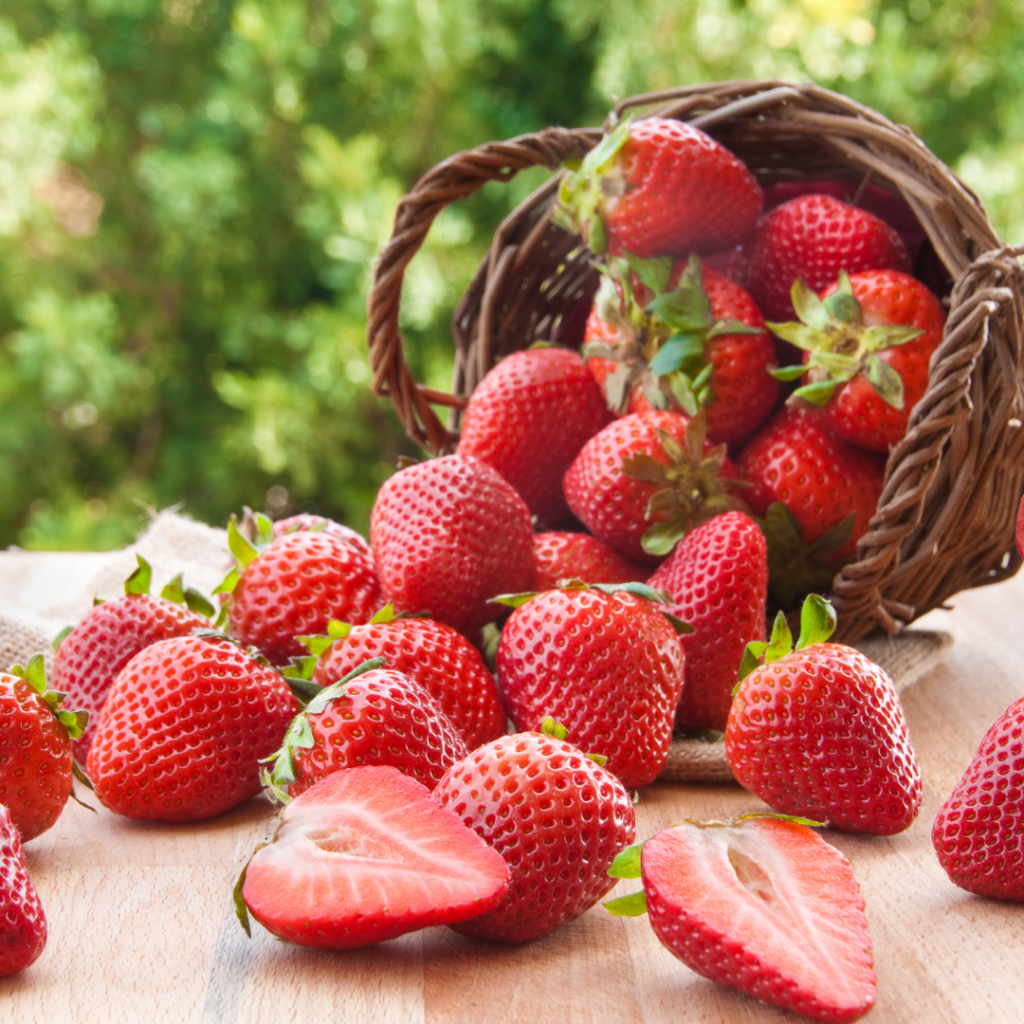
Today strawberries, who are members of the rose family, are grown all over the world. They are found in most temperate regions and even in some subtropical regions of the world. The world’s top producers are the United States, and California in particular, Mexico, Turkey and China. Some of my Australian cousins were strawberry farmers too and did quite well with their strawberry farms. Strawberries are beloved fruits everywhere.

Even though the word berry is part of the name, strawberries are NOT true berries in a botanical sense. Botanists do not classify strawberries as true berries (like blueberries or grapes) because their edible red flesh comes from the stem that holds the ovaries, rather than the ovary wall itself. Their seeds are grown on the outside of the fruit, not the inside. There are roughly 200 seeds that cover the outer skin of each berry. Because they are members of the Rosaceae or rose family, they have a sweet fragrance and little floral blossoms.
Here are some more fun facts about strawberries I bet most of us, myself included, did not know:
- Strawberries are powerful teeth whiteners. They contain Vitamin C which helps fight plaque.
- Strawberries are the only fruit with seeds on the outside.
- Unlike some fruits, strawberries don’t continue to ripen once picked.
- Strawberries survive in a range of conditions and will grow happily in most places around the world.
- There are about 200 seeds in every strawberry.
- Eight strawberries have more vitamin C than an orange, that’s 140% of our daily recommended amount.
- The strawberry plant, along with its good friend the raspberry plant, are members of the rose family.
- Strawberries are full of a special substance called Ellagic acid which is thought to help fight some cancers.
- The French traditionally serve newlyweds a soup made out of strawberries at the wedding breakfast, since it is considered an aphrodisiac.
- The “seeds” of the strawberry are called achenes and each one is actually an individual dried fruit.
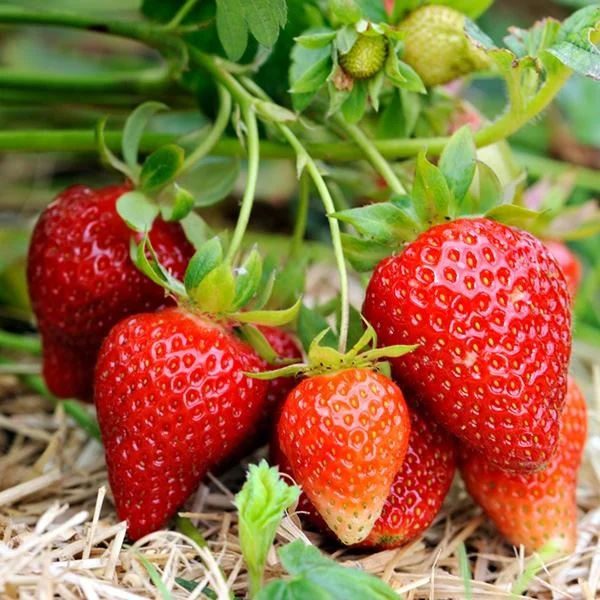
There are three main categories of strawberries. They are June-Bearing strawberries, Ever-Bearing Strawberries and Day-Neutral Strawberries.
June-Bearing Strawberries – Just as the name implies, are harvested in June. They only produce one large crop per year for a 2-3 week period in June. They are typically very large and very sweet.
Everbearing-Strawberries – They produce two to three distinct flushes of fruit during the growing season—typically a heavy crop in late spring, a lighter one in mid-summer, and another in early fall. The berries are usually smaller and not as sweet as the June-Bearing varieties.
Day-Neutral Strawberries – Flowers and fruits grow continuously from spring through fall, unaffected by the length of daylight, with production slowing down during the intense heat when temperatures are rising over 85* F. Usually the fruits are smaller in size too.
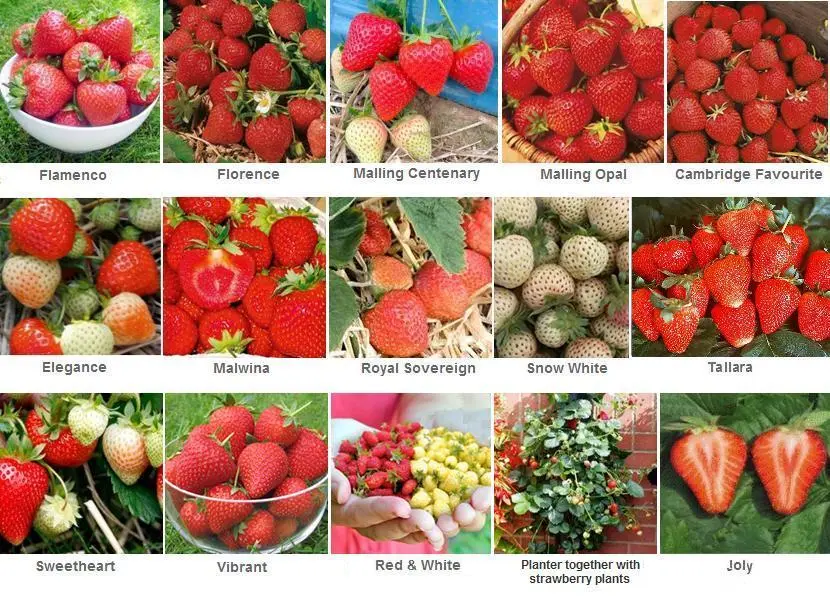
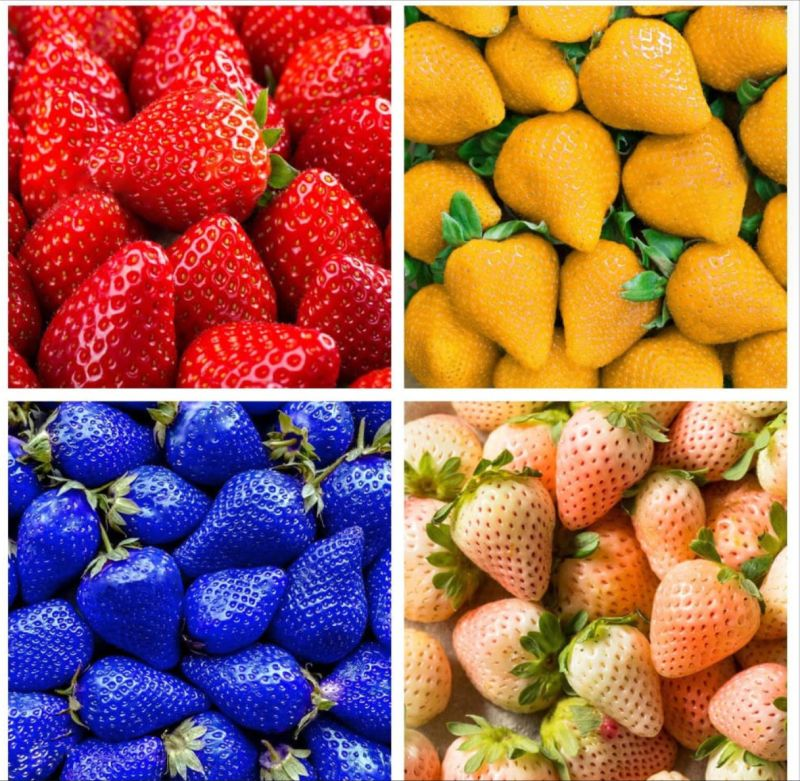
As with anything, there are many varieties of strawberries, each offering their own unique characteristics and personalities. They come in all colors, including blue, and all sizes. I never knew there were blue strawberries. Did you?
.
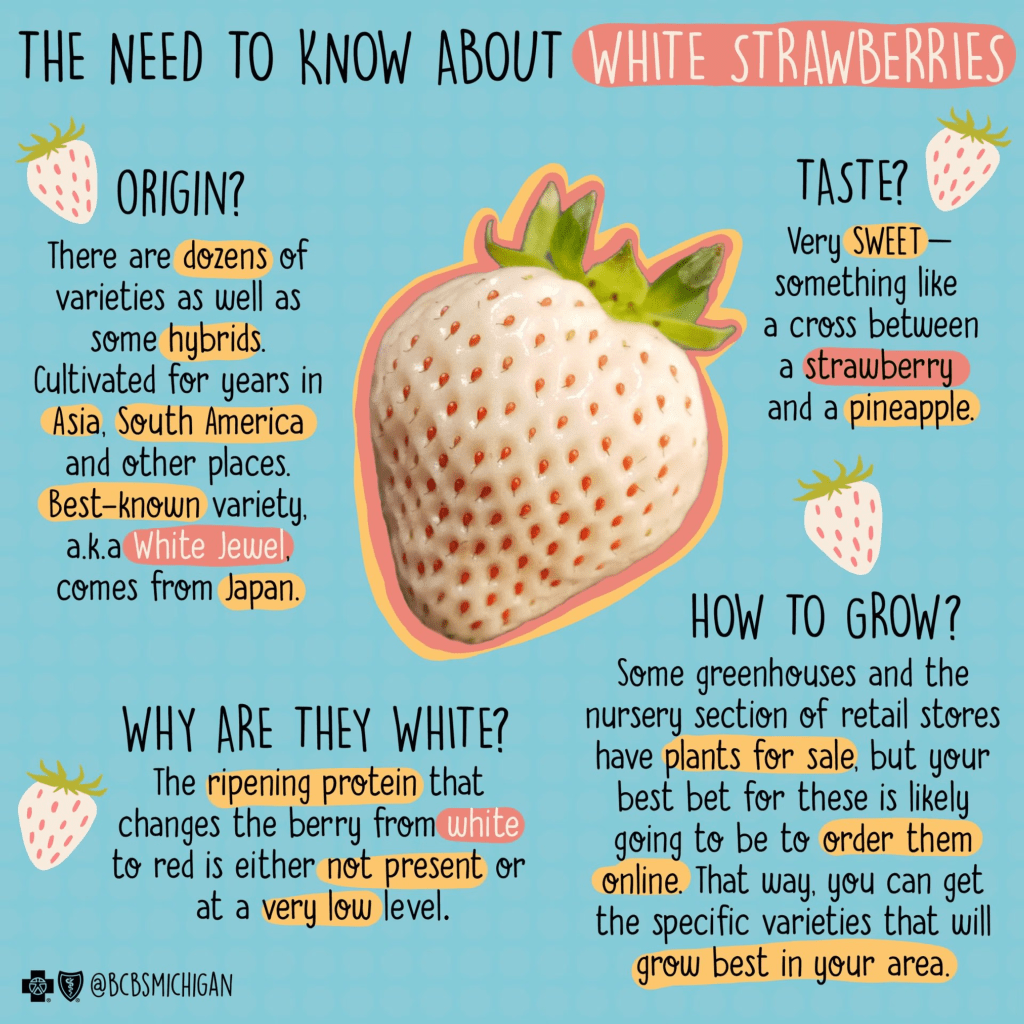
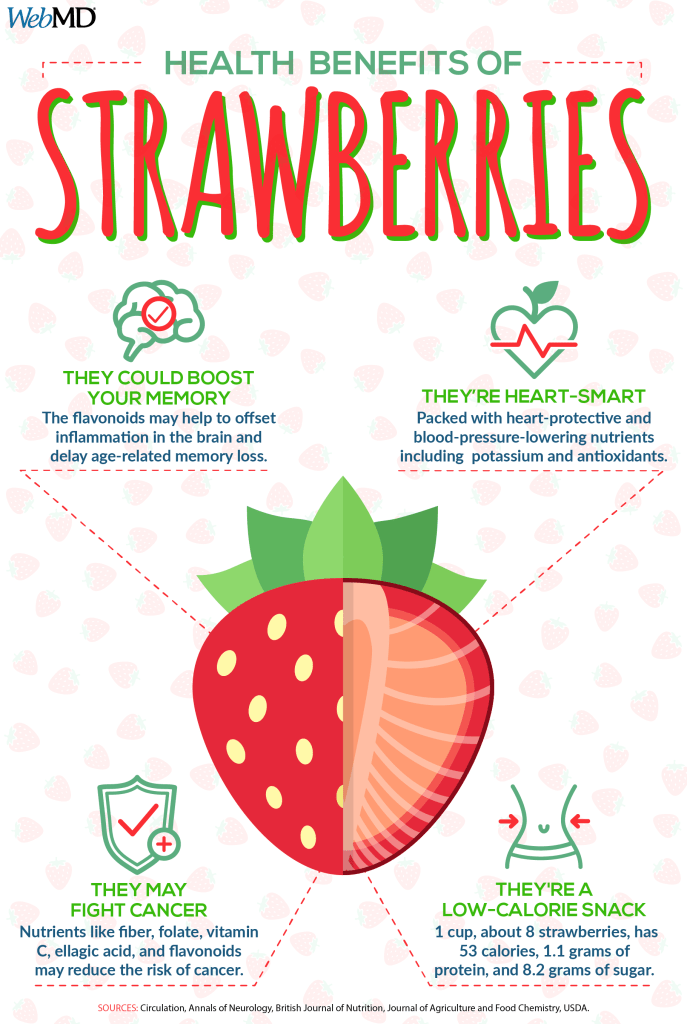
Strawberries are very healthy fruits. They are jam-packed with Vitamin C, fiber and antioxidants, and only contain about 7 grams of sugar. They also have plant compounds called anthocyanins that help lower blood pressure and keep your blood vessels strong and flexible. They have a low glycemic index and can prevent large spikes in blood sugar after you eat. The antioxidants they contain help reduce cell damage and lower your risk of chronic illnesses. And because of their high amounts of Vitamin C, they help your immune system fight off illnesses.
So berry up and keep those strawberry fields growing forever. You’ll be very, or should I say berry, happy you did.
Have a great day and make everyday great. Life is short. Make the most out of everyday and live life to the fullest. ‘Til next time.



Wild strawberries are delicious
LikeLiked by 1 person
Yes, they are. 🙂
LikeLiked by 1 person
strawberries are yummy! I love them!
LikeLiked by 1 person
They are indeed. I love them too. 🙂
LikeLike