Yesterday, Bruce, Julia and I all visited the Mines Museum of Earth Science, in Golden. Once again, Julia was enabling me with my “new addiction” of silver, precious metals and gems. 🙂
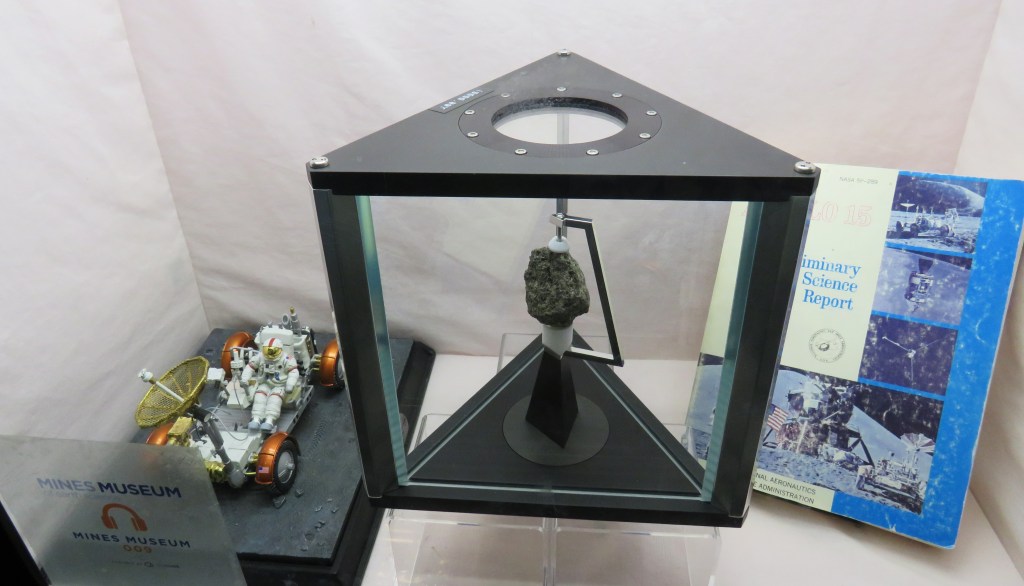
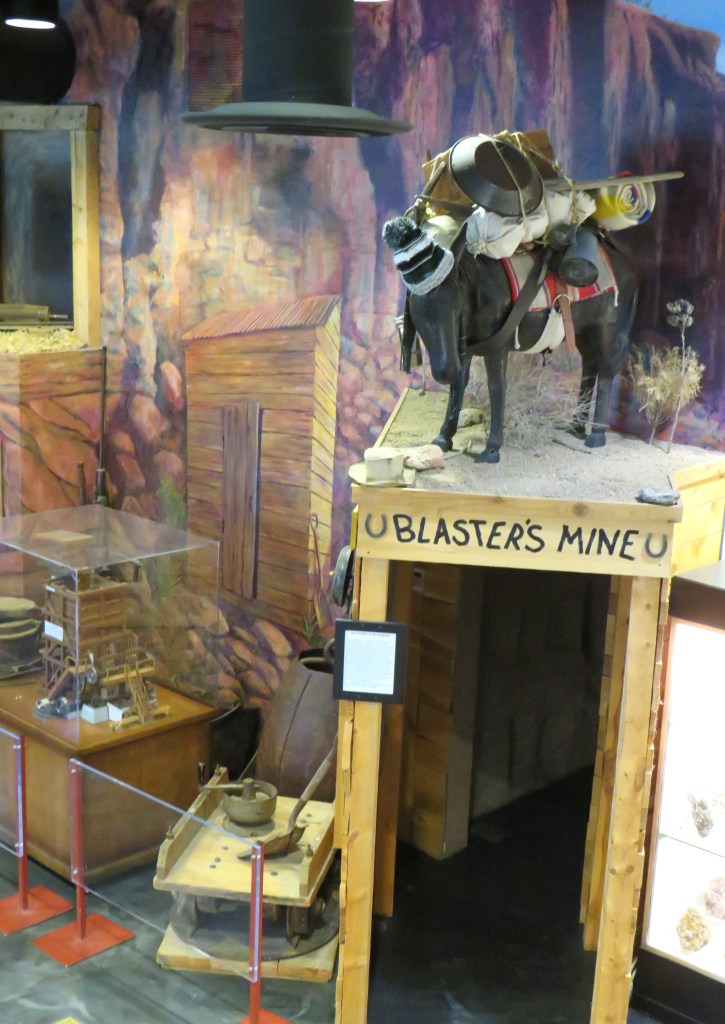
The Mines Museum of Earth Science, formerly known as the Colorado School of Mines Geology Museum, is a geology museum located on the campus of the Colorado School of Mines, in Golden, Colorado. It was established in 1874 by paleontologist and Mines’ professor, Arthur Lakes. It features over 15,000 square feet of extensive collections including Colorado’s state mineral collection, Apollo 17 moon rocks, and a walk-through mine with glowing UV minerals. The museum houses over 50,000 rocks, fossils, gemstones, and meteorites. It is known for having some of the finest examples of Rhodochrosite (Colorado’s state mineral) in the world. Admission is 100% free to the public, though donations are accepted.
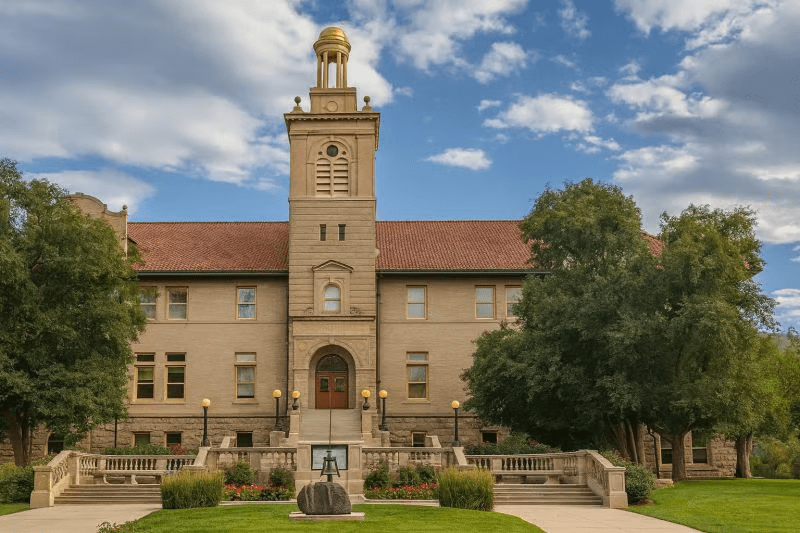
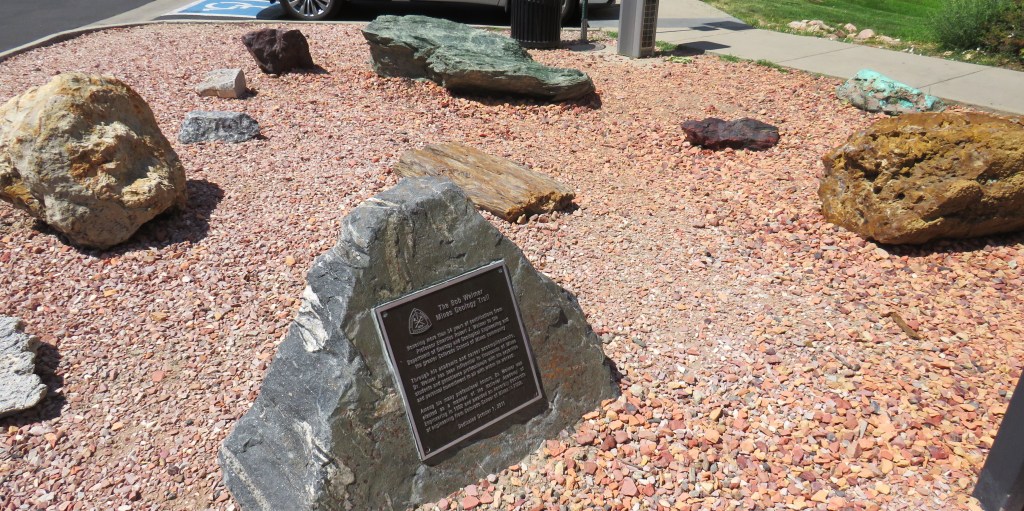
We had a good time learning about the history of mining precious metals and gemstones of both Colorado and of the world.
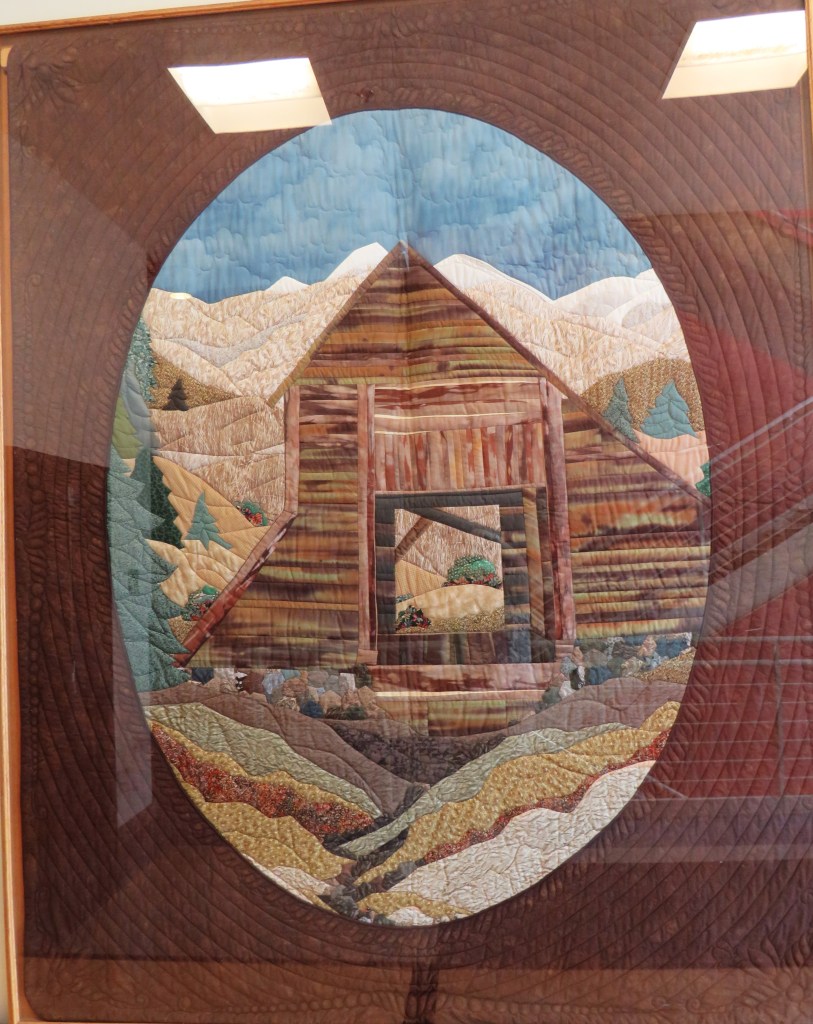
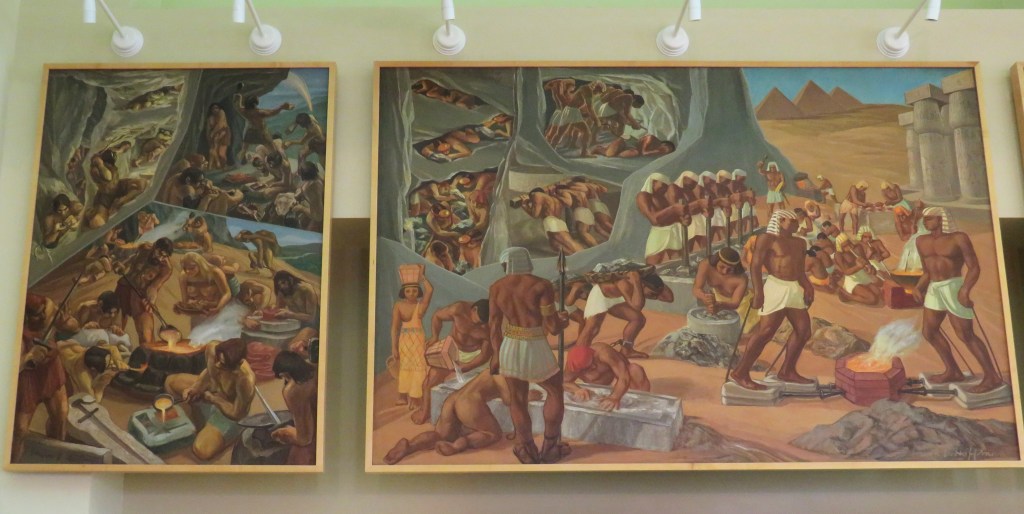
Mining is nothing new. People have practiced mining and quarrying since ancient times. The first mineral known to be mined was flint, a fine-grained variety of quartz used to make weapons. Early peoples mined other things, such as ochre, for use as pigment in art and religious ceremonies. Egyptians mined native metals, including gold, silver, and copper, from stream beds as early as 3700 to 3000 BCE. Around 2600 BCE they began to quarry stone to build the Great Pyramids. By the Middle Ages, mining was common in Europe. Georgius Agricola (Figure 9.8), a German physician, wrote the first widely read book about mining, De re metallica, published in 1556. Agricola’s work is said by some to represent the beginning of the science of mineralogy.
Mineral resources literally put places on the map of the ancient world. If a region contained abundant amounts of copper, silver, tin, or gold, and later iron, it soon became populated and prosperous. Civilizations established trade routes and developed commercial systems, shipping commodities over increasingly longer distances. If resource supplies became depleted in one location, people sought new sources. Thus, exploration was needed to sustain production and consumption of valuable resources. These same dynamics operate today: when new mineral deposits are discovered, new communities and industries may appear. When old deposits become depleted, communities and industries wane. And, always, mining companies are exploring to find new sources of economically viable minerals. Copper, tin, iron, and nickel were all important during the early ages of humans, and they are equally important today. Those same metals – and many others – are key parts of a seemingly infinite number of products.
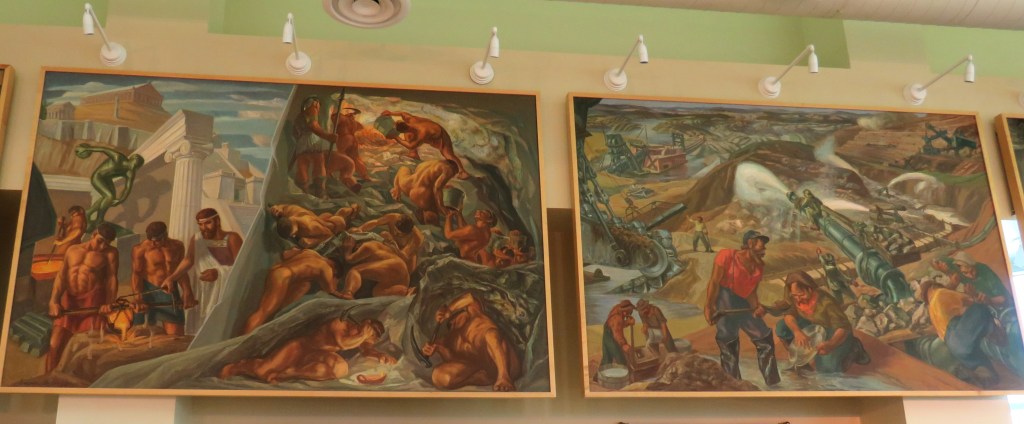
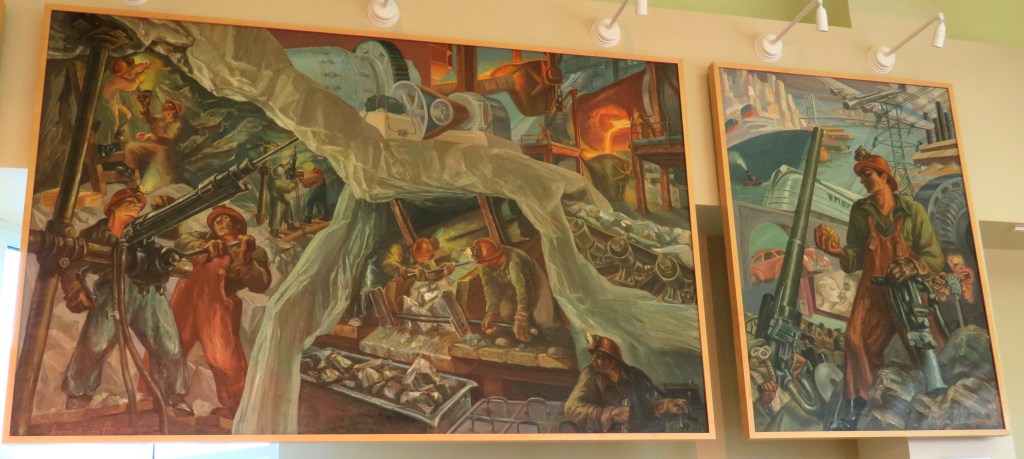
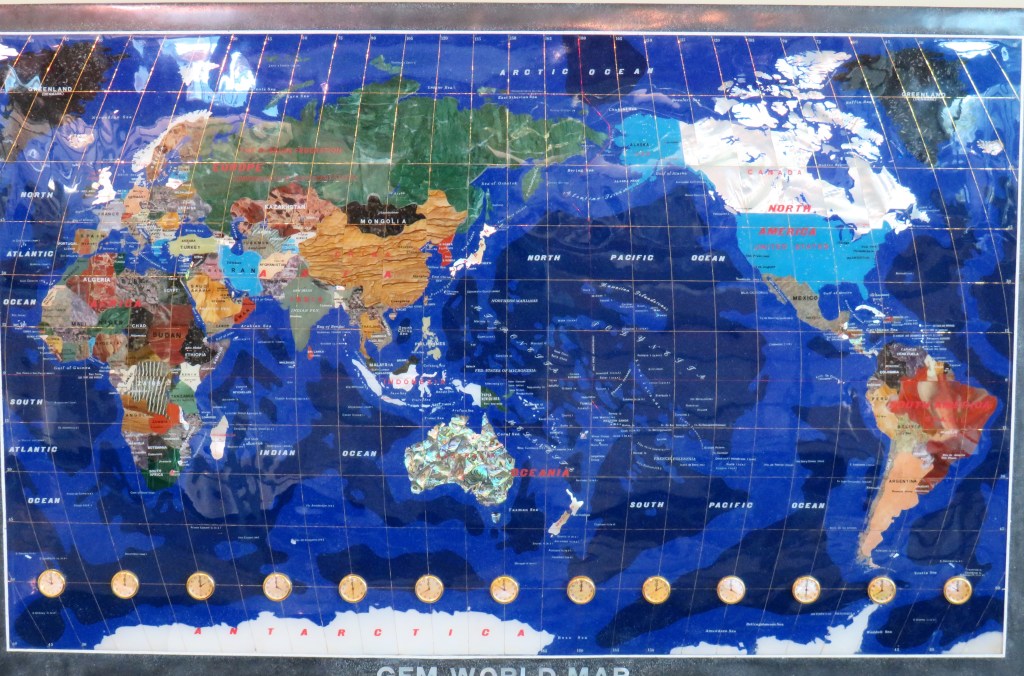
All three of us were ooing and awing over all the pieces we saw. The gems were just magnificent.
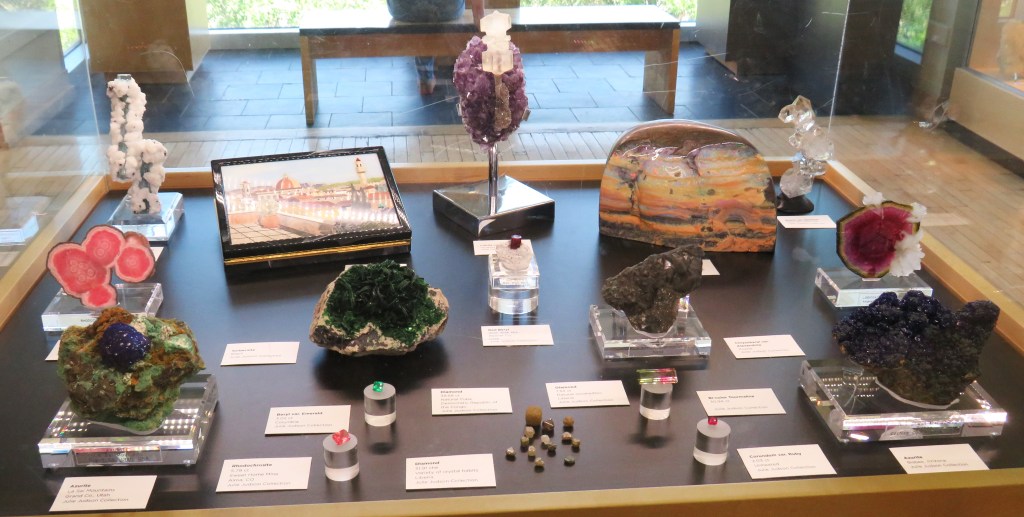
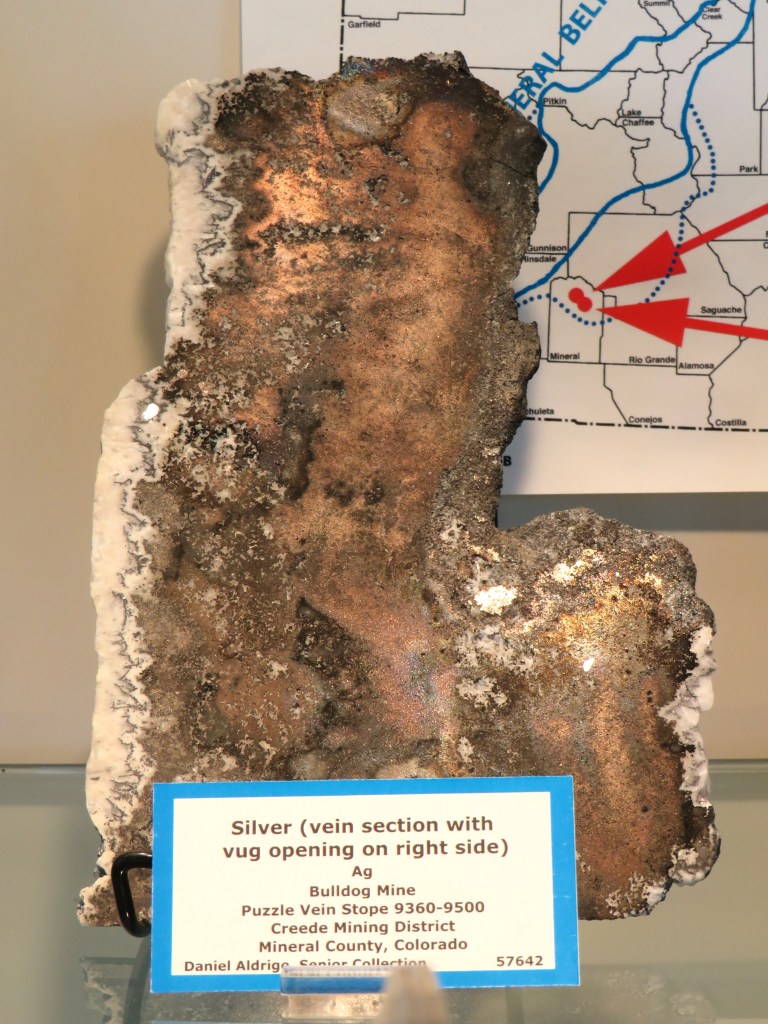
And this is how silver looks in it’s very rawest stage.
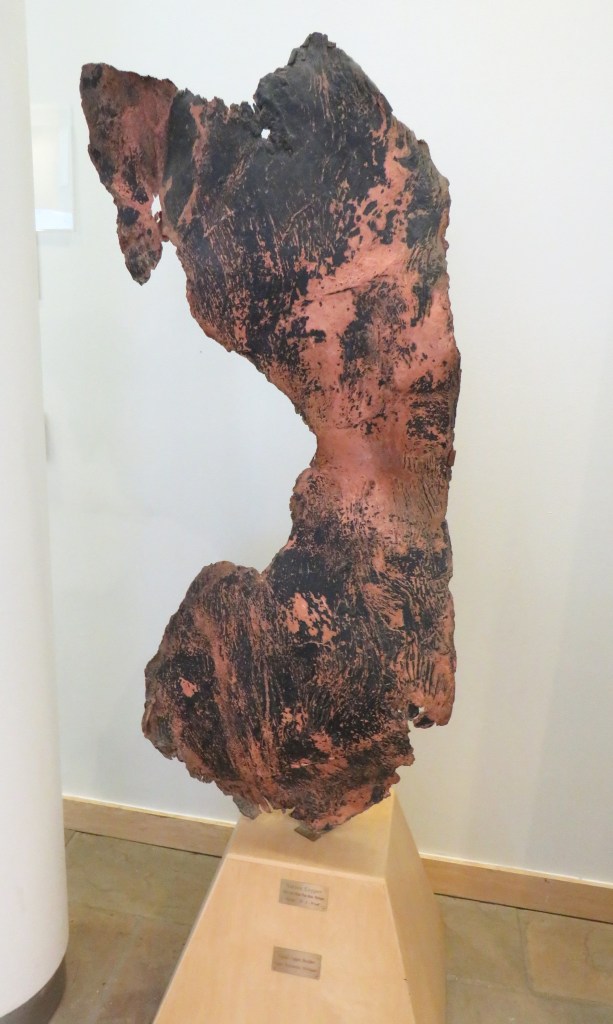
This is a large copper vein.
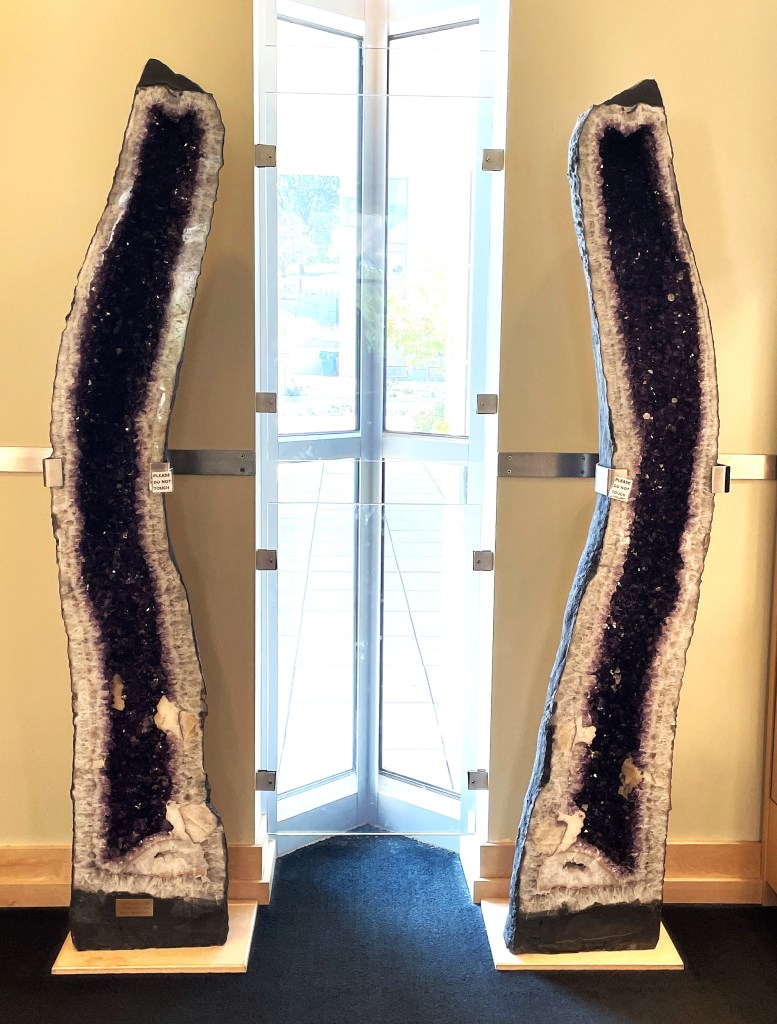
This is the largest amethyst geode I have ever seen. It is quite impressive.
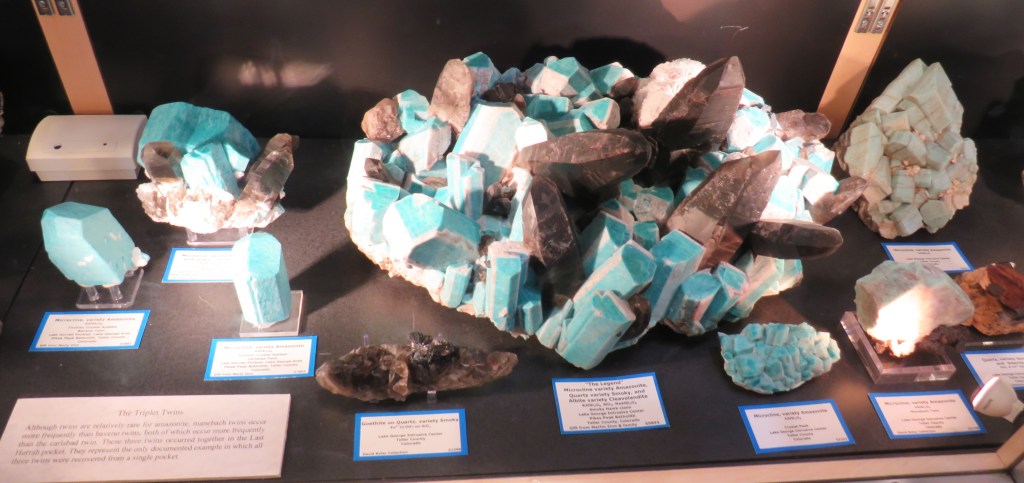
Way more than just a bunch of rocks!!!!!
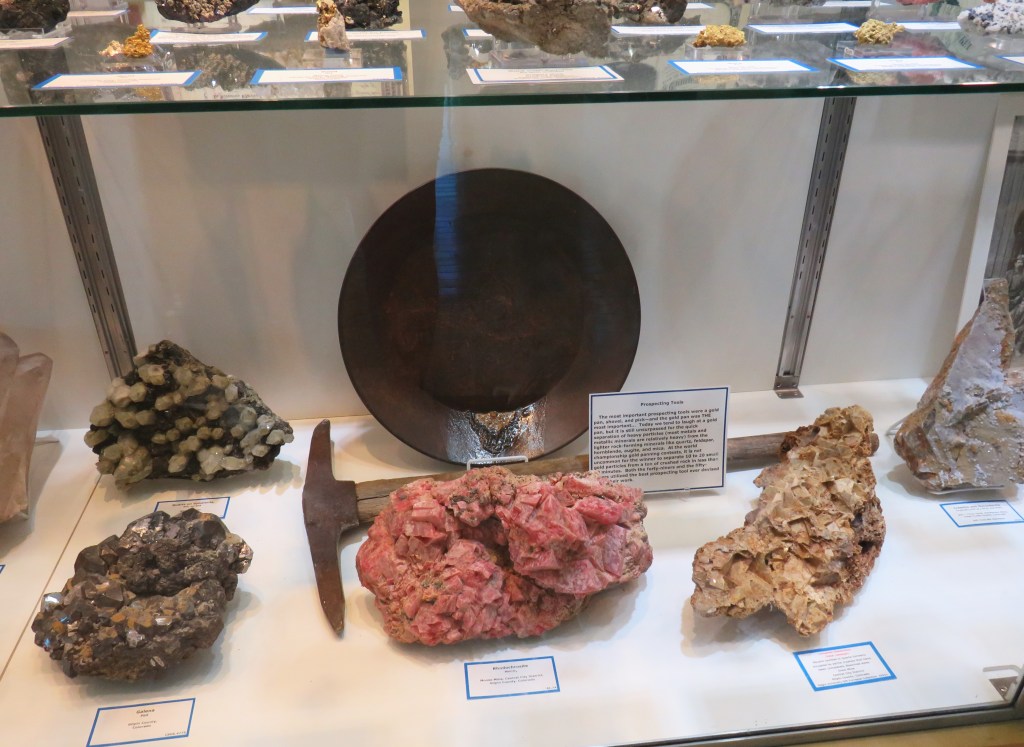
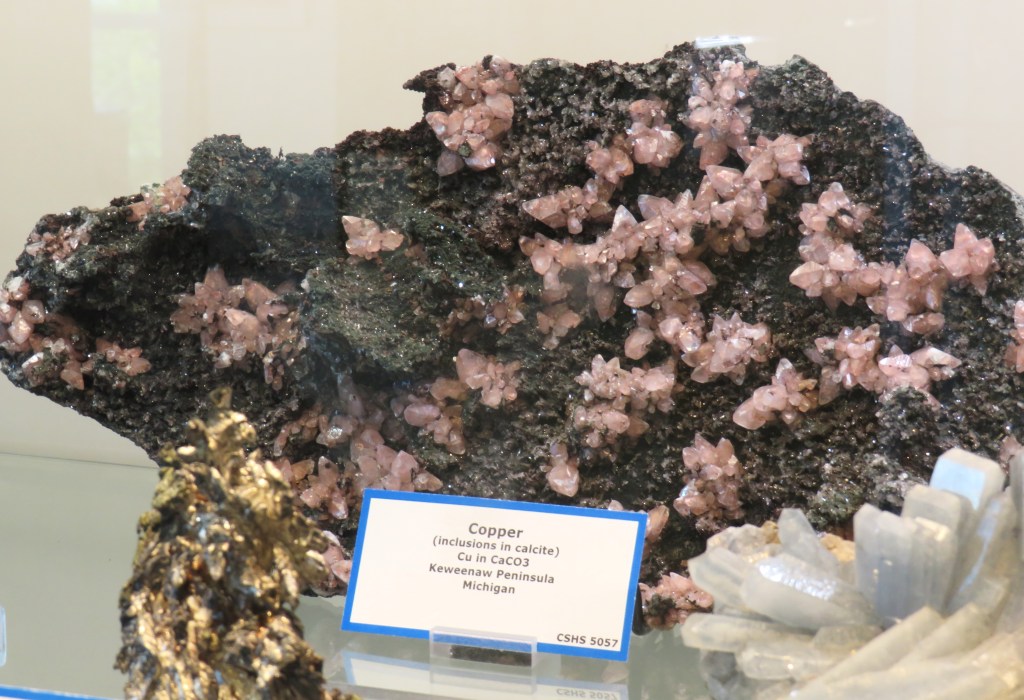
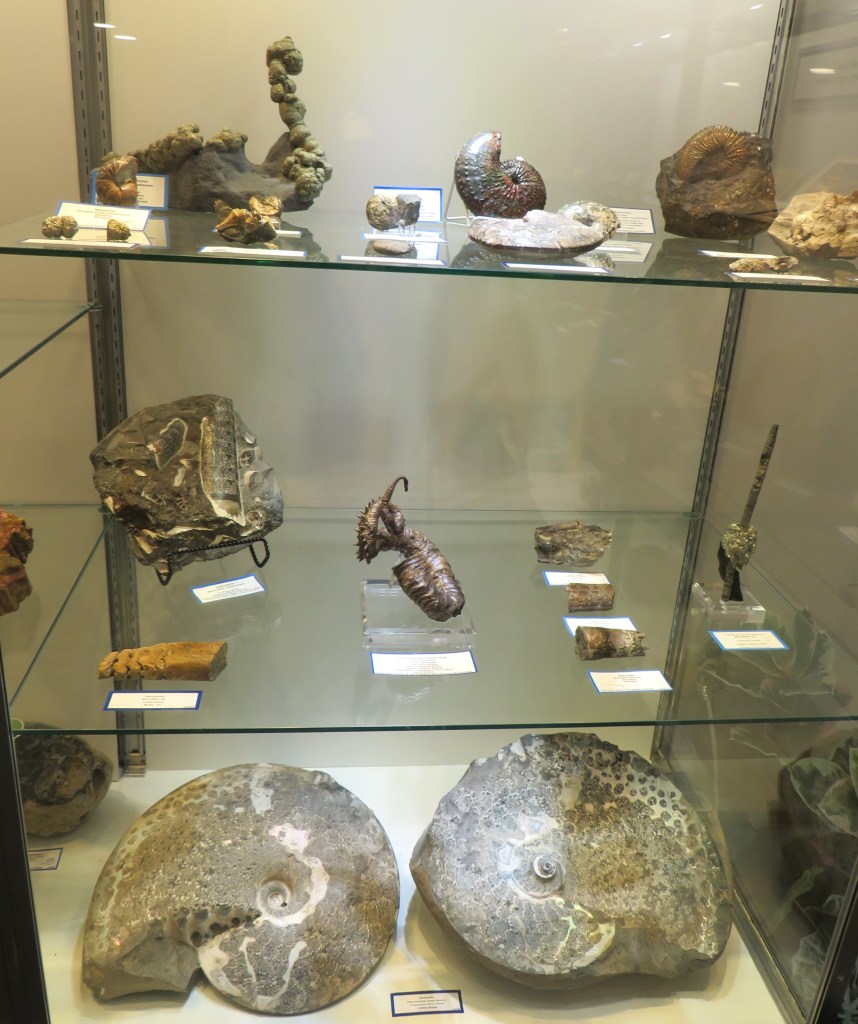
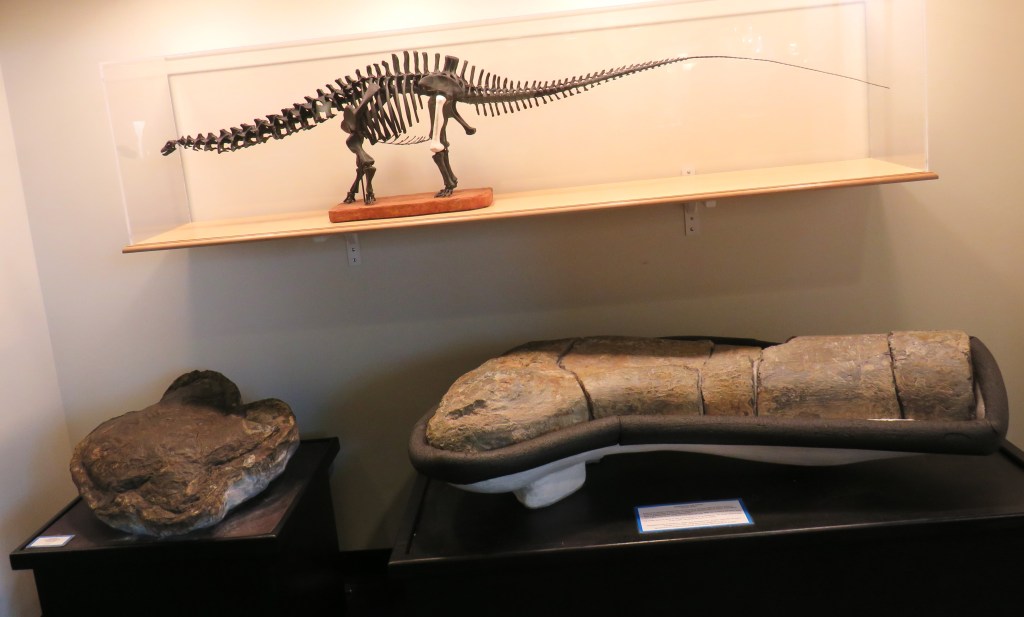
We loved seeing all the fluorescent stones in the mineshaft too.
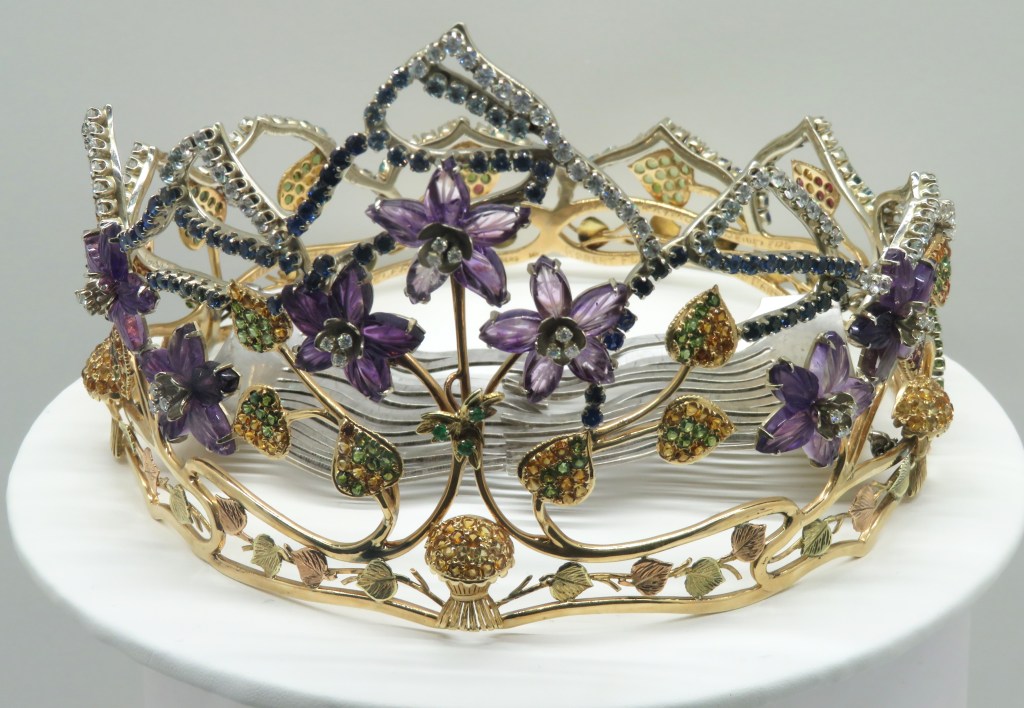
Miss Colorado’s Crown, inspired and made from Colorado’s gems and minerals.
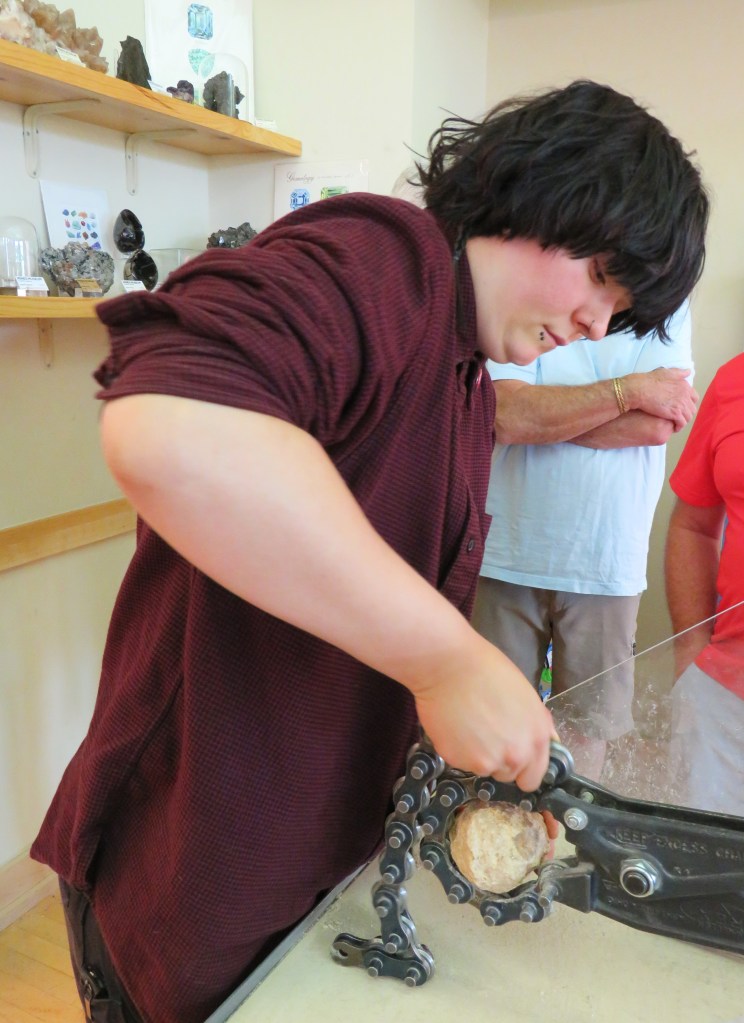
Julia and I each purchased our own geodes too, and had them cracked open. We chose different geodes. A geode is a hollow, spherical rock with mineral crystals inside deposited by mineral-rich water. The word “geode” comes from the Greek word for “Earth-like.” Geodes form when mineral-laden water fills spaces in igneous or sedimentary rock. The rock gets spaces from gas bubbles in igneous rock or by tectonic shifts forming cracks in sedimentary rock. The minerals forming the geode come from ground water or hydrothermal fluids. Over time, minerals deposit from the dissolved silicates and carbonates in water. Geodes contain hollow spaces called vugs. Vugs range in size from a few millimeters to crystal caves. If the original rock fills completely with minerals, it’s called a nodule.
Geodes in the wild are often found in deserts, in areas rich in limestone, and volcanic ash beds. Ideally, look in regions of past volcanic activity or where limestone dissolves over time. In forested areas, check river beds and lake shores. In the United States, geodes are common in Arizona, California, western Illinois, Indiana, Iowa, Kentucky, Missouri, Nevada, and Utah. The are abundant in Brazil, Mexico, and Namibia. In Somerset, England geodes are common enough to have their own name (“potato stones”). Wherever you go, look for a rounded rock. While the minerals within geodes may be any color, usually the rock is bluish-gray or tan.
Cracking open the geodes.
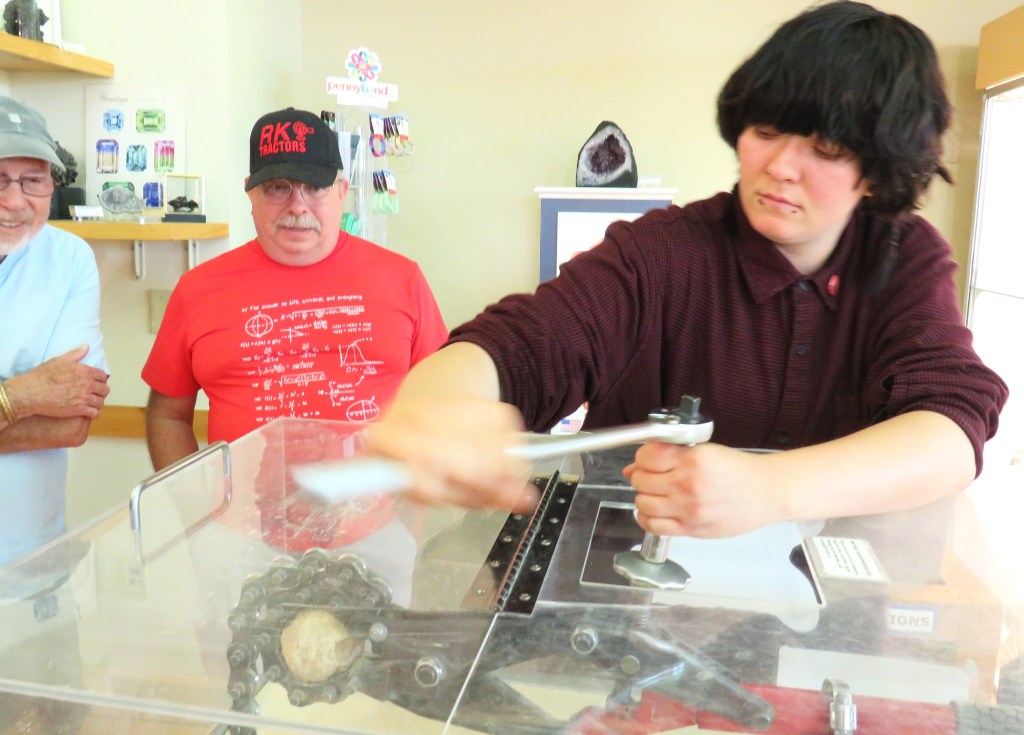
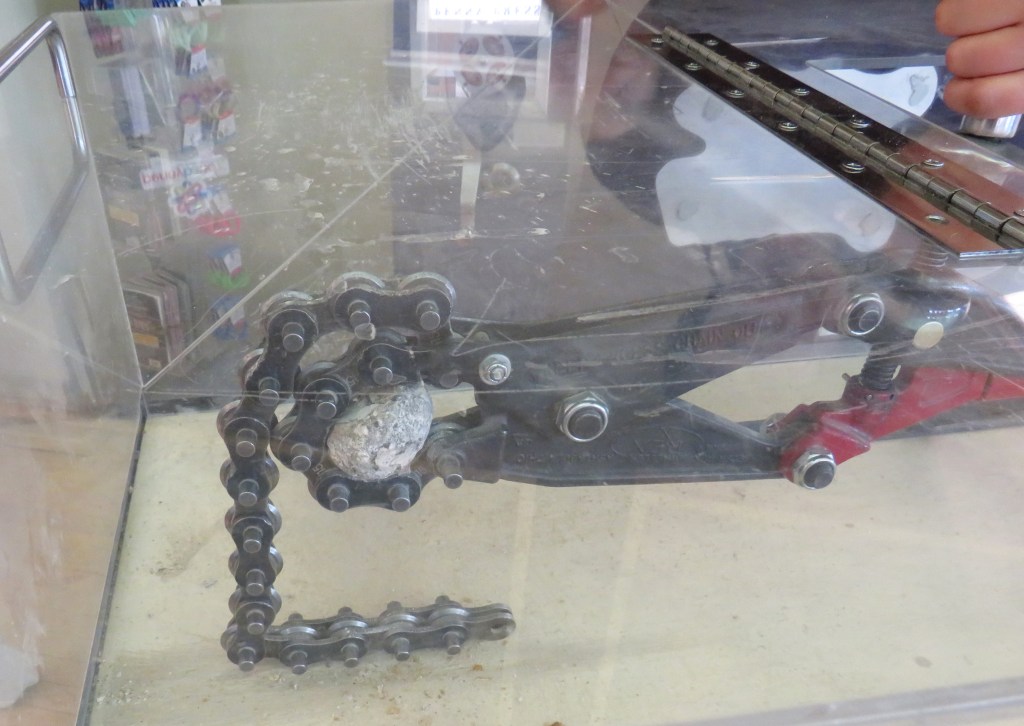
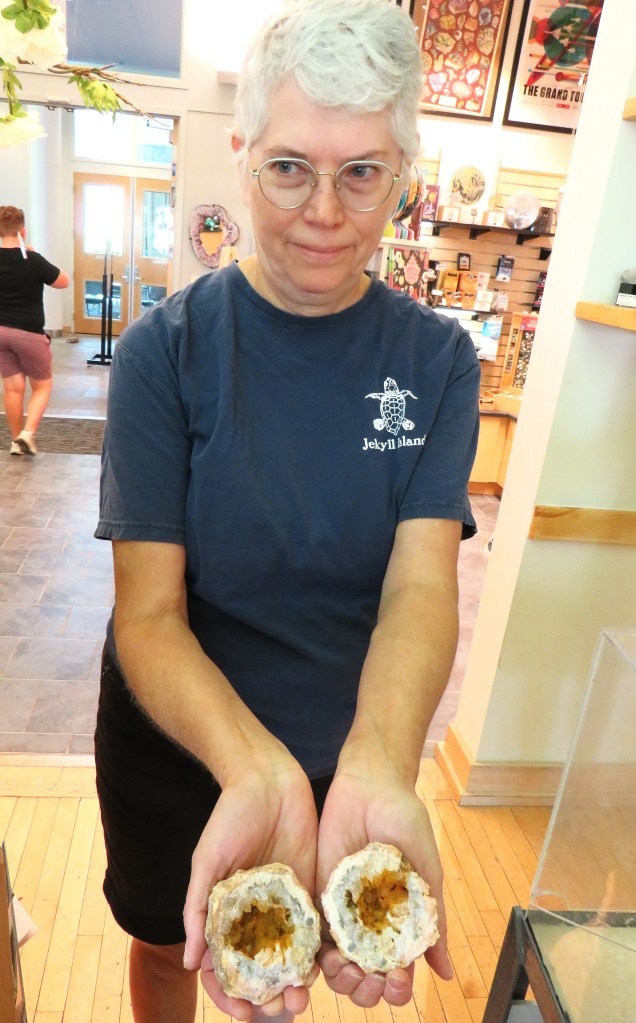
We held mine under black, fluorescent light and discovered mine is fluorescent and shines bright green.
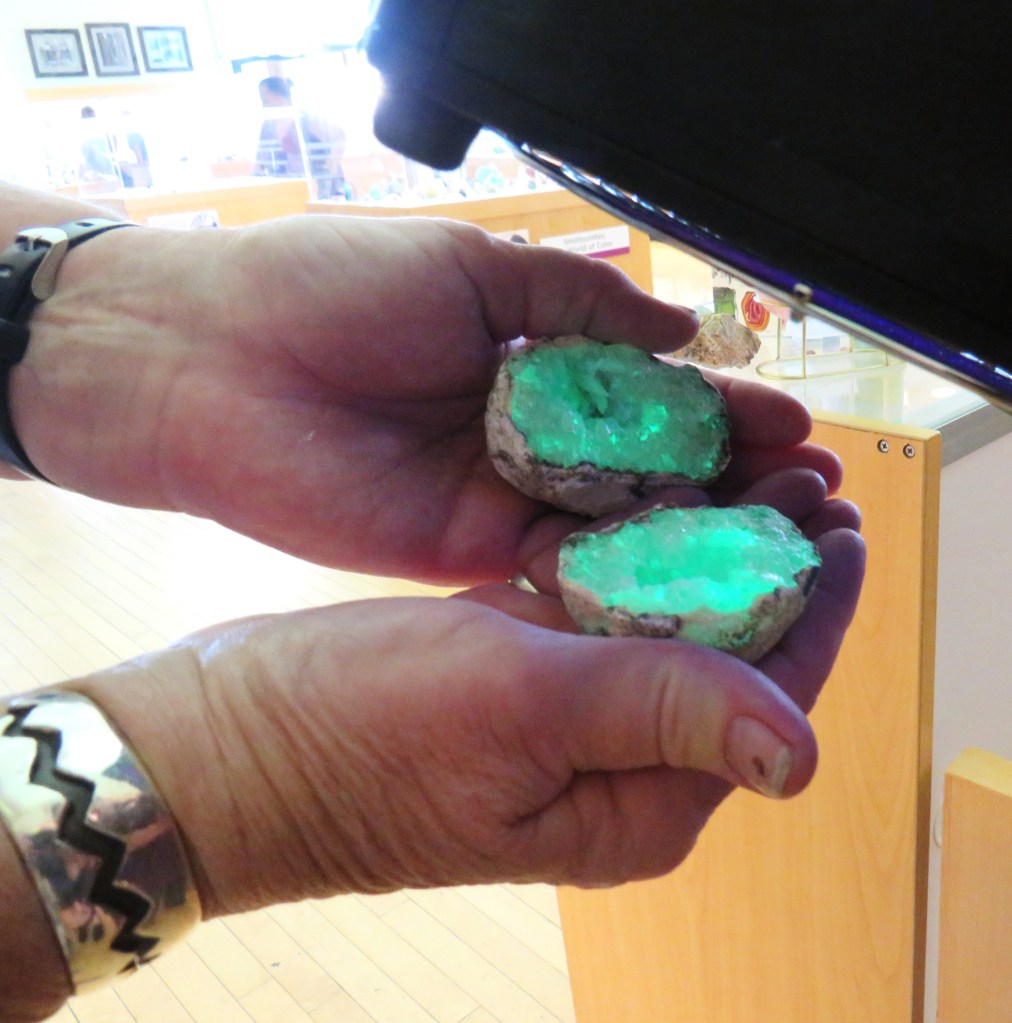
It was yet another new and fun adventure.
The Mines Museum is located at 1310 Maple Street in Golden, CO. They are open from 10-4.
You are never to old to learn new things. In fact, learning new things is what keeps us young. Learn as many new things as you can and enjoy every minute of everyday. ‘Til next time.


 A Jeanne in the Kitchen
Oh, wow! My kind of place. Yet another reason we need to travel west. Thanks for sharing.
LikeLiked by 2 people
My pleasure. It was pretty interesting. 🙂
LikeLike
Thanks for sharing. 🙂
LikeLiked by 1 person
You’re very welcome my dear friends! Awesome adventures always! 😎
LikeLiked by 2 people
Always. 🙂 🙂 🙂
LikeLiked by 1 person
Way cool! 😎
LikeLiked by 3 people
Yeah, it was pretty interesting. 🙂
LikeLiked by 1 person
Awesome! 👍
LikeLiked by 2 people
🙂 🙂 🙂
LikeLiked by 1 person
What fun!
LikeLiked by 2 people
Yes, it was. 🙂
LikeLiked by 1 person
what a fun adventure you had learning about the gems, and mines! Xx
LikeLiked by 2 people
Yes, it was very interesting. 🙂
LikeLiked by 1 person
🙂 🙂 🙂
LikeLike