I like learning new, fun food facts and then sharing them all with you. Sometimes you learn the strangest things. 🙂
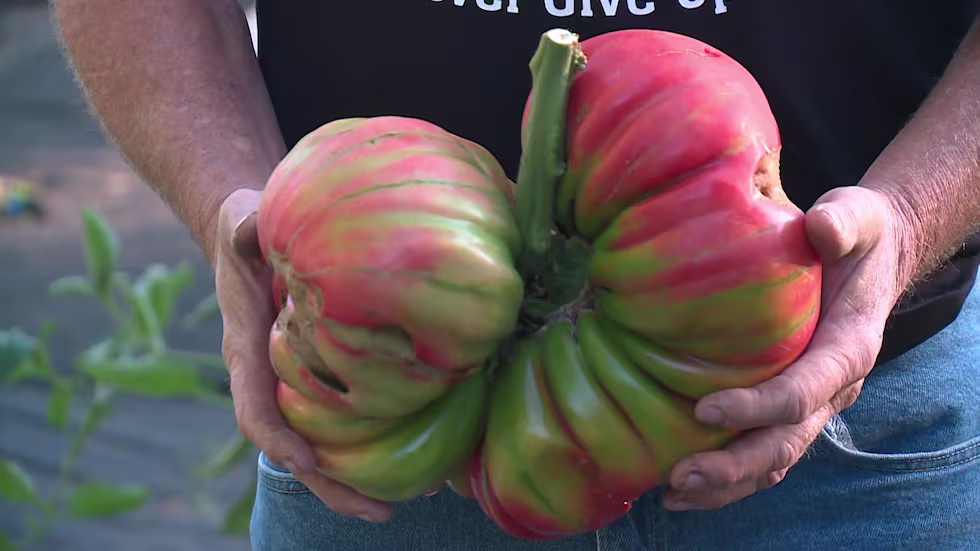
- I love tomatoes of all kinds. They come in all shapes, sizes and colors. Did you know the largest tomato ever grown was over 16.89 lbs (7.661 kg). This giant fruit was grown by Dan Sutherland in Walla Walla, Washington, and was officially verified on July 19, 2025, by the Great Pumpkin Commonwealth.
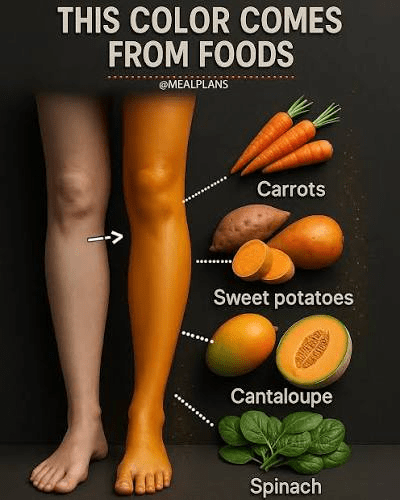
2. If you eat too many carrots, your skin can turn orange. Eating about 10 carrots a day for a couple of weeks can result in carotenemia. This condition is harmless and completely resolves once you reduce your carrot intake. Eating too many carrots can lead to a harmless cosmetic condition called carotenemia, where excess beta-carotene builds up in your bloodstream and turns the thick areas of your skin (like your palms, soles, and nose) yellow or orange. It can also cause digestive discomfort or bloating from excessive fiber intake.
3. Pumpkin pie dates back to the year 1623, making it about 400 years old. Pumpkin pie originated in the 17th century when English colonists adapted European pie-making traditions to native North American squashes. Early versions were cooked directly in hollowed-out pumpkin shells or layered with apples and herbs, until 1796 when Amelia Simmons published the first recognizable custard-like recipe in American Cookery.

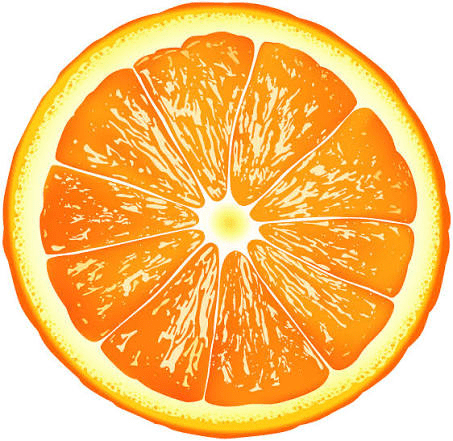
4. There are almost always 10 segments in an orange slice. Oranges (and other citrus) usually have exactly 10 segments because of their ancestral flower structure. The citrus flower ovary has multiple chambers called “locules”, and each locule is genetically programmed to develop into a distinct juice-filled segment. While 10 is the most common average, the exact number can fluctuate between 8 and 14 depending on the specific citrus variety, tree age, and growing conditions (such as sunlight exposure or climate). You can actually predict the number of segments before peeling the fruit by checking the tiny indent at the bottom of the orange. The number of small white dots or folds in that “bellybutton” matches exactly with the number of segments inside.
5. Thomas Jefferson helped introduce mac and cheese to America. Thomas Jefferson played a significant role in popularizing macaroni and cheese in America, but he did not introduce it entirely. He encountered pasta dishes during his travels in Europe and brought back a recipe for a baked macaroni and cheese dish, which he served at Monticello and state dinners. However, it is important to note that the dish’s rise in popularity is also attributed to an enslaved Black chef who worked for him, who likely contributed to its development. Jefferson’s influence helped make macaroni and cheese a staple in American cuisine, but he was not its sole creator.


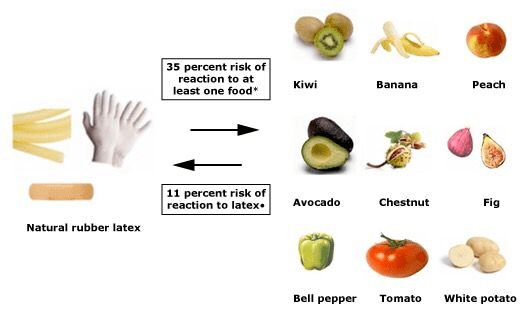
6. If you have a latex allergy, you are also likely allergic to papaya, as well as avocados, bananas, kiwi fruit, potatoes, tomatoes and bell peppers. They can cause a cross-reaction known as latex-fruit syndrome. An allergic reaction to latex can vary from a mild, itchy skin rash to severe and potentially life-threatening effects, such as anaphylactic shock. Reactions may occur immediately, or in some cases, you might experience a delayed response up to 48 hours later. Food and latex allergies often overlap in a condition called latex-fruit syndrome, where the immune system confuses proteins in certain foods with those in rubber tree sap. Up to 50% of people with a latex allergy experience reactions to these cross-reactive.
So next time you are playing Trivia Pursuit, or something similar, the next time these questions come up, you will know the answers. You can say “I learned it from A Jeanne In the Kitchen”. 🙂 🙂 🙂
Life is short. There is so much out there just waiting to be discovered. Learn as much as you can in the time that you have. Make it a game and make it fun. Live life to the fullest and enjoy the ride. ‘Til next time.


 A Jeanne in the Kitchen
Interesting fact about eating too many carrots! I’m not a big carrot eater. I do like them cooked though. X
LikeLiked by 1 person
I love carrots. Back when I was cooking professionally, I noticed my hands were turning orange just from cutting a lot of carrots too.
LikeLike
I had not heard of carotenemia before. It looks scary but I am glad it is not. I did not know pumpkin pie is 400 years old. I love pumpkin pie.
LikeLiked by 1 person
My goal is to give you new “useless” information and facts as much as I can. 🙂 🙂 🙂
LikeLiked by 1 person
That is a lot of fun
LikeLiked by 1 person
Thank you. I think so too. 🙂
LikeLiked by 1 person
As usual, interesting and informative
LikeLiked by 1 person
Thank you. That’s the plan Ma’am. 🙂 🙂 🙂
LikeLiked by 1 person
I learned a lot from this post! Thanks!
LikeLiked by 1 person
SWEET!!!!! My pleasure. 🙂
LikeLiked by 1 person
🙂🙂🙂
LikeLiked by 1 person
Love to learn new things too. Thanks for the share of knowledge.
LikeLiked by 1 person
Thank you. My pleasure. I love to learn new things too. 🙂
LikeLiked by 1 person