There are over 1000 species of monocotyledonous flowering plants, including essential, aromatic culinary staples like onions, garlic, leeks, shallots, and chives that are all part of the same family of plants. They are all part of the Allium family. All of these “family members” are valued for their ability to build flavor, add aroma, and bring balance to both simple and complex dishes. (Cook Fork Plate https://cookplatefork.com/. Thank you once again for the inspiration for this article. 🙂 )
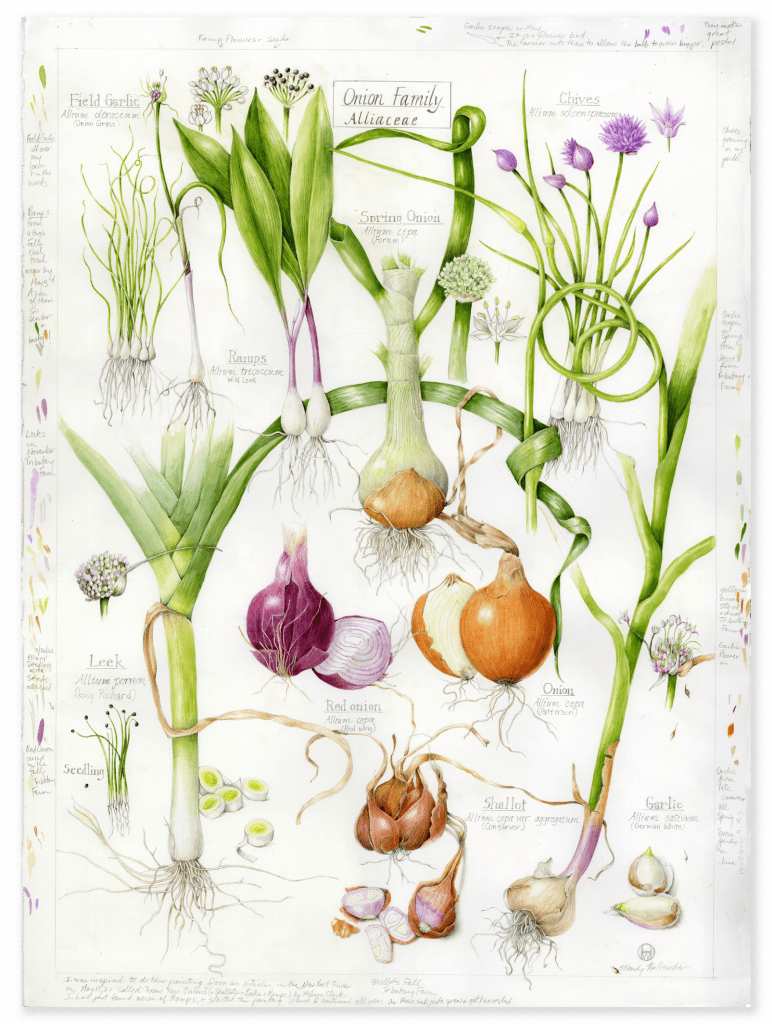
The most popular and widely used members of this bulbous family are of course onions, garlic, shallots, leeks, green onions, and chives. We all use them in most of our dishes, regardless of ethnicity or location. These are used worldwide. I know I use them for literally almost everything I cook.
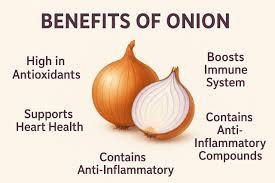
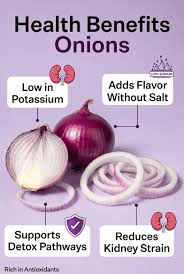
Not only are these Alliums used to enhance the flavors of everything we cook, but they are also known for their health benefits too. They are all high in vitamin C, so in the past, they were prescribed as treatments for scurvy. They are also rich in sulfur compounds and polyphenols (like quercetin), so they are associated with cardiovascular protection, anti-cancer activity, lower blood pressure, and immune system support.
Like with many ancient foods, it is believed onions and other members of the Allium family were first grown in Central Asia and then spread from there. The Allium family has been around since around 1750 BCE, and have been cultivated for at least 5000 years. At first, again like so many other foods, these foods were for the wealthy and important people. But since these plants are easy to grow and they grow in most areas, they soon became food for everyone. By the Middle Ages, onions, garlic and their other family members had become dietary staples for the peasants and the poor all throughout Europe. And like many other things, as their popularity grew, they traveled all over the world. Today, onions, garlic and other Allium family members are grown all over the world, and are used in all different kinds of foods, found in dishes and recipes from all ethnicities. They are eaten and enjoyed both raw and cooked. They are pungent when eaten raw, but are sweet when cooked.
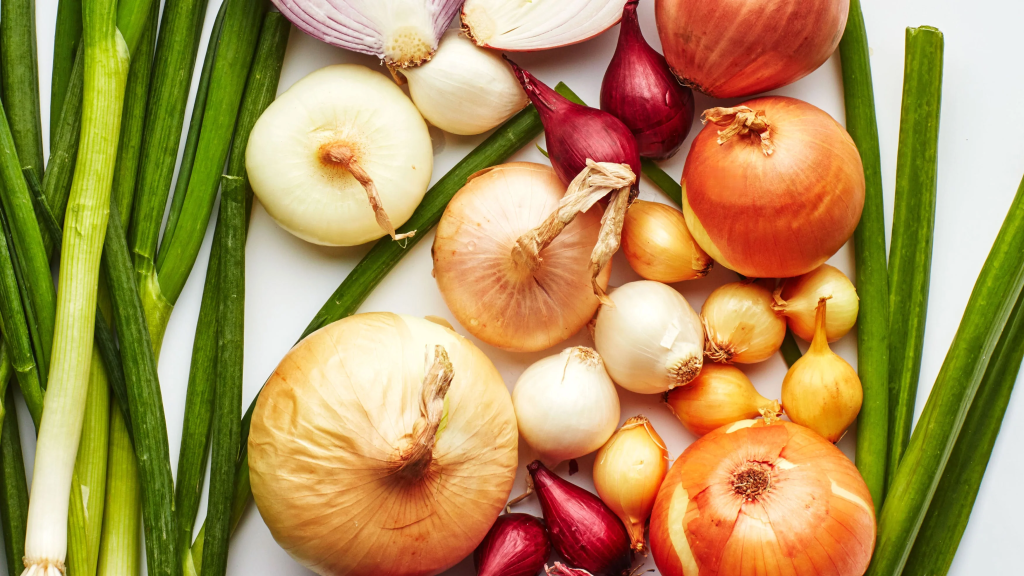
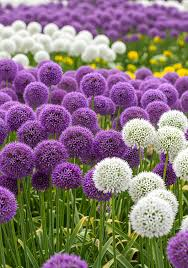
The Alliums are hardy plants and can grow almost everywhere. They can grow in full sun light or light shade. They are often used as a companion plant, planted next to other plants, like broccoli, because they are a natural pesticide due to their pungent aromas. There are a few varieties of ornamental onion plants as well, and even those are strongly scented. And they all flower too, when they are ready to seed. So not only to they enhance all of our favorite recipes and protect your other plants from insects, but they look pretty in your garden too.
There are a lot of folklore and tall tales associated with the Allium family members as well. Here are some fun facts I bet you didn’t know about some of your favorite ingredients.
- Garlic was eaten by early Greek Olympic athletes and Greek and Roman soldiers to enhance their performances and to give them strength.
- Onions were used as part of funeral rites and traditions because it was believed they helped the deceased with their journeys to the other side.
- Because of their spherical shapes, it was believed they represented eternal life. This idea was popular because the name “onion” is thought to come from the Latin word unis, which means one. This was referring to the unity of the onion layers that make up the whole onion.
- Garlic was thought to repel vampires and therefore was thought of as a protection against evil.
I LOVE onions and garlic. But I HATE how onions make me cry so much. Why do they make us cry? Onions make us cry because they are loaded with irritants that are stimulated when exposed to the air. When we cut them, we expose these irritants. The tears we cry are called reflex tears. These form when your eyes are exposed to irritants, such as smoke and onion fumes. Onions spew enzymes and sulfenic acid when their skin is broken. These compounds combine to produce propanethial S-oxide, which is an irritating gas. The tears we cry when cutting onions is actually a defense mechanism our body produces to protect us from harm; the harm of the irritants from the propanethial S-oxide. Propanethial S-oxide turns into sulfuric acid when it touches the water layer that covers and protects your eyeballs. The more people cry, the more sensitive they are to the propanethial S-oxide. Which means I must be HIGHLY sensitive to it, because even when cutting just 1 onion, I cry like a baby, my eyes burn something terrible and my nose drips and drips. The onions that generate the harshest chemical reaction have lots of sulfur-containing compounds. These include yellow, red, and white onions. Sweeter types, such as green onions, have less sulfur, are less pungent, and produce fewer tears in most people. But as uncomfortable as it is, the onion cry isn’t dangerous at all. The length of time you store onions affects their potency and tear-producing abilities. Fresher onions are less likely to cause crying than those that have been stored for an extended period of time. HMMMM! So they say. I cry no matter how fresh my onions are; EVERY TIME! I have tried “all the tricks” that are supposed to help with the crying, NOTHING works for me, although I have to say, putting the onions in the refrigerator for about 30 minutes or so before cutting them does help a little. Maybe you will have better luck. 🙂

I hope your learned something new things about some of our favorite ingredients to almost all of the foods we eat. I know I did. 🙂
Have a great day and make everyday great. Life is what you make it, so make it fantastic. May 2026 be filled with happiness, good health and prosperity for all. ‘Til next time.


 A Jeanne in the Kitchen
Excellent information! 💯
LikeLiked by 1 person
Thank you. I like doing these deep dives. 🙂
LikeLike
Thanks for sharing. Have a great day. 🙂
LikeLike
I enjoyed this article!
LikeLiked by 2 people
Thank you. I like doing deep dives like this, 🙂
LikeLiked by 1 person
Super interesting info, Jeanne! Sadly, as I age, raw onions hurt my tummy, so I have to make sure to avoid them is salads and sandwiches. Luckily, I can still eat cooked onions with no problem!
LikeLiked by 1 person
Yes, we all change as we age. But at least you can still enjoy them cooked. 🙂
LikeLike
Where would we be without onions snd garlic? Another of your wonderfully informative posts – thanks Jeanne
LikeLiked by 1 person
Thank you. I agree. Where would we be? Just think how boring food would be!
LikeLike