I love cherries. When it’s cherry season, I can just eat them by the bunches. I am not alone either. Cherries are a worldwide favorite, and have been since at least 4000 B.C. It is believed they were first grown in Asia Minor, or what is now known as Turkey, and then spread into Europe and beyond. The name cherry is derived from the Turkish town Cerasus (now Giresun), an ancient region from which they were exported to Europe.
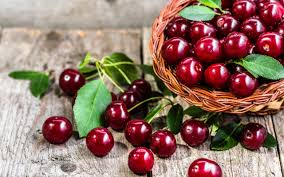
The Ancient Greeks were the first people to cultivate cherries, followed by the Ancient Romans. Before that, cherries were grown in the wild. Cherries are now grown all over the world, but some of the largest cherry producers are the U.S. West Coast (Washington, Oregon, California) and Michigan. Today, the United States produces over 650 million lbs of sweet tart cherries every year, with Washington and California being the largest producers. Other major cherry producers are still Turkey and Iran too.
There are many different varieties of cherries. In fact, there are over 1000 different types of cherries, grown all over the world. There are sweet cherries and tart cherries, and everything in between. In North America there are three main types of cherries – Bing, Rainier and Lambert. These three varietals account for 95% of cherries consumed in North America. We all have our favorites. My favorites are the deep ruby red Bing cherries.
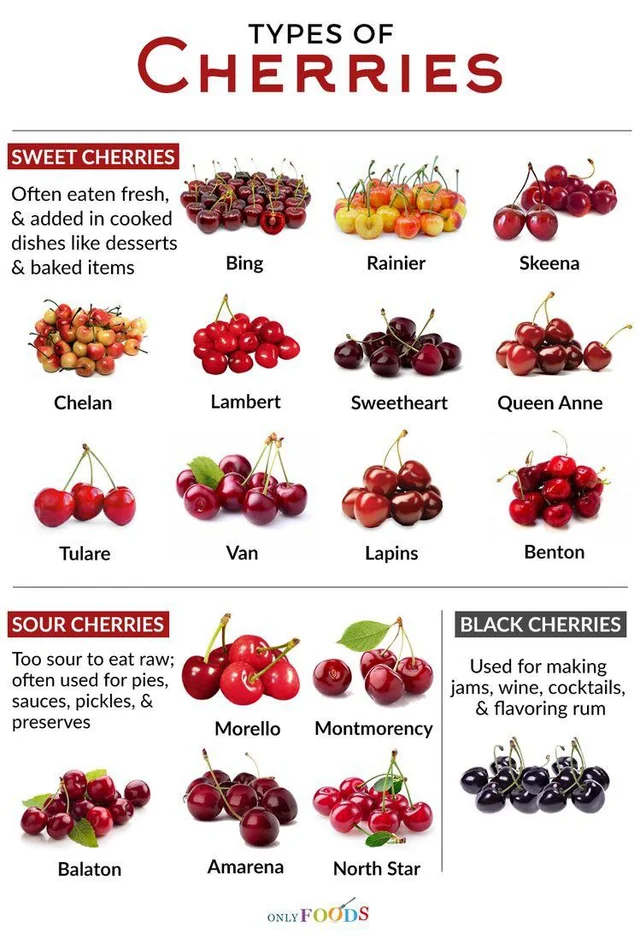
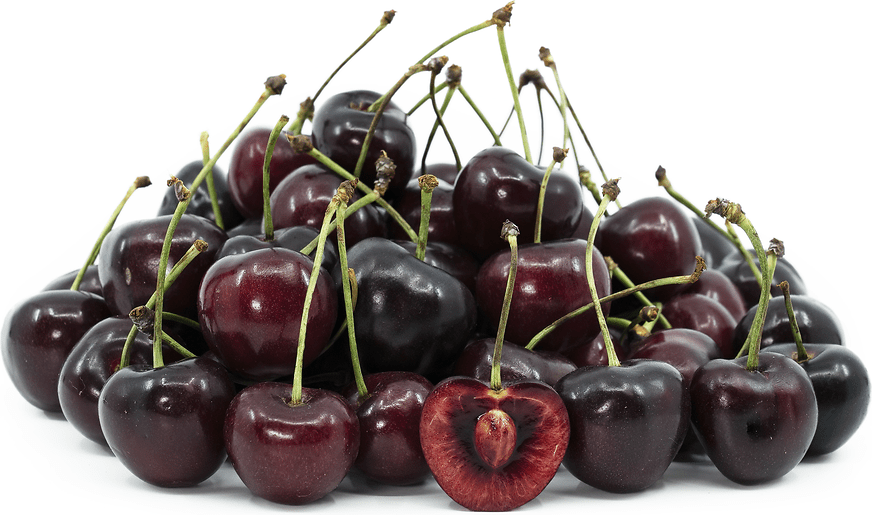
Bing cherries were first produced at Lewellings Farm around 1847 in Michigan. They got their name from one of the Chinese farmhands, Ah Bing. Bing cherries are the most popular cherry type, at least in the United States, accounting for over 50% of sales, and now are primarily grown in California, Oregon and Washington. They are known for being sweet-tart cherries and are the standard for cherry flavor. One tree can produce between 50-100 lbs of cherries per year.
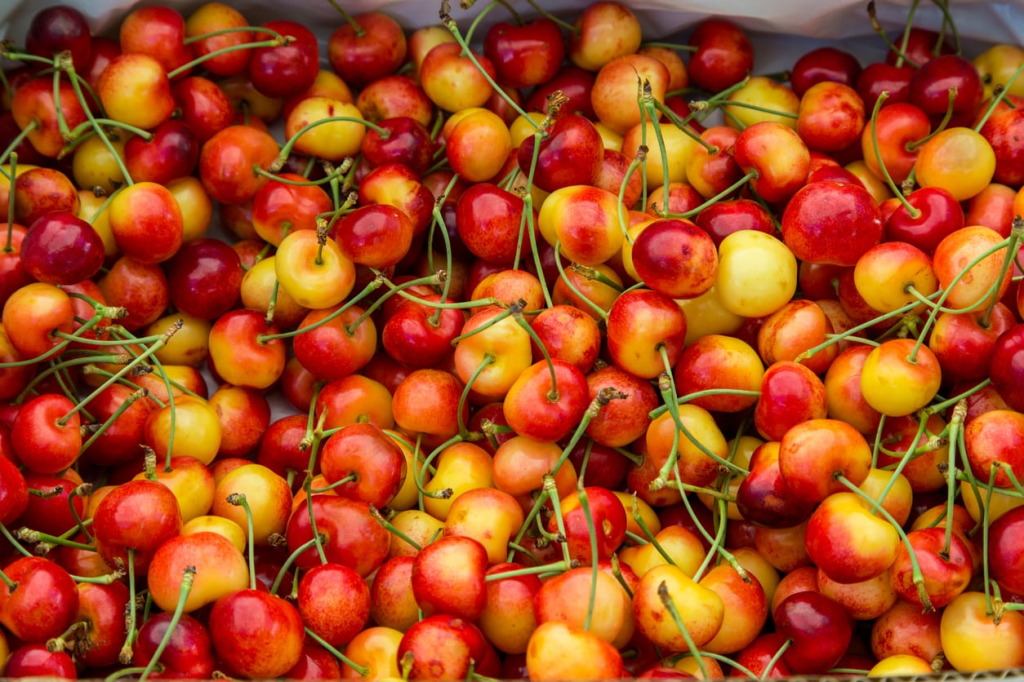
Rainier cherries were initially a hybrid between Bing cherries and Van cherries. They are known for their golden-red colors and their intense sweetness. Developed in 1952 in Washington, these delicate, heart-shaped fruits are known as the “champagne of cherries” due to their thin skin, intense, low-acid flavor, and short, early-summer, and high-labor growing season. They are often called the candy of fruits because of their intense sweetness. You can tell the intensity of their sweetness by the lightly colored “freckles” on their skin. Their freckles tell you the were kissed by the sun.
Lambert cherries are a popular, high-yielding, and reliable sweet cherry variety known for their large, heart-shaped, dark red-to-black fruit and rich, sweet flavor, ripening in mid-summer. Lambert cherries are the premiere cherries for making cherry pies and other baked cherry goods.
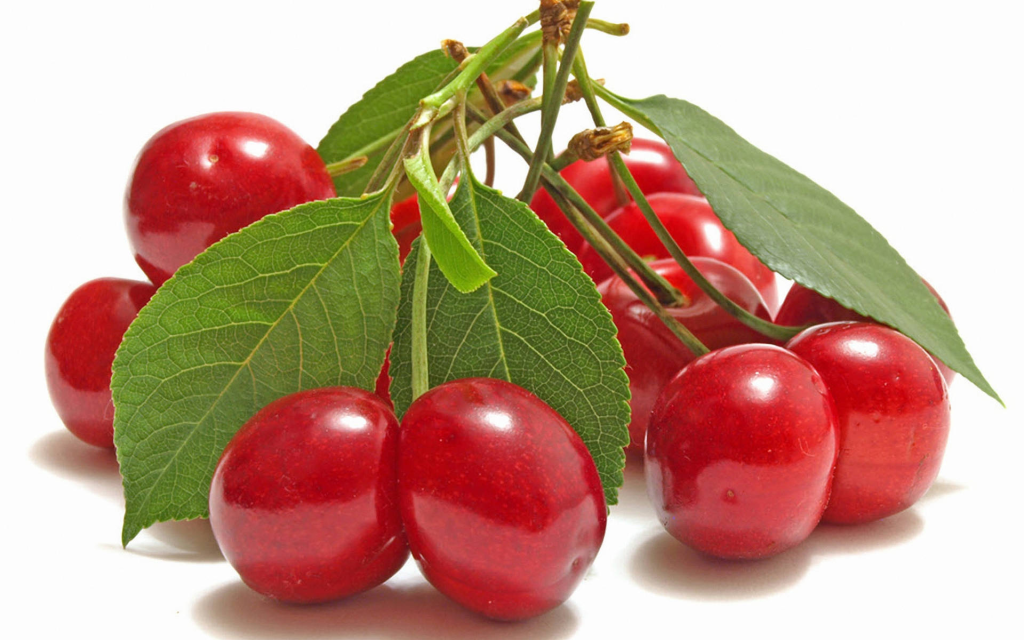
As with most fruits, cherries are very nutritious and very healthy. They are loaded with vitamins A, C, potassium, and fiber, and are particularly high in anthocyanins, which help combat chronic diseases like arthritis, diabetes, and cancer. They are also known to help reduce inflammation, aiding heart health, improving sleep quality, and accelerating exercise recovery. One cup of cherries is only 97 calories and provides all kinds of other necessary nutrients to the body:
- Carbs: 25 g
- Fiber: 3 g
- Vitamin C: 12% of the daily value (DV)
- Potassium: 10% of the DV
- Copper: 10% of the DV
- Manganese: 5% of the DV
- Vitamin B6: 0.08 milligrams (mg)
- Vitamin K: 3 micrograms
Cherries are stone fruits, which means their pit or large seed is in the middle of the fleshy, edible parts. As with anything, the key to including cherries as part of your diet is to consume them in moderation. There are always “pitfalls” to eating too much of anything. The disadvantages of eating too many cherries primarily involve digestive issues (bloating, diarrhea) from fiber and sugar alcohols, potential for kidney stones (oxalates), choking hazards (pits/stems), pesticide residues (non-organic), and allergic reactions, with tart cherry juice also containing added sugars or potentially interacting with medications. And cherry pits also contain trace amounts of cyanide or amygdalin. While swallowing a few intact pits is generally harmless, chewing them can cause poisoning. Symptoms include headaches, dizziness, and vomiting. Do not crush the pits before blending, and avoid eating them. The stones or pits of all stone fruits contain amygdalin, so this hazard is found in peaches, nectarines and apricots as well.
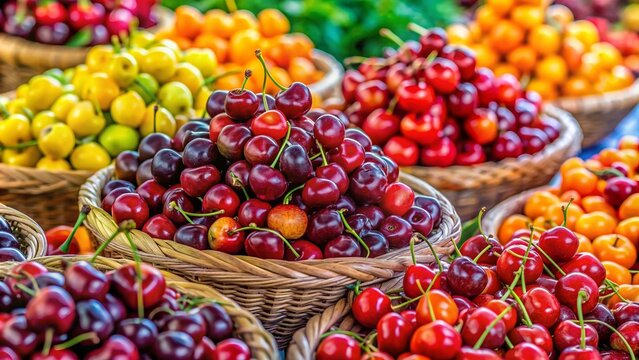
Bottom line though, there are many different varieties from which to choose, so there is something for everyone.
Have a great day and make everyday great. Life is a bowl of cherries. Eat up and enjoy. May 2026 be filled with happiness, good health and prosperity for all. ‘Til next time.


 A Jeanne in the Kitchen
Thanks for sharing. Have a great day. 🙂
LikeLike
Who doesn’t love cherries?
LikeLiked by 1 person
I know, right?! 🙂
LikeLiked by 1 person
I love them too1
LikeLiked by 1 person
SWEET!!!!! Or sweet-tart?! 🙂
LikeLiked by 1 person
ha!
LikeLiked by 1 person
🙂
LikeLike
I’m craving cherries now! Did you know they’re also a popular flavor in Japan, especially in cherry blossom season? 🍒
LikeLike
Thank you. That’s the plan. I did know that. Thank you. 🙂
LikeLike