There was a slight change of plans for last night’s dinner, and I didn’t need to make or bring anything with me like I had planned. Larry has been out of town all weekend, and we have been busy eating leftovers from our party, so I haven’t really been cooking much these past few days. That’s OK though. There is always a plethora of information I have to share. 🙂 Since it is Christmas, I thought I would share some fun Christmas food facts with you.
- In much of the Western and English speaking world, turkey is often the centerpiece for holiday dinners. But turkey wasn’t a staple for Christmas dinner until the 16th century when Henry VIII had turkey for Christmas dinner, that it became a tradition. King Henry VIII who became the first person to eat turkey on Christmas Day, however the trend did not stick until the 1950s, where its popularity beat that of the traditional goose roast.

2. In the Medieval times, peacock and boar were served for Christmas dinner at the homes of the wealthy.


3. Traditionally geese were eaten for Christmas dinner before poultry farmers started farming chickens for food, rather than just eggs. Chickens provided eggs and cows provided milk, so they had to choose carefully which animals to eat. Since geese only laid eggs seasonally, they were the chosen meat for a Christmas feast.

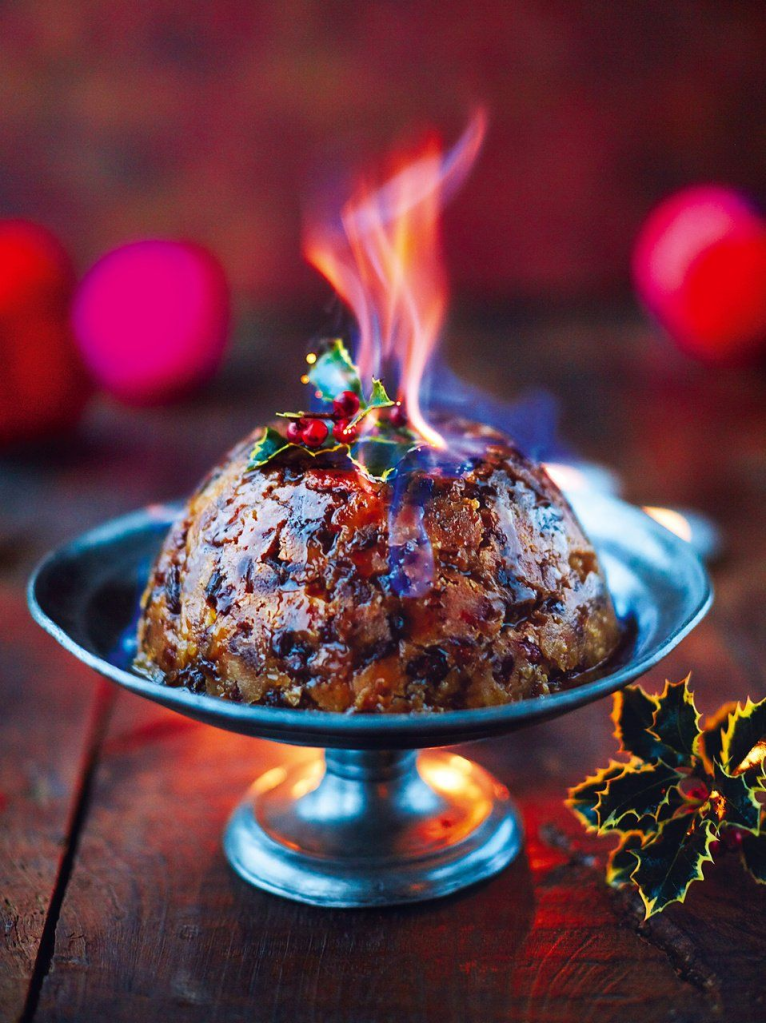
4. The original Christmas pudding was made with beef, mutton, raisons, currant, prunes, wines, and spices.
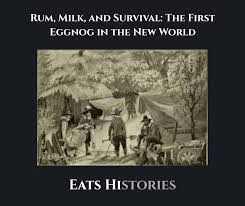
5. The first eggnog is believed to have been introduced in America in 1607 in the British colony of Jamestown, Virginia. It was originally known as egg & grog by 13th century Europeans.
6. Sugar Plums are not actually plums. In the 1600’s the term “plum” meant any type of dried fruit. Standard sugar plums are a combination of dried fruit and spices coated with sugar. A sugar plum is a traditional, small, hard candy with a sugar coating around a spiced center, like a nut, seed, or candied fruit, not a plum fruit. The name comes from its plum-like shape, and modern versions often use dates, figs, and nuts rolled in sugar for a festive treat, famous from “The Night Before Christmas”. Originally a luxury confection, the complex, multi-layered sugar-coating process (panning) made them expensive treats for the wealthy.

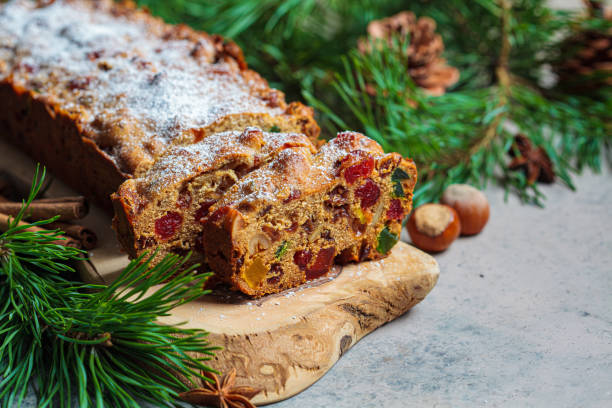
7. The fruit cake was designed to last all year. When the fruit cake first came about, it was baked at the end of the harvest season and saved to be eaten at the beginning of the next harvest season. Fruitcake’s history stretches from ancient Mesopotamia’s date-nut cakes to medieval Europe’s spiced loaves, evolving with trade and sugar availability into the dense, alcohol-soaked Christmas tradition known today, becoming popular in America via English colonists and a symbol of longevity, even earning jokes for its enduring nature. Early versions used dates, figs, and nuts for fertility rites, while the Romans used raisins and pine nuts in barley mash. Medieval bakers added honey and spices, and the ability to preserve fruit with sugar in the 16th century made them more accessible, leading to rich, spiced cakes featuring candied fruits and spirits for long shelf life, especially for Christmas.
8. The tradition for leaving cookies for Santa started when Christmas Trees used to be decorated with food and those decorations would disappear during the night, so it was speculated that Santa had a late-night snack while delivering presents.

9. Many parts of the Christmas tree can be eaten. You can eat parts of certain Christmas types of trees, like fir, spruce, and pine, using their needles for teas or flavorings (like rosemary), but never eat yew (poisonous) or cedar/cypress (toxic), and only use organic/untreated trees to avoid pesticides, as commercial trees are often chemically treated. The needles offer citrusy or floral notes and can be infused into drinks, syrups, or used to flavor meats and desserts, but avoid sharp, dry needles. You can pretty much eat the whole thing,” said Julia Georgallis, author of How to Eat Your Christmas Tree. “You can use the needles as you would use rosemary or bay leaves, for flavor.” She recommends wearing gloves to handle a spruce tree, as they can be quite spiky.


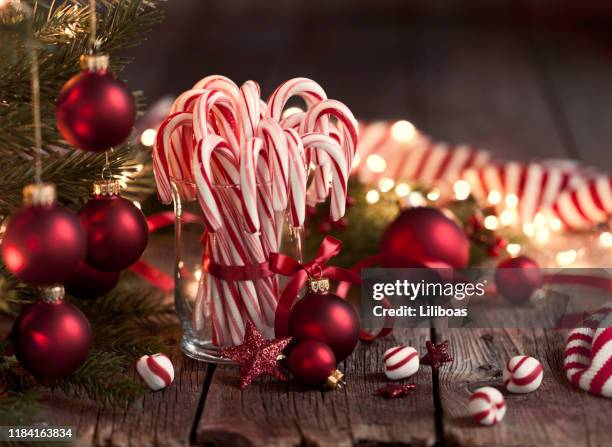
10. Candy canes were invented to help keep the children quiet during church. They were created in 1670 by a German choirmaster. The traditional strips came later. People put candy canes on Christmas trees because they started as simple sugar sticks, later bent into a shepherd’s crook shape to represent the shepherds at Jesus’ birth, adding a sweet, religious, and decorative element that became popular in the 1800s, symbolizing faith, joy, and giving, with the red and white stripes representing Christ’s blood and purity.
11. The reason why people start their diets AFTER Christmas and the holidays is because the typical Christmas dinner includes 7,000 calories per person.

So now you know more about some traditional Christmas classics. Enjoy. Merry Christmas and Happy Holidays. May they be merry and jolly and safe for all. Celebrate them with friends, family and loved ones. ‘Til next time.

 A Jeanne in the Kitchen
those are fun facts Jeanne! 🙂
LikeLiked by 1 person
I thought so too. Thanks. 🙂
LikeLike
Thanks for sharing. Merry Christmas. 🙂
LikeLike
Max Miller/Tasting History did sugar plums before Christmas last year. They turned out to be amazingly labour intensive!
Years ago, I knew a woman who made her special recipe for fruit cake every year, leaving them to soak in booze for several months before Christmas. She told how one year, while cleaning out a cupboard, she found a tin that turned out to have a fruit cake in it, and realized it had been sitting there for three YEARS. It looked fine. Given the amount of alcohol she used to make them, she figured it was still safe, so they tried it. She said it was the best fruit cake she’d ever tasted!
LikeLiked by 1 person
Yes. They last forever. thanks for sharing. I love it. Merry Christmas. 🙂
LikeLiked by 1 person
Peacock – no thanks! As always a mine of fun information, thank you.
LikeLiked by 1 person
Avec plaisir. De rien. Joyeux Noel. 😉
LikeLiked by 1 person
So many fun facts I didn’t know 🙂
Blessings!
LikeLiked by 1 person
Thank you. I didn’t know them either until I started doing my research. I like doing things like that. 🙂
LikeLike
Merry Christmas, Jeanne!
LikeLiked by 2 people
Thank you. Merry Christmas to you as well. 🙂
LikeLiked by 1 person