Yesterday, I shared some of the world’s savory Christmas dinners with you. Christmas Foods From Around The World – Part 1 – Savory Dishes But you can’t have a Christmas dinner without sweet treats for dessert, right?! So today, I will share some the world’s sweet treats that accompany the savory dinners from around the world.
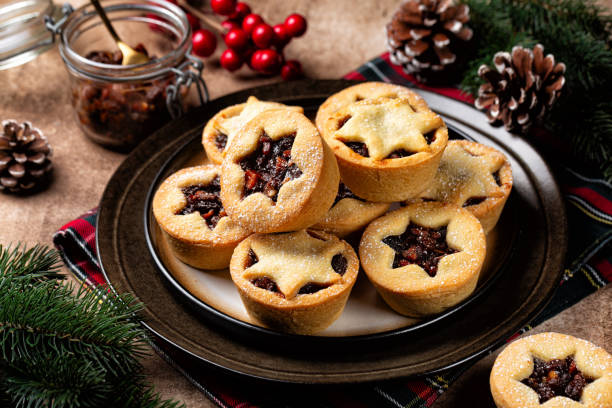
- Once again, starting with parts of the English speaking world, The UK and the USA like to enjoy fruit cake or Christmas pudding and mince pies. A mince pie (also mincemeat pie in North America, and fruit mince pie in Australia and New Zealand) is a sweet pie of English origin filled with mincemeat, being a mixture of fruit, spices, and suet. The pies are traditionally served during the Christmas season in much of the English-speaking world. They were made from 13 ingredients to represent Jesus and his disciples and were all symbolic to the Christmas story. As well as dried fruit such as raisins, prunes and figs, they often included lamb or mutton to represent the shepherds and spices (cinnamon, cloves and nutmeg) for the Wise Men, though no meat or meat products in the modern versions. Mince pies served with brandy butter are the traditional way to elevate this classic British treat. Brandy butter, a hard sauce made with butter, powdered sugar, and brandy, remains solid until served atop warm fruit mincemeat pies. The rich, creamy butter then melts into a delicious buttery sauce.
2. Germany has always been known for its love of sweets and sweet breads, so it is no wonder that they would love sweet bread as part of their Christmas traditions too. In Germany, Stollen or fruit bread and Zimtsterne cookies, or cinnamon stars, are their go-to Christmas treats that are enjoyed by all. When I was a little girl, our neighbor and my mom’s best friend, Edith and her family were German. She and her husband Willhelm were both from Germany. They had Christmas Stollen every year. Edith was an excellent cook too, particularly for all the traditional German foods that she would graciously share with us on a regular basis.


3. In the South Pacific regions of both Australia and New Zealand, pavlova is a favorite Christmas tradition. Pavlova is a meringue based dessert that is often topped with fruit. A pavlova is a type of meringue dessert, but the key difference is texture: a classic meringue (like cookies) is crisp and crunchy all the way through, while a pavlova has a crisp shell and a soft, marshmallowy, chewy center, achieved by adding cornstarch and an acid (vinegar/lemon juice) to the egg white mixture and baking it differently. Believe it or not, even though I am 1/2 Aussie, I have NEVER made a pavlova before. I keep saying I will, but haven’t yet. Maybe there will be an attempt at making one in my very near future. Who knows?! 🙂

4. The Italians are also known for good food, good breads and good sweet breads. They have their own version of a Christmas sweet bread and that is panettone. Panettone is special due to its laborious, multi-day creation using a natural sourdough starter (lievito madre), resulting in an incredibly light, airy, and flavorful sweet bread with a distinct dome shape, rich buttery taste, and complex aroma from candied fruits and raisins, symbolizing Italian holiday tradition, patience, and artisanal skill. Panettone is technically a sweet, enriched bread, not a cake, though its moist, fluffy texture often makes people think of cake; it’s a traditional Italian holiday treat made with a long fermentation, eggs, butter, and candied fruits, known as “big bread” (panettone) in Milan. It’s leavened like bread (often with sourdough starter) but has rich, cake-like ingredients and a distinctive dome shape. So in a way, it is the best of both, a cake and bread.

5. The Caribbean Islands are known for their rum and their rum cakes, the “boozier” they are, the better. Each Island has its own special version of a rum cake, and they all tend to think their version is “the best”. Rum cakes come in many types, varying by flavor (coconut, pineapple, key lime, chocolate, coffee, fruitcake), rum used (spiced, dark, coconut), additions (pecans, raisins, citrus zest), and style (moist Caribbean pound cake, light sponge cake, mini cakes, gluten-free). Key distinctions include traditional Caribbean fruitcakes, lighter cakes with citrus or tropical flavors, richer chocolate versions, and even creative takes like Mojito or spiced rum cakes. Rum cakes also go by the names of Cake de Ron or simply Drunken Cake too.

6. Poland likes to make a Makowiec or a poppy seed roll for their Christmas celebrations. I never knew they were Polish, but I love poppy seed cakes and rolls. I always thought they were Danish because there was a Danish bakery we used to go to every now and then when I was growing up that specialized in poppy seed rolls.

7. Once again coming from the Goa, India region, the Goans like to make a Bebinca, or a layered coconut milk cake, for their Christmas celebrations. Bebinca is a traditional, rich, multi-layered Goan dessert cake, often called the “Queen of Goan Desserts,” made from flour, sugar, ghee (clarified butter), coconut milk, and egg yolks, with layers flavored by nutmeg and sometimes caramel. This labor-intensive sweet is known for its distinct thin layers, often stacked 7 or more high, symbolizing the hills of Portugal, and is a staple for festive occasions in Goa, India. Unlike flaky or syrup-soaked desserts, bebinca is a dense, layered pudding-like cake with caramelized richness courtesy of ghee and the aromatic hint from nutmeg. Its long shelf life also makes it a perfect souvenir for tourists visiting Goa, allowing them to take home a taste of the region.

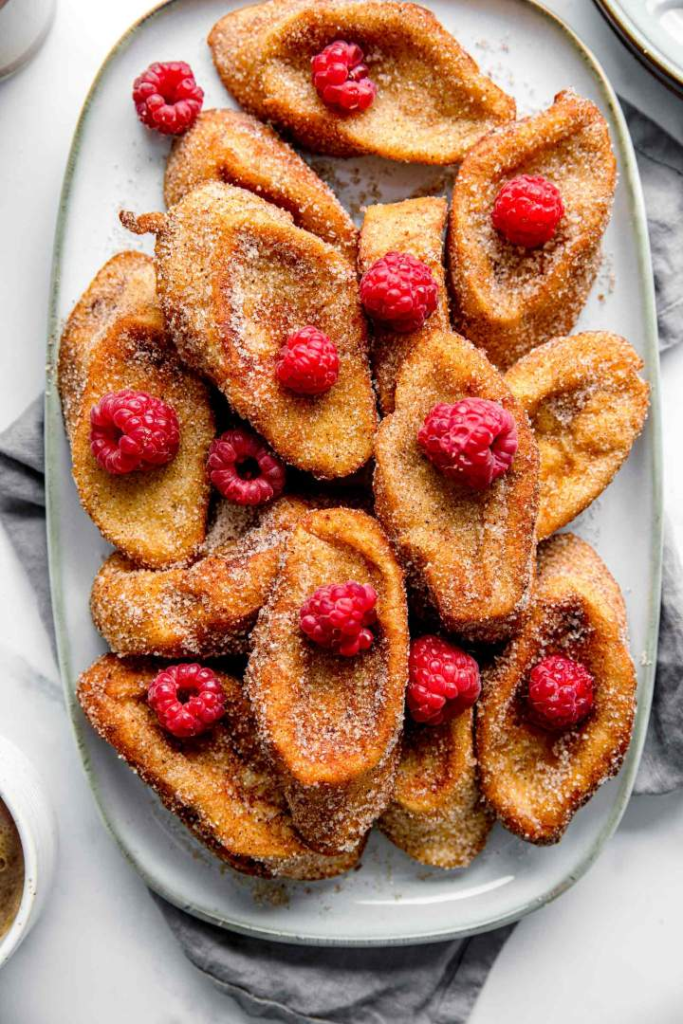
8. I will conclude our tour of worldly sweet Christmas treats with some Brazilian desserts, and showcase the Rabanada or Brazilian French toast and Pavê or trifle. Rabanada is traditional Portuguese and Brazilian deep-fried dessert, similar to French toast but richer, made from day-old crusty bread soaked in a sweet milk/custard mixture, dipped in egg, fried until golden and crispy, and then rolled in cinnamon sugar or drizzled with syrup. It’s especially popular during Christmas in Brazil and Portugal, often served as a festive treat, sometimes with port wine or honey, and known for its crispy exterior and soft, custardy inside.
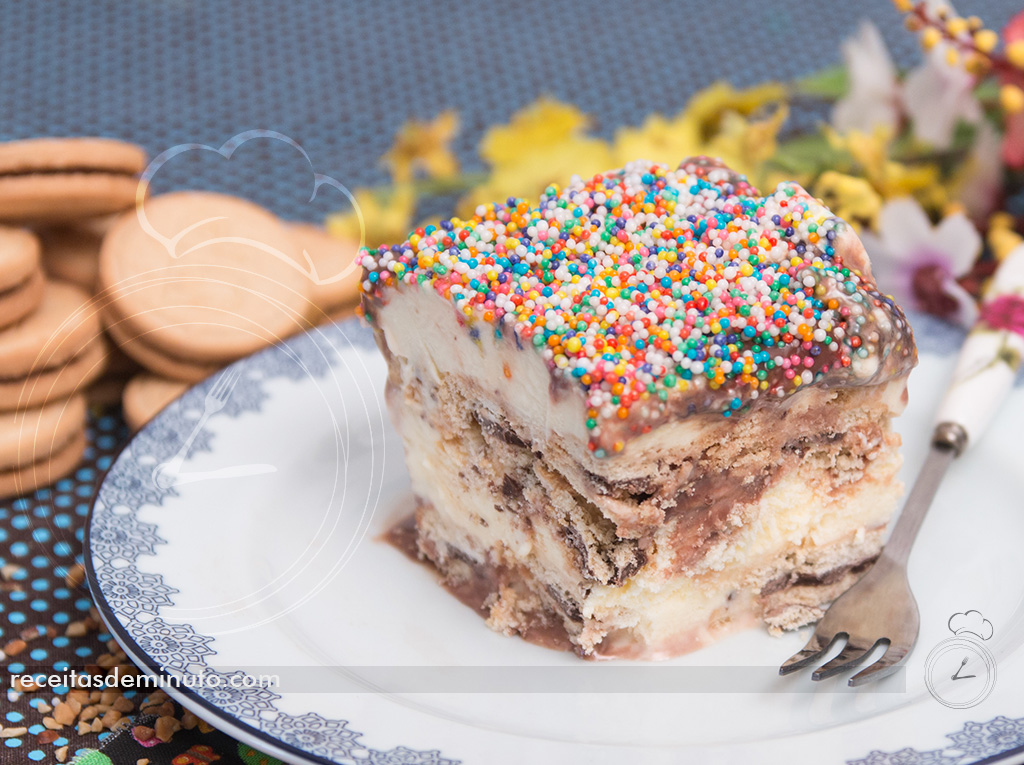
Pavê is (Portuguese pronunciation: [pa’ve]) is a traditional Brazilian dessert mainly from south and southeast regions that consists of alternating layers of biscuits (ladyfingers or corn starch biscuits) and a cream made using condensed milk. It is similar in structure to the tiramisu. Pavê is a Brazilian dessert that resembles a tiramisu, but oh so much better! They are wonderful no-bake layered desserts, usually made with a combination of cookies or biscuits and different creams and fruits or chocolate. Unlike the tiramisu, the pavê doesn’t usually have coffee and it has only a hint of liquor.
If you don’t already have your holiday menus planned, maybe I have inspired you with some different and worldly holiday traditions. I don’t know about you, but I am definitely inspired to try some of these new ideas. 🙂
Merry Christmas and Happy Holidays, no matter how or where you celebrate them. All that matters is that you celebrate the holidays with family, friends and loved ones. Stay safe and stay well. ‘Til next time.

 A Jeanne in the Kitchen
I’d love to taste the coconut milk cake from India, and the Brazilian desserts too! I love pavlova!
LikeLiked by 1 person
It all sounds pretty tasty to me. 🙂 :):)
LikeLike
I just drooled… 😂 ❤️💯😋
LikeLiked by 1 person
That’s the plan man. 🙂
LikeLiked by 1 person
You were successful! Lol
LikeLiked by 1 person
SWEET! 🙂 🙂 🙂
LikeLiked by 1 person
Thanks for sharing. Merry Christmas. 🙂
LikeLiked by 1 person
You’re very welcome! Thanks! Merry Christmas! 🎄🎁🧑🎄⛄✨
LikeLiked by 1 person
🙂 🙂 🙂
LikeLiked by 1 person
❤️💯✨
LikeLiked by 1 person
The pavlova gets my vote
LikeLiked by 1 person
I might gave to do some taster tasting before I decide. 🙂
LikeLiked by 1 person
Now, that would be very enjoyable. You’ll have volunteers lining up to assist.
LikeLiked by 1 person
Definitely! That would be a “task” much better when done with friends. 🙂
LikeLiked by 1 person
A pavlova is easy to make. I use to make miniature ones for dinner parties.
LikeLiked by 1 person
Very cool! Maybe we can make some together sometimes. 🙂
LikeLiked by 1 person
That would be fun! 😍
LikeLiked by 1 person
I think so. 🙂
LikeLiked by 1 person
May your Christmas be as sweet as this post! I bought Stollen for my mom this year as she is coming to visit, and it is her favourite reminder of her childhood. I was going to make panettone rusks, but they turned out more like black forest 😉
LikeLiked by 1 person
How very sweet. I am sure your panettone rusks still turned out perfect. I have confidence in you. 🙂 Merry Christmas. 🙂
LikeLike