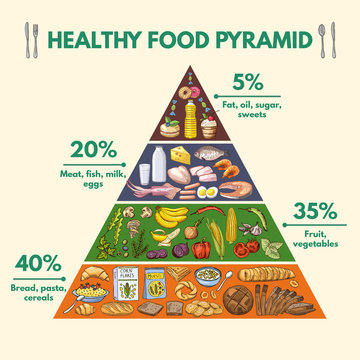
Who doesn’t remember the food pyramid? It was created in 1992, based on information we gathered from the 1980’s, by the U.S. Department of Agriculture or the USDA. It was touted as the guideline to follow for the best nutritional health. At the top of the pyramid, were fats, oils and sugars. They were supposed to be about 5% of our daily food intake. The next level was for meats, eggs, milk and proteins, all lumped together, coming in at 20%. The third level was fruits and vegetables, coming in at 35%. And the bottom tier, recommend that 40% of our daily diet should come from carbs and grains. We followed these guidelines for years. We listened to the so called “experts”, and instead of people getting healthier, we were getting sicker and sicker and more and more obese.
We were told that eating things like proteins, eggs, milk, dairy and meats were wrong and they were what was making us sick. These are the foods people have been eating since the beginning of time, and now all of a sudden they are wrong? We were told we needed more carbs in our diets, and highly processed carbs at that. The experts decided that after millions of years of feeding us and providing food for us, Mother Nature was all of a sudden wrong, and foods produced by man, in laboratories, were what we really needed. The world didn’t need nature any more. We needed science. HMMMM! It makes you scratch your hear in wonder.
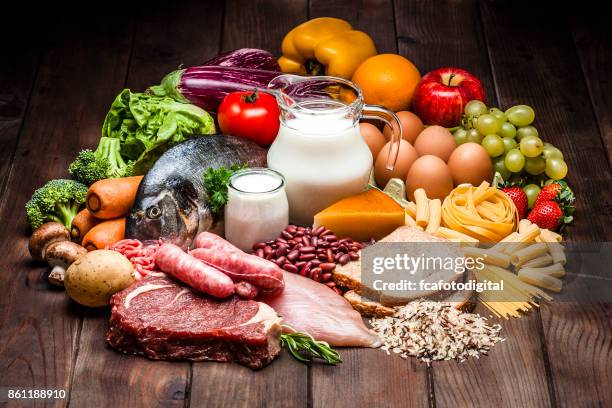
What is wrong about the nutritional pyramid?
For years, we trusted the experts, and we trusted “the science”. Science by definition means to question everything. Science is the systematic study of the structure and behavior of the physical and natural world through observation, experimentation, and the testing of theories against the evidence obtained. The ultimate aim of science is to build a coherent body of knowledge that explains the natural world. Science is a dynamic process where new evidence can lead to the revision or rejection of existing ideas. So after living with the nutritional pyramid, and its daily recommended food allowances for over 30 years, we are finally realizing it wasn’t really working the way it was supposed to and never did. The “trusted” science was wrong. It was time once again to reevaluate what and how much we eat. It was time to try something different again.

We need carbs, don’t get me wrong. Carbs are very important in our diets. Carbs, complex carbs, are food for the brain, since they turn food into glucose and glucose is the food for the brain. Without sufficient carbs, our bodies may turn to other sources of energy, such as fat and protein, which can lead to fatigue, weakness, and other health issues, as well as keto acidosis, where the body starts to feed off of itself to get the energy it needs to survive. Carbs provide the necessary energy for cognitive function, memory, and mood regulation. There are five primary functions of carbohydrates in the human body. They are energy production, energy storage, building macromolecules, sparing protein, and assisting in lipid metabolism. So yes, we definitely do NEED carbs in our diets, but we do not need to make carbs the main part of our diets. We have been overindulging in carbs, and that is making us fat, which in turn is making us sick. All kinds of chronic diseases are caused by obesity. We definitely need carbs, but we need to be more selective on the types of carbs, or carbohydrates, we ingest, as well as mindful of how many we ingest. There are a lot of foods that contain healthy carbohydrates. Everything in moderation, even the healthy foods.

The pyramid also recommended that our fat intake be kept low. Not necessarily a bad thing to monitor our fats, but, we do need to keep fats in our diets. We need the good kinds of fats, like omega-3 fatty acids, or unsaturated fats, found in fish and nuts, that are essential for good health. Healthy fats help lower bad (LDL) cholesterol and increase good (HDL) cholesterol, reducing the risk of heart disease. They support brain health and cognitive function. Healthy fats help you feel satiated and full longer, promoting healthy weight management. And they play a role in hormone production and balance. Again, we most definitely need fats in our diets, but we need healthy fats, and of course, again, we need to watch how many fats we consume. Even eating things that are healthy for us in large quantities is not a good thing. Healthy fats can be found in plant-based foods such as nuts, flax seeds, chia seeds, soybeans, avocados and olives. They are present in vegetable oils, as well as in many types of “fatty” or oily fish, such as tuna, salmon, mackerel, whitefish, herring and sardines, oysters, mussels and some types of fish roe. They are also in lean meats and low fat milks and cheeses too. Low fat does not mean no fat.

The original Food Guide Pyramid (also referred to as the “Eating Right Pyramid”) is a triangle-shaped guide that organizes food into six major food groups. It was intended to be a visual representation of the most recent Dietary Guidelines for Americans in 1990. The idea itself is pretty simple. Eat more of the foods listed at the widest part of the Pyramid and fewer of the foods at the top. The guidance was for Americans to eat 6–11 servings per day of starchy items like bread, pasta, cereal, potatoes, whole grains, and rice at the “base,” depending on the individual. Three to five servings of vegetables and two to four servings of fruit sit above carbs. Then comes two to three servings of milk, cheese, and dairy products, and two to three servings of meat, nuts, and beans. And finally, fats, oils, and sweets are listed at the top of the Pyramid, to be used “sparingly.” This includes everything from cooking oil to soda. The Pyramid reportedly spent another year in revisions—at a cost of about $900,000 to taxpayers—and when the updated version was released to the public in 1992, the nutrition experts who developed the guide were surprised by several of the changes that had been made during the production. The suggested servings of grains were higher than their original recommendation, and the recommended number of servings of fruits and vegetables had shrunk. These food-choice changes put the USDA’s own nutritionists at odds with the influential food industry.
Back in the early ’90s, about 15% of the typical American diet came from protein with the rest split between fat and carbs, according to Meir Stampfer and Walter Willett, both of whom are MDs and professors at the Harvard T.H. Chan School of Public Health. In the 1970’s, very high-protein formula diets resulted in kidney failure, so nutritionists did not want to recommend that Americans eat more protein. Furthermore, sources like red meat are high in saturated fat. The American Heart Association at that time recommended no more than 30% of calories come from fat, in order to help prevent heart disease. What resulted was a simplified message to limit fat intake that didn’t quite stack up with the science. “The ‘fat is bad’ mantra led to the reciprocal corollary ‘carbs are good,’” Stampfer and Willett wrote in Scientific American in 2006. “Even when the Pyramid was being developed, though, nutritionists had long known that some types of fat are essential to health and can reduce the risk of cardiovascular disease. Furthermore, scientists had found little evidence that a high intake of carbohydrates is beneficial.” Nuts, beans, and red meat were lumped in the protein category, while all fats and sweets were considered the same. Sugar was also considered a carbohydrate, whether it came from fruit or from soda. Bottom line, the food pyramid was full of contradictions from the very beginning, yet we followed it for many years. And the more we followed it, the fatter and sicker we became. Changes were definitely needed.
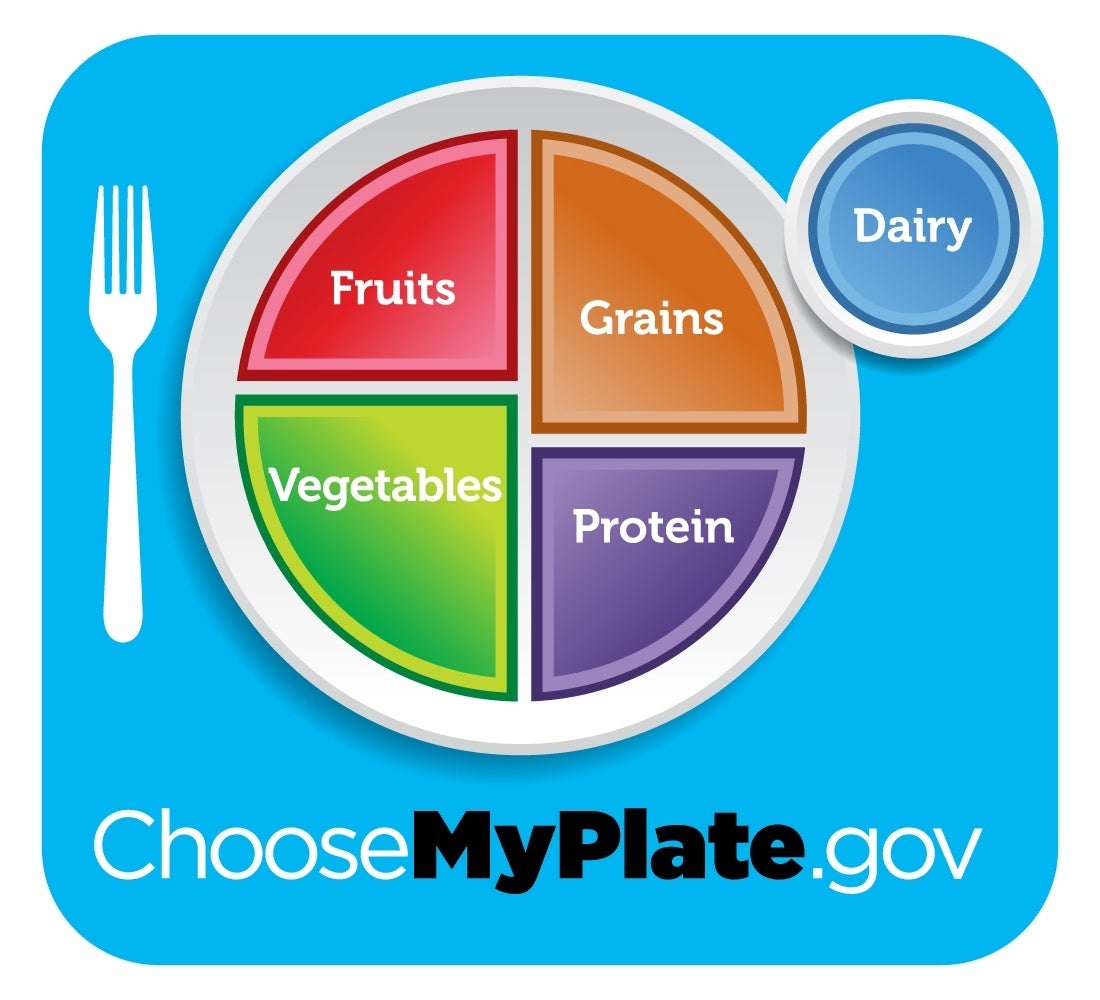
The food pyramid evolved into MyPlate. This theory recommends equal portions of all nutrients. The new design didn’t include any details; instead, it assigned a color to each food category—green for vegetables, orange for grains—and promoted MyPyramid.gov, a website that had dietary recommendations while also suggesting people manage total calories and get physical exercise. It was the first federal food guide to have an interactive online component. Well, it turns out, this isn’t what our bodies needed either.
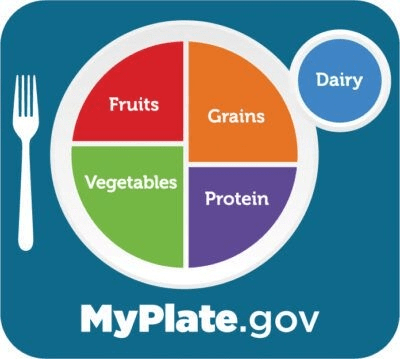
The changes were applauded by some, but by then, there were already concerns that the original Pyramid didn’t do enough to encourage Americans to limit their consumption of refined carbs, and was a driving factor in the growing obesity crisis. A study in The Journal of Nutrition in 2006 that analyzed dietary habits for about 4,300 adults found that people who followed the MyPlate recommendations were more likely to get their nutritional needs met than those who adhered to the original Pyramid. However, the researchers also said that following the newer recommendations could still lead to excessive energy intake, a contributing factor to obesity, chronic diseases, and metabolic disorders. “MyPlate mixes science with the influence of powerful agricultural interests, which is not the recipe for healthy eating,” Harvard’s Willett said in 2011. “To its credit, at least MyPlate didn’t tout refined carbohydrates; however, its low-fat imperative continues to miss the point and it somehow still categorizes fruit juice and fruit and veggie straws as a vegetable,” Lustig wrote in Metabolical. MyPlate is silent on fat, which could steer consumers toward the type of low-fat, high-carbohydrate diet that makes it harder to control weight and worsens blood cholesterol profiles. “The evidence base for any and all of these classification systems is spotty at least and nonexistent at worst.”
Criticisms of MyPlate include its vague guidance on portion sizes and food quality, failing to distinguish between healthy and unhealthy options within food groups (like refined vs. whole grains), not incorporating physical activity, potentially overemphasizing dairy, a lack of cultural or economic sensitivity, and insufficient public education and awareness. Critics also suggest the model may be influenced by industry pressures, making it less objective than some other dietary guides, such as the Healthy Eating Plate from Harvard Health. MyPlate doesn’t differentiate between high-quality and low-quality foods within the same group, such as recommending both whole grains and refined grains equally. It provides little guidance on choosing lean protein sources or healthier options like fish and beans over processed or fatty meats. The guidelines do not emphasize healthy fats, such as unsaturated and omega-3 fats, nor do they advise reducing unhealthy saturated fats. MyPlate leaves portion sizes to individual interpretation, which can be inaccurate for people with different needs or limited understanding of appropriate amounts. Unlike other guides, MyPlate lacks any emphasis on physical activity, which is a key component of overall health and weight management.
Once again changes were needed, and MyPlate evolved into The Healthy Eating Plate. The Healthy Eating Plate goes into more detail and explanation than MyPlate, and at least recommends healthy versions of foods over random selections. It also recommends ample hydration, plenty of exercise, and healthy portion control. So we are heading in the right direction, but we are not completely there yet. We still have a long way to go.

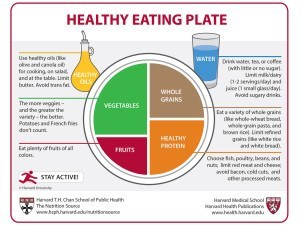 | |
| Whole Grains | Grains |
| The Healthy Eating Plate encourages consumers to choose whole grains and limit refined grains, since whole grains are much better for health. In the body, refined grains like white bread and white rice act just like sugar. Over time, eating too much of these refined-grain foods can make it harder to control weight and can raise the risk of heart disease and diabetes. Read more about the health benefits of whole grains. | Although initially MyPlate did not tell consumers that whole grains are better for health, it has since been revised to suggest that consumers make at least half of their grains whole grains – an important update! |
| Healthy Protein | Protein |
| The Healthy Eating Plate encourages consumers to choose fish, poultry, beans or nuts, protein sources that contain other healthful nutrients. It encourages them to limit red meat and avoid processed meat, since eating even small quantities of these foods on a regular basis raises the risk of heart disease, diabetes, colon cancer, and weight gain. Read more about the benefits of choosing healthy protein. | MyPlate’s protein section could be filled by a variety of sources, including a hamburger or hot dog. Though the plate has been revised to suggest that adult consumers eat at least 8 ounces of cooked seafood per week, it still offers no indication that red and processed meat are especially harmful to health. |
| Vegetables | Vegetables |
| The Healthy Eating Plate encourages an abundant variety of vegetables, since Americans are particularly deficient in their vegetable consumption—except for potatoes and French fries. Potatoes are chock full of rapidly digested starch, and they have the same effect on blood sugar as refined grains and sweets, so limited consumption is recommended. Read more about the benefits of vegetables. | MyPlate does not distinguish between potatoes and other vegetables. |
| Fruits | Fruits |
| The Healthy Eating Plate recommends eating a colorful variety of fruits. Read more about the benefits of fruits. | MyPlate also recommends eating fruits. |
| Healthy Oils | (Not included in MyPlate) |
| The Healthy Eating Plate depicts a bottle of healthy oil, and it encourages consumers to use olive, canola, and other plant oils in cooking, on salads, and at the table. These healthy fats reduce harmful cholesterol and are good for the heart, and Americans don’t consume enough of them each day. It also recommends limiting butter and avoiding trans fat. Read more about the benefits of healthy fats and oils. | MyPlate is silent on fat, which could steer consumers toward the type of low-fat, high-carbohydrate diet that makes it harder to control weight and worsens blood cholesterol profiles. |
| Water | Dairy |
| The Healthy Eating Plate encourages consumers to drink water, since it’s naturally calorie free, or to try coffee and tea (with little or no sugar), which are also great calorie-free alternatives. It advises consumers to avoid sugary drinks, since these are major contributors to the obesity and diabetes epidemics. It recommends limiting milk and dairy to one to two servings per day, since high intakes are associated with increased risk of prostate cancer and possibly ovarian cancer; it recommends limiting juice, even 100% fruit juice, to just a small glass a day, because juice contains as much sugar and as many calories as sugary soda. Read more about water and other healthy drinks, and learn about calcium, milk and health. | MyPlate recommends dairy at every meal, even though there is little if any evidence that high dairy intakes protect against osteoporosis, and there is considerable evidence that too-high intakes can be harmful. As for sugary drinks, MyPlate says 100% fruit juice counts as part of the Fruit Group. |
I don’t know about you, but I will take NATURE and common sense over science all the time. The science is still trying to figure out what Mother Nature and common sense has taught us for millions of years; get your nutrition from a wide range of sources and everything in moderation. That is the best, healthiest diet we can follow. Everything in moderation.
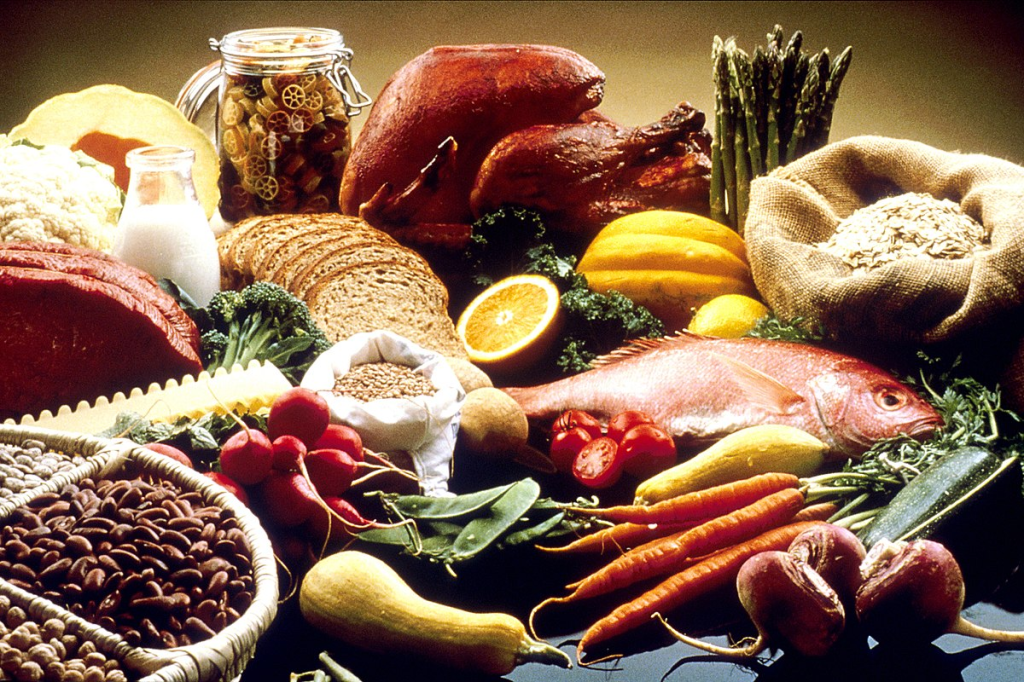
I hope you have all learned a little more about a healthy diet today. That was definitely my plan. I want everyone to stay healthy and to stay well. Have a great day and make everyday great. ‘Til next time.

 A Jeanne in the Kitchen
Thanks for sharing. Have a great day. 🙂
LikeLike
Excellent information.The history of “science” – especially medical science – is riddled with all sorts of damaging beliefs that we were supposed to accept, because… “science!” One notorious example is Keyes’ “7 countries study” that led to the promotion of the Mediterranean Diet as being the healthiest. In reality, they studied data from 21 countries, if I remember correctly, and simply dropped the data from countries that contradicted the conclusions they were shooting for. It made Keyes very prominent, but it was based on a fraud. Which is a shame, because he did so well with his starvation study near the end of WWII, where volunteers agreed to undergo starvation similar to what they knew people in war torn Europe were going through, so as to know how to safely bring people back to health without making them worse. The volunteers were left with life long health problems related to their starvation period, but every one of them, when interviewed years later, felt it was worth it for the good that it did. Interestingly, the “starvation” level was an average of 1800 calories (with individual differences) per day. Today, most calorie reduced diets are far less than that.
Some months ago, I came across an article about people’s diets in the 50’s. It included lists from the time period, documenting types of foods eaten, and how much, on average. People ate so much butter that it had its own line; there was “butter” and “fats other than butter” listed. They also ate shocking amounts of refined sugar and salt. The average adult ate about 3000 calories a day, regardless of socio-economic status or gender. The only real difference was the quality of food based on economic status. Based on what we’ve been told in the decades since, everything they ate was “wrong” and should have meant that everyone was fat and sick. Instead, it was the opposite.
Our bodies are such complex organisms, the more we learn about how they work, the more it becomes clear just how little we know and understand! Particularly since each individual can be very different. What is good and healthy for one person, can be damaging for another, even without taking into consideration things like allergies or if someone has Crohn’s, etc. The “one size fits all” attitude about diet is based on averages, and doesn’t take individual needs and responses into account at all.
LikeLiked by 1 person
Thank you for this information as well. Great stuff. 🙂
LikeLiked by 1 person
Great post!
LikeLiked by 1 person
Merci. 🙂
LikeLiked by 1 person
Thanks! We think part of the problem is eating too much. Meaning that even if you balance fruits, carbs, fat et cetera, too much of it is simply not what your body needs.
LikeLiked by 1 person
I totally agree. Portion control is so much of a good healthy diet.
LikeLiked by 1 person
I don’t follow the food pyramid, it is not right, never was, and never will be! X
LikeLiked by 1 person
Exactly, but for a long time, it was all there was.
LikeLike
I cannot agree more. Very important post.
LikeLiked by 2 people
Thank you. As you know, I love to learn and I love to share what I learn. 🙂
LikeLike