Sesame seeds are some of the oldest cultivated crops in the world, with origins debated between the Indian subcontinent and Africa, and domestication dating back at least 5,500 years. Their popularity spread across the Silk Road, as did many other ancient foods and products traveling along this path. Ancient civilizations across Mesopotamia, Egypt, and China valued sesame for food, medicine, and the oil it produced.
Sesame seeds come from a plant in the Pedaliaceae family called Sesamum indicum L. The plant is an annual herb with foxglove-like flowers that produce pods containing the edible sesame seeds. The pods burst open with a pop when the seeds are mature. This is where the phrase “open sesame” comes from; the bursting open or popping open of the seed pods. The hulls are removed as they contain oxalic acid, which gives them a bitter flavor. Sesame seeds go by many names depending on what part of the world you are in, including beniseed, sesame, sesamum, gingelly, simsim, and til. The phrase, “open sesame” was made famous from Ali Baba and the Forty Thieves tale from the One Thousand and One Nights collection, where it is the magical phrase Ali Baba uses to open a hidden cave.
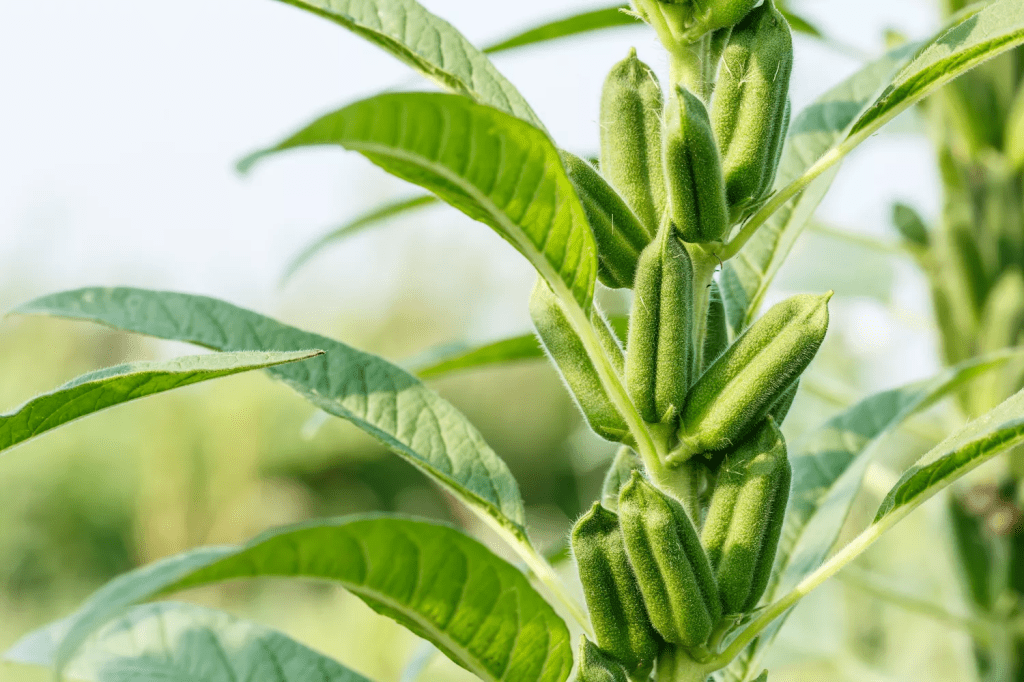
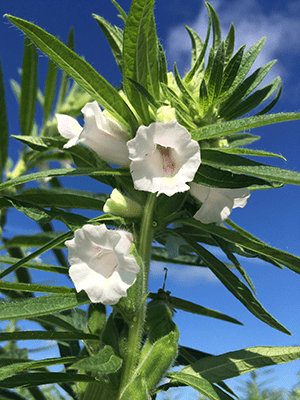
Sesame seeds are easily produced in dry, arid regions because they are robust and drought tolerant. It is believed they were first cultivated in Africa, and then were taken to India via the Silk Road, where they became very popular with many countries and cultures. Today, the biggest producers of sesame seeds are China, India and Myanmar. Some of the world’s biggest importers of sesame seeds include, Japan, Canada, The United States, The Netherlands, France and Turkey. The seeds are used for many different reasons, but mostly to turn into sesame oil, a popular cooking oil used all over the world, in many different cultures. Sesame seeds contain around 50% oil, making them one of the richest sources of edible oils available. Seeds are also used for baking, or for making spreads and pastries too. Most of the time, the seeds are roasted or toasted before being processed or eaten, but they can be eaten raw as well. They have slight nutty flavor and texture, and the flavor and texture intensifies through the roasting process.

There are two types of sesame seeds – black and white. Black sesame seeds, unhulled, are seeds with a more pungent flavor than white seeds, or hulled seeds, thanks to the presence of the hull. They are more intensely nutty and a touch bitter, and the hull delivers a chewy texture which contrasts with the creamy, oily interior.

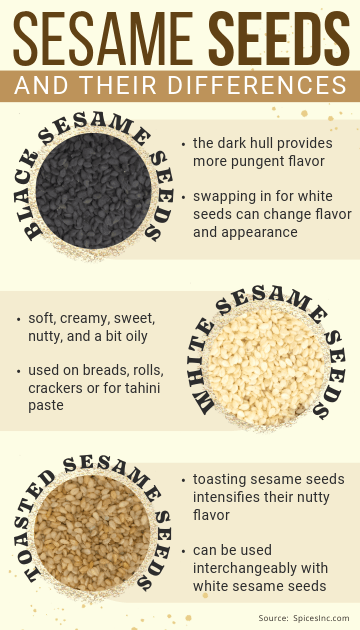
Tahini is a Middle Eastern condiment made from ground sesame seeds. The most common variety comes from hulled seeds, but unhulled seeds can also be used; the latter variety is slightly bitter, but more nutritious. The seeds are more commonly roasted than raw. Sesame seeds are also part of the Middle Eastern Za’atar seasoning mix. They are also used in many Asian dishes as well. In India, the sesame seeds are used for many things, including making their ghee.

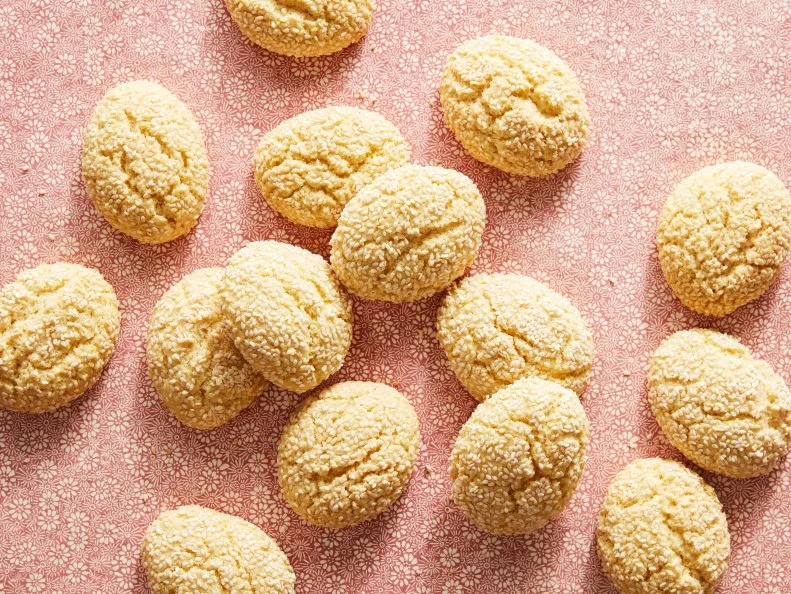
Many foods, from many cultures use sesame seeds. Middle Eastern dishes like hummus and falafel, Asian cuisines using sesame oil, and common baked goods such as bagels and burger buns, as well as cereals like granola, snacks like crackers and halvah, and processed foods including some vegetarian burgers and processed meats, and much, much more. The possibilities are endless and are only limited by your imagination.

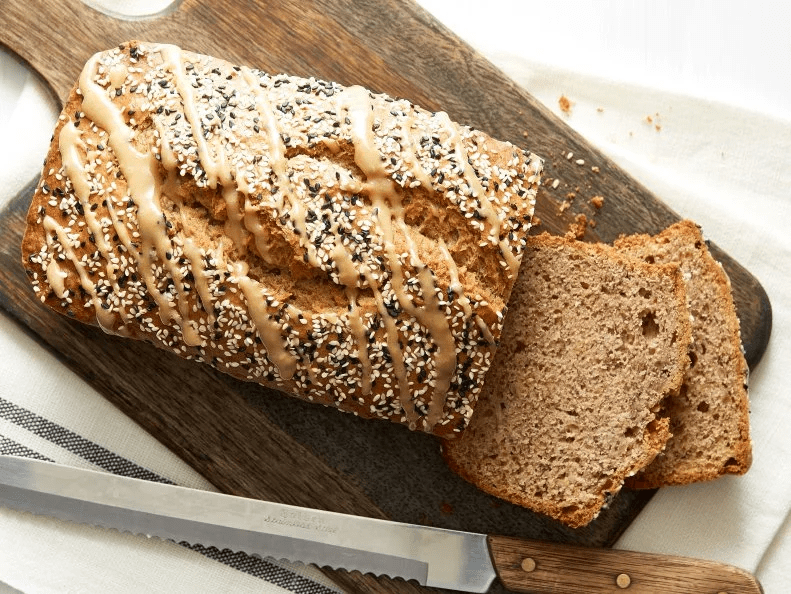
As with a lot of old traditional foods, there is a lot of symbolism and folk lore behind the use of sesame seeds. They are known as the lucky food due to their association with prosperity, fertility, longevity, and immortality across various cultures. This symbolism is connected to their rapid growth, impressive abundance, and resilience as a crop.
In Ayurveda and traditional Chinese medicine, sesame is regarded as a balancing food. It improves blood circulation, soothes nervous disorders, and promotes restful sleep. Eating sesame in the evening, for example in the form of oil or paste, may help calm the mind and facilitate sleep.
There are many different health benefits to eating sesame seeds and the products made from them.
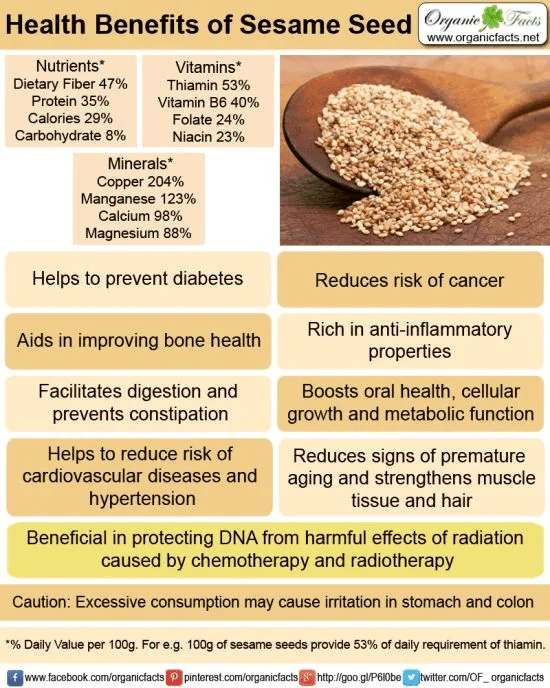
1. Vitamins and minerals. Sesame seeds are a good source of several B vitamins, vitamin E, iron, calcium, magnesium, phosphorus, and zinc.
2. Fiber. Three tablespoons of unhulled sesame seeds contain 3.5 grams of fiber, which supports digestive health and may reduce your risk of heart disease. Eating more sesame seeds is a good way to increase your daily dietary fiber intake.
3. Healthy fats. Sesame seeds are high in quality protein and healthy fats. These vital fatty acids and amino acids give your body energy.
4. Anti-inflammatories. Sesame seeds contain copper, which acts as an anti-inflammatory and can help reduce swelling and relieve pain.
5. Antioxidants. Sesame seeds provide antioxidants to protect against chronic diseases, and minerals like calcium and magnesium for strong bones and healthy cell function
Just like with anything though, if you are sensitive or allergic to sesame seeds, you should avoid them. Sesame seed sensitivities include things like certain digestive disorders due to high fiber content, and can affect those with low blood pressure, diabetes, or bleeding disorders due to their potential effects on blood sugar and clotting. Additionally, pregnant women, people with gout due to oxalate content, and individuals with certain types of breast cancer should consult a healthcare provider before consuming sesame seeds.
Besides the culinary uses for sesame seeds, many ancient cultures also used the oil for things like perfumes, skin care products and lotions. Ancient Babylonian woman used sesame seed oil to help them stay young and beautiful. There are other ancient uses for the sesame oil as well. The Chinese used to burn black sesame seed oil to make their inks for writing and painting.


So open sesame, and open your world to the many different possibilities and uses these tiny seeds and their oils present.
Have a great day and make everyday great. Stay safe and stay well. ‘Til next time.


Fascinating! Thanks for sharing. 🙂
LikeLiked by 1 person
Thank you. My pleasure. Glad you enjoyed it. 🙂
LikeLike
Another of your wonderfully informative and interesting posts.
LikeLiked by 1 person
Merci. I like doing these. 🙂
LikeLiked by 1 person
I love sesame chicken! Yummy!
LikeLiked by 1 person
Thank you. 🙂
LikeLike
A great write up of this fantastic seed! I appreciate you broadening my knowledge (and I love sesame seeds! ).
LikeLiked by 1 person
Thank you. Glad you enjoyed it. My pleasure. 🙂
LikeLike
We just had sesame seeds sprinkled over a very yummy dish Jeanne…
https://thehappyfoodie.co.uk/recipes/charred-cauliflower-on-sesame-beans/
LikeLiked by 1 person
Looks yummy. Great minds are thinking alike. 🙂
LikeLike
Fascinating.
LikeLiked by 2 people
Thank you. I try to keep you in the know. 🙂
LikeLike