Pumpkins come in many forms and are popular in most countries and cultures around the world. Squash are part of the pumpkin family too. They have been around for roughly 9,000-10,000 years, originating in the Americas. The pumpkin is one of the world’s oldest cultivated plants. The origin of the common pumpkin (Cucurbita pepo) has been scientifically dated from 10,700 to 9,200 B.C. They were an integral part of the diet and the culture of many of the South and Central Americans, and particularly with the Mayans, Incas and Aztecs. They were valued for the food they produced, as well as for medicinal purposes and for ceremonial and festive practices too. The common pumpkin originated in the Southern areas of Mexico, and most likely was brought to Europe first after the discovery of America.

At first, it was just the seeds, or pepitas, that were consumed and used since the fleshy parts were considered to bitter to eat. The seeds have a subtly sweet, nutty flavor and a satisfying crunch, making them a popular ingredient in a wide variety of dishes. Pumpkin seeds are often roasted and eaten as a snack or added to salads, granola, and baked goods. They can also be ground into a paste or butter and used in sauces and dressings. But by the times of the Mayans and the Aztecs, about 7,000 years ago, people had learned to cook the flesh and started eating the flesh too, as a dietary staple. Today, pumpkins and their seeds are eaten and enjoyed in most parts of the world.

There are two main types of pumpkin seeds: hulled and unhulled. Hulled pumpkin seeds have had their outer shell removed, while unhulled seeds still have their shells intact. Both types are edible and offer similar nutritional benefits. Pepitas and pumpkin seeds are the same, but not. The primary difference between the two seeds is that pepitas are pumpkin seeds without the hard outer shell, and they typically come from specific types of pumpkins, like the Styrian pumpkins, that are naturally hulless or have a very thin hull. Pumpkin seeds, as they are commonly referred to, include the seeds with the hard, white outer shell. These contain more fiber than the pepitas. Both have interchangeable uses though.
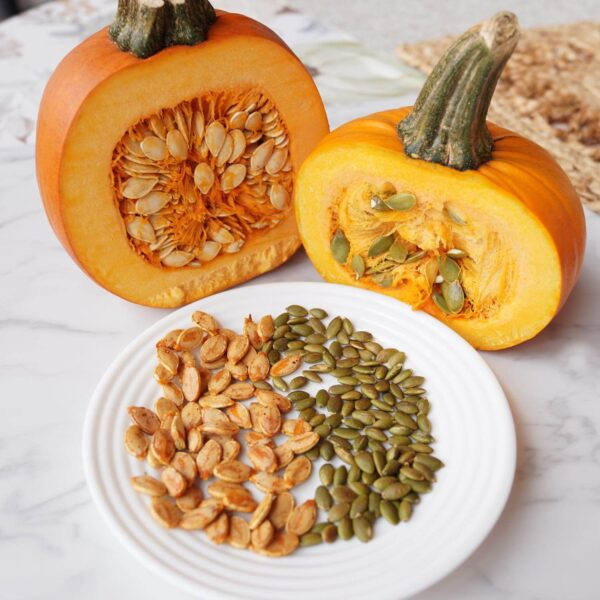
The Cucurbitaceae family of vegetables includes the pumpkin, which is grown in warm climates worldwide. There are more than 600 different varieties of pumpkin seeds. Among all, it is said that Pumpkin Pepo seeds account for the majority of pumpkin seeds used for food. Typically, pumpkin seeds have a tough outer shell that needs to be peeled to be cooked or processed.

Pumpkin seeds are commonly used in Mexican, Native American, and Middle Eastern cuisines, where they are incorporated into various dishes, such as mole sauces, salads, and desserts. Pumpkin seeds were also a celebrated food among many Native American tribes, who treasured them both for their dietary and medicinal properties. I love roasted pepitas, and eat them all the time. I tend to use them mostly in salads, though I use them in sauces too. I love pumpkins as well, and eat them a lot during the fall and winter months, in a wide variety of different ways.
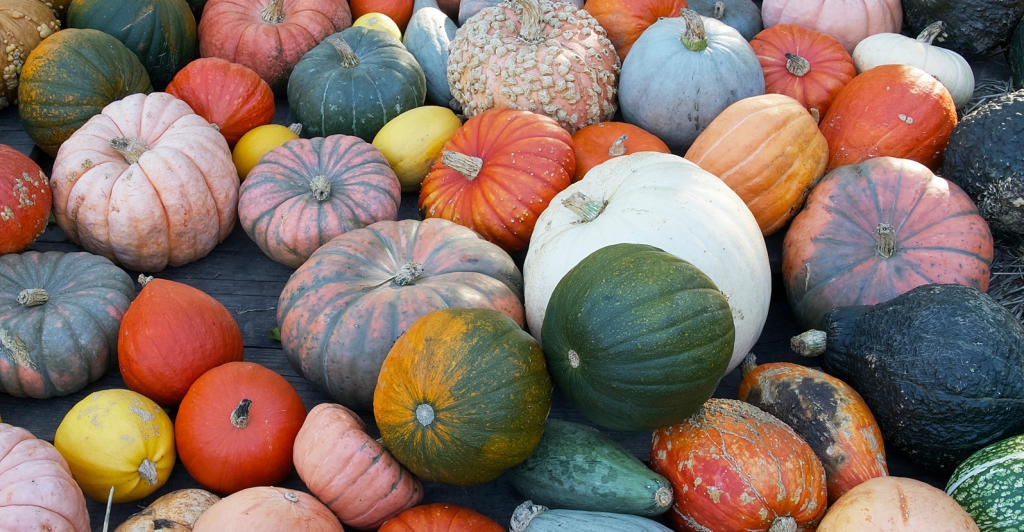
Pumpkins and their seeds are both delicious and healthy. They are loaded with all kinds of nutrients, and are great sources for iron, magnesium and zinc as well. Pumpkin seeds are nutrient-dense, providing essential vitamins, minerals, healthy fats, and antioxidants that support overall health and well-being. They are also high in fiber, which can cause diarrhea if too many are eaten at one time. Native Americans, both from North and South America, used the seeds for all kinds of medicinal purposes. Native Americans used pumpkin flesh and seeds for food, and their use of the seeds for the treatment of intestinal infections eventually led the United States Pharmacopoeia to list pumpkin seeds as an official medicine for parasite elimination from 1863 to 1936. Here are some other health benefits to eating pumpkin and pumpkin seeds:
- Heart Health: Pumpkin seeds help support heart health by reducing inflammation and regulating blood pressure, thanks to their rich content of healthy fats, antioxidants, and magnesium.
- Immune Support: The high zinc content in pumpkin seeds aids in strengthening the immune system, promoting overall wellness.
- Bone Health: Pumpkin seeds provide a good source of magnesium, which is essential for maintaining strong bones and preventing osteoporosis.
- Sleep Aid: The tryptophan content in pumpkin seeds helps promote better sleep by increasing the production of serotonin, a neurotransmitter that regulates sleep.
- Diabetes Management: Pumpkin seeds have a low glycemic index and help regulate blood sugar levels, making them a great snack for those with diabetes.
- Anti-Inflammatory: The antioxidants and healthy fats in pumpkin seeds help reduce inflammation in the body, which may alleviate symptoms of arthritis and other inflammatory conditions.
- Prostate Health: Pumpkin seeds contain compounds that may support prostate health and reduce the risk of prostate-related issues.
- Mental Health: The essential nutrients in pumpkin seeds, such as magnesium, zinc, and healthy fats, contribute to improved mood and cognitive function.

Aside from their dietary uses and benefits, pumpkins and their seeds were traditionally used in many other ways too. In the Americas, indigenous populations used pumpkin flesh, seeds, and even flowers for sustenance and as materials for containers and mats. The pumpkin shells were used as storage vessels for food. They were also used for various cultural practices with different symbolic meanings too. In North America, pumpkins are associated with the cycles of nature and connect people to the land and each other. In Mexico, pumpkins are part of the ceremonial practices and celebrations for the Day of the Dead or Dia de los muertes festivities. Ancient Europeans used pumpkins as a way to protect against evil spirits. In Romania it is believed that placing a pumpkin in the home can prevent bad luck and bring good fortune. And in most cultures around the world, pumpkins symbolize harvest and abundance.
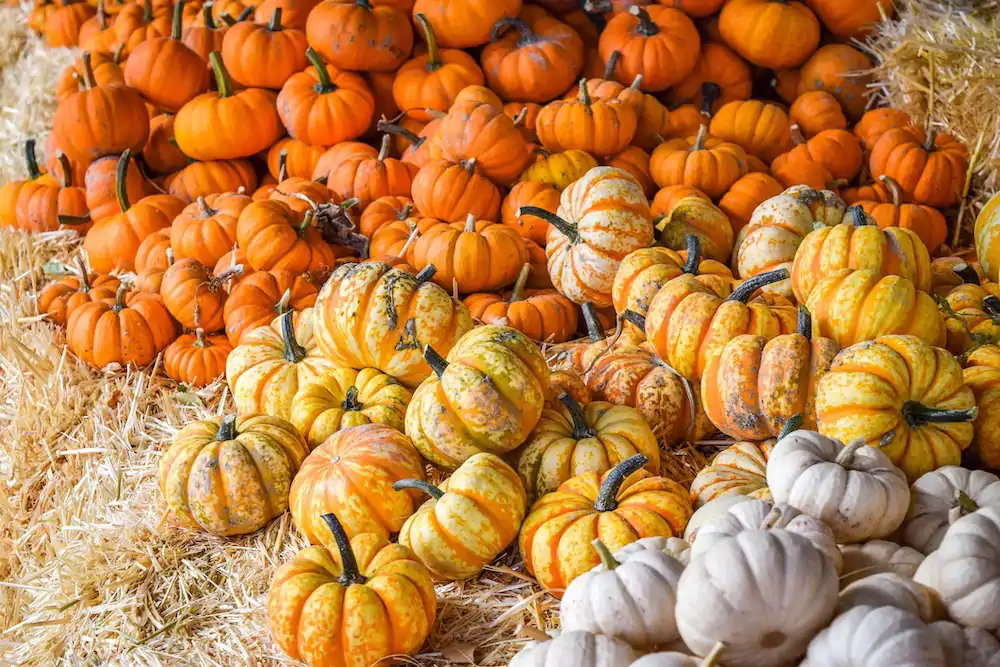
With fall coming and just weeks away, I thought it was good time to learn about the pumpkins and just how beneficial they are. Have a great day and make everyday great. Stay safe and stay well. ‘Til next time.


Great post! I love pumpkin seeds and now I know how good they are for me.
LikeLiked by 1 person
Thank you. I love them too. 🙂
LikeLiked by 1 person
I love roasted squash seeds, but they are terribly difficult to clean when I pull them straight from the source. I guess it’s worth the effort!
LikeLiked by 1 person
I agree. I love them too, but I buy them already prepared. 🙂
LikeLike
Work smarter, not harder. I’ll probably just buy them prepared from now on. 😉
LikeLiked by 1 person
I agree. 🙂
LikeLike
Thanks for sharing. Have a great day. 🙂
LikeLike
Such a glorious site! 👀🍃🎃
LikeLiked by 1 person
Yes indeed, and it’s almost pumpkin season again. 🙂
LikeLiked by 1 person
My, how time flies. 🦋
LikeLiked by 1 person
I’ve never tried pumpkin seeds! something new to try!
LikeLiked by 1 person
You might surprise yourself. You might really like them. 🙂
LikeLike
Pumpkin is also good for cats. You can make “cat soup” by blending wet cat food with some pumpkin (canned pureed pumpkin or, what we use, ground pumpkin seeds), lysine (strengthens the immune system) and warm water. The pumpkin is good for their digestive help and contain a chemical that helps combat worms.
LikeLiked by 1 person
I know pumpkin is good for dogs. I use it for my dogs all the time. I had no idea it was good for cats too. Thanks. 🙂
LikeLiked by 1 person