Lettuce is one of the oldest and most popular vegetables, having been around since around 4000 BCE. The first known lettuce was called kos or cos lettuce, named from the Greek physician Hippocrates. He named it kos because it came from the island of Kos, where he was from. It was first cultivated around 6,000 years ago in the Caucasus region of the Middle East, initially for its seeds and the oil it yielded. Over time, it spread to Egypt, Greece, and Rome, evolving from a seed crop to a leafy vegetable prized for its medicinal and culinary uses. Lettuce oils were also used as part of the elixirs used for love potions. As of 1866, there were over 65 lettuces grown and enjoyed all over the world, with China, Spain and The United States being the world’s largest producers of lettuce.

Lettuce gets its name from the Ancient Roman term lactuca sativa, roughly meaning milk producing. Yes, lettuce produces a milky sap-like substance when first cut. Lettuce produces this sap as a natural defense mechanism to heal cuts and deter pests. Lactucarium is a milky white substance found in the stems and leaves of lettuce, especially romaine and wild lettuce. This milky substance is responsible for the bitter taste of lettuce, but was also used for medicinal purposes for a variety of different ailments, including the use as a treatment for sleep disorders and pain relief. While generally safe, some people might experience mild drowsiness or allergic reactions.

By the 16th century, the popularity of lettuces had spread all over Europe, and at the time there were at least 8 different types of lettuce growing in England alone. It is believed England was were salads were first born, when botanist John Gerard “discovered that by mixing these leafy greens with oil, vinegar and a little salt to stimulate the appetite and to calm delicate stomachs” (p. 50 The Story of Food – An Illustrated History of Everything We Eat). The French and the Chinese cook their lettuces in a variety of different ways. The Chinese have been cooking their lettuce since the 7th century. They thought raw was lettuce unsafe to eat.

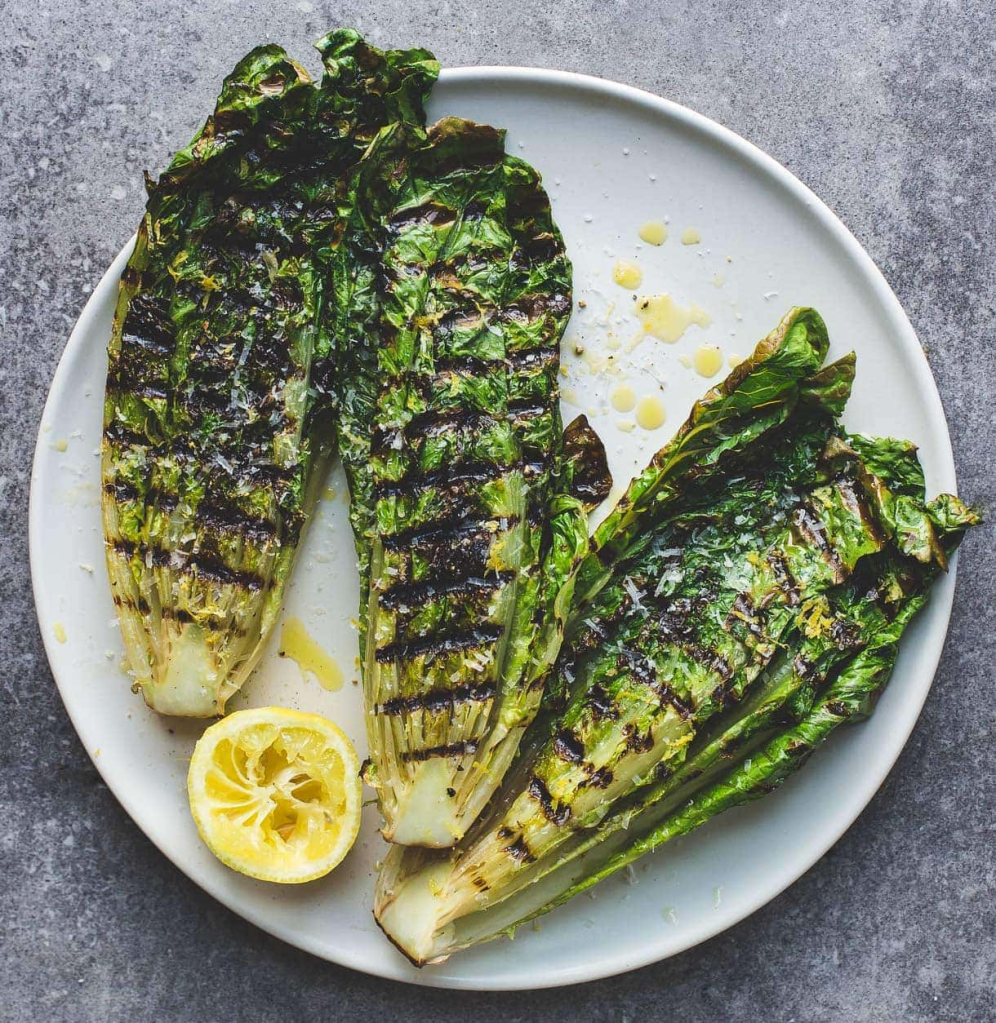
There are 4 main categories of lettuces – crisphead, butterhead, romaine, and looseleaf.
Iceberg lettuce is a type of crisphead lettuce. Its round head comprises tightly packed, crunchy leaves. Iceberg lettuce is a hardy, crunchy variety of lettuce that was created in the 1940’s. It was created because of its hardy qualities that allowed for it to be refrigerated for periods of time long enough for it to be easily transported and shipped. Iceberg lettuce is the most popular type of lettuce all over the world, accounting for roughly 90% of the lettuce consumption in both in North America and the rest if the world. Iceberg lettuce is a low-calorie, water-rich vegetable and a good source of vitamin K, vitamin C, folate, and potassium. While not as nutrient-dense as darker leafy greens, it’s a versatile and refreshing addition to salads, sandwiches, and wraps.

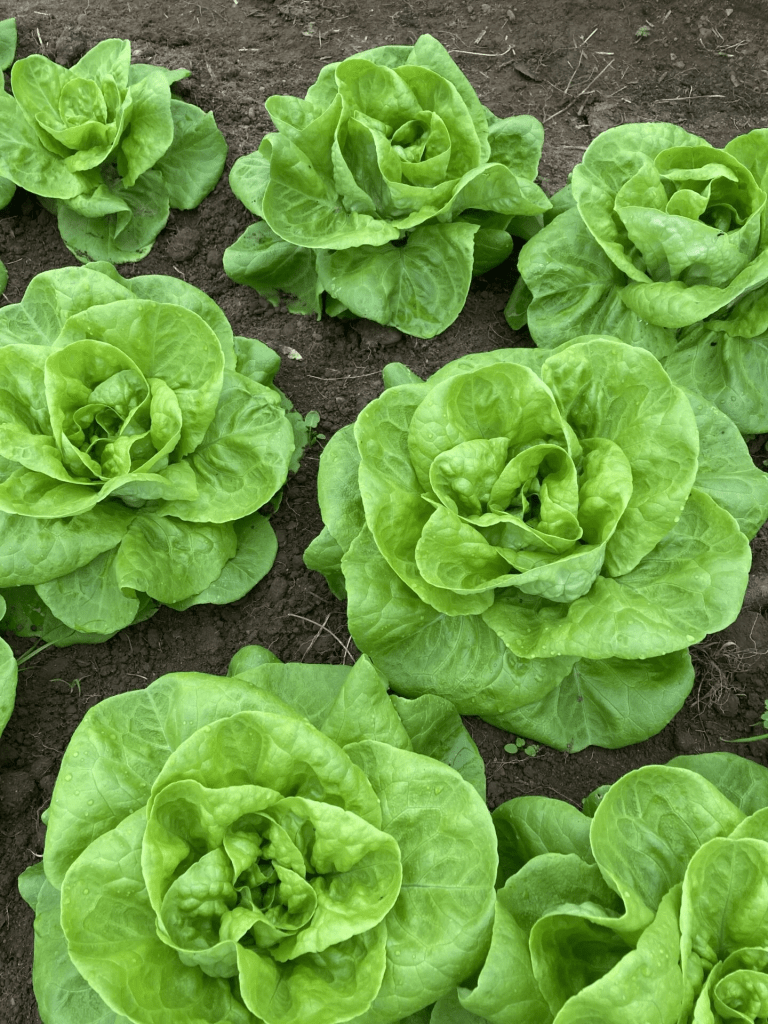
Butterhead lettuces are also round, but their leaves are looser, with a smoother texture. The sweet, tender leaves of butter lettuce make for simple everyday salad greens, but can also be transformed into an edible vessel for low-carb meals—think tacos or Korean grilled beef lettuce wraps using the large outer leaves of the plant. Butter lettuce may be easier for some people to digest because it has a low fiber content.
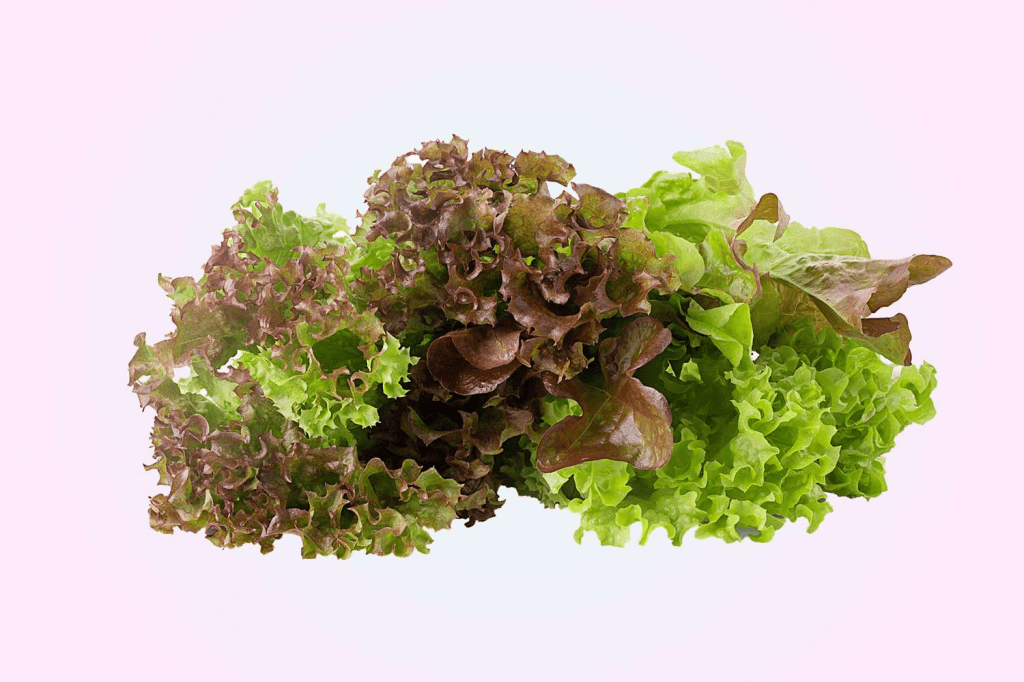
Looseleaf lettuce comes in both green and red leaves. They have loose open heads with ruffly tops and crisp stems. Loose leaf lettuce is one of the simplest lettuces to grow in home gardens and the type grown by most home gardeners. You just plant, water, harvest and eat! Loose leaf lettuce varieties are those lettuces that do not form a compact head. Their flavor tends to be mild and sweet. Looseleaf lettuce (includes romaine, Boston, redleaf, greenleaf, and butter-head varieties) is rich in Vitamin A, folate (folic acid), and potassium. It is moderately rich in Vitamin C and calcium. It is naturally low in calories, fat and sodium.
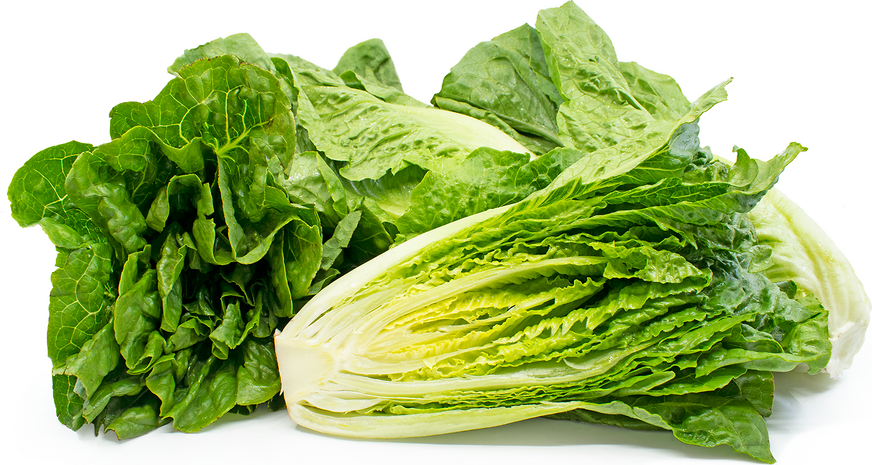
Romaine lettuce is a distant cousin to the ancient kos lettuce. Romaine lettuce, also known as cos lettuce, is a variety of lettuce characterized by its long, sturdy leaves with a firm rib down the center. It’s known for its crisp texture and mild, slightly sweet flavor, making it a popular choice for salads, particularly Caesar salads. Romaine is also versatile in cooking, and can be grilled, sautéed, or used in lettuce wraps. It’s a good source of vitamins A and K, folate, lutein, and zeaxanthin. Romaine lettuce is the healthiest version of lettuce and is jam packed with all kinds of nutrients, minerals and vitamins. It also has the highest fiber content out of all the different types of lettuces available too. Romaine lettuce is one of my favorites, but I enjoy all of the looseleaf lettuces a lot.
I remember many years ago, one of my cousins in Australia and I had a lengthy debate about the nutritional value of different lettuces. She was adamant in her belief that iceberg lettuce was the healthiest, most nutritious type of lettuce. I told her it wasn’t because it is mostly water. If memory serves me correct, I believe she actually consulted with a friend of hers who was a nutritionist before conceding that I was correct. I don’t know everything about food, but I DO know a lot about food, and what I don’t know I learn (this is true about many things really though). My cousin had to eat a little slice of humble pie on that one, and it was a bitter pill for her to swallow. A little lettuce humor, with the “bitter”. 🙂
As usual when I do these deep dives, I hope you learned something new and enjoyed the experience. Have a great day and make everyday great. Stay safe and stay well. ‘Til next time.

 A Jeanne in the Kitchen
Thanks for sharing. Have a great day. 🙂
LikeLike
I love this along with the Beatles punn! Very cool! 😎
LikeLiked by 1 person
Yep! I couldn’t resist. 🙂
LikeLiked by 1 person
Another of your fascinating and informative posts – thanks
LikeLiked by 1 person
Avec plaisir. 🙂
LikeLiked by 1 person
🪷
LikeLiked by 1 person
Fascinating information.
LikeLiked by 1 person
I have fun with these deep dives. I always learn so much too. 🙂
LikeLiked by 1 person
And share what you learn, which is wonderful.
LikeLiked by 1 person
Yes Ma’am. Always. Information is meant to be shared. 🙂 🙂 🙂
LikeLiked by 1 person
True.
LikeLiked by 1 person
🙂
LikeLiked by 1 person
fascinating facts about lettuce! I never knew it had such a fascinating history!
LikeLiked by 1 person
I love doing these deep dives into our food history. 🙂
LikeLike