I am going way off into the weeds today, into an area that is NOT my realm of expertise by any means of the imagination. I know food. But what we eat is very closely related to our own personal health too. So I am bringing them together today, in the hopes of being able to help all of us live our healthiest life yet.
I am looking into the benefits of holistic medicine vs. traditional medical treatments. I am doing so, because I am looking for answers for myself and my own medical issues, but I want to make it public as well, just in case it can help others too.
Holistic medicine is any healing practice that uses alternative methods to address health issues through natural, non-invasive means from a whole-person perspective. Popular forms of holistic medicine include acupuncture, acupressure, massage therapy, traditional Chinese medicine (TCM), body movement therapy, and naturopathic medicine.
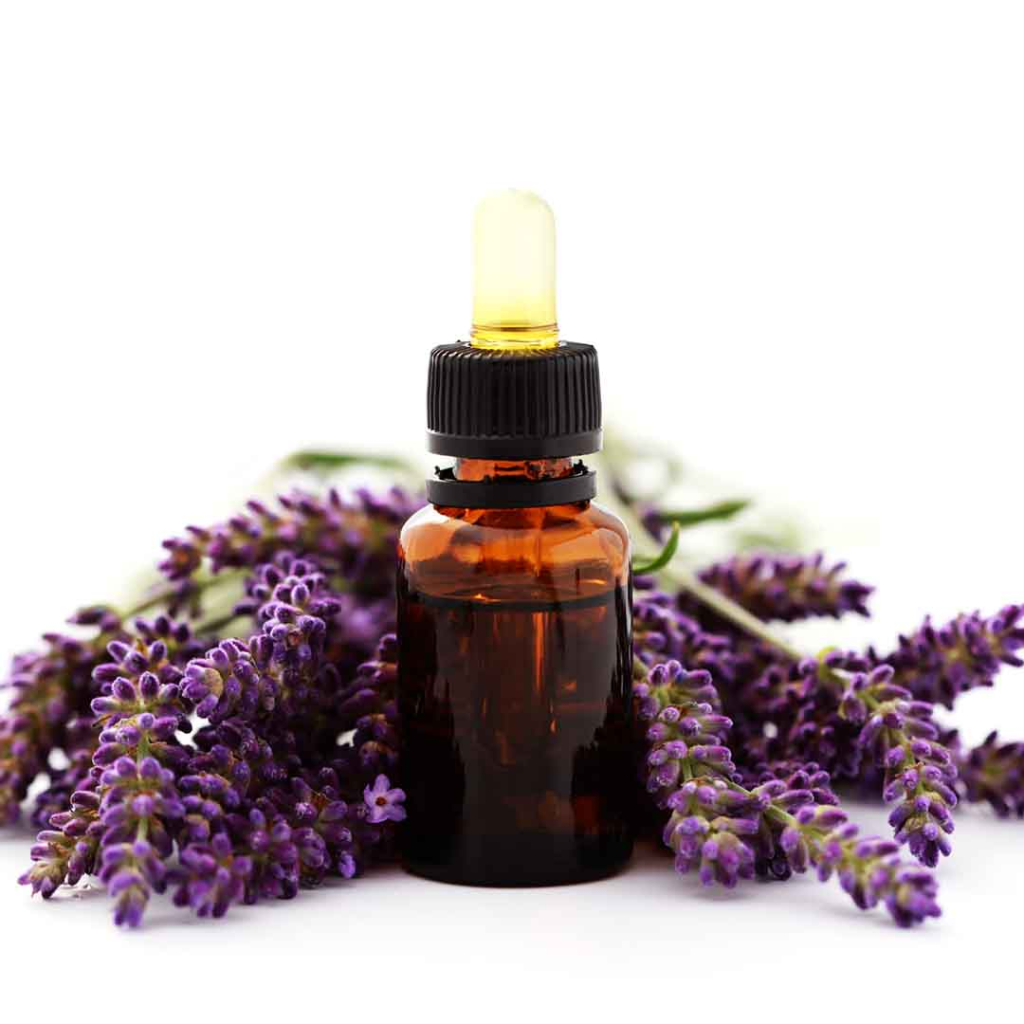
While conventional medicine is absolutely essential in some cases, many people are drawn to holistic medicine either on its own or as a complement to conventional medical treatments. Conventional medicine often focuses on treating specific diseases or symptoms with medication or surgery, while holistic health focuses on the whole person and their overall well-being. Holistic medicine allows patients to take a more active role in their own health through dietary and lifestyle changes, finding the tools to cope with stressors in a healthy way, and learning to identify personal health triggers by becoming more in touch with their bodies. A holistic approach to health means looking at the whole person—body and mind—and taking into account all external factors such as environment, lifestyle, outside stress, and more in order to determine the causes of health issues and treat them at their root. Conventional medicine often takes a more reactive approach, addressing illness after it arises, while holistic health takes a more proactive approach, focusing on prevention and lifestyle choices.

There are a number of types of holistic healing practices, and different holistic healthcare practitioners do different things, from acupuncture to herbal/botanical medicine to massage and manipulative therapy, but commonly when people talk about a holistic doctor what they mean is a naturopathic doctor, or ND. Licensed naturopathic doctors take a whole-body-and-mind approach to medicine with a focus on prevention. They collaborate with their patients to come up with individualized treatment plans that address diet, lifestyle, and mental wellness in order to achieve positive health outcomes.
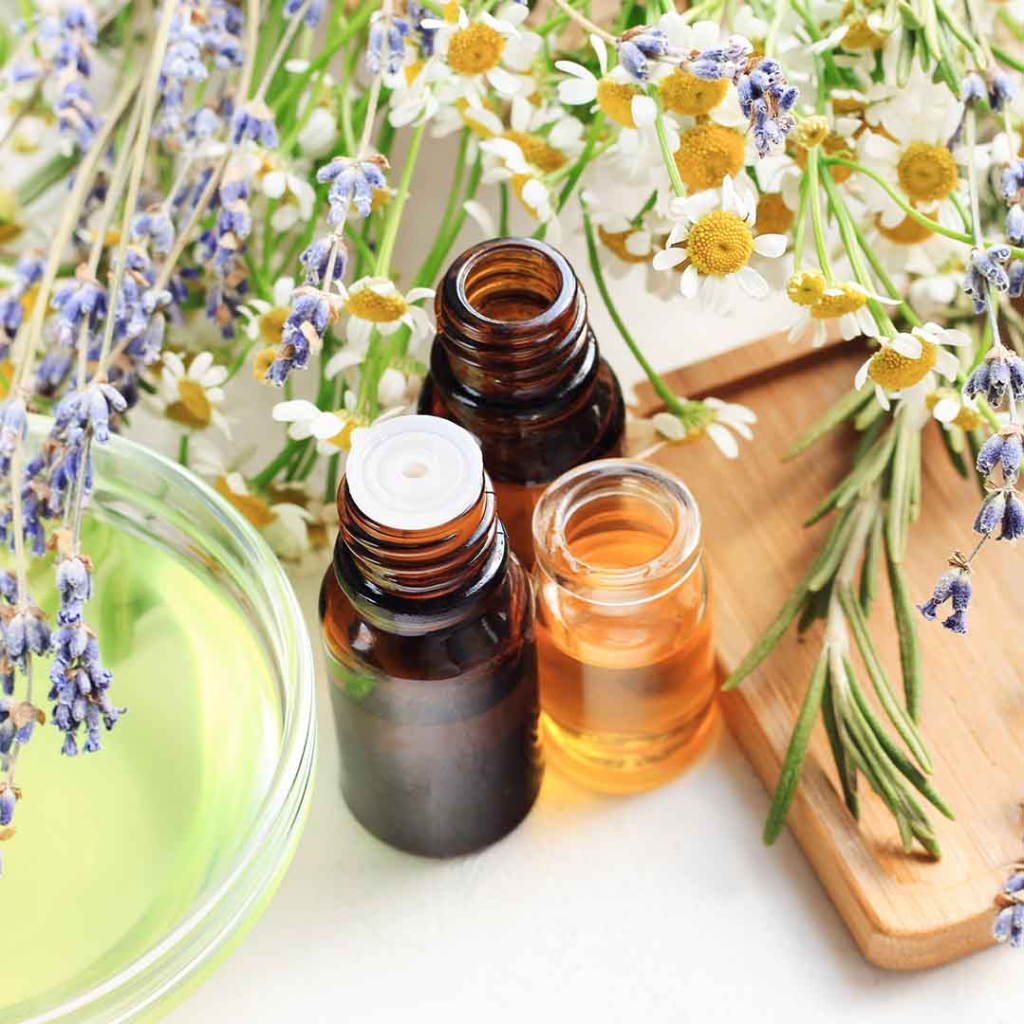
There are 6 main principles that NDs follow:
- Do No Harm – Naturopathic doctors use the least invasive approaches to healing. The intent of holistic medicine is to provide treatment that is safe, gentle, and does not cause any harm to the patient.
- The Healing Power of Nature – NDs recognize the value of our natural world in assisting the healing process. Not only do NDs utilize substances that originate in nature, but they also incorporate a healthy natural environment as foundational to human health. Naturopathic doctors recognize and harness the body’s inherent wisdom to heal itself in order to guide patients to wellness and total health.
- Identify and Treat the Causes – There is a time and place for symptom suppression, however most naturopathic patients will benefit from identifying the underlying causes of illness and removing obstacles to cure.
- Doctor As Teacher – The word “doctor” comes from the Latin “docere,” which means “to teach.” In naturopathic medicine, a doctor is someone who teaches healing as well as facilitates it. This focus on education empowers patients to take a more active role in their health and gives them the tools they need to implement healthy prevention practices into their daily life.
- Treat The Whole Person -Naturopathic medicine acknowledges the interconnectedness of various parts of the body and how a problem in one area may exacerbate or cause a problem in a seemingly unrelated area. A naturopathic doctor will also look at the connection between environment, lifestyle, and a person’s health, known as a holistic approach. By treating the whole person and their environment, NDs are able to better identify the triggers of health problems and properly treat the cause, not just the symptoms.
- Prevention – The prevention of potential problems is a major focus of naturopathic medicine. Naturopathic doctors work with patients to identify imbalances and behaviors that could cause illness if left unchecked, then coming up with a strategy to address these factors. By emphasizing prevention, NDs help patients take control over their health and maintain a sustainably healthy lifestyle.
Holistic medicine can be a beneficial avenue of healthcare for many people with varied health issues and desired outcomes, but it also has a reputation of being riskier than conventional medicine. When practiced by licensed naturopathic doctors – the risk to natural therapies is typically far lower than conventional treatment. Many people who have not tried holistic medicine before are concerned about whether it may be dangerous. It is important to understand that taking medical advice from an unlicensed naturopathic practitioner does come with a high risk and it is not recommended, just as it is not recommended to go to an unlicensed dentist or other healthcare professional. You should always make sure that you are consulting a fully licensed naturopathic doctor who has undergone the appropriate education in order to be qualified as a healthcare provider. Sometimes, people wonder if they should take health advice from anyone who is not a medical doctor (MD). It is crucial to understand that the level of education that a licensed naturopathic doctor has is very similar to that of an MD, they simply specialize in different aspects of medicine. Licensed NDs have completed a total of 8-11 years of education that includes supervised clinical practice, coursework, research, and laboratory experience. What a licensed ND has to go through for training and education is very similar to what medical doctors have to go through. Holistic medicine doesn’t replace traditional medicine. However, it’s key to the practice of integrative medicine. In an ideal world, holistic and traditional medicine should work together to enhance and strengthen each others healing methods.
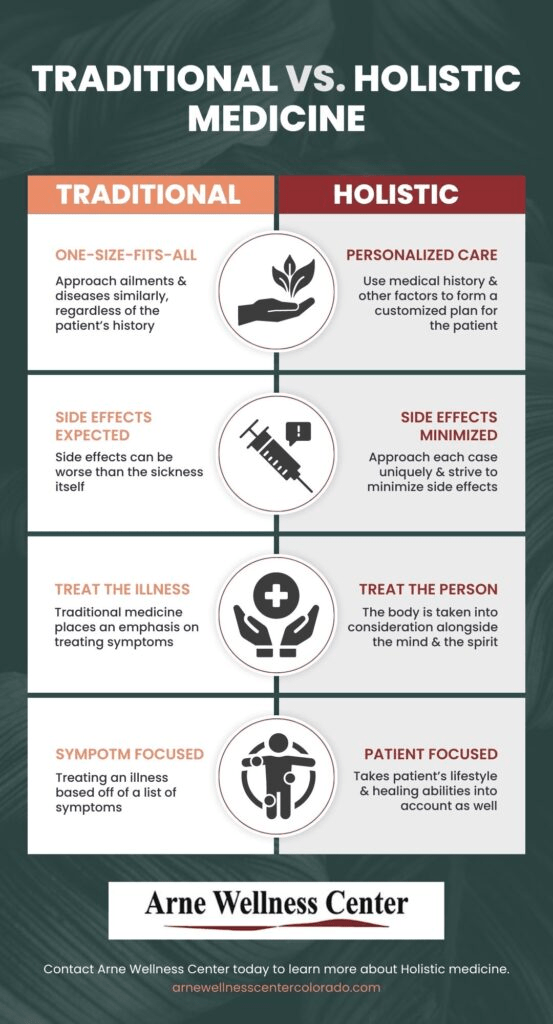
The holistic approach to health and well-being emphasizes the interconnectedness of four key pillars: physical, emotional, spiritual, and social health. These pillars form the foundation for a balanced, fulfilling life, as they work together to support overall well-being. A holistic doctor may use all forms of health care, from conventional medication to alternative therapies, to treat you. Your therapy will be customized to fit your specific needs, rather than a one-size-fits-all approach.
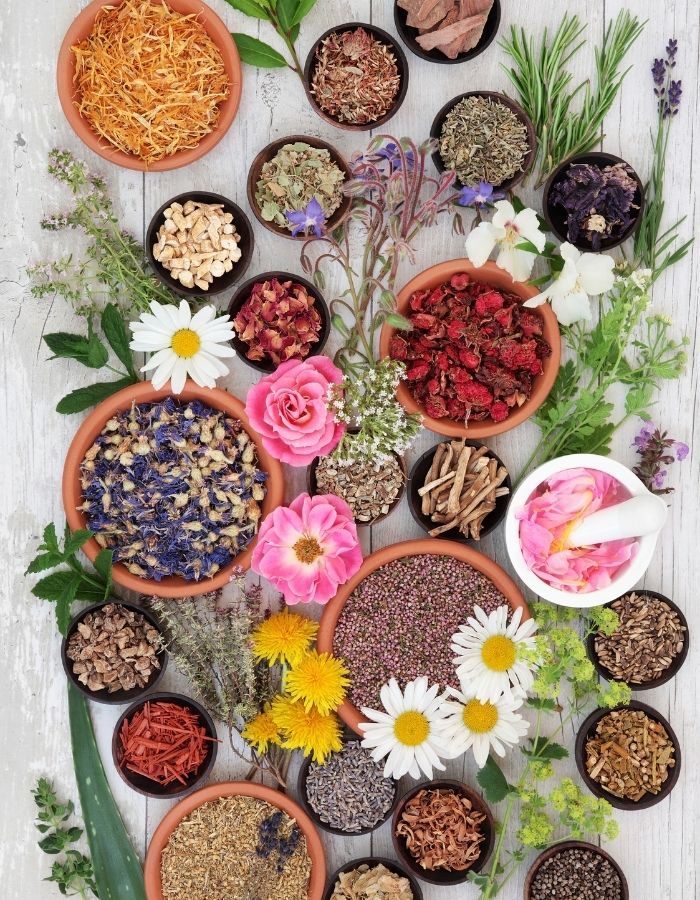
There are disadvantages of taking a holistic path as well though. Many insurance companies do not cover holistic treatments because alternative medicine is generally not considered part of traditional health care and many health plans do not cover these visits. This means that many holistic treatments are paid out of pocket, and they can be expensive. The average cost of a naturopathic visit. In most practices, an initial visit with a naturopathic doctor ranges from $150–400, with some clinics—particularly in high-cost areas—charging up to $750*. Follow-up visits typically fall between $150–200, reflecting the longer appointment times, which often last 45–90 minutes.
Natural substances may have beneficial health effects but they also can cause harm. For instance, many herbal remedies have the potential to interact with prescribed drugs. The risks of CAM (Complementary and Alternative Medicine) are probably less serious than those of synthetic drugs, but they are by no means non-existent or negligible.
A holistic diet emphasizes eating whole, unprocessed foods and considers the interconnectedness of physical, mental, and emotional well-being. It’s about nourishing the body with nutrient-rich foods while also being mindful of how eating habits impact overall health and lifestyle. This approach focuses on balance, sustainability, and listening to your body’s natural cues. Creating a balanced meal plan for a holistic lifestyle requires more than just counting calories or macros. It involves mindful eating, incorporating a variety of nutrient-dense foods, and aligning your diet with your body’s unique needs. Holistic nutrition is based on the idea that food is not just fuel for the body but also medicine that can heal, prevent disease, and promote well-being. It encourages a whole-foods approach, meaning consuming foods in their most natural, unprocessed form. Focus on consuming foods that are as close to their natural state as possible.
- Eat Whole or Unprocessed Foods – Fresh fruits, vegetables, whole grains, nuts, seeds, legumes, and lean proteins should form the cornerstone of your diet. Avoid highly processed foods, refined sugars, and artificial additives, as they lack the nutrients your body needs to thrive.
- Everything In Moderation and Keeping It Balanced – A holistic approach to nutrition emphasizes balance in all things. Instead of rigidly restricting certain food groups or following fad diets, holistic eating encourages moderation and variety. By consuming a range of foods, you ensure that your body gets a wide array of nutrients, from vitamins and minerals to fiber and healthy fats.
- Make It Personal – A holistic approach to nutrition emphasizes balance in all things. Instead of rigidly restricting certain food groups or following fad diets, holistic eating encourages moderation and variety. By consuming a range of foods, you ensure that your body gets a wide array of nutrients, from vitamins and minerals to fiber and healthy fats.
- Be Mindful of What You Are Eating – This involves paying attention to the experience of eating—savoring each bite, eating slowly, and being in tune with hunger and fullness cues. Eating when you’re hungry and stopping when you’re satisfied can help prevent overeating and promote a healthy relationship with food. This mindful approach to eating can also help with managing stress and emotional eating, which can often be a factor in maintaining a holistic lifestyle.
A balanced holistic meal plan includes all the essential nutrients your body needs to function optimally while promoting a sense of well-being. Here are the key components you should include in your meal planning:
Healthy Carbs such as whole grains (brown rice, quinoa, oats), starchy vegetables (sweet potatoes, squash), and legumes. These foods are rich in fiber, which supports digestive health and helps regulate blood sugar levels.
Lean Meats and/or Proteins – Protein is essential for muscle repair, immune function, and overall cellular health. Opt for lean protein sources like beans, lentils, tofu, tempeh, and organic, free-range poultry or fish. Incorporating plant-based protein sources like legumes and nuts can also provide added fiber and essential minerals.
Healthy Fats – Healthy fats, such as those found in avocados, olive oil, nuts, seeds, and fatty fish (like salmon), are essential for brain health, hormone balance, and inflammation reduction. Avoid trans fats and limit saturated fats, focusing instead on omega-3 and omega-6 fatty acids, which promote cardiovascular health and cognitive function.
Keep Yourself Hydrated – Proper hydration is a fundamental aspect of holistic nutrition. Water supports digestion, detoxification, and cellular health. Aim to drink plenty of water throughout the day, and consider incorporating herbal teas for added antioxidants and hydration. Coconut water, fresh juices, and smoothies made with whole fruits and vegetables can also contribute to your fluid intake.
Vitamins and Minerals – Fruits and vegetables should make up a large portion of your diet, as they are rich in vitamins, minerals, and antioxidants. Aim to eat a colorful variety of produce to ensure you’re getting a broad spectrum of nutrients. Dark leafy greens (like spinach and kale), cruciferous vegetables (such as broccoli and cauliflower), and vibrant fruits (like berries, oranges, and apples) are particularly nutrient-dense.
Herbs and Spices – Herbs and spices are not only flavorful but also packed with healing properties. Incorporating spices like turmeric, ginger, garlic, cinnamon, and cayenne into your meals can provide anti-inflammatory and antioxidant benefits. These natural flavor enhancers can also help improve digestion and overall well-being.

For the most part, I follow all these healthy guidelines, and always have. I much prefer good, wholesome foods to junk foods any day. And I do my best to make everything from scratch, using the best and freshest ingredients, and I have always been extremely healthy, other than my bad, horrible knees. The only other issues I have are my thyroid issues. And these are big. I have been on 2 different kinds of thyroid medications for many years, and I am trying to find a way to get off them. From the research I’ve done, I haven’t found any alternatives to thyroid medications though, but my search continues. I just went to my doctor today, and discussed all of these concerns with her. She is supportive and understands my quest. I have been on these two medications for about 9 years, and not only do I find them not making any difference at all, but I think they are actually exasperating the problems and making them worse. I am used to being fit and healthy, and since I’ve been on my thyroid medications, all I’ve done is balloon out and gain tons of weight. I am so frustrated and am at my wits end. And my thyroid is still completely out of whack, and has actually become worse. So I am looking for alternative solutions.
I AM NO doctor, and I DO NOT suggest anything to anyone other than you have to do your own research and discuss things with your own doctor. ASK questions. LOTS of questions. Do your own research. You have to do what’s right for you and your body. ONLY YOU AND YOUR DOCTOR can determine what is best for your own health. Do what’s best for you.
I hope this information is useful to you. I know it is completely different than my normal blogs, but sometimes we all have to branch out to different areas at times. Best of luck to all of you. Live your healthiest life yet and become the best version of you that you can be.
Have a great day and make everyday great. Stay safe and stay well. ‘Til next time.

 A Jeanne in the Kitchen
Great post! We’ve used a naturopathic (a real one) doctor for years. He’s our age, and he just retired. We really haven’t figured out what to do yet. He was amazing.
LikeLiked by 2 people
Thank you. I think more and more people are looking for holistic alternatives. I know I sure am. 🙂
LikeLiked by 1 person
If you want to get an ND, I hope you live in a state where they’re recognized as real doctors, which they are. Oklahoma doesn’t recognize them, so he had to jump through certain hoops, and eventually move to Washington state in order to write prescriptions. Utah I know is the same way. It’s terrible. But because they aren’t recognized here, where I live, anyone can call himself a naturopath.
LikeLiked by 2 people
Thank you for that. I think Colorado does recognize NDs, but I will do some more research. 🙂
LikeLike
Very interesting post here Jeanne! I’ve learned a lot after reading it!
LikeLiked by 3 people
Thank you. 🙂
LikeLike
💜🍃💚🙌🏼
LikeLiked by 1 person
A great post Jeanne. I try to manage my health with natural/ holistic methods but have never been to a naturopath both because they are hard to find and because of the expense. It ticks me off that health insurance does not pay for holistic treatments. Shouldn’t we have the right to choose?
Thankfully, I have been able to manage my Parkinson’s disease quite well through exercise and supplements so far. Until recently, when I was diagnosed with hypothyroidism, I was not on any medication. Now I am on a small dose of thyroid med but not sure if it is doing any good.
While you are doing your research you might want to check out a company called Gene Food. They have diet plans based on your genetic makeup. The premise is that our genes determine how our bodies deal with the things we consume (food, nutrients and even toxins), I have not yet enrolled in their plan, but they do have a free blog on their website and a free newsletter you can sign up for. Here is an article on their blog about hypothyroidism https://www.mygenefood.com/blog/hypothyroidism-and-nutrition/
LikeLiked by 2 people
Thank you for the information Ruth. Great to know. I will follow Gene Food. Good luck with your hypothyroidism. I have that too. I have gained over 50 lbs since I have been on my thyroid medications. I also have had a goiter for 9 years too, and it is getting worse, NOT better, hence my decision to start looking into other alternatives. I am not seeing any improvements at all, and my conditions are getting worse, not better.
LikeLiked by 1 person
Very creative blog post! For how long are you travel writing?
LikeLiked by 1 person
I have been blogging for over 7 years. I write about a wide variety of topics, including travel, food and anything food related, and my photography. basically, I write about living life to the fullest. :P)
LikeLiked by 2 people
Wow that’s amazing! So we started around the same time. Writing about your culinary experience is so nice. Love your mindset! You should check out the Travel Media Academy to connect with fellow travel journalists that are also passionate. 🙂 https://www.skool.com/digital-nomad-academy-6519
LikeLiked by 1 person
Cool beans. Shall do. 🙂
LikeLiked by 1 person
Awesome, will be happy to introduce you to fellow members. 🙂
LikeLiked by 1 person
Cool Beans. Thank you. 🙂
LikeLiked by 1 person
You are welcome! Looking forward to connect. 🙂
LikeLiked by 1 person
🙂 🙂 🙂
LikeLiked by 1 person
Thanks for sharing. Have a great day. 🙂
LikeLike
Much prefer a holistic approach to most things
LikeLiked by 2 people
I do too. 🙂
LikeLiked by 1 person
Dear Jeanne, I don’t know what your medical issues are, but I am a great believer in holistic medicine. I wish you th best!
LikeLiked by 2 people
Thank you Dolly. I have always been more for holistic medicine too. But then I was told I had to be on the thyroid medicine, and then once on it, I had to be on it for life. It has NEVER worked for me. I ballooned out and gained over 50 lbs, which it was supposed to help with the weight gain. And now, for the past few months, my goiter has has changed or grown, and now I am having problems swallowing. The meds were supposed to reduce the goiter too. HMMMMM! So not only did they NOT work for me, they made my problems much worse. I am going in for yet another ultra sound again tomorrow morning. I told my doctor my decision to get off of the meds, and she was on board with it, but she said to wean myself off them, however, I am having difficulty getting my main one refilled. So I tried to wean myself off, but it has been a crash course instead. It’s a mess, and now, my insurance company won’t cover either my doctor or where I have been getting my prescriptions filled for the past 9 years. It’s just a mess and I am so over it. I am going to have to change doctors and now I am looking for a DO. On the plus side, since being off the meds, I have already dropped a few lbs. 🙂
LikeLiked by 1 person
I am also on thyroid meds, and also gained weight, but not as drastically. I hope you find a way out of the mess with doctors and meds, darling, and feel better!
I am praying for you. You take care of yourself – love you!
LikeLiked by 1 person
Thank you Dolly. Love you too. 🙂 I will keep you posted. I have another ultra sound tomorrow morning, and should know the results within a few days. 🙂
LikeLiked by 1 person
I hope everything turns out well for you, darling. You are in my thoughts and prayers.
LikeLiked by 1 person
Thankyou my friend. I did get my results from my bloodwork yesterday, and everything is normal. Now I am waiting for my results from the ultra sound. Then I have to do yet another biopsy.
LikeLiked by 1 person
One out of three is done and it’s good. Everything else will be fine as well, G-d willing.
LikeLiked by 1 person
Thank you. I am not too concerned. 🙂
LikeLiked by 1 person
That’s the spirit!
LikeLiked by 1 person
I got my ultra sound and lab test results back. For my labs, most everything is in the normal range, with a couple of high spots, but nothing too concerning. For my ultra sound, now I have 3 cysts or nodules on my thyroid. The one I knew about has grown, I have another close to the same size, and then a 3rd, smaller one. Now I waiting once again to see what the next step is.
LikeLiked by 2 people
I wish you luck, darling, and send you many blessings for health.
LikeLiked by 1 person
Thank you Dear Dolly. 🙂
LikeLiked by 1 person
You are most welcome, darling. Praying for you every day.
LikeLiked by 1 person
Thank you. 🙂
LikeLiked by 1 person
But of course!
LikeLiked by 1 person
🙂 🙂 🙂
LikeLiked by 1 person
You may want to try a diet change of mostly raw foods. Raw greens such as dino kale, dandelion greens and collard greens can help anyone start moving forward in the right direction. Some additional supplements may be needed that are iodine based. Please check with your health care provider on which one may be the best for you. There is plenty of Free information if you go to: https://www.destroydiseases.com
LikeLiked by 1 person
Thank you. 🙂
LikeLike
The psychophysiological basis of a positive lifestyle highlights the inseparability of mental and physical health. Through balanced neuroendocrine activity, autonomic regulation, neurotransmitter release, immune functioning, and sleep quality, positive attitudes and behaviors create a feedback loop that sustains well-being. This evidence underscores the necessity of cultivating optimism, resilience, and healthy habits not merely as choices of preference, but as fundamental strategies for long-term health and vitality.
https://www.indianetzone.com/psychophysiological_basis_of_positive_lifestyle
LikeLiked by 2 people
Thank you.
LikeLike
Thank for sharing. Have a great day. 🙂
LikeLike
Thanks for sharing. Have a great day. 🙂
LikeLike
When we surrender ourselves to the mother nature, everything gets back on place.
LikeLiked by 2 people
I agree. 🙂
LikeLiked by 1 person