As you all know, I rarely re-blog, but every now and then, information comes up that is just too good to keep to myself, and I have to share it. This was just perfect timing too. We’ve been busy with company and college tours (I am taking a break today for more cooking), AND I love my wines. So I thought this was just perfect. Thank you so much EAT.LIVE.Escacpe at https://eatliveescape.com/ for this very informative article.
 https://eatliveescape.comRead on blog or ReaderPour Decisions: 8 Common Wine Myths That Deserve to Be Debunked https://eatliveescape.comRead on blog or ReaderPour Decisions: 8 Common Wine Myths That Deserve to Be Debunked By eatliveescape on April 24, 2025 By eatliveescape on April 24, 2025 |
Pour Decisions: 8 Common Wine Myths That Deserve to Be Debunked
Wine culture thrives on ritual, tradition, and unfortunately, a remarkable amount of misinformation. After spending three decades visiting vineyards across six continents, evaluating used commercial wine making equipment for sale in obscure regions, and tasting everything from garage wines to grand crus, we’ve encountered the same myths repeated with unwarranted confidence. These persistent misconceptions influence purchasing decisions, storage practices, and ultimately detract from wine enjoyment.
Here are eight wine myths that deserve permanent retirement:
1. Aged Wine Is Always Better
All wines improve with age is a common yet damaging myth. A good 90% of commercially produced wines are made to be enjoyed within two years of release. These wines won’t “transform” into something magnificent through patient cellaring—they’ll simply deteriorate.
Only specific wines with the proper structural components—sufficient tannins, acidity, and concentration—evolve beneficially over extended periods. Many prized white wines reach their peak within 3–5 years. Even among age-worthy reds, there exists an optimal drinking window after which quality declines rather than improves. The romantic notion of discovering forgotten bottles that have magically improved leads primarily to disappointment and vinegar.

2. Price Reliably Indicates Quality
The relationship between wine price and quality falls dramatically to pieces above the $30 threshold. While truly terrible wines rarely command premium prices, the relationship between cost and quality plateaus surprisingly quickly. Blind tasting research consistently demonstrates that even experienced tasters struggle to distinguish between moderately priced and expensive wines.
Numerous factors beyond quality influence price: scarcity, marketing budgets, prestigious appellations, critic scores, and simple brand positioning. Some of the world’s most technically perfect wines sell for modest prices, while certain prestigious labels command premium prices regardless of vintage quality. The most satisfying wine collections often span multiple price points, rather than focusing exclusively on expensive bottles.

3. Sulfites Cause Wine Headaches
Sulfites have been getting the blame for wine-related headaches for years, despite overwhelming evidence that this is an unfair accusation. These compounds occur naturally in fermentation and appear in countless foods at higher concentrations than wine without causing similar complaints. Dried fruits typically contain 5-10 times more sulfites than wine, yet rarely trigger the headaches attributed to wine consumption.
More likely culprits include alcohol itself (a vasodilator), histamines, tannins, or simply dehydration. White wines generally contain more sulfites than reds yet provoke fewer headache complaints, contradicting the sulfite hypothesis. This misattribution has unfortunately driven market demand for “no added sulfite” wines, many of which display significant flaws that proper sulfite management would prevent.

4. Red Wine With Meat, White Wine With Fish
This oversimplified pairing guideline disregards the tremendous diversity within food and wine. The intensity, preparation method, and accompanying sauces influence pairing success far more than the protein’s color. A delicate red like Pinot Noir often pairs brilliantly with salmon, while a rich Chardonnay complements many meat dishes beautifully.
Modern cuisine’s global influences render these rigid rules particularly obsolete. The aggressive flavors in many Asian dishes overwhelm delicate reds but work harmoniously with aromatic whites regardless of protein type. The most successful pairings consider weight, acidity, flavor intensity, and textural elements rather than adhering to outdated color-matching principles.

5. Expensive Wine Glasses Are Essential
Glassware affects wine perception through aroma concentration and delivery location on the palate. However, the proliferation of grape-specific glasses represents marketing savvy rather than sensory necessity. The difference between basic, functional stemware and mid-tier universal glasses proves noticeable, but the marginal improvement from specialized $50+ glasses remains negligible except to the most discerning tasters.
The vast majority of wine benefits from just two glass types: a standard tulip-shaped red wine glass and a smaller white wine glass. Resources allocated toward grape-specific crystal would typically yield greater enjoyment when invested in better wine. Clean, clear glasses of appropriate shape matter far more than brand, material, or specialization.

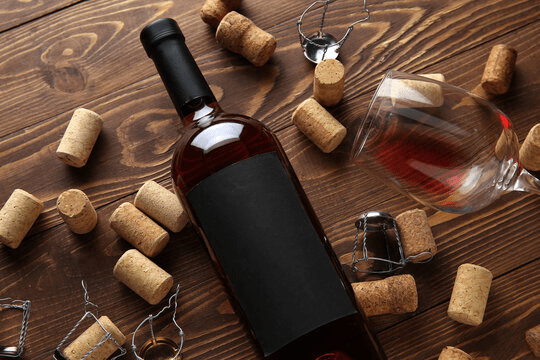
6. Serious Wines Always Have Corks
Screw cap closures faced unwarranted resistance, despite overwhelming evidence supporting their technical superiority for most wines. Cork’s historical dominance stems from availability and tradition rather than performance, with natural cork failure rates hovering between 3-8% depending on quality grade.
Prestigious producers in Australia and New Zealand transitioned to screw caps decades ago with outstanding preservation results, particularly for white wines and reds intended for early consumption. The persistent association between screw caps and lower quality reflects outdated perceptions rather than technical reality. Cork remains appropriate for certain age-worthy wines, but the closure itself signifies tradition rather than intrinsic quality.
7. Old Vines Always Produce Better Wine
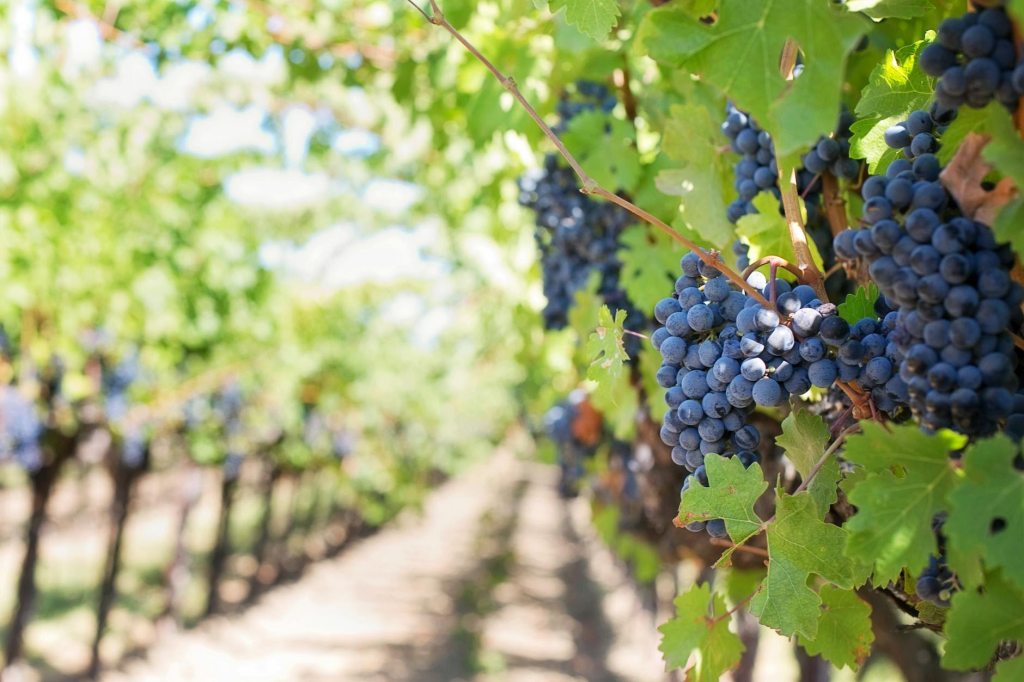
While older vines tend toward lower yields and potentially greater concentration, vine age alone guarantees nothing about wine quality. Poorly situated 80-year-old vines will produce less compelling wine than ideally situated new vines managed with effective yield controls. Factors including site selection, clonal material, farming practices, and winemaking decisions impact quality far more consistently than simple vine age.
The unregulated marketing term “old vines” appears on bottles containing wine from vines ranging from 15 to 100+ years, rendering the designation essentially meaningless without additional context. Producers committed to transparency typically specify exact vine age rather than relying on vague marketing terminology.
8. You Can Judge Wine Quality By Legs
The “legs” or “tears” that form on a glass after swirling indicate alcohol content and viscosity rather than quality. This phenomenon, also known as the “Marangoni effect,” arises quite simply from differential surface tension between alcohol and water. Higher alcohol wines produce more pronounced legs, regardless of overall quality.
Evaluating qualities like aromatic complexity, structural balance, flavor intensity, and finish length reveals far more about wine quality than visually assessing how liquid sheets down glass. This persistent myth exemplifies how wine culture often prioritizes theatrical elements over substantive quality indicators.
Wine appreciation benefits tremendously from dispensing with these outdated myths. The true joy of wine exploration comes through developing personal preferences based on direct experience, rather than adhering to arbitrary rules or misconceptions. The most accomplished wine enthusiasts maintain open minds, question established wisdom, and prioritize personal enjoyment over rigid adherence to convention.

I hope you have all had learned a little more about wine. I always find articles like this very informative and useful. I hope you do too. Have a great day and make everyday great. Stay safe and stay well. ‘Til next time.

 A Jeanne in the Kitchen
You certainly live and learn, at least I do.
LikeLiked by 1 person
Yes Ma’am. Everyday 🙂 🙂 🙂
LikeLike
Thanks for sharing. Have a great day. 🙂
LikeLike
Interesting and informative
LikeLiked by 1 person
I thought so too. 🙂
LikeLiked by 1 person
interesting post! Thanks for sharing it! 😀
LikeLiked by 1 person
Thank you. My pleasure. 🙂
LikeLike