Peaches and nectarines are some of the oldest fruits in the world. Both were cultivated in China over 8000 years ago, but they have been around much longer than modern humans, at over 2-3 million years or more. They arrived in Ancient Greece around 300 BCE and Ancient Rome a couple hundred years later. They were referred to as Persian apples in both ancient Greece and Rome.

There are three main types of peaches found in China (northern, northwestern and southern), spawning over 495 different varieties found around the world today. They spread from China to the rest of the world. Today, they are grown in temperate regions all over the world, with China still being the largest producer of peaches and nectarines by far. Spain, Italy, Greece and the United States follow in production, but trail dramatically in comparison to China’s production numbers.
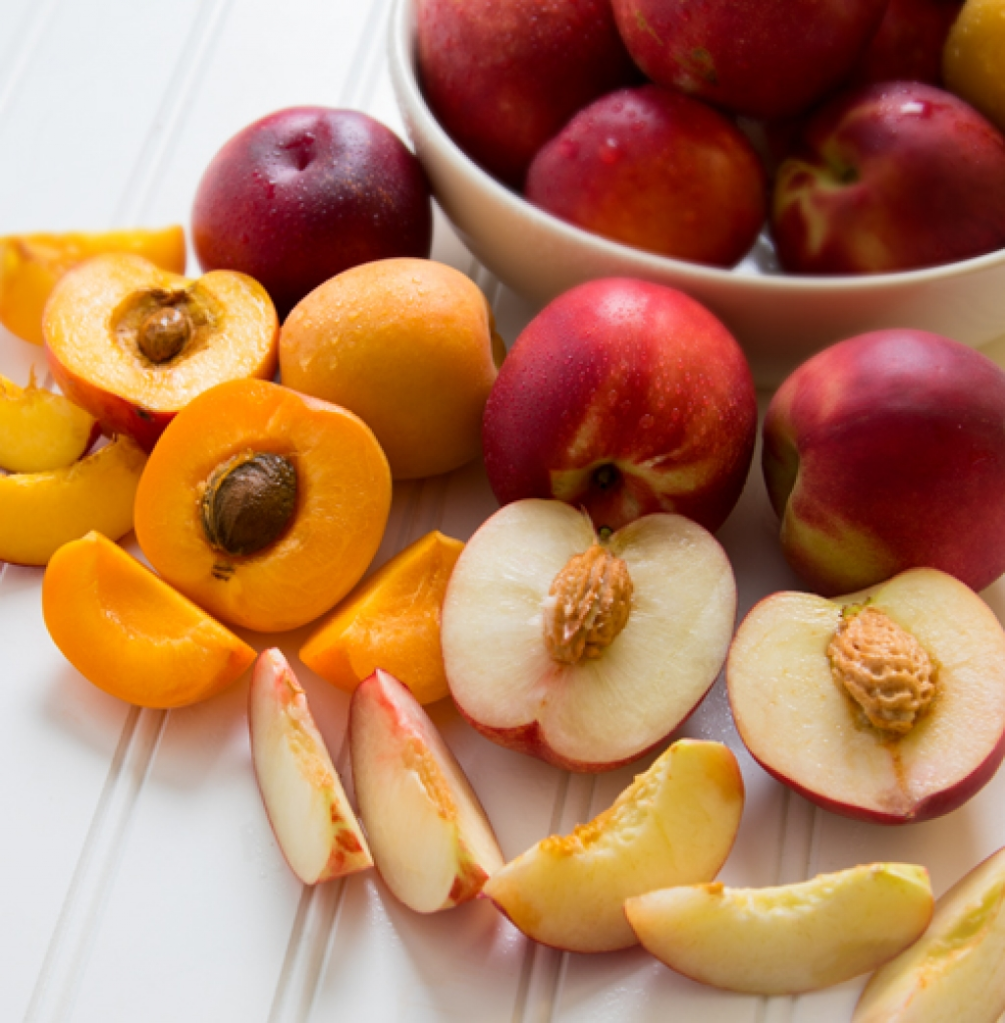
Peaches and nectarines are actually the same fruit and their trees look identical. They are both members of the Rosaceae (rose) family. Both are also known as stone fruits because of their large “stone like” seed in the center of the meaty flesh surrounding it. They are also called clingstone fruits because the pit clings to the flesh, or “freestone,” which means the pit pulls away easily from the flesh. Stonefruit, clingstone and freestone peaches fruits are all slightly different variations. The names describe how the “stones” or seeds, pull away from the surrounding fruity flesh.
Nectarines are genetic variations of peaches, but they are the same species. The main differences between the two fruits are that peaches are usually softer and have a fuzzy outside skin, whereas nectarines are often firmer and do not have a fuzzy skin. Nectarines are also a bit tangier than the sweeter peaches. Nectarines and peaches have similar nutritional benefits, including similar protein and carbohydrate counts and a high fiber content. They’re also both rich in vitamin C and A and contain small amounts of potassium.
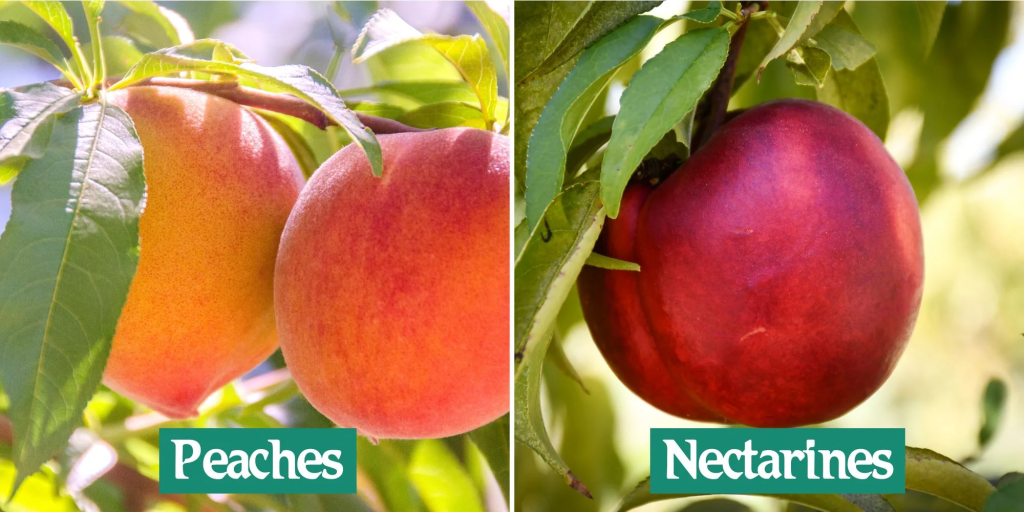
Besides being delicious, healthy and well-loved fruits, they both represent happiness, immortality, indulgence and privilege in the Chinese and Asian cultures.
Apricots are cousins to both the peaches and the nectarines. There are both similarities and differences. Apricots are also members of the Rosaceae (rose) family, and are actually closely related to almonds, apples, and pears. Peaches are much larger than apricots — about four times as big. Peaches also tend to have more water inside their flesh which gives them their signature juiciness. Peaches tend to be sweeter than apricots as they have a higher sugar content, and their pit is jagged and rougher in texture than the pit of the apricot.
As healthy as apricots and stone fruits in general are, DO NOT eat the pits of any of the stone fruits, especially apricots, as many contain trace amounts of cyanide. Apricot kernels naturally contain cyanogenic glycosides, primarily amygdalin, which has the potential to release cyanide when ingested. Small amounts of cyanide can be detoxified by the human body but high exposures over a short duration can result in severe adverse health effects (i.e., cyanide poisoning). Symptoms of acute cyanide poisoning include weakness and confusion, anxiety, restlessness, headache, nausea, difficulty breathing and shortness of breath, loss of consciousness, seizures, and cardiac arrest. The amount of cyanide-producing amygdalin in peach pits varies. A single peach pit is not likely to contain enough of this chemical to cause serious harm to most people. However, some peach pits might contain enough amygdalin to be harmful to very small children.
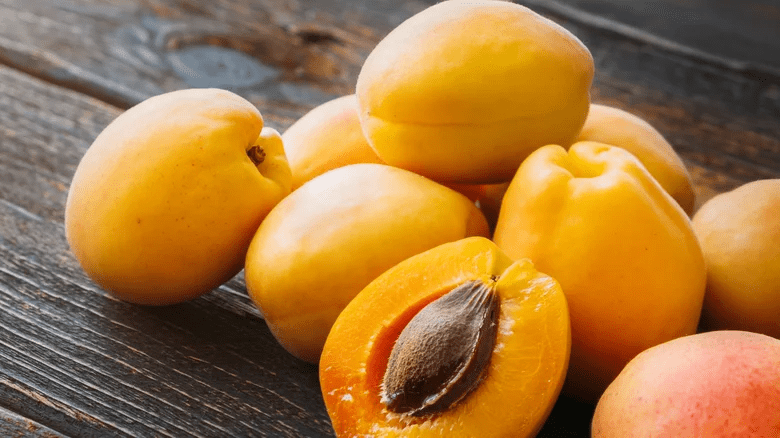
Apricots originated in Western China, around the Russian, Turkish and Iranian regions of today. They were cultivated around 5000 years ago. Today, Turkey and California are the main producers of apricots. They thrive in dryer, more arid regions of the world.
Peaches, nectarines and apricots are all enjoyed in a variety of different ways, from fresh to canned to dried, as some of the favorite ways to enjoy them. You can cook and bake with all of them as well. If you substitute apricots for either peaches or nectarines though, you will need to add more liquid and more sweeteners, since they are drier and not as sweet as their larger, sweeter cousins.
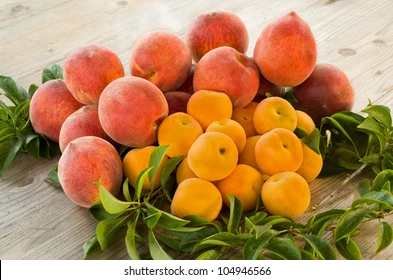
Summer is coming and summer is fruit season, especially stone fruits. Enjoy these fresh, wonderful and delicious fruits while you can. But you can aldo can or dry them to enjoy after their season too.
The Western Slope (Western Colorado) is known for their Palisade peaches, but they won’t be available until late summer. Georgia peaches are great, and I do love them, but in my humble opinion, Palisade peaches are much better. They are so sweet and juicy and they are HUGE.
Make your days just peachy and enjoy. Stay safe (don’t eat the seeds or kernels) and stay well. ‘Til next time.

 A Jeanne in the Kitchen
Three of my favourite fruit
LikeLiked by 3 people
I love them too. 🙂
LikeLiked by 1 person
my nickname is peaches, so I especially enjoy this post !)
LikeLiked by 2 people
Well then Peaches, this one is for you. 🙂
LikeLiked by 1 person
I never knew the pits of peached could have sionide in them!
LikeLiked by 1 person
I didn’t either. The things we learn. 🙂
LikeLike
Michigan peaches are also heavenly. 🙂
LikeLiked by 1 person
I haven’t had those yet. I’ll have to try some. 🙂
LikeLiked by 1 person
Interesting.
LikeLiked by 1 person
Thank you. 🙂
LikeLiked by 1 person
You are welcome. 😻
LikeLiked by 1 person
🙂 🙂 🙂
LikeLike