We all know that every living organism requires nutrients and food in order to survive. This is how we are all wired. It’s in our DNA. But how and what we eat is also important.
The history of food spans millennia, starting with early humans gathering and hunting for sustenance and progressing through the development of agriculture, domestication of animals, and the evolution of culinary practices. It encompasses not only the evolution of foods themselves but also the social, cultural, and economic impacts of food systems. Food history is a multifaceted field that draws on various disciplines, including anthropology, archaeology, history, and sociology. Understanding the history of food provides insights into human societies, cultures, and their relationships with the natural world. Not only do we depend upon food for our survival, but the methods in which the food is obtained, prepared and consumed is also vital to our survival. “Food meant the difference between life and death – between a growing prosperous population and a struggling one”, (p. 9 – The Story of Food , An Illustrated History of Everything We Eat) and still does today too.
Today, we just go get the foods we need from the supermarket. We have a wide variety of different nutrients available to us pretty much at all times. This was not always the case though.
The history of food is the history of human development. Early humans were plant eaters, and ate mostly a varied diet of fruits, seeds, bark, and occasionally meat. But they were were raw and uncooked. About 2.6 million years ago, tools were made for hunting and fishing, which added much needed nutrients and proteins to the diet of early humans. Early humans were hunters and gatherers until just about 13,000-10,000 years ago. They would pick it, dig it up, fish for it, hunt and kill it. When they found a new food the only way to find out if it was edible was to just try it. If it tasted okay and didn’t make them sick, everything was well. But this method wasn’t always the safest method of eating. People very often got sick and died as a result of eating bad or poisonous foods or foods that were undigestible.
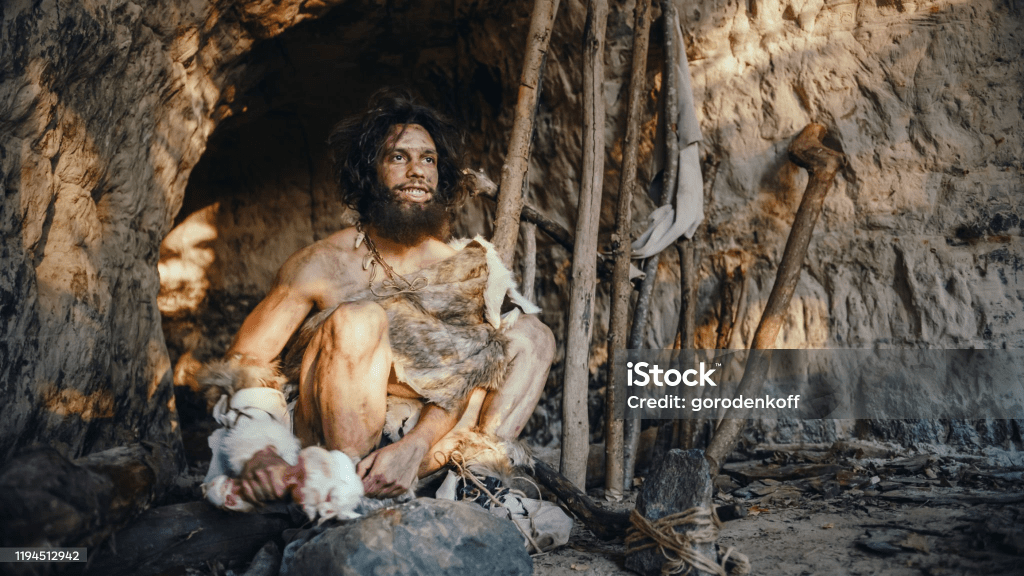
As humans learned to make food storage vessels and other tools, they also learned how to cook and preserve food, which allowed them to carry safe and healthy food with them as they moved from place to place.
Once people started realizing they could grow their own food, rather than just relying on what they could get through gathering, hunting and fishing, they also starting coming together as communities as well, with everyone playing important and different roles in food gathering, storage and food production. Domestication of animals started around 13,000-10,000 years ago, and the beginnings of agriculture began during the Neolithic period, at around 9300 BCE. It is believed that the first domesticated animals were goats and sheep. The rise in agriculture also promoted a more sedentary lifestyle, meaning people did not have to move around as much, in constant search for food. This allowed for the growth of communities and social structures.
The use of fire to cook food was discovered about 1 million years ago. By cooking foods, the various nutrients of the foods were unlocked and allowed for better diets. Cooking foods allowed for better digestion of the foods and took away some of the food poisoning effects and germs of eating raw foods. Cooking foods also led to the people have smaller jaws and intestines, while also allowing for a higher caloric intake of foods, which in turn led to bigger brains and stronger bodies.

Obviously, one of the first methods for cooking foods was grilling it over an open fire. Baking foods is also a very old way of cooking foods, dating back at least 7000 years ago, once grains were first grown and cultivated. Bakery products, which include bread, rolls, cookies, pies, pastries, and muffins, are usually prepared from flour or meal derived from some form of grain. Baking foods was another way of cooking the foods, but was also a way of making foods more transportable, by baking them in a “crust” of some sort, which enabled people to take their foods with them.
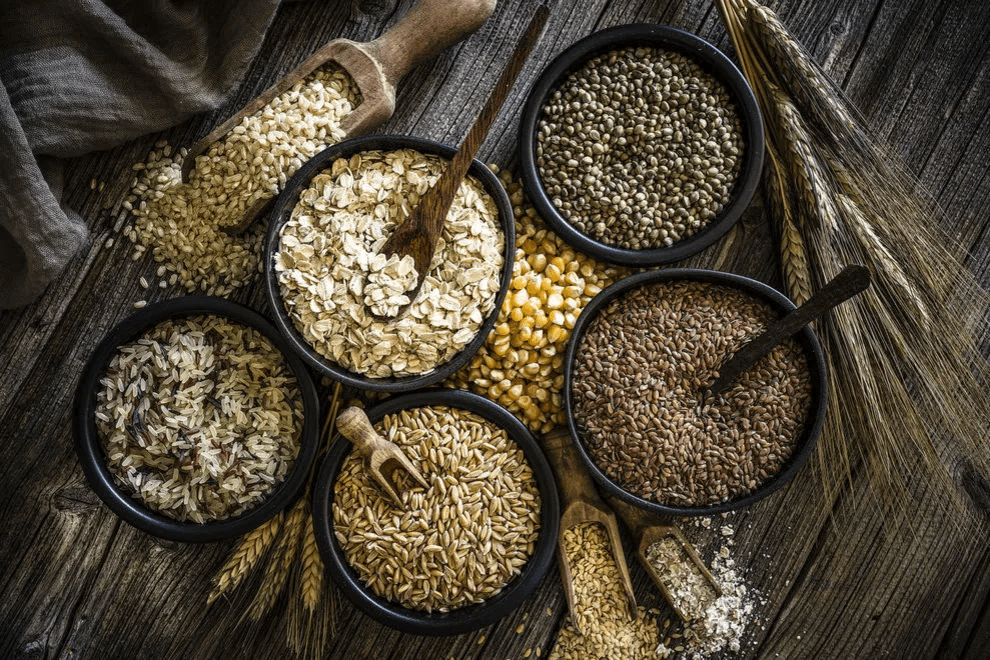
Once people began cultivating and growing their foods rather than always having to depend solely on what they could find or hunt on their own, communities and cultures started to develop as well. People were no longer relying solely on themselves for survival, but now turned to providing for and benefitting from groups, which enabled more to survive and to thrive. People began living together and eating together as families and as groups.


Numerous studies have been conducted on the effects of familial and communal eating. The results are no surprise at all. Study after study reveal that “the more often people eat together, the happier they are” (p.12 – The Story of Food , An Illustrated History of Everything We Eat). Studies also show that when children eat meals with at least one of their parents on a regular basis, they have fewer problems and are more well adjusted over all.


Food has been around since the beginning of time, and will continue to be a necessary tool for our survival until the end of times. But the journey of food is always evolving. We will always have a connection to the foods we eat. We are what we eat, and that is included in our societies, our traditions and our cultures as well. Our past will always inspire our future. Our past and our future will always be connected to who we are and to what we eat.
I hope you have all learned some new things about the history of the foods we eat. Eating together and celebrating the gift of food together makes us all happier and healthier. Have a great day and make everyday great. Stay safe, and eat and stay well. ‘Til next time.

 A Jeanne in the Kitchen
Interesting learning all about the history of food! I enjoyed that! X
LikeLiked by 1 person
My pleasure. Glad you enjoyed it. 🙂
LikeLike
Food brings everyone together
LikeLiked by 1 person
Absolutely! 🙂 🙂 🙂
LikeLiked by 1 person
That was a very interesting summary of food in human history. I had a feeling people were happier when eating together rather than alone. We should insist on family dinners instead of everyone eating in front of the TV of their choice.
LikeLiked by 1 person
I agree. I think eating together is very important.
LikeLiked by 1 person
Well, I just think you’re a Jeanne-ous!
LikeLiked by 1 person
🙂 🙂 🙂 Doubtful, but it gave me a good laugh. 🙂
LikeLike
Thanks for sharing. Have a great day. 🙂
LikeLike
Great information, dear Jeanne.
LikeLike
Thank you. I thought it was interesting too. 🙂
LikeLiked by 1 person
My pleasure. 😻
LikeLiked by 1 person
🙂 🙂 🙂
LikeLike
I loved this article! What stood out to me was how cooking and technology played a role in shrinking jaws and lengthening lifespans. It really flips the saying “you are what you eat” into “you are how you eat”! This article on food history was so interesting to read, thank you!
LikeLiked by 1 person
Thank you. Glad you enjoyed it. 🙂
LikeLike