Vinegar has been around for 1000’s of years and it is found all over the world. Vinegars can be made from anything from flowers, herbs, fruit, vegetables and cereals that have been fermented to make alcohol. And of course, you can make vinegars from wine too. They are used as a condiment, a food preservative or as a pickling agent, which also preserves food. The word vinegar comes from the French word vinaigre, meaning sour wine.
Vinegar is a go-to ingredient when you want to increase the acidity in your recipes or preserve foods through pickling. It can help to cut the saltiness of over-seasoned dishes, and it can be combined with salad oil to create a tangy vinaigrette. Vinegar has a long shelf-life, which makes it convenient to keep on hand. In fact, vinegars in general, are some of the foods that have an indefinite shelf-life, and never really go bad. Just store them in a cool place, away from heat, and keep them tightly sealed until you are ready to use them, and they will always be good for whenever you want to use them.
Though there is an endless array of vinegar flavors, there are only about 13 main types that are used as the base vinegars.

All types of vinegar start as a liquid containing natural yeasts and sugars, like unpasteurized fruit juice. The liquid goes through a fermenting process where the yeast consumes the sugar and produces ethanol (alcohol). The sour, pungent flavor of vinegar is deepened through a second fermentation that transforms the alcohol into acetic acid. The flavor profile of each kind of vinegar is determined by the type of juice or liquid that is used. They main vinegar bases are:
Distilled white vinegar; apple cider vinegar; balsamic vinegar; white wine vinegar; red wine vinegar; rice vinegar; malt vinegar; red rice vinegar; champagne vinegar; sherry vinegar; black vinegar; cane vinegar; and beer vinegar. From these basic vinegars, the possibilities are endless. Be as creative as you like, using ingredients that will highlight the individual characteristics of each “mother” vinegar.
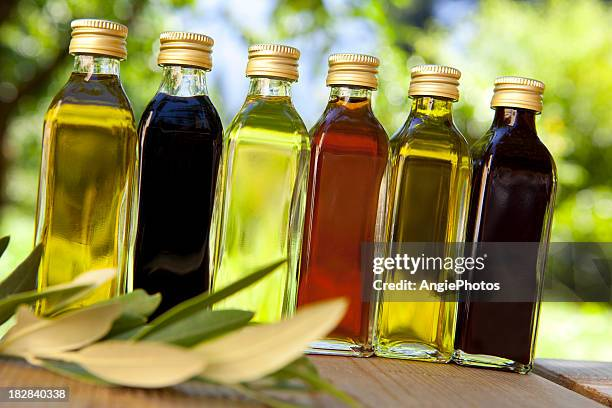
There are many different types of vinegars available, each with their own individual styles and flavors. The most commonly used type of vinegar is distilled white vinegar. White vinegar is distilled from grain, which results in a crisp and clear product. White vinegar has a strong flavor, so it’s best used in small doses to add a touch of acidity to recipes. It’s a common preserving agent and can be used to pickle foods. Distilled vinegar can also be used in baking applications to provide leavening (rise) to cakes and cupcakes. I even add a dash of white vinegar to my water when I am making hard boiled eggs, or when I want to crisp up potatoes for roasting.

The second most commonly used vinegar is apple cider vinegar. It is made by adding a bacteria and yeast culture to crushed, strained apples. Added sugars and natural sugars are consumed by the bacteria and yeast, producing ethanol. The ethanol is fermented a second time to produce acetic acid, the compound that gives vinegar its sour flavor. Apple cider vinegar is different than white vinegar because it retains a sweet, fruity flavor from the apples. White vinegar is stronger than apple cider with a higher percentage of acetic acid. Reach for apple cider vinegar when you want to add flavor to salad dressings and sauces. Choose distilled white vinegar when you want to pickle foods or add acidity without imparting any extra flavors.

Balsamic vinegar is the only type of vinegar that is not produced by fermenting alcohol. Like a fine wine, balsamic vinegar is made by aging pressed grapes in oak barrels. And just like wine, the older the balsamic, the higher the price tag. True balsamic vinegar will carry a label that reads D.O.P. (Protected Designation of Origin). This certifies that the balsamic vinegar was produced according to protected standards. Balsamic vinegar has a distinct sweet and zesty flavor that can be drizzled over both savory and sweet dishes. Or, mix it with olive oil for a classic balsamic vinaigrette dressing.
Sherry vinegar is a close cousin to Balsamic vinegar. Its nutty, rich flavor offers less sweetness than balsamic vinegar. It’s also potent, which means that it should be used sparingly – especially as a substitution. The recipe for sherry vinegar was discovered by accident. This Spanish native vinegar is said to be the result of a few barrels of sherry that were spoiled and became too acidic, and then local chefs got creative to learn how to best use this accidental vinegar.
You can make ANY kind of balsamic vinegar, with many different accents and flavors. I personally have at least 7-10 different kinds of balsamic flavored vinegars (as well as many flavored olive oils) in my kitchen right now, from my favorites of lime and lemon, to orange, honey-ginger, and so much more. Some are from a white balsamic base and some are from a red balsamic base. I use them all the time, for many different recipes and dishes.
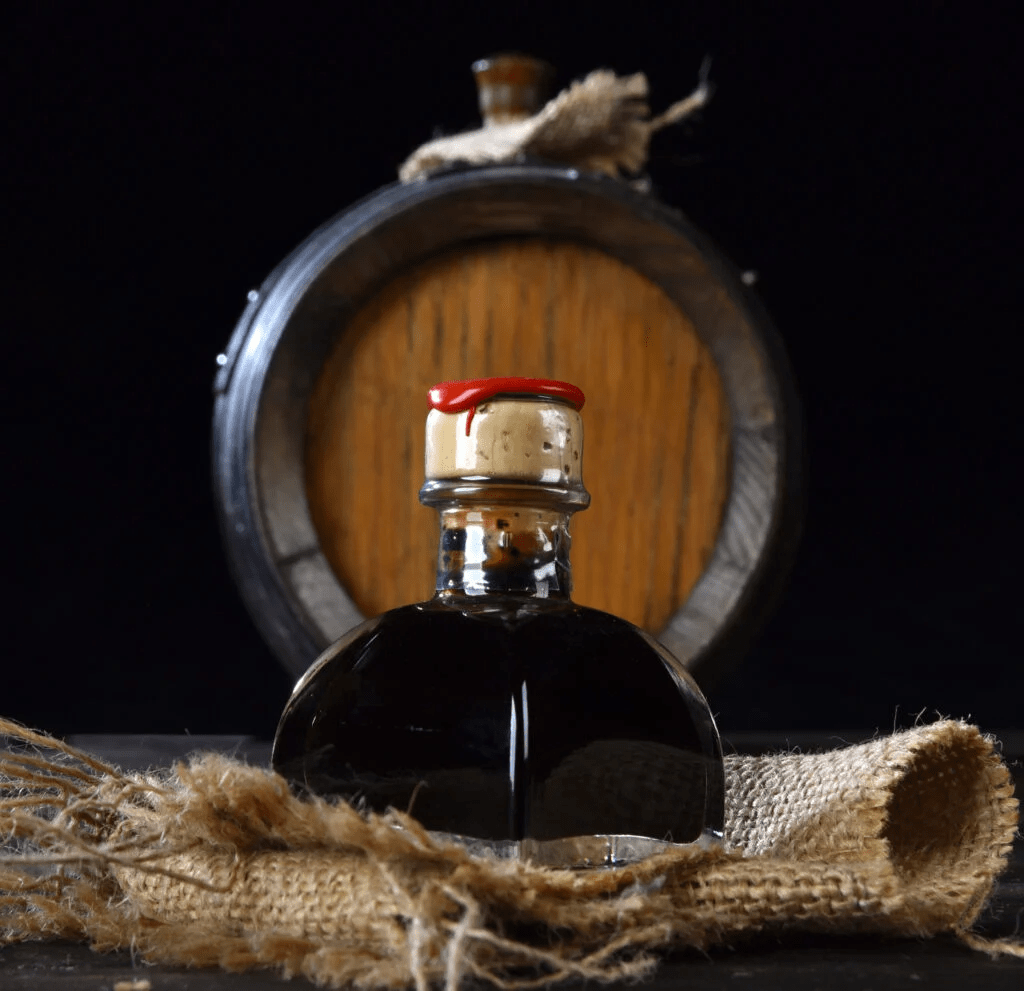
Rice and barley vinegars are very popular in Asian recipes and cooking. These have a hint of sweetness to them and are delicate in nature.
The Chinese also use red rice vinegar. It is often referred to as the Chinese red vinegar. The key ingredient of red rice vinegar is rice cultivated with red mold. This rice is referred to as red yeast rice and it gives red vinegar its signature salty flavor.
Black vinegar is also an Asian and Chinese vinegar, hailing from the eastern Chinese city of Zhenjiang. It offers an earthy and smoky umami flavor thanks to a combination of fermented glutinous rice, wheat, and millet. This pantry staple for Chinese cuisine can be used to pair with dumplings, duck, and Asian dipping sauces. Black vinegar has such a unique flavor that it’s hard to replicate its aromatic qualities with other types of vinegar. But in a pinch, you can substitute a combination of rice wine vinegar with soy sauce to get similar results.

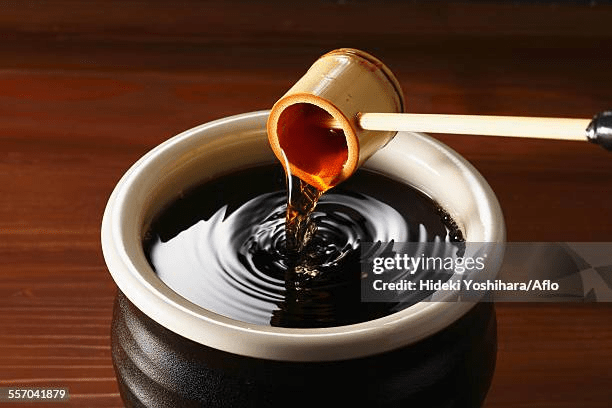
Malt vinegar gets its name from malted barley. To make this amber-colored vinegar, grains of malted barley are fermented into ale, then fermented a second time to develop the tart, toasty flavor. Malt vinegar is the type of vinegar served with fresh-cut french fries or with the classic British dish, fish and chips. But don’t neglect this vinegar in your cooking. You can also use malted vinegar to pickle vegetables and flavor sauces.
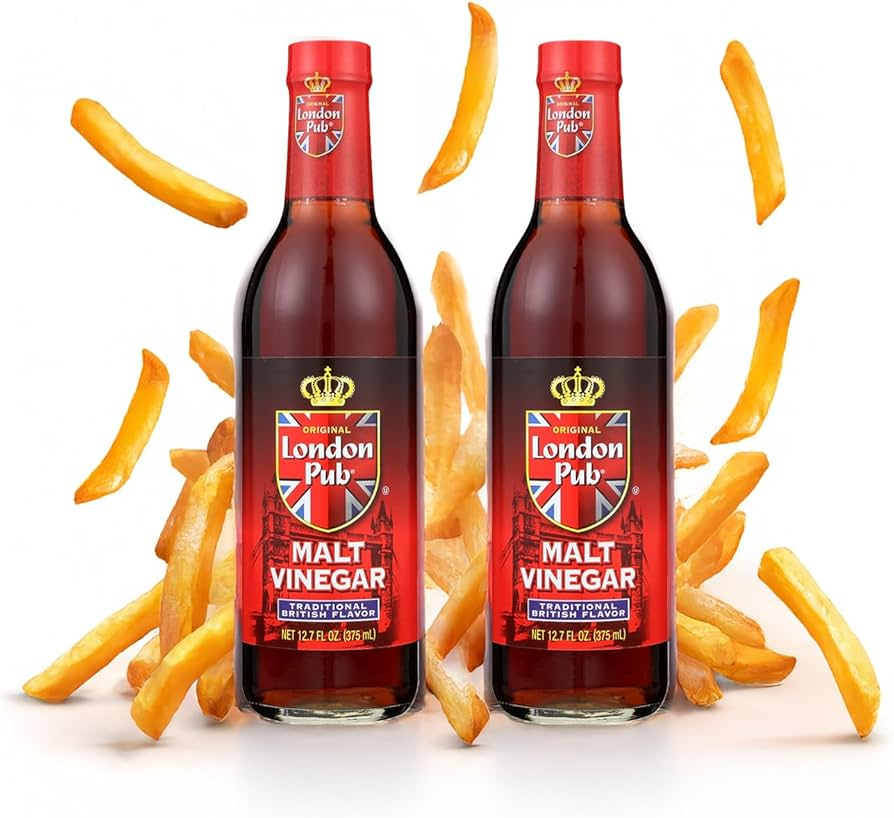
Wine naturally turns into vinegar when it is exposed to air for any length time. But to intentionally make a wine vinegar, you need wine, of course, and apple cider vinegar. The vinegar will take on the qualities and flavors of the wine itself, but it will have a much more complex flavor profile. Also, wine vinegars tend to be less sour or acidic than just plain vinegars. They have a smoother, richer flavor than plain vinegar. When making your vinegars from wine, try to stick to just one type of wine for each vinegar. Also, DO NOT mix your red and your white wines together. Red wines and whites each have their own specific qualities and tastes, that don’t tend to mix well with each other. Vinegar made from just one type of wine generally has a cleaner, crisper flavor and will produce more consistent results. You can make your own vinegars from wine, or there are plenty of options available, from around the world, many of which are found in your specialty aisles of your favorite supermarket.

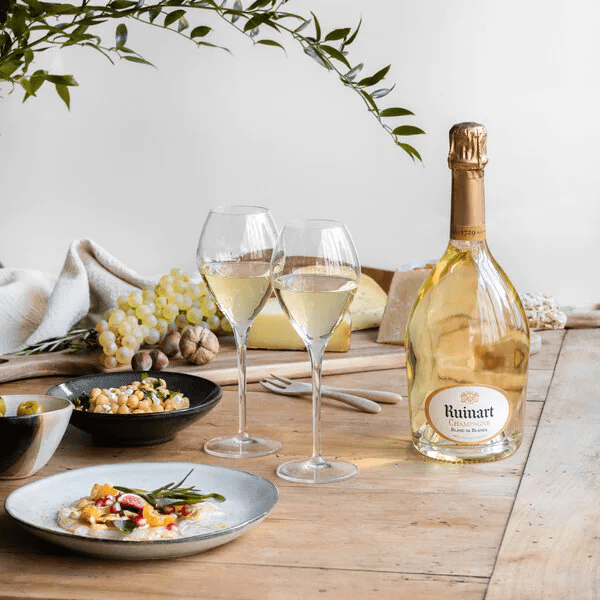
Champagne vinegar is NOT actually made from champagne itself, but rather the champagne grapes, most often the chardonnay or pinot noir grapes. It is sweet and has an effervescent quality to it, like its namesake, champagne. Because of its sweetness and delicate qualities, it is actually more closely associated with rice vinegar than wine or balsamic vinegar.
Cane vinegar is popular in Filipino foods and cooking. It is found most prevalently in countries where sugar cane is produced. It is produced by fermenting the syrup extracted from crushed sugar cane. While cane vinegar is derived from sugar cane, it offers a surprisingly un-sweet flavor profile often compared to malt vinegar.

And then there is beer vinegar. It can be made with any kind of beer, and like a wine vinegar, it will take on the distinct flavors and characteristics of the beer that is used. It offers a very similar flavor profile to barley-based malt vinegar, which makes it an ideal alternative to use with classic fish and chips.
Most vinegars are started with a “mother vinegar” or a starter, like you would use a starter when making sourdough bread. A vinegar mother is a gelatinous mass of cellulose and bacteria (mycoderma aceti) that serves as a vinegar starter. The bacteria in the mother feeds off alcohol and turns it into acetic acid, the compound that gives vinegar its flavor. You can make your own vinegars by using a store bought version as your starter too.
Now you know about your different vinegars. Use them creatively and see what you come up with. As I always say, have fun and play with your food.
Have a great day and make everyday great. Stay safe and stay well. ‘Til next time.

 A Jeanne in the Kitchen
I love this, we have a local place where we can do vinegar tastings, and it’s something I had never considered before –
LikeLiked by 1 person
I love doing that. The place close to us isn’t doing so well these days though. I think they are about to go out of business. 😦
LikeLiked by 1 person
Fascinating! I usually have 6-8 different types of vinegars on hand
LikeLiked by 1 person
What’s your favorite type?
LikeLiked by 1 person
I don’t have a favourite. It kinda depends on what I’m using it for.
LikeLiked by 1 person
Same here, with the exceptions of the lemon and the lime. 🙂
LikeLiked by 1 person
What a fun article! Thanks for putting this together. I learned a lot!
LikeLiked by 1 person
WHOOOOOO HOOOOOO!!!!! My pleasure. 🙂
LikeLiked by 1 person
🙂🙂
LikeLiked by 1 person
Well I never. I think you’ve just floated my next hobby : investigating vinegars:)
LikeLiked by 1 person
Have fun and happy tasting. 🙂
LikeLike
I learned a ton reading this, Jeanne! Thanks for teaching me about all the different kinds of vinegar!
LikeLiked by 1 person
My pleasure. Glad you enjoyed it. 🙂
LikeLike