Yesterday, I wrote about nuts Going Nuts, which brought up some questions about various nut milks. So I looked into it and this is what I found.
Various nut milks and other “milk” alternatives are very popular today. You can find them everywhere, and roughly 1/3 of consumers drink these milk alternatives for various reasons. Nut milks like almond milk, cashew milk, and other nut variations, are nothing new though. They have actually been around for roughly 1000 years. Regardless of the type of nuts being used, the process is the same. Raw nuts are soaked in water, typically overnight, to help break down hard-to-digest compounds and create a smoother, creamier texture. Then the soaked nuts are blended with fresh water until a smooth, creamy consistency is achieved. The blended mixture is strained through a fine-mesh nut milk bag or cheesecloth to remove the pulp. The commercial versions of nut milk almost always contain added flavorings and sweeteners, and other additives as well. Nut milks and other milk alternatives also contain a type of gum, such as guar gum, gellan gum, xanthan gum or locust bean gum. These are used in several types of foods – especially plant-based milks – to prevent separation, extend shelf life, or thicken the consistency.
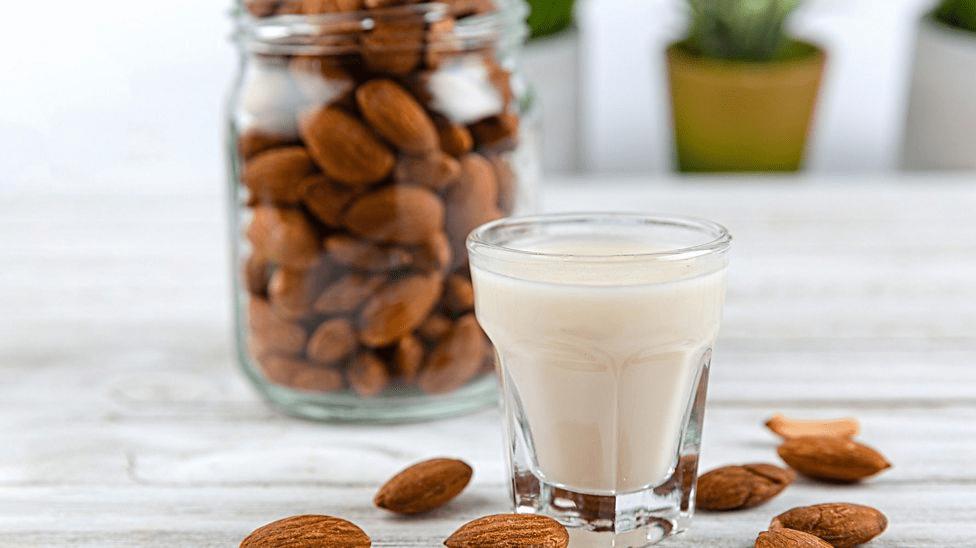
Starting around the 8th century and through the Medieval times, people started drinking almond milk in hopes of reducing coughs and/or shortness of breath.
During the 13th and 14th centuries, almond milk in particular was an alternative to dairy products for those devout Christians who gave up drinking milk during Lent.
There are many different variations to milk alternatives. There is of course one of the most popular versions, almond milk, or other different nut milks, but there is also soy milk, coconut milk, oat milk, rice milk, hemp milk and even pea milk too.
Soy milk, like nut milks, has been around for hundreds of years. The use of soy milk dates back to the 1st-3rd centuries in China. The Chinese believed that soy milk was easier on the digestive system than cow’s milk. It originated in China, but did not become a global product until around 1910, when the first soy milk factory was built in Paris. Out of all the milk alternatives now available, soy and rice milk are the the healthiest versions, and are the ones closest to actual cow’s milk. Soy milk contains similar proteins and protein amounts as cow’s milk, and is usually fortified with calcium and vitamin D.

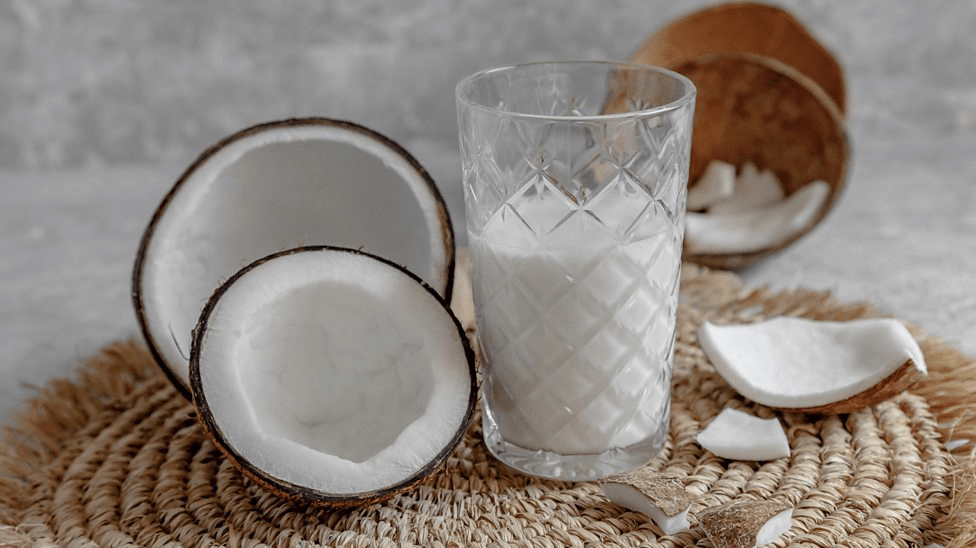
Coconut milk is another milk alternative choice. It has been around for about 5000 years. It is made through grating the coconut “meat” and mixing it with boiling water. It was a drink found in the Austronesian people, or the people from places such as Madagascar, Maritime Southeast Asia and the Oceanic island regions. The drink itself began to be more widely used around 2,000 years ago, in particular in India and Southeast Asia – where it was not only drunk but used as an essential ingredient in cooking.
Rice milk is another popular choice. It is made from rice, typically brown rice, and may be sweetened and flavored. Rice milk is naturally sweet and has a mild, slightly creamy flavor. Commercial rice milk is typically manufactured by using brown rice and brown rice syrup, and may be sweetened using sugar or sugar substitutes, and flavored by other common ingredients, such as vanilla. Compared to cow’s milk, rice milk is lower in protein and fat, but higher in carbohydrates and sugars.

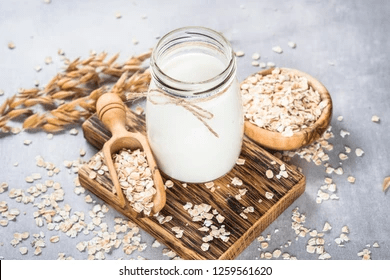
There is also oat milk. This is a newer version of a milk alternative. It was created in Sweden in the 1990’s, by Swedish food scientist Rickard Öste. He was researching lactose intolerance and wondered whether an entirely new milk product would be viable. Öste developed an oat-based alternative, taking advantage of a large supply of oat crops in Sweden. He used enzymes to convert the oats into a rich, milk-like drink, adding plant-based oils to provide varying levels of fat, to mimic cow’s milk. Oat is not the best choice in comparison to other non-dairy alternatives though. It’s relatively high in sugar and most brands are ultra processed, containing additives that are not supportive for optimal health.
Hemp milk is also making waves and generating interest these days. Hemp milk is a non-dairy beverage made by blending water and seeds from the hemp (Cannabis sativa) plant. It has an earthy, nutty flavor and a creamy consistency. Hemp milk is an excellent option not just for those avoiding dairy, but also for those with tree nut allergies. But like with any of the other milk alternatives, there are both pros and cons. Some brands of hemp milk have added sugars. Too many added sugars may increase your risk of diabetes. Some hemp milk also contains thickeners like carrageenan, guar gum, or xanthan gum. These gelling agents may cause stomach aches, bloating, inflammation of the digestive system, and more adverse reactions. People who take anticoagulants or other types of heart medications should speak to their doctor before taking hemp seeds. So should people with gastric problems.

And yet another milk alternative choice is pea milk. It’s actually made from yellow split peas, which mostly grow in Southern Europe, North Africa and Asia. Unlike a lot of nut milks, the peas aren’t usually soaked in water to produce the liquid. Instead, they are milled into flour and then processed to separate the protein from the fiber and starch. Pea milk is a new invention, and has only been available, primarily in the UK, since 2019.

And the latest milk craze is to make “milk” out of potatoes. This is a brand new creation, having only been started about 3 years ago.

Almond or Other Nut Milks: A popular choice, naturally low in calories and often fortified with calcium and vitamin D, but lower in protein and fiber compared to other plant-based milk is almond milk. Typically nut milks are high in fat and calories, but they’re also high in essential nutrients, like iron and vitamins E and D (if they’ve been fortified). These milk options aren’t right for everyone.
Soy and Rice Milk: Are good sources of protein, comparable to cow’s milk, and contain prebiotic fiber that can promote the growth of beneficial gut bacteria. Soy milk is also a source of isoflavones, compounds with potential anti-inflammatory and digestive benefits. However, some people may have soy allergies or sensitivities, so it’s essential to consider individual tolerances. Rice milk usually contains a lot more sugars than dairy milk.
Oat Milk: Well-tolerated by those with lactose intolerance, and oats contain beta-glucans, a type of soluble fiber that can support gut health. Oat milk is also naturally sweet, so it’s essential to opt for unsweetened varieties if you’re watching your sugar intake.
Coconut Milk: Can be nutrient-rich and support a healthy inflammatory response, but it is very rich, and is a strong laxative.
I know people who drink these milk alternatives all have their own specific reasons for doing so, and that’s fine. Some people think they are helping the environment by using these milk alternatives, but they usually require a lot of water to produce, and are very time consuming and labor intensive to make. Some people think these milk alternatives are healthier than cow’s or goat milk, but know that they are all still processed, and most contain added sweeteners and flavorings and other additives as well, which also adds a lot more calories and sugars. If you choose to use milk alternatives, do your research and find what is the best option for you. They are not all created equal and they are not the same. If you can handle it, the healthiest, purest milks to drink are real milk, whether it be cow’s milk or goat milk.

I hope this has been informative and helpful. Have a great day and make everyday great. Stay safe and stay well. ‘Til next time.

 A Jeanne in the Kitchen
Yes that was very informative. I’ve heard of or consumed most of these types of milk but I had never heard of hemp milk, pea milk, and potatoe milk before. I was also surprised to see how ancient some of these types of milk are. I knew coconut milk was very old (5,000 years old you say), but not almond milk. Your point about thinking these alternatives are always better for the environment is a good one. For example, almond milk uses a lot of water and if grown in places under water stress like California, that is not good for the environment. 80% of California’s fresh water is used for agriculture, so almonds do not belong in that situation. Thank you for a very informative post.
LikeLiked by 1 person
My pleasure. Glad you enjoyed it. 🙂
LikeLiked by 1 person
Very informative
LikeLiked by 3 people
Merci. 🙂
LikeLiked by 1 person
Thanks for sharing. Have a great day. 🙂
LikeLike
I like almond milk, never had coconut milk, cashew milk, etc. X
LikeLiked by 1 person
If you have had Indian food, I bet you’ve had coconut milk. 🙂
LikeLike
Another extremely informative post.
LikeLiked by 1 person
Thank you. Glad you liked it. 🙂
LikeLiked by 1 person
My pleasure, darling.
LikeLiked by 1 person
🙂 🙂 🙂
LikeLiked by 1 person
Yes, very definitive and helpful with there being so many options for milk today.
LikeLiked by 1 person
Glad it was helpful. 🙂
LikeLike
😊💕👍
LikeLiked by 1 person