Nuts are some of, if not the oldest, foods around. People have been eating nuts, since the beginning of time. Evidence suggests that nuts first originated in the Middle East and the Mediterranean countries, and then spread out from there. The first evidence for the existence of wild almonds comes from Israel during the Pleistocene period (780,000 BC). Walnuts are also some of the oldest nuts too, but nuts in general have been around for millennia. The oldest walnut remains were discovered in Iraq, and they are believed to be from 50,000 B.C. I know this is confusing information. I too am confused by my findings, and there is not a lot of information to assuage my confusion on this matter, so I am going to go out on a limb and say that the walnuts were some of the first cultivated nuts.
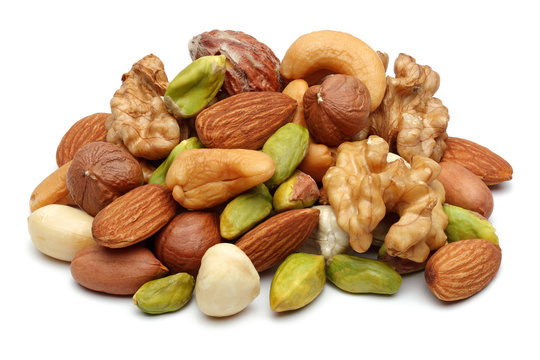
Not all nuts are nuts. Some are actually seeds. I know, once again, it is all very confusing, but bear with me. Nuts have a hard shell and the part we eat are the edible kernels found on the inside. The botanical definition of a nut in its simplest form is that it is a seed contained in a hard shell which doesn’t naturally open to release the seed when it matures. A seed is an embryonic plant. The plant embryo contains a tiny leaf, root and stem. Within the seed, you’ll find the endosperm, a nutrient-rich food source for the emerging seed and a protective casing.

Hazelnuts, acorns and chestnuts, with their hard outer casings, are all true nuts. Brazil nuts, almonds, pistachios and cashews are all “nuts” that are actually seeds from the fruits and are considered “tree nuts” because they grow on trees.
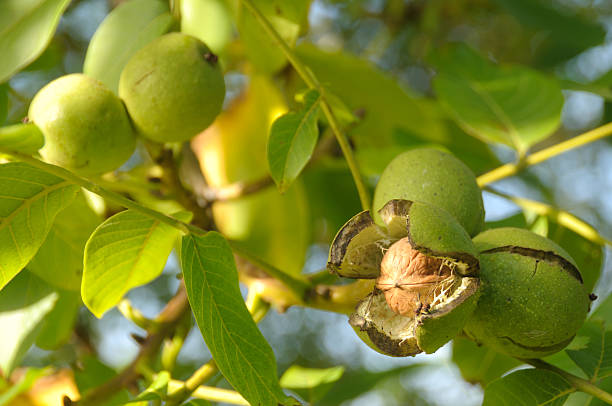
Peanuts are legumes, botanically closer to the pea than the hazelnut, and are actually grown from the soil.

Nuts, or seeds, have been used for many things, other than just culinary delights, throughout history. For simple reasons, I will just refer to them all as nuts though for now. They were often used as money, or for ceremonial purposes. They were also used for medicinal purposes. Different nuts and had different meanings and cultural uses as well. Here are some of our favorite nuts and how they were used and what they meant through the years:
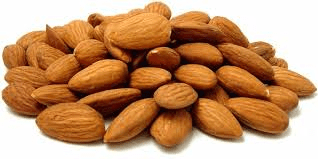
1. Almonds: The Ancient Gems
Almonds, one of the most beloved nuts today, have a history that stretches back to ancient Mesopotamia and the Mediterranean. These nutrient-rich nuts were cherished by pharaohs, monarchs, and commoners alike. They found their way into everything from traditional desserts to oils and even fragrances. Almonds were not just sustenance; they were a symbol of prosperity and fertility.
2. Cashews: The Curious Nut
Cashews have a fascinating history that ties them to the tropical regions of South America and Asia. Native to Brazil, cashew trees produced more than just nuts – they provided timber, fruits, and an interesting challenge for early explorers. Cashews were initially dismissed due to their toxic shells, but their delightful kernels eventually won over the world.

3. Pistachios: The Royal Nuts
Pistachios, known for their vibrant green hue, were considered a delicacy fit for royalty in ancient Persia. These nuts have a history that spans over 7,000 years and were enjoyed by emperors and sultans. The captivating story of pistachios includes tales of royal gifts, trade routes, and global popularity.

4. Walnuts: The Brain Food
Walnuts have long been associated with wisdom and intellect. In ancient Greece, they were considered brain food, because they look like a brain, and were associated with the gods. The Romans believed that walnuts could improve one’s mood and cognitive function. Today, they are recognized for their heart-healthy benefits and unique flavor.

5. Pecans: A Native American Treasure
Pecans, with their sweet and buttery taste, have their roots firmly planted in North America. Native American tribes like the Algonquins relied on pecans as a valuable food source long before the arrival of European settlers. These nuts eventually became a staple in traditional American desserts, such as pecan pie.

6. Hazelnuts: From Europe to the World
Hazelnuts, also known as filberts, have a rich history in European folklore and cuisine. They were used by the ancient Greeks and Romans for their medicinal properties and later found their way into confections like Nutella and pralines. Today, hazelnuts are a global favorite, featuring prominently in chocolates and pastries.

The journey through the history of nuts is a testament to human ingenuity and the enduring appeal of these tiny marvels. From their humble beginnings in ancient civilizations to becoming global delicacies, nuts have transcended time and borders, leaving a flavorful legacy that continues to enrich our lives.
So as you can see, it is a deliciously healthy idea to go nuts. Nuts are a great source of proteins and healthy fats. We all need to get nuttier.
Have a great day and make everyday great. Stay nutty, and stay healthy. ‘Til next time.

 A Jeanne in the Kitchen
I love all types of nuts! ❤
LikeLiked by 2 people
Me too. 🙂
LikeLike
Me too
LikeLiked by 1 person
🙂
LikeLiked by 1 person
Thanks for sharing. Have a great day. 🙂
LikeLike
I haven’t met a nut I don’t like. 🥜🧡🌰
LikeLiked by 3 people
I am right here with you. 🙂
LikeLiked by 1 person
I’m getting back into more nuts lately 🙌🏼🥰
LikeLiked by 1 person
Nuts are always a great choice. 🙂
LikeLiked by 1 person
Fascinating information – let’s go nuts!
LikeLiked by 1 person
Yes Ma’am. 🙂
LikeLiked by 1 person