Fruits of all kinds have been around since the beginning of time. Most fruits grew wild for many 1000’s of years before they were cultivated. Apples and pears are some of those early fruits too.
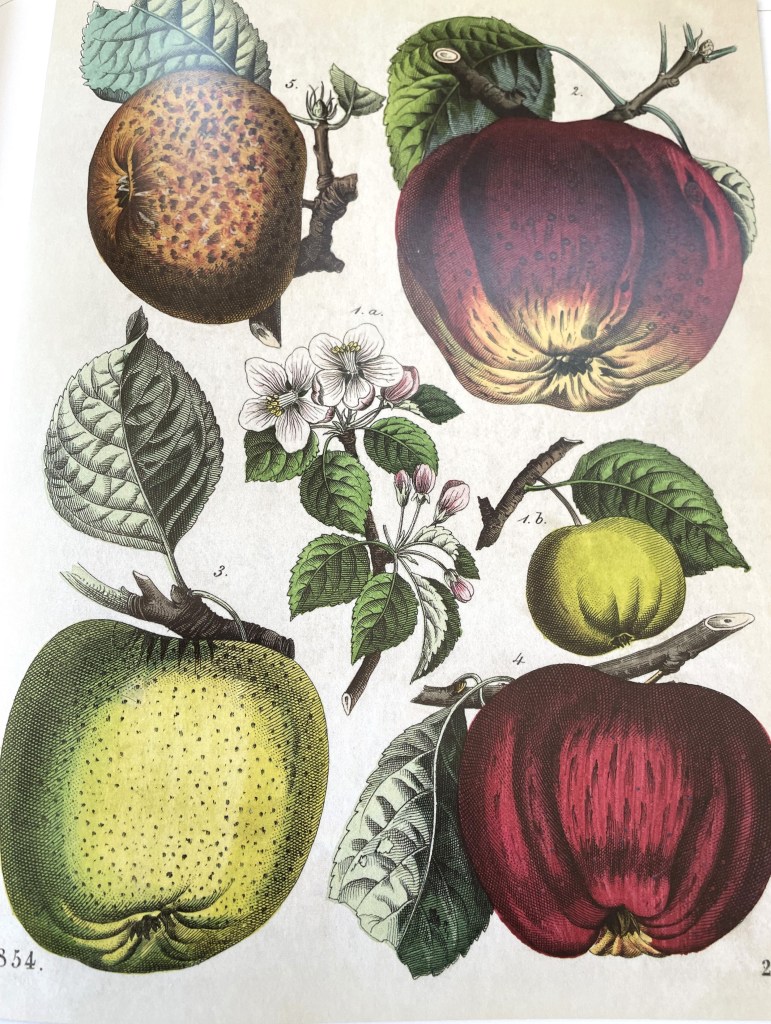
Both apples and pears were cultivated over 4000 years ago. It is believed both apples and pears were first cultivated in the mountains of Kazakhstan in Central Asia. Central Asia is home to over 300 wild species of fruit and nut trees. The ancient fruits were much smaller than the fruits of today. It is through human intervention and cross pollenization that they have grown into what we know and enjoy today.
Both apples and pears were highly valued by ancient civilizations like the Greeks and Romans, with mentions in their literature, and were later introduced to other parts of the world through trade routes, with early European settlers bringing apple and pear trees to North America where they became widely cultivated. Hard to believe, but apples and pears are actually part of the Rosaceae family, or the rose family, which also includes other fruit-bearing plants like cherries, plums, and raspberries. YUM! I love all of these delicious fruits.

Apples and pears are close cousins to each other, but just like all cousins, they also have their distinct differences too. Here are some fun facts about the two botanical cousins:
- There are over 3,000 known pear varieties worldwide, with about 10 primary types commonly available in stores. In comparison, there are more than 7,500 apple varieties!
- The process of ripening in pears is unique among fruits. Pears ripen from the inside out, which means that by the time the fruit feels soft on the outside, it may be overripe on the inside. To prevent this, pears are often picked when they’re still slightly under ripe and allowed to ripen at room temperature.
- Pears and apples share similar nutritional profiles, both being low in calories and high in fiber, vitamin C, and antioxidants. However, pears have slightly higher levels of potassium, while apples boast more vitamin A.
- Apples float in water due to their air pockets, which make up about 25% of their volume. Pears, with a denser structure, tend to sink.
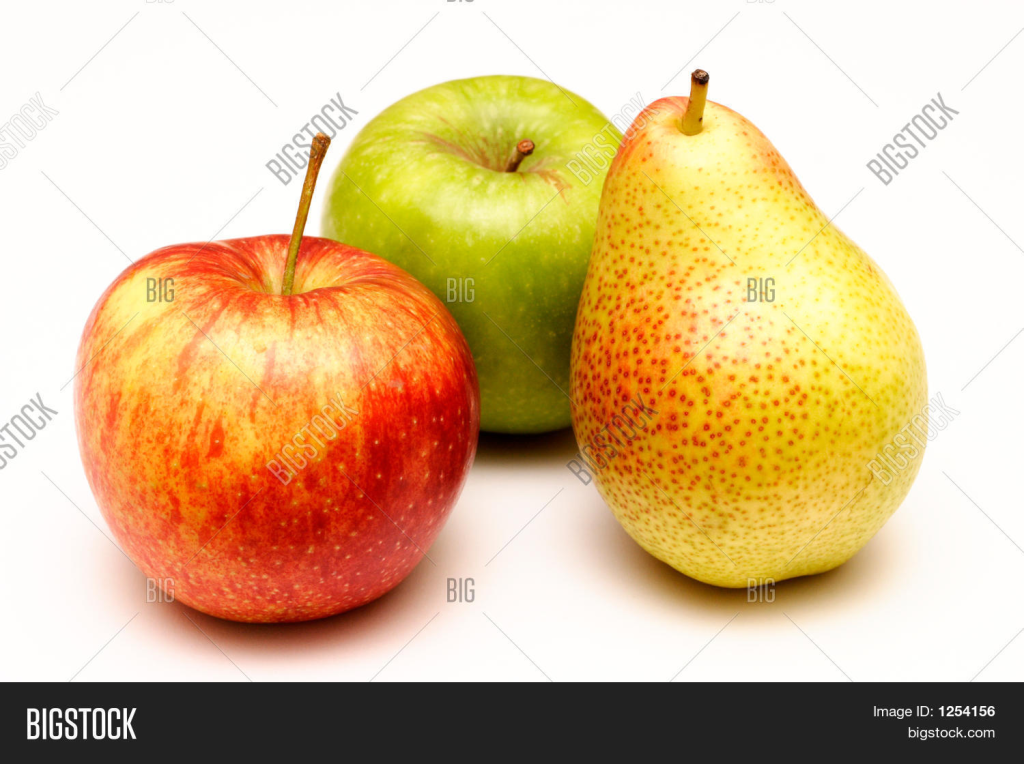
As with anything that has been around for so many centuries, there are Biblical, spiritual and folk lore that are also associated with both fruits. In a spiritual context, an apple often symbolizes knowledge, temptation, immortality, and the fall of man due to its association with the “forbidden fruit” in the Garden of Eden story, representing the choice to gain knowledge even if it means transgression. Though Biblical scholars really can’t say for sure what the “forbidden” fruit was. The Bible doesn’t specify what fruit Adam and Eve ate in the Garden of Eden. The Hebrew Bible refers to the fruit as peri, which is a general term for fruit. Many people speculate that maybe figs were actually the “forbidden” fruit and not apples. But apples also represent beauty, prosperity, and renewal. Pears signify abundance, fertility, femininity and immortality.
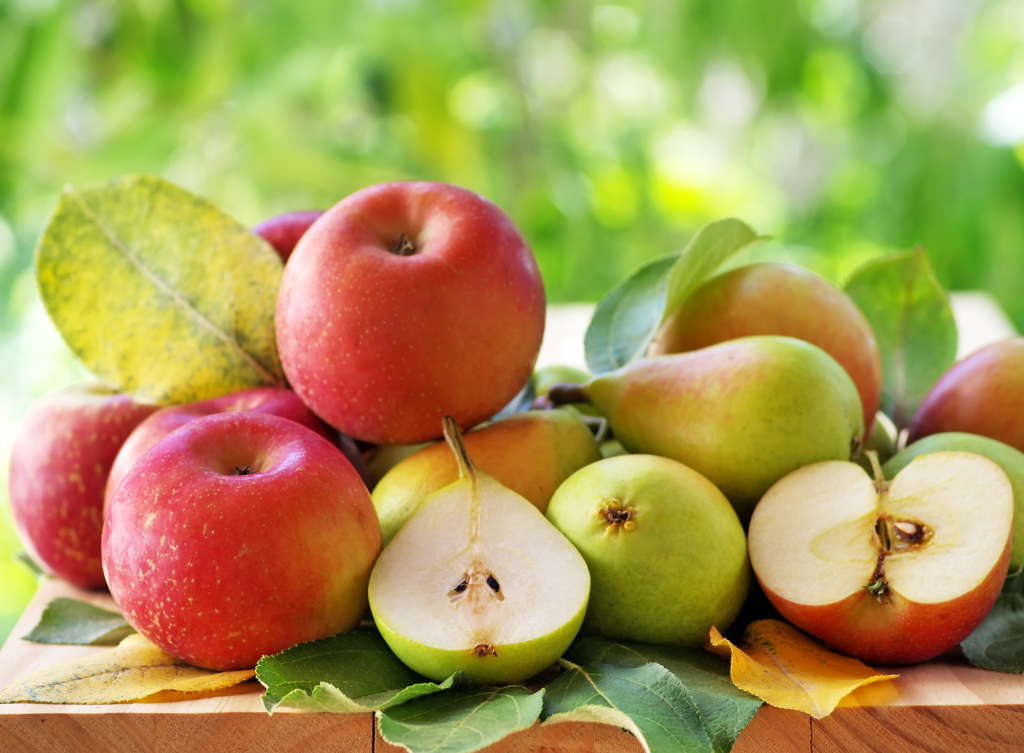
Apples and pears both are very versatile and can both be eaten raw, as is, or cooked. They are used in everything from sweet to savory dishes all over the world, in many different cultures. I love both apples and pears. I enjoy them both every way I can, and I cook with them a lot too. I use them in all kinds of recipes, from salads to hot savory dishes with meats to sweets and treats.
We all know the old saying “an apple a day keeps the doctor away”. Apples and pears both, as well as all fruits, are part of healthy diet and lifestyle. So eat your apples and/or pears, and stay healthy. Have a great day and make everyday great. ‘Til next time.

 A Jeanne in the Kitchen
Interesting and informative- thanks
LikeLiked by 2 people
Avec plaisir. 🙂
LikeLiked by 1 person
Thanks for sharing the love. Have a great day. 🙂
LikeLike
I love both pears and apples! They are so good!
LikeLiked by 1 person
I agree. 🙂
LikeLike