Pumpkins and squash are kissing cousins and are from the same family. They are members of the Cucurbitaceae family. Cucumbers and melon are also part of this family of vine growing fruits and vegetables. These are some of the oldest cultivated crops in the world, dating back to about 5500 BC. They originated in the Mesoamerican times, in South and Central America, though today, they are found around the world. In some places, like Australia and New Zealand, all winter squashes are known as pumpkins, but the word “squash” is commonly used for the summer squashes, which are picked young with soft, tender and edible skin like the zucchinis and yellow buttons.
Pumpkins and squash come in all colors, shapes and sizes. Gourds are also part of this large family, though they are not edible. There are hundreds of different varieties. I use and enjoy so many different kinds, mostly in the fall and winter months. I love cooking with pumpkins of all kinds.

Pumpkins and squash originated in Central and South America, but are grown all over the world today, with the top producers being India, Russia, Iran, The United States and China.
Squash, maize and beans, known as the “three sisters” to Native Americans, were all grown together and had a symbiotic relationship with each other. Corn stalks provided the “poles” for the bean stalks. Beans added nitrogen to the soil for other plants, and the large, sprawling leaves of the pumpkins and squash shaded the soil, keeping it cool and moist, which hindered the growth of weeds.
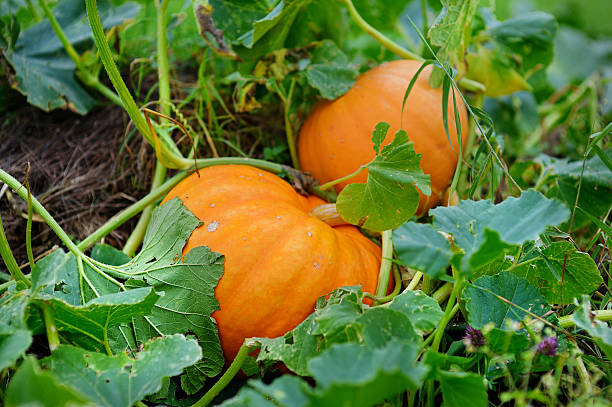
The Native Americans used and ate these foods in very similar ways that we do today. They were eaten fresh, or in soups and stews, baked, eaten whole, sliced and dried to be stored for the winter and ground into flours. The flesh and seeds were also boiled and eaten. The gourds and dried shells were used as bowls.
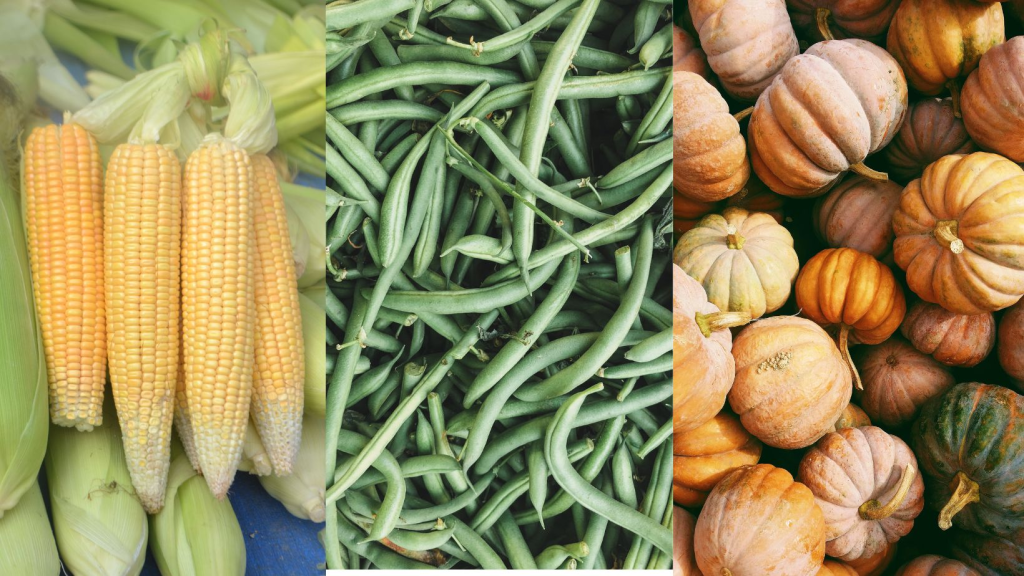

When Europeans discovered these delicious vegetables, and brought them back to Europe, at first they were not considered to be foods fit for humans, and fed them to their animals and livestock. They were also an “unreliable” food source because in many parts of Europe the climates were too cool and the growing season was too short. But in the warmer climates of Southern Europe and the Mediterranean areas, they thrived. They were introduced to the Far East by the Portuguese sailors in the 1540’s.
The name pumpkin, as the largest members of the Cucurbitaceae family are known as in America, actually comes from two sources; pumpion from Old English, which came from the French word pompon.
Pumpkins and squash are very healthy, not only for us, but for animals as well. They are high in fiber, high in antioxidants, such as beta-carotene, vitamin C, and polyphenols, which can help fight chronic diseases like type 2 diabetes and cardiovascular disease and they also help by improving blood pressure, supporting gut health.

It’s pumpkin season. Enjoy them while you can. Be creative and cook them up in as many creative ways as possible. Pumpkins aren’t just for Halloween. 🙂
Have a great day and make everyday great. Stay safe and stay well. ‘Til next time.

 A Jeanne in the Kitchen
Fabulous photos Jeanne
LikeLiked by 2 people
I love scorn squash for a coconut curry soup in winter 😍🤗
LikeLiked by 1 person
That sounds perfect! 🙂 🙂 🙂
LikeLiked by 1 person
Thanks for sharing the love. Have a great day. 🙂
LikeLike
Very cool! 😎 #GoodWorks
LikeLike
🙂 🙂 🙂
LikeLiked by 1 person
Pumpkin pie is so good, and I like pumpkin bread, too and pumpkin soup! I also love butternut squash soup. X
LikeLiked by 1 person
I love anything pumpkin. 🙂
LikeLike