I love mushrooms. I eat them all the time, with everything, cooked or raw. Call me crazy (trust me, it won’t be the first time), but I love these delicious fungi. Mushrooms are so versatile and can be cooked, eaten and prepared in countless ways. They are not meats, or fruits or vegetables. They have their own unique category. They are fungi, though surprisingly, they are actually more closely related to humans and animals than they are to plants, according to their DNA make-up. Animals and fungi separated from plants about 1.5 billion years ago.
People have been eating mushrooms for millennia. Evidence of humans eating edible mushrooms dates back 100’s of thousands of years, including the discovery of edible mushrooms in 13,000-year-old archaeological sites in Chile and the discovery of two types of mushrooms with the mummy of Ötzi, who lived in Europe between 3400 and 3100 BCE and much earlier as well. Even the stone-age people were eating mushrooms. The “stoned ape theory” claims that the addition of psilocybin mushrooms to the human diet around 100,000 years ago caused the cognitive revolution and the transition from Homo erectus to Homo sapiens. In the early 21st century, research in the United States began to test psilocybin mushrooms (magic mushrooms) for their potential to treat anxiety, mood disorders, and drug dependence. In 2018–19, the FDA granted Breakthrough Therapy Designation for studies of psilocybin in depressive disorders. It is believed mushrooms have been around for about 810 million years.
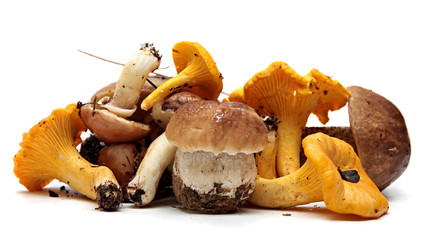
Part of the appeal of mushrooms is that the early civilizations believed they had magical powers that promoted longevity. These magical powers were also in the form of hallucinogenics. For the Egyptians, mushrooms were the “food of the gods.” They believed that eating them could help them live longer — or even make them immortal. The Greeks drank ergot mushrooms during certain ceremonies and reported seeing visions and ghostly apparitions. The Maya and Aztecs also consumed hallucinogenic mushrooms. They were used for medicinal, spiritual, and recreational purposes. In some areas they were held sacred and believed to bring one closer to the divine. Ancient cultures such as the Aztecs and Mayans have used mushrooms containing psilocybin in religious ceremonies for centuries.
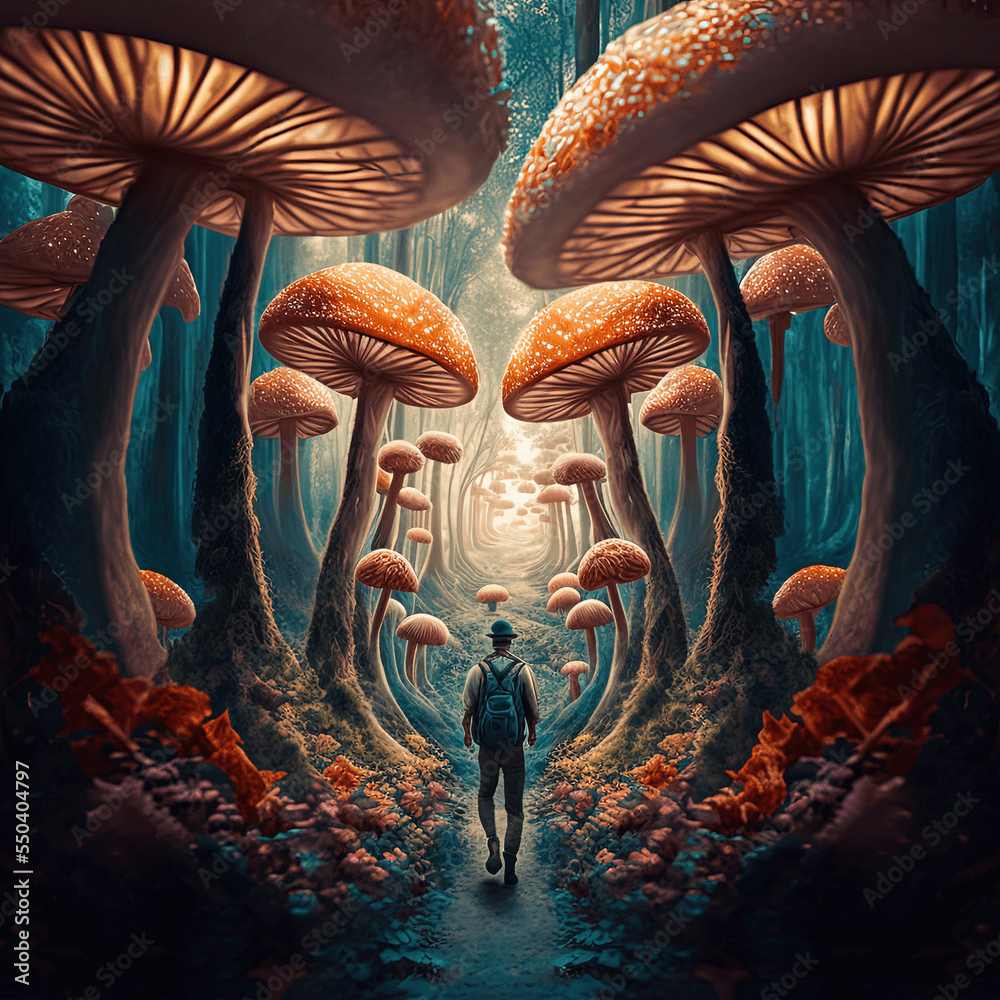
There are roughly 300 species of edible mushrooms around the world, yet only about 30 varieties have been domesticated, and only about 10 varieties that are commercially grown, according to a Colorado State university study. The most popular varieties of mushrooms, at least in the United States, are white button or cremini, baby portabella, portabella, enoki, oyster, maitake and shiitake. They are loaded with Vitamins B and D, and are one of the highest sources of selenium. Mushrooms contain macronutrients that support a healthy immune system. According to the Mushroom Council, your immune system will benefit from mushrooms whose nutrients include: Selenium, which helps your body make antioxidant enzymes to prevent cell damage. Mushrooms are low in calories, have virtually no fat and no cholesterol, and are very low in sodium. Three ounces of raw mushrooms, about 1 cup, provide 1 to 2 grams of protein. Mushrooms contain an indigestible carbohydrate called chitin that contributes “bulk” to our diet.
Mushrooms are eaten all over the world, but it seems that the Russians and Chinese consume the most per capita.
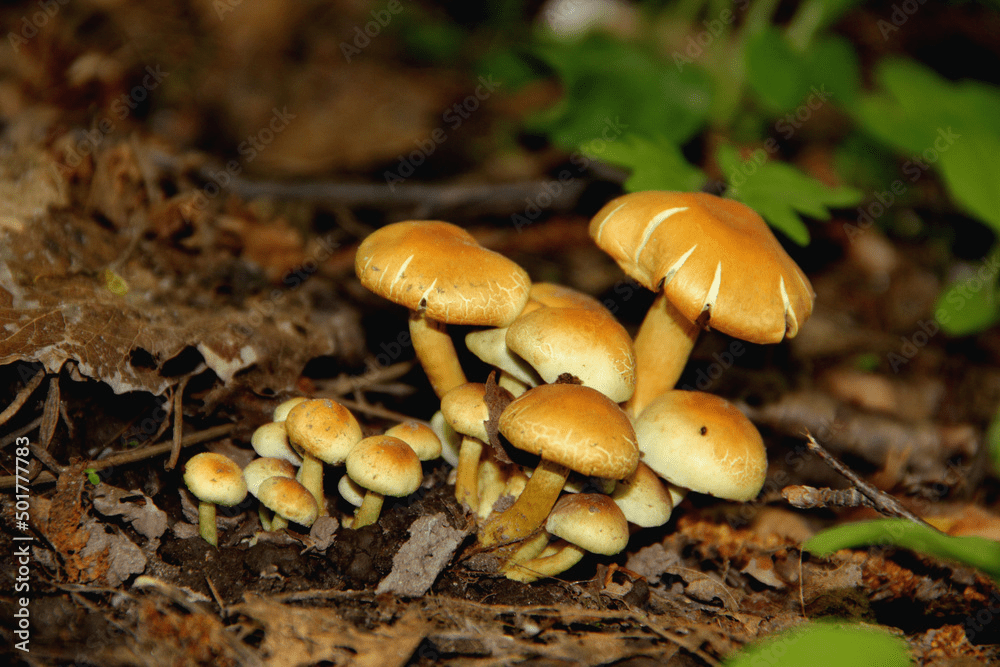
Mushrooms are found all over the world. In the United States, Pennsylvania and California are the leaders in production. Though there are still many varieties that are grown in the wild, the commercially grown mushrooms can be grown indoors, with no lights necessary. They metabolize dead or decaying matter and propagate by producing spores rather than seeds.

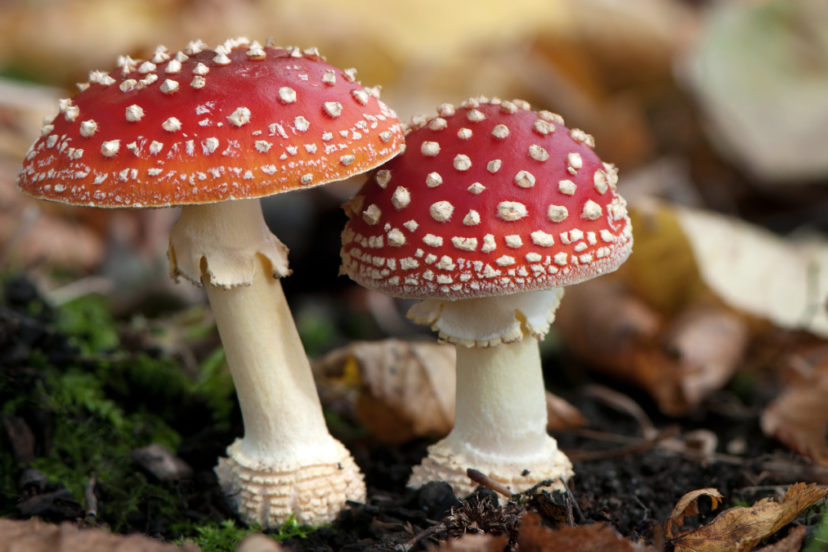
Though there are roughly 300 types of edible mushrooms, there are also many more varieties that are NOT edible and are actually poisonous. The most common toxin that causes severe poisoning is amatoxin, found in various mushroom species that cause the most fatalities every year. Amanita, or “ the death cap”, is a type of mushroom named for its substantial amount of amatoxin, which has about 10 mg per mushroom, which is the lethal dose. Avoid mushrooms with white gills, a skirt or ring on the stem and a bulbous or sack like base called a volva, as well as mushrooms with red on the cap or stem. Here are some poisonous varieties to avoid. When in doubt, leave them alone and leave the mushroom gathering to the pros.


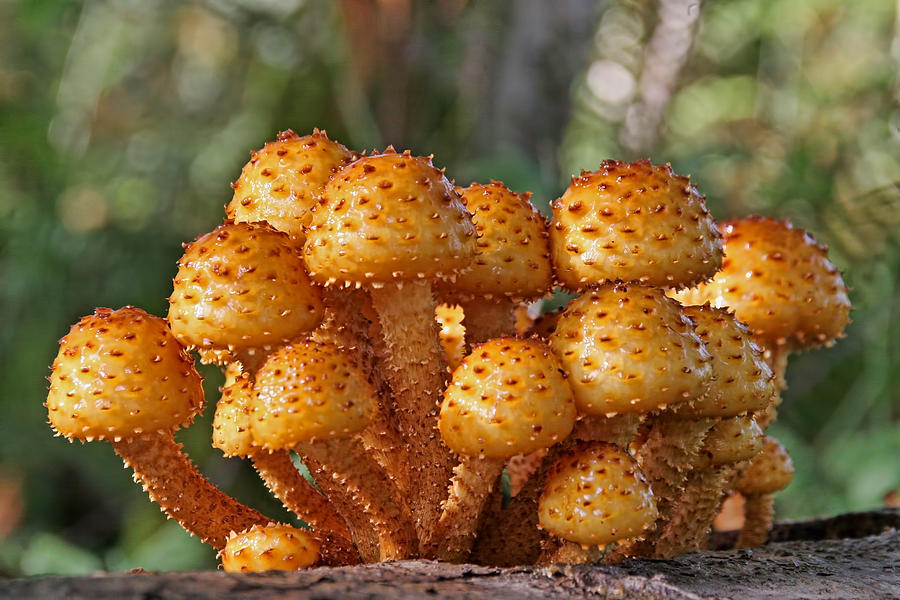
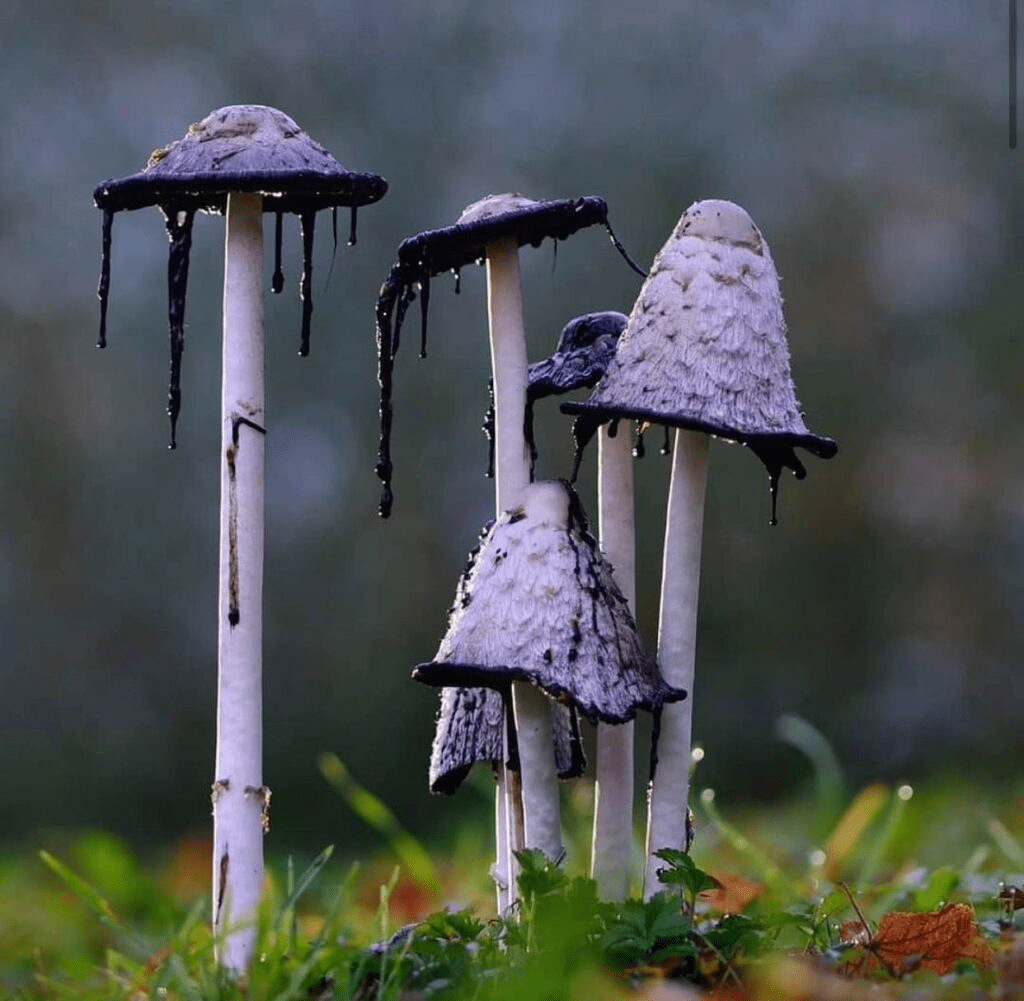
So, my fellow fungi eaters, I hope you all learned some new information and insights on mushrooms. I know I did. I love to learn new things, and I love to share what I learn with all of you too.
Have a great day and make everyday great. Stay safe, avoid those poisonous mushrooms, and stay well. ‘Til next time.

 A Jeanne in the Kitchen
I love mushrooms, too! Funny, I also wrote something recently with the same title 😆😆 Mushroom adventure!
LikeLiked by 1 person
Great minds thinking alike. Sorry for “borrowing” your title. 🙂
LikeLiked by 1 person
Lol it isn’t mine 🤣 I’m sure there are other articles with the same title haha
It’s for the love of shrooms! Brilliant article, btw 👍👍
LikeLiked by 1 person
AWWWW!!!! Thank you. 🙂
LikeLiked by 1 person
Love mushrooms too
LikeLiked by 1 person
🙂 🙂 🙂
LikeLiked by 1 person
Mushies and brussel sprouts. You can’t beat them.
LikeLiked by 2 people
You are so right! 🙂
LikeLiked by 2 people
I learned a lot from reading your post Jeanne! Thanks for sharing, I love mushrooms too!
LikeLiked by 2 people
Thank you. My pleasure. 🙂
LikeLike
Have you read Entangled Life by Merlin Sheldrake? An entrancing study of fungi, highly recommended.
LikeLiked by 3 people
No. Thanks. I’ll have to check it out. 🙂
LikeLiked by 2 people
We see a lot of mushrooms during the summer in woods near me. Some people go in to harvest some of them.
LikeLiked by 2 people
I would love to do that, but I would definitely want to be with someone who knew what they were doing. 🙂
LikeLiked by 2 people
Even the people who know a lot make mistakes. We had 1-2 people like that in NY several years ago who mistook one mushroom for another and got really sick.
LikeLiked by 2 people
YIKES!
LikeLiked by 1 person
Great historical information.
LikeLiked by 2 people
Thank you. 🙂
LikeLiked by 1 person