Yes, I have plenty of my own recipes and dishes I have been cooking to share, but I came across something I found very interesting, and don’t know much about it all, so I thought I would share it with all of you as well. I hope find it interesting too.
I admit, up until fairly recently, I hadn’t cooked much with rose water at all. I knew it was used for Middle Eastern desserts, but that was about it, really. I tend to buy my Middle Eastern desserts much more so than I make them, because, in all honestly, I am not quite that adept at making them, and it is much cheaper, easier and better for me to purchase them already made by the experts. However, by no means does that mean I won’t make them or that I don’t want to learn how. Au contraire. I love learning new things and experimenting with new ideas.
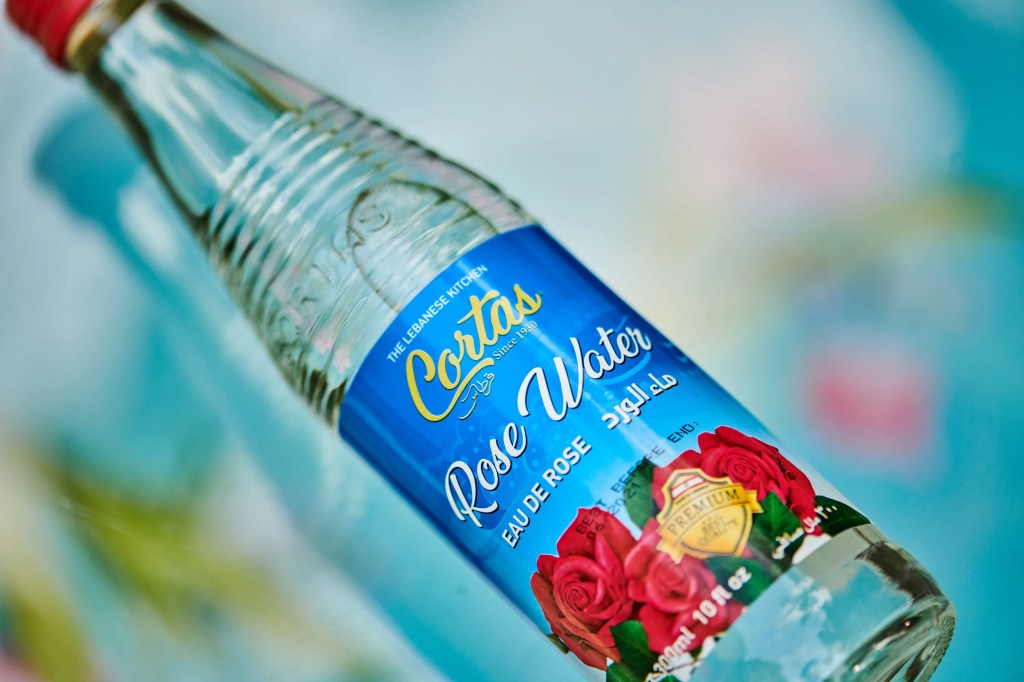
Rose water has been used for thousands of years for medicinal, culinary, and perfumery purposes. Concentrates and oils have been made from rose hips since about 2630 BC. In fact, rosewater has a long and illustrious culinary history. Made by distilling rose petals with steam, it was first created by chemists of the Islamic world in the Middle Ages. Rose water is a byproduct of the process of steam-distilling rose petals to make rose oil, also known as attar of roses. It’s made from water and rose petals, and contains 10–50% rose oil. Rose water has a sweet scent and is used in many beauty products, including toners, creams, makeup, and hair care. It’s also a key ingredient in Middle Eastern, Asian, and Mediterranean cuisines.

the use of rosewater became firmly ensconced in the cooking of the Middle East, northern Africa, and northern India, all cuisines in which the floral and the aromatic are highly prized. It is believed the Persians are amongst the first to use rosewater in their cooking by infusing it into mutton fat and marzipan. Rose water is known as gulāb in Persia, which comes from the words gul (rose) and ab (water). The earliest written records of using rosewater in food come from the Arab Empire, from the 8th-11th centuries A.D. Crusaders introduced rose water to Europe during the Middle Ages and Renaissance, where it became a luxury item for the aristocracy. It was used as a remedy for depression, in baths, and for rinsing hands. It was widely used in the United States in the 18th and early 19th centuries, and is referenced in Amelia Simmons’ 1796 cookbook American Cookery. Before 1841, when vanilla became widely available (after a 12-year-old slave became the first person to figure out how to hand-pollinate the vanilla orchid so it could be commercially produced outside its native Mexico, but that’s another story), rose water was also a primary flavoring in a wide range of desserts and pastries in Europe and even the United States.
As I am finding out through more research, rosewater is used for a lot more than just pastries and desserts. It is also used in a lot of savory dishes too.

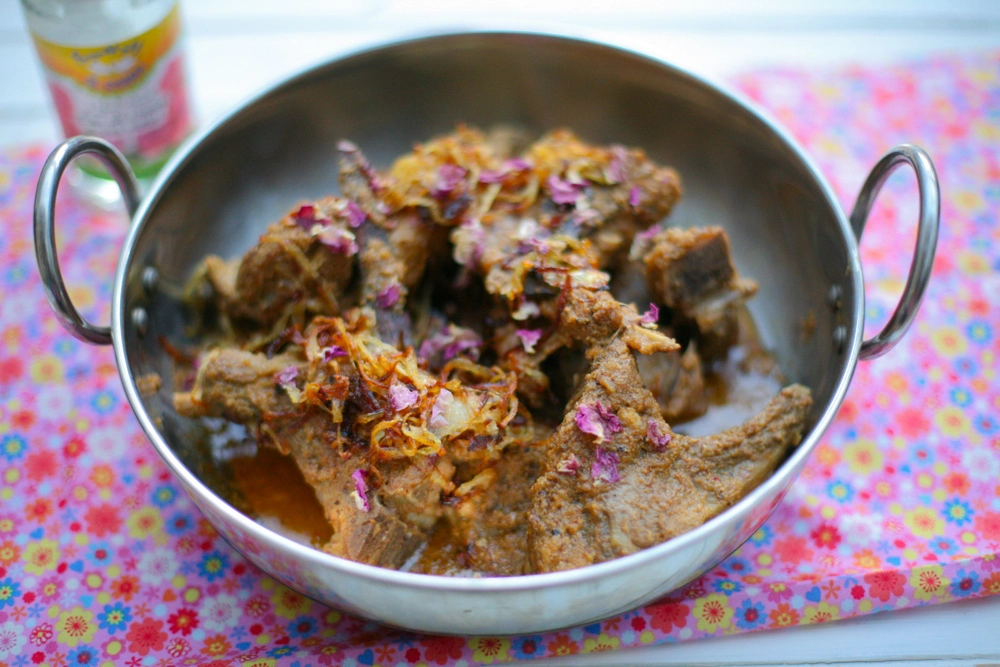
I am getting so hungry looking at all these fabulous ideas. I think I need to start experimenting more with rosewater. 🙂
Learn something new everyday. Have a great day and make everyday great. Stay safe and stay well. ‘Til next time.

 A Jeanne in the Kitchen
I look forward to reading about your experiments!
LikeLiked by 1 person
You know I will be experimenting too. 🙂 It is really thanks to you and your generous gift of both the rosewater and the orange blossom water. 🙂
LikeLiked by 1 person
🙂🙂🙂
LikeLiked by 1 person
Thank you, Jeanne, for the fascinating post about Rose Water. I used to make rose confiture from the petals of a special rose, and they are wonderful served with tea and in cakes.
Joanna
LikeLiked by 2 people
I would love to see some of those. Please make some and send my photos, to my email address at ljbjej@q.com, and I will feature you as a guest chef. 🙂
LikeLike
I would love to see some of those. Please make some and send my photos, to my email address at ljbjej@q.com, and I will feature you as a guest chef. 🙂 Pictures of you making it too, would be great, and any information you would like to share. 🙂
LikeLike
Unfortunately, Jeanne, I have a major house renovation going on so no chance of doing anything now, I would need wild rose petals and pestle and mortar. One has to rub the petals with sugar until they turn into a fragrant mass. After that effort, the rest is simple.
Joanna
LikeLiked by 1 person
No worries. Anytime you would like to do this, it will greatly appreciated. 🙂
LikeLike
Yes!
LikeLiked by 1 person
SWEET!!!!!~~! 🙂 🙂 🙂
LikeLike
Go easy on the rose water or it’ll taste soapy. I speak from bitter experience.
LikeLiked by 1 person
Thanks for the tip. I will definitely keep that in mind. 🙂
LikeLiked by 1 person
Well I never knew rose water was used for cooking, that titbit of info was new to me! I love learning how it is used! Now I just need to taste a delicious dessert made with it!
LikeLiked by 1 person
I’ll see what I can do about that. 🙂
LikeLike
Please do experiment and share, darling!
LikeLiked by 1 person