Tequila is a big industry all over Mexico. It has been a part of the Mexican history and culture since before the time of the Aztecs. They used it in their religious rituals. Tequila first came into existence between 250-300 A.D. when the Aztec Indians produced a fermented juice of the agave for their ceremonial wine, ‘plaque’. This liquid was very important to Aztec culture as they worshipped two Gods – Mayahuel (the goddess of the Maguey) and her husband Patecatl, the god of pulque. But tequila, as we know it today, didn’t take place until the arrival of the Spaniards. The Spaniards distilled the agave plants with the same techniques they used for distilling brandy and wine. And from there, tequila grew into the very popular drink it has become today, the world over.
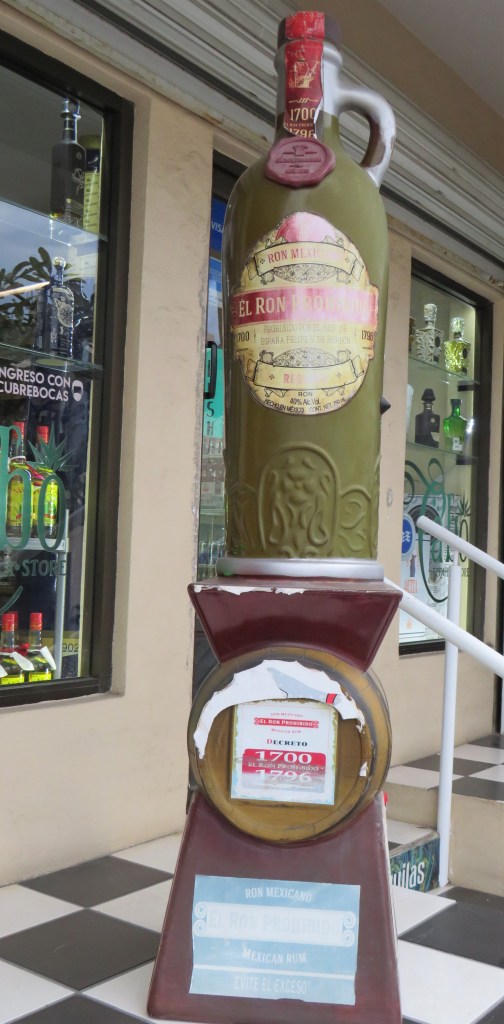
The red volcanic soils in the region of Tequila are well suited for growing the blue agave, and more than 300 million plants are harvested there each year.[1] Agave grows differently depending on the region. Blue agaves grown in the highlands Los Altos region are larger and sweeter in aroma and taste. Agaves harvested in the valley region have a more herbaceous fragrance and flavor. You will find tequila tributes all over Mexico.
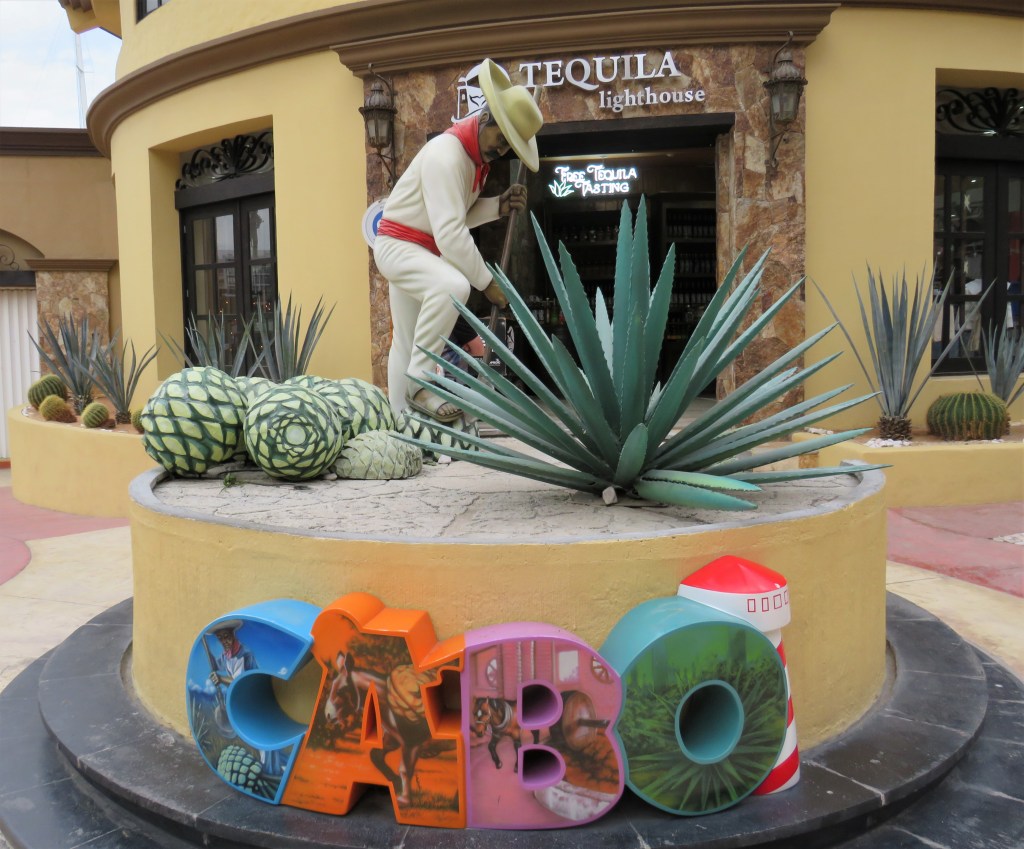
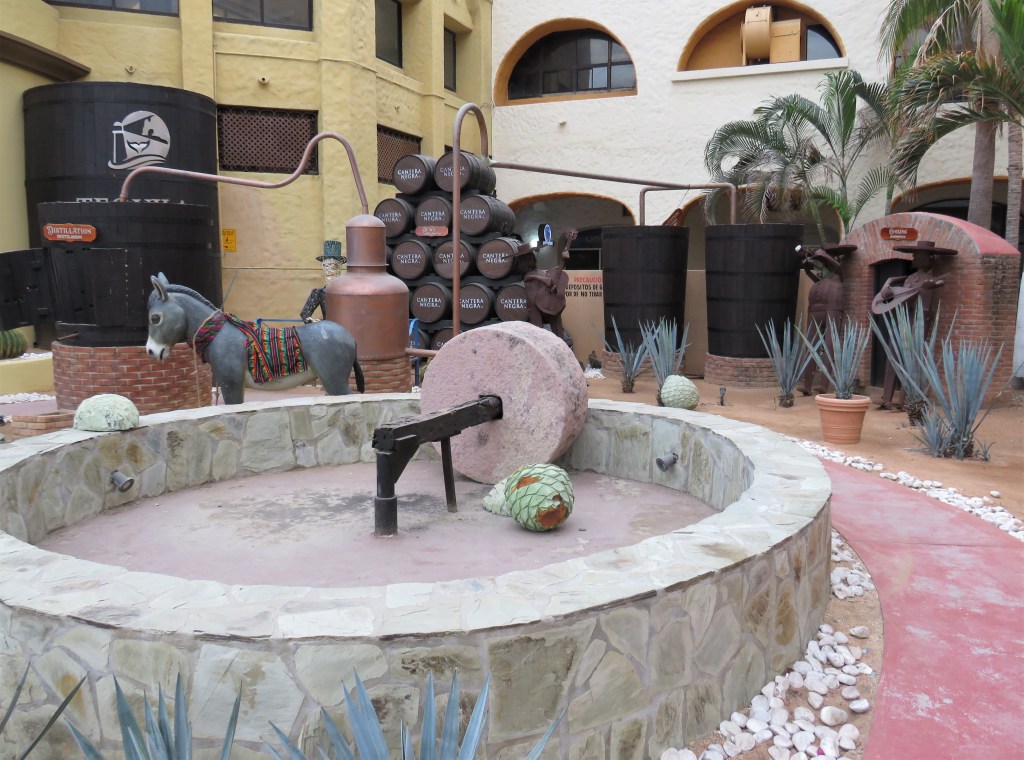
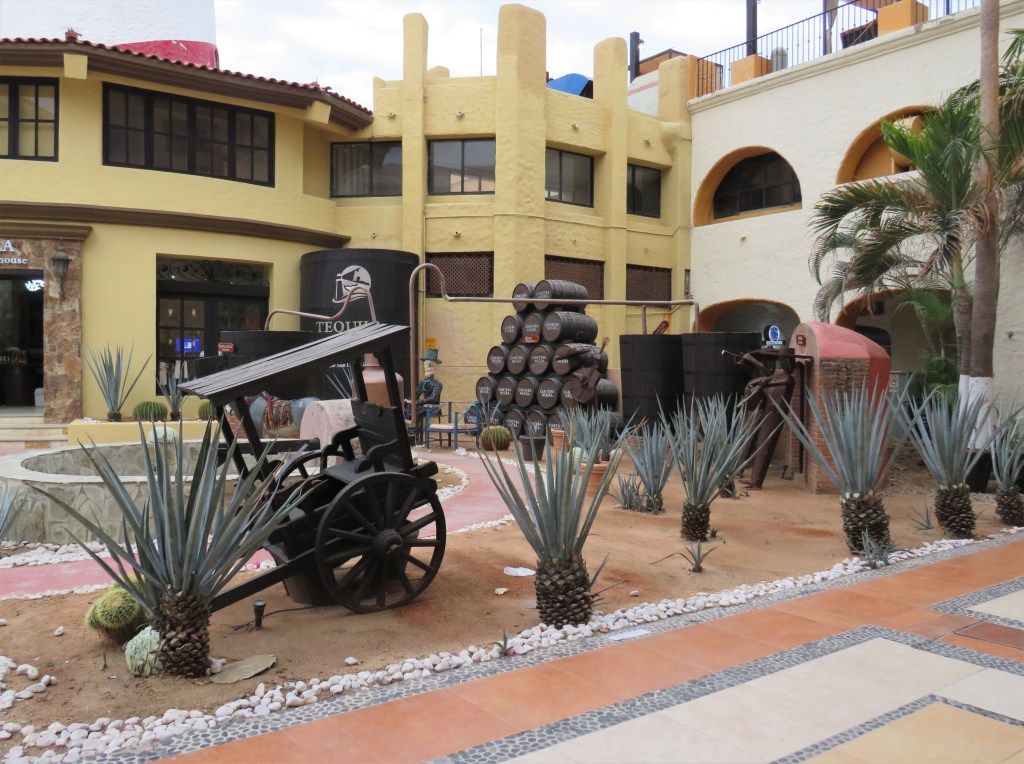
Don Pedro Sánchez de Tagle is considered the first person to produce tequila. In 1595, King Philip II of Spain banned the planting of new vineyards in Mexico and other Spanish colonies due to the decline of wine trade with Spain. The main reason behind this is because Mexico is self-sufficient in producing its own wines. The king did this to maintain the market for Spanish products in the New World, and reap the taxes on wine exports. The Marquis of Altamira grabbed the opportunity of the neglected blue agave plants. He built his first Tequila factory in his Hacienda Cuisillos, one of the largest haciendas during that time and amassed a great fortune. The Marquis is now known today as the “Father of Tequila”. Don Pedro also served as the Prior of the Consulado, which is the head of the largest corporation in Mexico.
In 1758, the Cuervo family began distilling tequila and in 1873, the Sauza family followed. If these names don’t sound familiar to you they should—both Cuervo and Sauza are still some of the most popular brand names on the market. Don Cenobio Sauza is also said to have been the one to identify blue agave as the best option for making tequila. Today, in order to be classified as tequila, it must be made from blue agave specifically. It’s at this point in history that the tequila being produced actually began resembling the tequila available now.
Today the tequila industry is booming. And many celebrities have also decided to join the tequila making industry. In Cabo San Lucas, the Red Rocker himself, Sammy Hagar, has made his brand of Cabo Wabo Tequila a multi-million dollar business. He even owns a club by the same name that is always rockin’. He has been honored and distinguished by the people of Cabo for all that he has done to promote their town. Sammy Hagar is Cabo’s most famous, and probably their most loved resident.
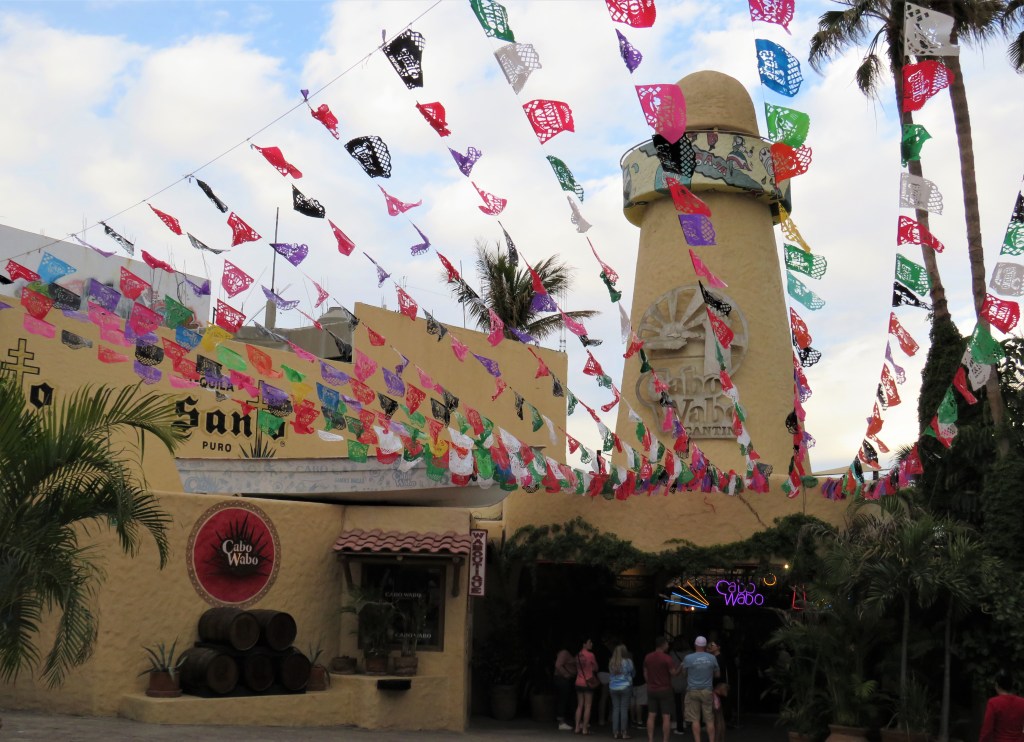
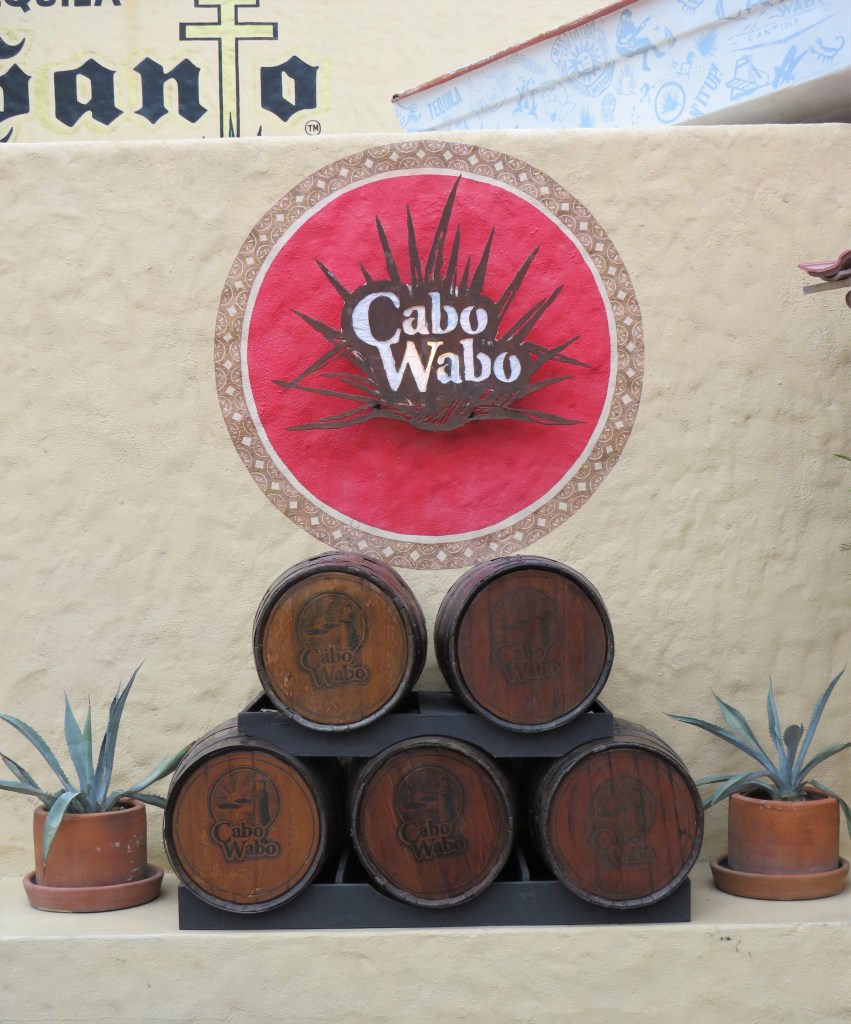
I love Sammy Hagar. I am a big Van Halen fan, but an even bigger “Van Hagar” fan. When Sammy joined Van Halen, he took the band to even higher levels than where they were before. We visited Cabo Wabo’s gift shop, but we didn’t eat there or listen to the band that was playing. It was like an hour’s wait, so we decided to dine elsewhere instead.
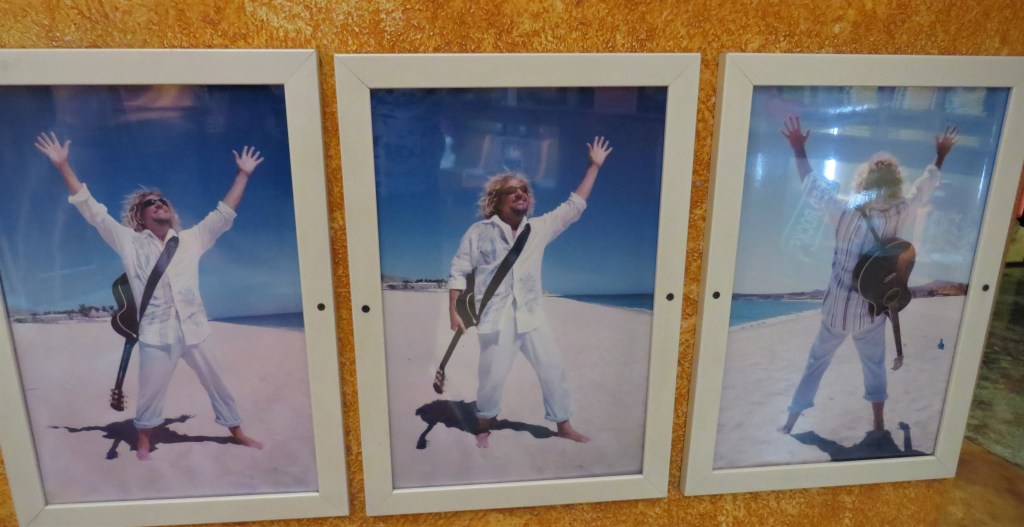
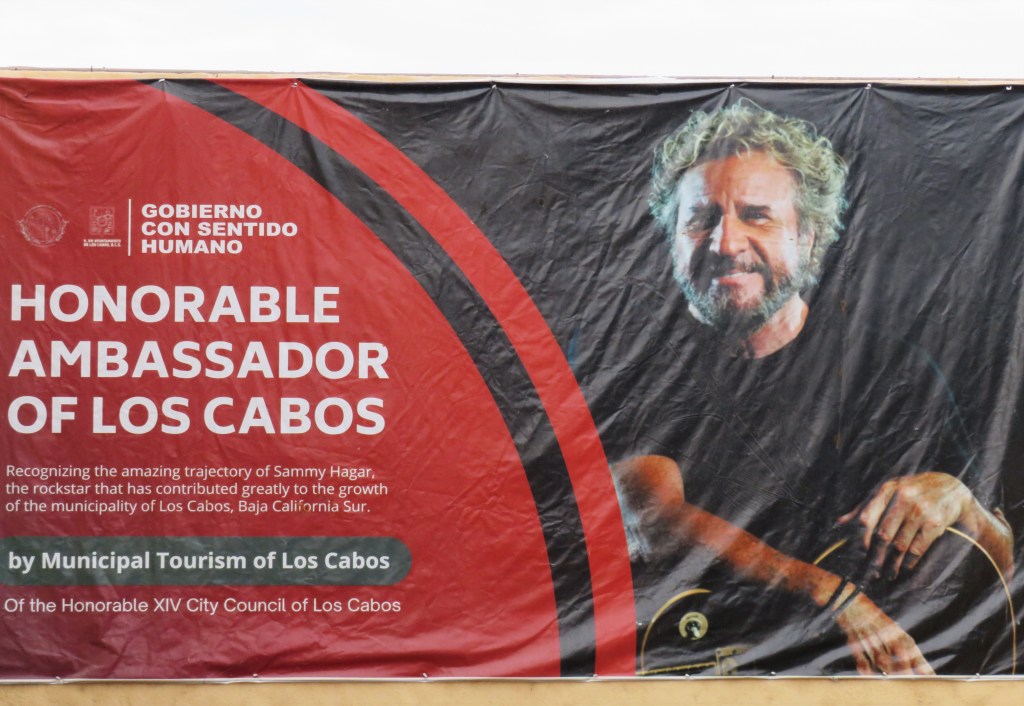
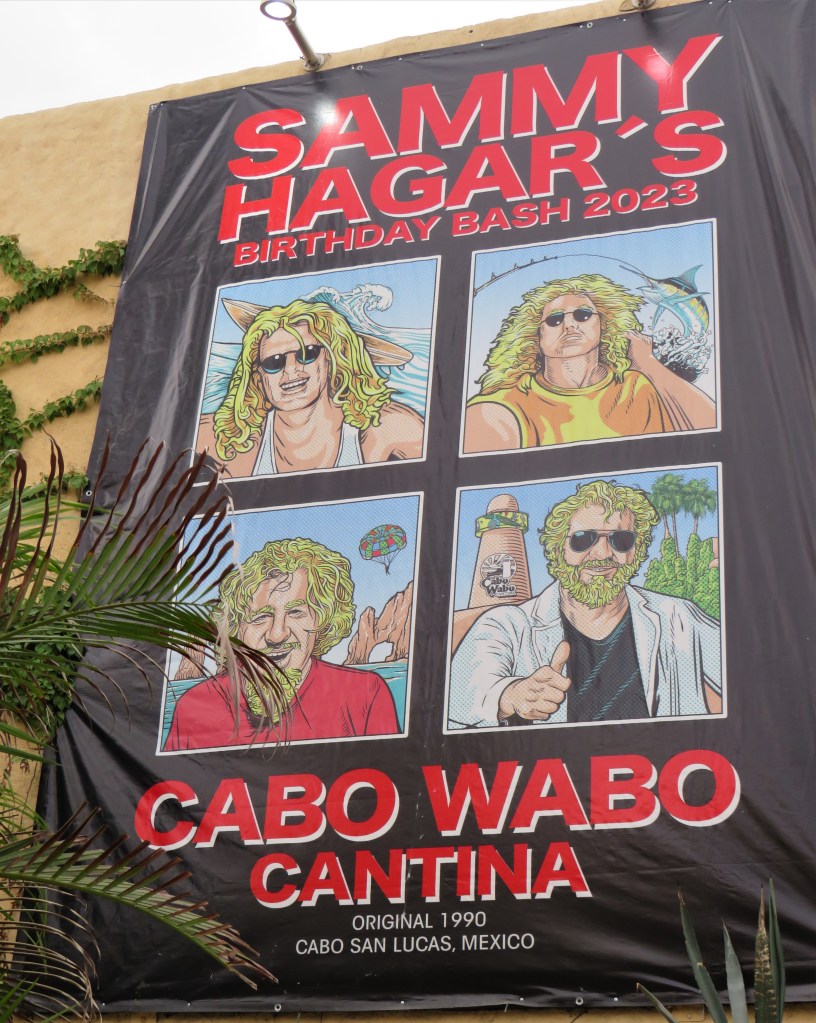
Rock on everyone. Sammy Hagar and his Cabo Wabo will definitely help put you in the mood. Stay safe and stay well. ’Til next time.

 A Jeanne in the Kitchen
Beautiful post beautiful pictures 🌹
LikeLiked by 1 person
Thank you. 🙂
LikeLiked by 1 person
Welcome 🙏 freinds
LikeLiked by 1 person
🙂 🙂 🙂
LikeLike
awesome! That was a nice history lesson for me as I knew next to nothing about Takila!
LikeLiked by 1 person
My pleasure. 🙂
LikeLike
I did not know this about Tequila – thank you Jeanne.
LikeLiked by 1 person
Avec plaisir mon amie. 🙂
LikeLiked by 1 person