The Gothic Quarter in Barcelona dates back over 2,000 years and is one of the most talked about neighborhoods in the city—full of charm and captivating history. It is the heart of Barcelona. The Gothic Quarter center of the old city of Barcelona stretches from La Rambla to Via Laietana, and from the Mediterranean seafront to the Ronda de Sant Pere. It is a part of Ciutat Vella district. The quarter encompasses the oldest parts of the city of Barcelona, and includes the remains of the city’s Roman wall and several notable medieval landmarks. Much of the present-day fabric of the quarter, however, dates to the 19th and early 20th centuries. El Call, Barcelona’s old Jewish Quarter, is one of the most beautiful areas of the Gothic Quarter. It is full of shops and restaurants. There are no more Synagogues left in the area, due to destruction in the mid 14th century, but the Jewish Quarter is now marked by gold markers on the streets. These are some of the narrowest streets in all of Barcelona, and they are also filled with a dark history that dates back to medieval times.
We had a very fun and full day. Our first stop was Sagrada Familia Back From Barcelona – Sagrada Familia. From there, we toured around the city Back From Barcelona – Touring Around. We stopped for lunch, more on that later. And finished the day with a fun and informative walking tour of the Gothic Area.
Mario, our guide, was originally from Buenos Aires, Argentina. It was us and one other couple on the tour. The other couple was from Brazil. They speak Portuguese in Brazil, and Mario was great. All evening he switched back and forth from English to Portuguese, and back again, without even so much as a hiccup. We all had a great time. There were no language barriers thanks to Mario and his linguistic skills.
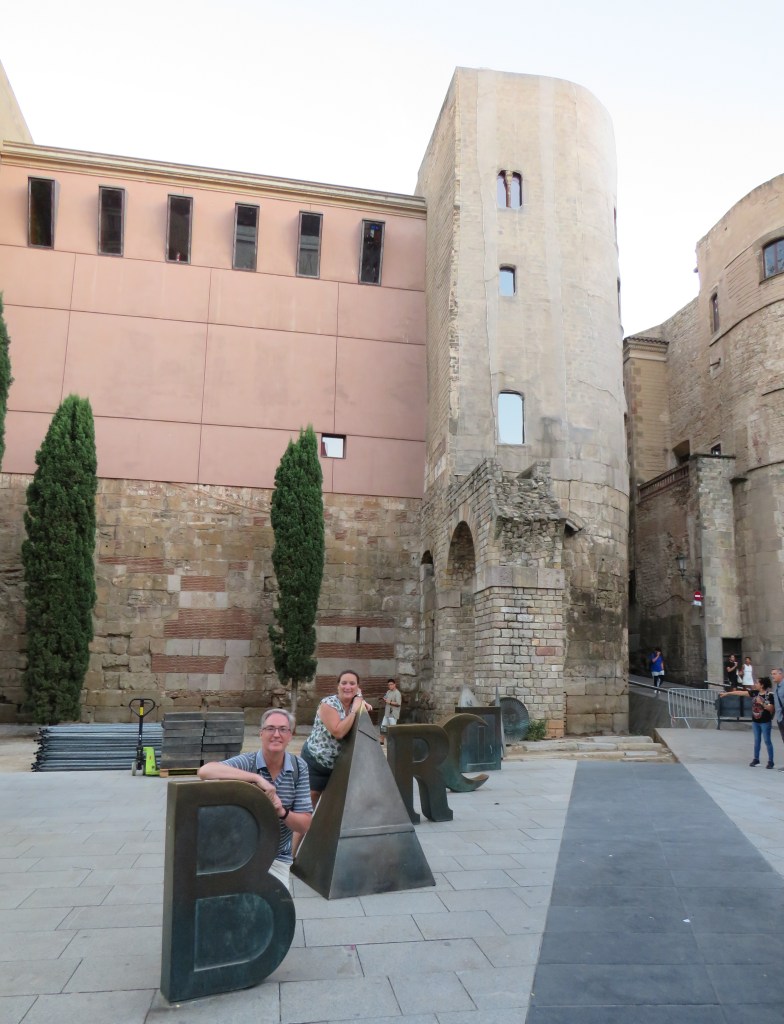
We started out by touring around and getting a brief history of the buildings and the area. This building is one of the oldest in Barcelona, and is made up of the old Roman buildings. Mario is explaining it to the Brazilian couple as I was taking pictures. The outsides of the buildings are mandated to keep with the old traditions, but the insides are updated and are modern and new.
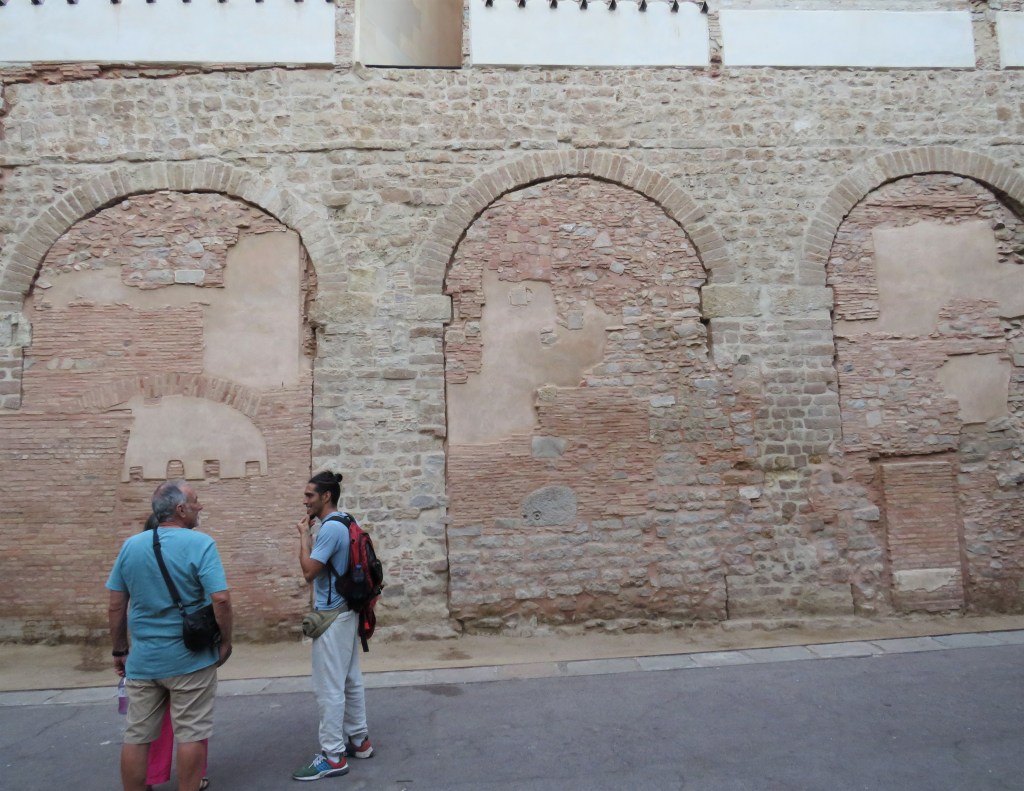
These are some of the old Gothic churches we saw, along with many other of the older, very charming buildings.
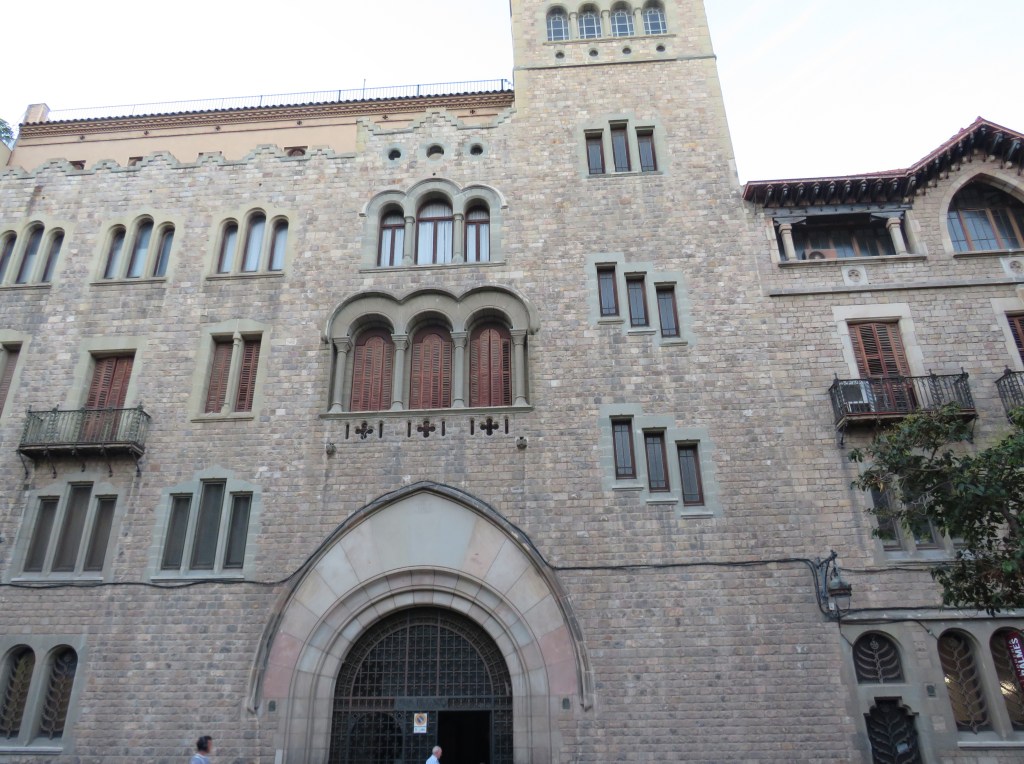
As I have said many times, I just love all the attention to detail that goes into every single structure. This is one of the La Seu cathedrals. La Seu is a common name for cathedrals in areas where the Catalan language is spoken. The phrase translates into English as `The See.`
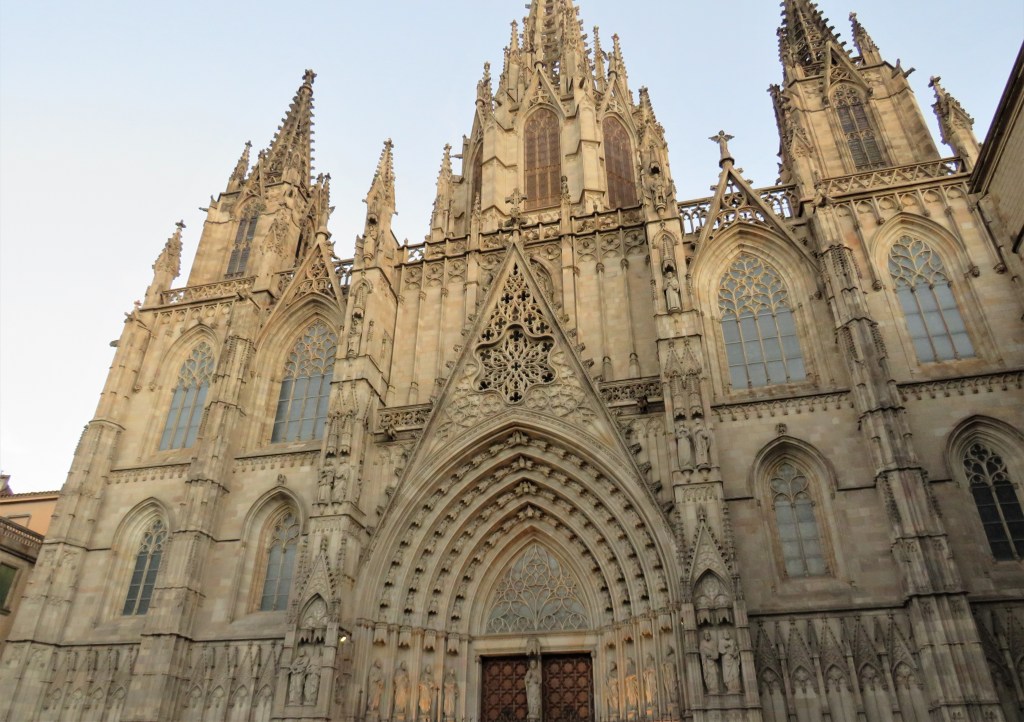
This bridge is a very old, very famous bridge. The Canons used to walk from their apartments to the church on this bridge. Today it is walked by both tourists and residents of the area.
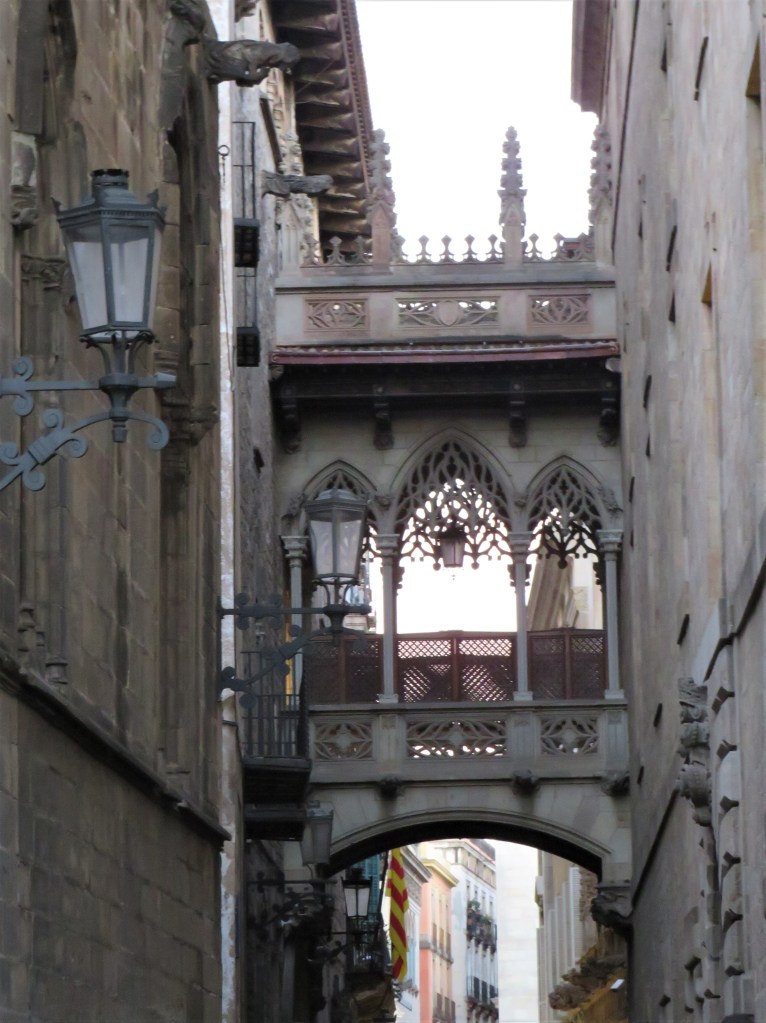

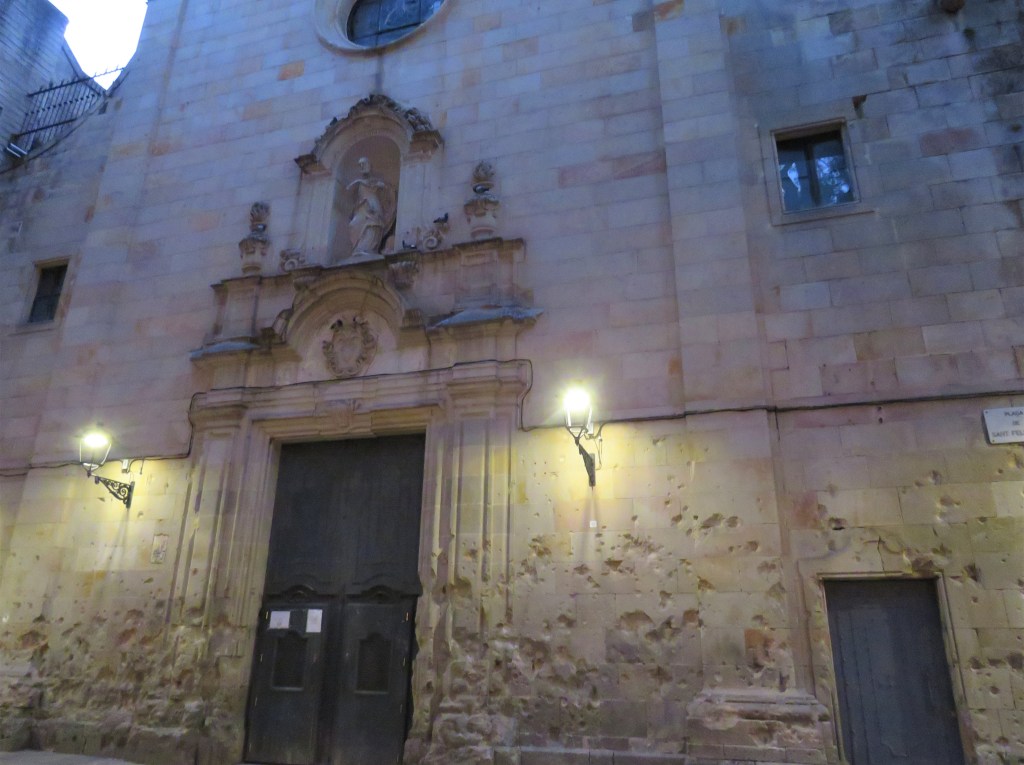
This building has quite a story. During WWII, Spain was supposed to be “neutral” since it had just come out of its own civil war and did not want to get involved in another war. However, apparently Franco didn’t quite understand what the word neutral meant, and he made “friends” with two very evil people who were in charge of the disasters during this horrific time in history; Hitler and Mussolini. This building, which was a school, was bombed and the bomb markings are still left on the wall as a tribute and a reminder of the forty-two students died during the bombing.

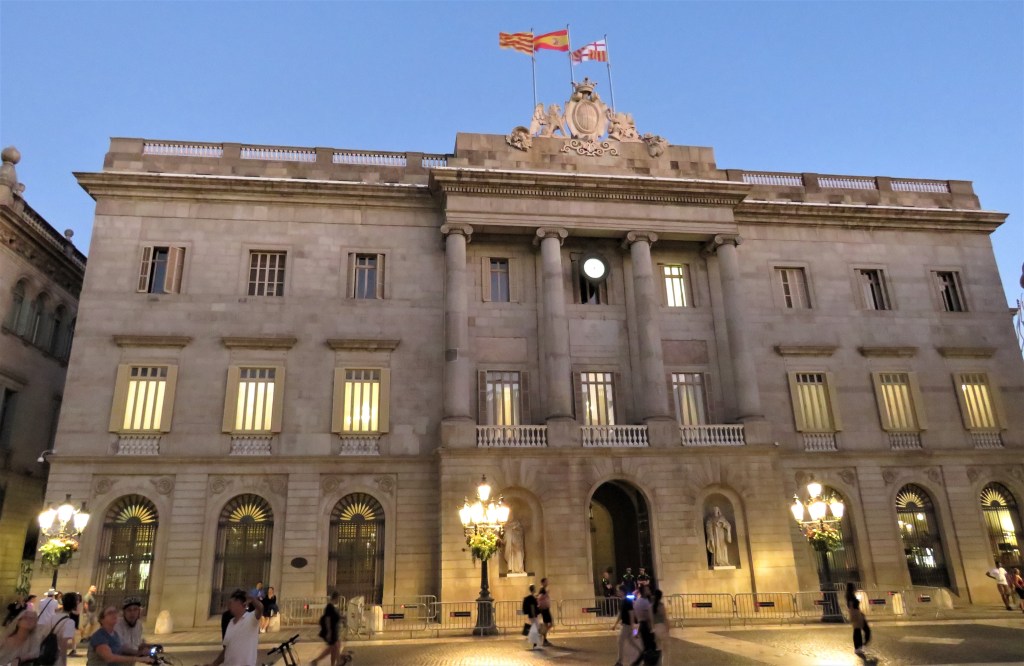
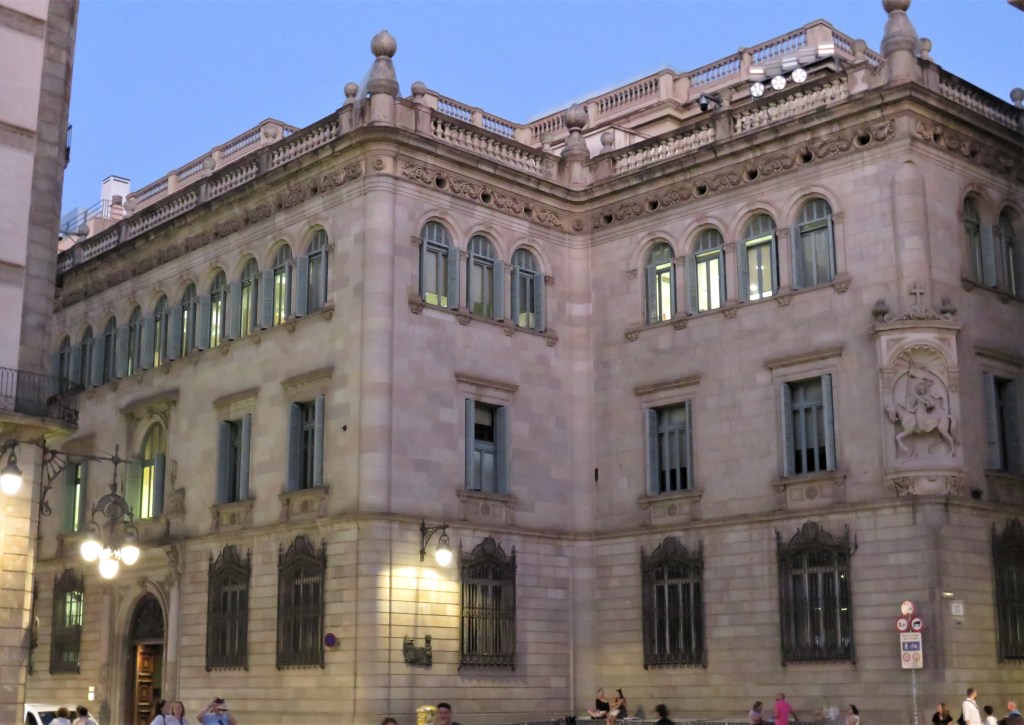
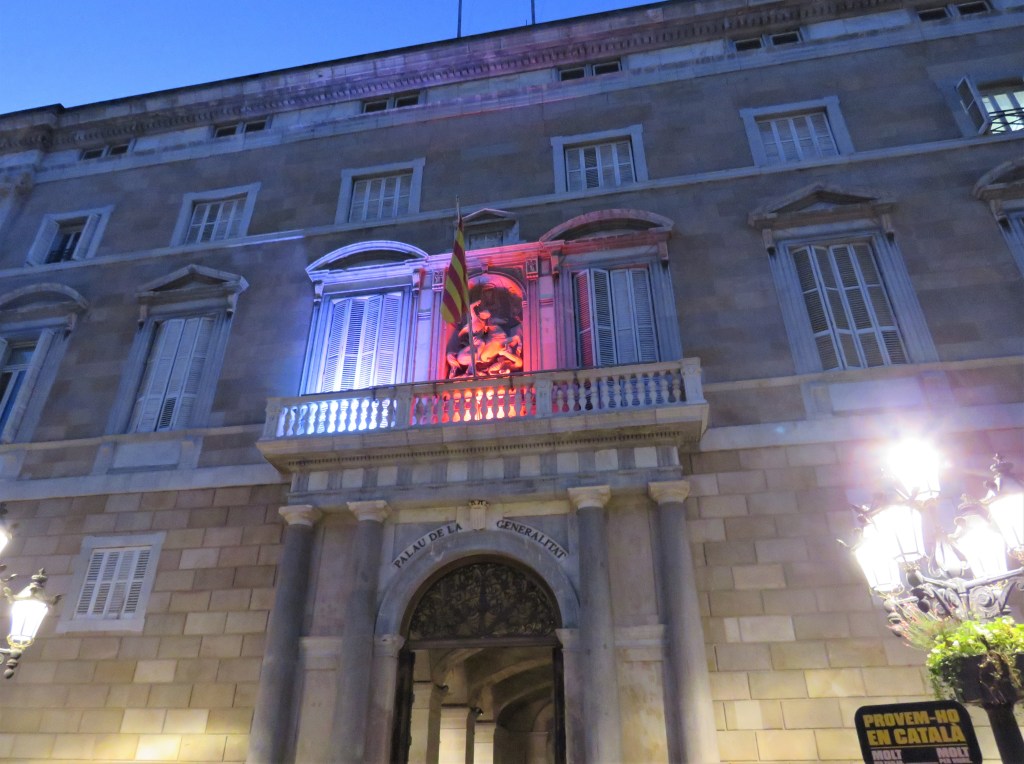
Government Square. This is the Spanish side.
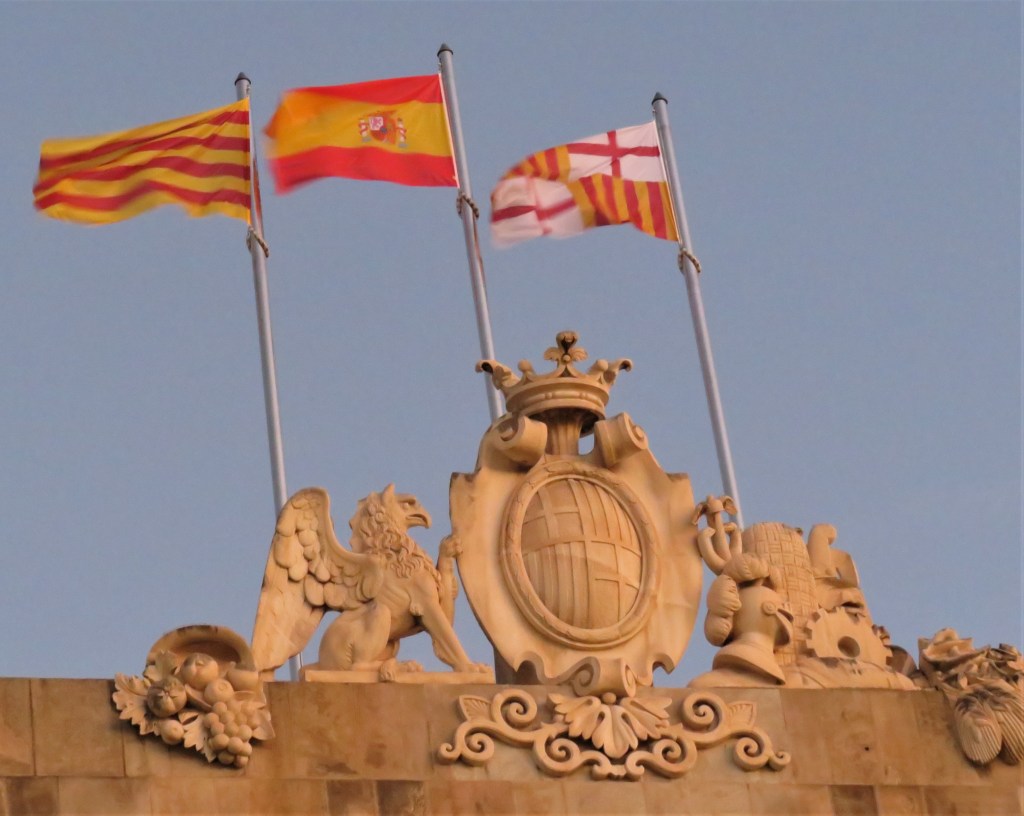
This is the Catalan side.
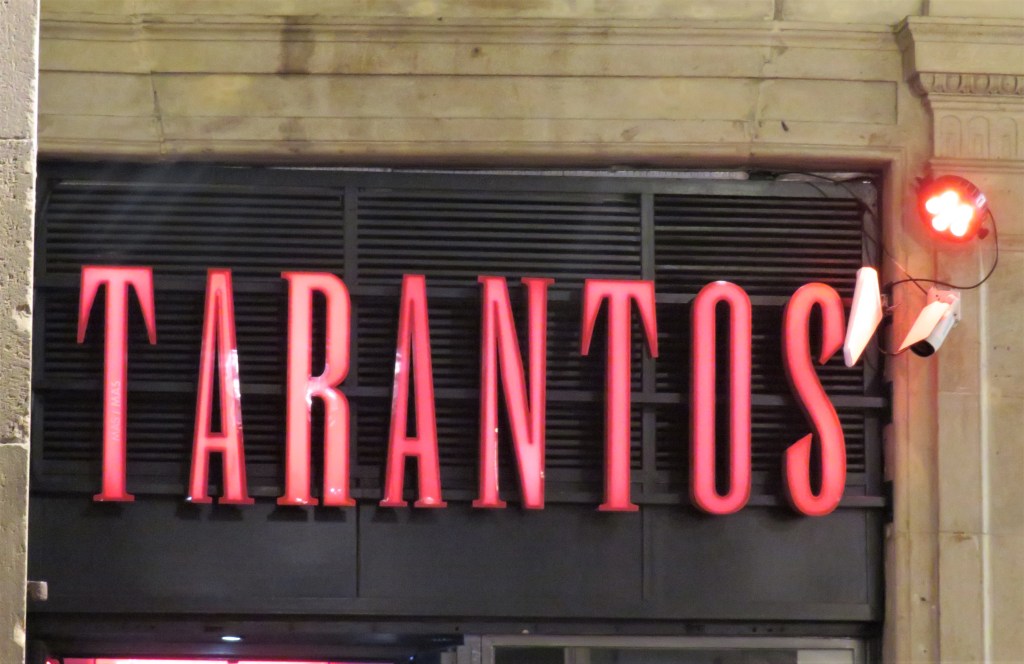
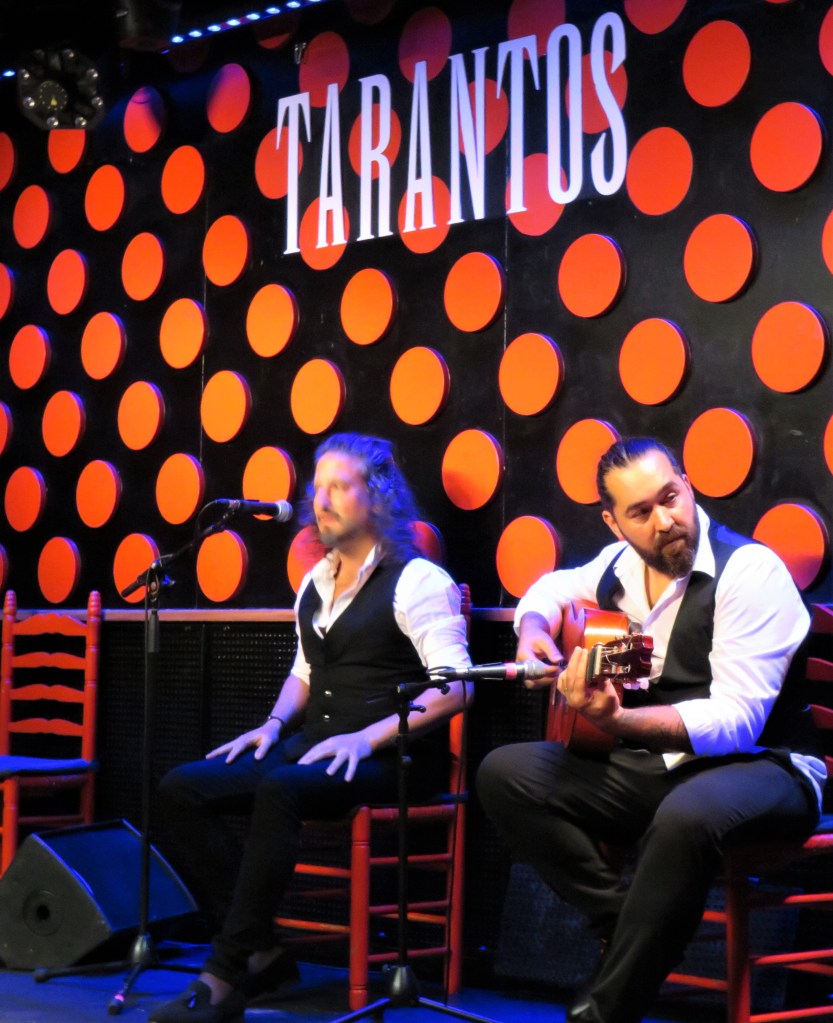
The tour also included a Flamenco show. We went to a place called Tarantos, which is the oldest Flamenco tavernas in Barcelona. I LOVE, LOVE, LOVE Flamenco. It was a great show.
Flamenco, is a form of song, dance, and instrumental (mostly guitar) music commonly associated with the Andalusian Roma (Gypsies) of southern Spain. (There, the Roma people are called Gitanos.) The roots of flamenco, though somewhat mysterious, seem to lie in the Roma migration from Rajasthan (in northwest India) to Spain between the 9th and 14th centuries. These migrants brought with them musical instruments, such as tambourines, bells, and wooden castanets, and an extensive repertoire of songs and dances. In Spain they encountered the rich cultures of the Sephardic Jews and the Moors. Their centuries-long cultural intermingling produced the unique art form known as flamenco. Both the songs and the music are telling a story of the “outcasts” of Spain. One of the things we heard is that Flamenco was about “farmers without a farm”, which makes sense, considering it was originally the music of the Gypsies.

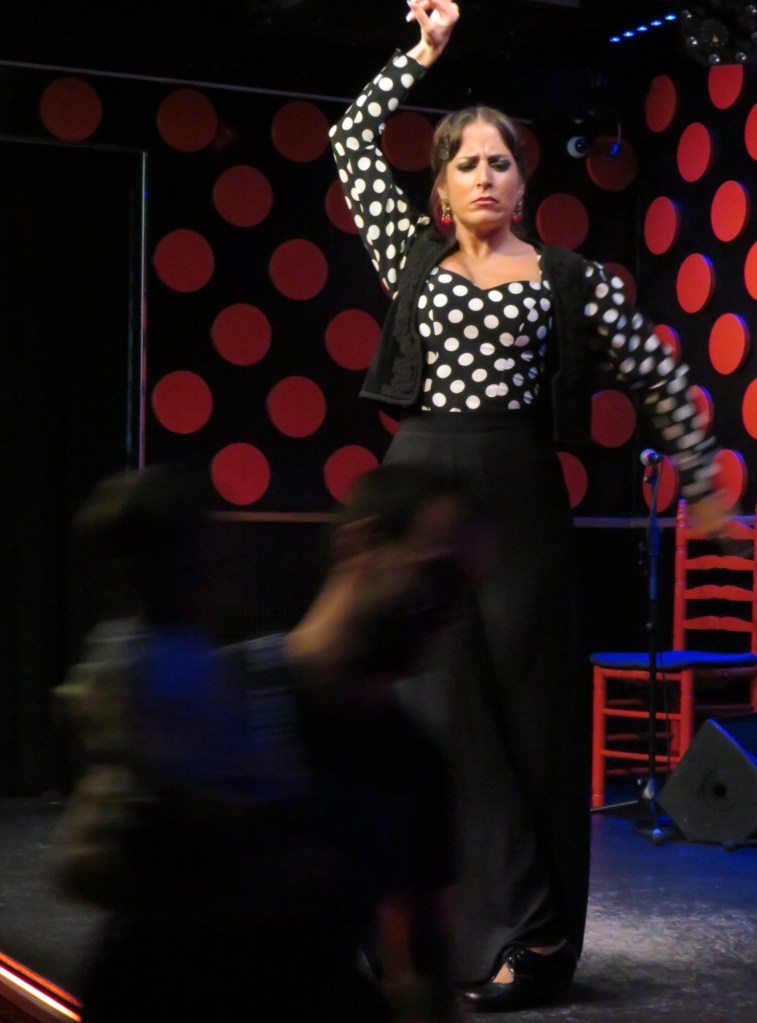
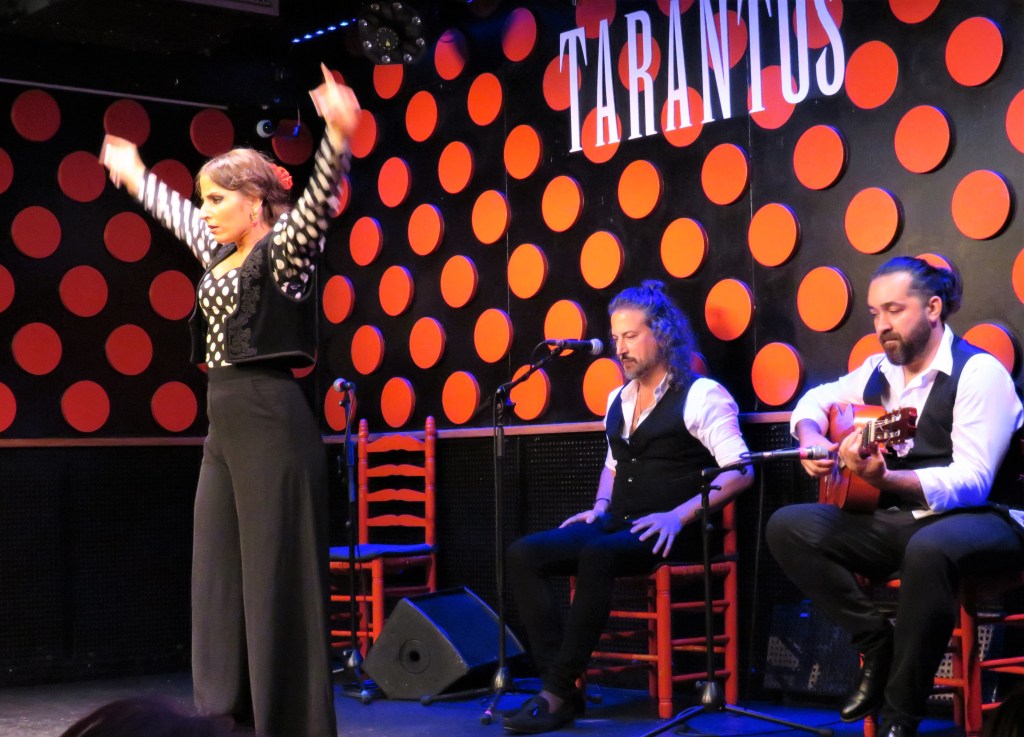

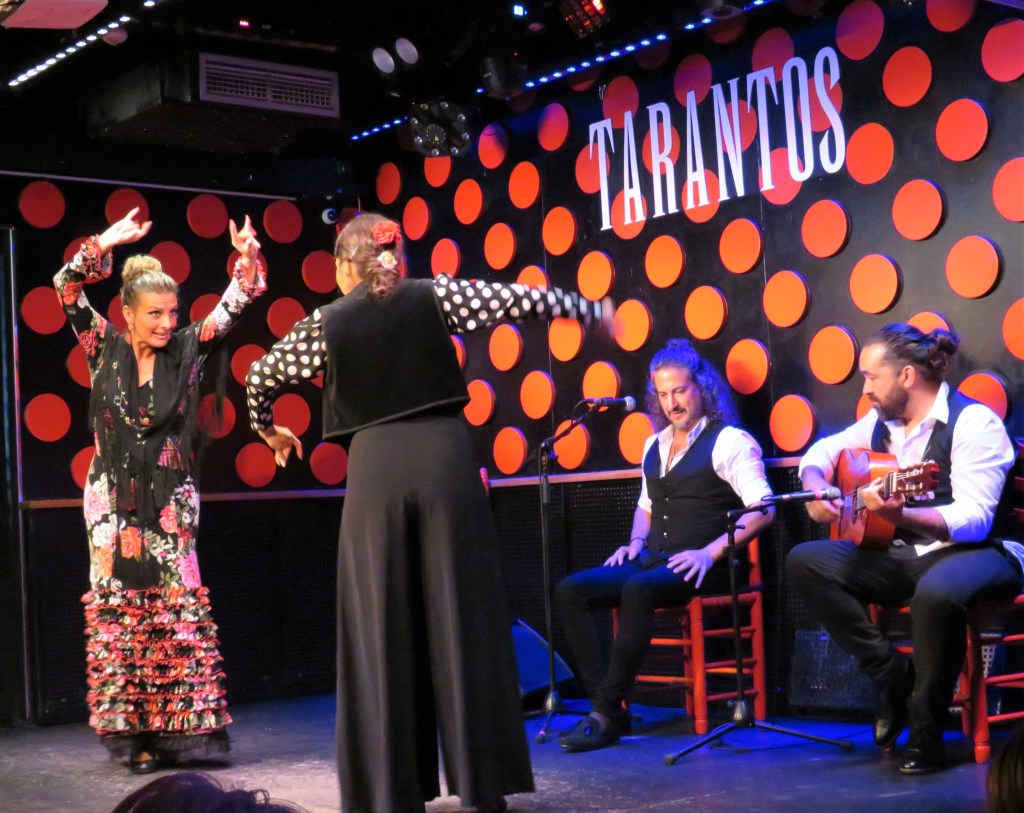
After a very entertaining Flamenco show, we had one more stop to make before calling it an evening. We went to a little club that is famous for its bands, singing, and open mic night, called Craft. Here we enjoyed a round of delicious tapas along with the show. I thought I had taken pictures of the tapas, but I guess I didn’t. We all enjoyed some patatas bravas, chorizo, cheese and croquettes while being entertained by the band.
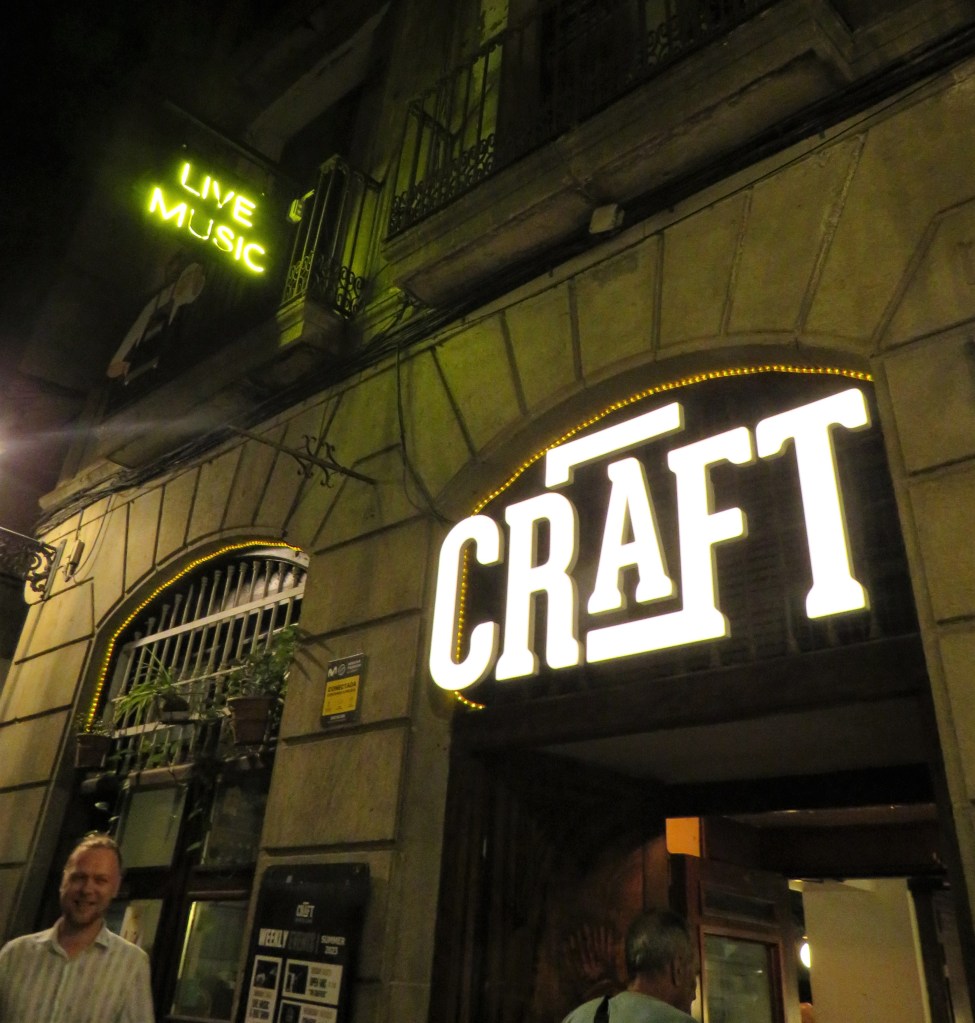
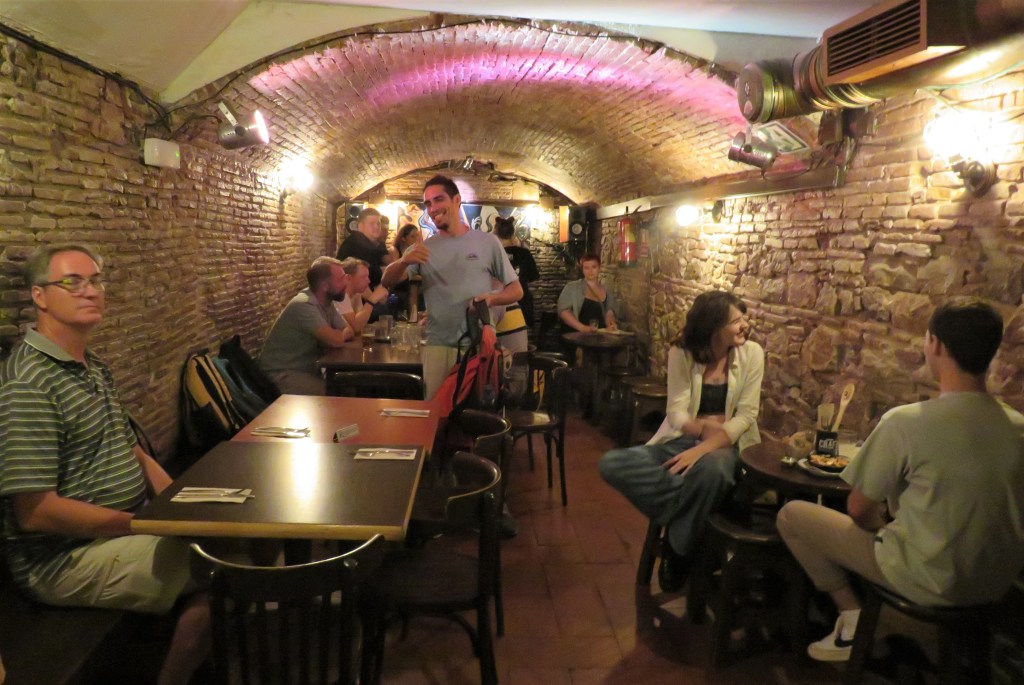
Mario is also a singer, guitar player and percussionist, so we all encouraged him to sing and perform a couple of songs. He had a lot of fun up on stage and sounded great.

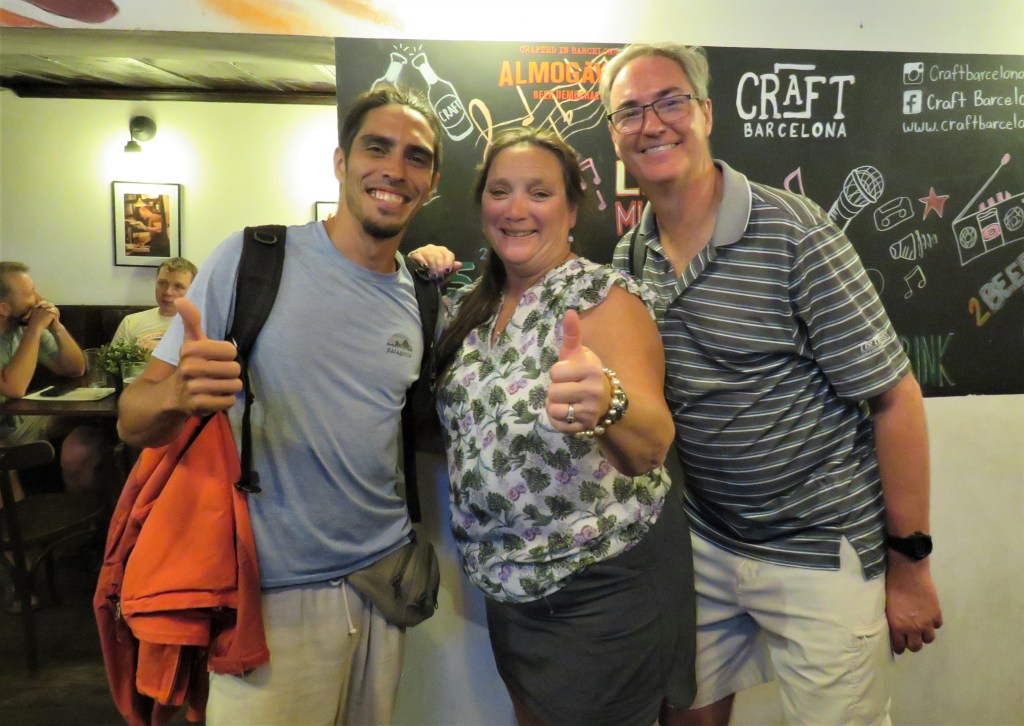
It was a very fun, very full day. We did and saw so much, and this was just day one. We still have a lot more fun adventures ahead.
Have a great day, and make everyday great. Stay safe and stay well. ‘Til next time.

 A Jeanne in the Kitchen
You certainly packed in plenty Jeanne
LikeLiked by 1 person
Yes, we did, and there is still plenty more yet to come. 🙂
LikeLiked by 1 person
Goody
LikeLiked by 1 person
🙂 🙂 🙂
LikeLiked by 1 person
💖💖
LikeLiked by 1 person
sounds fun! I would have enjoyed that tour!
LikeLiked by 2 people
It was very fun. 🙂
LikeLike