We couldn’t go to Portugal, and especially the Douro Valley, and NOT try ports, right?! That would be such a travesty. Of course we tried the ports, or the vinho do porto. We went to two different port makers while in Porto, Sandeman’s and Ferreira.
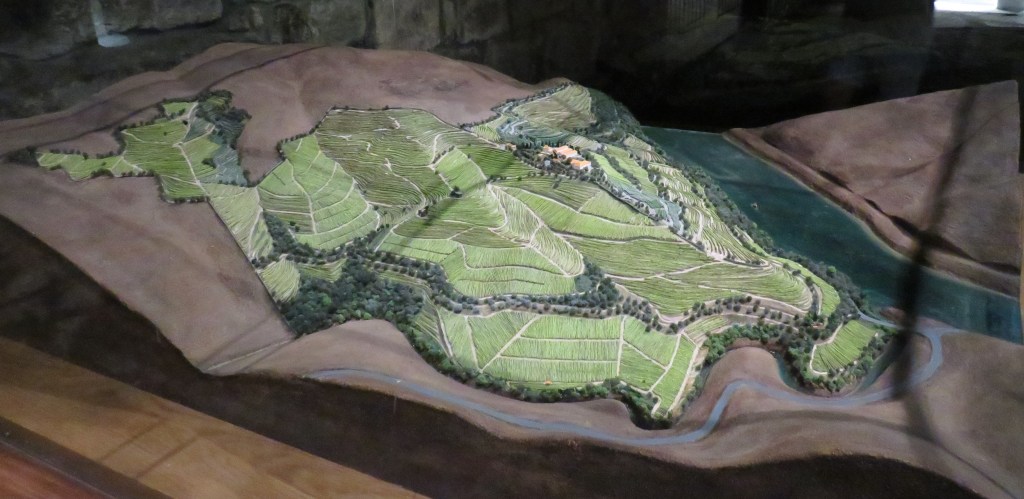
In order to be considered Port, there are strict guidelines that must be adhered to. All the grapes used must come from the Douro Valley; all ports are a blend of certain local grapes; they must all be produced in Gaia or Vila Nova de Gaia; and all ports must be fortified by halting the fermentation process early by adding aguardente (grape spirit), leaving high residual sugar. The grapes used are primarily made from indigenous grapes such as Touriga Nacional, Touriga Franca, Tinta Roriz (Tempranillo), Tinta Barroca, and Tinto Cão.
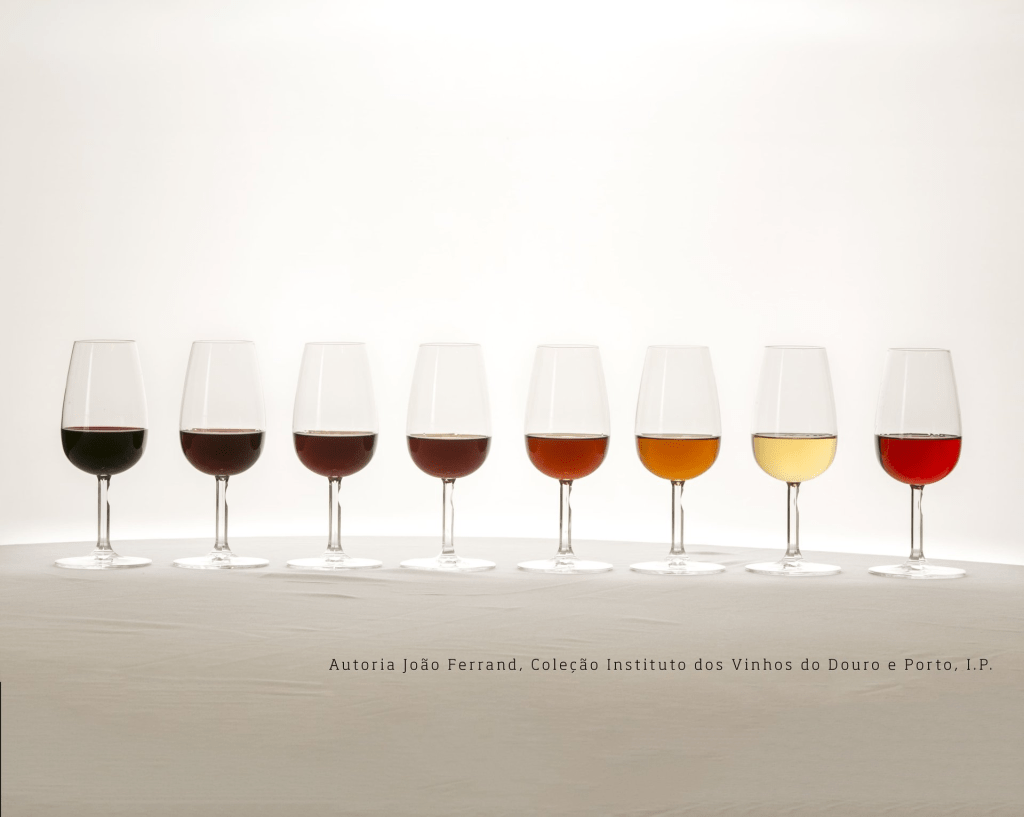
Port wine is a fortified wine from the Douro Valley in Northern Portugal. It is typically sweet and high in alcohol (19-22% ABV) due to the added grape spirit. Key styles include fruit-driven Ruby, oxidative Tawny (aged in wood), and premium Vintage, with white and rosé versions also available.
- Ruby ports are youthful and vibrant with intense red fruit flavors (blackberry, plum). Includes Reserve Ruby and Late Bottled Vintage (LBV), which are aged for 4–6 years.
- Tawny Ports are aged in oak casks, resulting in a lighter brown color and nutty, caramel, and dried fruit flavors. Aged Tawnies (10, 20, 30, 40+ years) are considered the peak, with Colheita being a single-harvest tawny.
- White Ports are made from white grapes (e.g., Rabigato, Viosinho), ranging from dry to sweet, often served as an aperitif.
- Vintage Port are the most prestigious type, declared only in exceptional years. It matures in the bottle for decades.
- Rosé Ports are a modern, fresh, and fruity style meant to be served chilled and are often found in cocktails.
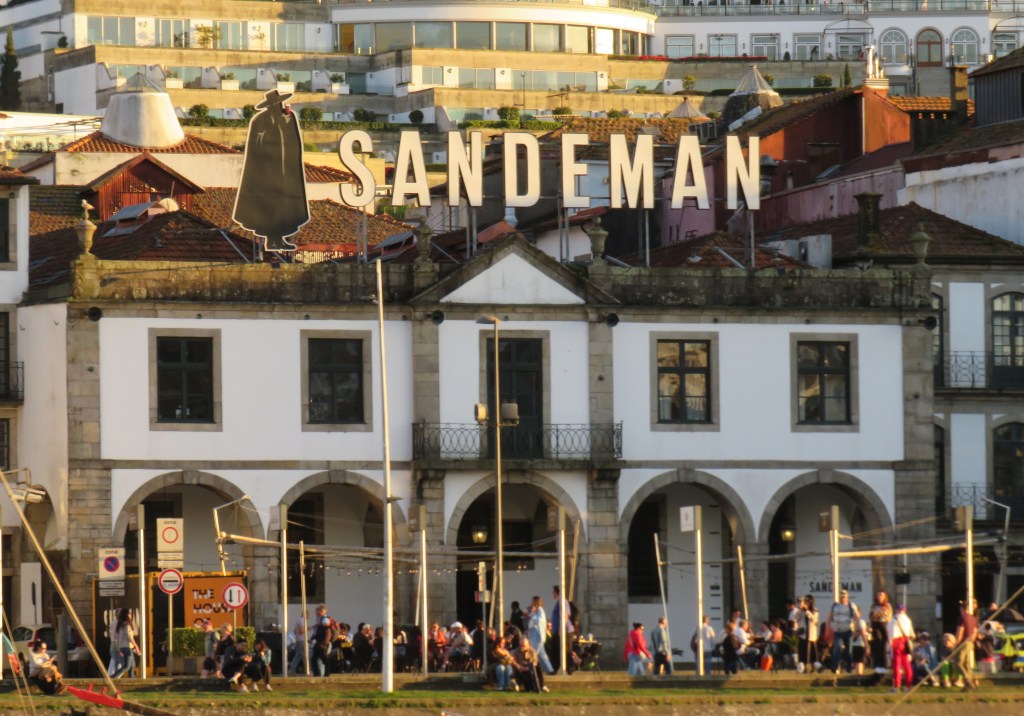
Our first port stop was at Sandeman.
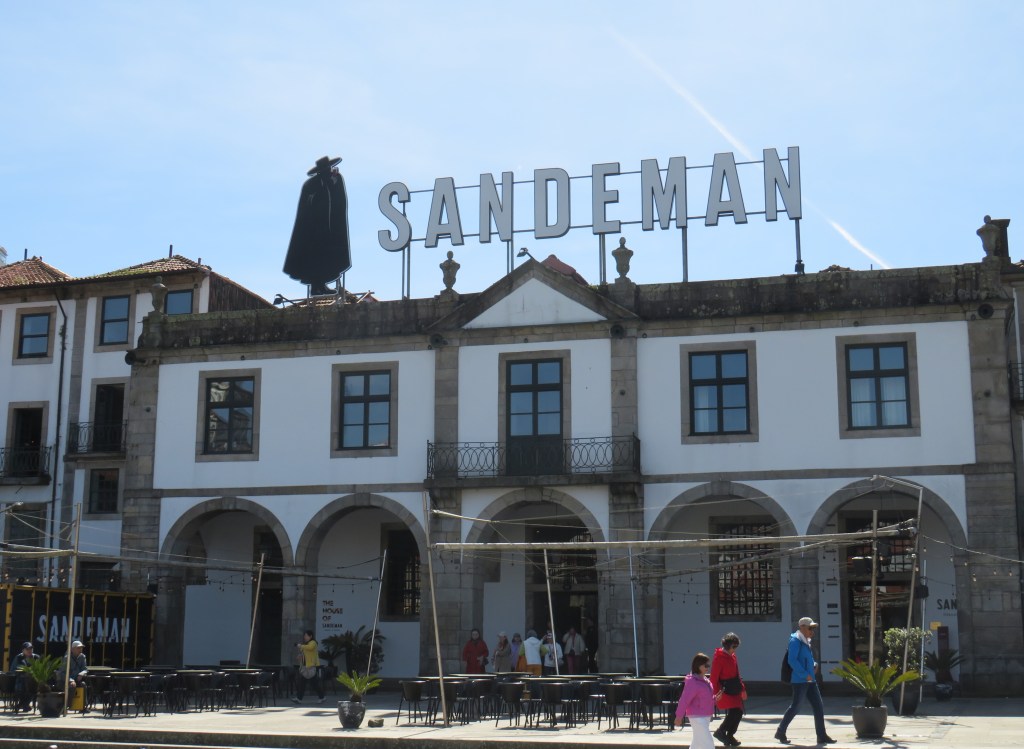
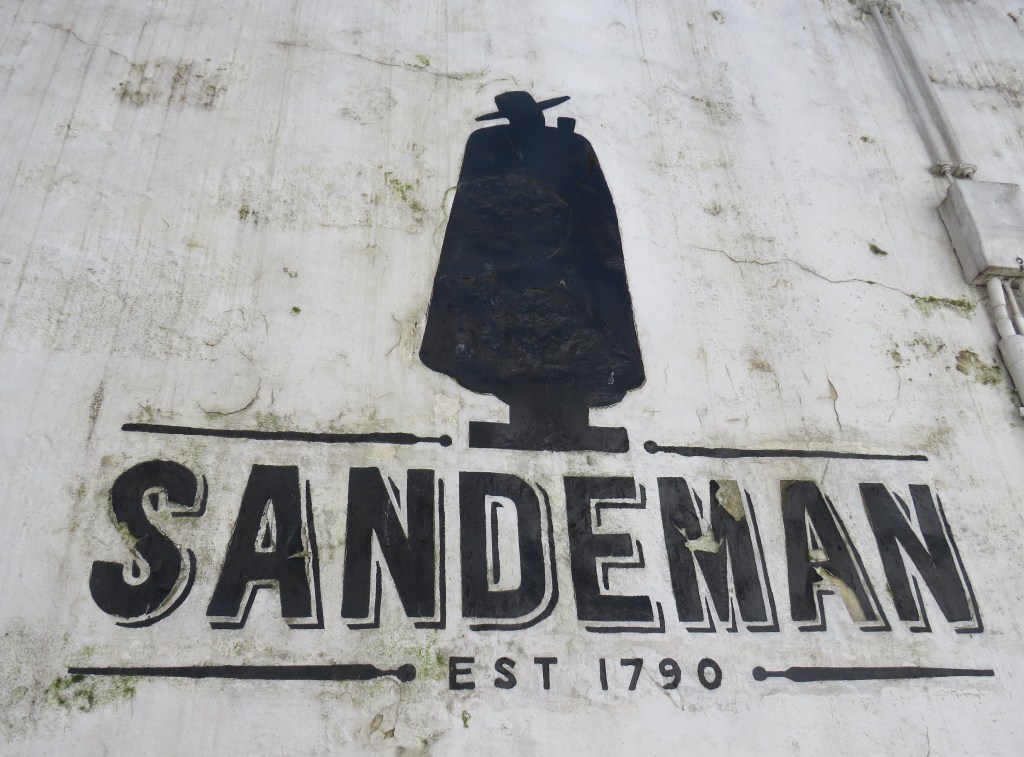
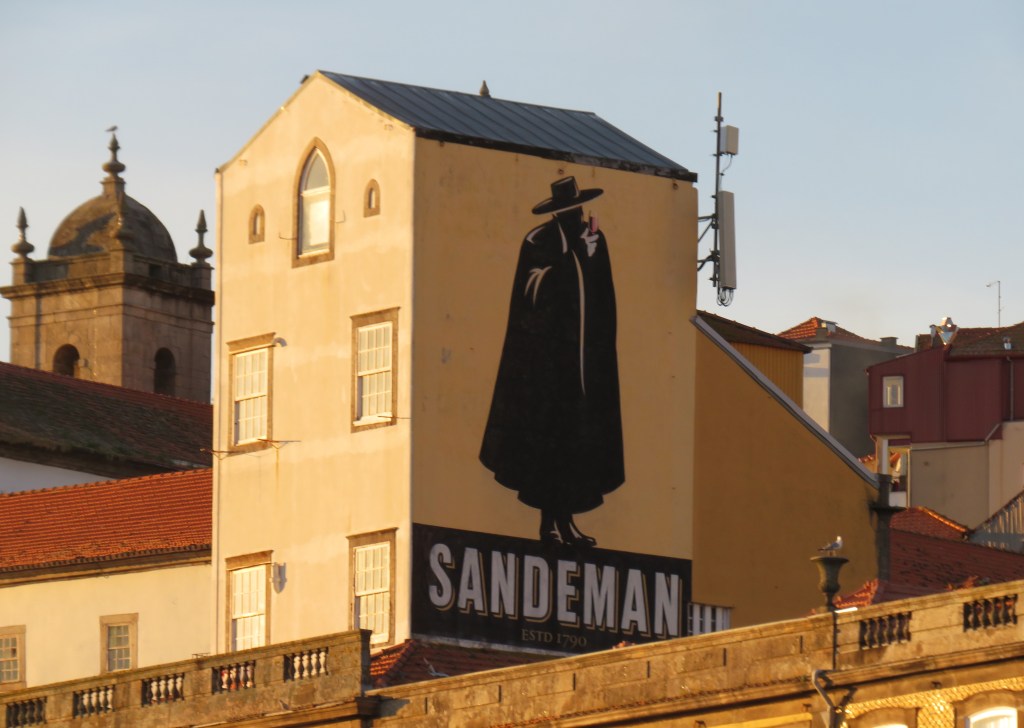
Sandeman has been around since 1790. It was founded by a Scotsman named George Sandeman, who borrowed £300 from his father to start a wine merchant business. The logo of “The Don” has been the official logo of sandman ports since 1928. The figure wears a Portuguese student’s cape and a wide-brimmed Spanish hat, representing the brand’s dual identity in Port and Sherry. Sandeman is widely considered a very good to excellent Port wine brand, frequently cited as the most awarded Port wine brand in the world.
We took a tour of the cellars, and our guide was dressed as the traditional “Don”. He gave us the history of the ports in general, as well as the Sandeman history, as he guided us through the port making process.
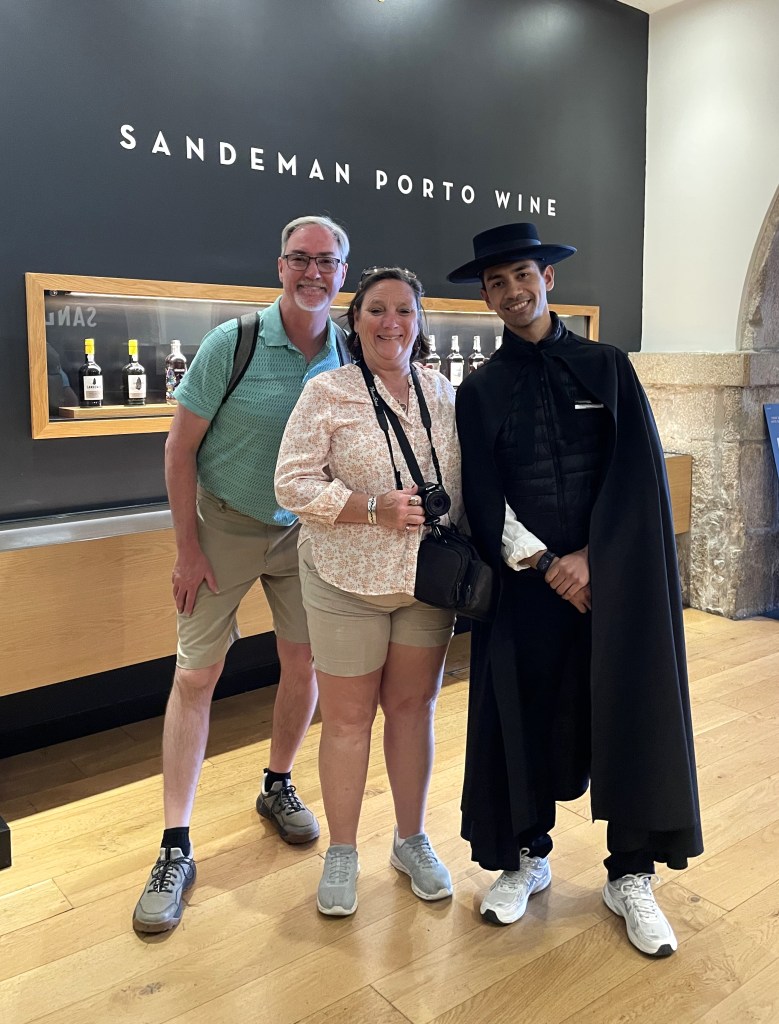
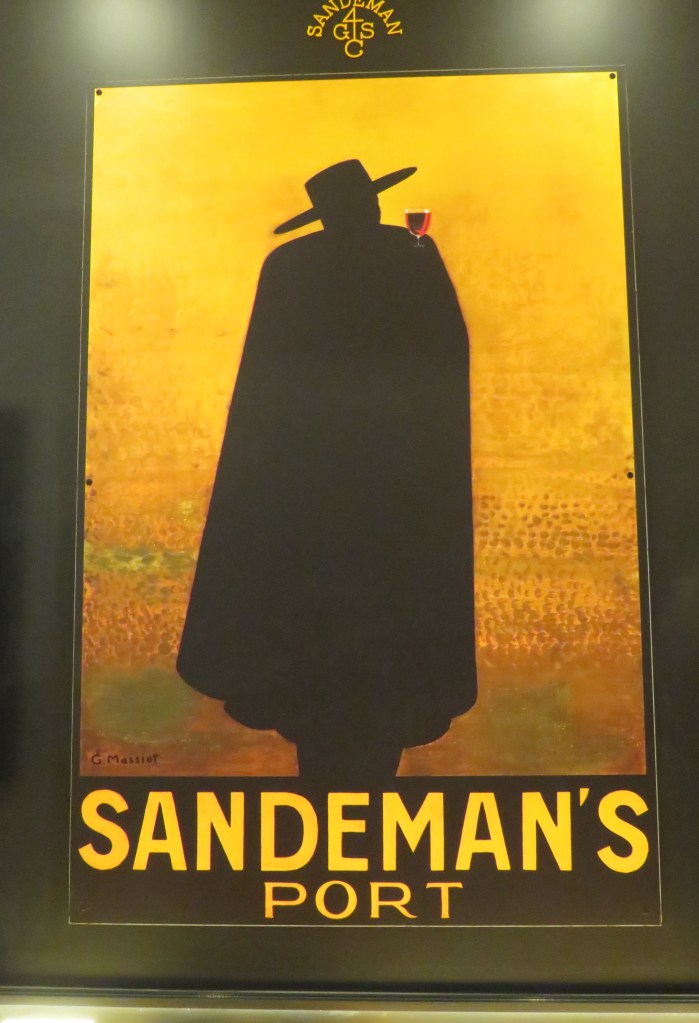
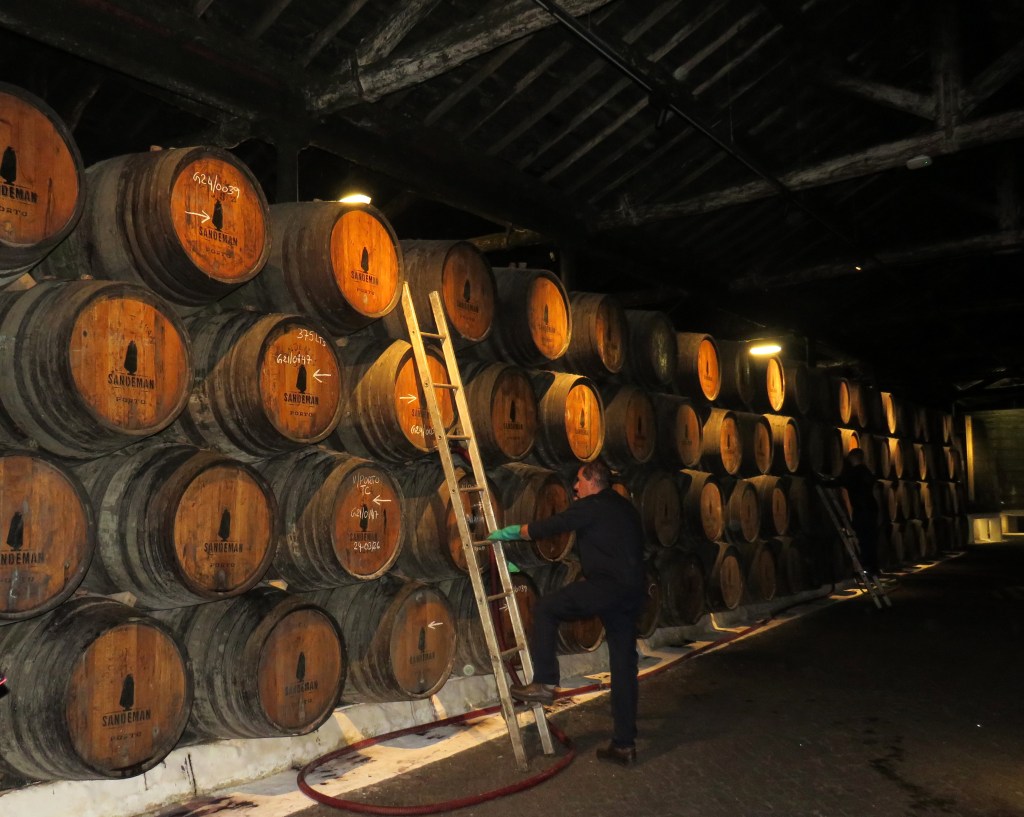
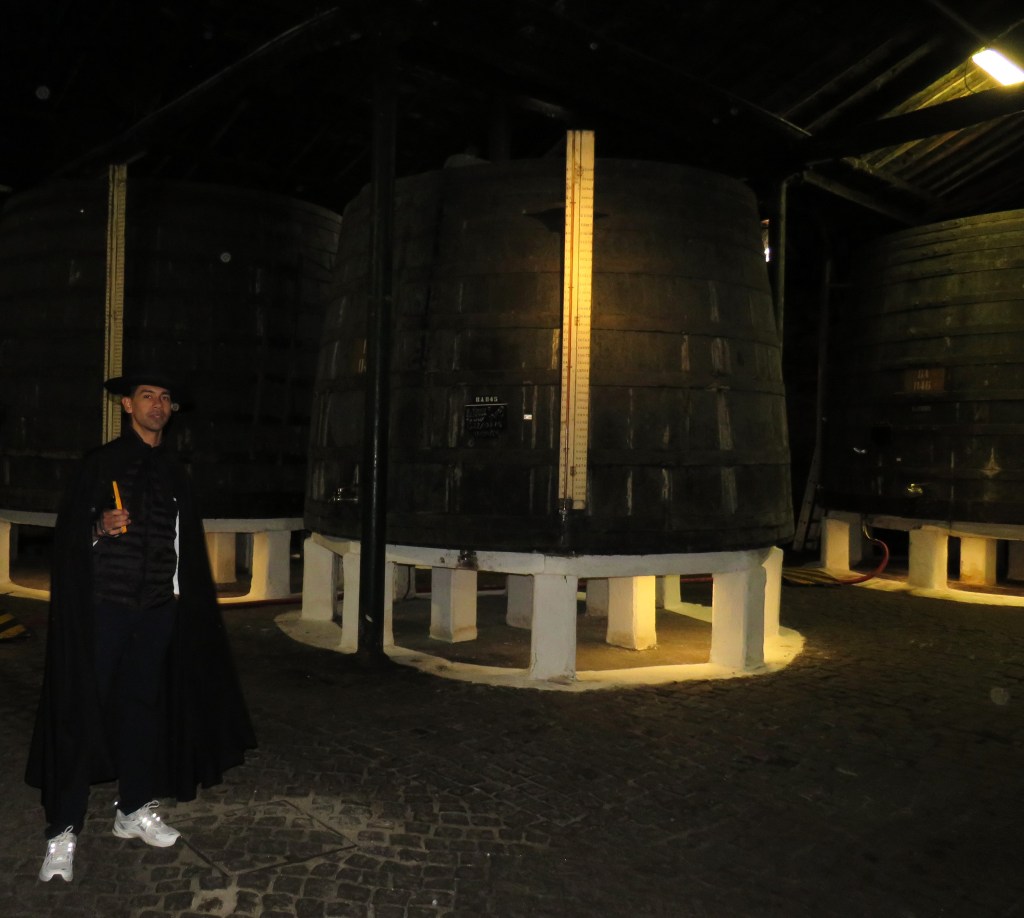
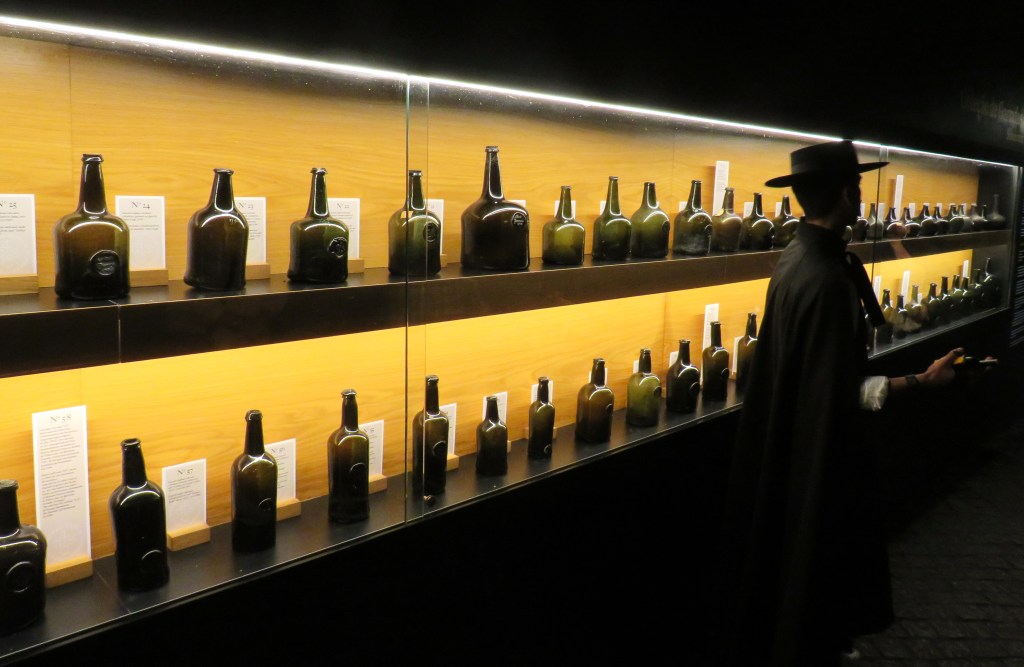
After the tour of the cellars and the port making process, it was off to the tasting room. We tasted the white, ruby and tawny ports. All were delicious.
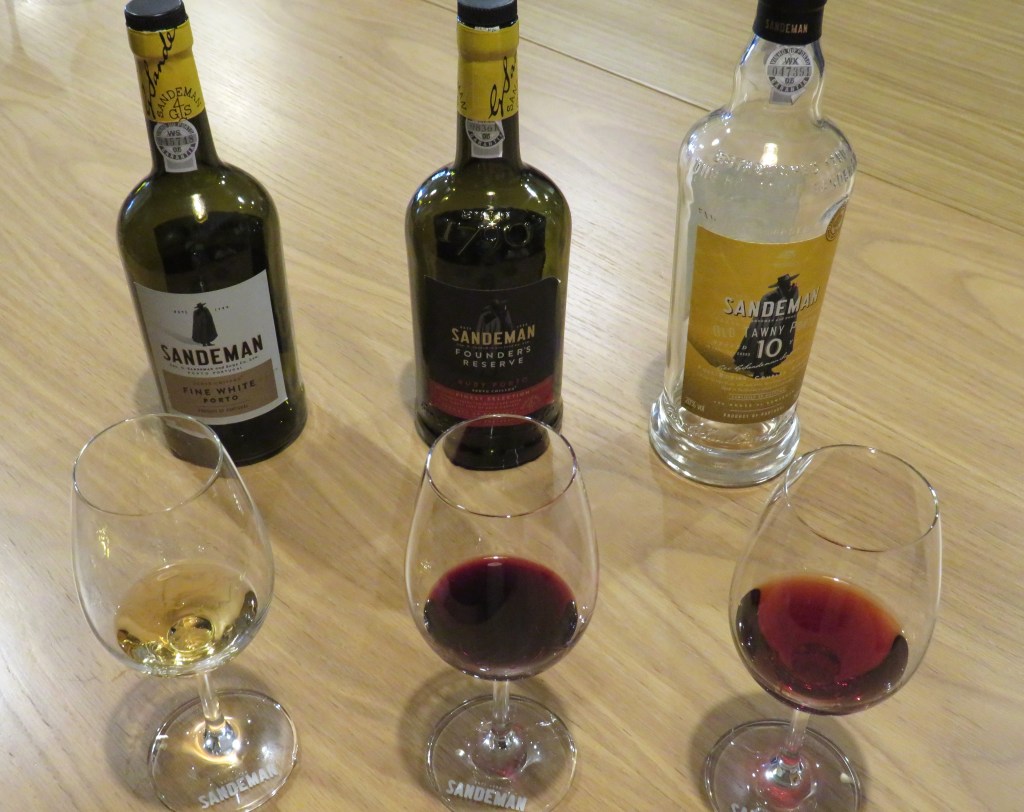
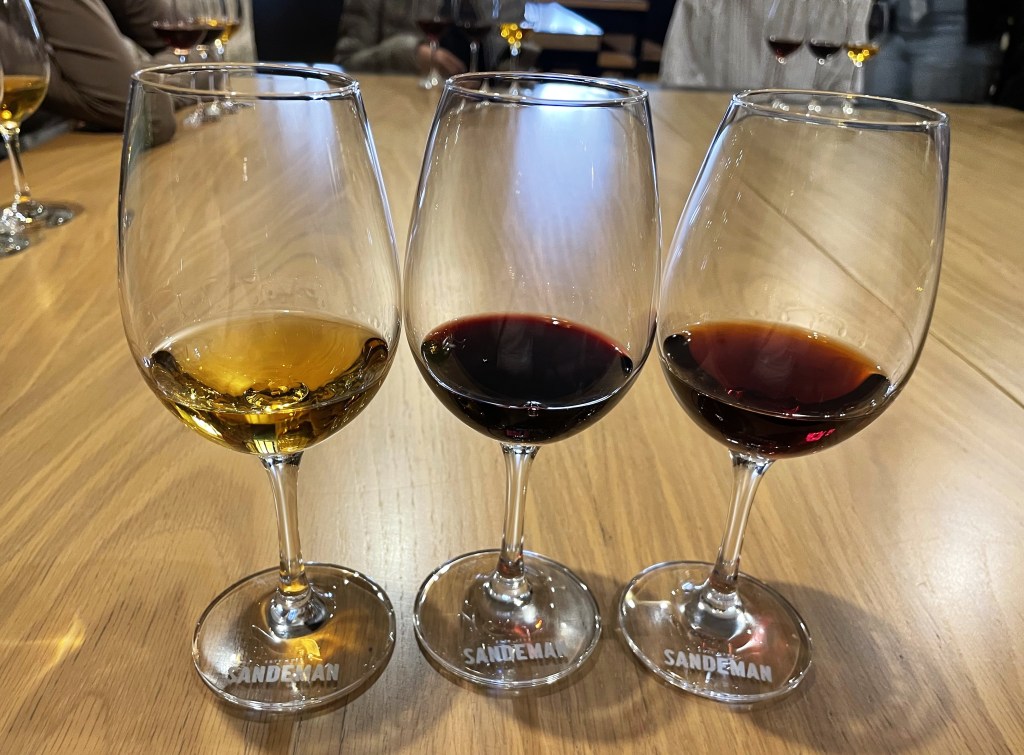
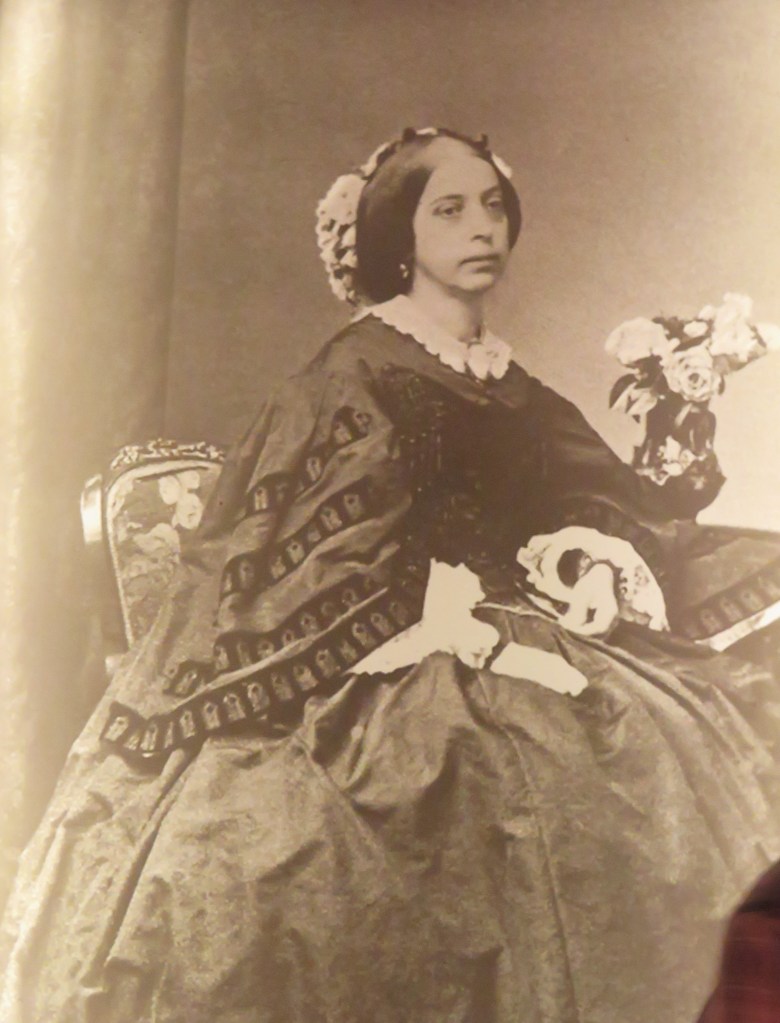
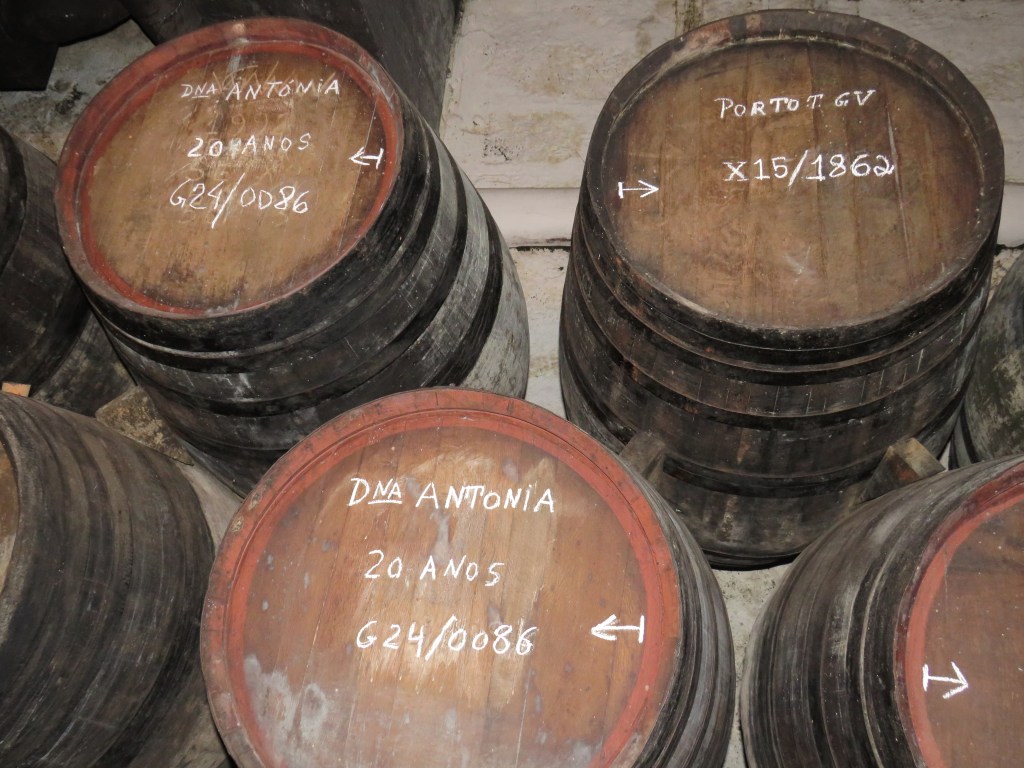
I would have loved to sit and really enjoy these delicious ports, but we had another port tour scheduled at nearby Ferreira. Ferreira has been around a little longer than Sandman. It was founded in 1751, by the Ferreira family of Régua, a producer and trader of Port Wines, and it is the only Port Wine company that has always been in Portuguese hands. Most port companies are English owned today. It grew significantly in the 18th century and invested primarily in high quality wines, buying and cultivating some of the main wine estates in the Douro Valley. This impressive work was continued in the 19th century by Dona Antónia Adelaide Ferreira, a direct descendent of the Ferreira family. Under her guidance, Ferreira reached its peak and continued to invest in the newest and best wines, increasingly efficient production methods and the careful ageing of wines and maintenance of older wine stocks. Since the beginning of the 19th century (ca 1825), all these wines are aged in Vila Nova de Gaia. The brand’s signature phrase: “Foi você que pediu?” (anytime, anywhere), created in 1975, reflected what it was to drink port wine without pretext. What it is to open a bottle of Ferreira Port. For no discernible reason other than it’s what you want to do. Wherever you may be.
Ferreira’s logo is an Emu. The emu is a very elegant bird, a runner, that symbolizes future prosperity. The horseshoe on its beak signifies luck.
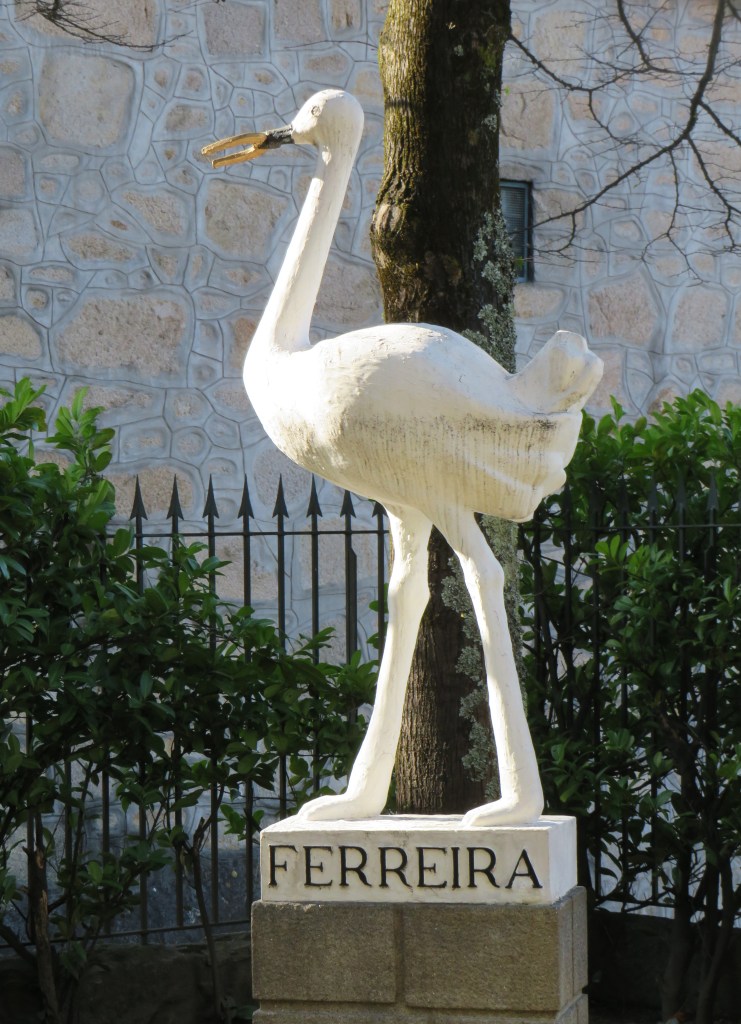
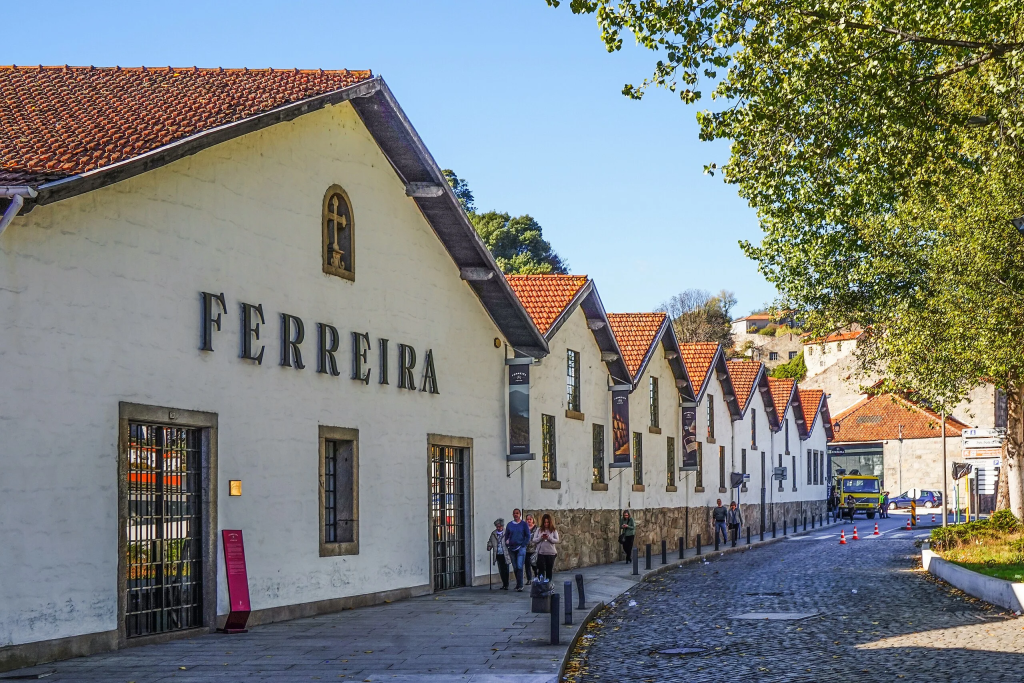
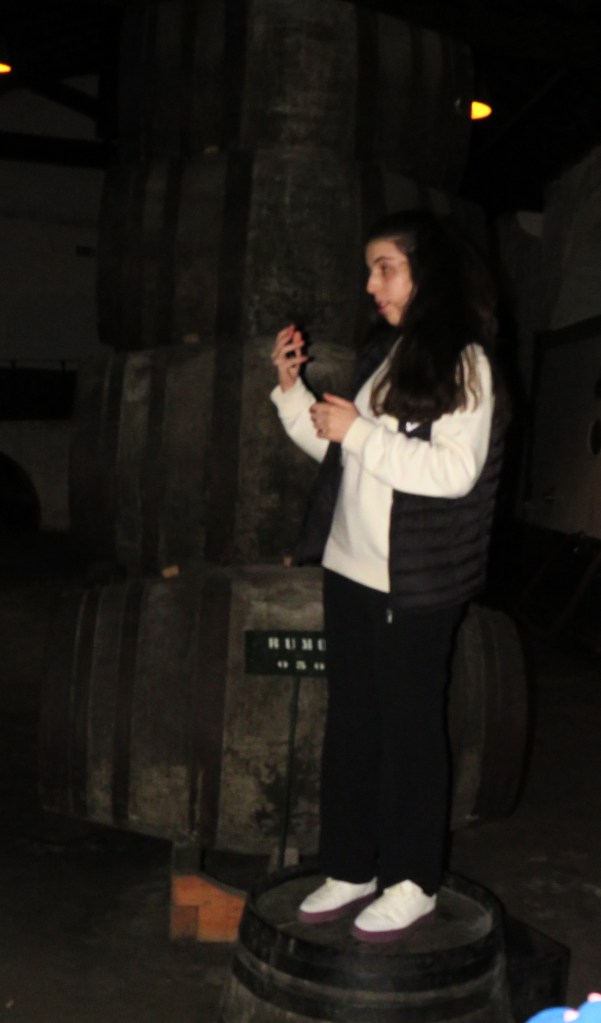
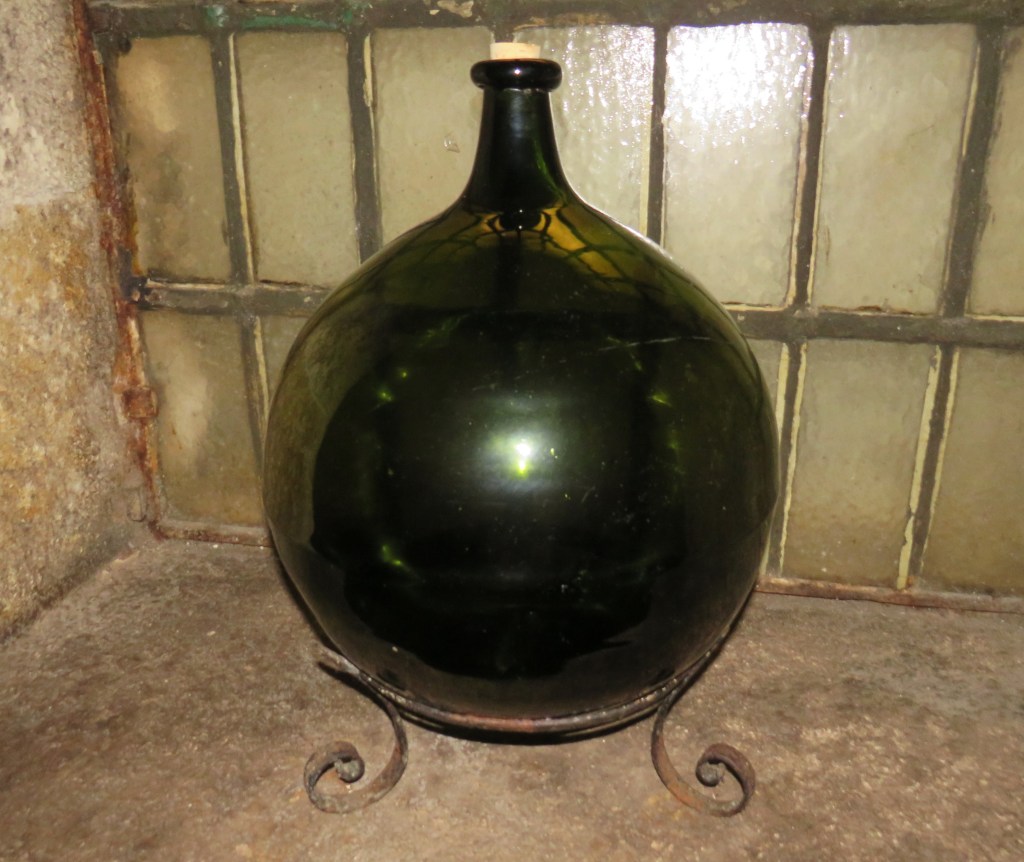
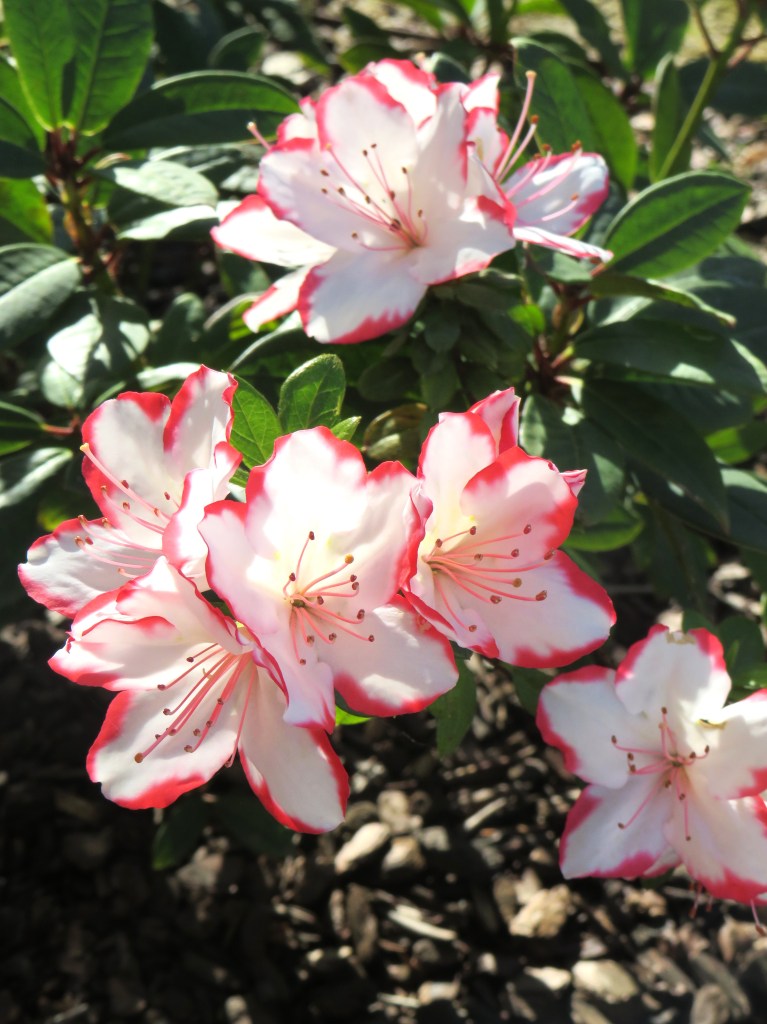
The Ferreira process of making the ports is very similar to the Sandeman ports, and ports in general, but every port maker has it’s own “secret” recipe for success. Once again we toured the grounds that also included the museum and the flower garden. Our lovely guide at Ferreira.
Dona Antónia Adelaide Ferreira
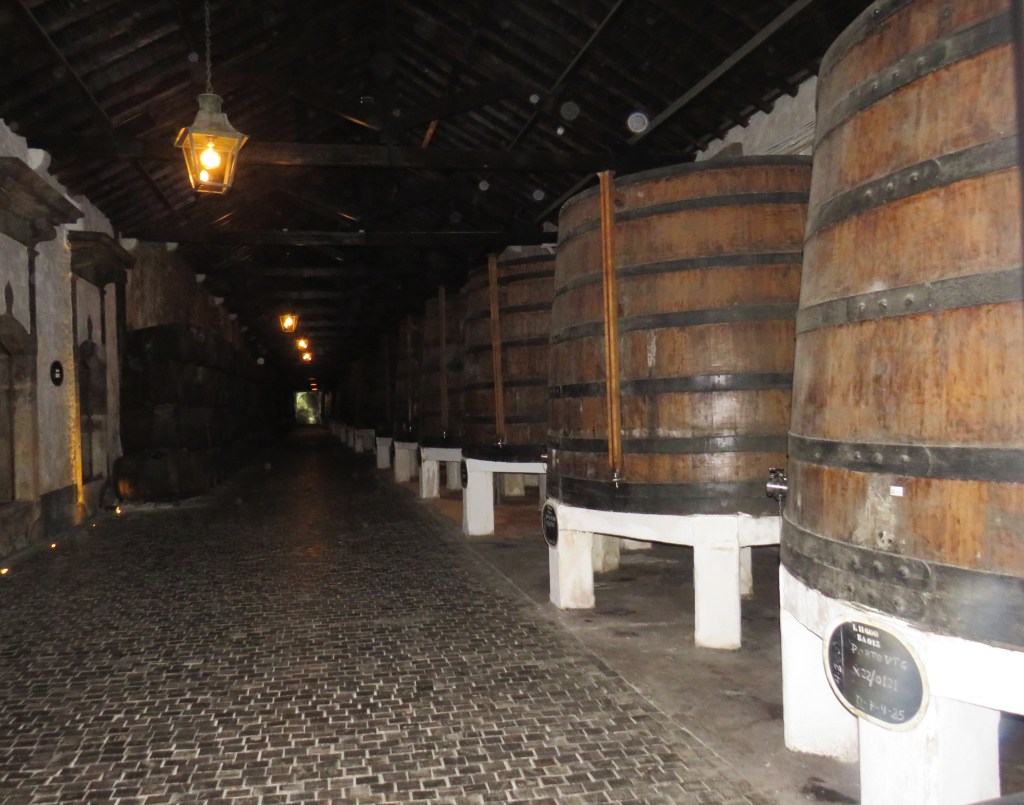
The big barrels are set upon concrete blocks to prevent damage in case of floods.
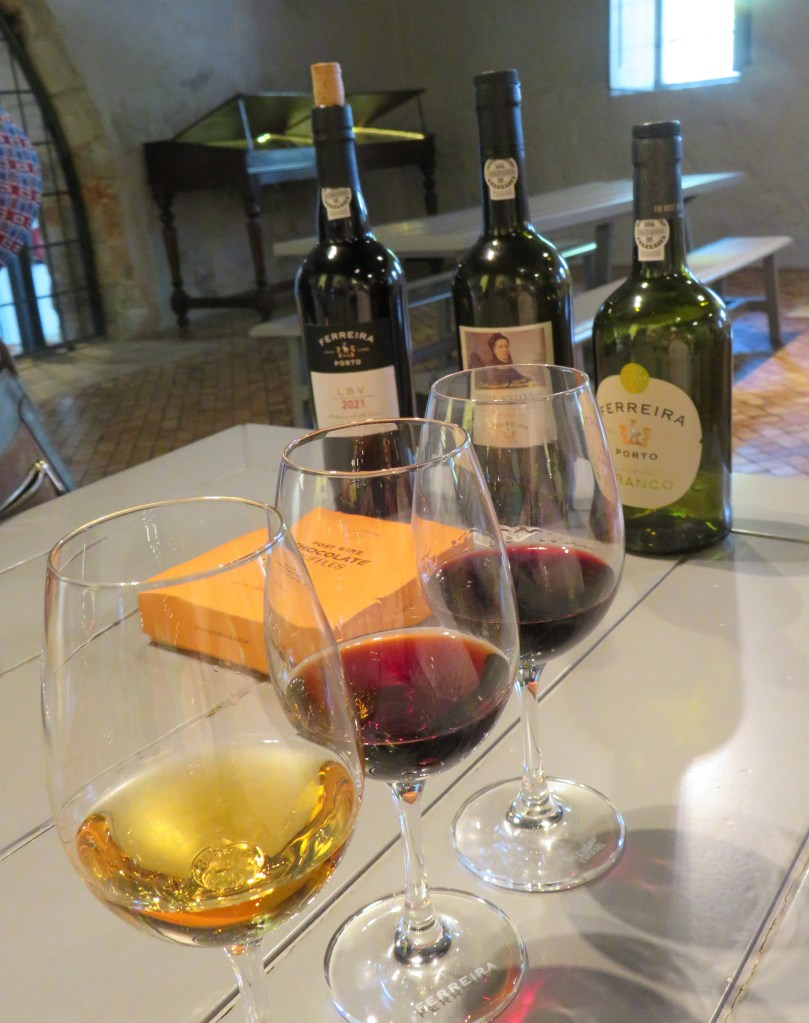
And once again, our tour finished with tasting more delicious ports.
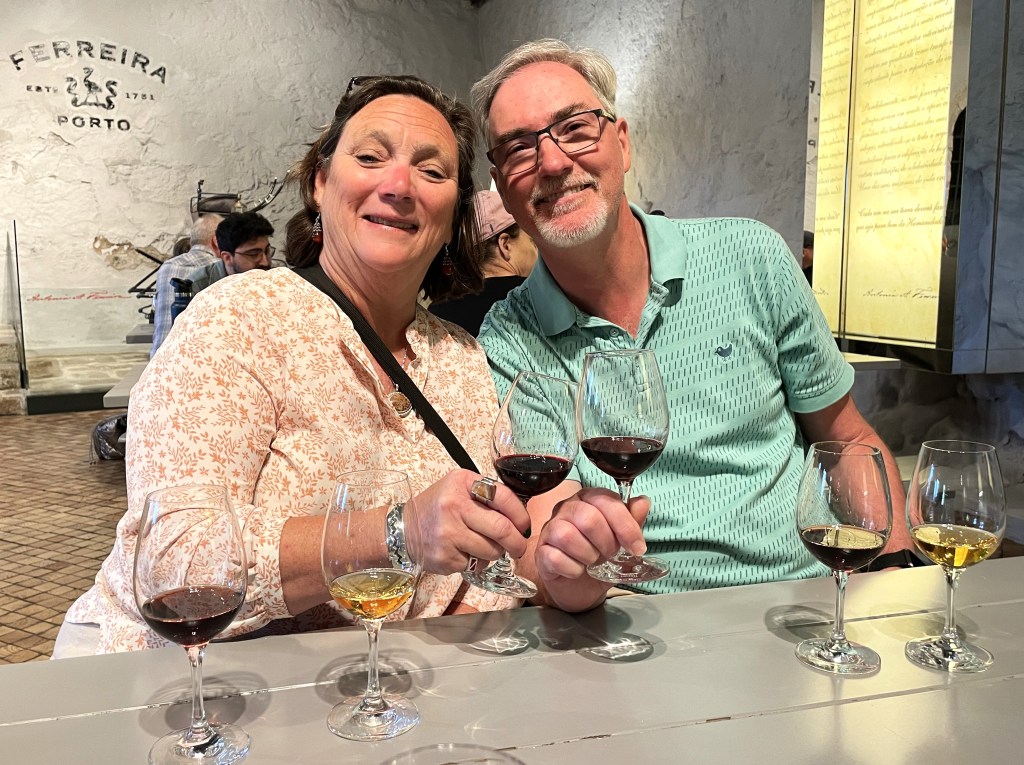
Two back to back port tastings was a bit much, but somehow we managed. It’s just a good thing we weren’t driving. 🙂
We did not purchase any of the ports at the times of our tastings, which is a shame, because while we were looking for our favorites later, we couldn’t find them. But we did come home with 2 bottles of port. We did get a white port, though not Sandman’s, because we couldn’t find it anywhere, and a bottle of Ferreira tawny port.
After tasting all the fabulous ports, we took a sunset cruise down the river.
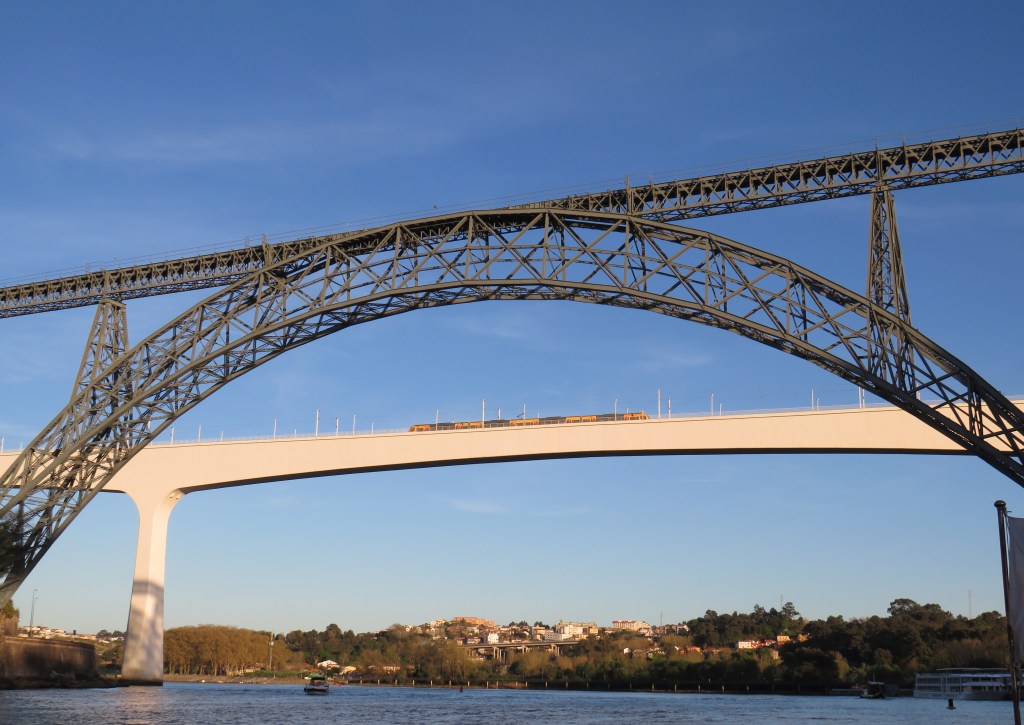
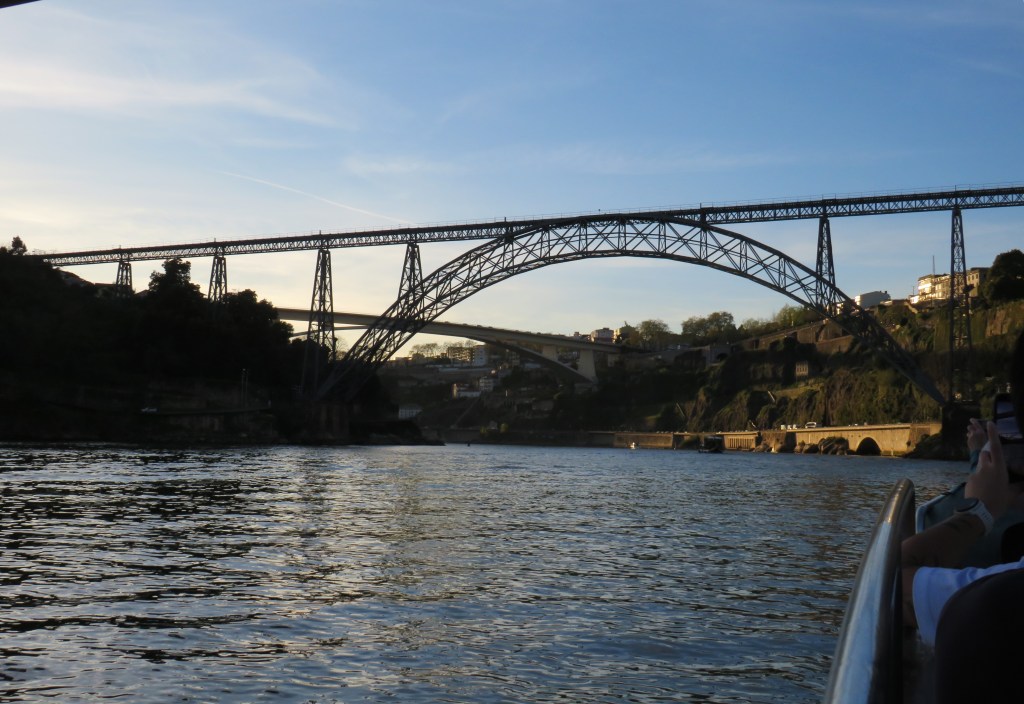
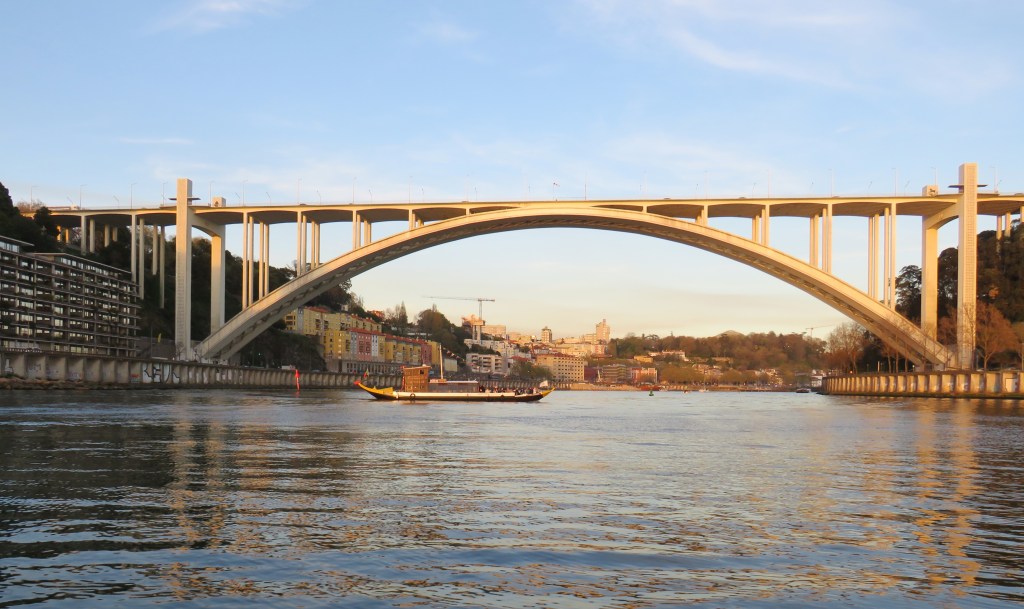
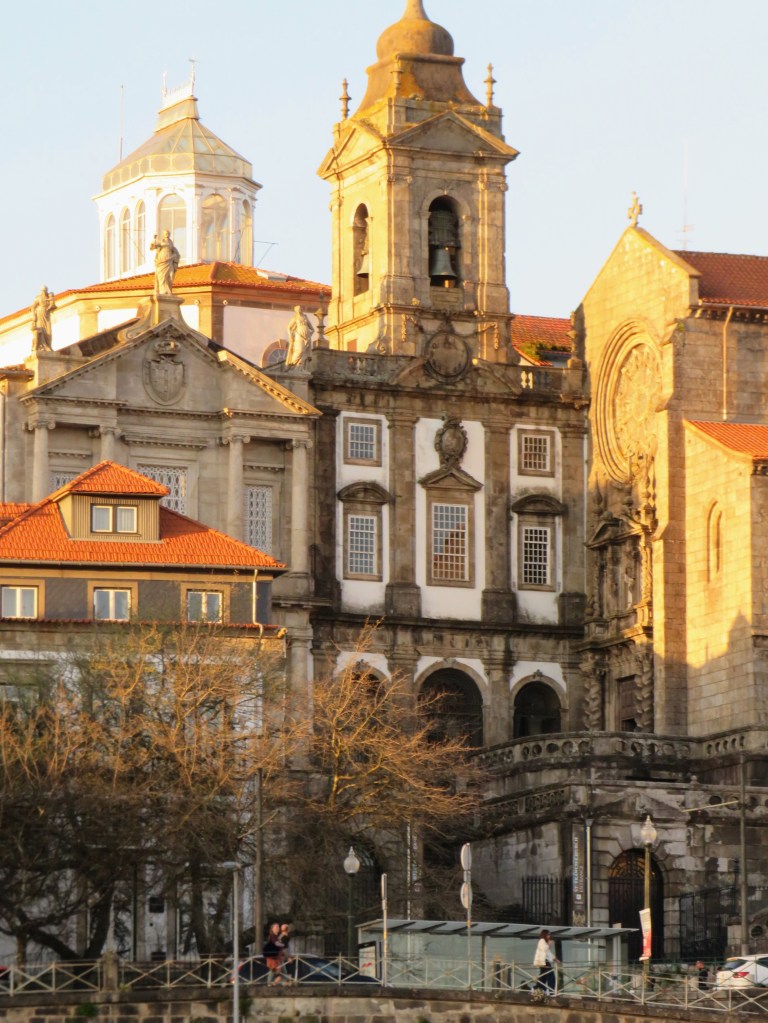
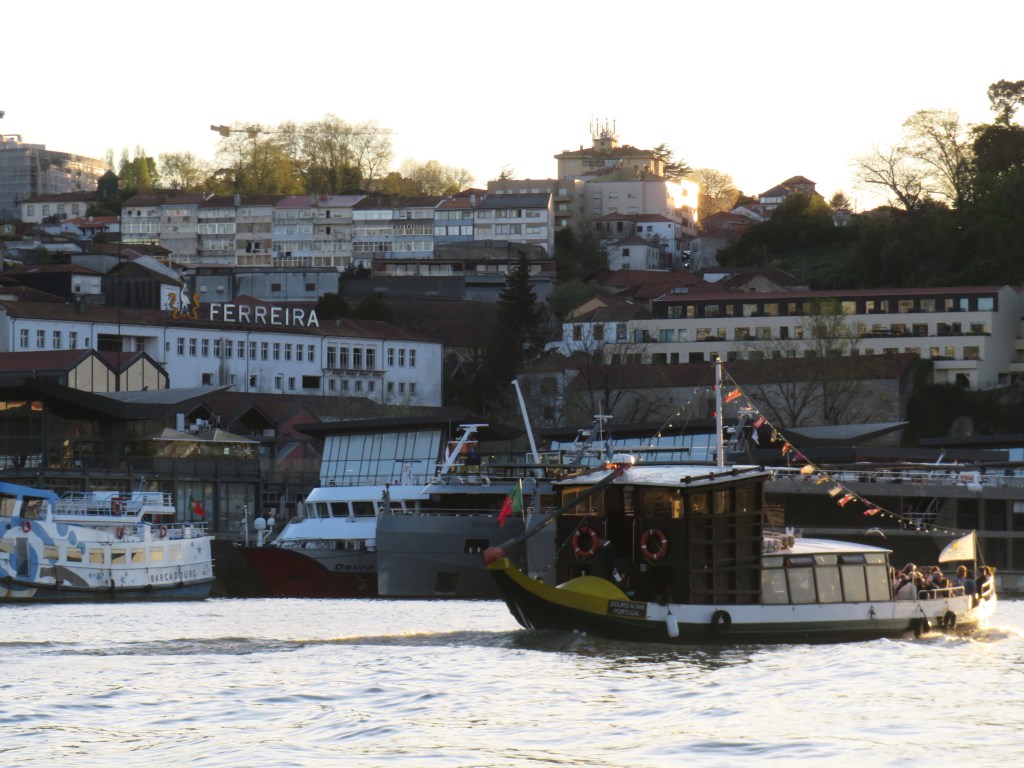
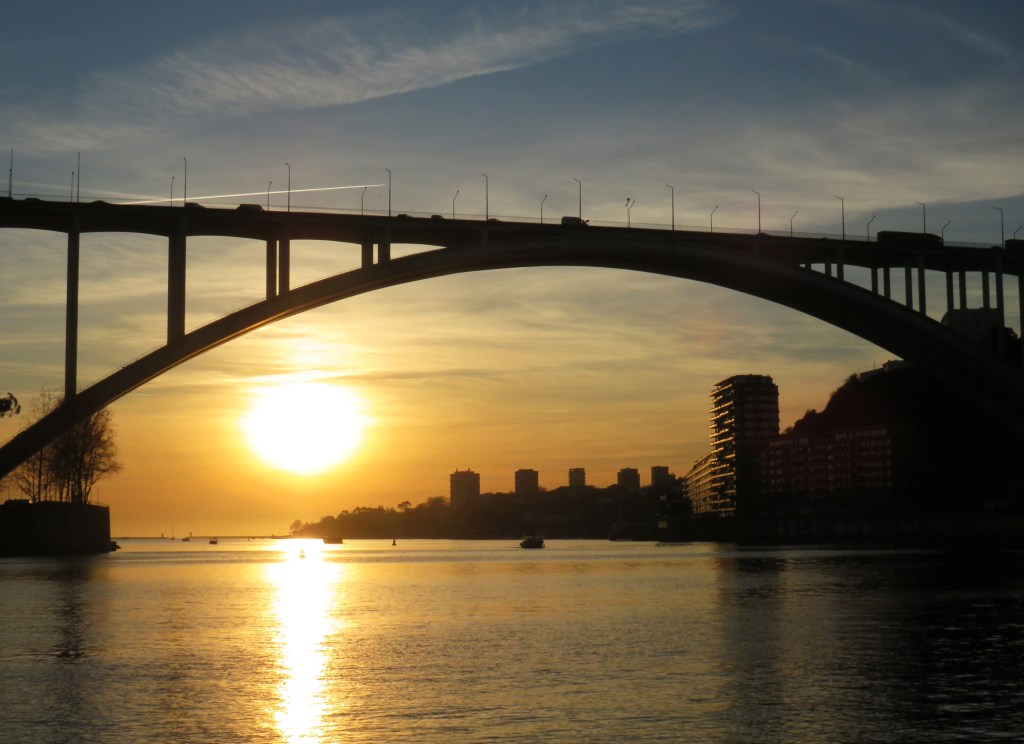
Taking the sunset cruise was a perfect way to end a beautifully perfect day. Now, with all this port, we definitely needed to find a place to eat.
Have a great day and make everyday great. Live life to the fullest. It’s not the destination that matters, but the journey. Enjoy the ride. ‘Til next time.


 A Jeanne in the Kitchen
Thanks for sharing. Have a great day. 🙂
LikeLike