Munching On Sunflower Seeds

People have been eating seeds and nuts since the beginning of time. They are very healthy sources of protein and other nutrients as well. Sunflower seeds in particular, are ranked as one of the world’s healthiest foods.

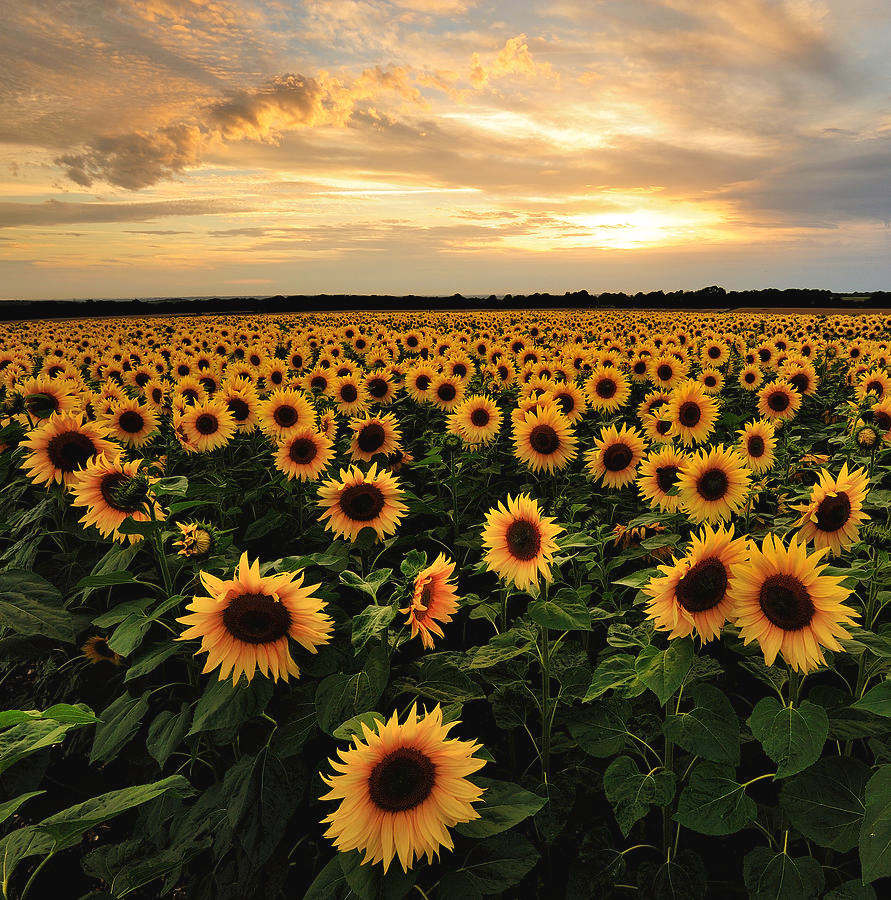
Sunflowers originated in North America and the Native North Americans have been eating sunflower seeds for between 3500-4500 years, though no one knows for sure when sunflowers were first harvested for their seeds. Some archeologists believe sunflowers were cultivated and domesticated before corn.
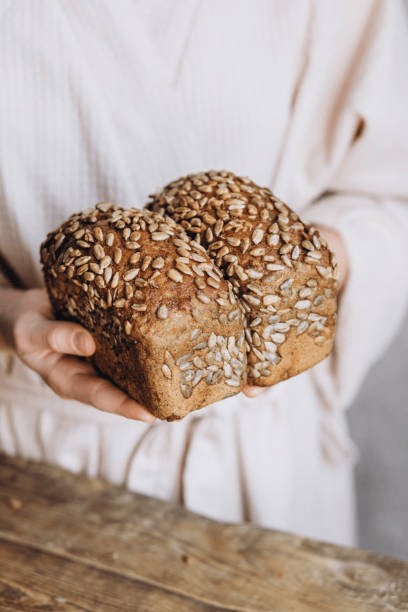
Native Americans ate the seeds raw or roasted and they cooked with the oil from the seeds. They also mashed them and made meal, cakes and bread from the mashed or whole seeds that the Native warriors/hunters would take with them while hunting or fighting. The seeds were often mixed with vegetables for cooking too. I know I like adding them to salads as well.
The Native Americans also used the seeds for non-food reasons as well, such as making dyes and paints or to use as decorations. They were often used for ceremonial purposes and the stalks were dried and used for building materials. Sunflowers were very important to the Native Americans for many reasons.
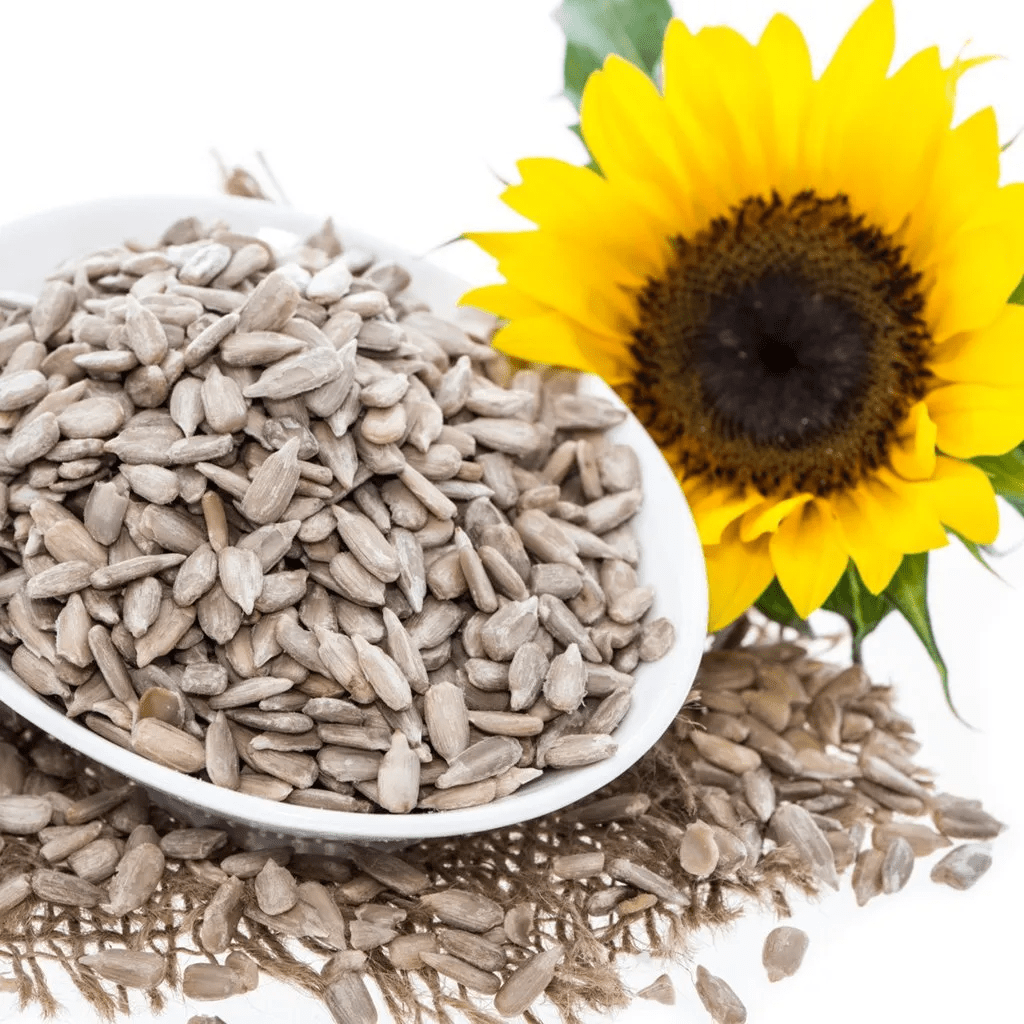
The Native Americans first cultivated sunflowers. When the Spanish came to the Americas in the 1500’s, they took sunflowers and their seeds back to Europe with them. They were used for ornamental purposes mainly, as well as medicinal uses for such things an anti-inflammatories. They were also used as animal feed. But they never really caught on until the Russians started cultivating them in the 18th century. By the 1830’s Russia had mastered the cultivation process for sunflowers on a commercial scale, mainly for the oil that was produced by the seeds. By the late 1890’s “in Russia, everybody, everywhere [nibbled] sunflower seeds” (p. 36 – The Story of Food, An Illustrated History of Everything We Eat). The Russian Orthodox Church increased its popularity by forbidding most oil foods from being consumed during Lent. However, sunflower oil was not on the prohibited list and therefore gained in immediate popularity as a food. By the 1900’s, Russia was growing up to 2 million acres of sunflowers.
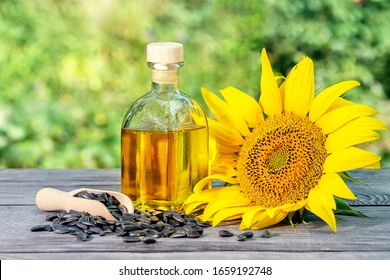
It is believed that the Russian immigrants to the United States and Canada, in the late 19th century, were largely responsible for the reintroduction of sunflowers and the usage of their seeds to North America. With the high demand for sunflower oil, especially in Europe, Russia couldn’t keep up with production, so North American farmers started cultivating sunflowers in large quantities, and now produce over 5 million acres annually, though Russia and Ukraine are still the largest producers of sunflowers in the world.

Sunflower seeds are not only popular because of the oil they produce. The seeds themselves, both raw or roasted, or roasted and salted, have become popular snacks all over the world. They are healthy snacks and are a good source of vitamin E and minerals like copper, manganese, and selenium, and are full of healthy fats and fibers. There are many different varieties and all the seeds, from all the varieties are edible. Take your pick.
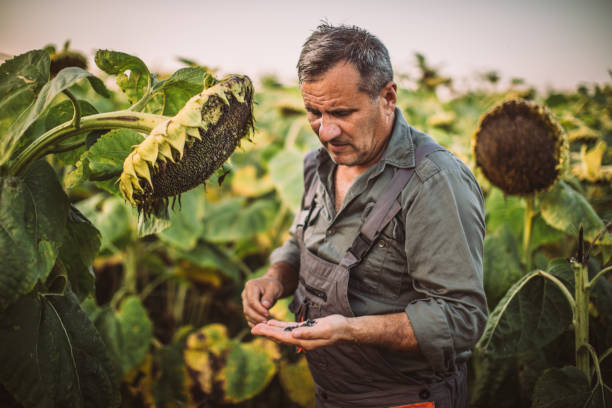
And here we thought sunflowers were just pretty flowers. It turns out, there is a lot more to sunflowers than we thought. They are good for so many things and are beautiful to look at too.
Enjoy the sunflowers in your life and have a great day. Stay safe and stay well. ‘Til next time.
Spicy, Peppery Beef Goulash

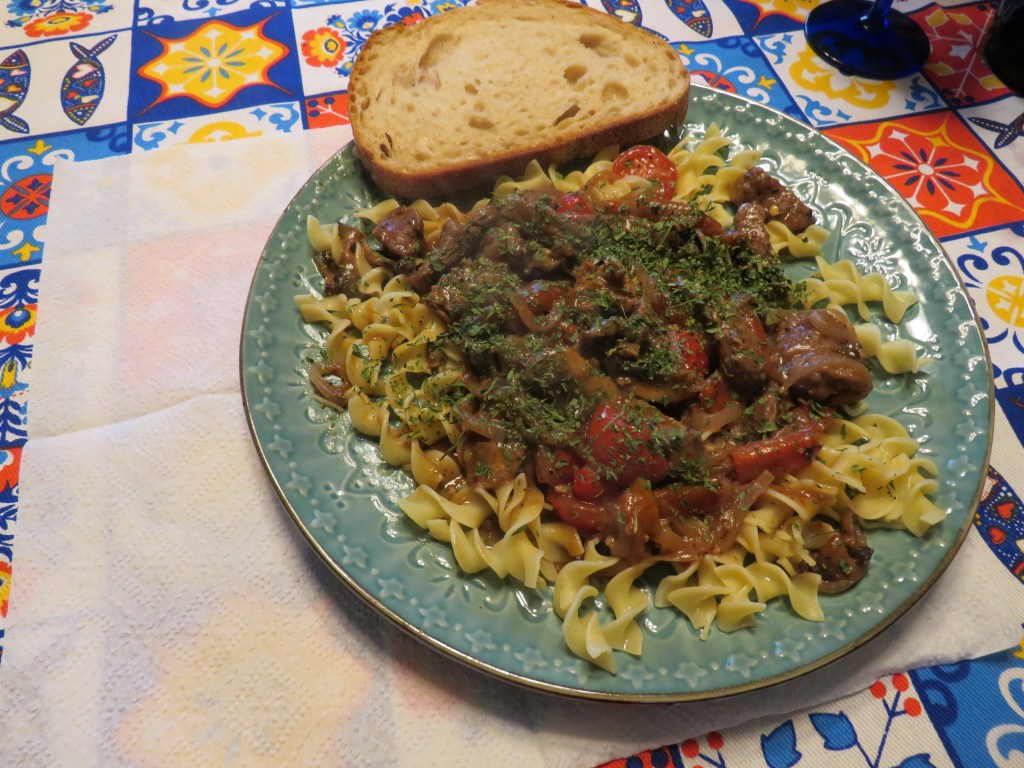
Larry was in the mood for steak, but we eat a lot of steak. I was in the mood for something else. Originally I was going to make beef stroganoff, but I didn’t have any sour cream and my yogurt had turned into a science experiment, so that was out. No problem. I quickly changed gears and made a spicy, peppery beef goulash instead. I served mine over noodles this time, but you can also serve it over mashed potatoes, which I also do quite frequently.

Goulash is yet another poor man’s food, coming to us from Eastern Europe, and specifically Hungary. Goulash was the food for Hungarian shepherds, and the name goulash, gulyรกs means herdsmen. This dish became popular in the 9th century, but it is vastly different today.

Earlier versions of goulash did not include paprika. Today, goulash is known for its use of paprika, or a seasoning made from dried, crushed sweet peppers. Peppers were not introduced to Southern Europe until the 16th century. Today, paprika is a key ingredient to Hungarian and many Eastern European dishes. Onions are also a large part of Hungarian foods and goulash, but again, they were not introduced to Europe until the 16 century, so they were not part of the earlier versions of goulash either. Same with tomatoes. Peppers, onions and tomatoes were all introduced to Europe after Christopher Columbus made his American explorations. I personally am very thankful for the culinary treasures Christopher Columbus brought back with him. I use them ALL the time, in most of my cooking. ๐Ÿ™‚

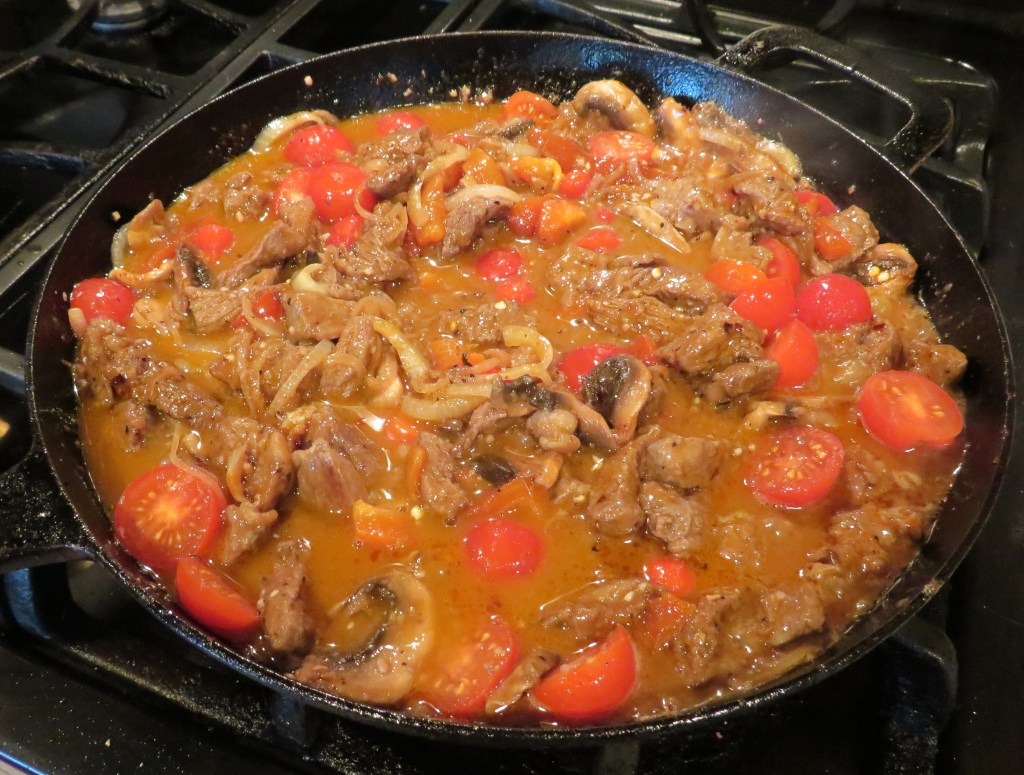
Spicy, Peppery Beef Goulash

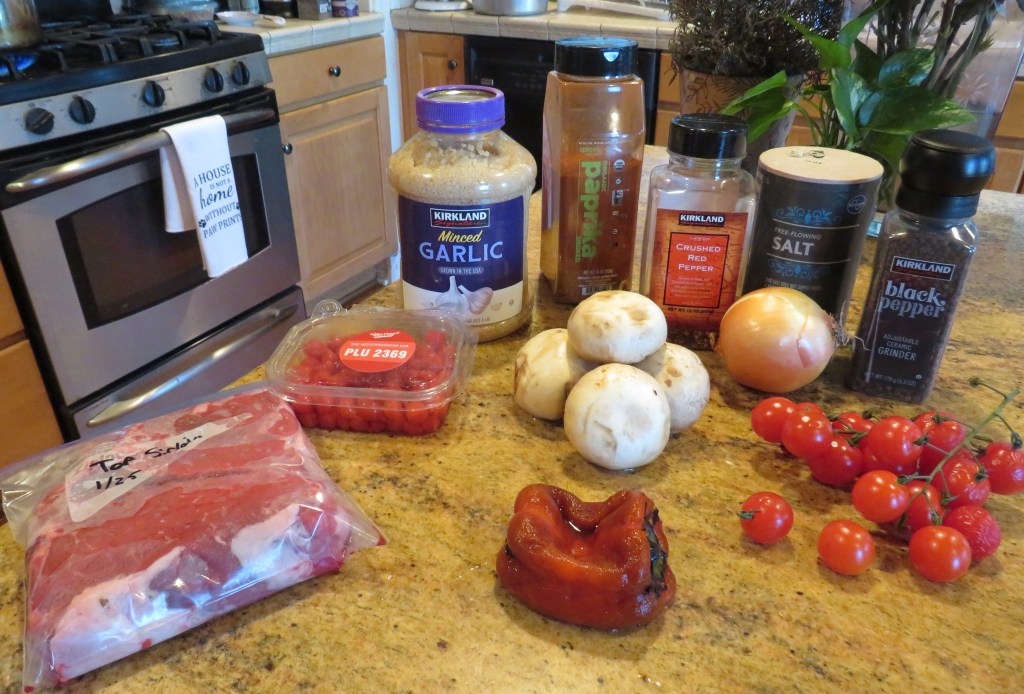
As the name implies, I added a variety of peppers to this dish. I of course used a fair amount of paprika, as well as black pepper, red pepper flakes, and then I added a roasted red pepper and some small, sweet Peruvian peppers too. And of course, there were onions and tomatoes added to the mix as well.

2-2 1/2 lbs meat, sliced into thin strips

1-2 TBSP garlic

1 onion, sliced very thin

1-1 1/2 cups tomatoes, diced – or smaller Campari tomatoes cut in half

4-6 mushrooms, sliced

1 roasted red bell pepper, cut into thin strips

1-2 cups chicken stock

1 cup dry red wine

salt & pepper to taste

flour to coat the meat

1-2 TBSP paprika

1-2 TBSP Peruvian peppers, optional

butter and olive oil to cook the meat

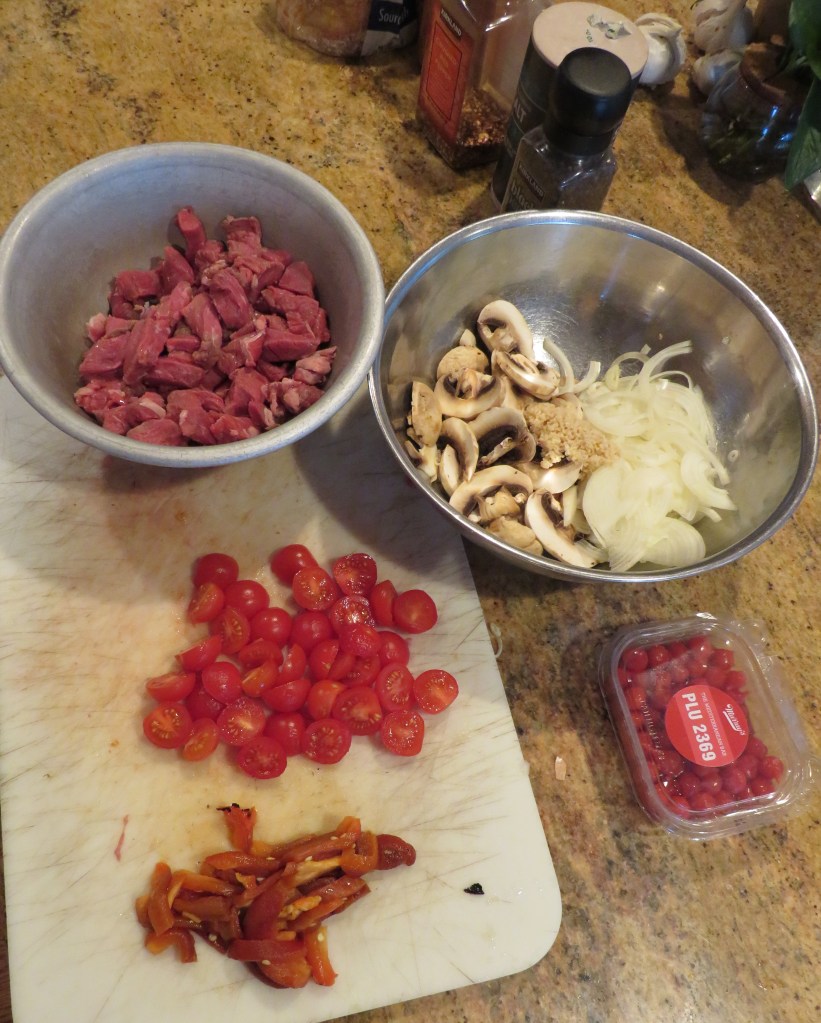
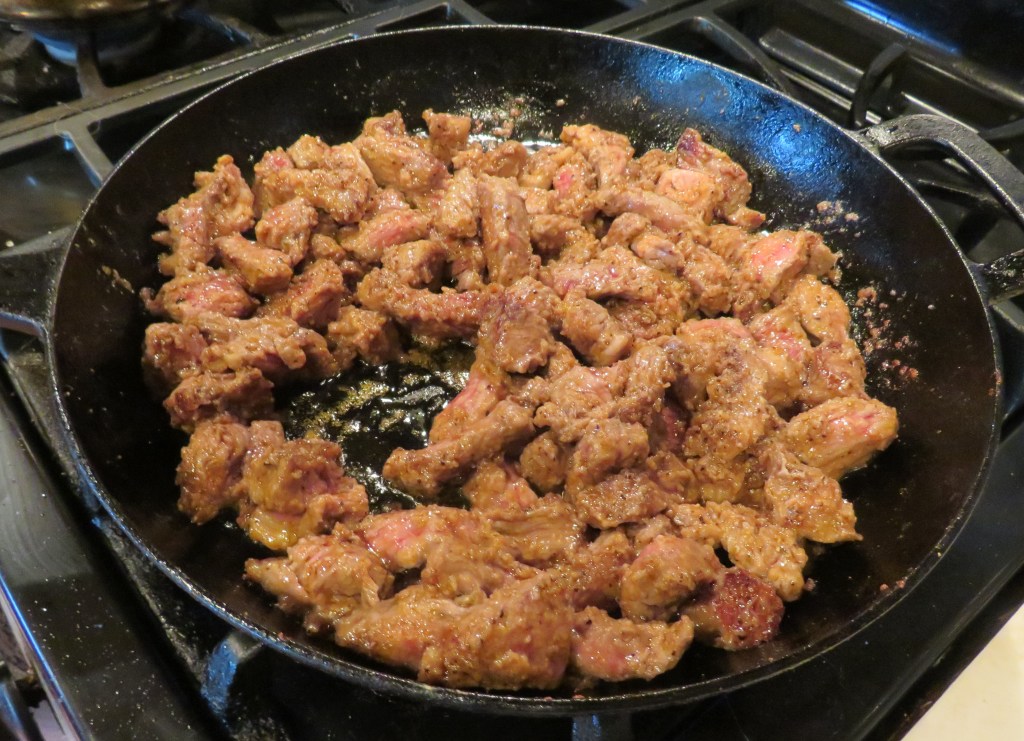
Coat the meat with salt, pepper, paprika and flour. Get a large skillet very hot, then add olive oil and butter and brown the meat completely. Once the meat is completely browned, remove it from the heat and set aside.

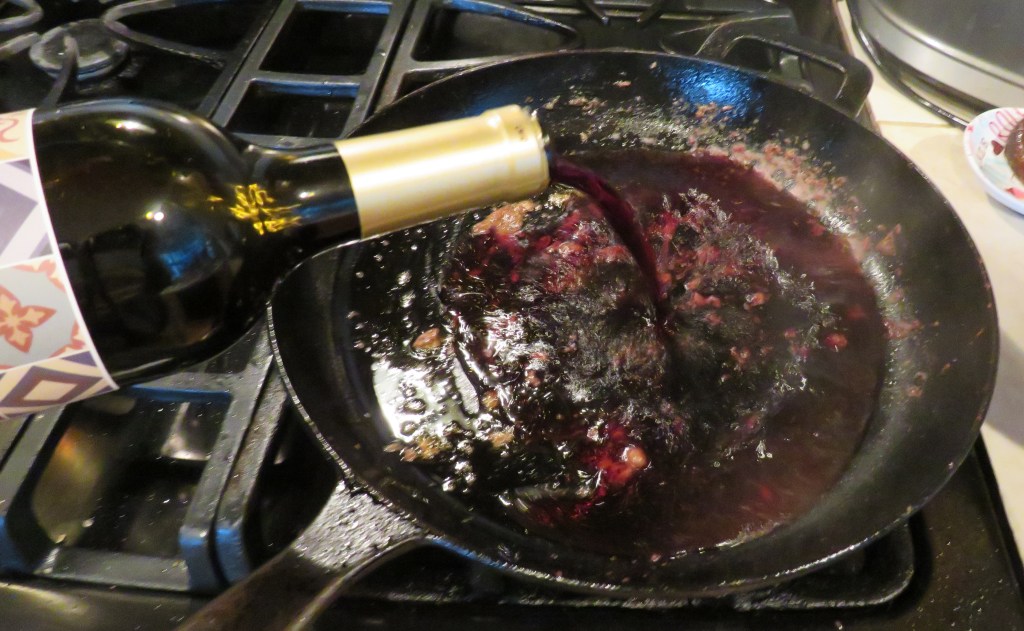
Deglaze the pan with the wine.

Add the mushrooms, onions and garlic and cook for about 2 minutes, or until softened.

Add the chicken stock and mix together thoroughly. Then re-add the meat and the tomatoes and peppers, and adjust the seasonings as needed. Bring to a boil, then reduce the heat to a simmer and continue to cook for an additional 10-15 minutes, stirring frequently.

When everything is cooked, add to either mashed potatoes or cooked noodles, like wide egg noodles. I added some hot sourdough bread on the side, and the same dry red wine I used for the sauce. Delicious!

I always have a back-up plan. When things don’t go as planned for Plan A, switch to Plan B. Be creative and think on the fly. Have a great day and make everyday great. Stay safe and stay well. ‘Til next time.
Roasted Tomato & Vegetable Sauce

I am SILL using my wonderful tomatoes I received from Janet and Bob a while ago. It seems like I am using a ton, but I don’t seem to be making a dent in them at all. It’s almost like they just keep multiplying. ๐Ÿ™‚ That’s perfectly OK though. I love tomatoes. I was trying to make as many dishes as I could without making a tomato sauce, but tomato sauce was definitely something that had to be done.

There are so many different kinds of tomato sauce, and all are so good. I could make different kinds of sauces everyday and I still would not be able to make them all. The one I chose to make this time was inspired from our friend Chef Eva at Simply Splendid Food at http://simplysplendidfood.com/. Many thanks Chef Eva. The sauce is delicious!

Roasted Tomato & Vegetable Sauce

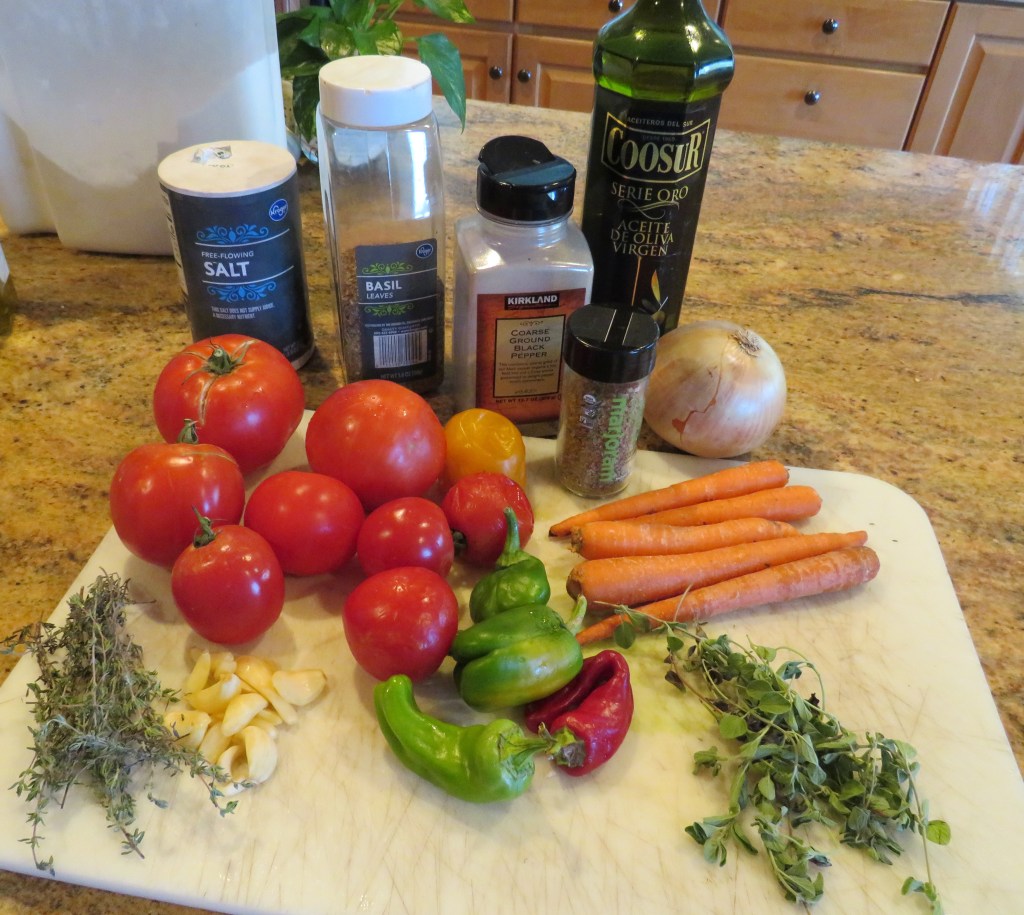
Except for the carrots, all the vegetables were fresh from Janet and Bob’s garden. They are SO good too.

Preheat the oven to 450*F or 200*C.

Line a baking sheet with parchment paper.

3-4 lbs tomatoes, cut into large wedges

1 onion, cut into wedges

4-5 carrots, peeled and cut into large chunks

2 TBSP garlic

1-2 TBSP fresh herbs – basil, thyme, oregano, marjoram or about 2 tsp dried herbs

1-2 bell peppers, cut into chunks

salt & pepper to taste

olive oil

1 cup red wine, optional

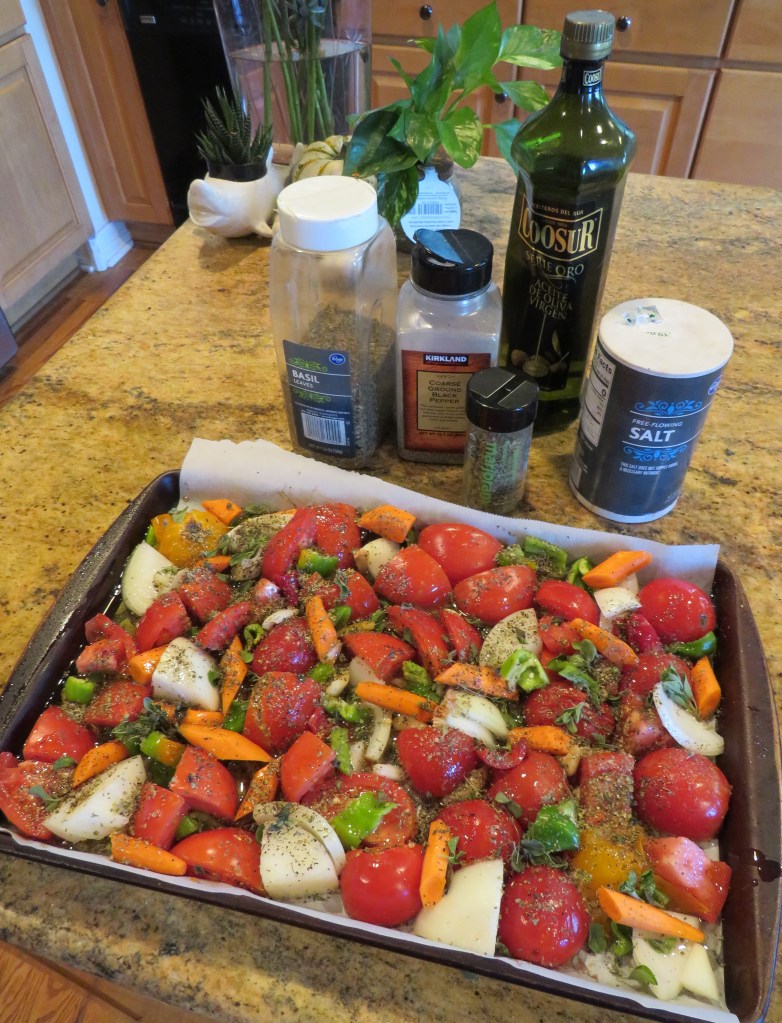
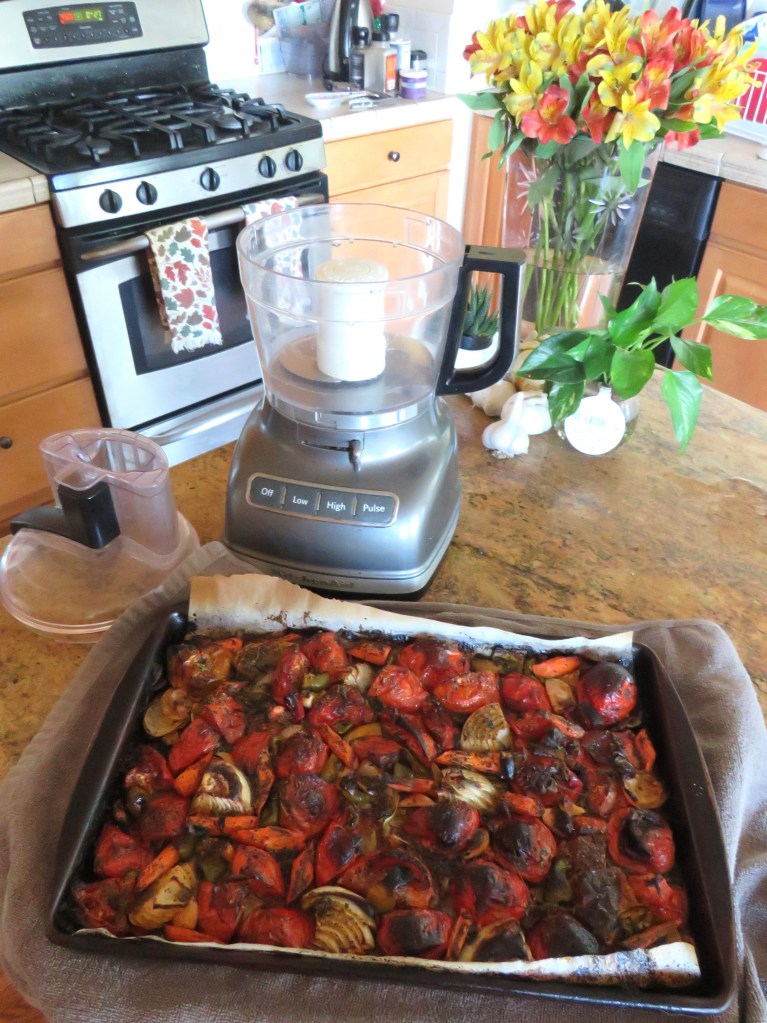
Spread all the vegetables onto the baking sheet in a single layer. Add the herbs and spices. Drizzle with olive oil and roast for about 40-45 minutes.

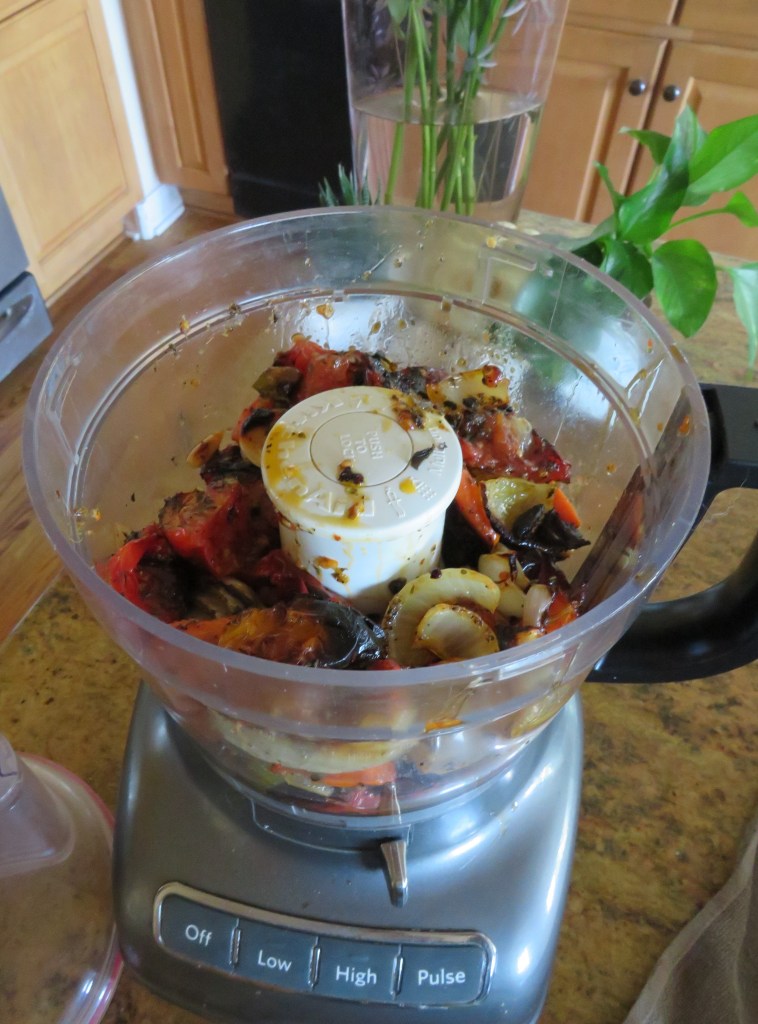
When the vegetables are done, allow them to cool a bit before placing everything into the food processor. I like a chunky sauce, so I like to keep the tomato skins on, but you can remove them if you prefer.

Add a cup of red wine to the mix if you like a little more flavor and texture to your sauce, and process until it all becomes a sauce.

Enjoy with everything that you like a rich, robust tomato sauce with. The flavor of this sauce is so good. You can taste all the fresh goodness in every bite. It reminds me of those old Prego commercials when they are asking about all the ingredients in the sauce and the momma says “It’s in there”. ๐Ÿ™‚ !Mangia! !Mangia!

Have a great day and make everyday great. Stay safe and stay well. ‘Til next time.
Follow The Recipe???

As you all know I don’t particularly like to follow recipes to closely. Most of the time, it is because I like to add my own personality. But every now and then, it goes far beyond my own ego. Some recipes just aren’t good recipes to follow.

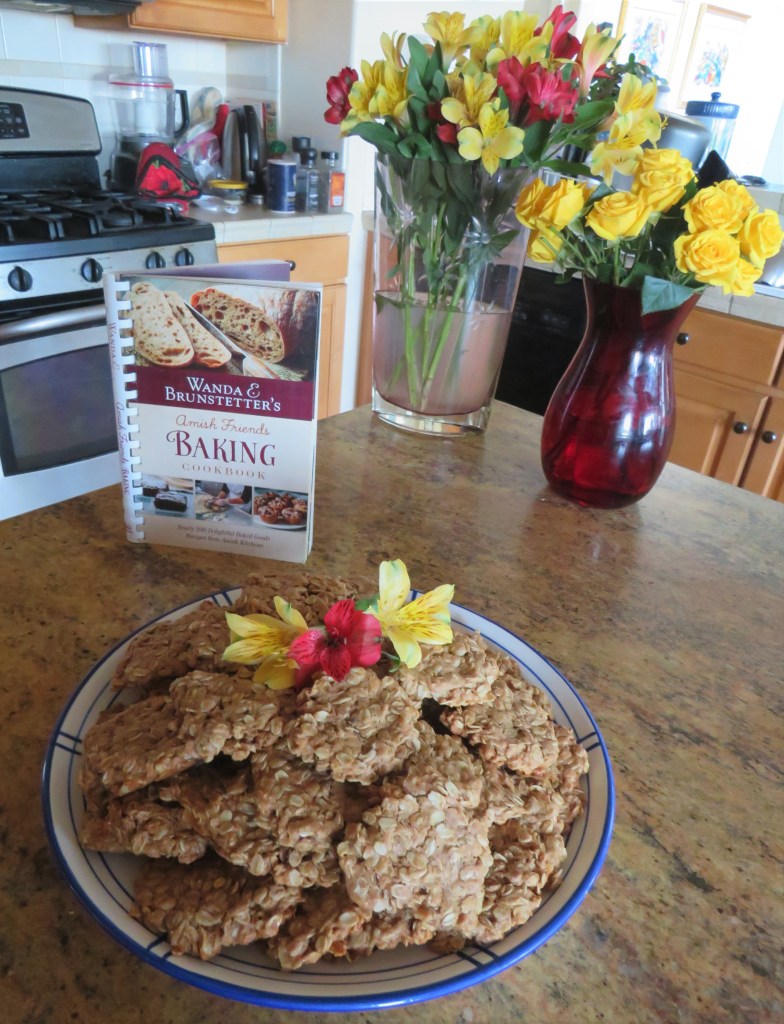
The other day I made some cookies. The recipe came from a cookbook that I know and trust, and have been very impressed with all the recipes I have tried from this book thus far, Amish Friends Baking Cookbook, by Wanda E. Brunstetter. However, apparently even good, reliable cookbooks can make mistakes.

I was making some peanut butter oatmeal cookies from this cookbook. I questioned the recipe as soon as I read it, but because I am very familiar with this book and its recipes, and have been very impressed with everything I’ve made so far, I put aside those questions and actually followed the recipe – for the most part. However, the only change I made was to add some chocolate macadamia butter rather than peanut butter. Everything else I kept the same.

The original recipe only called for only 4 ingredients.

2/3 cup peanut butter

1/2 cup molasses or honey

2 tsp vanilla

2 cups of oats

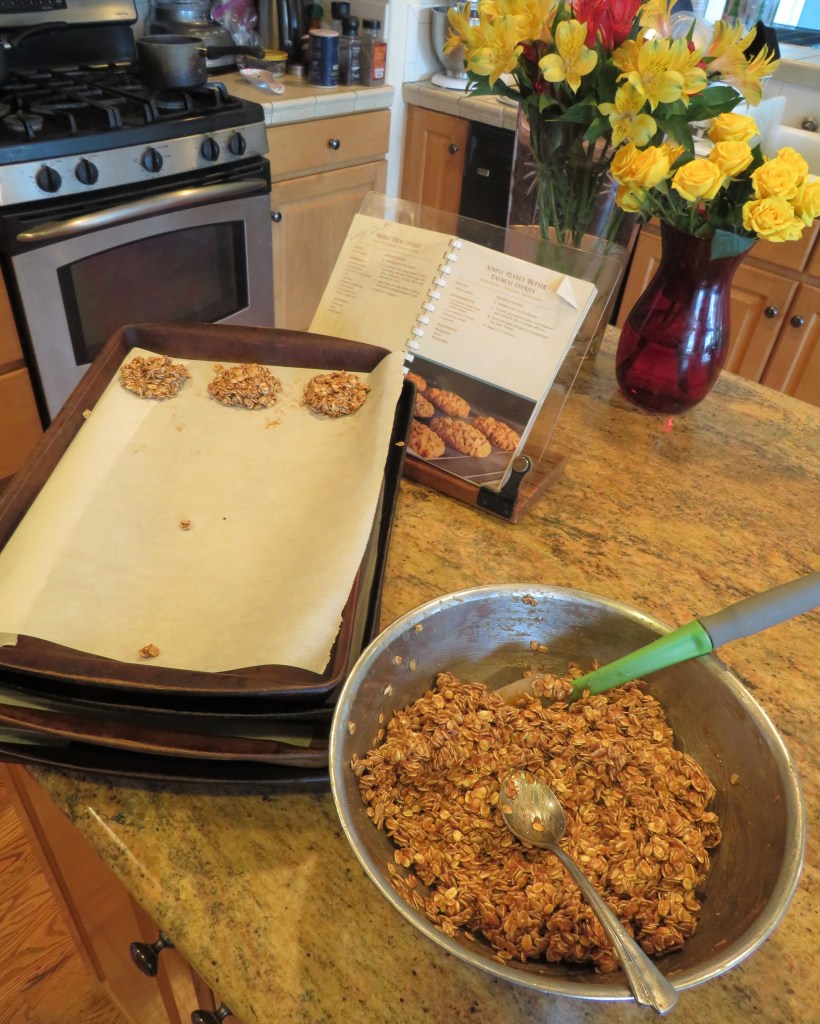
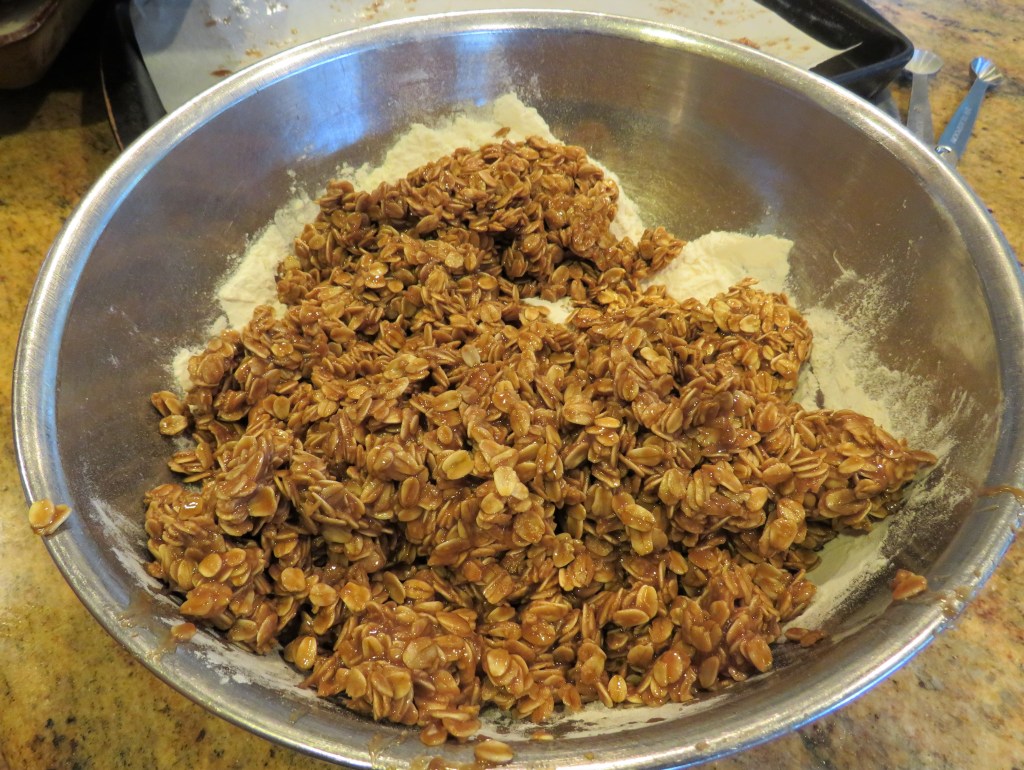
That’s it. I read it and reread it a few times to make sure I wasn’t missing anything, but, no that’s all it called for. I thought to myself, how are these going to be cookies. How are they going to even look like the picture? But, I took a chance and trusted the recipe, something I rarely do. ๐Ÿ™‚ However, I knew as soon as I had mixed everything together, there was no way these were going to work, but I tried baking them all the same.

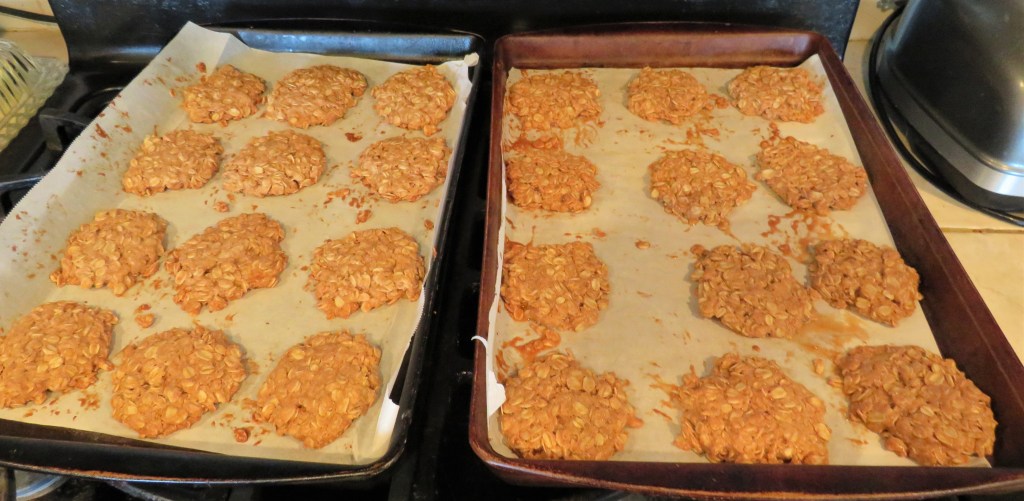
What I got was an ooey-gooey mess. I think Mrs. Brunstetter missed a few key ingredients on this one.

Fortunately, I know enough about cooking and baking that I knew what I needed to do to fix them and to actually make them cookies. So back to the drawing board, or in my case, my big cooking island, where changes were made.

I took the original ingredients called for and added to them. My additions were:

2 cups of flour

1 tsp baking powder

1/2 tsp baking soda

1 egg

I mixed everything together with the original ingredients, then baked them all over again. VOILA! Success. I know! You are all shocked, right?! ๐Ÿ™‚

Once they came out as actual cookies, they came out really well. And they taste good too, but they are even better when topped with a little ice cream. ๐Ÿ™‚

So my advice to you today, is to follow your instincts, NOT the recipe. Even good recipes and good cooks make mistakes. No one and nothing are perfect. And if at first you don’t succeed, try, try again.

Never give up. Failures aren’t failures. They are just challenges to push us further, and make us better. Have a great day and make everyday great. Stay safe and stay well. ‘Til next time.